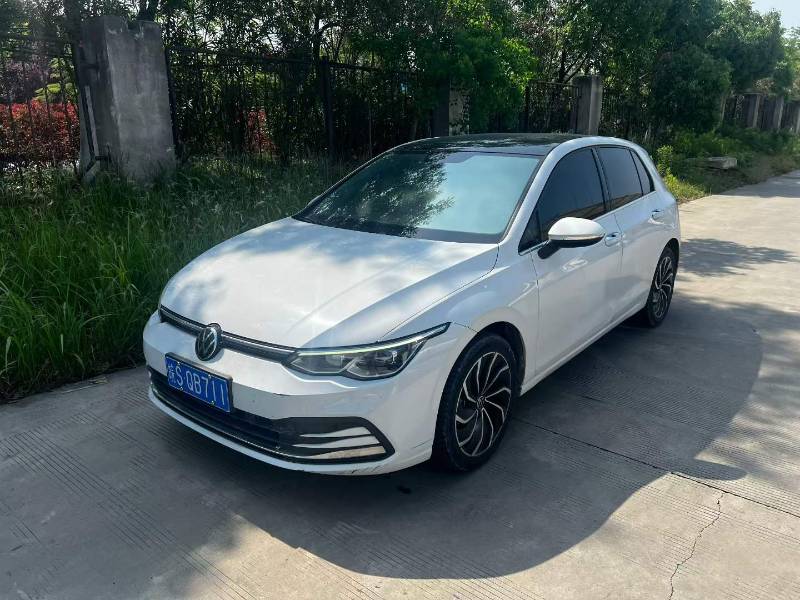
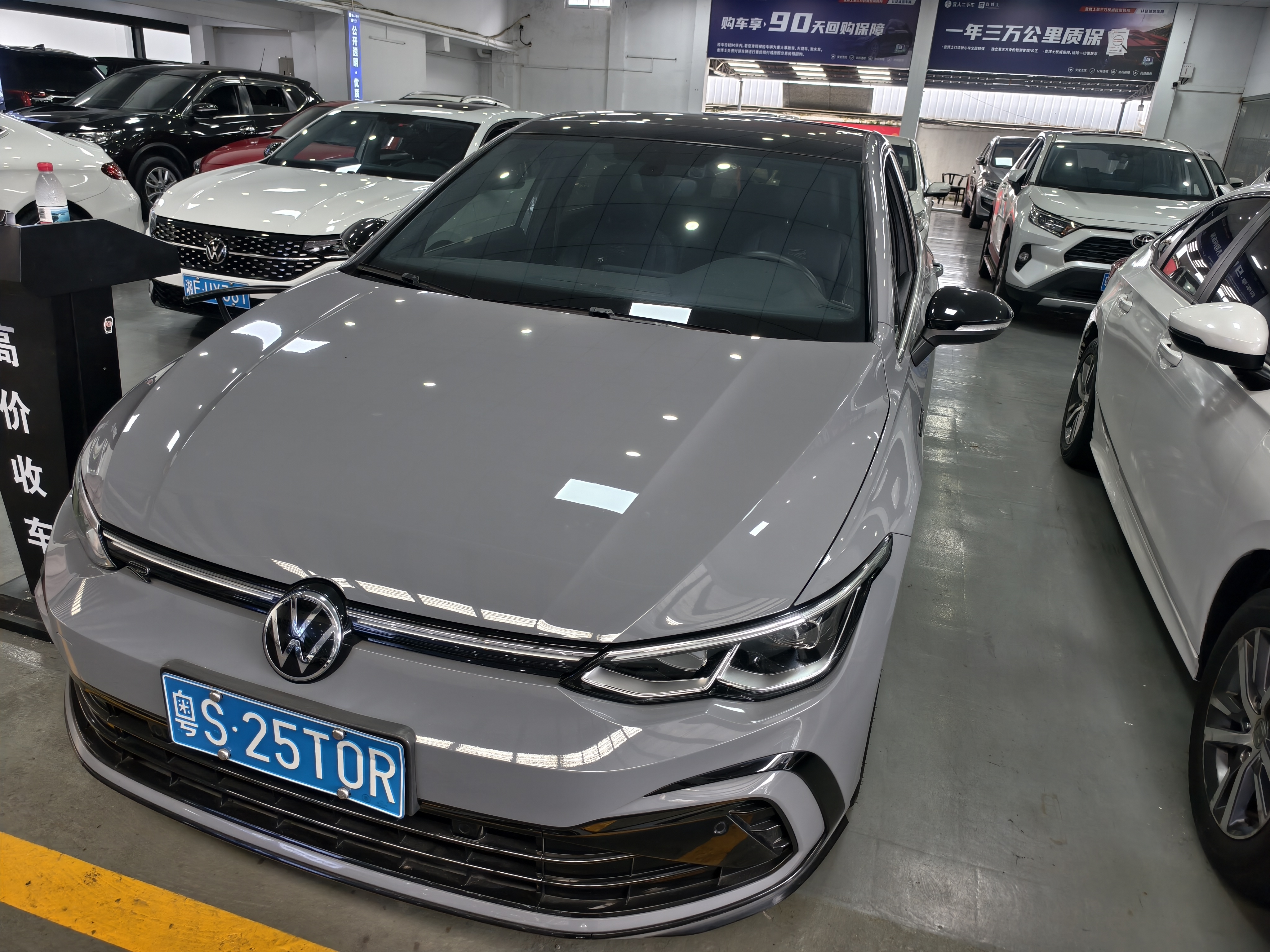
Basic Information

BrandVolkswagen
SeriesGolf
Year2015
First Registration2015/12
Mileage66,000km
Transfer Count-
FuelGasoline
TransmissionManumatic
Engine1.6L 110 L4
ColorWhite
Seats-

Condition Description

Body components (structural/reinforcing/panels) have accident-type damage; passive safety devices are defective; vehicle performance (including three-electric system) is degraded or remains performance-limited after repairs.

Accident inspection: main structure damaged, reinforcing parts damaged, panels damaged, hinges abnormal; engine bay: key mechanical components normal; exterior: 3 replacements, 7 panel repairs, 2 paint jobs; interior: right front seat torn, right second-row seat torn, left front seat torn, most features normal, airbag system normal, lighting system normal; start-up inspection: main components normal; on-board tools: none.

电话直连
可讲价
平台物流
可转售
车主降价
零过户
新检测标准升级>
非泡水

Document Information

Inspection Expiry Date2026/12
Warranty Expiry Date-
Insurance Expiry Date2026/12

Q&A

More

How do you prove to overseas buyers that this car has never had a major structural accident?

We do not rely on the seller's verbal assurances. We provide multi-dimensional accident-free certification by cross-referencing insurance claims records, service orders from authorized dealerships, and conducting on-site paint thickness measurements and weld point inspections of the chassis and structural components (longitudinal beams, A/B/C pillars, shock absorber mounts).


Will there be detailed information on the vehicle's consumable parts (such as tire tread depth and remaining brake pad thickness)?

Yes. The inspection report includes a specific "consumable parts consumption list." We will measure the tire tread depth (in millimeters) and the remaining brake pad thickness using calipers. If the tire tread is below the legal wear limit of 1.6mm, we will note it as "recommended to replace immediately upon arrival."

If the customs of the destination country values the vehicle higher than your commercial invoice amount, leading to a surge in duties, who is responsible?

The customs of the destination country has the right to disregard the commercial invoice and reassess the value based on its internal database (such as the customs valuation red book). Any additional duties incurred are a result of the importing country's policy and are fully borne by the buyer (importer).