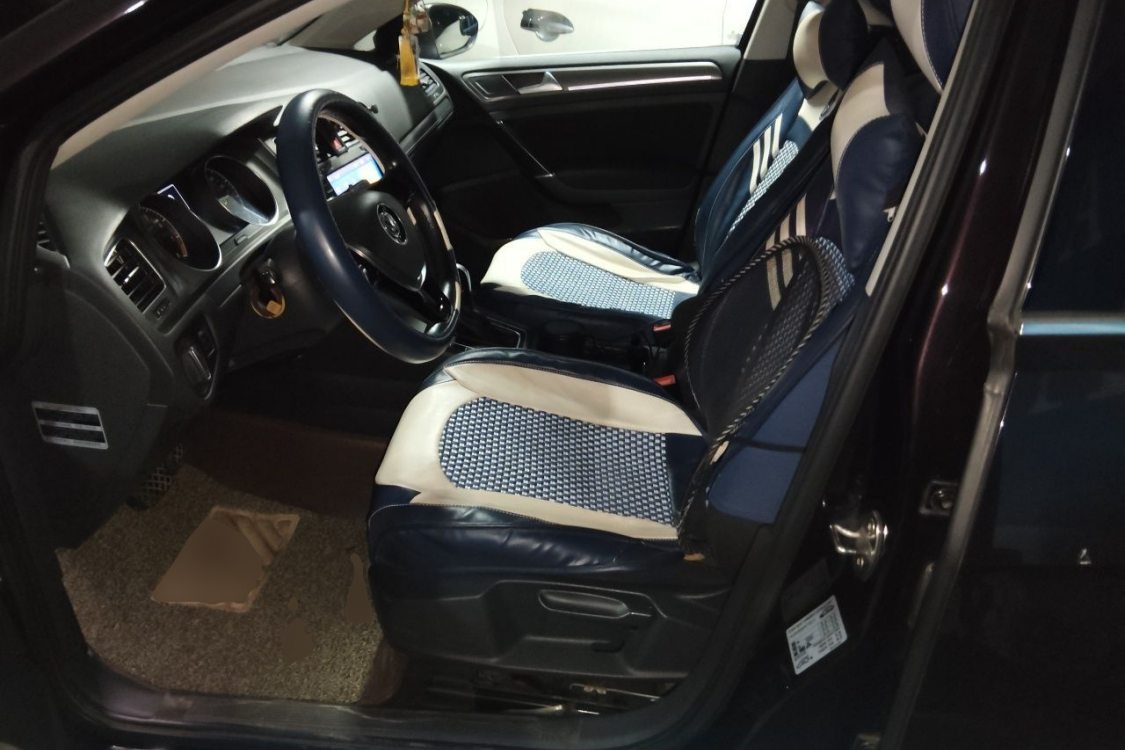
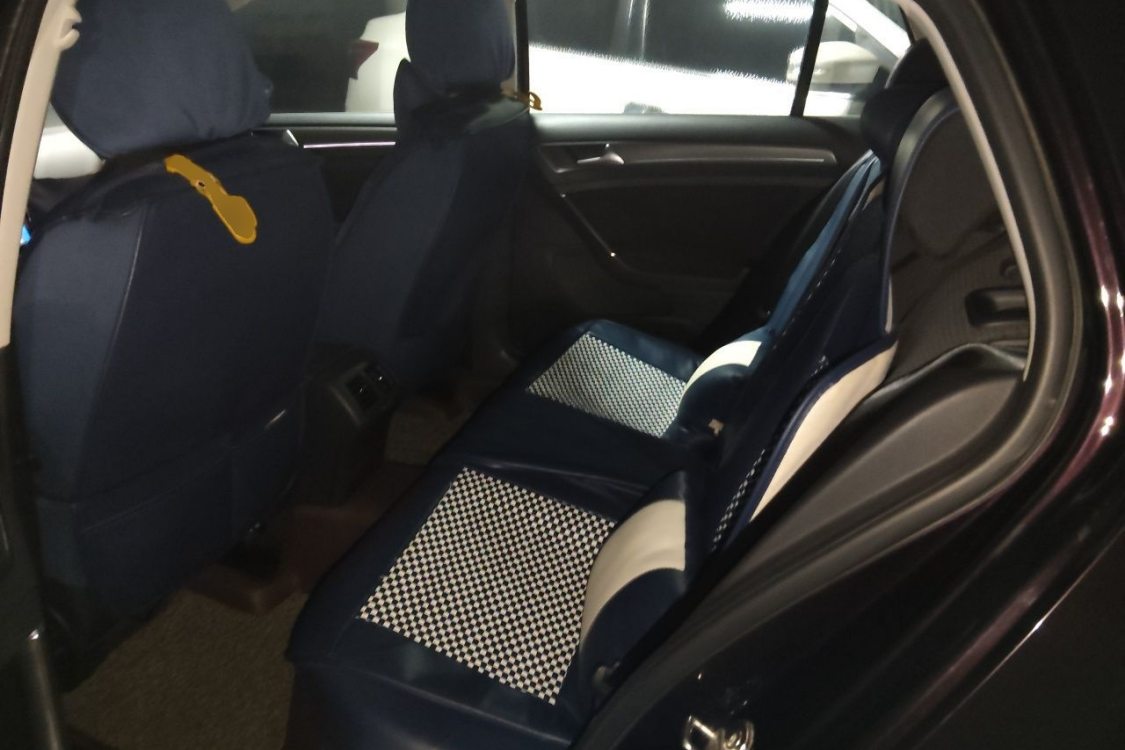

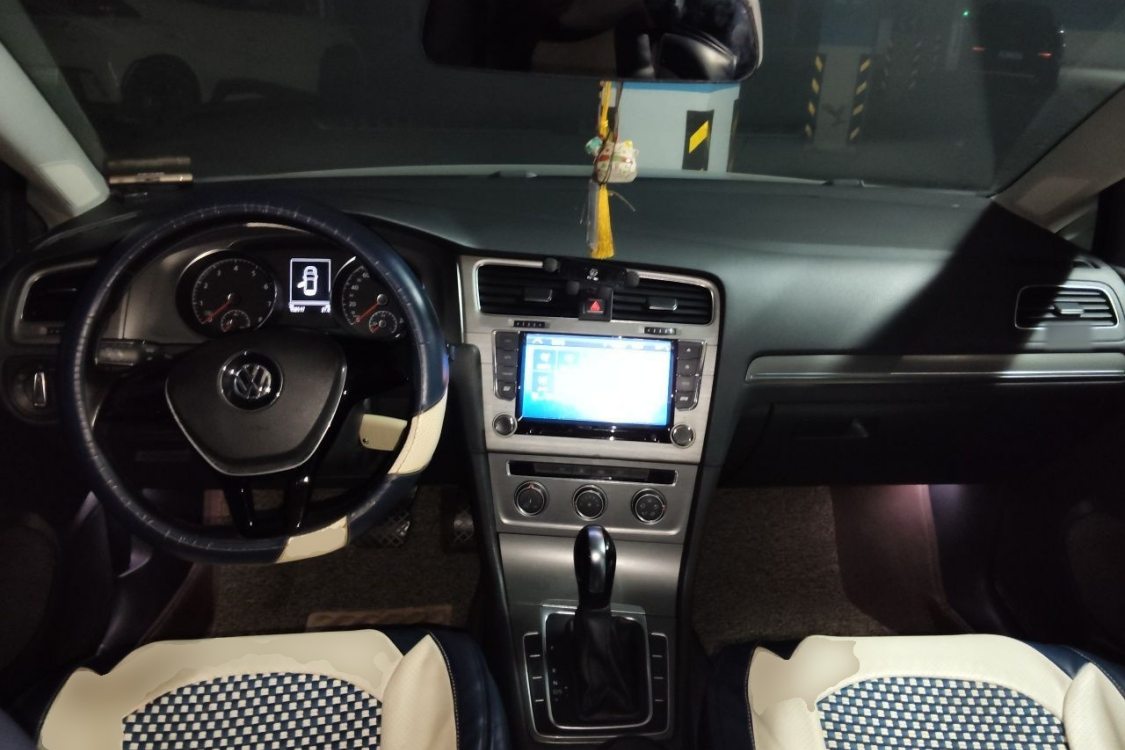
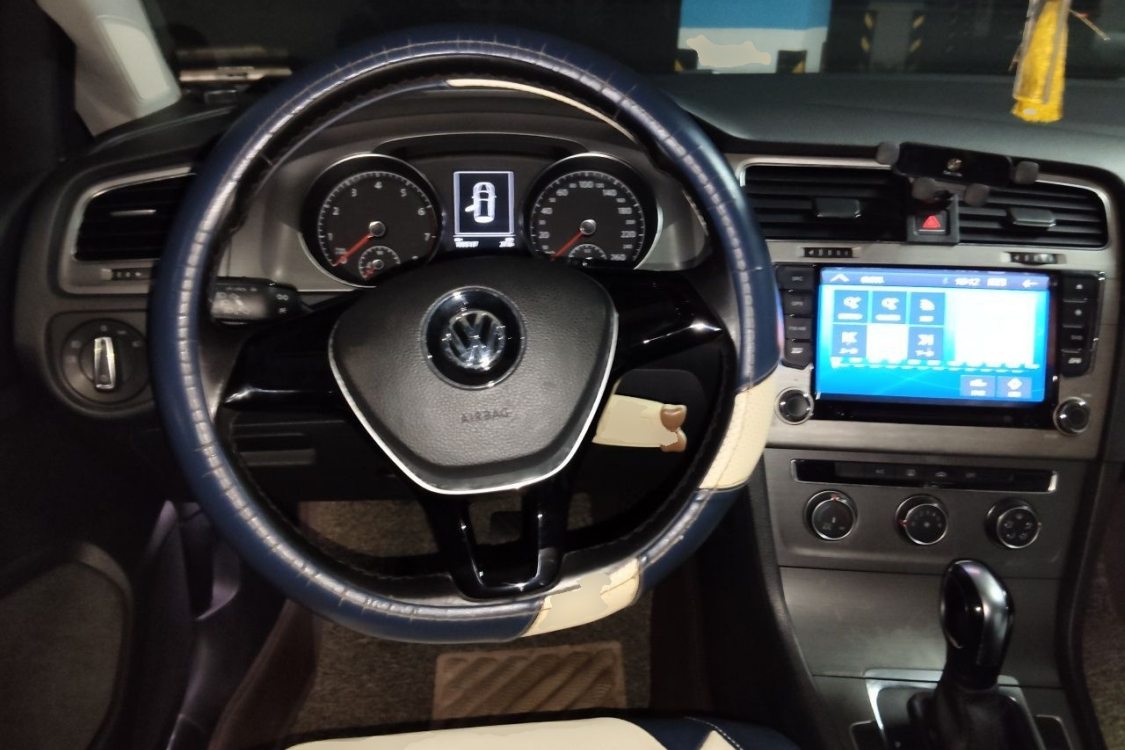



Basic Information

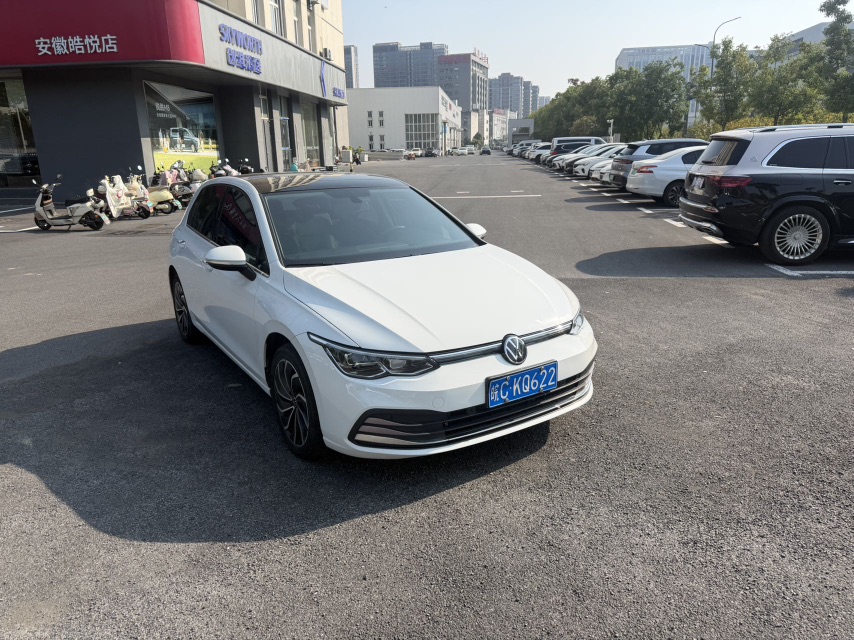
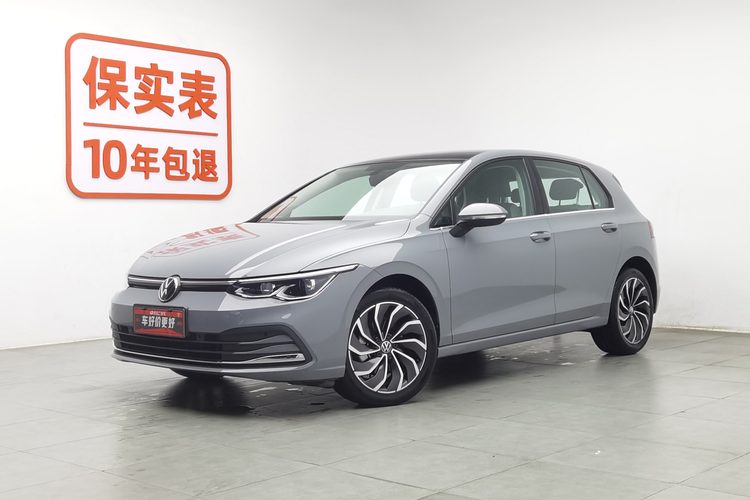
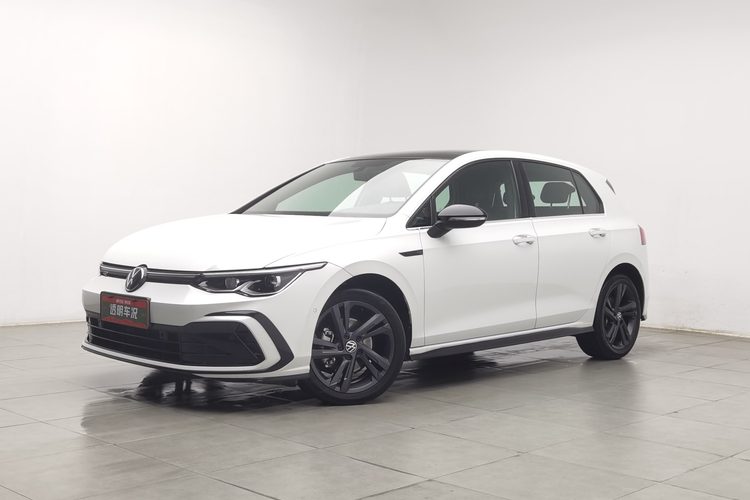
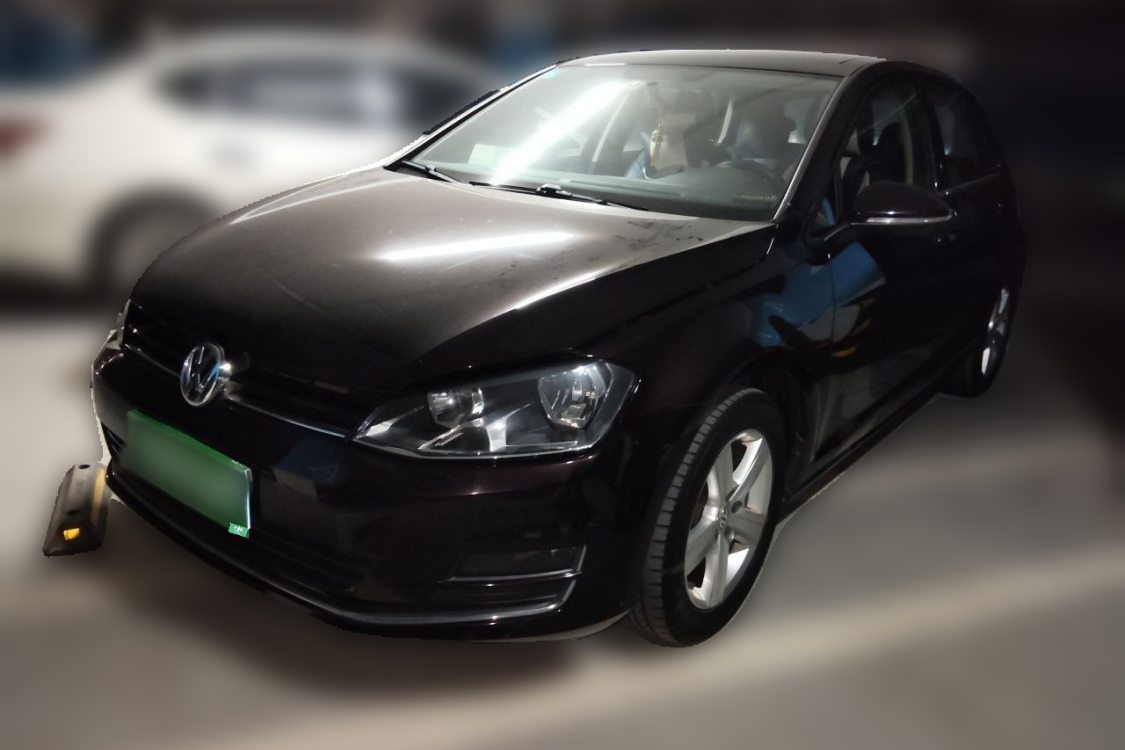
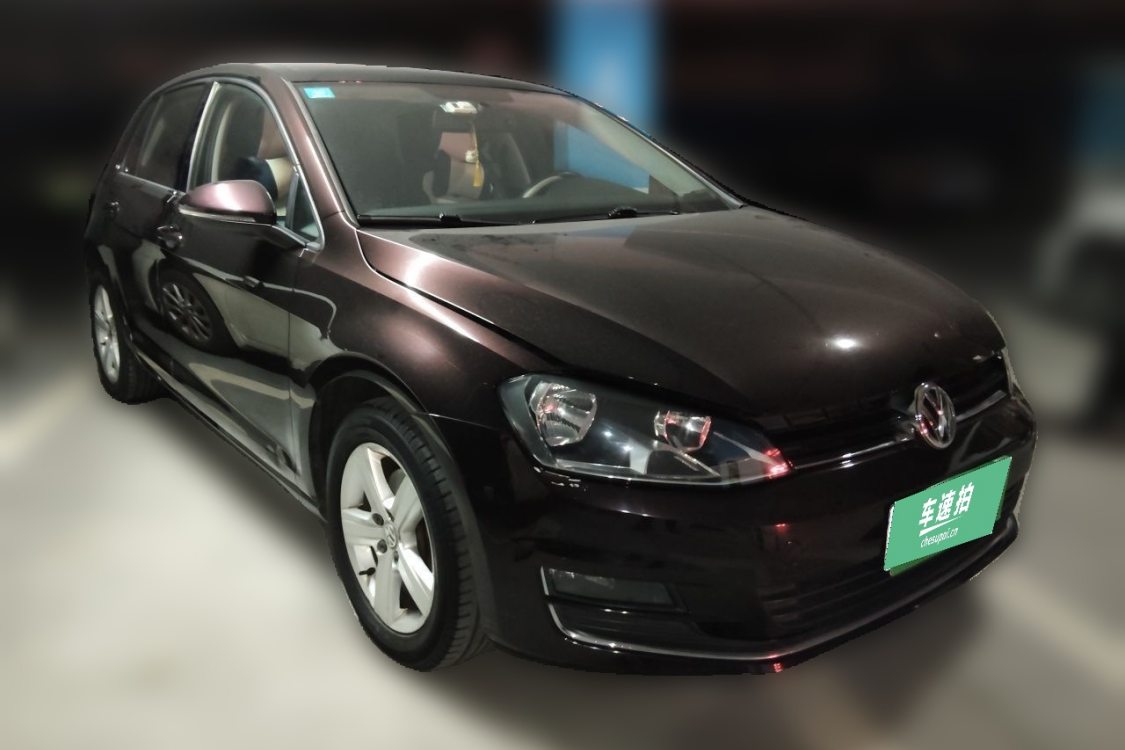
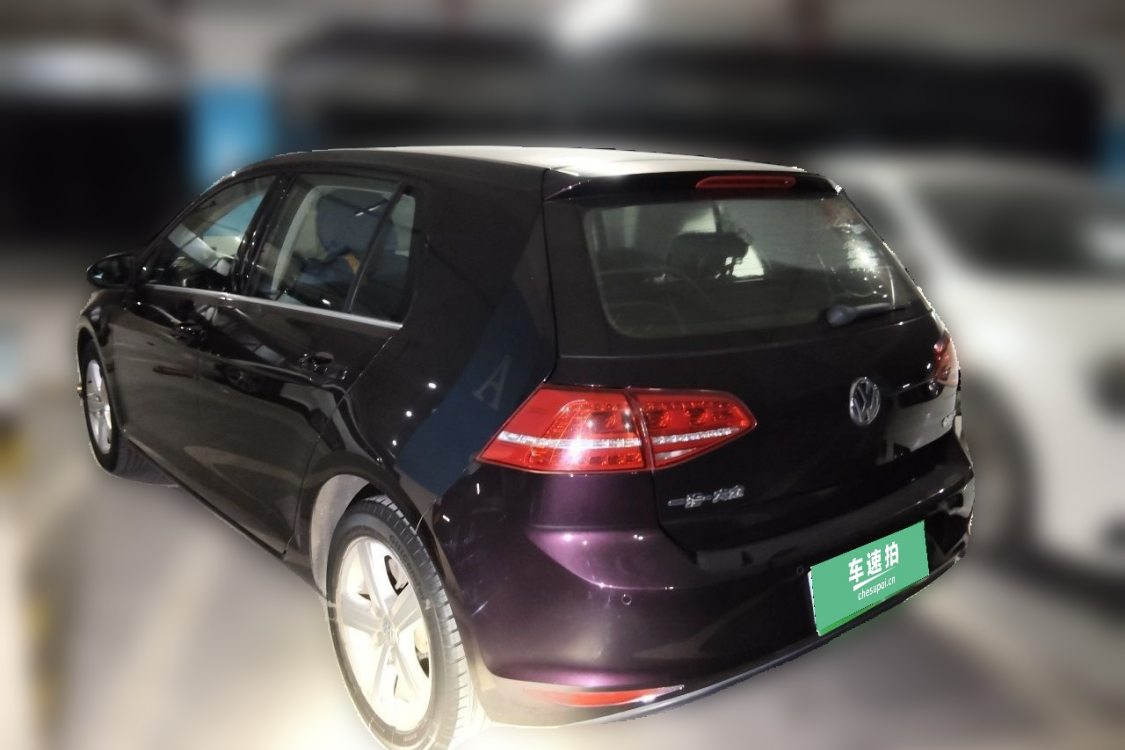
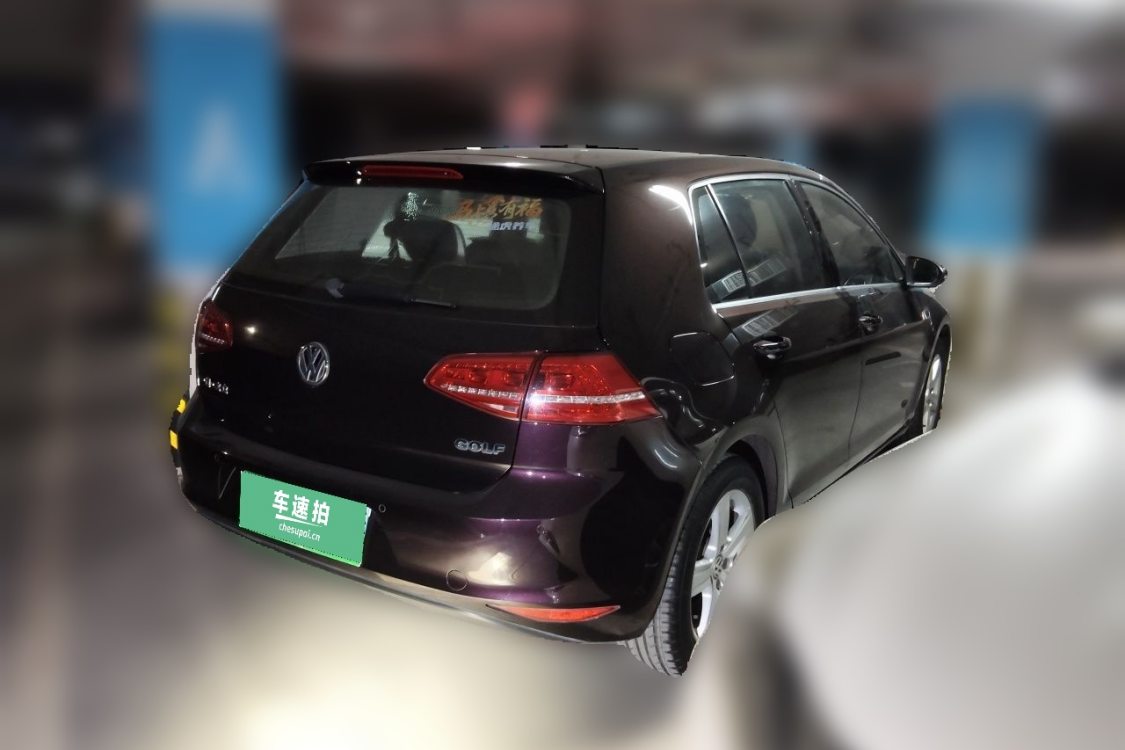
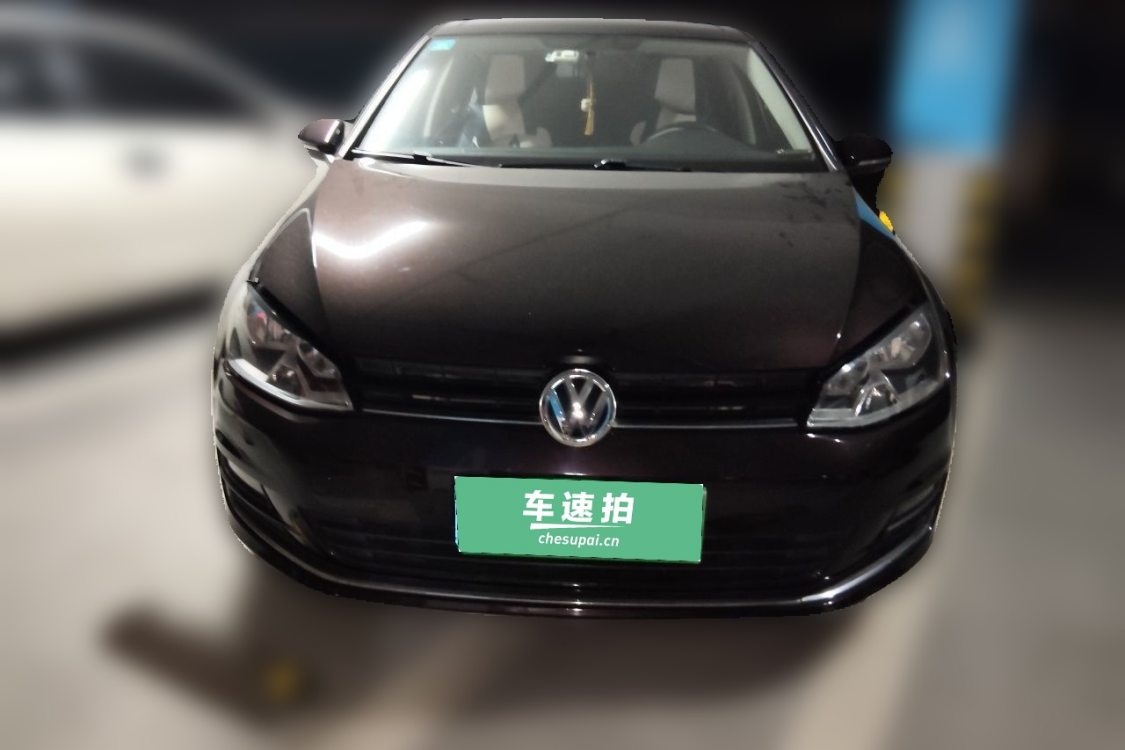
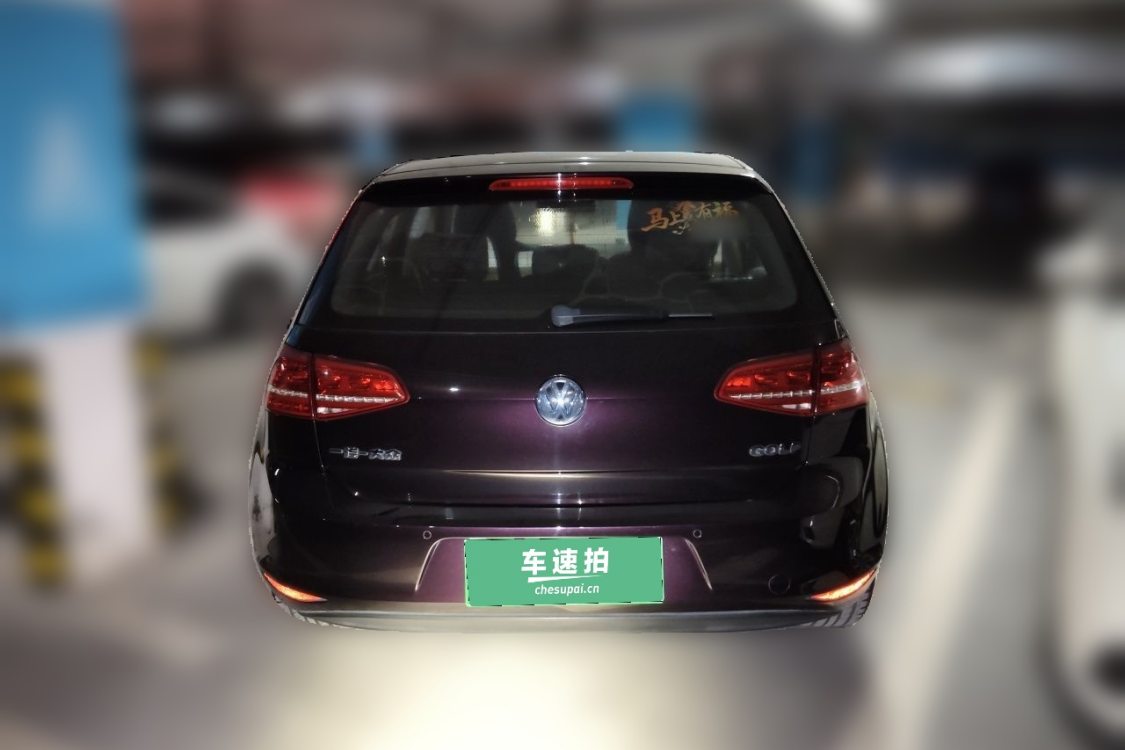
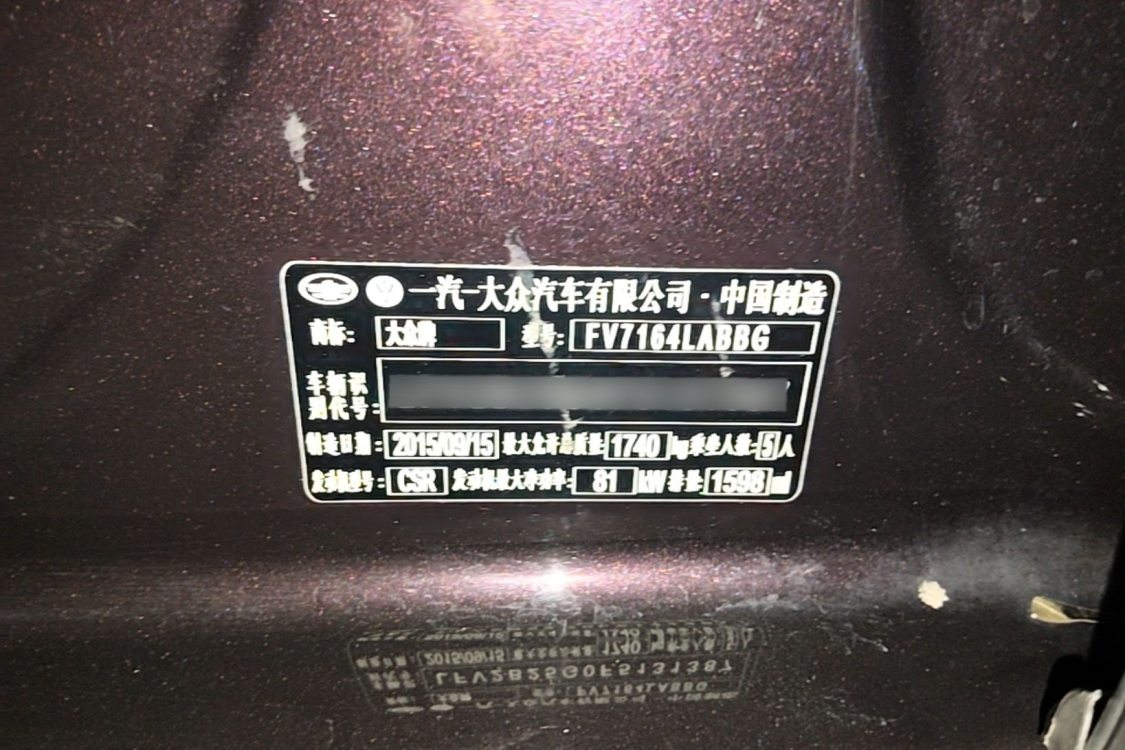
BrandVolkswagen
SeriesGolf
Year2016
First Registration2016/02
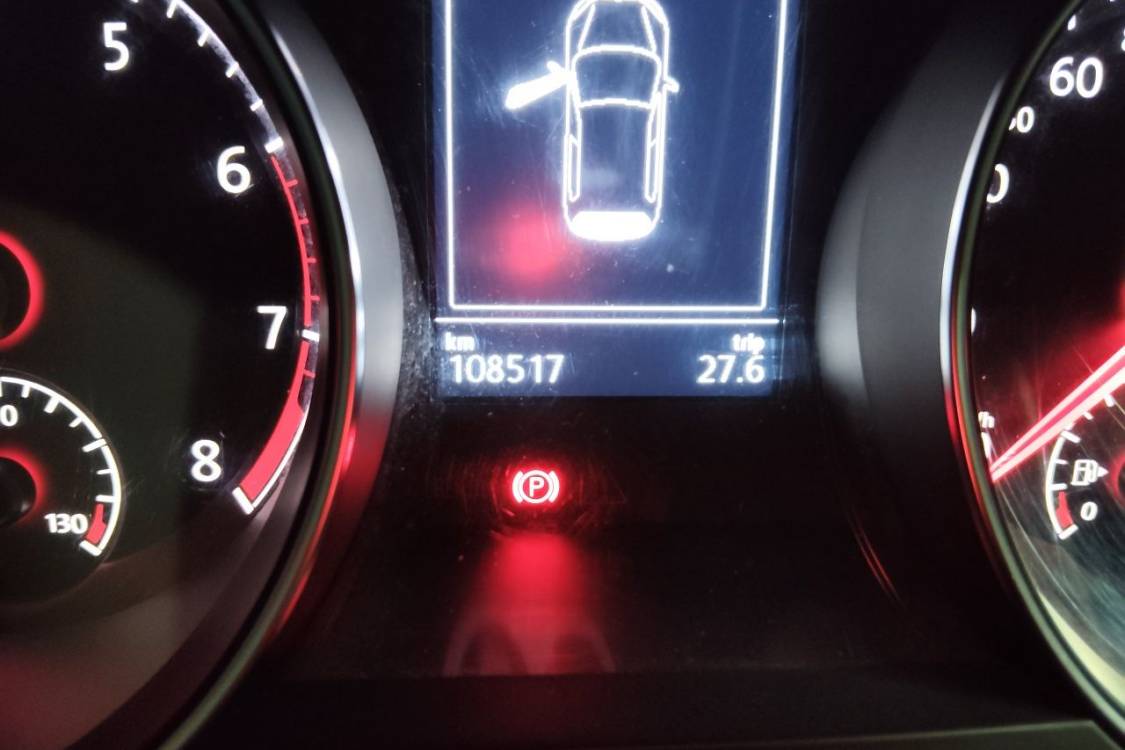
Mileage108,500km
Transfer Count-
FuelGasoline
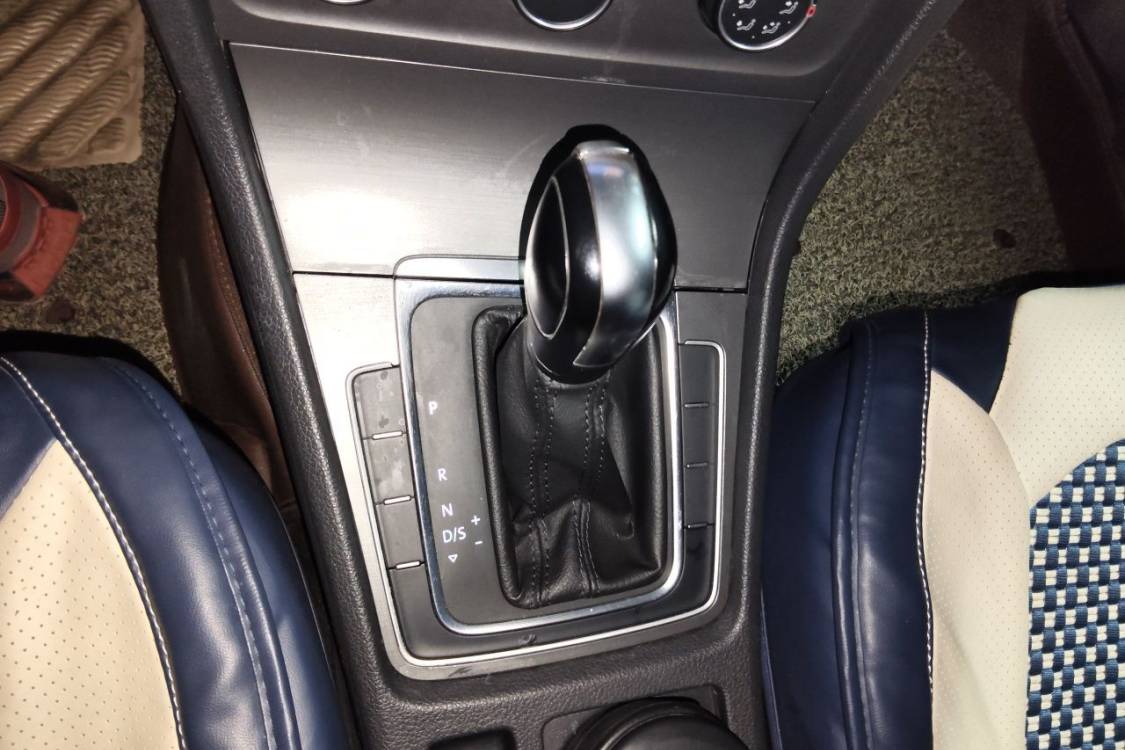
TransmissionManumatic
Engine1.6L 110 L4
ColorPurple
Seats-

Condition Description

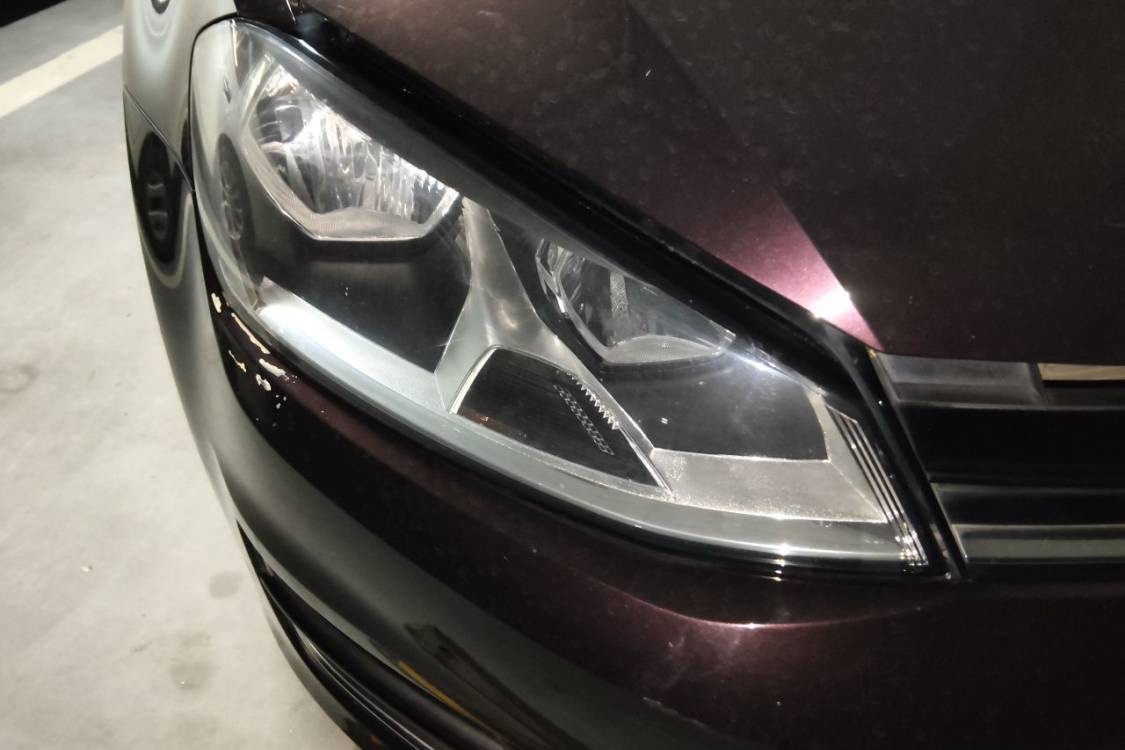
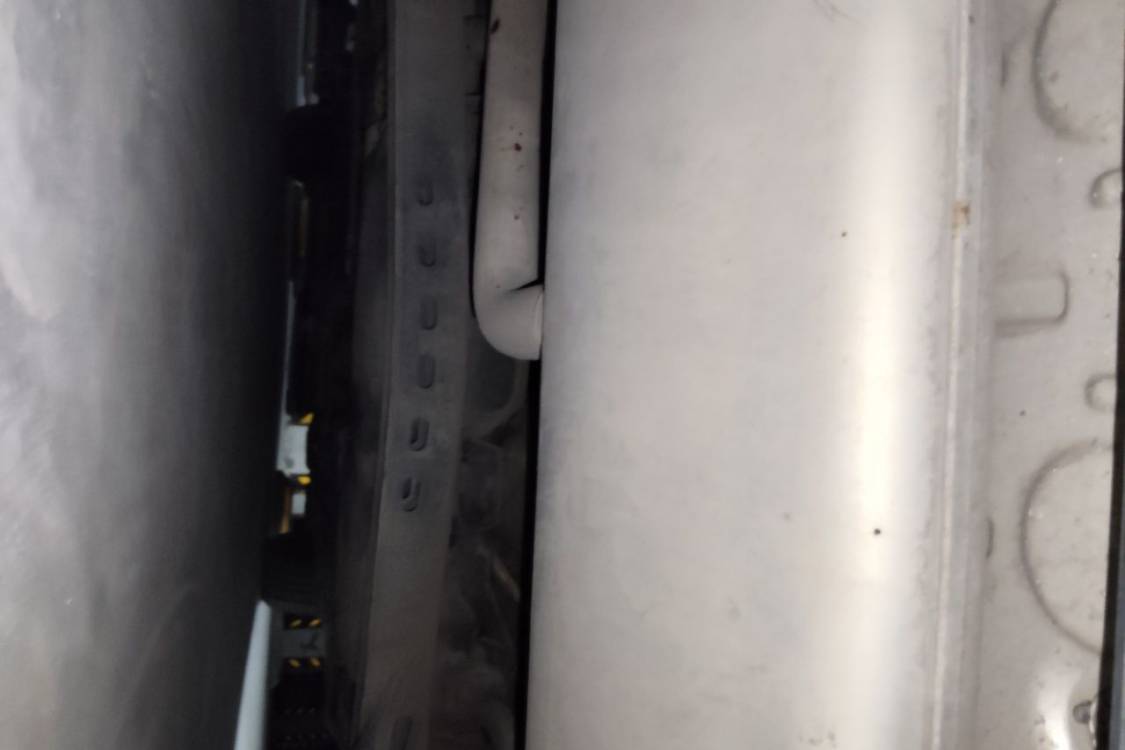
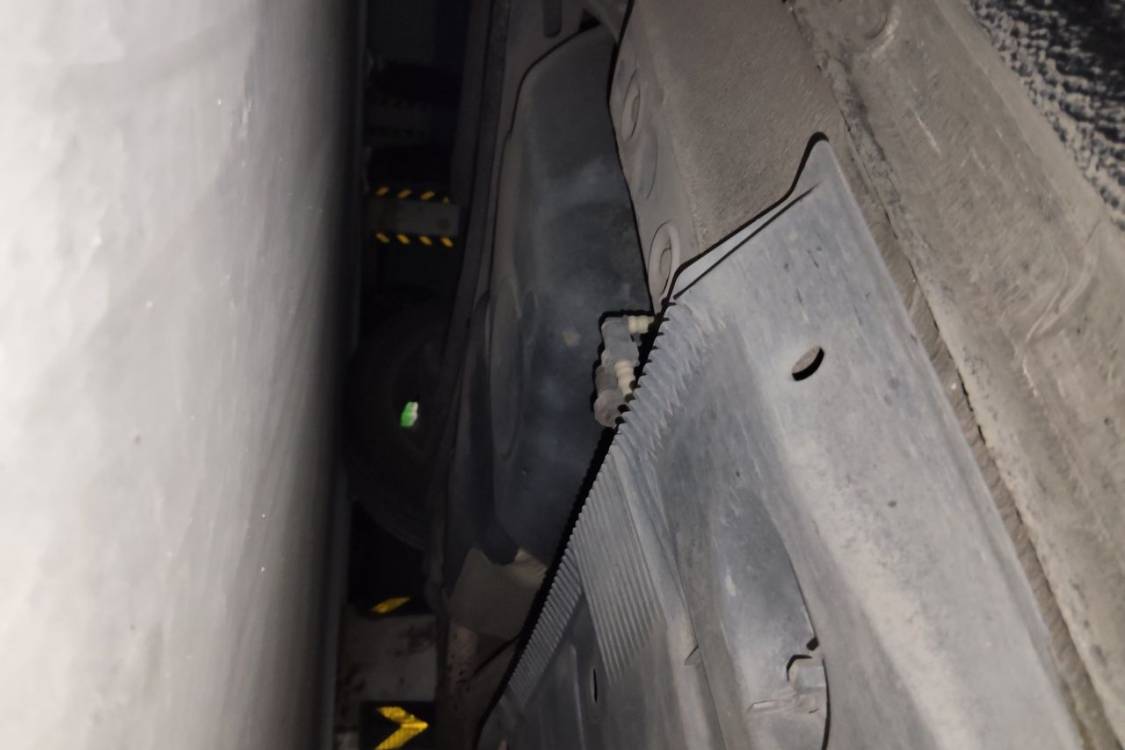
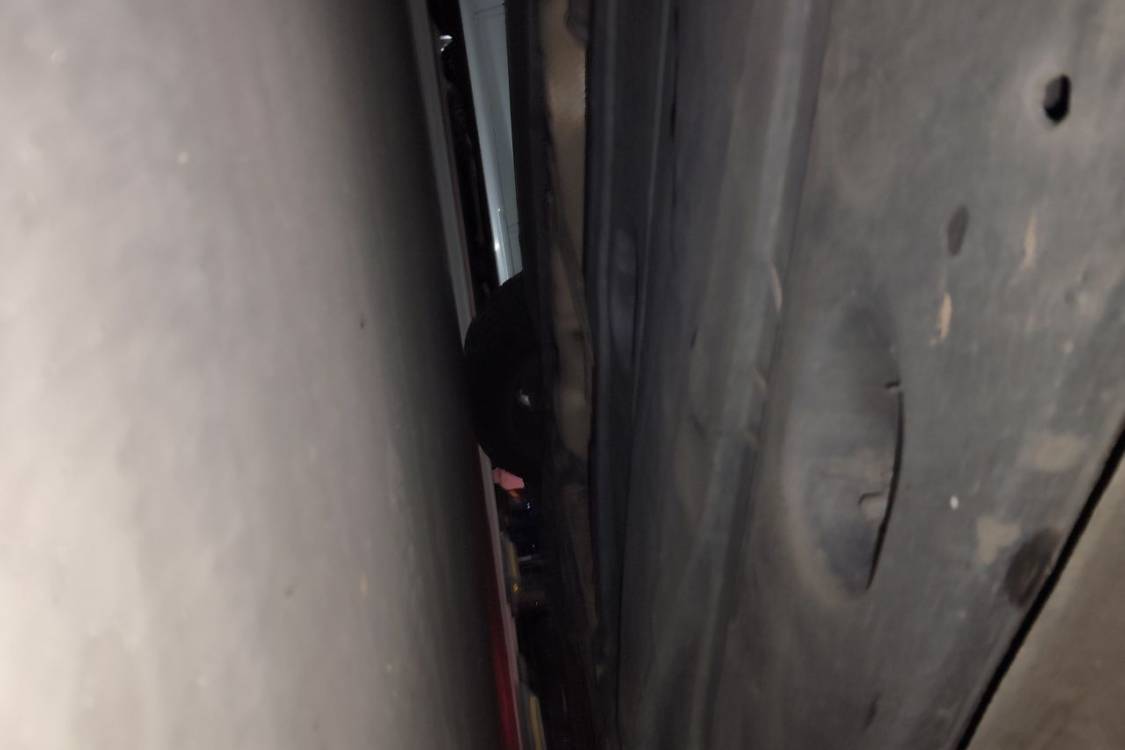
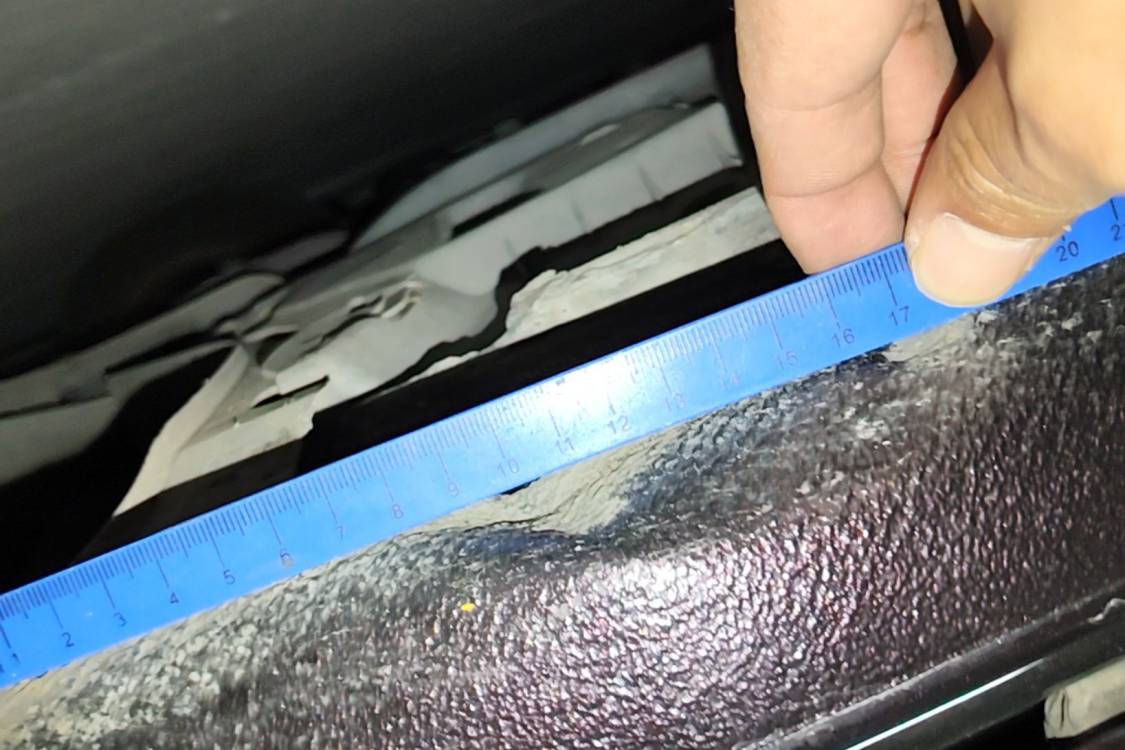
Body components (structural/reinforcing/panels) have accident-related damage; passive safety devices are defective; vehicle performance (including three-electric system) has degraded or remains performance-limited after repair.

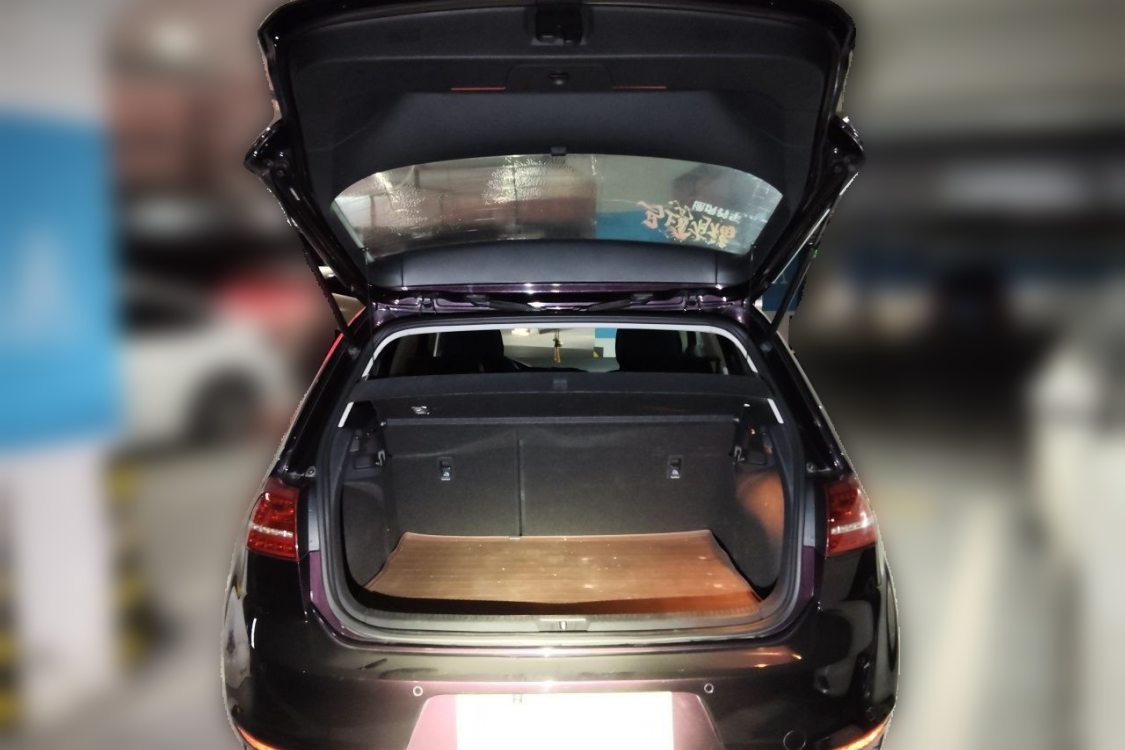
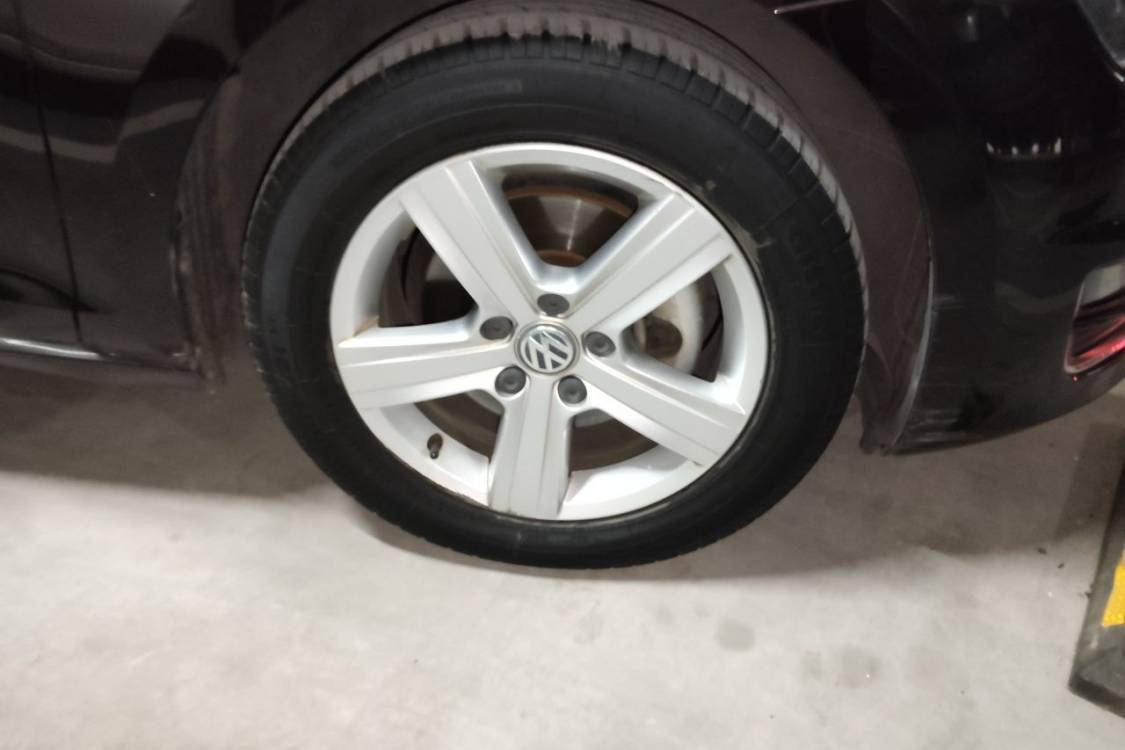
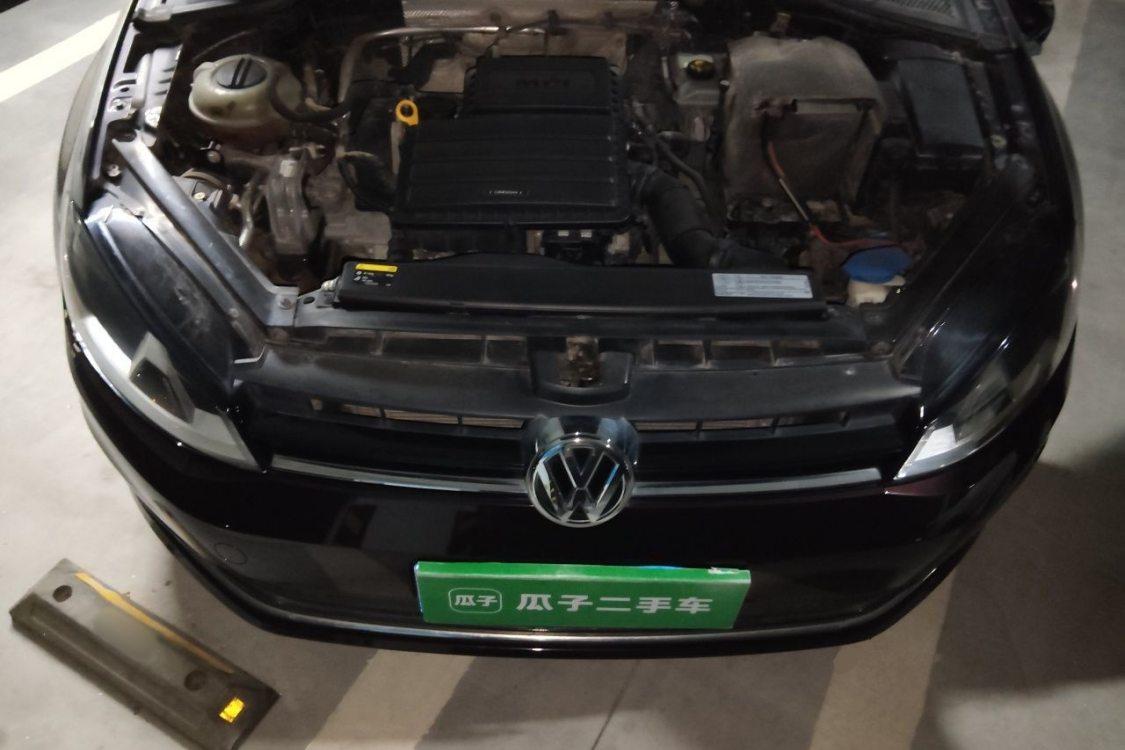
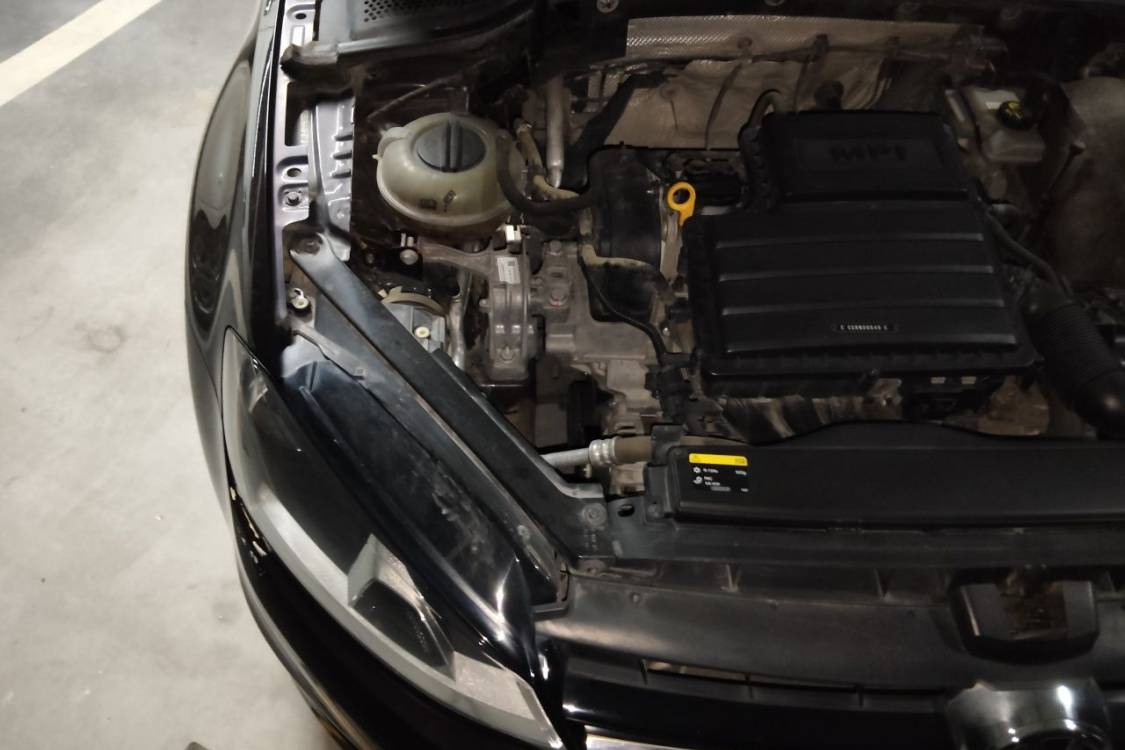
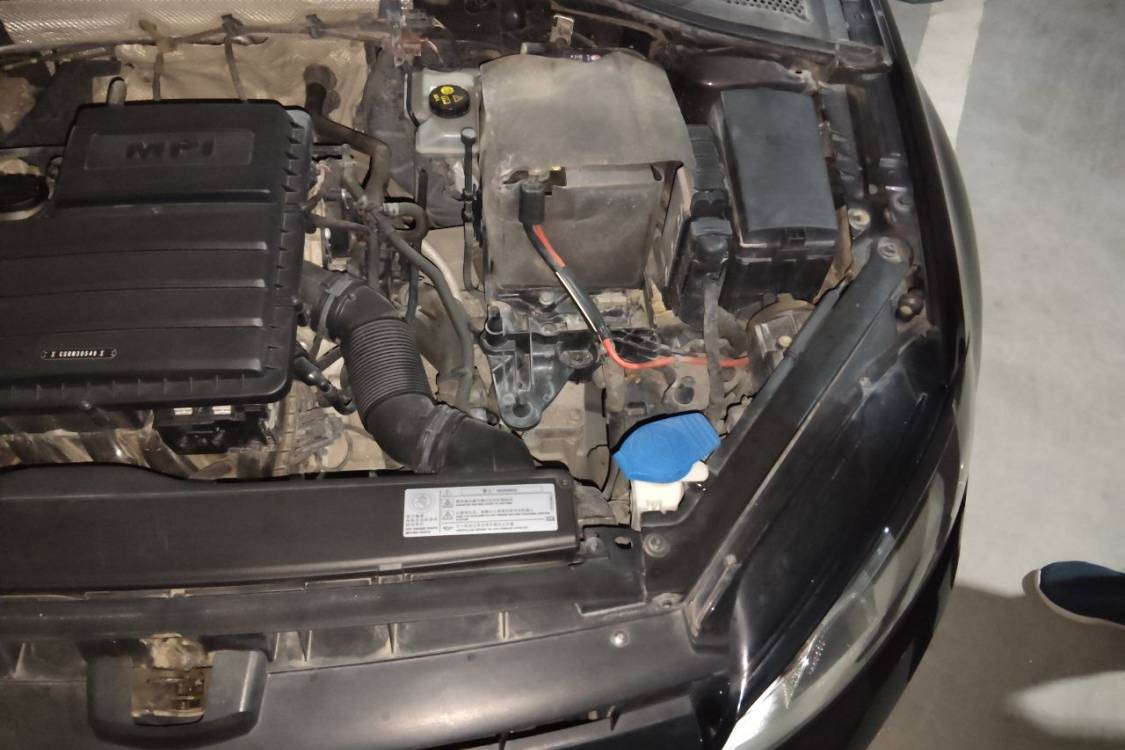
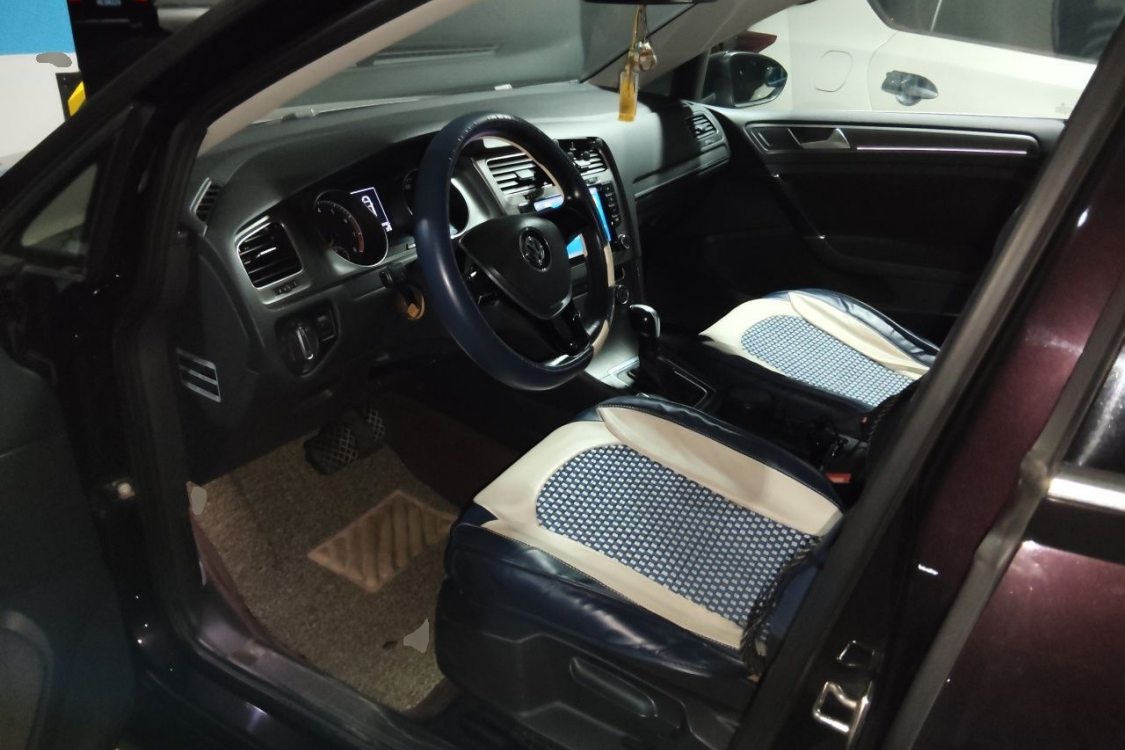
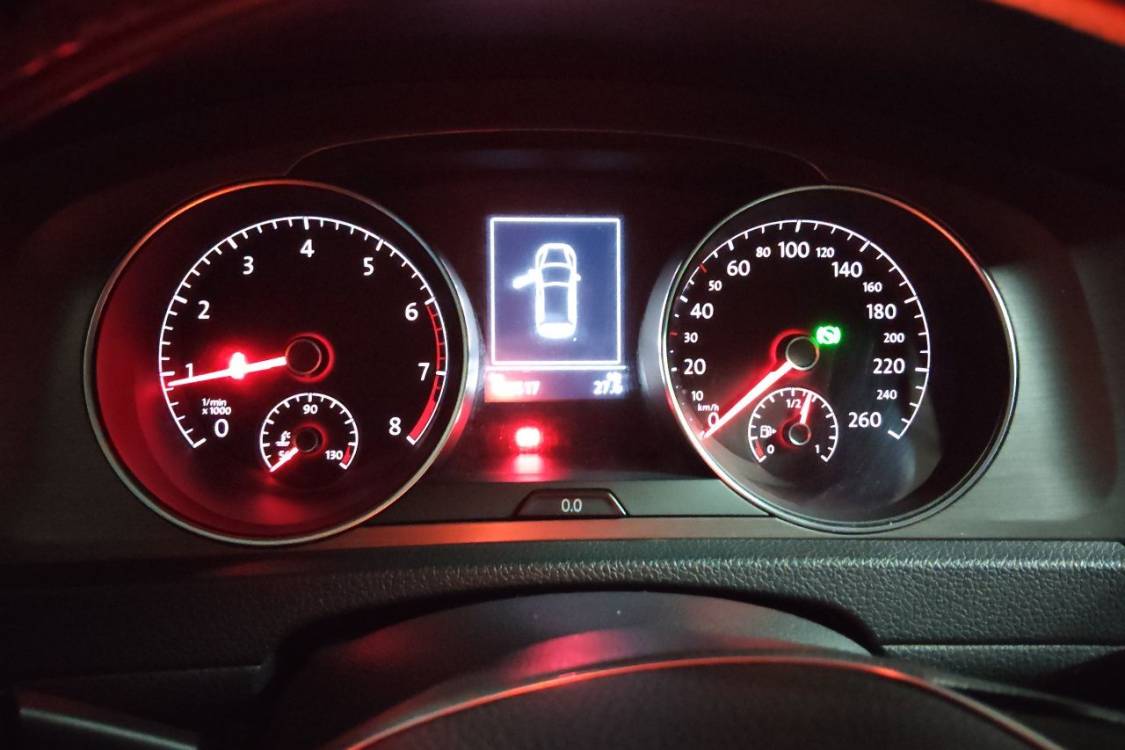
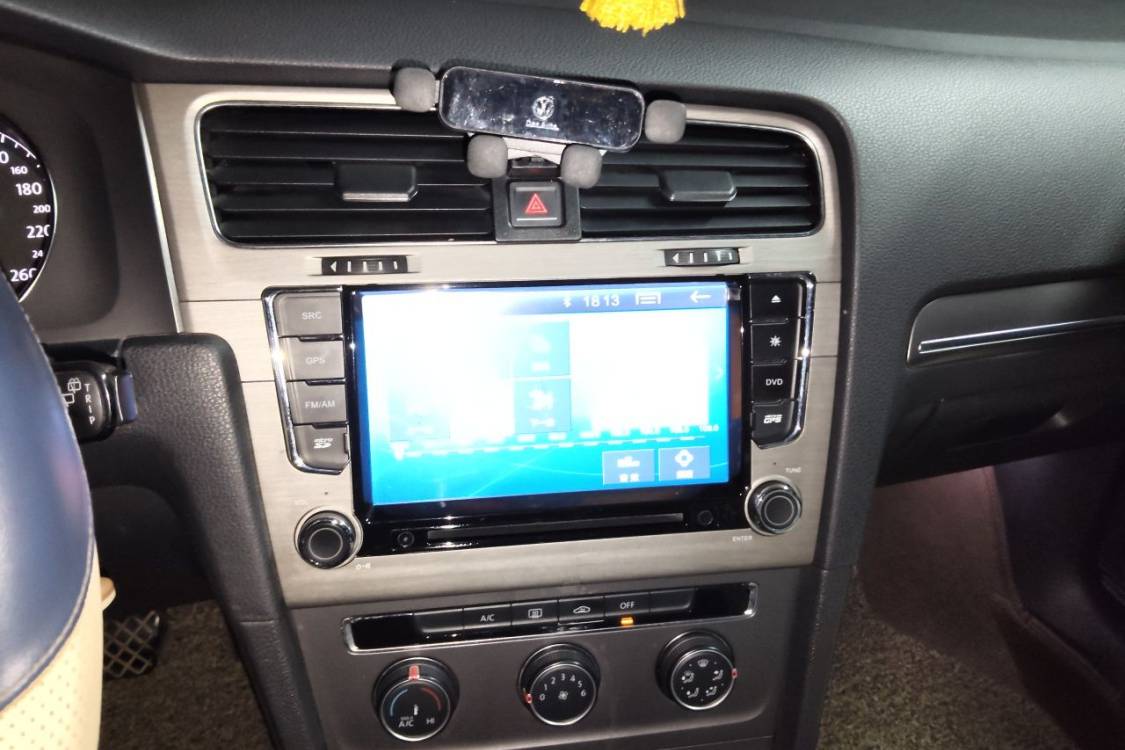
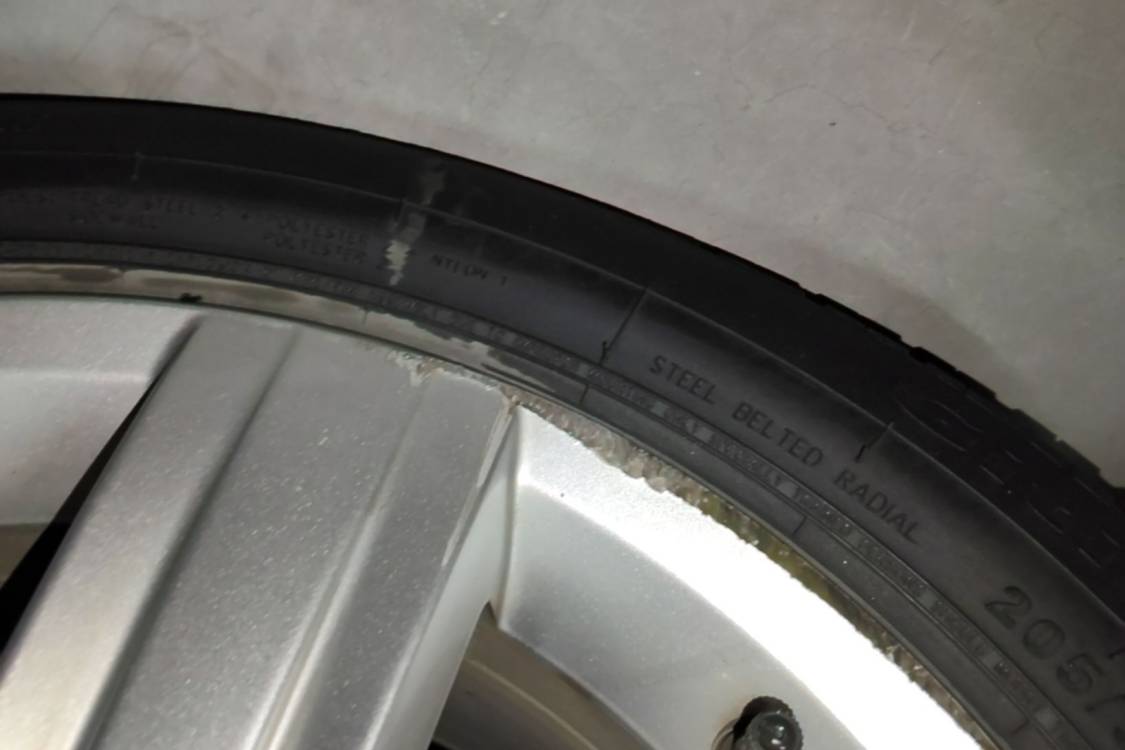
Accident inspection: main structure damaged, reinforcing parts undamaged, panels undamaged, hinges normal; engine bay: key mechanical components normal; exterior: 1 panel repair (bodywork); interior: most features normal, airbag normal, seatbelt normal, dashboard normal, instrument check normal, lighting system normal; start-up check: main components normal; on-board tools: none.

电话直连
可讲价
平台物流
可转售
零过户
新检测标准升级>
非泡水

Document Information

Inspection Expiry Date2027/02
Warranty Expiry Date-
Insurance Expiry Date2027/02

Q&A

More

How do you detect carbon buildup and wear inside the engine using technology without deep disassembly?

We use two steps: 1. Insert a medical-grade endoscope through the spark plug hole to visually inspect cylinder wall scratches and carbon buildup on the piston top; 2. Extract an engine oil sample to check for large metal debris or emulsification (caused by coolant leakage).


What documents should I prepare to import a used car from China?

Typically you will need: 1. The commercial invoice and packing list from the seller; 2. The bill of lading issued by the shipping line; 3. The vehicle's export customs declaration; 4. The original registration certificate and a deregistration or transfer proof from China; 5. A certificate of origin if your country requires it; 6. Destination-specific documents, such as a pre-shipment inspection certificate (for example ECTN for West African ports). Requirements vary by country, so confirm the full list with your customs broker before shipment.

What are the safest payment milestones when buying a used car from China for export?

Never pay 100% upfront. A widely used, safe structure is: 1. Deposit: 10-20% after the third-party inspection report confirms the car's condition. Pay only to the exporter's corporate bank account. 2. Balance: 70-80% after you receive scanned copies of the bill of lading, export license and deregistration proof — this confirms the car is genuinely on the ship. 3. Retention (recommended): hold back 5-10% until the car arrives and passes your own inspection at the destination port. Write these milestones into the sales contract with exact document requirements and deadlines for each step. Reject requests to split payments into personal accounts or to pay undocumented extra charges outside the contract.