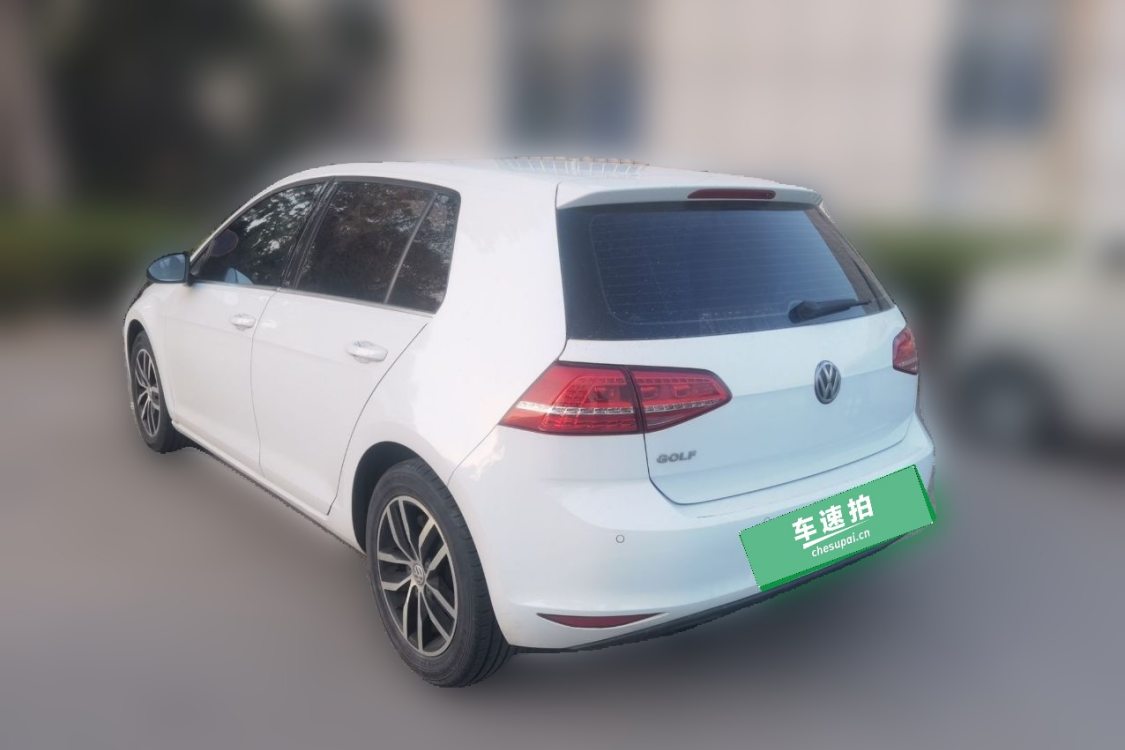
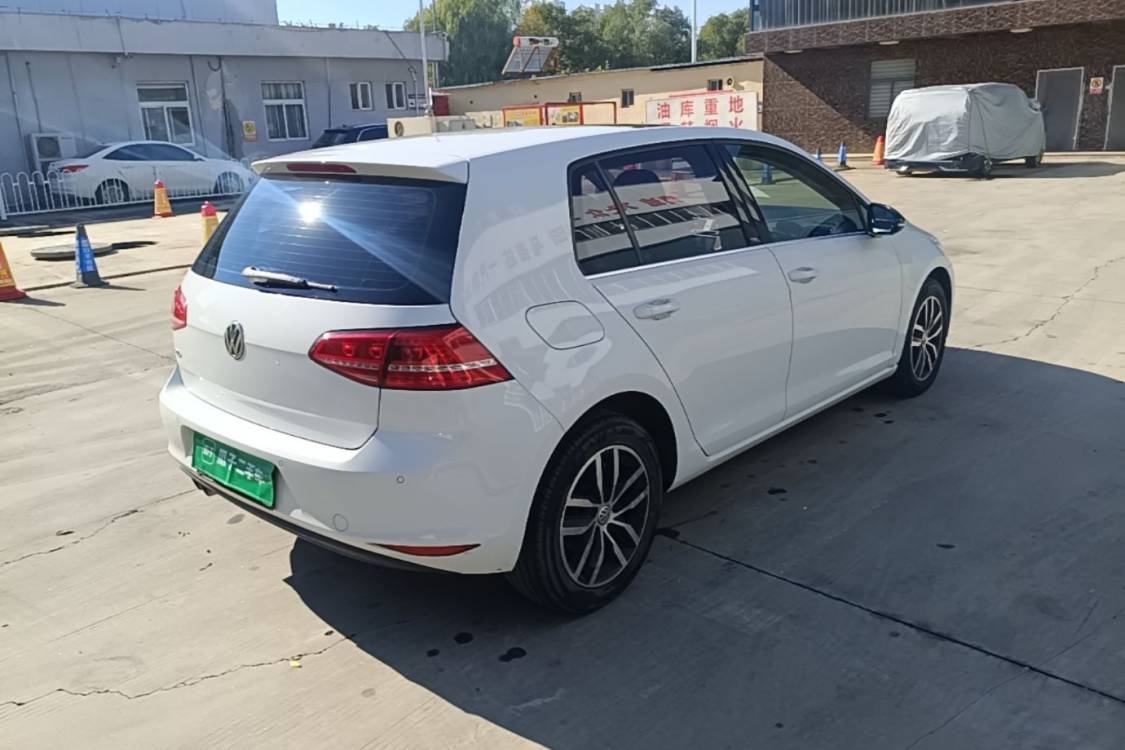
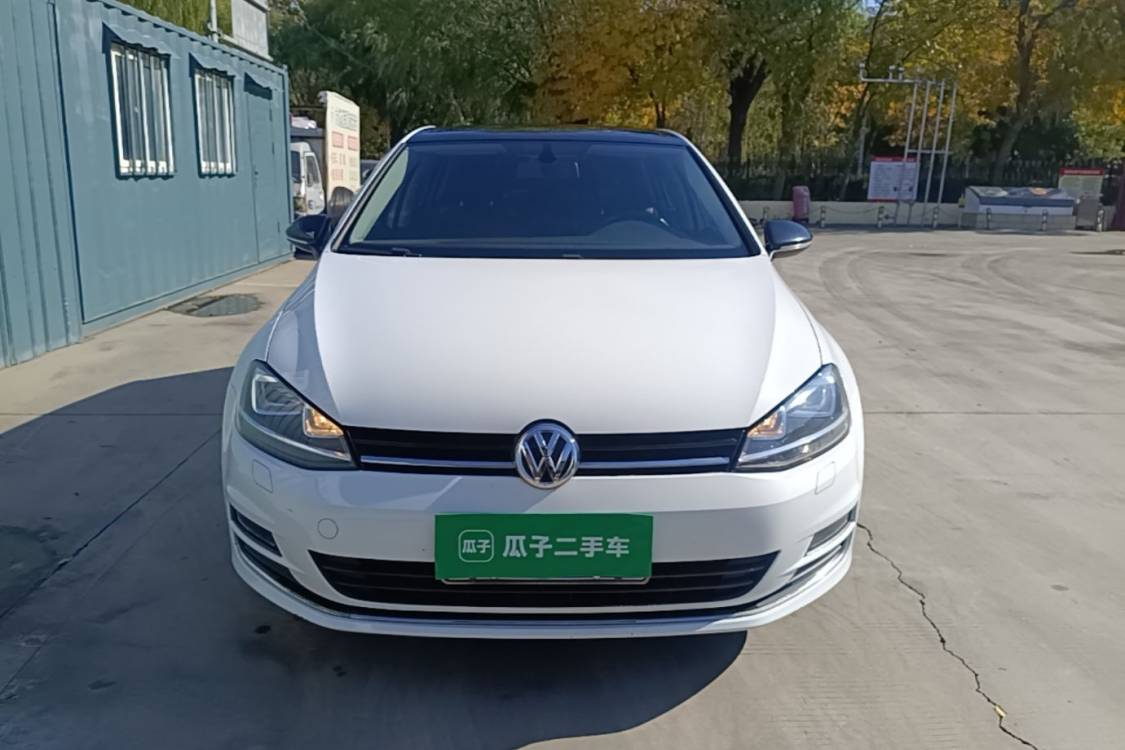
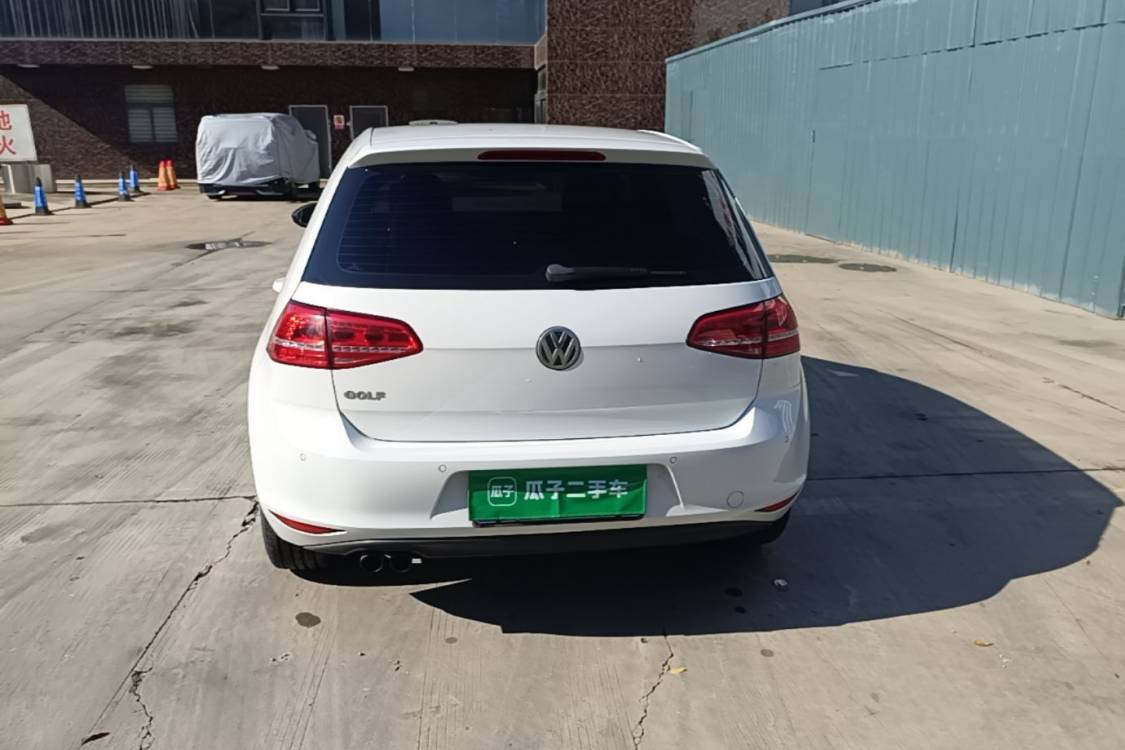
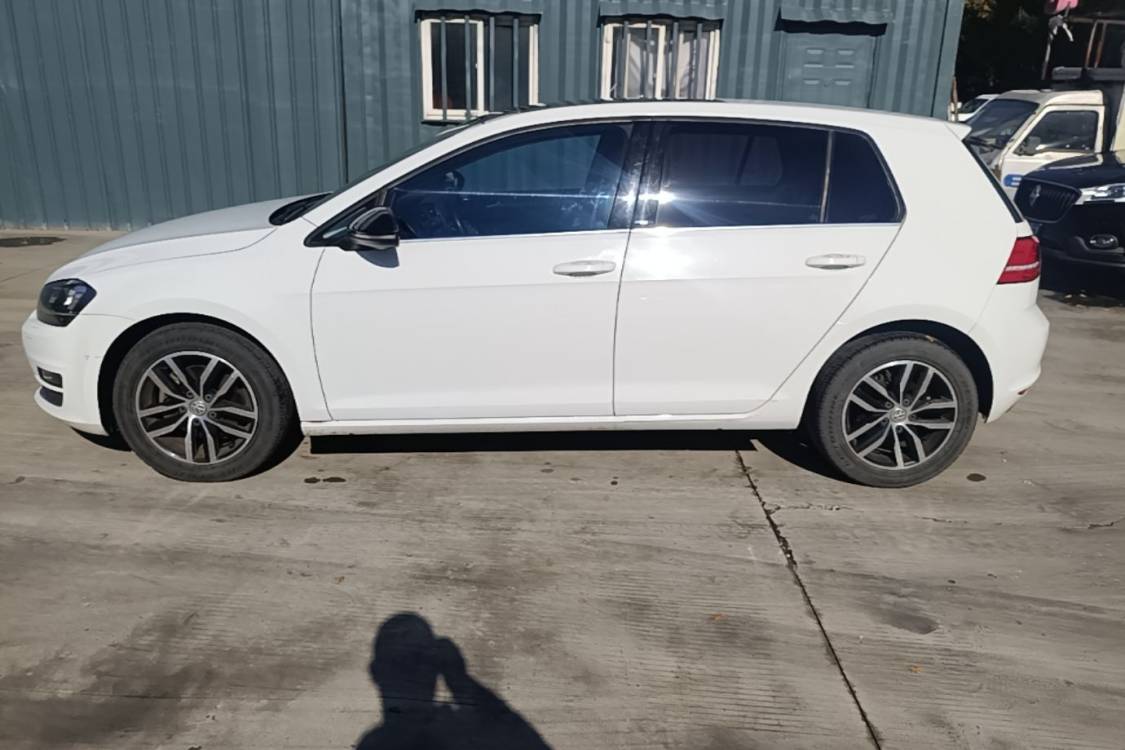
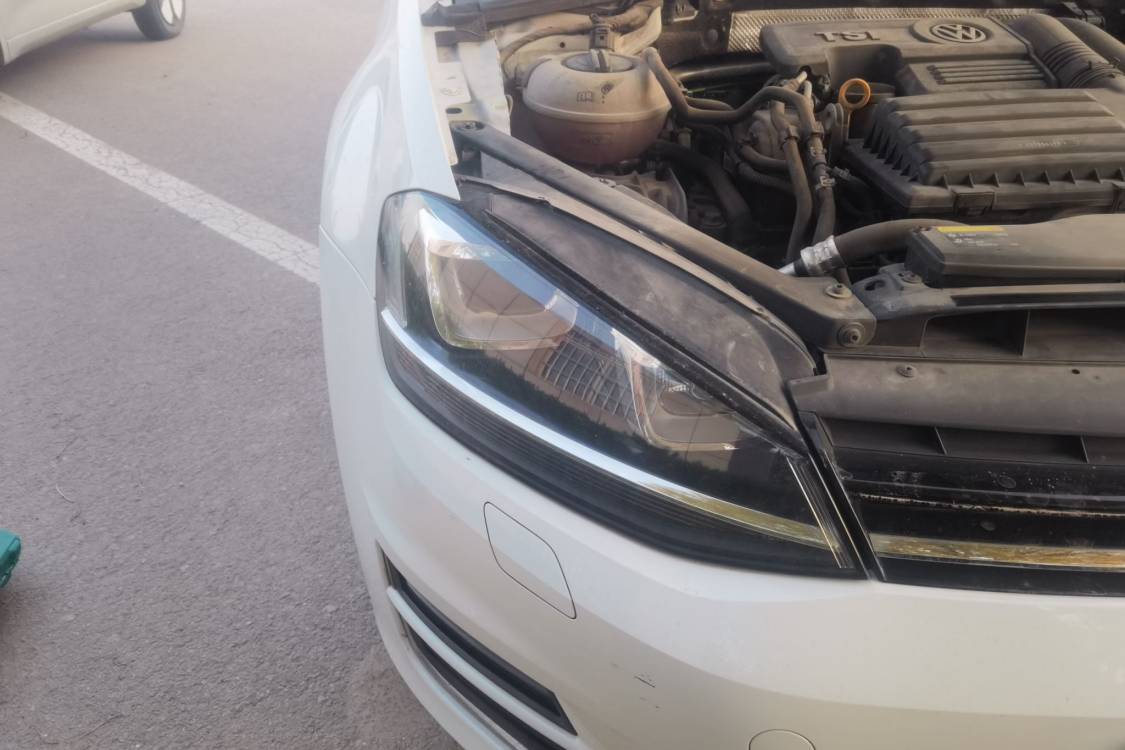
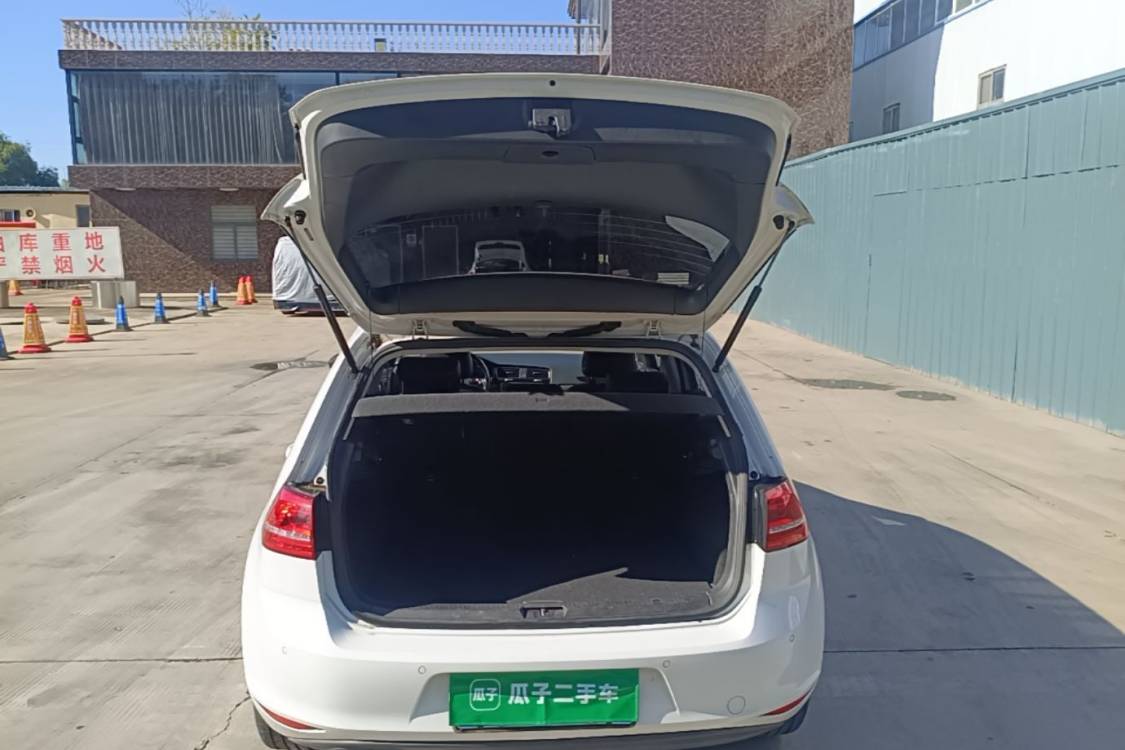
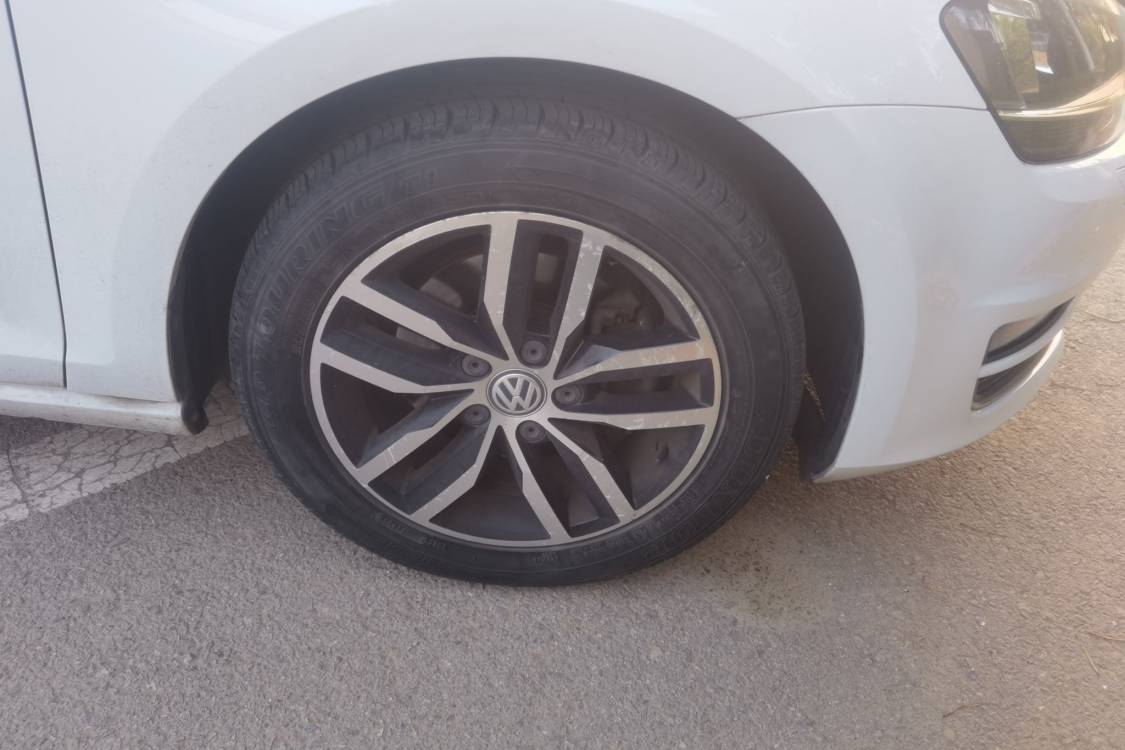



48H

Basic Information

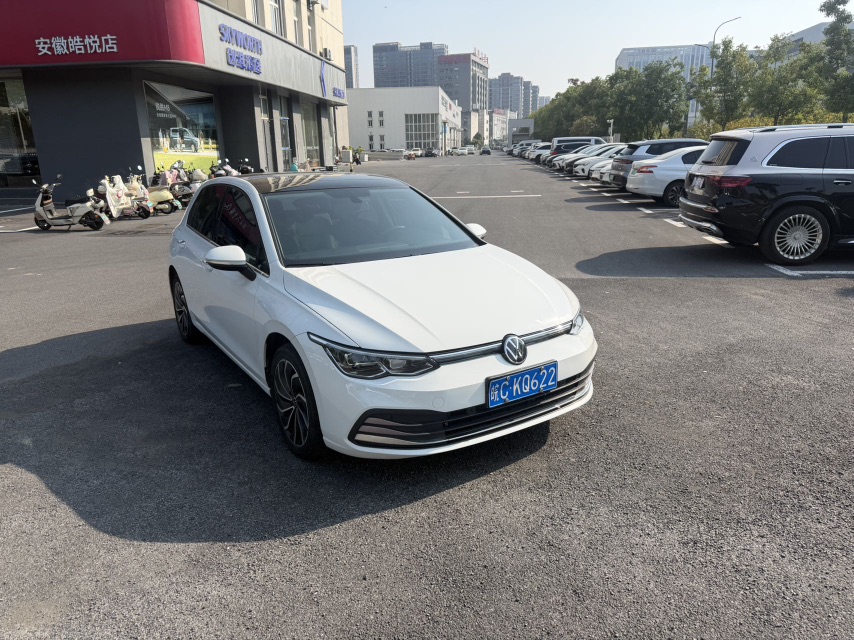
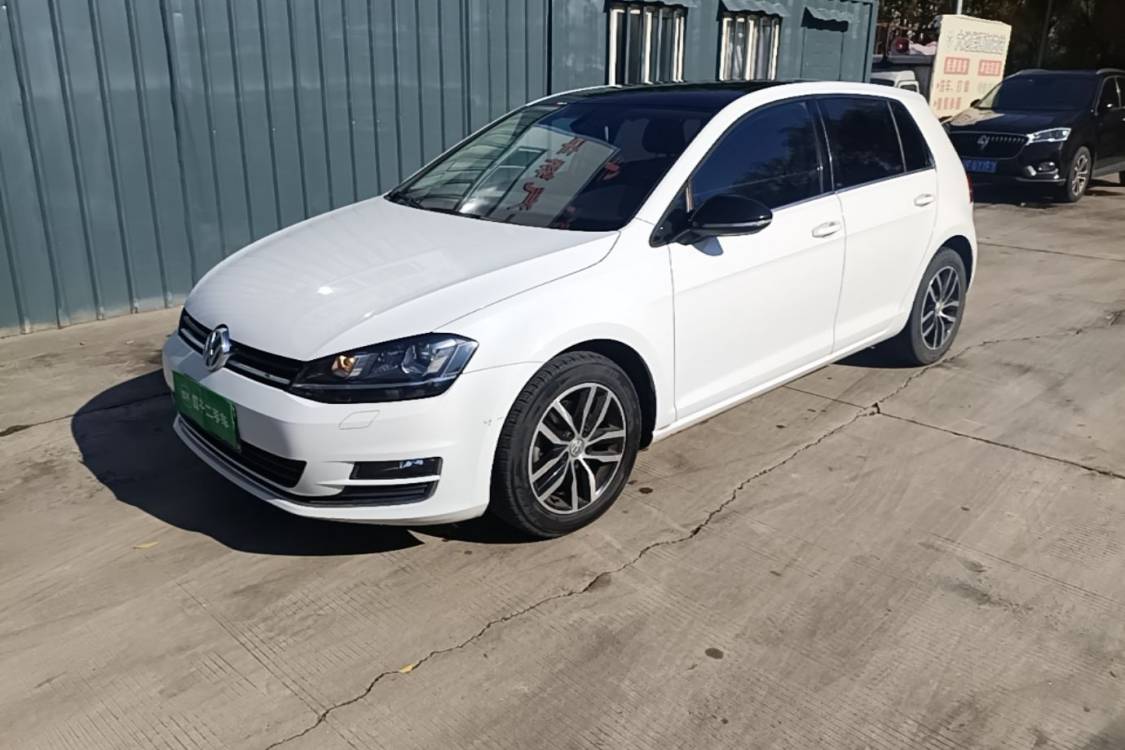
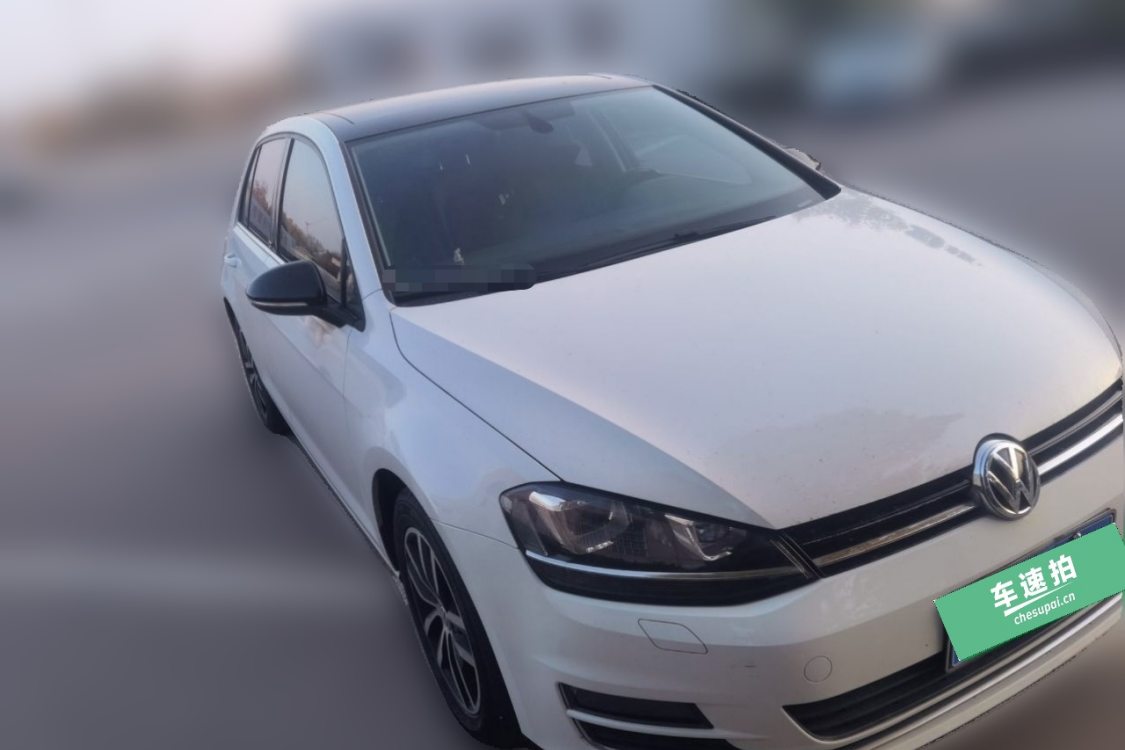
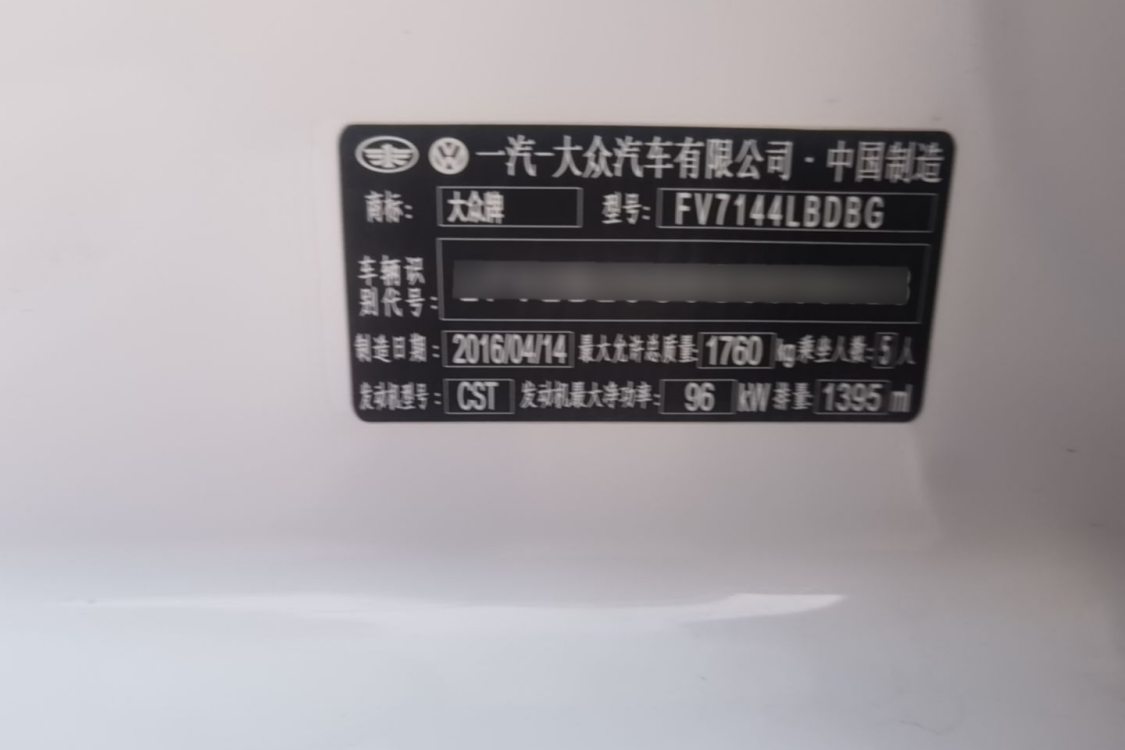
BrandVolkswagen
SeriesGolf
Year2016
First Registration2016/06
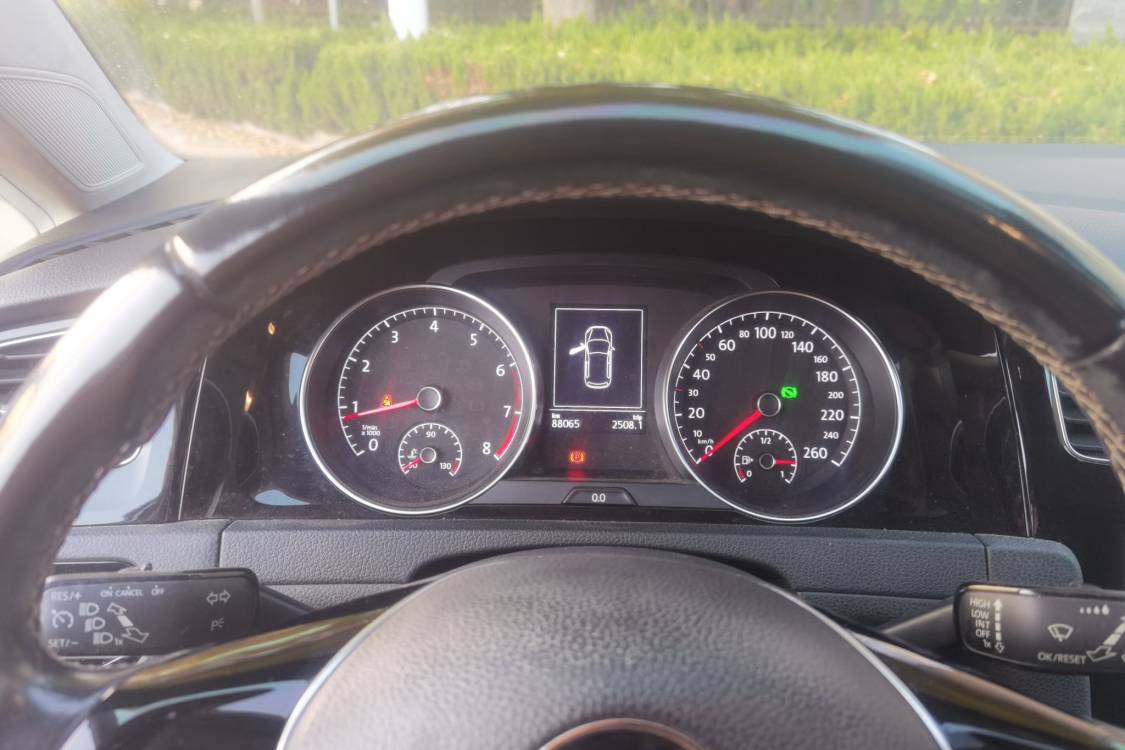
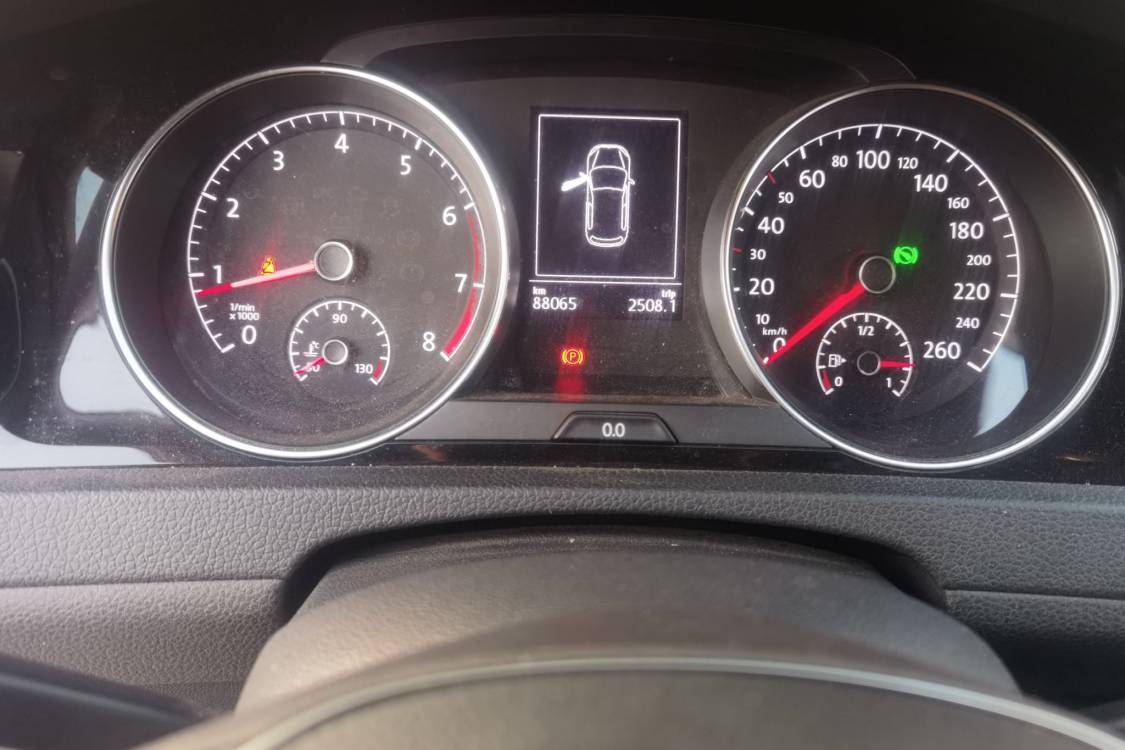
Mileage88,000km
Transfer Count3times
FuelGasoline
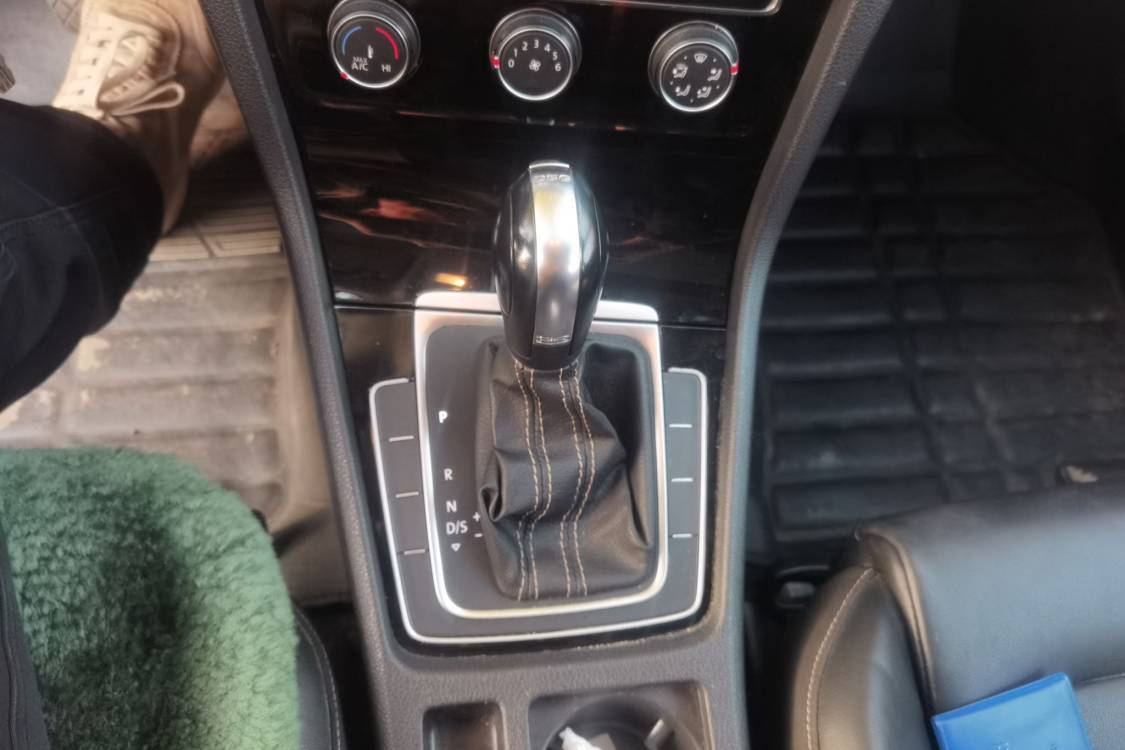
TransmissionDCT
Engine1.4T 131 L4
ColorWhite
Seats-

Condition Description

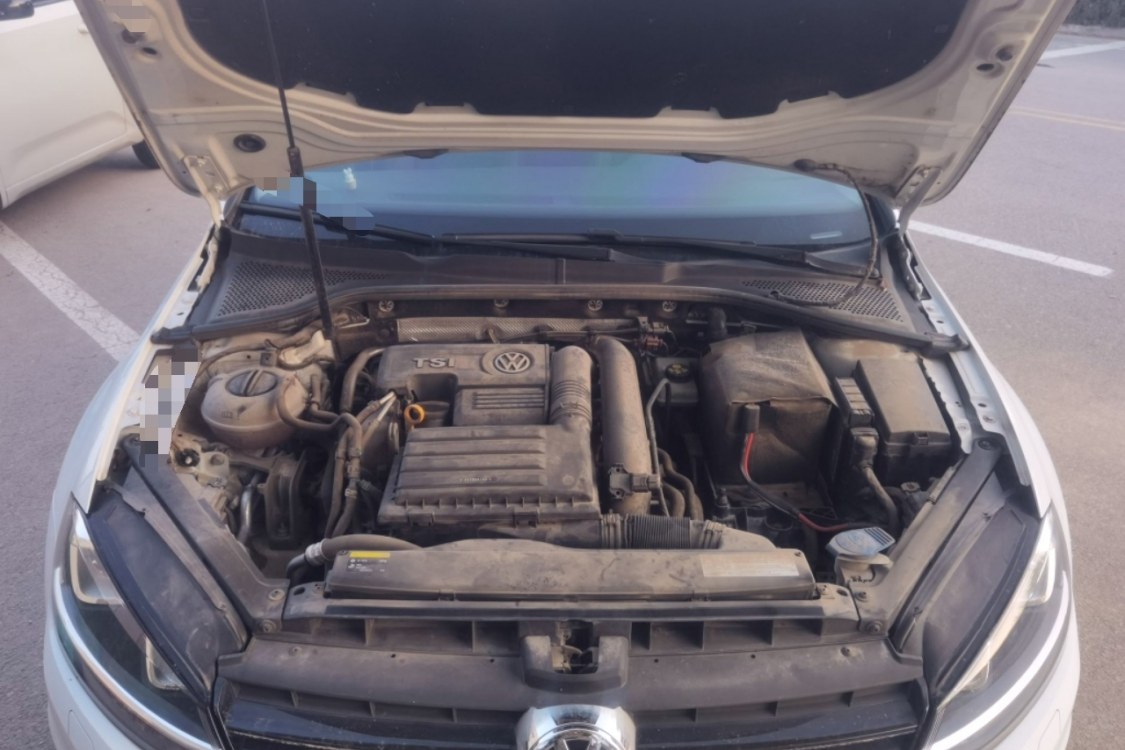
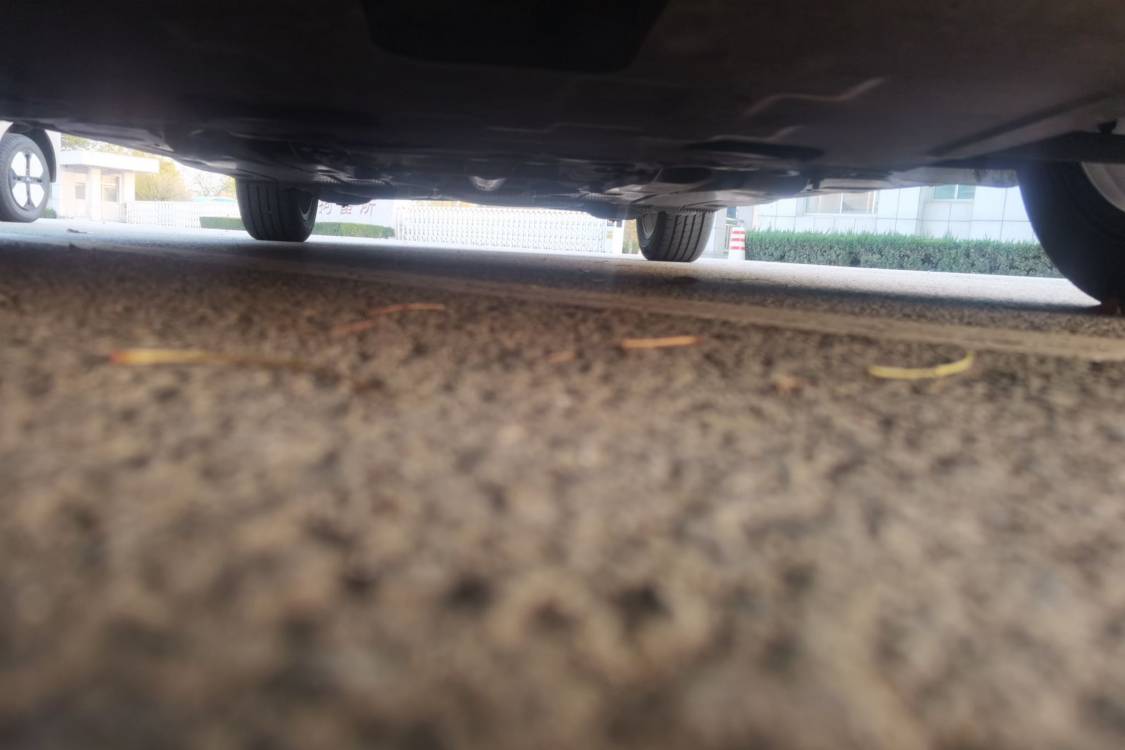
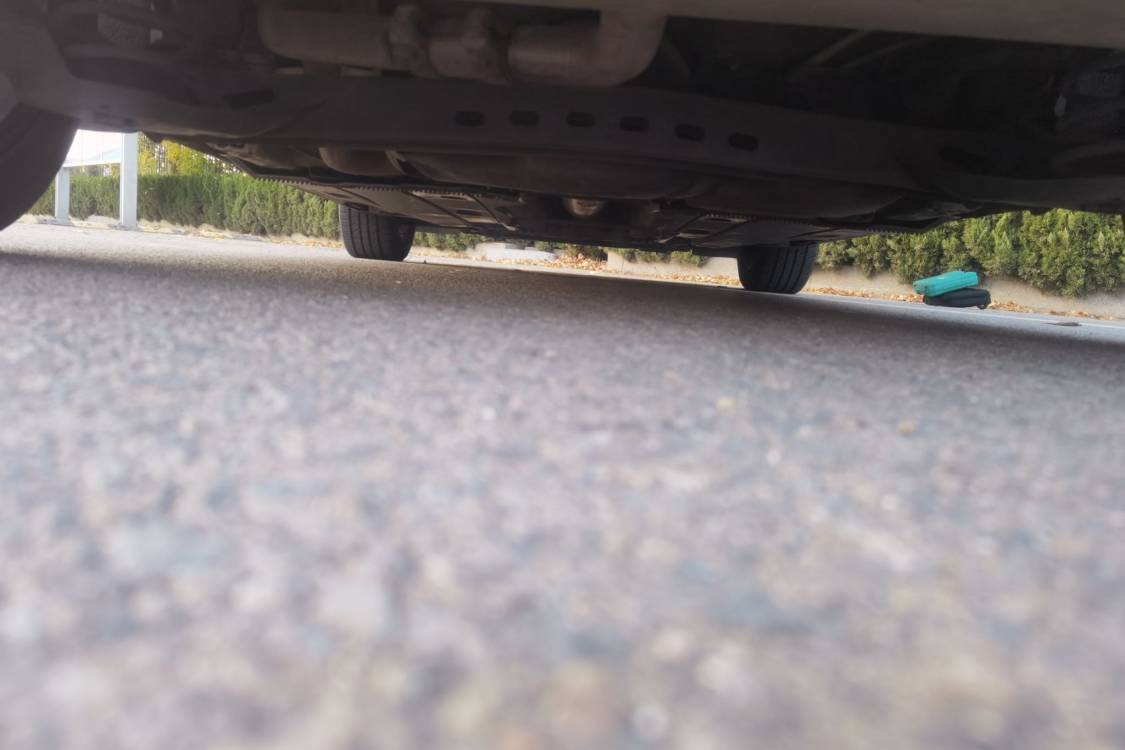
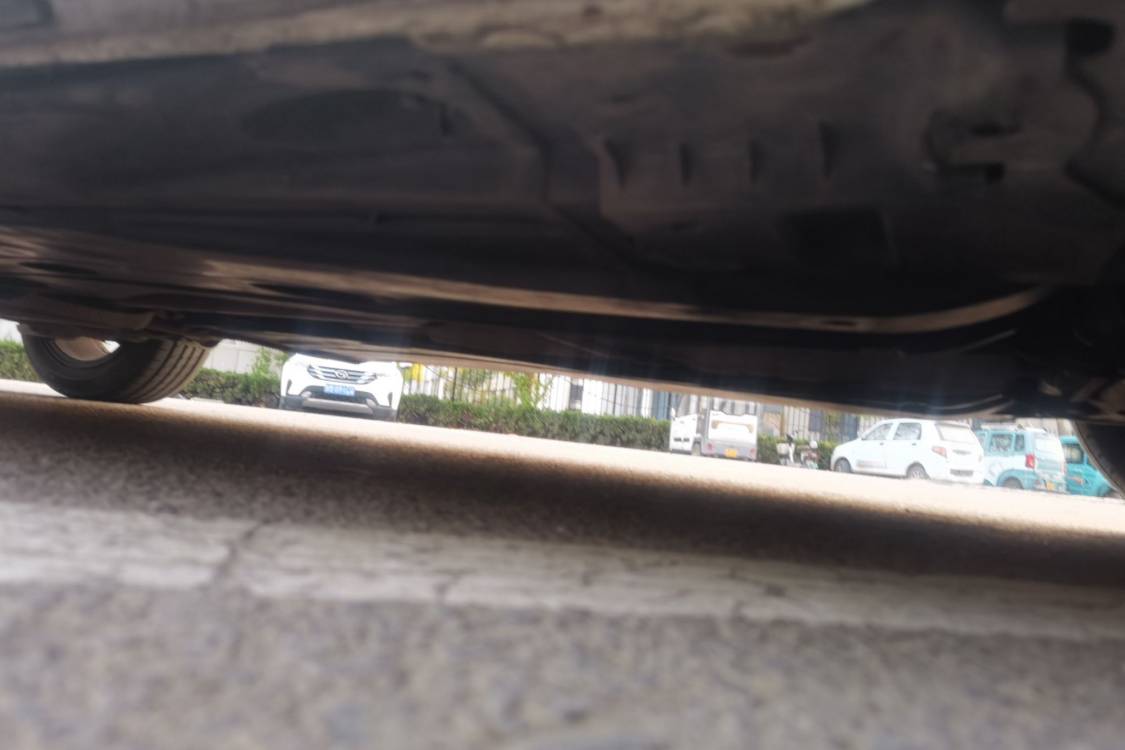
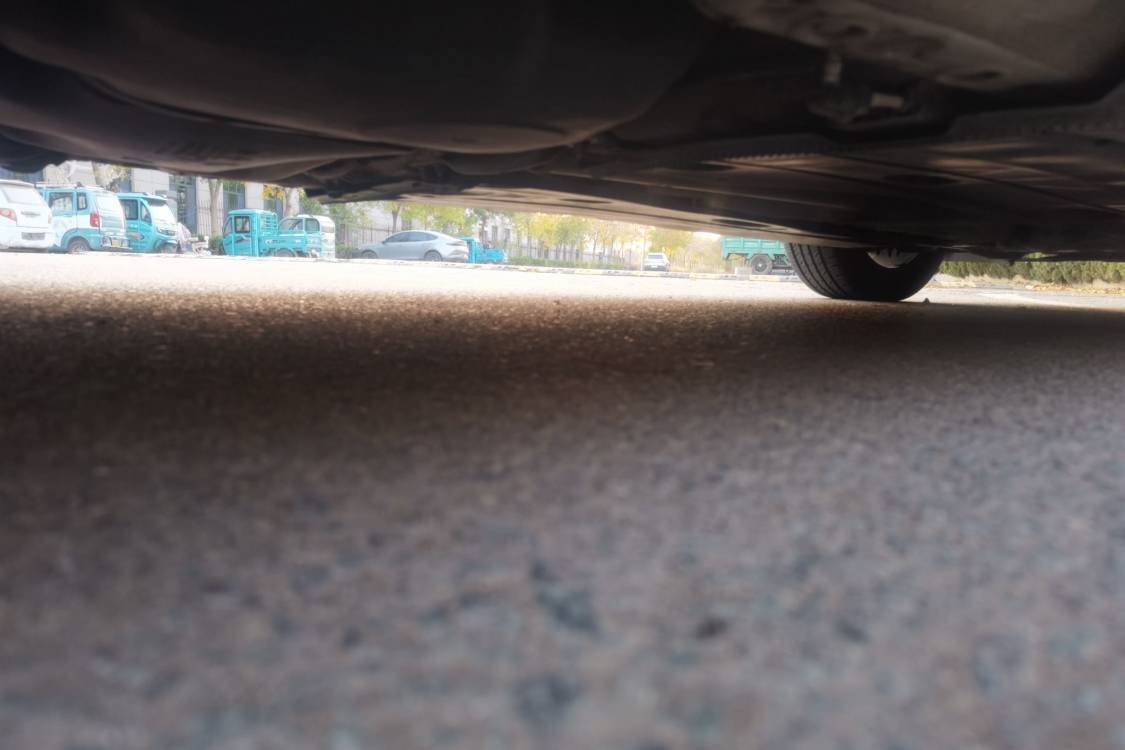
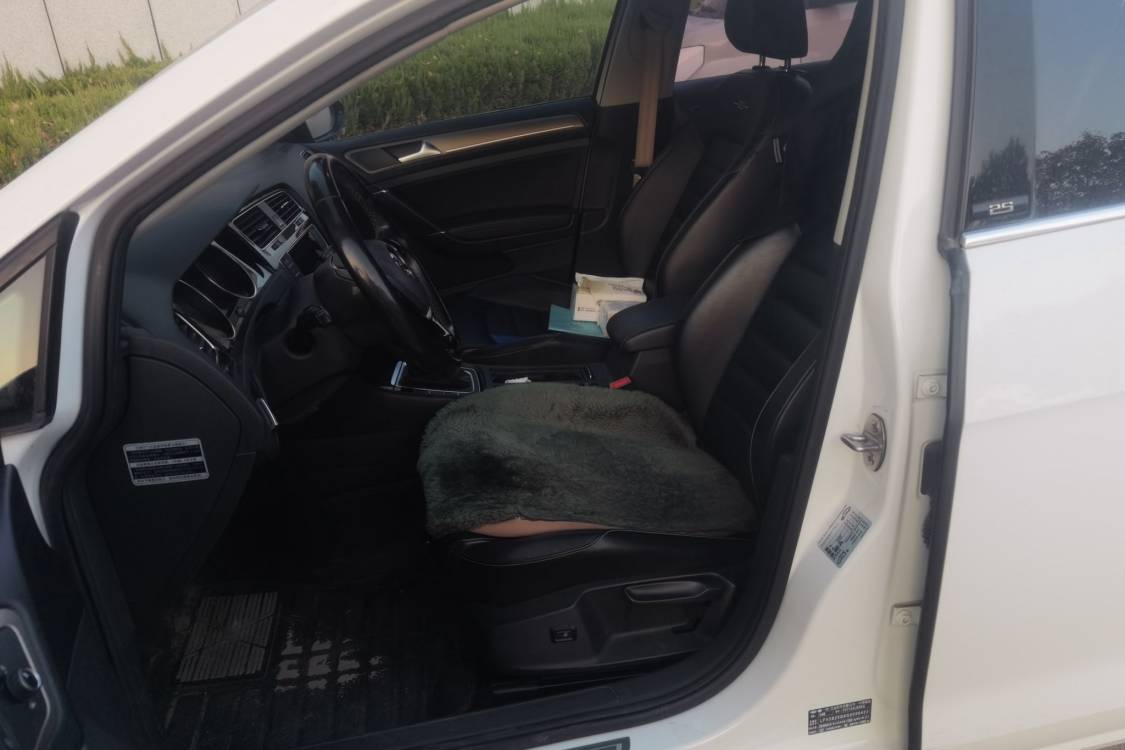
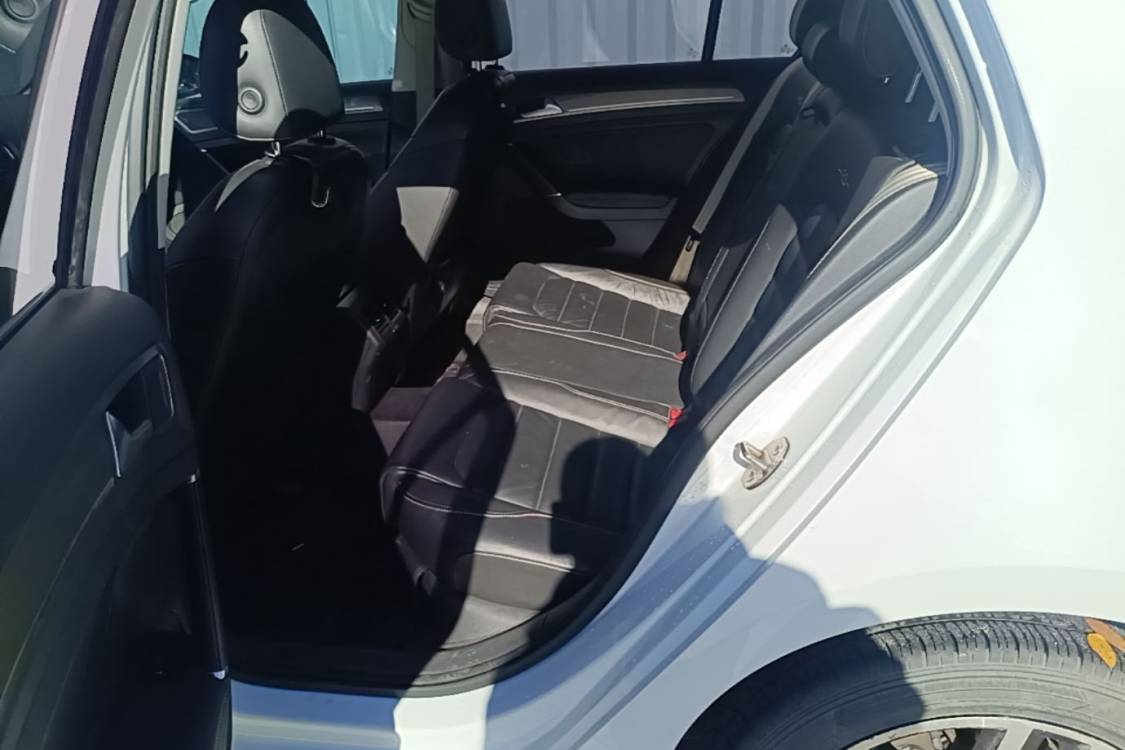
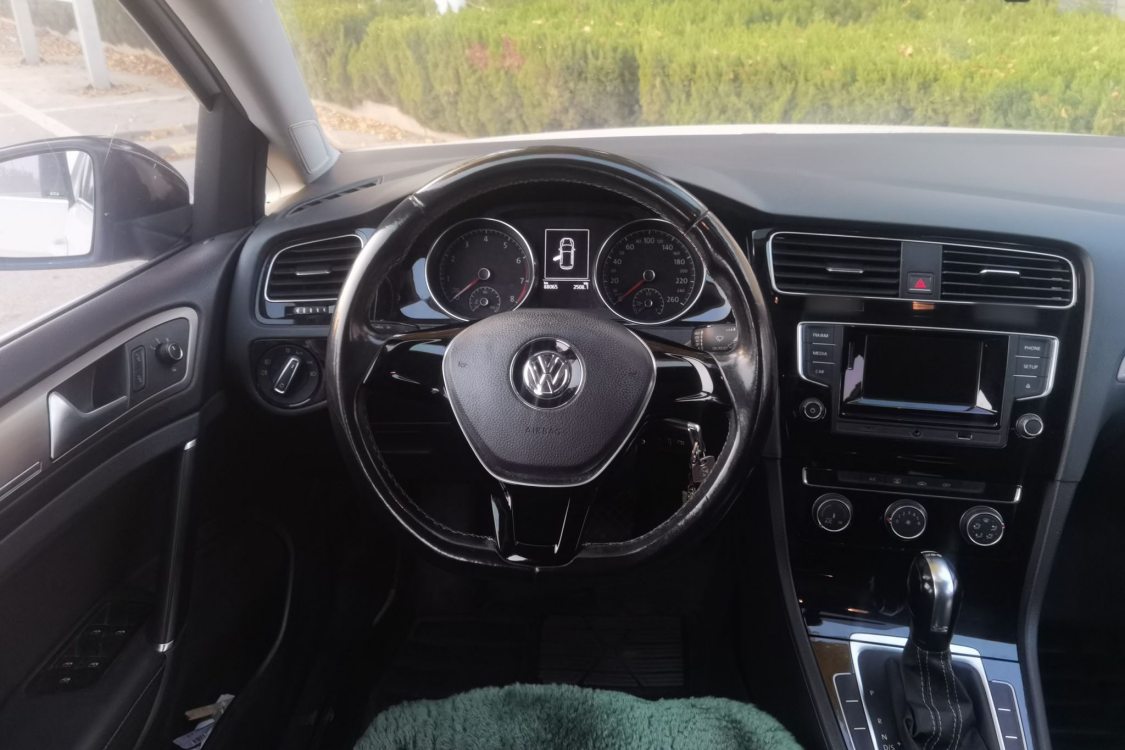
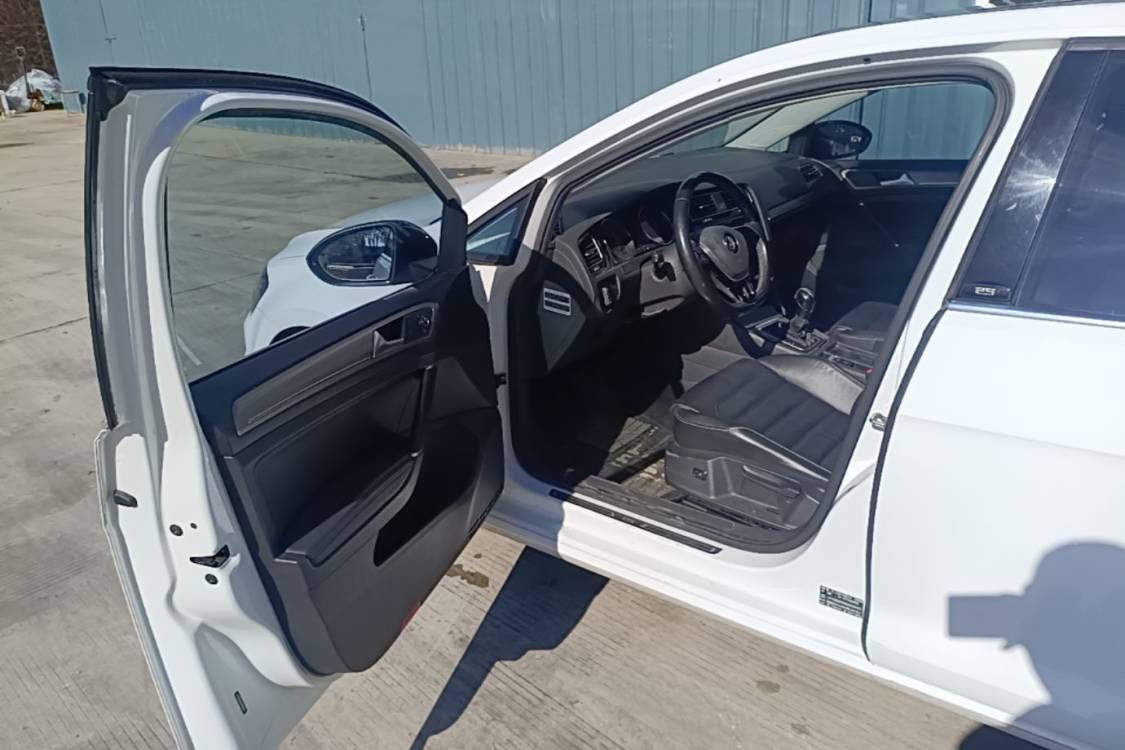
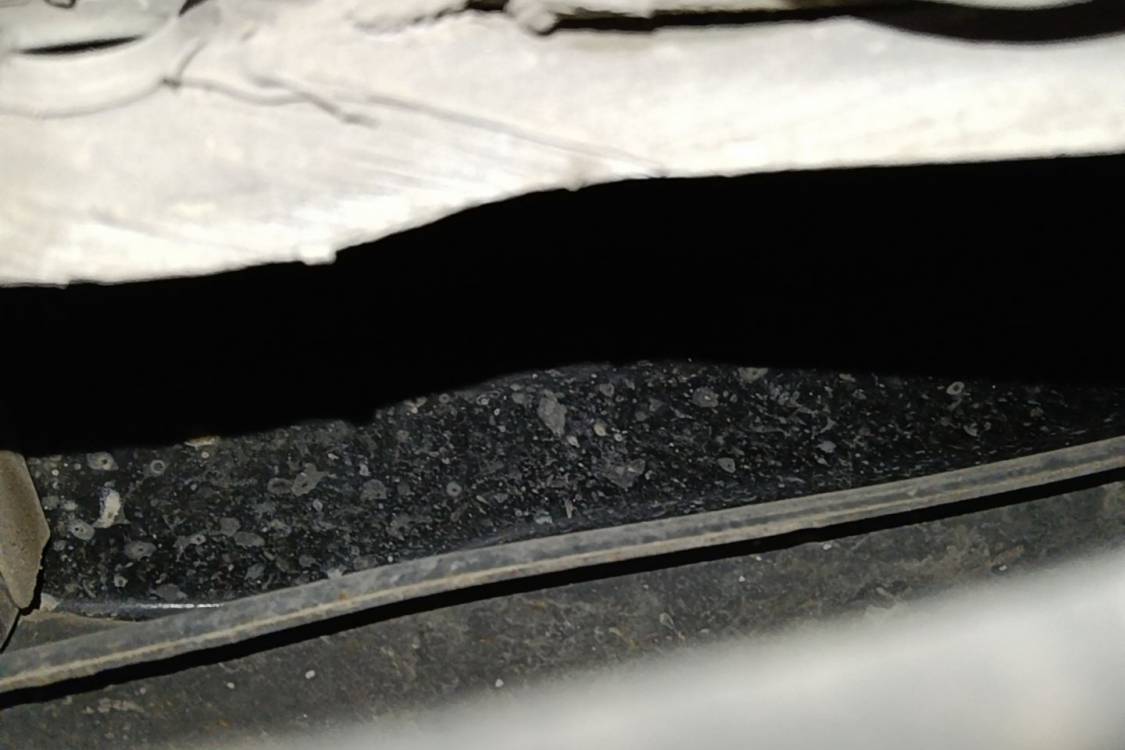
Localized body damage or repair marks present. No accident damage or repair to structural or reinforcement components. Vehicle performance (including three-electric system) has degraded or is limited.

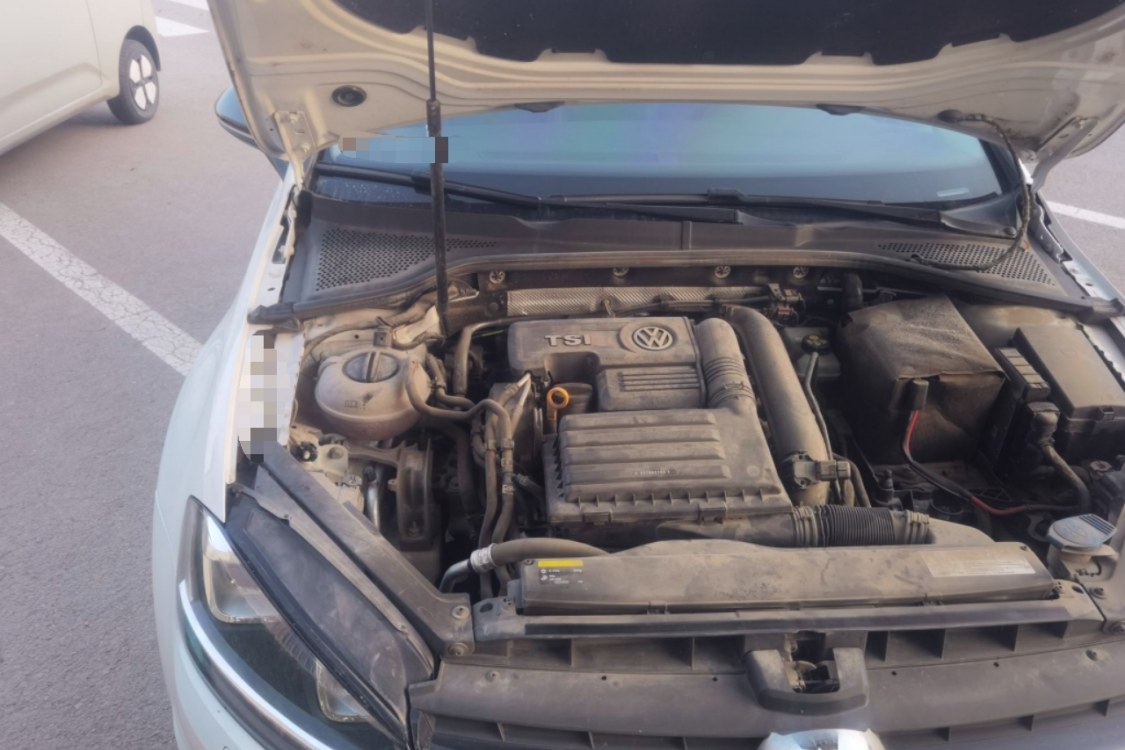
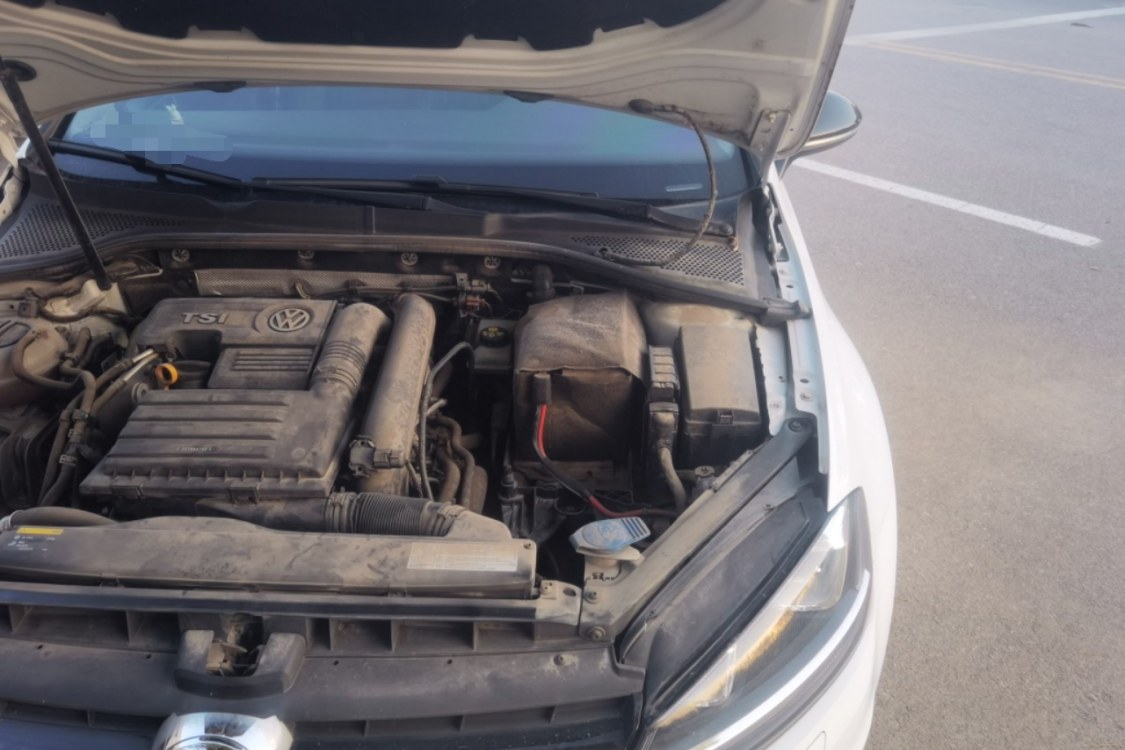
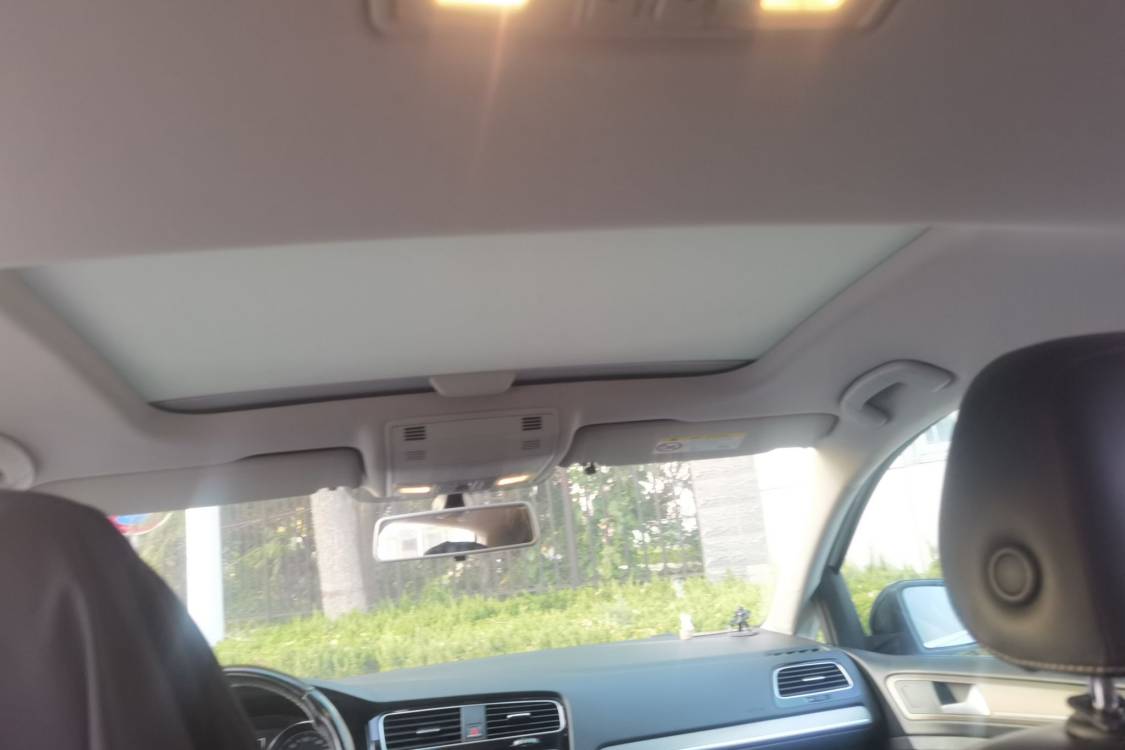
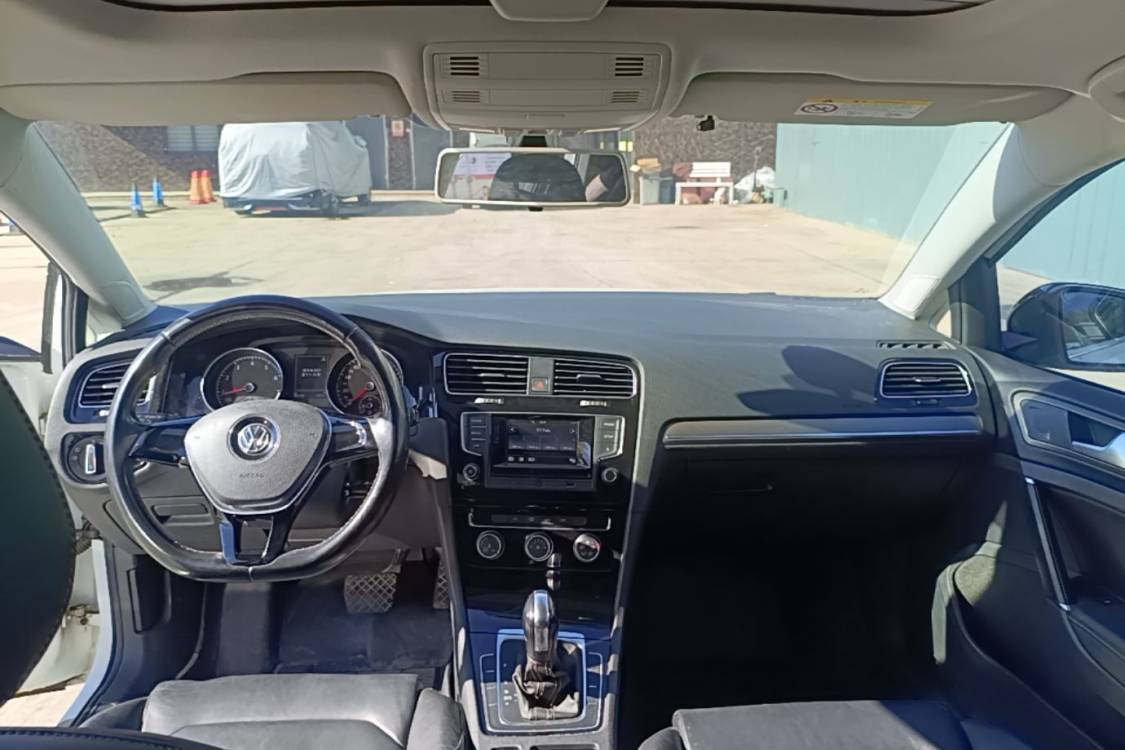
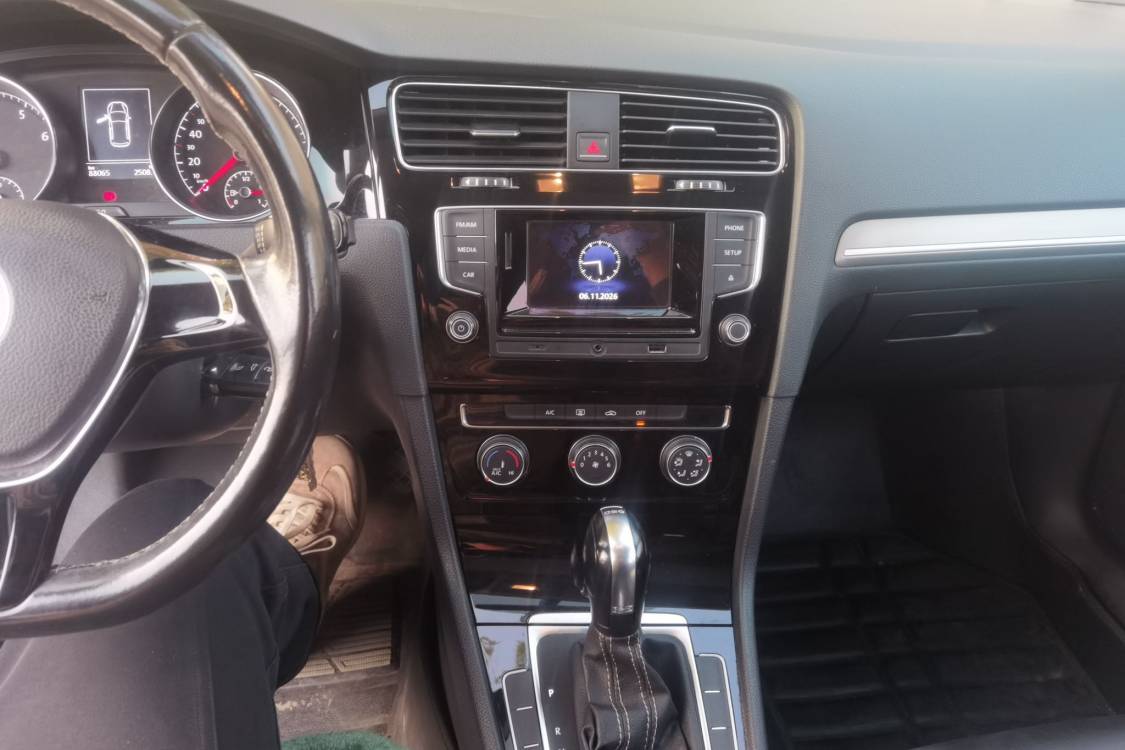
Accident inspection: main structure damaged, reinforcement parts damaged, cover panels undamaged, hinges normal. Engine bay: key mechanical components normal. Exterior: none. Interior: most features normal, airbags normal, seatbelts normal, dashboard normal, instrument readings normal, lighting system normal. Start-up test: major components normal. On-board tools: none.

可讲价
平台物流
可转售
VIP车源
车主降价
新检测标准升级>
必卖车源
非泡水

Document Information

Inspection Expiry Date2027/06
Warranty Expiry Date-
Insurance Expiry Date2027/06

Q&A

More

How do you detect carbon buildup and wear inside the engine using technology without deep disassembly?

We use two steps: 1. Insert a medical-grade endoscope through the spark plug hole to visually inspect cylinder wall scratches and carbon buildup on the piston top; 2. Extract an engine oil sample to check for large metal debris or emulsification (caused by coolant leakage).


Will B2B customers receive a detailed technical inspection report for each vehicle when purchasing a container of vehicles at once?

Yes. Even if you purchase 100 vehicles, we adhere to "one inspection per vehicle, one file per vehicle." Each vehicle will have its own independent inspection report with a unique VIN code, which serves as the sole proof for quality traceability.

What should I check during a live video test drive of a used car in China, and which sounds or behaviors are red flags?

Request a live video call during the test drive rather than a pre-recorded one. Cold start first: listen for rattling or metal scraping in the first seconds — possible timing chain or hydraulic lifter issues. During acceleration, a whining from the gearbox area can mean bearing wear; hesitation or jerking in an automatic suggests transmission problems. Braking: the pedal should feel firm, not spongy, and the car must not pull to one side. Turn the wheel fully in both directions and listen for clicking — a classic CV joint fault. Insist on a highway segment too: vibrations above 100 km/h often point to unbalanced wheels or bent rims. Ask the driver to film the dashboard throughout — warning lights that flicker on briefly are still faults that OBD will record.