48H

Basic Information

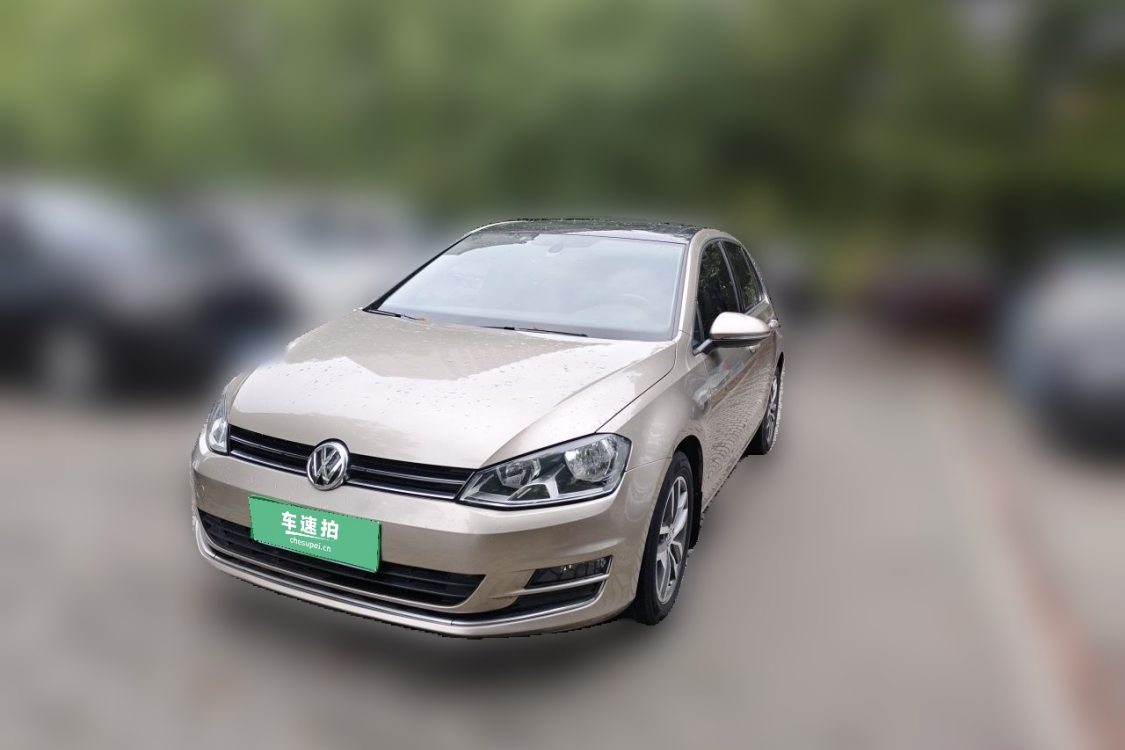
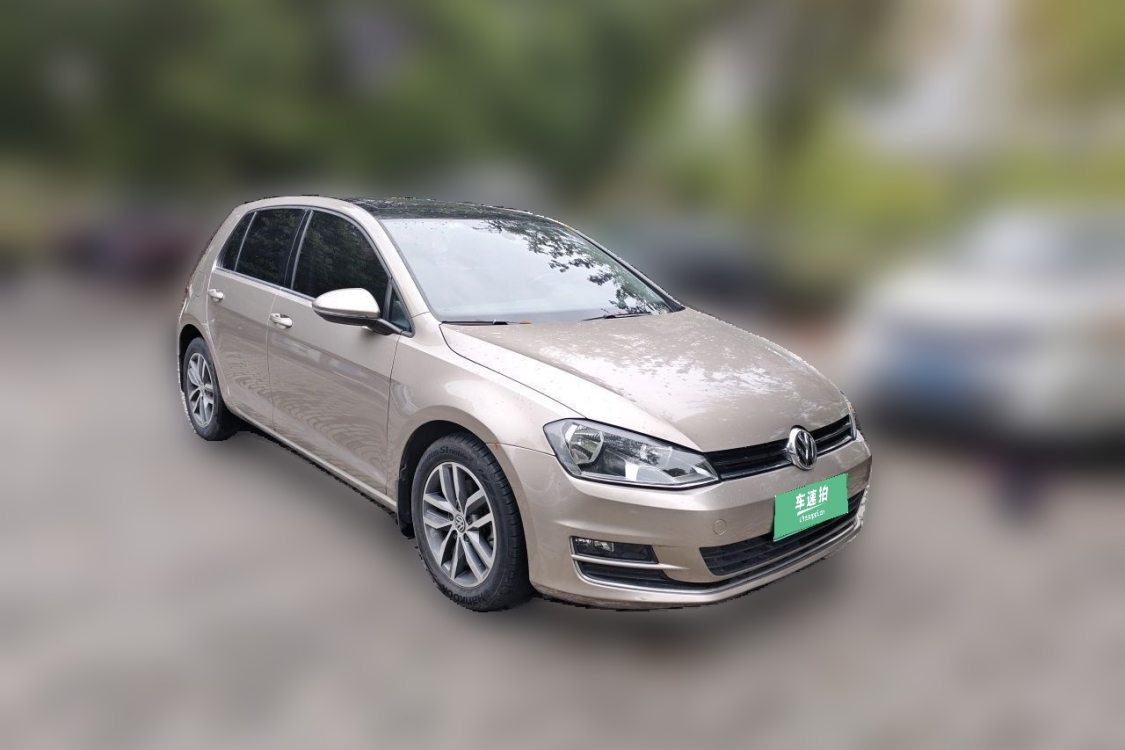
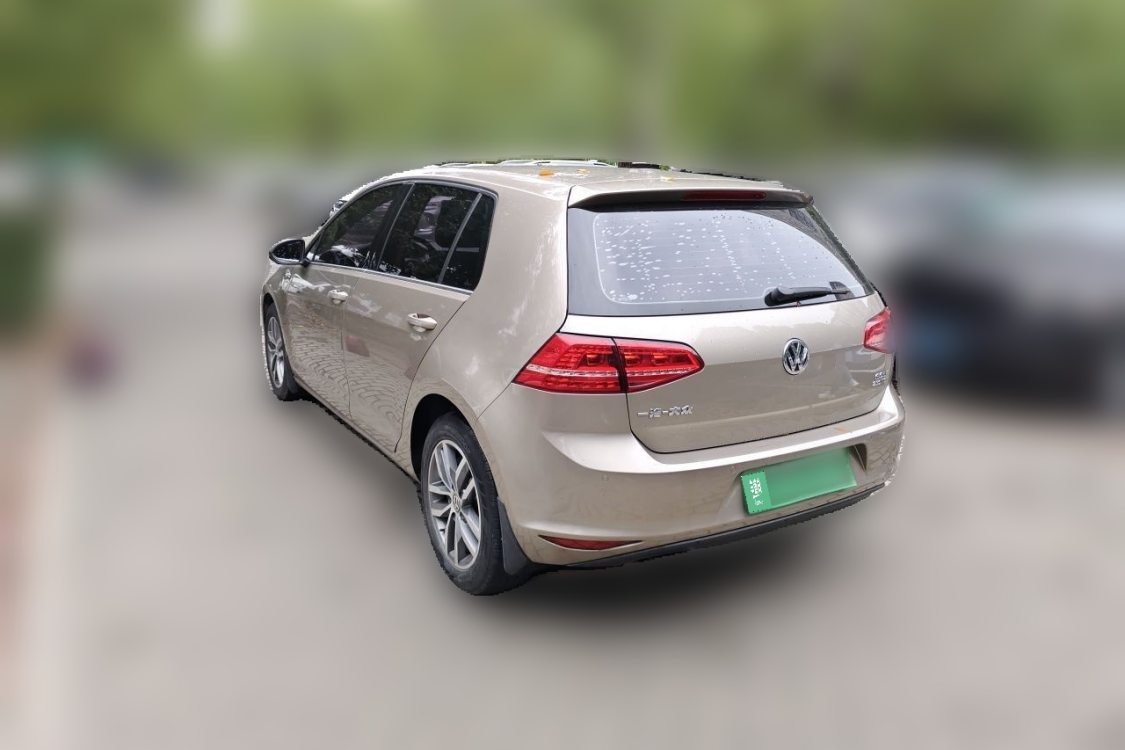
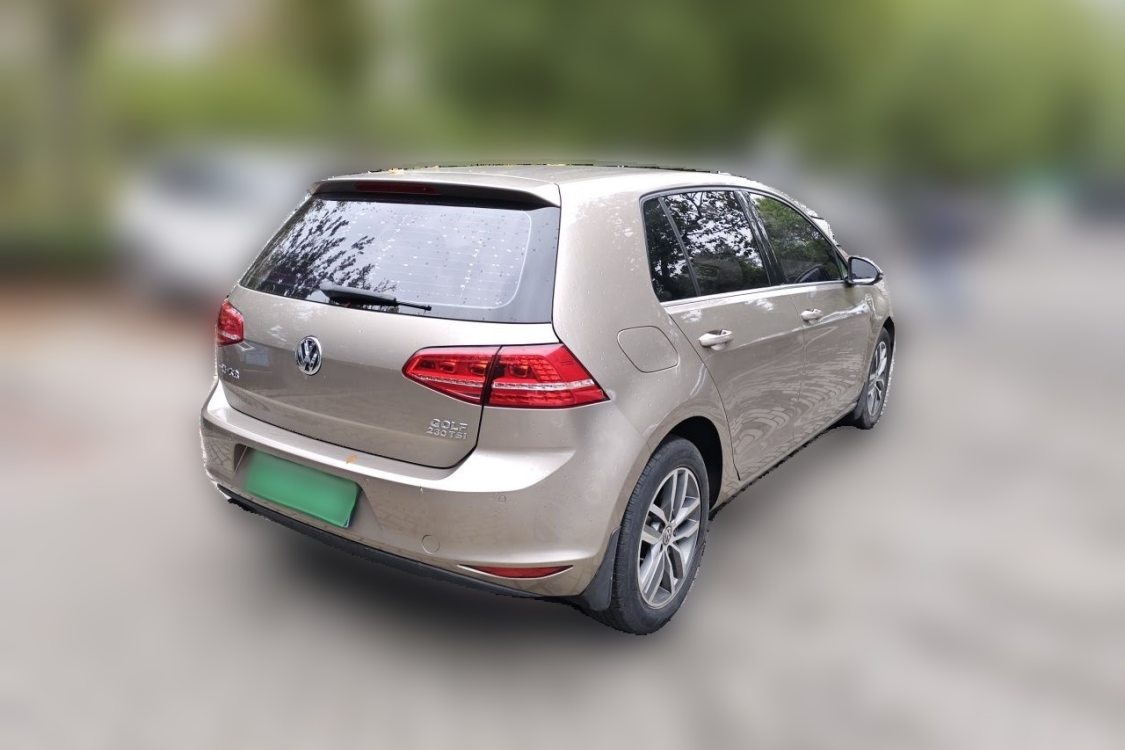
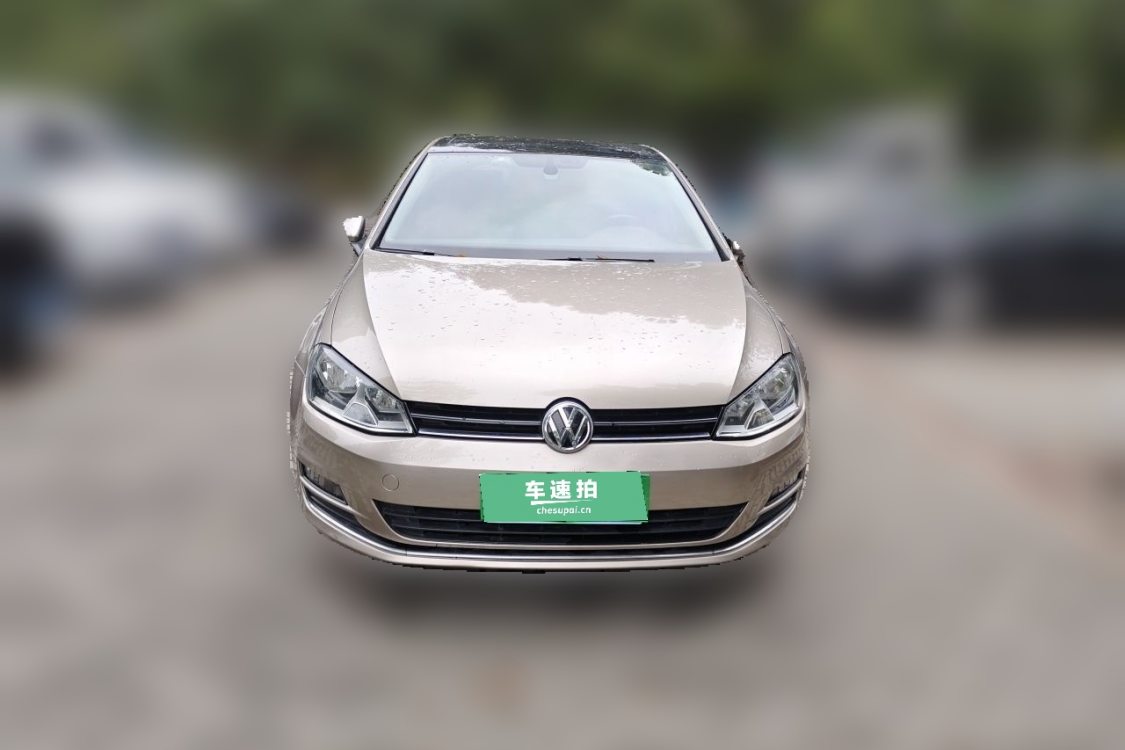
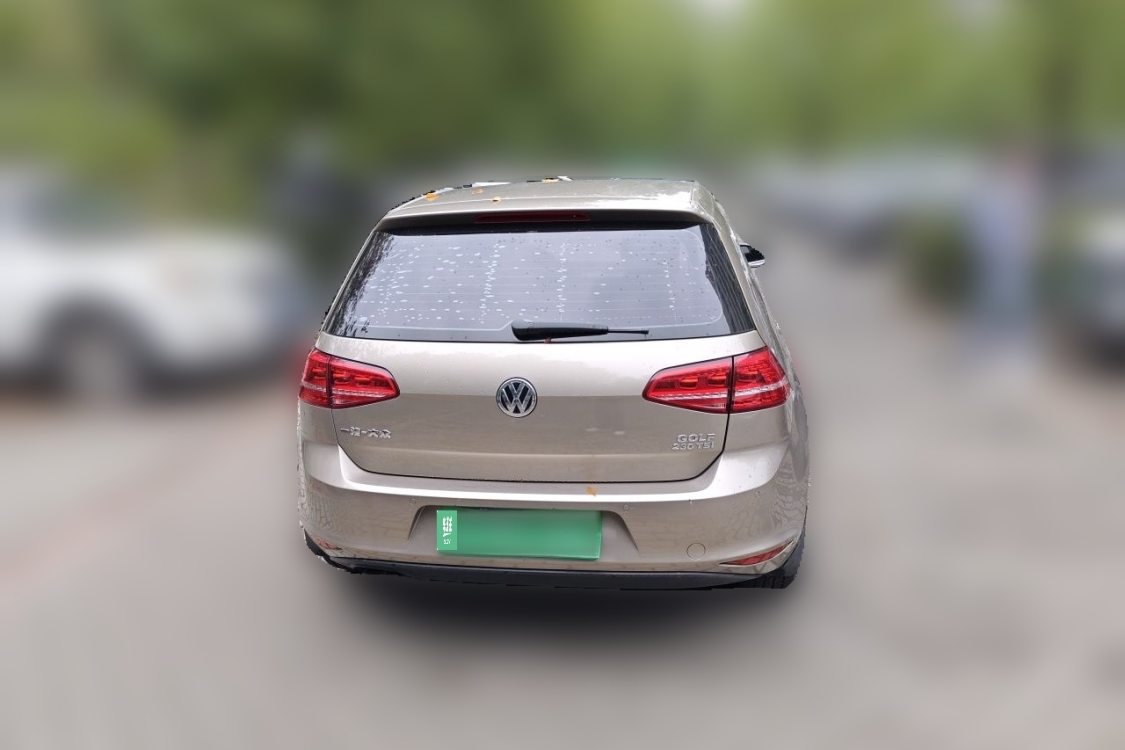
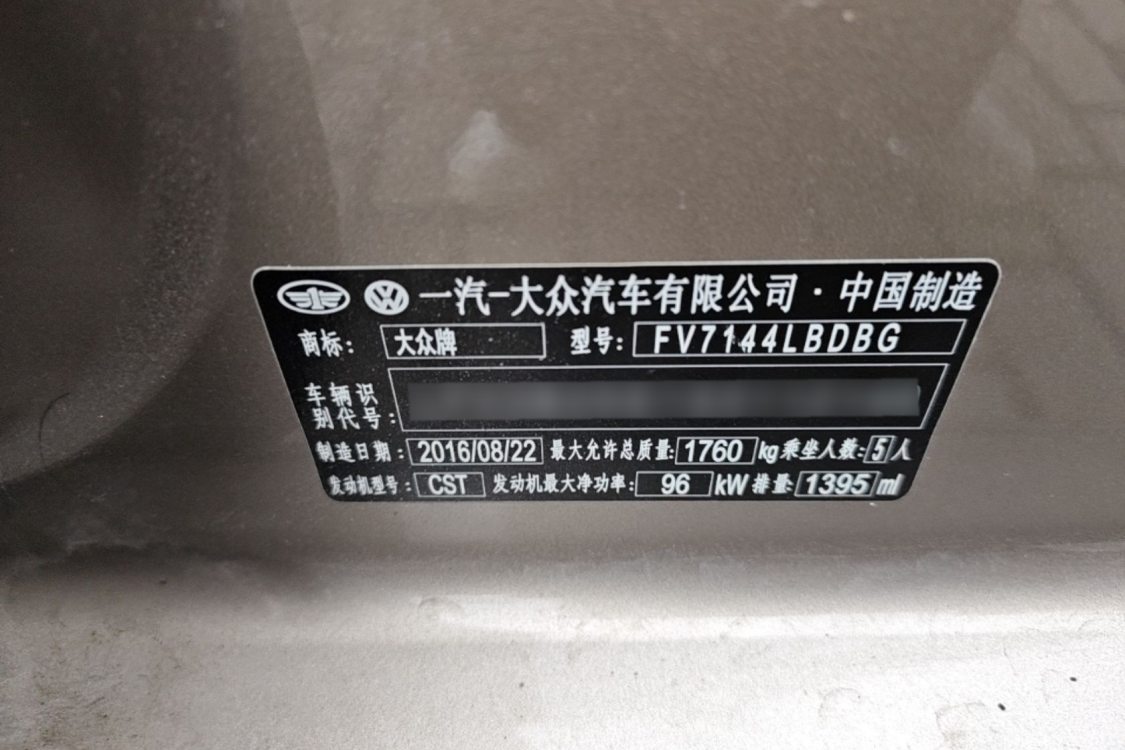
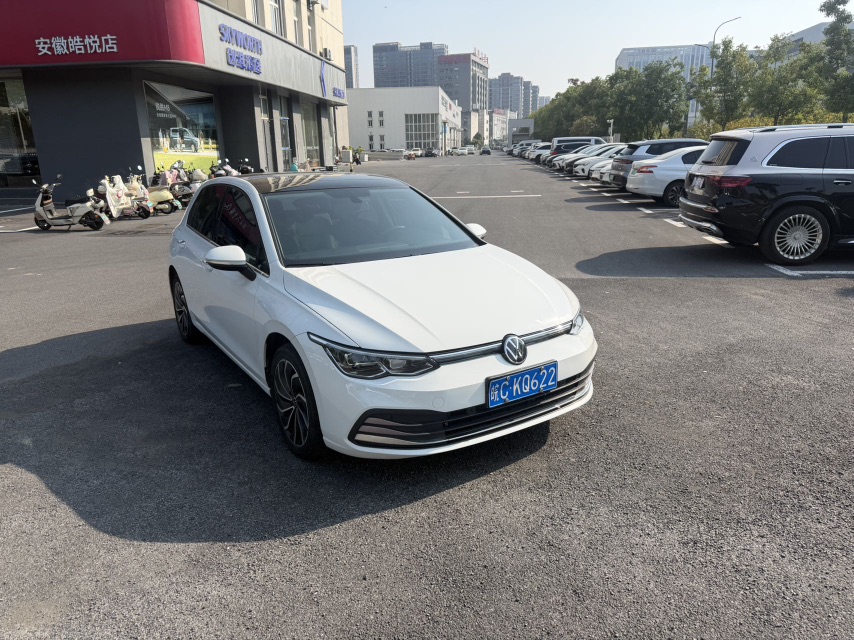
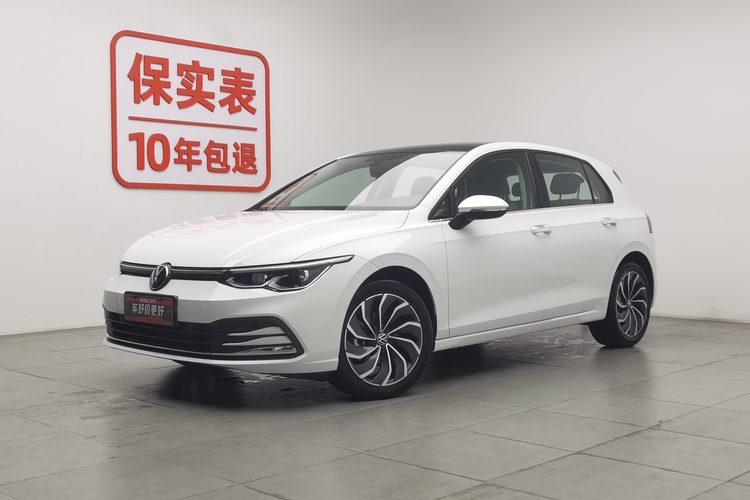
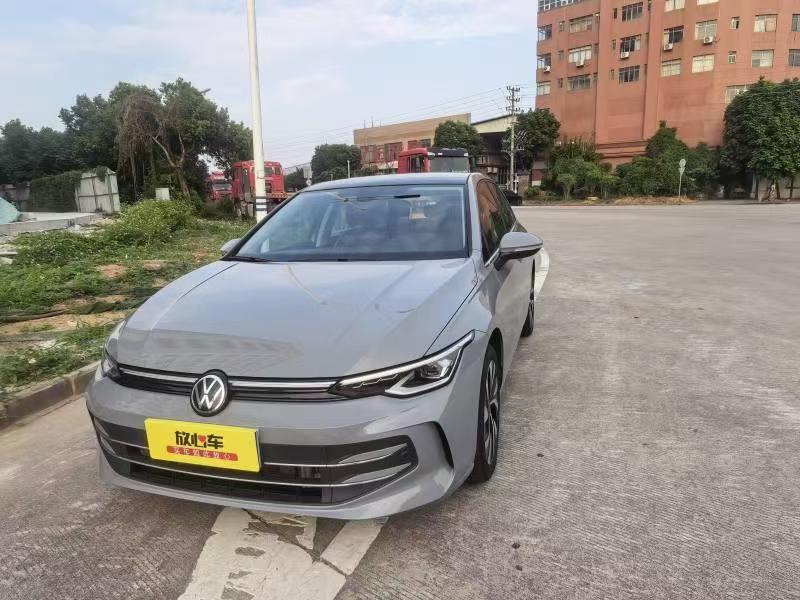
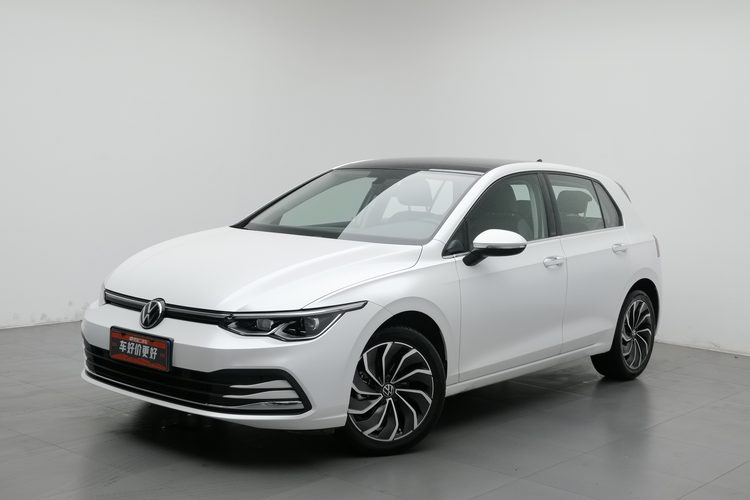
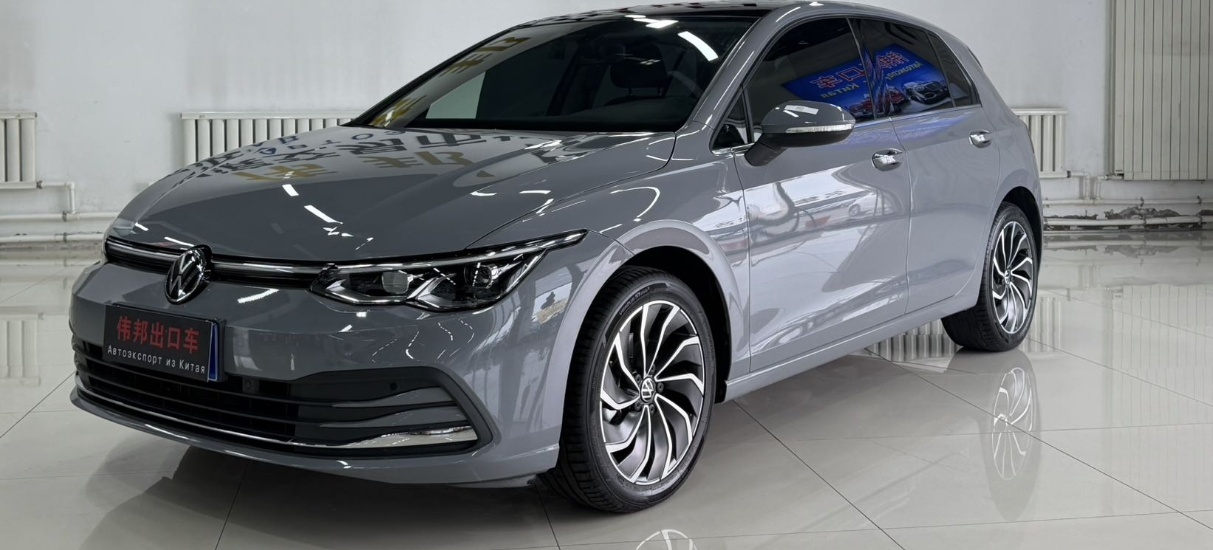
BrandVolkswagen
SeriesGolf
Year2016
First Registration2016/10
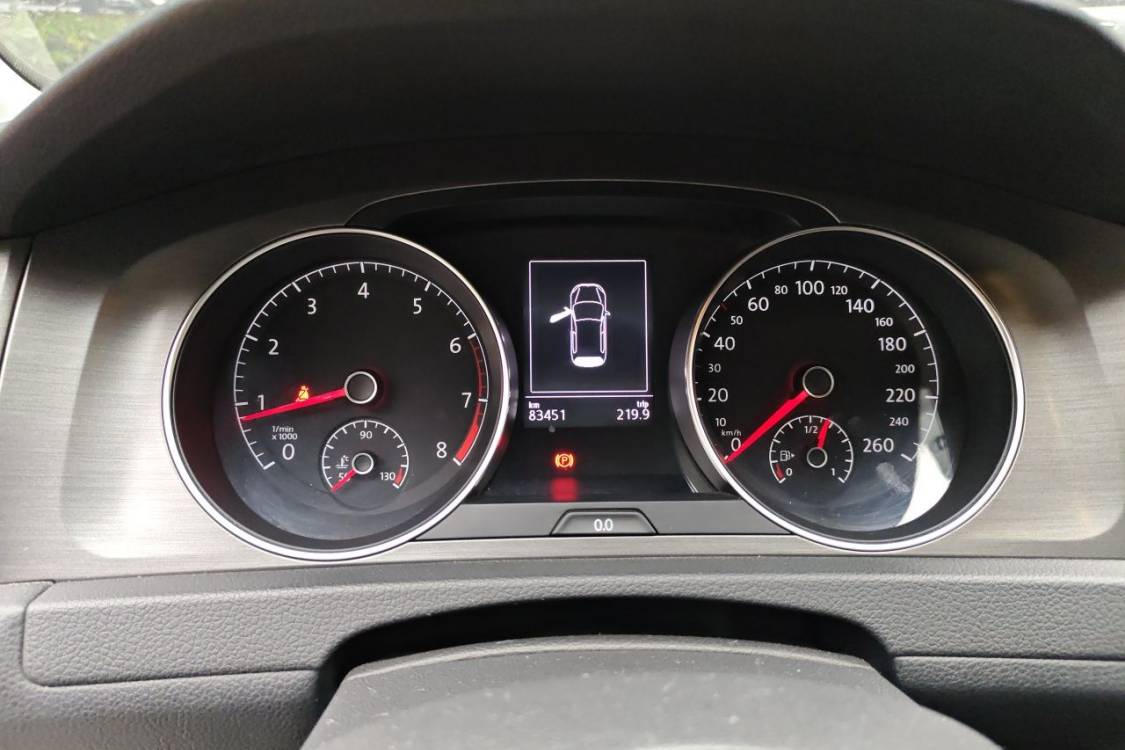
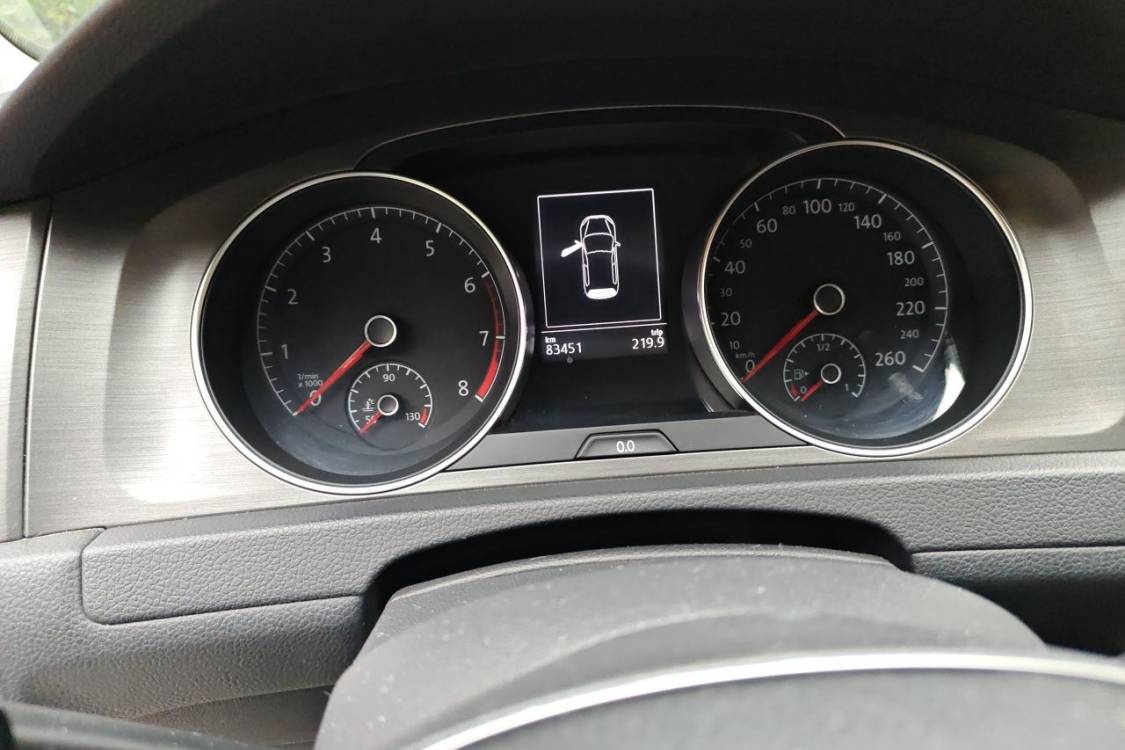
Mileage83,400km
Transfer Count-
FuelGasoline
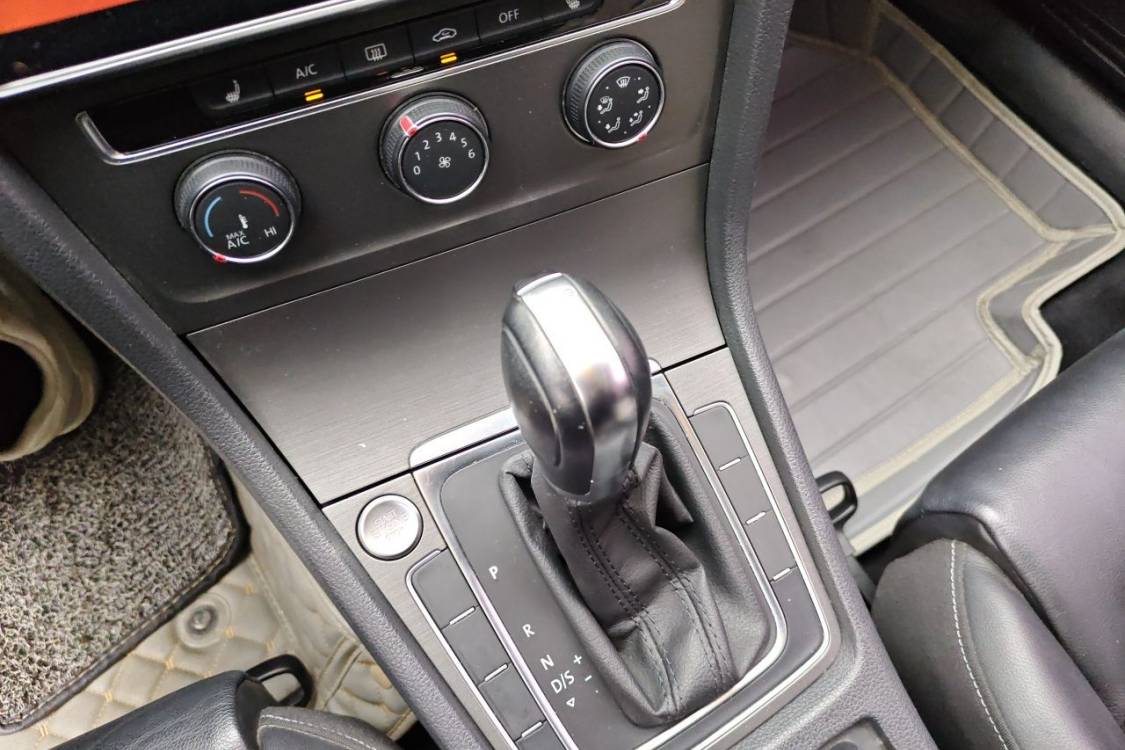
TransmissionDCT
Engine1.4T 131 L4
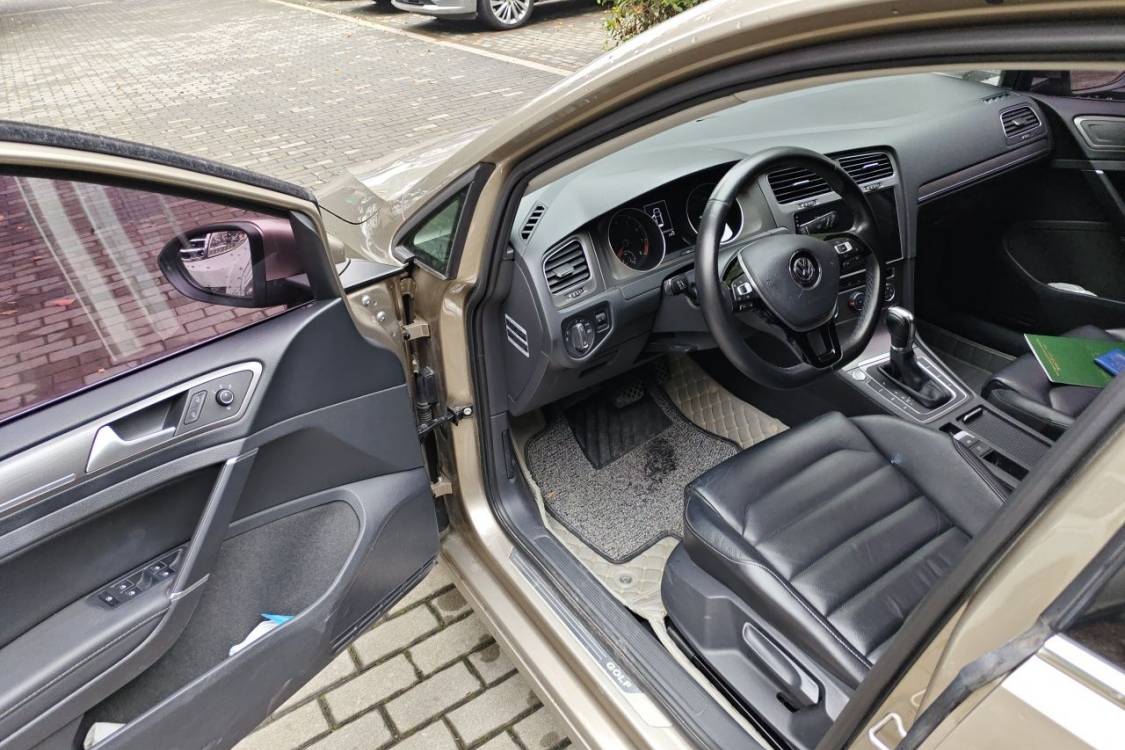
ColorYellow
Seats-

Condition Description

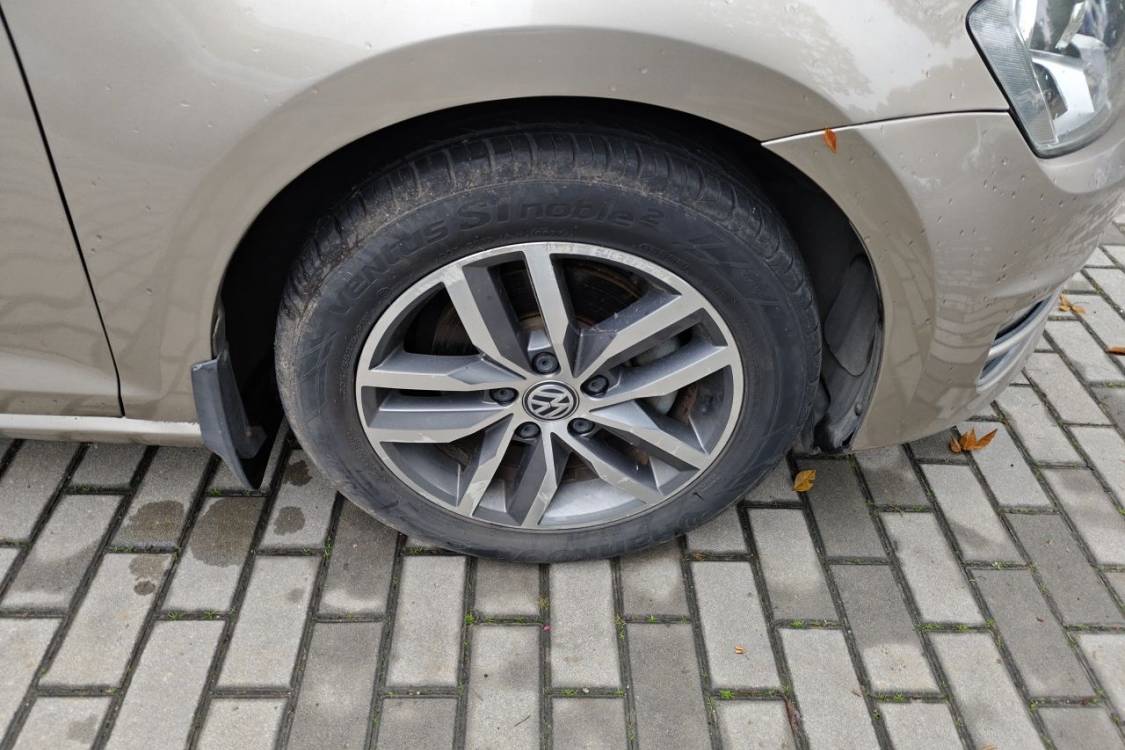
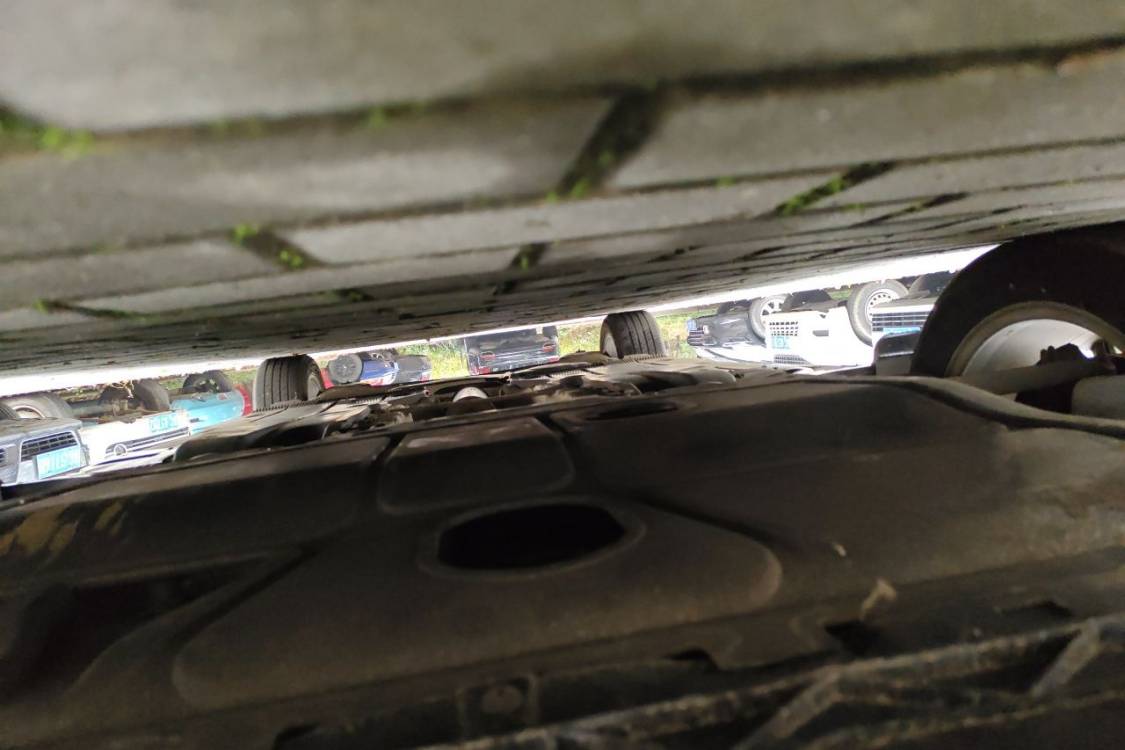
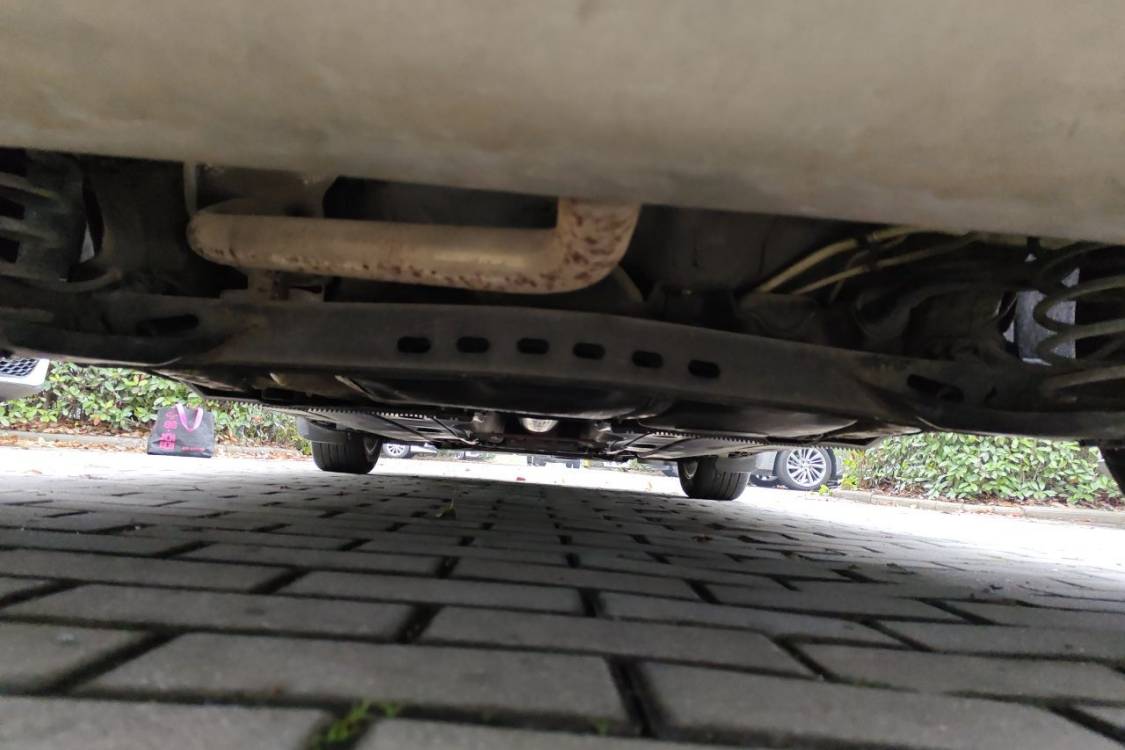
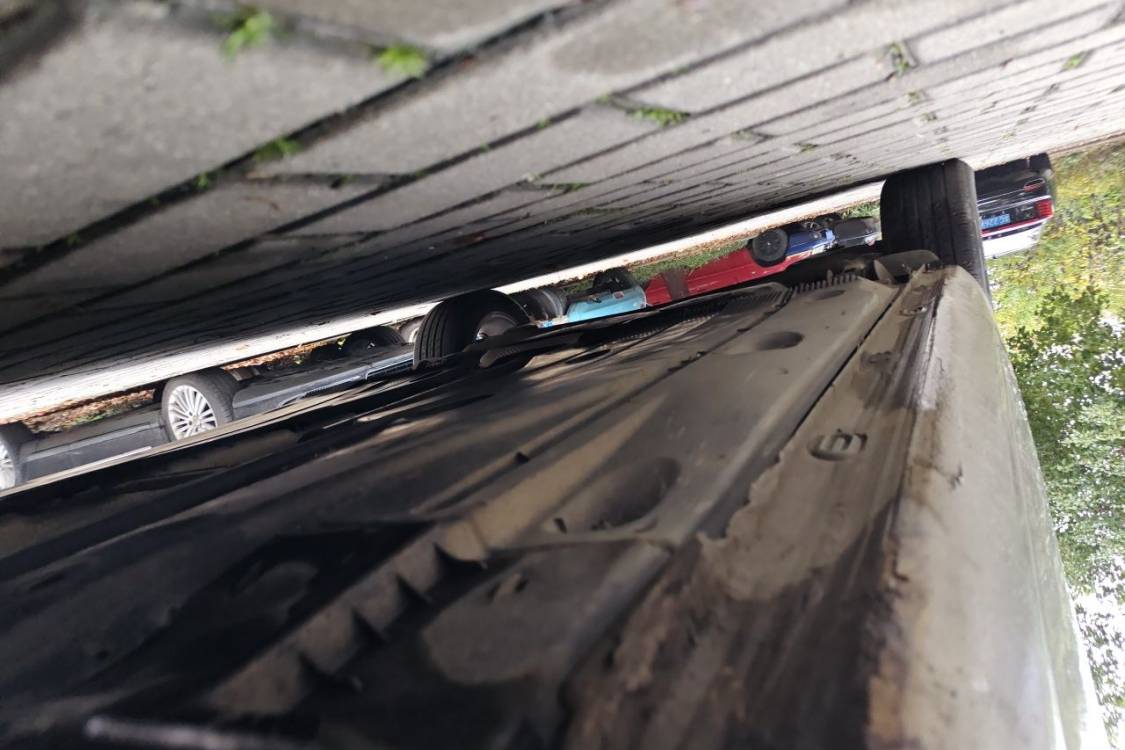
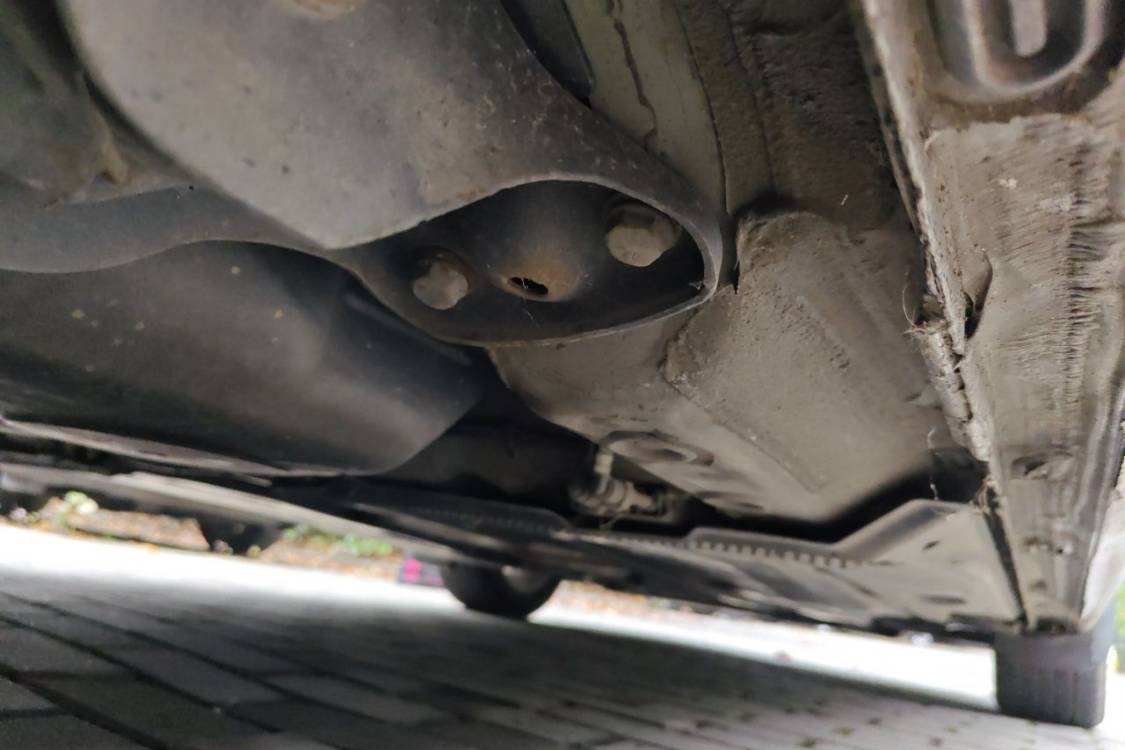
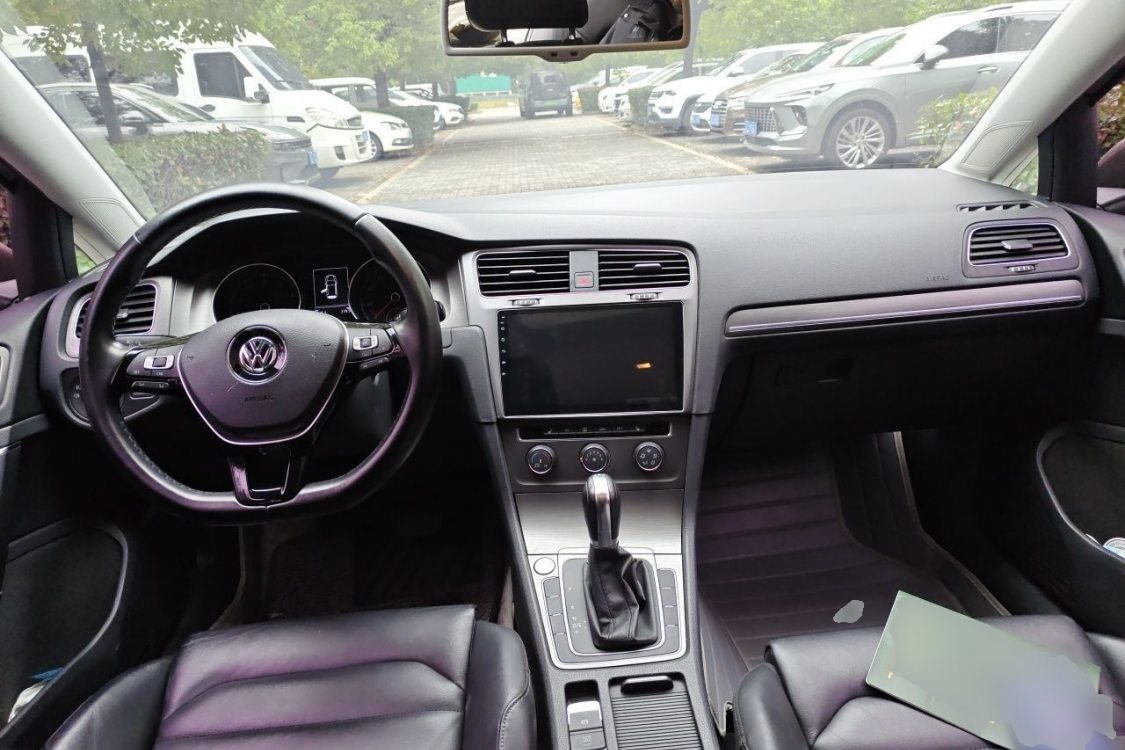
Body components (structural/reinforcing/panels) have accident-type damage; passive safety devices are defective; vehicle performance (including three-electric system) is degraded or remains performance-limited after repairs.

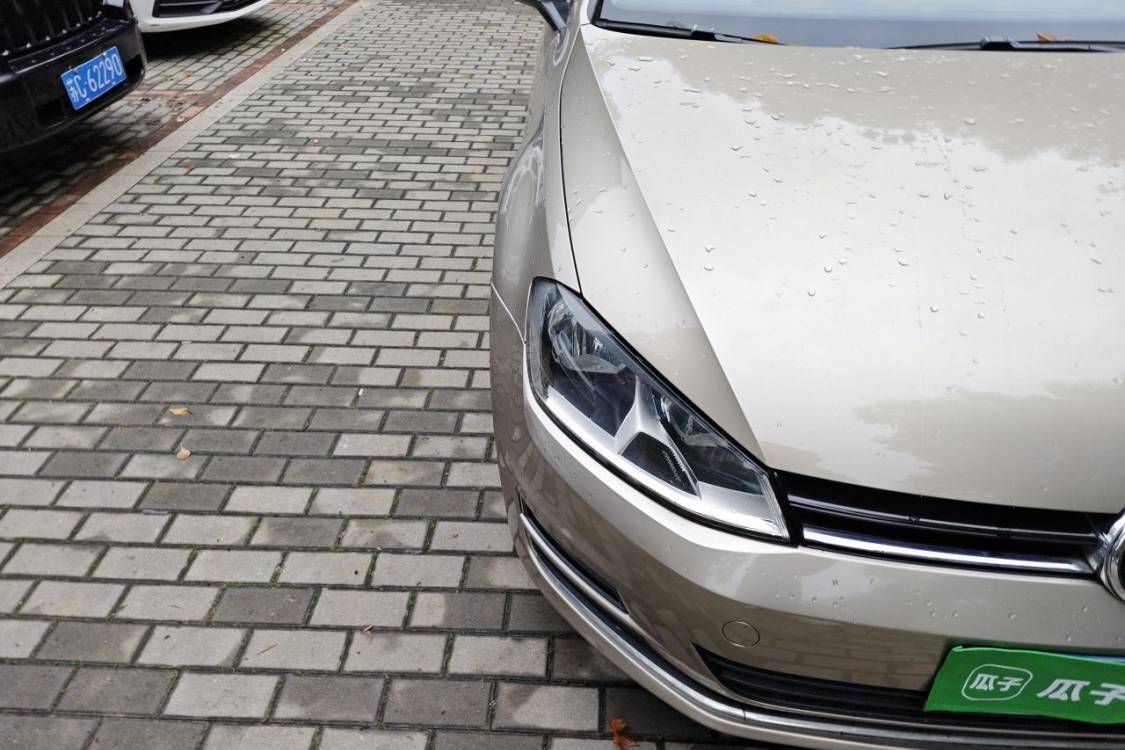
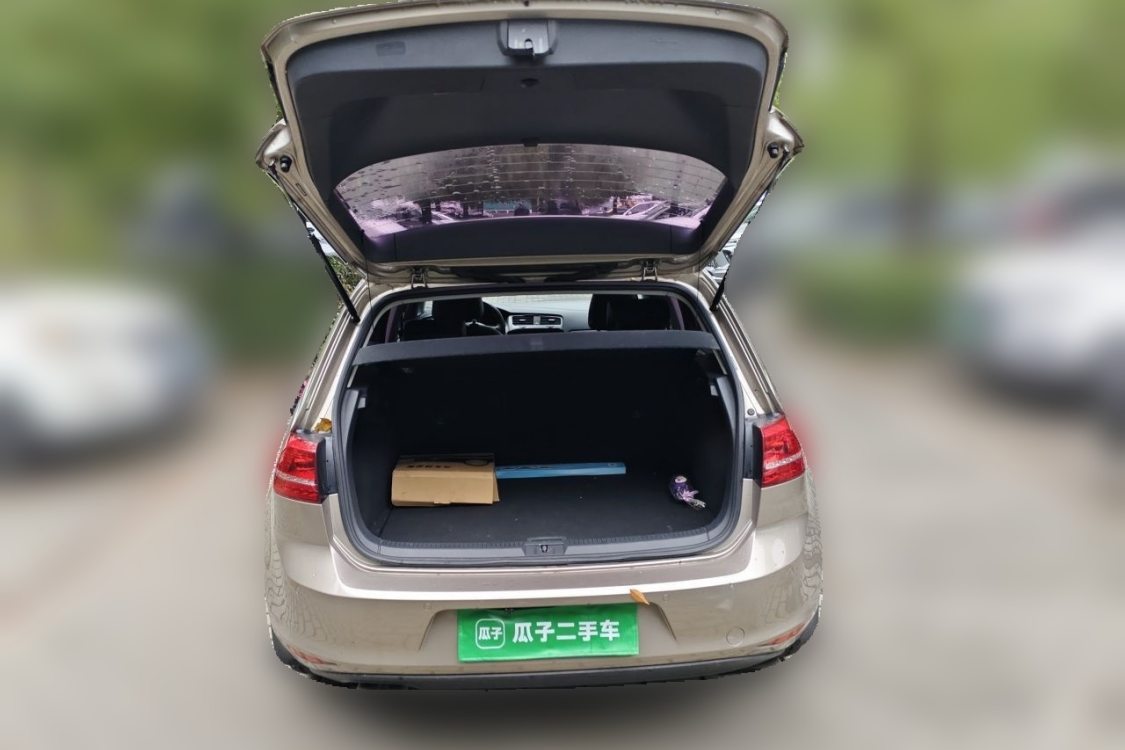
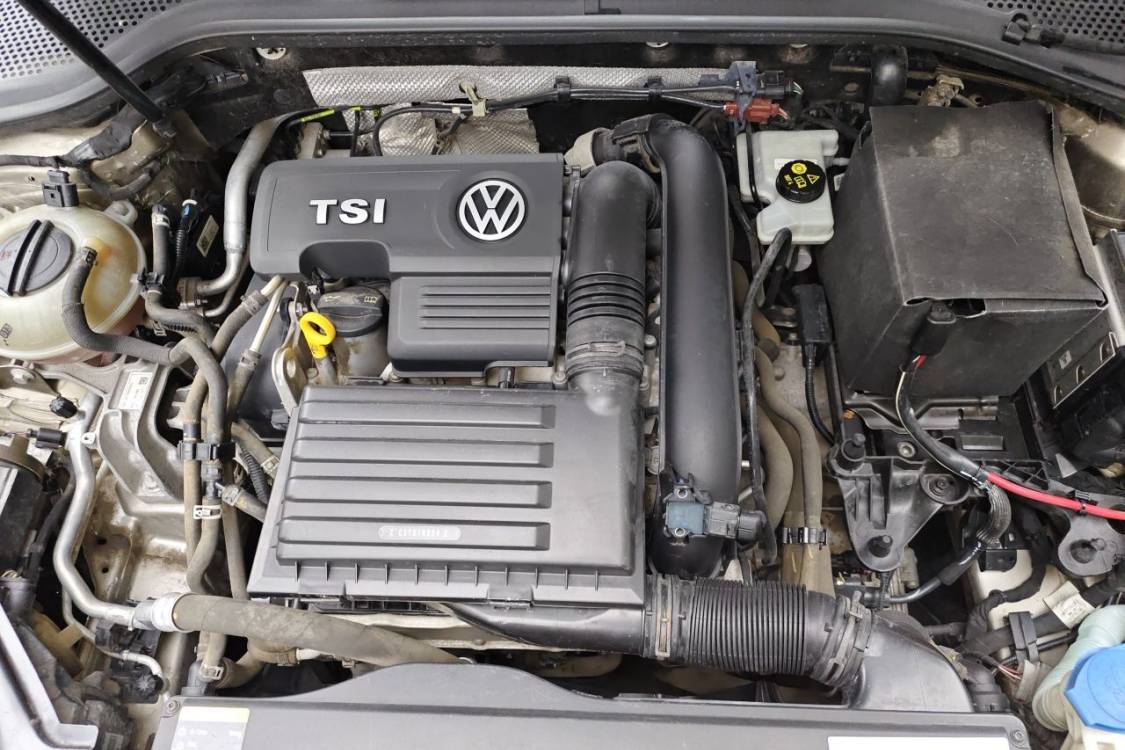
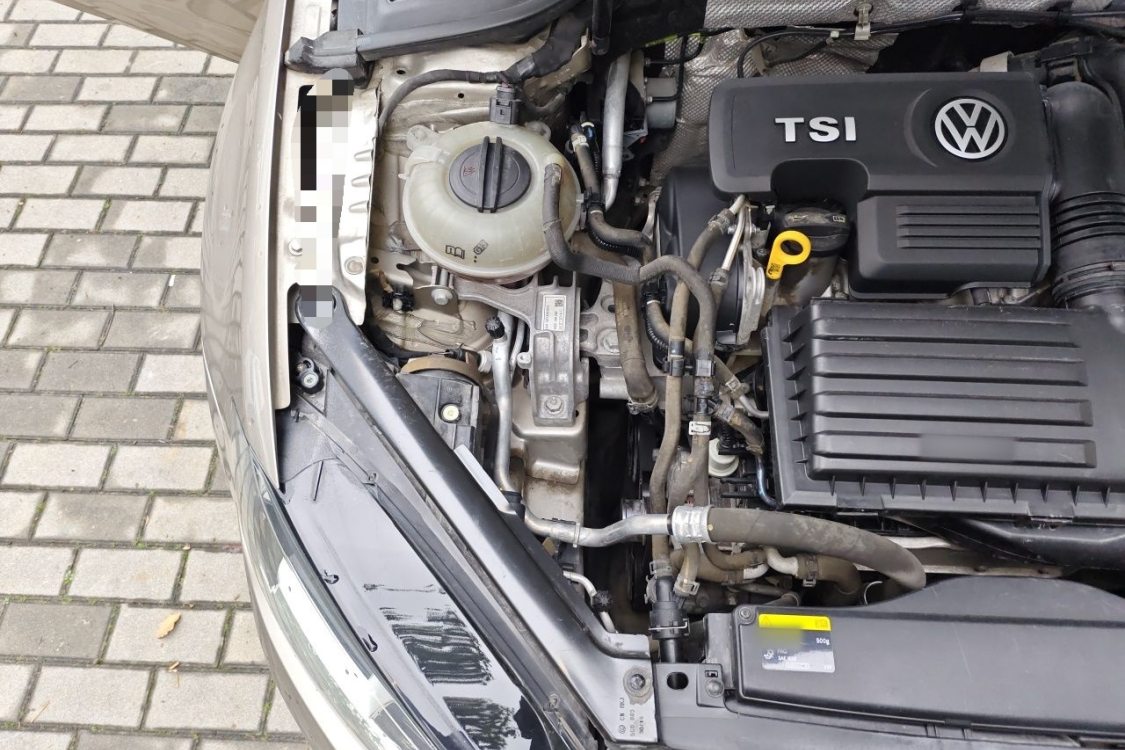
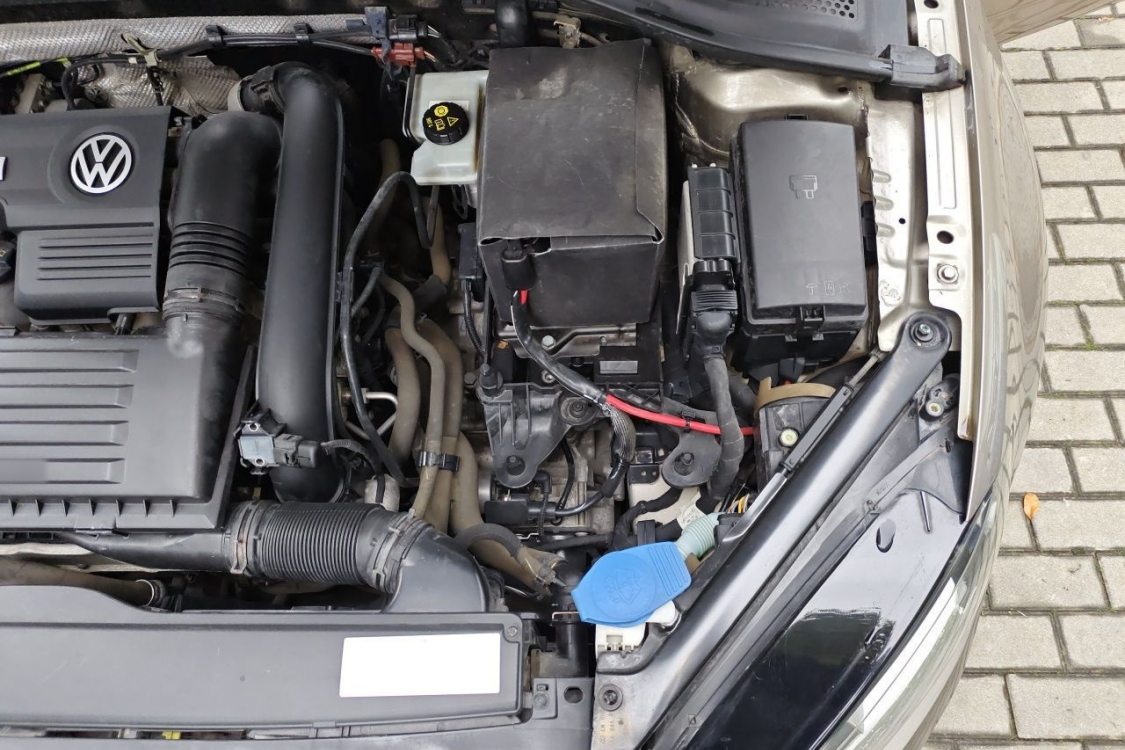
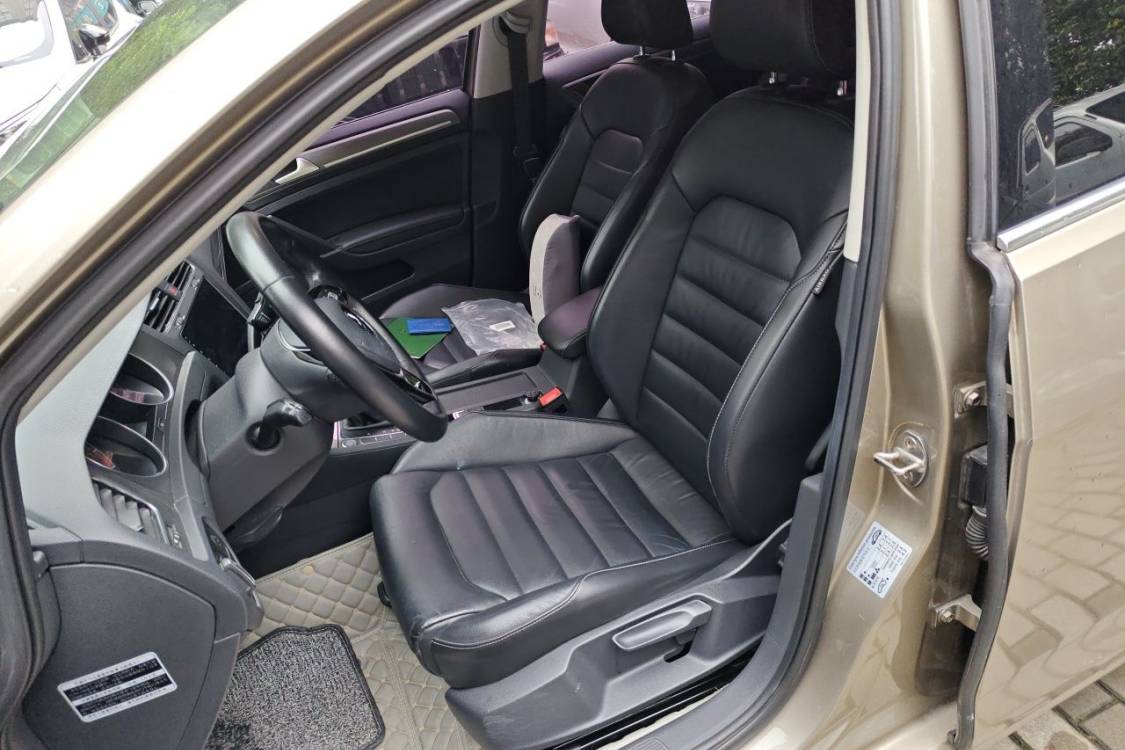
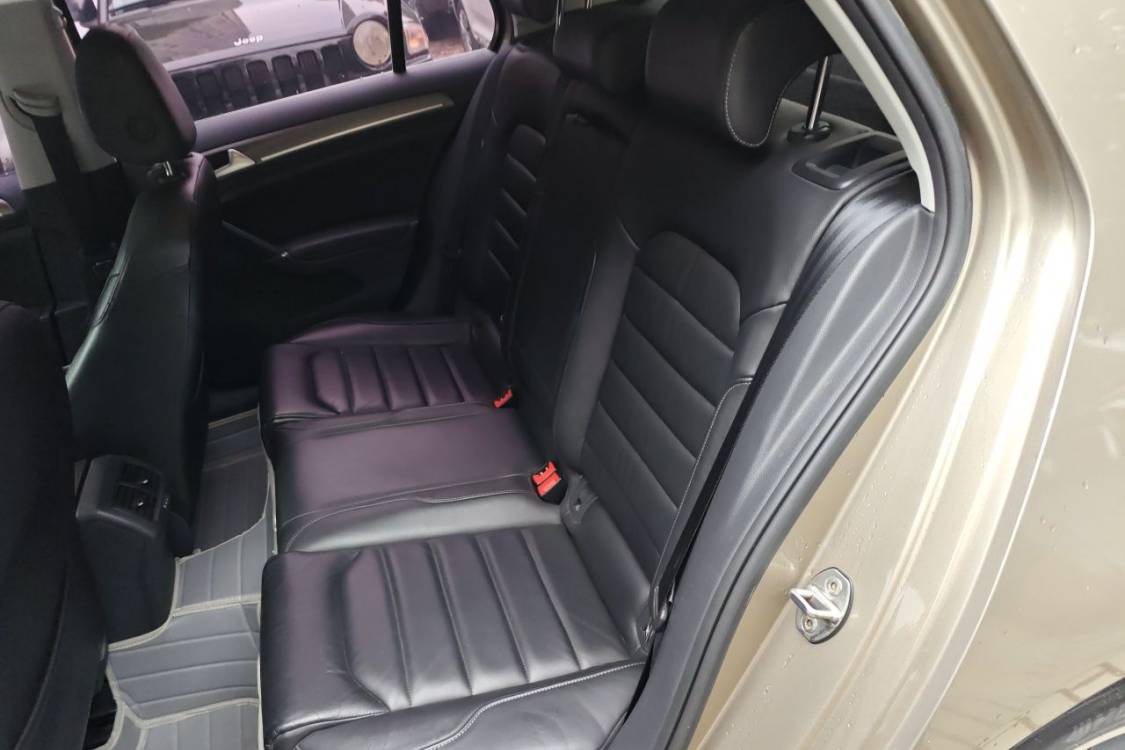
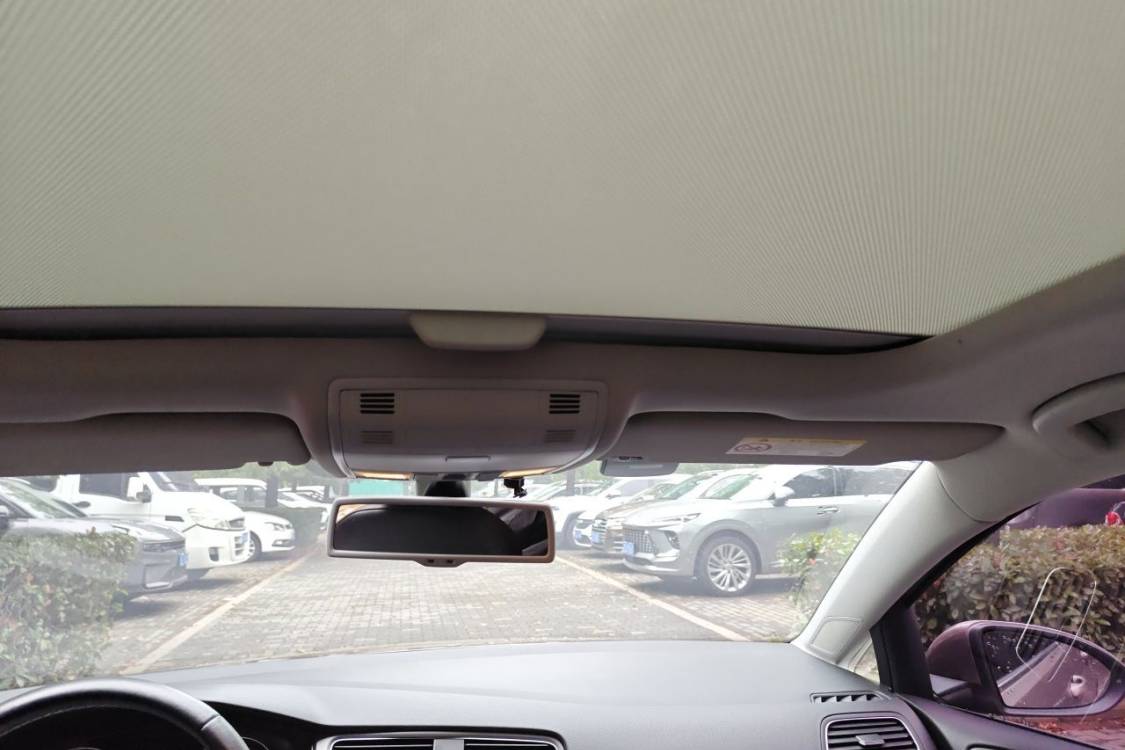
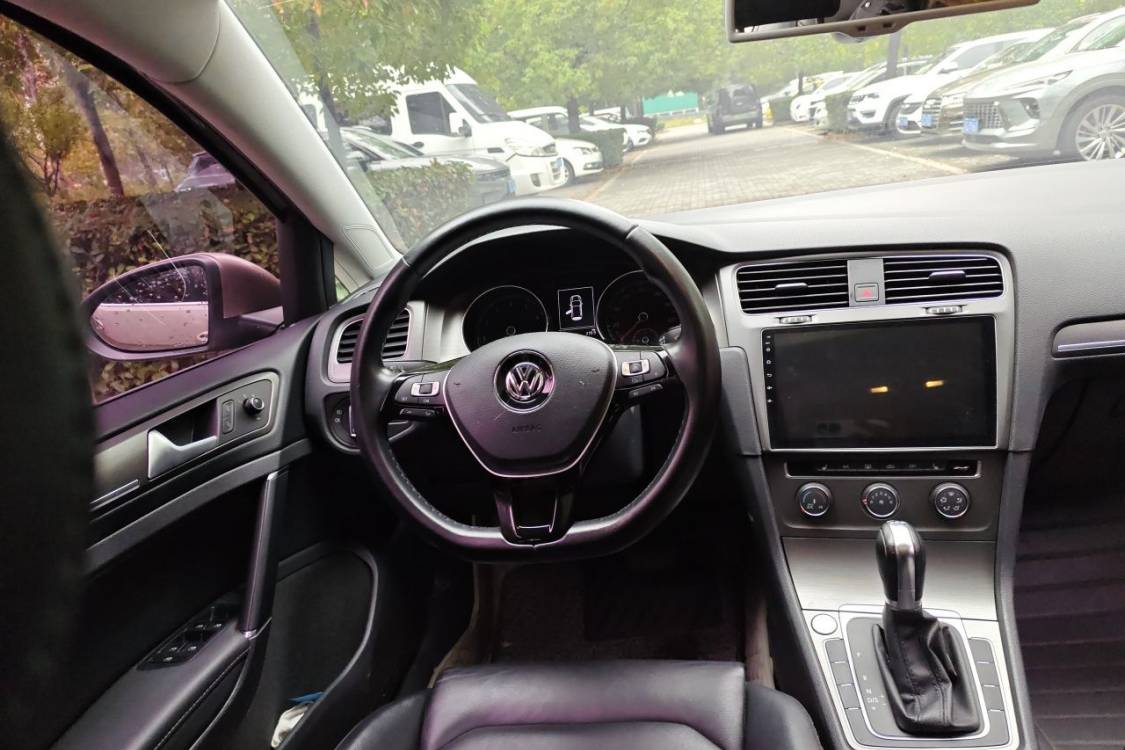
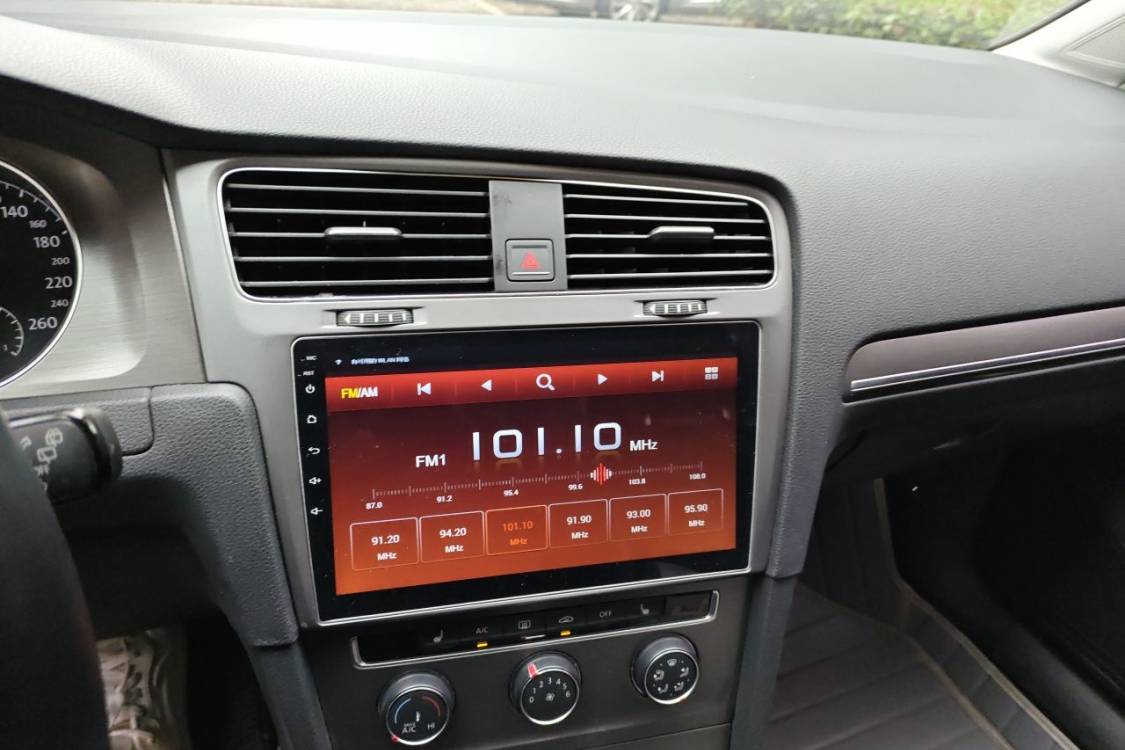
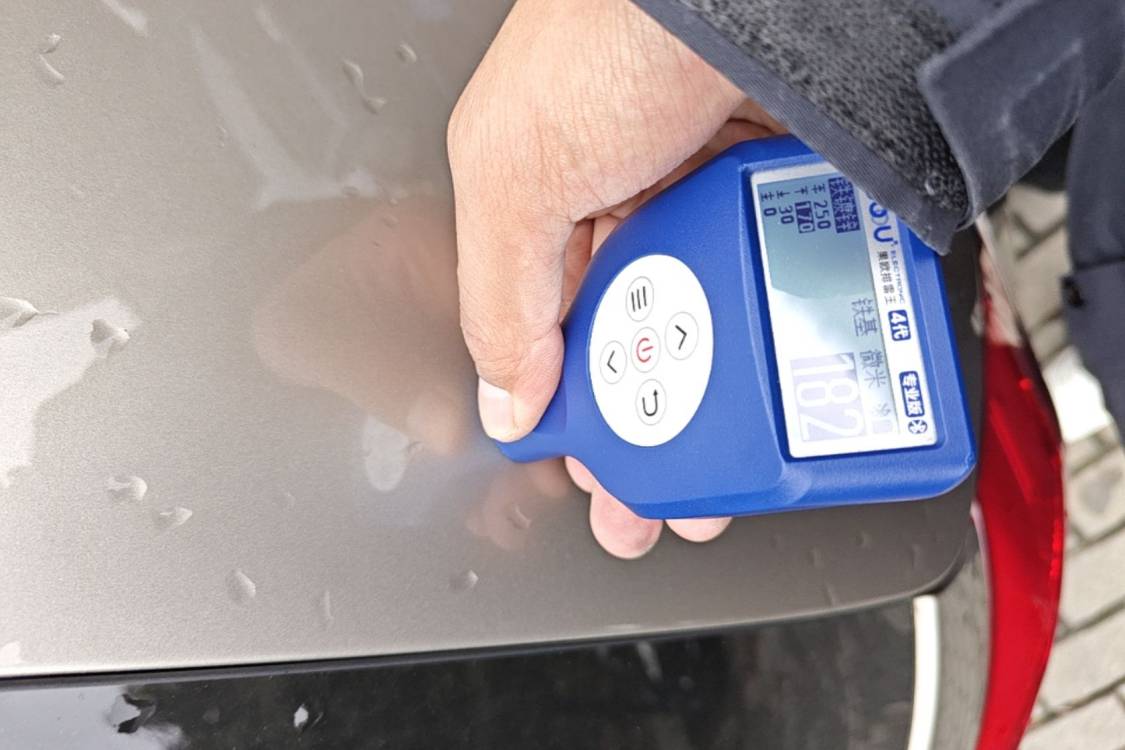
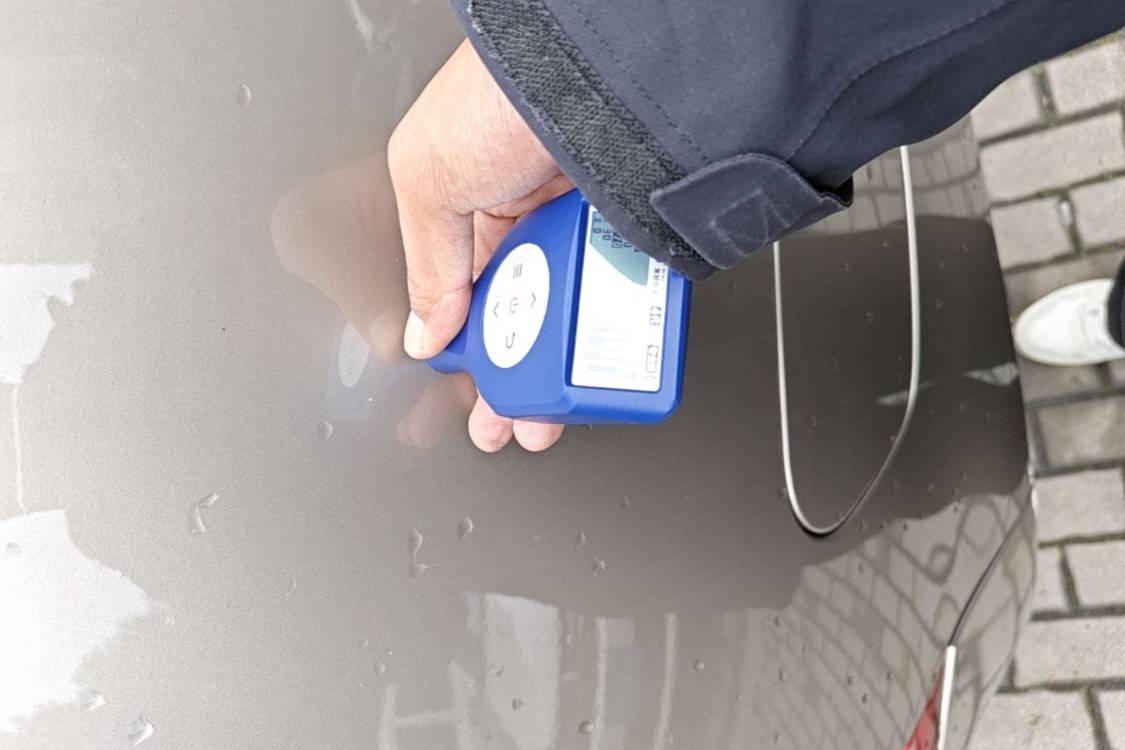
Accident inspection: main structure damaged, reinforcing parts undamaged, panels damaged, hinges normal. Engine bay: key mechanical components normal. Exterior: 7 areas of sheet metal repair. Interior: most features normal, airbags normal, seatbelts normal, dashboard normal, instrument readings normal, lighting system normal. Startup check: main components normal. Onboard tools: none.

可讲价

Document Information

Inspection Expiry Date2027/10
Warranty Expiry Date-
Insurance Expiry Date2027/10

Q&A

More

Can I designate my freight forwarder in China to pick up the goods directly from your warehouse (EXW delivery)?

Yes, but this falls under EXW (Ex Works) terms. In this case, the seller's risk transfers at the moment the goods are ready at the warehouse. Any subsequent domestic trucking accidents, customs inspections at the port, or issues with obtaining export licenses will be fully borne by your designated freight forwarder.

When B2B buyers make bulk purchases, can they request to combine the accessory costs and vehicle price on the same commercial invoice to reduce overall tariffs?

No, this is a serious customs violation. Complete vehicles (HS Code 8703) and auto parts (HS Code 8708, etc.) are subject to completely different import tax rates. Combining them on one invoice could lead to the invoice being returned by customs and may expose you to tax fraud accusations at the destination port.

What should a professional pre-shipment inspection of a used car from China include?

A proper pre-shipment inspection is more than photos — it is a documented technical examination covering four areas. 1. Structure: paint thickness readings across the body, weld inspection of pillars and chassis rails, rust assessment underneath. 2. Mechanical: engine compression or at least a cold-start video, transmission shifts through all gears, suspension noise test on uneven roads, brake pad and disc thickness measurements. 3. Electronics: full OBD diagnostic scan with printed fault codes, all lights, windows, AC, infotainment, and driver-assistance functions tested. 4. Documentation: VIN and engine number physically matched to the registration certificate, photos of the certificate itself. Insist on a written report with photos, measured values, and a clear pass/fail conclusion per section. Make final payment conditional on this report, not on the seller's word or showroom-condition photos.