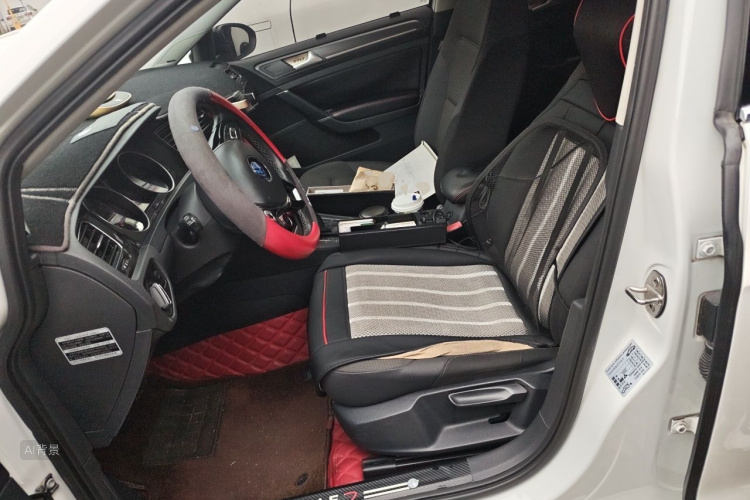
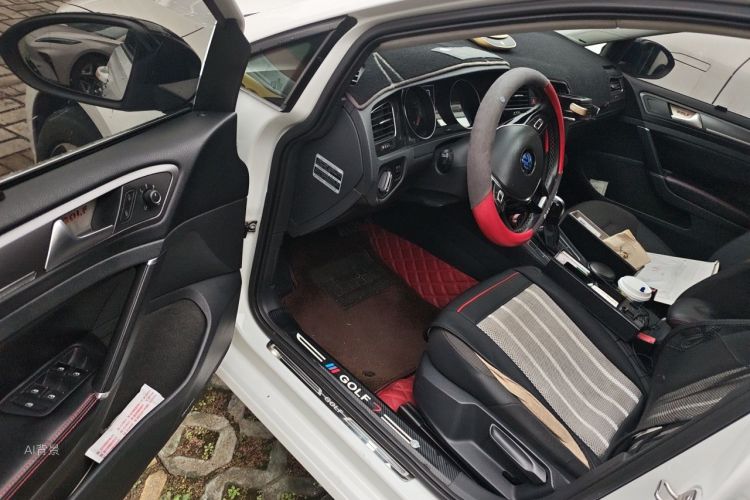
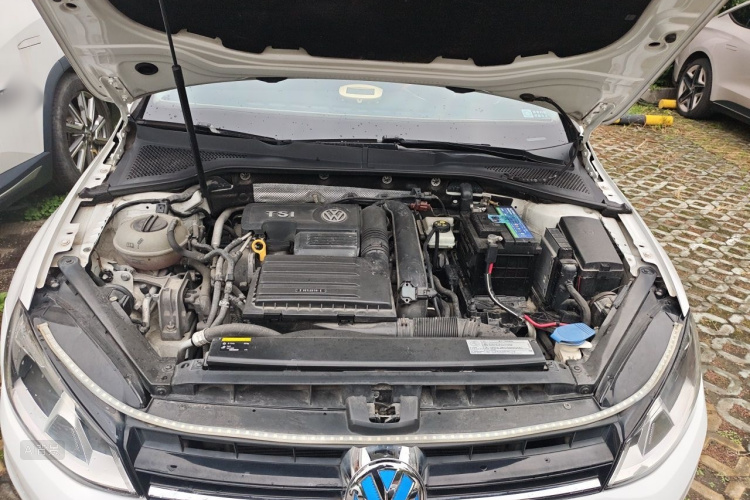
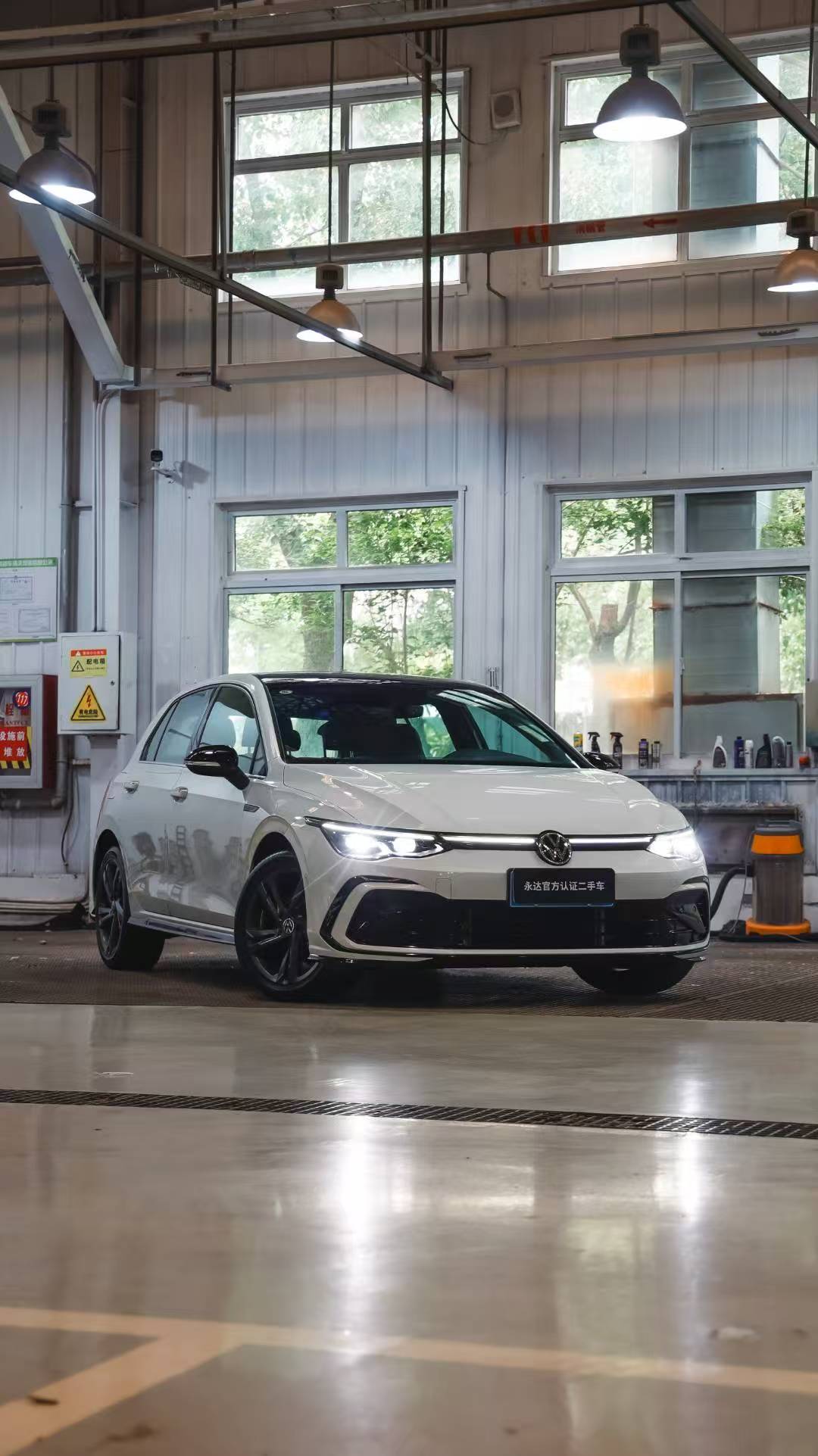
48H

Basic Information

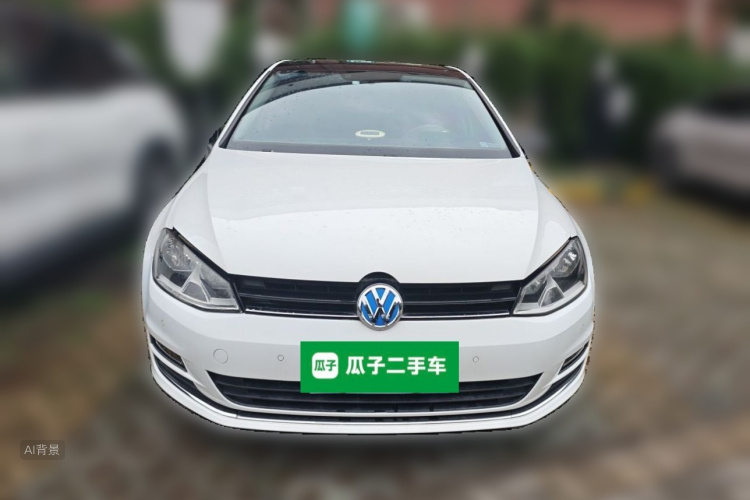
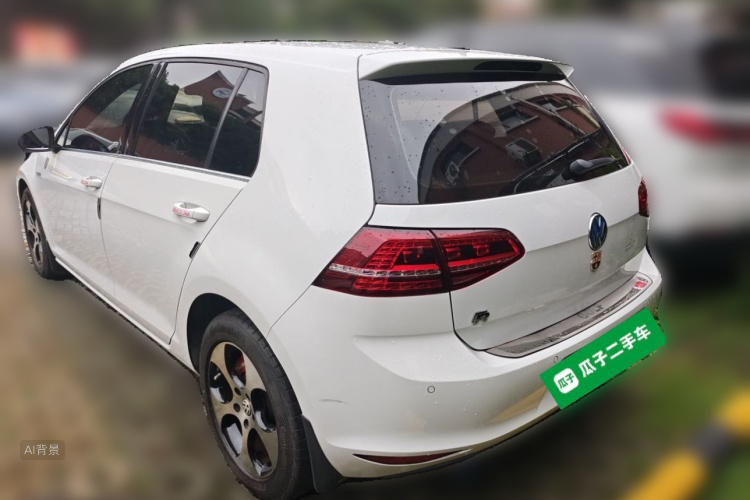
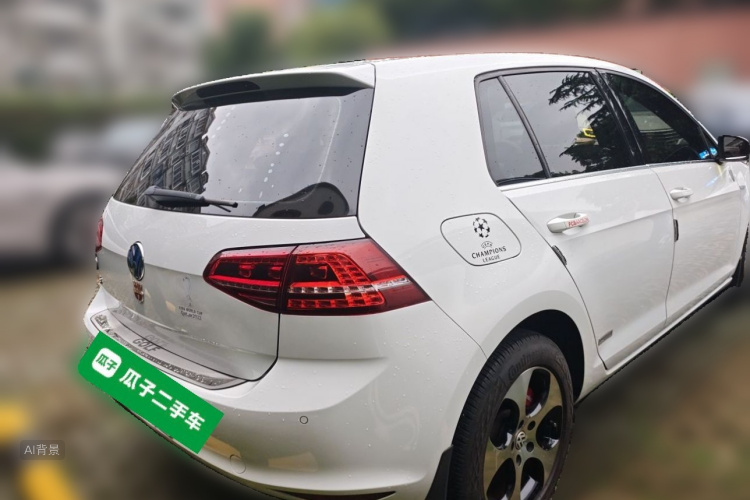
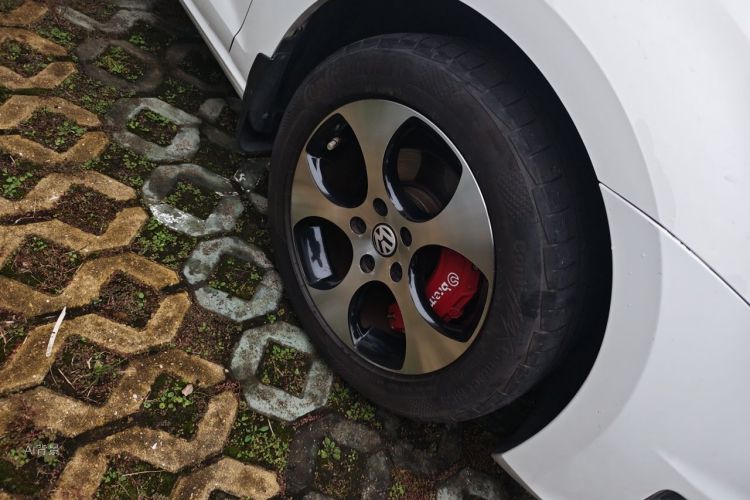
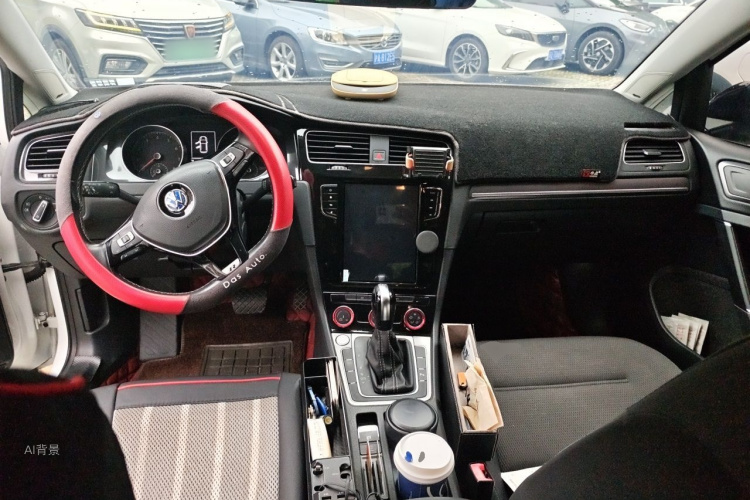
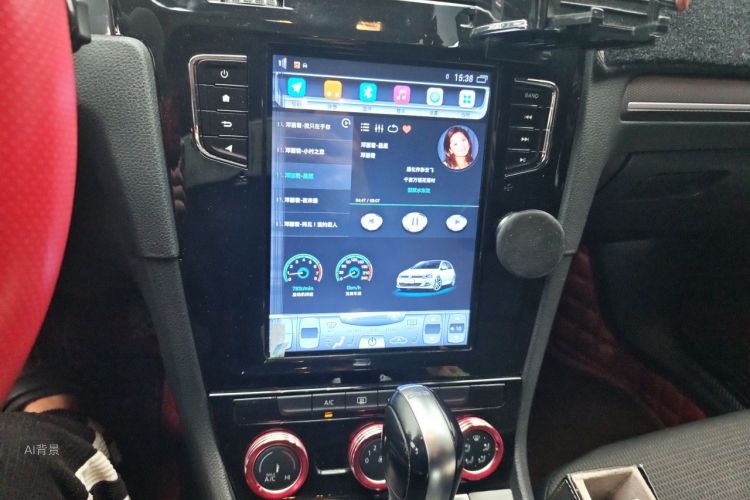
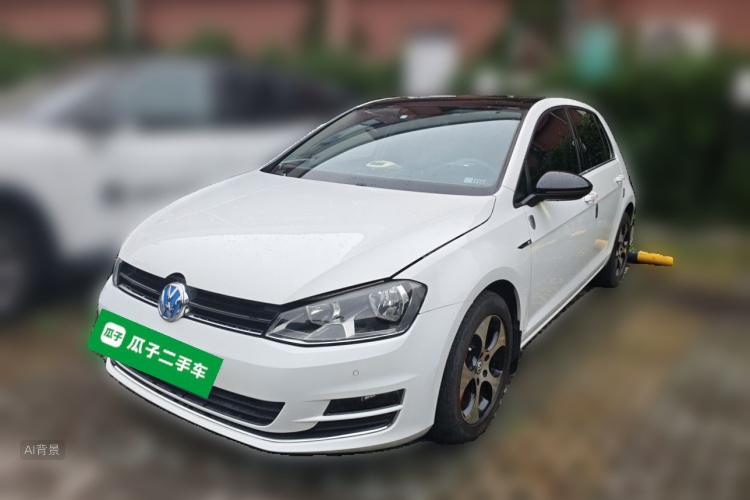
BrandVolkswagen
SeriesGolf
Year2017
First Registration2017/06
Mileage100,400km
Transfer Count0times
FuelGasoline
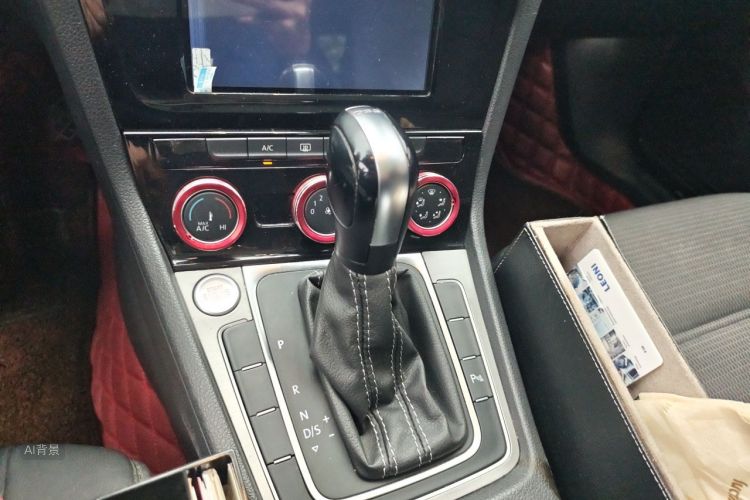
TransmissionDCT
Engine1.4T 131 L4
Color
Seats-

Condition Description

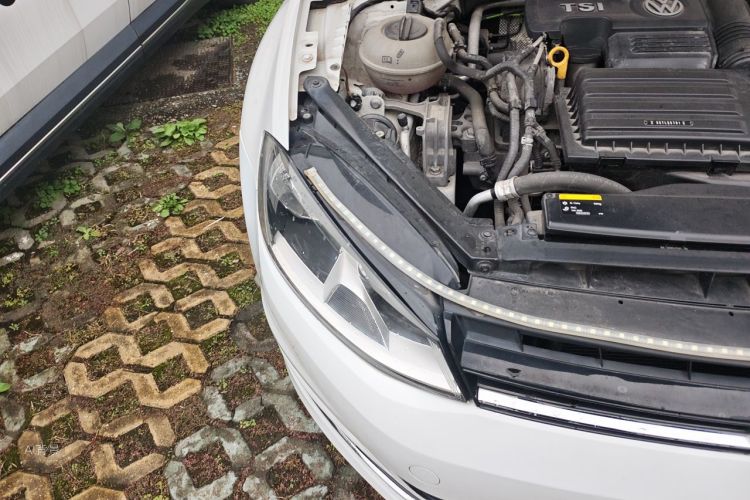
Basic condition: good | 5 insurance claims | 0 transfers

Q&A

More

What is the latest time to request changes to the consignee and notify party on the bill of lading?

Changes must be requested before the shipping cut-off date (SI Cut-off Date) prior to the vessel's departure. Once the vessel has sailed, the shipping company will charge a high amendment fee, which may also cause delays in customs clearance at the destination port, with costs borne by the buyer.

What kind of after-sales warranty do Chinese used car exporters usually offer, and what is realistic to claim?

Most exporters offer a limited warranty of 30 to 90 days covering major mechanical failures (engine, gearbox, electric motor), but only if you can prove the fault existed before shipment. Cosmetic issues, wear-and-tear parts (brakes, tires, clutch) and damage caused by improper local maintenance are almost always excluded. What is realistic to claim: · Engine or transmission failure confirmed by a licensed workshop within the warranty window, with a diagnostic report. · Undeclared accident or flood damage discovered after arrival (strongest case, keep the inspection report and photos). How to protect yourself: 1. Get the warranty terms written into the contract, including claim procedure and response time. 2. Have the car inspected locally immediately upon arrival and keep all records. 3. Communicate claims in writing (email) with photos and reports attached. Treat the warranty as a backup, not the main protection. A thorough pre-shipment third-party inspection matters far more than a paper warranty.

Does the Chinese government provide tax rebates for used car exports? Is this subsidy reflected in the car price?

Unlike new car exports, there are currently no large national export tax rebates for used cars in China. Therefore, our FOB price is purely the vehicle's residual value plus compliant operating costs, leaving no room for price wars using subsidies.