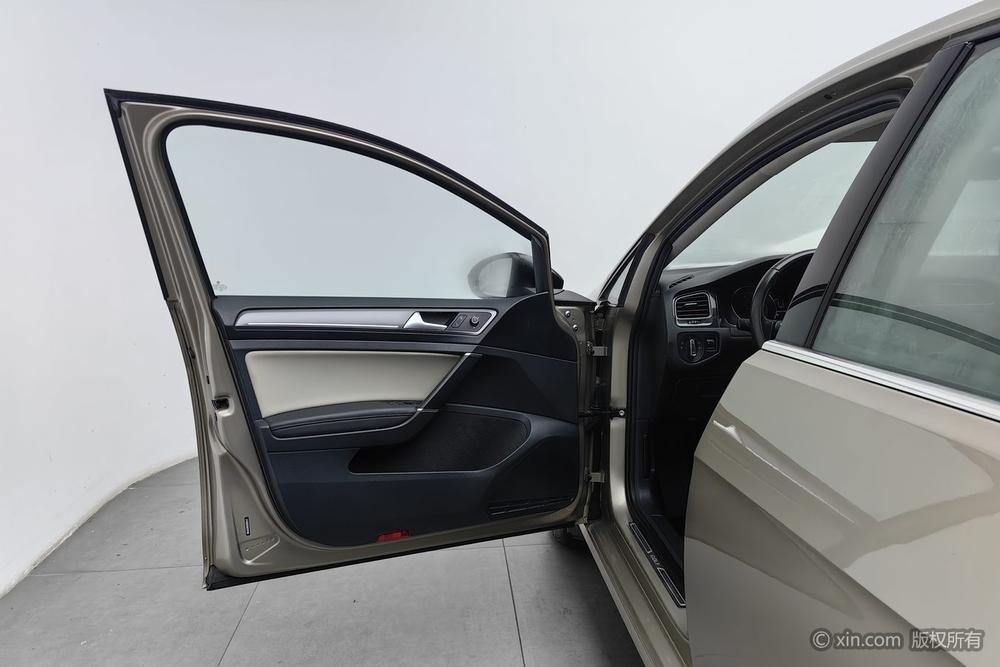
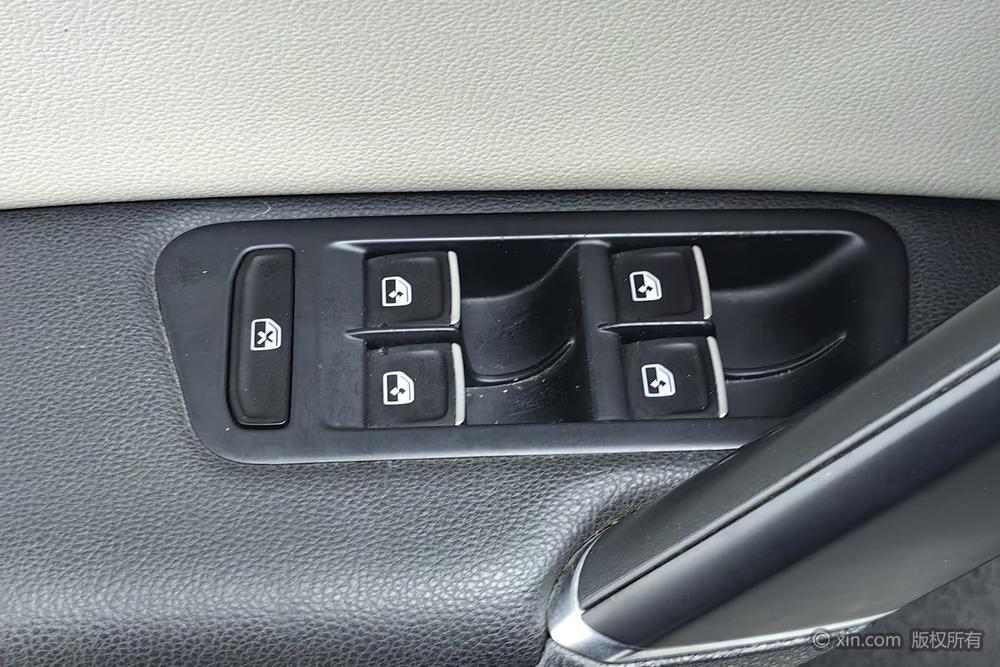
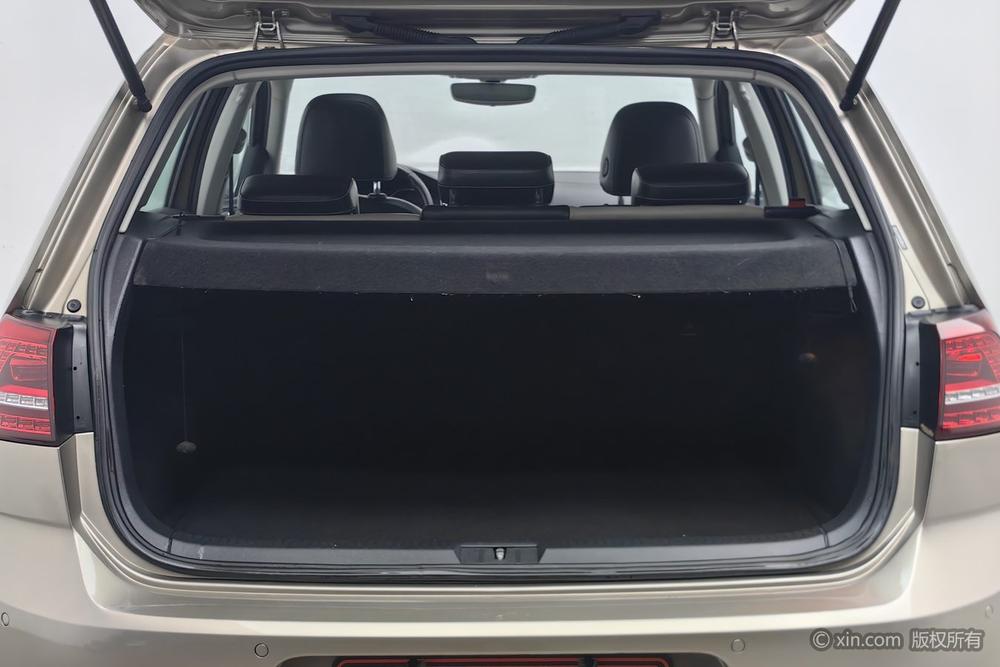
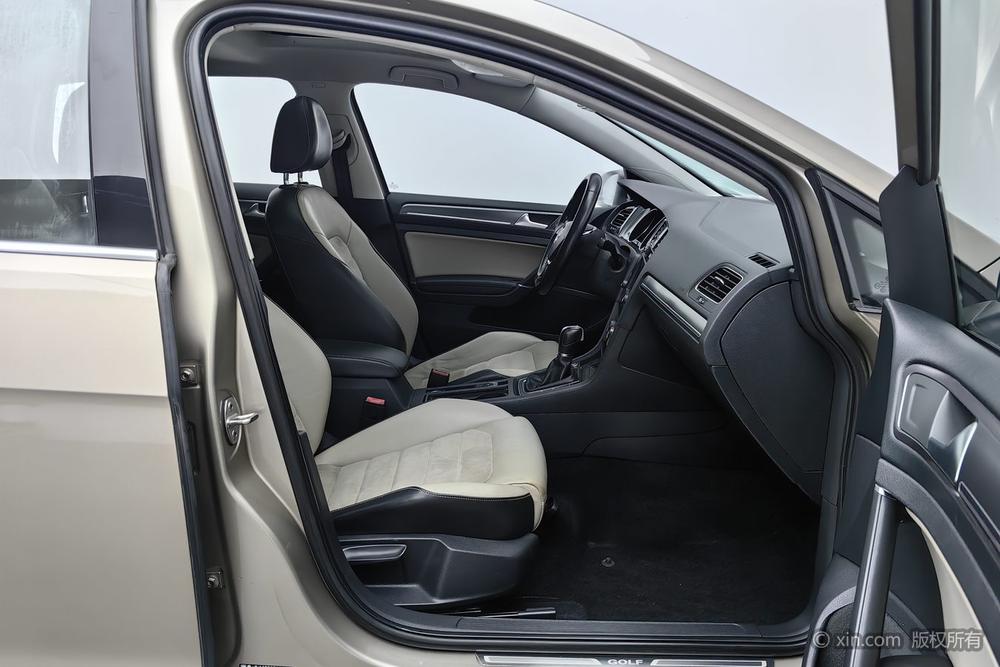
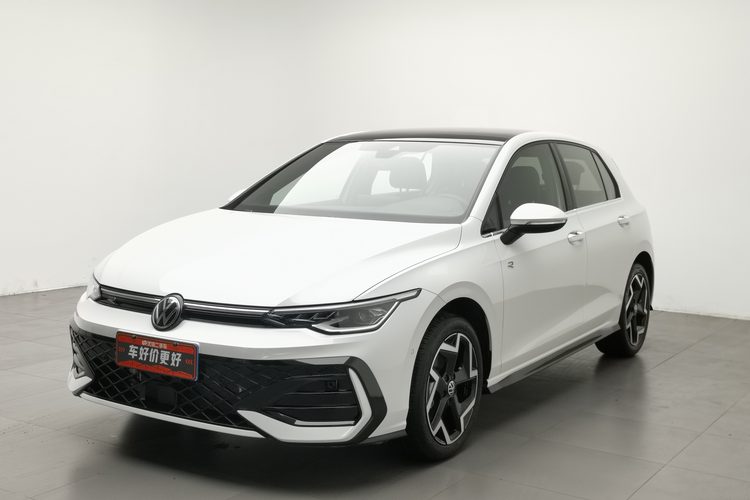
24H

Basic Information

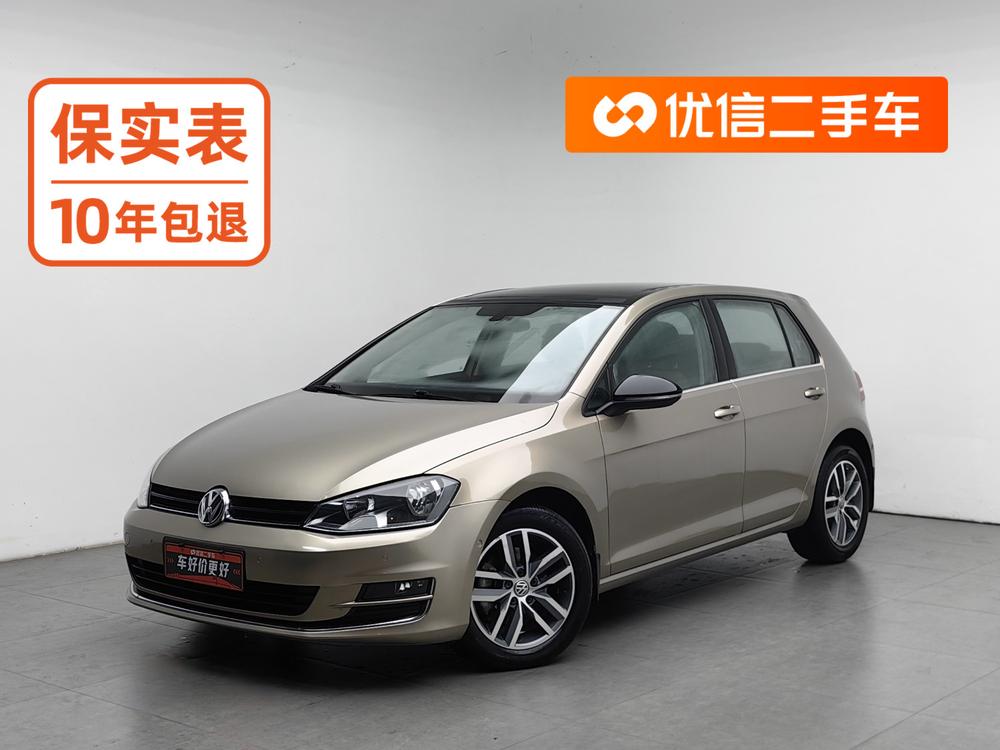
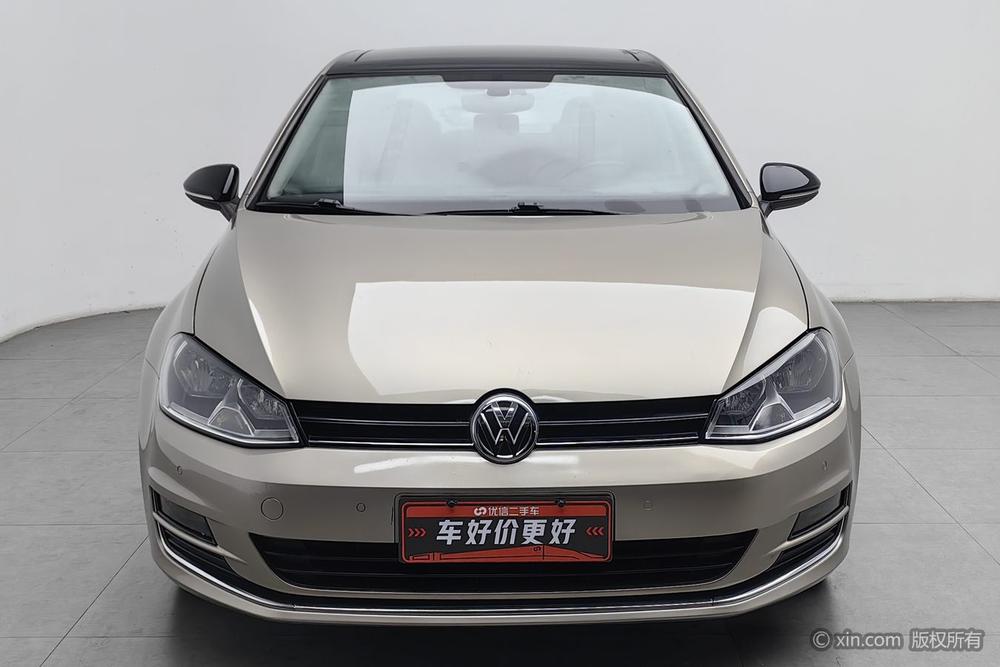
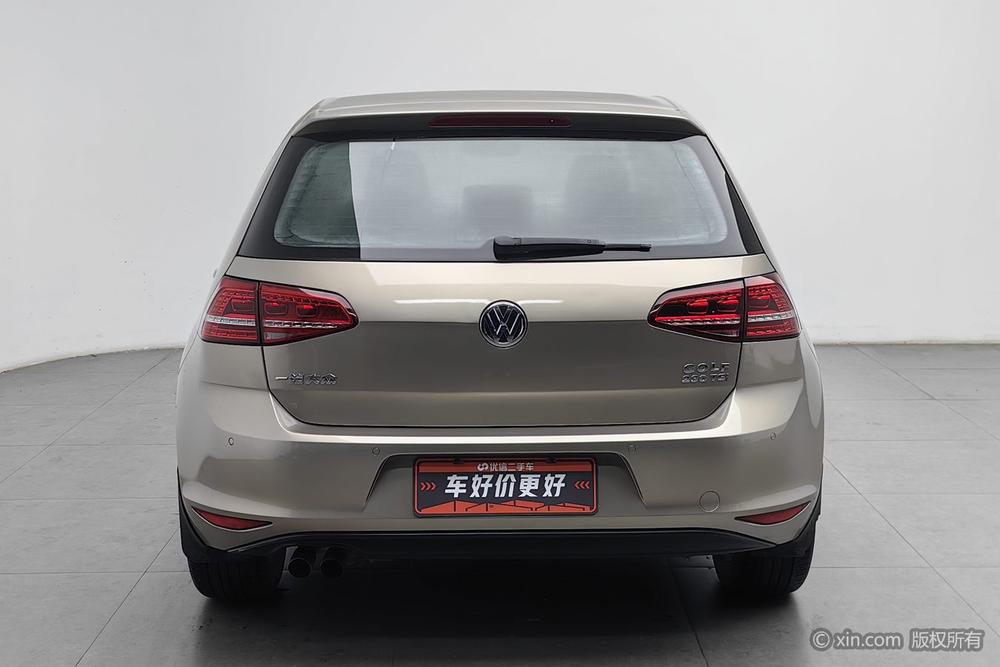
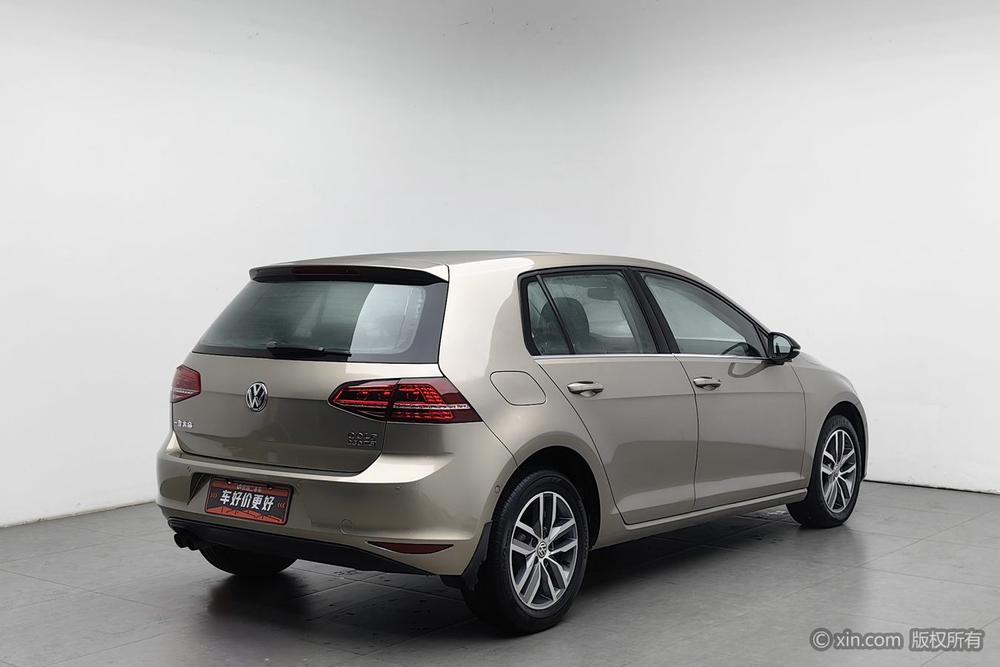
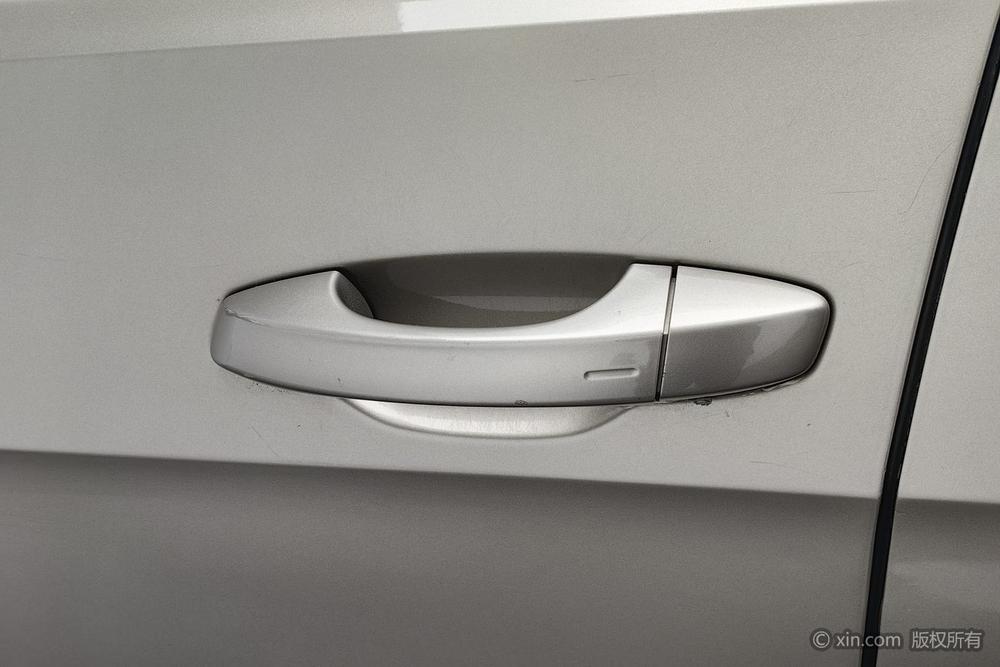
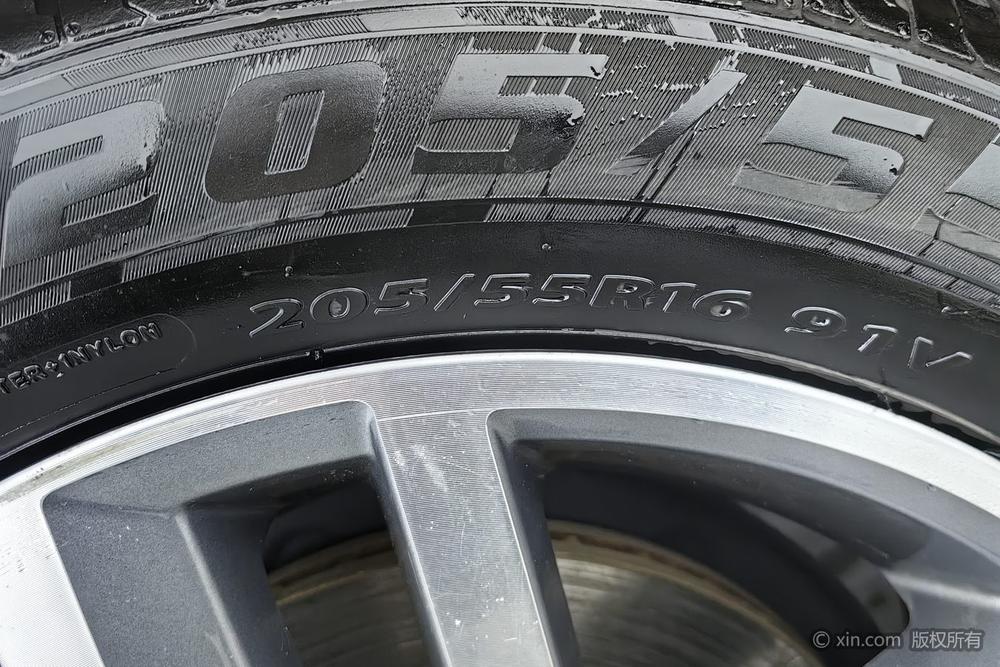
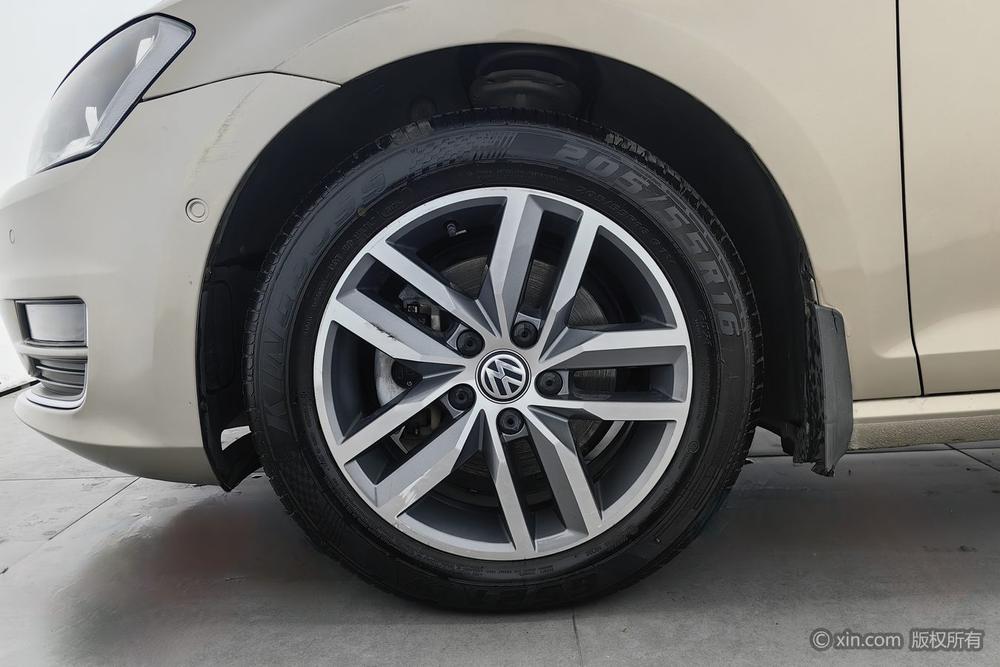
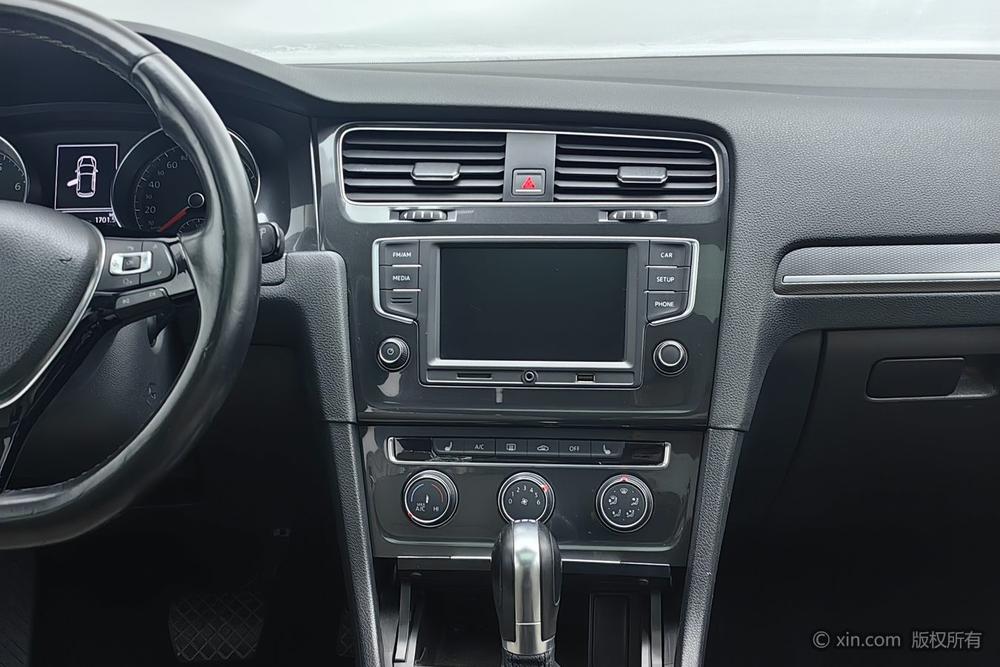
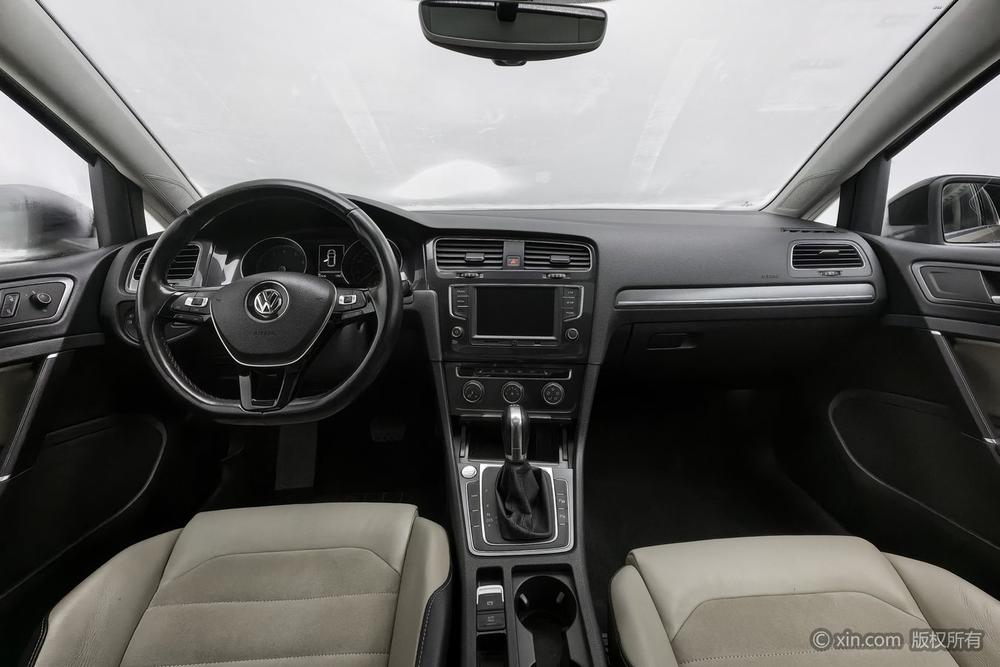
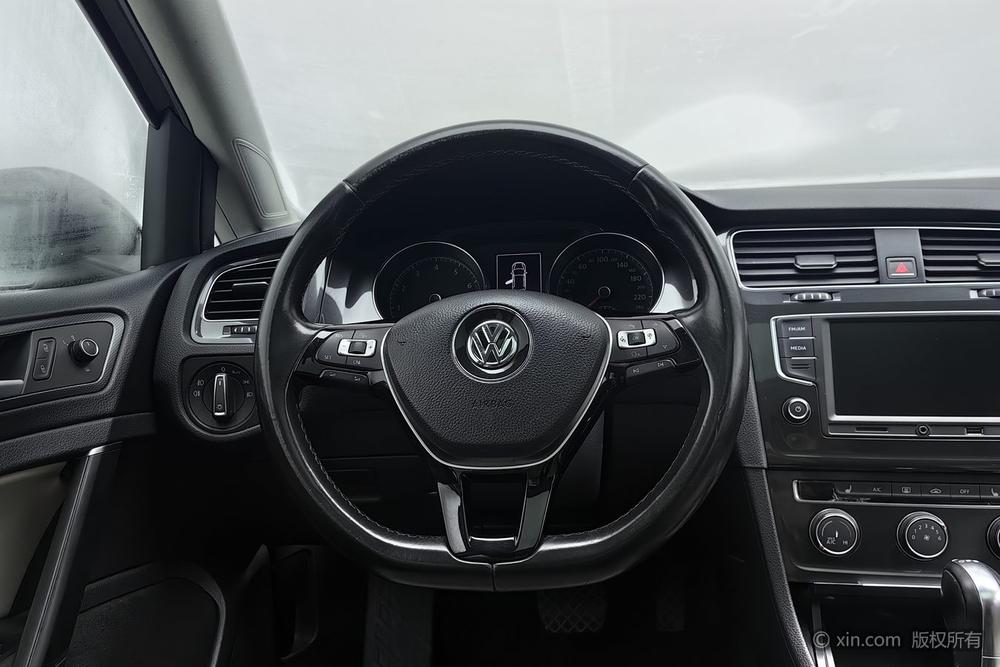
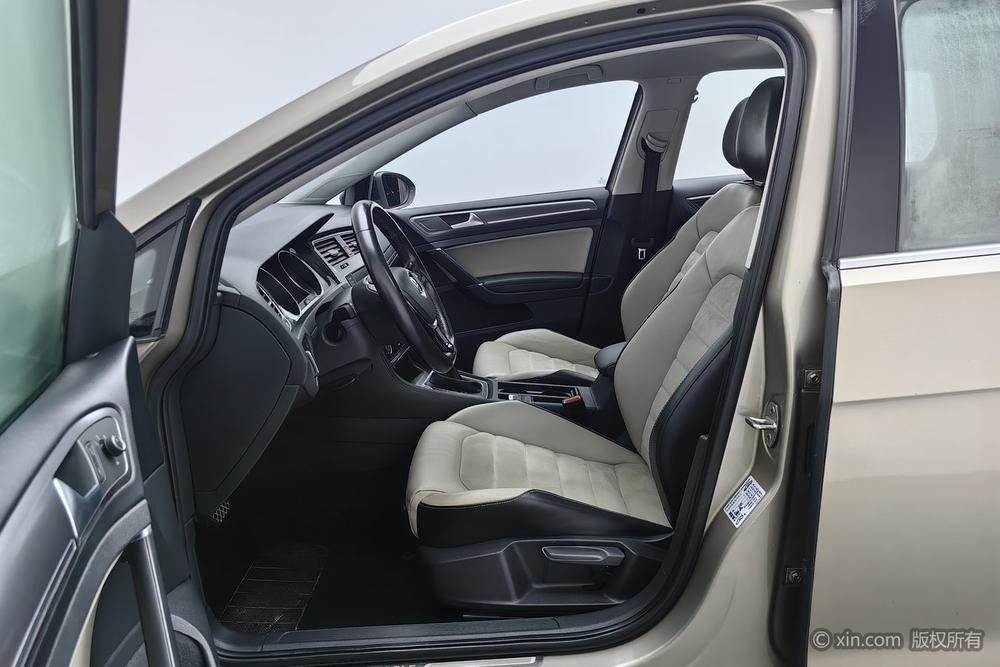
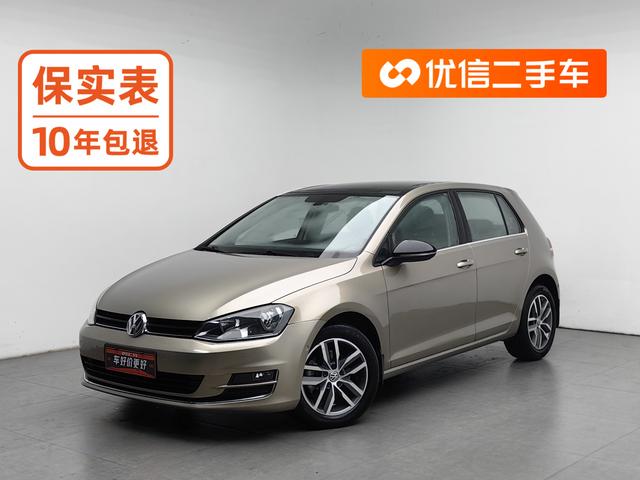
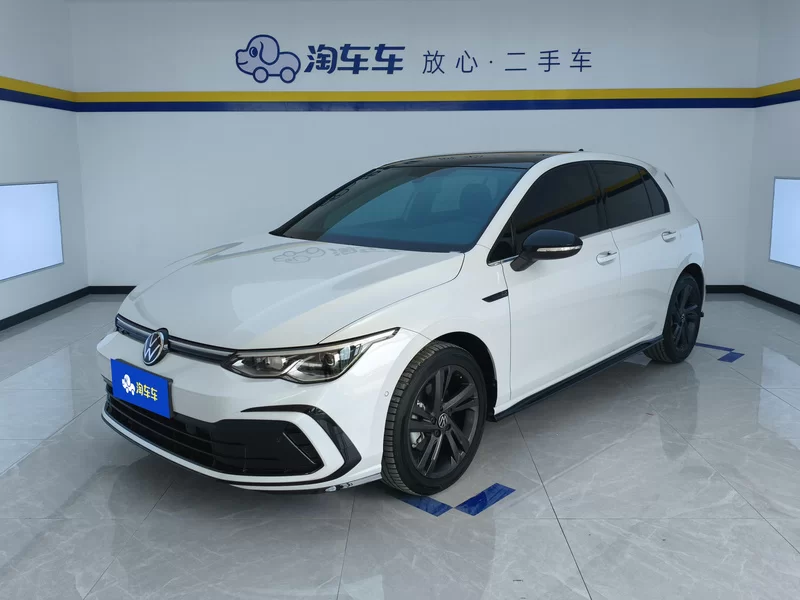
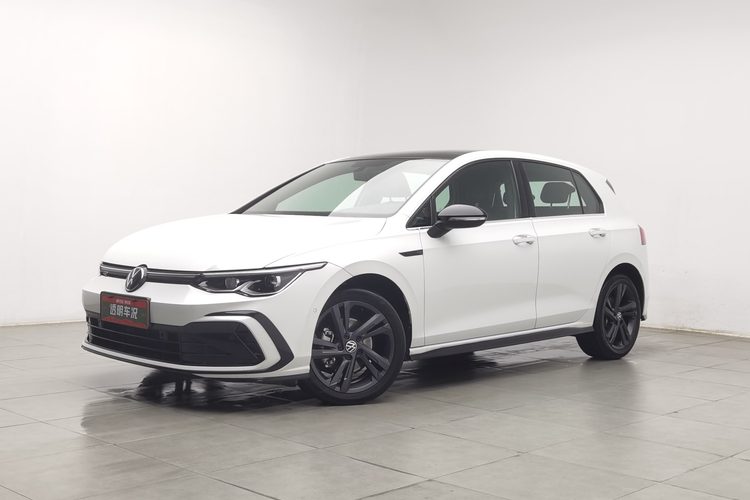
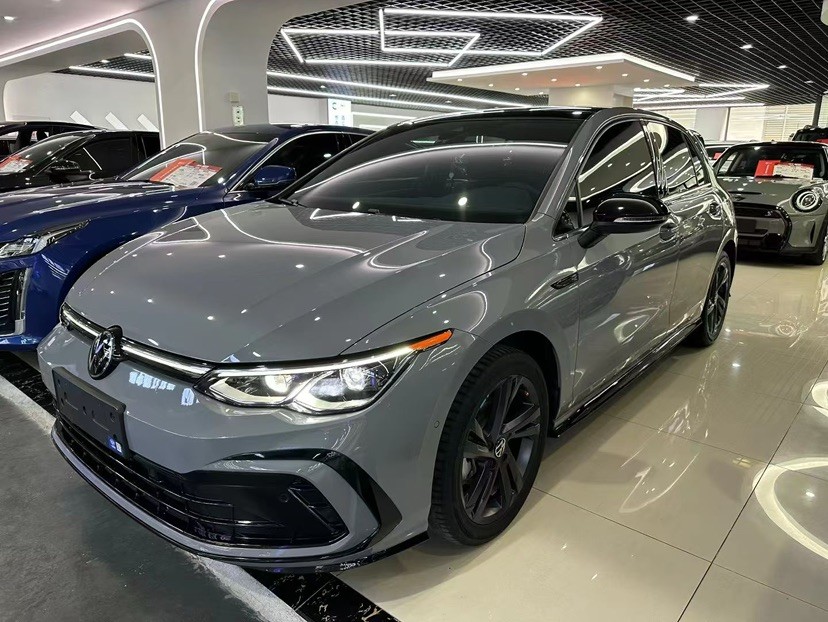
BrandVolkswagen
SeriesGolf
Year2018
First Registration2018/01
Mileage87,900km
Transfer Count0times
FuelGasoline
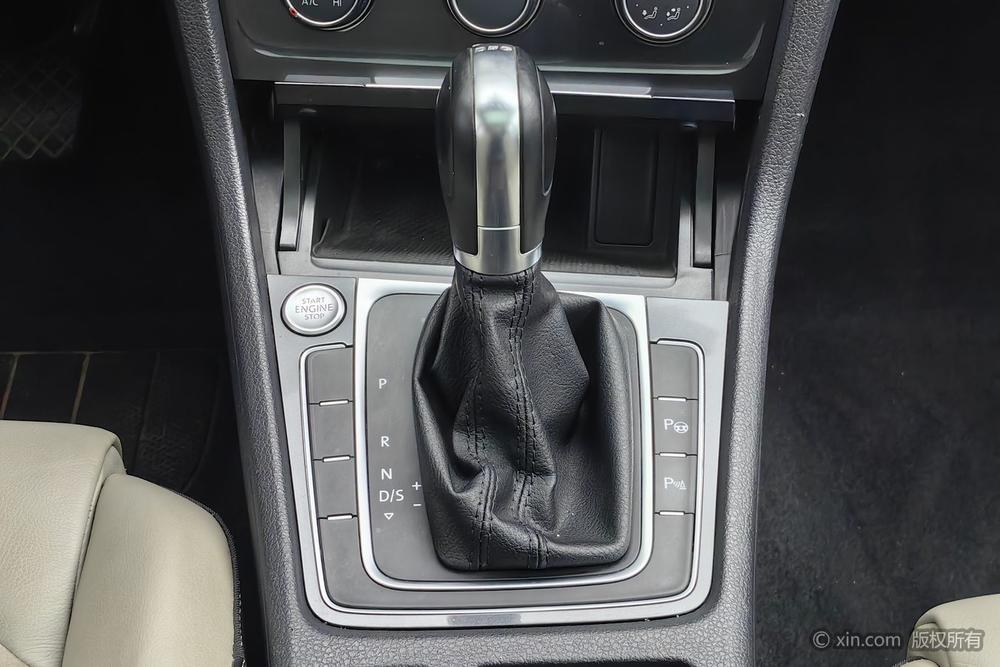
TransmissionDCT
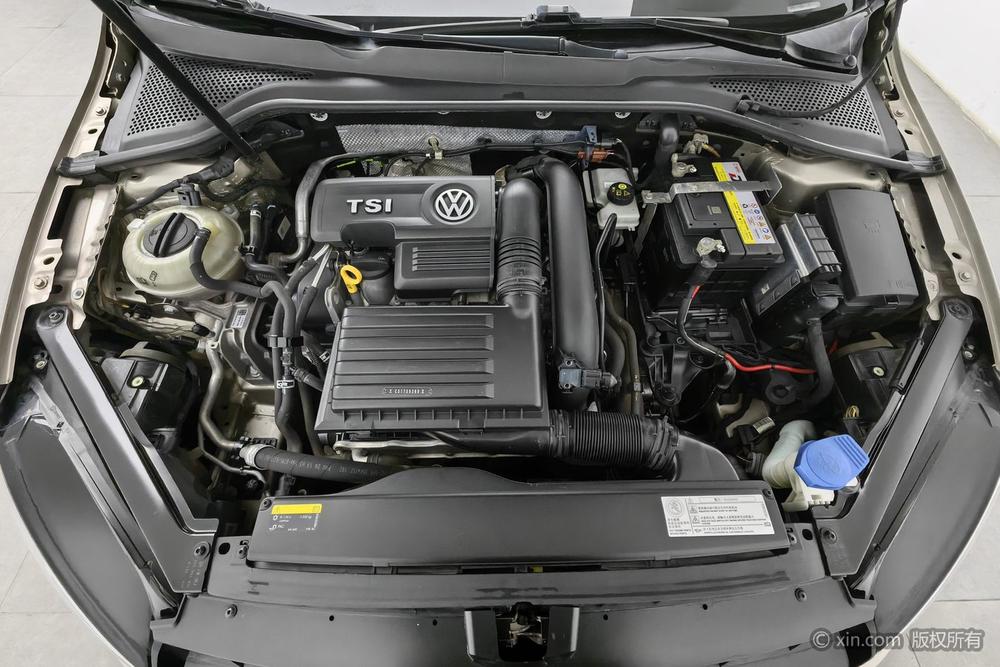
Engine1.4T 131 L4
Color
Seats-

Condition Description

官方质检 · 60天全车质保· 7天无理由有偿退车

Configuration Highlights

✓上牌时间: 2018-01
✓表显里程: 8.8万公里
✓车源地: 武汉
✓排放标准: 国五
✓百公里加速: 8.9s
✓发动机: 1.4T
✓轴距: 2637mm
✓变速箱: 自动
✓功能配置: 12项
✓安全配置: 3项
✓动力类型: 前驱
✓空间舒适性: 一般

Q&A

More

If this model has a recall record in China, will you ensure that the recall has been completed before export?

We will check if the vehicle identification number (VIN) is within the official recall batch. If there are any outstanding safety recalls (such as replacing Takata airbags), we will require the original owner to assist in sending it to an official 4S shop to complete the free recall work before the vehicle is deregistered.

If a coup occurs in the destination country or if import regulations are suddenly changed, preventing the vehicle from clearing customs, does this count as force majeure?

It completely falls under force majeure. After the delivery is completed (crossing the ship's rail) under FOB or CIF terms, the seller (us) bears no liability for refunds or compensation due to political risks or legal changes in the destination country that hinder customs clearance or lead to confiscation.

Besides the purchase price, what other fees should I budget for when importing a used car from China?

The purchase price is only part of your total landed cost. Plan for these items: - Inland transport in China: moving the car from the seller's city to the export port, plus transfer and inspection fees. - Export fees: customs declaration, port handling, and terminal charges. Ask for an FOB (Free On Board) quote so these are included. - Ocean freight: RoRo (roll-on/roll-off) is cheapest for regular cars, but EVs often require special containers or dedicated EV shipping due to battery regulations, which costs more. - Insurance: marine cargo insurance, typically 1-3% of the car's value. - Import side: import duty, VAT or sales tax, customs brokerage, port charges at destination, and any homologation or compliance testing fees. As a rule of thumb, add 25-40% on top of the FOB price for a realistic landed-cost estimate, depending on your country's tax rates. Get a written breakdown from both your supplier and a customs broker before committing.