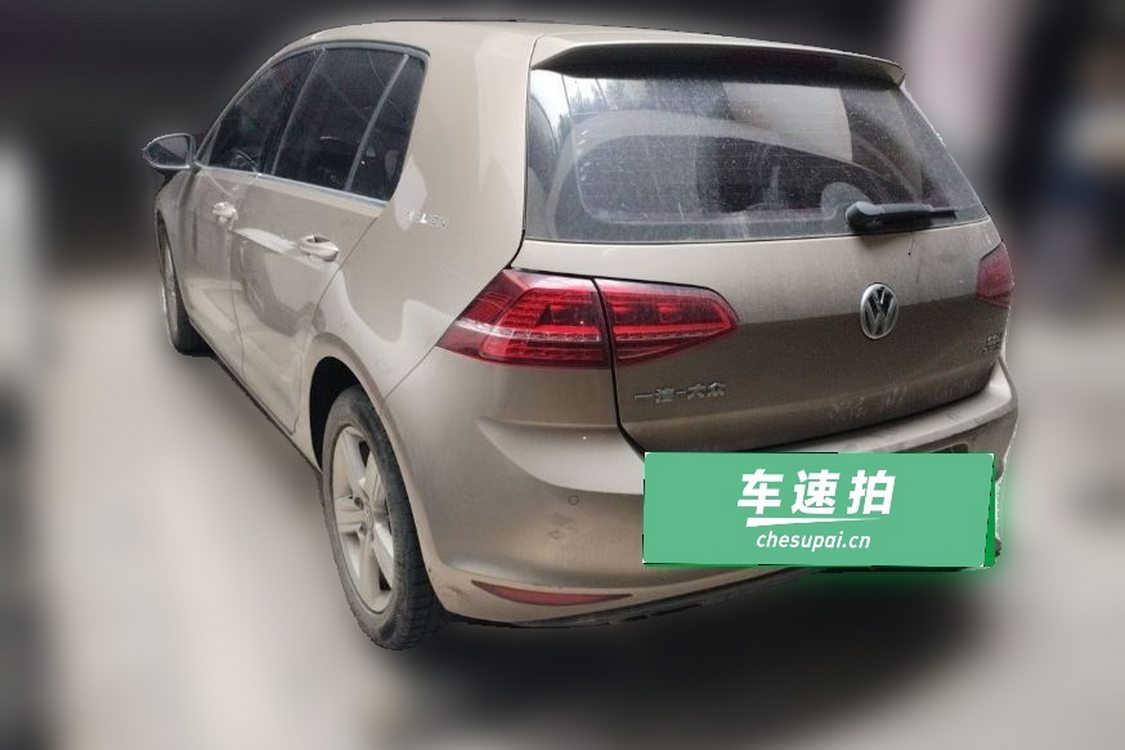
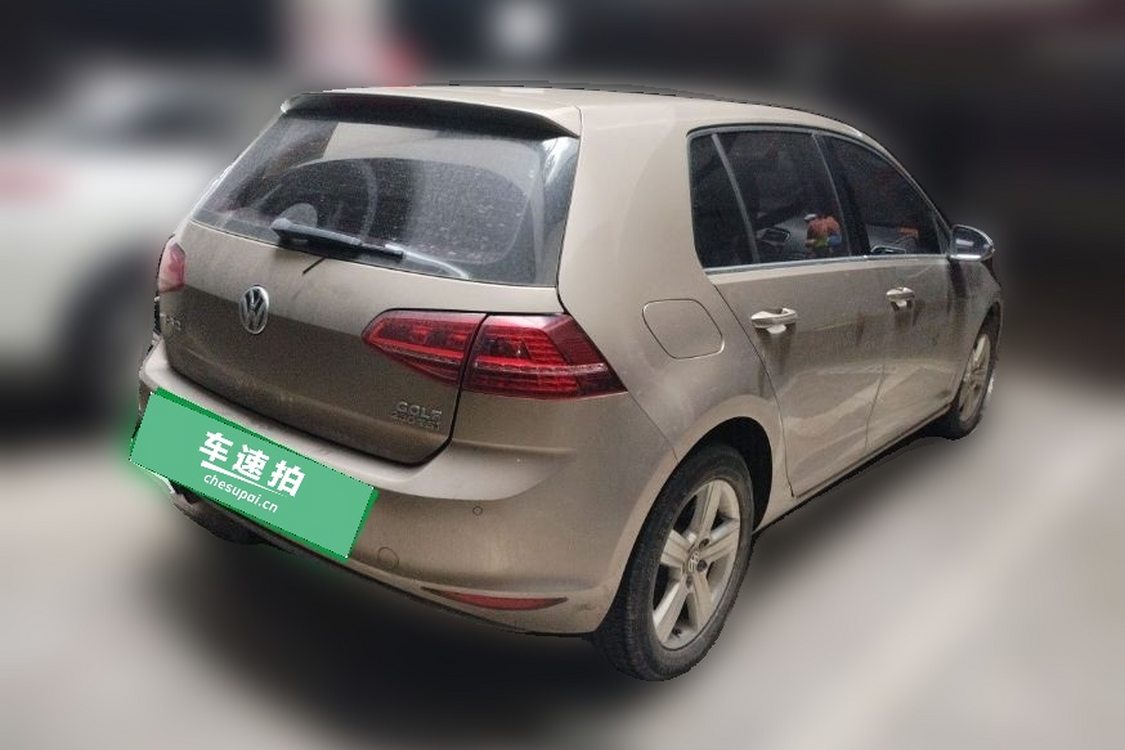
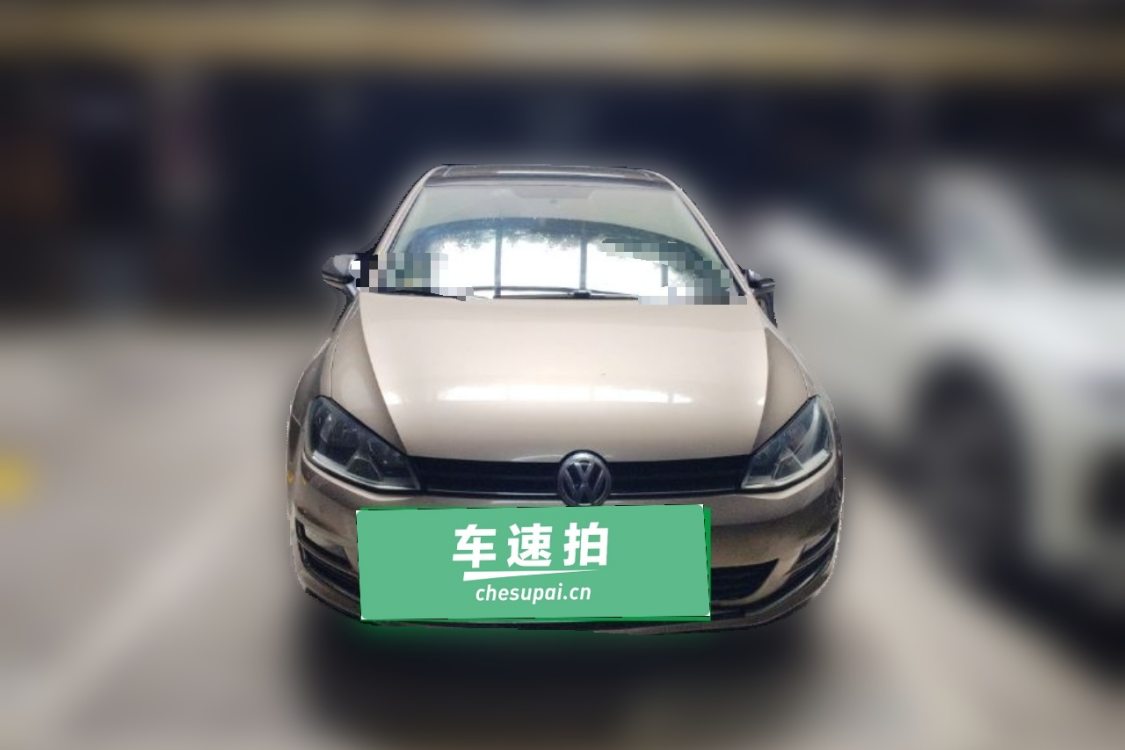
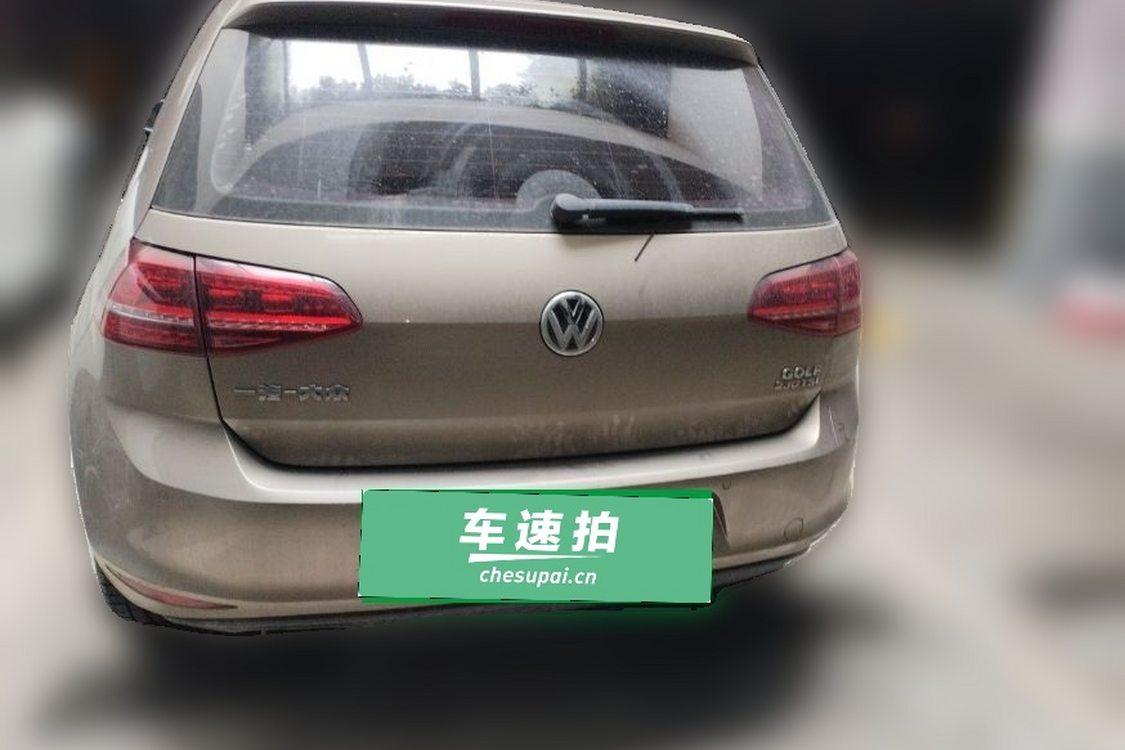
Basic Information

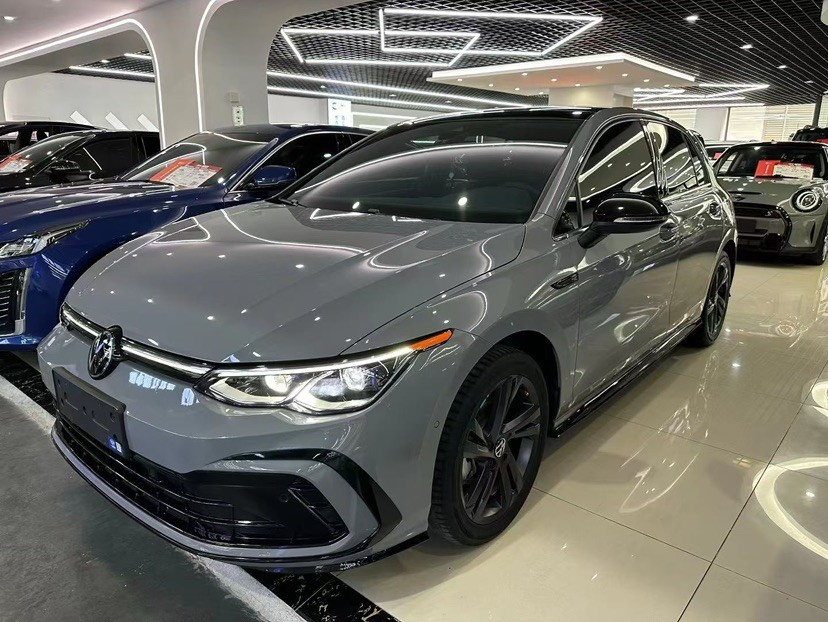
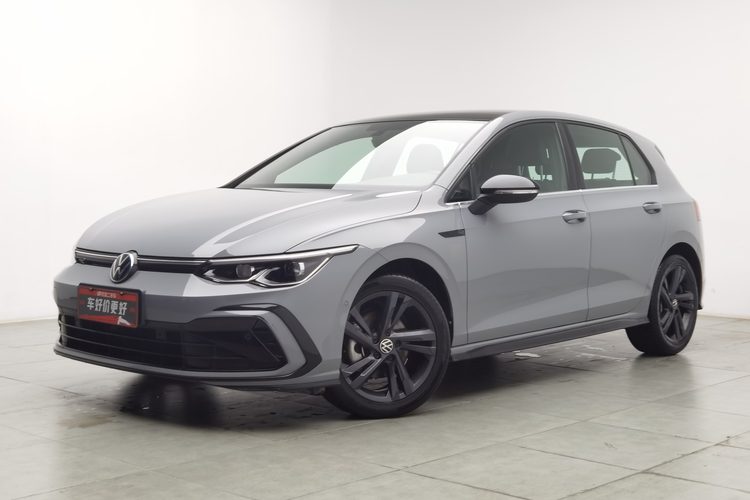
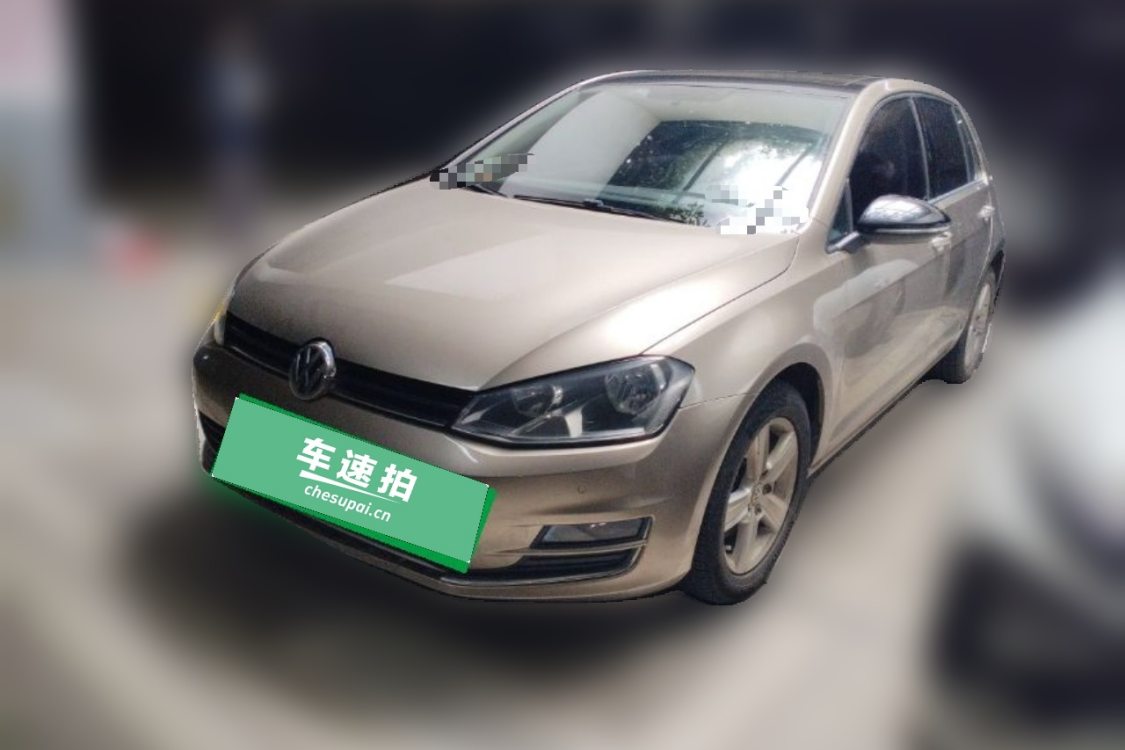
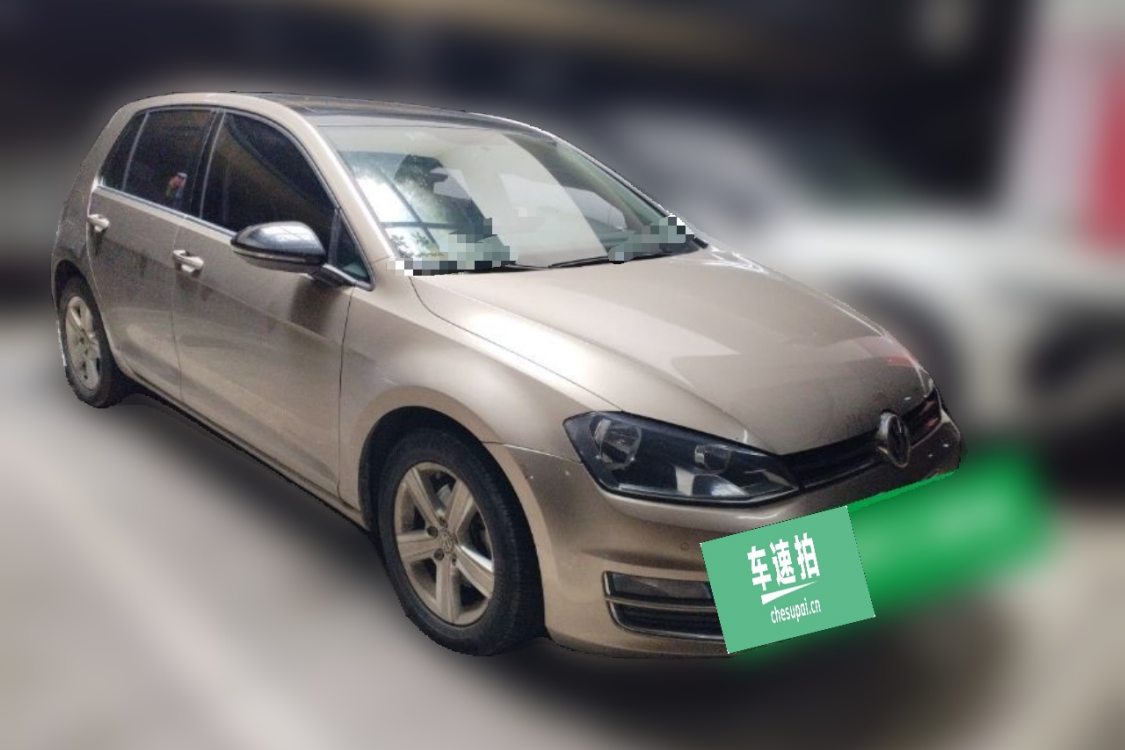
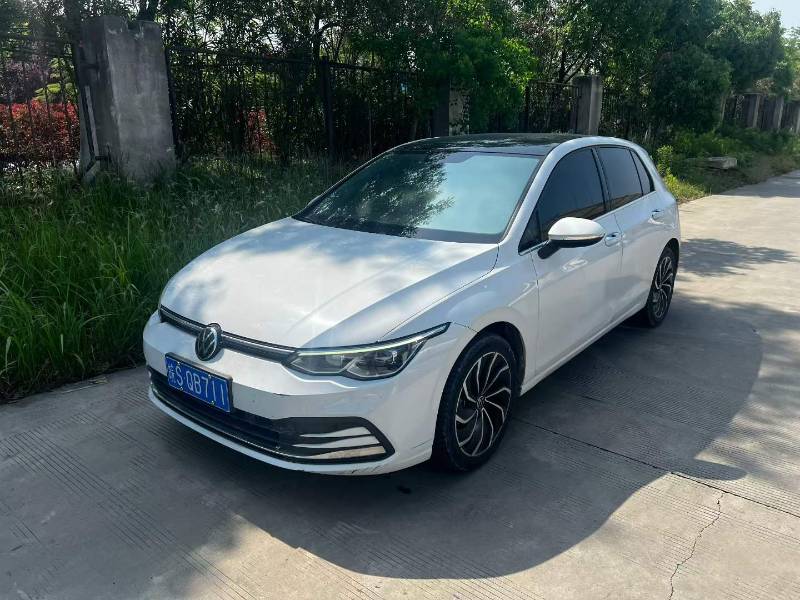
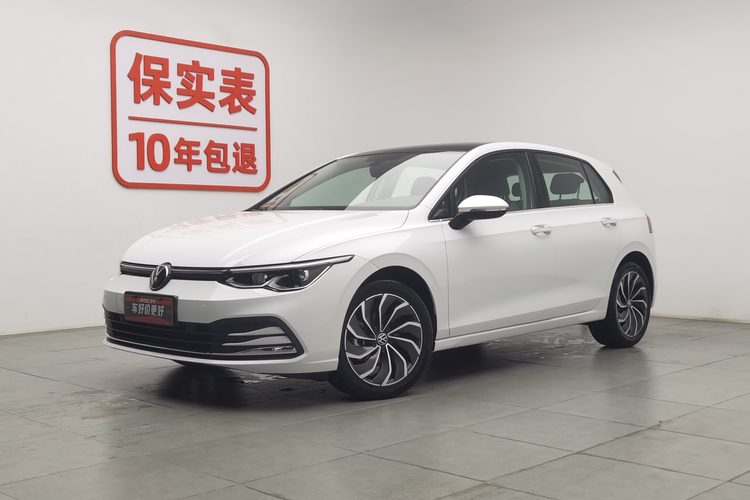
BrandVolkswagen
SeriesGolf
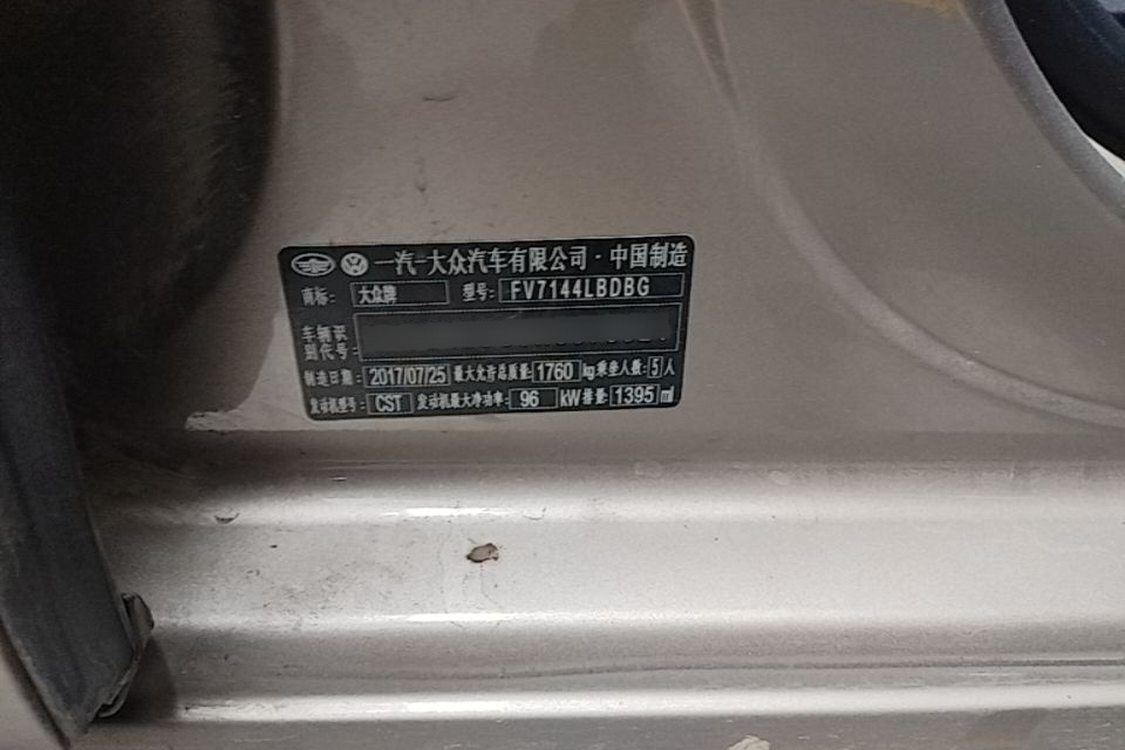
Year2017
First Registration2017/11
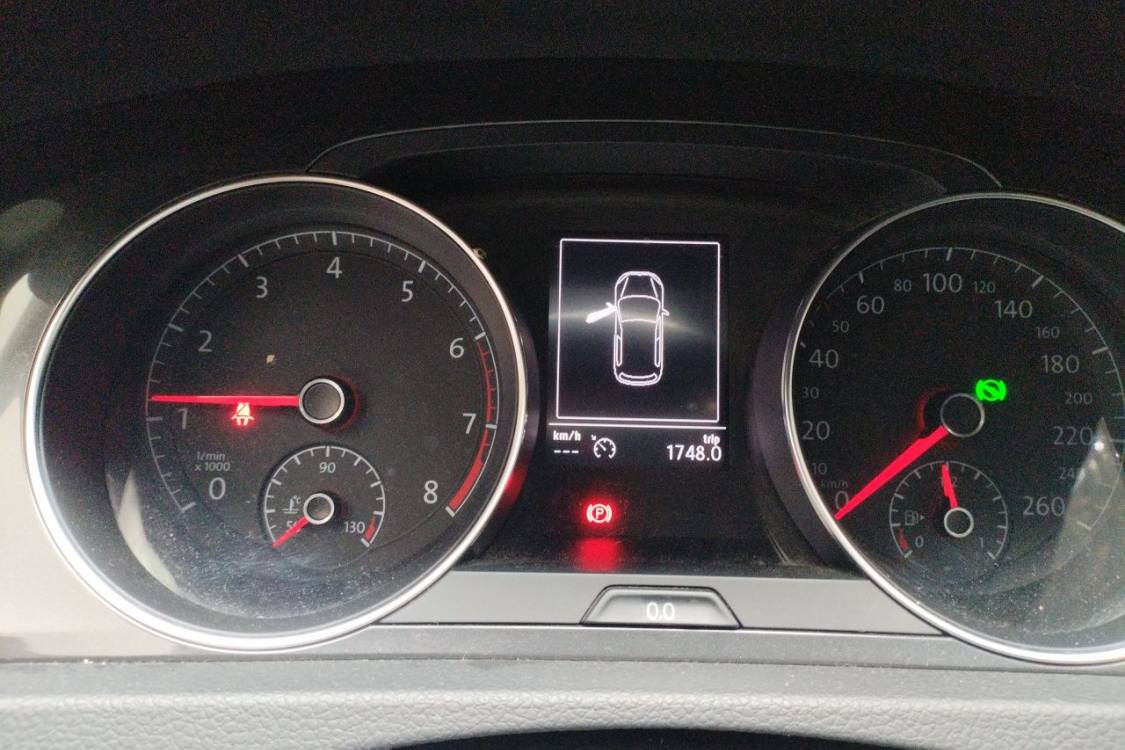
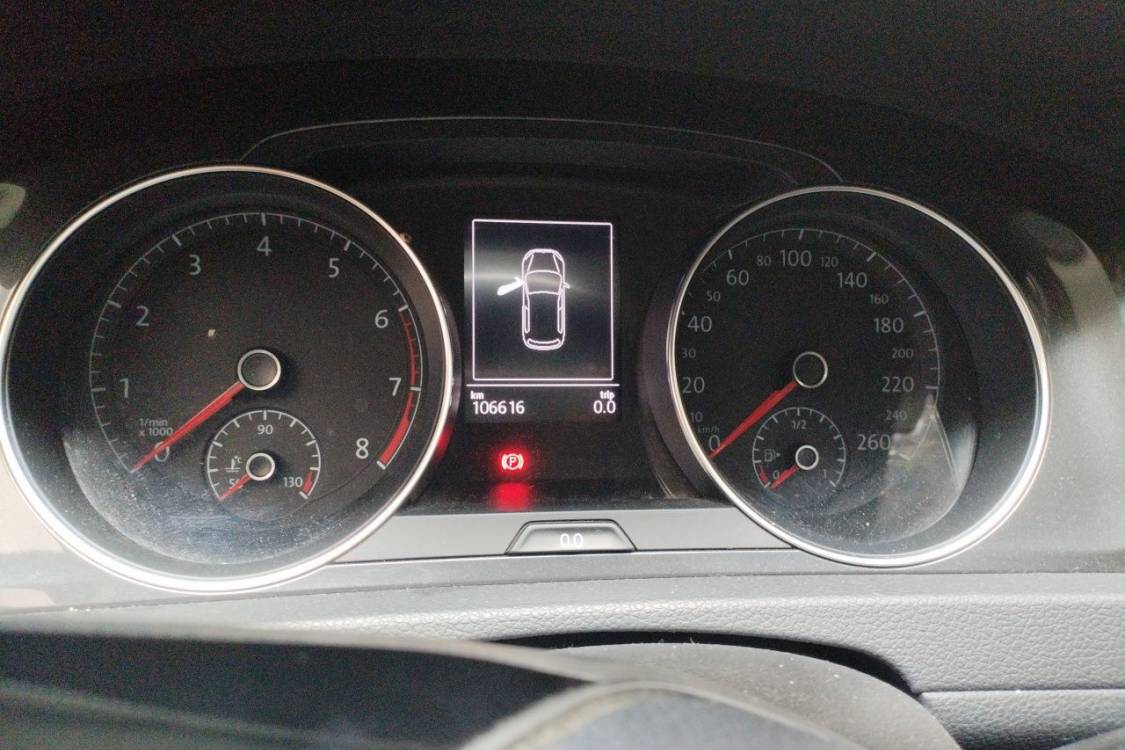
Mileage106,600km
Transfer Count-
FuelGasoline
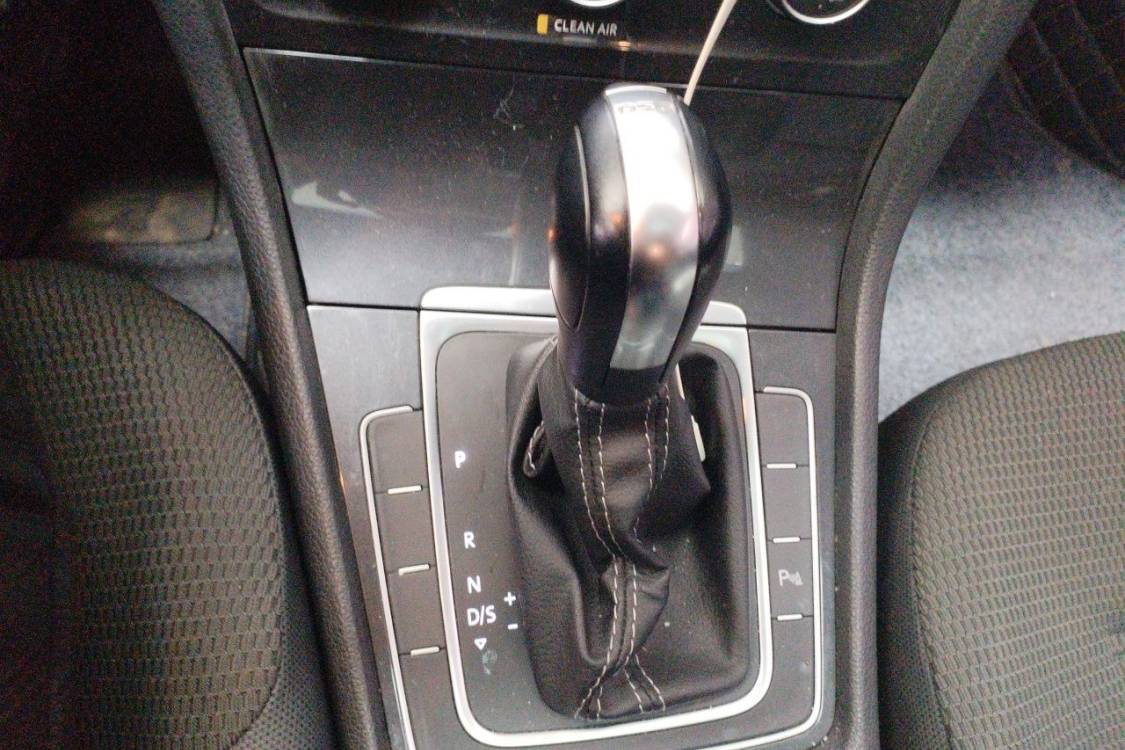
TransmissionDCT
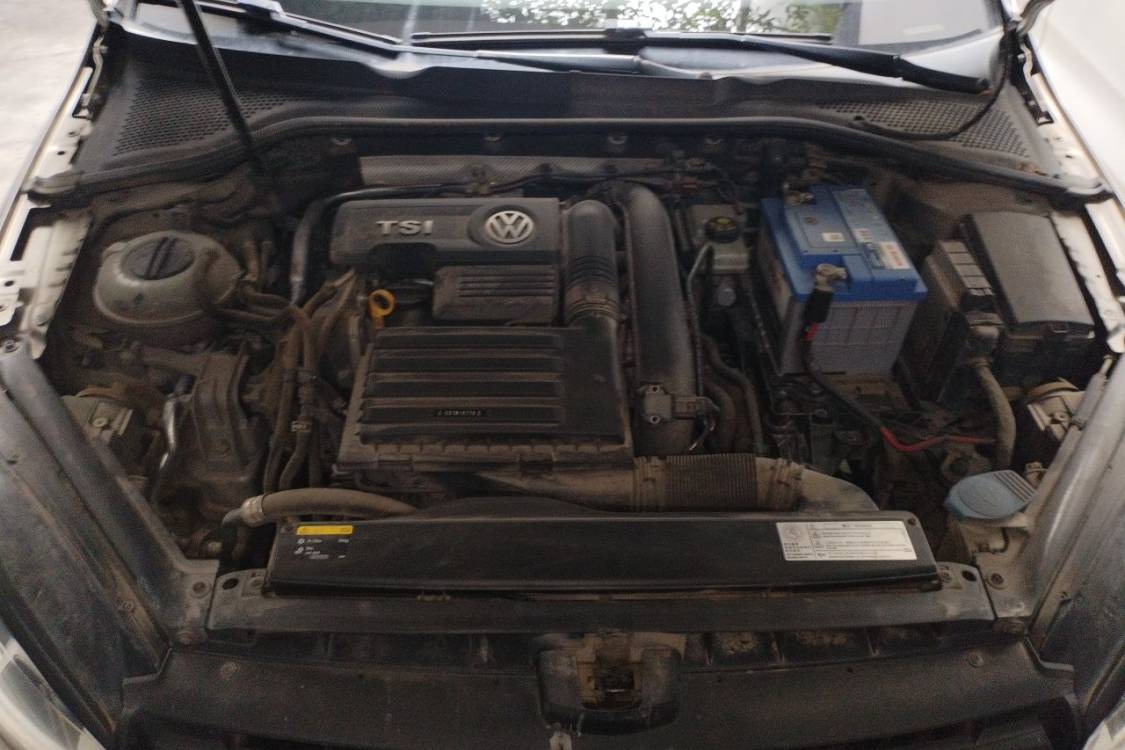
Engine1.4T 131 L4
ColorGrey
Seats-

Condition Description

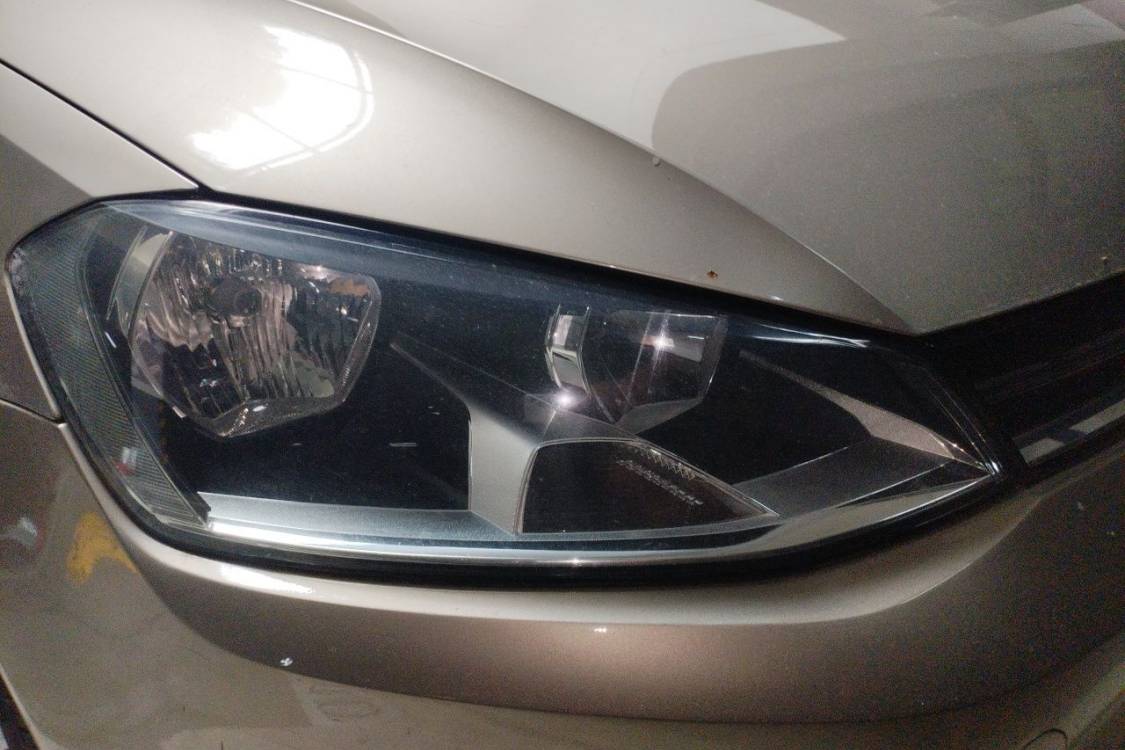
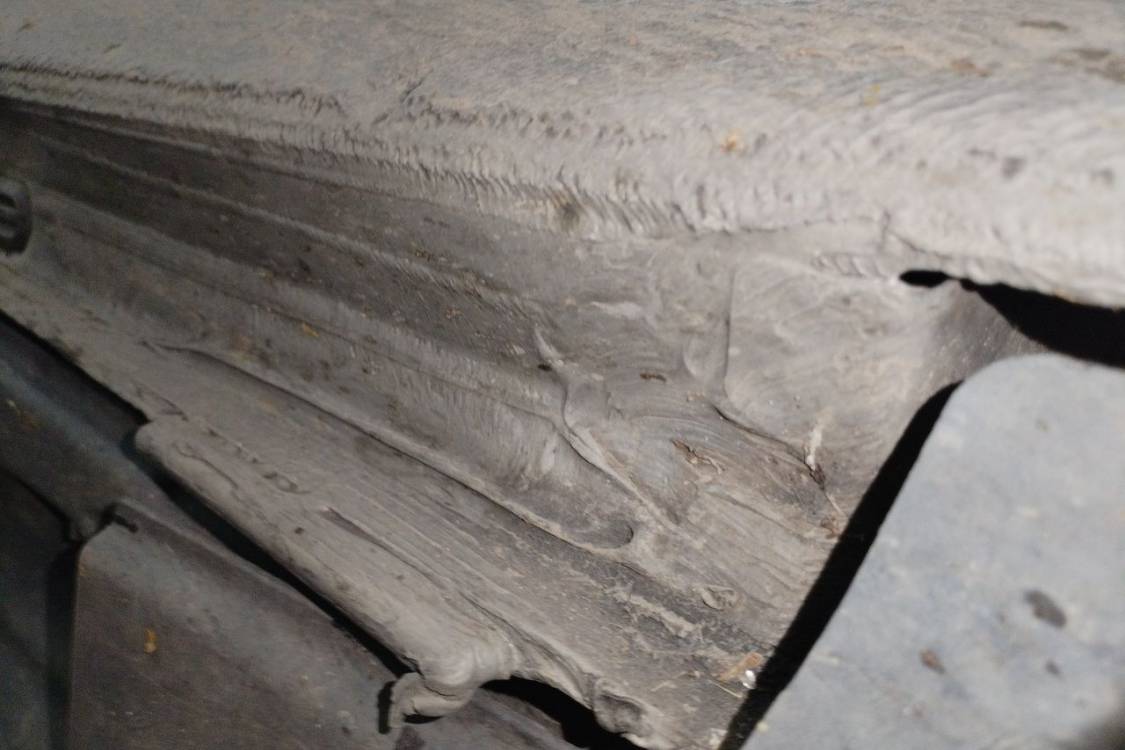
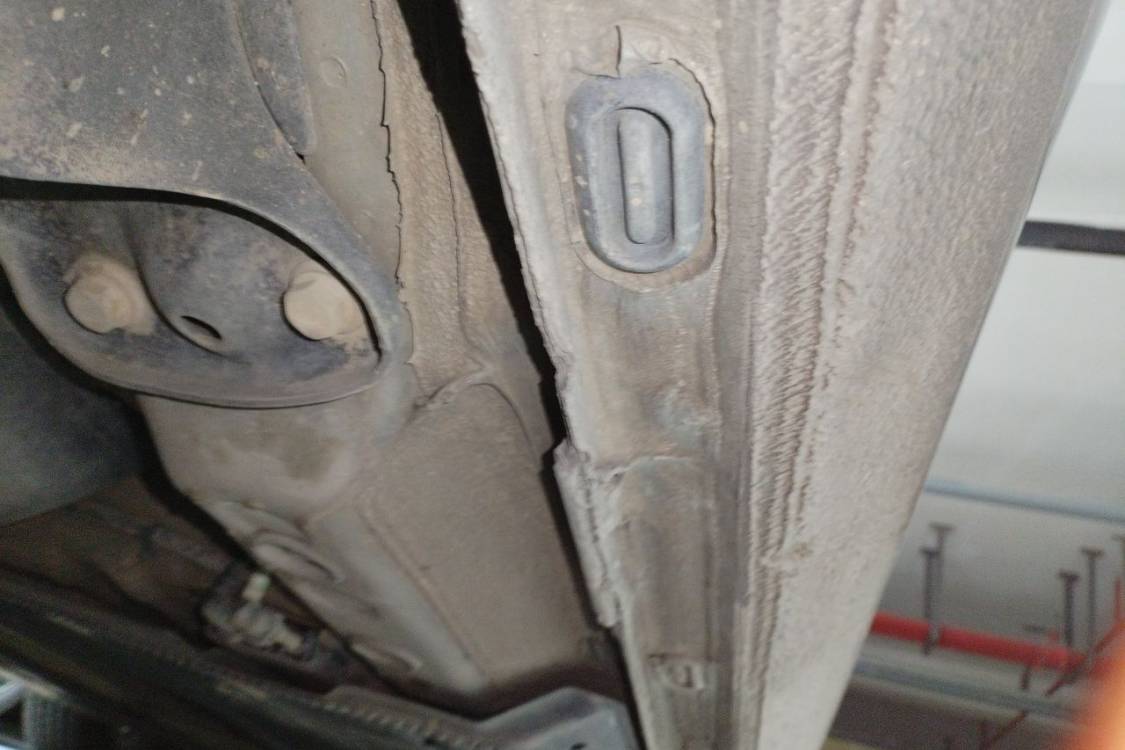
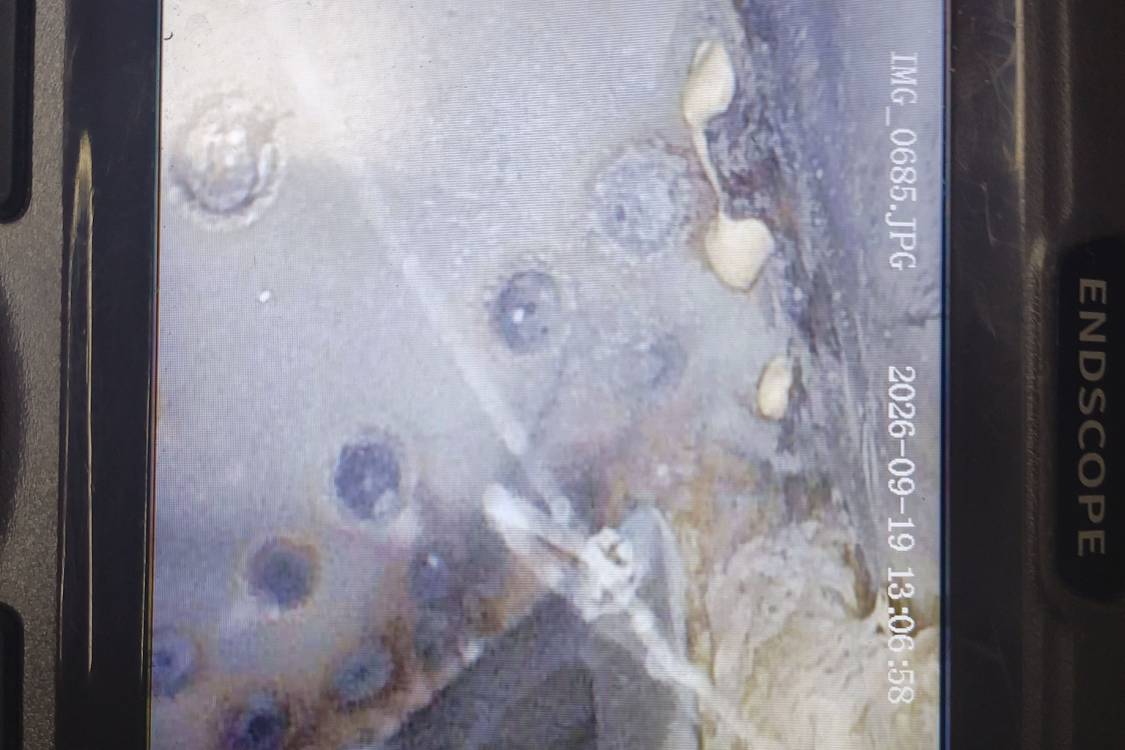
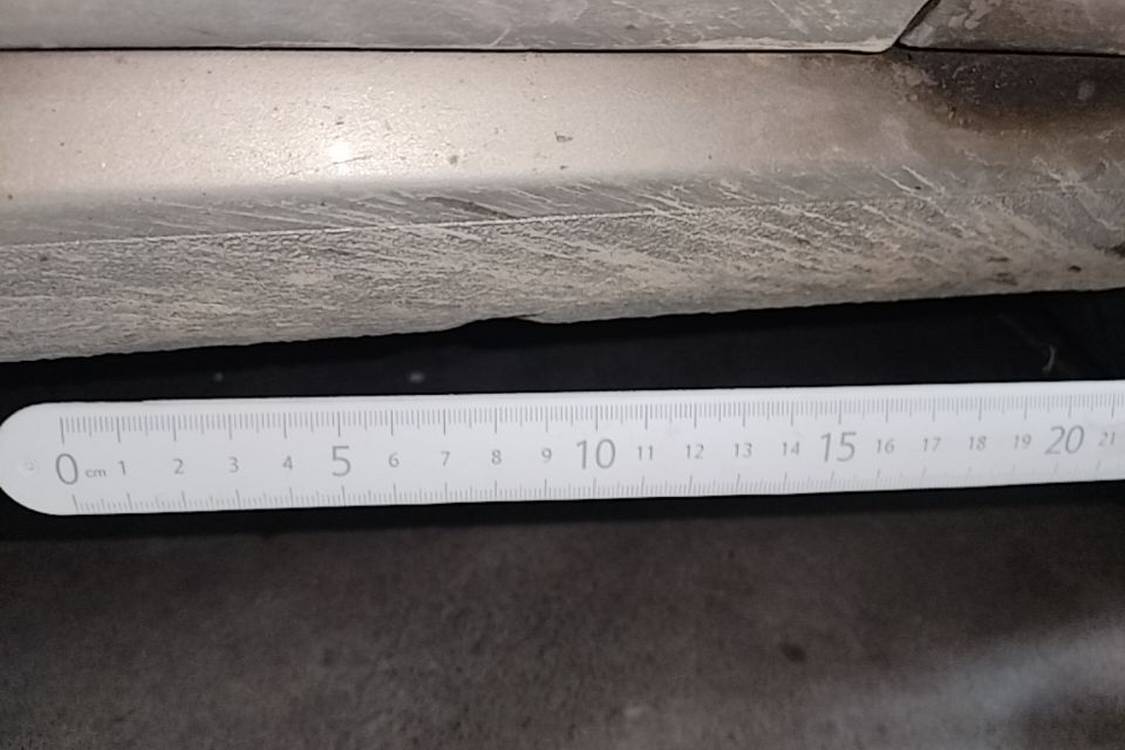
Body components (structural/reinforcing/panels) have accident-type damage; passive safety devices defective; vehicle performance (including electric drive system) degraded or still performance-limited after repairs.

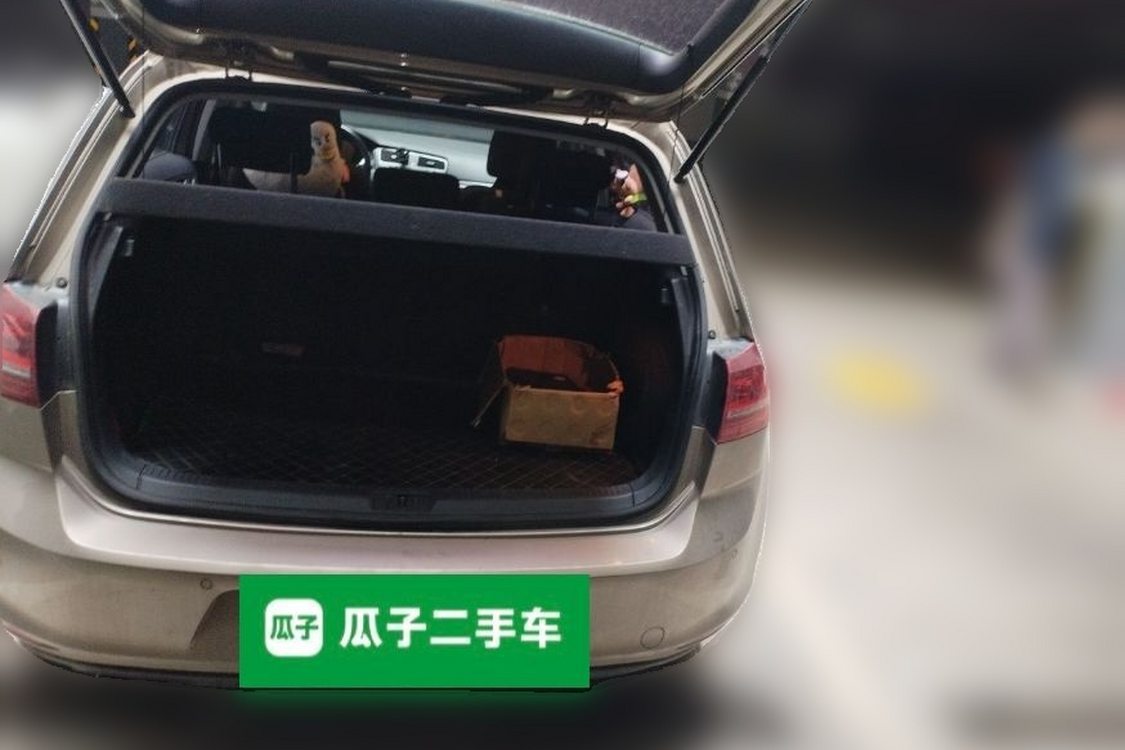
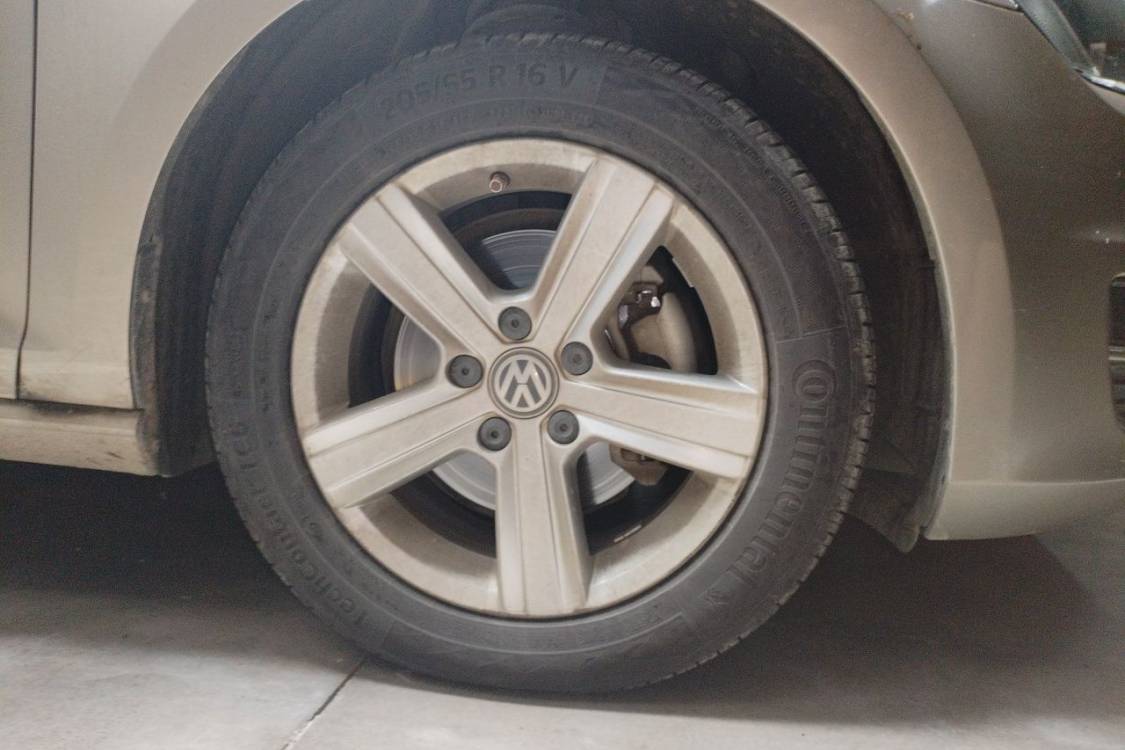
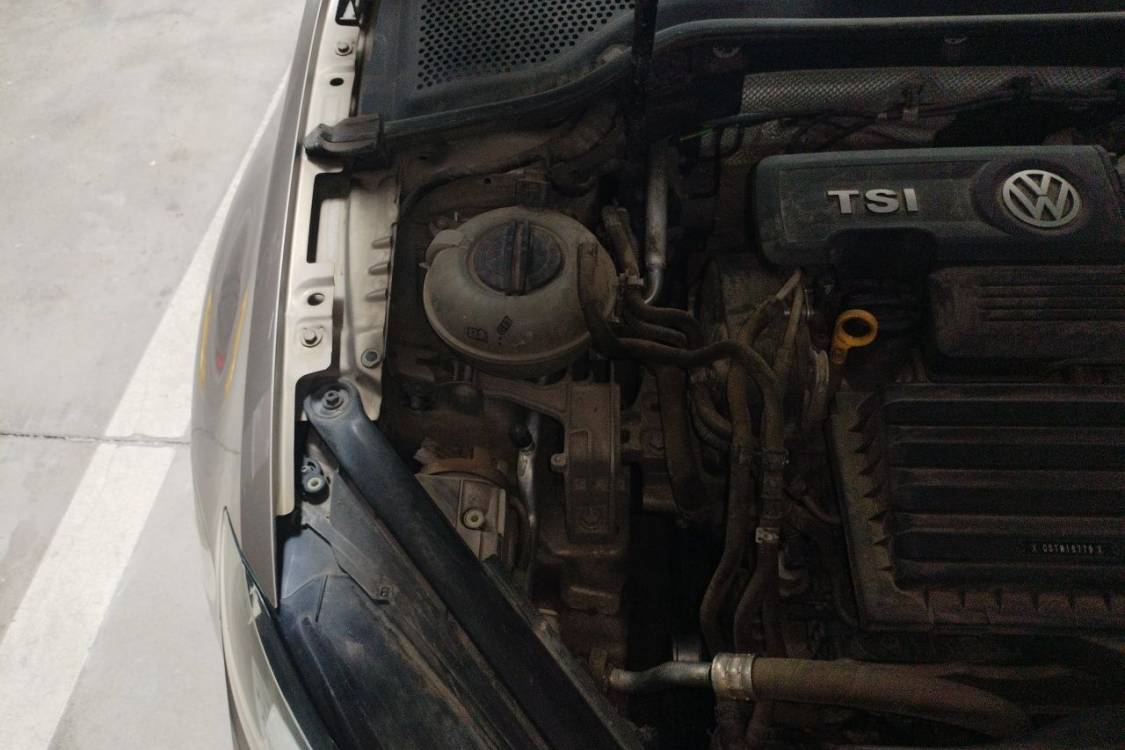
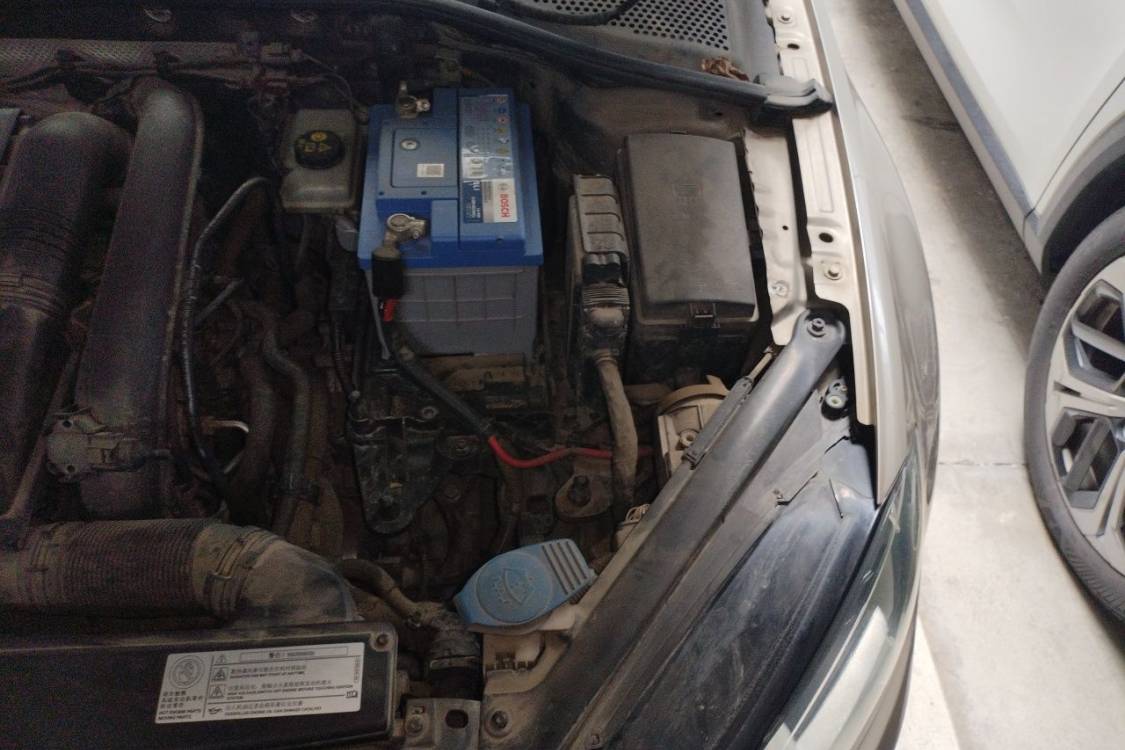
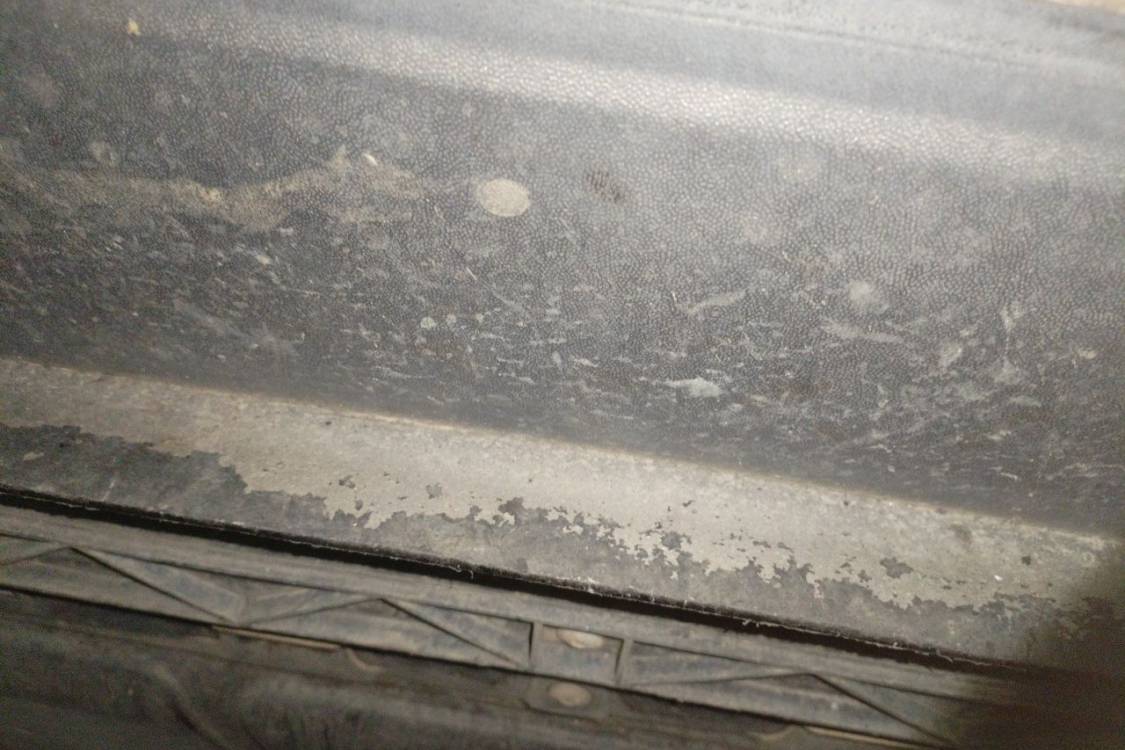
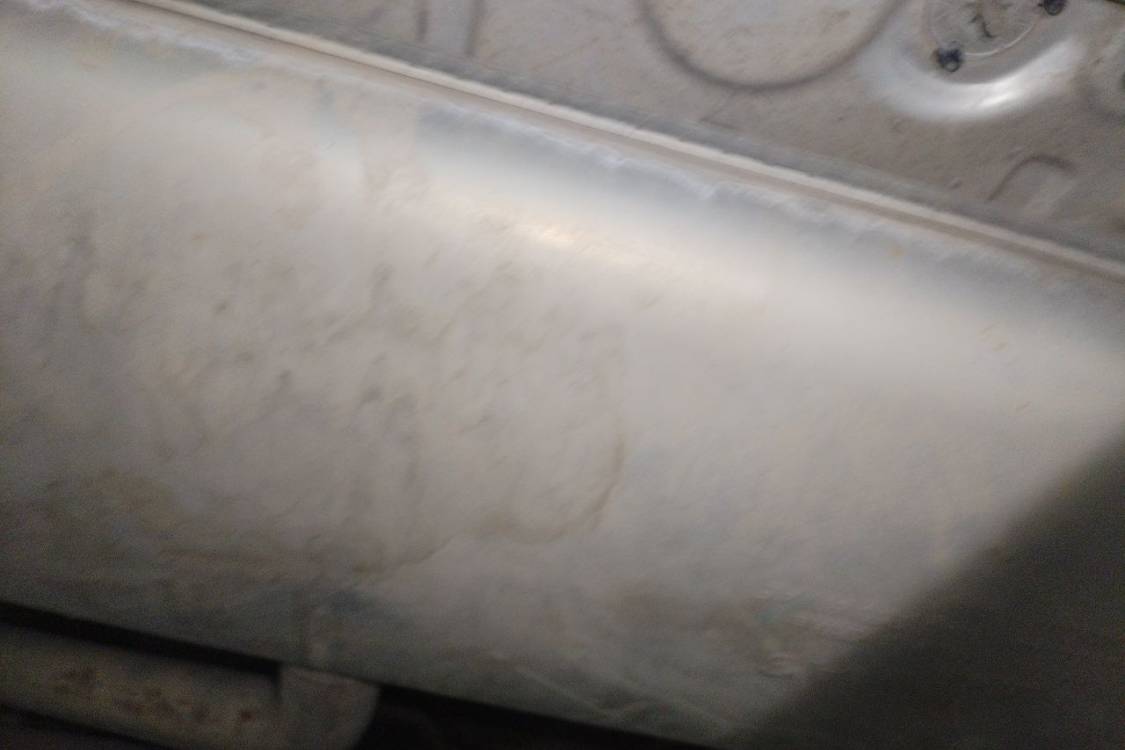
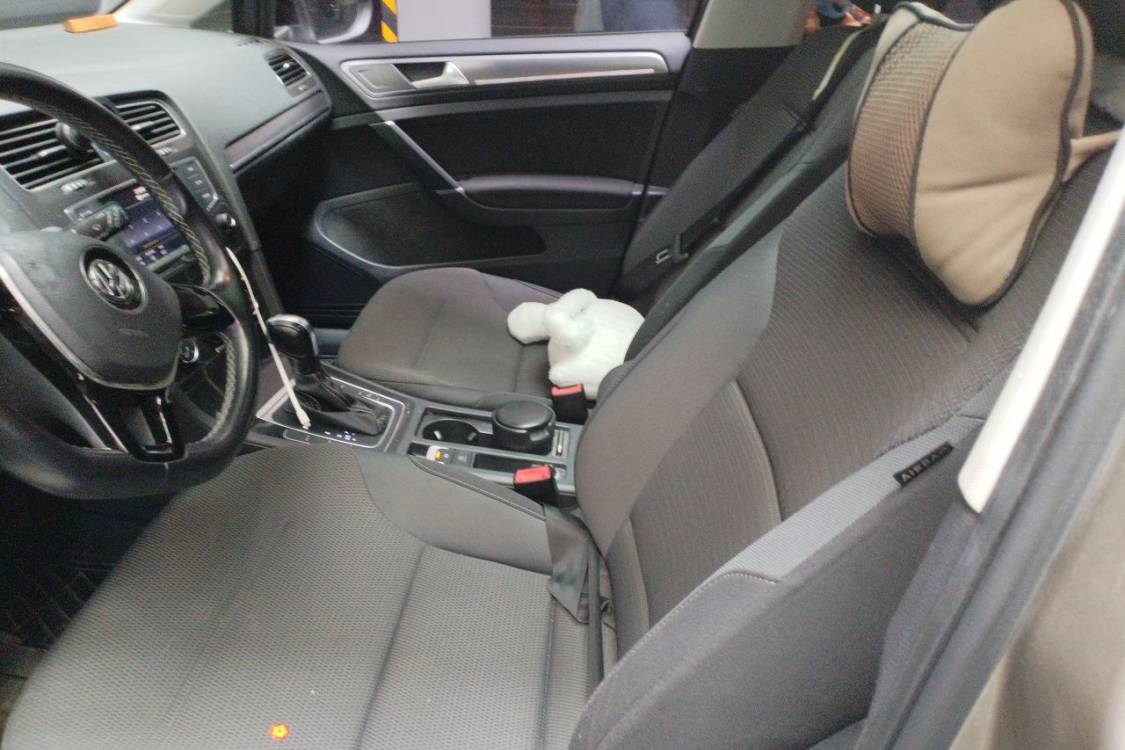
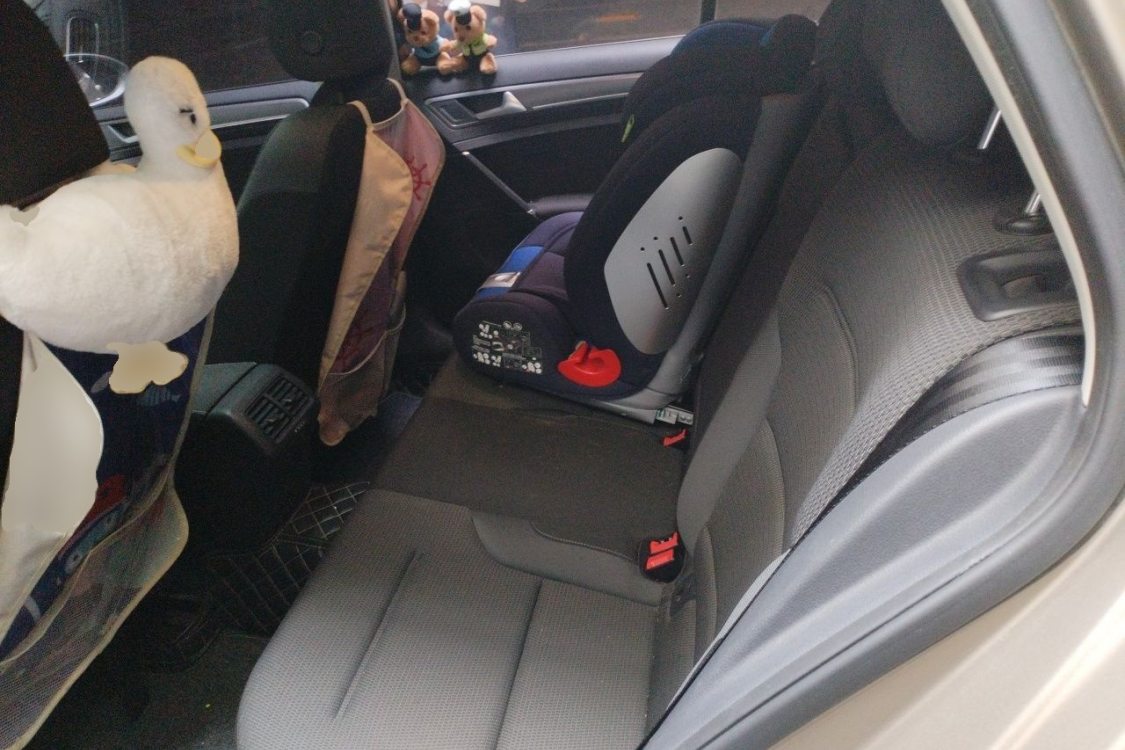
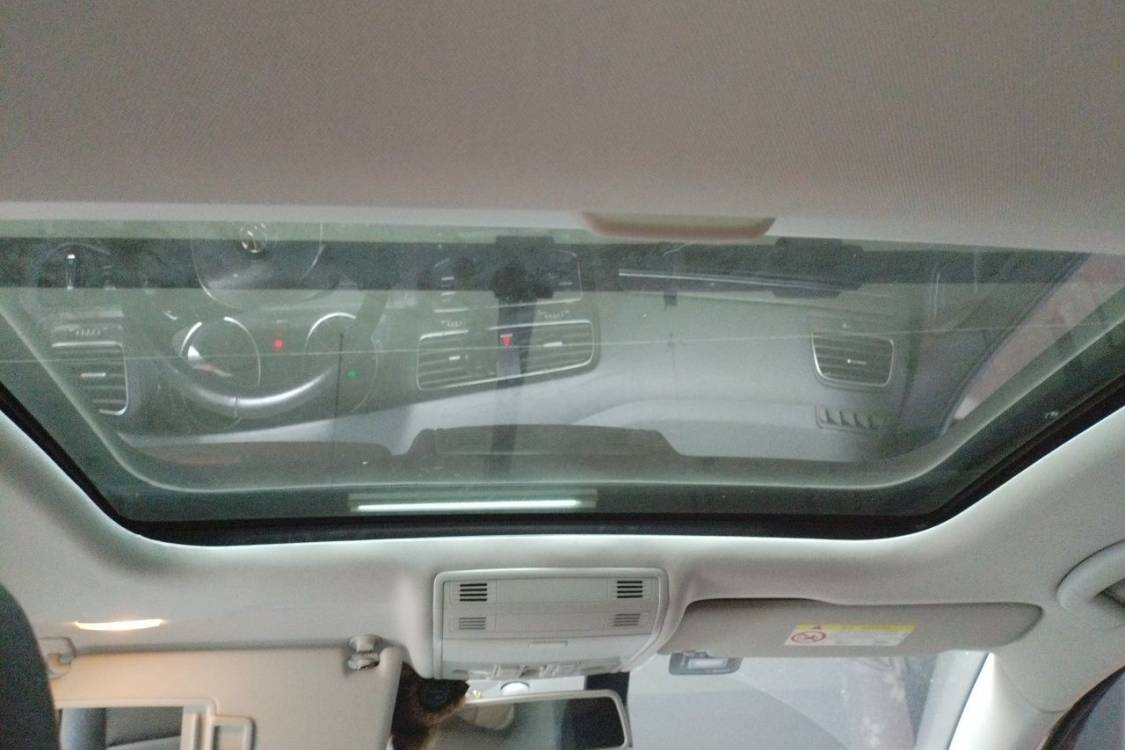
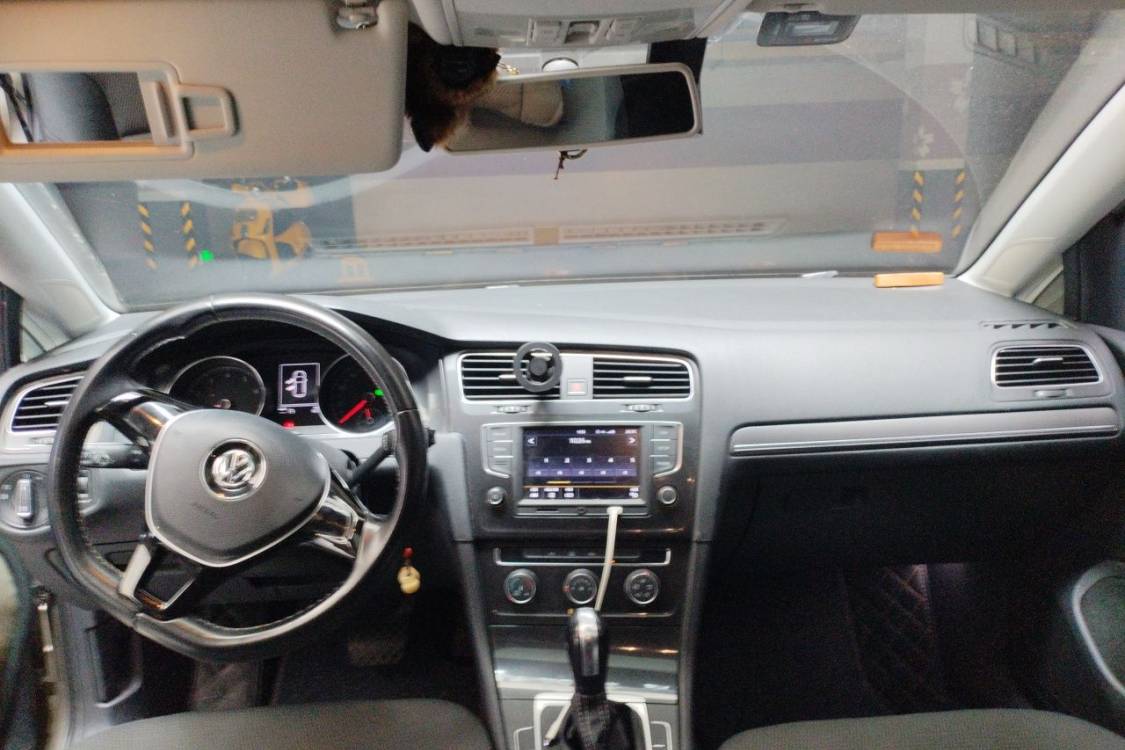
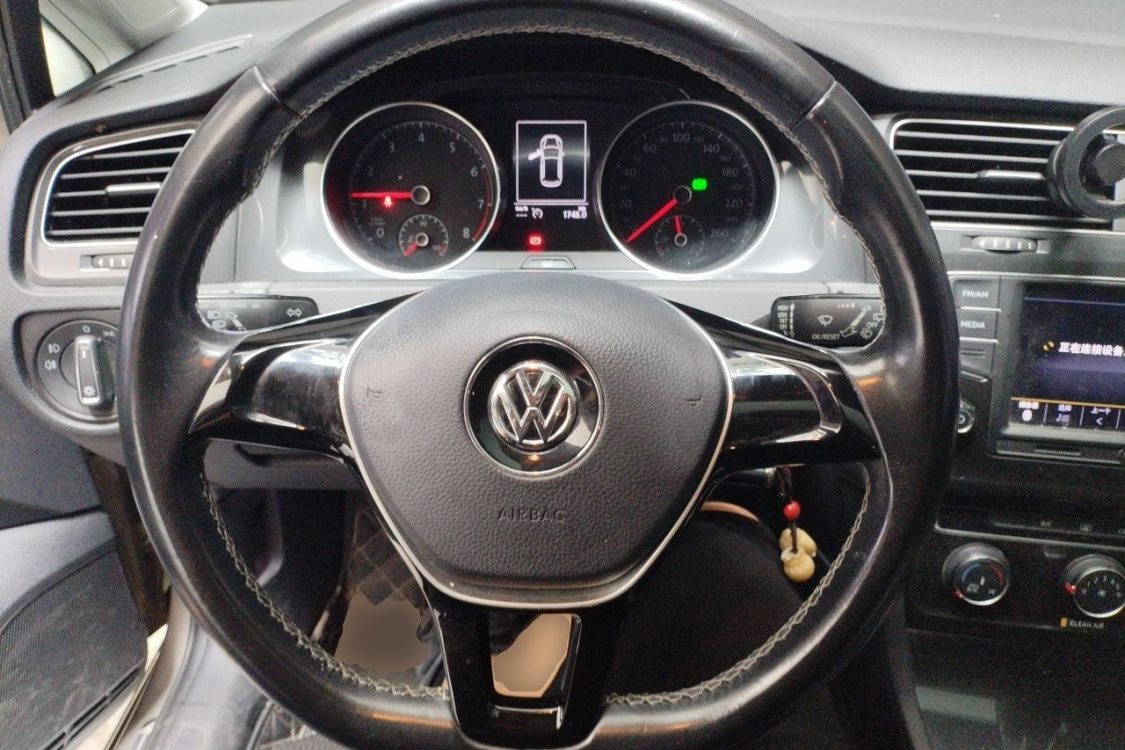
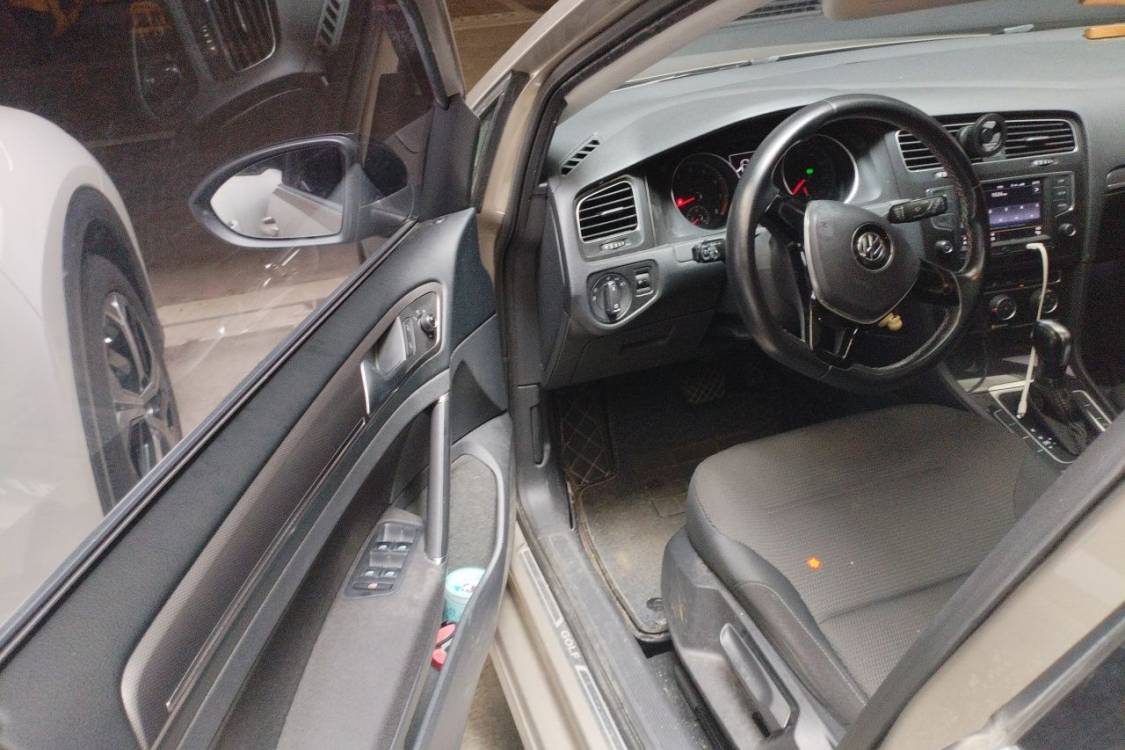
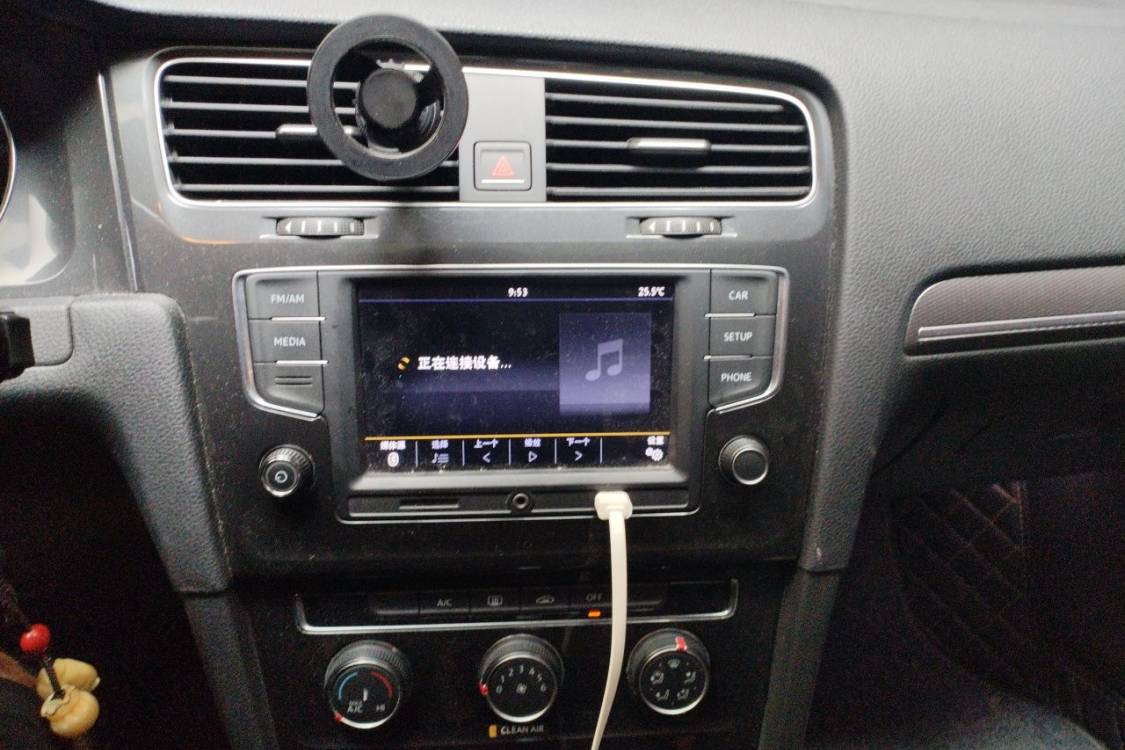
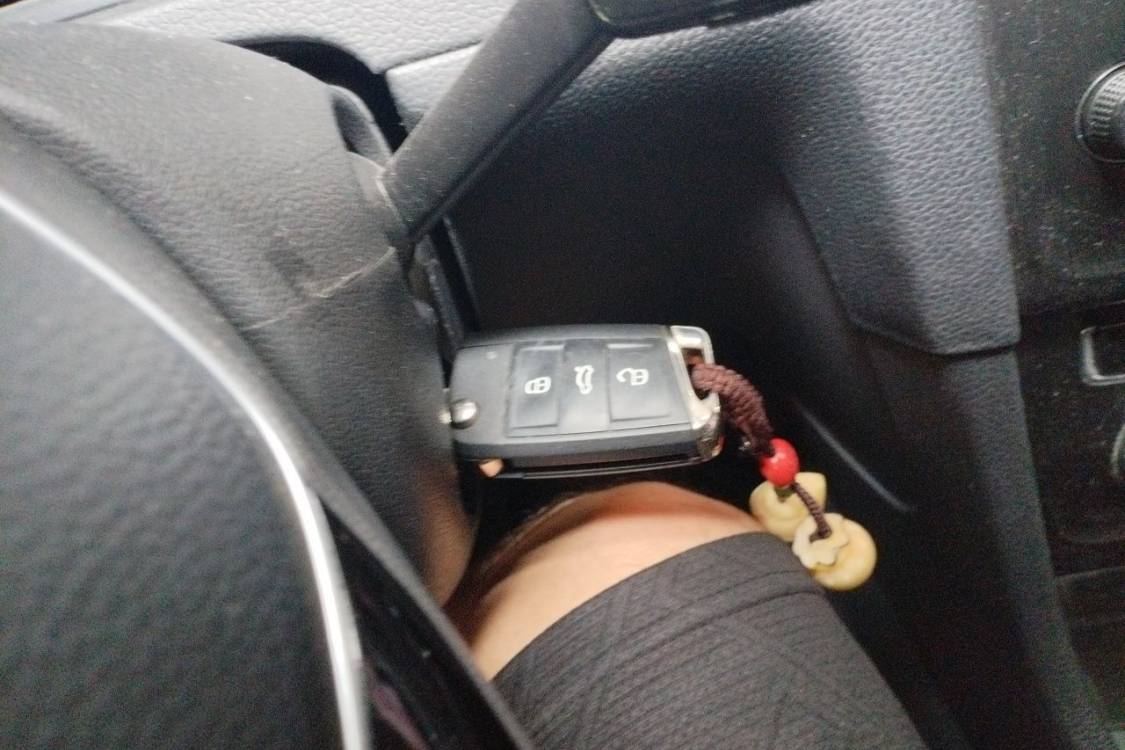
Accident inspection: main structure damaged, reinforcing parts undamaged, panels damaged, hinges normal. Engine bay: key mechanical components normal. Exterior: 3 panel repair spots. Interior: most features normal, airbags normal, seatbelts normal, dashboard normal, instrument cluster normal, lighting system normal. Start-up check: main components normal. Onboard tools: absent.

电话直连
可讲价
平台物流
可转售
VIP车源
车主降价
零过户
新检测标准升级>
必卖车源
非泡水

Document Information

Inspection Expiry Date2026/11
Warranty Expiry Date-
Insurance Expiry Date2026/11

Q&A

More

What are "fire-damaged" or "flood-damaged" cars? How do you completely rule them out?

We thoroughly rule them out by checking if the cabin wiring harness is melted, if the seat belts have water stains or mold, if there is unusual rust or debris in the seat tracks and cigarette lighter, and by verifying with the insurance company for any "total loss claims." These two types of cars are an absolute sales ban for us.
How to confirm that the car windows are all original factory parts and not replaced due to an accident?

The technician will check the production date codes and brand logos in the lower left corner of all the car's glass (including the windshield, four doors, and rear window) to see if they match the vehicle's factory date on the nameplate. If any glass is found to have a date later than the vehicle's production date, it will be recorded as evidence of a "previous damage replacement."

How to use technology to verify that a vehicle's emissions standards comply with our country's import regulations.

Our technical report will read the environmental information from the vehicle's factory-issued documentation (including certifications like National V, National VI, etc.). You need to submit the specific emission limit data we provide (such as grams of CO, THC, NOx emissions) to your country's environmental or customs authorities for compliance comparison.