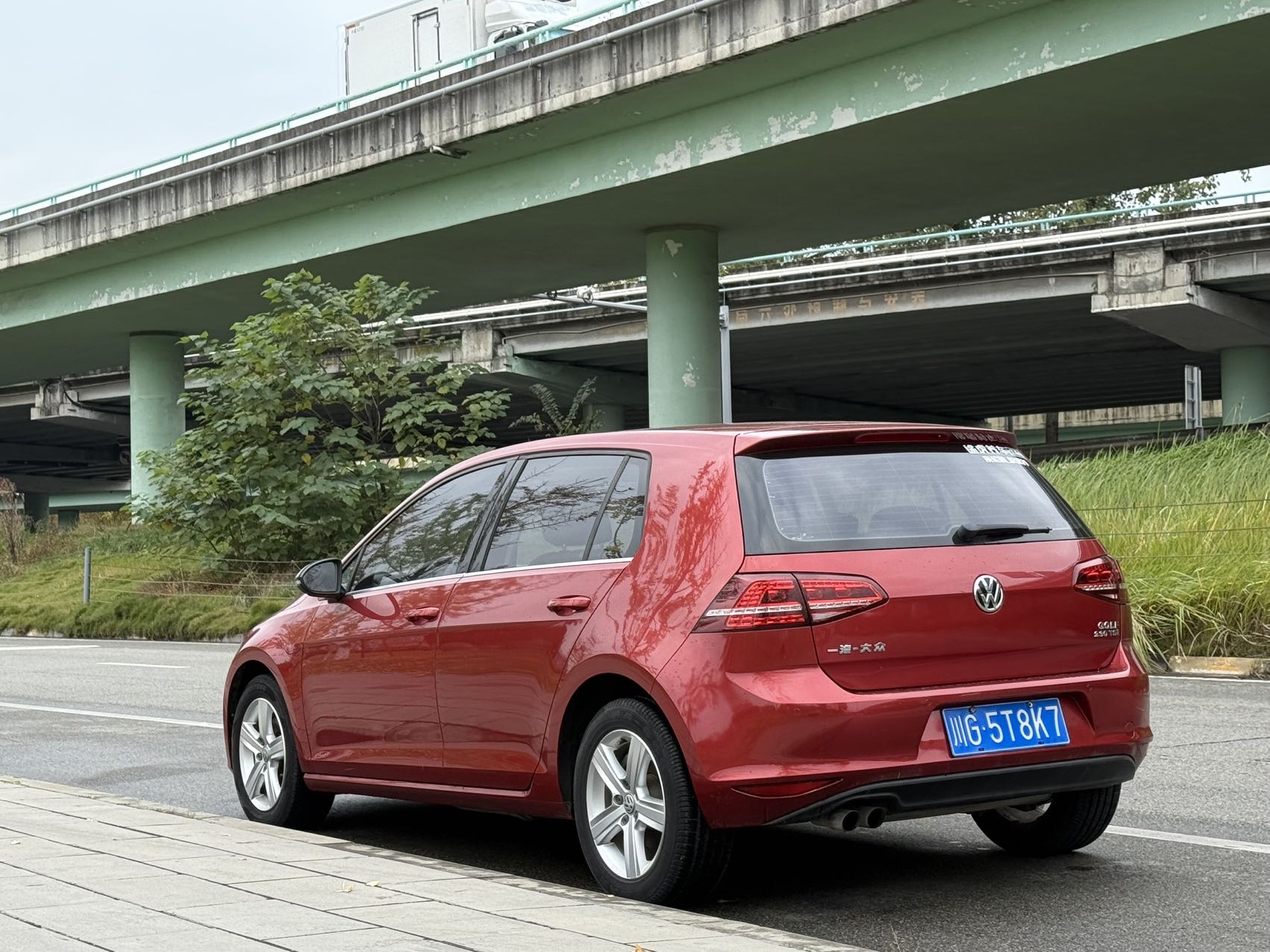
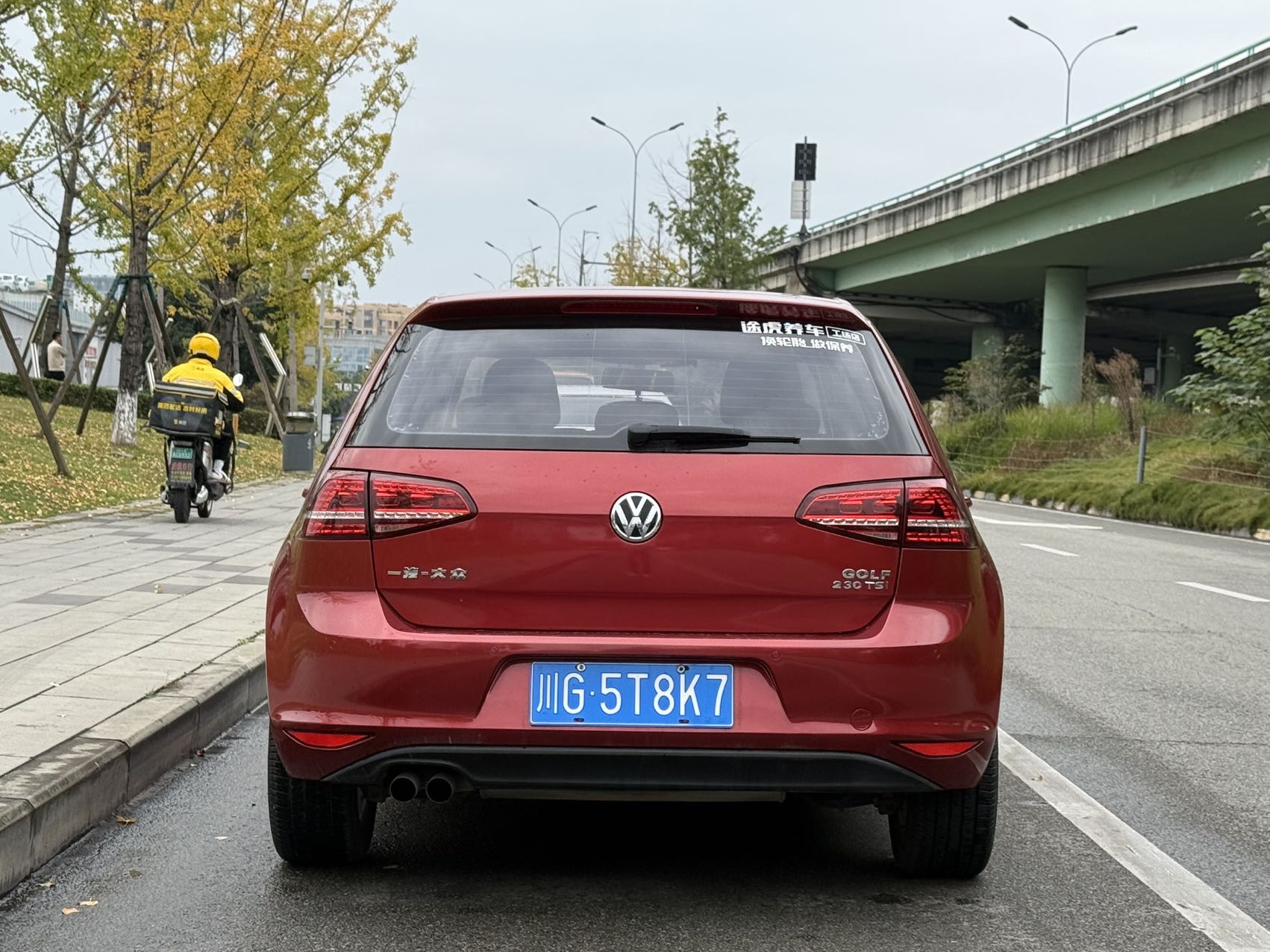
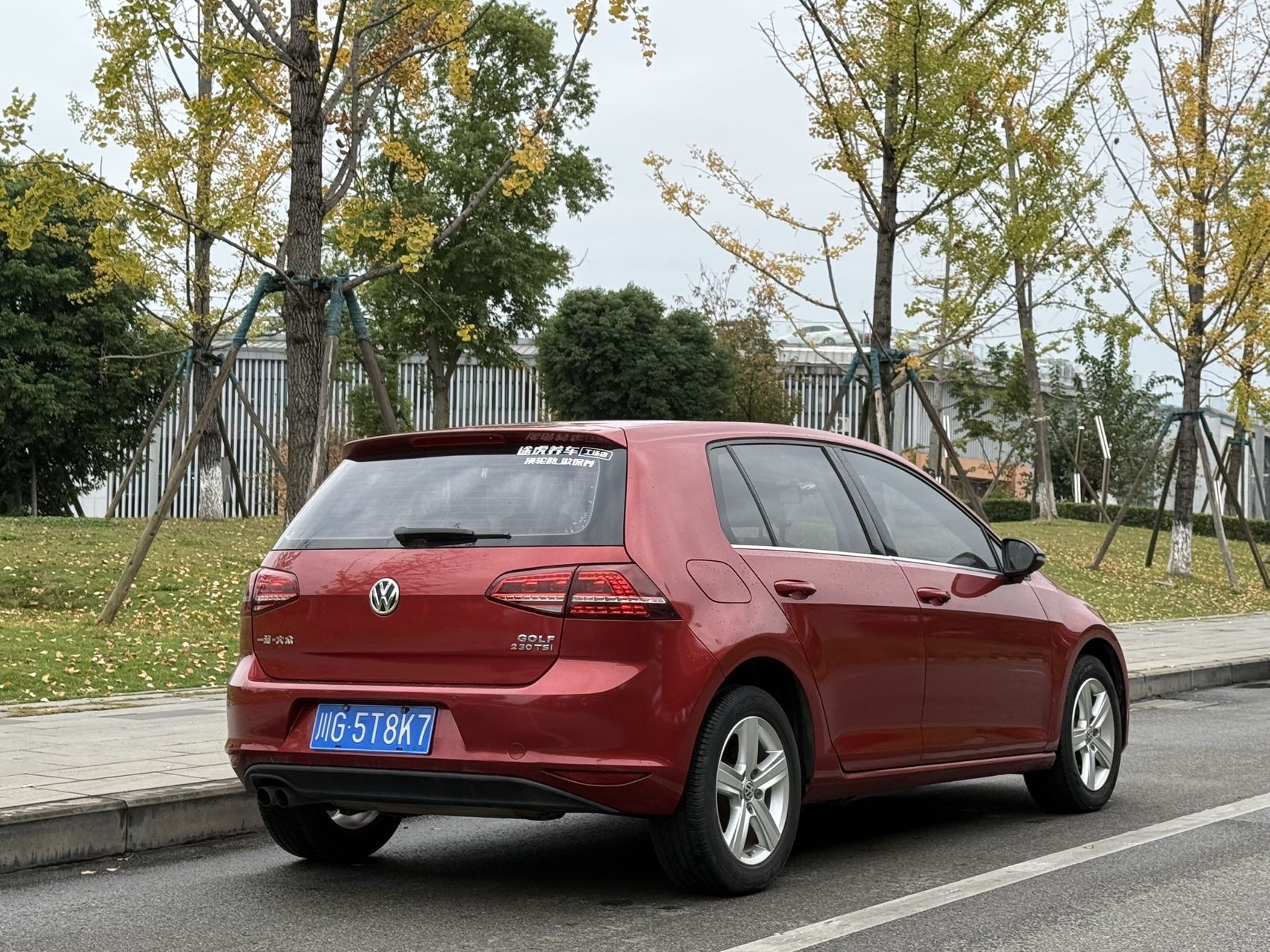
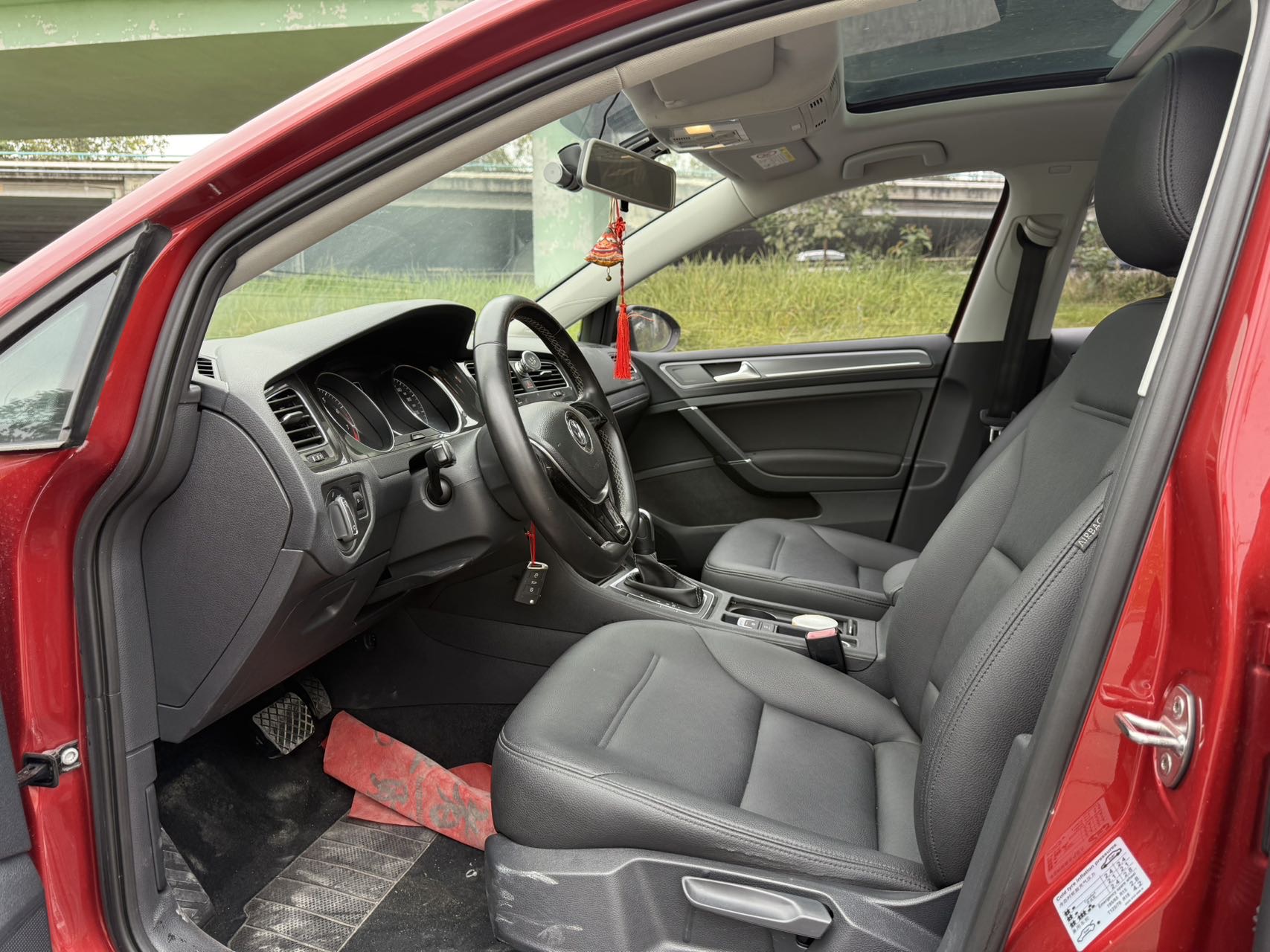
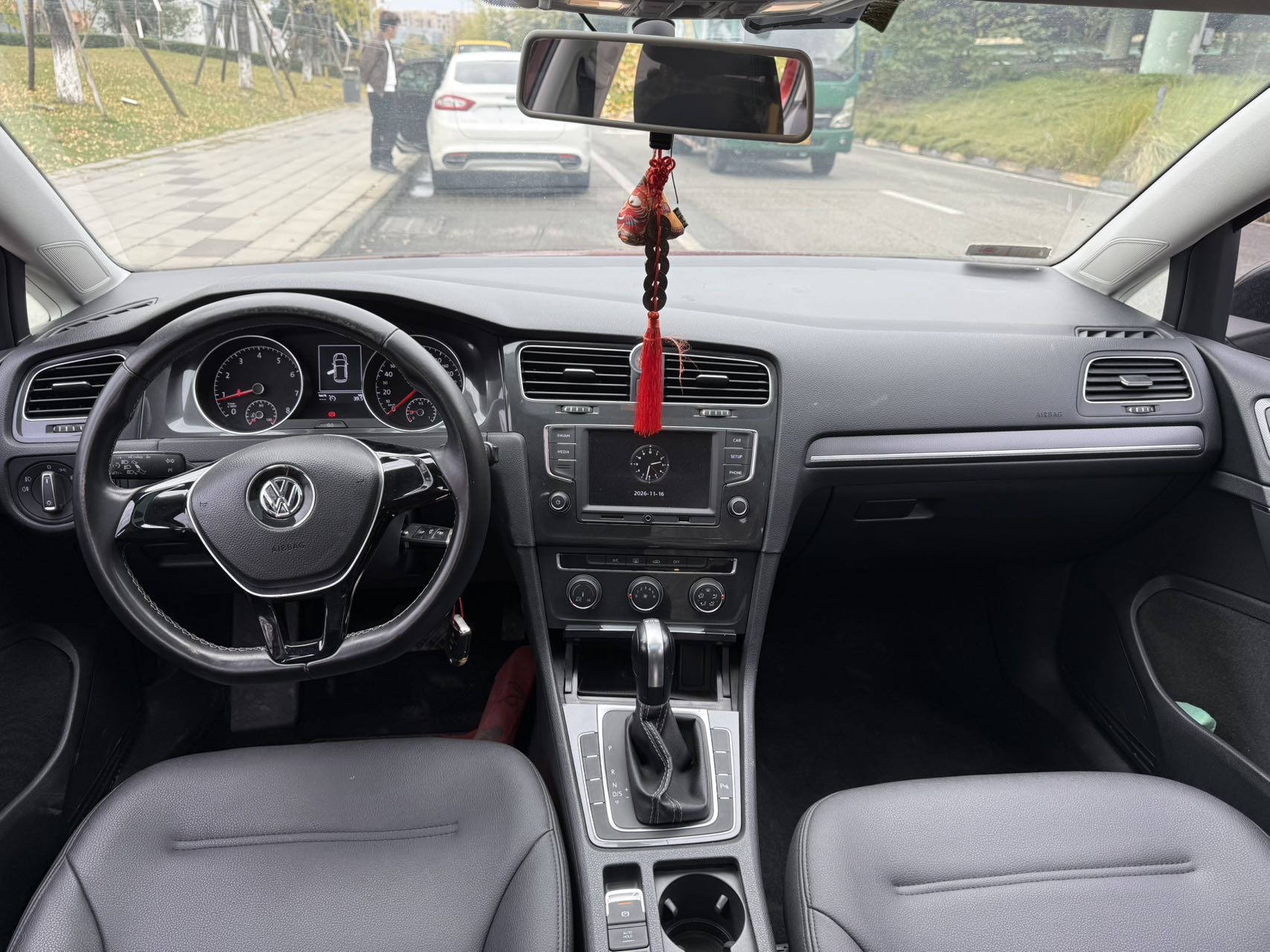
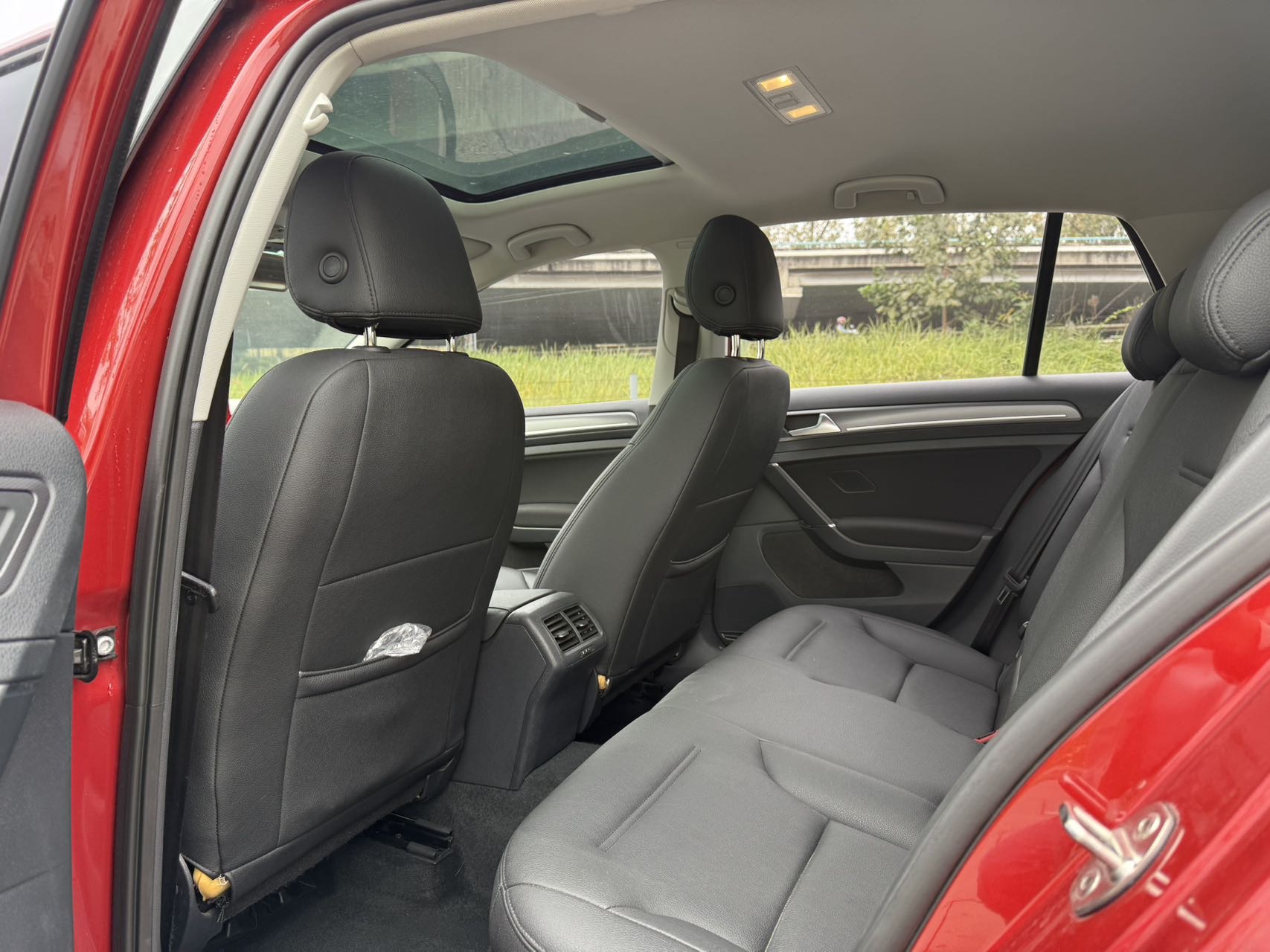
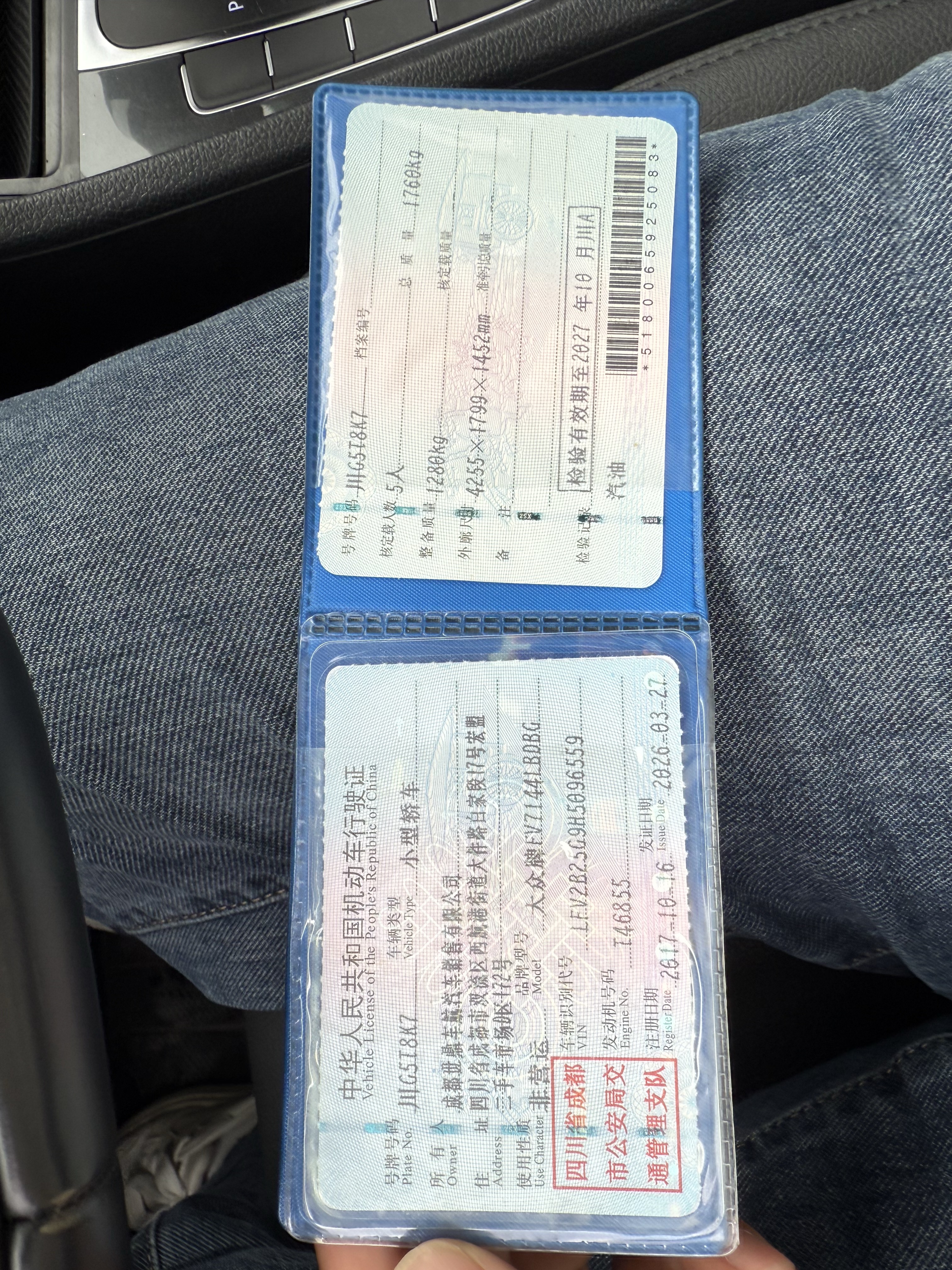



Basic Information

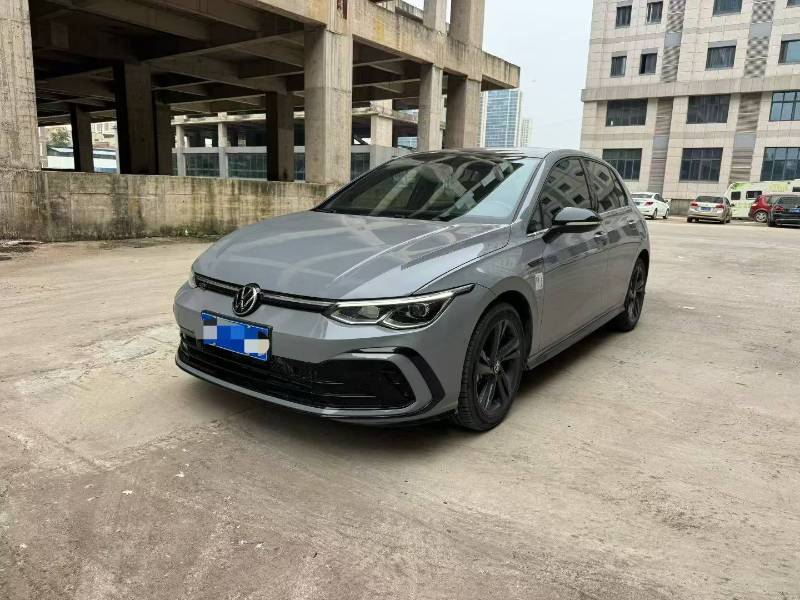
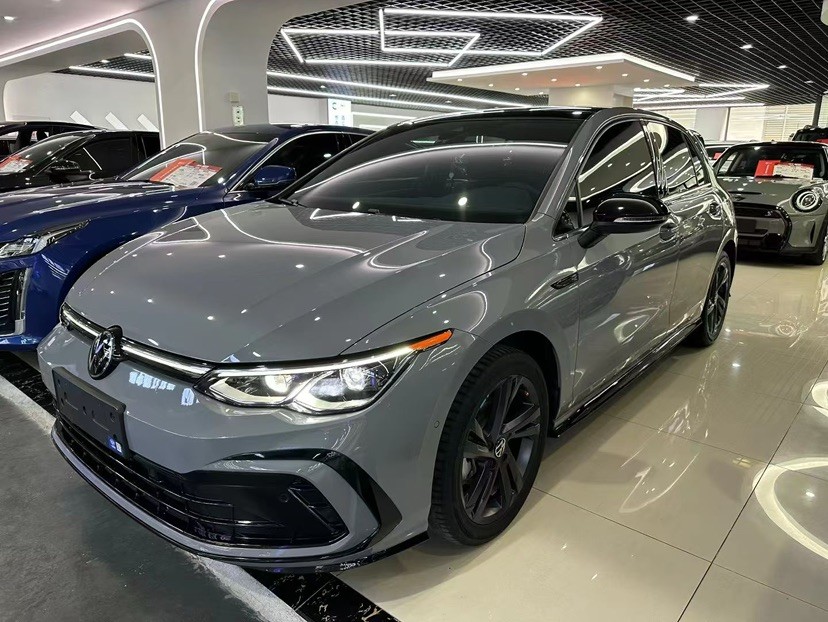
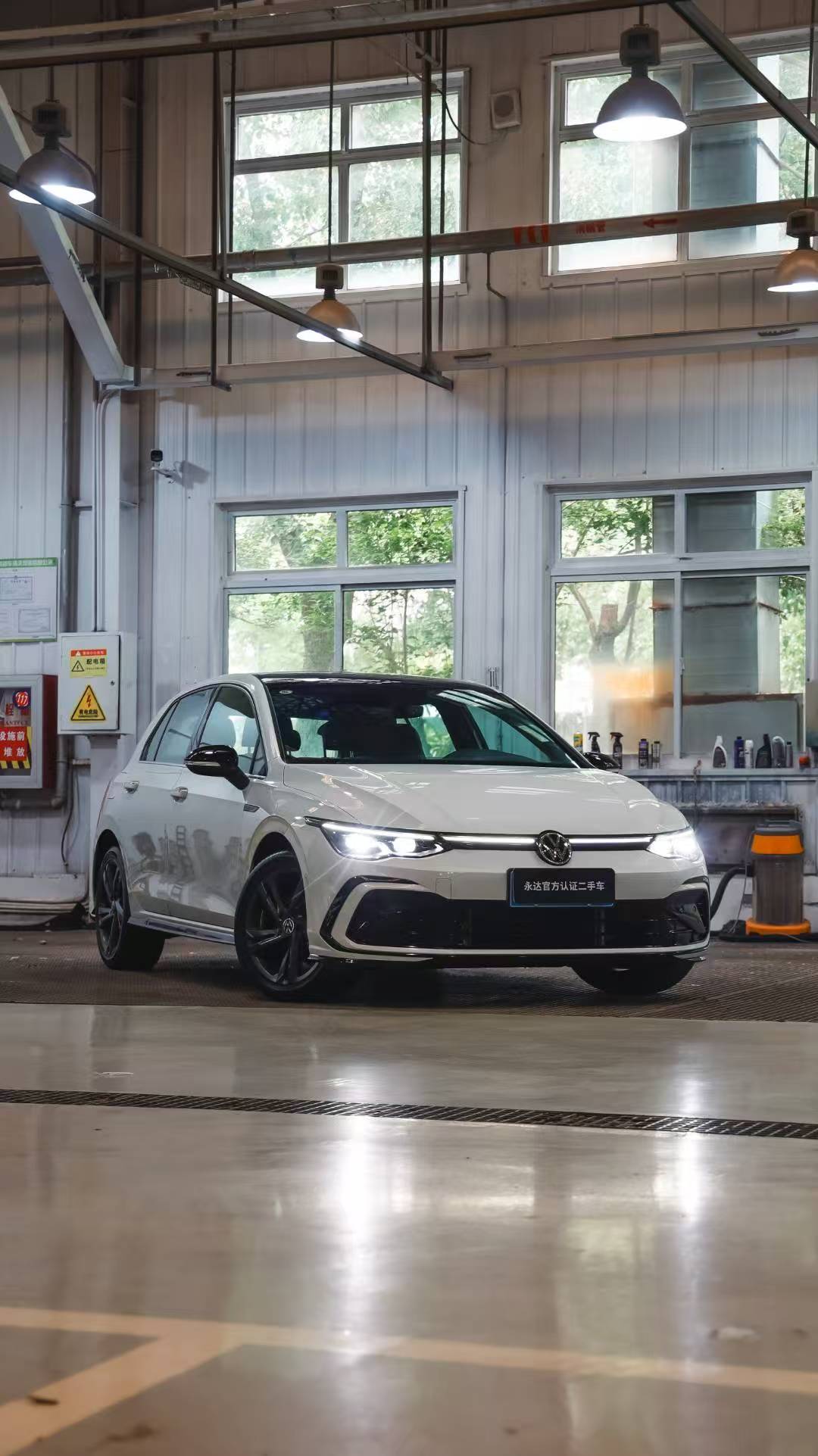
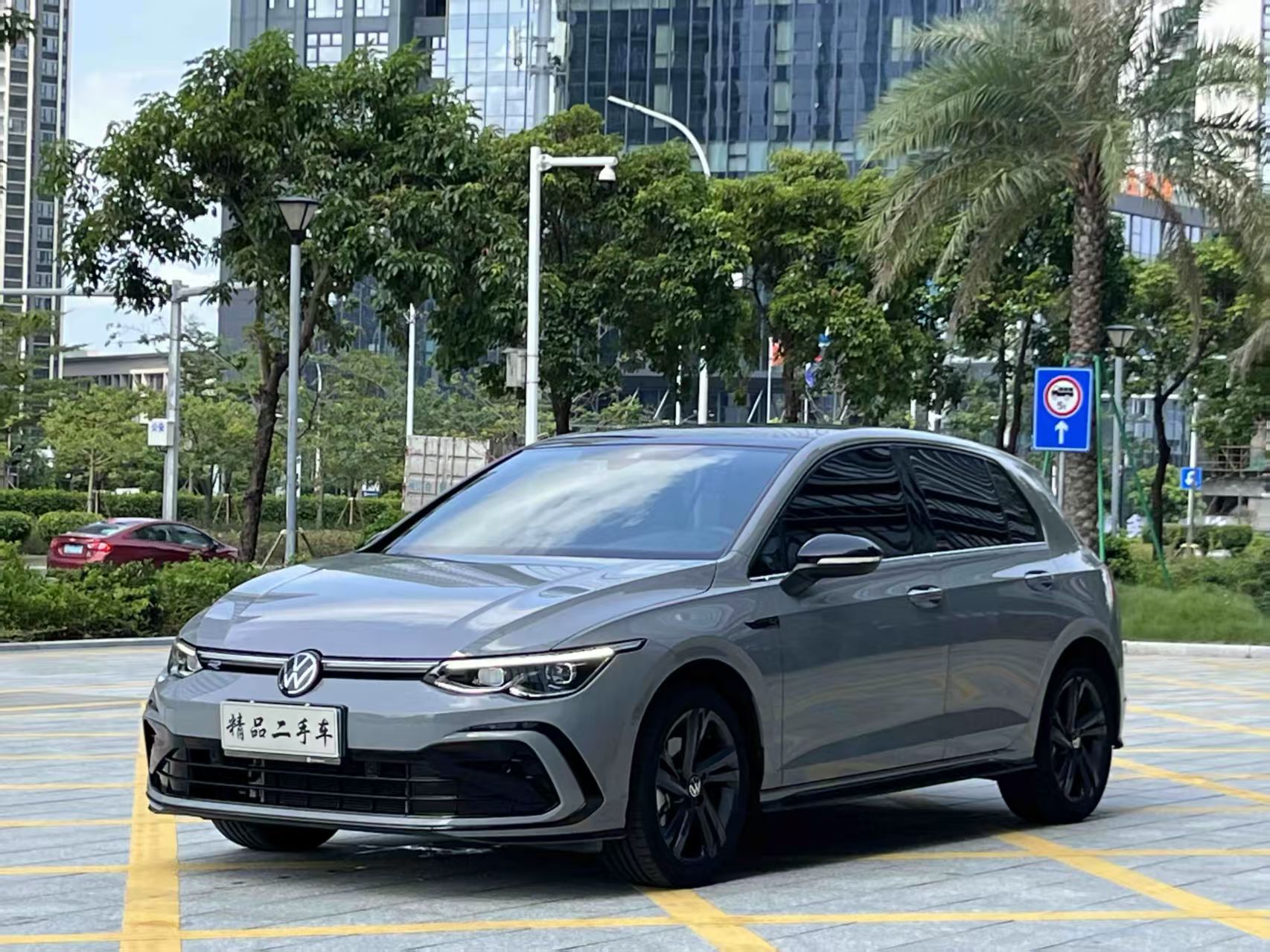
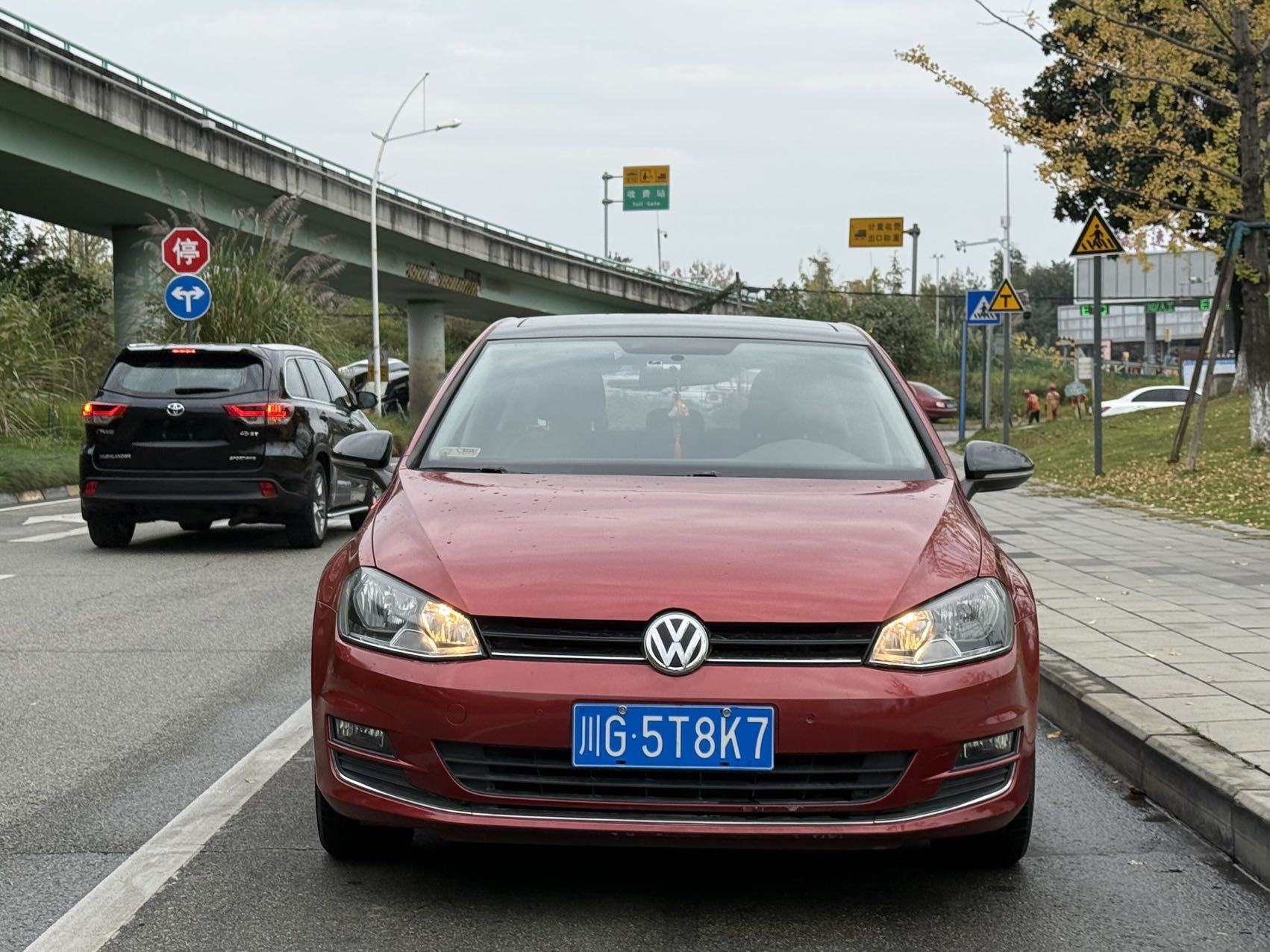
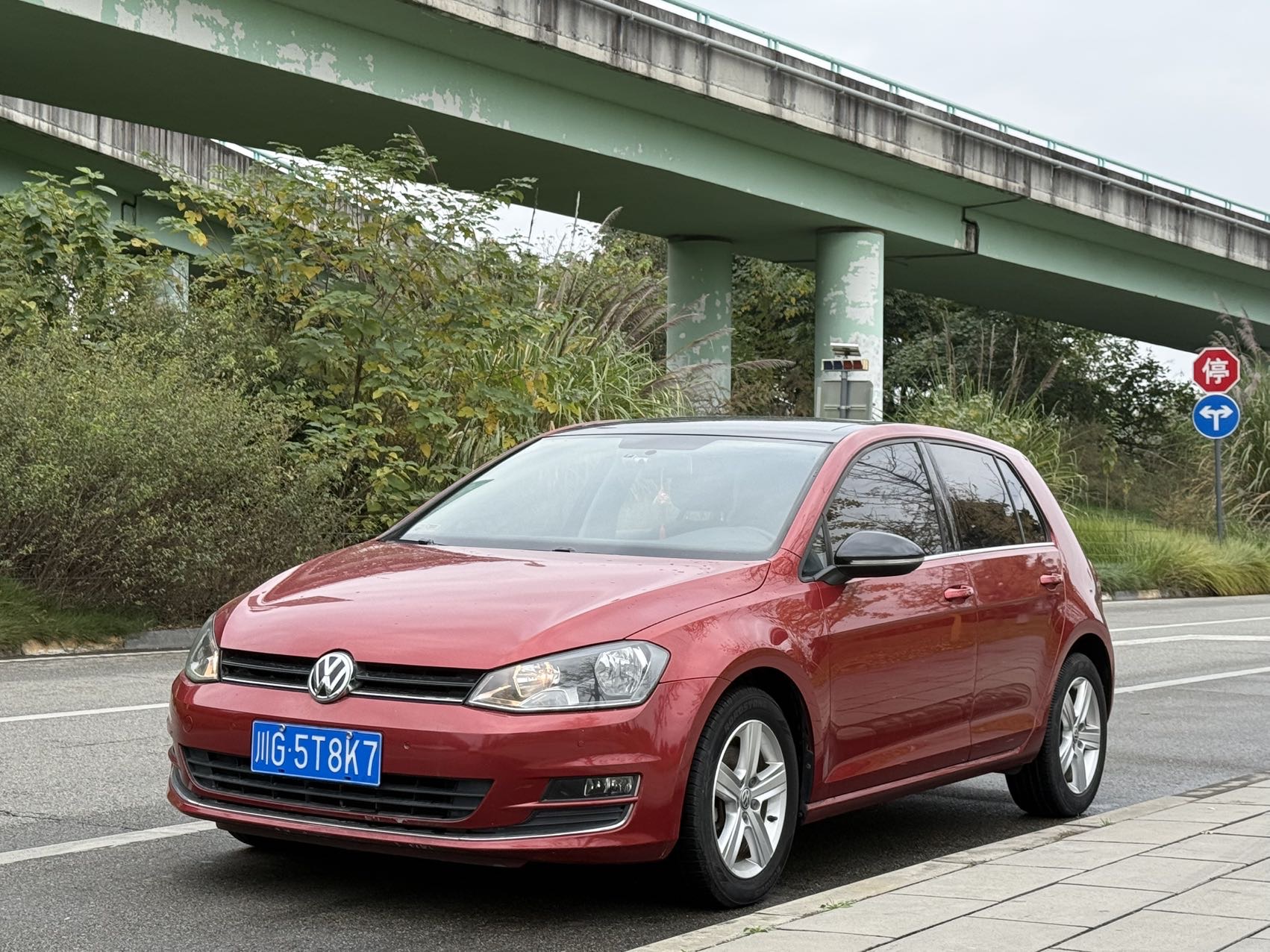
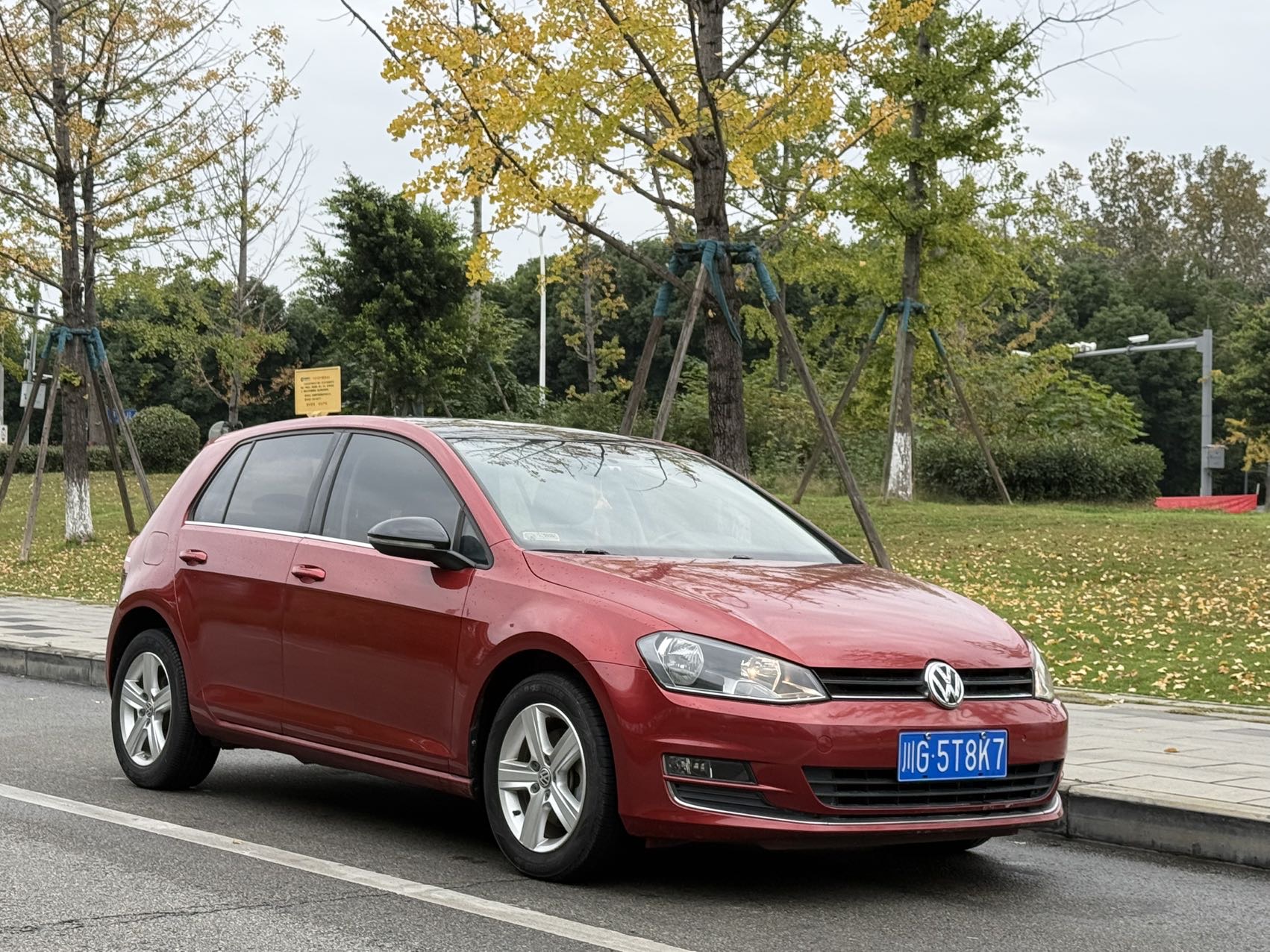
BrandVolkswagen
SeriesGolf
Year2017
First Registration2017/10
Mileage120,000km
Transfer Count1times
FuelGasoline
TransmissionDCT
Engine1.4T 131 L4
ColorRed
Seats-

Condition Description

Original condition throughout the vehicle.

燃油车
轿车
自动
维保开放
事故开放
查验开放

Configuration Highlights

✓品牌: 大众
✓车系: 高尔夫
✓车型: 2016款 230TSI 自动舒适型
✓车身类型: 轿车
✓座位数: 5
✓排量: 1.4T
✓变速箱: 自动
✓能源类型: 燃油车
✓VIN: LFV2B25G9H5096559
✓搜索关键词: 大众高尔夫 2016款高尔夫230TSI自动舒适型

Document Information

Inspection Expiry Date2027/10
Warranty Expiry Date-
Insurance Expiry Date2027/10

Q&A

More

How can I verify a used car's accident and repair history in China from overseas?

China has centralized vehicle records you can check remotely before paying anything. Ask the exporter for the 17-digit VIN, then request two reports. First, the maintenance history: third-party platforms pull 4S dealership records showing service dates, mileage and repair items. A mileage line that goes down over time is a red flag for odometer tampering. Second, the insurance claim history: it lists accident dates, claim amounts and repaired parts. Heavy claims involving frame rails or airbags should end the deal. Practical tips: run the reports yourself instead of accepting screenshots from the seller, make sure the report date is close to the delivery date, and cross-check with physical wear such as the steering wheel, pedals and seat bolsters, which cannot lie about high mileage. Keep in mind that small private repairs never enter these databases, so combine history checks with a physical inspection before shipping.


Which electrical features should I test remotely before buying a used Chinese car—windows, sunroof, infotainment, sensors?

Electrical faults are among the most annoying problems to discover after import, because they rarely stop the car from running. Ask the seller for a live video walkthrough testing each item: all four windows up and down, sunroof open/close, central locking (including with the key and remote), infotainment touchscreen, Bluetooth pairing, all cameras (reversing and 360-degree if fitted), parking sensors, interior and exterior lights, and the horn. Also watch the dashboard during startup: every warning light should illuminate briefly and then go out. A light that never appears, or stays on, tells you something needs attention. Pair this with an OBD scan to catch stored fault codes the seller might not mention. If a feature "only works sometimes," assume it is broken and price the repair into your offer.

Do digital keys, NFC key cards, and phone-as-key features on used Chinese EVs still work after export?

Most Chinese EVs support three access methods: a traditional key fob, an NFC card, and phone-based digital keys via the brand's app. After export, the fob and NFC card keep working locally — they use short-range radio, so no internet connection is required. That makes the NFC card your most reliable backup; make sure the seller physically includes it, and verify it locks and unlocks the car before payment. Phone-as-key is different: it usually depends on the manufacturer's cloud server recognizing your account. If the app is not available or supported in your country, this feature may stop working. Have the seller demonstrate a full key handover: delete their phone from the vehicle, reset all paired devices, and transfer the main account to your email. Some brands also allow the key fob to be reprogrammed at any authorized dealer. Test every entry method during the pre-shipment video call, and put all keys and cards included into your contract — replacing a lost NFC card overseas can take weeks.