48H

Basic Information

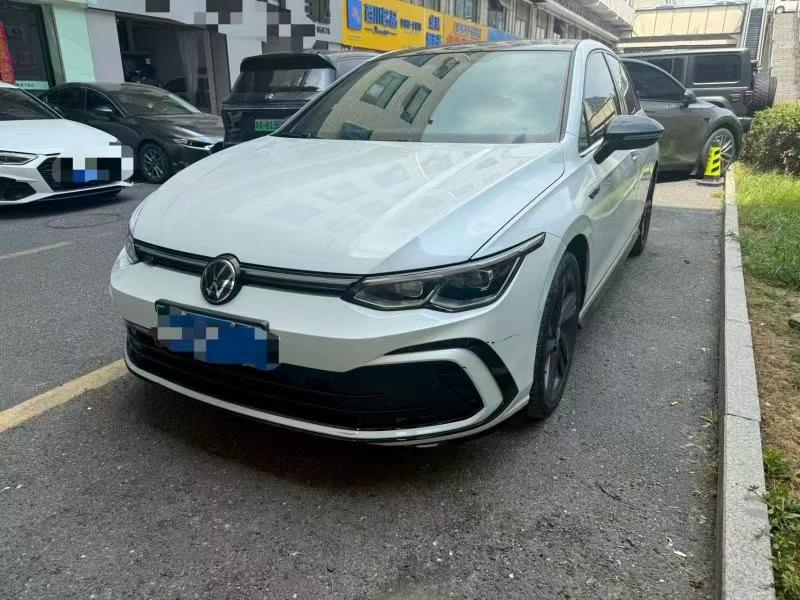
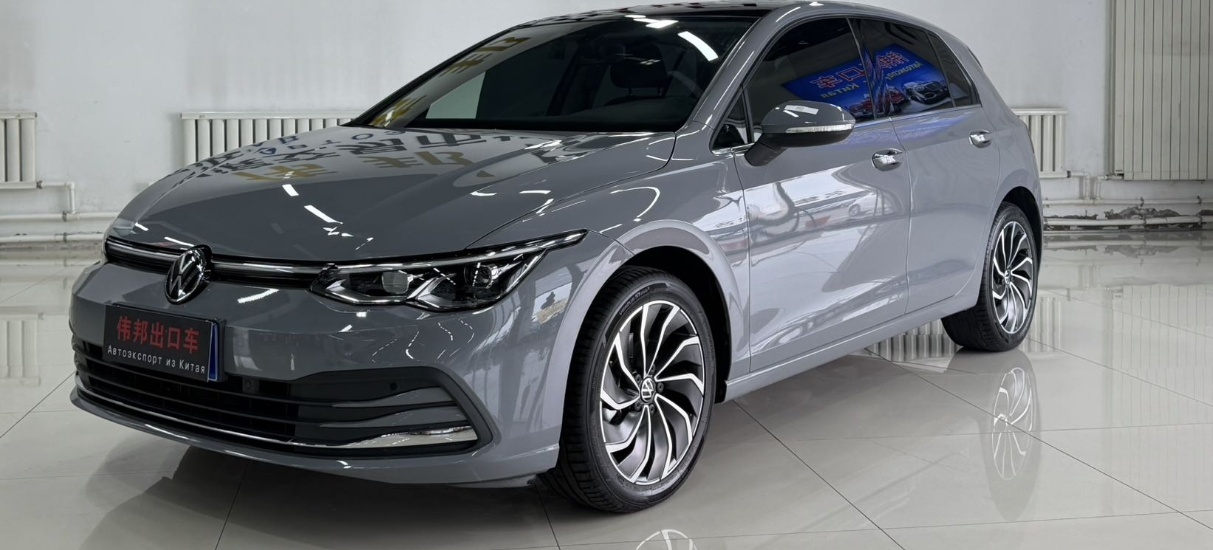
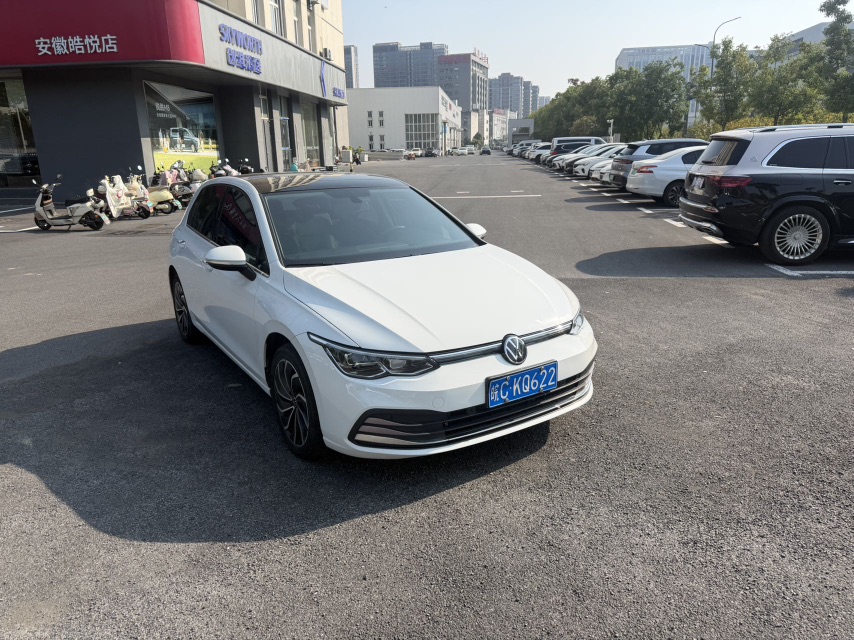
BrandVolkswagen
SeriesGolf
Year2017
First Registration2017/09
Mileage75,100km
Transfer Count2times
FuelGasoline
TransmissionDCT
Engine1.4T 131 L4
ColorWhite
Seats-

Condition Description

Body components (structural/reinforcing/panels) have accident-related damage, passive safety devices are defective, vehicle performance (including three-electric system) has degraded or remains performance-limited after repairs.

Accident inspection: main structure damaged, reinforcing parts undamaged, panels undamaged, hinges normal; Engine bay: modified exhaust; Exterior: 1 replaced part, 1 repainted area; Interior: most features normal, airbag normal, seatbelt normal, dashboard normal, instrument cluster normal, lighting system normal; Startup check: main components normal; Onboard tools: none.

可讲价
平台物流
可转售
VIP车源
车主降价
新检测标准升级>
必卖车源
非泡水

Document Information

Inspection Expiry Date2027/09
Warranty Expiry Date-
Insurance Expiry Date2027/09

Q&A

More

If a coup occurs in the destination country or if import regulations are suddenly changed, preventing the vehicle from clearing customs, does this count as force majeure?

It completely falls under force majeure. After the delivery is completed (crossing the ship's rail) under FOB or CIF terms, the seller (us) bears no liability for refunds or compensation due to political risks or legal changes in the destination country that hinder customs clearance or lead to confiscation.


Is the source of the historical data you verify authoritative (e.g., traffic management departments, insurance company systems)?

Extremely authoritative. The third-party data service providers we connect to legally access the Chinese Public Security Traffic Management Platform, the insurance claims network directly under the China Banking and Insurance Regulatory Commission, and the after-sales databases of major automotive manufacturers. We perform secondary logical verification based on this underlying data.

How can I verify the odometer reading is genuine on a Chinese used car from abroad?

Odometer fraud exists everywhere, but cross-checking several data points makes it hard to fake: 1) Maintenance records: ask for service history with mileage entries. Gaps or resets are red flags. 2) Tire wear: a car showing 30,000 km should not have nearly bald tires. Compare tread depth against the claimed mileage. 3) Pedals, steering wheel, and seat bolsters: heavy wear on these with low odometer readings is a classic mismatch. 4) Diagnostic scan: request an OBD readout. Many control modules store mileage data internally — if the ECU shows 120,000 km while the dash shows 40,000, you have your answer. 5) Vehicle history report: in China, apps and platforms can pull insurance claim records and registration history, which often reveal the true mileage trail. Always request a live video showing the odometer with the engine running, and have the number written into your contract.