


Basic Information

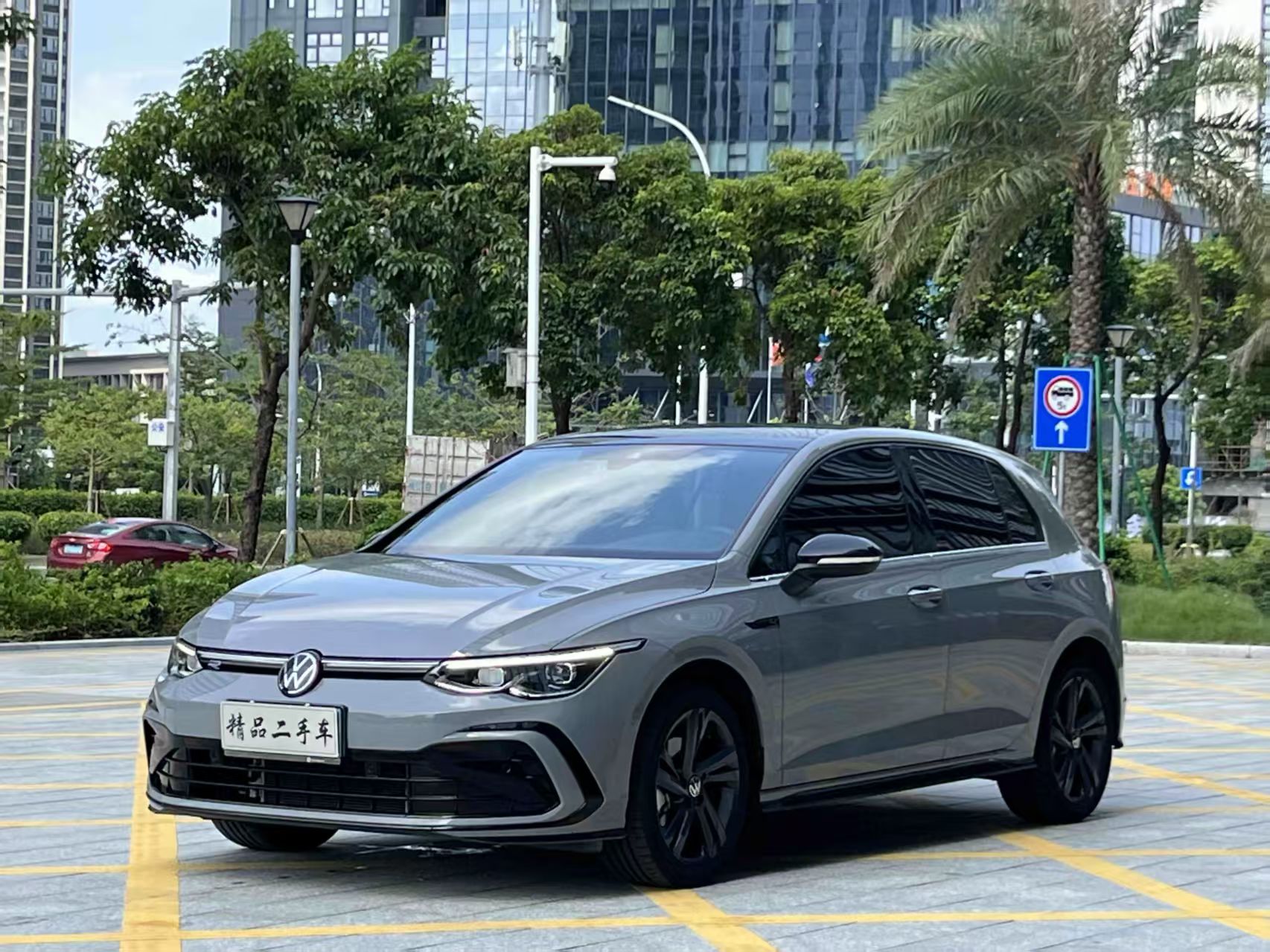
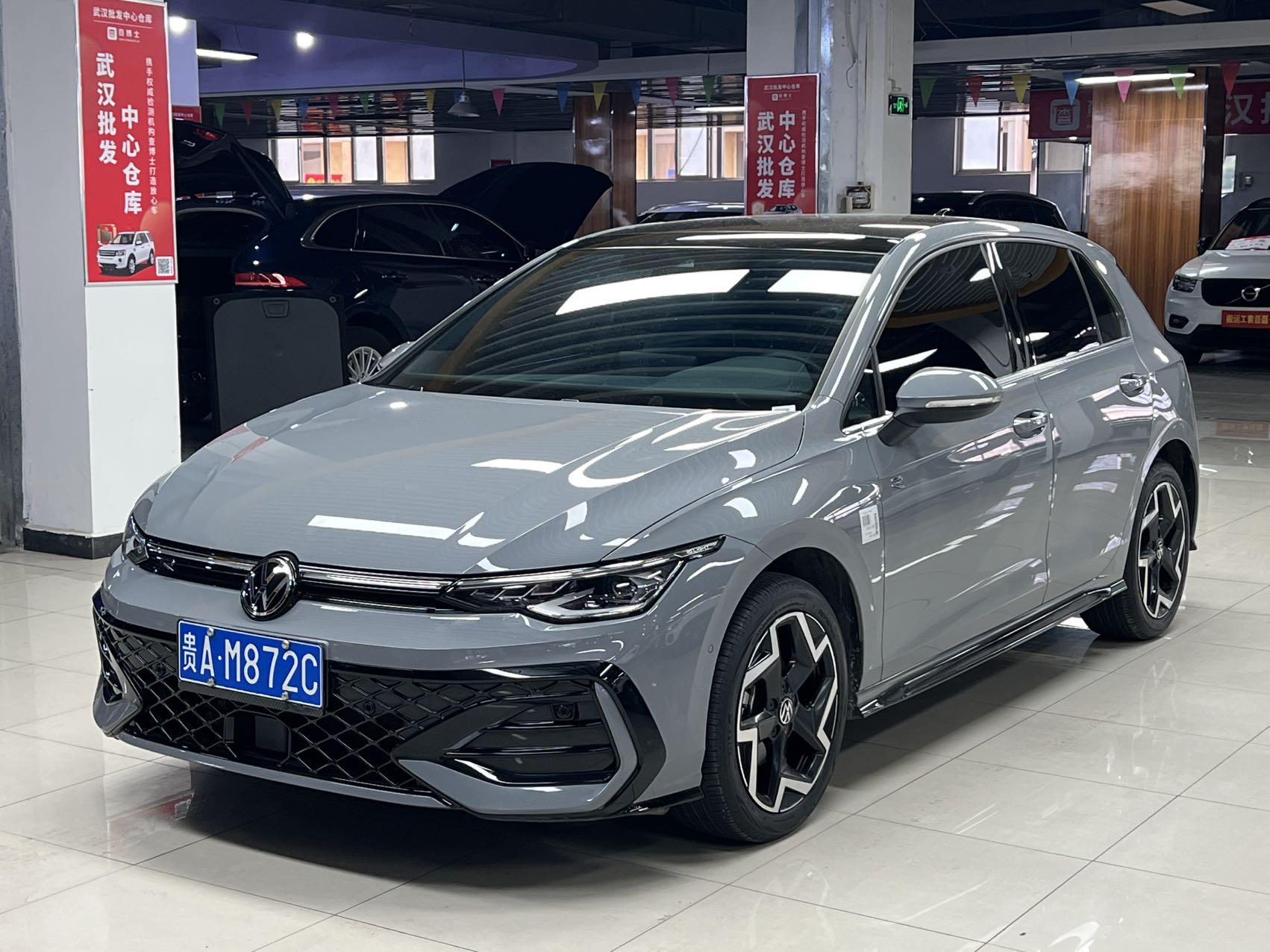
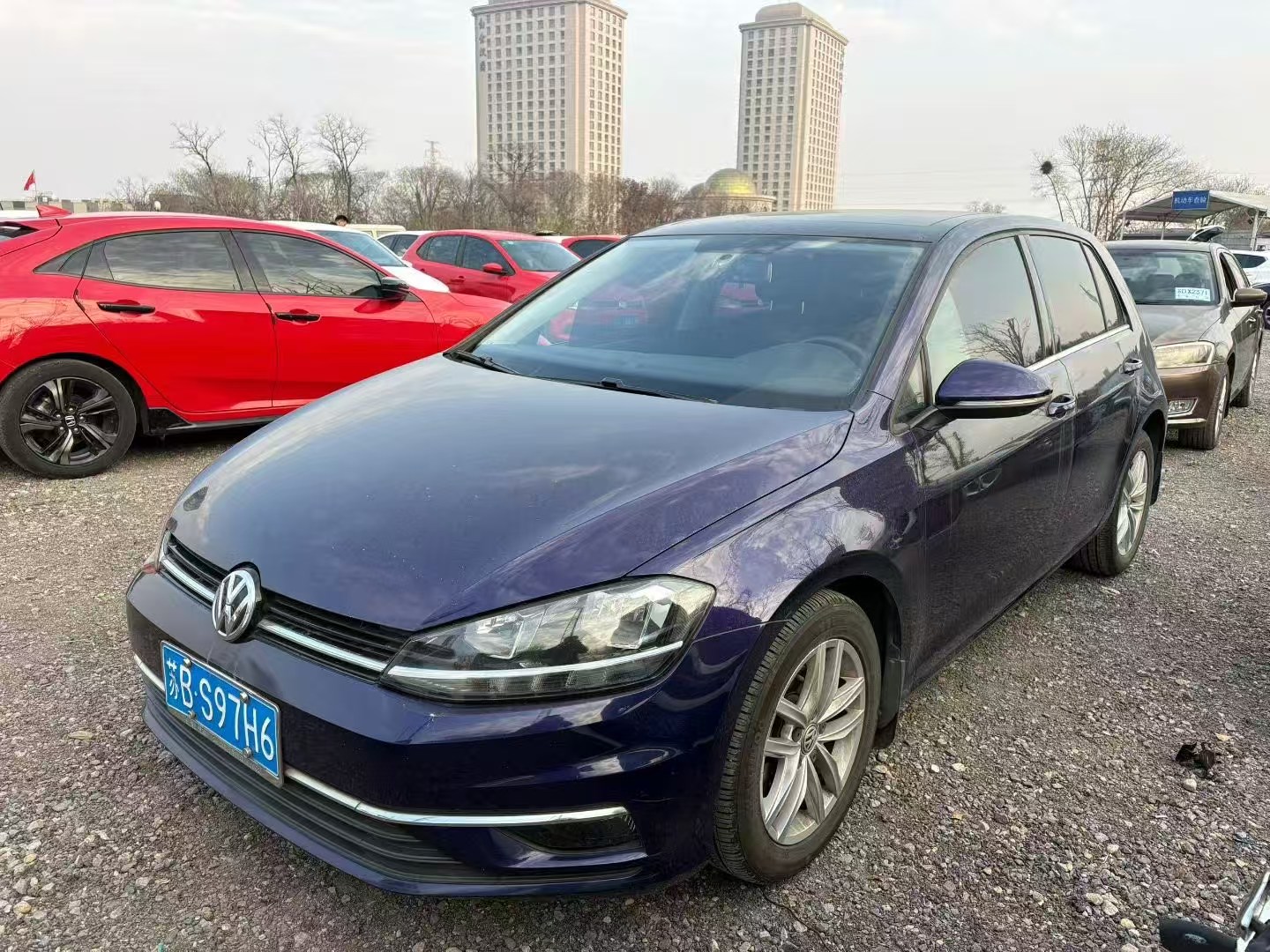
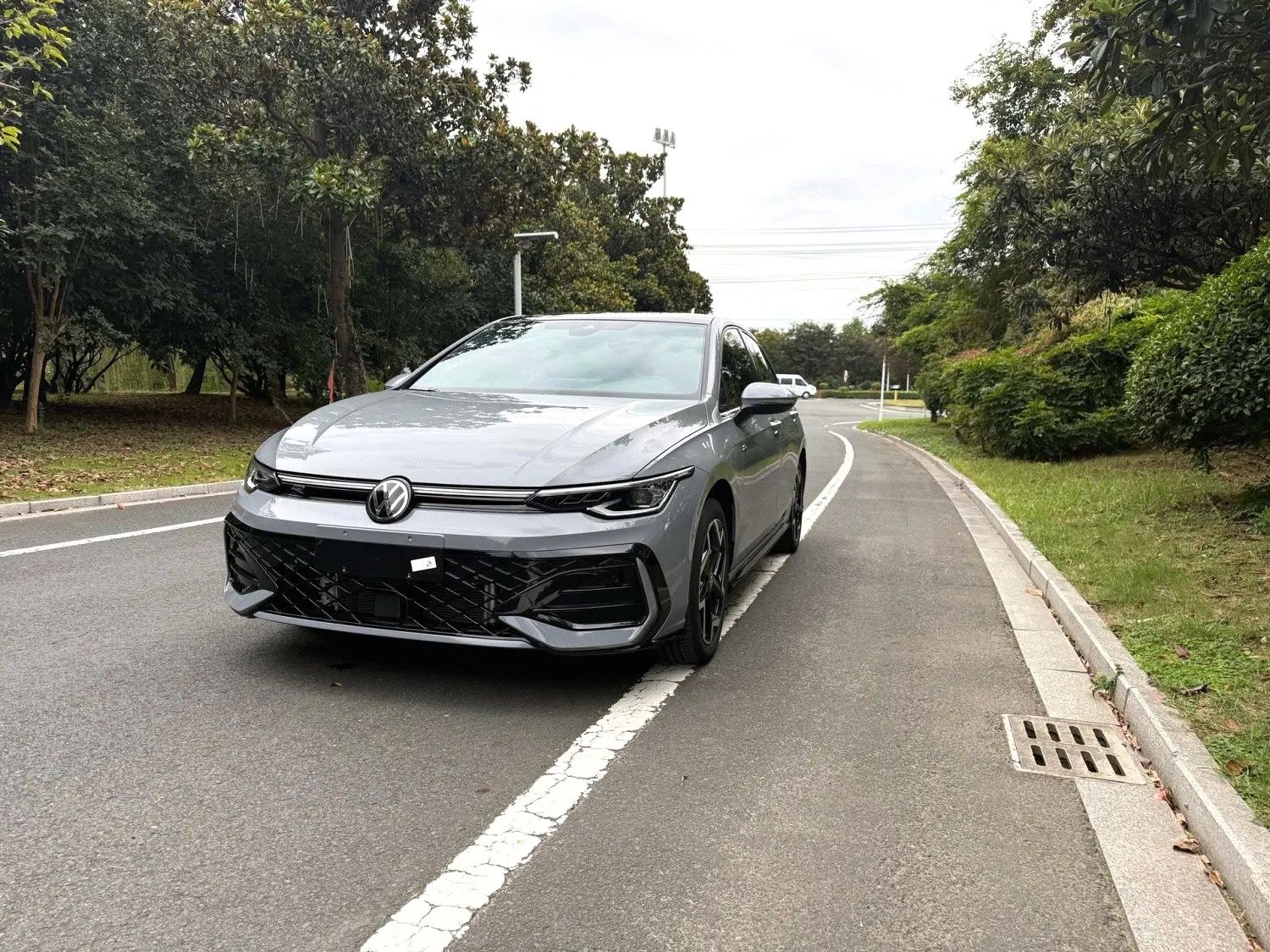
BrandVolkswagen
SeriesGolf
Year2018
First Registration2018/11
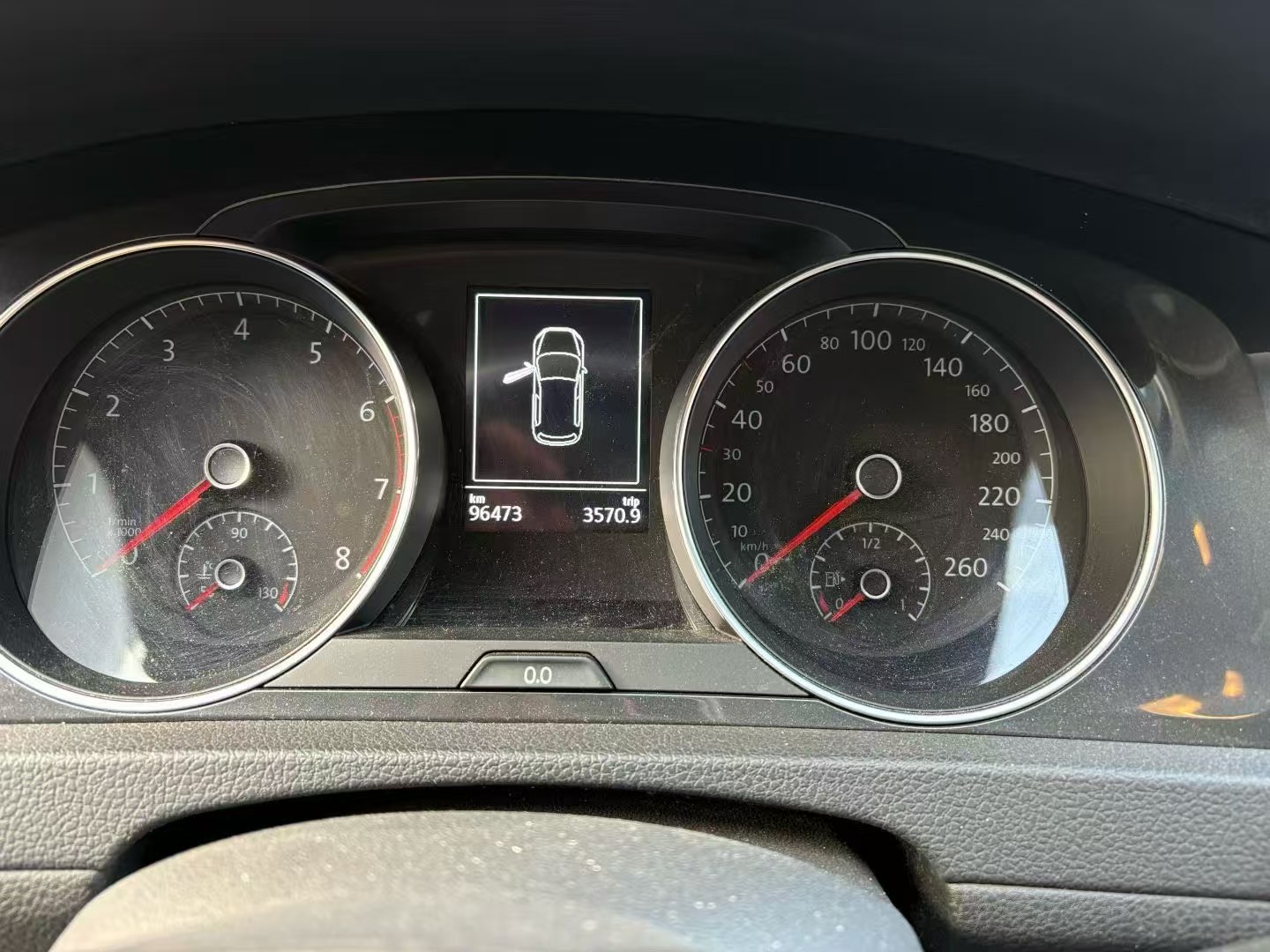
Mileage9.6km
Transfer Count-
FuelGasoline
TransmissionDCT
Engine1.4T 131 L4
ColorBlue
Seats-

Condition Description

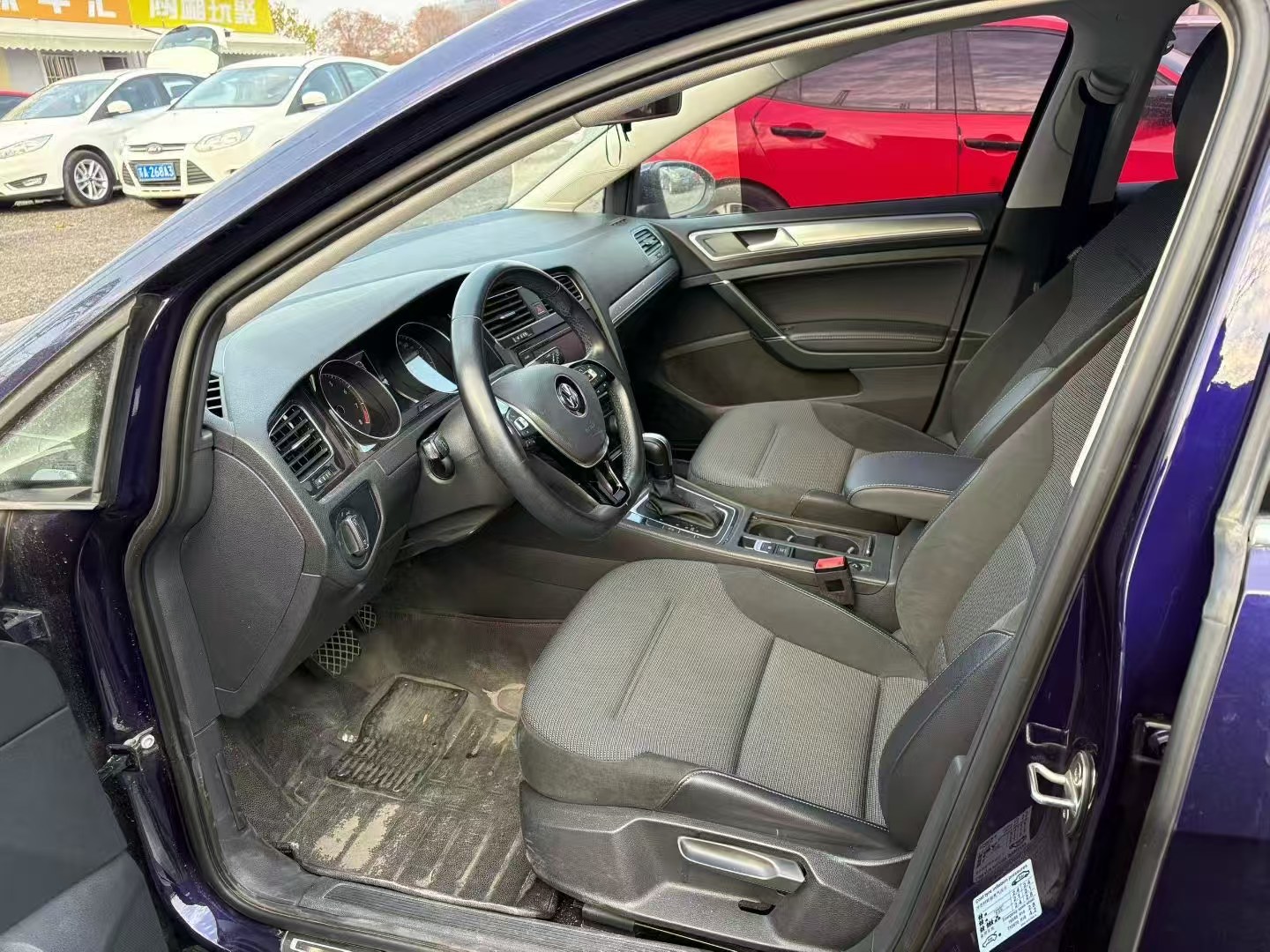
Vehicle condition information: Windshield replaced. Four 2024 tires. Original paint on metal parts. Water leak in the T-joint.

Configuration Highlights

✓Driver/Passenger Airbags
✓Front/Rear Side Airbags
✓Front/Rear Curtain Airbags
✓Tire Pressure Monitoring
✓ISOFIX Child Seat Anchors
✓ABS Anti-lock Braking
✓Electronic Brake Distribution
✓Electronic Stability Control
✓Hill Start Assist
✓Auto Hold
✓Multifunction Steering Wheel
✓Seat Material
✓Driver/Passenger Power Seats
✓Rear Cupholders
✓Low Beam Headlights
✓Daytime Running Lights
✓Adjustable Headlight Height
✓Power Windows
✓Anti-pinch Windows
✓UV/Heat Insulating Glass
✓Climate Control Type
✓Rear Air Vents
✓Start-Stop System

Q&A

More

How is the degree of wear on the interior defined? (e.g., steering wheel, seat patina or cracking)

Interior assessment is divided into three core areas: the driver's high-frequency contact area (steering wheel, gear shift, edge of the driver's seat), central control button area, and rear seats and ceiling. The natural sheen of leather surfaces (patina) is normal; however, any physical damage (such as leather tearing, fabric burn holes, or plastic breakage) will be classified as "structural interior damage" and clearly marked.

How to ensure there are no stubborn odors in the car (like smoke, pet smells, or mold)?

Odors are difficult to convey through images, so our quality inspectors conduct subjective smell assessments and record them. For vehicles with severe smoke or mold odors, if deep ozone sterilization is ineffective, we will downgrade the vehicle and mark the report with a red "Odor Warning" at the top.

If a car frequently transfers between extremely cold areas (like Northeast China) and extremely hot areas (like Hainan), would you provide special risk warnings?

Absolutely. The extreme temperature fluctuations will significantly accelerate the aging of chassis rubber parts, oil seals, and interior plastics. For vehicles frequently dispatched across such latitudes, we will conduct fatigue resistance checks on chassis rubber parts that are twice as stringent as those for vehicles in temperate regions.