48H

Basic Information

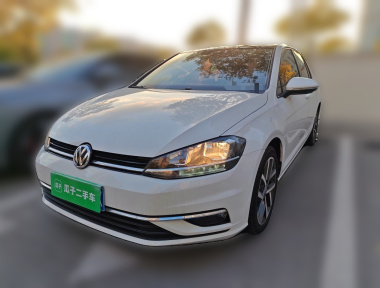
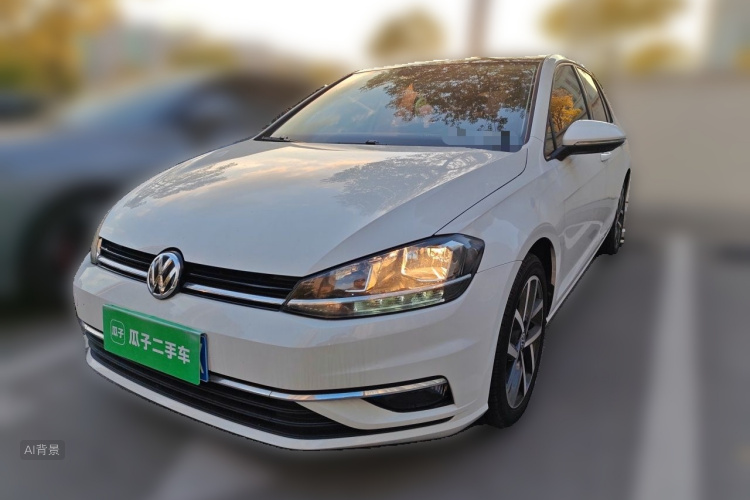
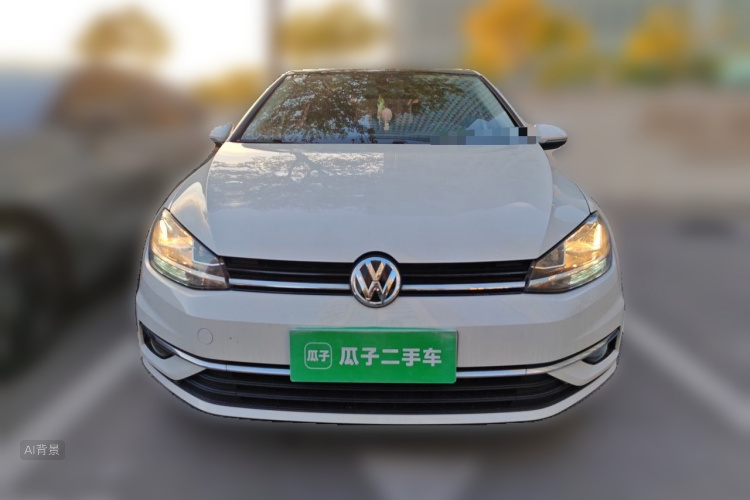
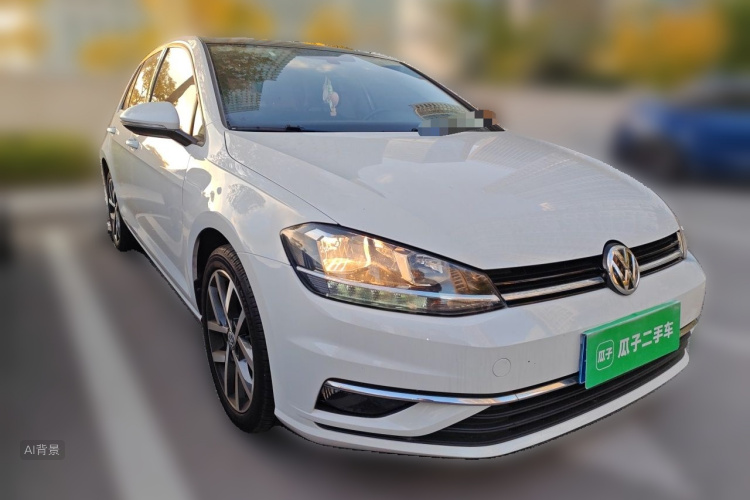
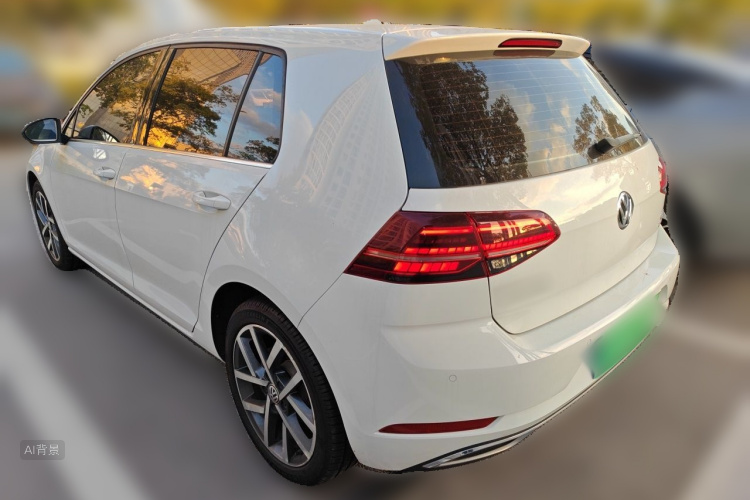
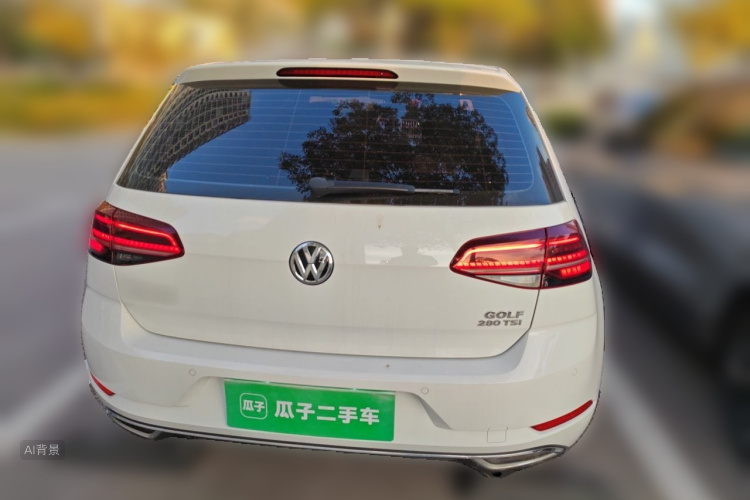
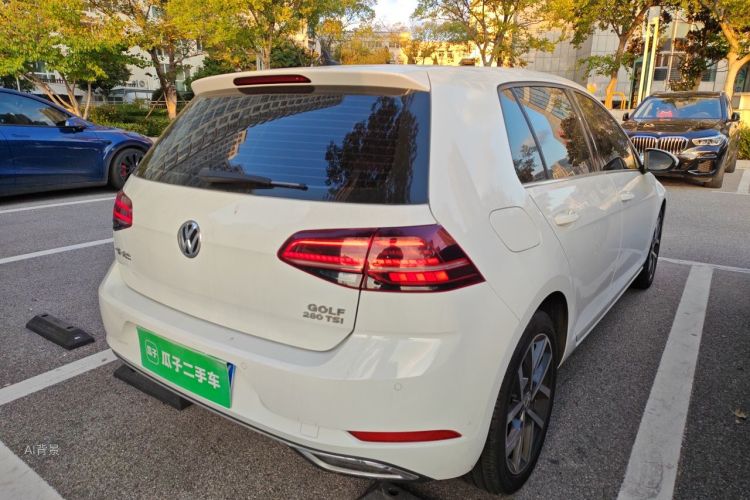
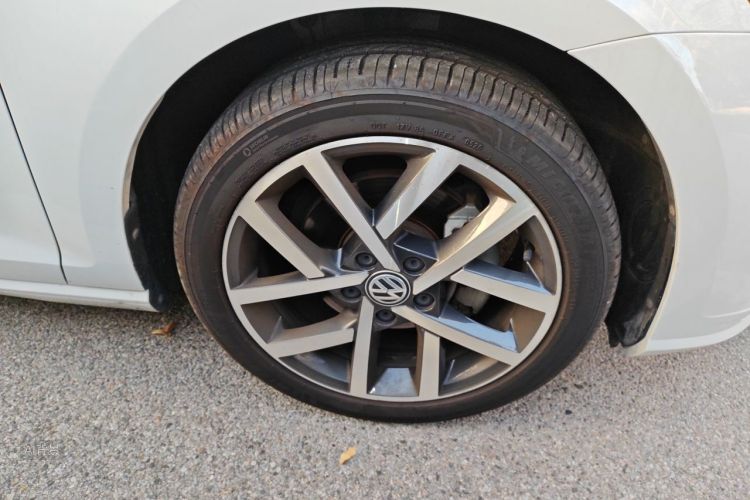
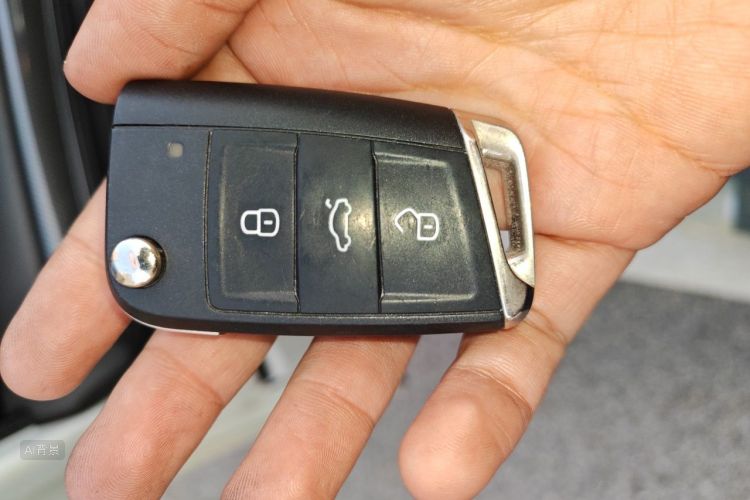
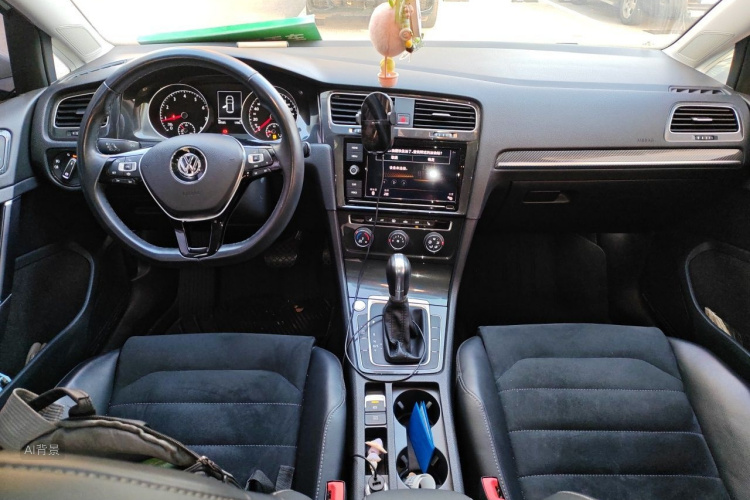
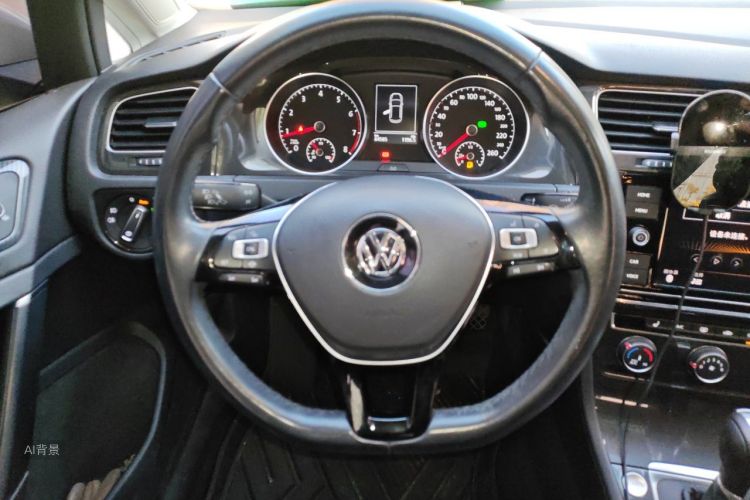
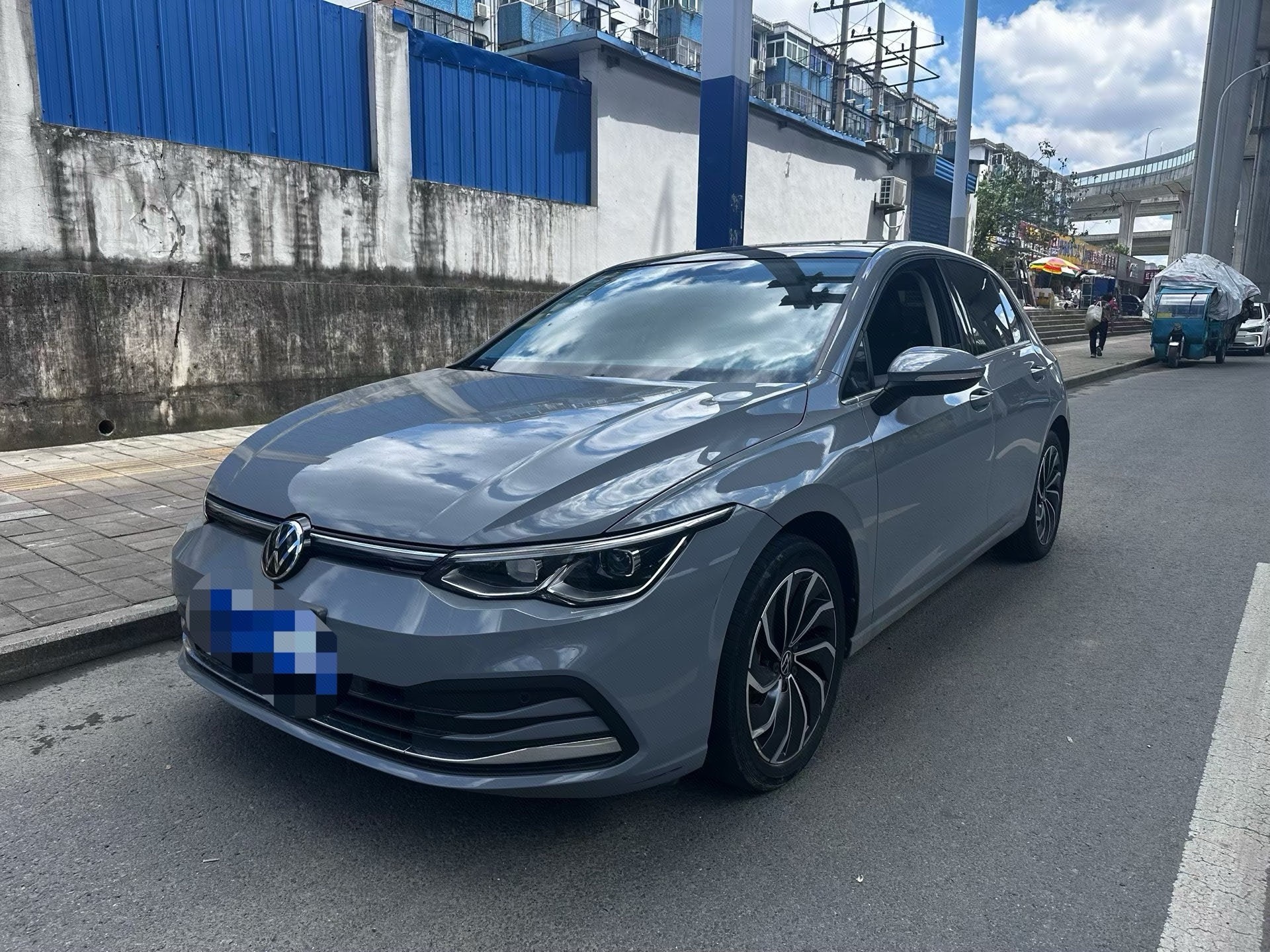
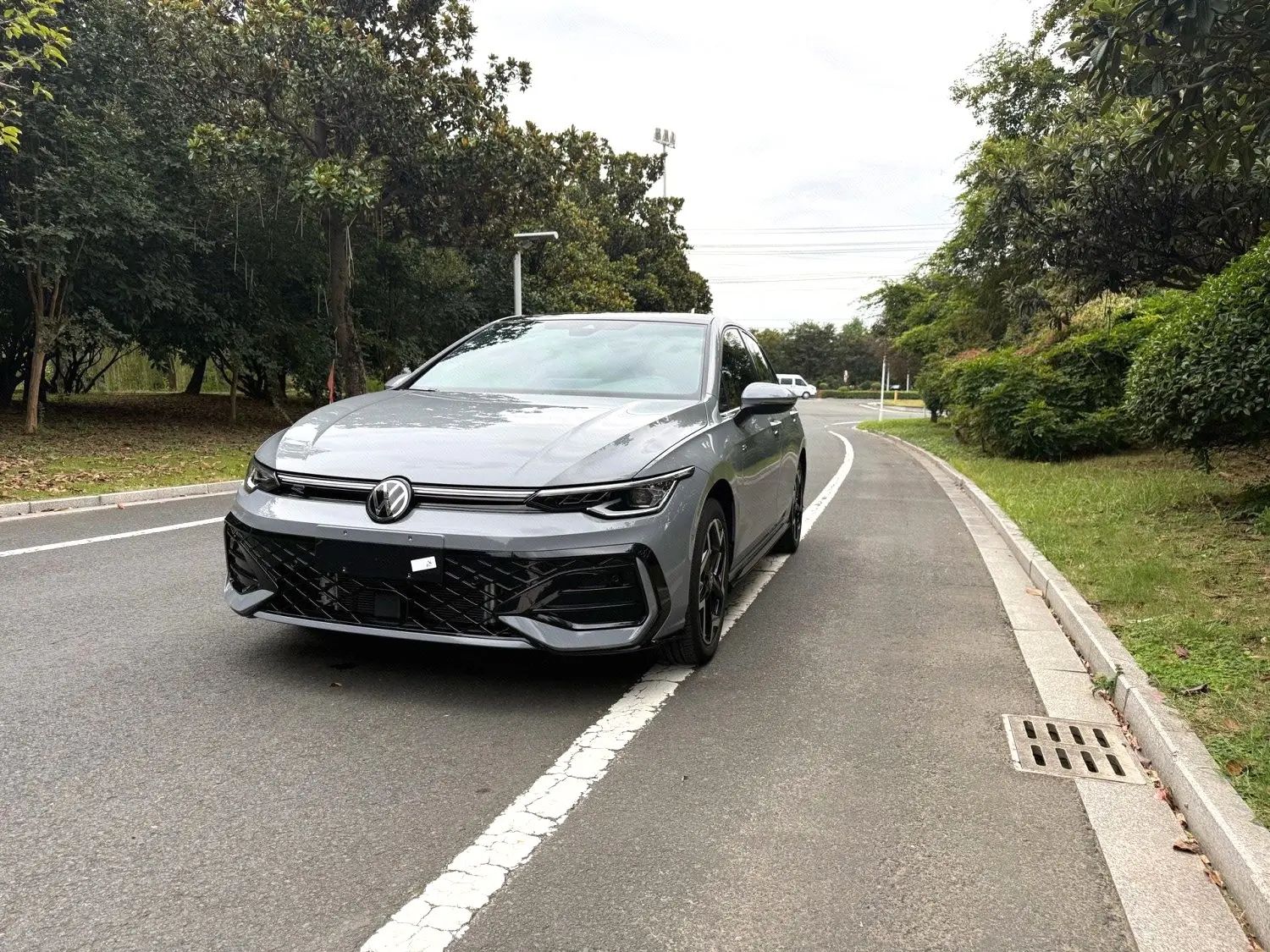
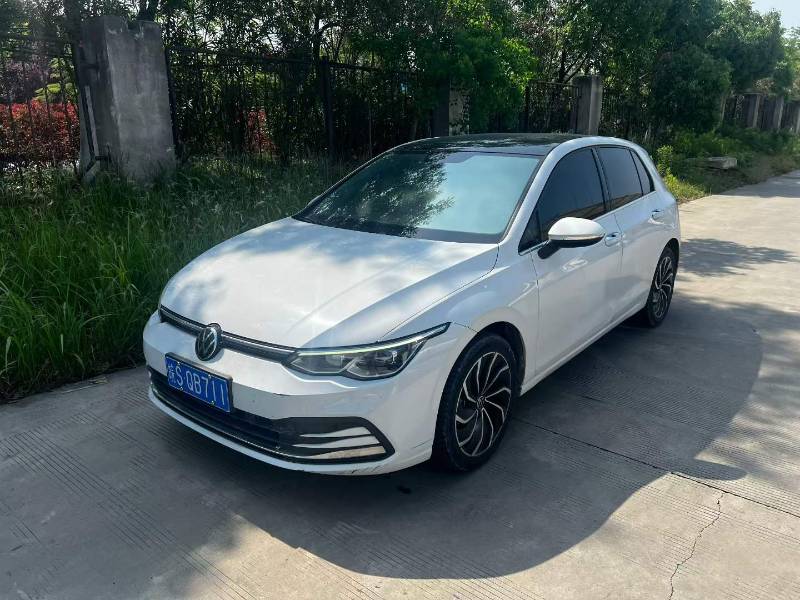
BrandVolkswagen
SeriesGolf
Year2019
First Registration2019/04
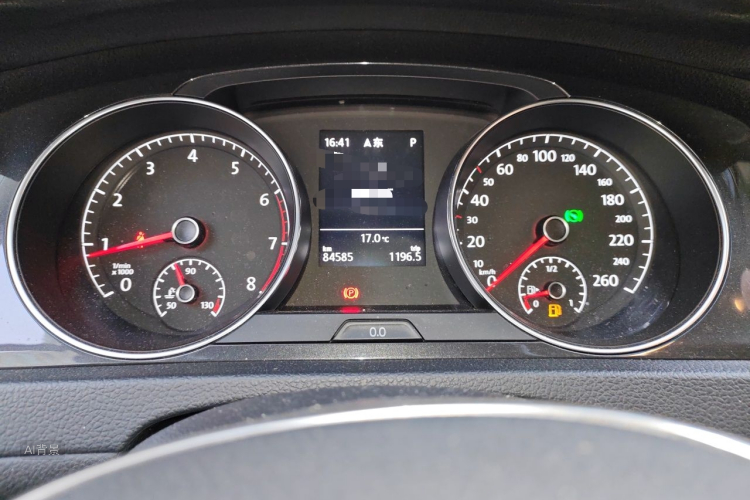
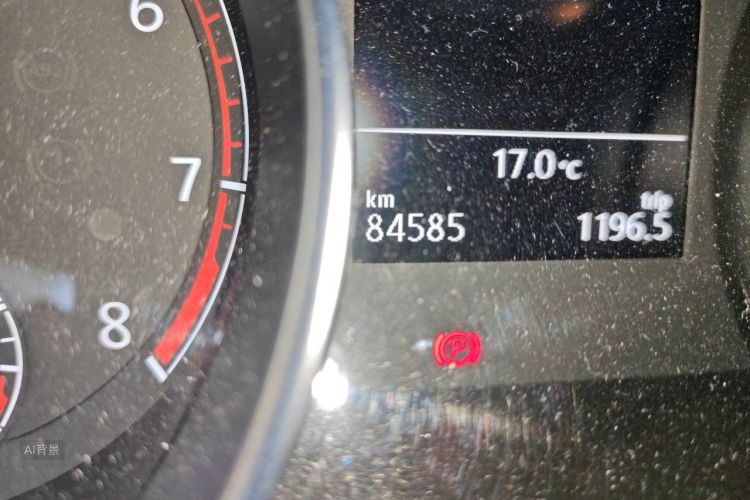
Mileage84,500km
Transfer Count0times
FuelGasoline
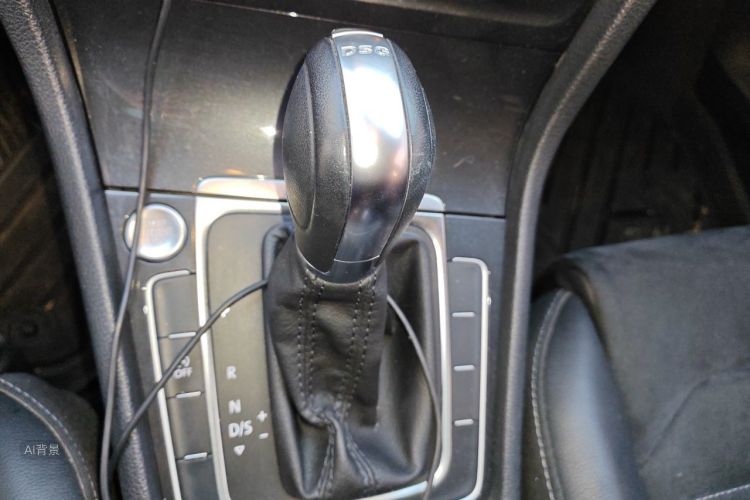
TransmissionDCT
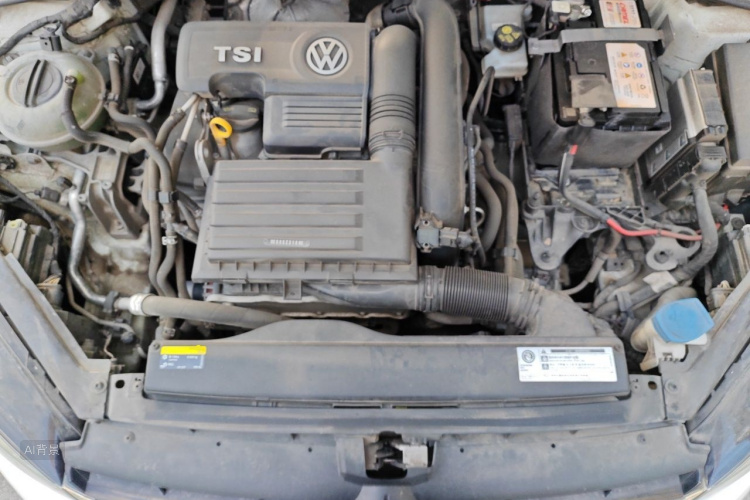
Engine1.4T 150 L4
Color
Seats-

Condition Description

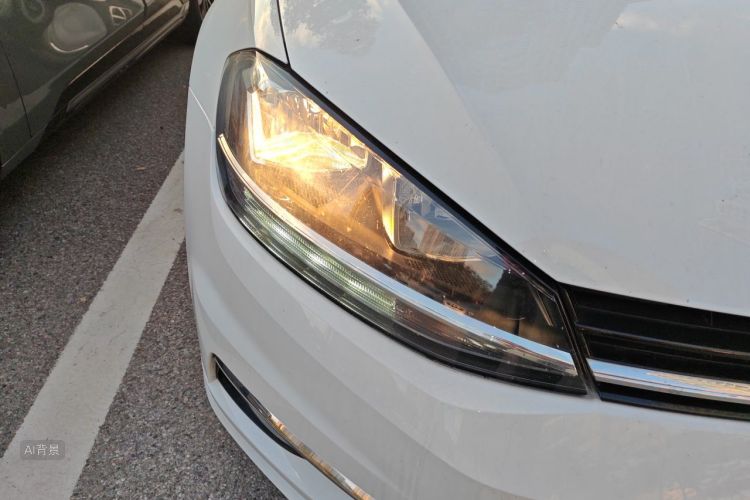
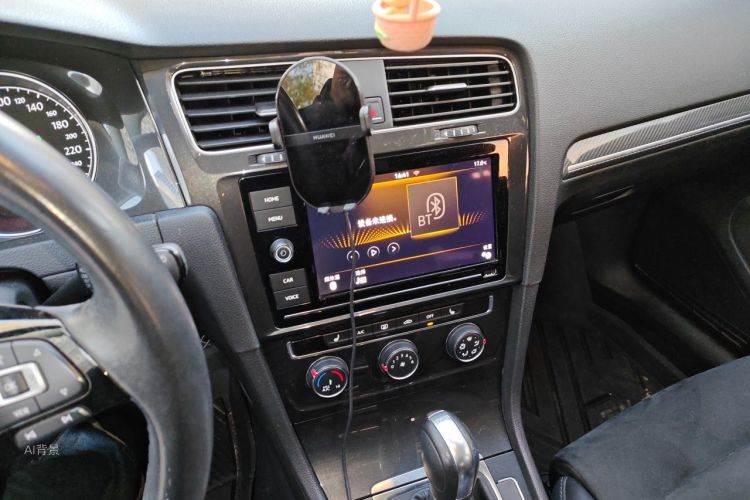
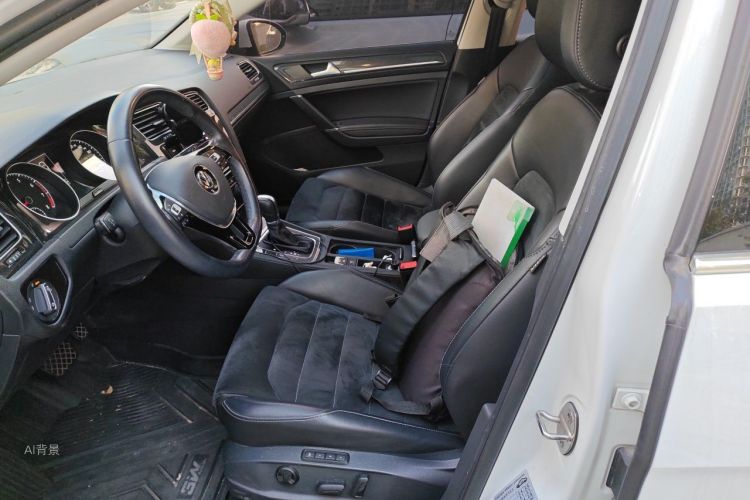
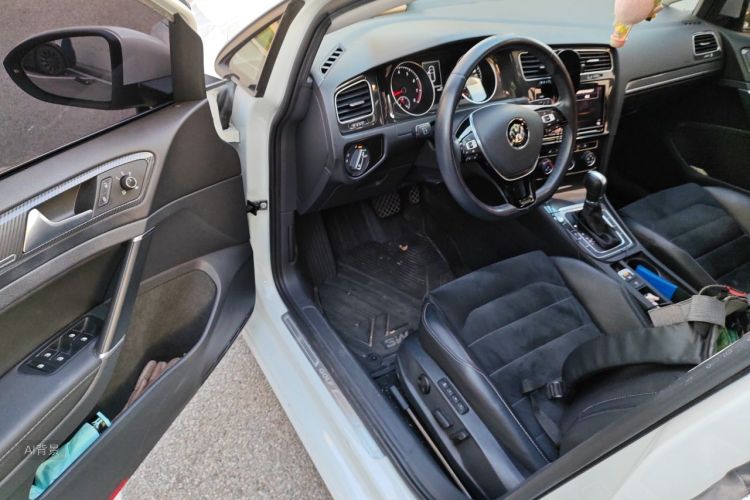
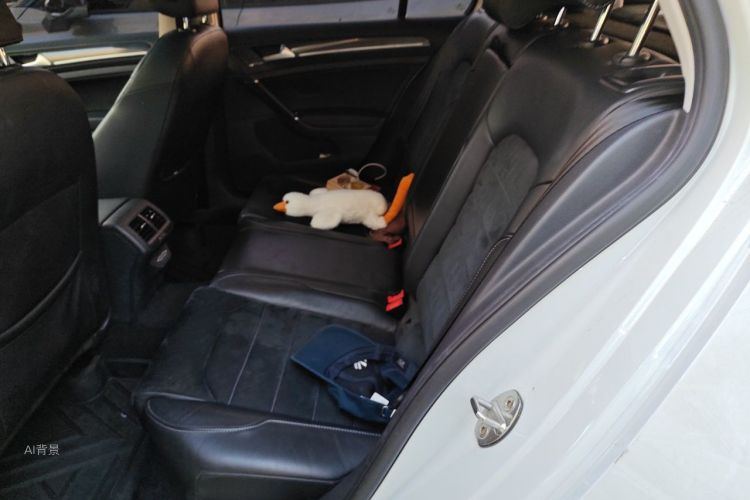
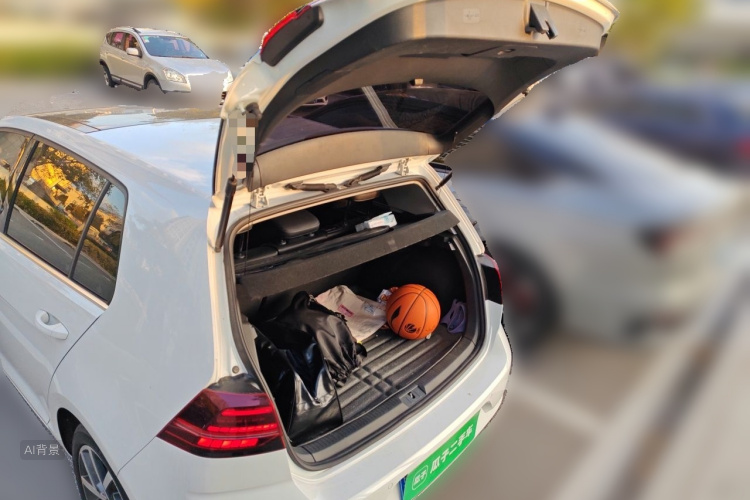
Basic condition: excellent | 2 insurance claims | 0 transfers

Q&A

More

When B2B buyers make bulk purchases, can they request to combine the accessory costs and vehicle price on the same commercial invoice to reduce overall tariffs?

No, this is a serious customs violation. Complete vehicles (HS Code 8703) and auto parts (HS Code 8708, etc.) are subject to completely different import tax rates. Combining them on one invoice could lead to the invoice being returned by customs and may expose you to tax fraud accusations at the destination port.

What hidden fees should I watch for in a Chinese exporter's quotation, and how do I get a transparent breakdown?

Common charges beyond the car price: pre-shipment inspection fee, inland trucking from the car's city to the port, export customs clearance, documentation fee, terminal handling charges (THC), certificate fees, and markups hidden inside the freight quote. How to protect yourself: ask for an itemized quotation with each charge listed separately; compare 2-3 exporters, because a very low car price is often offset by inflated fees; confirm which costs are included up to the port of loading and which you pay at destination; agree in writing on the payment currency and the exchange rate date. Your total budget should be: car price + export fees + freight + insurance + destination port charges + import duties and taxes.

How does customs clearance work at destination when importing a used car from China, and who handles it?

Customs clearance at destination is usually handled by a licensed customs broker, not the exporter. You can hire one yourself or use a broker recommended by your shipping agent. The typical flow: your broker files the import declaration using the documents the exporter must provide — the commercial invoice, packing list, bill of lading, and the certificate of origin. Depending on your country's rules, you will also need to pay import duty, VAT or sales tax, and any excise or environmental levies before the car is released. Things that commonly delay clearance: mismatched VIN numbers between documents, missing pre-shipment inspection certificates (required in some African and Middle Eastern countries), or non-compliance with your country's used-car import age limits. Budget 3–10 working days for clearance after the vessel arrives, plus storage fees if documents are incomplete. Tip: send all documents to your broker for review before the ship departs China — fixing errors at origin is much cheaper than demurrage at destination.