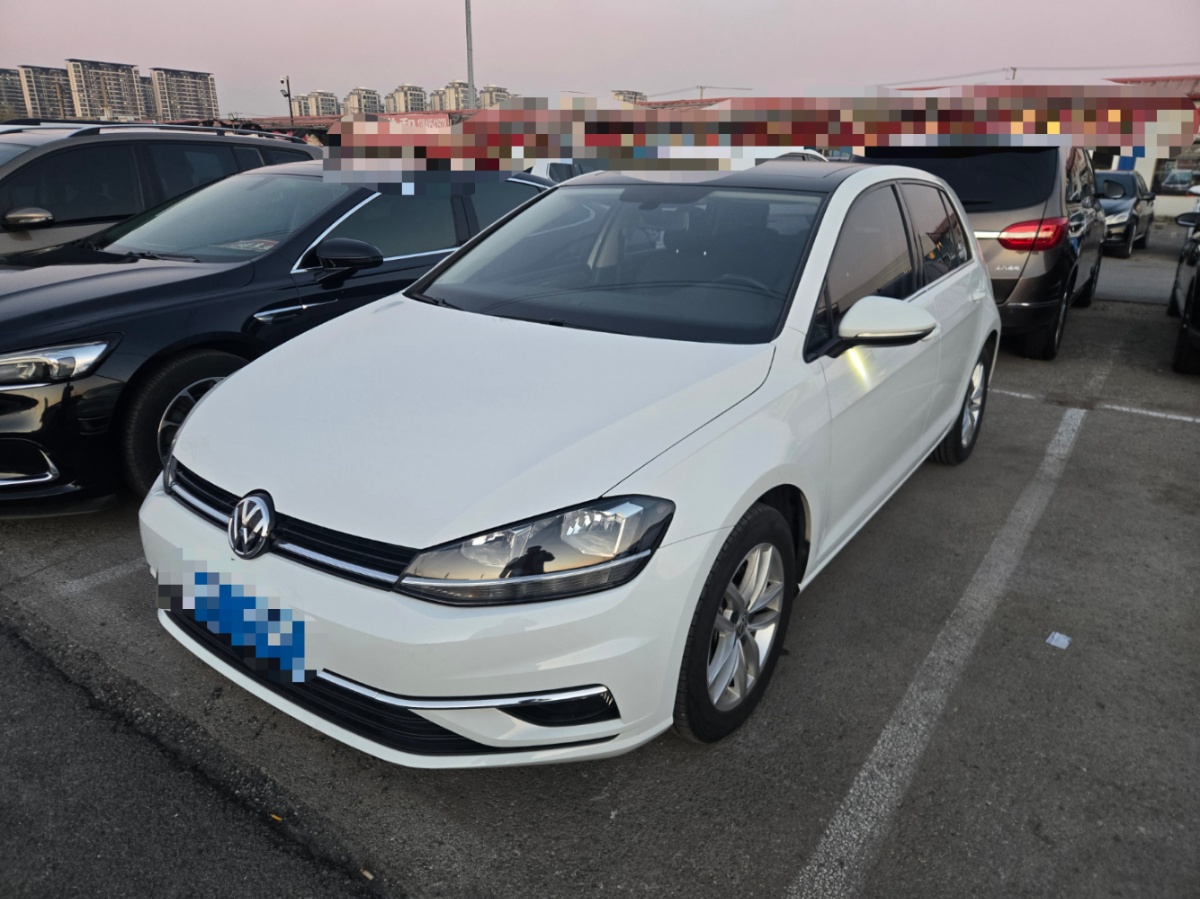
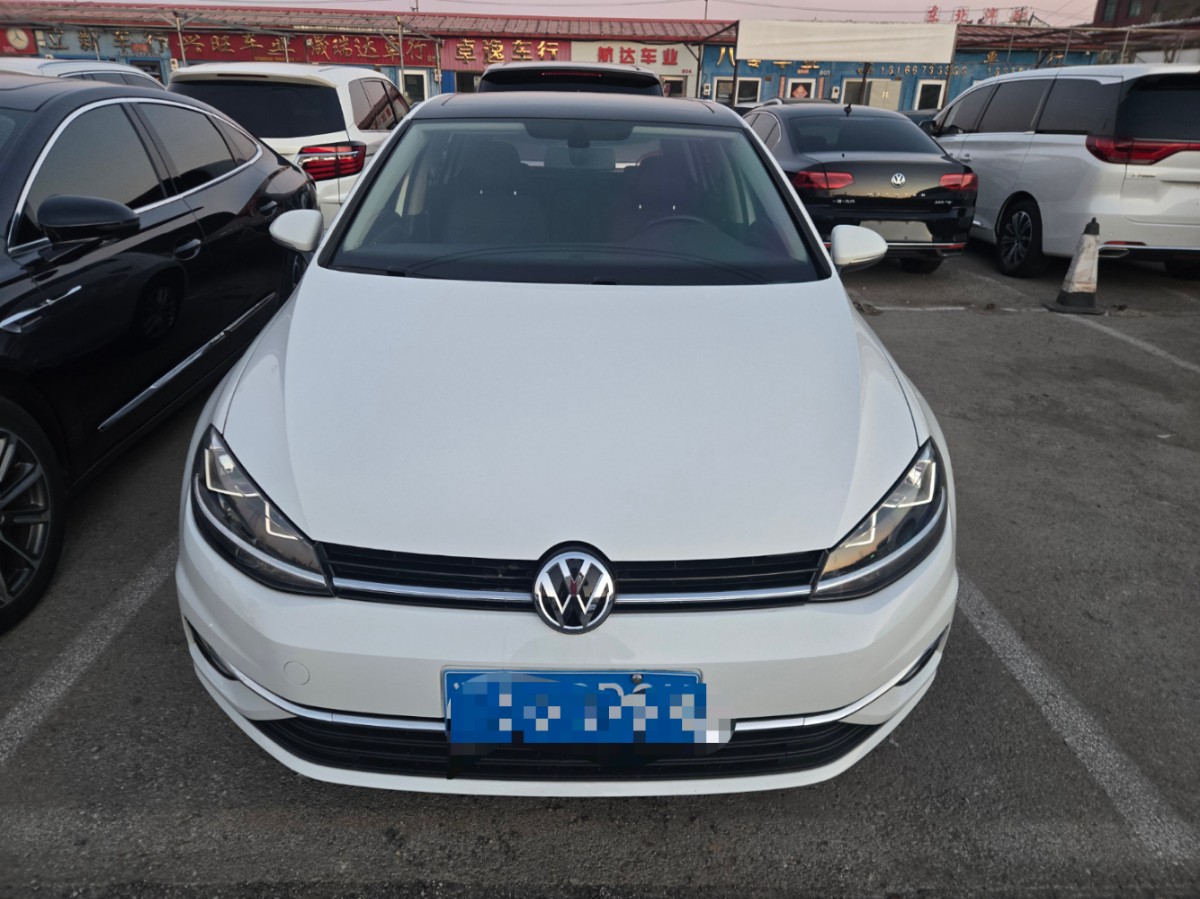
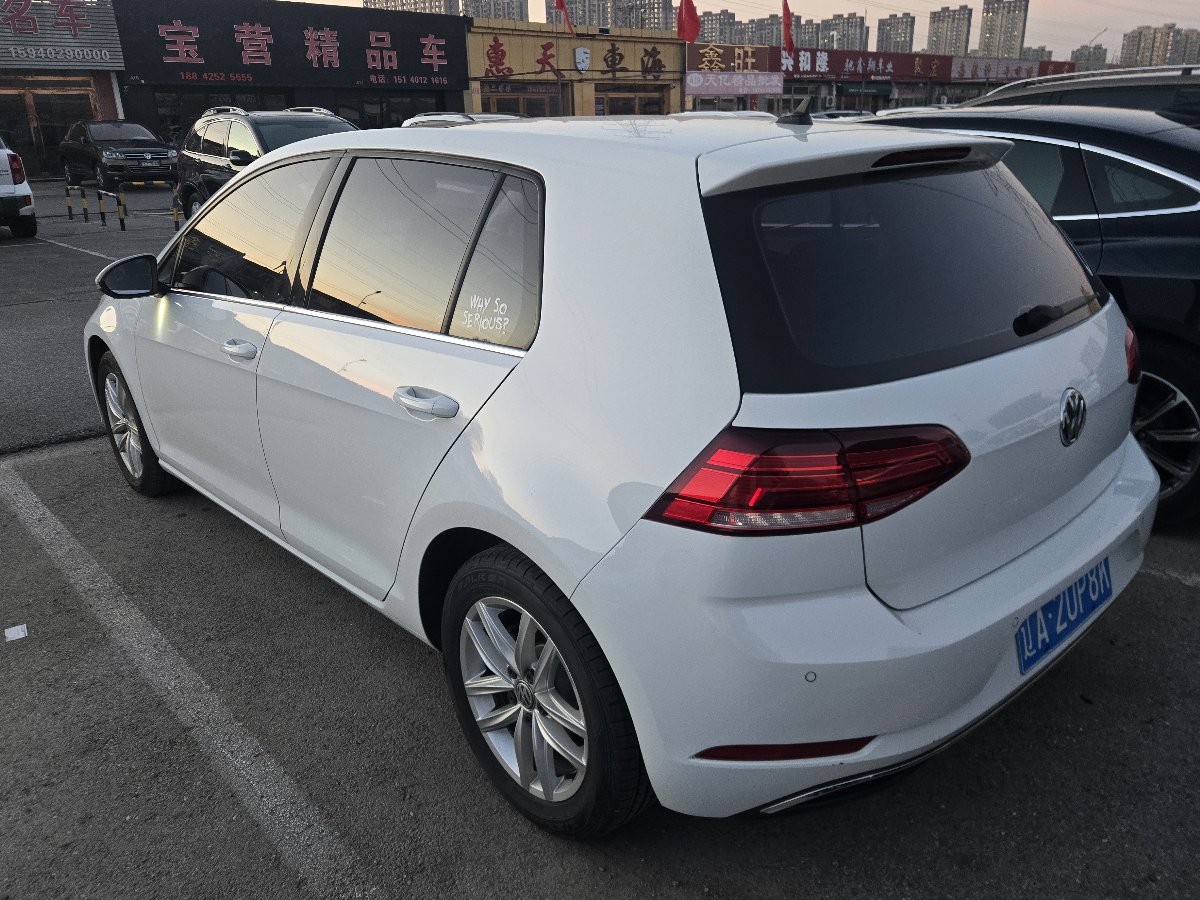
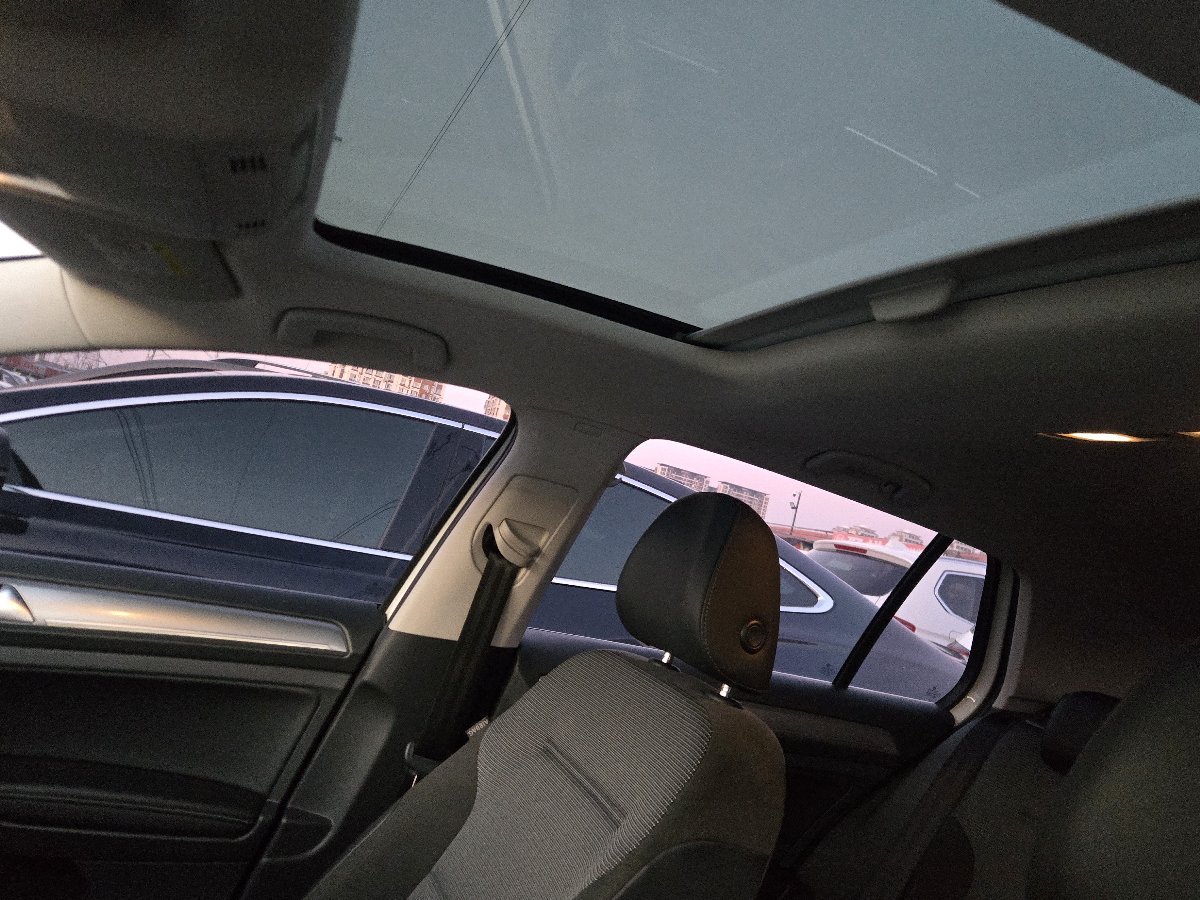
Basic Information

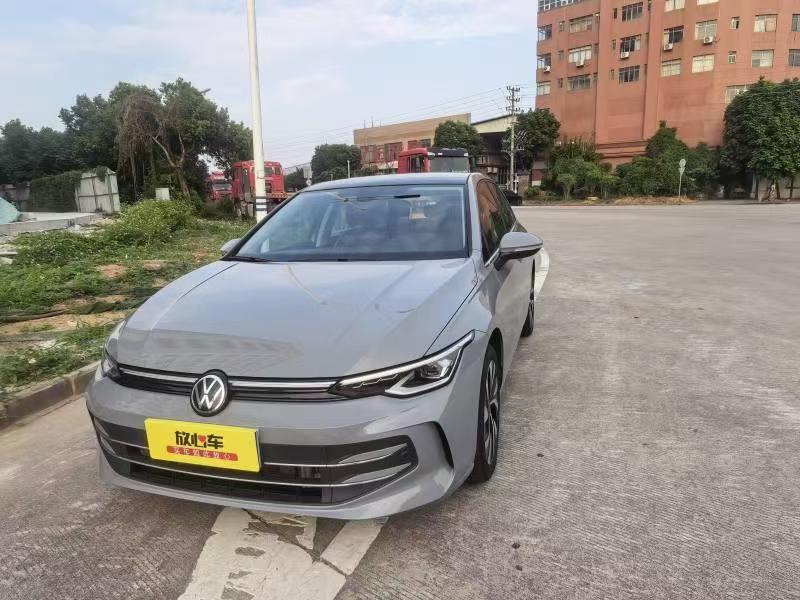
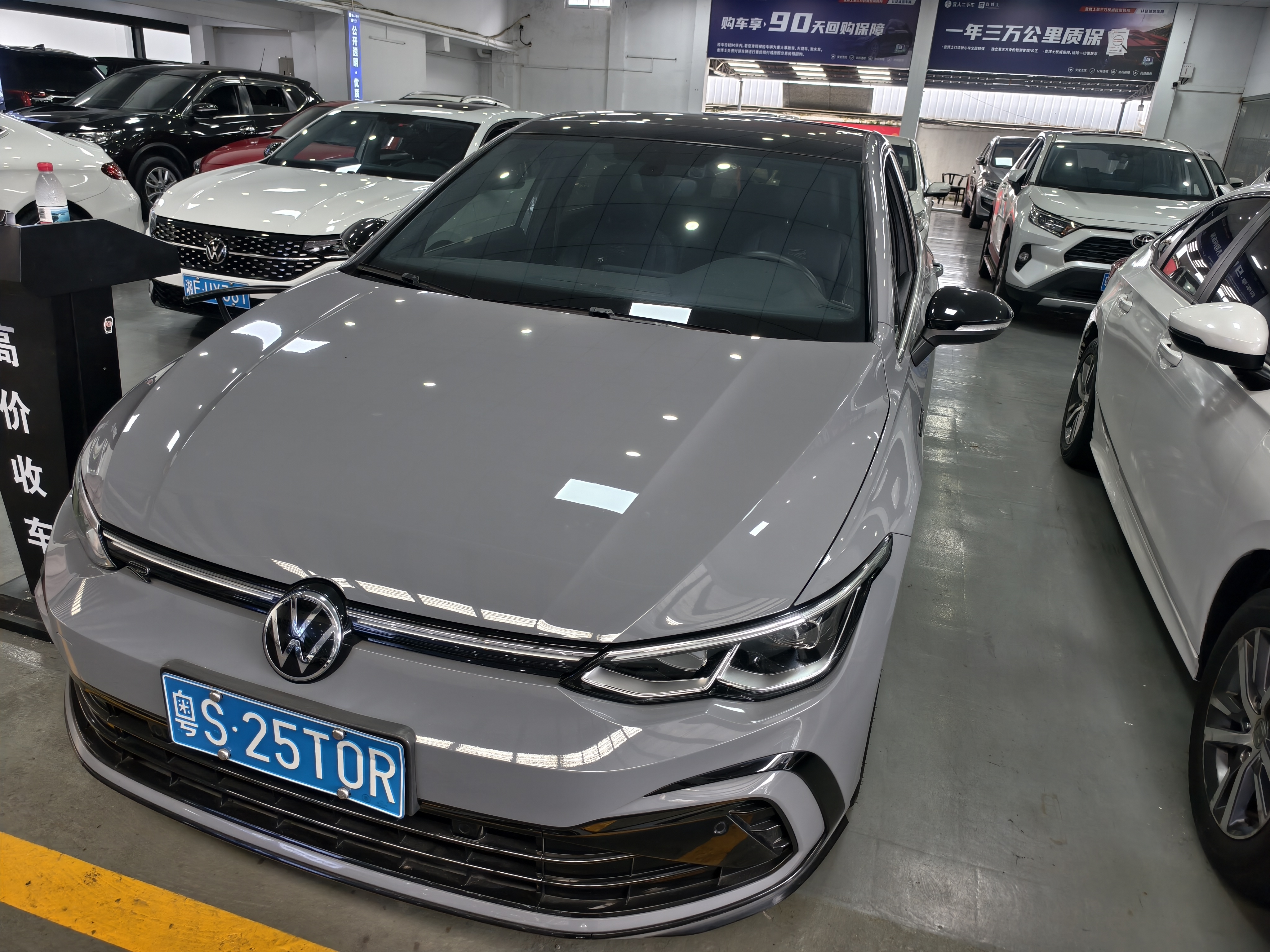
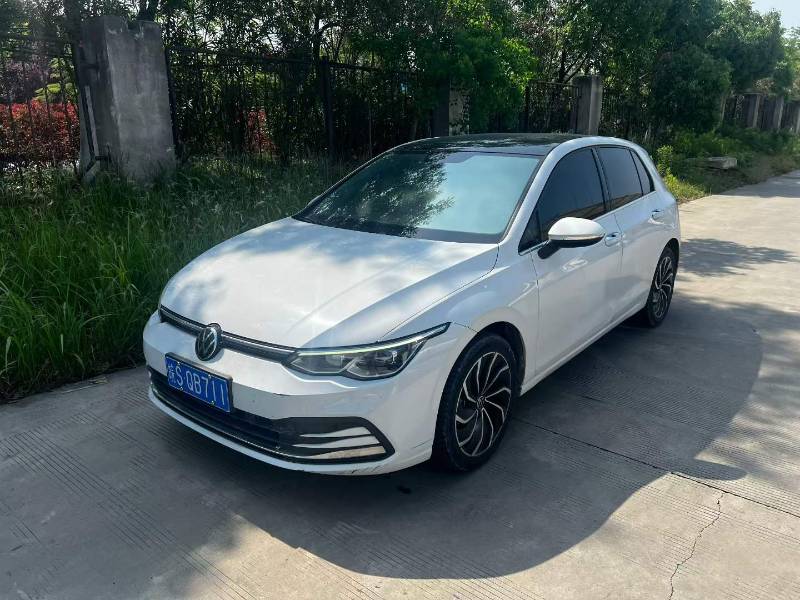
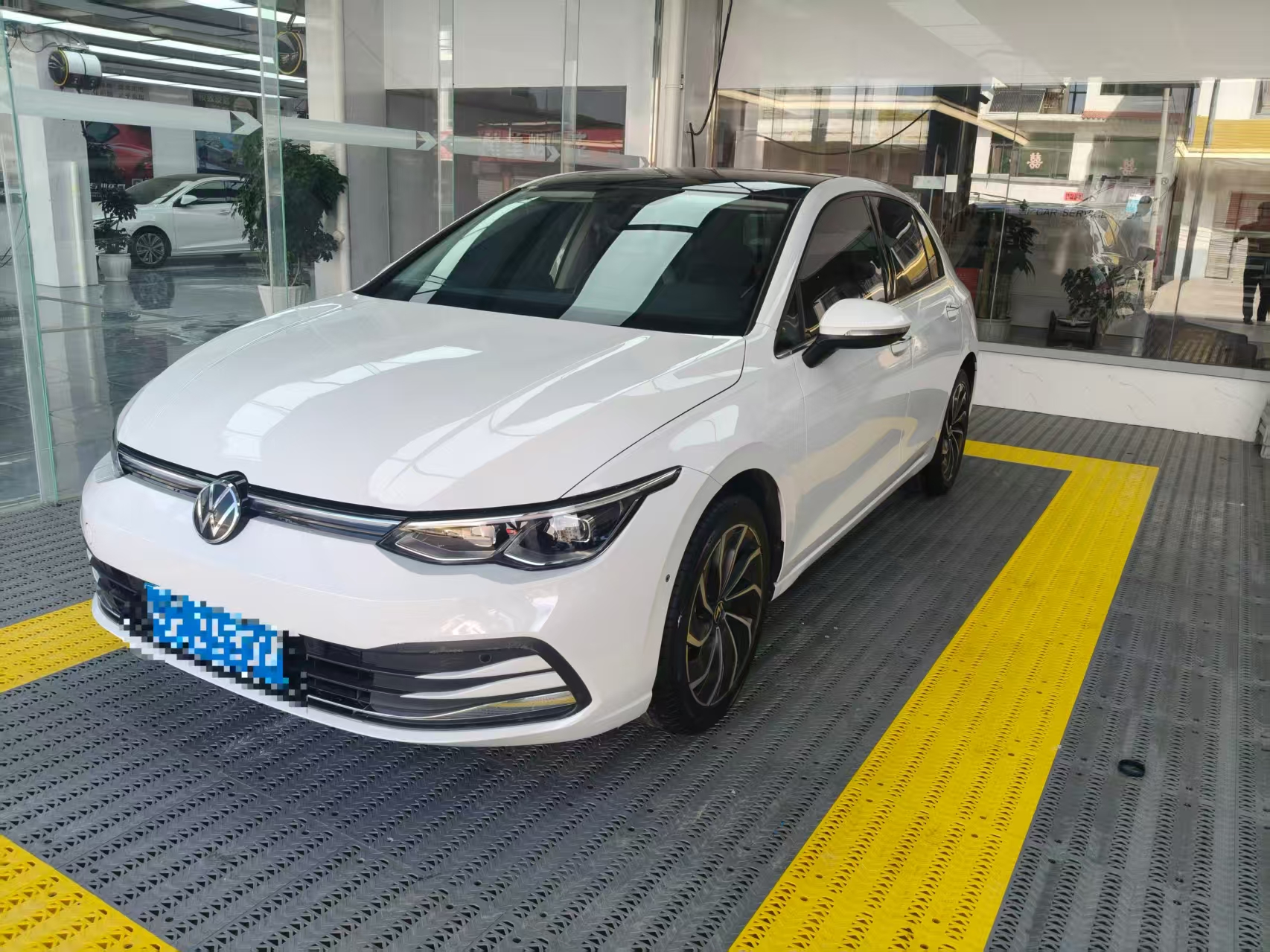
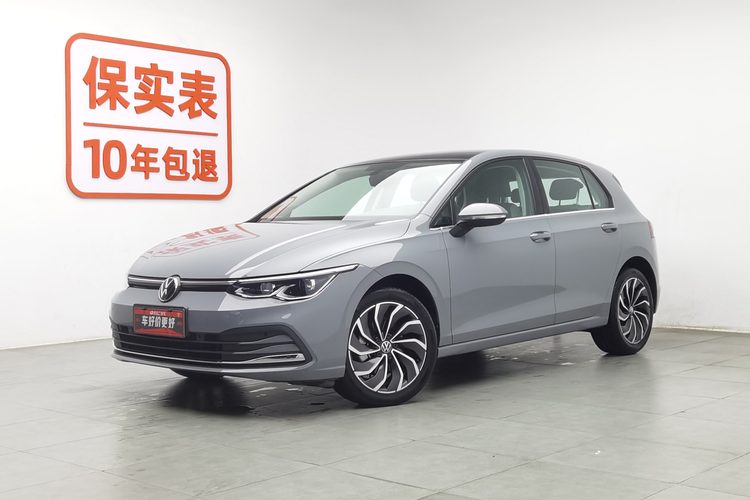
BrandVolkswagen
SeriesGolf
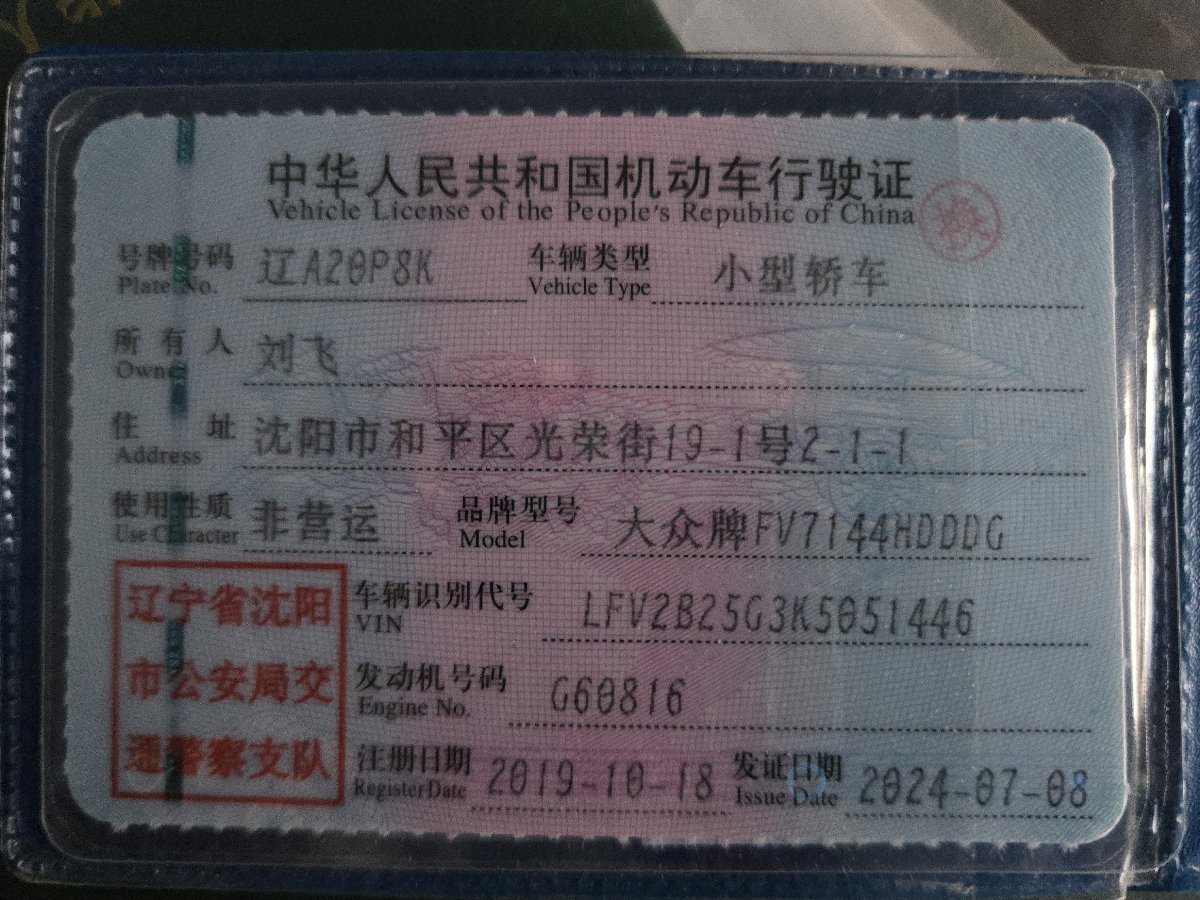
Year2019
First Registration2019/10
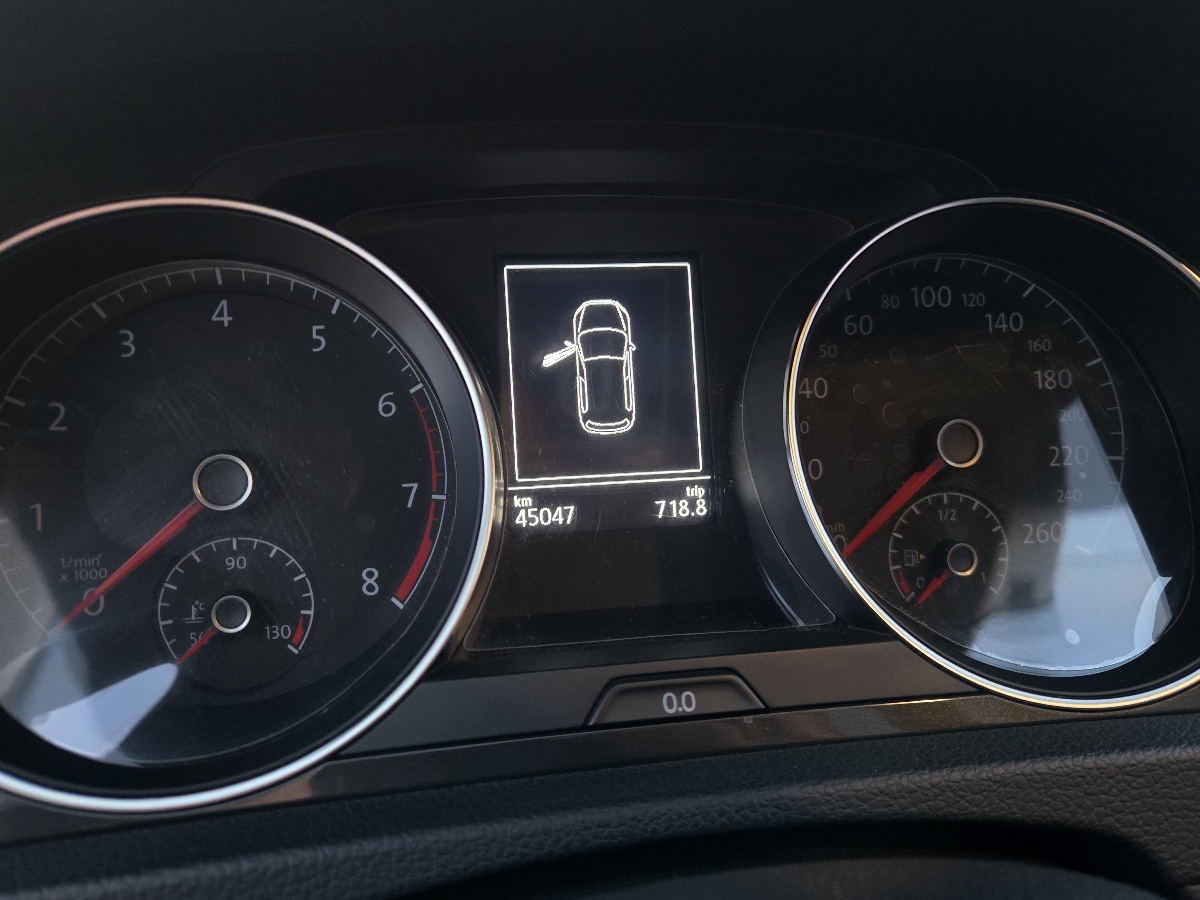
Mileage45,000km
Transfer Count1times
FuelGasoline
TransmissionDCT
Engine1.4T 150 L4
ColorWhite
Seats-

Condition Description

Three panels have scratches and were repainted. Single owner. Actual mileage. Passed third-party inspection.

燃油车
轿车
自动
维保开放
事故开放
查验开放

Configuration Highlights

✓品牌: 大众
✓车系: 高尔夫
✓车型: 2019款 280TSI DSG舒适型 国VI
✓车身类型: 轿车
✓座位数: 5
✓排量: 1.4T
✓变速箱: 自动
✓能源类型: 燃油车
✓VIN: LFV2B25G3K5051446
✓搜索关键词: 大众高尔夫 2019款高尔夫280TSIDSG舒适型国VI

Document Information

Inspection Expiry Date2027/10
Warranty Expiry Date-
Insurance Expiry Date2027/10

Q&A

More

Why do used cars of the same brand, year, and configuration with complete 4S dealership records cost several hundred dollars more than those without records?

Complete records represent underlying trust and zero odometer adjustment risk. In the used car market, solid data history itself carries a high premium. The extra few hundred dollars buys you an impeccable endorsement when selling overseas.

How do I assess rust and underbody condition in a used car from China when buying remotely?

Rust is one of the most underestimated problems in remote buying. Request specific evidence: photos of the underbody, wheel arches, door sills, and around the windshield seal; close-ups of suspension mounting points; and ideally paint thickness readings across panels (factory paint is typically 80-120μm; heavy patches suggest bodywork). Northern Chinese cars may have winter road-salt corrosion; coastal cars can show surface rust on exposed metal. Surface rust on exhaust and bolts is normal—structural rust on frame rails, subframes, or brake lines is a deal-breaker, especially if the car is headed to a humid or coastal market. Have the inspector tap suspicious areas during the video call: flaky or bubbling metal sounds hollow. Walk away if the seller refuses underbody photos.

How does the buying process actually work step by step when importing a used car from China?

A typical safe flow looks like this: 1. Sourcing: you pick a car from listings; the exporter confirms availability, sends photos, video and a condition report. 2. Contract: a written sales contract stating VIN, price, included costs, inspection standards and delivery terms (FOB or CIF). 3. Deposit: usually 10–30% after you or a third party verify the car. Pay to a company account, never personal. 4. Inspection: independent pre-shipment inspection; you approve the report before shipping. 5. Balance payment: due before shipment, against copy of the bill of lading. 6. Shipping and documents: exporter sends original documents by courier; you track the vessel. 7. Arrival: your customs agent clears the car, you pay duties and collect it. Timeline: typically 3–8 weeks from deposit to arrival, depending on route. Any exporter pushing for 100% upfront payment should be treated as a red flag.