24H

Basic Information

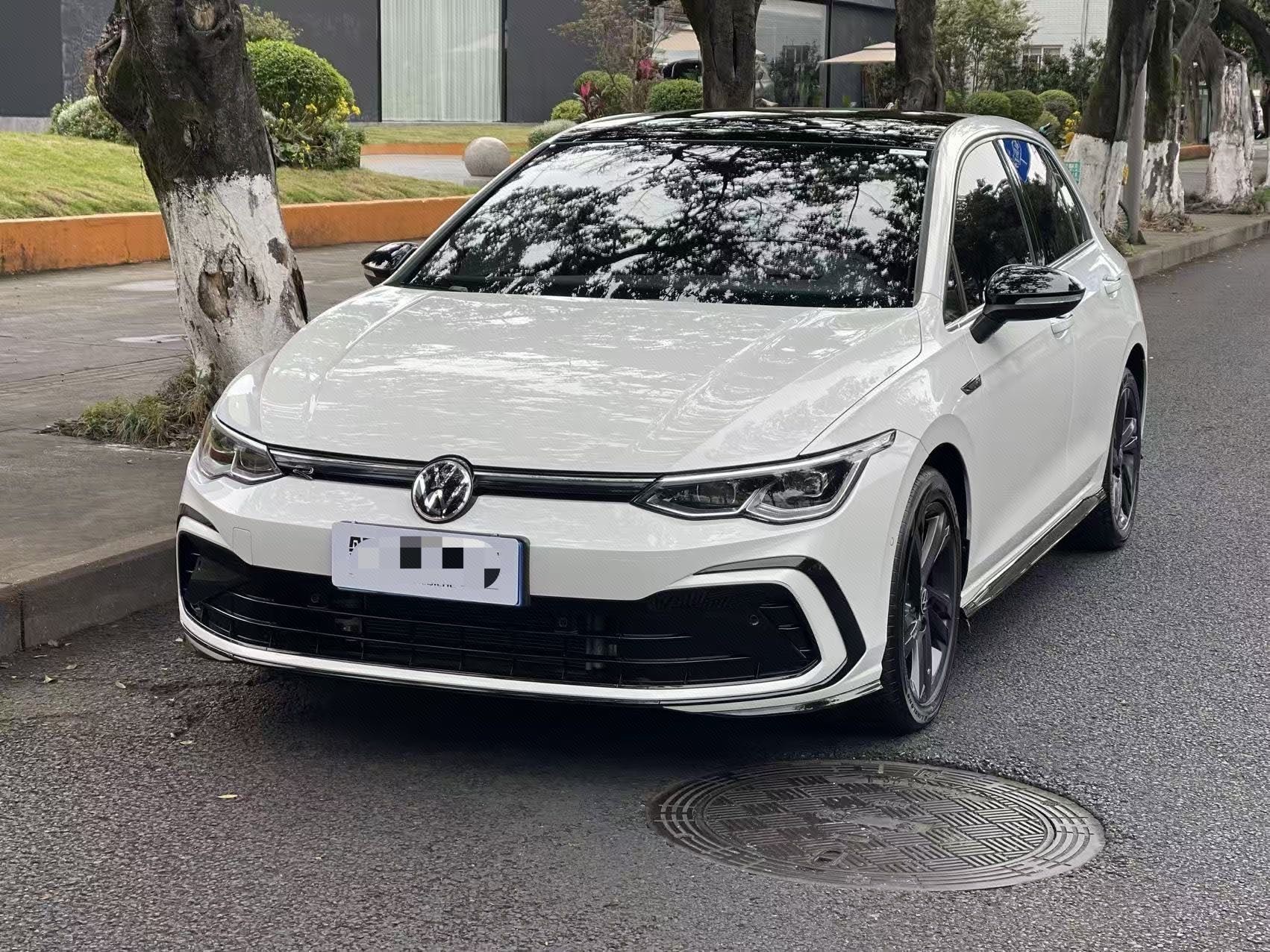
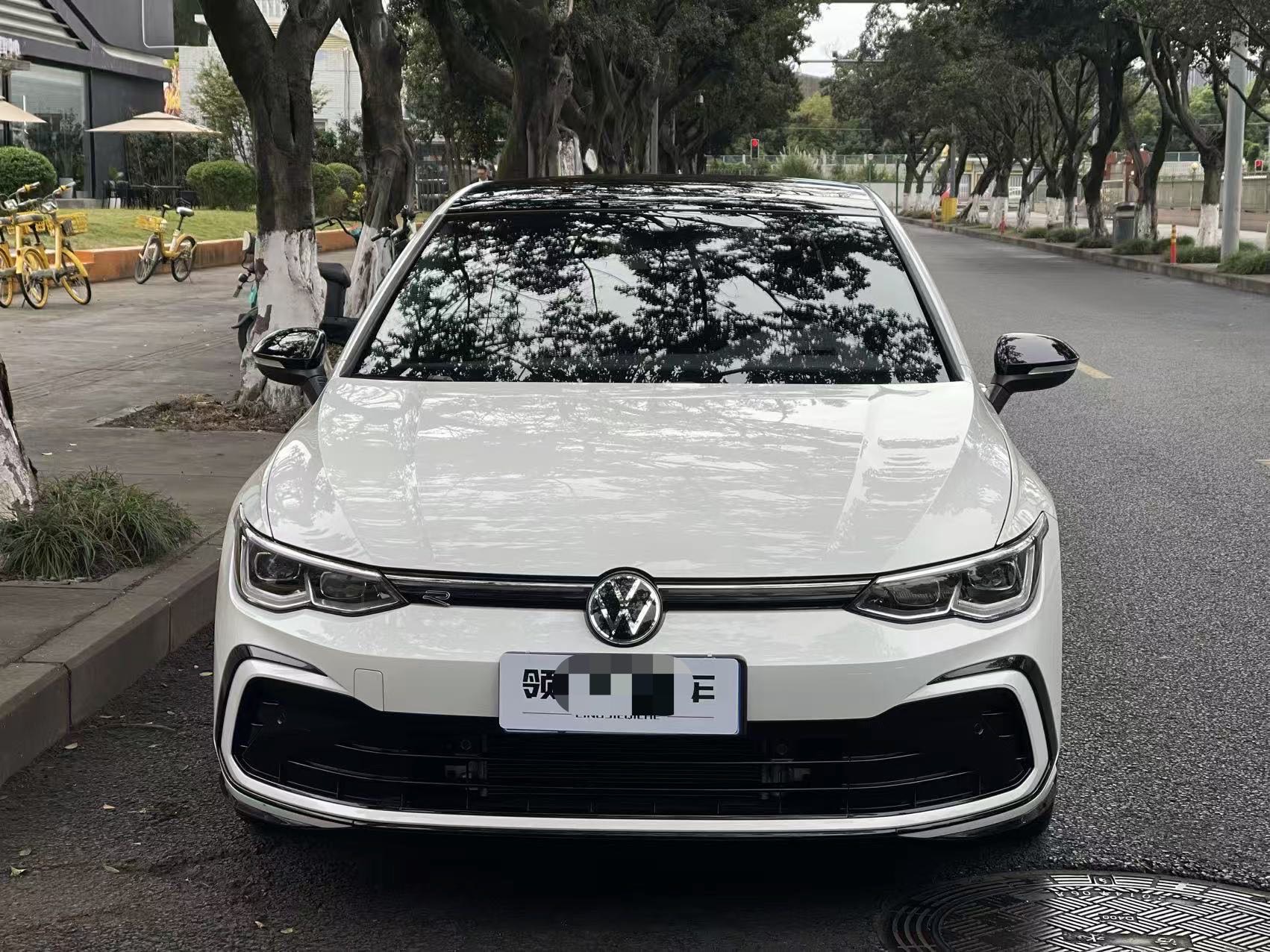
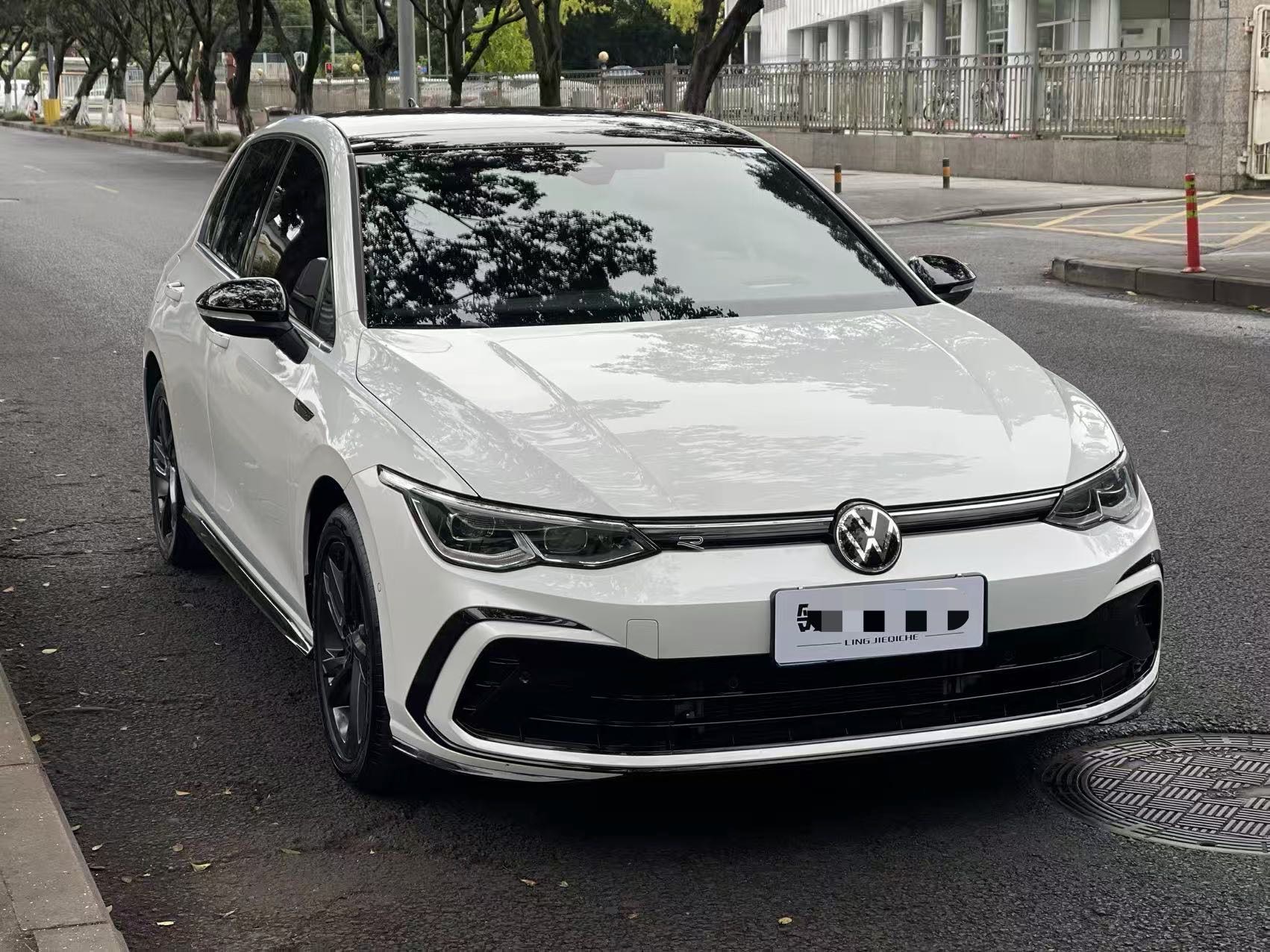
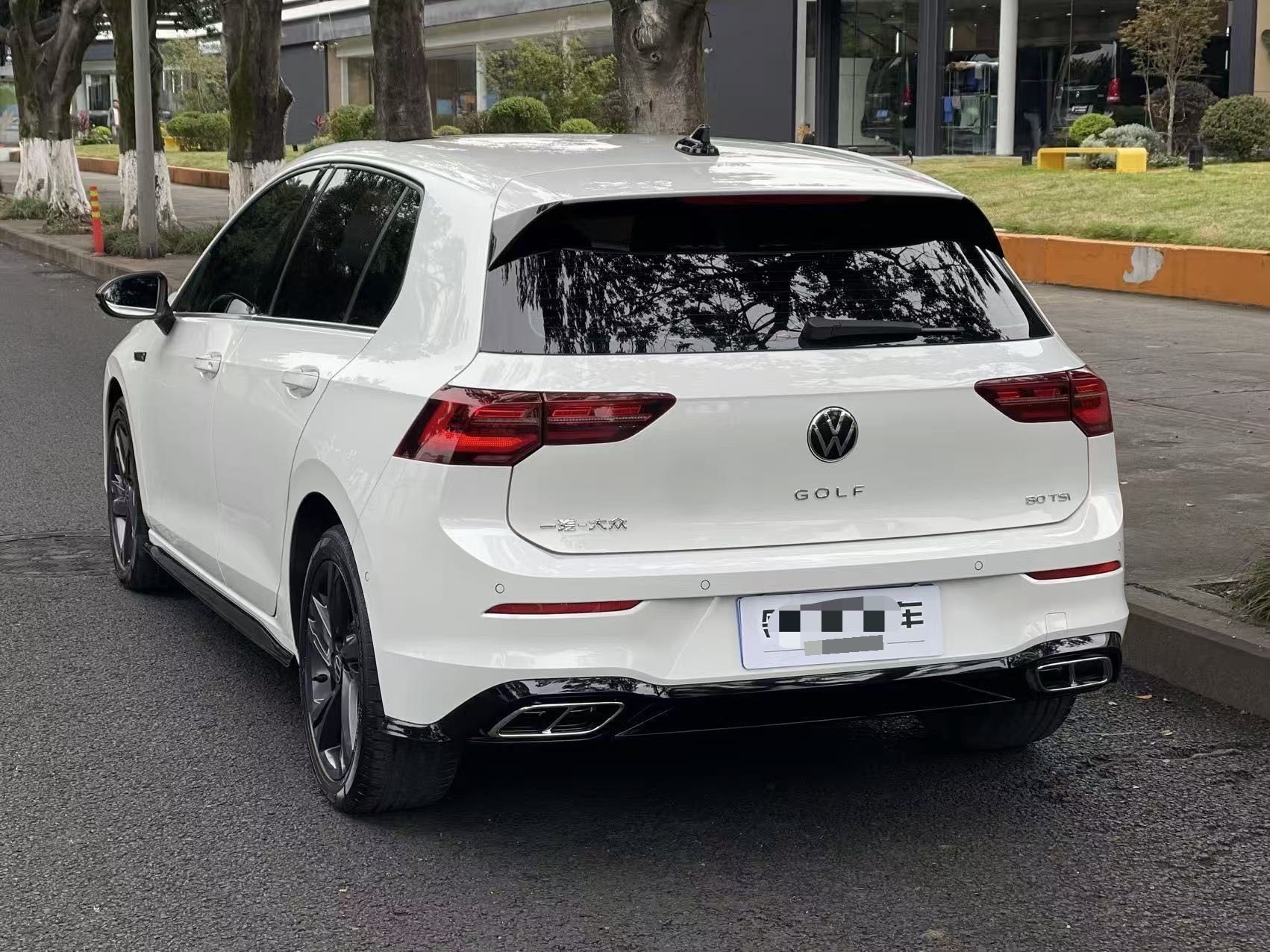
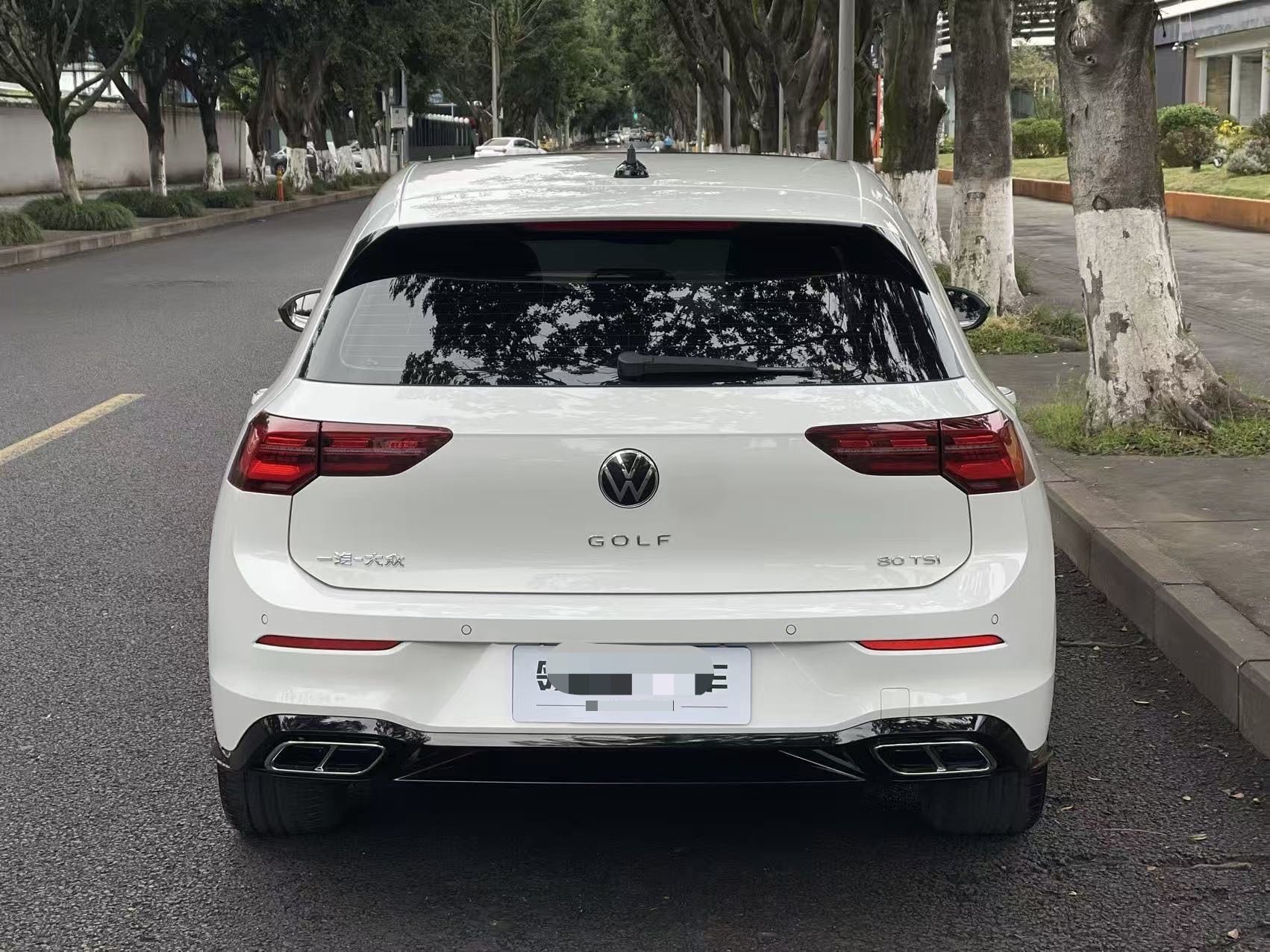
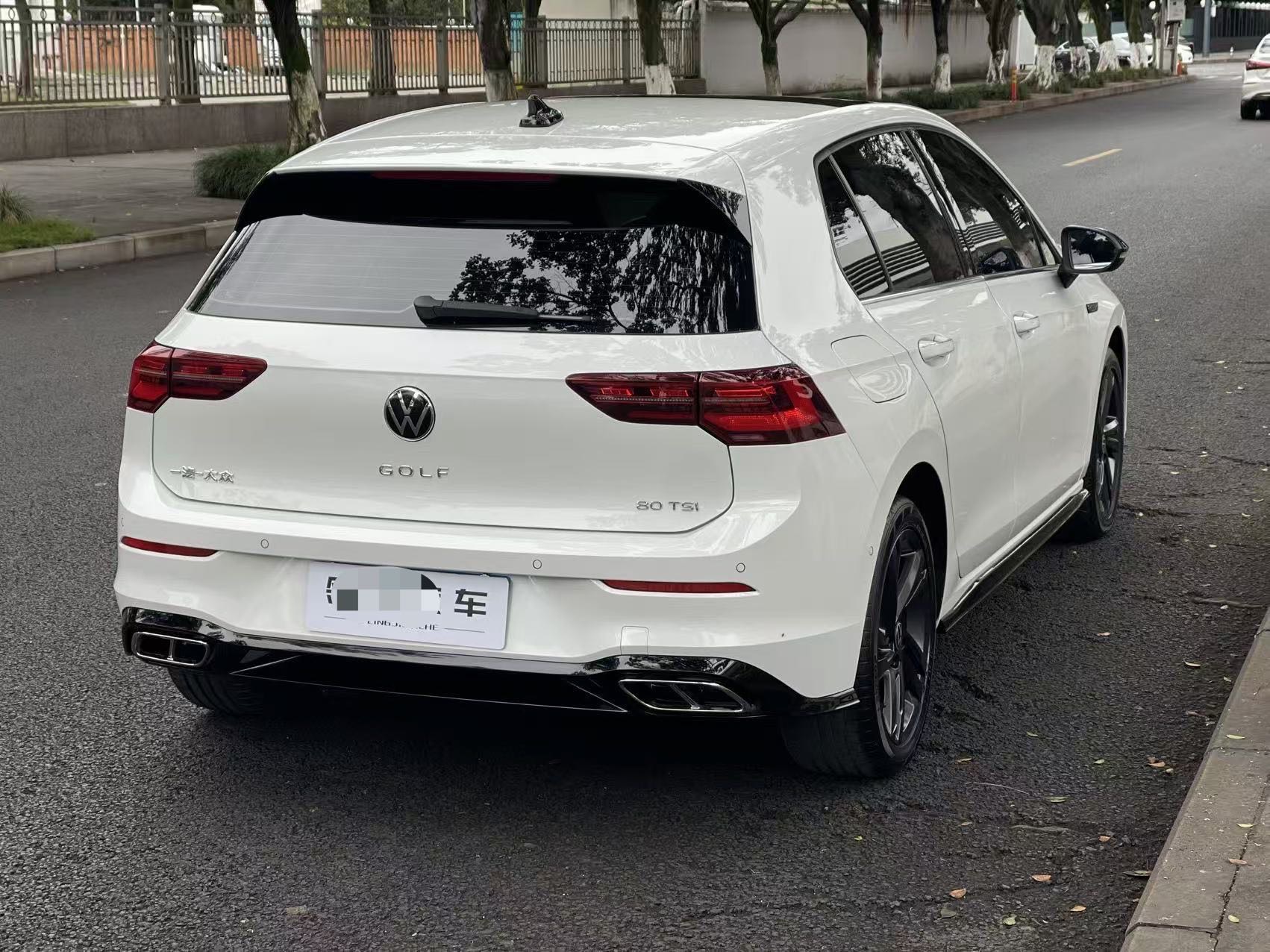
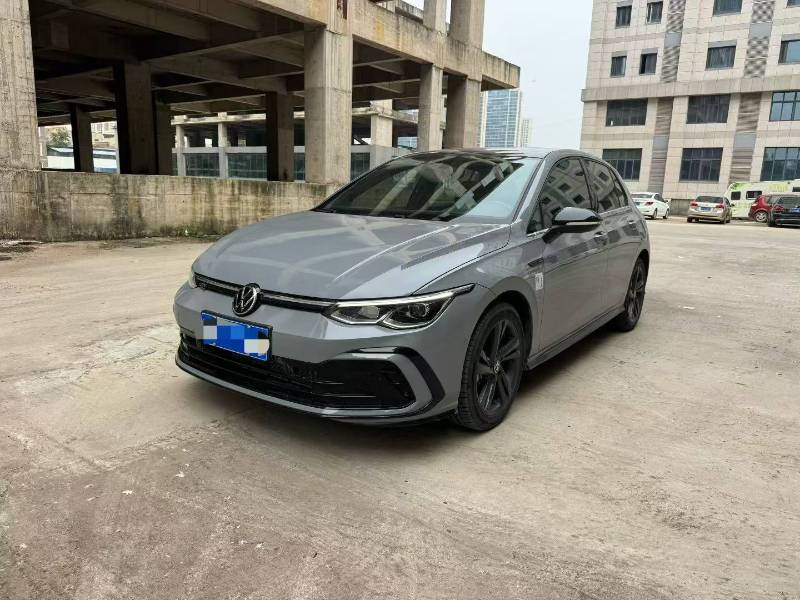
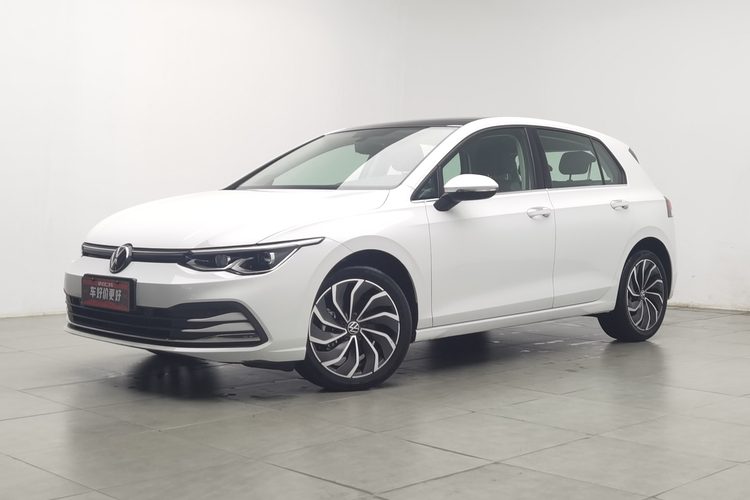
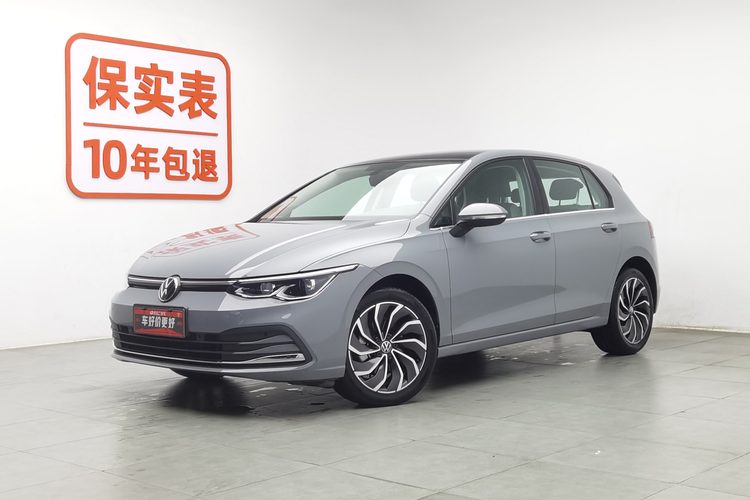
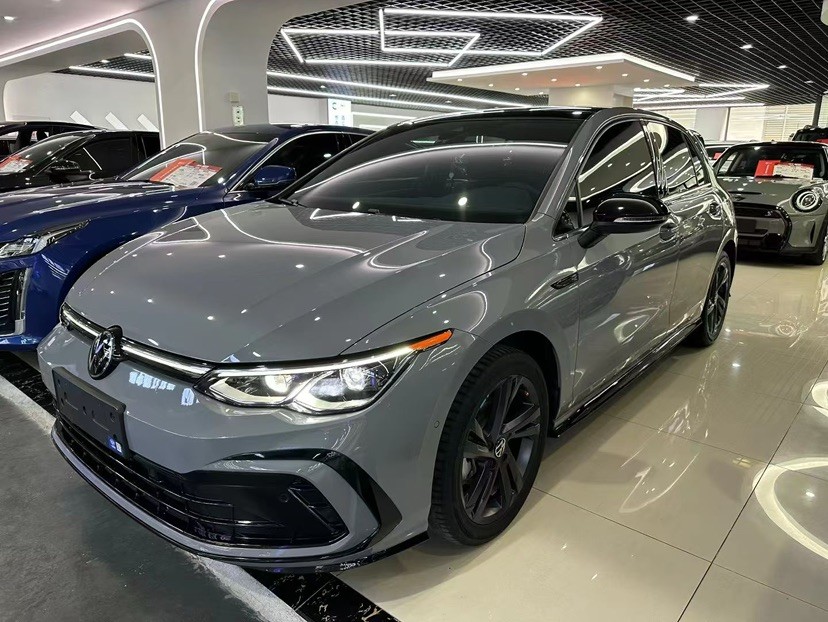
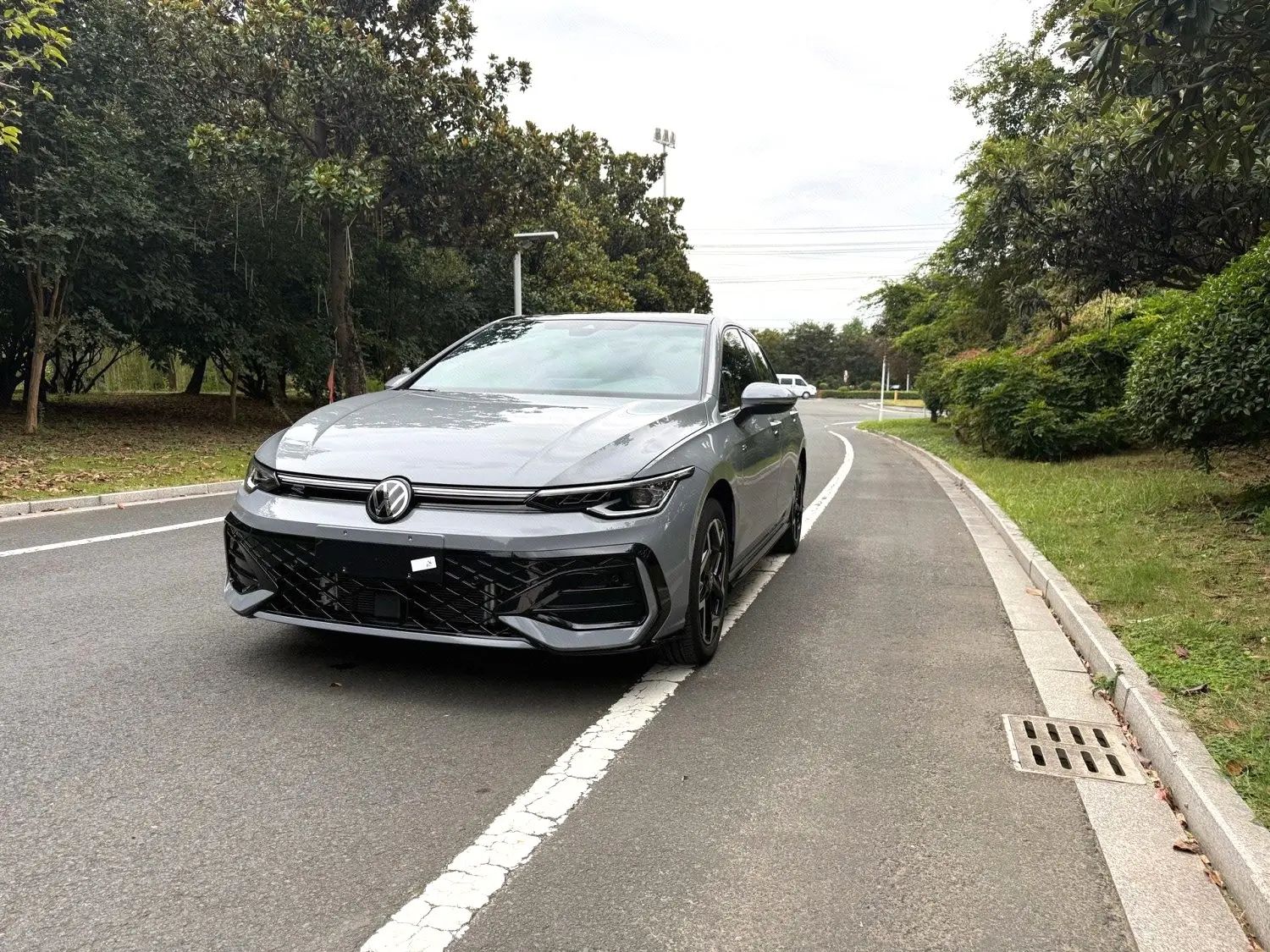
BrandVolkswagen
SeriesGolf
Year2020
First Registration2020/12
Mileage37,000km
Transfer Count0times
FuelGasoline
TransmissionDCT
Engine1.4T 150 L4
ColorWhite
Seats-

Condition Description

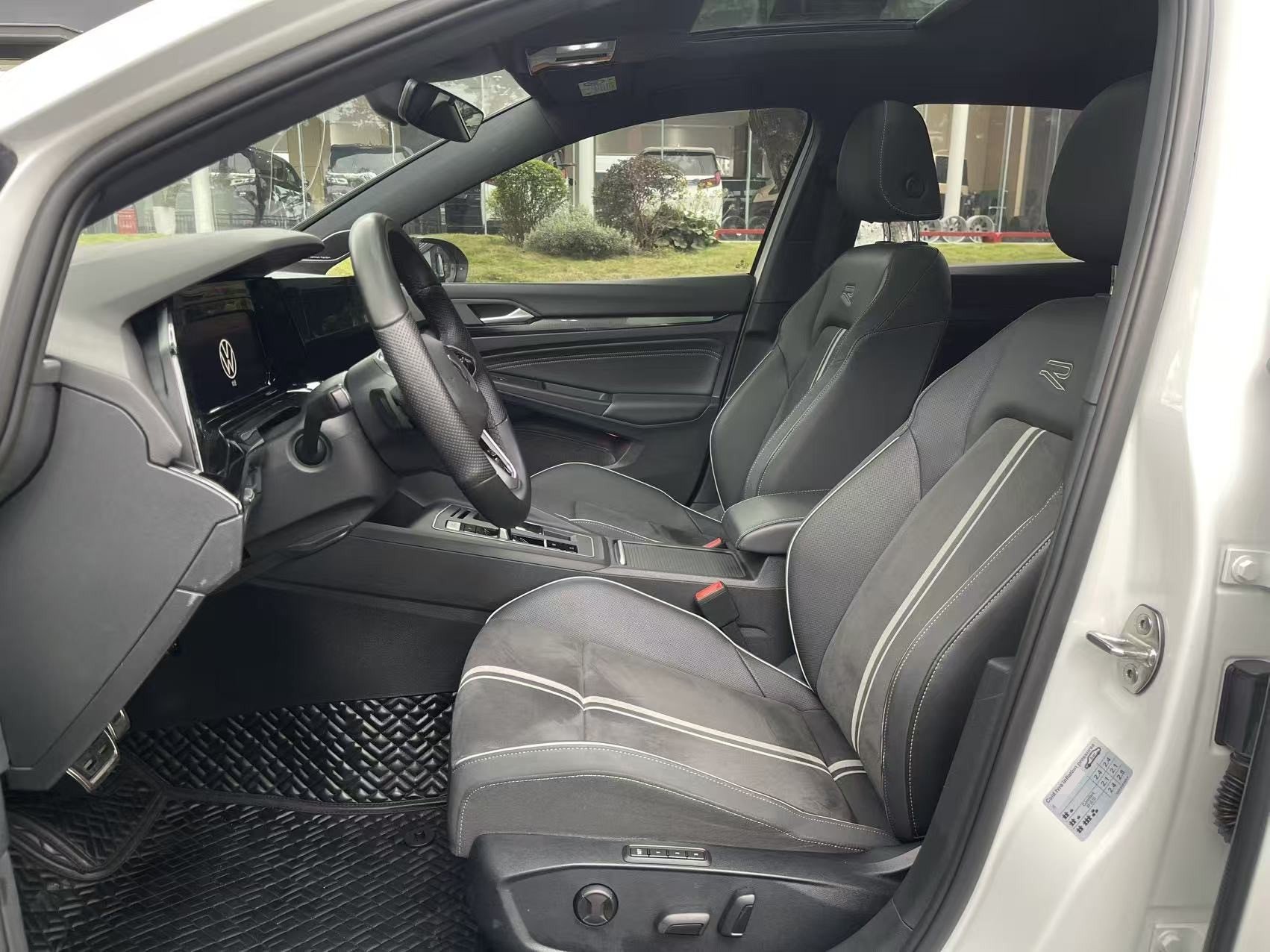
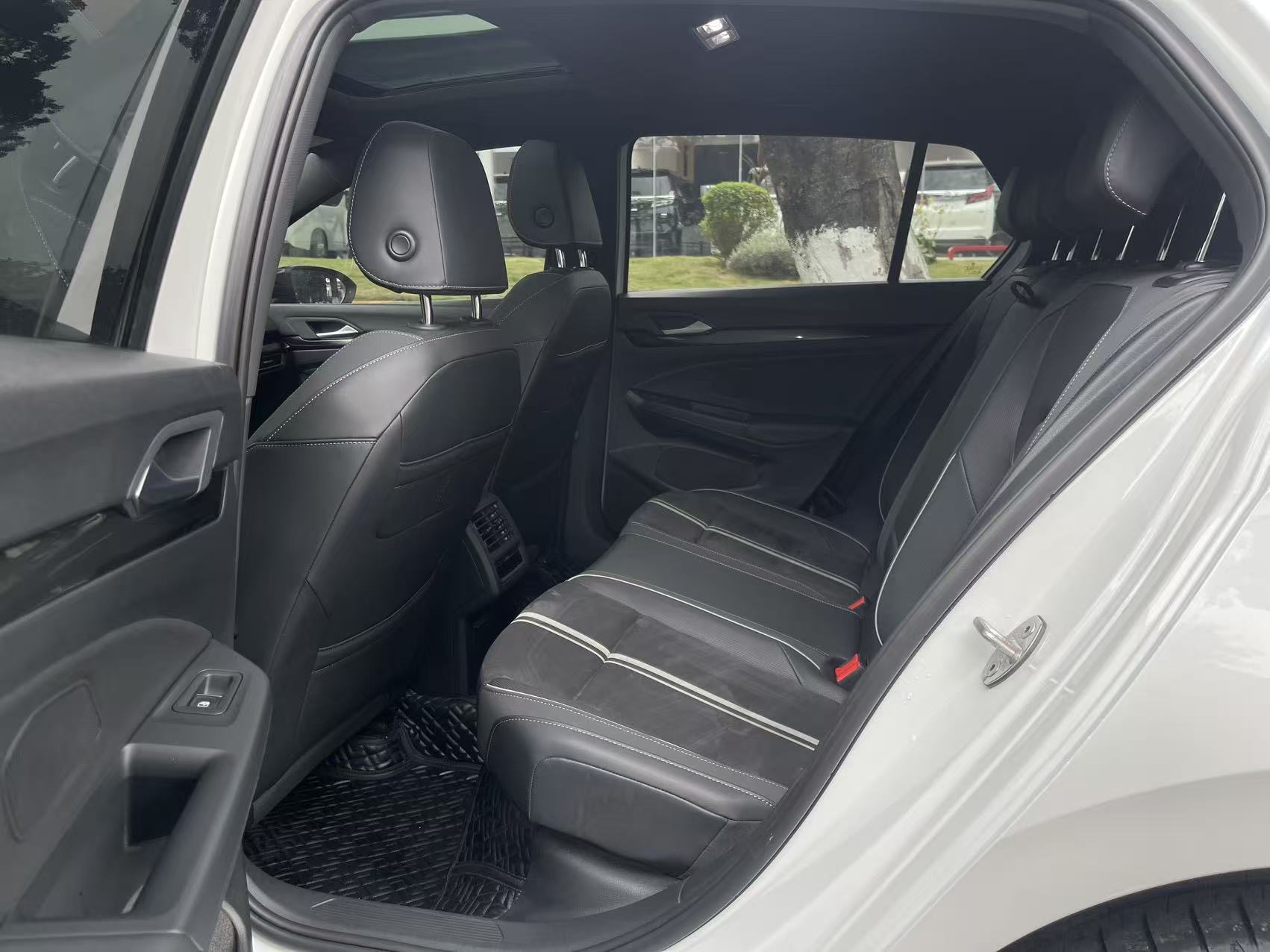
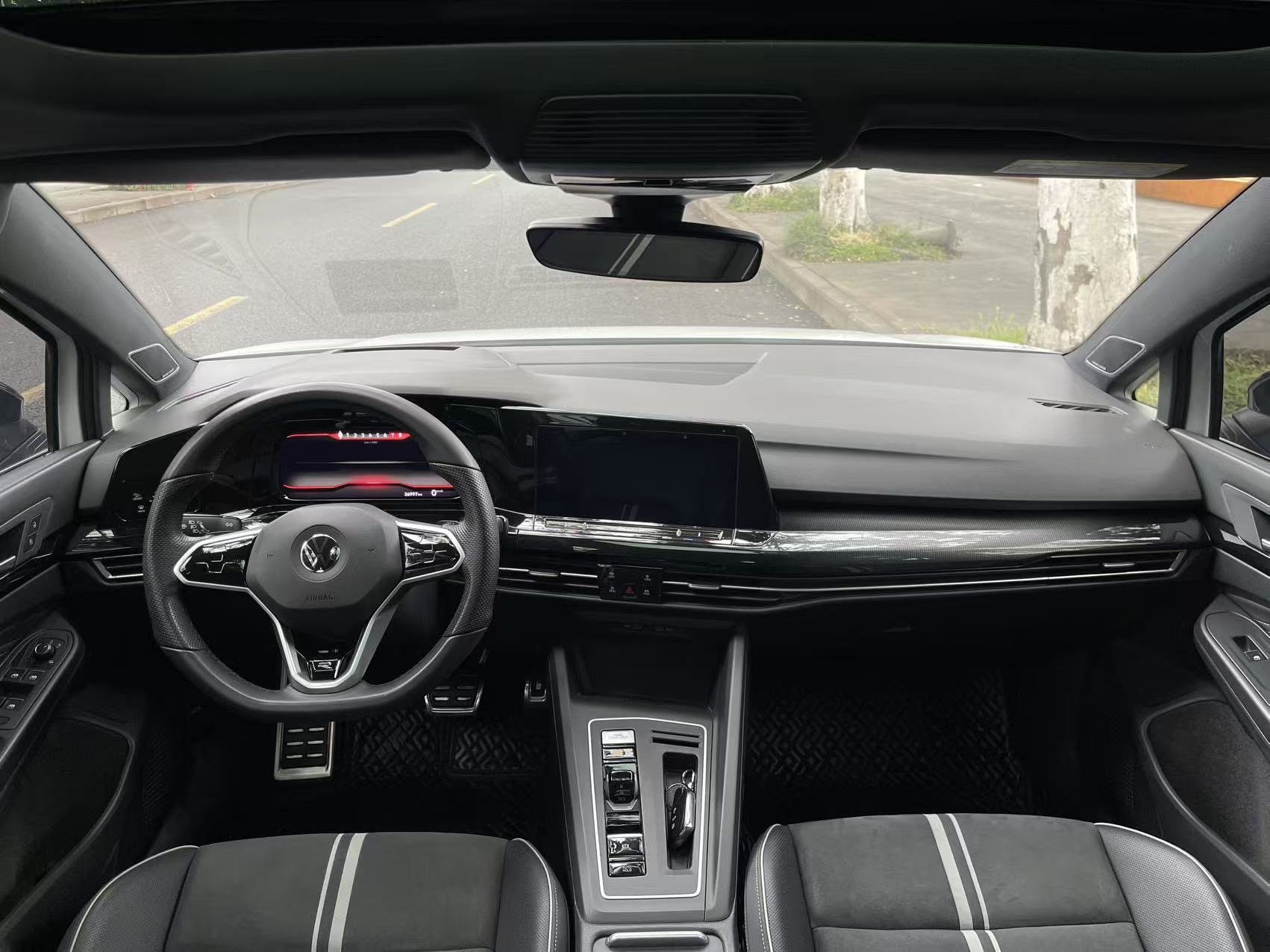
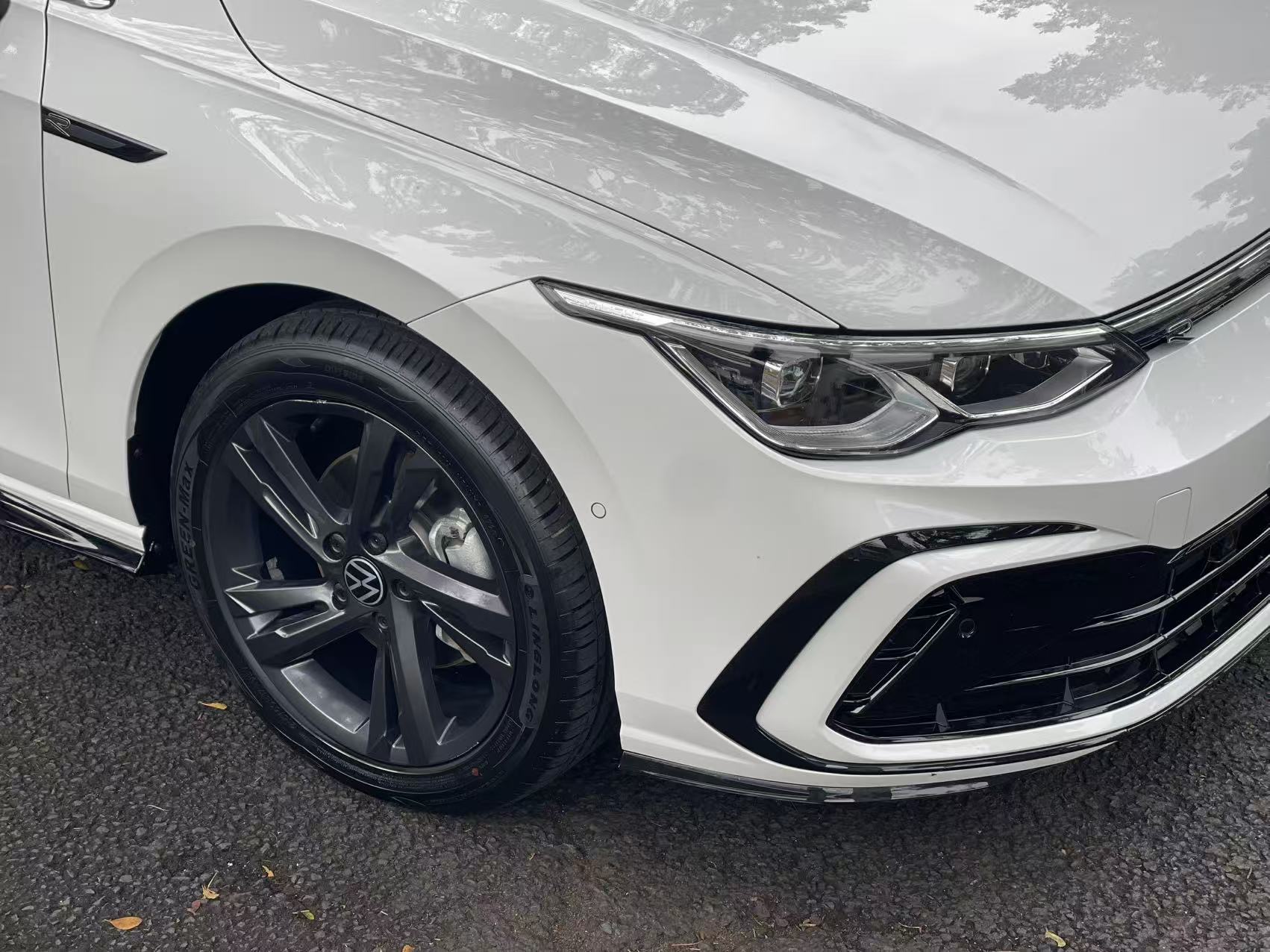
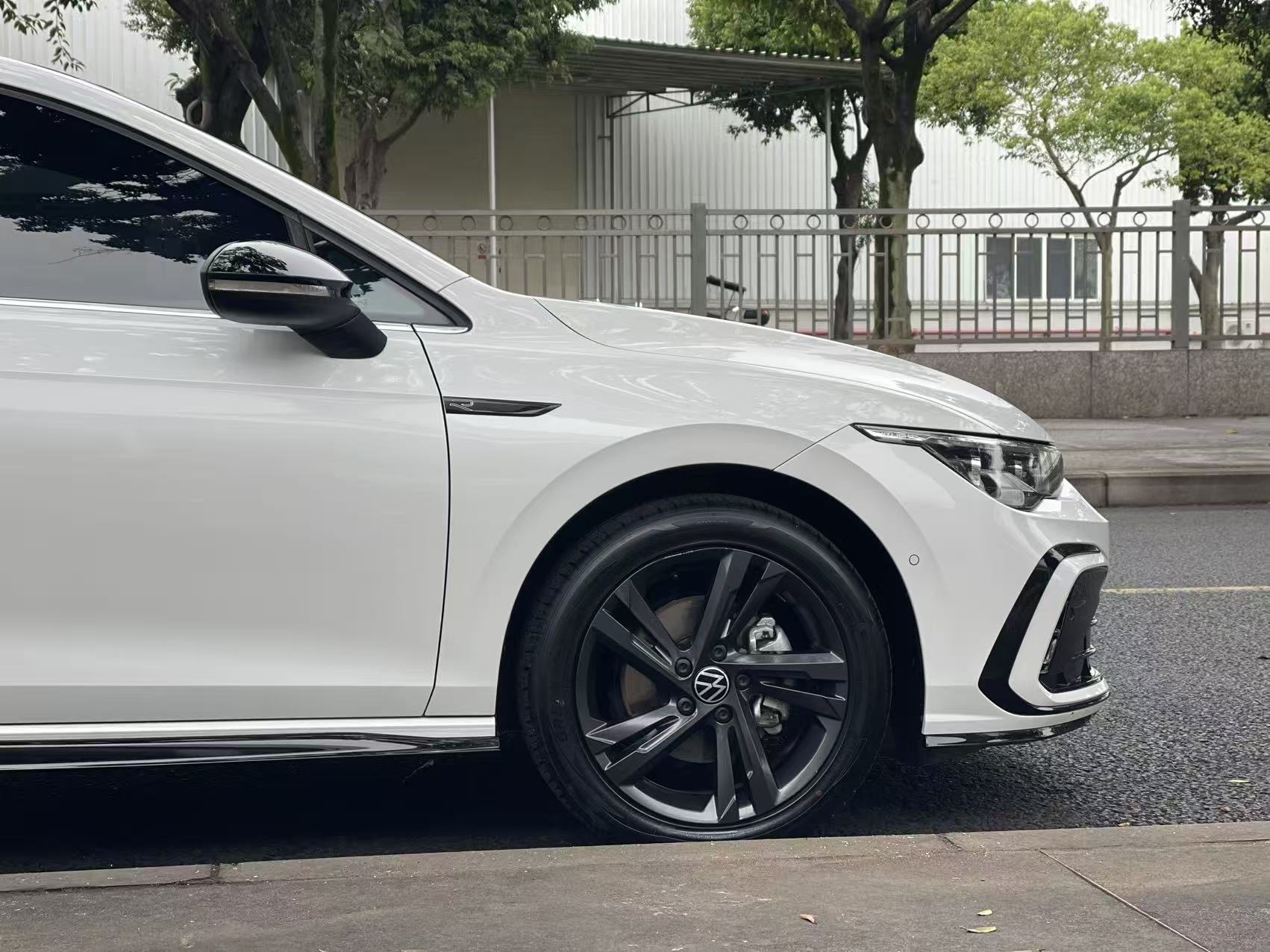
Original condition, one local repaint with paint thickness reading 145, Dr. Cha inspection grade S, actual mileage.

Document Information

Inspection Expiry Date-
Warranty Expiry Date-
Insurance Expiry Date2027/10

Q&A

More

Will all electronic buttons in the car (windows, air conditioning, seat adjustments) undergo electrical testing?

Testing is mandatory. Troubleshooting electrical devices in the car is part of the standard procedure. We will test the window lift motors, mirror folding, air conditioning compressor and fan, electric seat tracks, etc. Any stuttering or failure of electronic components will be recorded.

How to prove that the chassis has no serious rust, corrosion, or bottom damage?

All vehicles on the lift must be inspected. We will provide high-definition close-up photos of the chassis directly below, suspension components, and the mid to rear section of the exhaust. We will honestly show any minor surface rust (a common phenomenon in cast iron); if we find bent longitudinal beams or extensive through-corrosion, the vehicle will be scrapped and not exported.

Beyond the car price, what costs should I budget when importing a used car from China?

A realistic budget has several layers beyond the vehicle price. First, inland logistics in China: moving the car to the export port typically costs $300-$800. Second, export handling: inspection, customs declaration and paperwork usually add $500-$1,000. Third, ocean freight. A 20ft container to most destinations runs $1,200-$3,000 depending on route; RoRo shipping can be cheaper for driveable cars. Add marine insurance, usually 0.3%-0.5% of the car value. Fourth, destination charges: port handling, customs duties, VAT/GST and local registration fees. These vary widely; some countries charge duties of 20%-80% of the vehicle value plus an excise based on engine capacity. Finally, any compliance work: inspection certificates, modifications to meet local standards, or homologation. Ask your exporter for a full CIF quote and have a local customs broker confirm destination taxes before you commit.