Sold

Basic Information

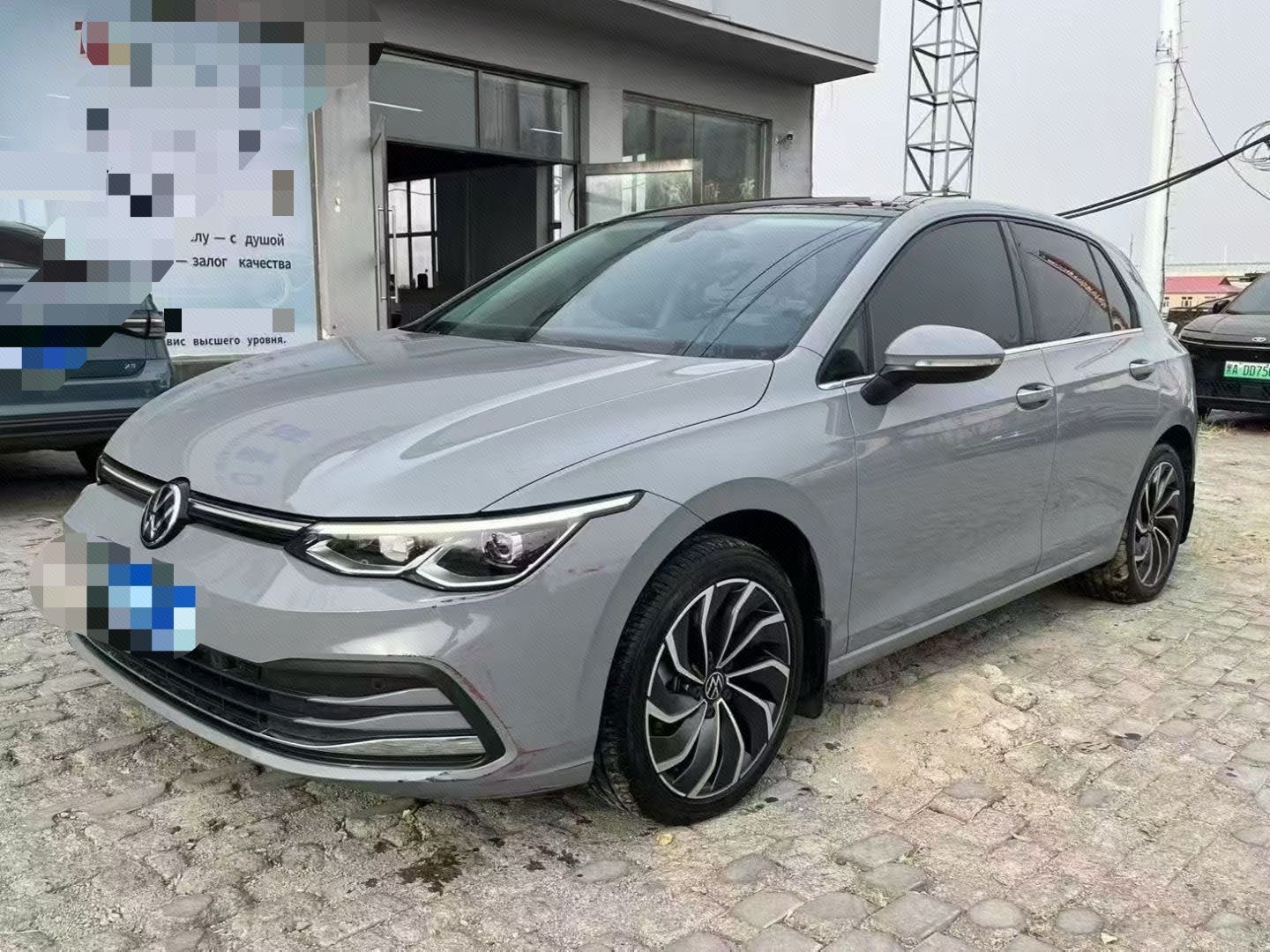
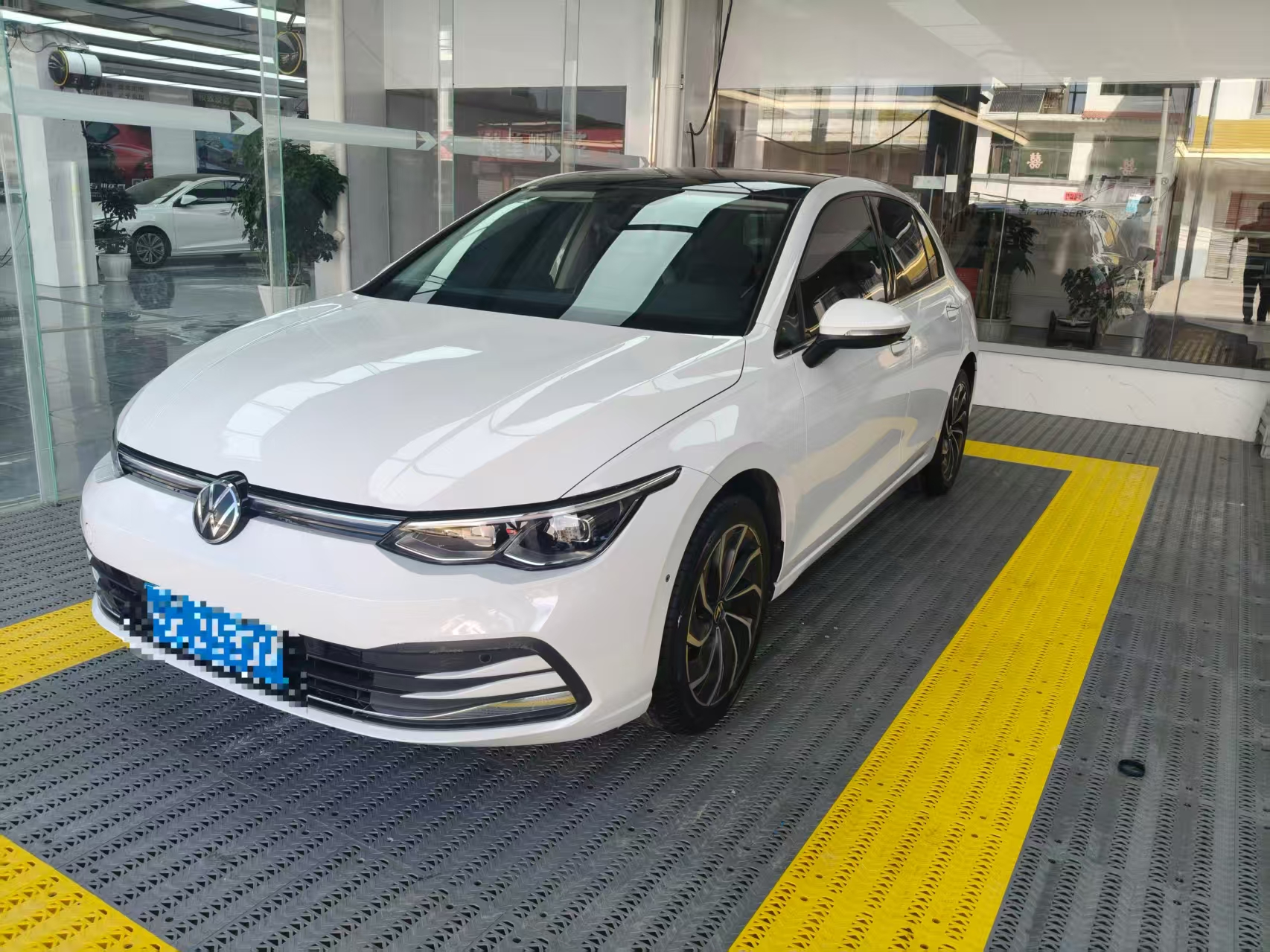
BrandVolkswagen
SeriesGolf
Year2021
First Registration2021/07
Mileage145,000km
Transfer Count0times
FuelGasoline
TransmissionDCT
Engine1.4T 150 L4
ColorGrey
Seats-

Condition Description

Original paint throughout; a stone chip from highway driving; one front windshield replaced.

Document Information

Inspection Expiry Date-
Warranty Expiry Date-
Insurance Expiry Date2027/07

Q&A

More

Will you provide a full vehicle electronic fault code scan report read by the OBD (On-Board Diagnostics) computer?

Yes. We will use a professional diagnostic tool to scan all vehicle systems, including the Engine Control Unit (ECU), Transmission Control Module (TCM), Anti-lock Braking System (ABS), and Airbag Module (SRS), and provide English screenshots of all current and historical Diagnostic Trouble Codes (DTCs).

Can the buyer request the internal resistance test data of the battery pack at different state of charge (SOC) levels?

Obtaining precise internal resistance at different SOC levels requires disassembling the battery pack and connecting it to a professional charge-discharge cabinet for several days of cycling tests. This is beyond the scope of non-destructive used car inspections; we only provide real-time estimated internal resistance data based on OBD port readings.

How do I make sure the VIN on my used car from China matches all the export paperwork?

VIN consistency is checked at customs in both China and your country, and a mismatch can block clearance. Do the following: 1. Verify early: before payment, ask for clear photos of the VIN plate (dashboard, door frame, engine bay on some models) and compare them with the VIN on the purchase contract, inspection report and any registration documents. 2. Check the characters: VINs never contain the letters I, O or Q. If you see them, the document is either fake or mistyped. 3. Decode it: the first 3 characters are the world manufacturer code, characters 4-8 describe the model and configuration. Decode it online to confirm the documents match the actual trim level you are buying. 4. At destination: when the car arrives, re-check the VIN against the bill of lading and your import declaration before accepting delivery. Any discrepancy found before shipping can be corrected cheaply; after arrival it becomes a legal problem. Make VIN verification part of your pre-shipment inspection checklist.