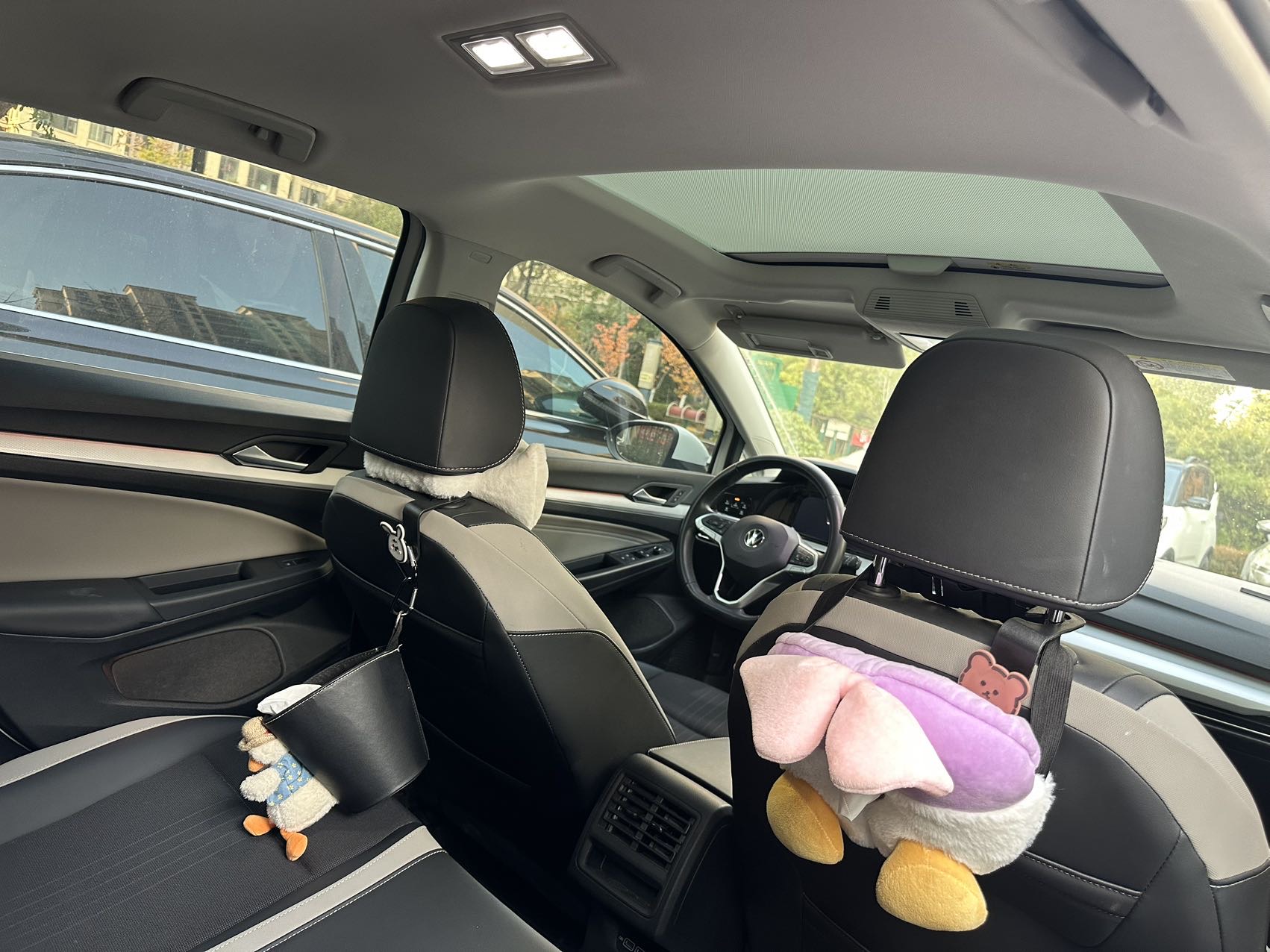
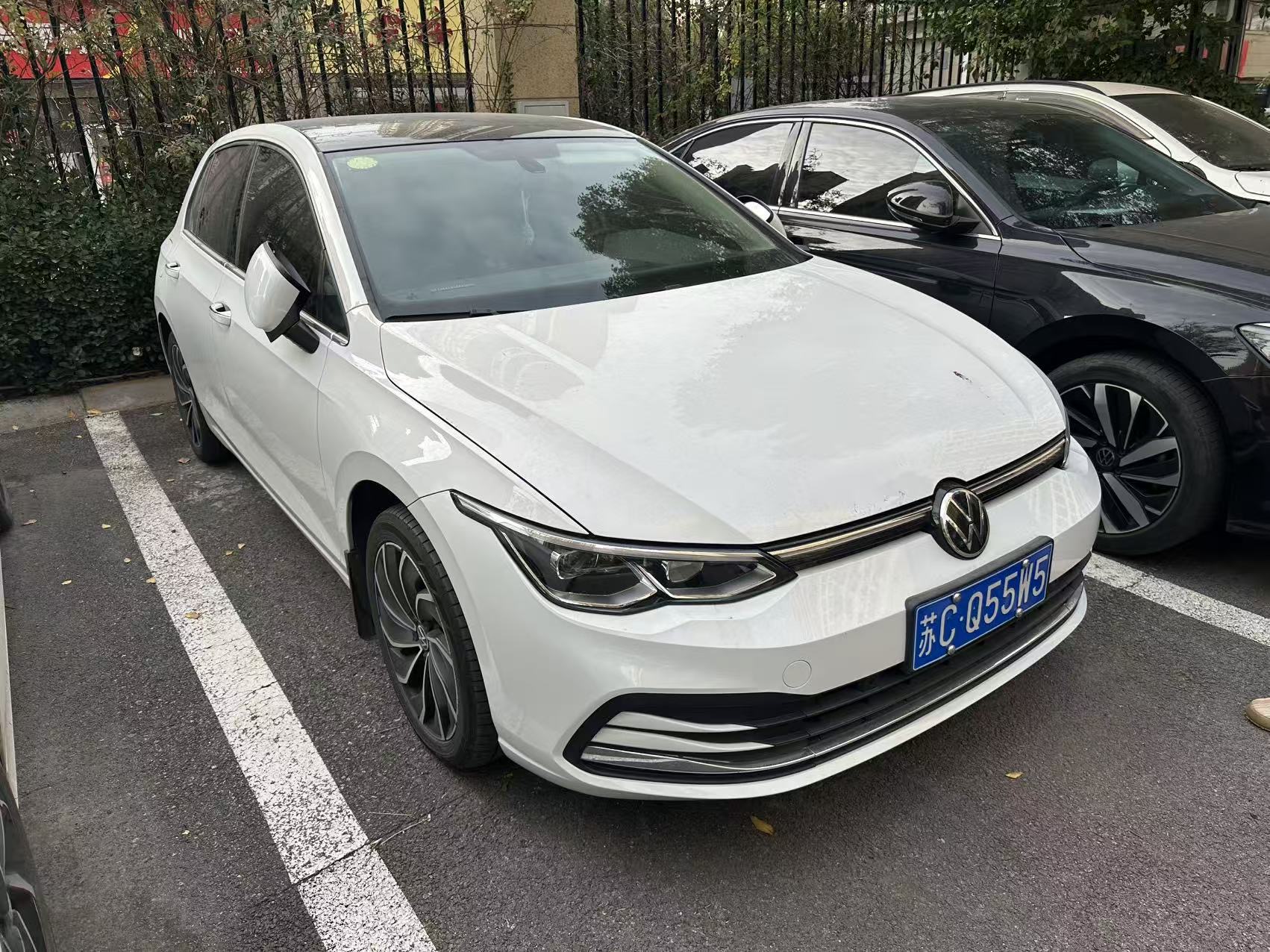
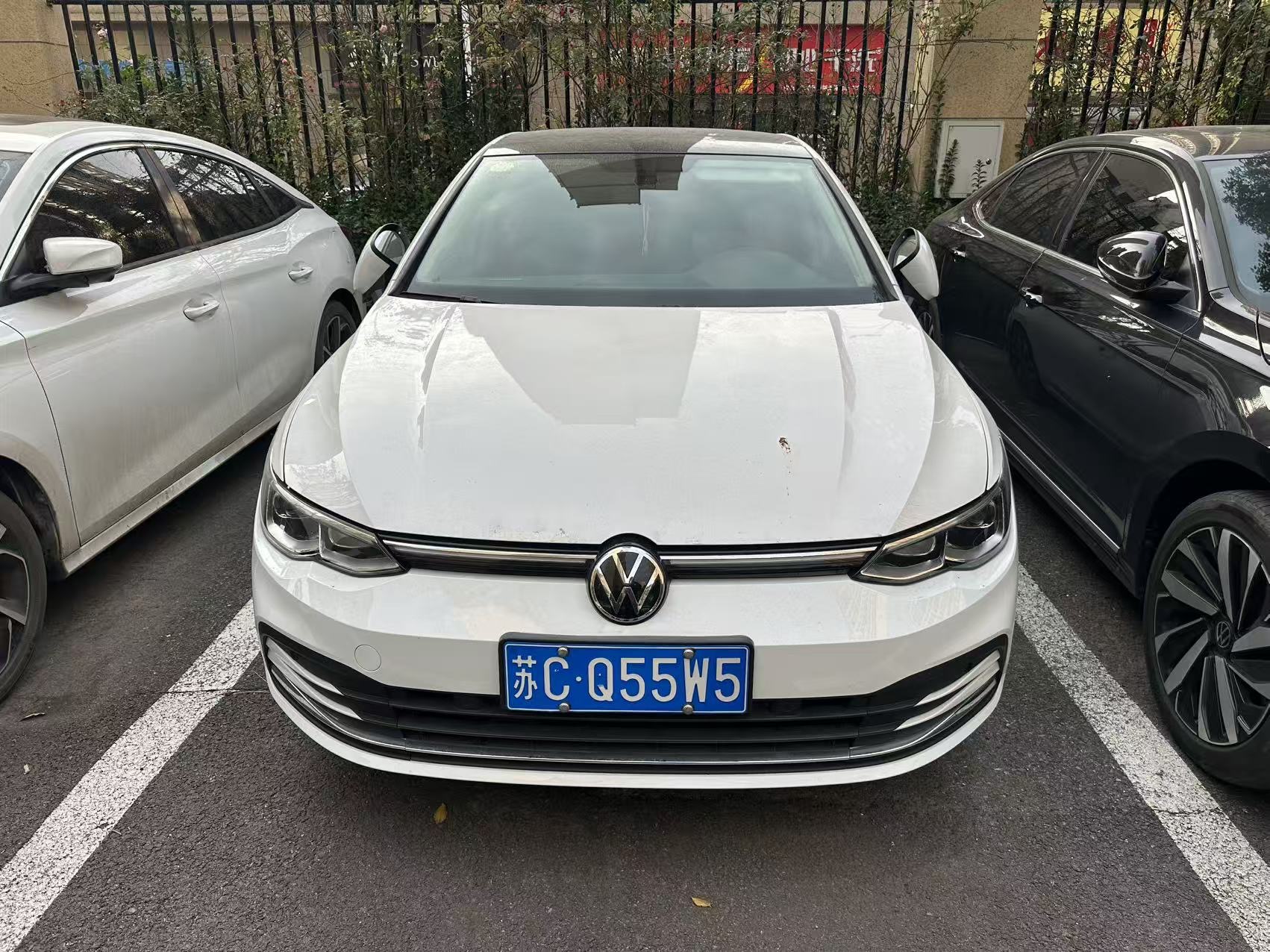
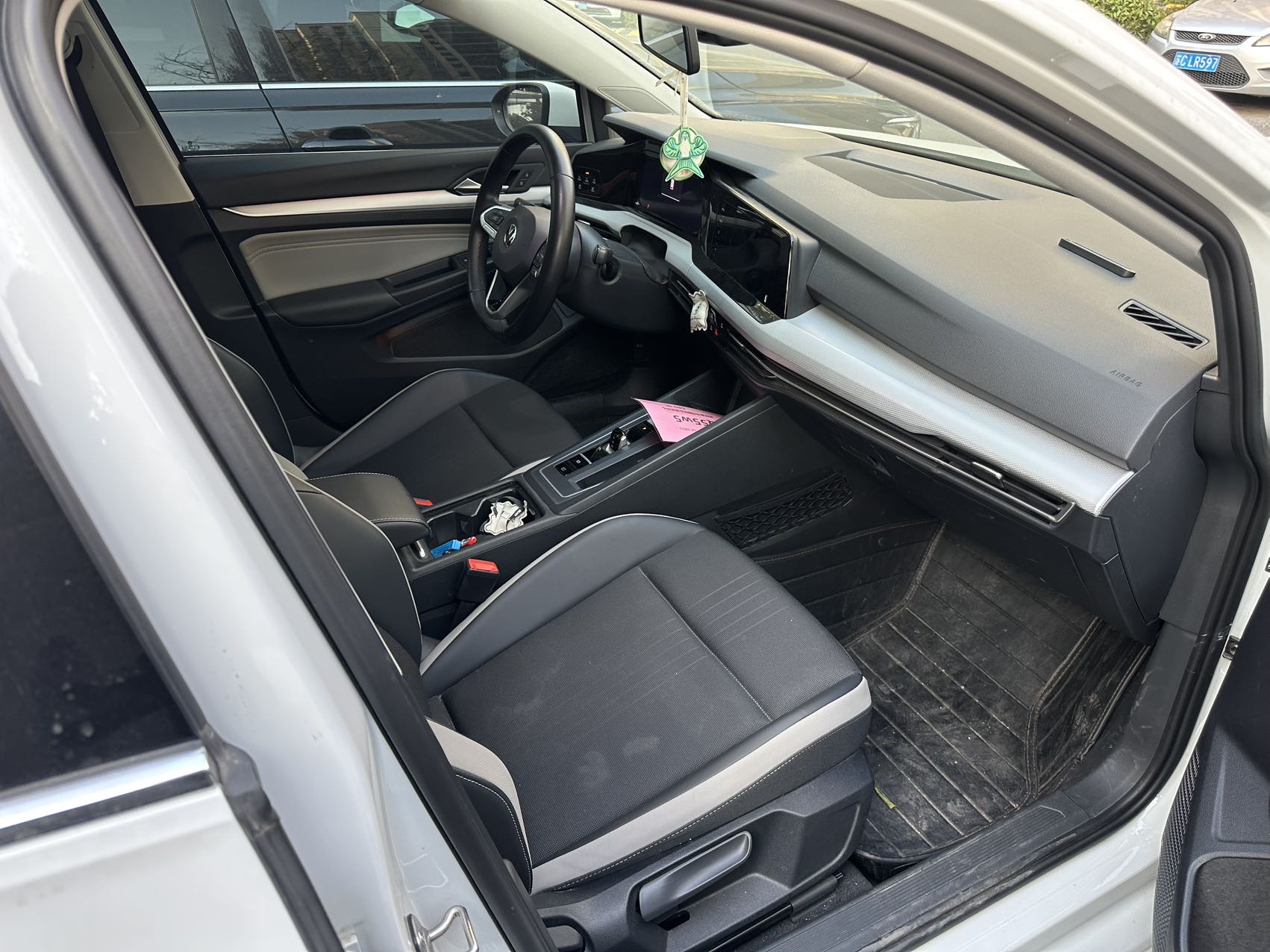
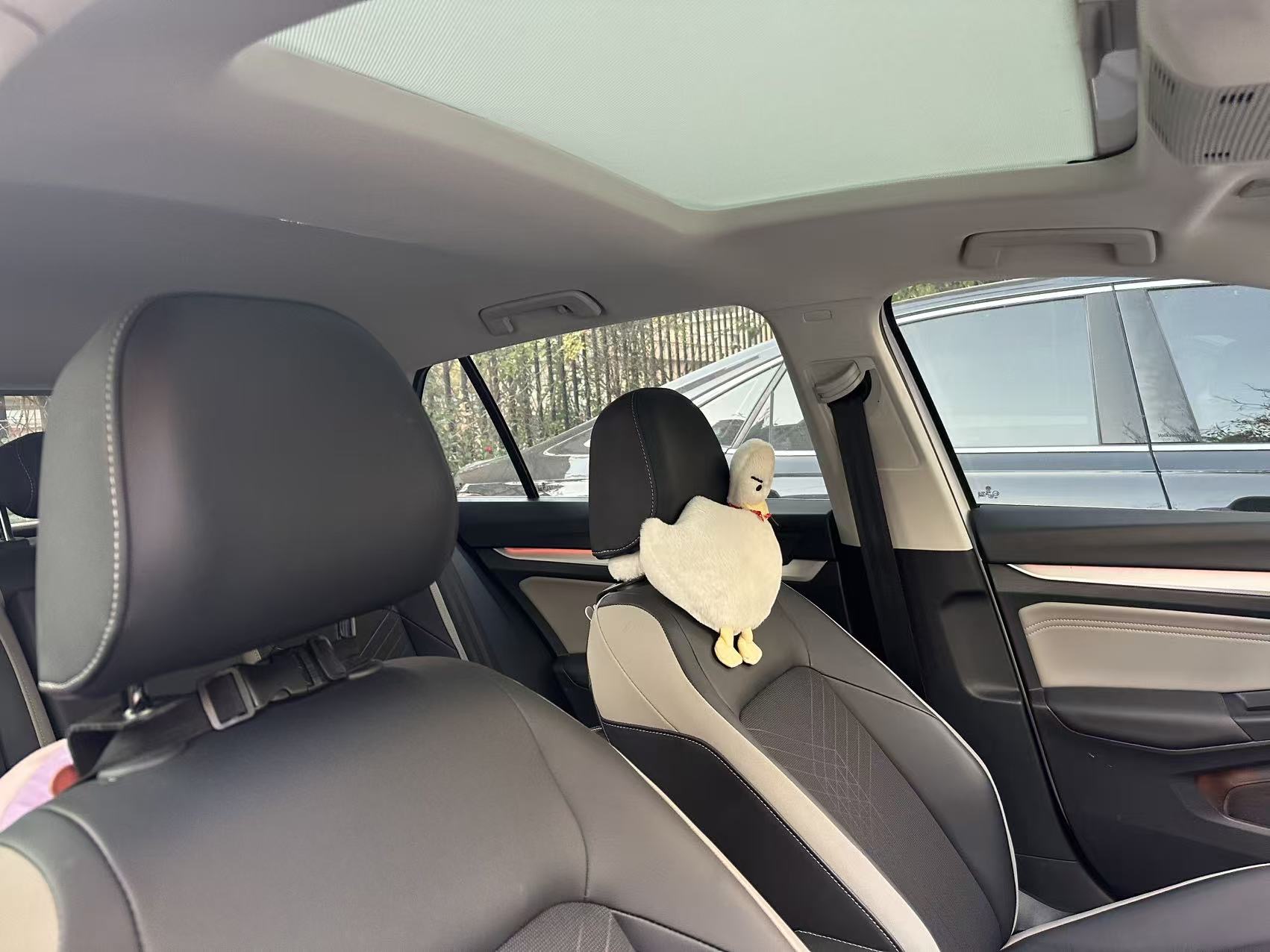



Basic Information

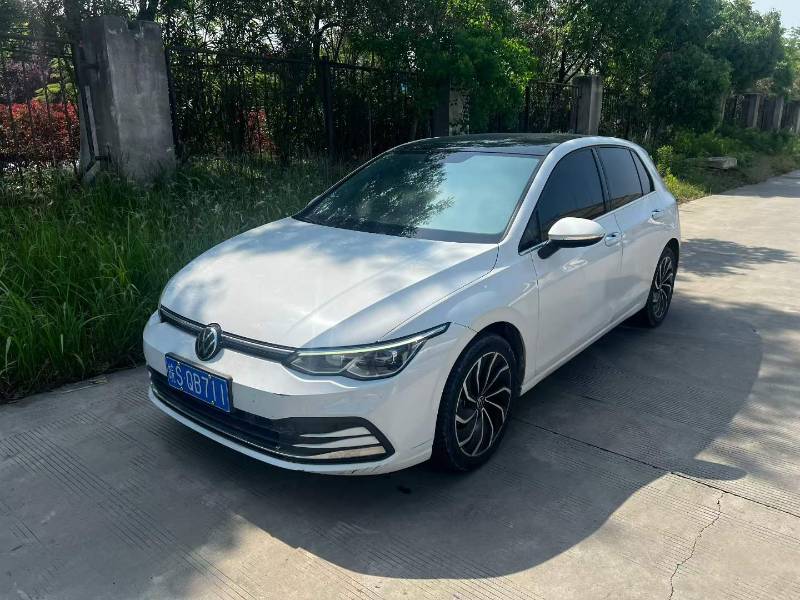
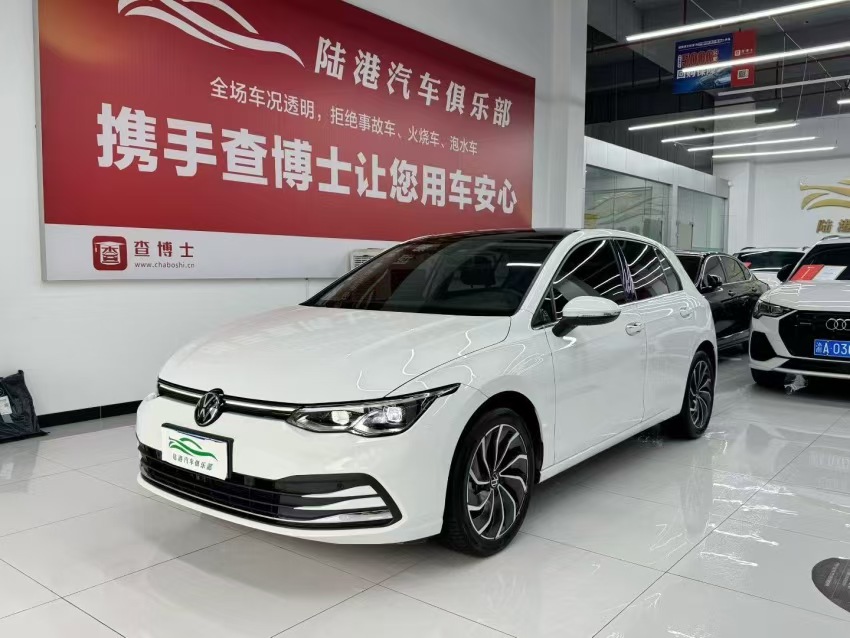
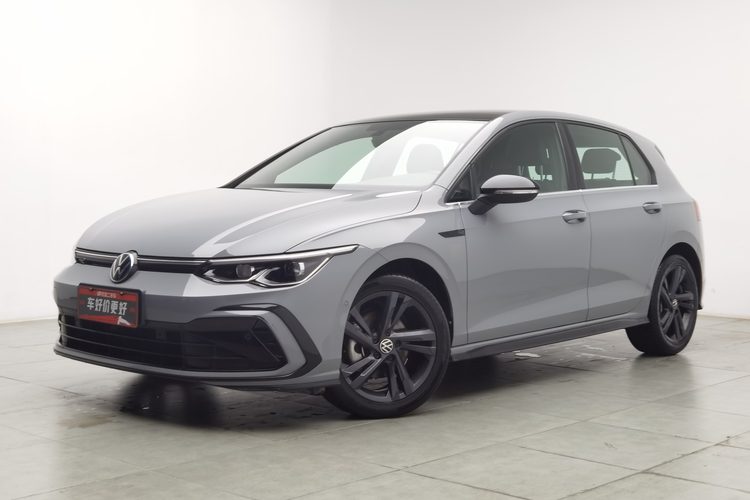
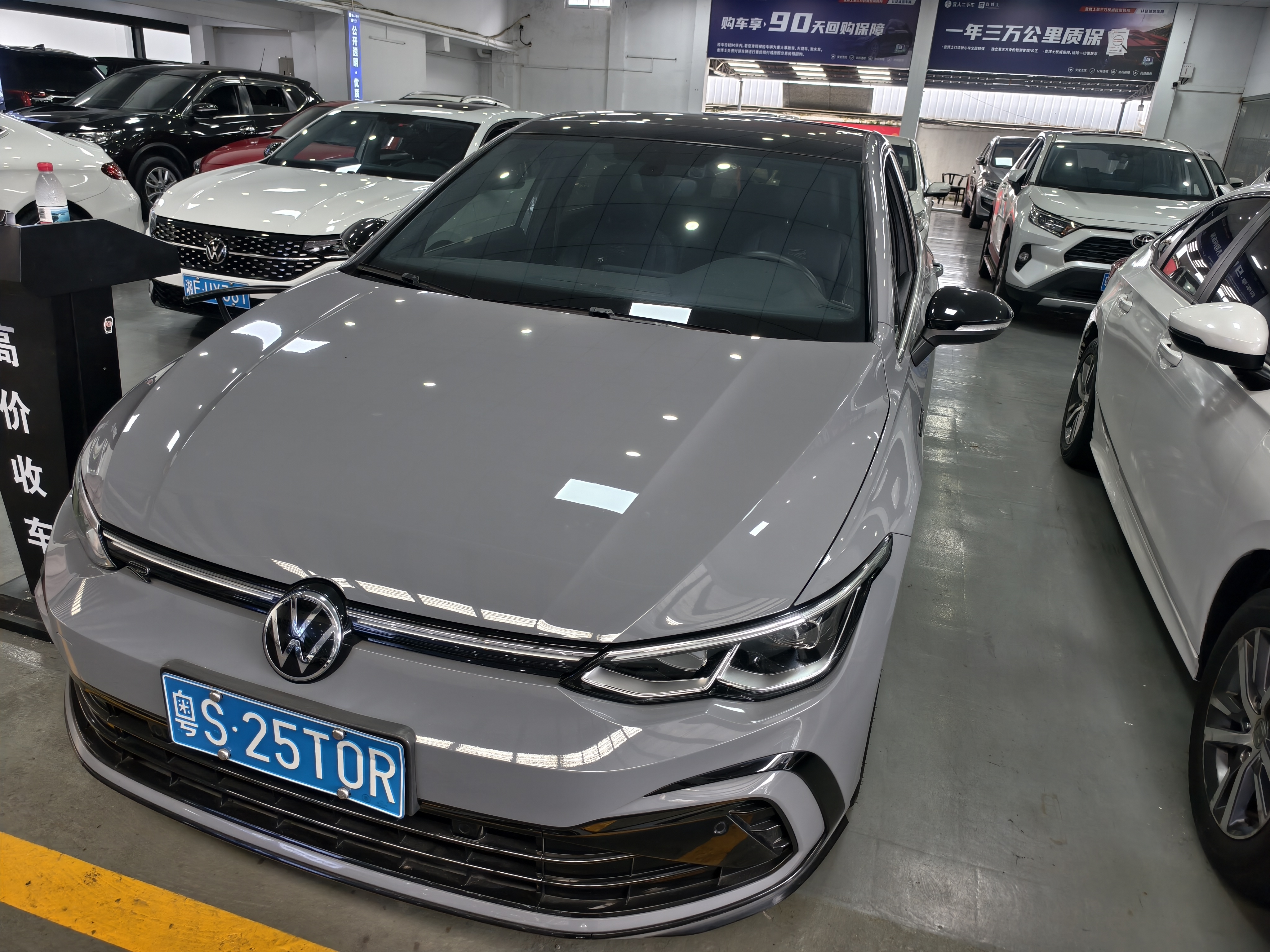
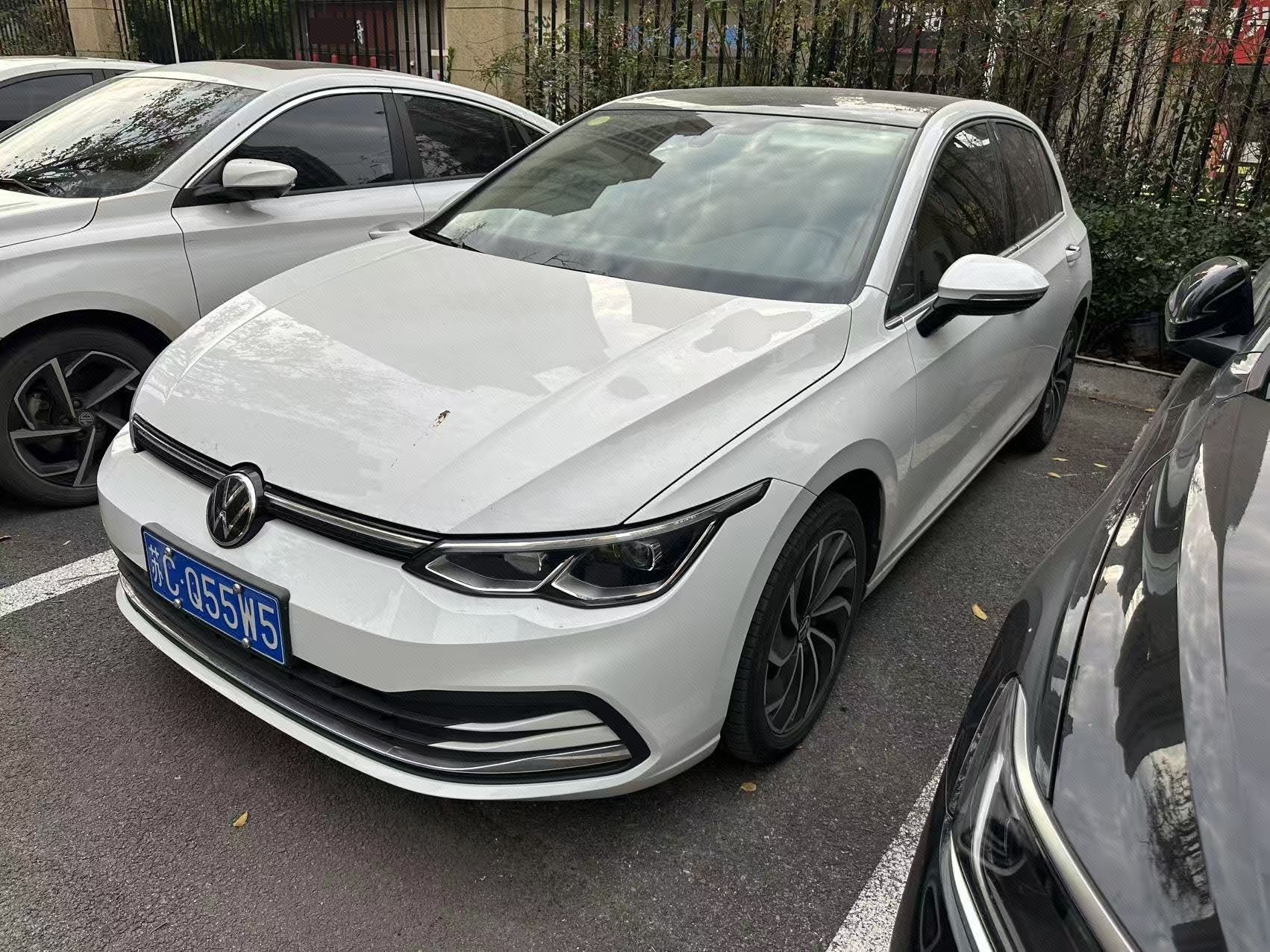
BrandVolkswagen
SeriesGolf
Year2021
First Registration2021/07
Mileage39,000km
Transfer Count0times
FuelGasoline
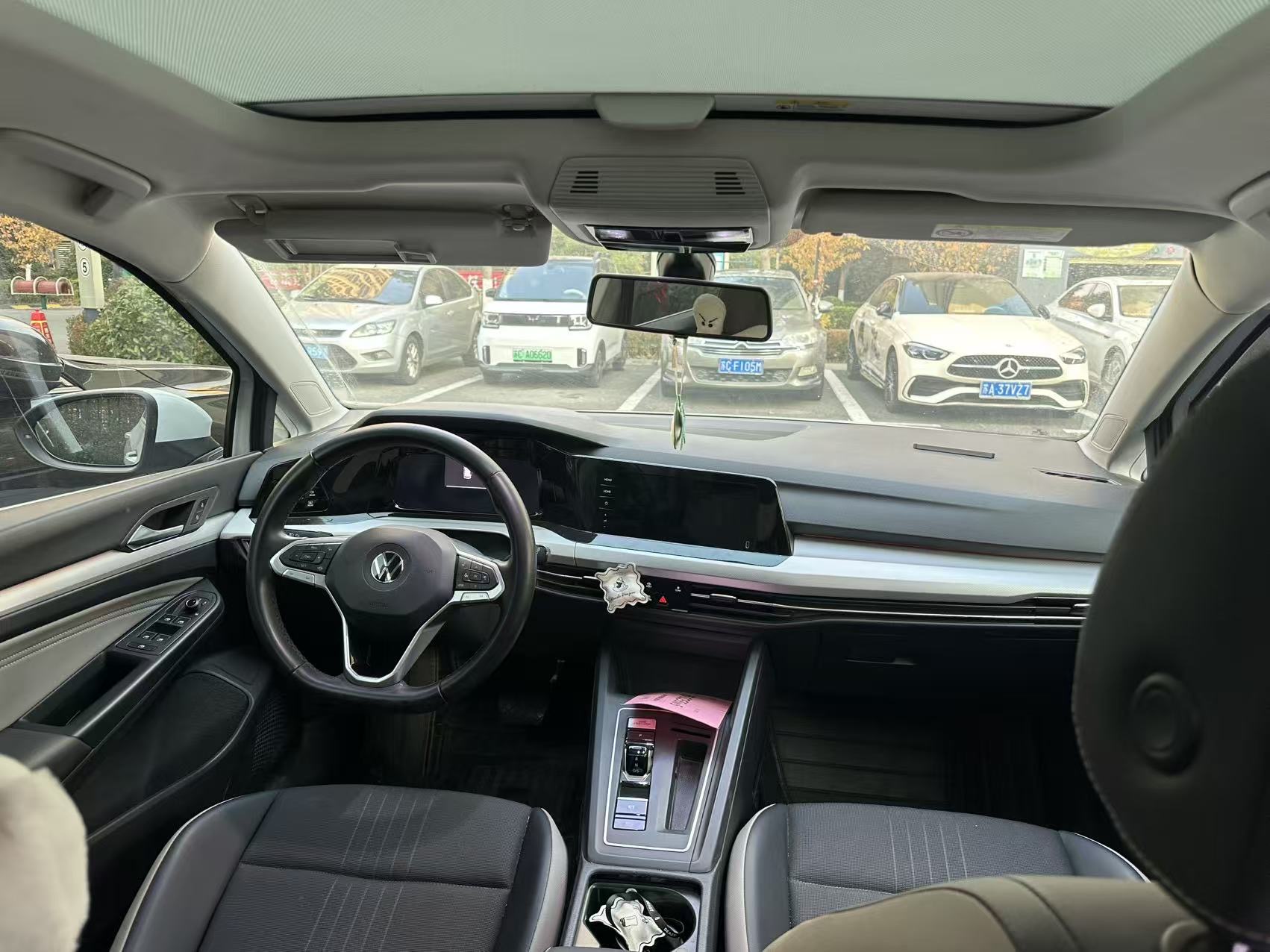
TransmissionDCT
Engine1.4T 150 L4
ColorWhite
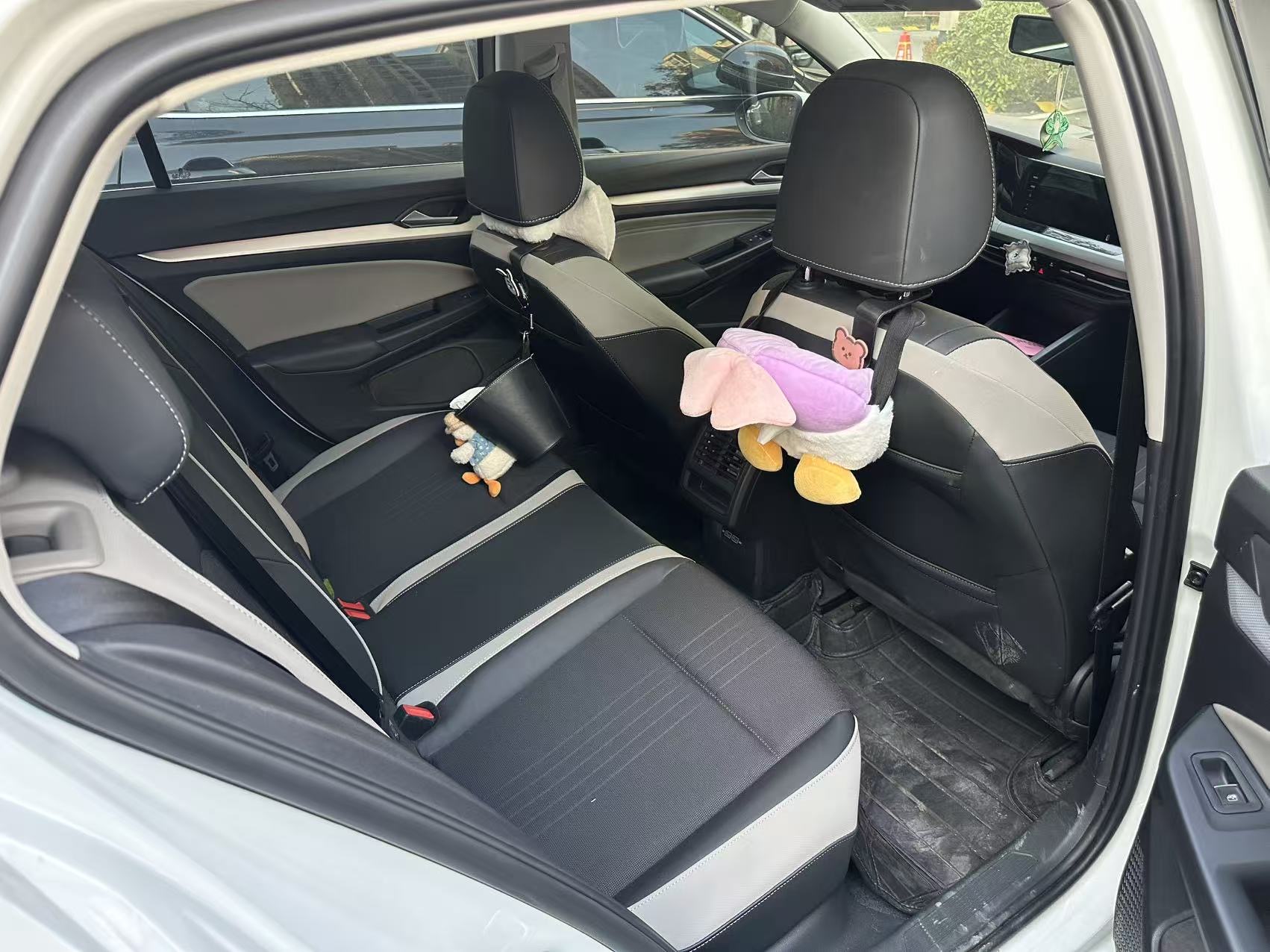
Seats-

Condition Description

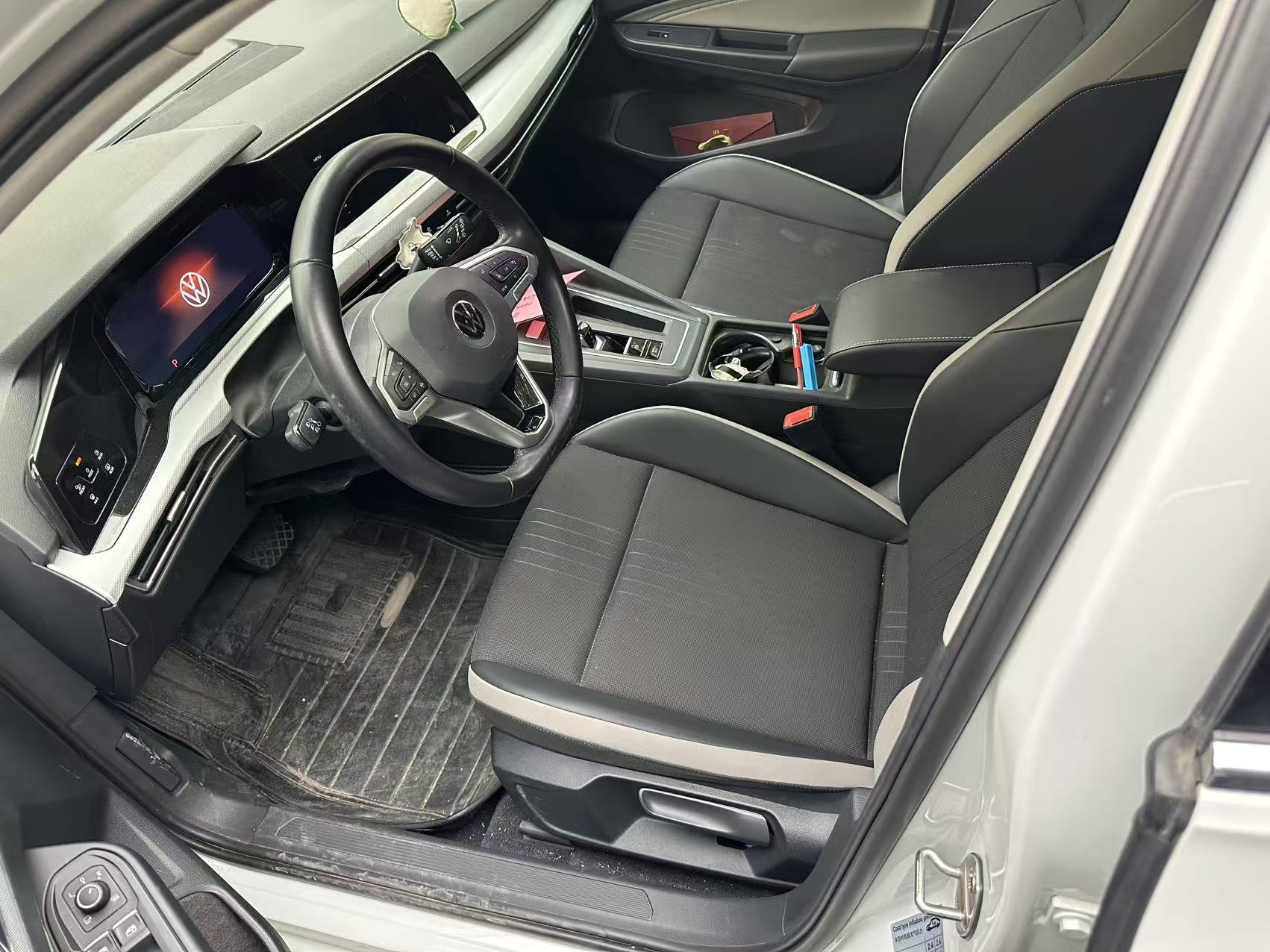
The seat airbag has been repainted.

Document Information

Inspection Expiry Date-
Warranty Expiry Date-
Insurance Expiry Date2027/07

Q&A

More

How can I decode a Chinese VIN, and what does it tell me about a used car's origin and specs?

A Chinese-market VIN has 17 characters, and several positions are genuinely useful. Characters 1-3 are the WMI: the first character L confirms the car was built in China, and the next two identify the manufacturer (for example LFV for FAW-VW, LSV for SAIC-VW, LGX for BYD). Character 10 is the model year code, and character 11 usually identifies the assembly plant. Cross-check the decoded data against the vehicle nameplate on the B-pillar and the Chinese registration certificate. If the decoded plant or year contradicts the paperwork, walk away — relabeled VIN plates are a classic sign of a rebuilt or cloned vehicle. Generic online decoders cover Chinese domestic models poorly. In practice, ask your exporter or inspection agent to pull the manufacturer's build sheet using the VIN: it lists factory options, battery supplier and production date, which is far more reliable than any free decoder.


If I accidentally lose my only smart key while overseas, can you provide the key code remotely?

It's extremely difficult. The security level of Chinese brand immobilizers is very high, and you must connect a specialized factory computer to the vehicle's OBD and be online with the domestic server to match it. Losing all keys usually means you need to replace the entire lock cylinder and anti-theft control module while overseas.

How can I verify the odometer reading is genuine on a Chinese used car from abroad?

Odometer fraud exists everywhere, but cross-checking several data points makes it hard to fake: 1) Maintenance records: ask for service history with mileage entries. Gaps or resets are red flags. 2) Tire wear: a car showing 30,000 km should not have nearly bald tires. Compare tread depth against the claimed mileage. 3) Pedals, steering wheel, and seat bolsters: heavy wear on these with low odometer readings is a classic mismatch. 4) Diagnostic scan: request an OBD readout. Many control modules store mileage data internally — if the ECU shows 120,000 km while the dash shows 40,000, you have your answer. 5) Vehicle history report: in China, apps and platforms can pull insurance claim records and registration history, which often reveal the true mileage trail. Always request a live video showing the odometer with the engine running, and have the number written into your contract.