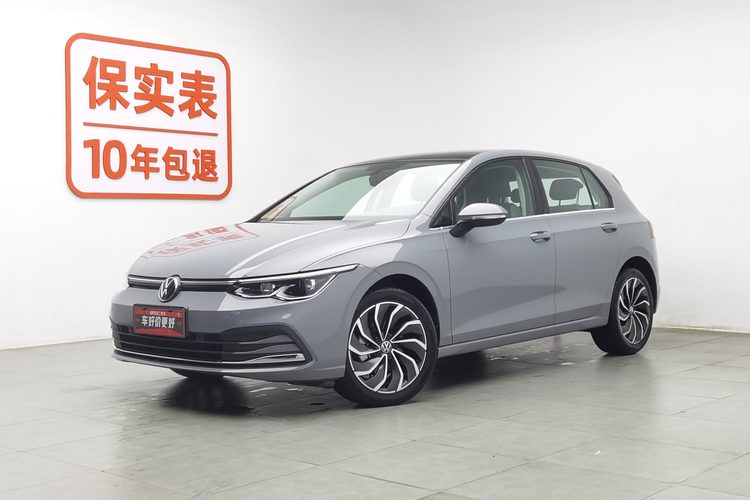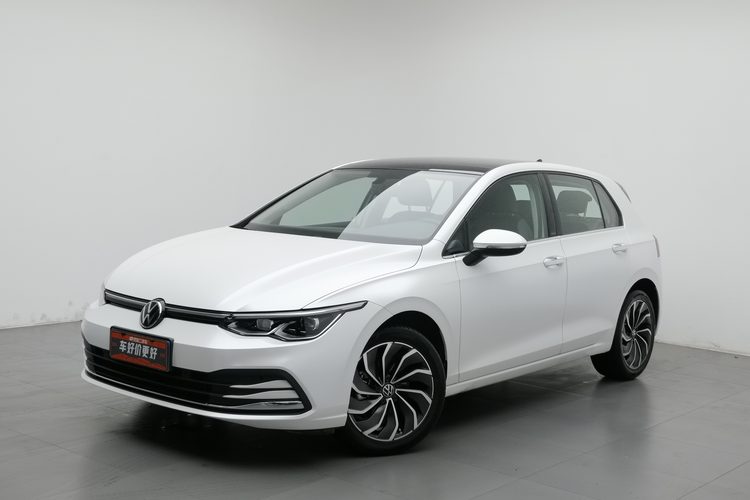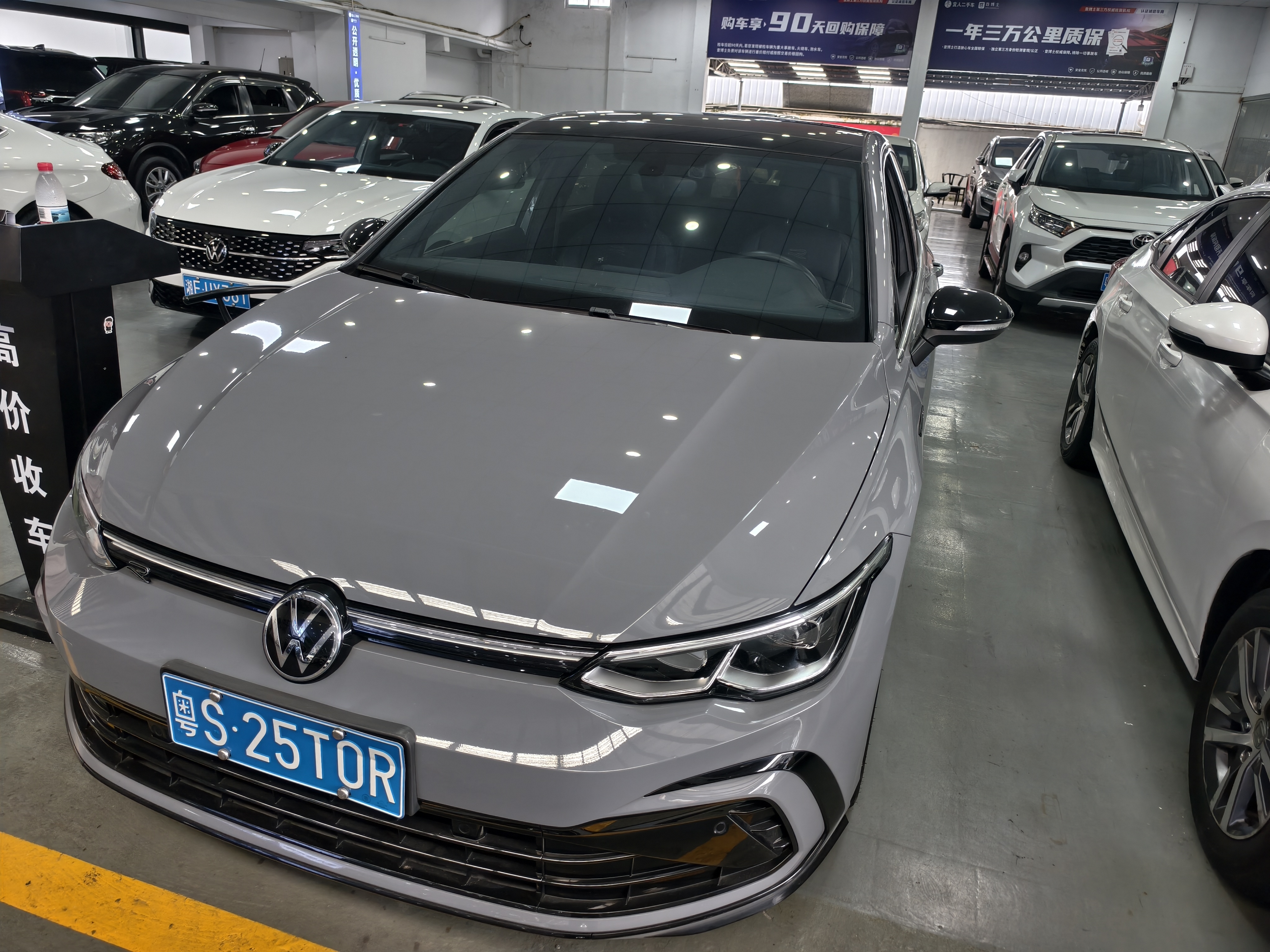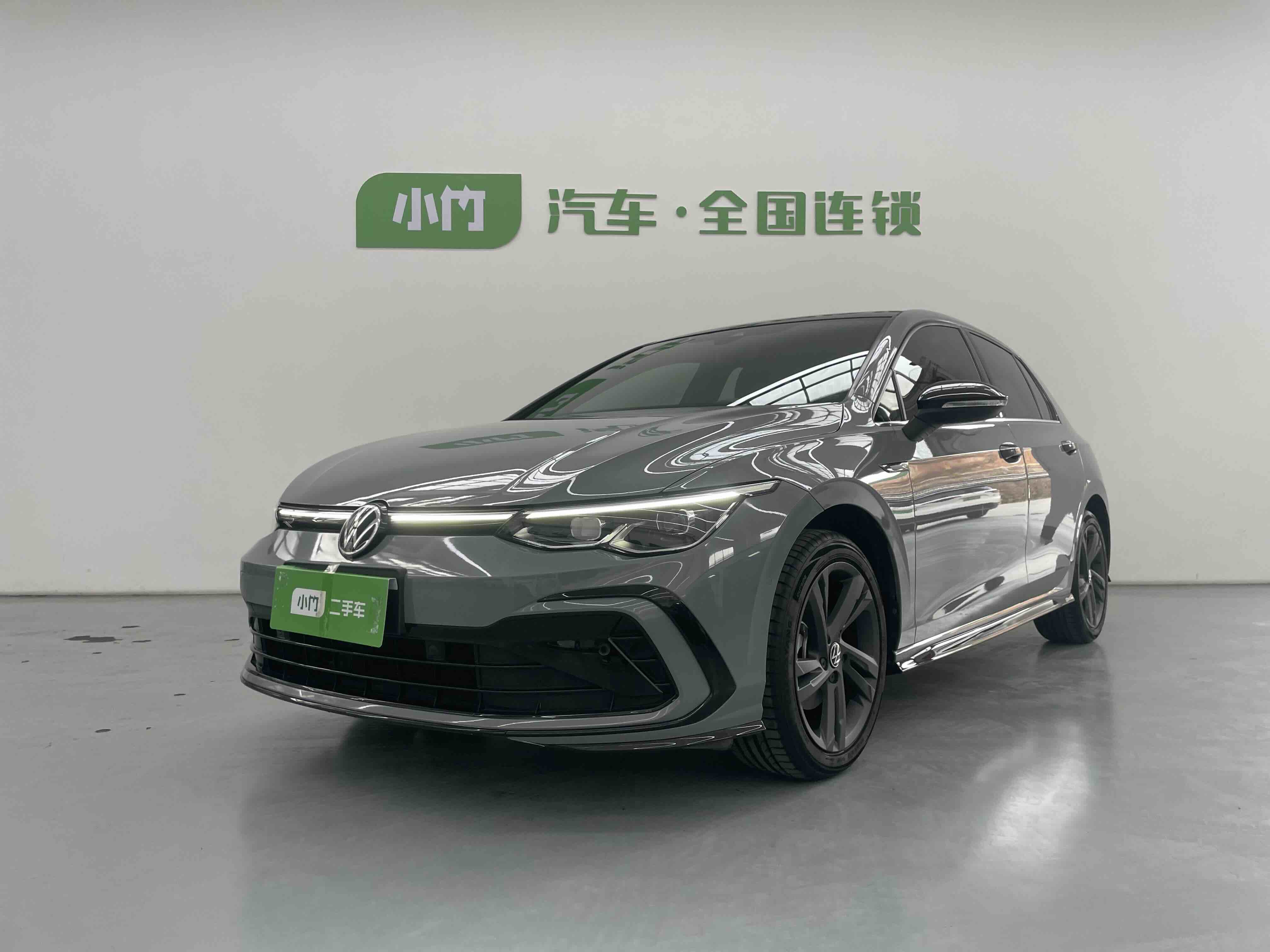
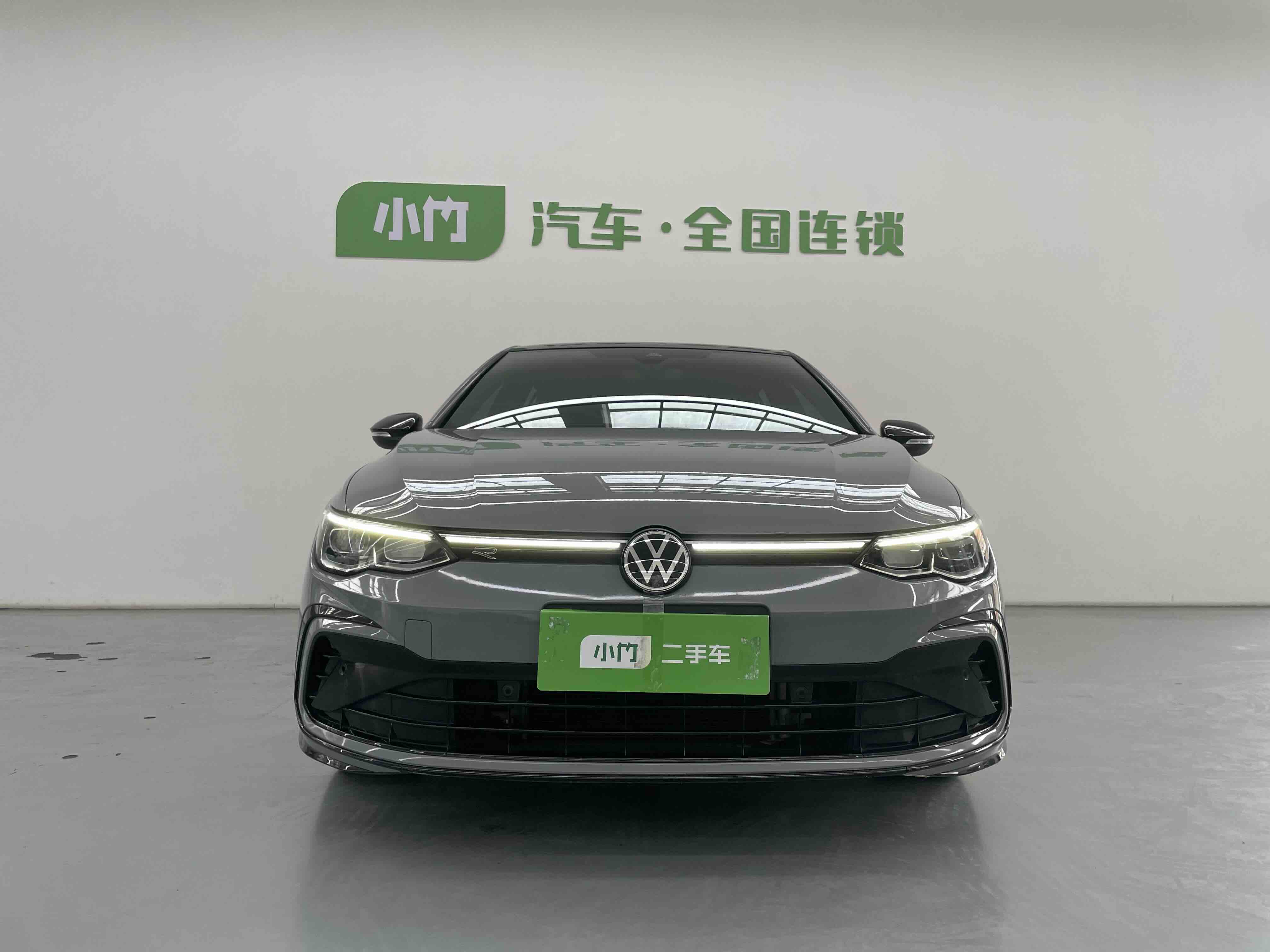
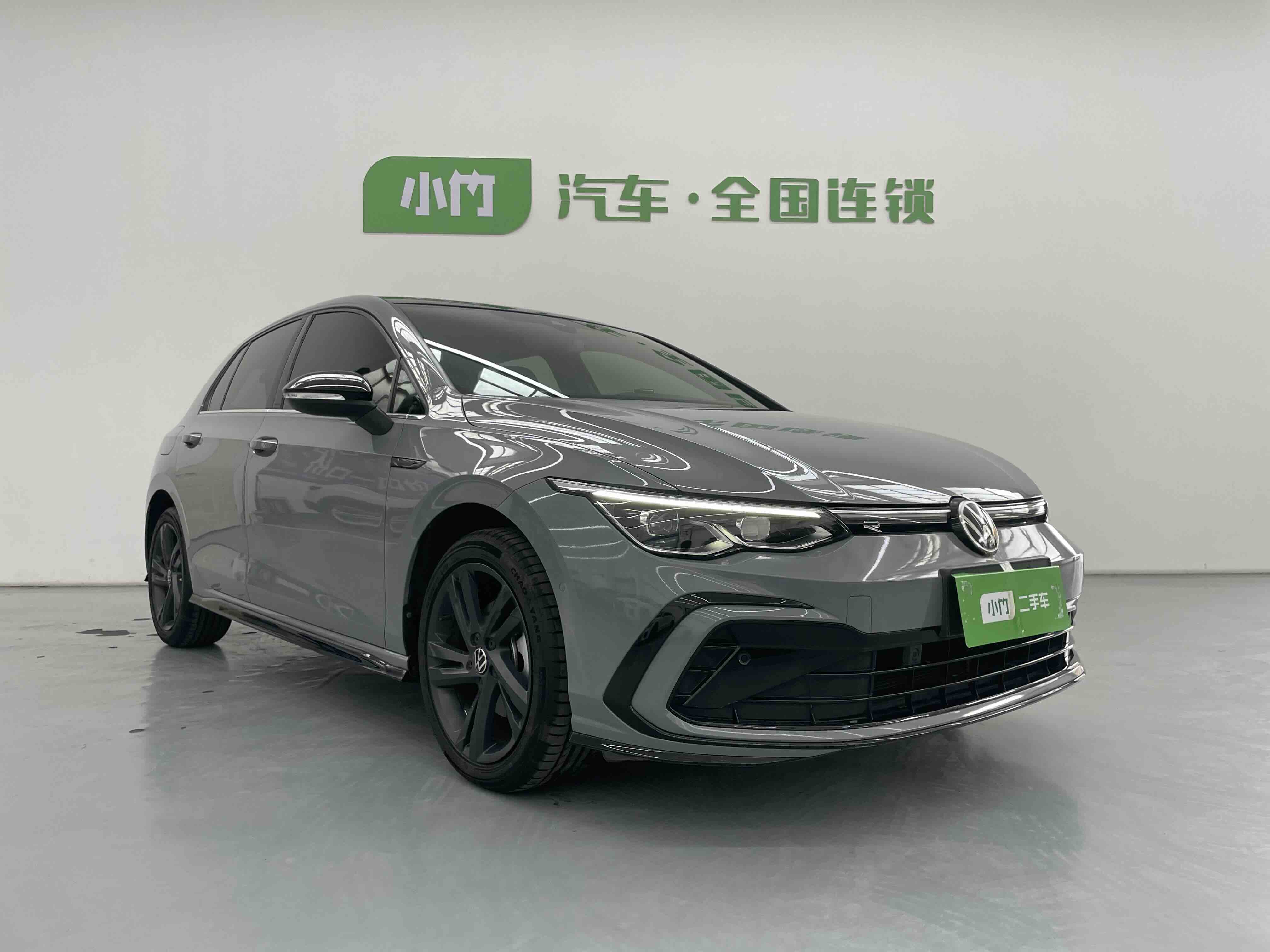
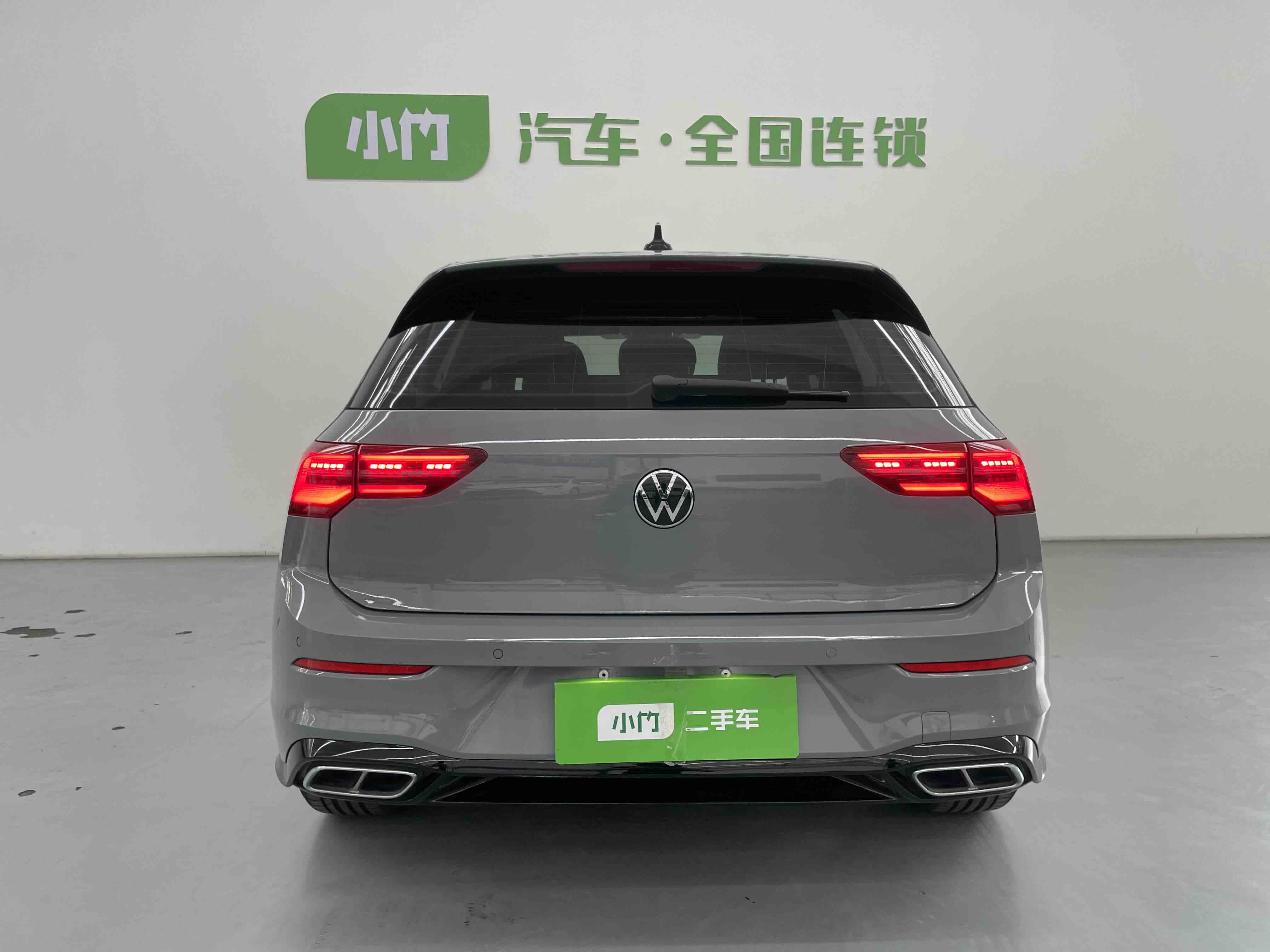
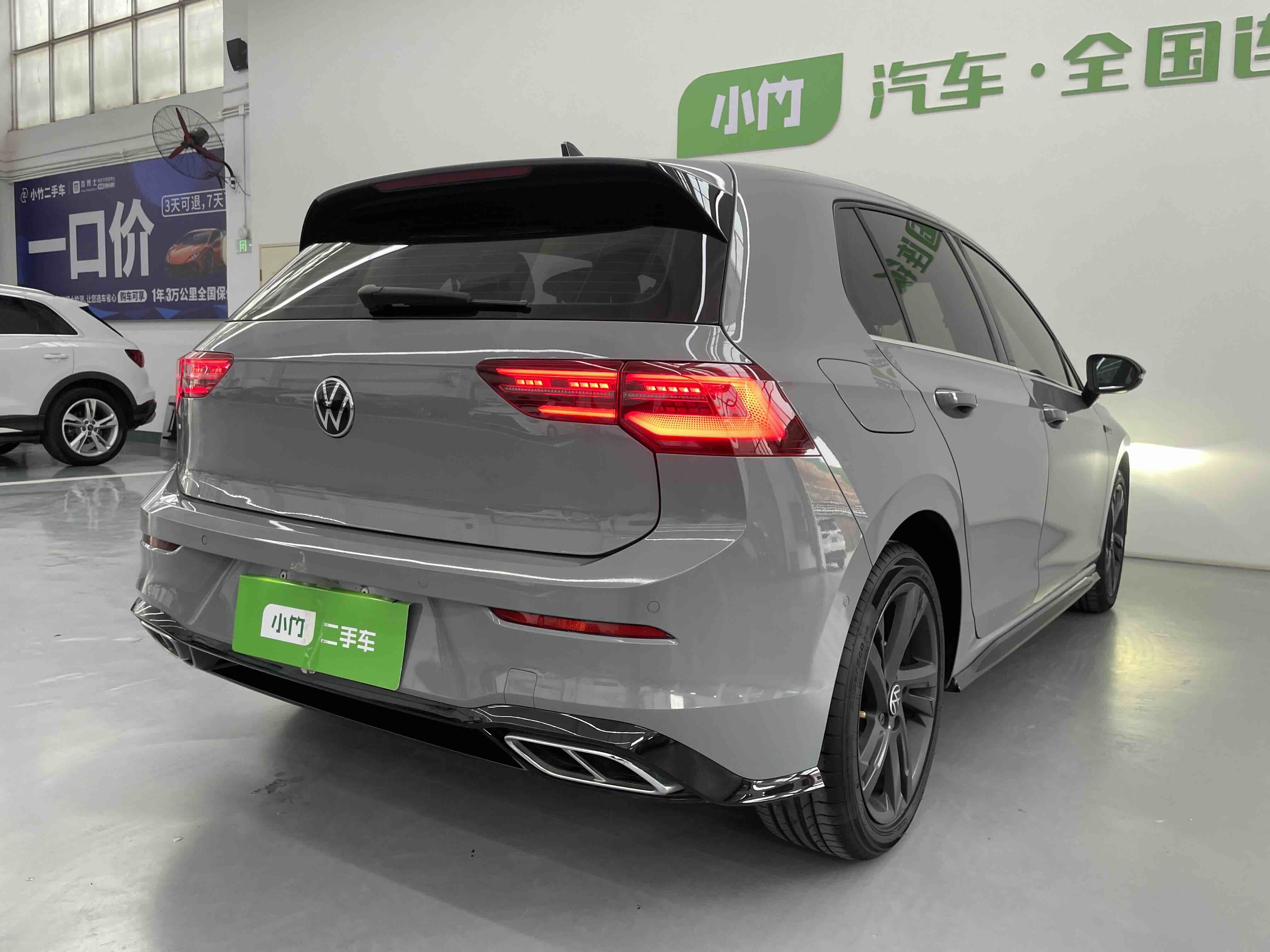
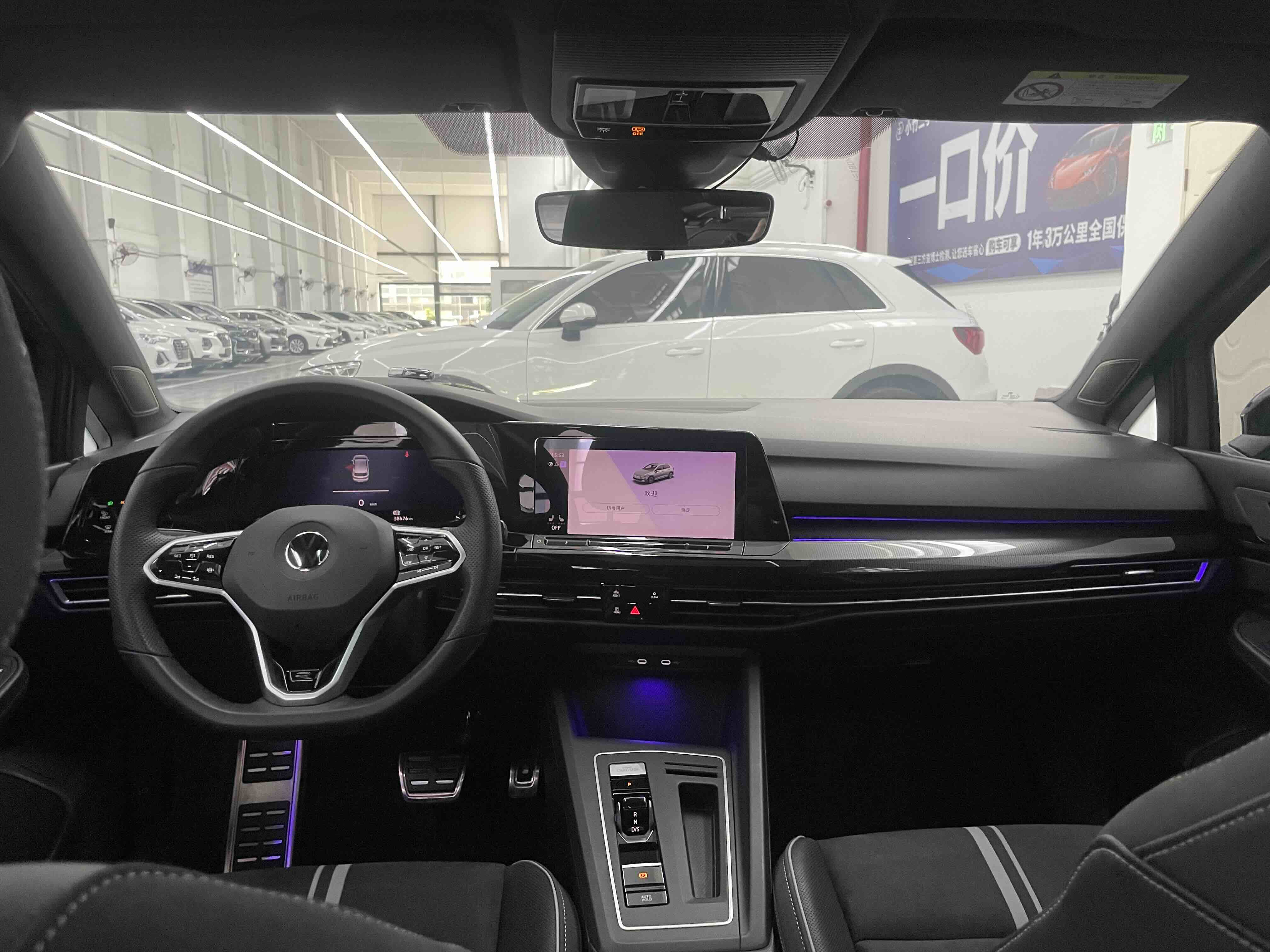
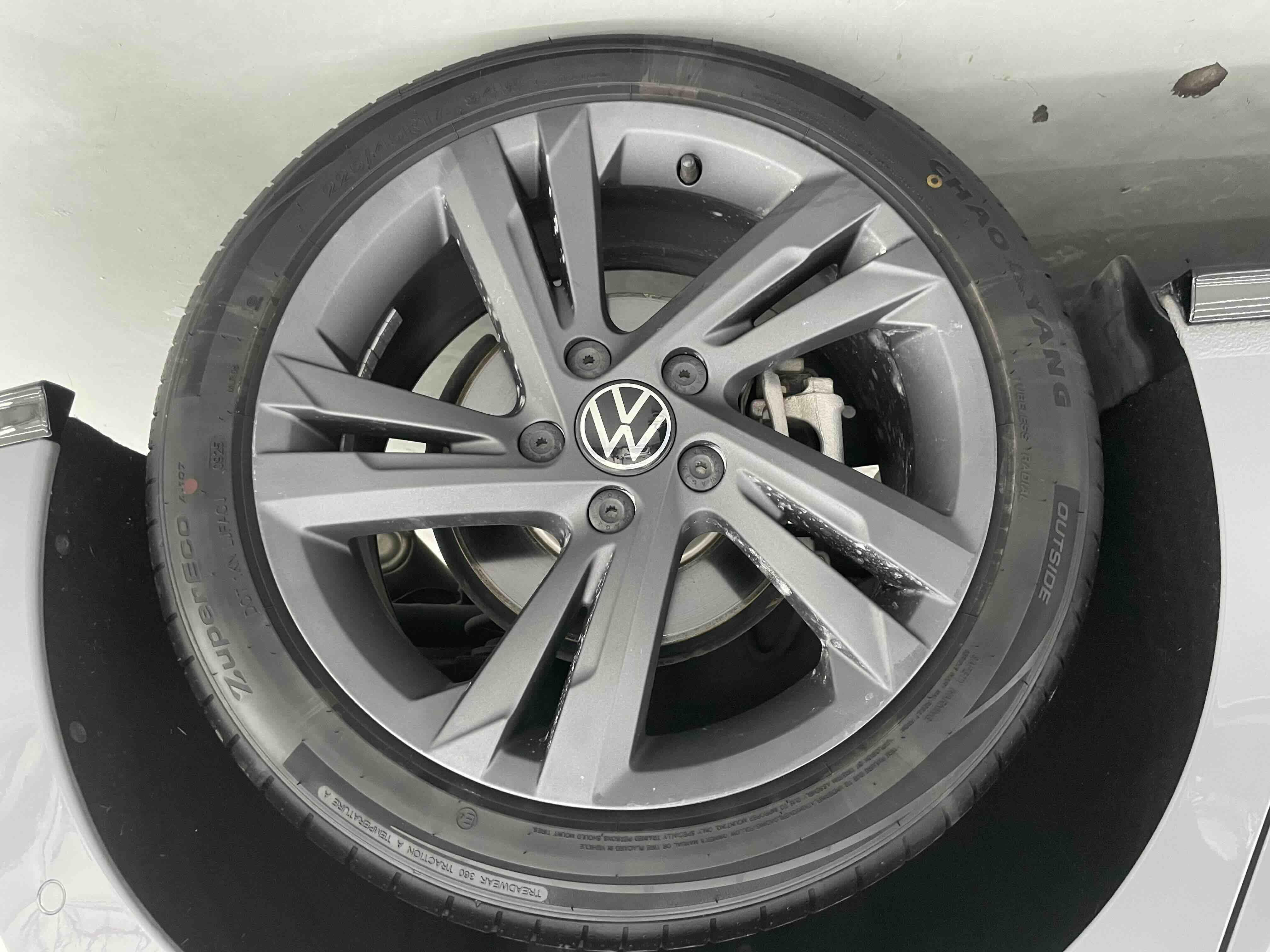
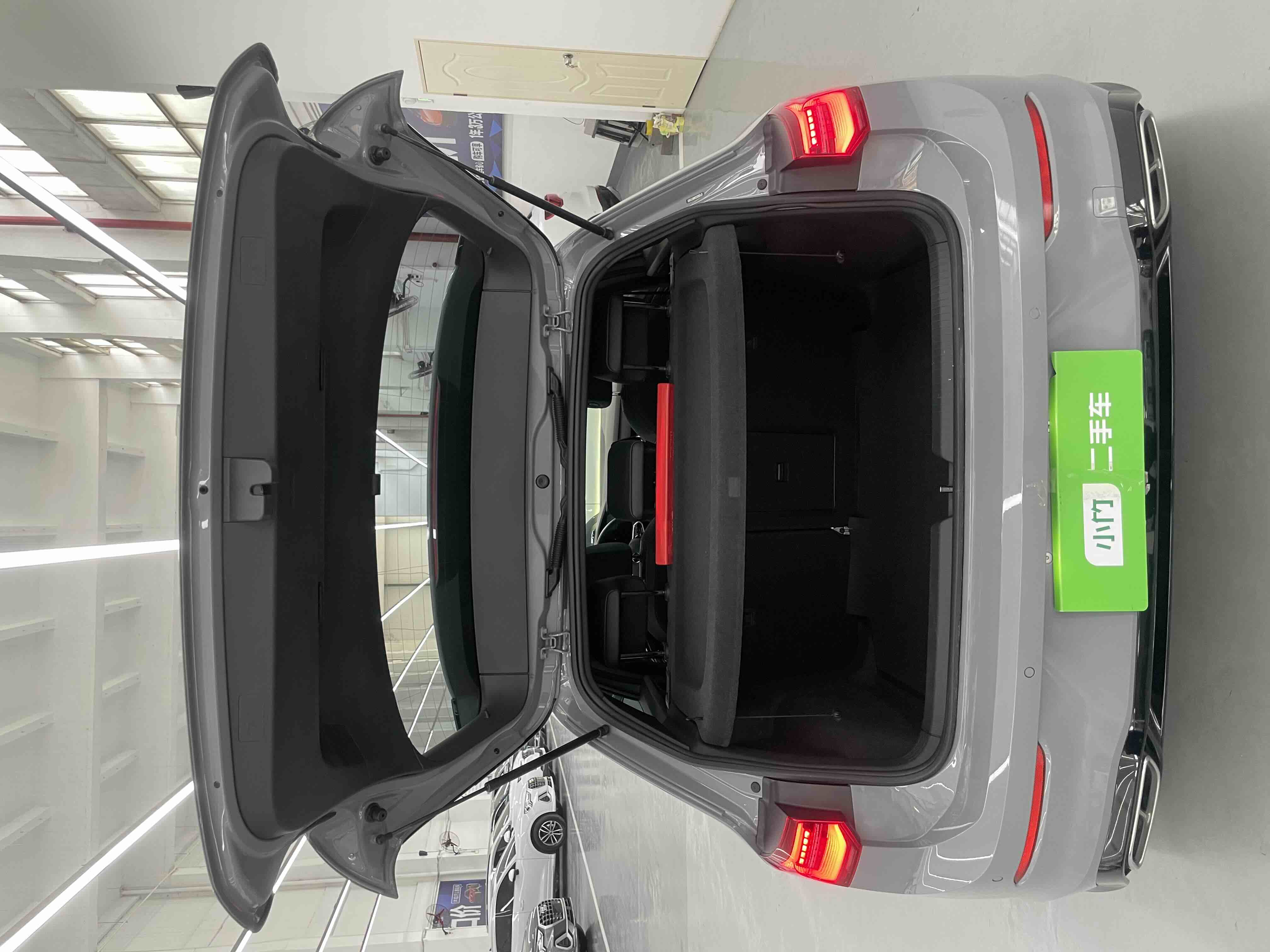
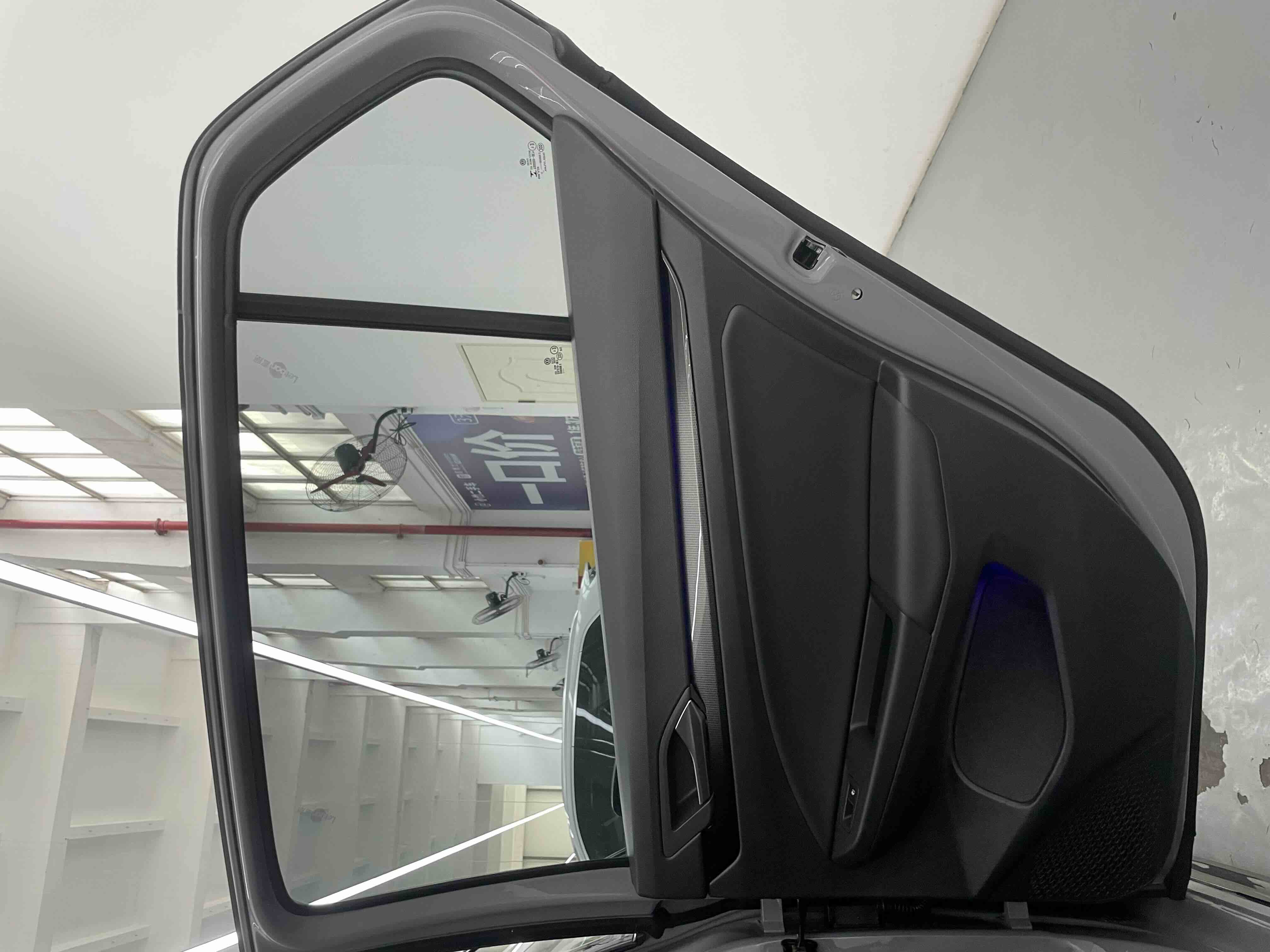
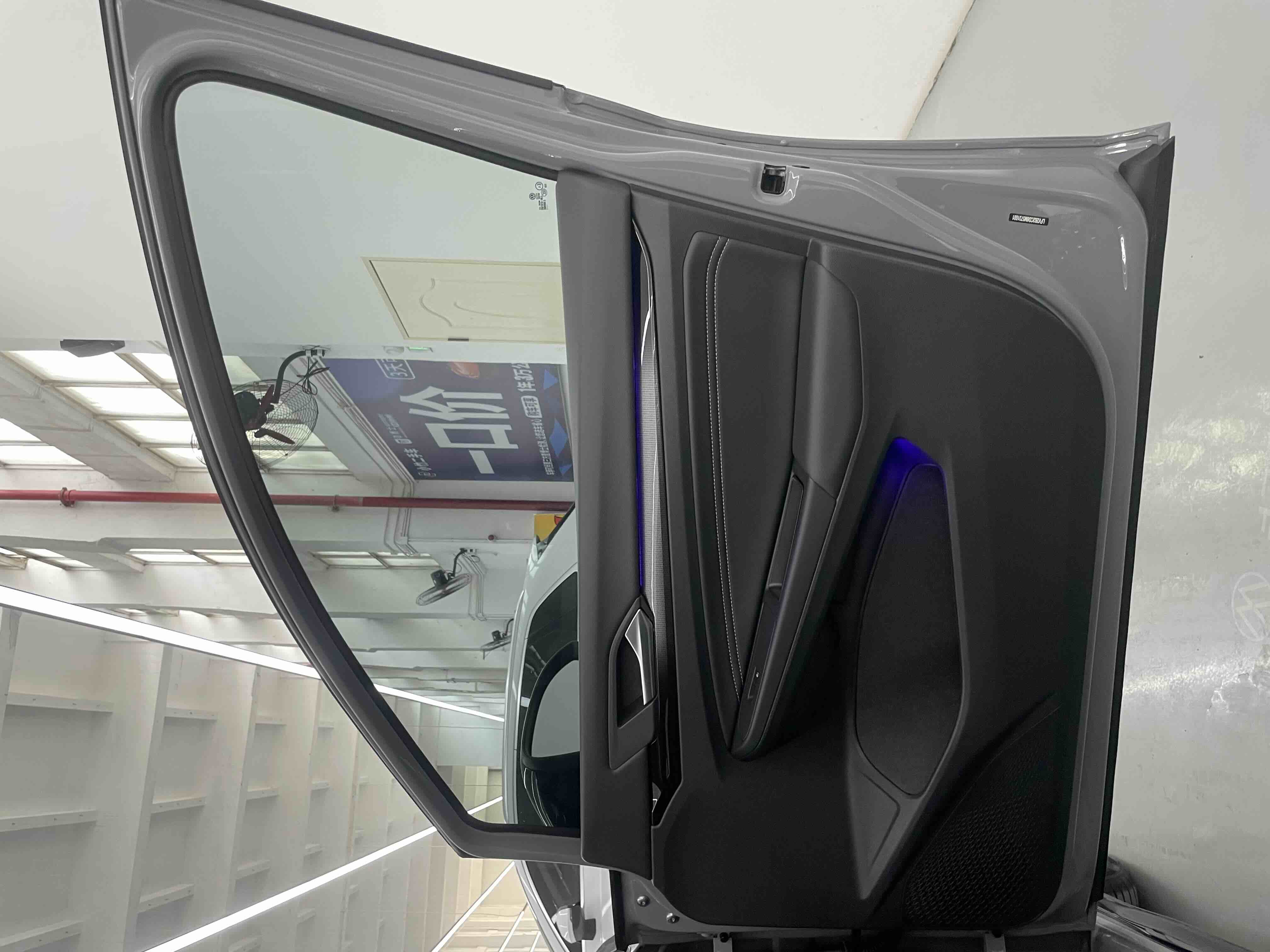
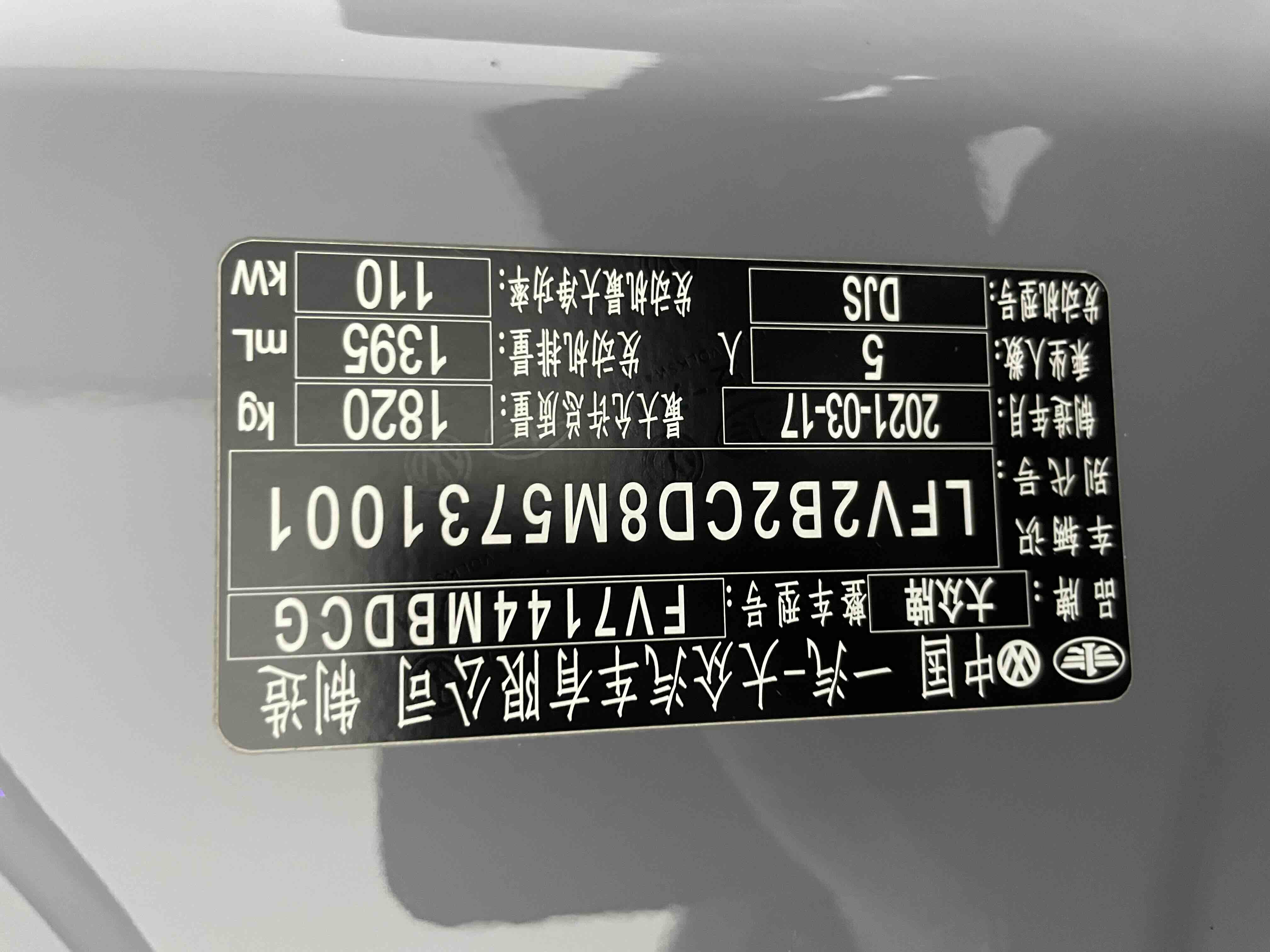
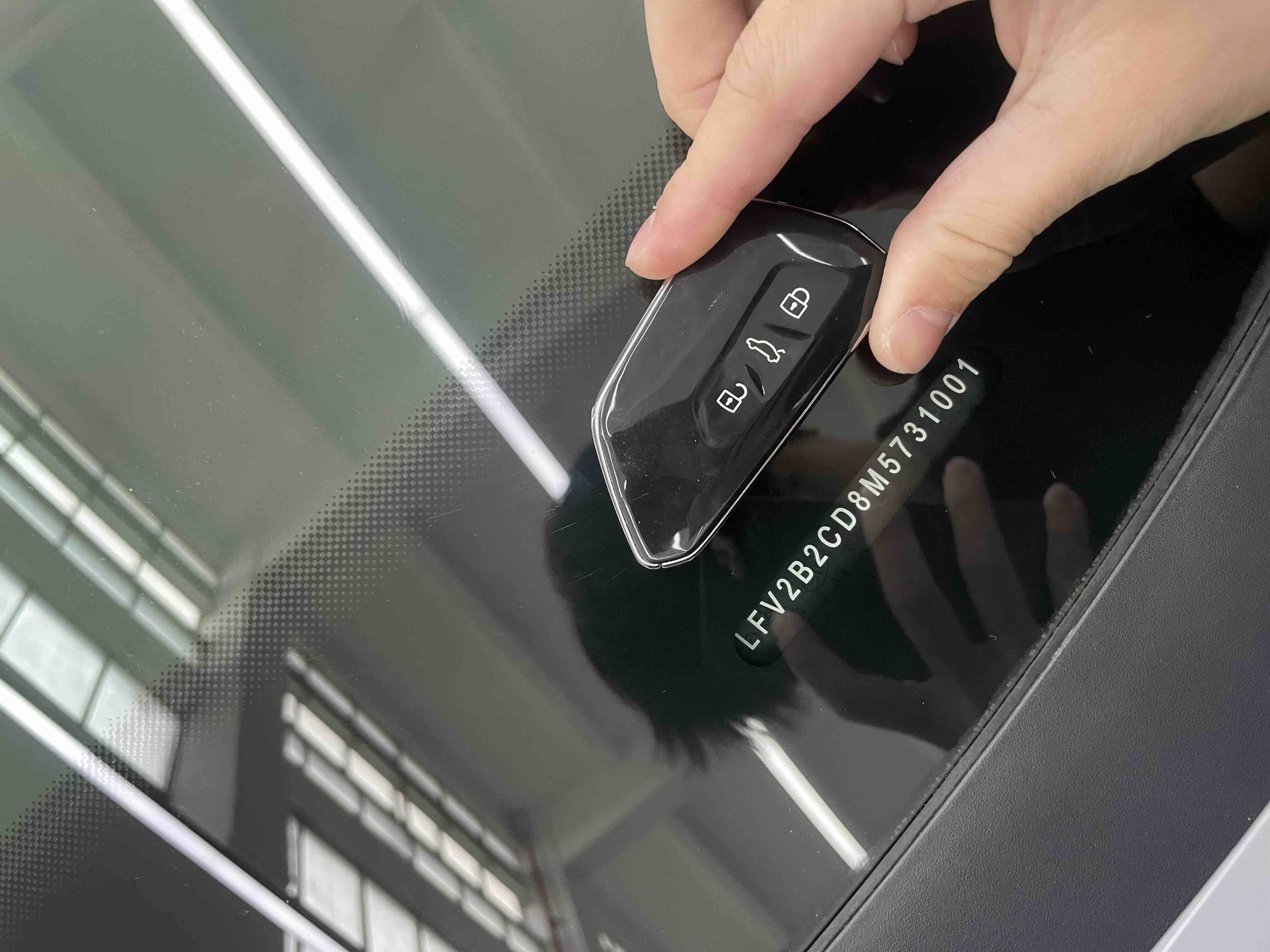
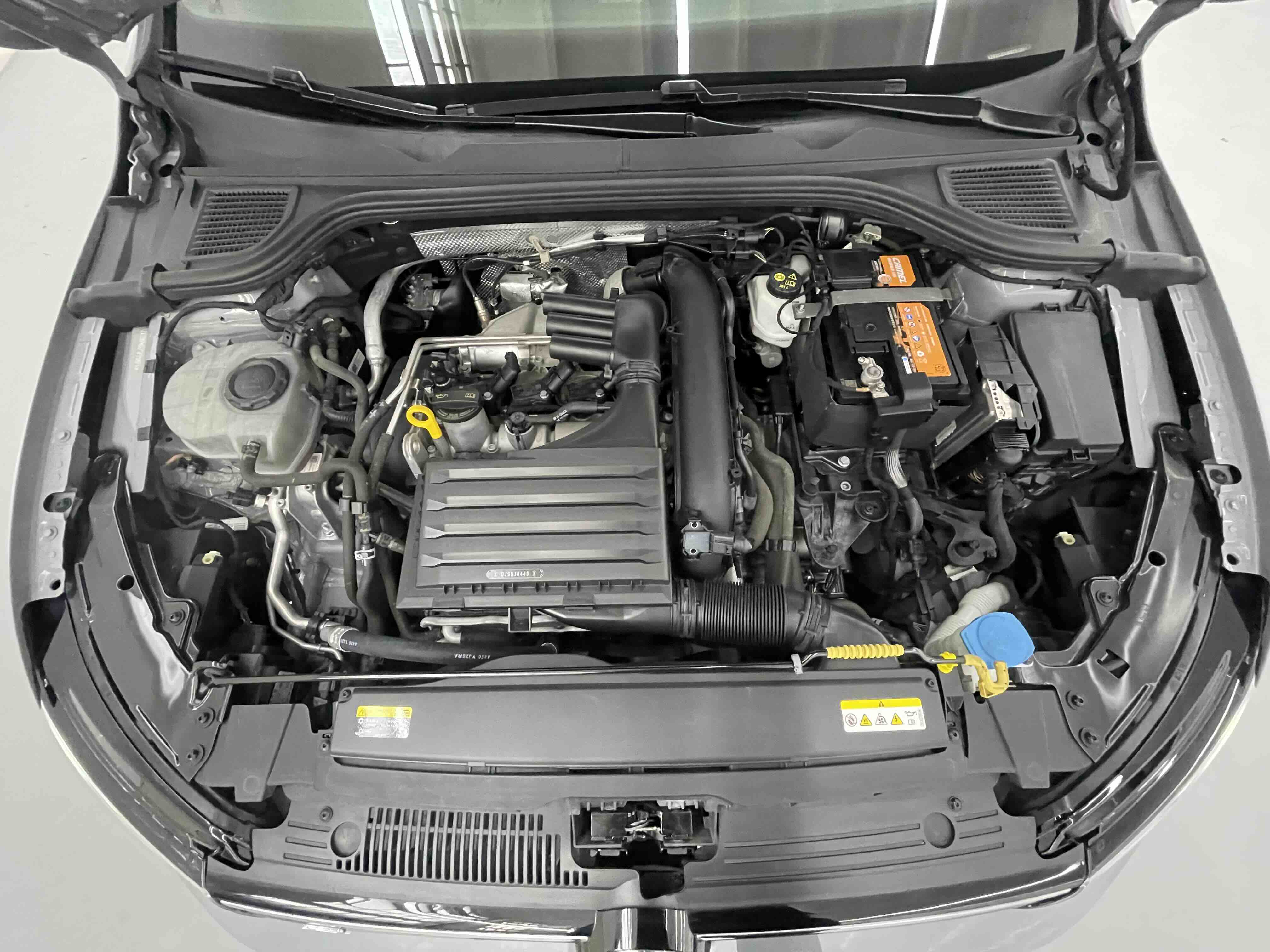



Basic Information

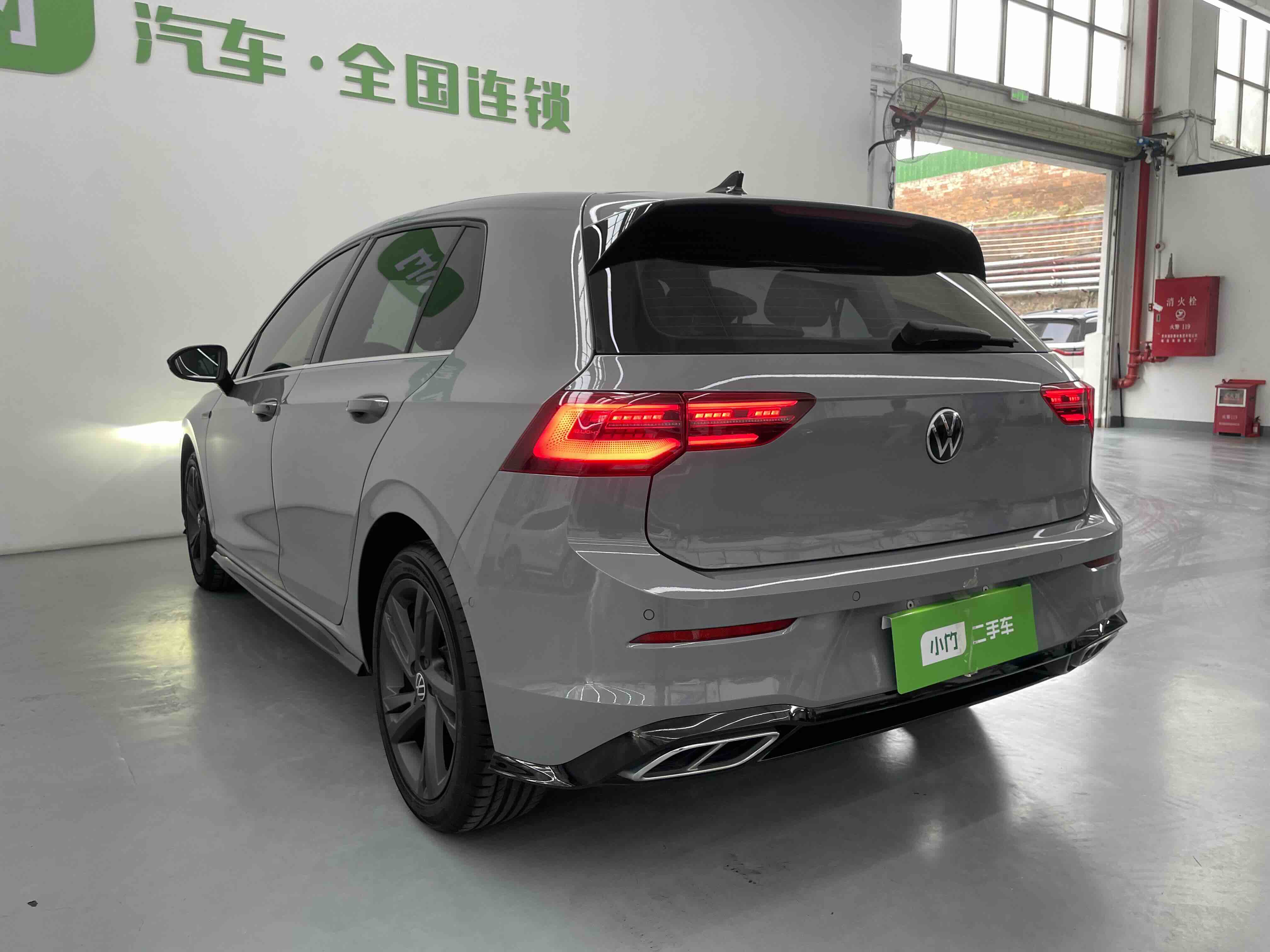
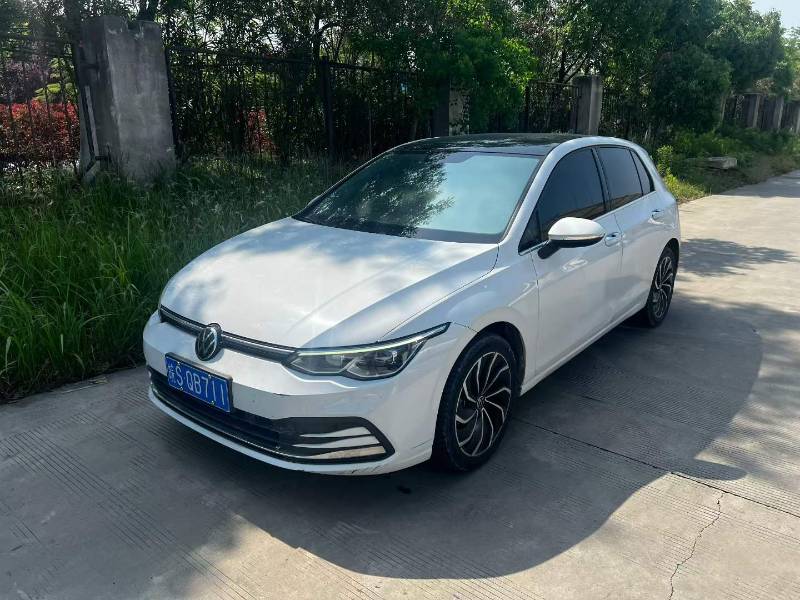
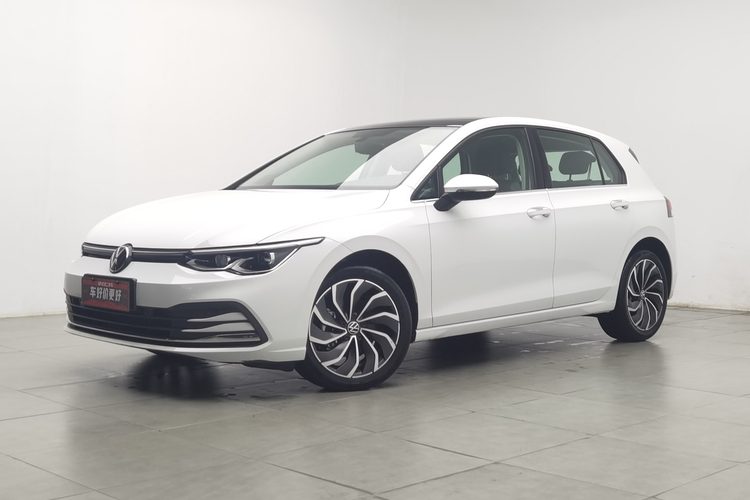
BrandVolkswagen
SeriesGolf
Year2021
First Registration2021/05
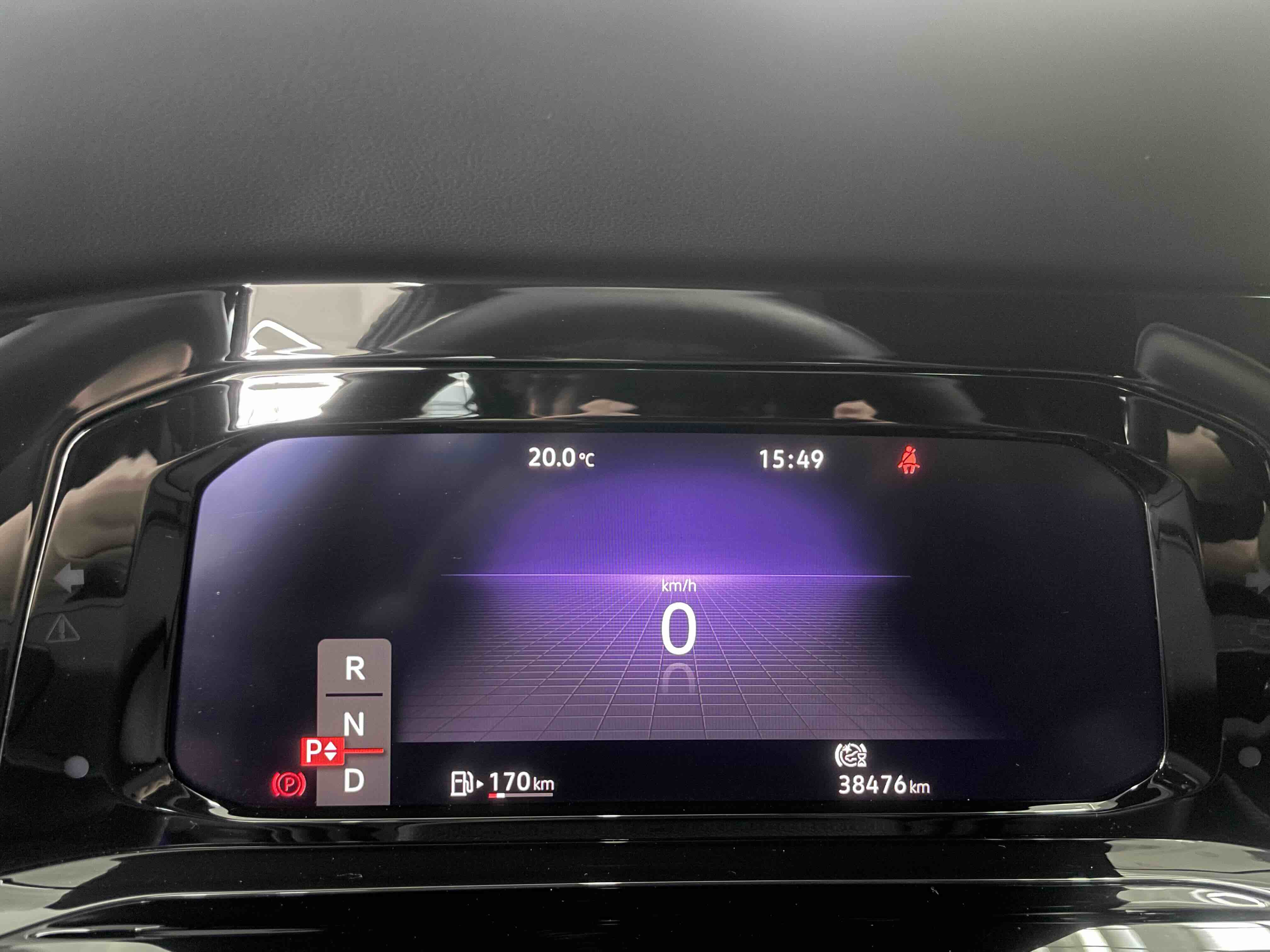
Mileage3.8km
Transfer Count-
FuelGasoline
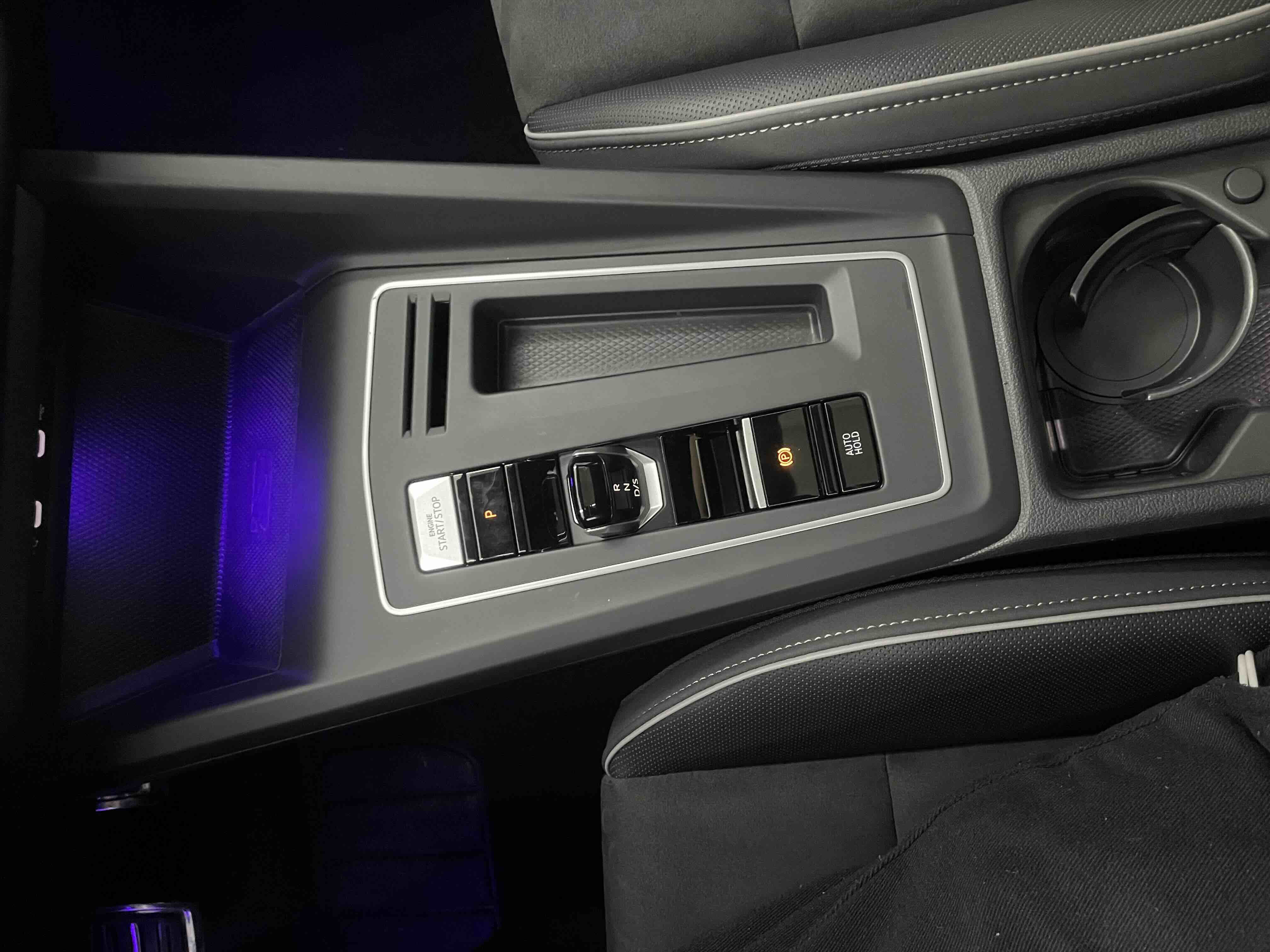
TransmissionDCT
Engine1.4T 150 L4
ColorGrey
Seats-

Condition Description

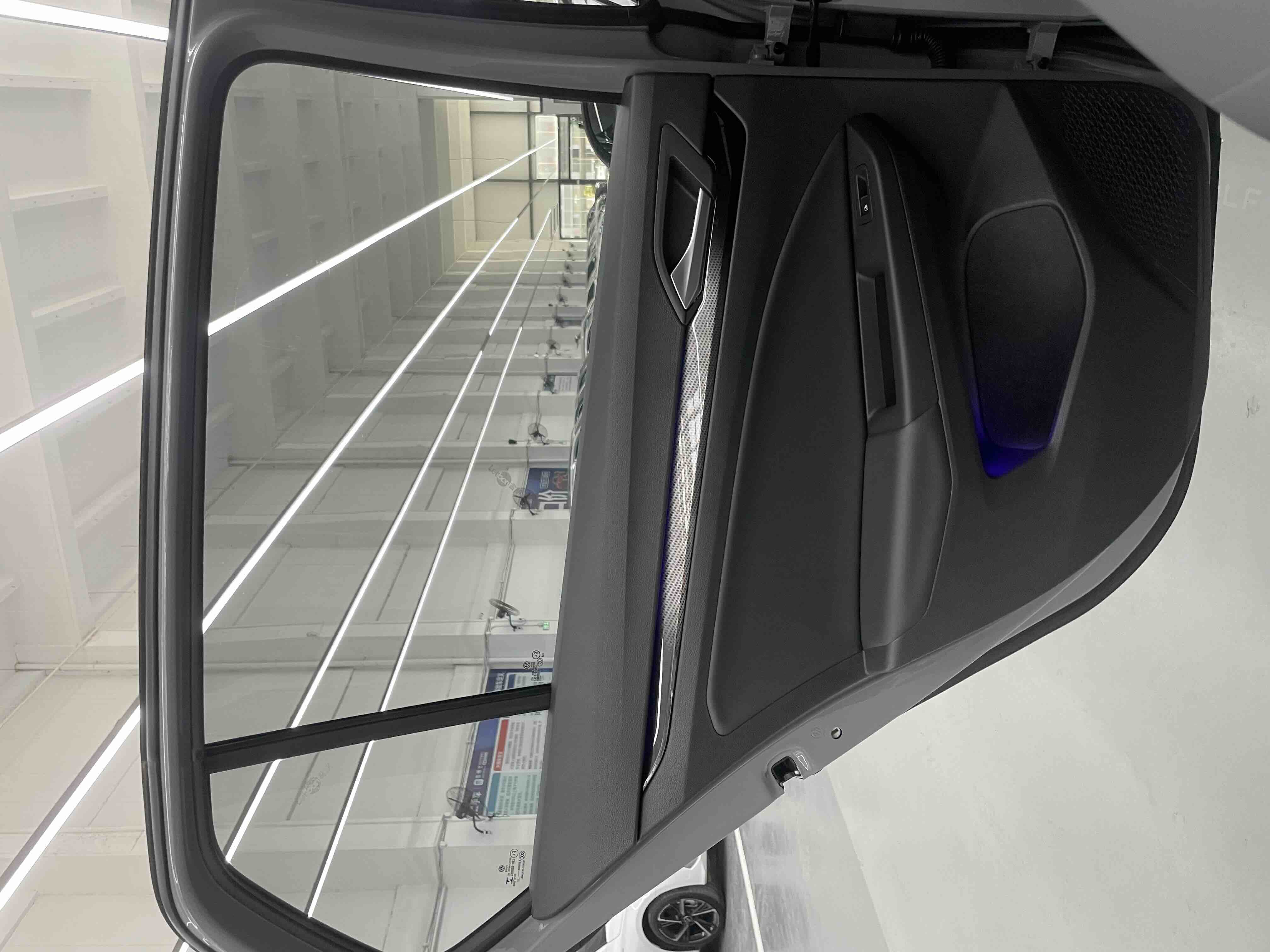
Manufactured in March 2021, 38,000 kilometers, there is a scratch from the left rear door to the left rear fender. (Data is being collected.)

Configuration Highlights

✓Driver/Passenger Airbags
✓Front/Rear Side Airbags
✓Front/Rear Curtain Airbags
✓Tire Pressure Monitoring
✓ISOFIX Child Seat Anchors
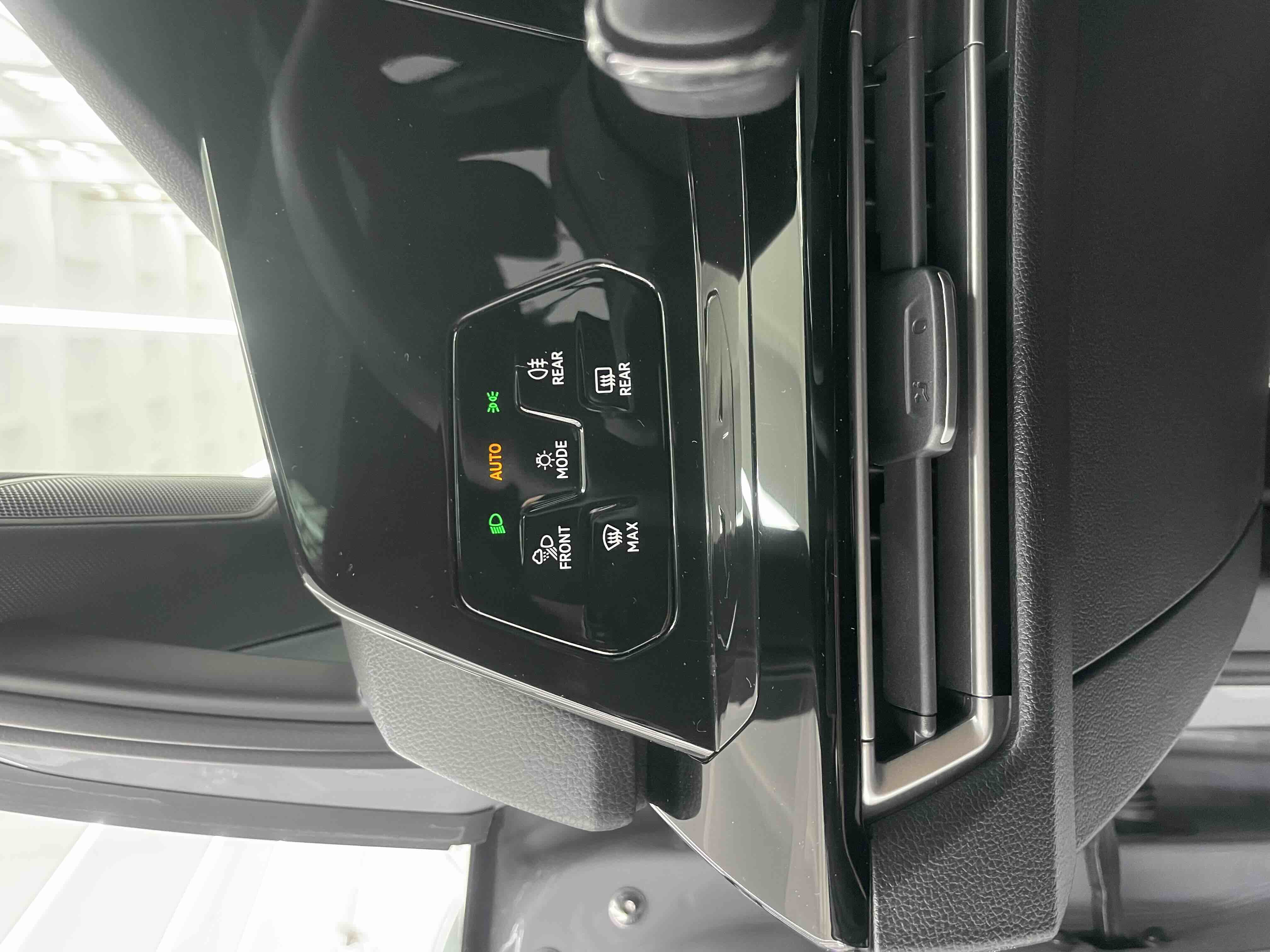
✓Keyless Start System
✓Keyless Entry System
✓ABS Anti-lock Braking
✓Electronic Brake Distribution
✓Electronic Stability Control
✓Hill Start Assist
✓Auto Hold
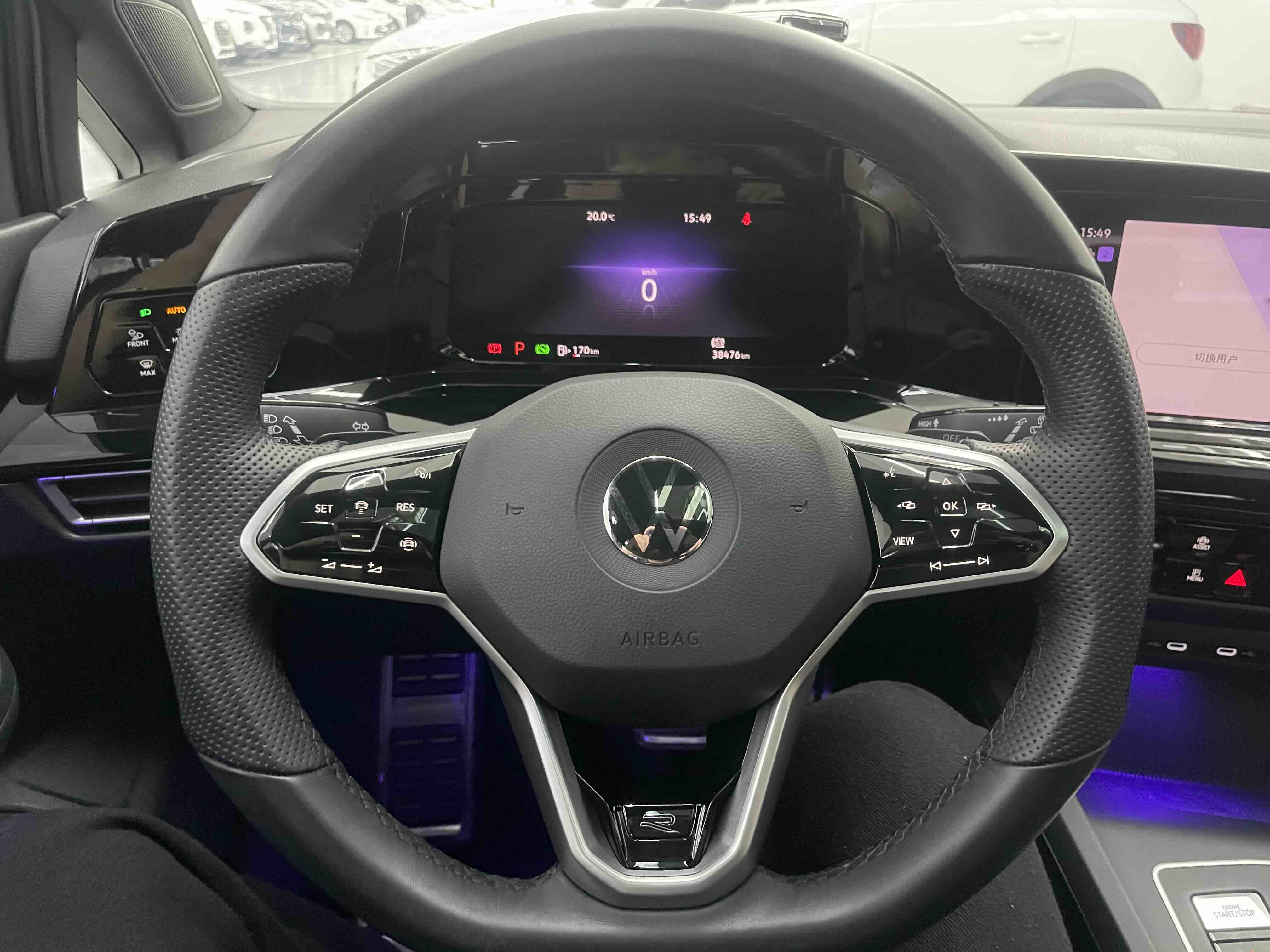
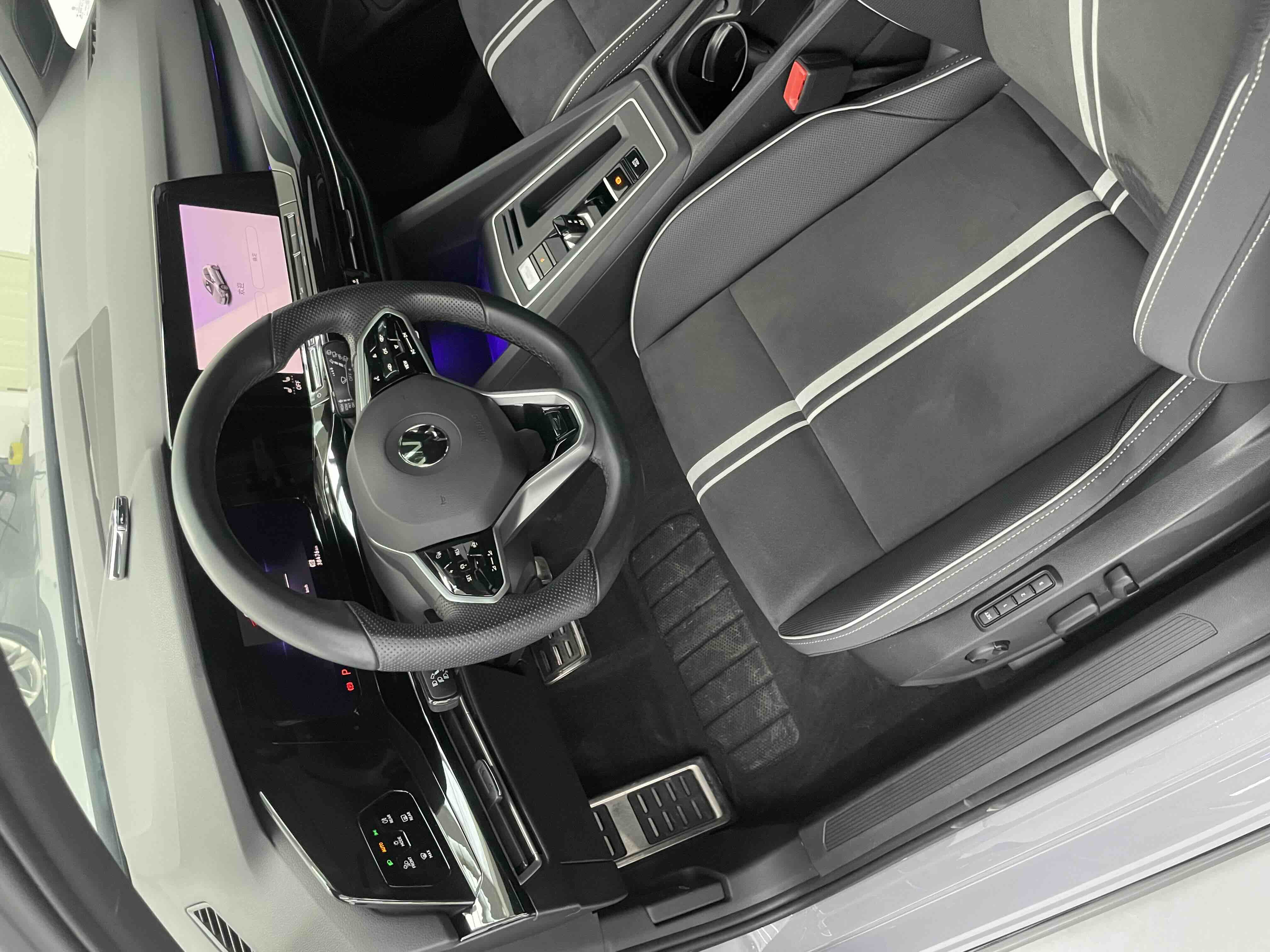
✓Multifunction Steering Wheel
✓Paddle Shifters
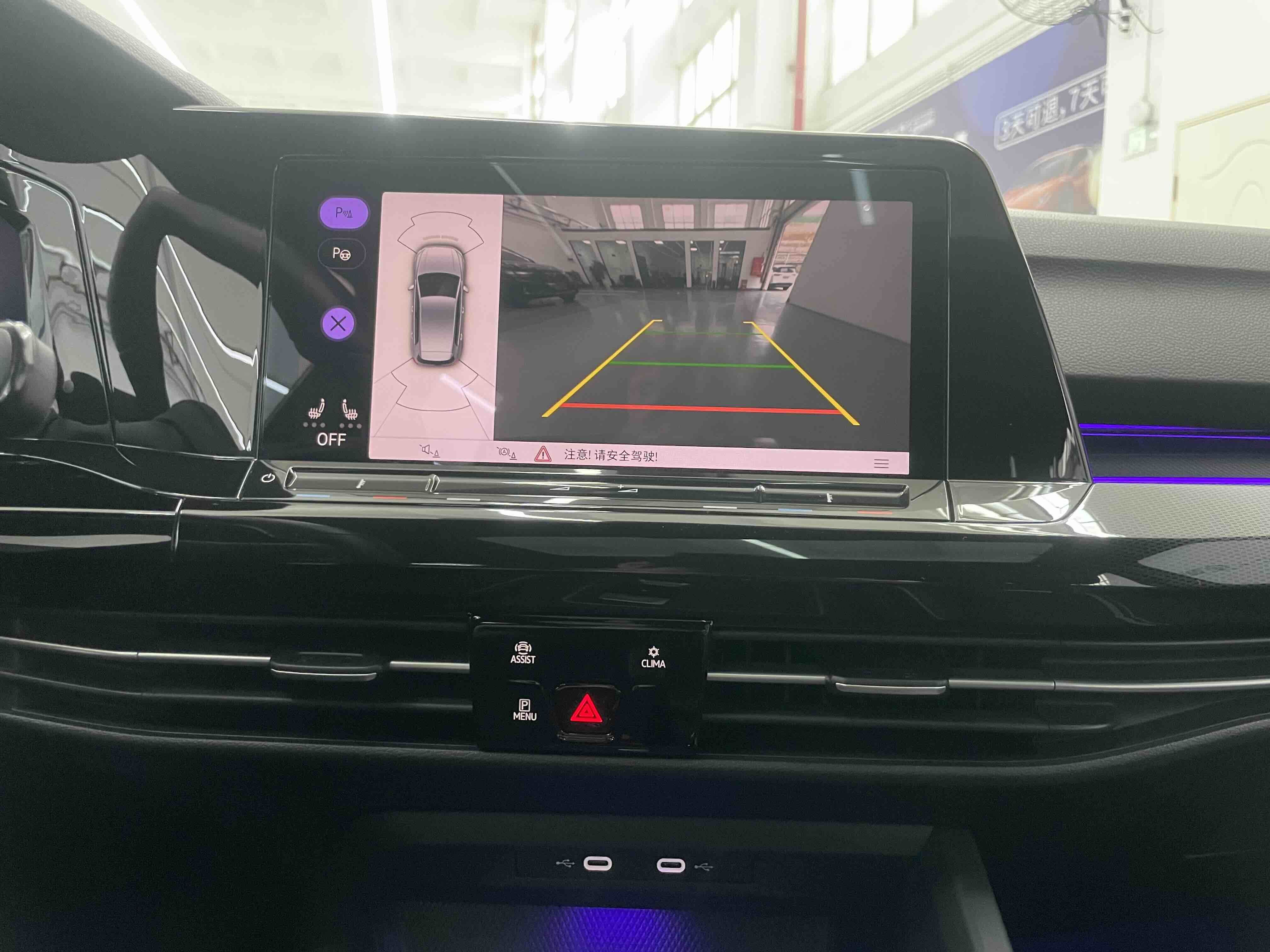
✓Front Parking Sensors
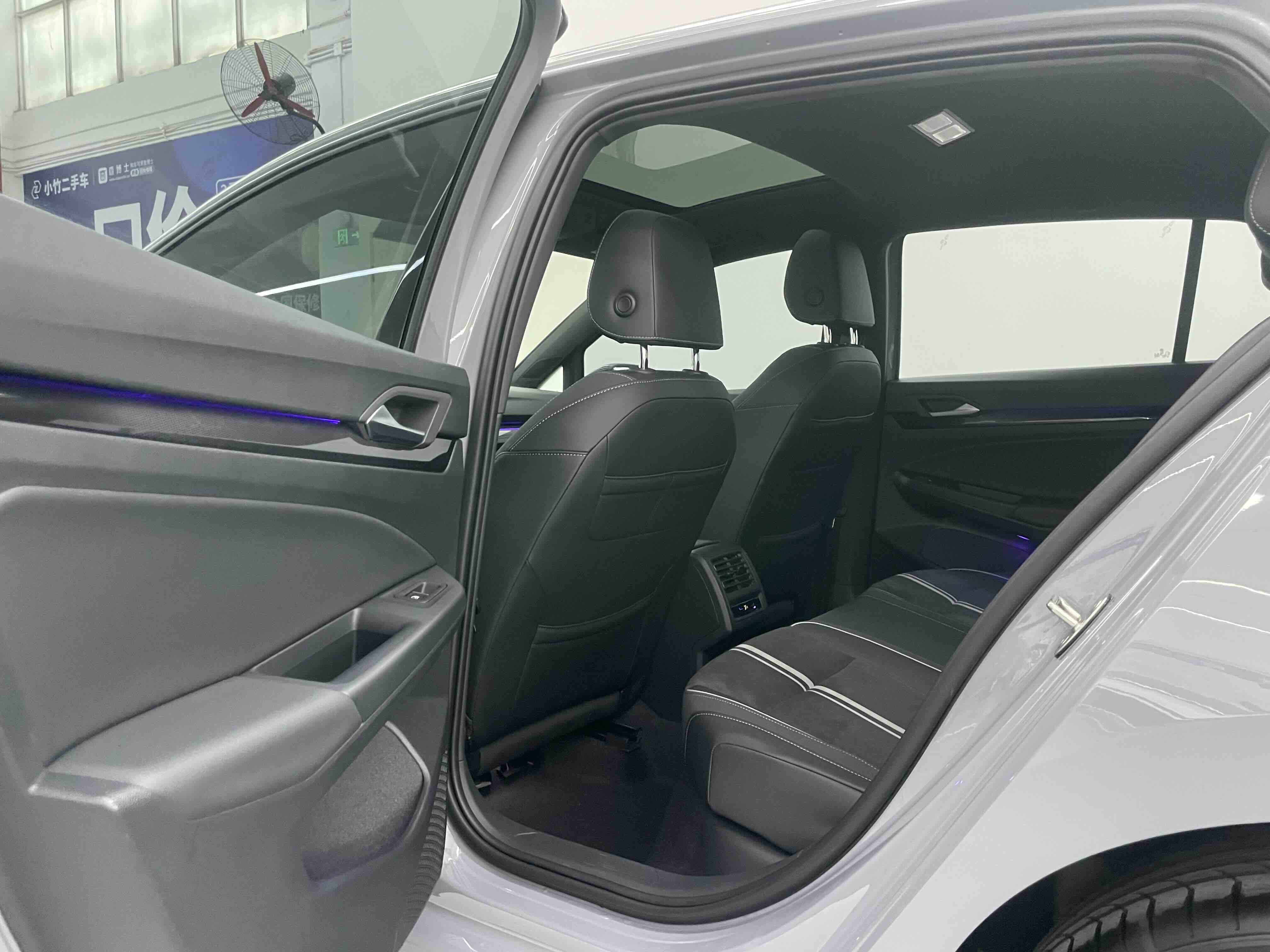
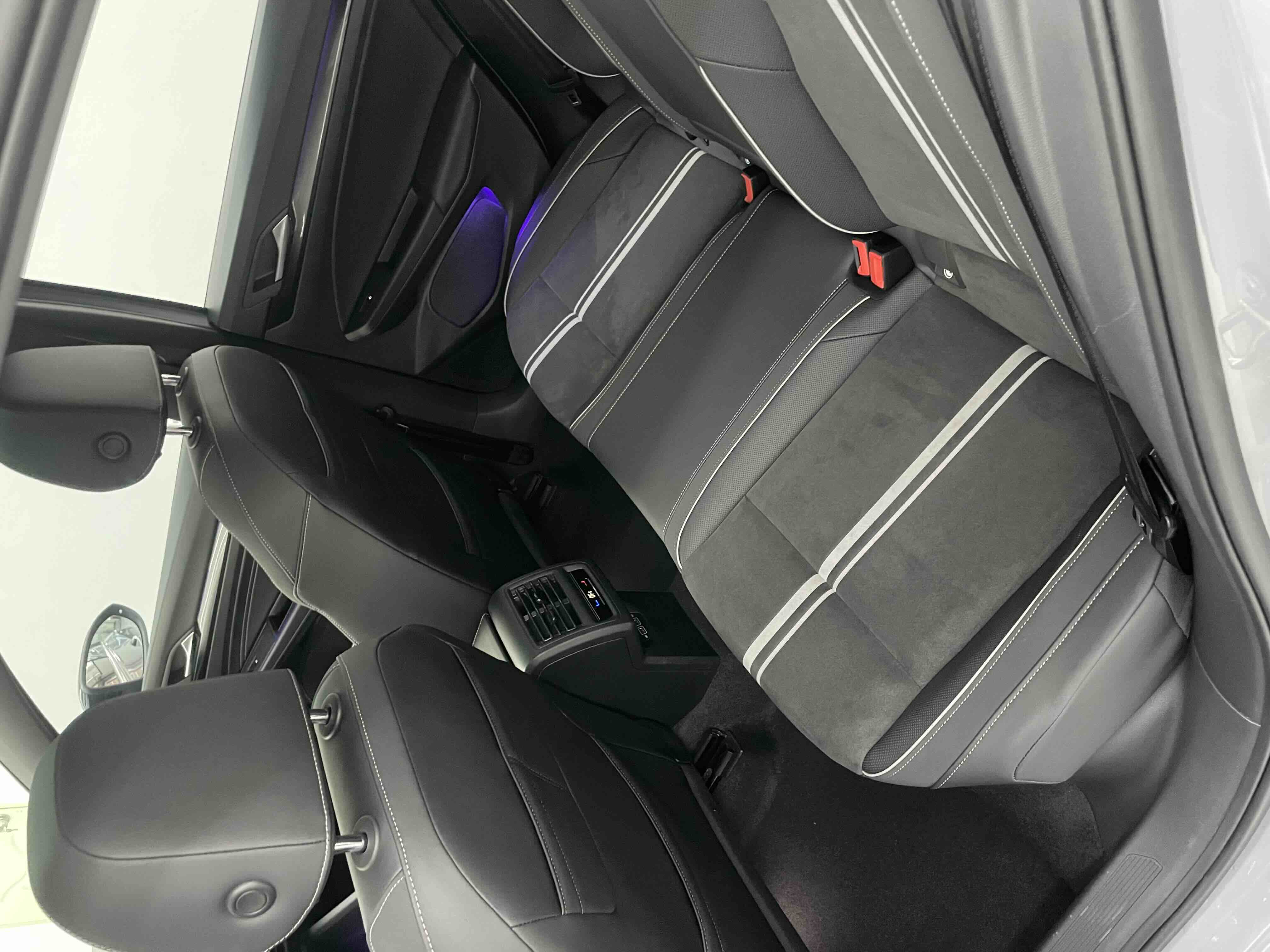
✓Seat Material
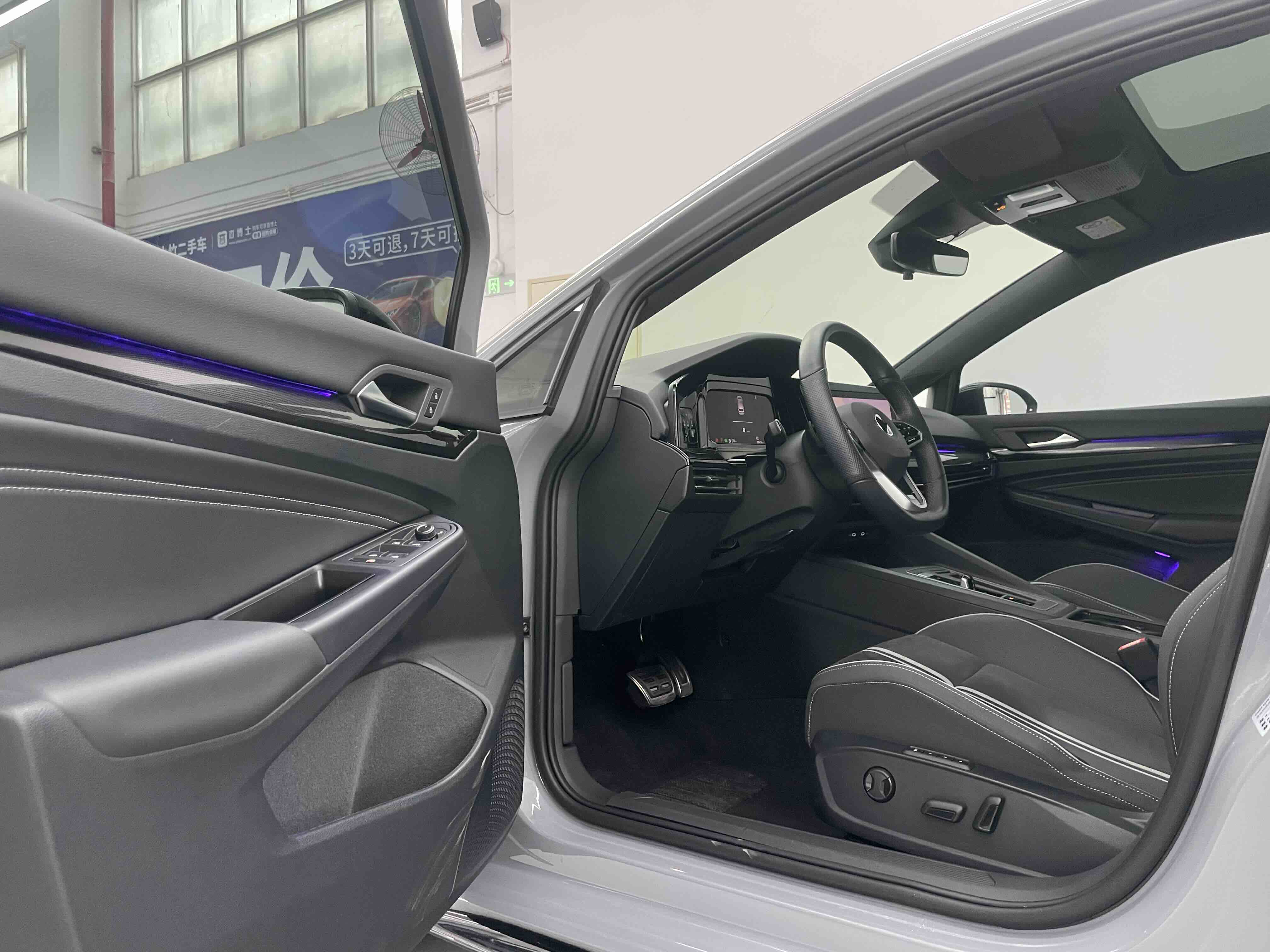
✓Driver/Passenger Power Seats
✓Rear Cupholders
✓GPS Navigation
✓Low Beam Headlights
✓Daytime Running Lights
✓Auto Headlights
✓Adjustable Headlight Height
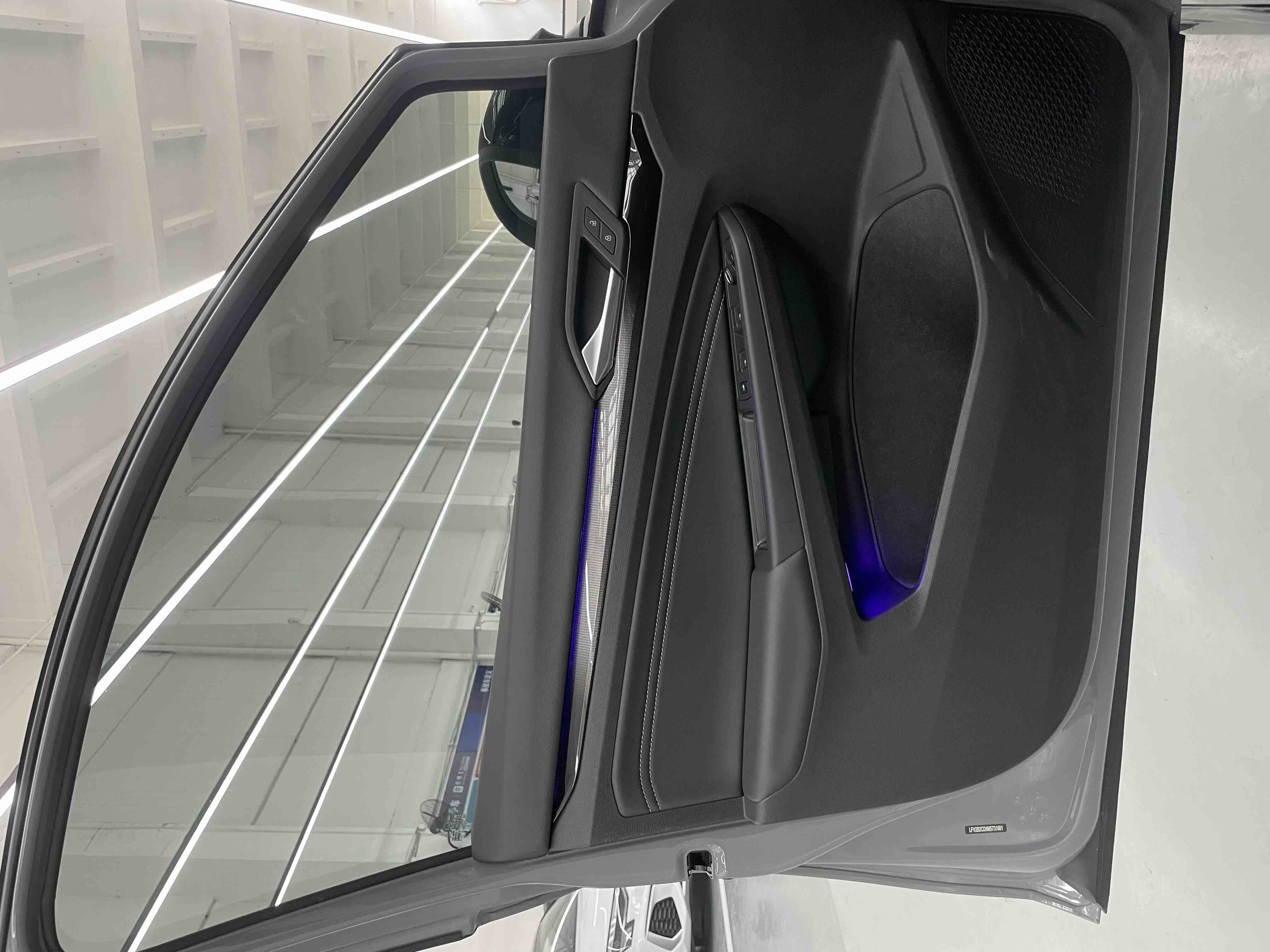
✓Power Windows
✓Anti-pinch Windows
✓Climate Control Type
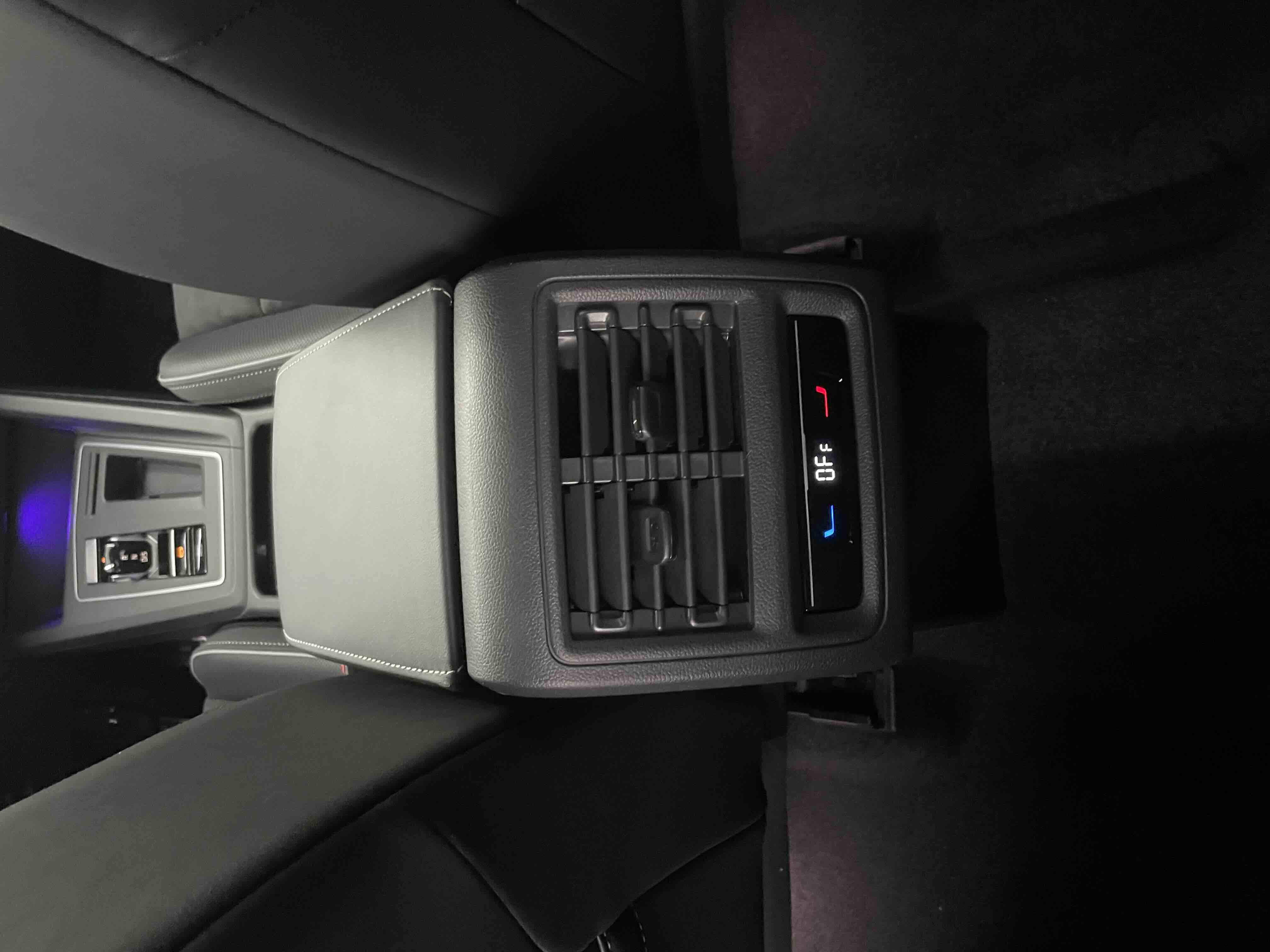
✓Rear Independent Climate Control
✓Rear Air Vents
✓Auto Park Assist
✓Start-Stop System
✓Blind Spot Assist
✓Active Safety System

Q&A

More

Will all electronic buttons in the car (windows, air conditioning, seat adjustments) undergo electrical testing?

Testing is mandatory. Troubleshooting electrical devices in the car is part of the standard procedure. We will test the window lift motors, mirror folding, air conditioning compressor and fan, electric seat tracks, etc. Any stuttering or failure of electronic components will be recorded.
If a car frequently transfers between extremely cold areas (like Northeast China) and extremely hot areas (like Hainan), would you provide special risk warnings?

Absolutely. The extreme temperature fluctuations will significantly accelerate the aging of chassis rubber parts, oil seals, and interior plastics. For vehicles frequently dispatched across such latitudes, we will conduct fatigue resistance checks on chassis rubber parts that are twice as stringent as those for vehicles in temperate regions.

Is there a specific testing process for the smooth transition between the engine and motor in hybrid (HEV/PHEV) vehicles?

Yes. For hybrid vehicles, technicians will conduct forced switching tests between EV (electric) and HEV (hybrid) modes, focusing on the sensation of clutch engagement and reading the hybrid system's specific fault codes to ensure the complex dual power system operates correctly.