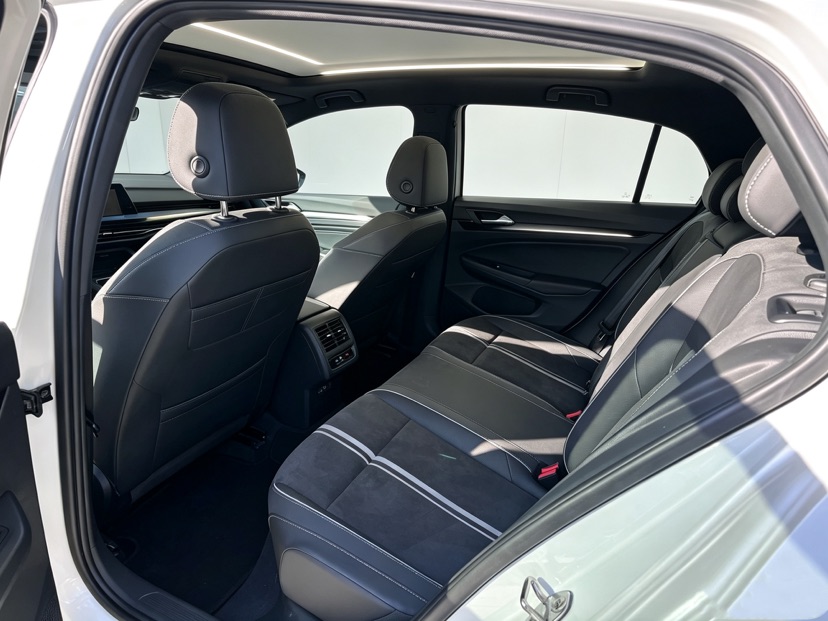
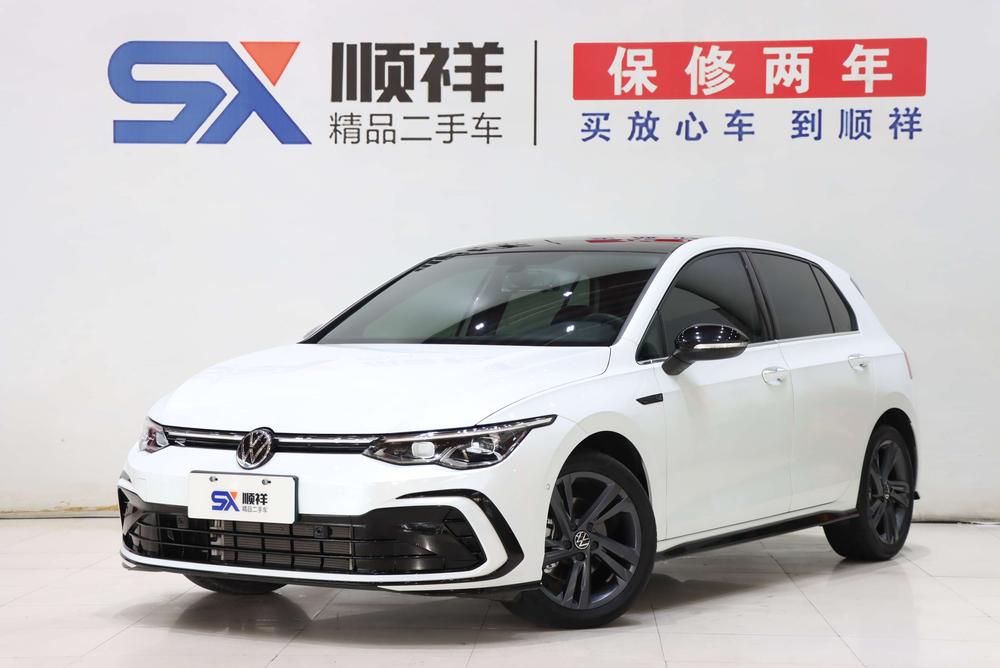
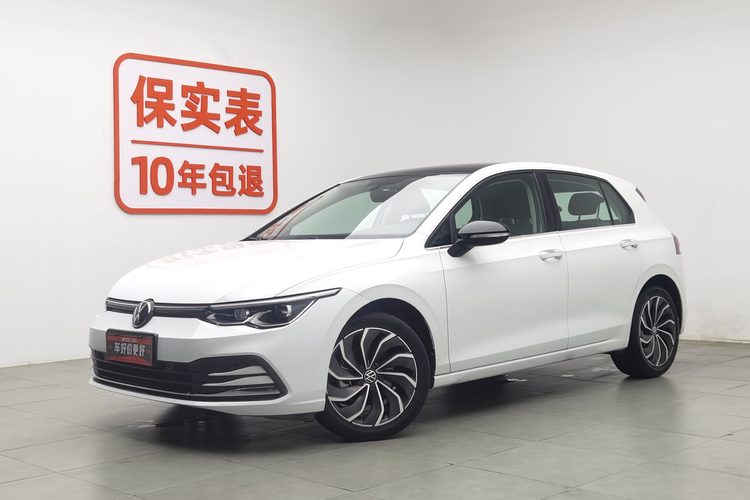
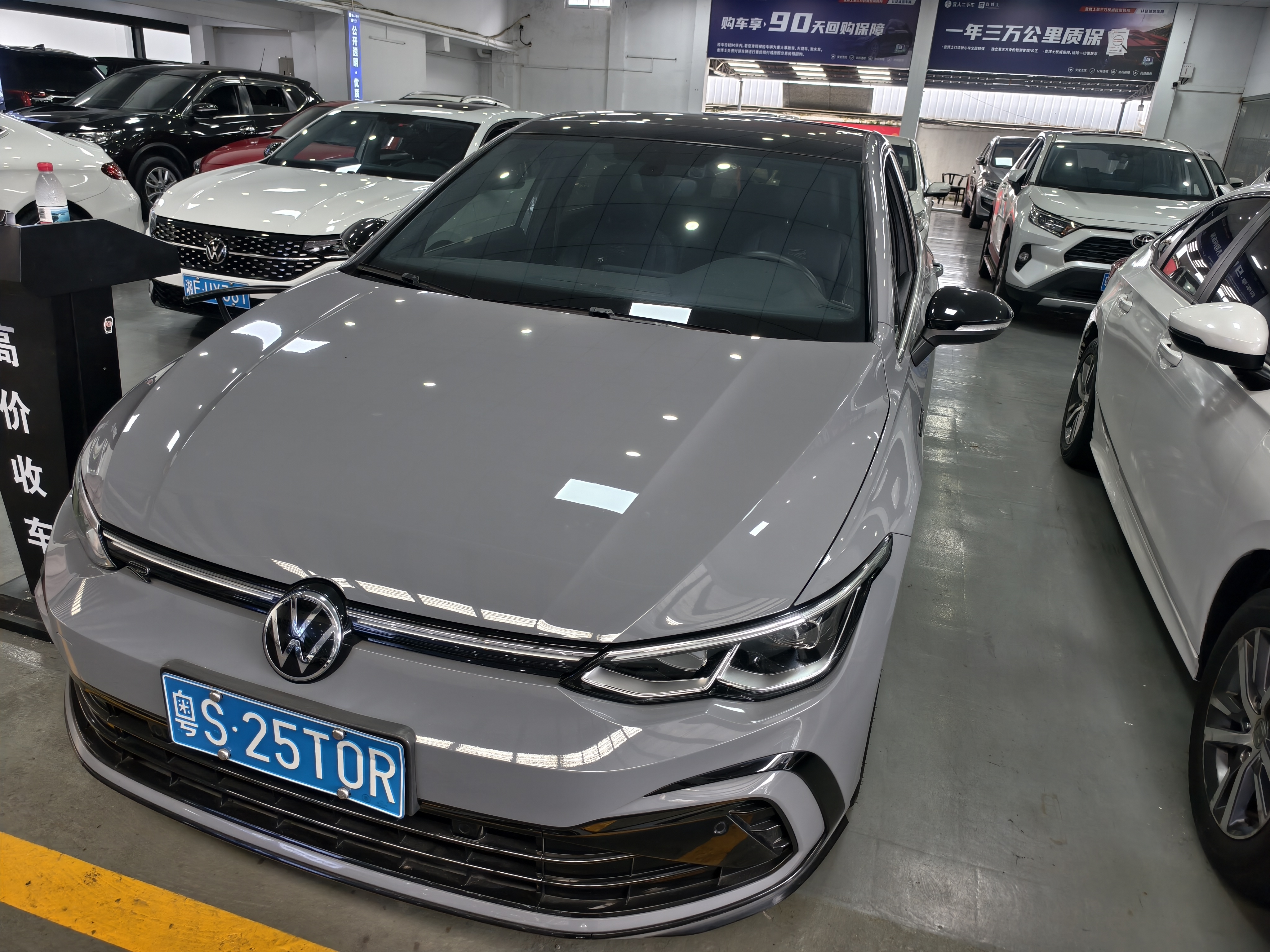
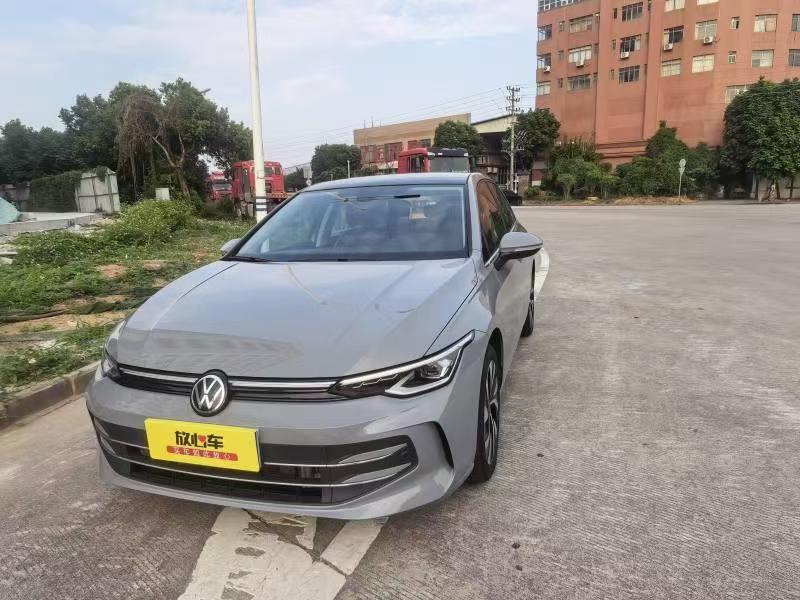
Basic Information

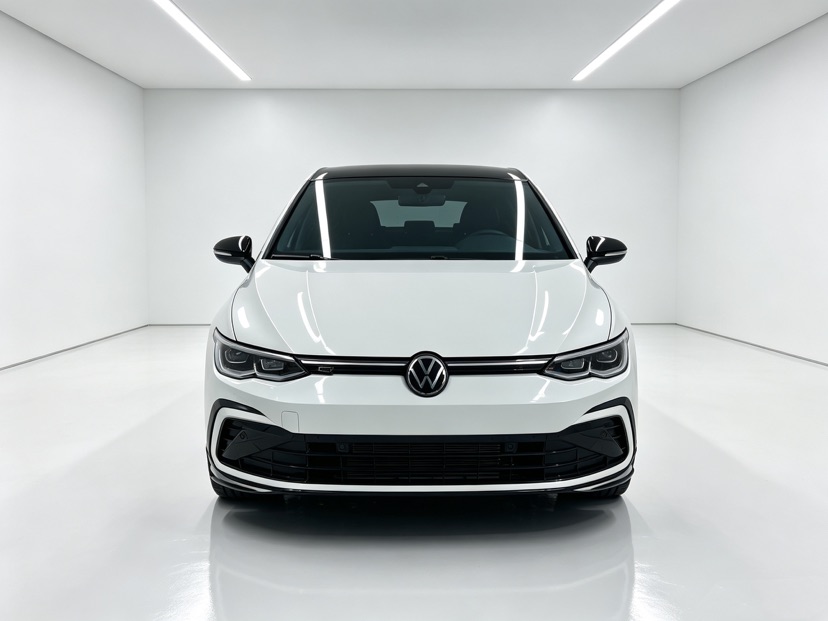
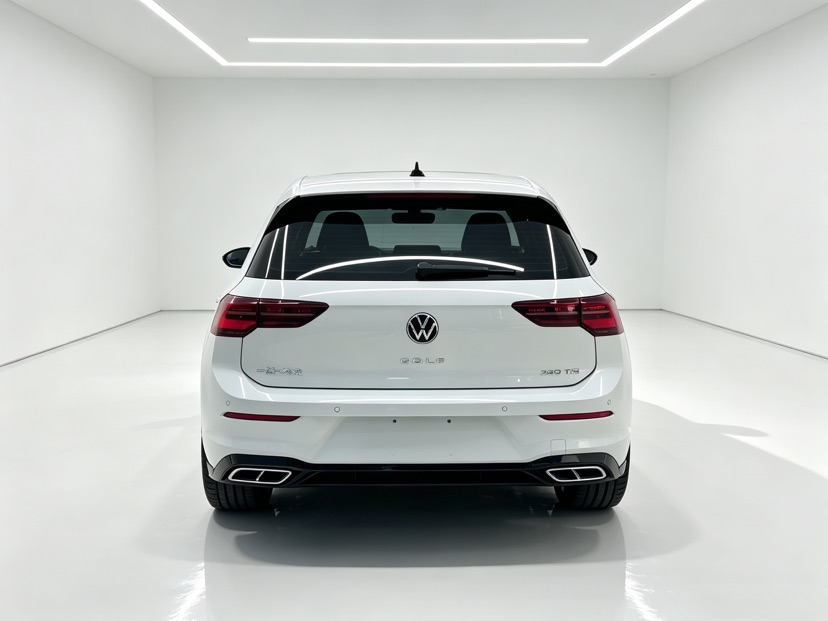
BrandVolkswagen
SeriesGolf
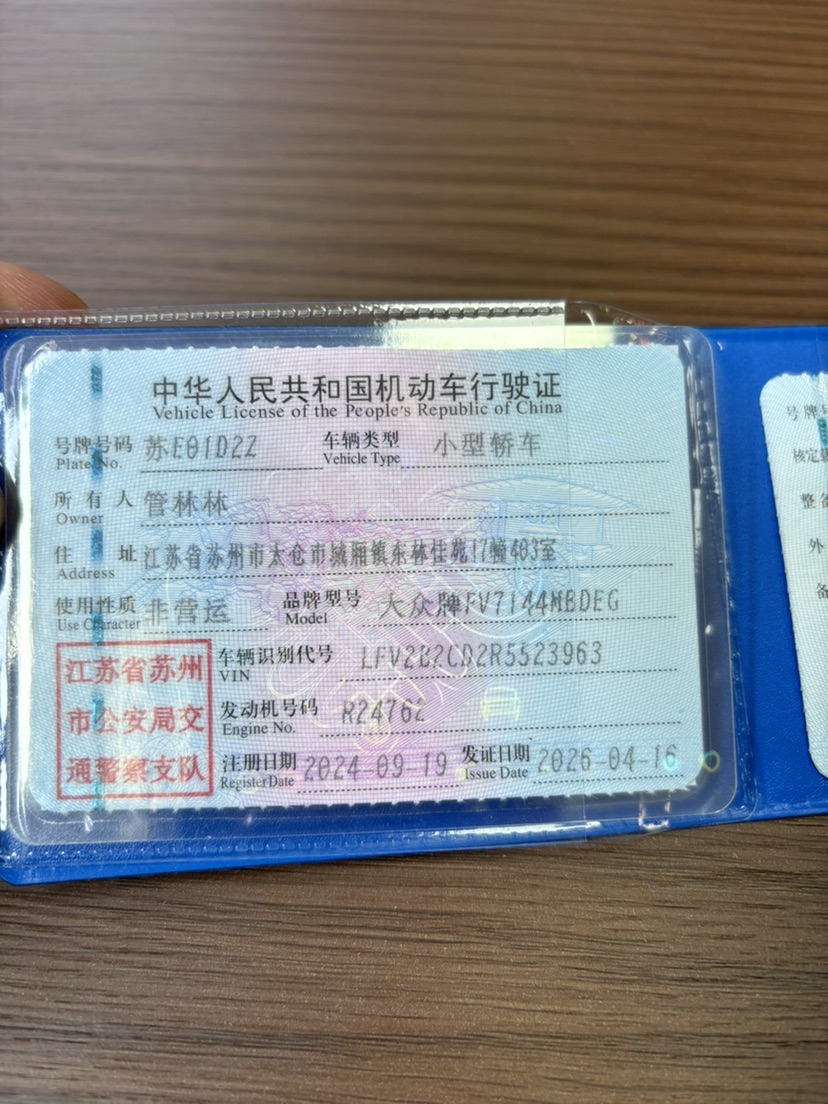
Year2024
First Registration2024/09
Mileage5,900km
Transfer Count1times
FuelGasoline
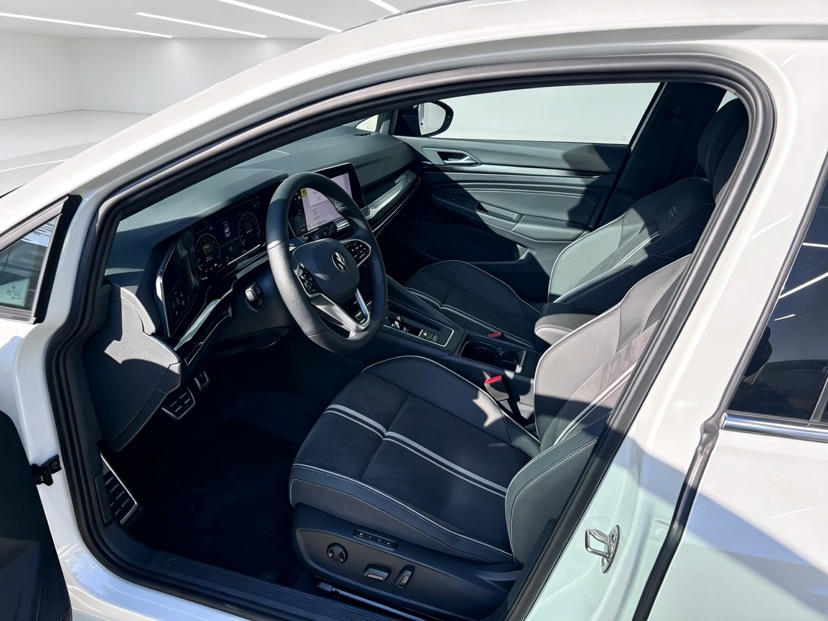
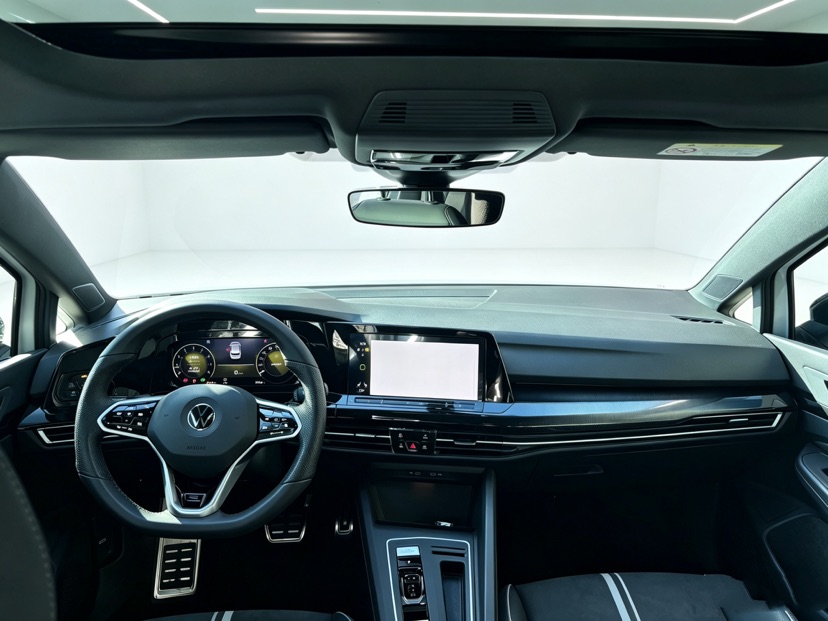
TransmissionDCT
Engine1.4T 150 L4
ColorWhite
Seats-

Condition Description

Third-party inspection failed; rear fender panel repair.

燃油车
轿车
自动
维保开放
事故开放
查验开放

Configuration Highlights

✓品牌: 大众
✓车系: 高尔夫
✓车型: 2024款 280TSI DSG R-Line 50年传奇版
✓车身类型: 轿车
✓座位数: 5
✓排量: 1.4T
✓变速箱: 自动
✓能源类型: 燃油车
✓VIN: LFV2B2CD2R5523963
✓搜索关键词: 大众高尔夫 2024款高尔夫280TSIDSGR-Line50年传奇版

Document Information

Inspection Expiry Date2028/09
Warranty Expiry Date-
Insurance Expiry Date2027/09

Q&A

More

How long can you hold this car for me after the deposit is paid?

Our standard holding period is 3 business days after the deposit is paid (based on the timestamp of the payment slip). The domestic used car market in China moves very quickly, and if we do not receive the bank message confirming the deposit within the specified time, the system will automatically release the hold, and the vehicle will be re-listed for public sale.

What should I do if the consignee information on the Bill of Lading is incorrect?

Be sure to verify the draft Bill of Lading as soon as possible after the ship departs. Once the original is issued, changes will incur high amendment fees and may prevent the customer from picking up the goods.

Local mechanics in my country are not familiar with Chinese cars. How do I get technical support, wiring diagrams, or repair guidance after importing?

This is a common issue, and there are several practical ways to get your Chinese car serviced locally. 1. Ask the exporter before buying: many professional exporters can provide workshop manuals, wiring diagrams, or diagnostic software for the models they sell. Put this in writing in your purchase agreement. 2. Use online communities: Chinese brands like BYD, Chery, Geely, and Haval have active owner forums and Facebook/Telegram groups in Russia, Central Asia, the Middle East, and Latin America where wiring diagrams and repair procedures are shared. 3. OBD diagnostic tools: most Chinese cars from 2016 onward support standard OBD-II protocols. A tool that reads manufacturer-specific codes (not just generic ones) helps any mechanic identify faults. Ask the exporter which protocol your model uses. 4. Video call assistance: some exporters offer paid remote support where their technician guides your local mechanic via video call — agree on rates and availability in advance. 5. Parts cross-referencing: many Chinese cars share platforms and components; experienced mechanics can match brake pads, filters, and sensors to cross-compatible parts available locally. Key point: choose a brand with existing presence in your region — the larger the local fleet, the easier support becomes.