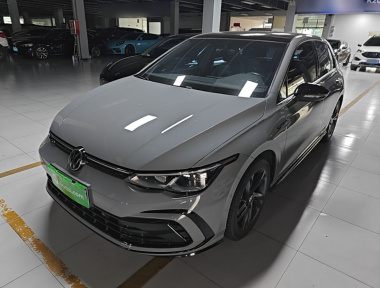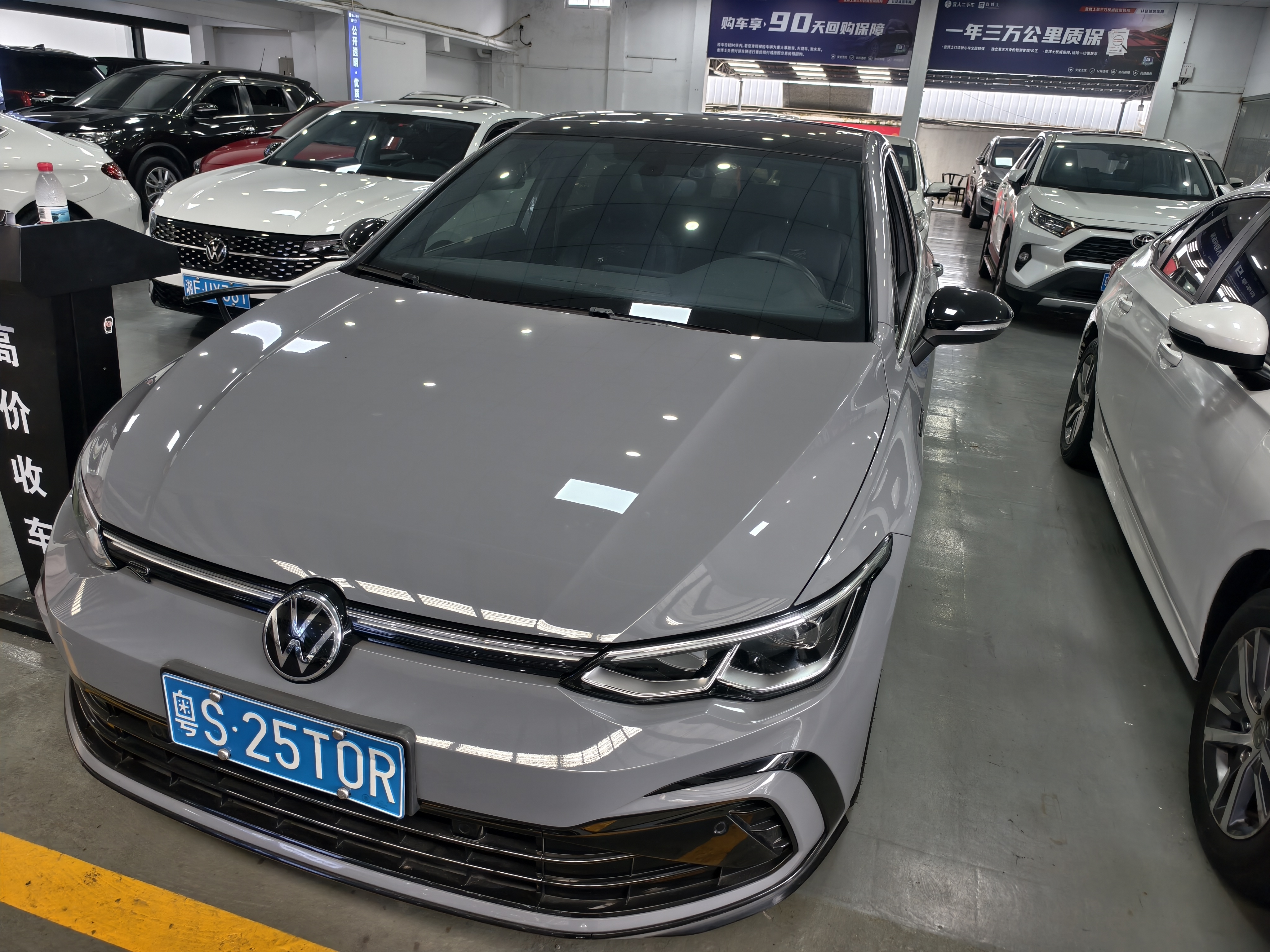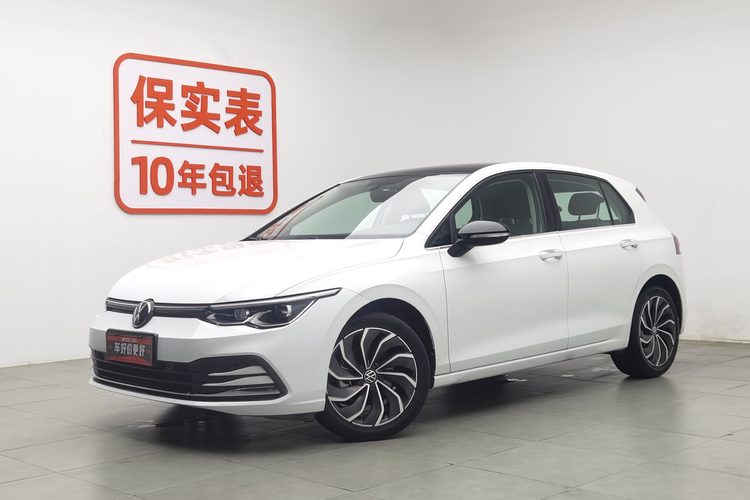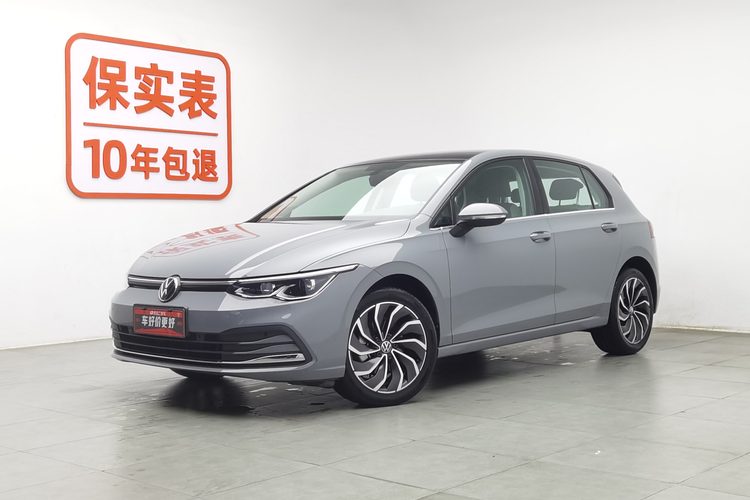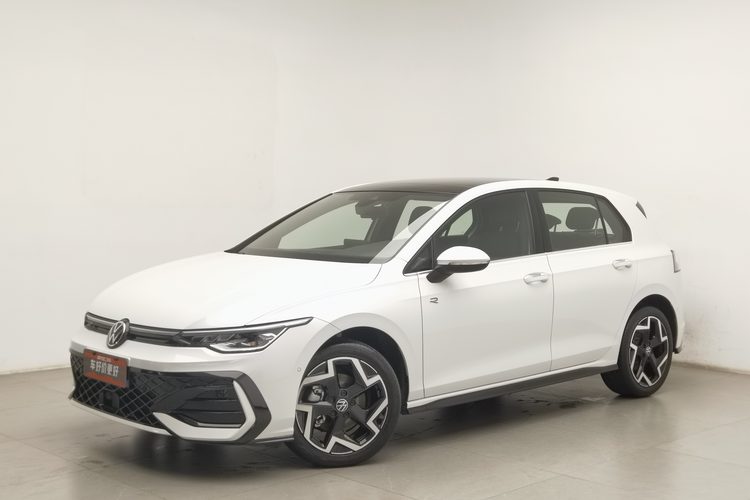
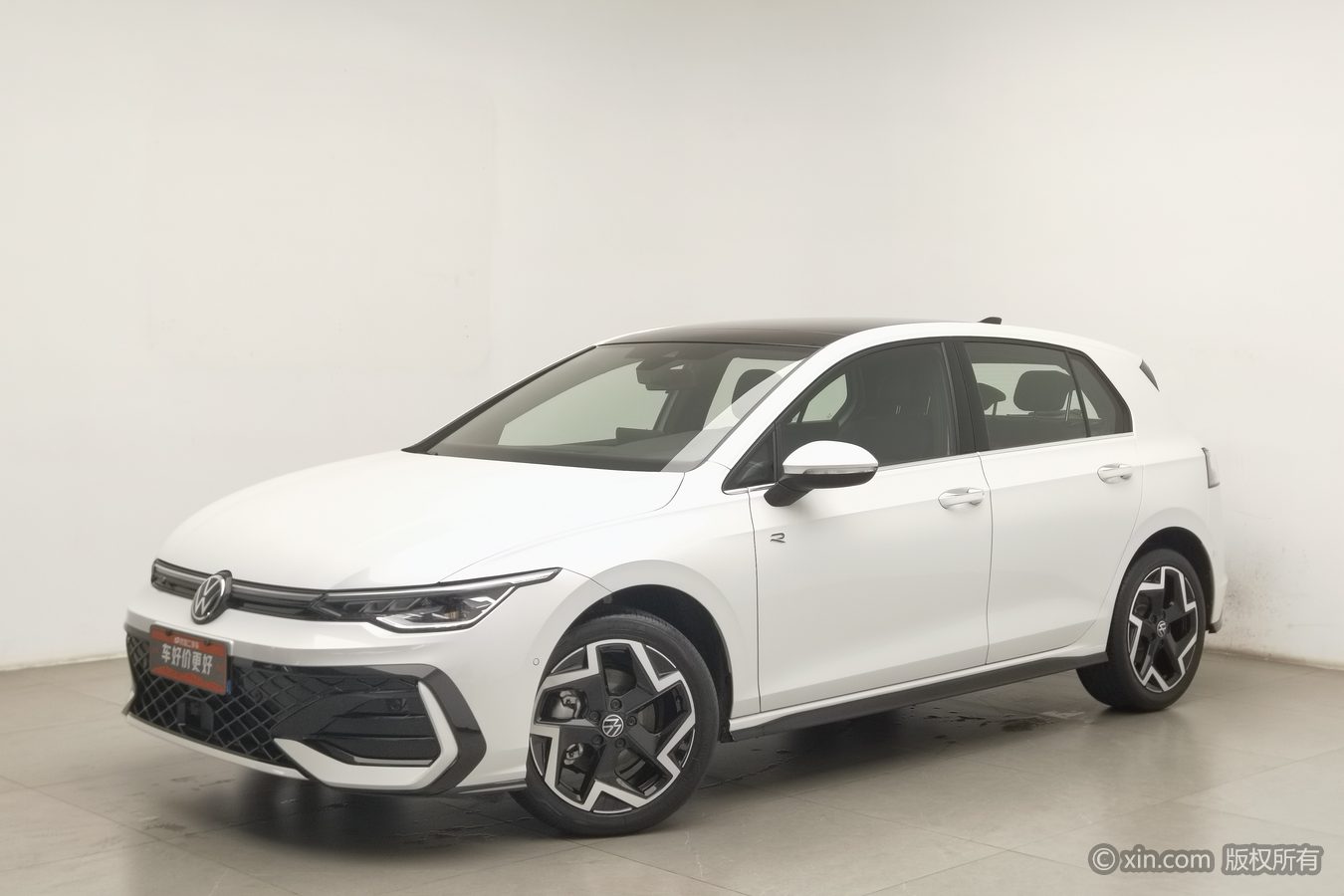
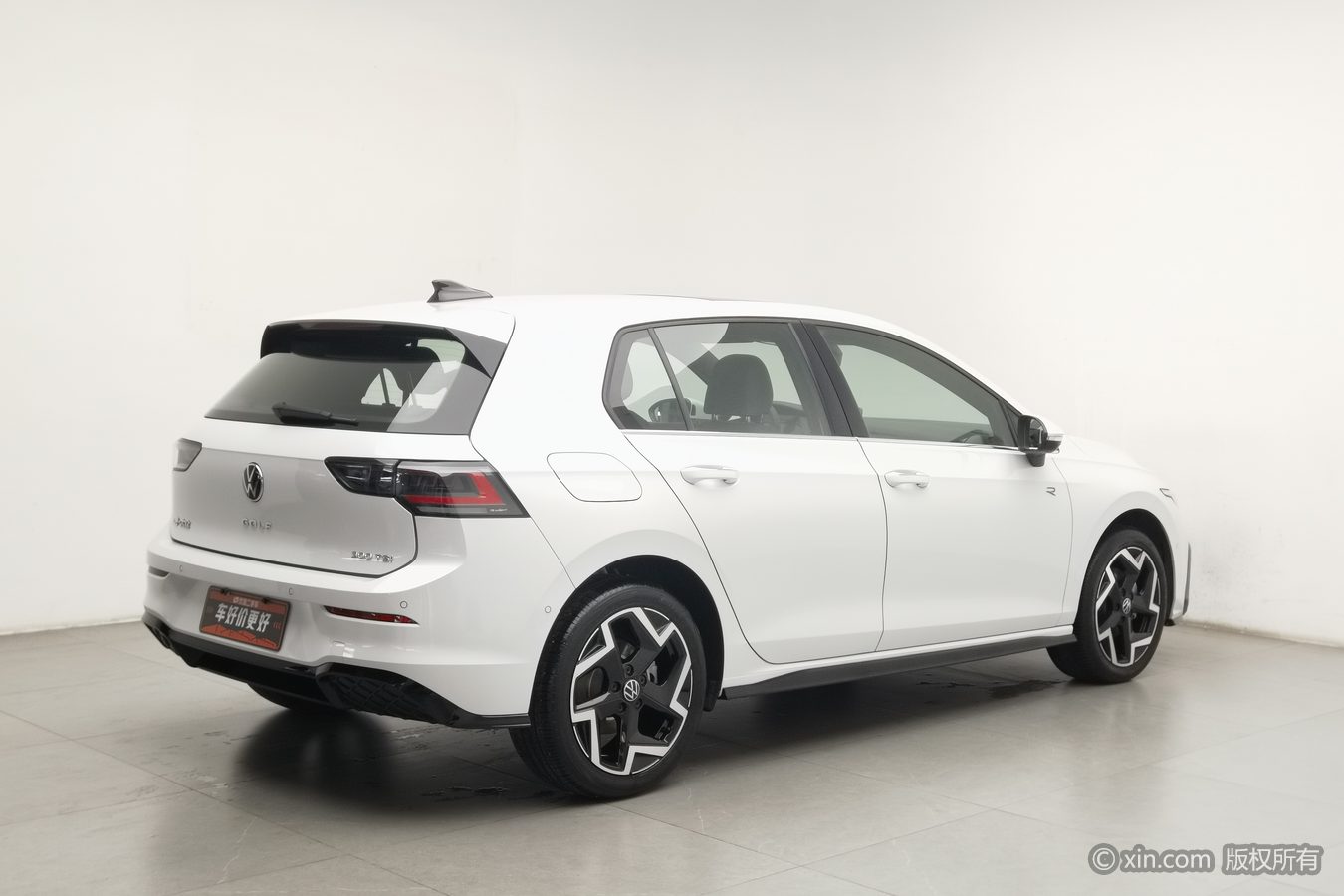
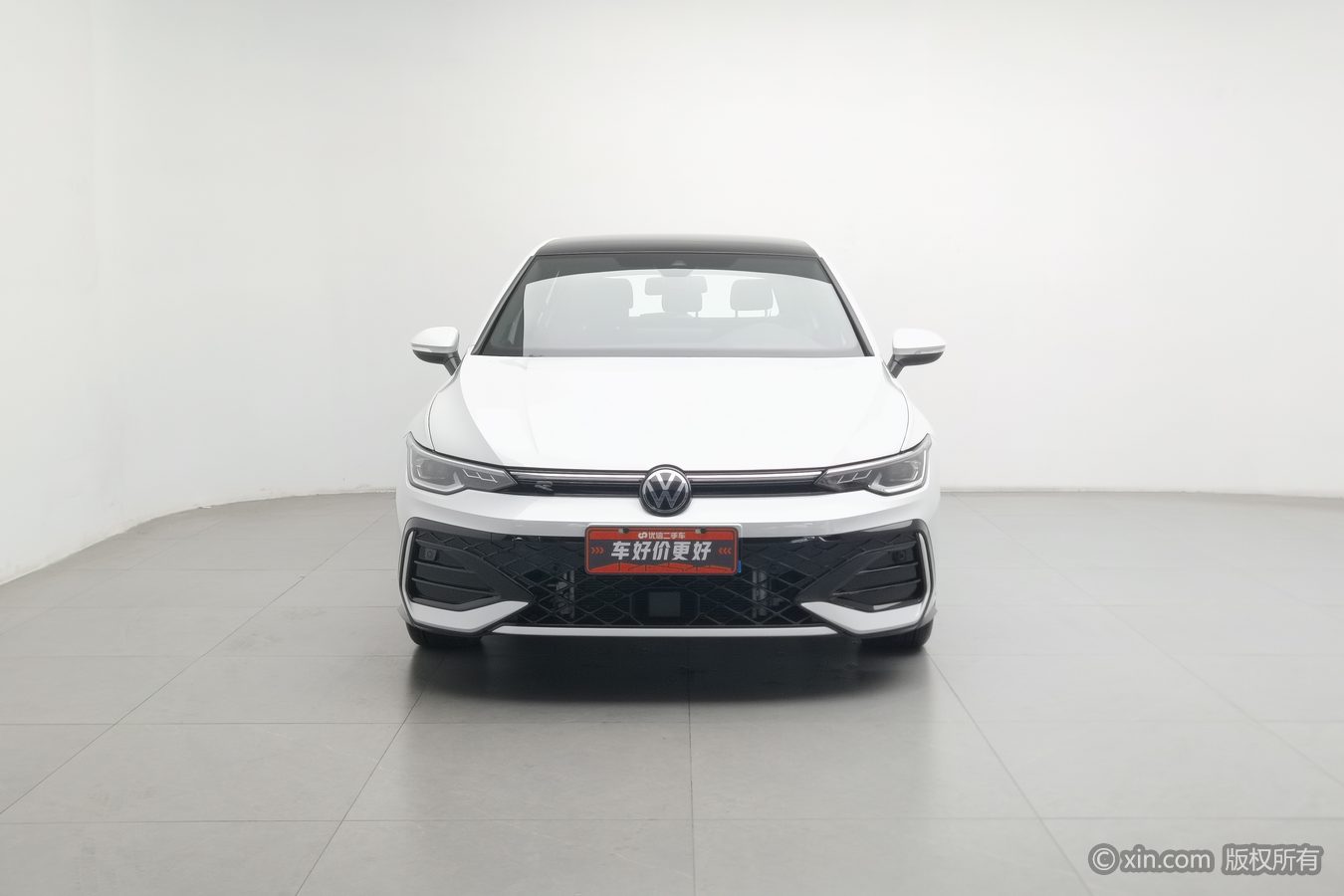
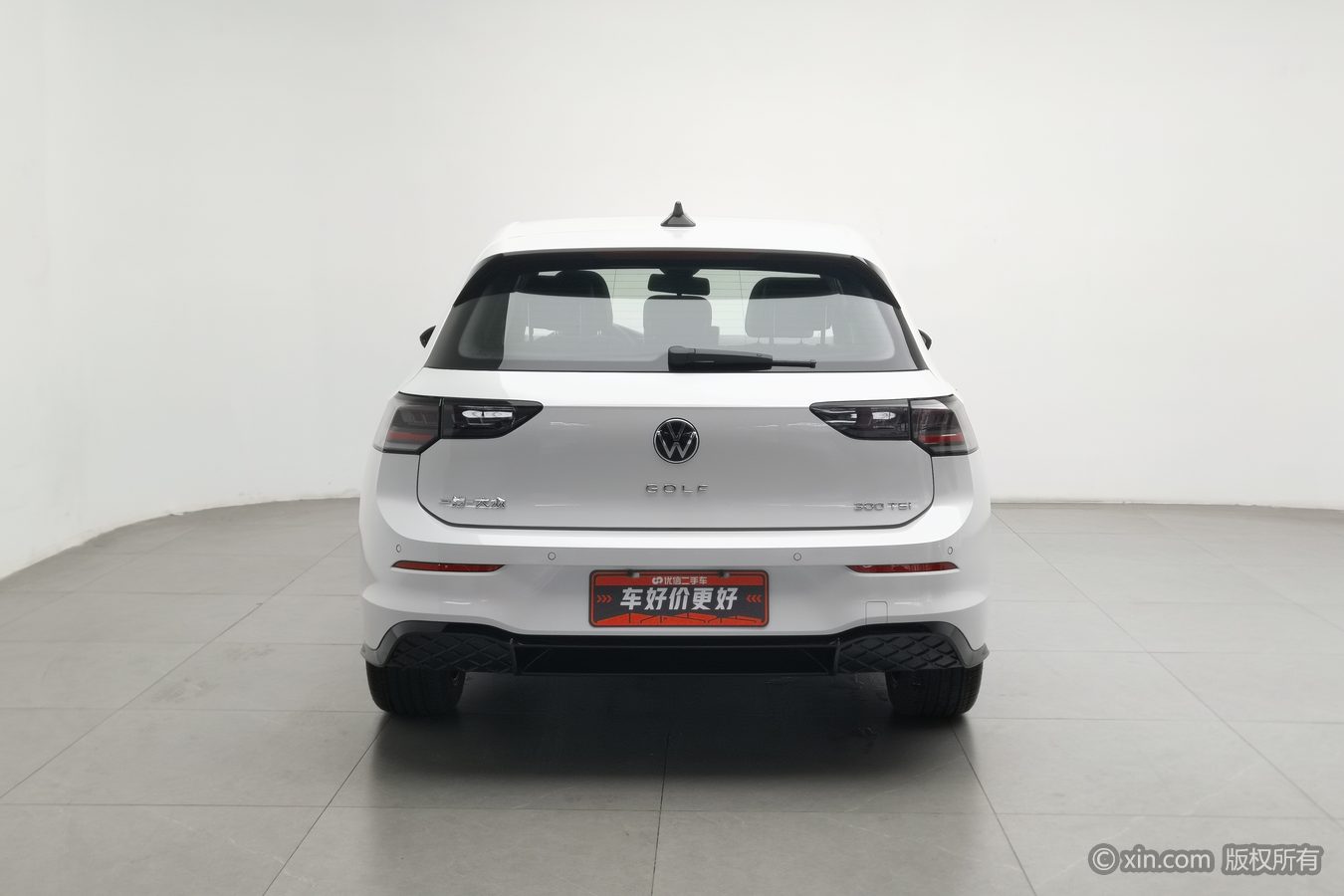
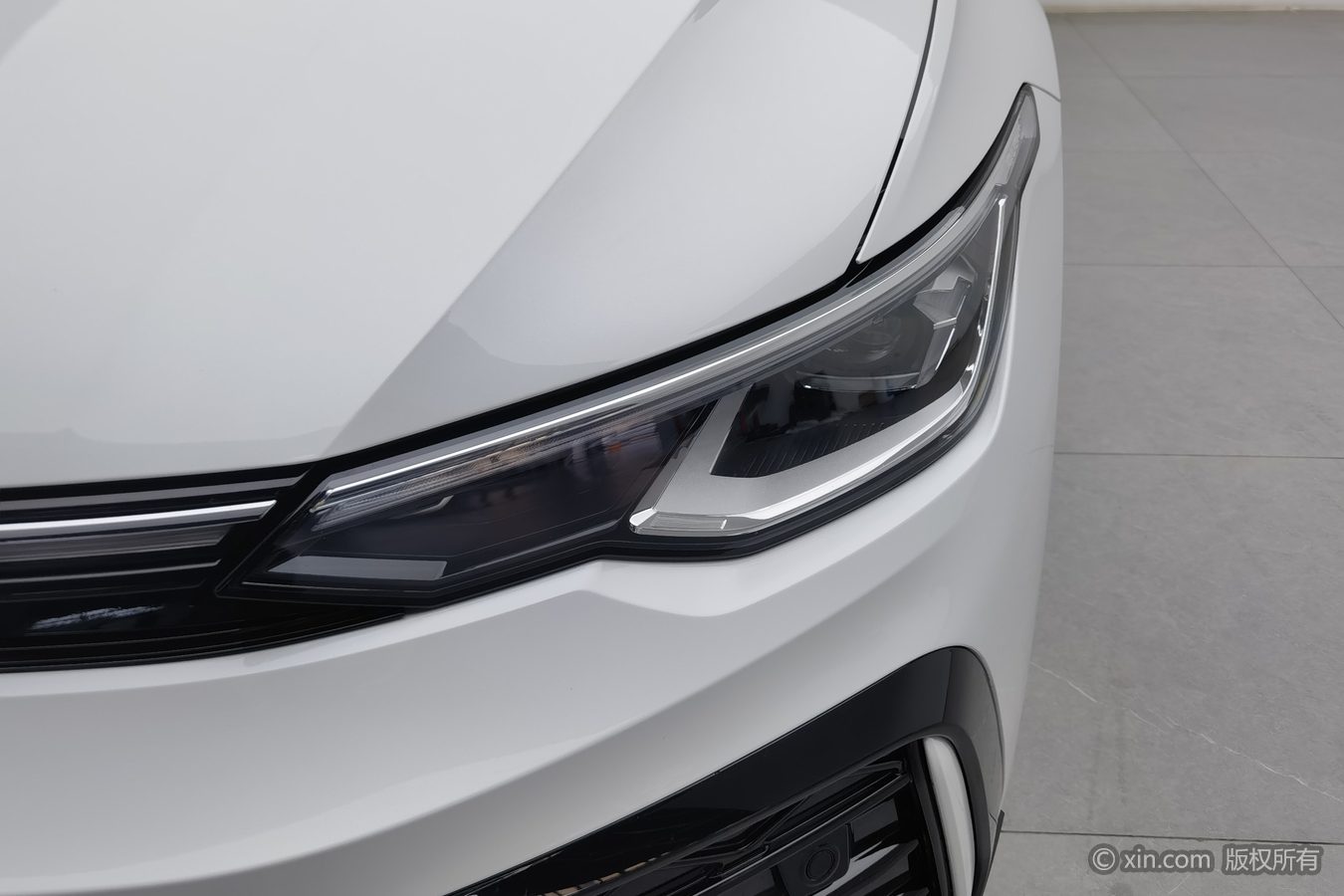
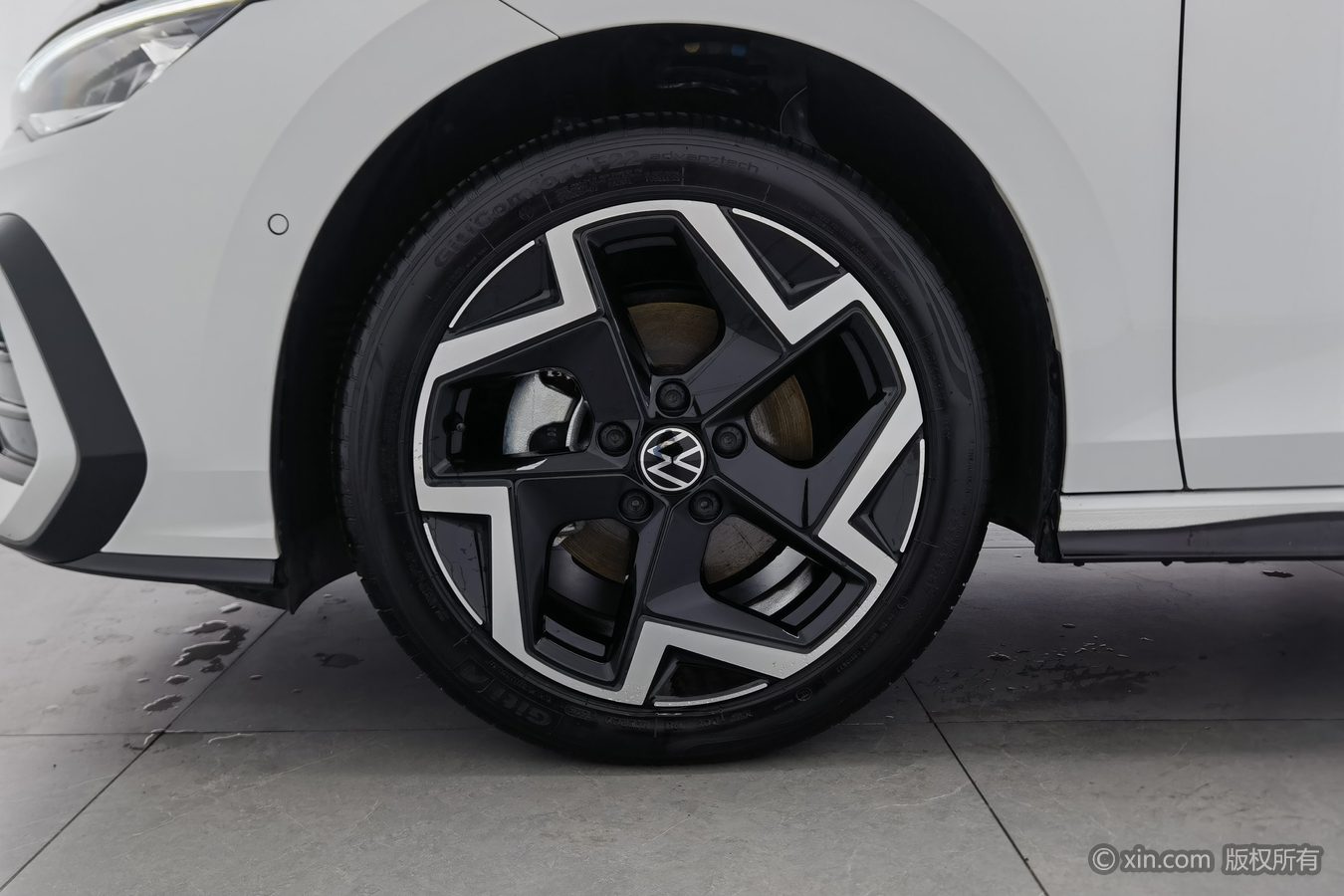
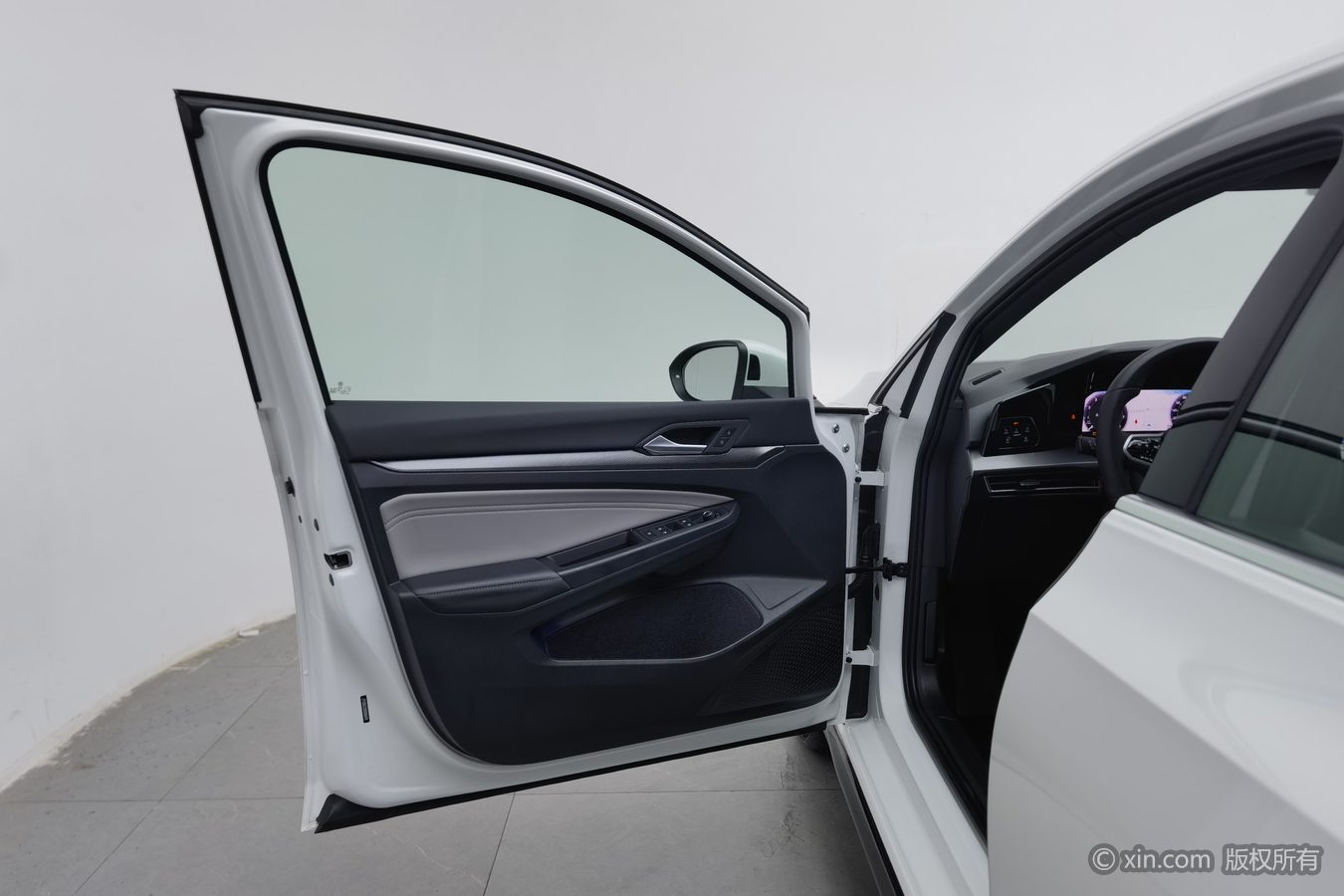
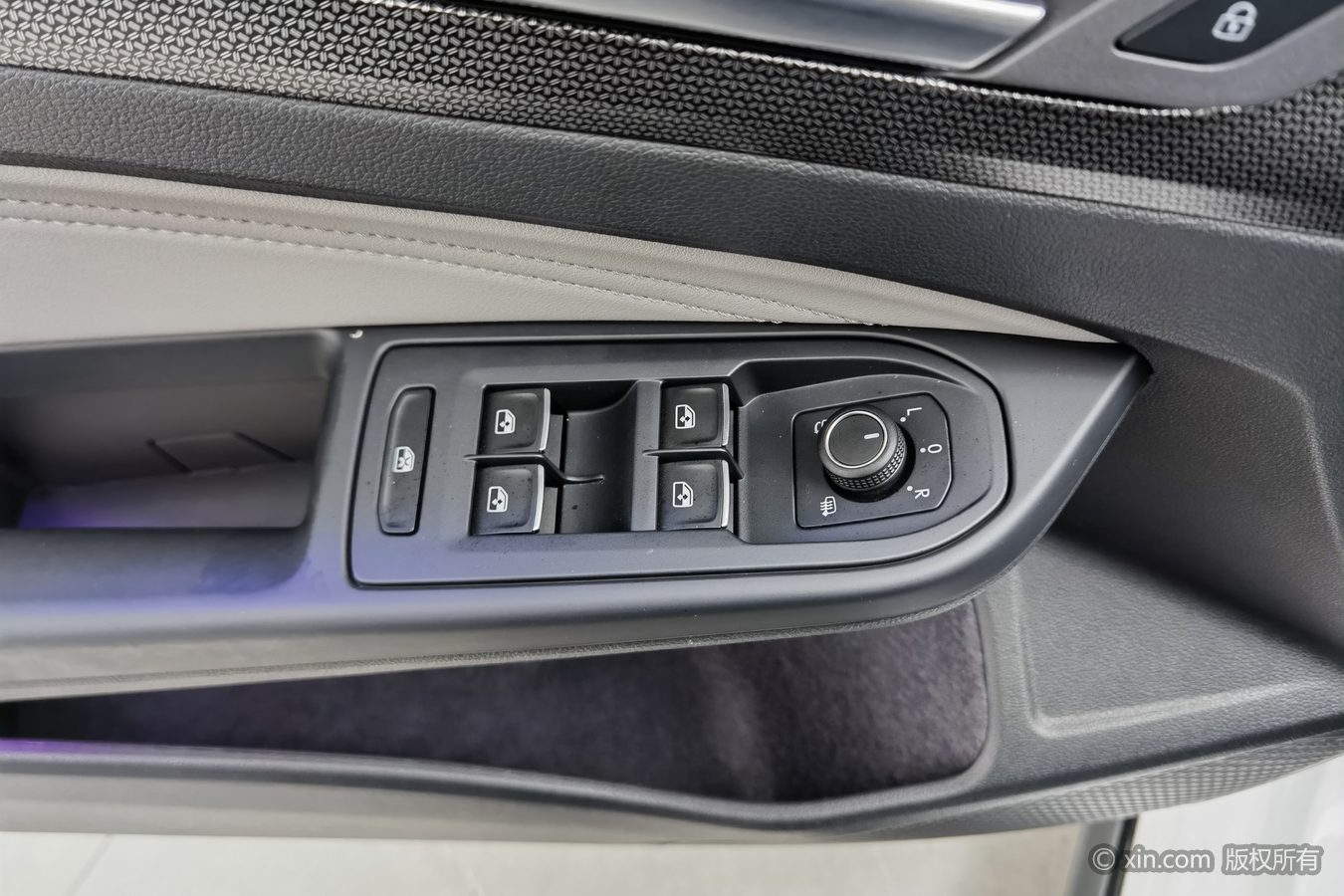
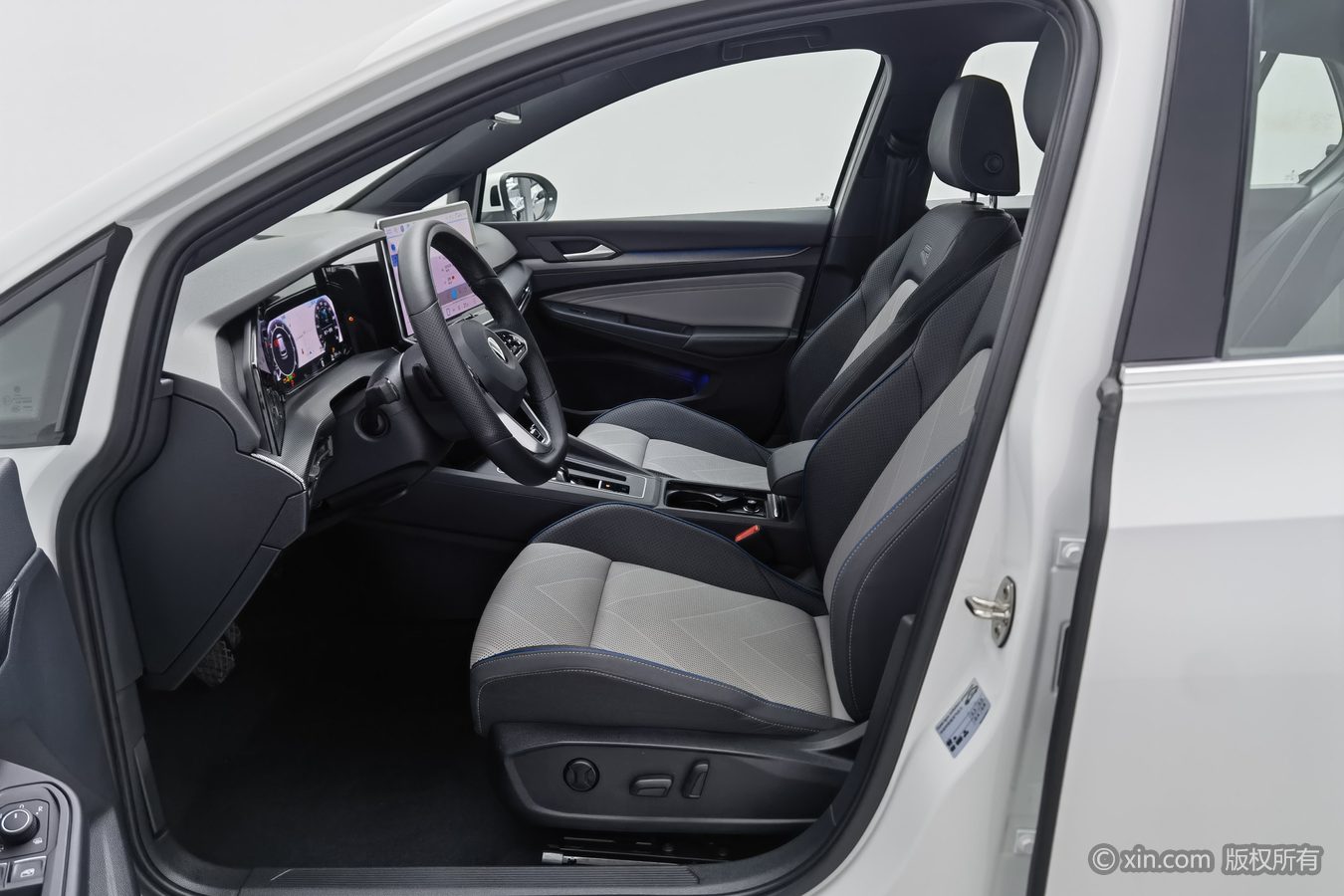
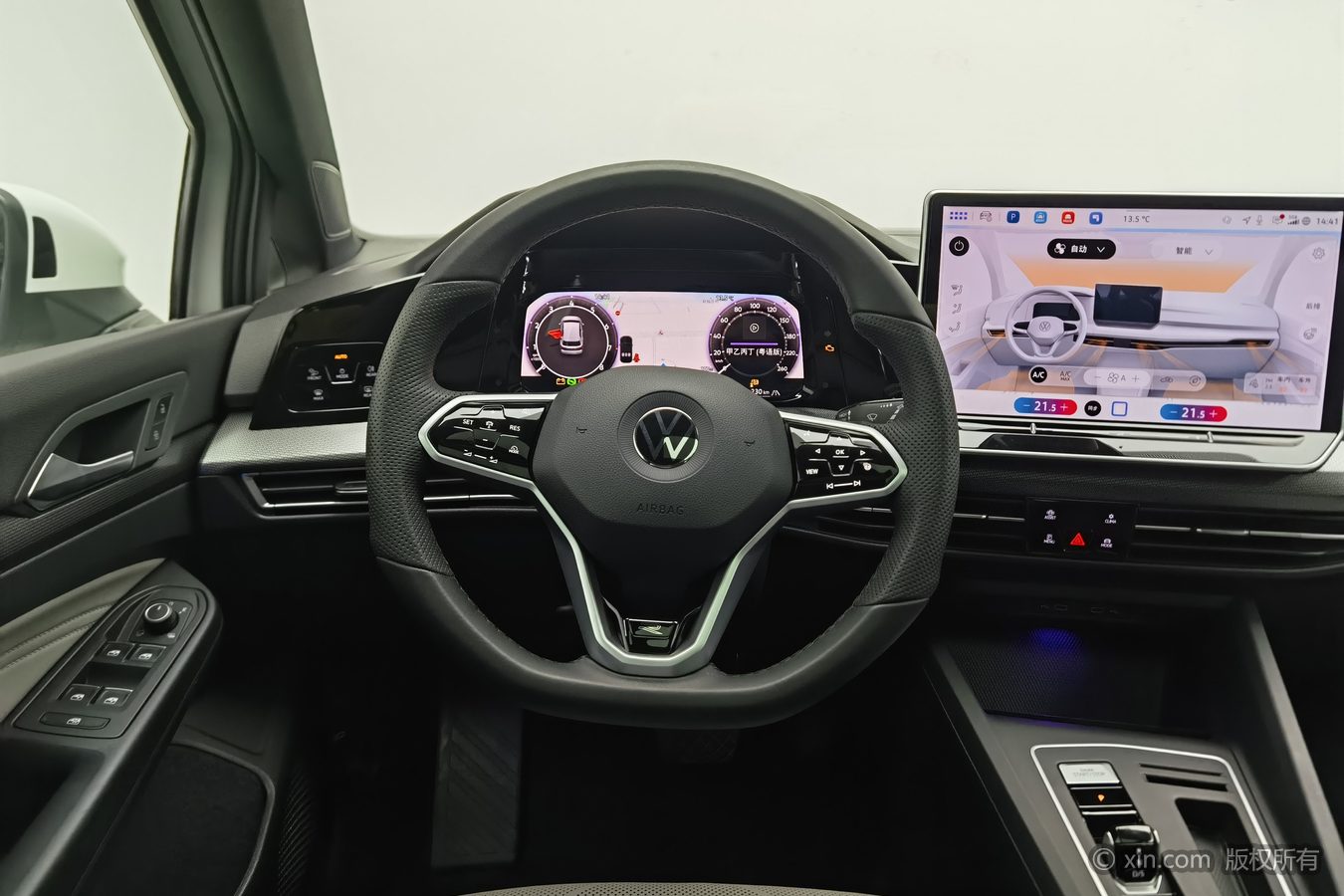
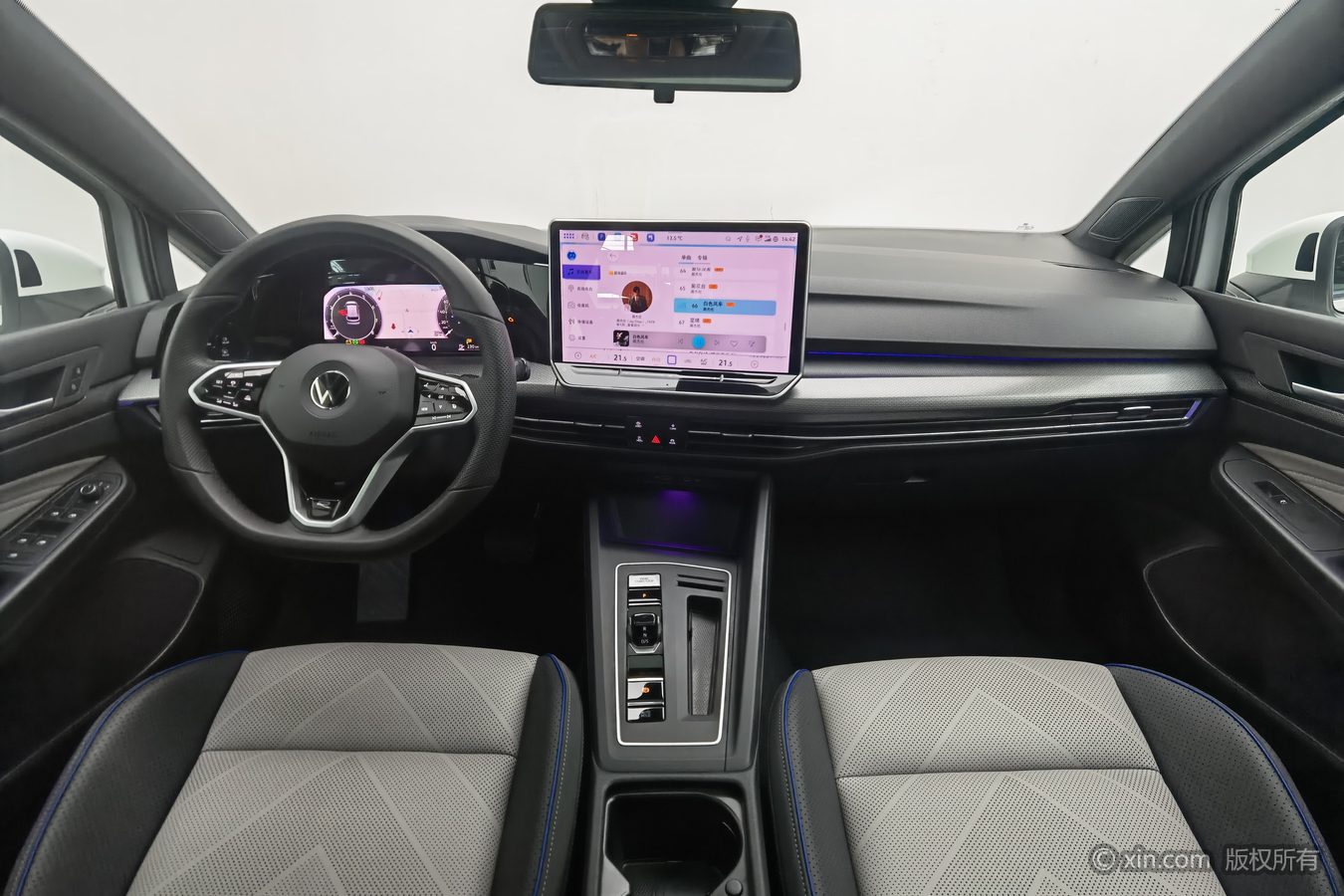
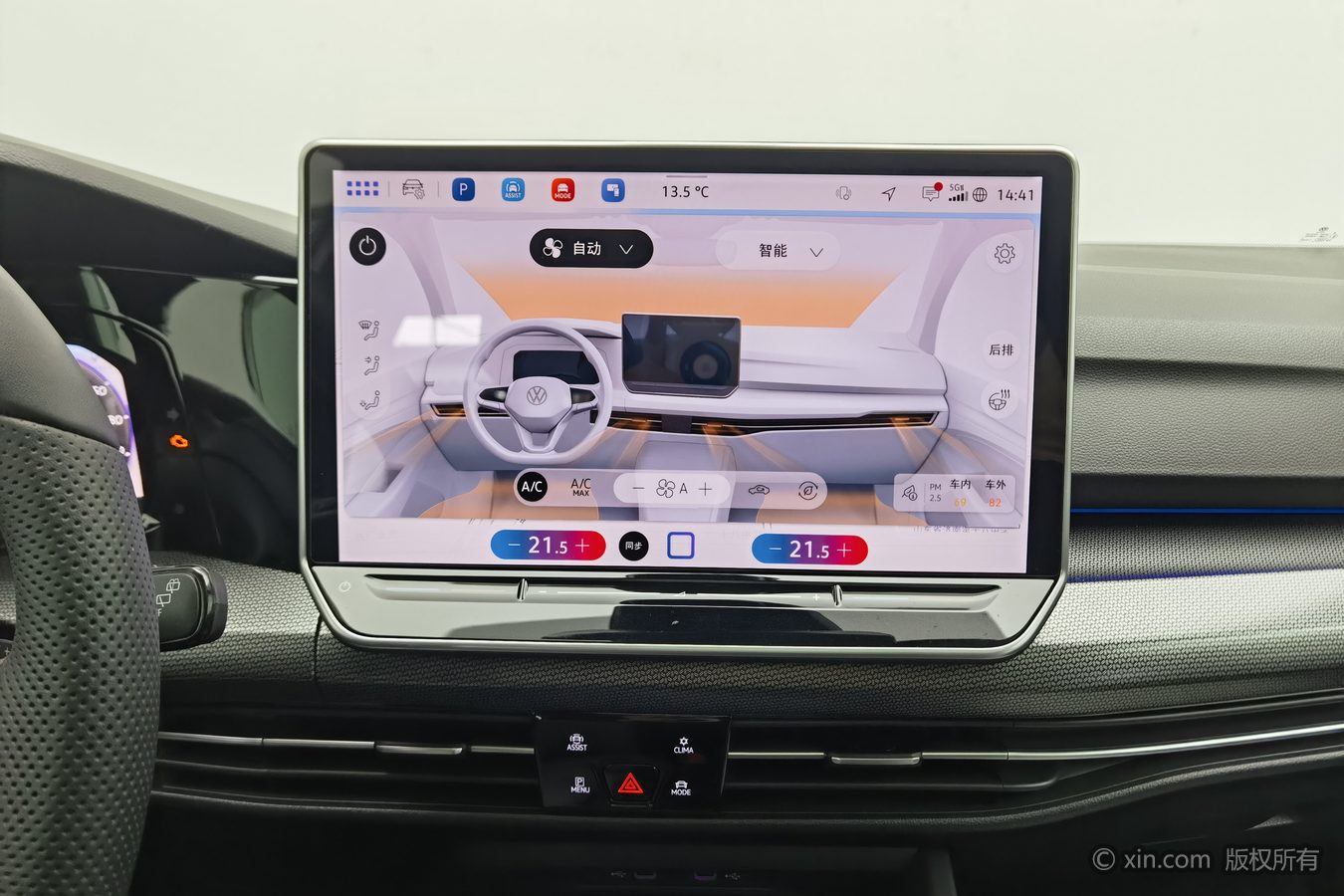
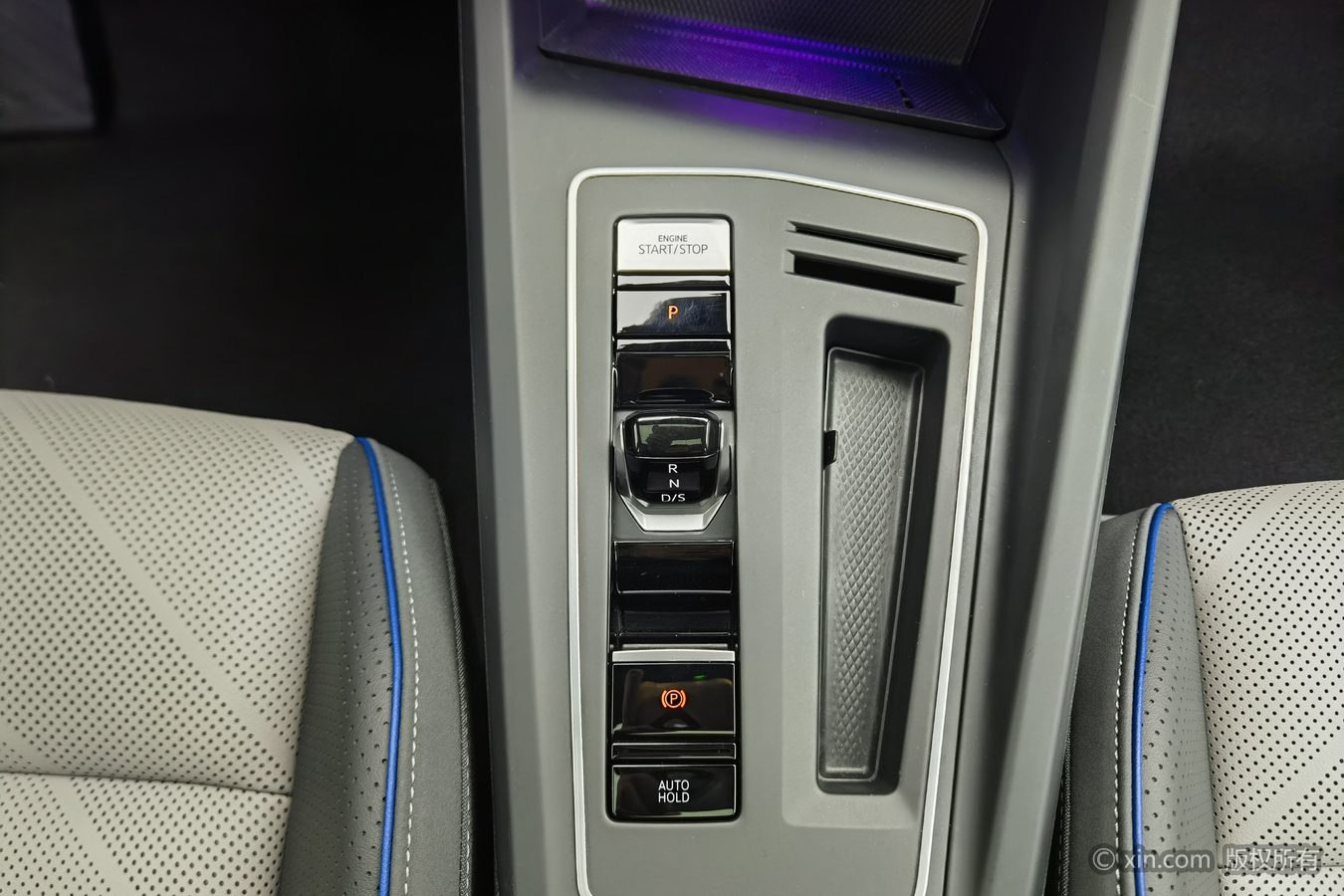
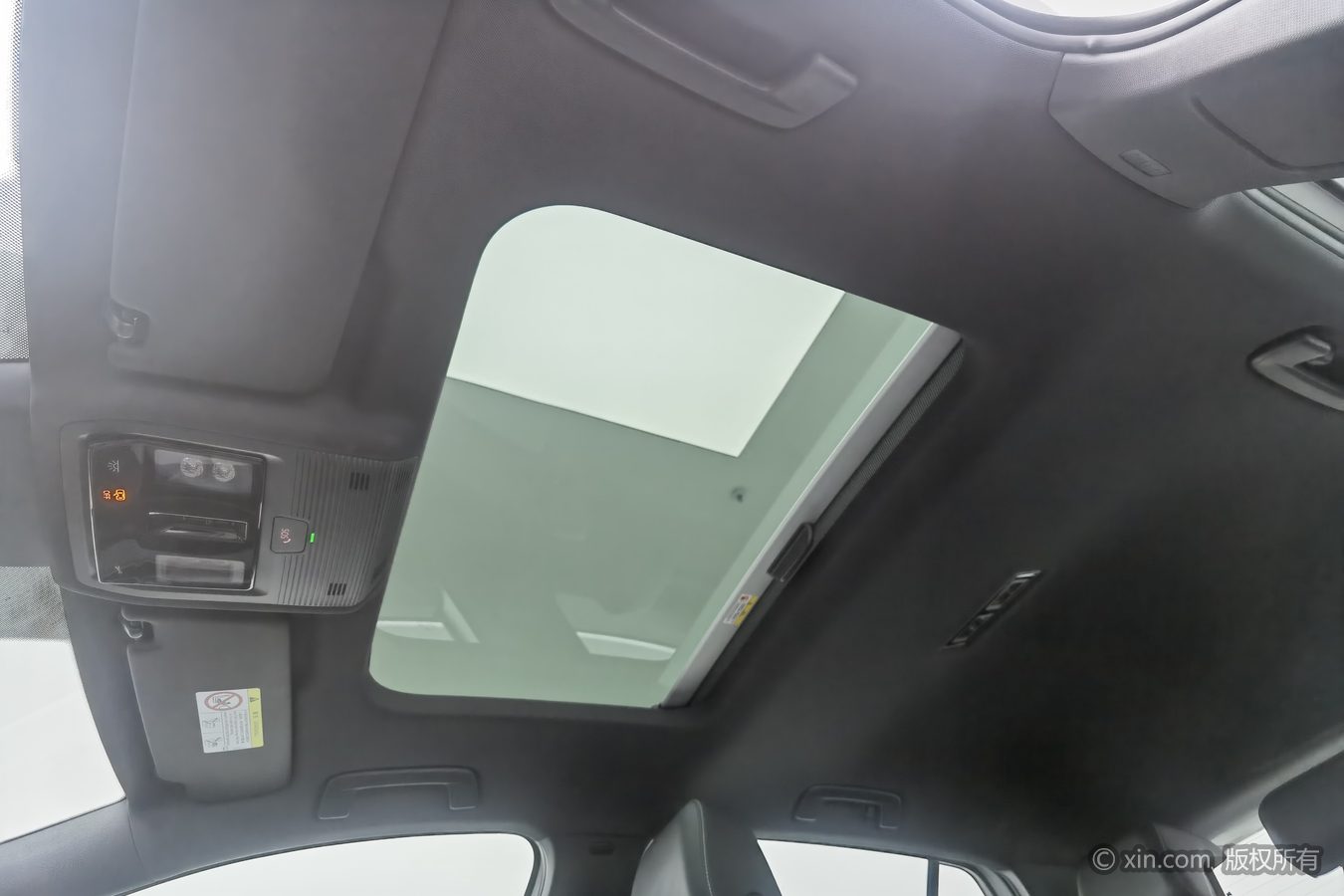
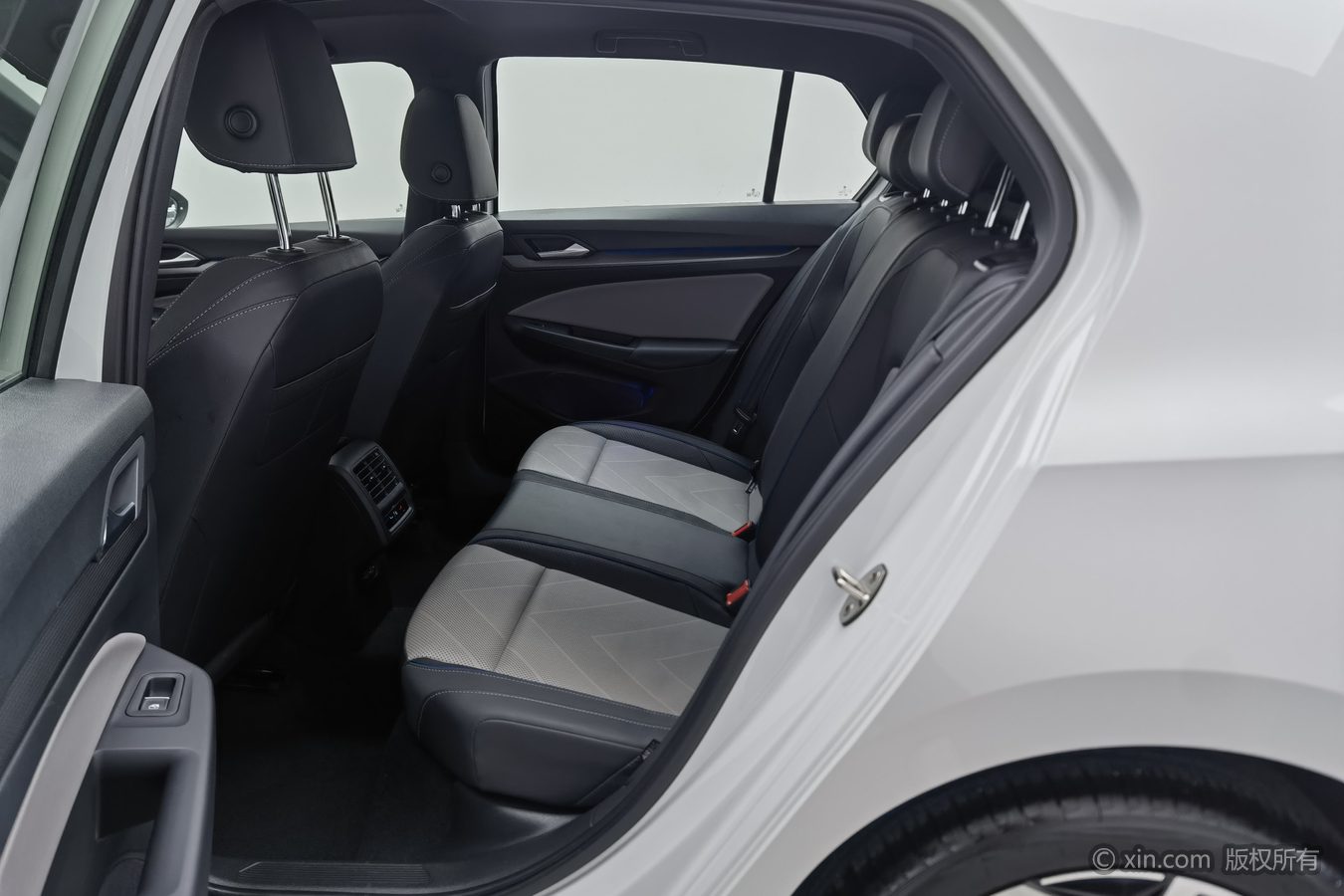
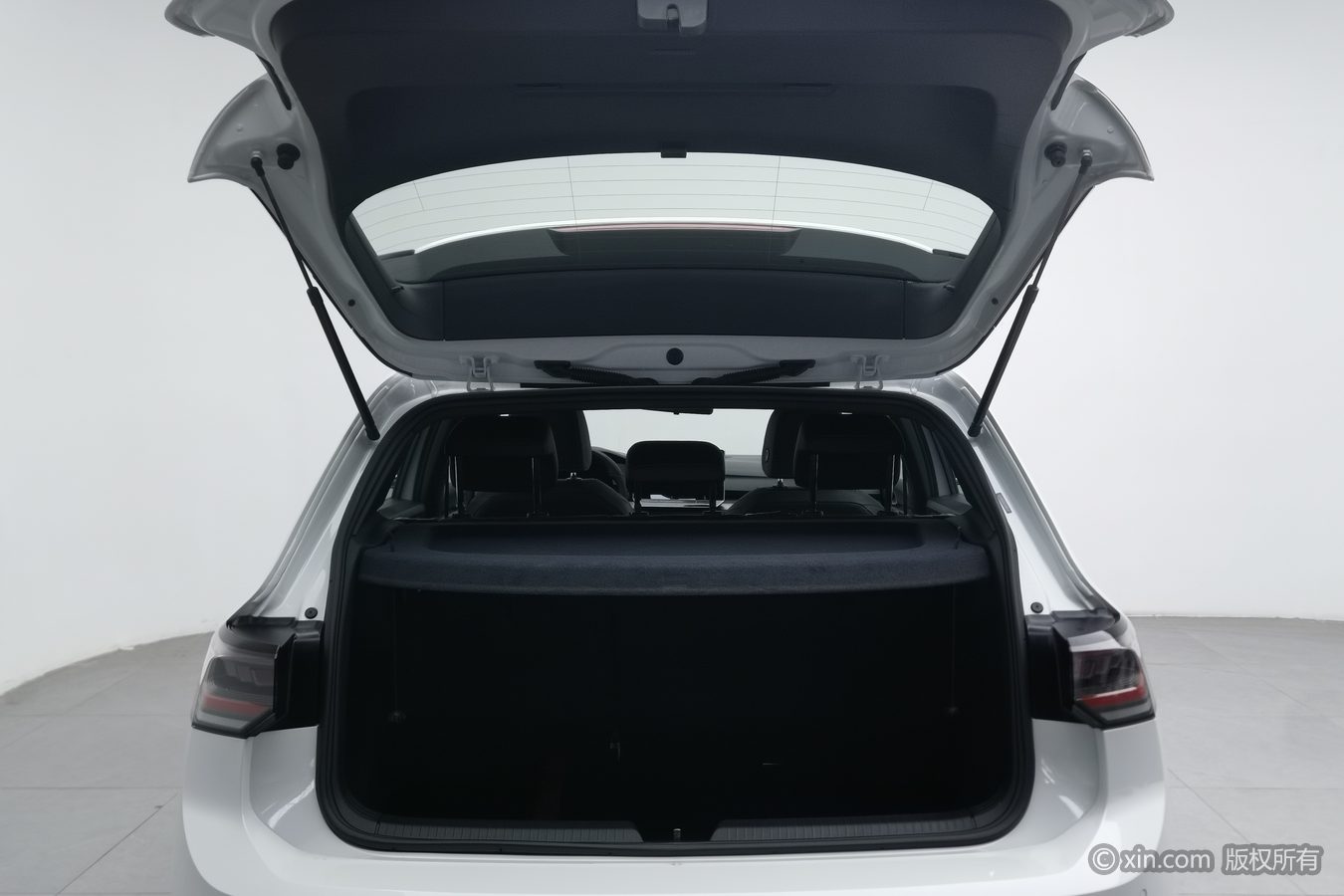
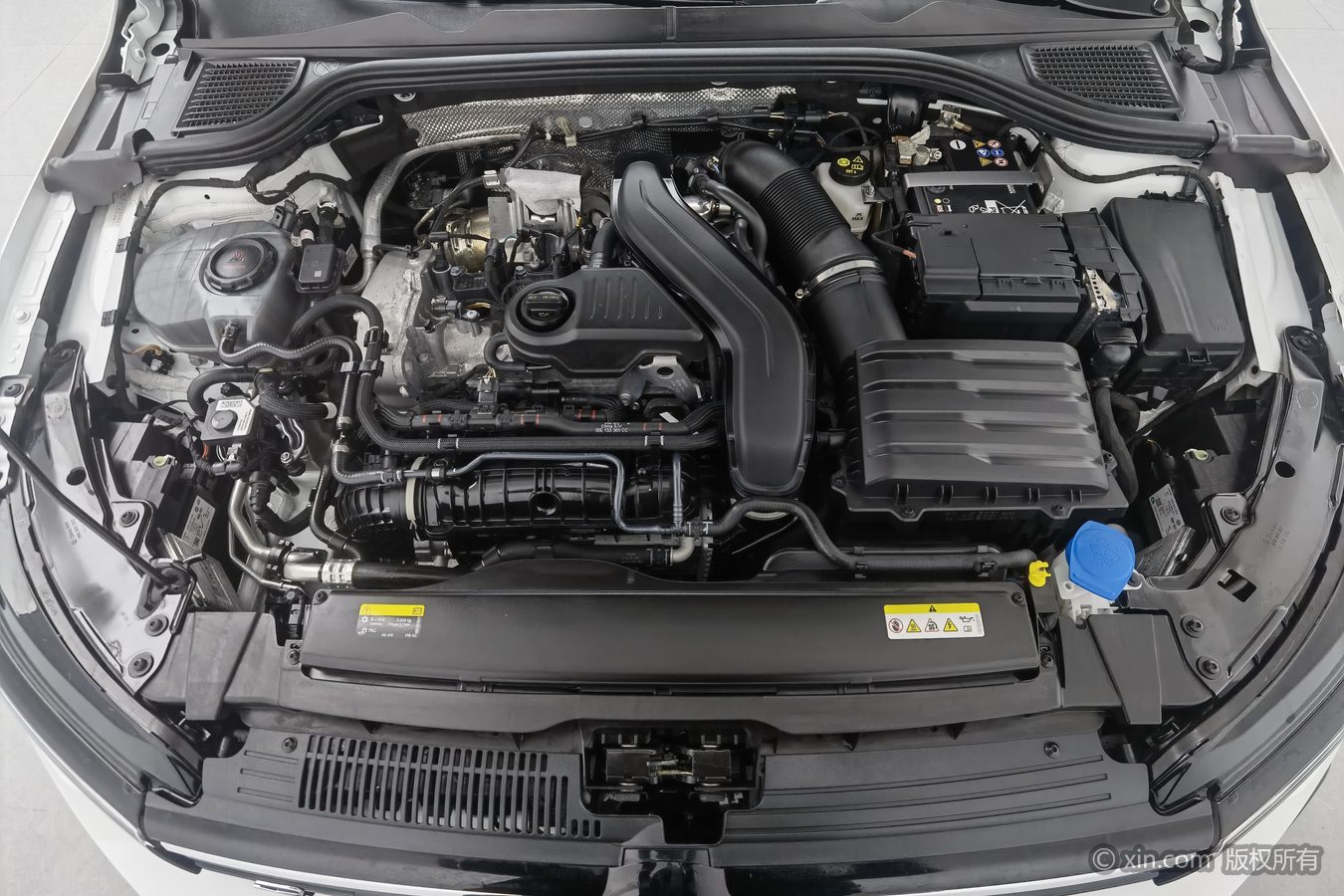
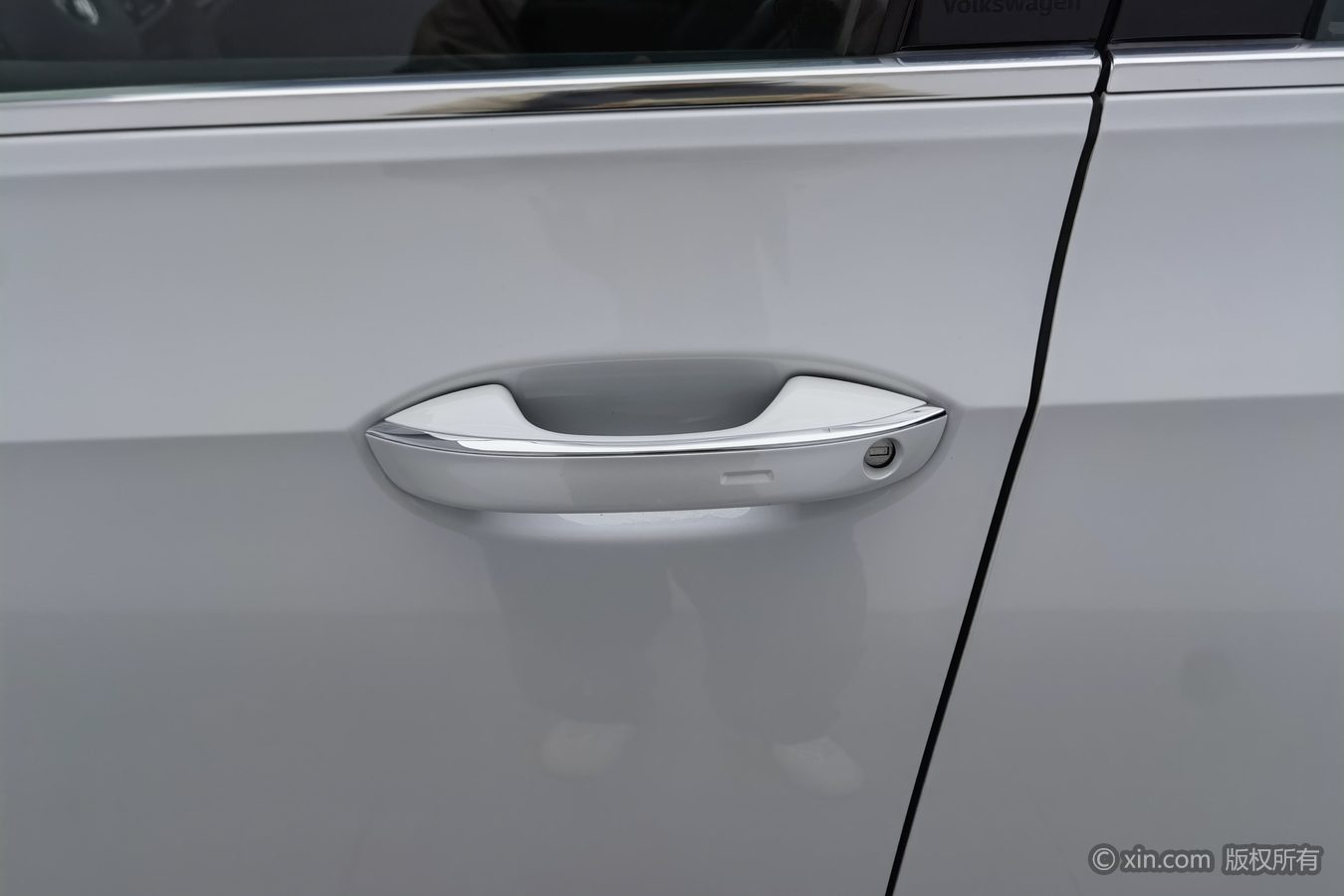
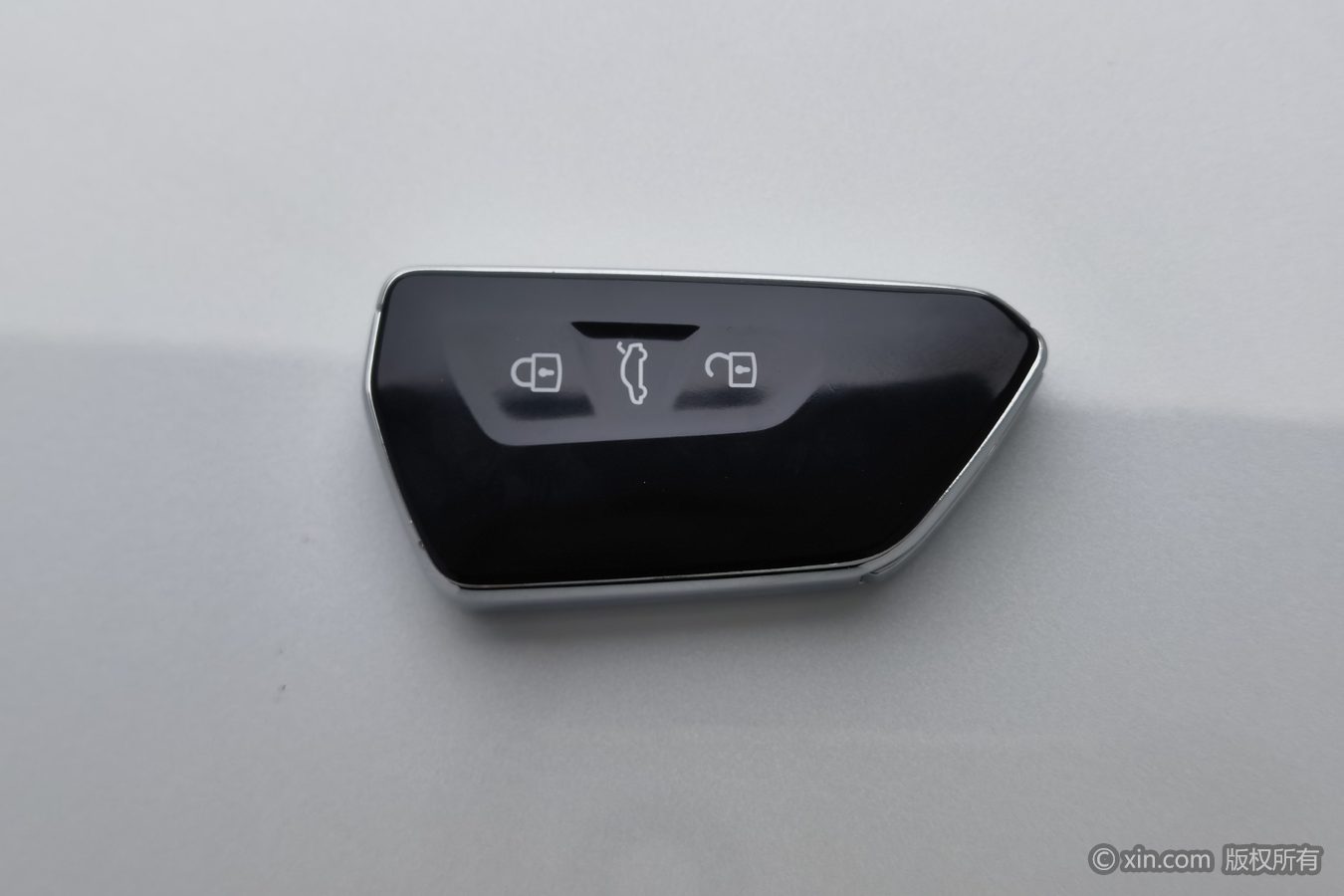
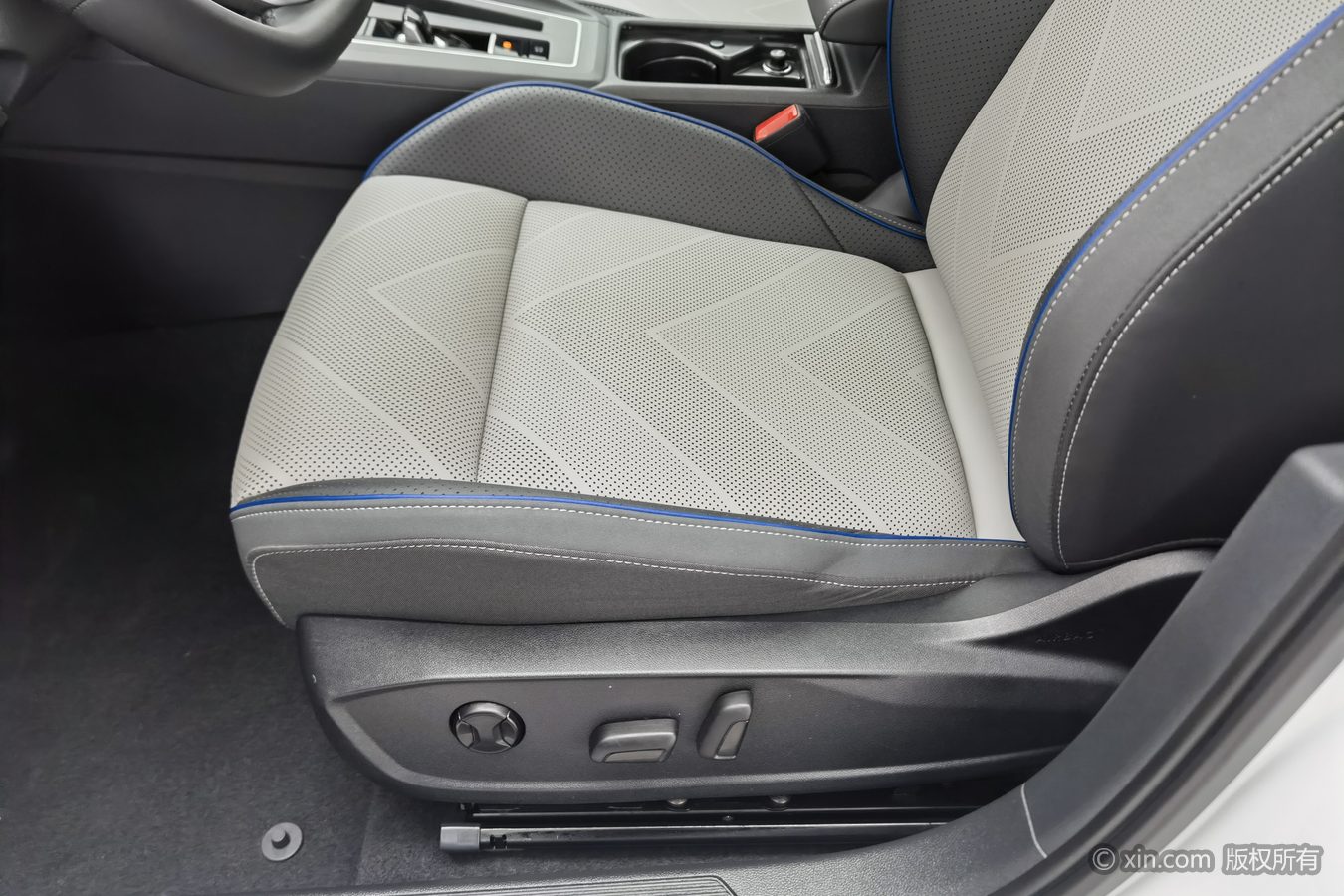
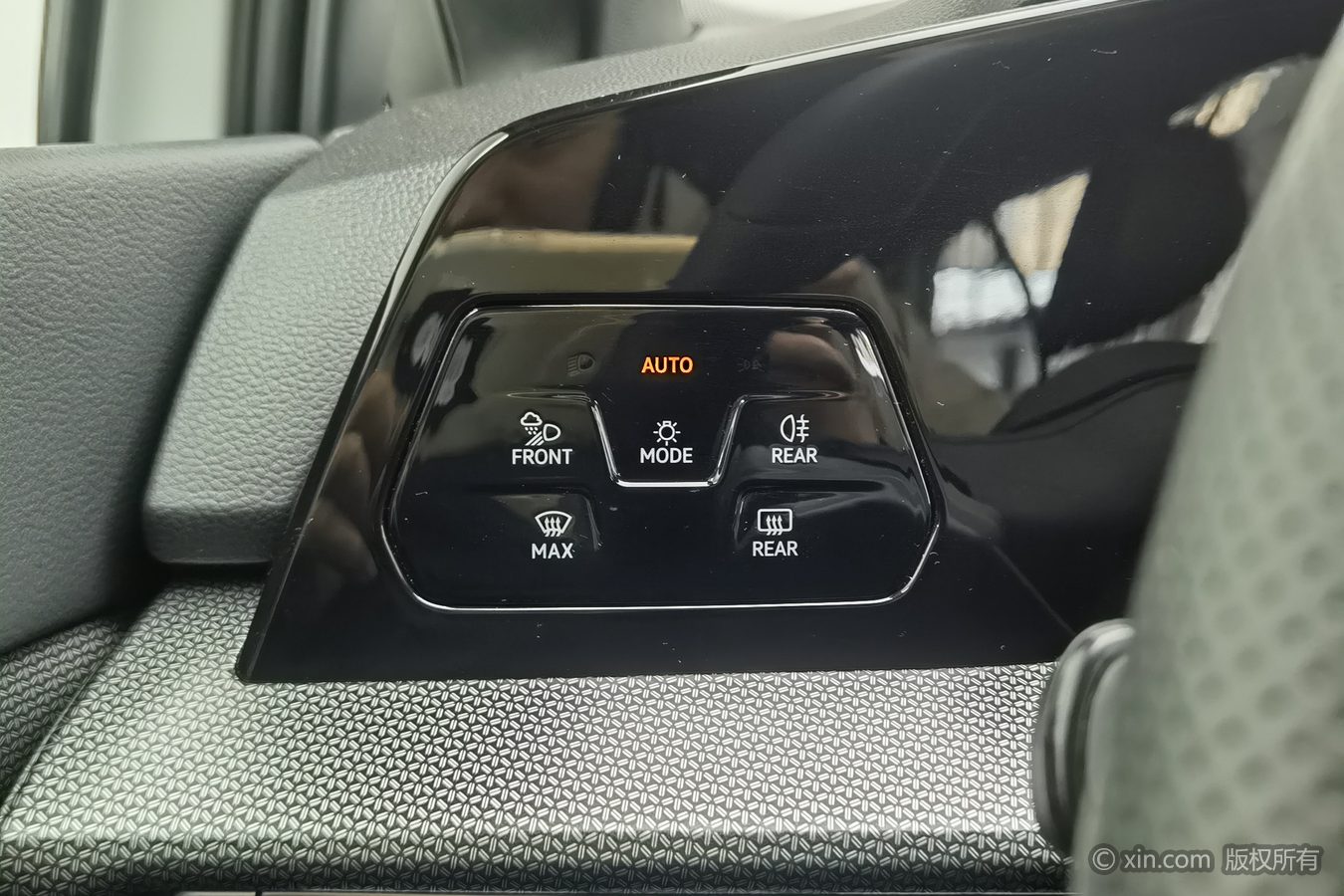
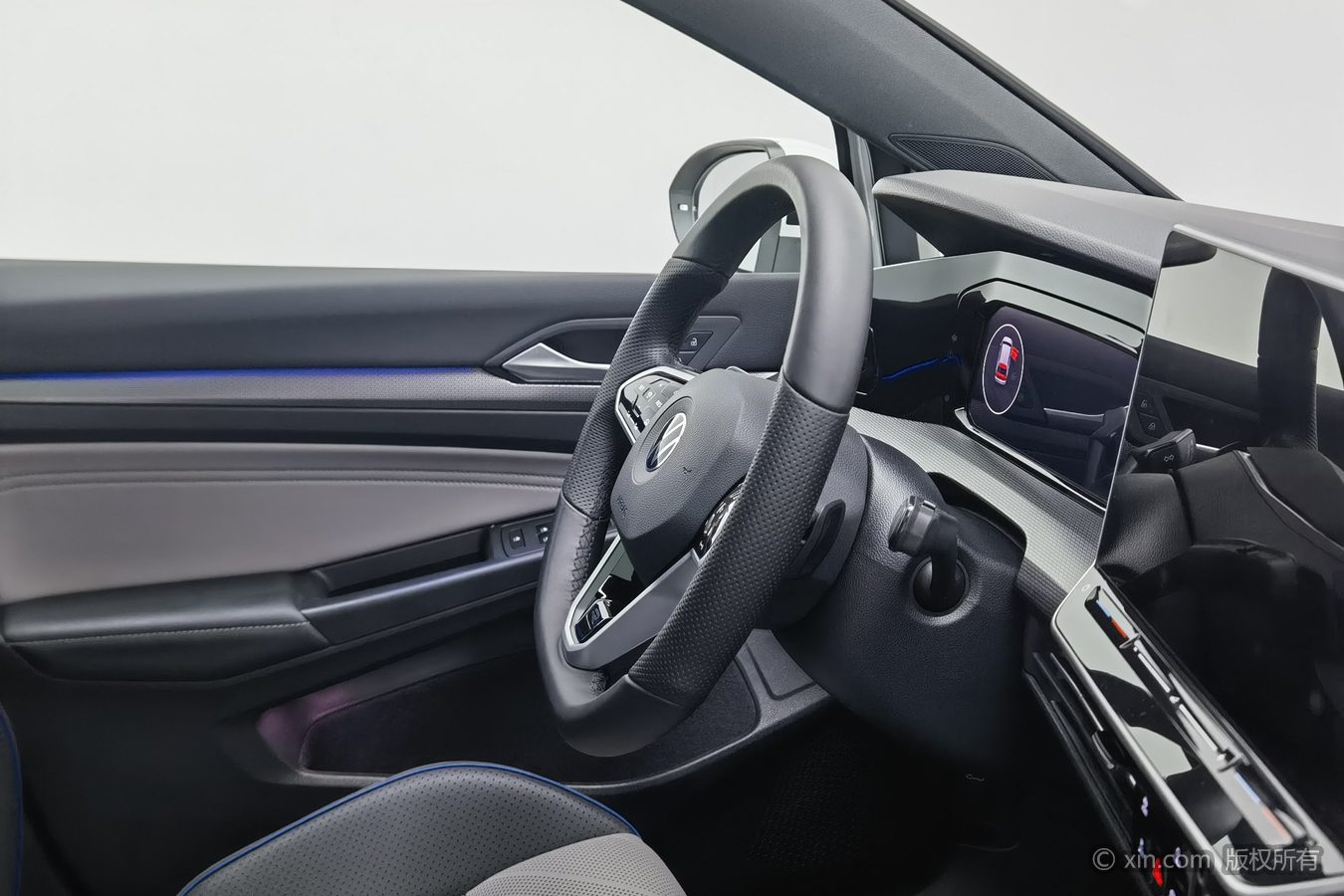
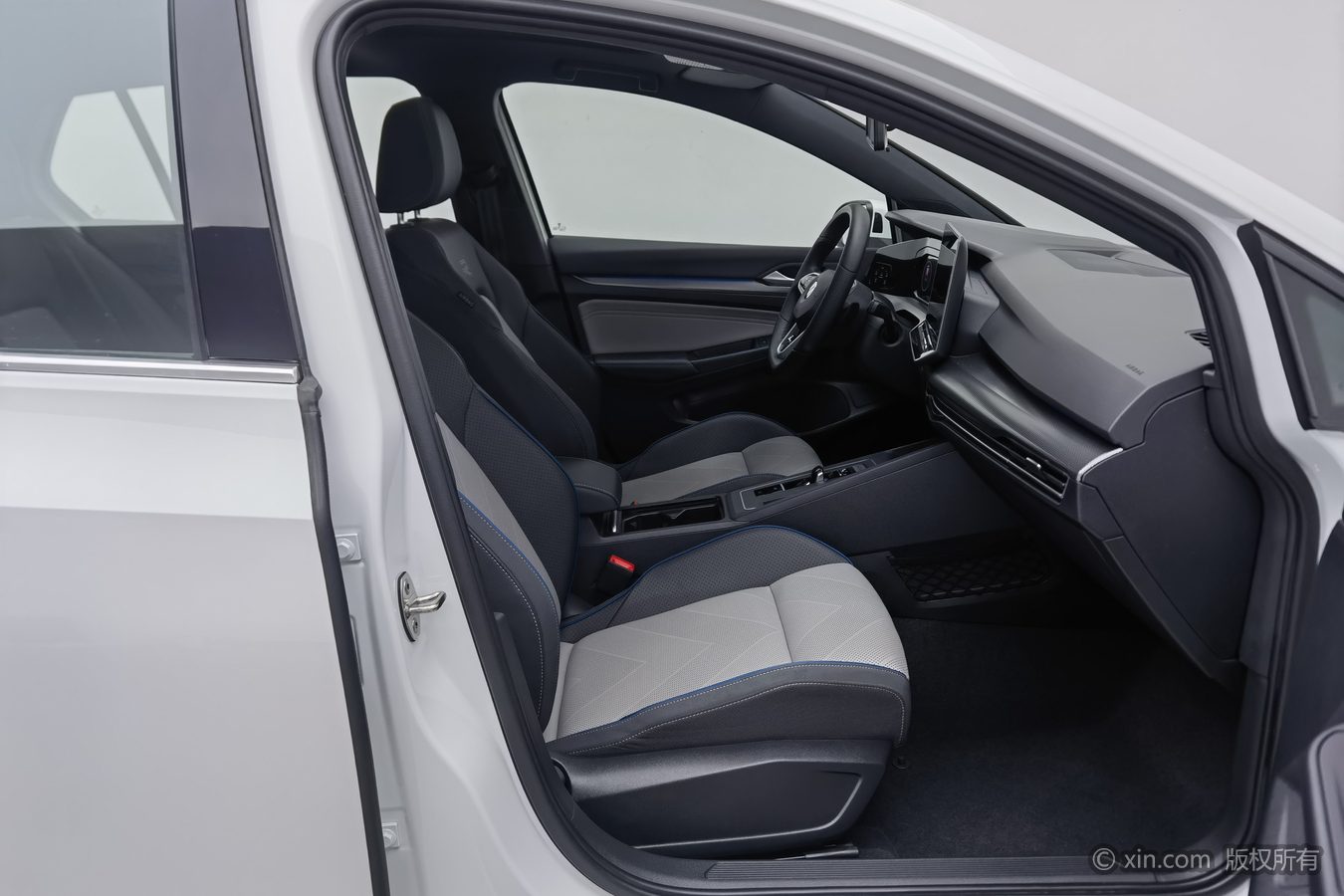



Basic Information

BrandVolkswagen
SeriesGolf
Year2025
First Registration2025/08
Mileage18,000km
Transfer Count0times
Fuel-
Transmission-
Engine-
ColorWhite
Seats-

Condition Description

No odometer tampering, no structural damage, no water damage, no fire damage.

Configuration Highlights

✓Lane Keep Assist
✓前碰撞预警
✓Adaptive Cruise Control
✓液晶仪表盘

Document Information

Inspection Expiry Date2027/08
Warranty Expiry Date-
Insurance Expiry Date-

Q&A

More

How are import duties on used cars from China calculated, and which HS code applies?

Used cars are classified under HS heading 8703 (motor vehicles for transport of persons), with the last four digits determined by engine type and size. Gasoline cars usually fall in 8703.21–8703.80 depending on displacement; pure EVs fall under 8703.80; hybrids have their own subheadings. The duty amount depends on your country's tariff schedule: 1. Most countries charge duty on the CIF value (car price + freight + insurance), not the FOB price. 2. Many developing markets levy higher duties on used vehicles than new ones, and some add a surcharge based on age — older cars can cost significantly more to clear. 3. After duty, you typically pay VAT/GST on the CIF + duty total, plus port and customs fees. Practical tips: ask your exporter to state the exact HS code on the commercial invoice and confirm it with a local customs broker before shipping. A wrong code can trigger reclassification, penalties, or delays. Also budget for any excise tax tied to engine capacity — in several markets a 2.5L car clears far cheaper than a 3.5L one.


Does your technical testing include highway road tests (high-speed driving tests), or is it only low-speed driving in a closed area?

Due to legal restrictions preventing unregistered vehicles from high-speed driving on public roads in China, most of our dynamic tests are conducted in a closed area (with a maximum speed of around 60 km/h). This is sufficient to test for suspension noise and low gear smoothness, but it cannot simulate high-speed wind noise and tire balance vibrations at 120 km/h.

What's the difference between RoRo and container shipping when importing a used car from China?

RoRo (roll-on/roll-off) means your car is driven onto the vessel and secured on an open deck. It's usually the cheapest option and has frequent sailings from Chinese ports like Shanghai and Guangzhou. The downside: the car is exposed to sea air and handling, and you typically can't load spare parts inside the car. Container shipping puts the car in a 20ft or 40ft container. It costs more per car (a 40ft can fit 2-4 cars if you share with other buyers), but the car is sealed and protected, and you can pack spare parts, tools, or personal items inside. Container is the better choice for high-value cars, EVs with sensitive electronics, or harsh-route destinations. Practical tips: RoRo requires the car to be drivable and the battery disconnected per shipping rules; EVs often must ship at low state of charge. Either way, photograph the car at the port of loading and buy marine insurance. Transit time difference between the two modes is usually small - port congestion matters more than the mode itself.