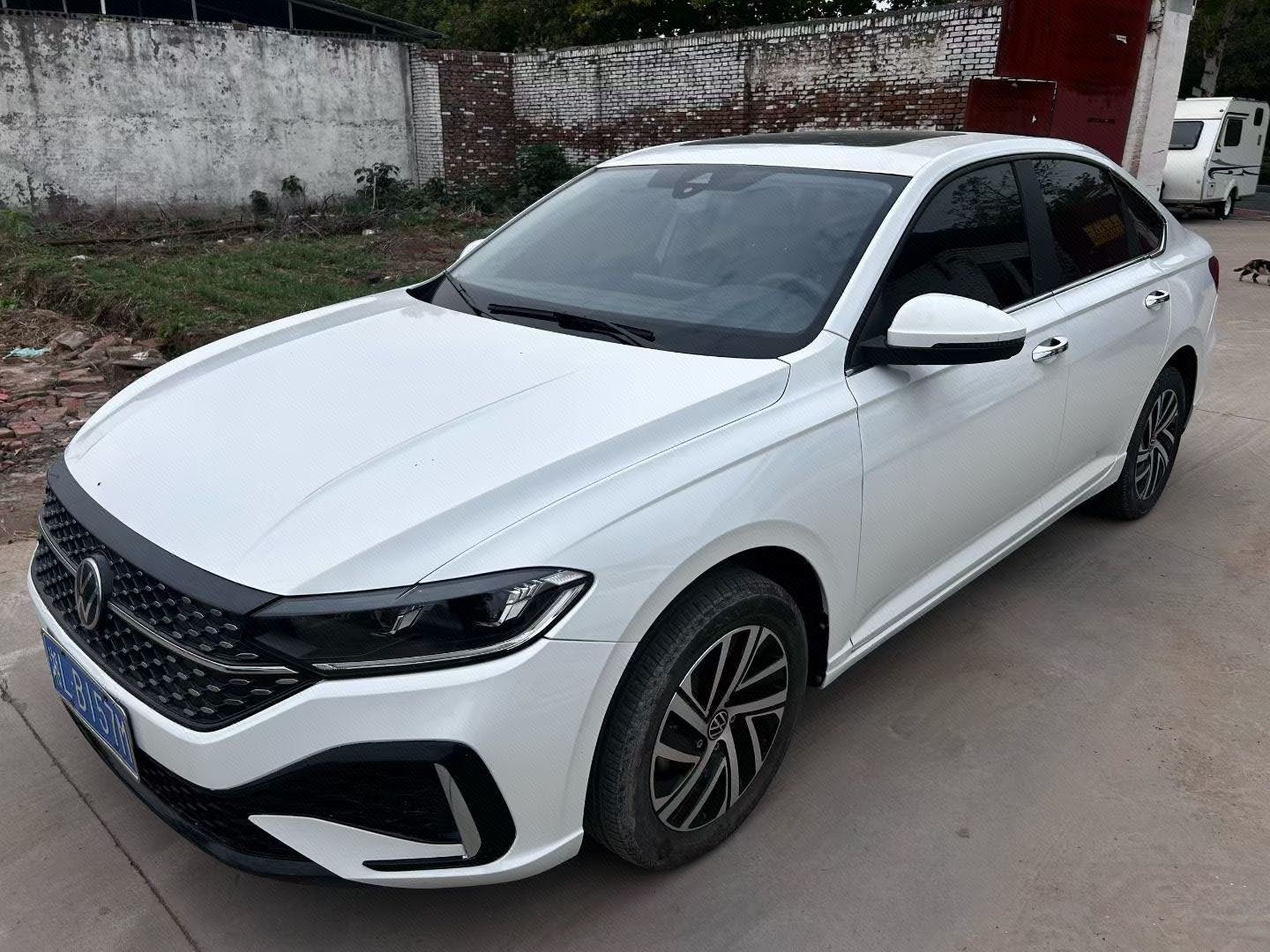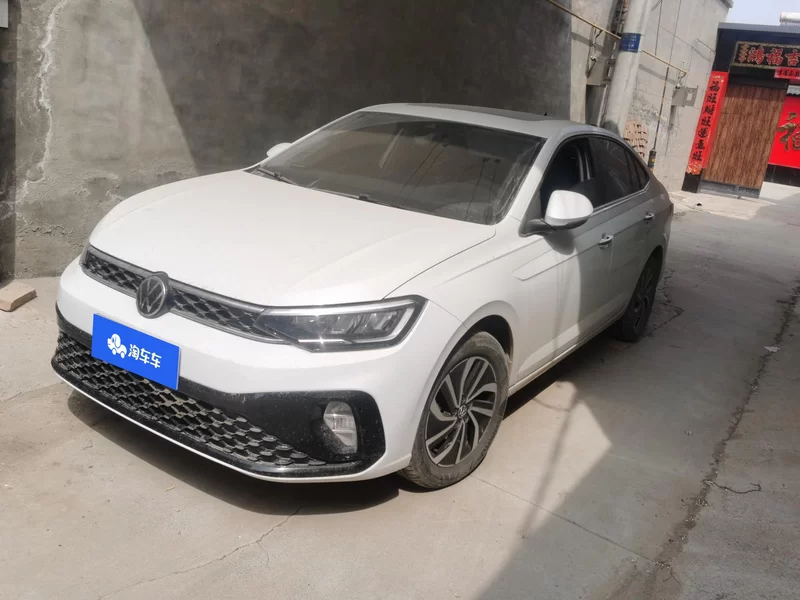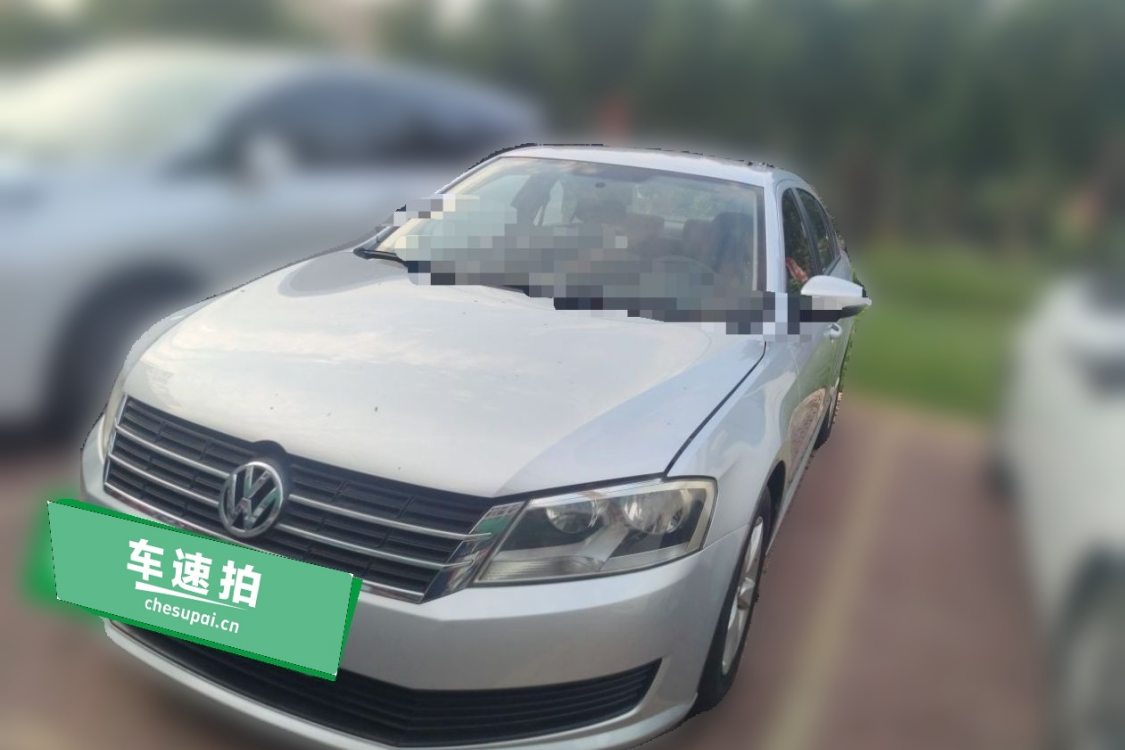
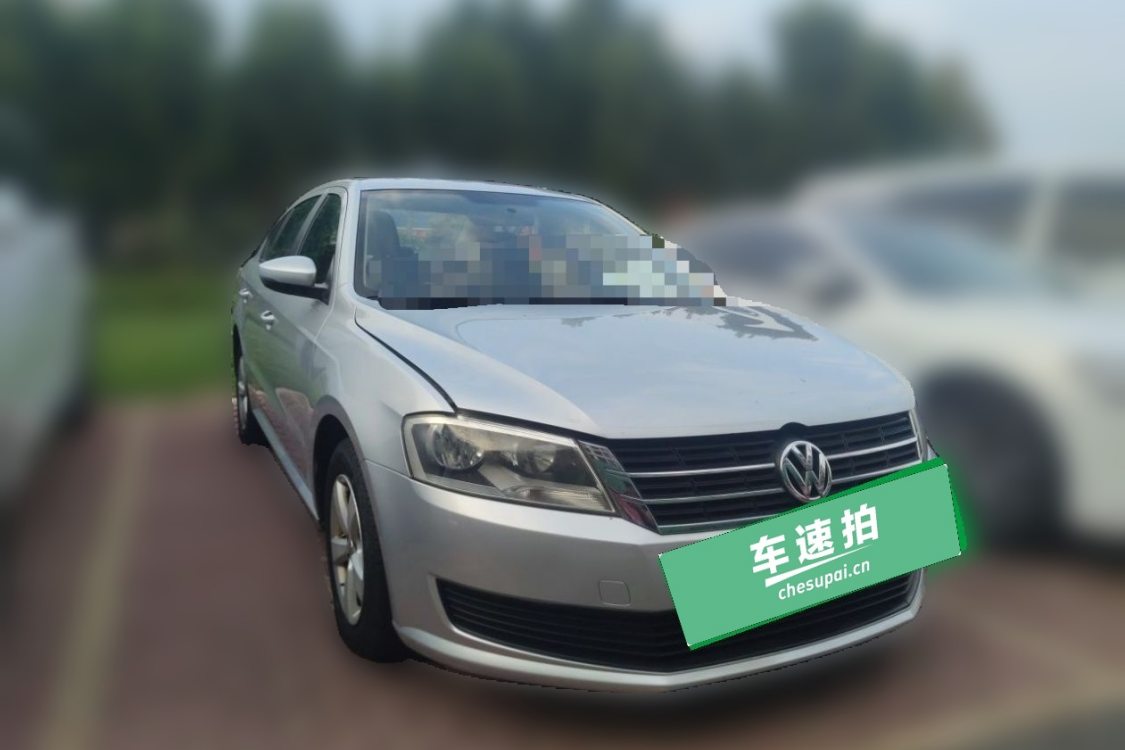
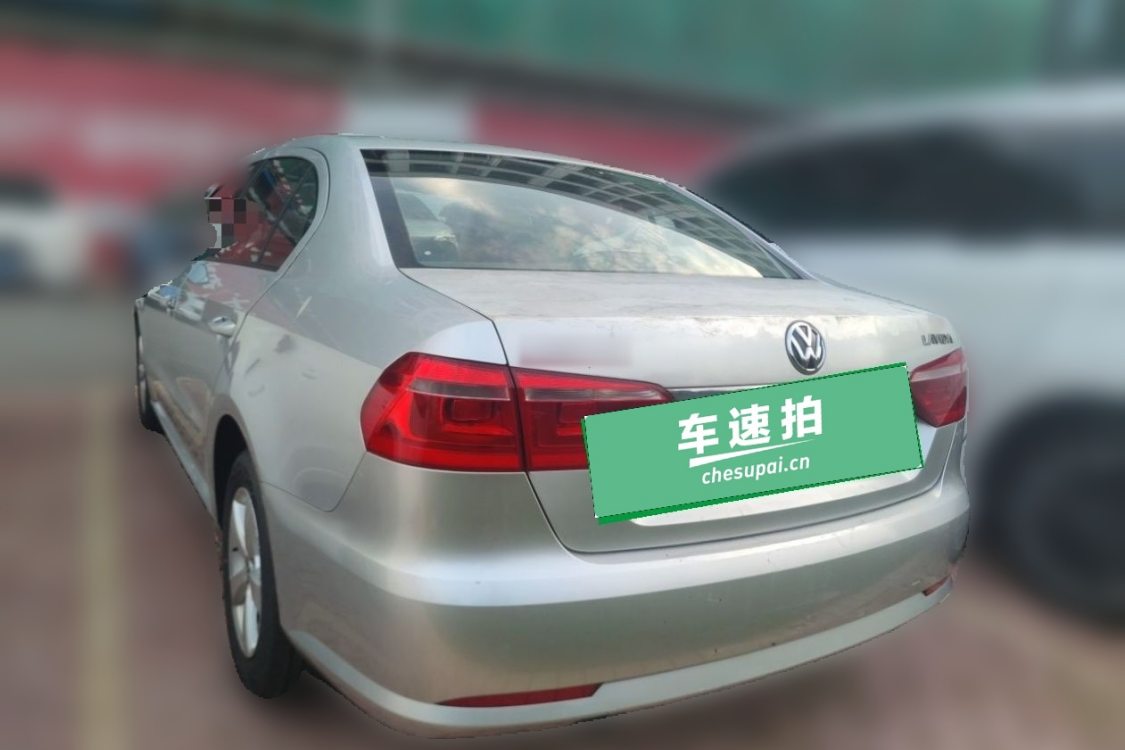
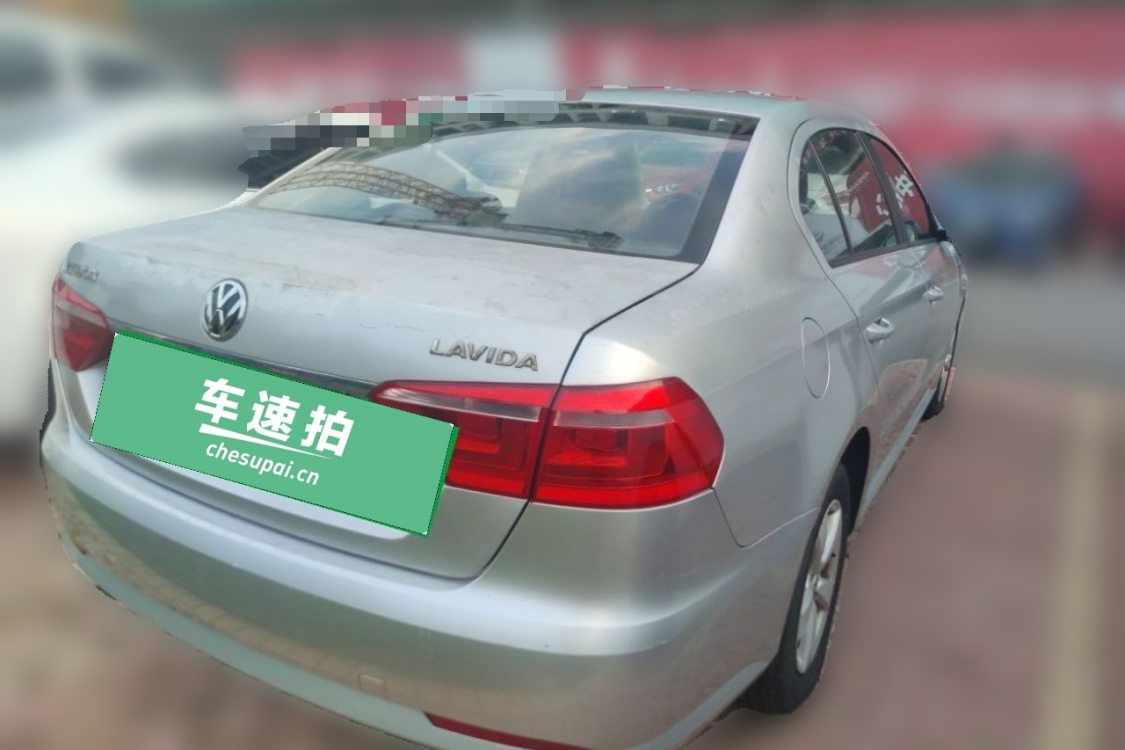
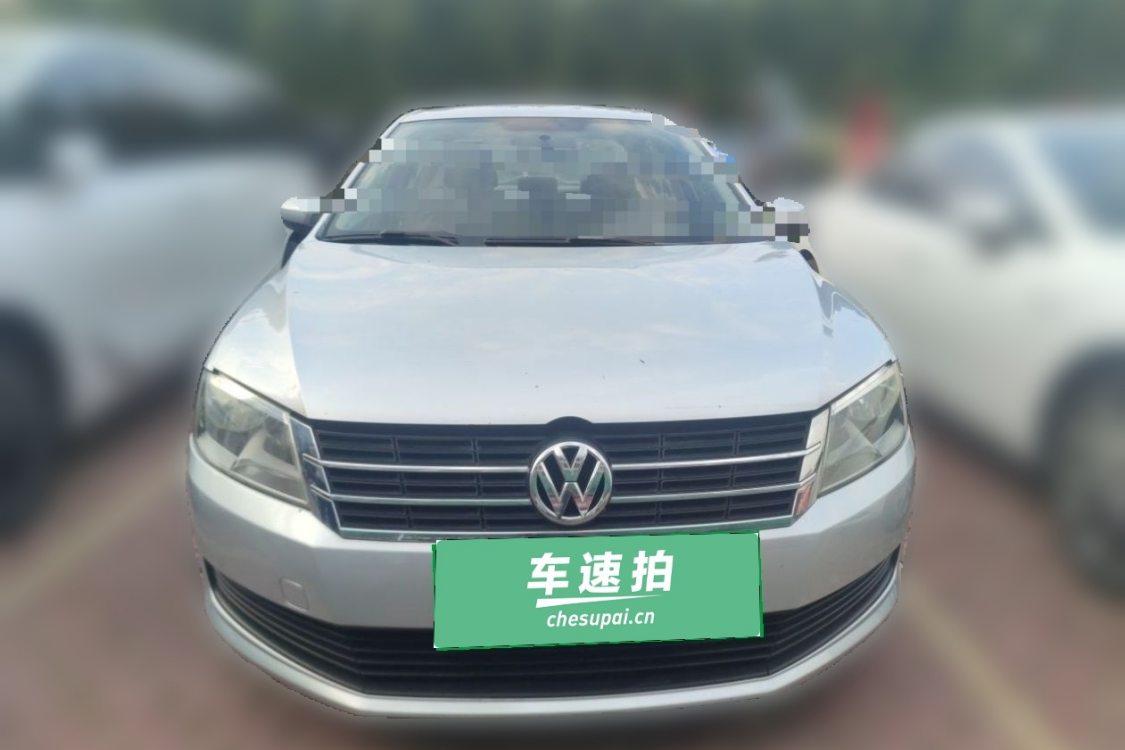
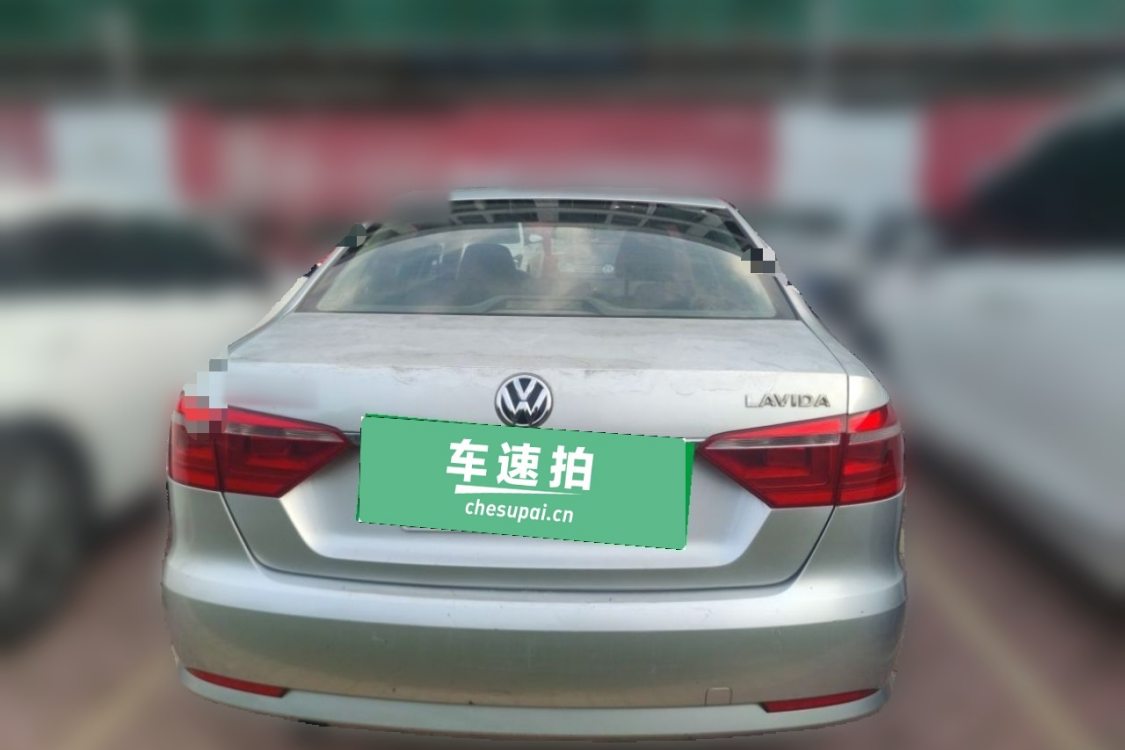



48H

Basic Information

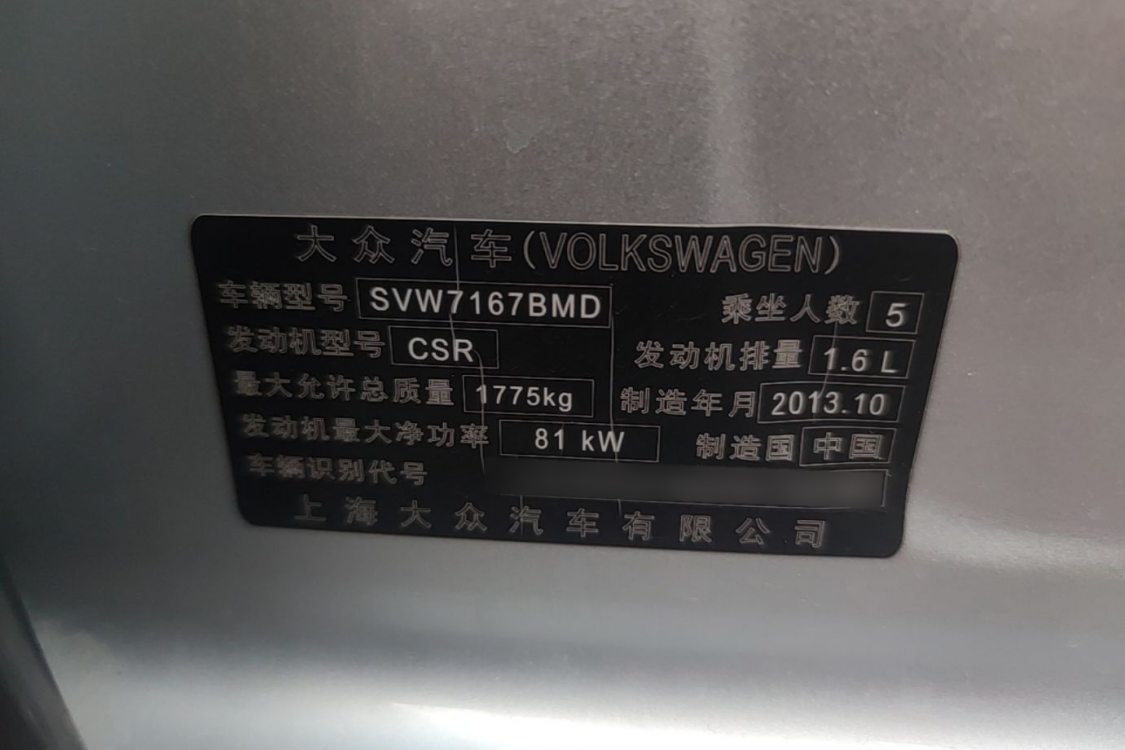
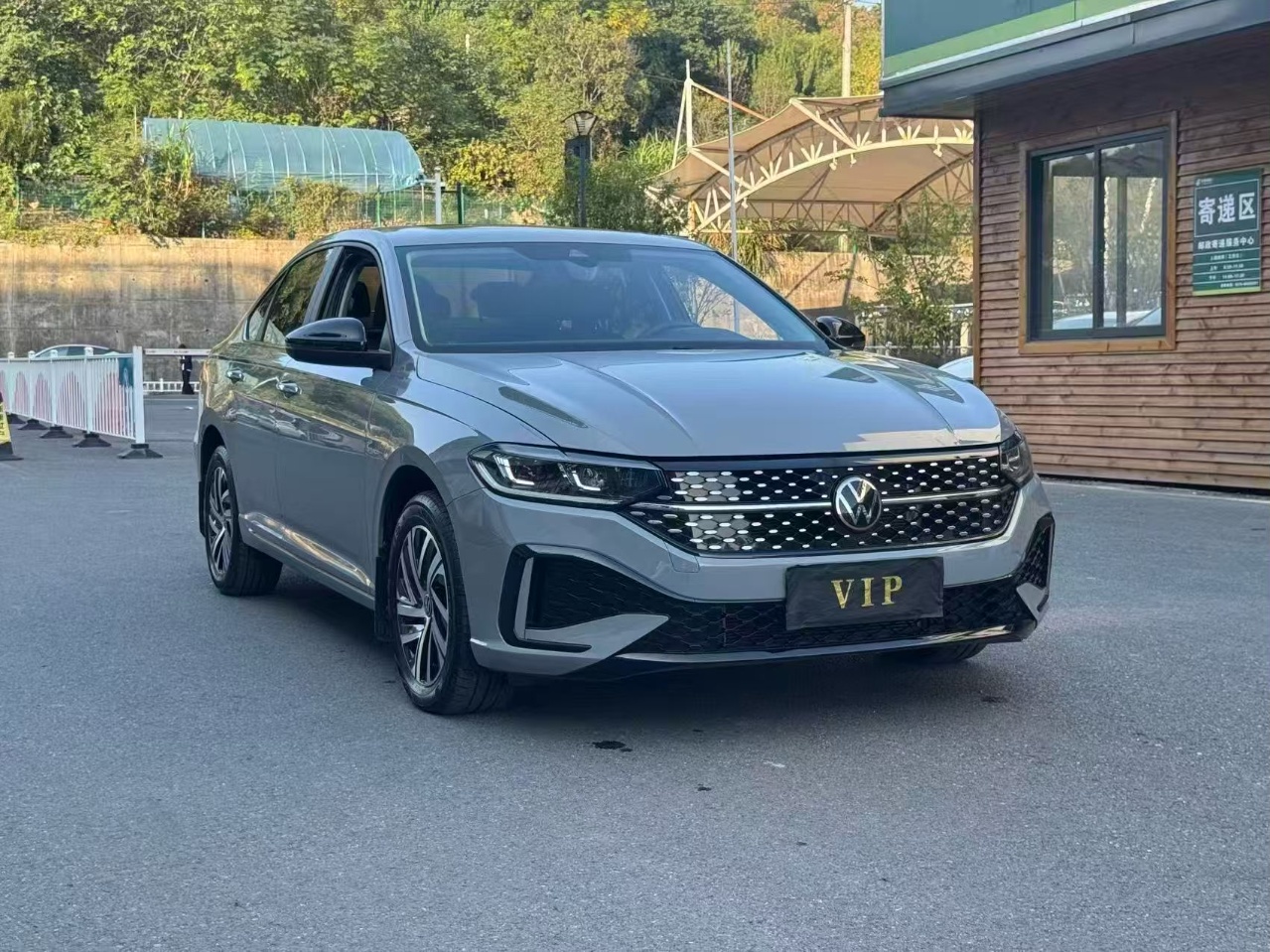
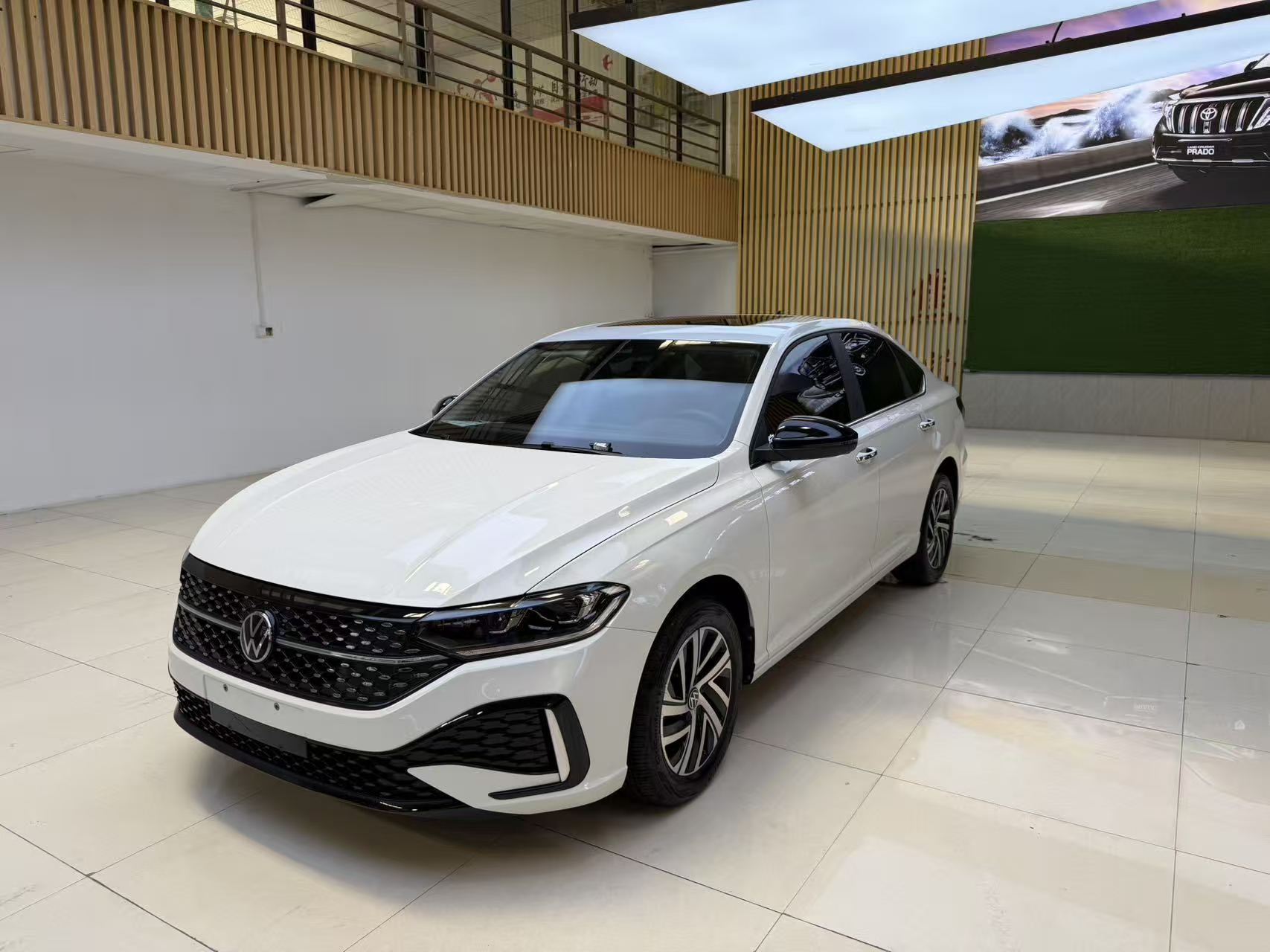
BrandVolkswagen
SeriesLavida
Year2013
First Registration2013/11
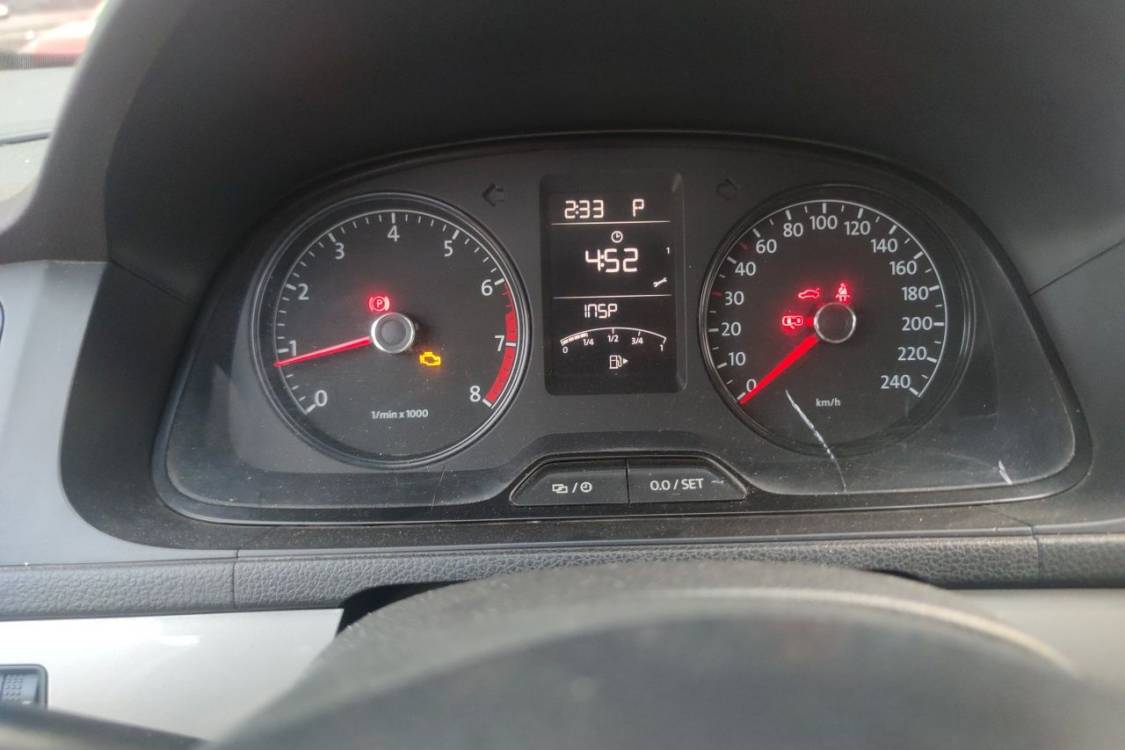
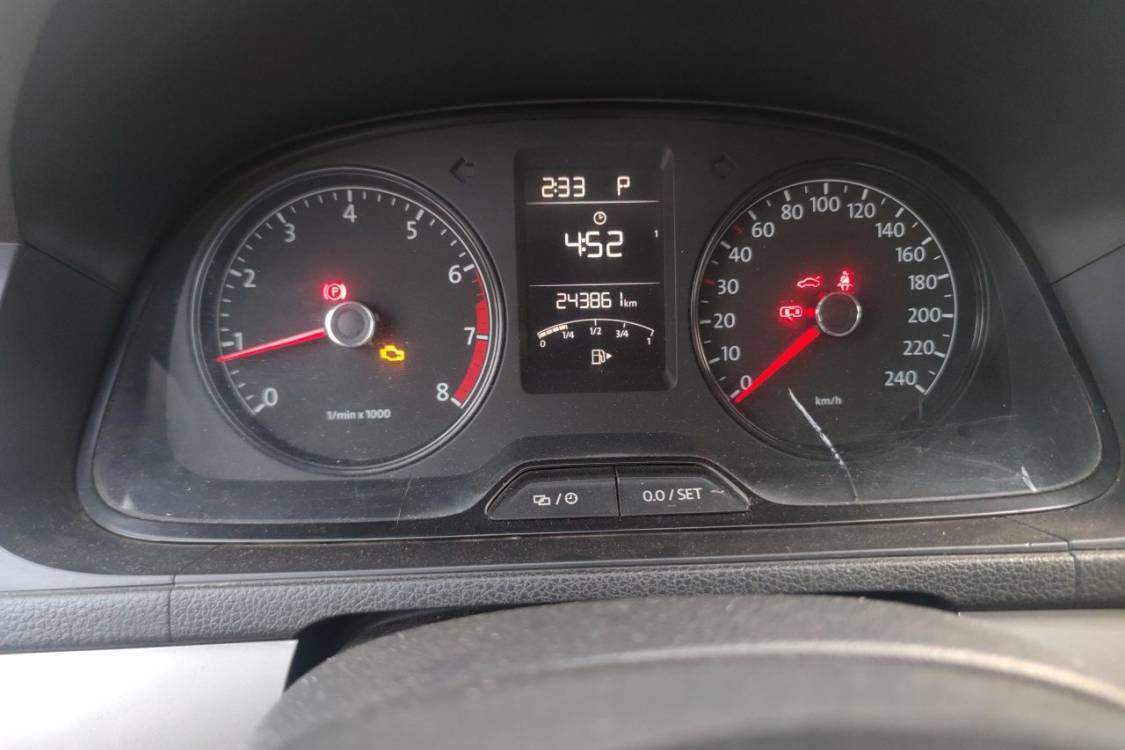
Mileage243,800km
Transfer Count-
FuelGasoline
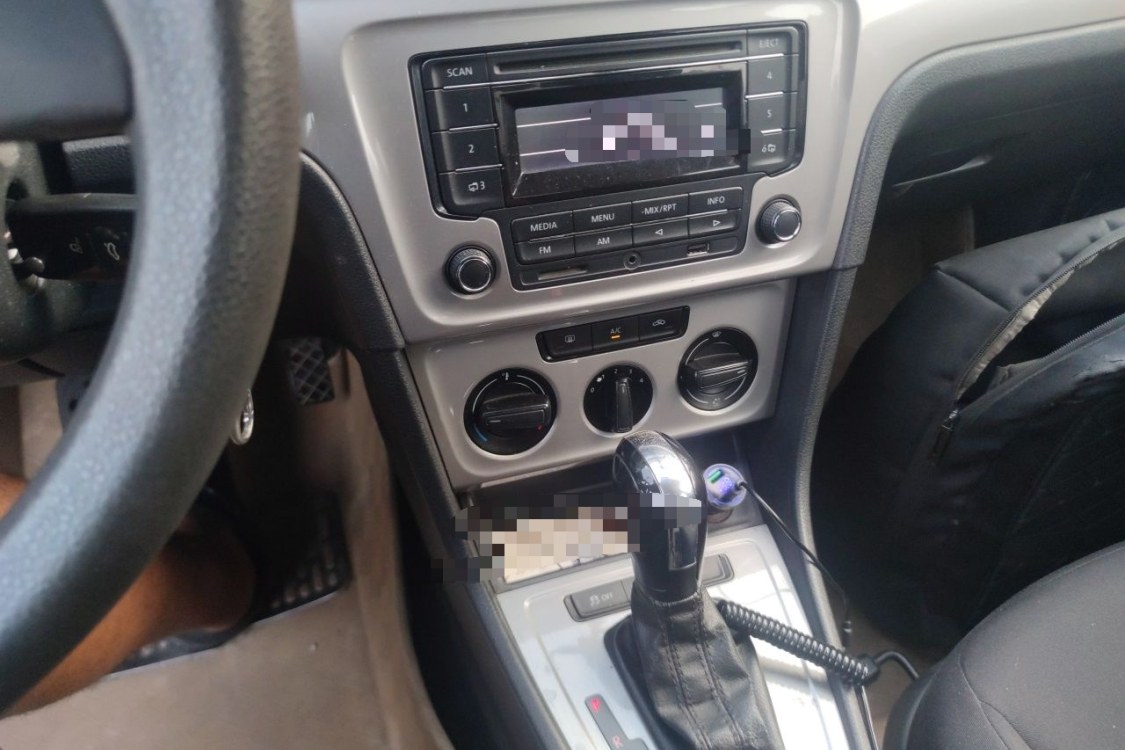
TransmissionManumatic
Engine1.6L 110 L4
ColorGrey
Seats-

Condition Description

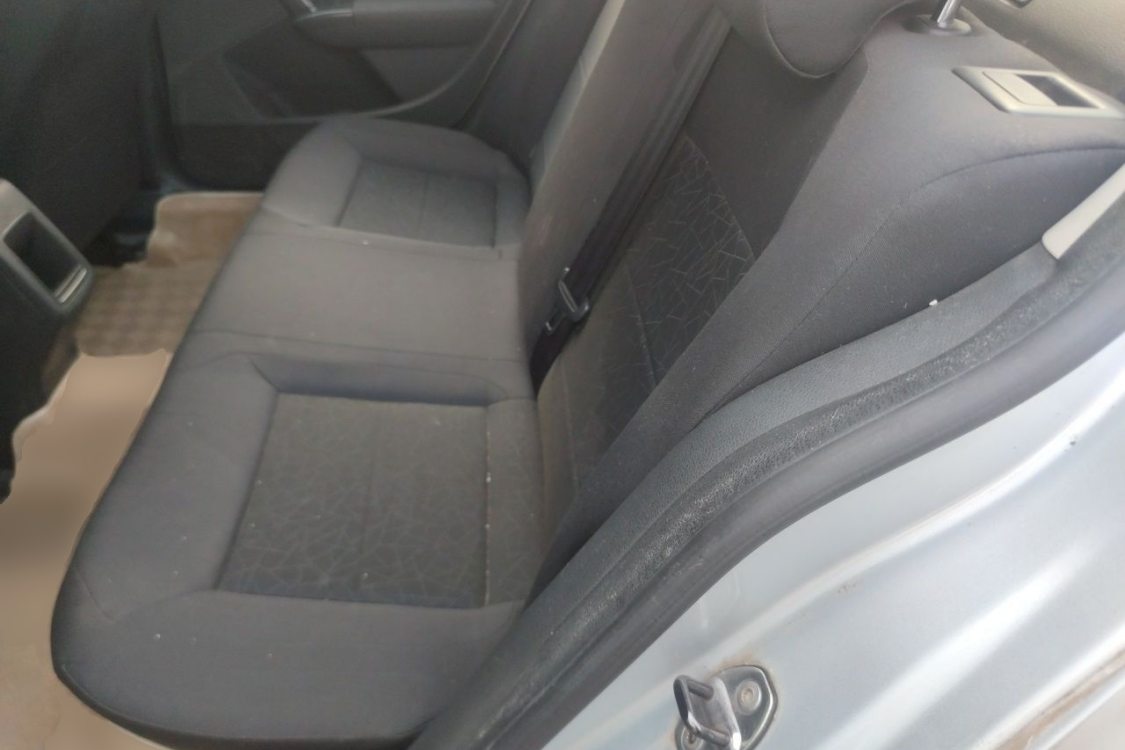
Vehicle has major defects in structural/reinforcing/covering parts due to accident, fire, flood, or power battery components, repaired or unrepaired, still affecting body structural strength or safe use, with hidden fault risks.

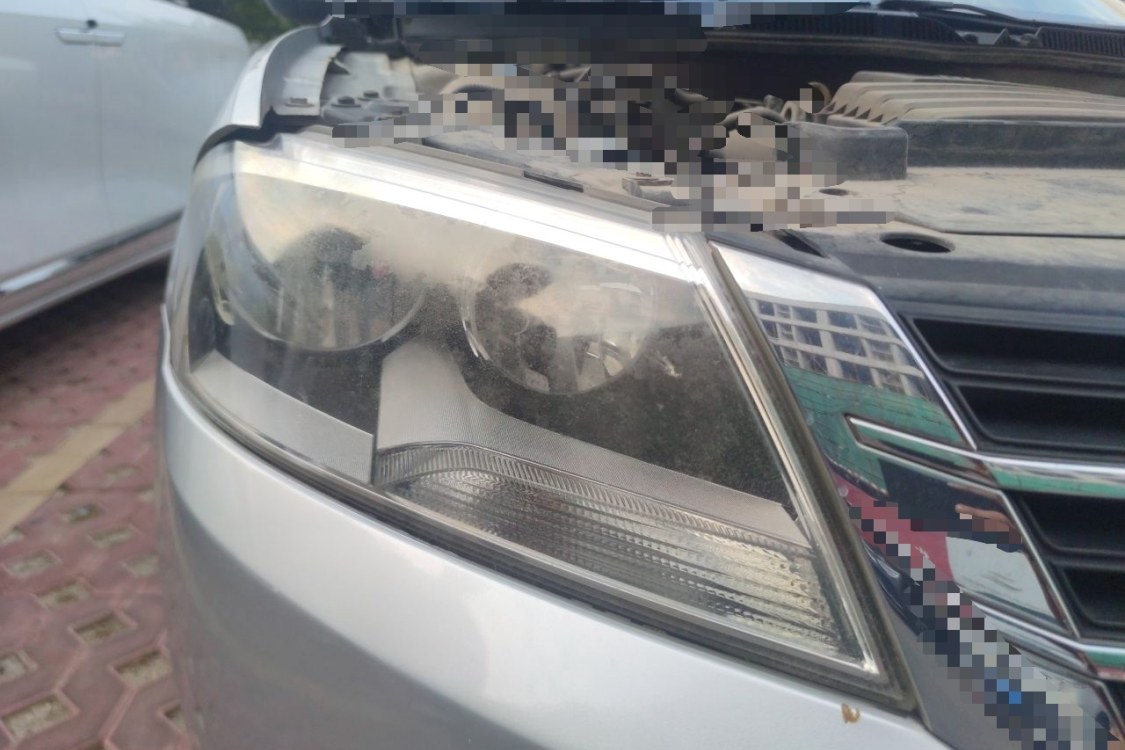
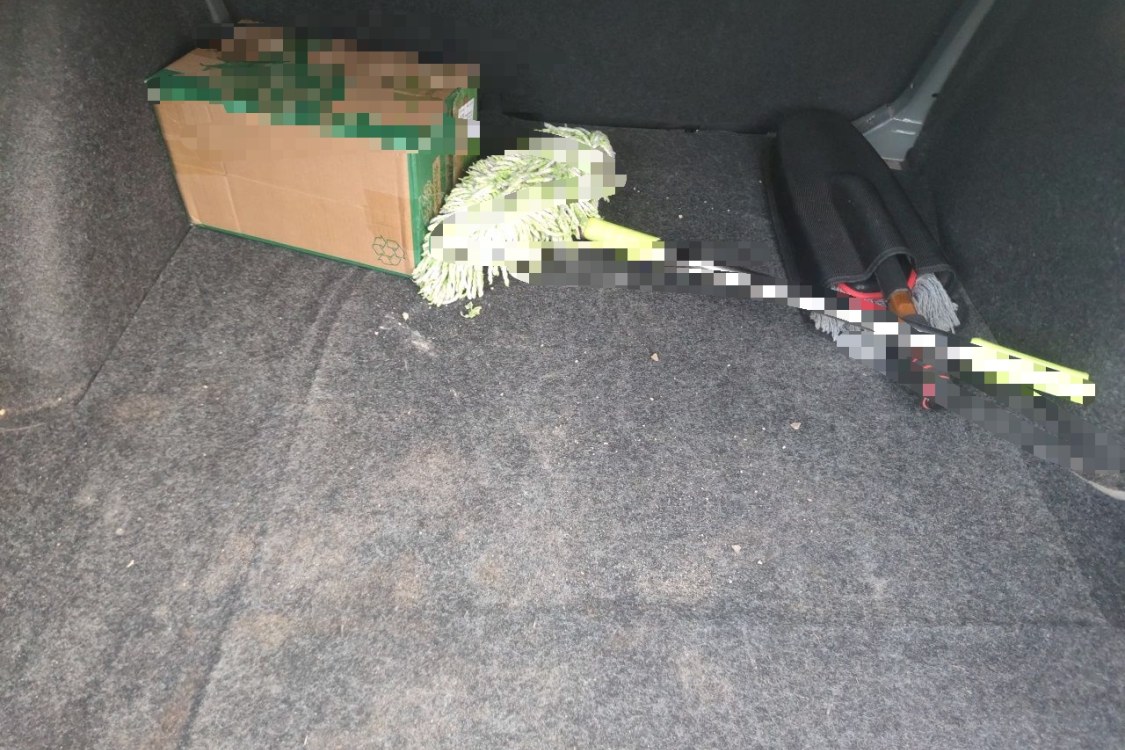
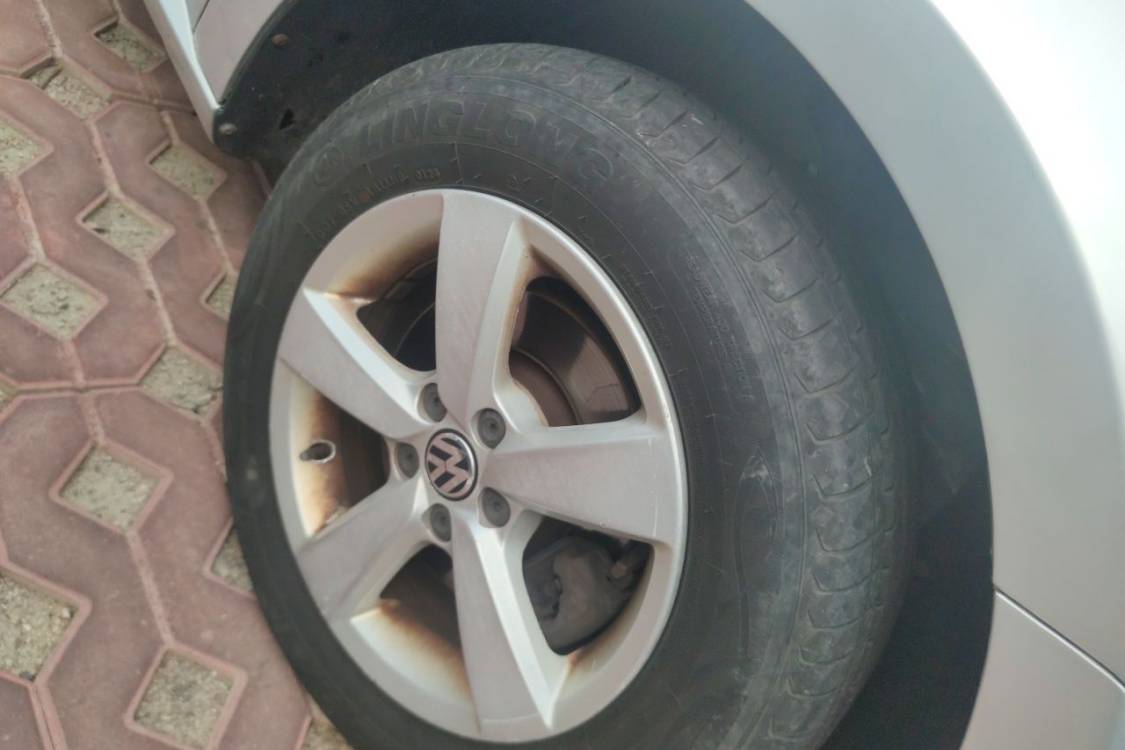
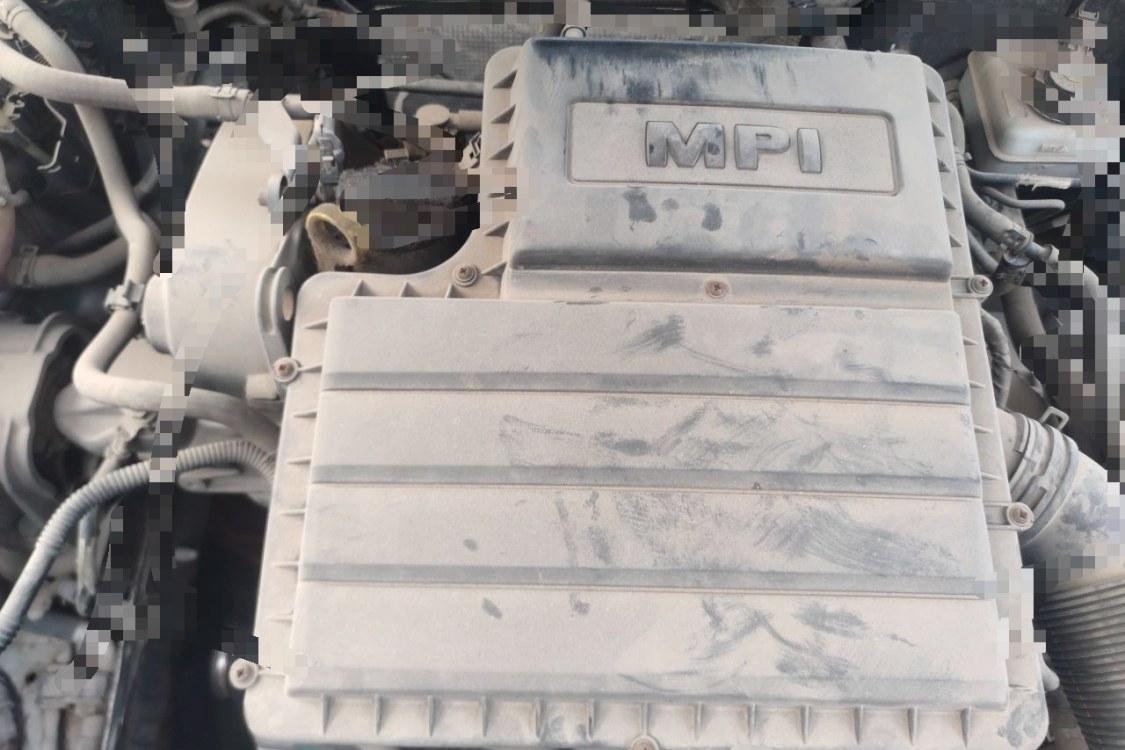
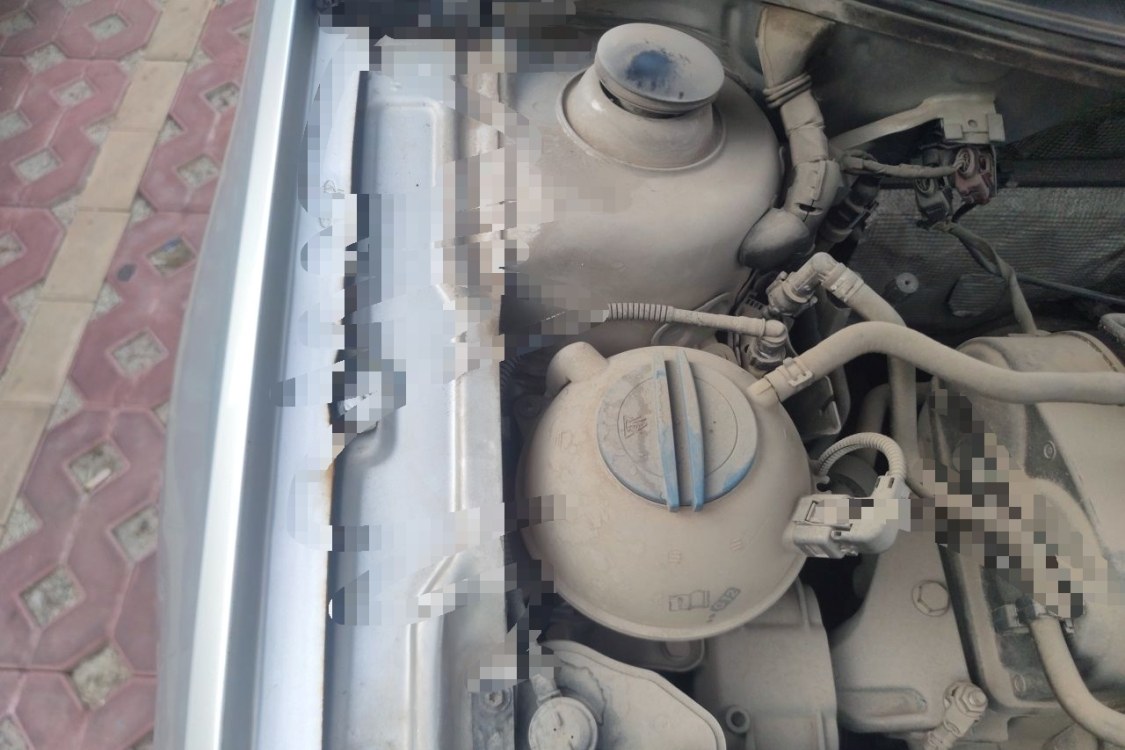
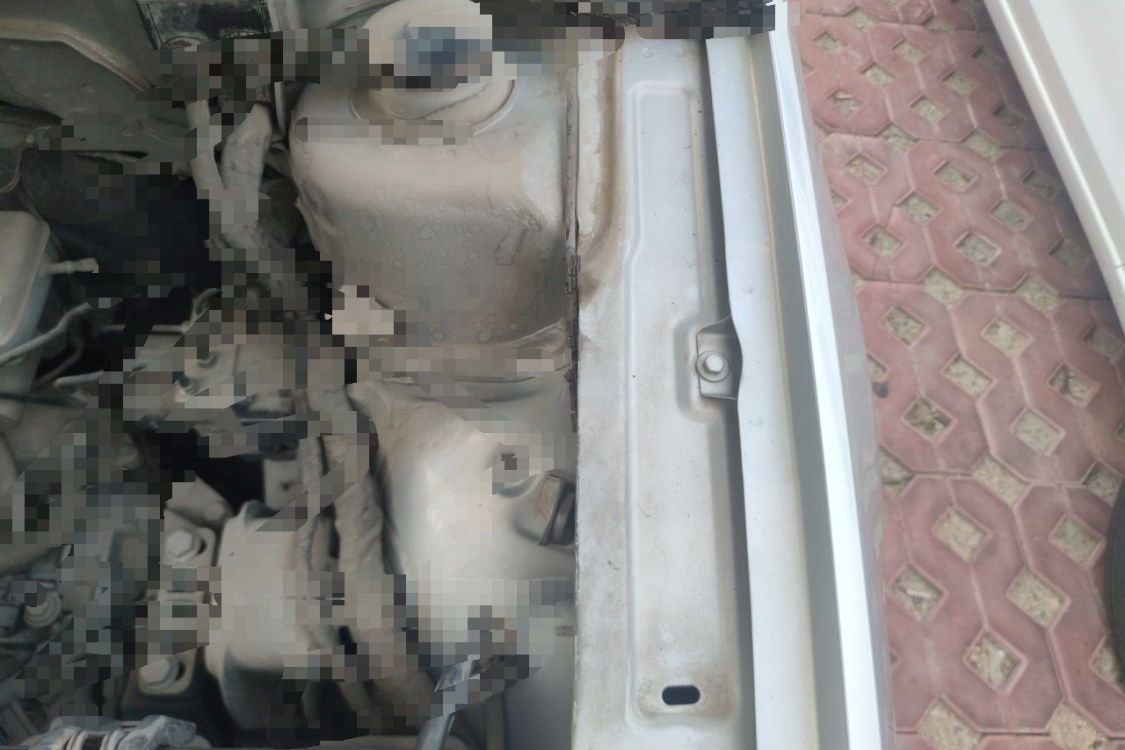
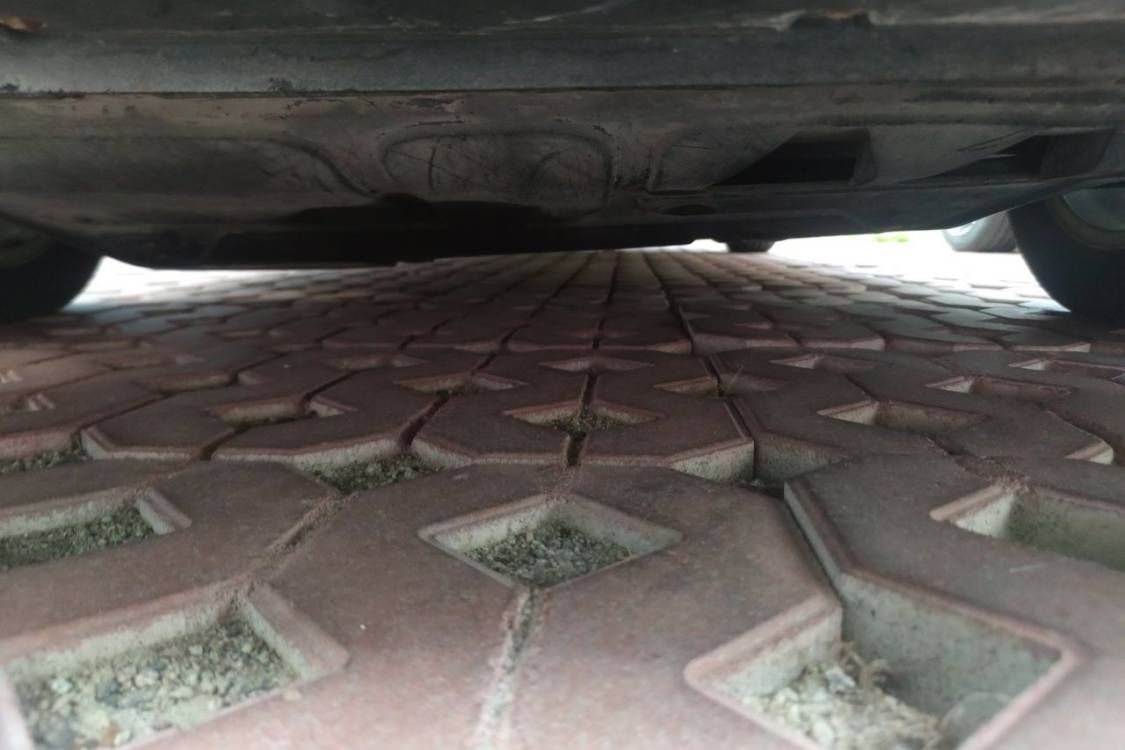
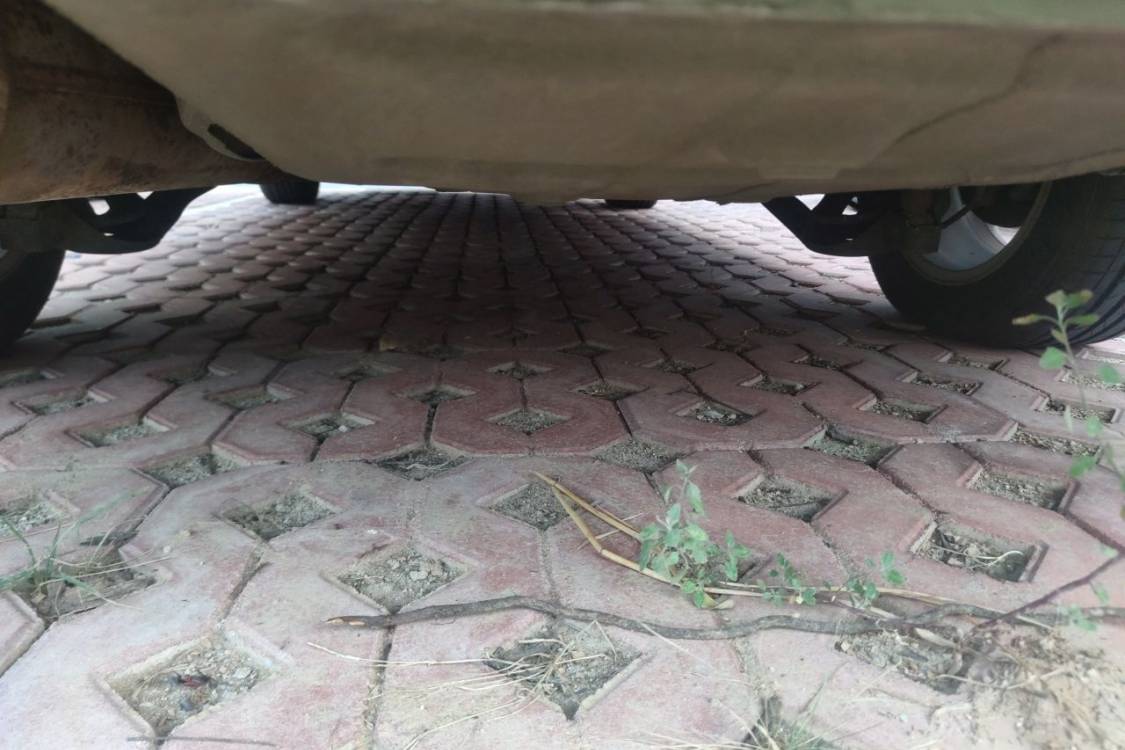
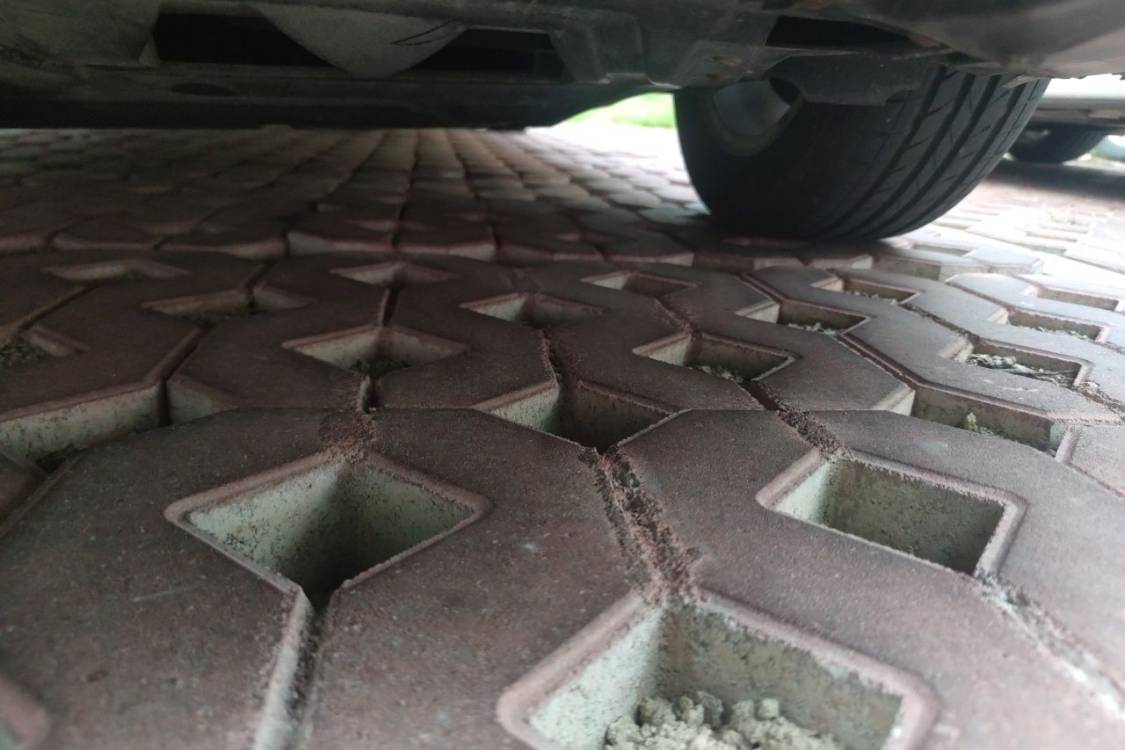
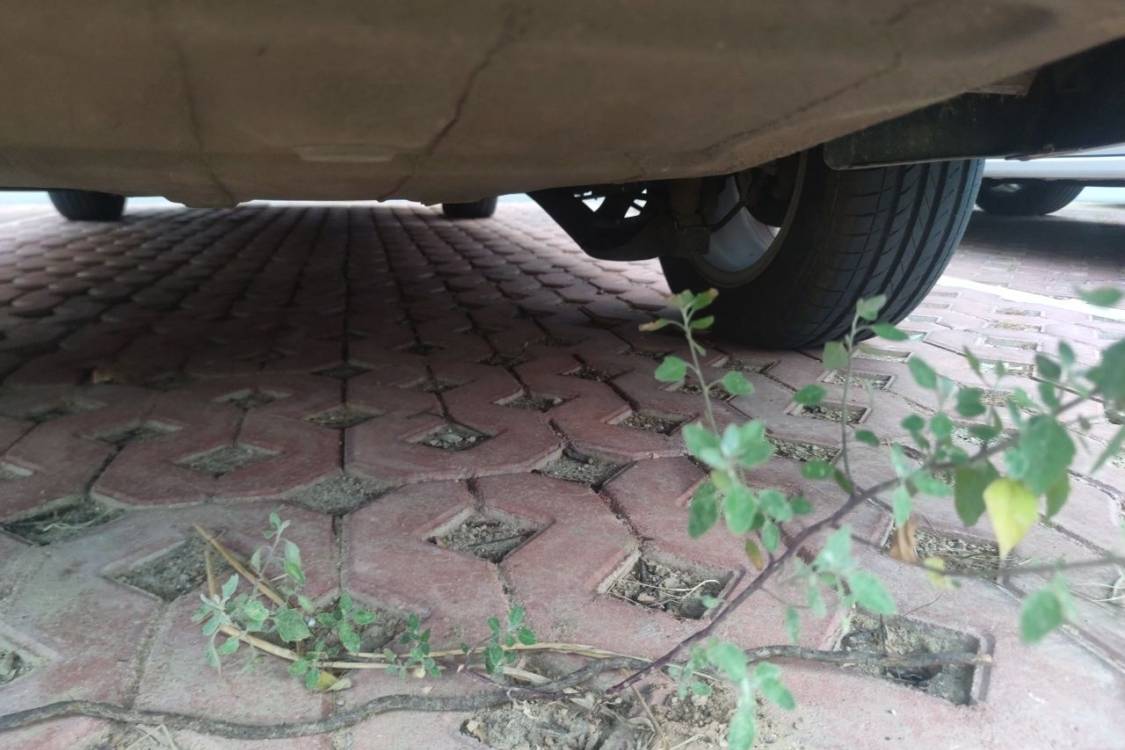
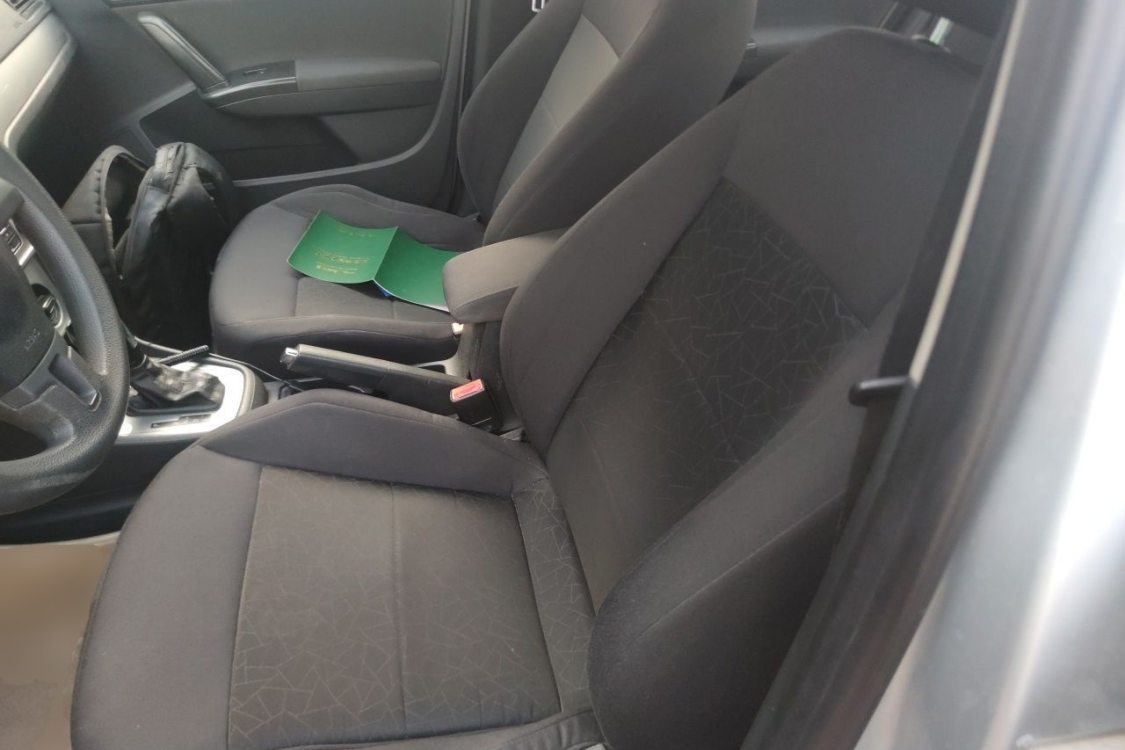
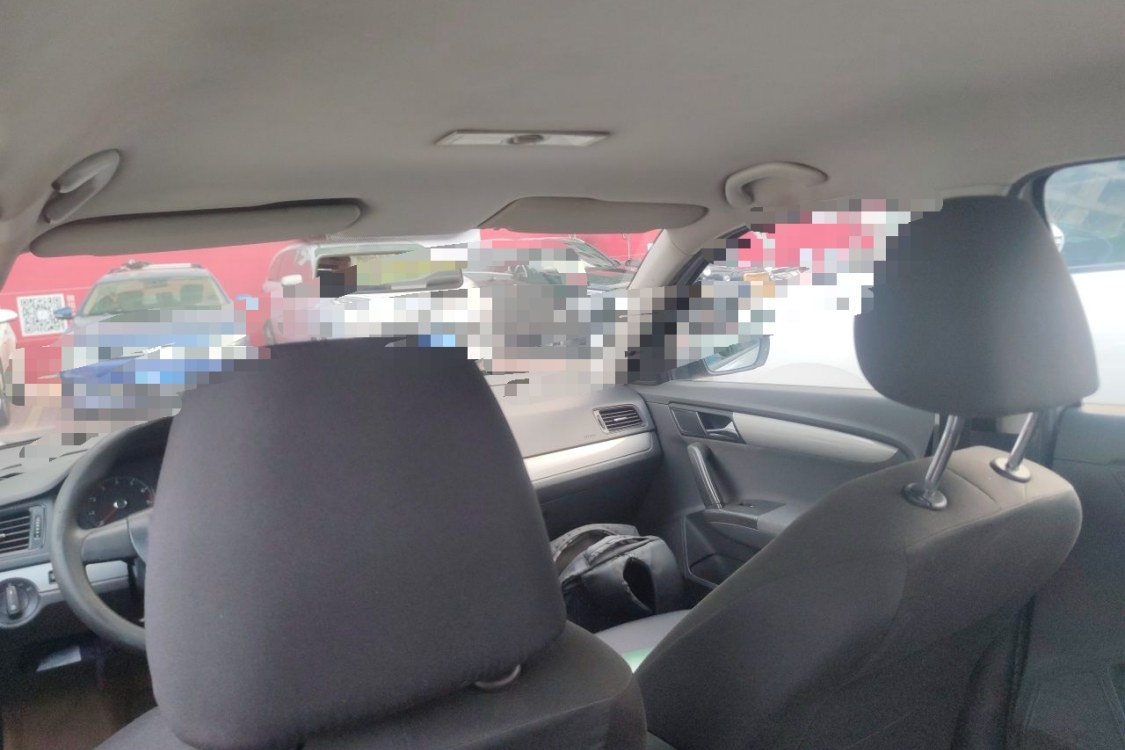
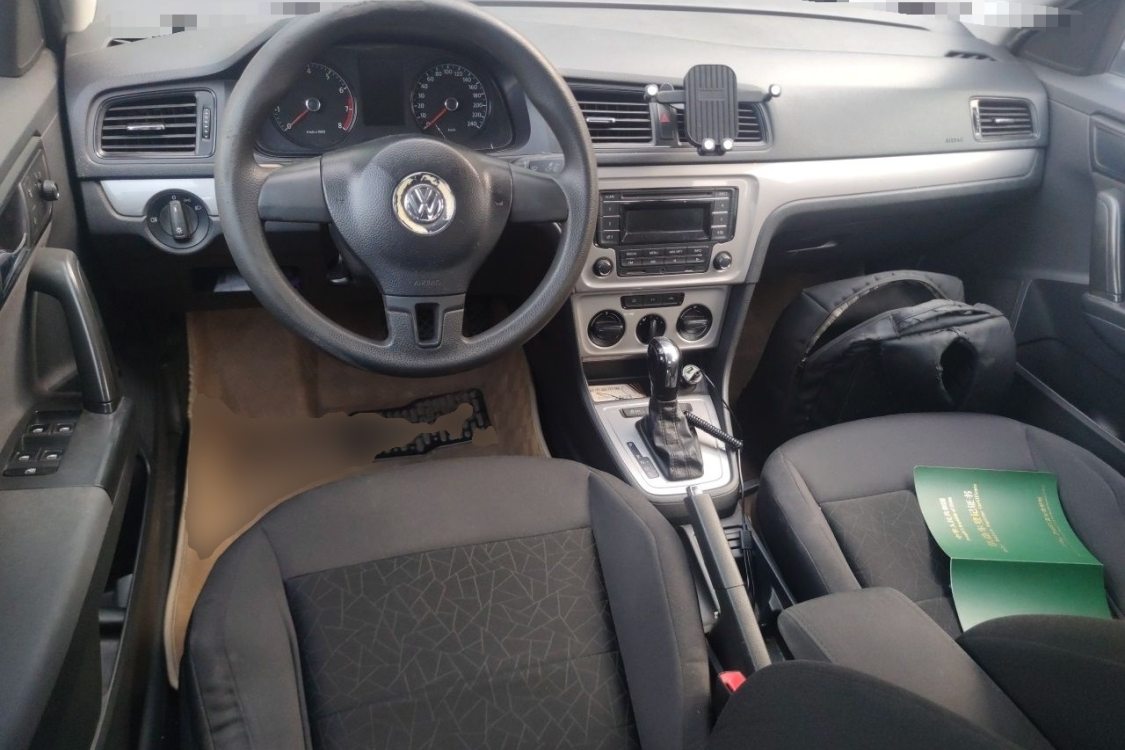
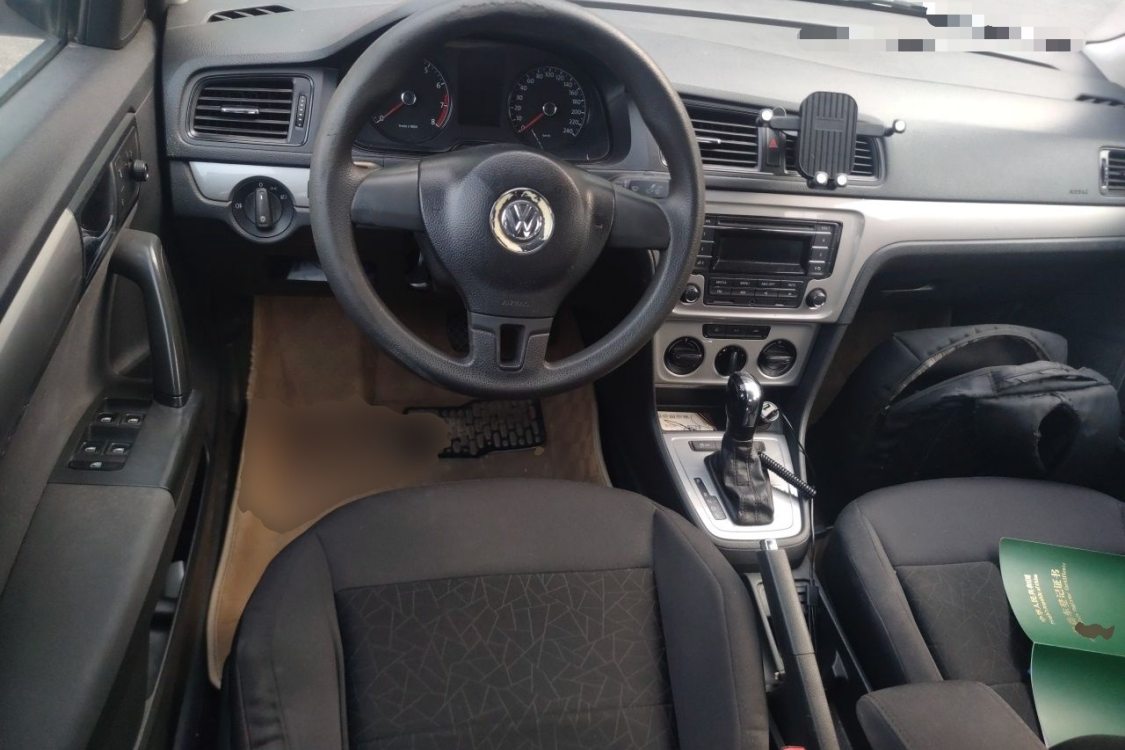
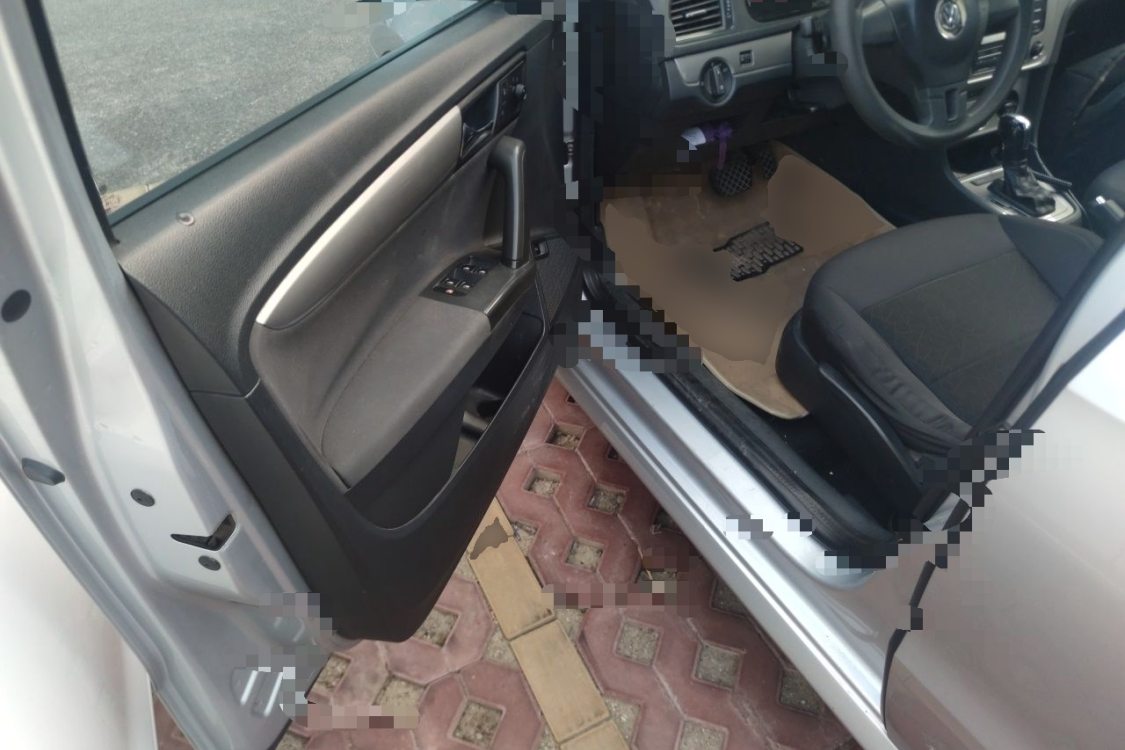
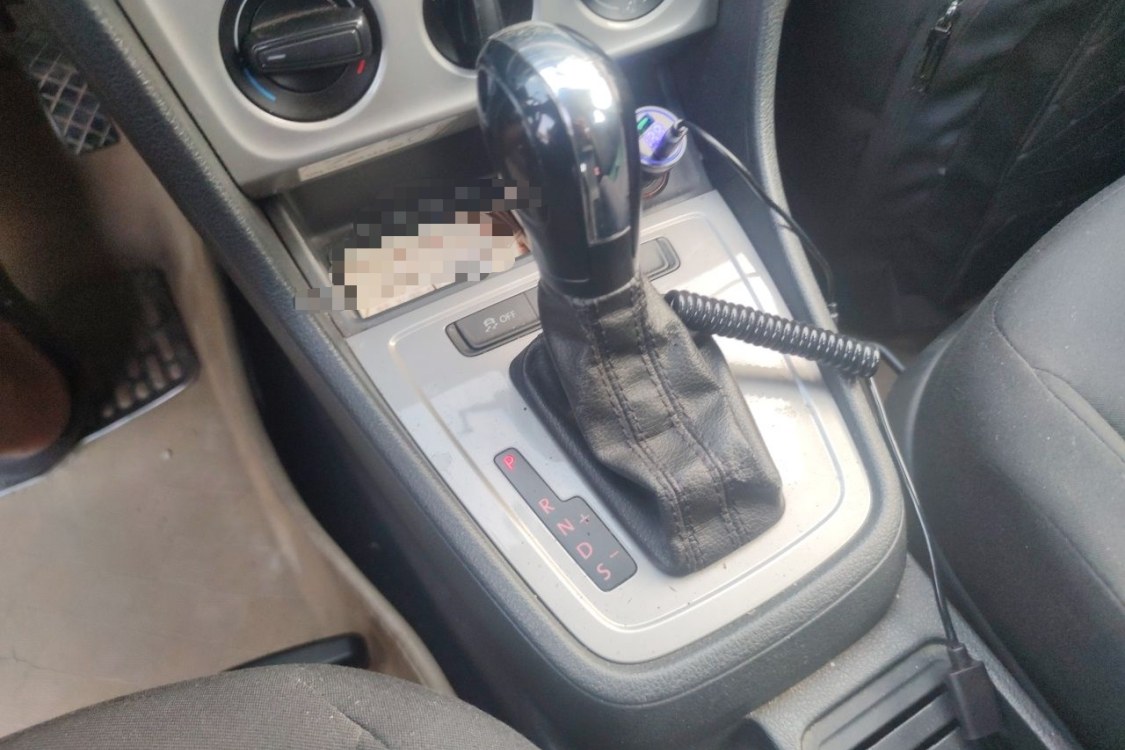
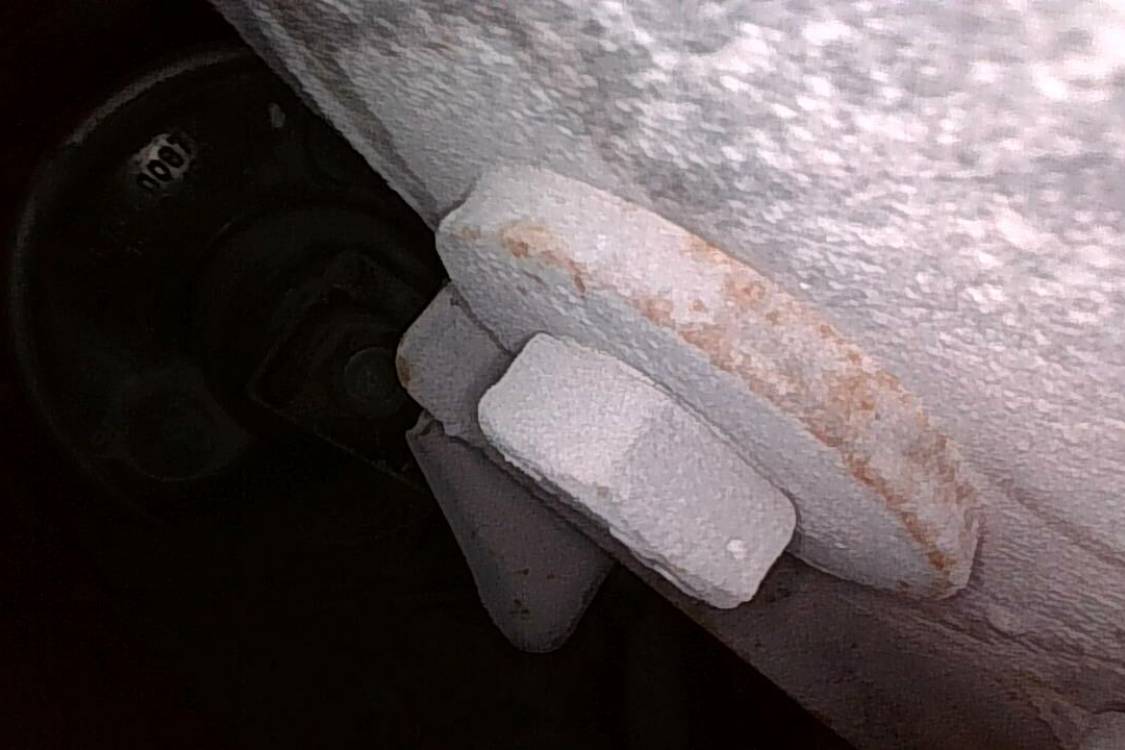
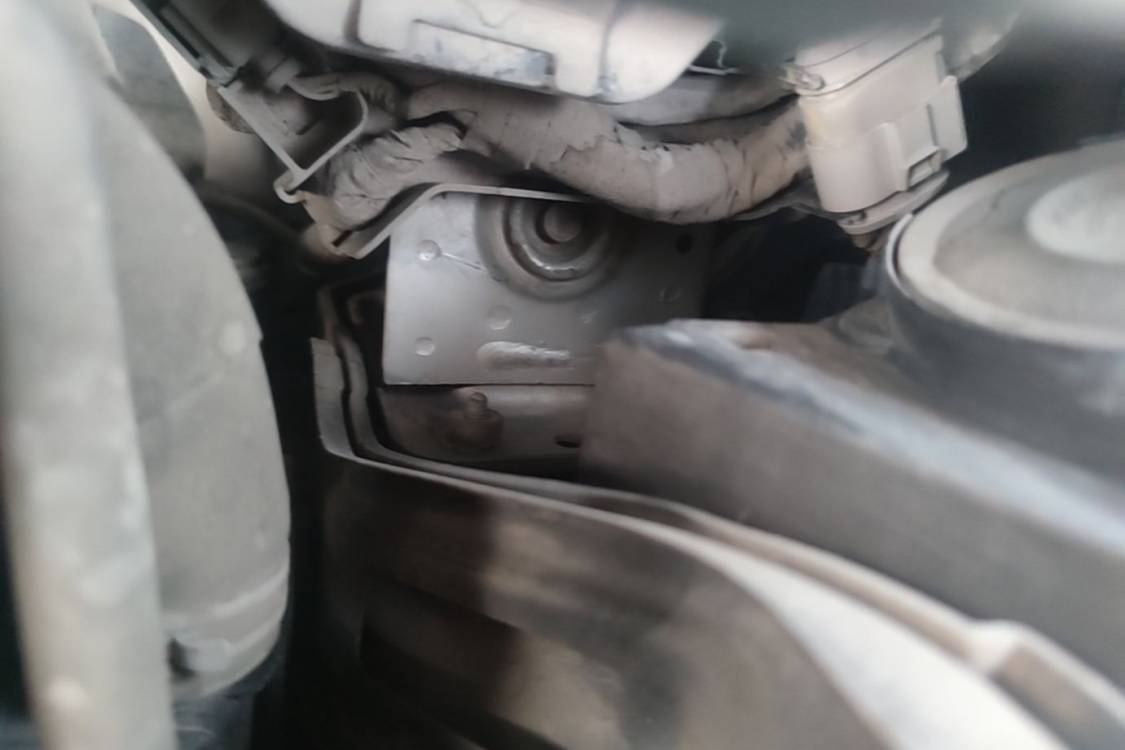
Accident inspection: main structure damaged, reinforcing parts damaged, covering parts damaged, hinges abnormal. Engine bay: engine assembly repaired/disassembled, transmission disassembly no record, transmission housing oil leak, valve cover gasket seepage. Exterior: 6 replaced parts, 10 panel-beat repairs, 1 repaint. Interior: headliner falling; most features normal; airbags normal; lighting system normal. Startup test: engine condition warning light abnormal. Onboard tools: missing.

电话直连
可讲价
平台物流
公户车
零过户
新检测标准升级>
非泡水

Document Information

Inspection Expiry Date2026/11
Warranty Expiry Date-
Insurance Expiry Date2026/11

Q&A

More

How do you assess the leak risk of vehicles with panoramic sunroofs?

We maintain an absolute skeptical attitude. In addition to regular visual inspections, we focus on checking for sediment accumulation around the sunroof drainage channels and look for water stains under the A-pillar trim and front floor mats. This is the only effective physical evidence to determine if the sunroof drainage holes are blocked, leading to hidden leaks.
What is a Certificate of Origin and why do I need one when importing a car from China?

A Certificate of Origin (C/O) is an official document stating where the vehicle was manufactured. Customs authorities use it to decide which tariff rates and trade agreements apply to your import. Why it matters: many countries offer preferential tariffs for certain origins. With a valid C/O, such as the ASEAN-China Form E or a GSP Form A, you may pay reduced or zero duty. Without it, you typically pay the standard, higher rate. The certificate must match the vehicle exactly: VIN, make, model and invoice details. It is usually issued by the China Council for the Promotion of International Trade (CCPIT) or customs authorities. Practical tips: request the C/O before shipment, because adding it later is slow; check that your country's customs accepts the specific C/O format; and confirm with your broker whether your vehicle category qualifies for preferential rates. This single document can save you thousands in duty.

If customs delays due to the upgrade of the Chinese customs system cause a missed shipping schedule, who will cover the storage fees?

If the delays are due to policy-related force majeure like customs system upgrades, or if our documentation errors lead to short shipments, all additional demurrage and storage fees incurred at ports within China will be borne by sellwellauto, and the buyer will not have to pay a cent.