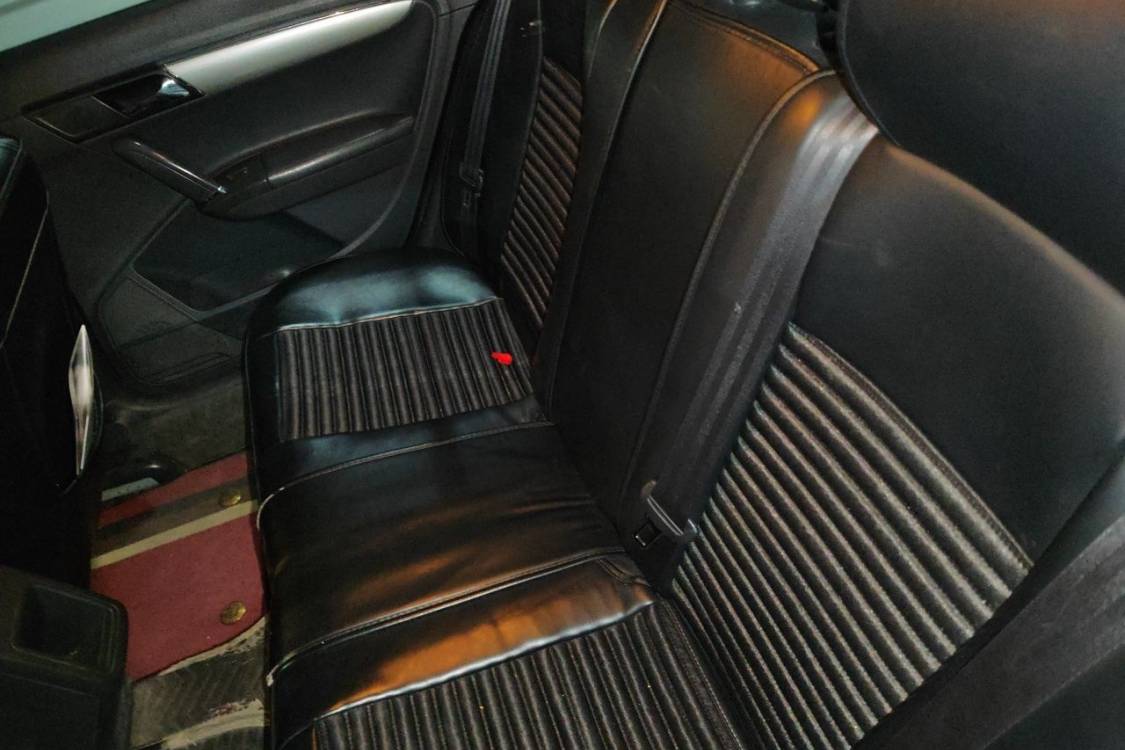
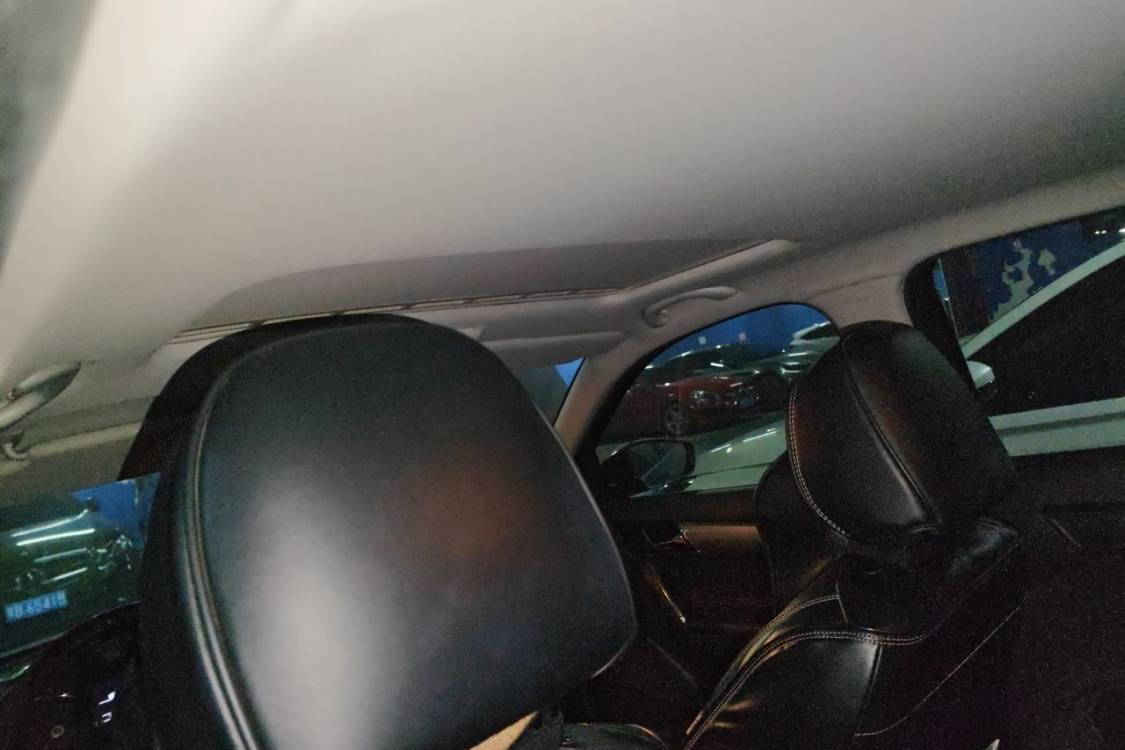
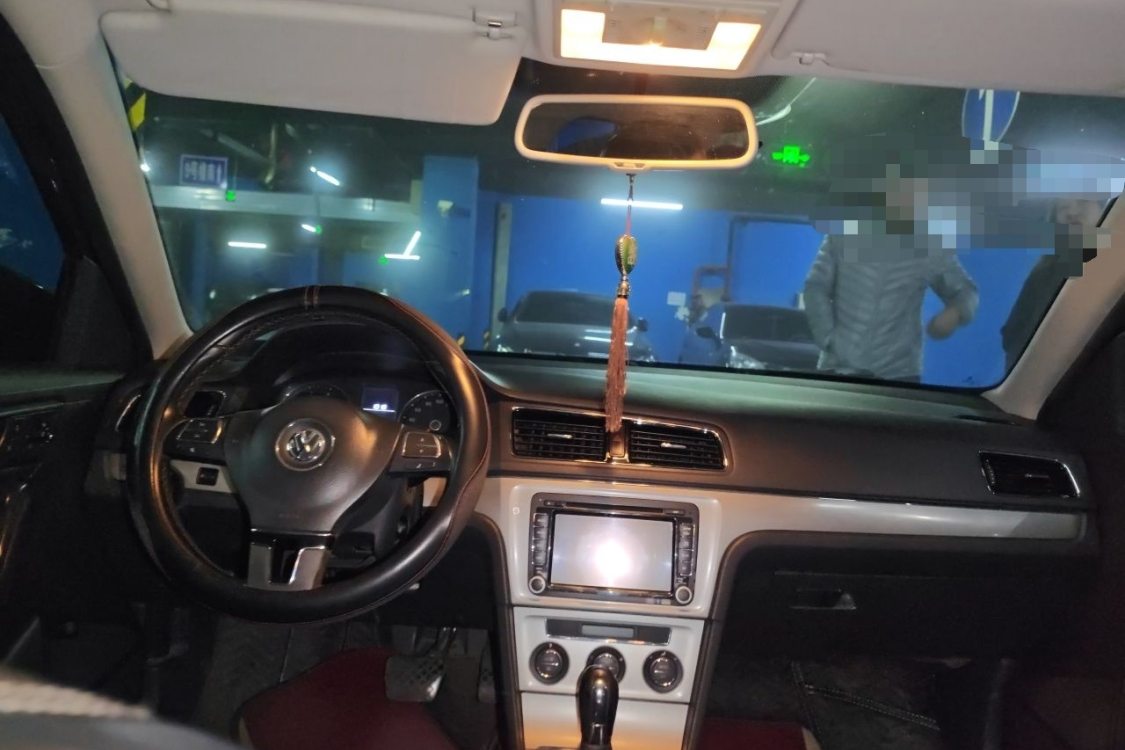
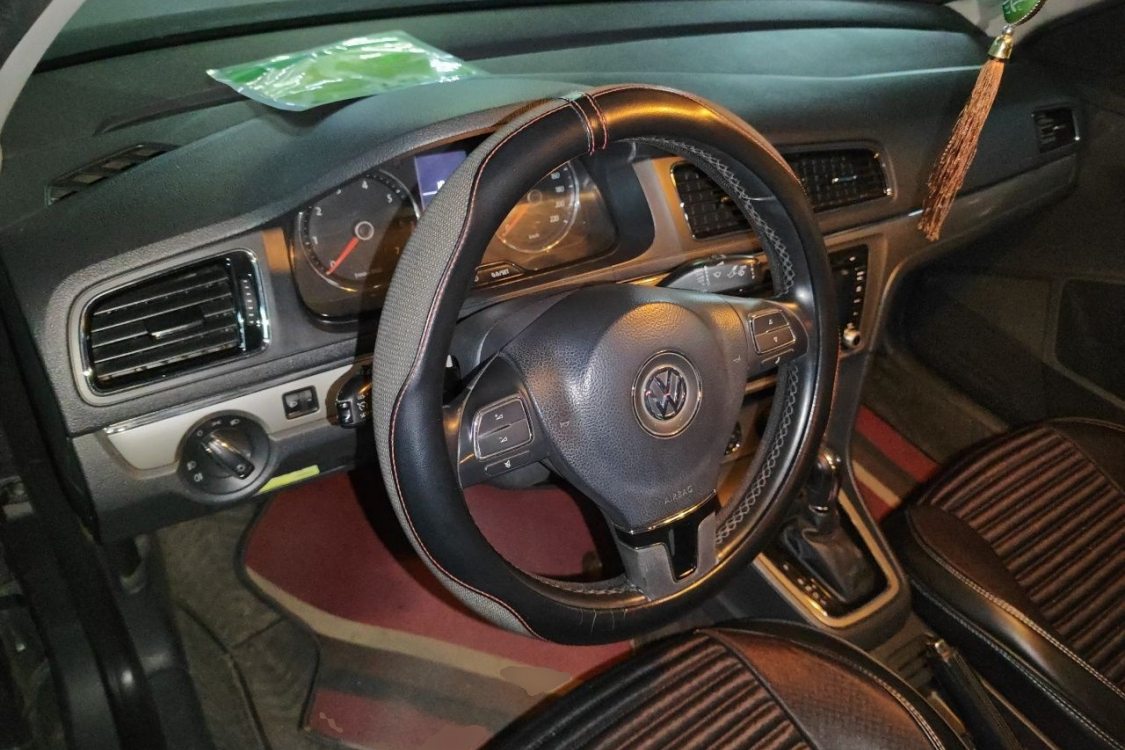



Basic Information

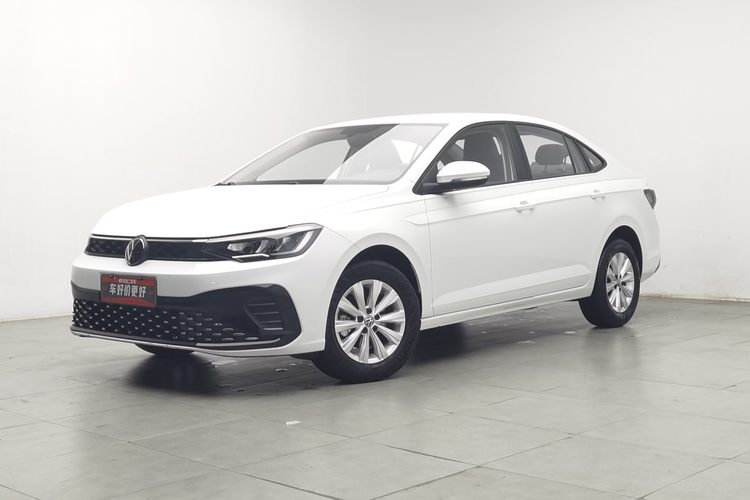
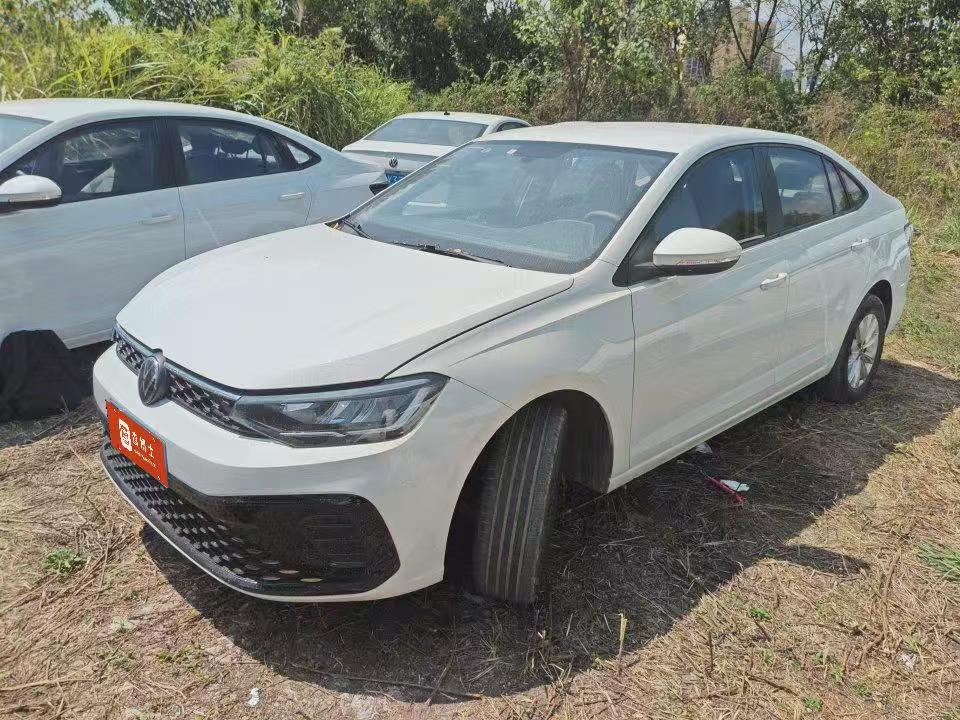
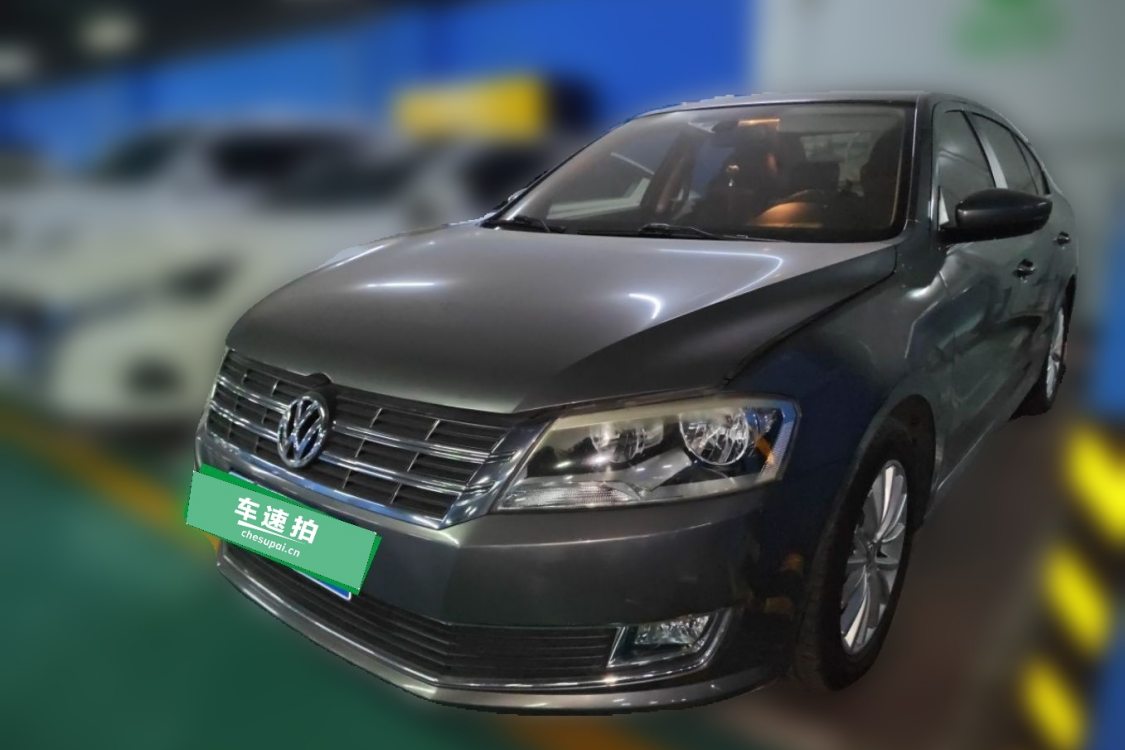
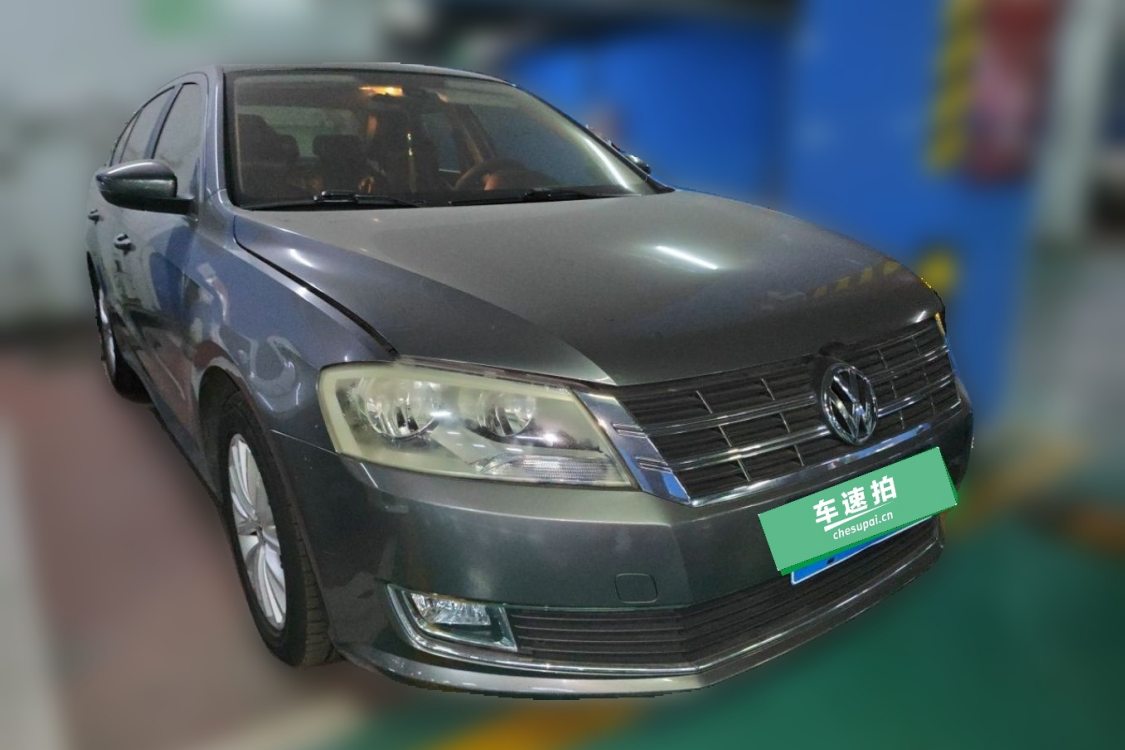
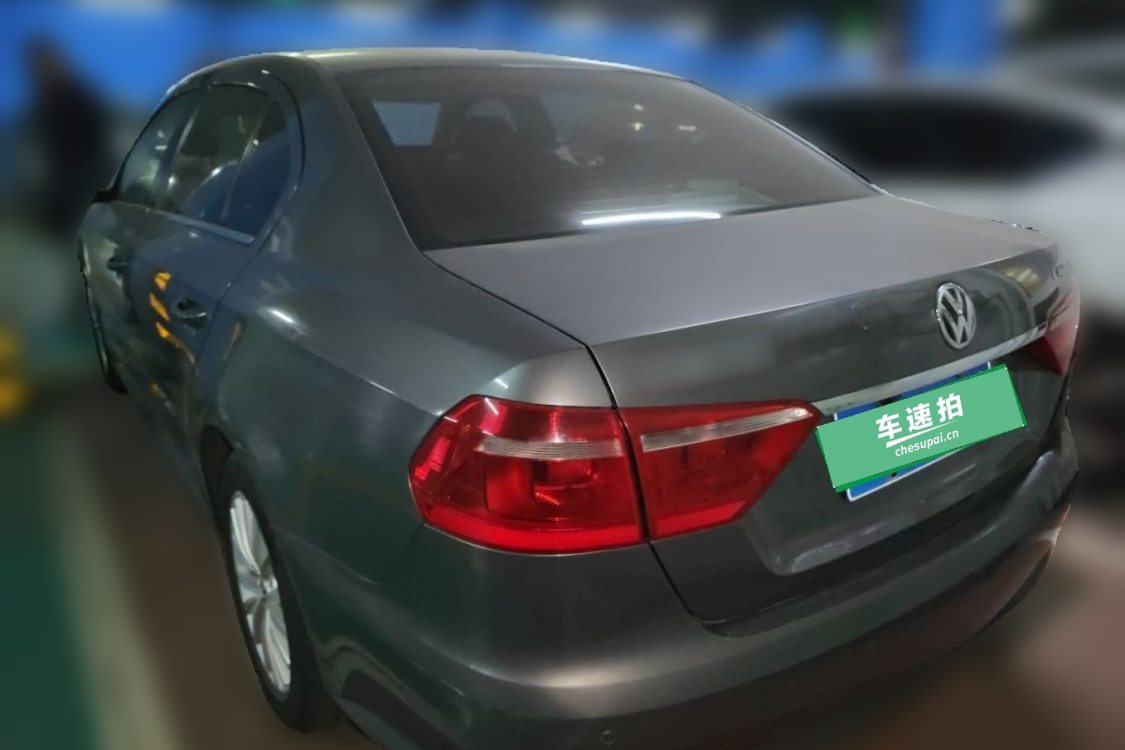
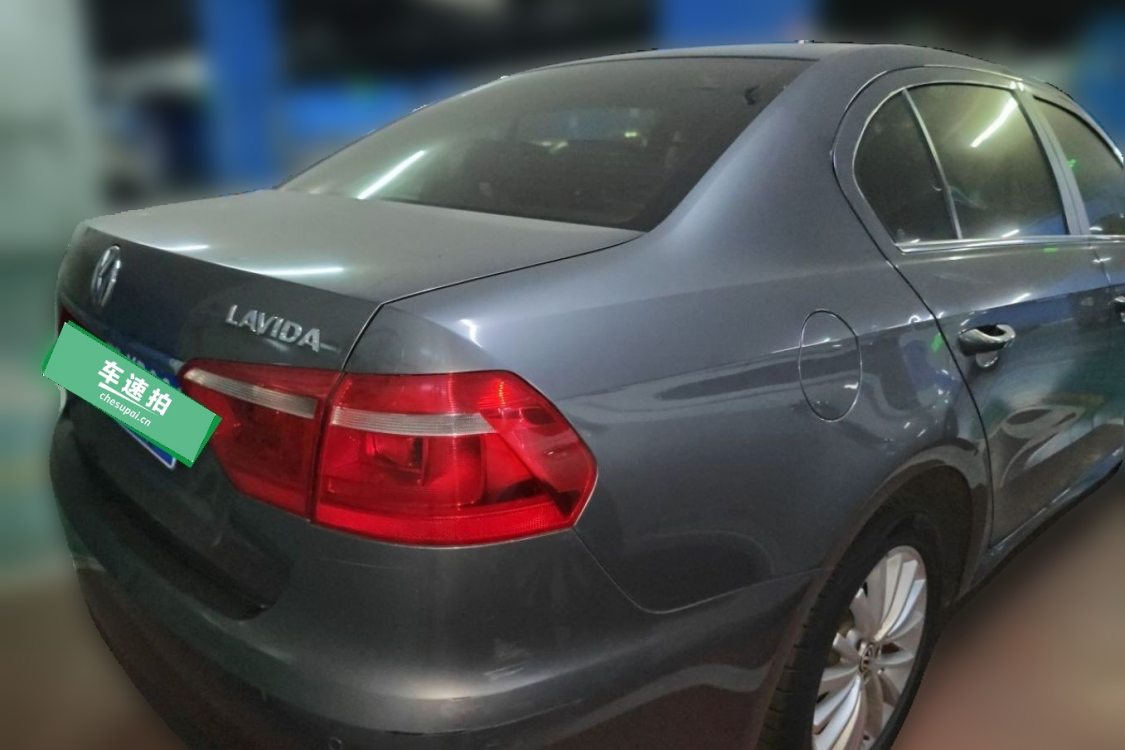
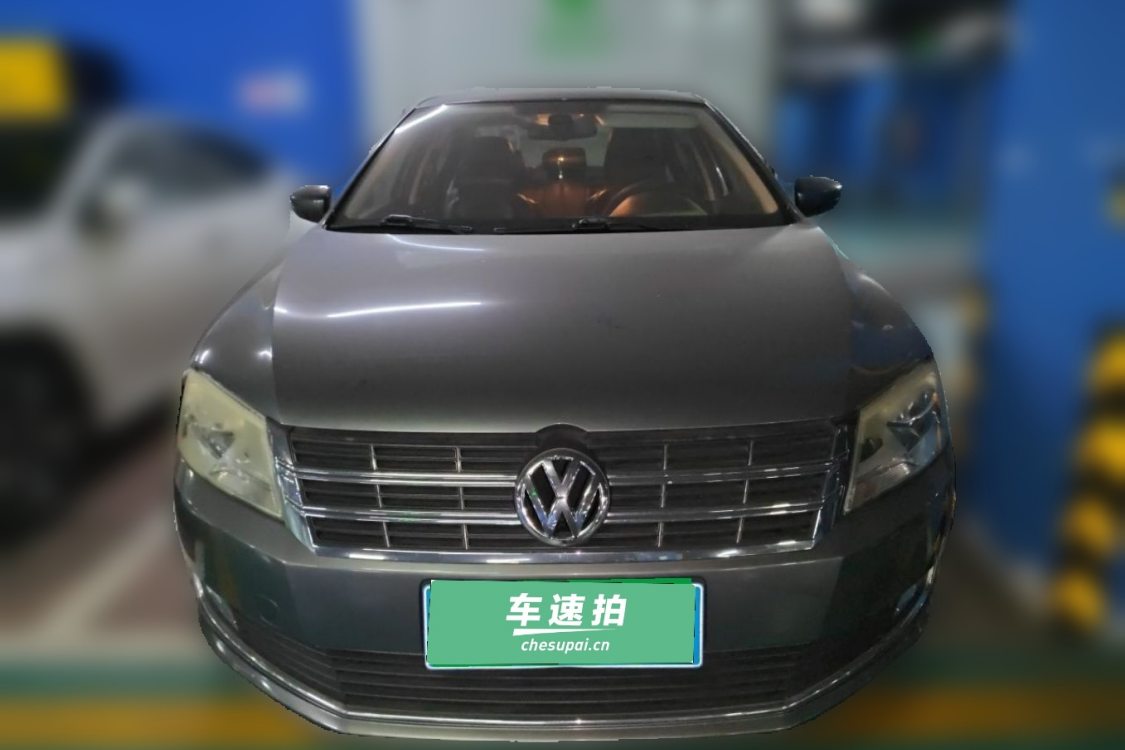
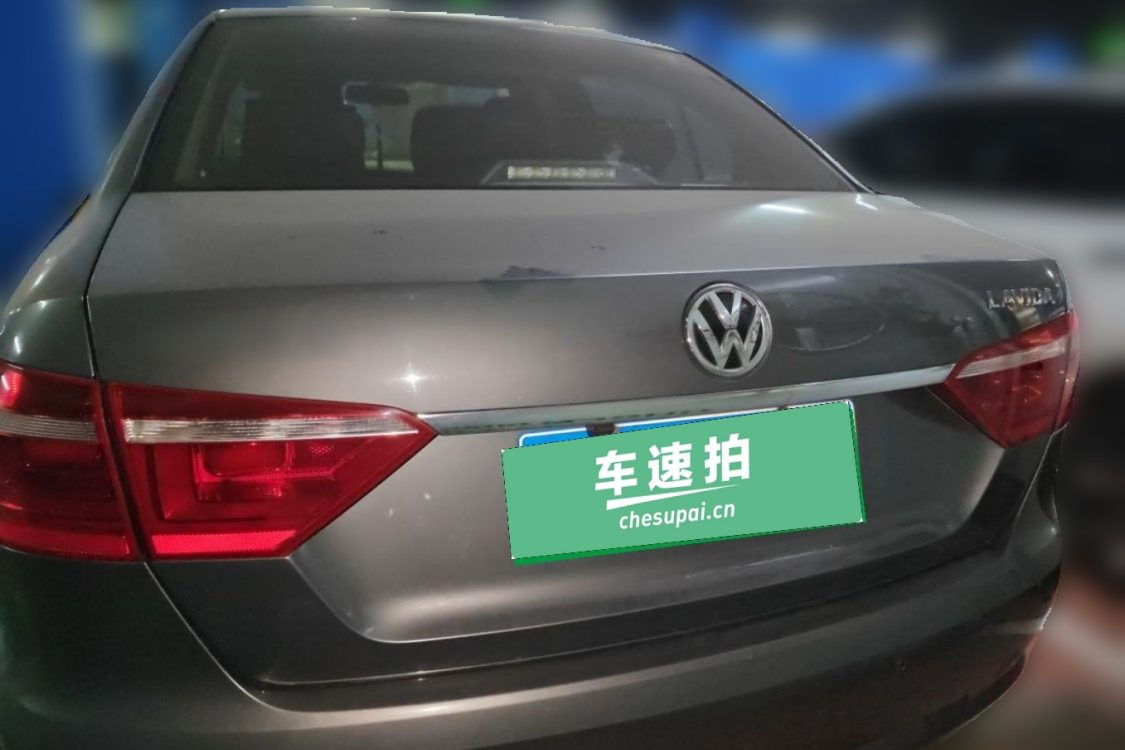
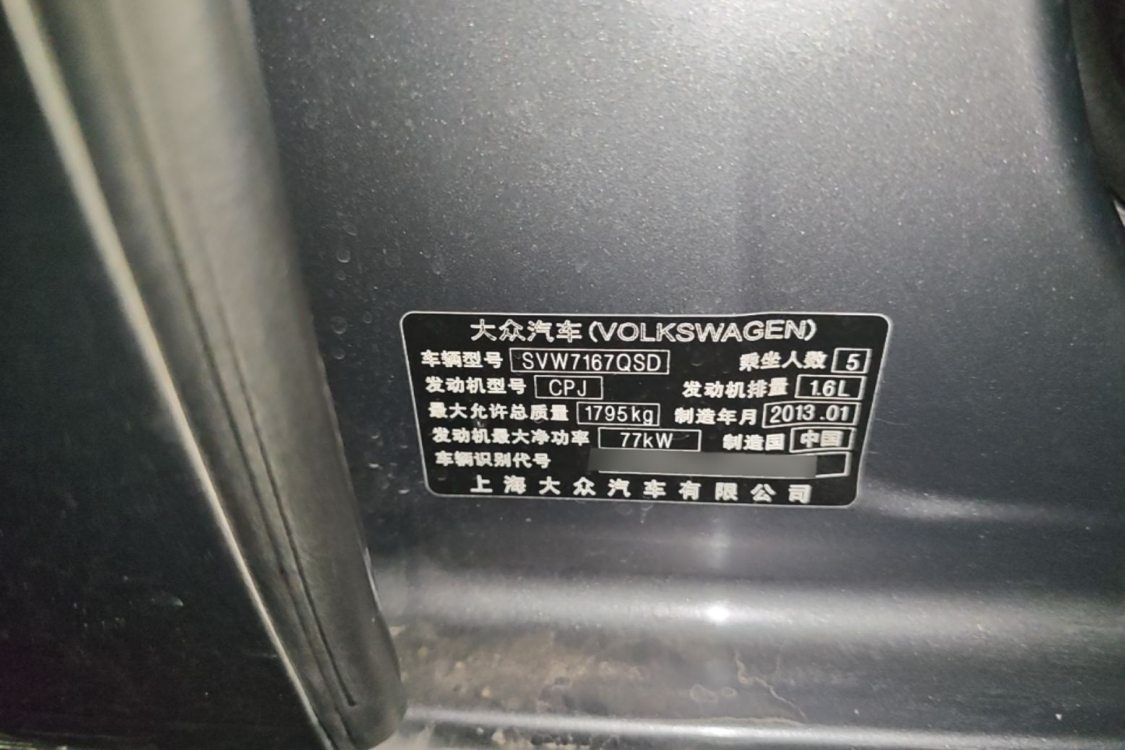
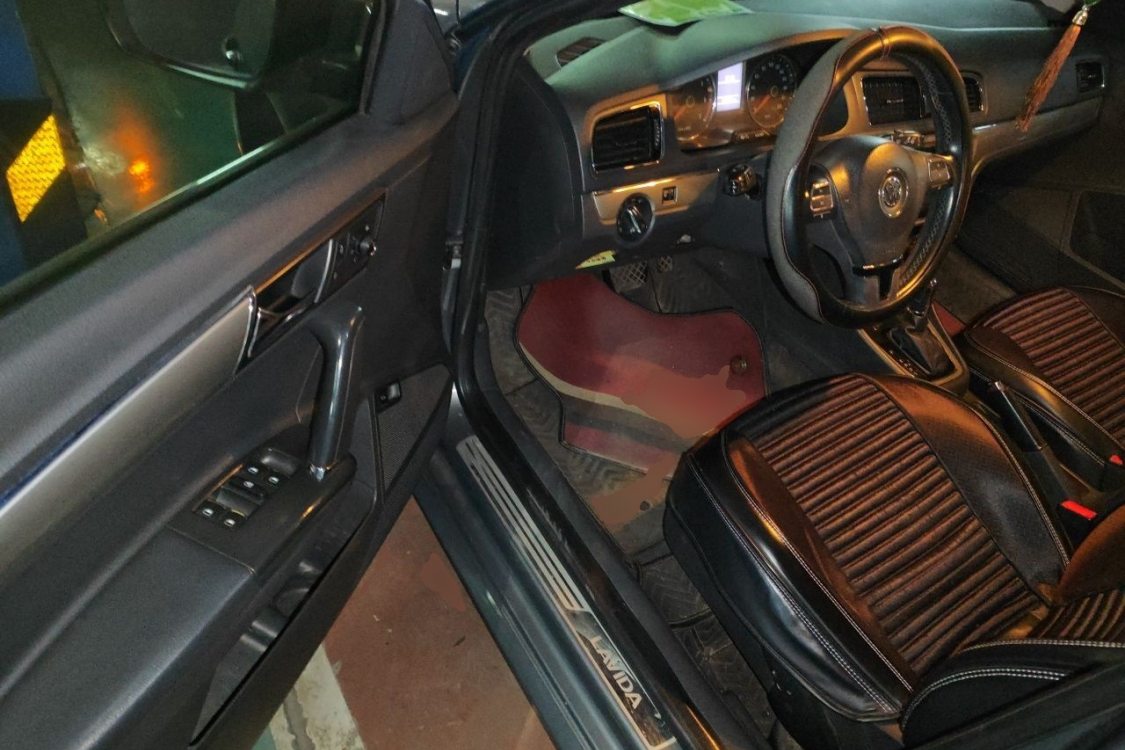
BrandVolkswagen
SeriesLavida
Year2013
First Registration2013/09
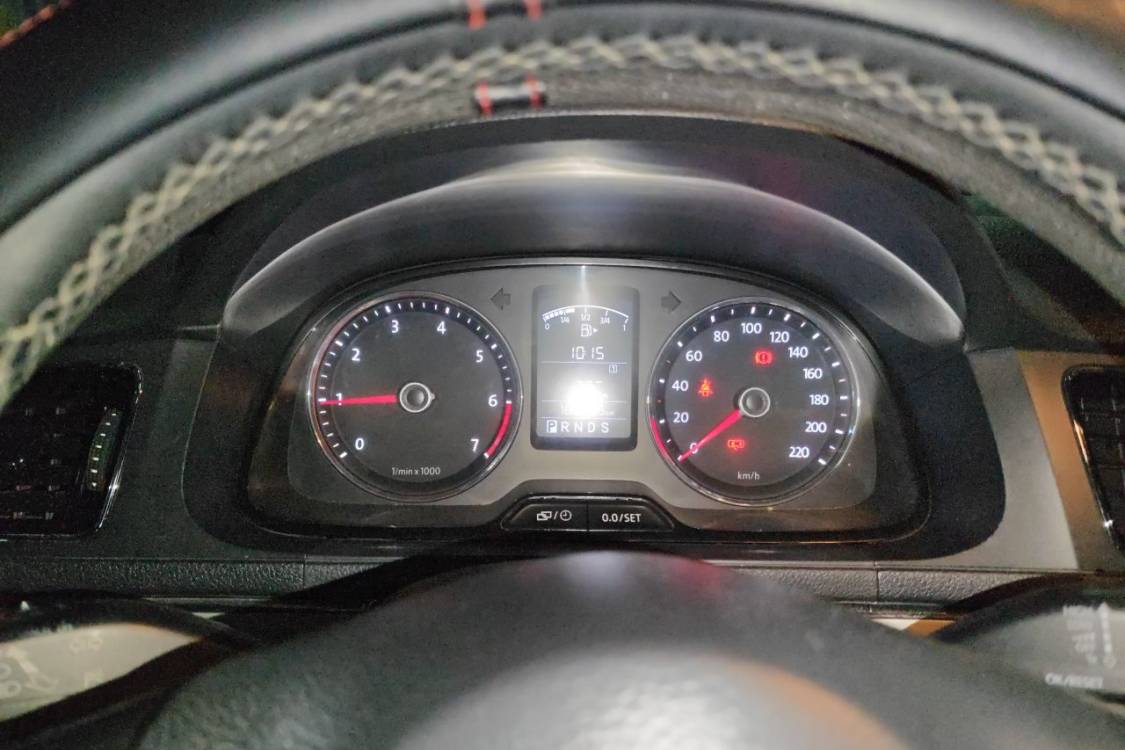
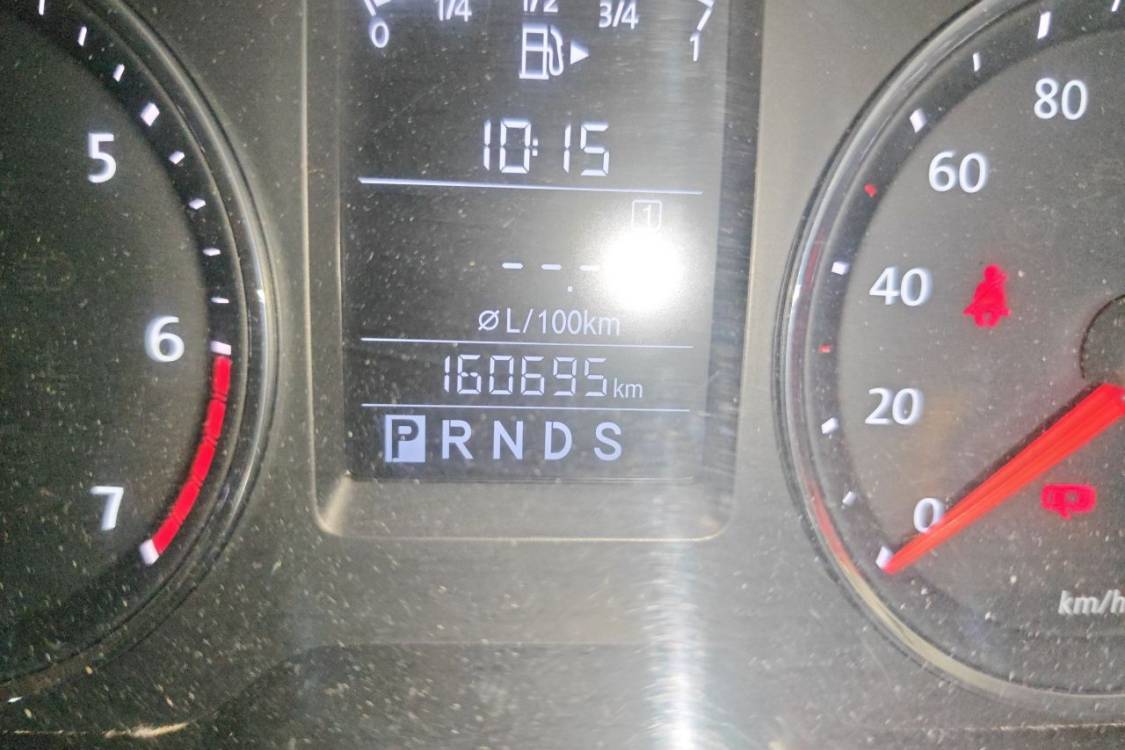
Mileage160,600km
Transfer Count-
FuelGasoline
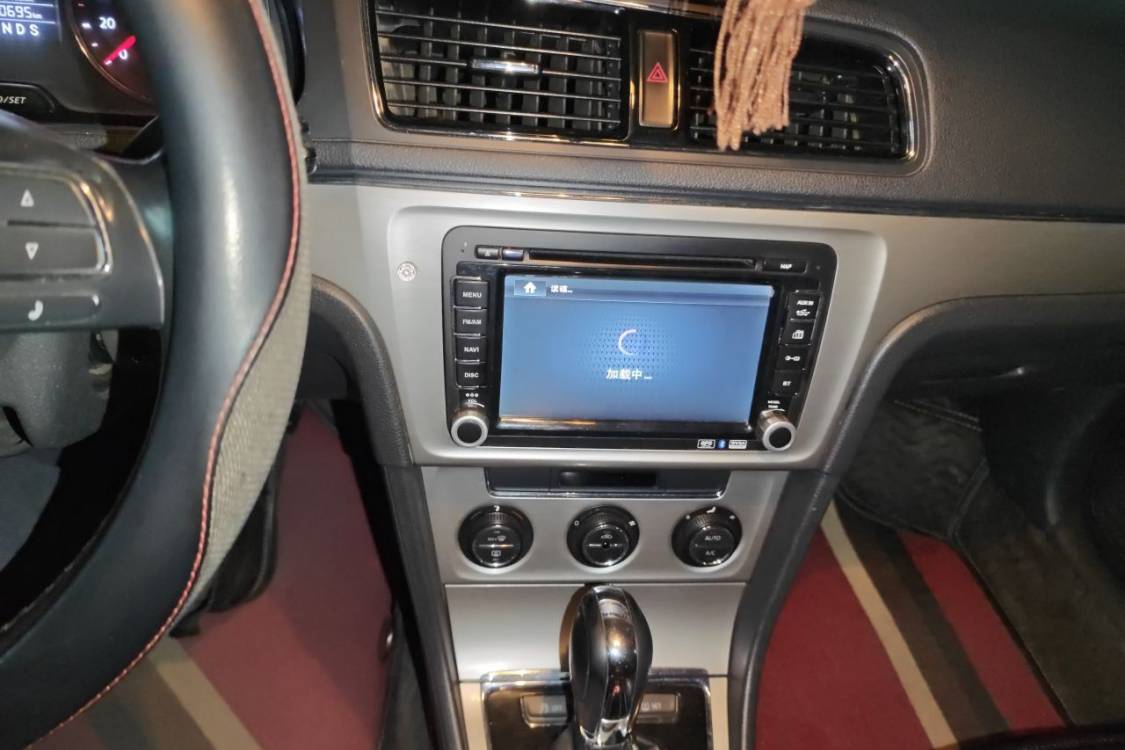
TransmissionManumatic
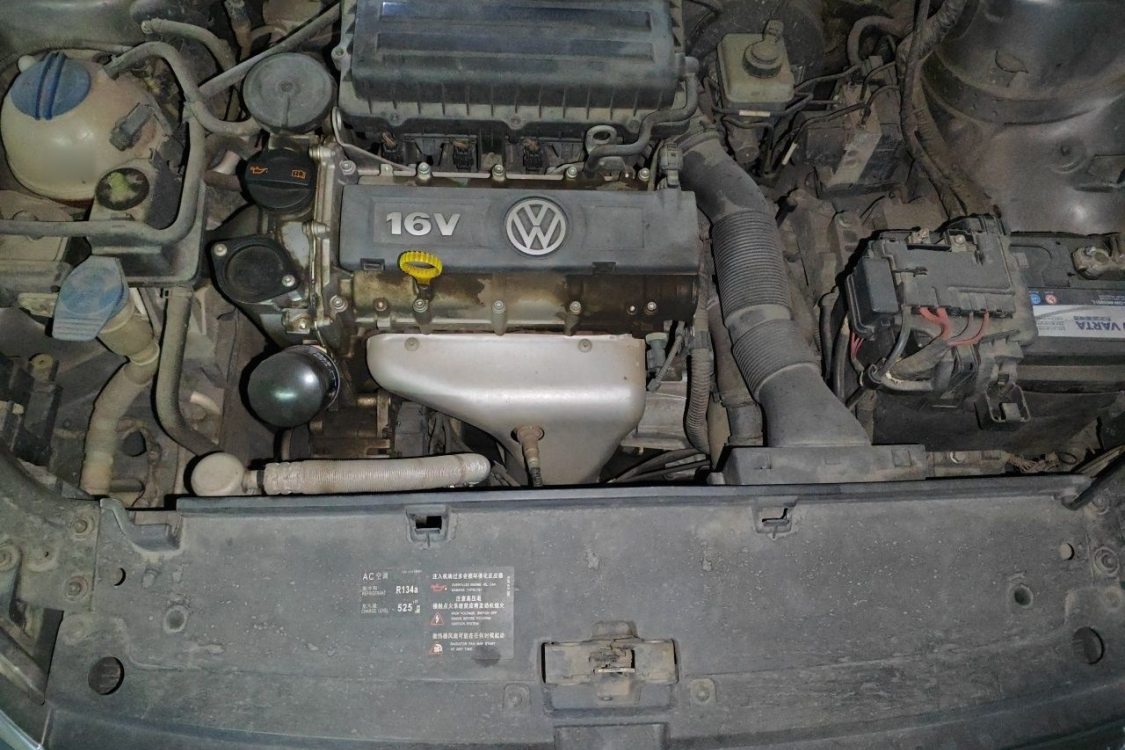
Engine1.6L 110 L4
ColorGrey
Seats-

Condition Description

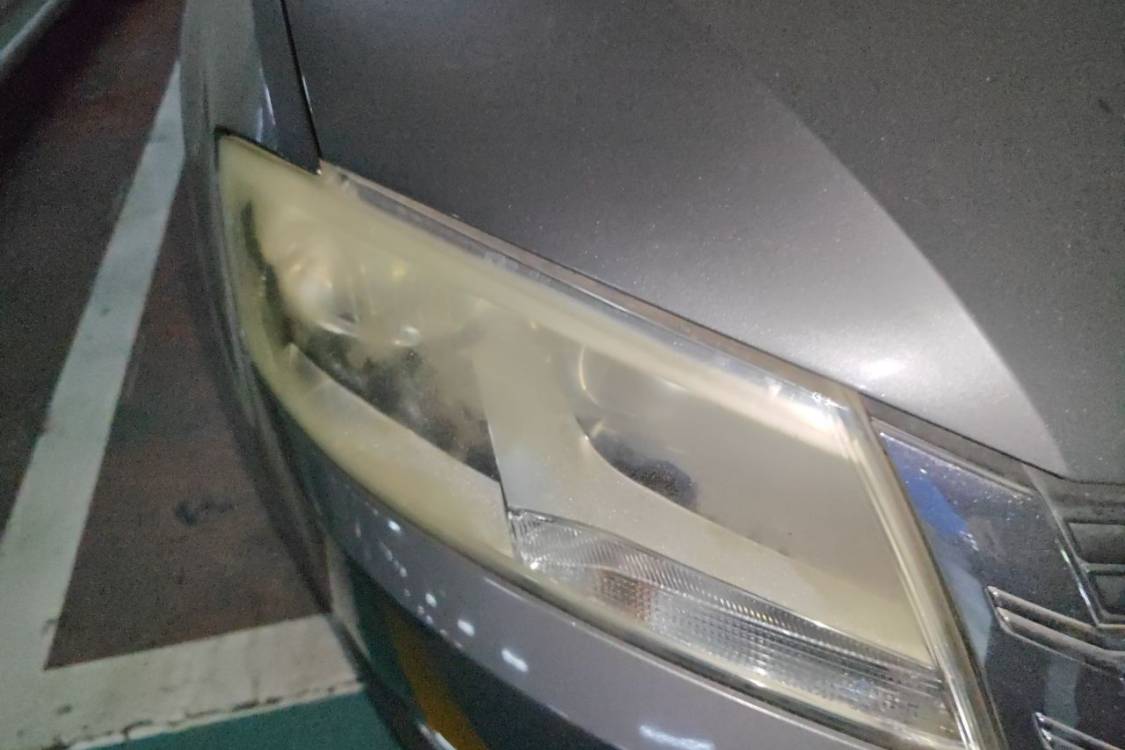
Accident-type damage present on body components (structural/reinforcing/panels); passive safety devices defective; vehicle performance (including three-electric system) degraded or performance limited after repairs.

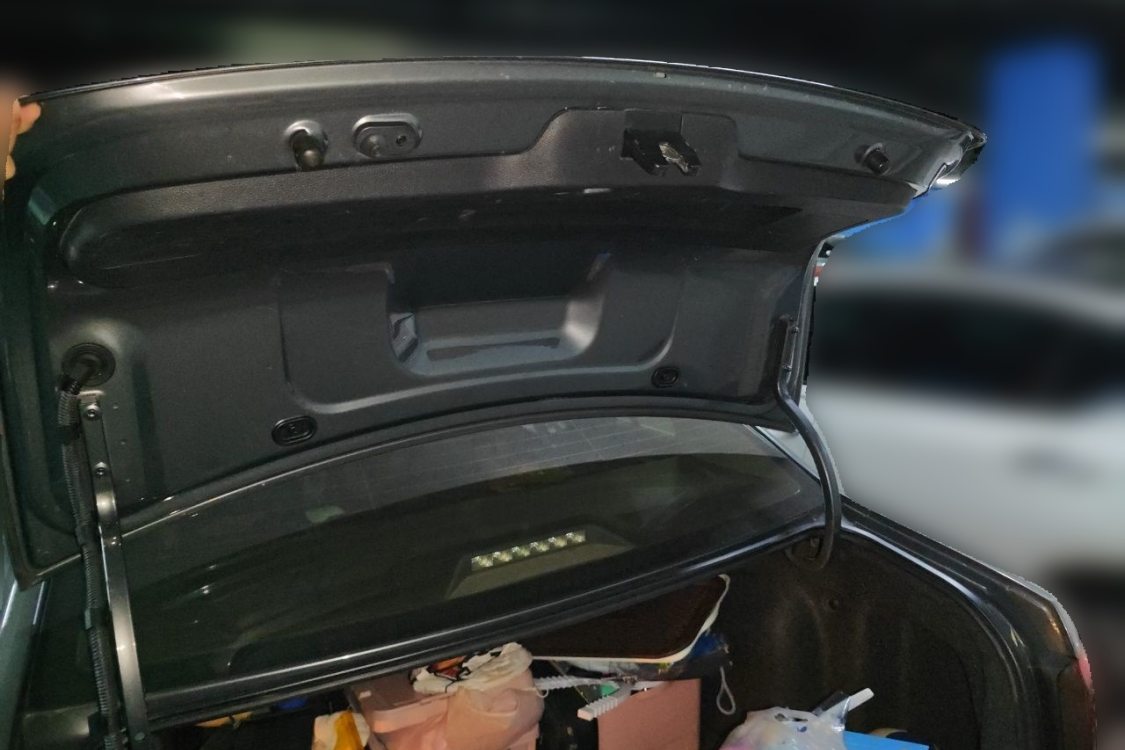
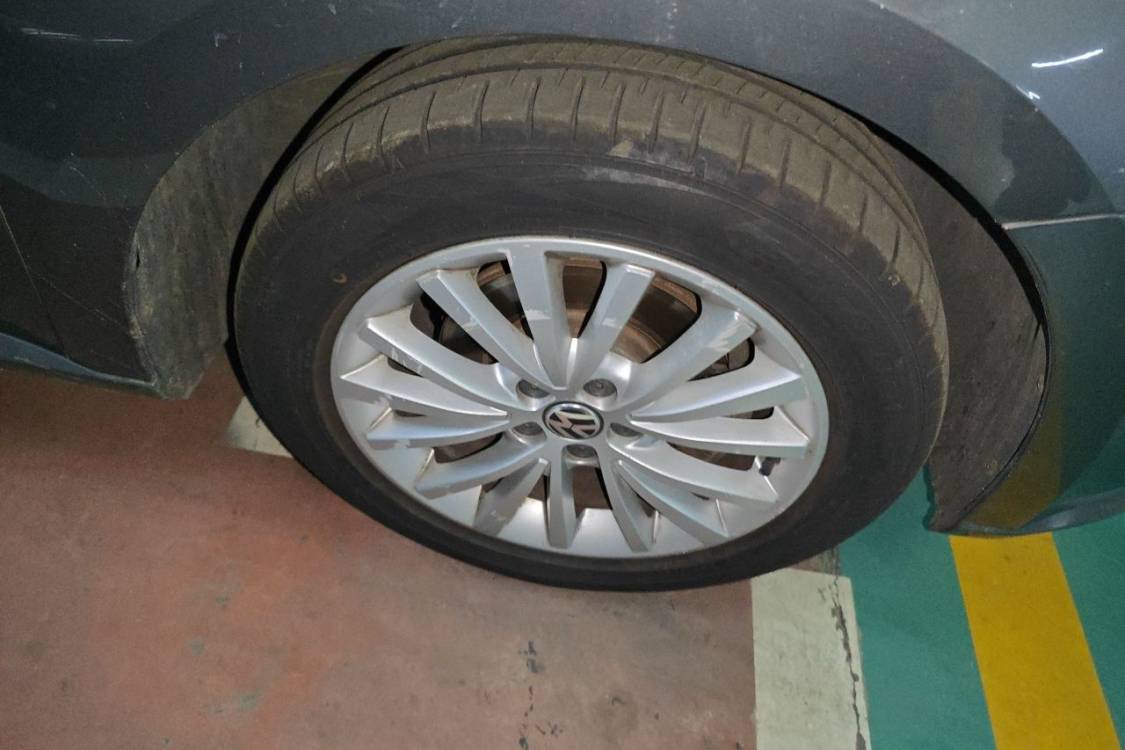
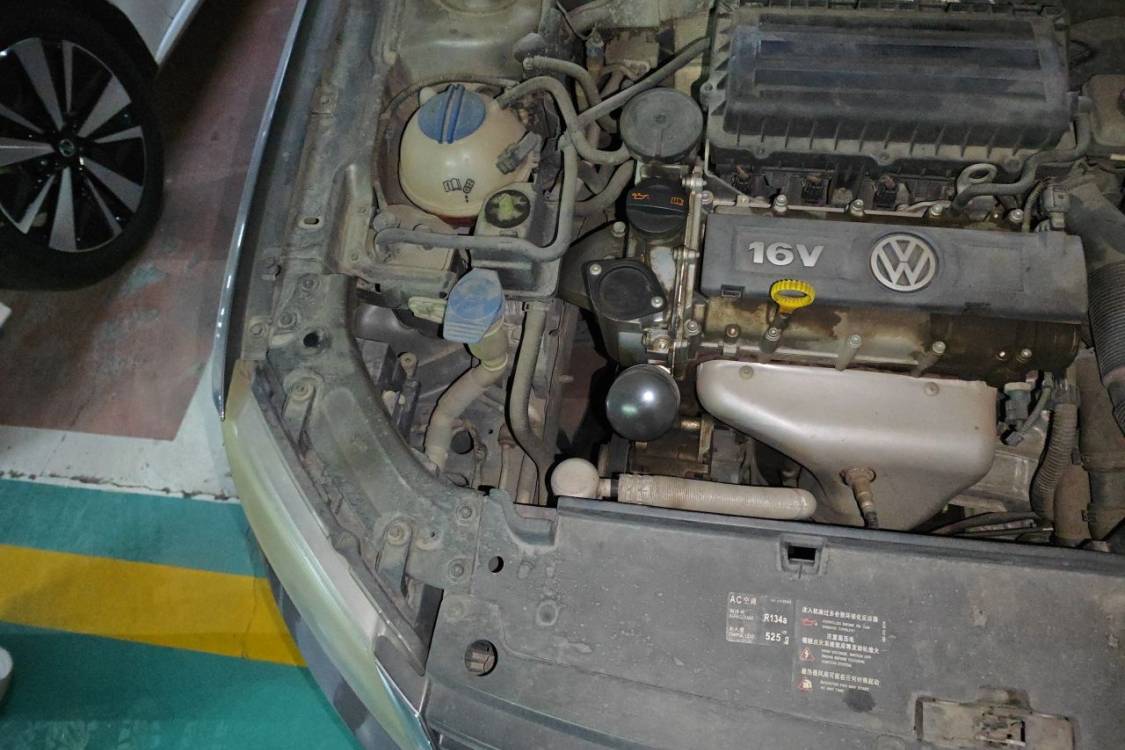
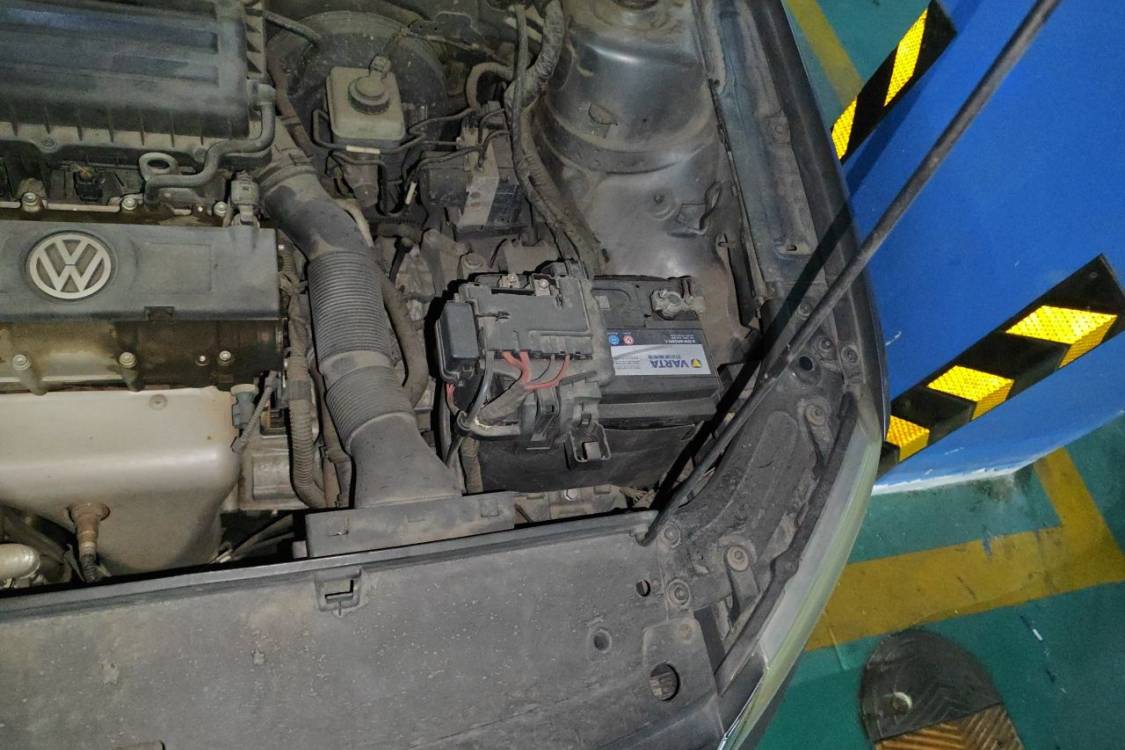
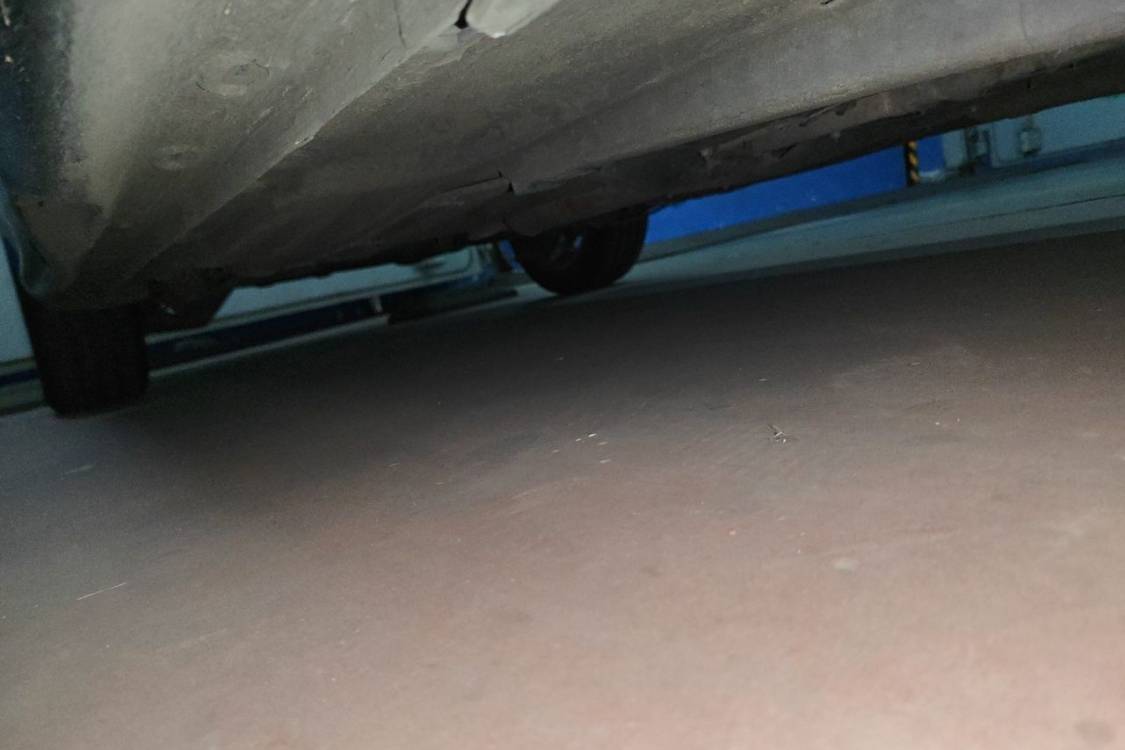
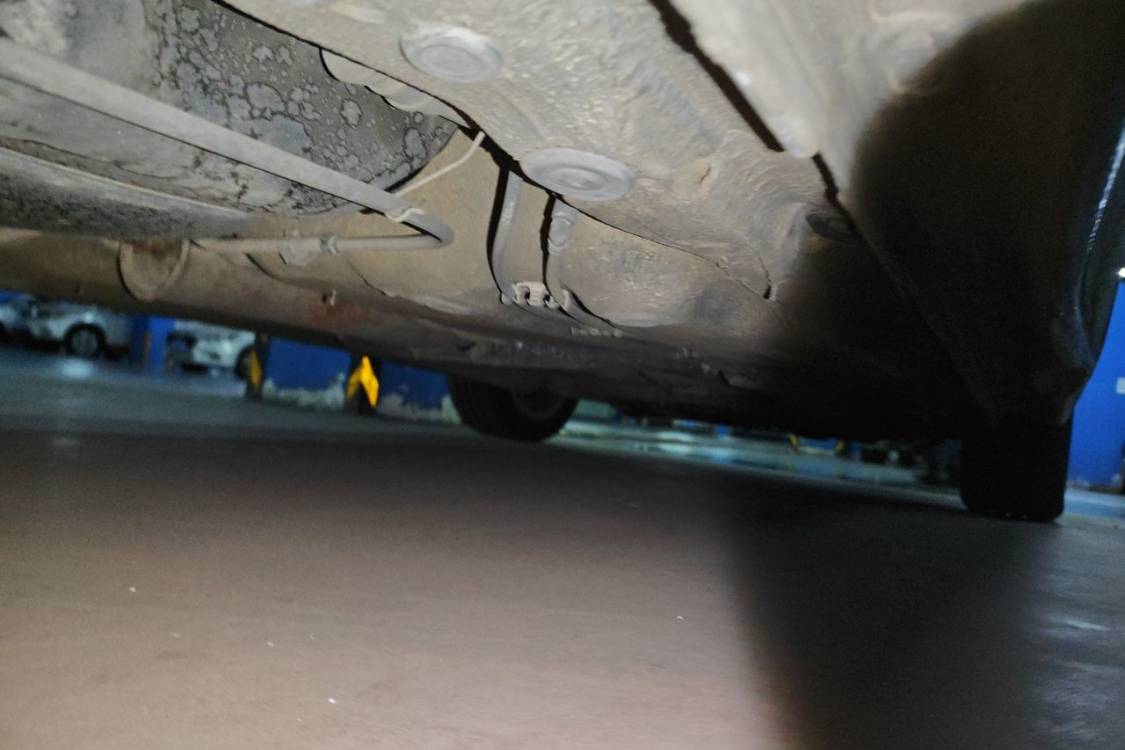
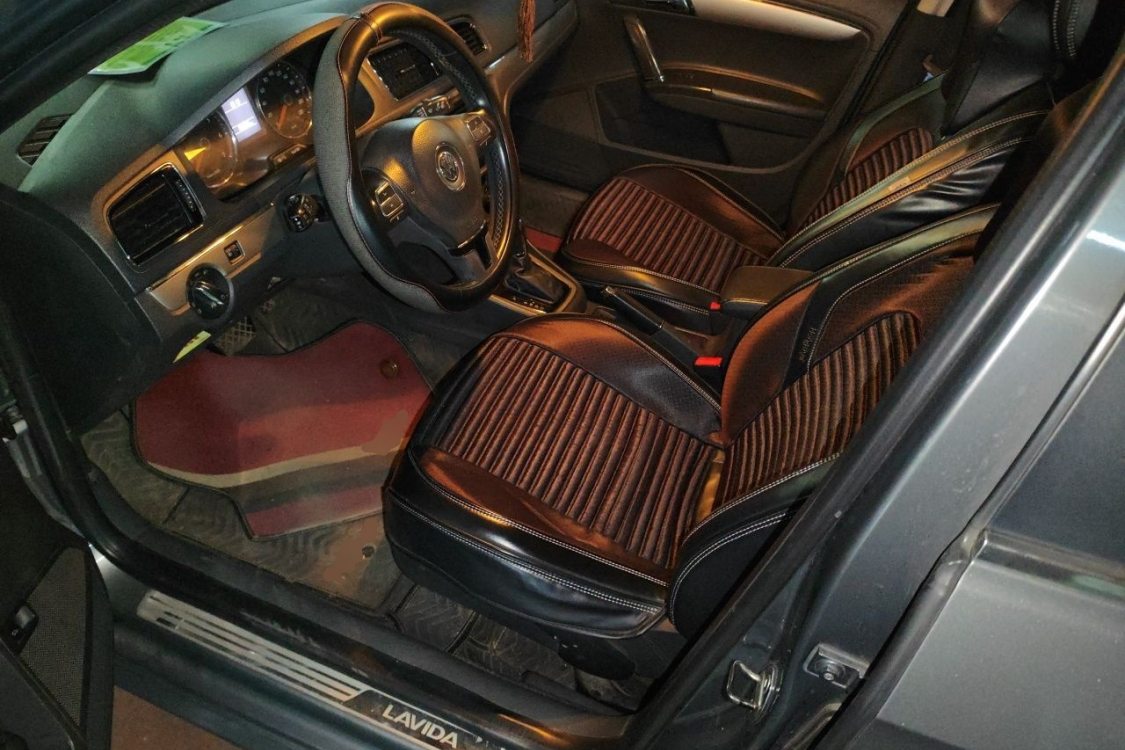
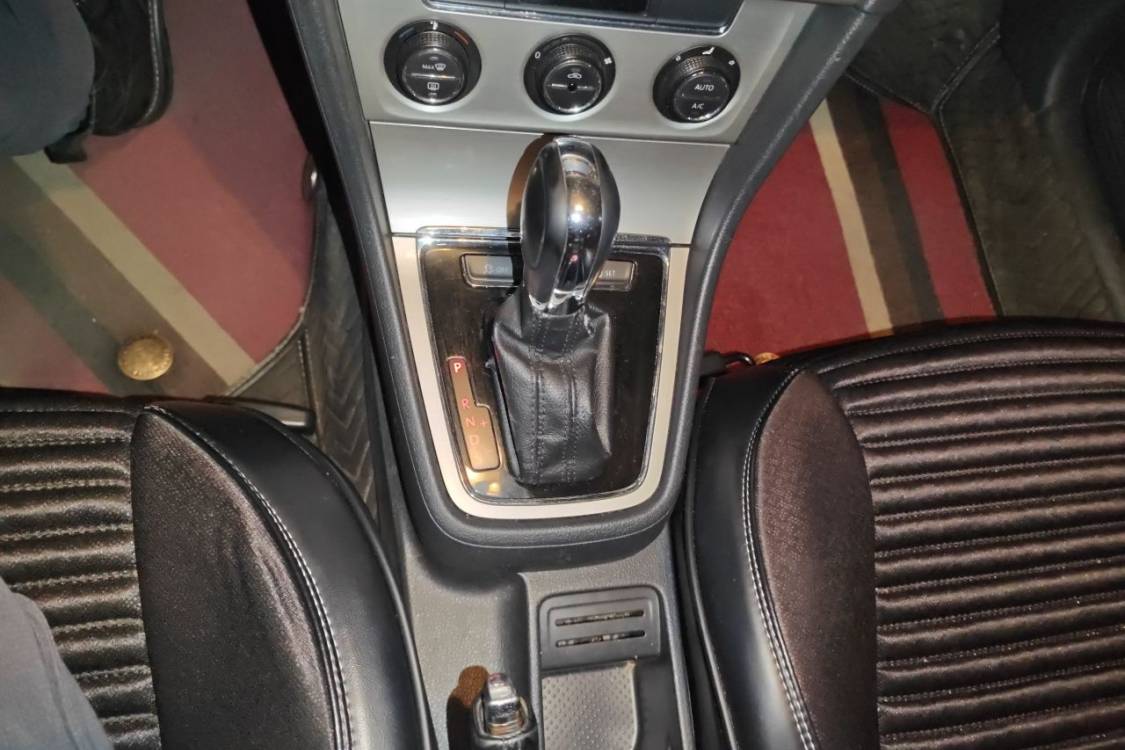
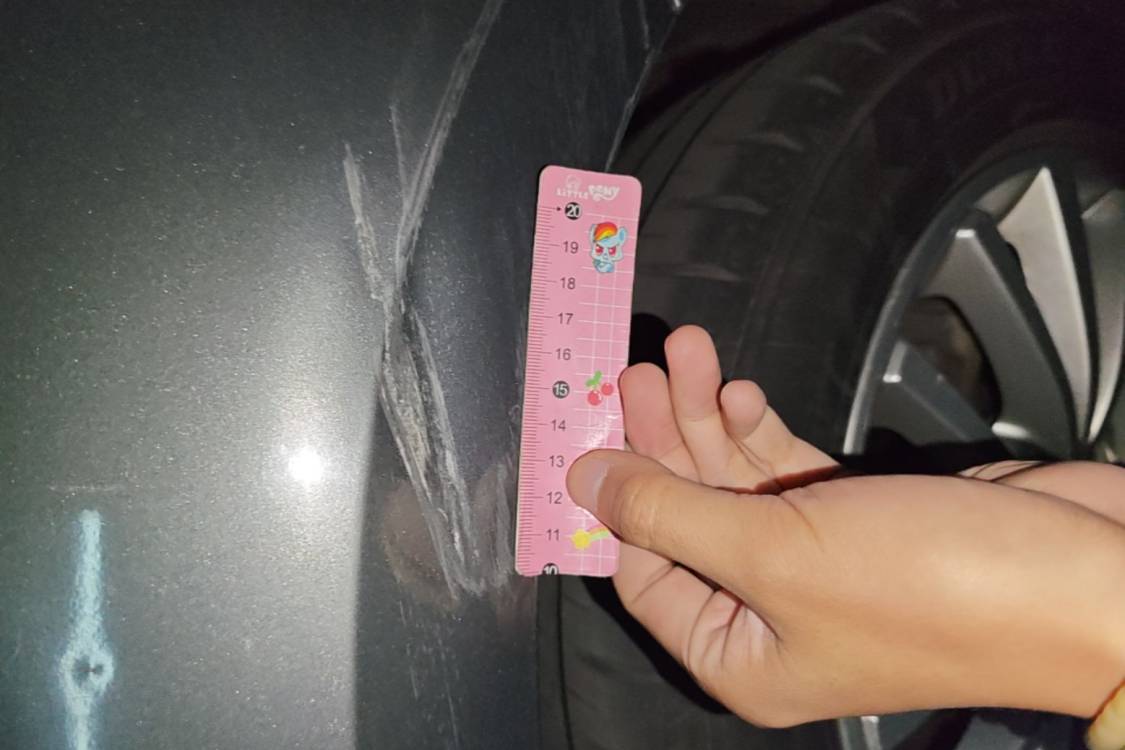
Accident inspection: main structure damaged, reinforcing parts undamaged, panels damaged, hinges normal. Engine bay: valve cover gasket oil leak. Exterior: 1 area of sheet metal repair. Interior: most functions normal, airbag normal, seatbelt normal, dashboard normal, instrument check normal, lighting system normal. Start check: main components normal. Onboard tools: none.

电话直连
可讲价
平台物流
可转售
零过户
新检测标准升级>
非泡水

Document Information

Inspection Expiry Date2027/09
Warranty Expiry Date-
Insurance Expiry Date2027/09

Q&A

More

Is the external discharge function (V2L) of the vehicle outputting 220V or 110V?

The V2L output standard for domestic models in China is 220V/50Hz. If your country's power grid standard is 110V/60Hz (like in some parts of North America), you cannot directly power local high-power appliances and will need an external transformer.


How do I assess rust and underbody condition in a used car from China when buying remotely?

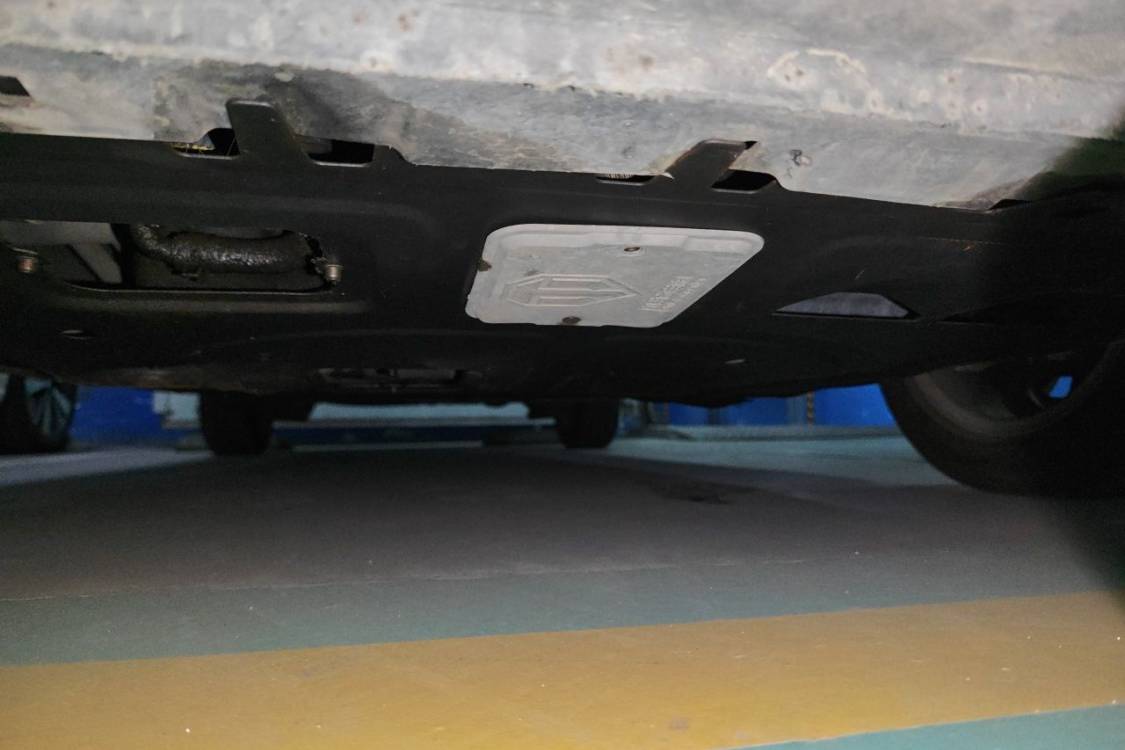
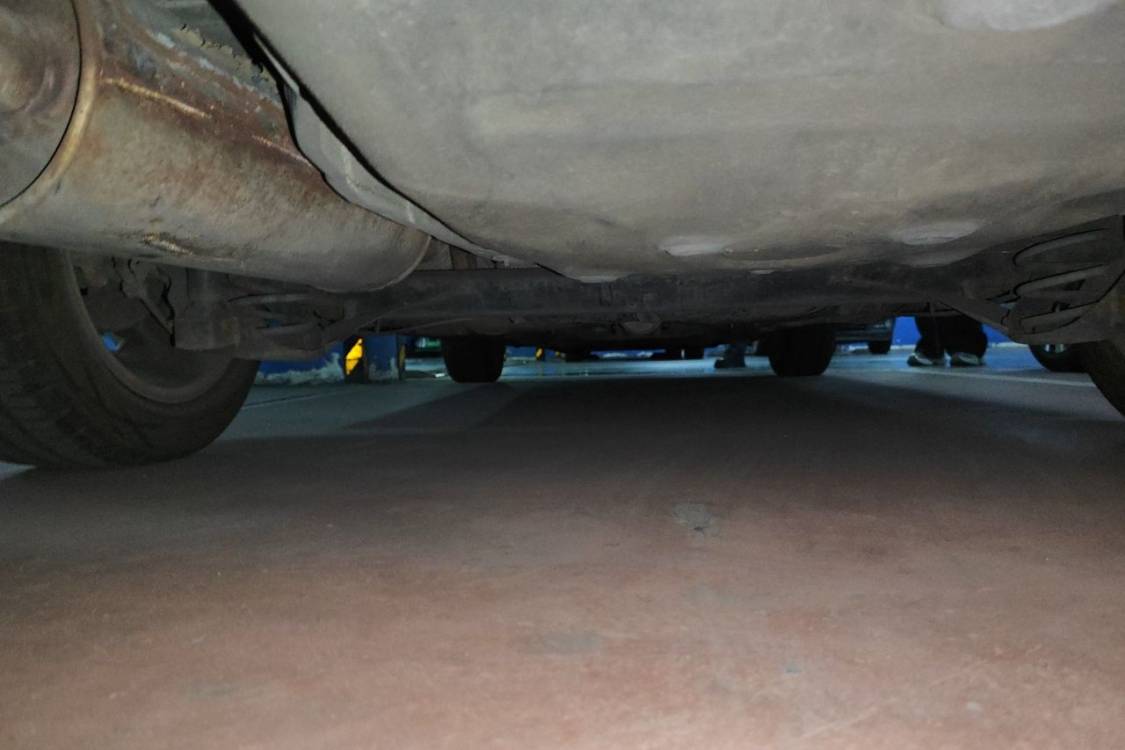
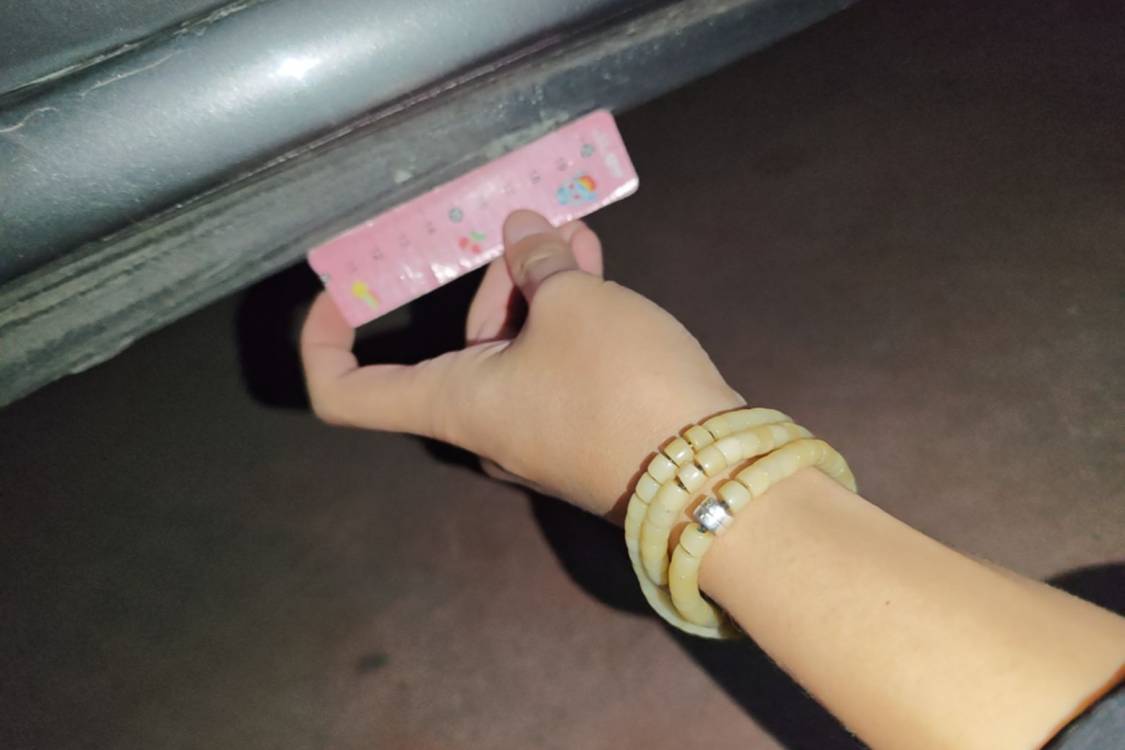
Rust is one of the most underestimated problems in remote buying. Request specific evidence: photos of the underbody, wheel arches, door sills, and around the windshield seal; close-ups of suspension mounting points; and ideally paint thickness readings across panels (factory paint is typically 80-120μm; heavy patches suggest bodywork). Northern Chinese cars may have winter road-salt corrosion; coastal cars can show surface rust on exposed metal. Surface rust on exhaust and bolts is normal—structural rust on frame rails, subframes, or brake lines is a deal-breaker, especially if the car is headed to a humid or coastal market. Have the inspector tap suspicious areas during the video call: flaky or bubbling metal sounds hollow. Walk away if the seller refuses underbody photos.

How can I judge the real mechanical condition of a used car from China without seeing it in person?

Remote mechanical assessment relies on documented evidence: 1. Cold-start video: Ask for a video of the engine starting from cold — listen for rattles, watch for smoke (blue = oil burning, white = possible head gasket issue). 2. OBD scan: A full diagnostic scan reveals fault codes in the engine, gearbox, and electronics. Request the raw scan report, not a screenshot summary. 3. Service records: Cross-check mileage against maintenance records and inspection stickers; consistent records indicate a cared-for car. 4. Fluid check: Photos of the oil dipstick and coolant color tell a lot — milky oil or rusty coolant are red flags. 5. Test drive video: A short drive video shows gear shifts, braking, and steering behavior. Combine these with the pre-shipment inspection report. A seller who refuses to provide cold-start video or OBD data is a warning sign.