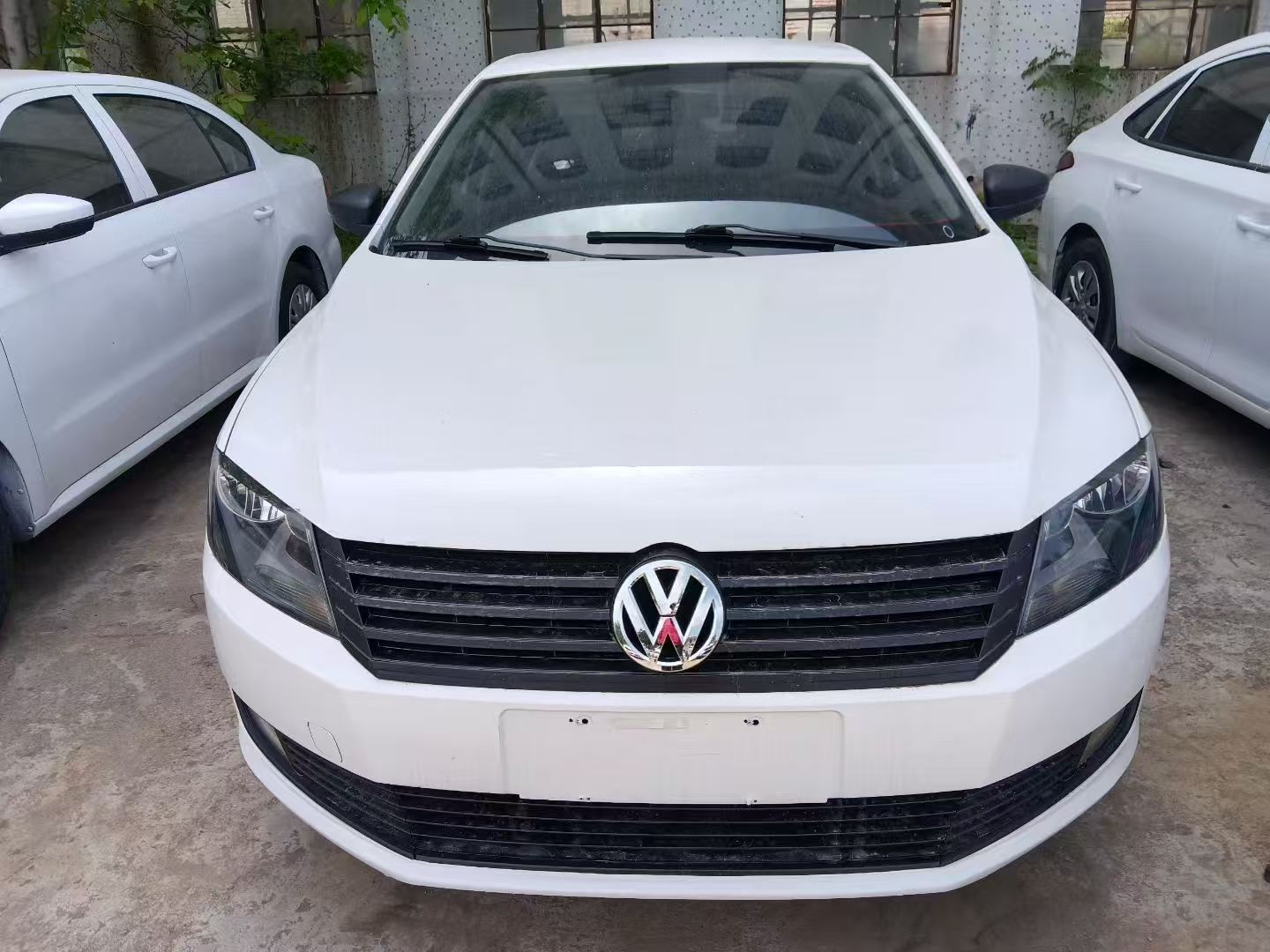


Has the vehicle's VIN (chassis number) been polished or altered?
We will carefully check if the chassis number on the windshield, chassis, and door frame matches.
Localized body damage or repair marks present. No accident-related damage or repairs to structural or reinforcing components. Vehicle performance (including three-electric system) has degraded or is limited.
Accident inspection: main structure damaged, reinforcing components undamaged, cover panels damaged, hinges abnormal. Engine bay: key mechanical components normal. Exterior: 1 replacement, 4 panel repairs, 7 paint repairs. Interior: modified (other), left front seat torn, most features normal, airbags normal, lighting system normal. Startup: main components normal. Tools: spare tire present.
We will carefully check if the chassis number on the windshield, chassis, and door frame matches.
During the stationary steering test, the technician will check the smoothness of the steering wheel from full left to full right, looking for any unusual noises from the steering gear; they will also inspect the hydraulic power steering pump (if present) and the seals of the steering column for any hydraulic fluid leakage.
The "usage type" section on the vehicle registration certificate has legal validity. Any vehicle that changes from "commercial" to "non-commercial" has a usage intensity far exceeding that of personal vehicles, and we will label these prominently. Such vehicles are usually cheaper but have more severe mechanical wear.