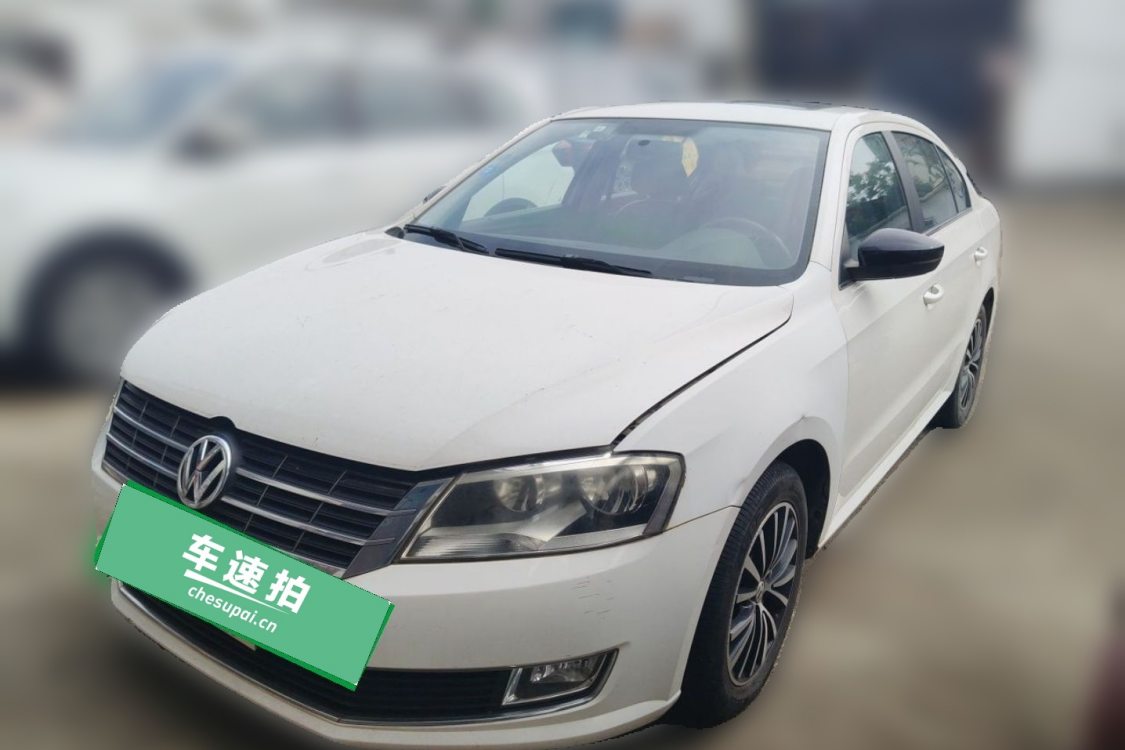
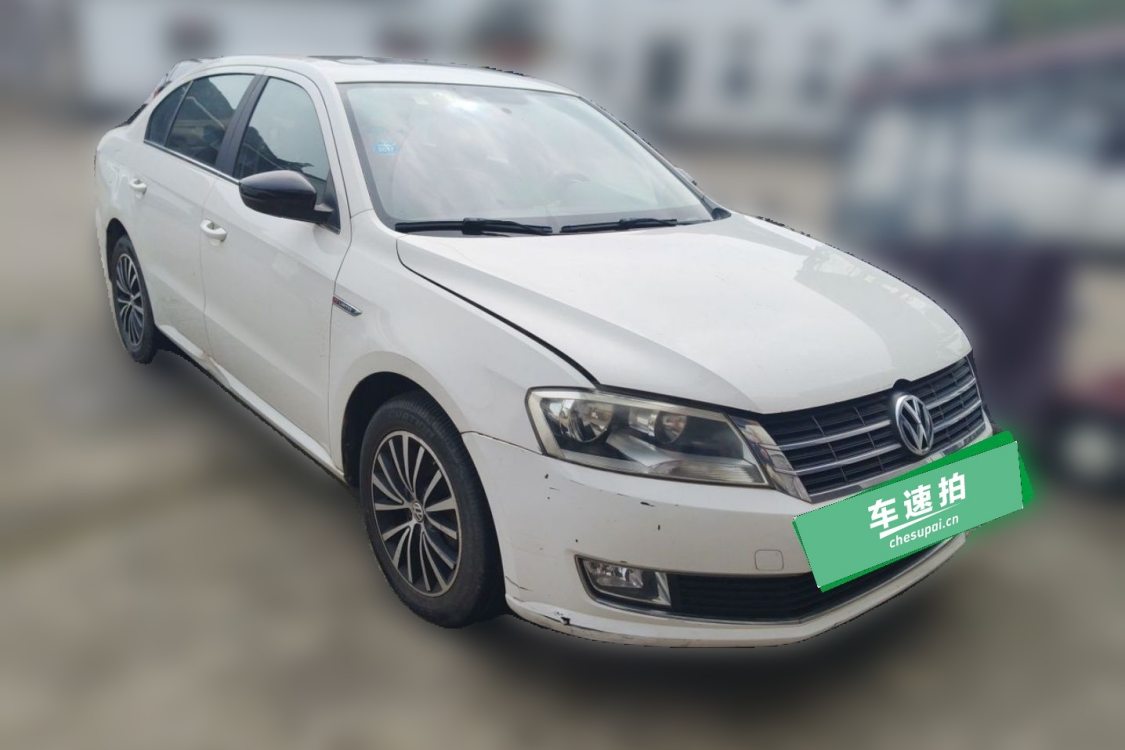
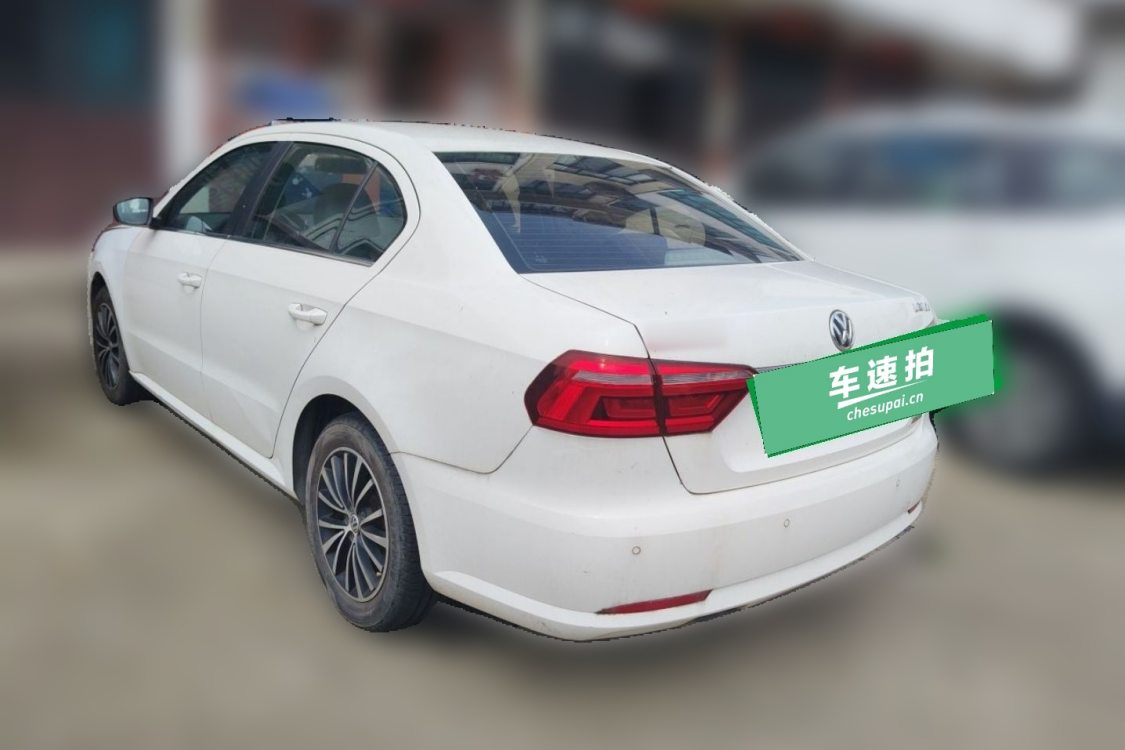
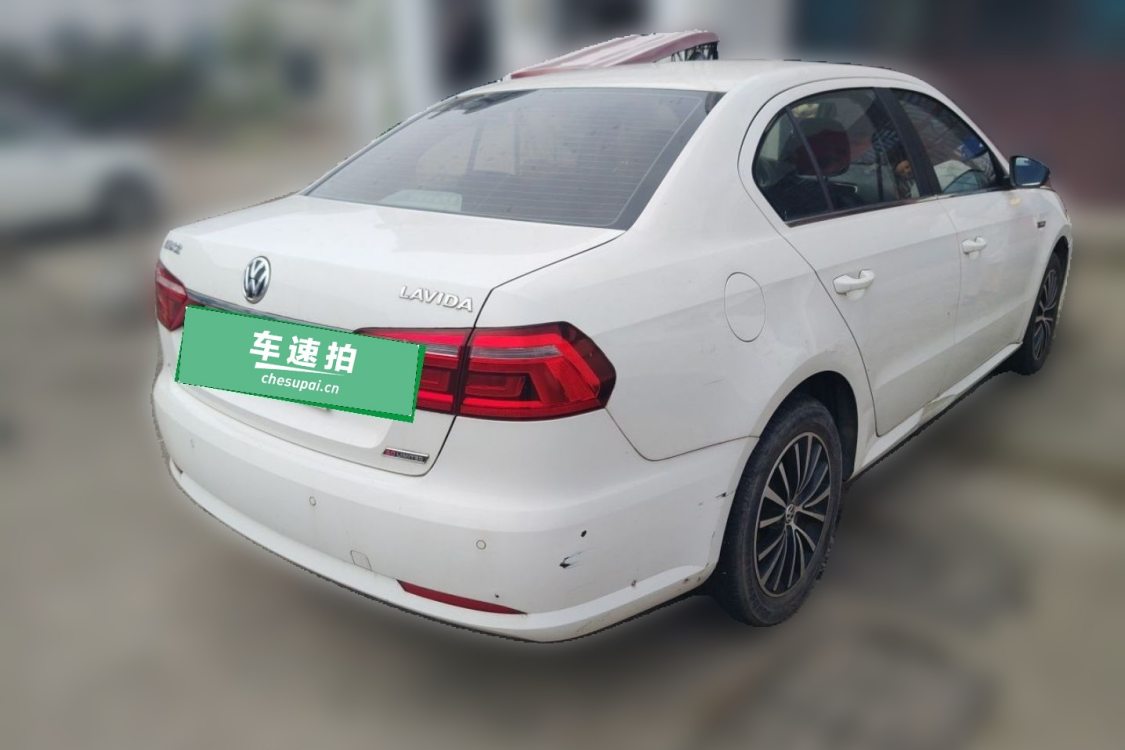
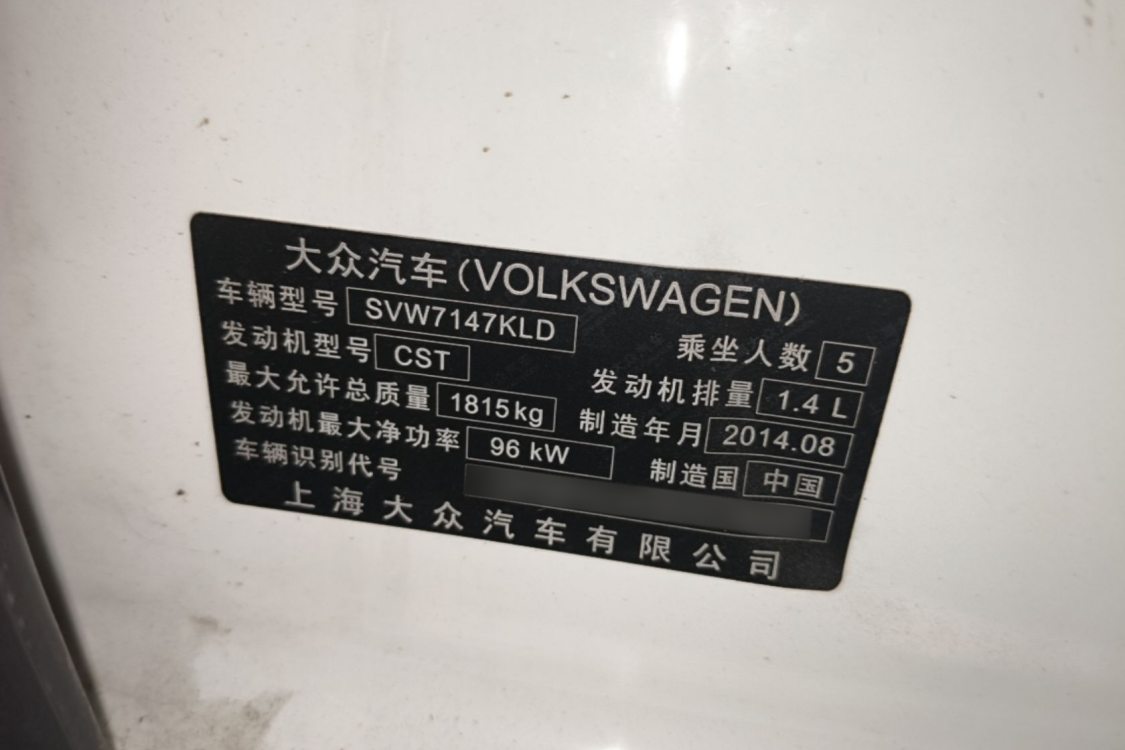





What generation is this car?
We will directly check the registration certificate (the big green book) and count the number of changes.
Vehicle has major defects from accident/fire/flood or major defects in power battery components, affecting structural parts/reinforcing parts/panels, repaired or unrepaired, still compromising body structural integrity or safe use, with hidden fault risks.
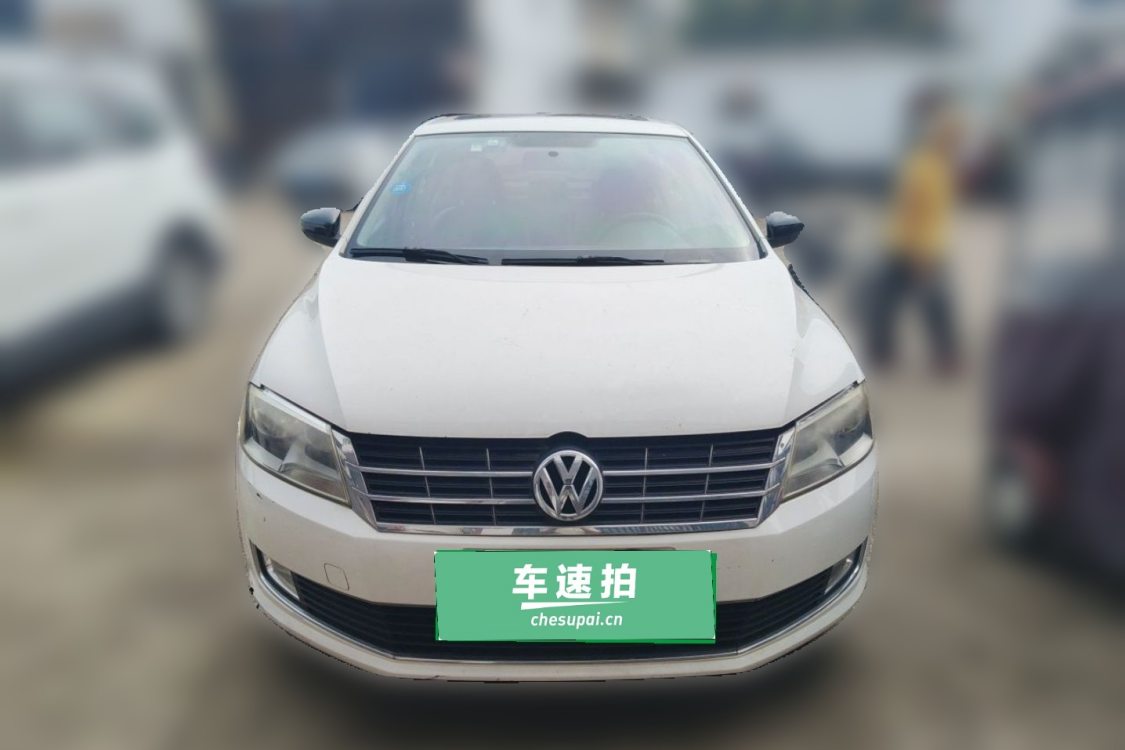
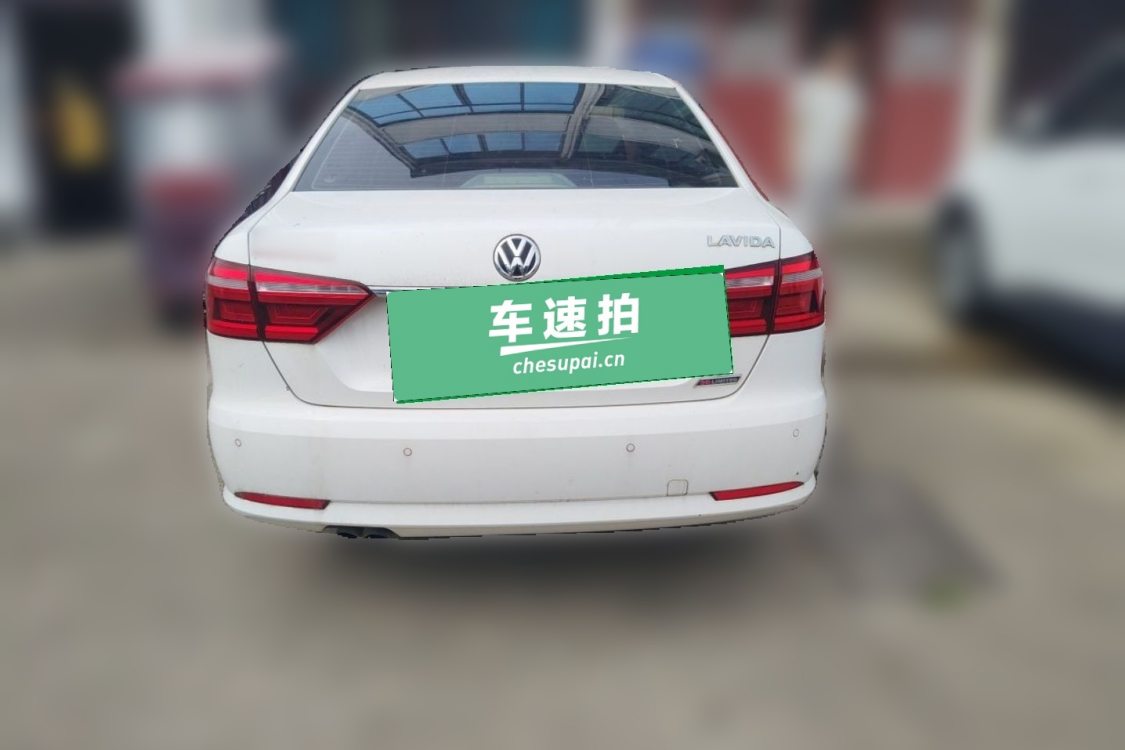
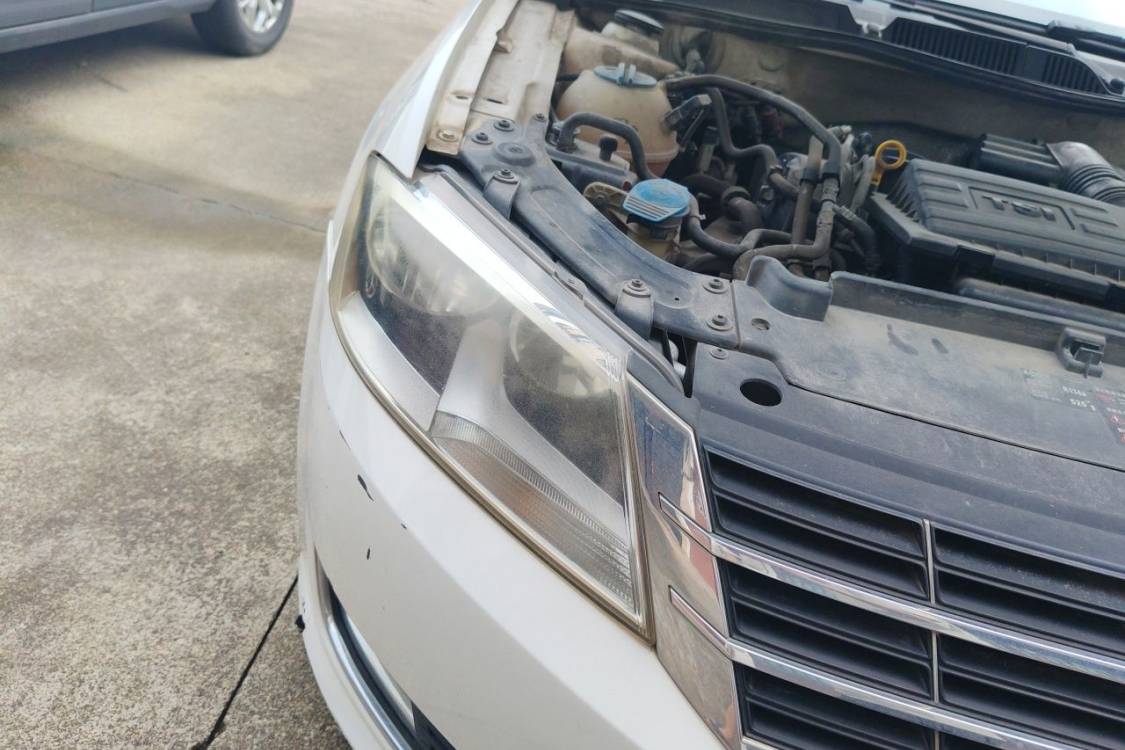
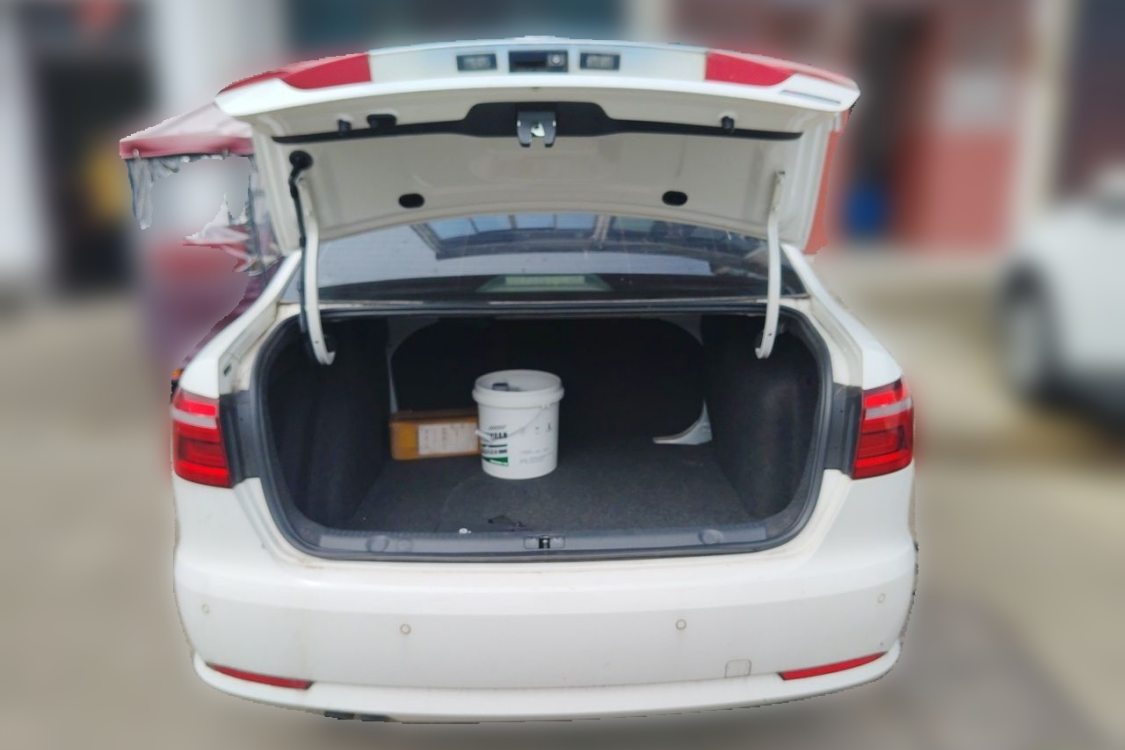
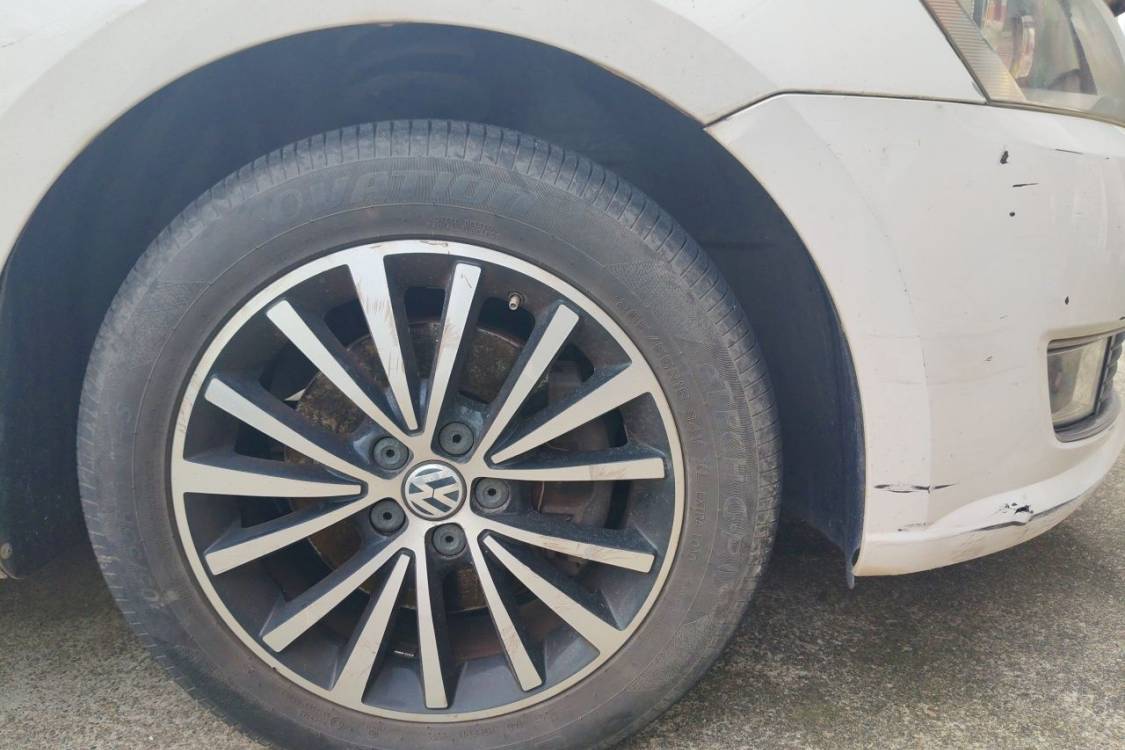
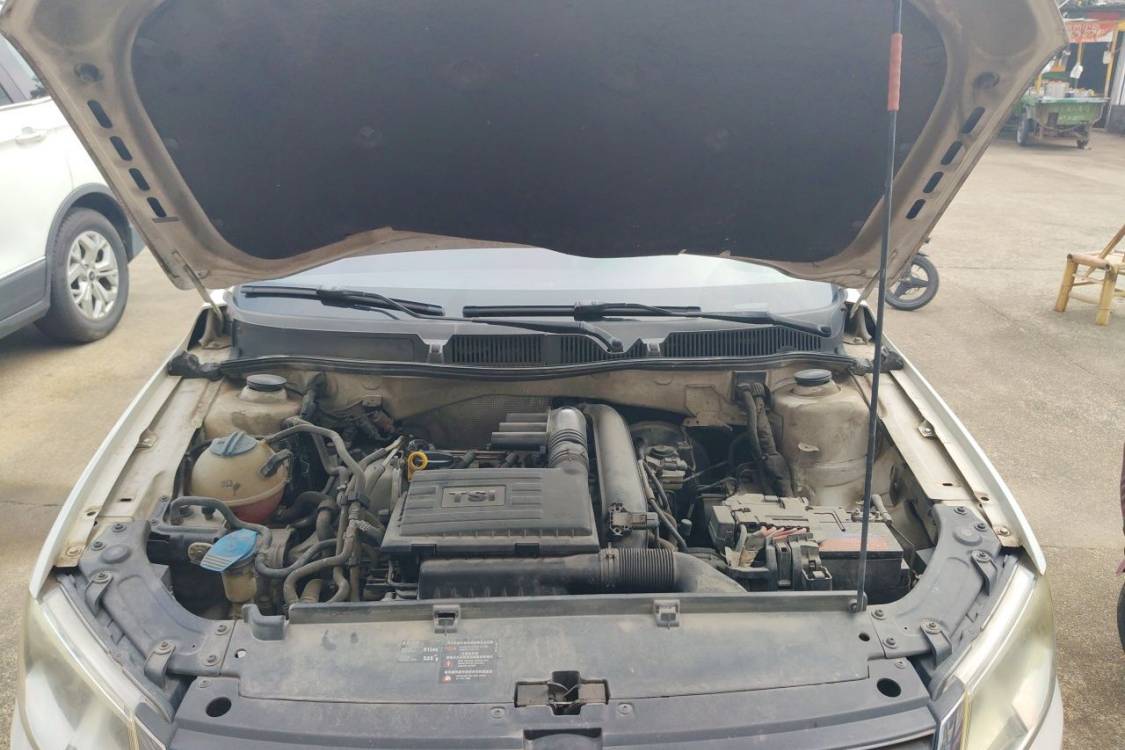
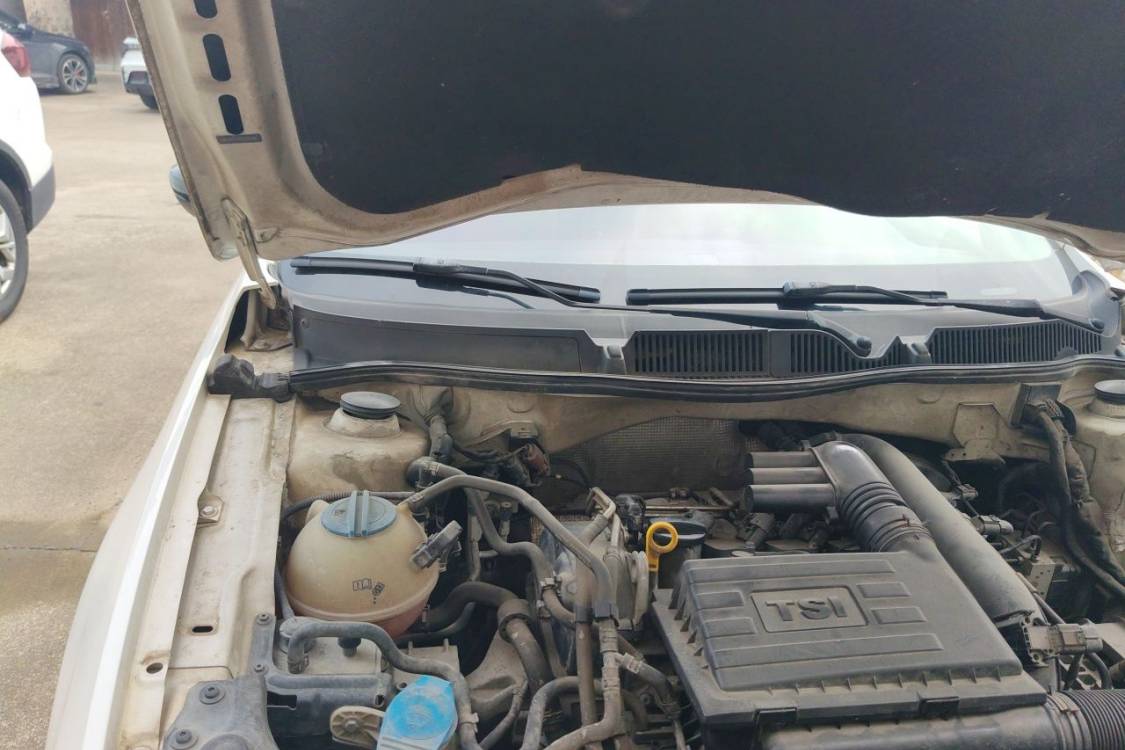
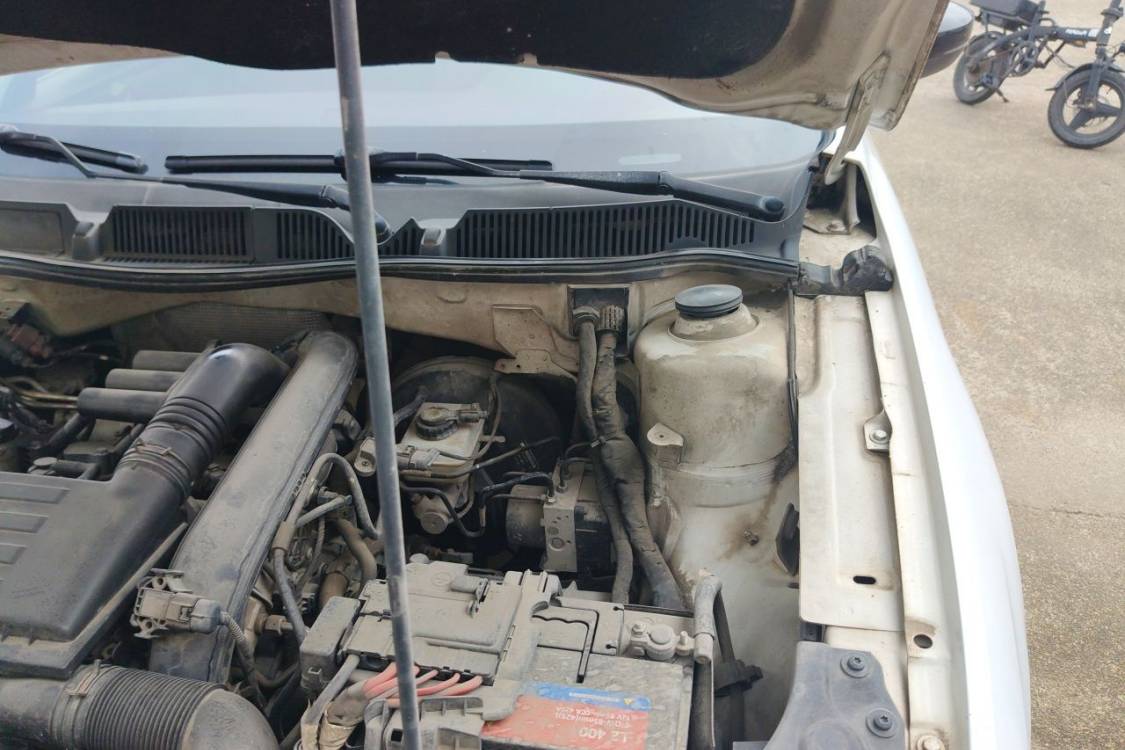
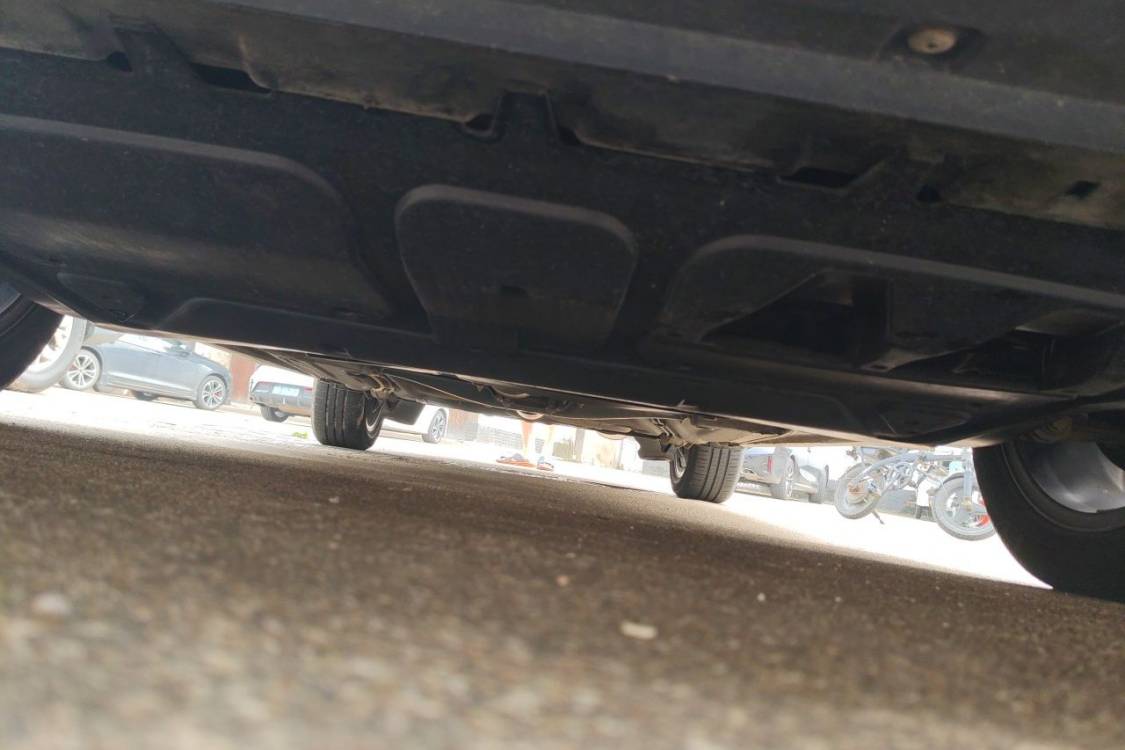
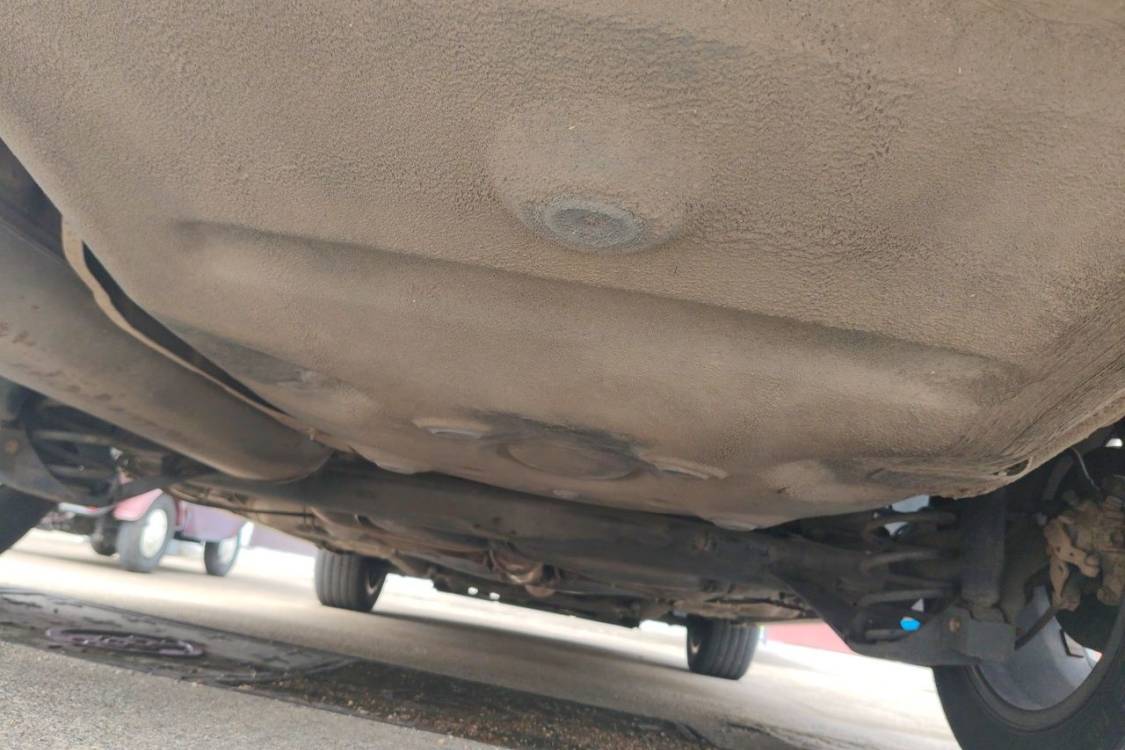
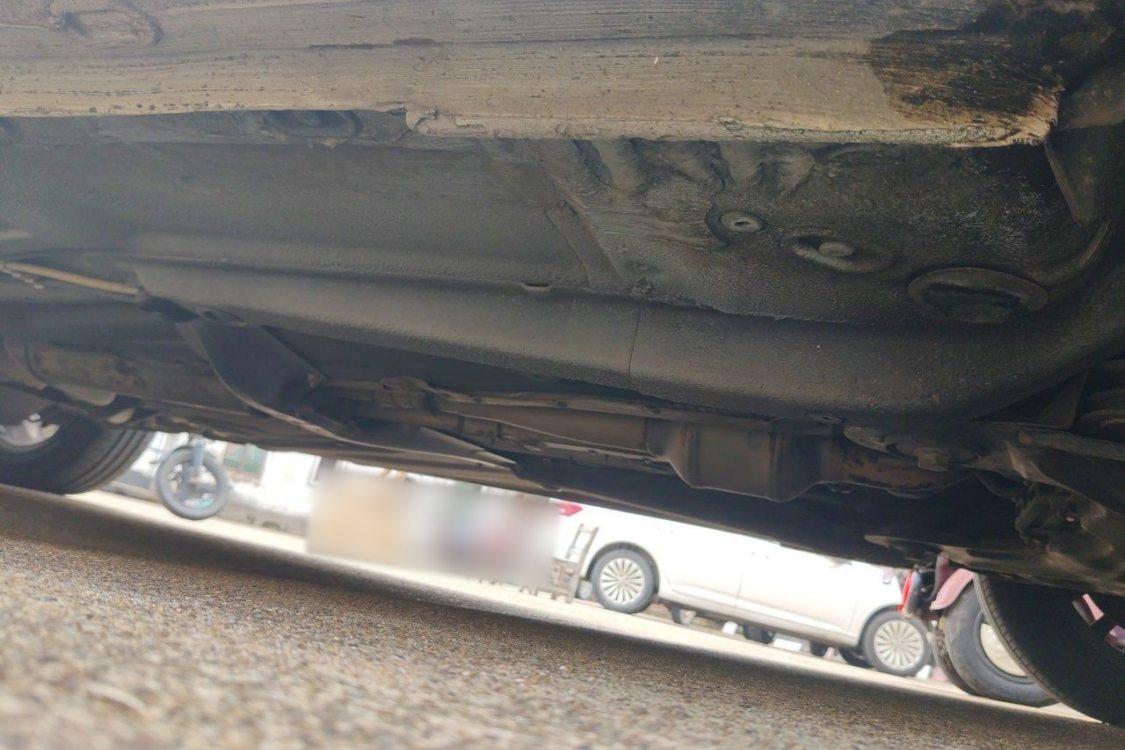
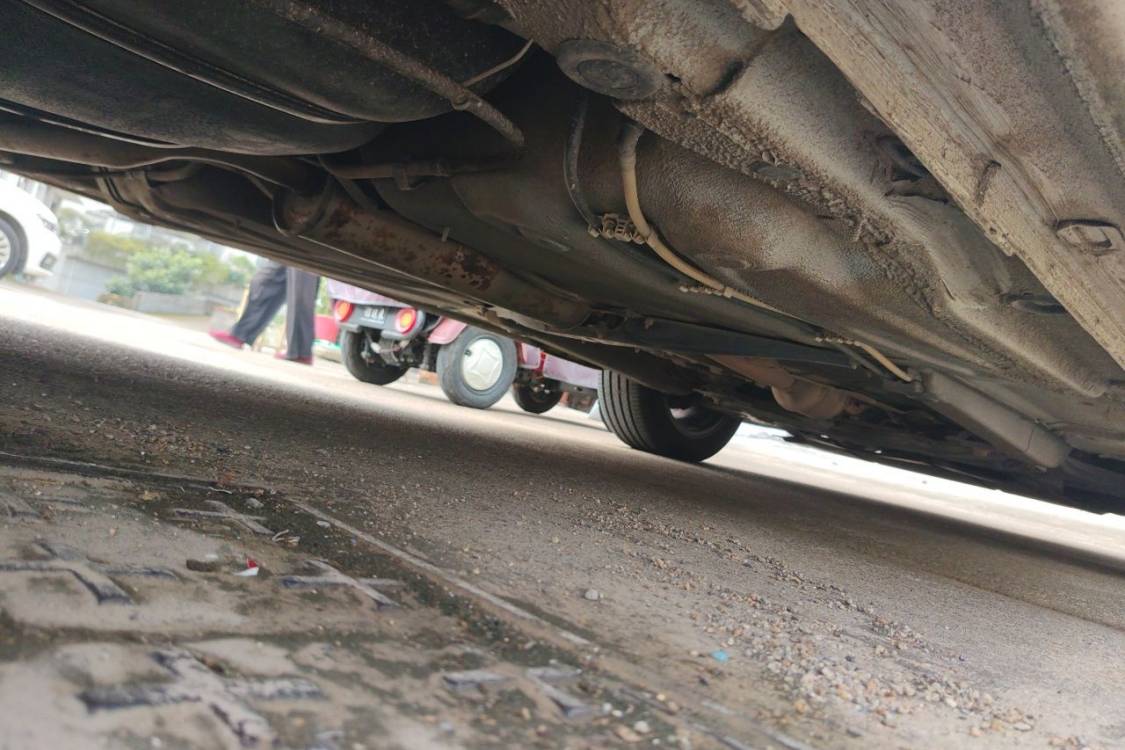
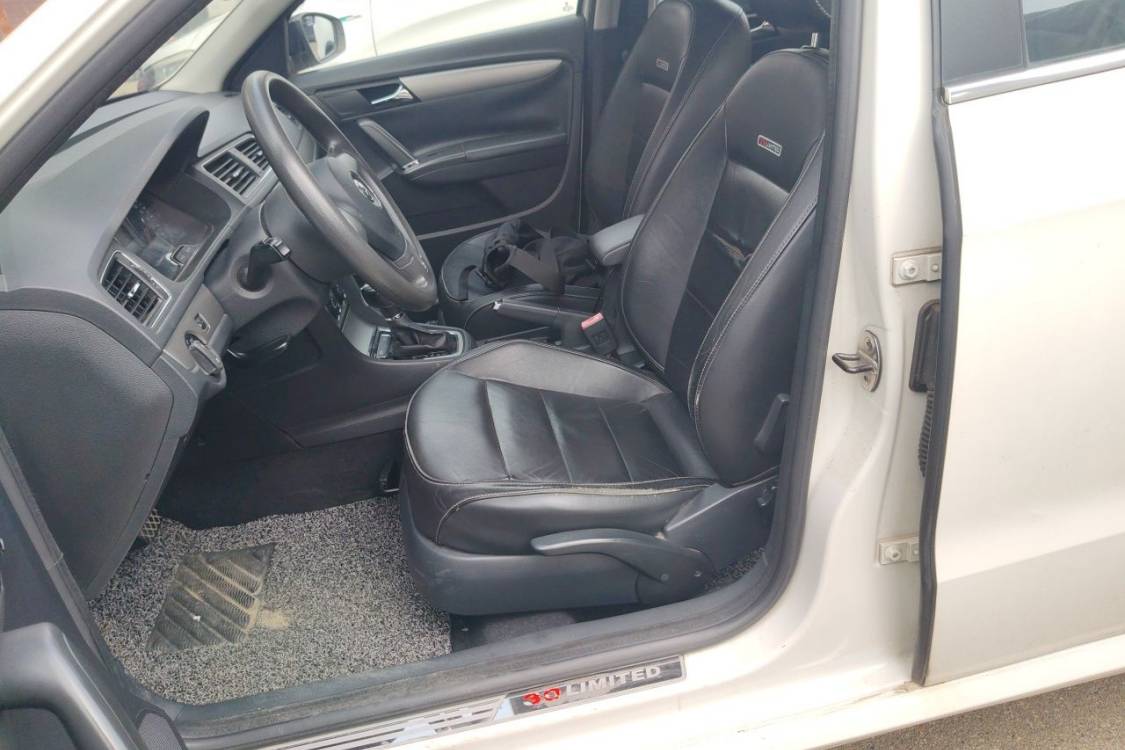
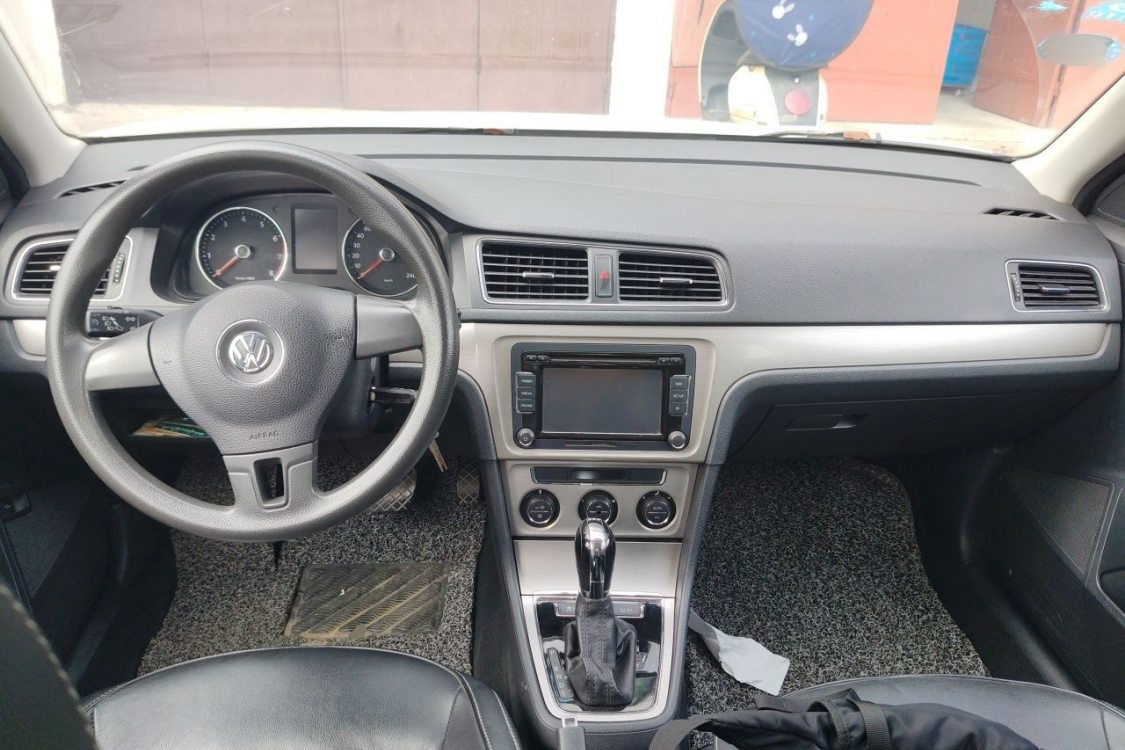
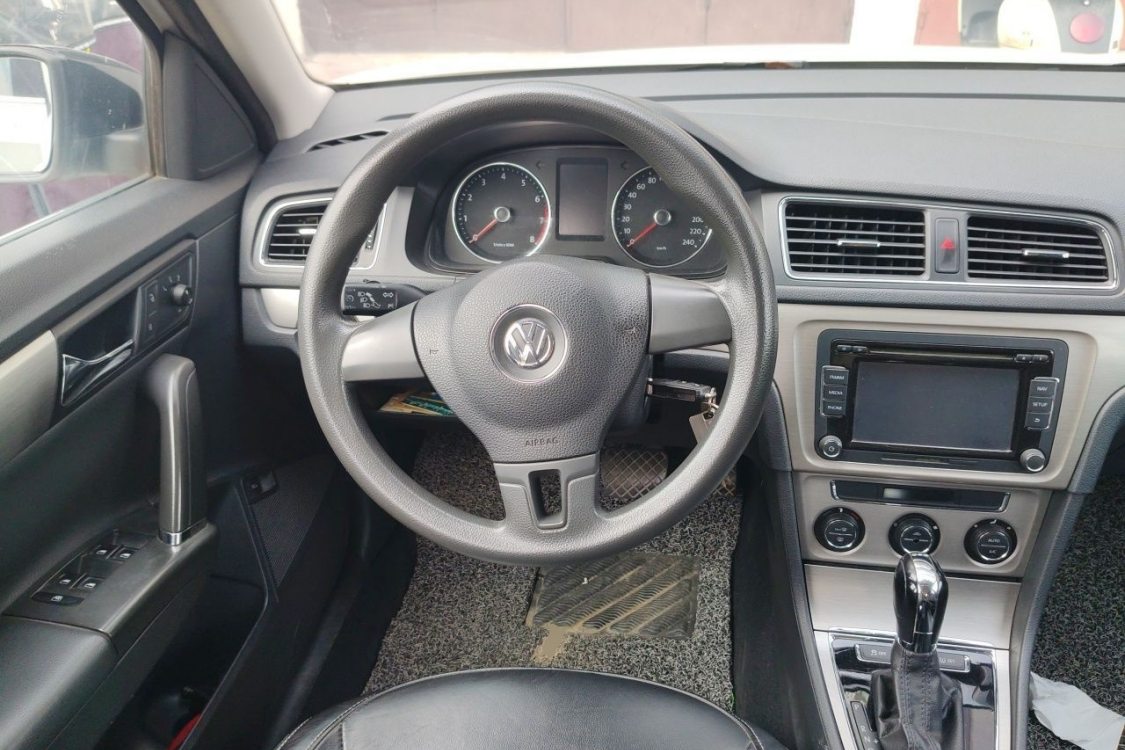
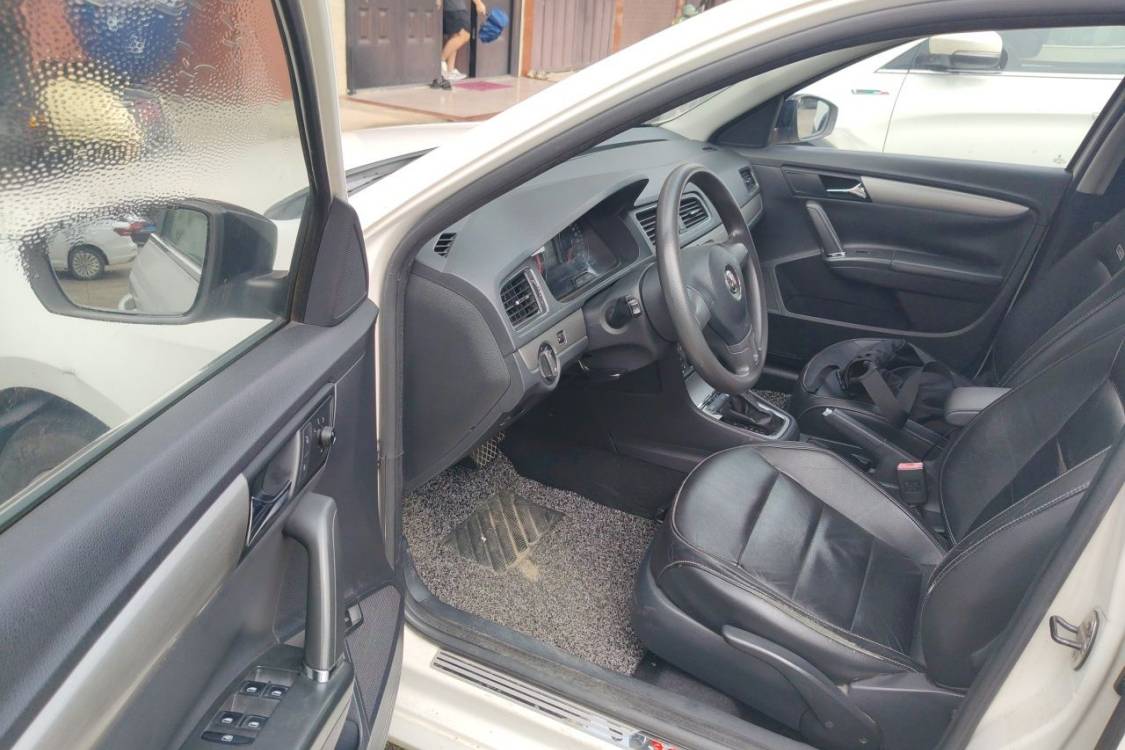
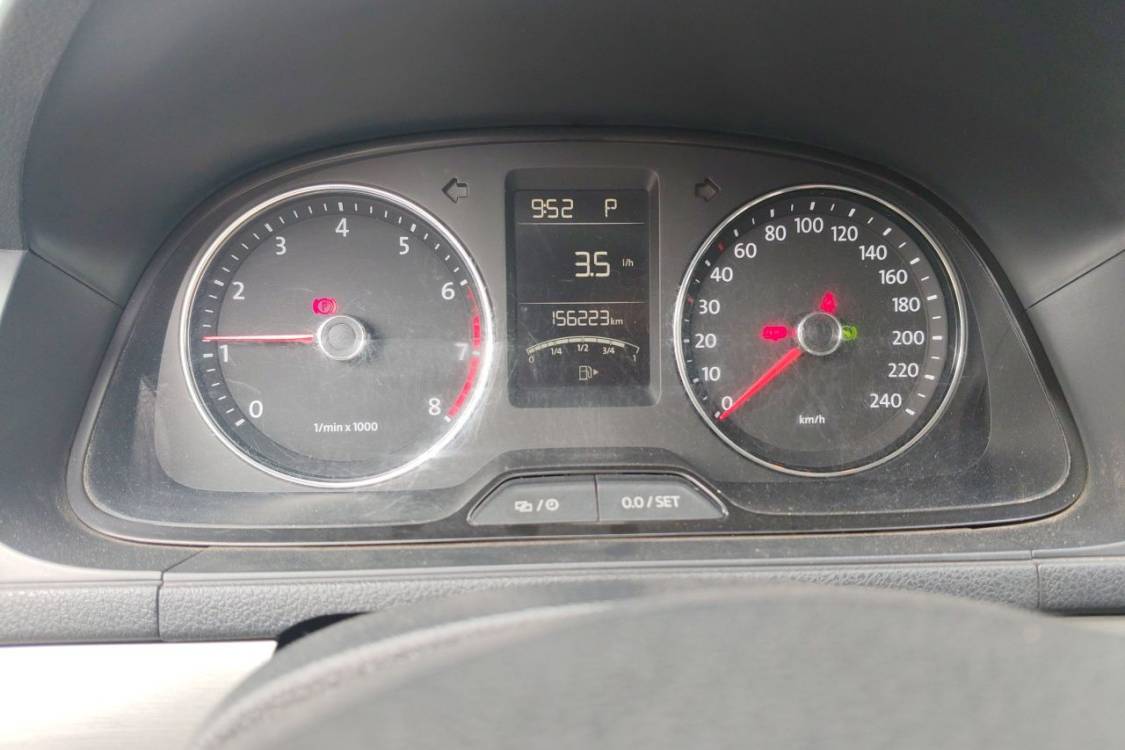
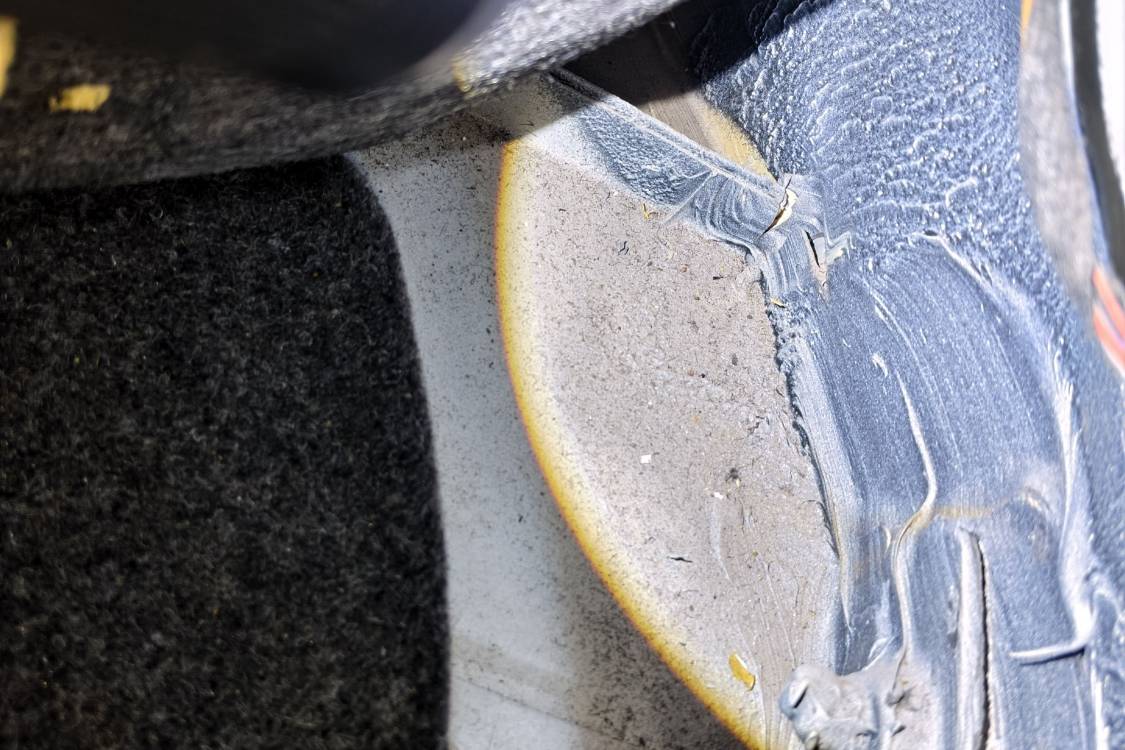
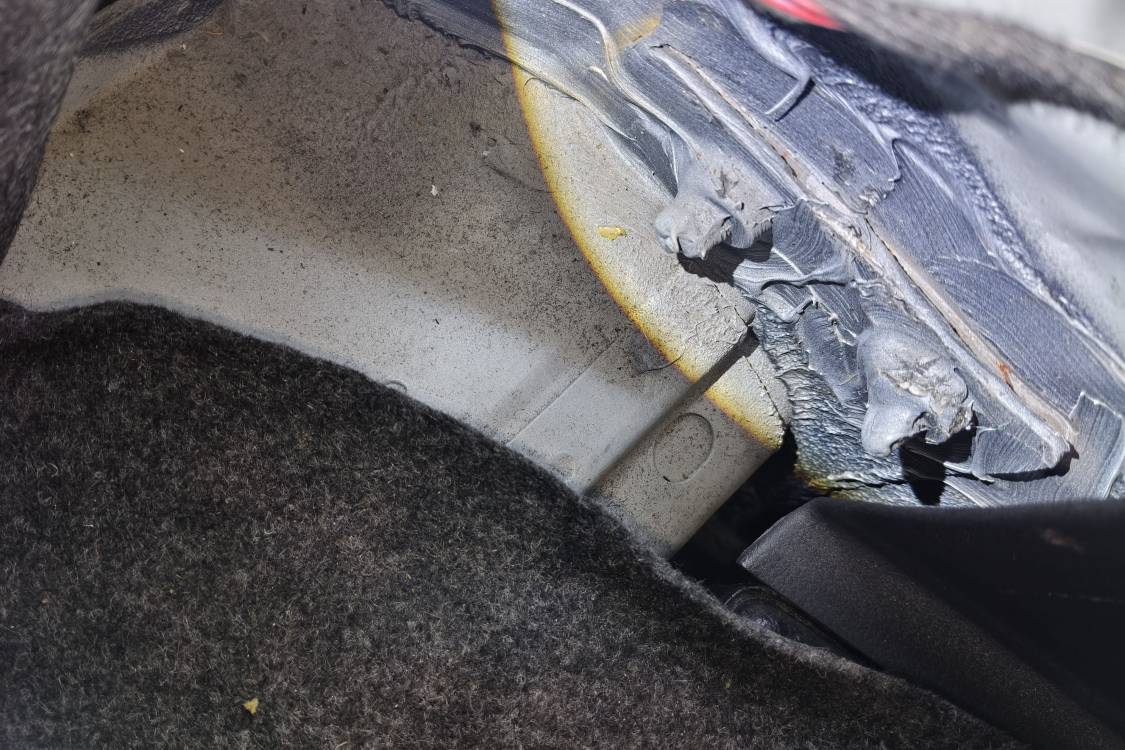
Accident inspection: main structure damaged, reinforcing parts damaged, panels damaged, hinges abnormal. Engine bay: key mechanical components normal. Exterior: 2 replaced parts, 2 repainted areas. Interior: left front seat torn, most features normal, airbags normal, lighting system normal. Startup inspection: main components normal. Onboard tools: none.
We will directly check the registration certificate (the big green book) and count the number of changes.
The 12V battery is small but critical: when it dies, the car cannot start, unlock, or charge. Used EVs often have weak 12V batteries because they sit on lots for months. Before shipping, ask the exporter to: 1. Measure the battery voltage after the car has rested overnight. It should read around 12.4-12.8V; anything under 12.2V means the battery is degraded. 2. Start the car and check that the charging system holds 13.8-14.4V, confirming the DC-DC converter works. 3. Scan for stored fault codes related to low voltage, which indicate the battery has been deeply discharged repeatedly. During ocean freight, the battery slowly self-discharges. Ask that it be disconnected or kept on a maintainer before loading, and budget for a replacement after arrival if the battery is over 3 years old. A new 12V battery costs little compared to being stranded at the port.
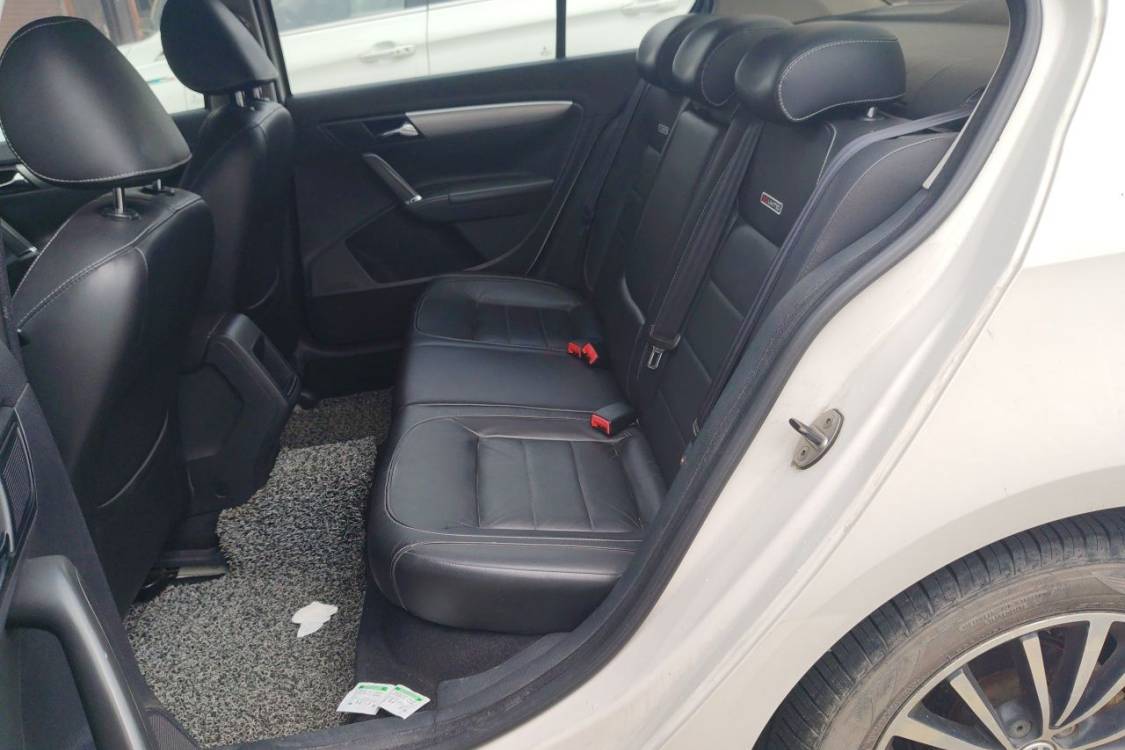
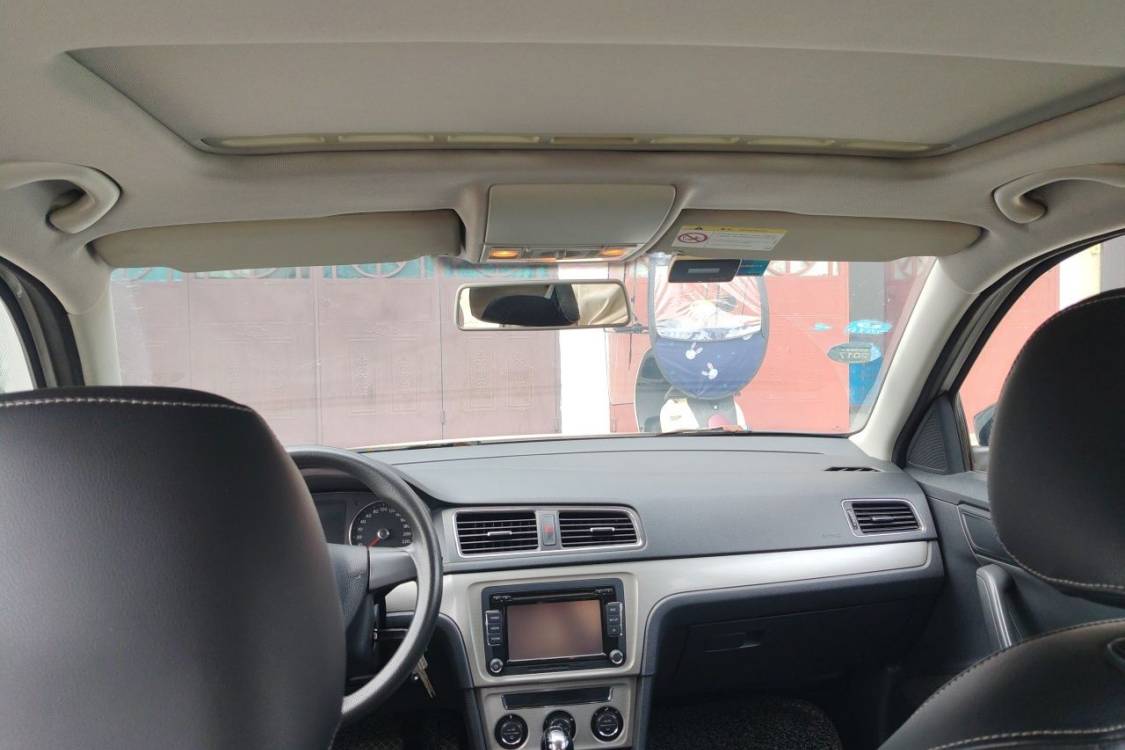
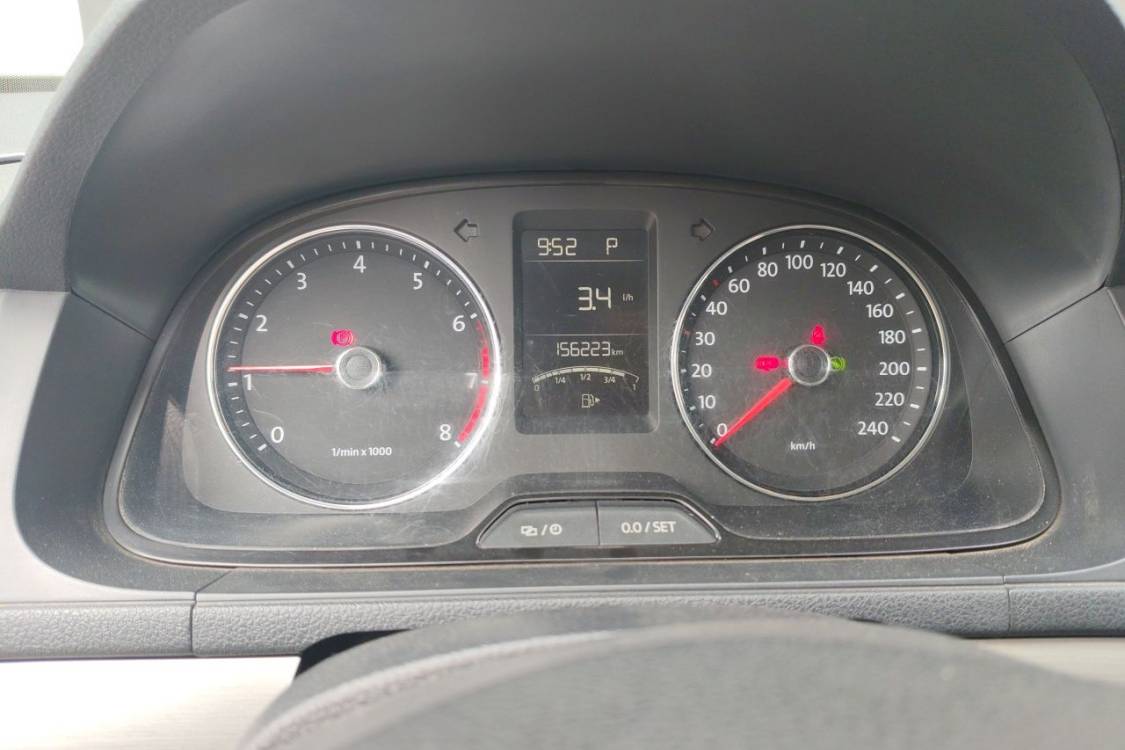
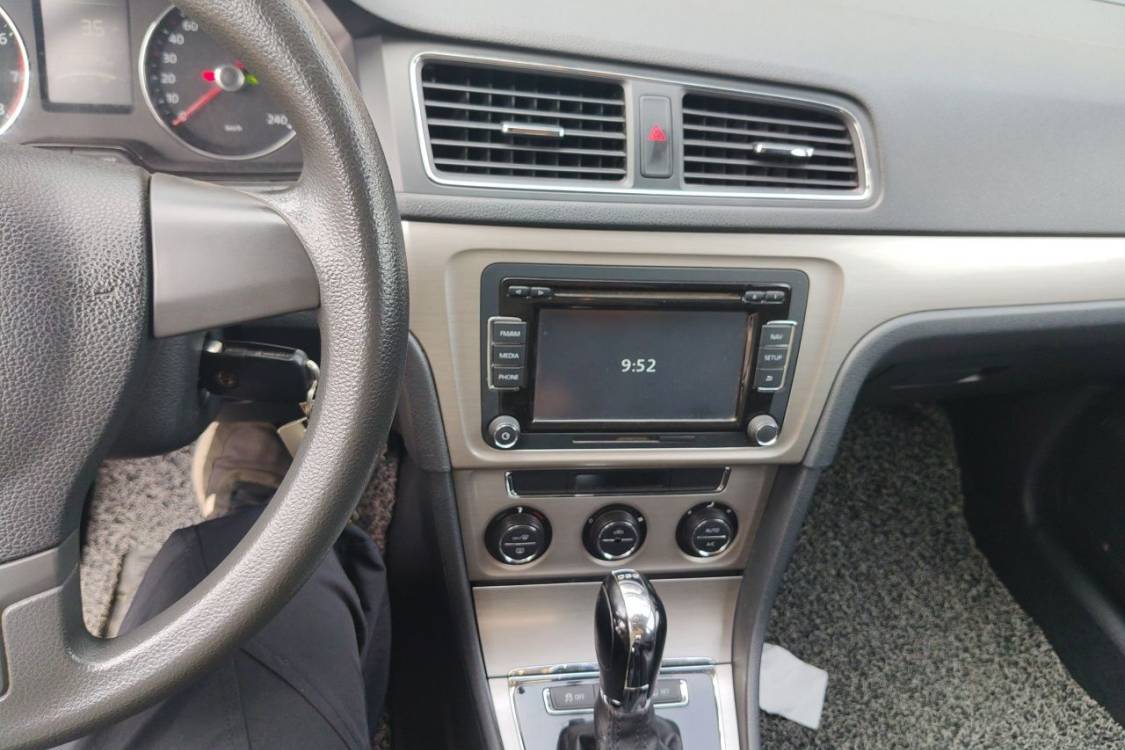
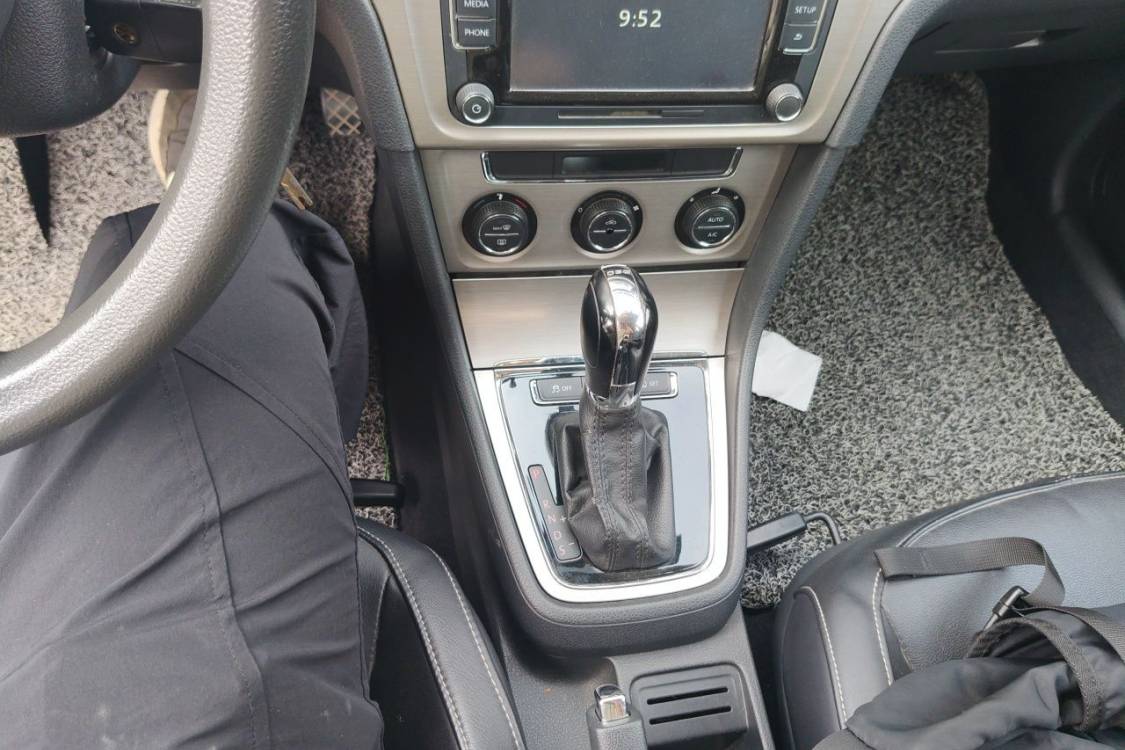
Interior assessment is divided into three core areas: the driver's high-frequency contact area (steering wheel, gear shift, edge of the driver's seat), central control button area, and rear seats and ceiling. The natural sheen of leather surfaces (patina) is normal; however, any physical damage (such as leather tearing, fabric burn holes, or plastic breakage) will be classified as "structural interior damage" and clearly marked.