



Basic Information

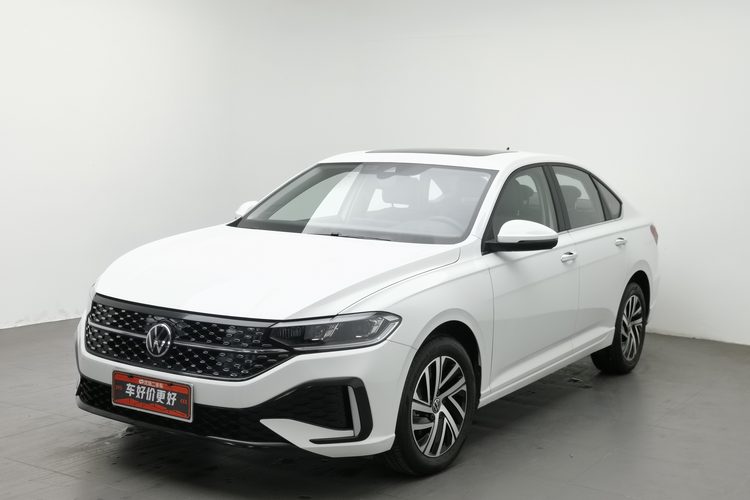
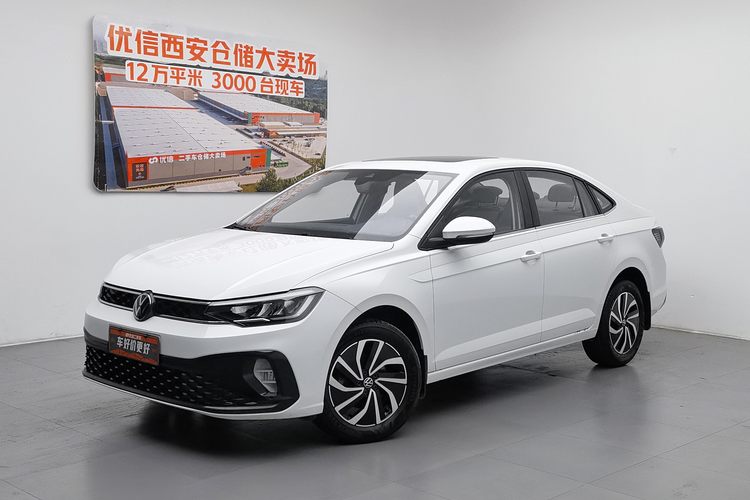
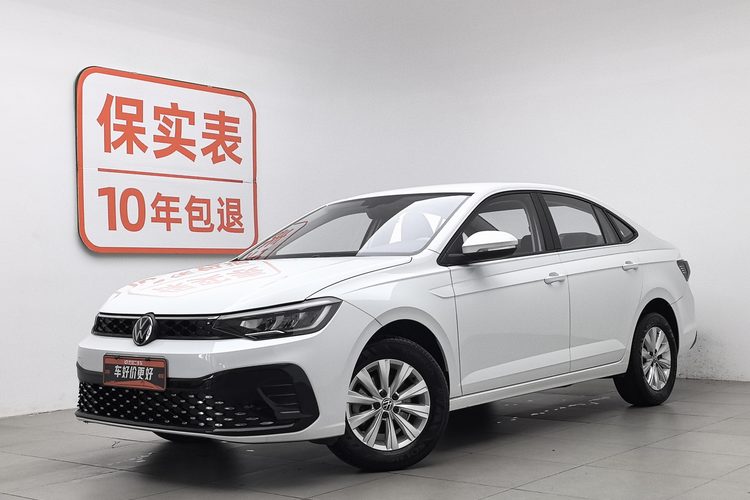
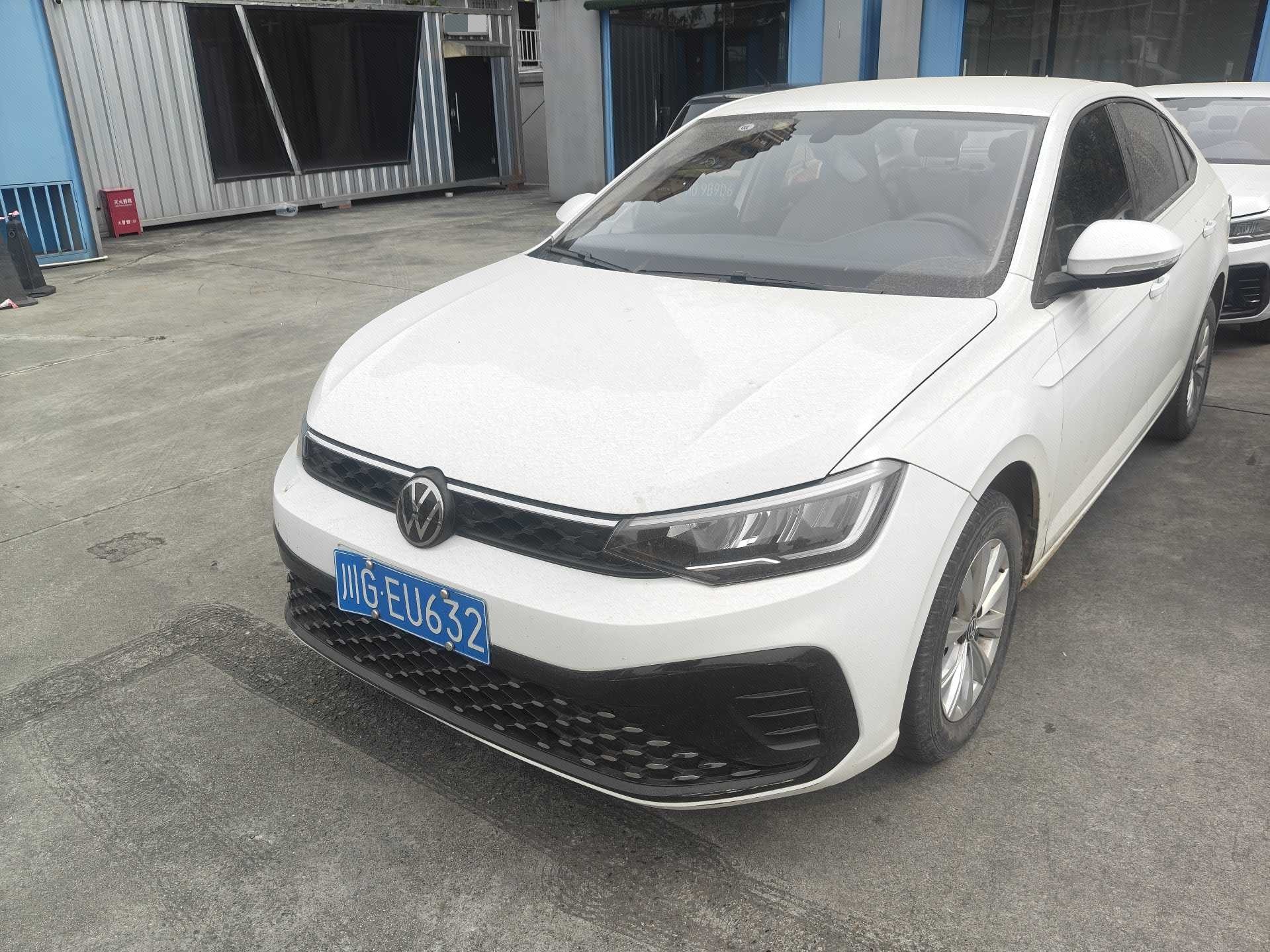
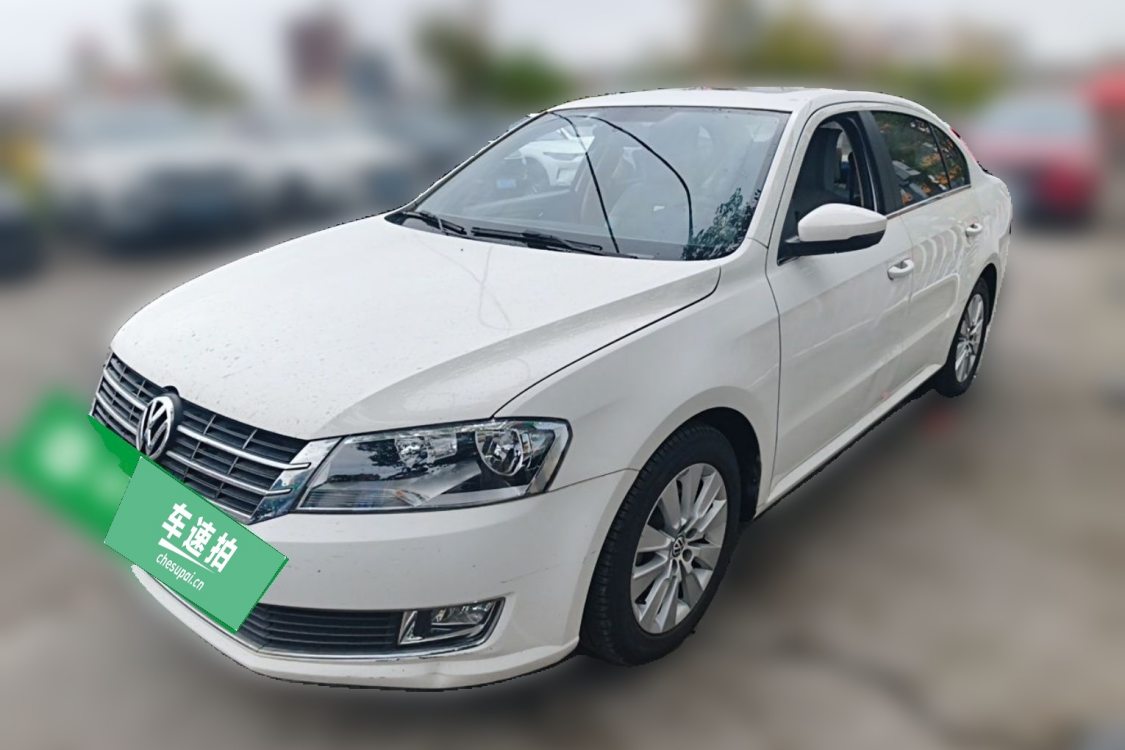
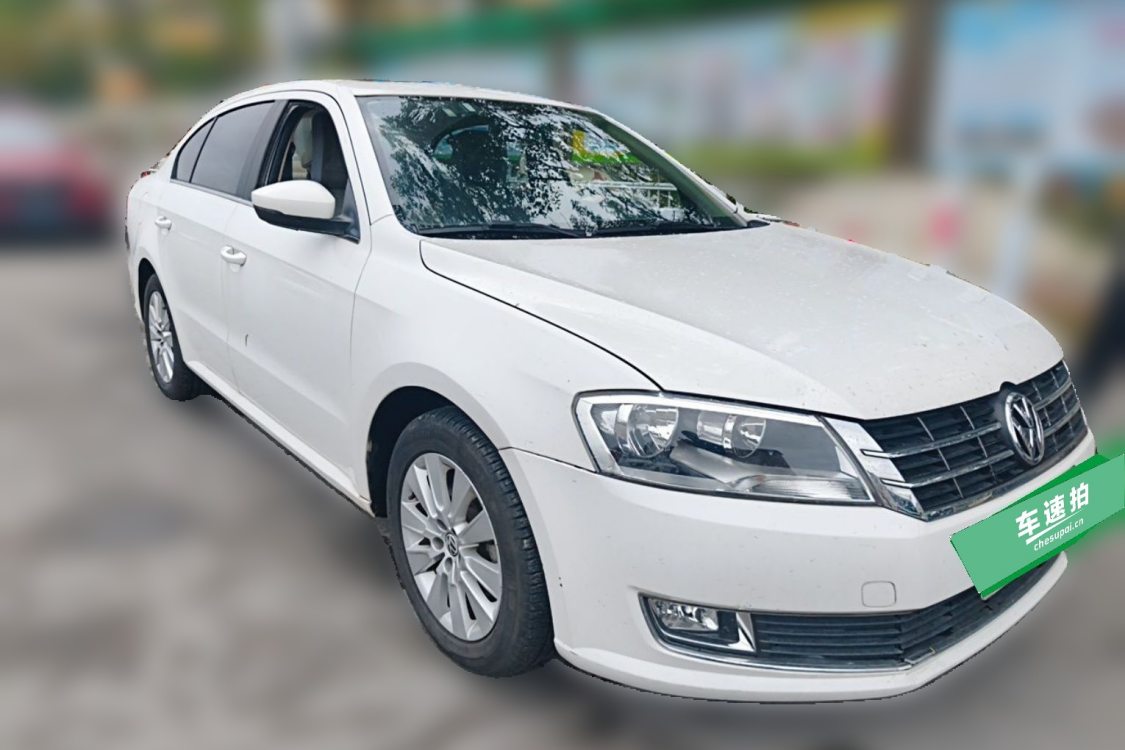
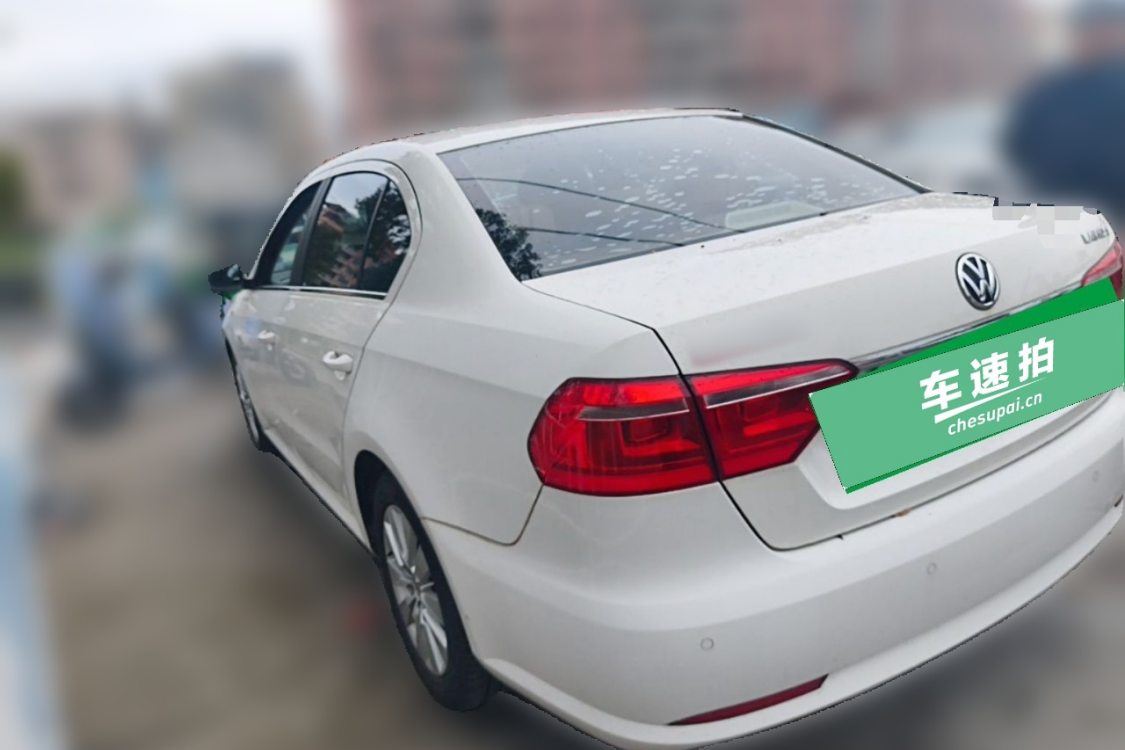
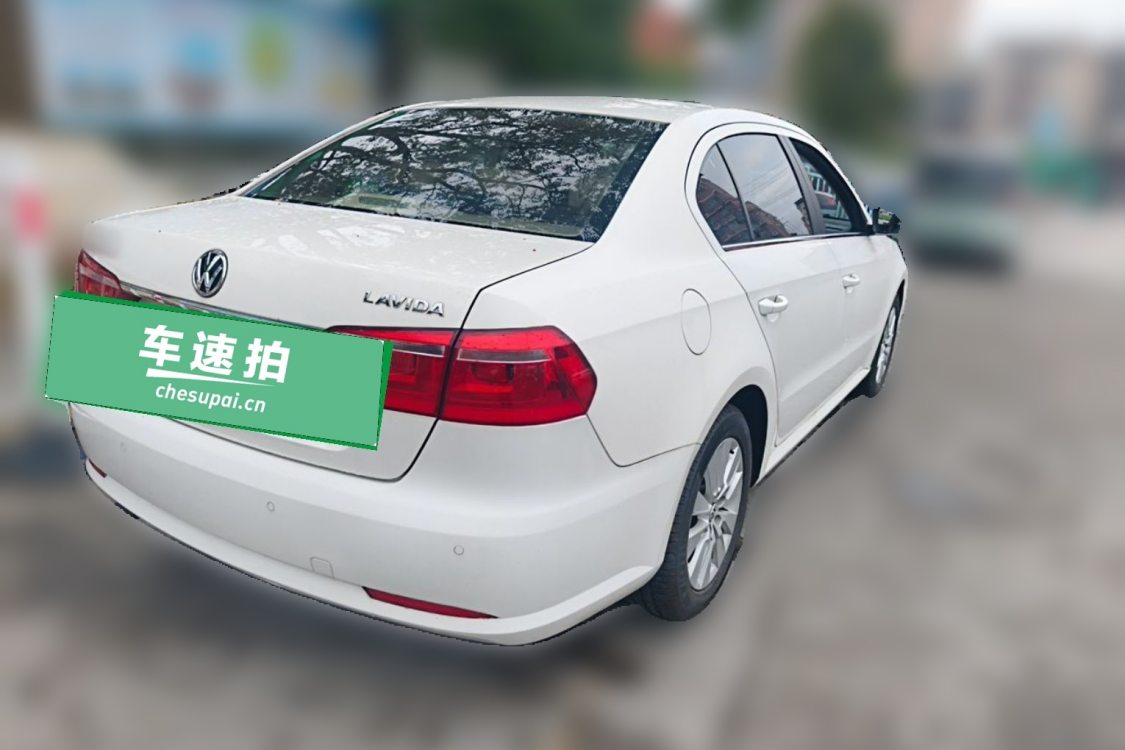
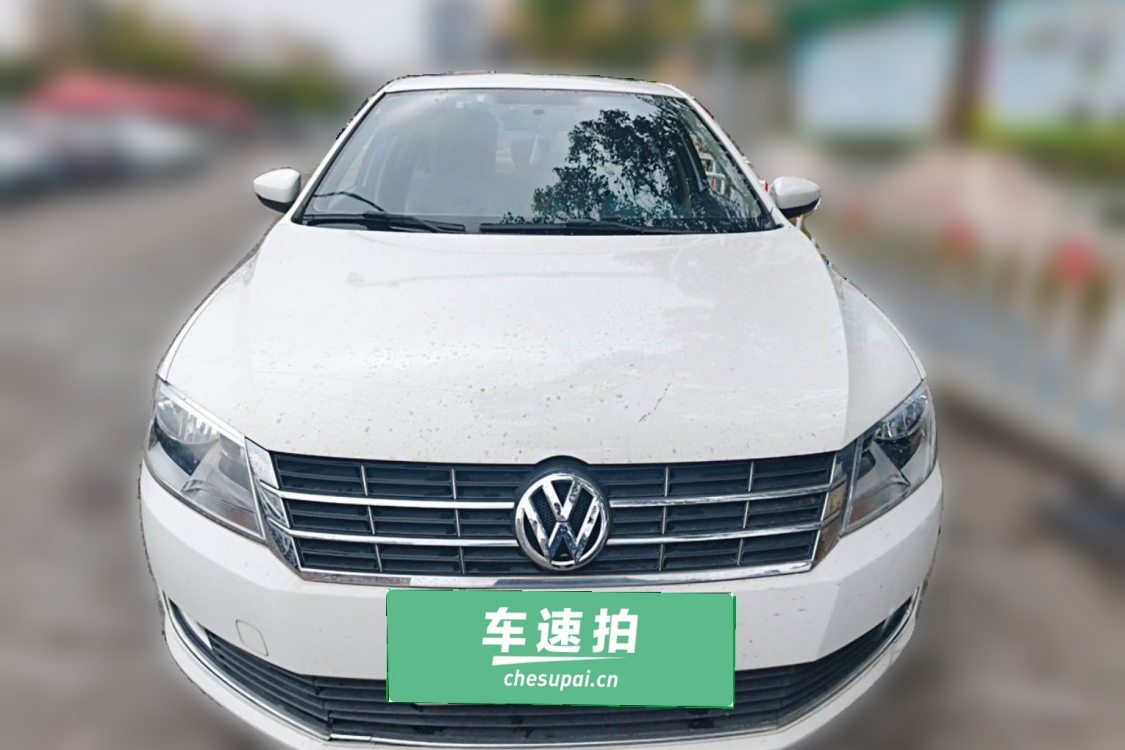
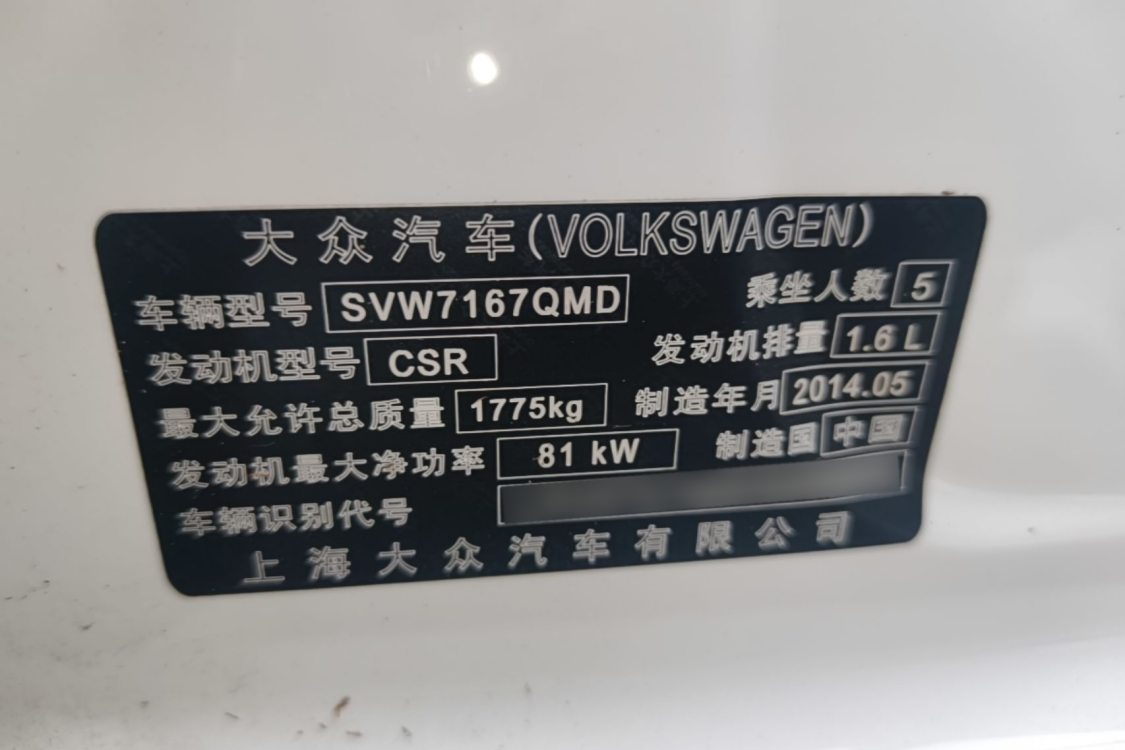
BrandVolkswagen
SeriesLavida
Year2014
First Registration2014/07
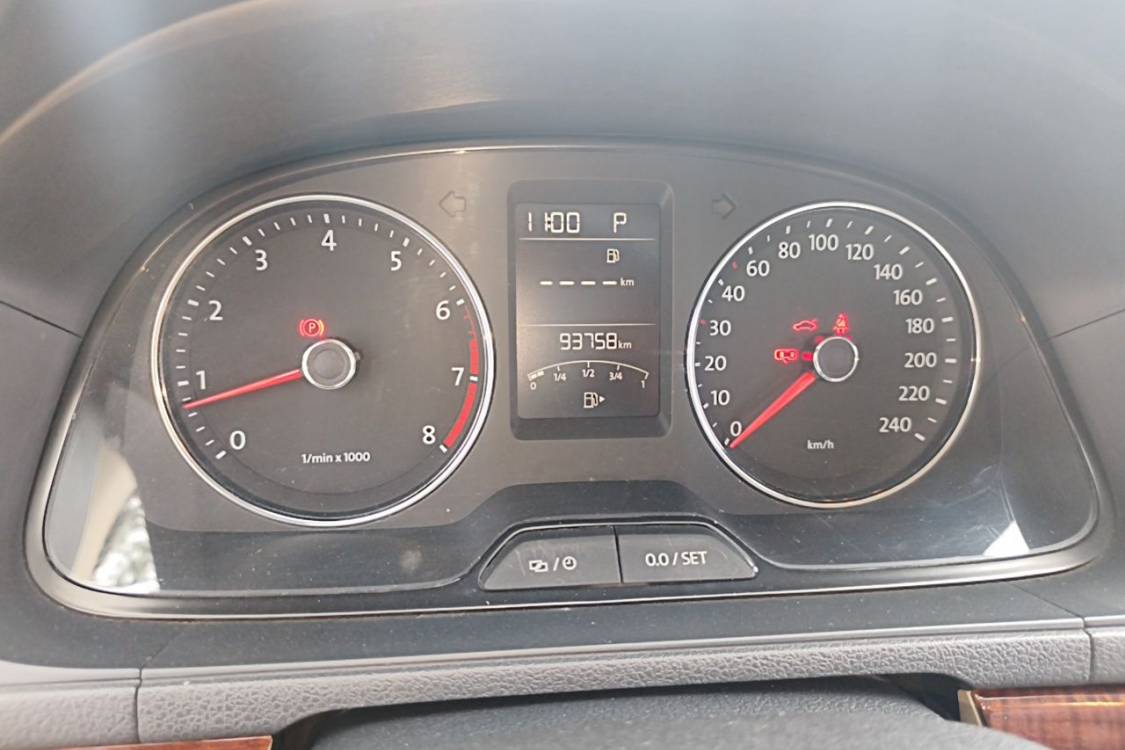
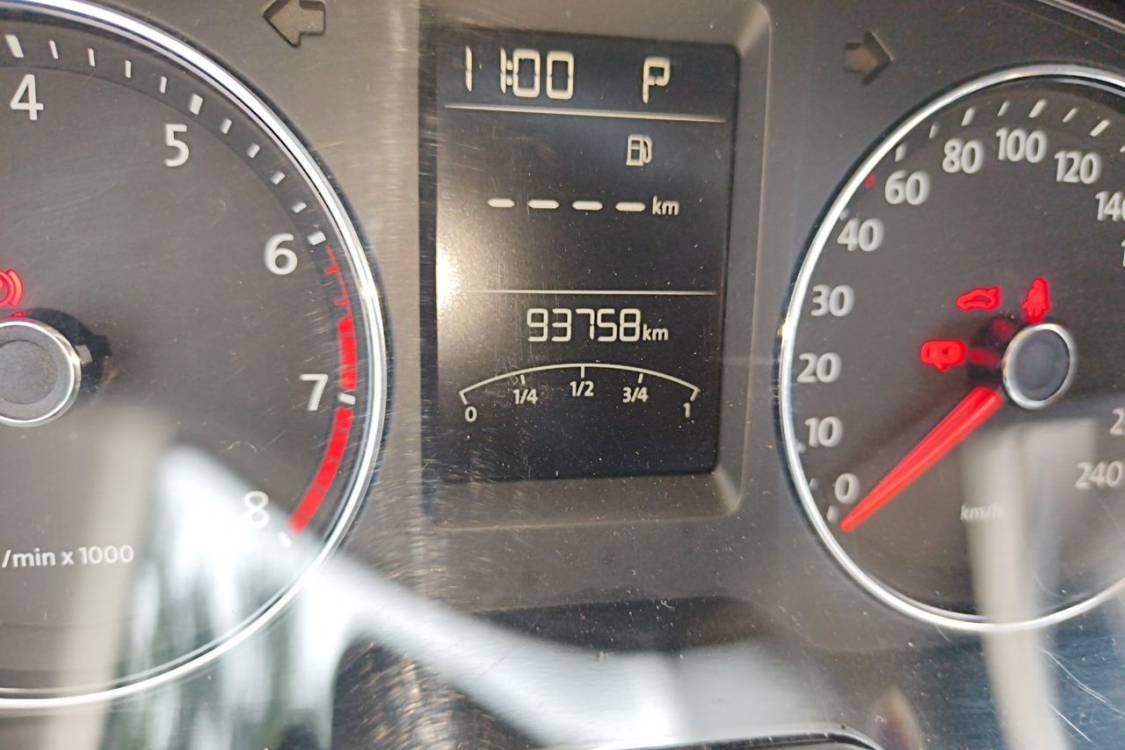
Mileage93,700km
Transfer Count-
FuelGasoline
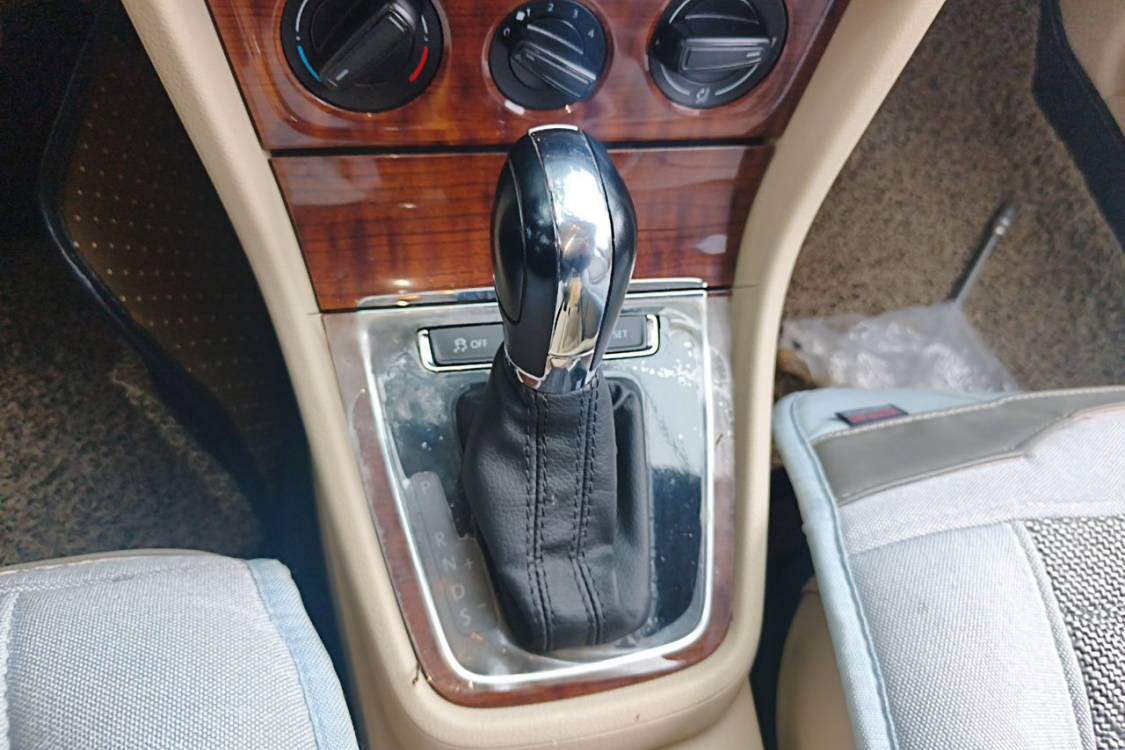
TransmissionManumatic
Engine1.6L 110 L4
ColorWhite
Seats-

Condition Description

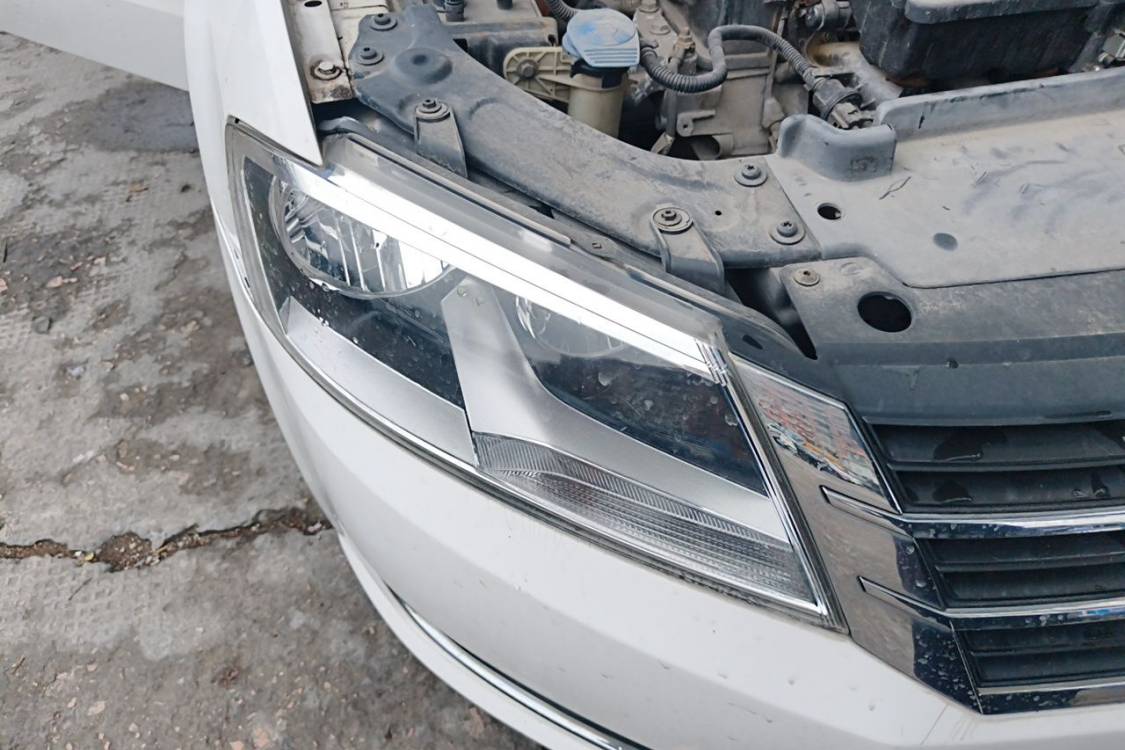
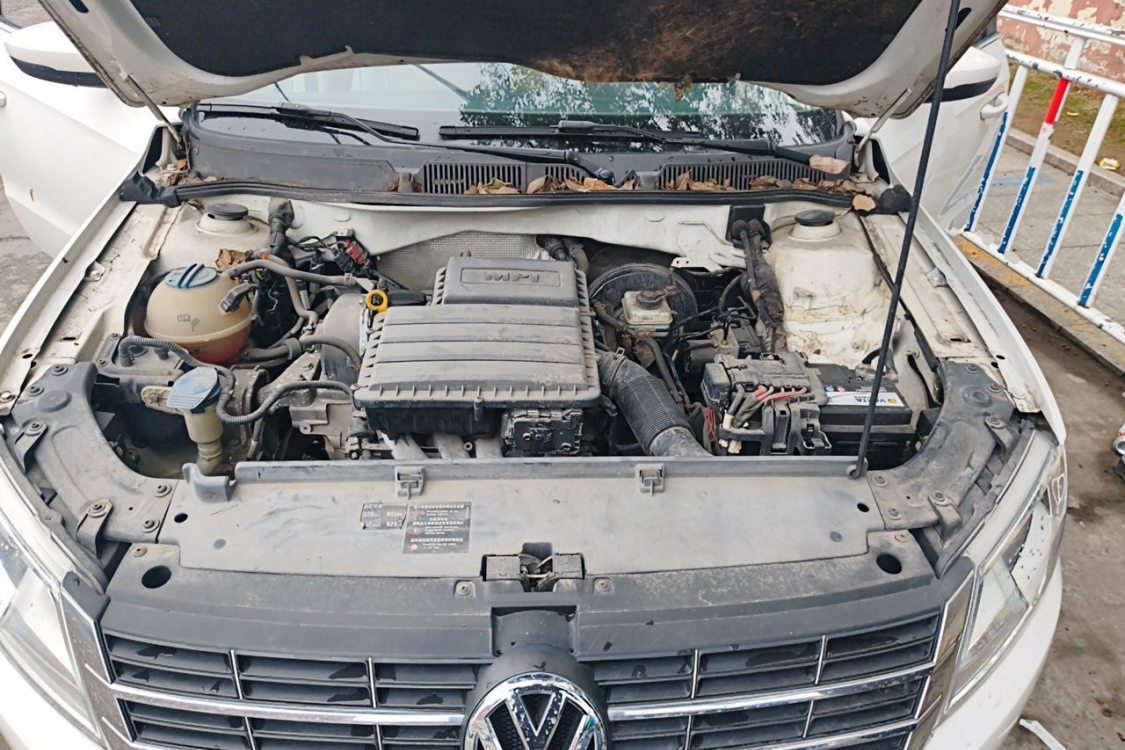
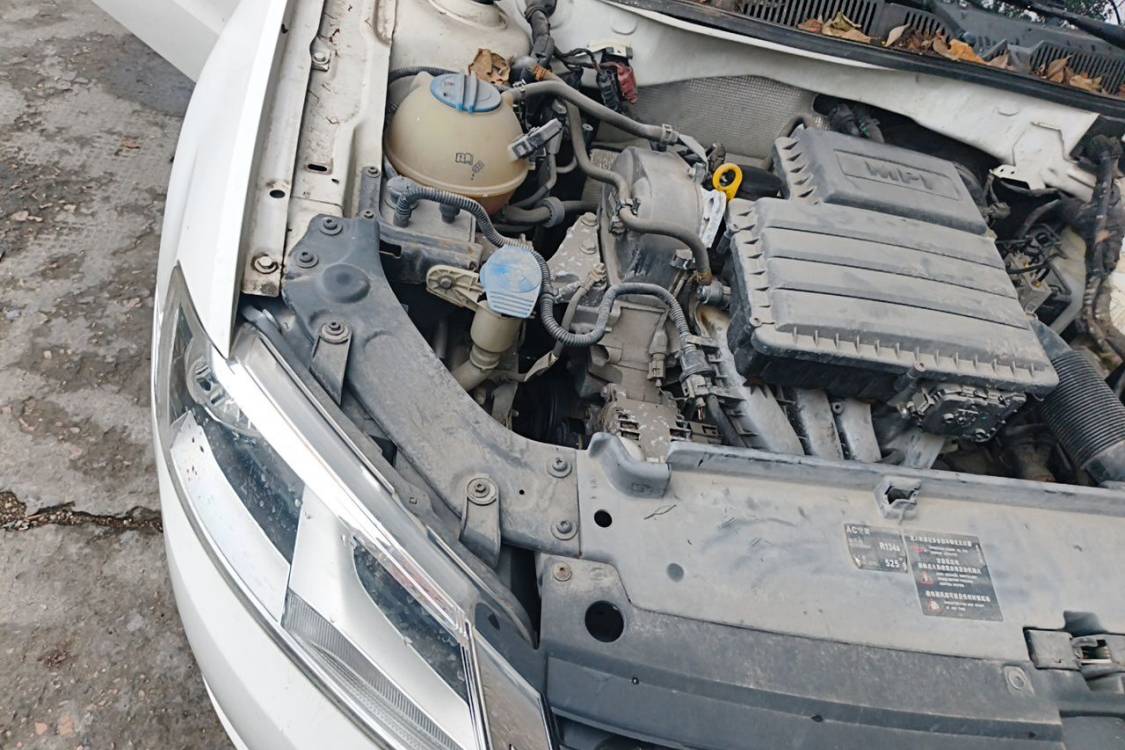
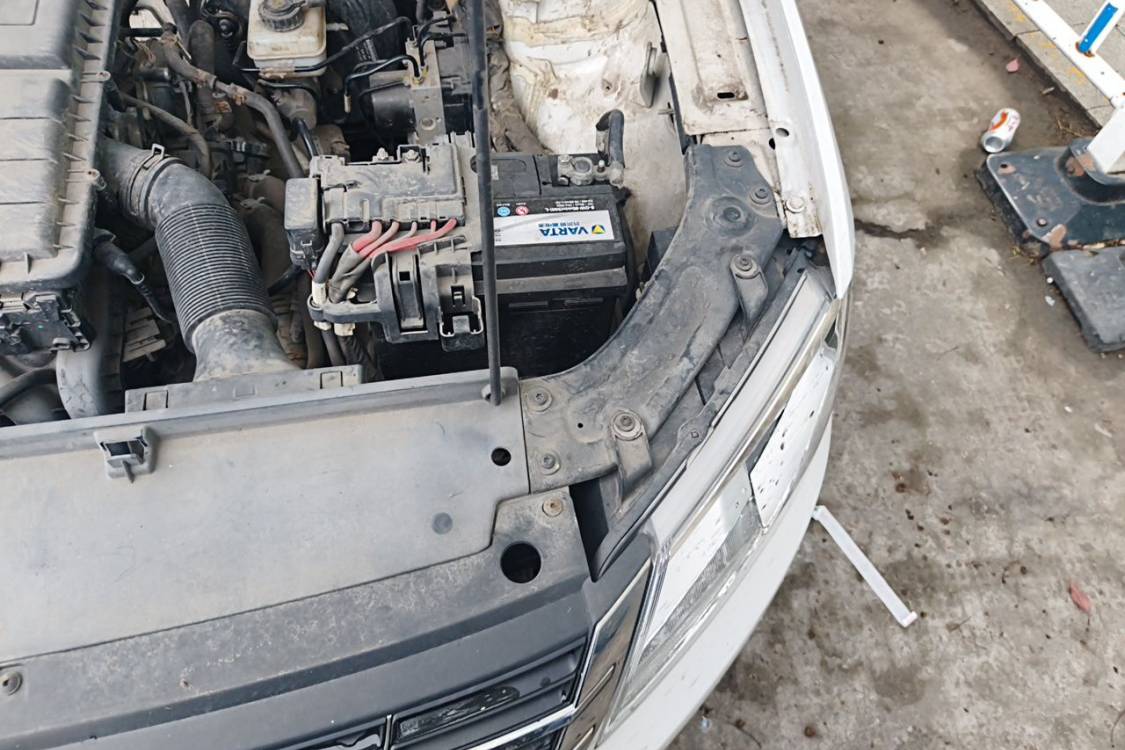
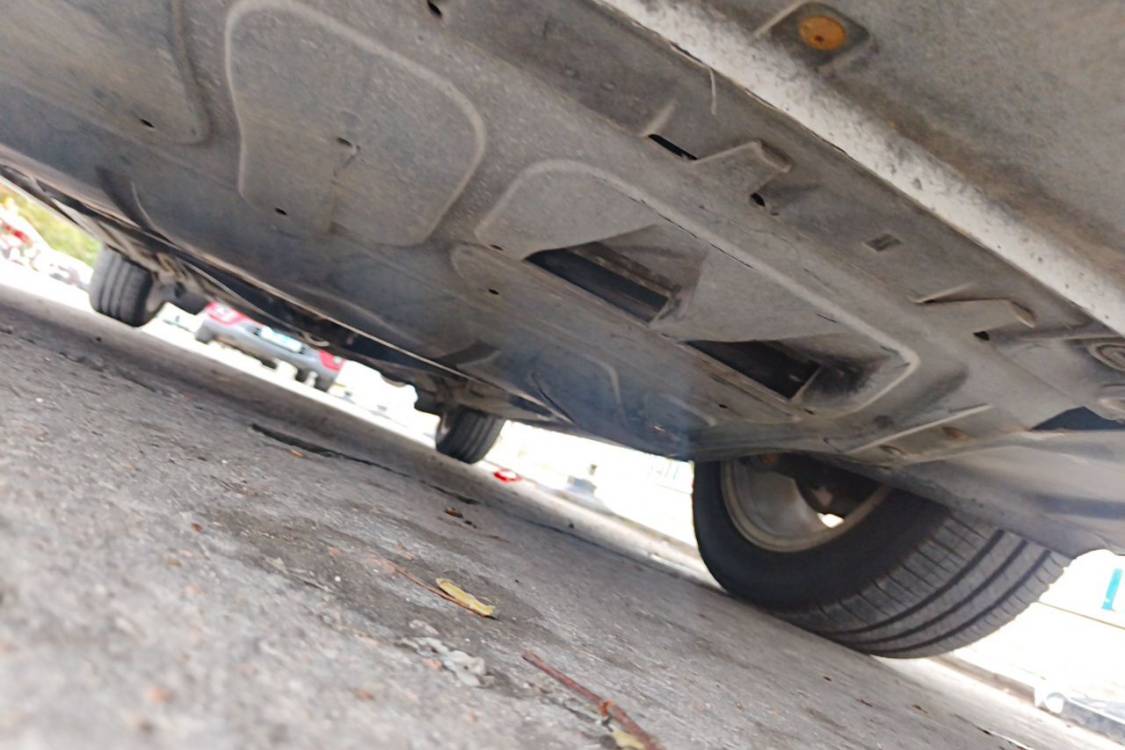
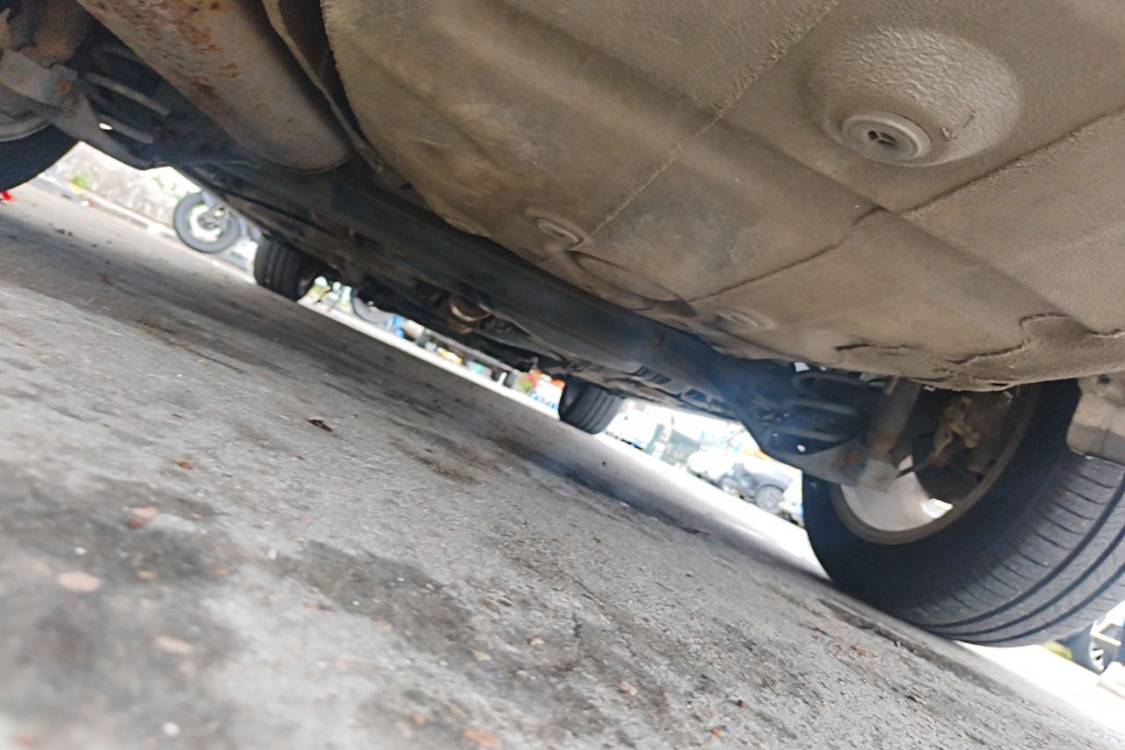
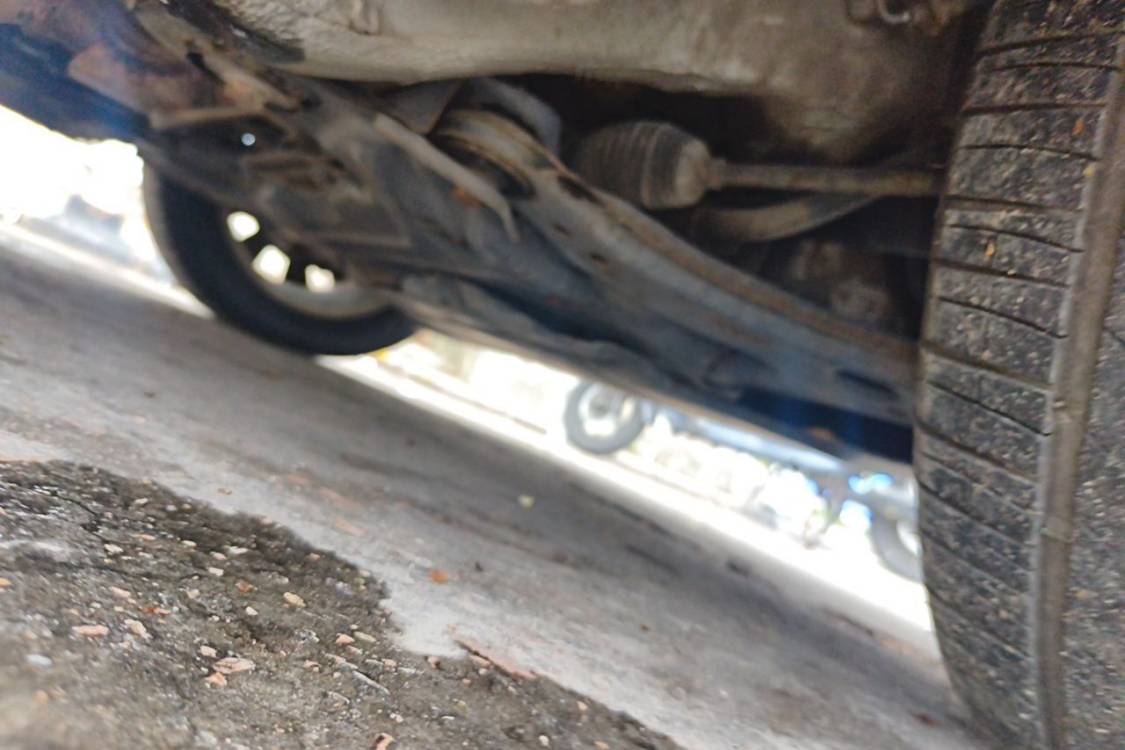
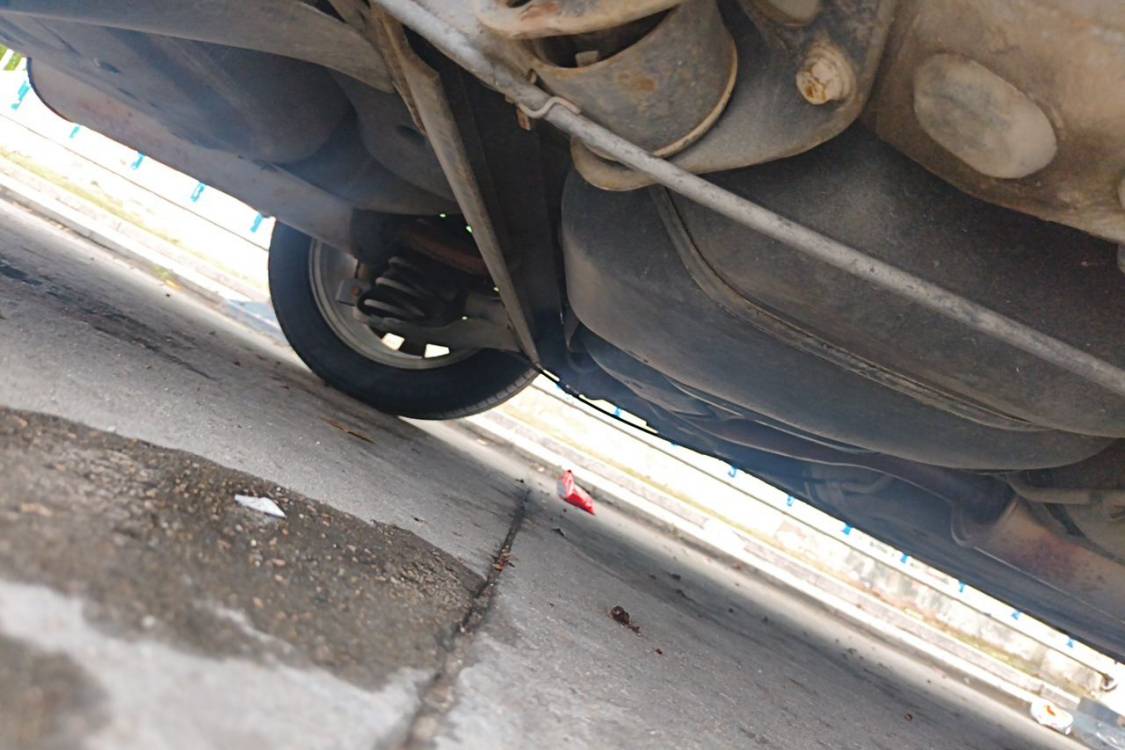
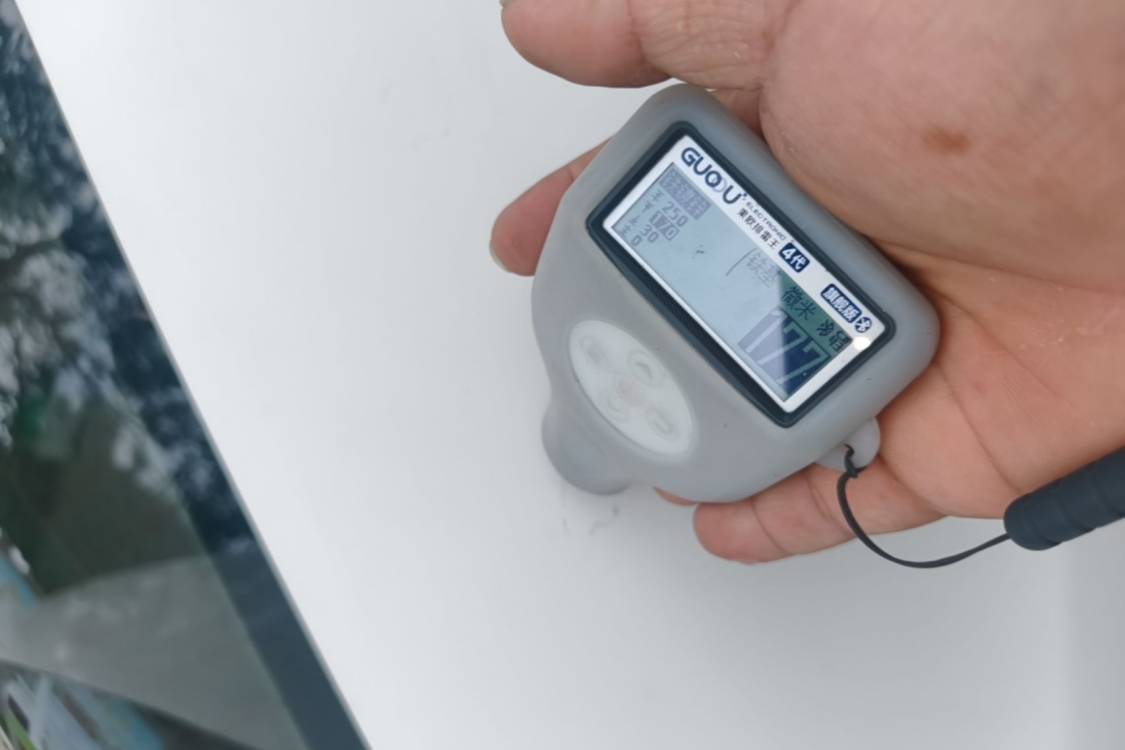
Body components (structural/reinforcing/panels) have accident-type damage; passive safety devices are defective; vehicle performance (including three-electric system) is degraded or remains performance-limited after repairs.

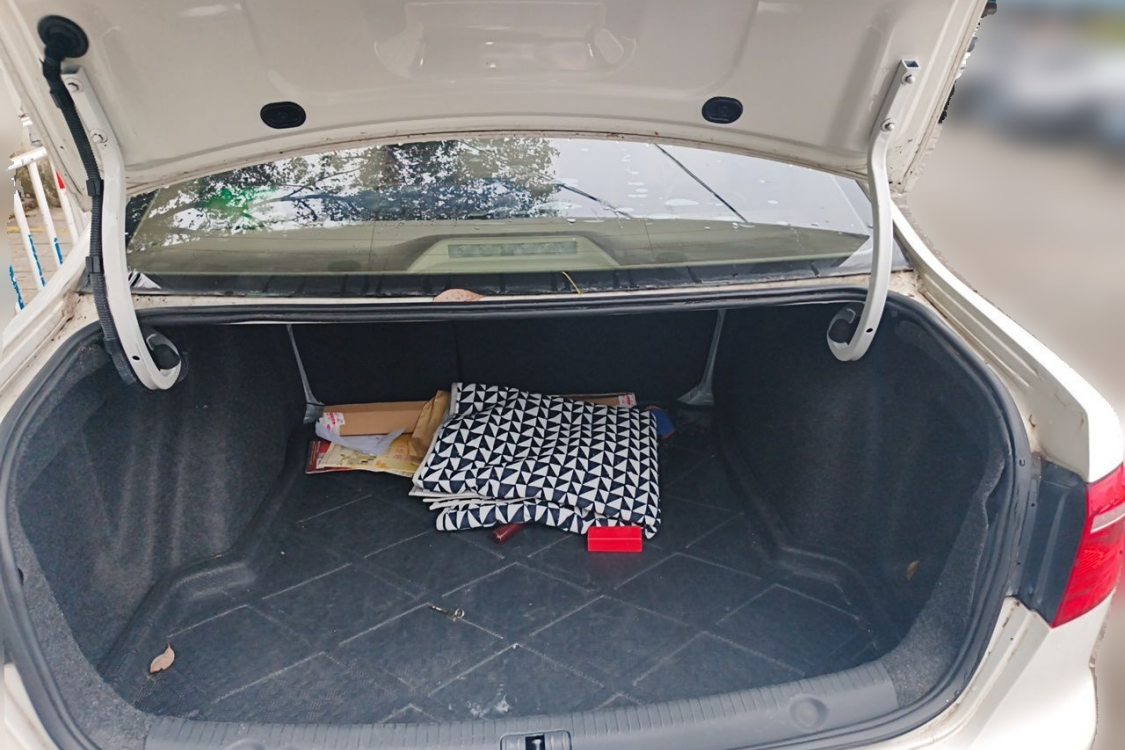
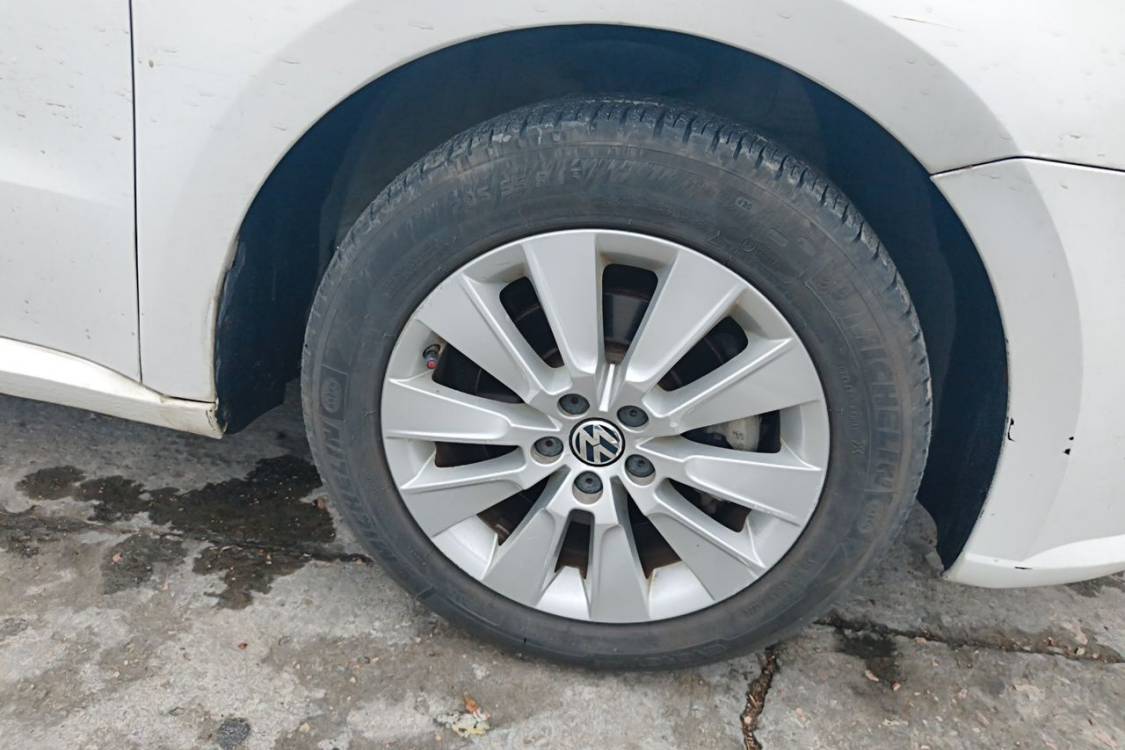
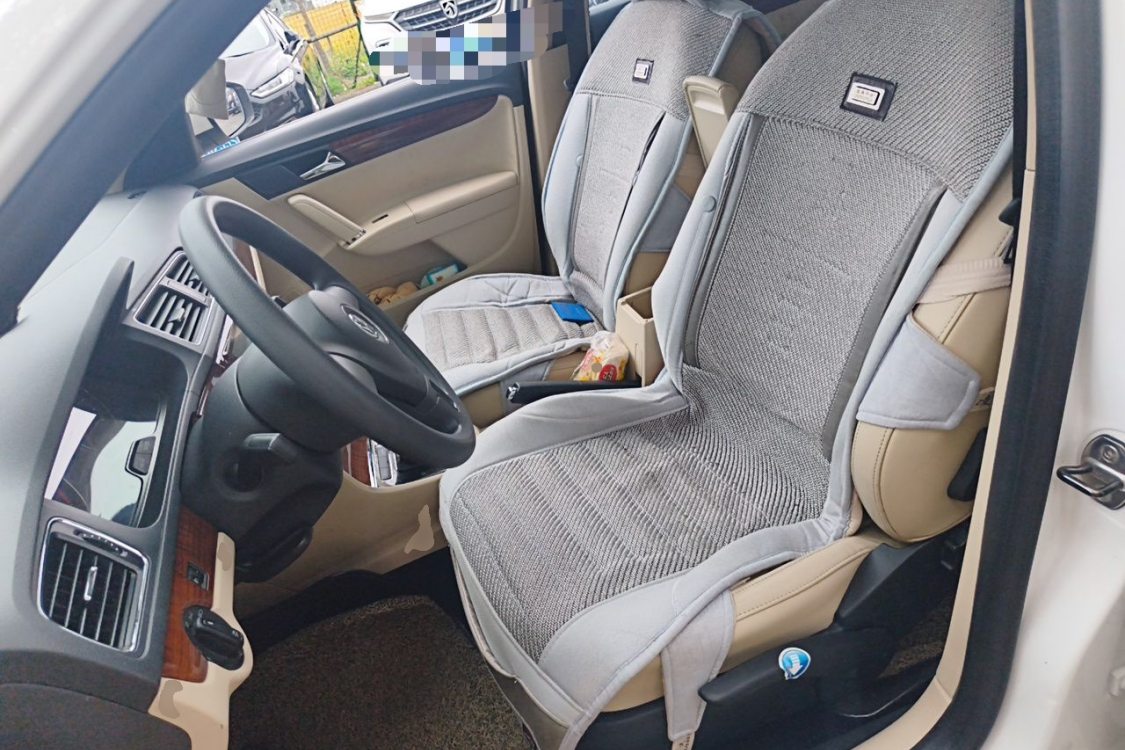
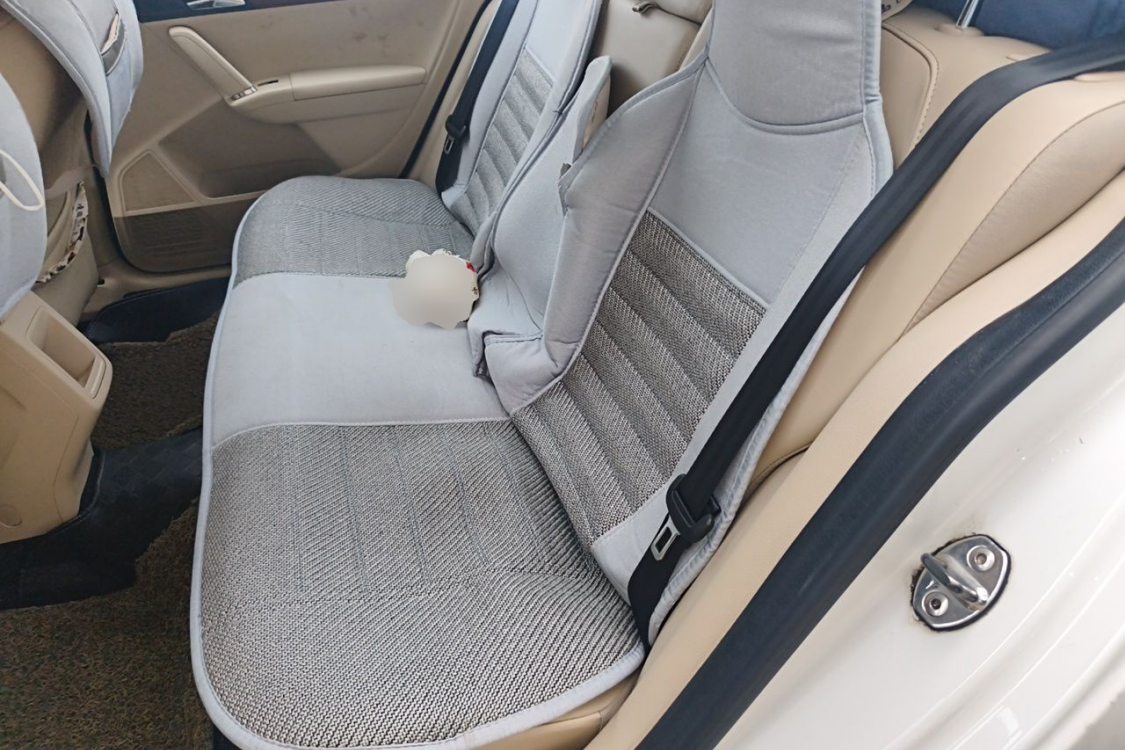
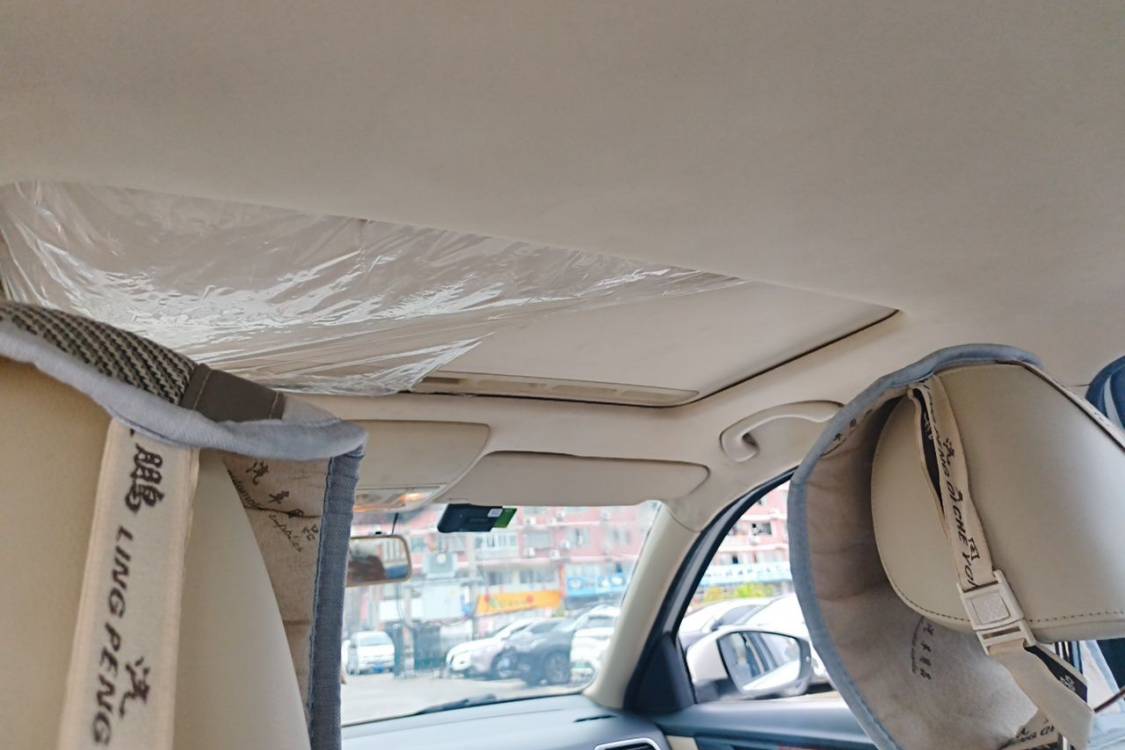
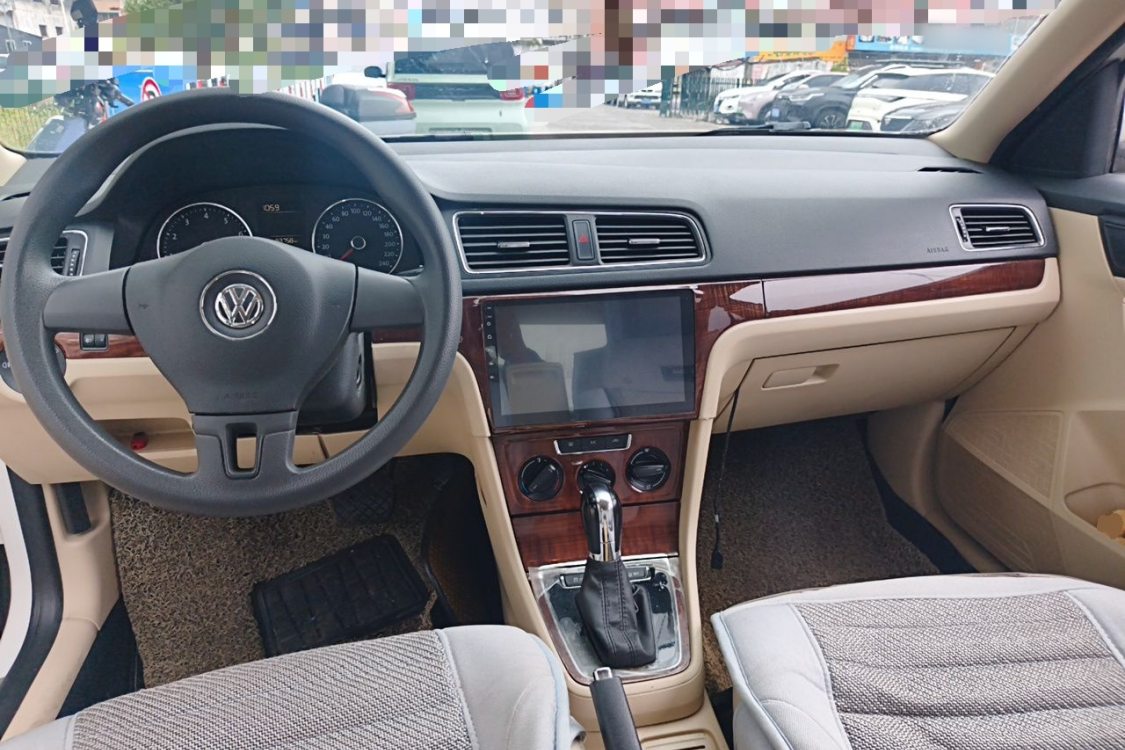
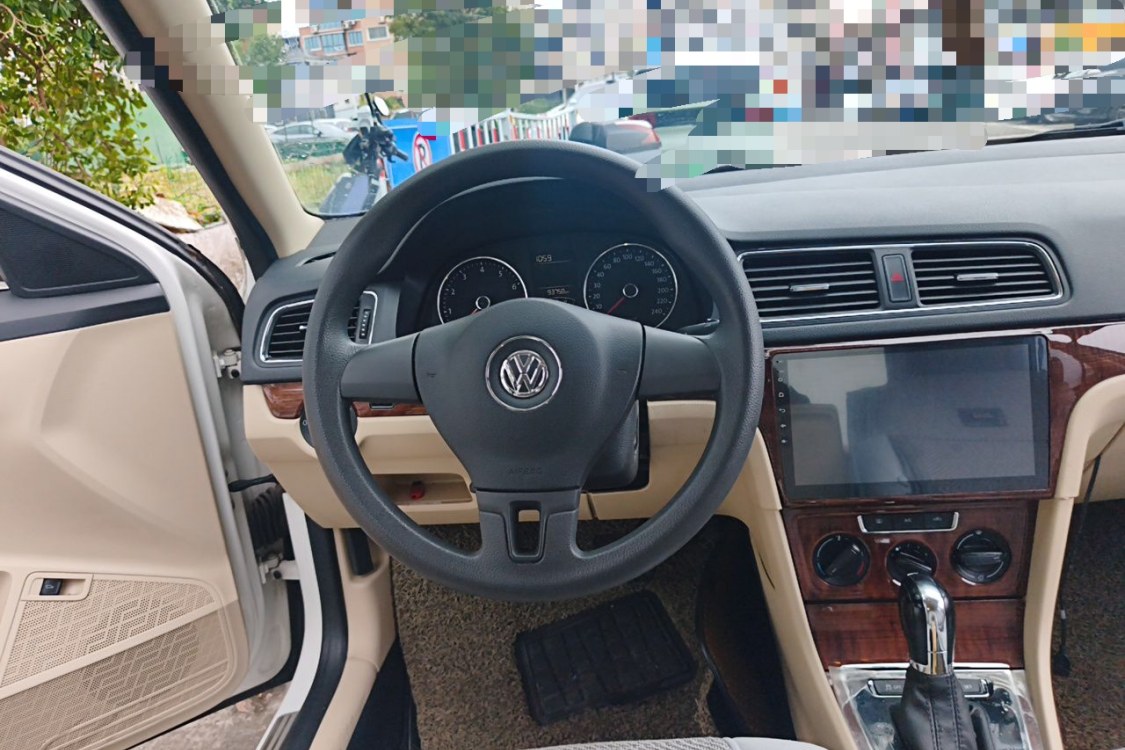
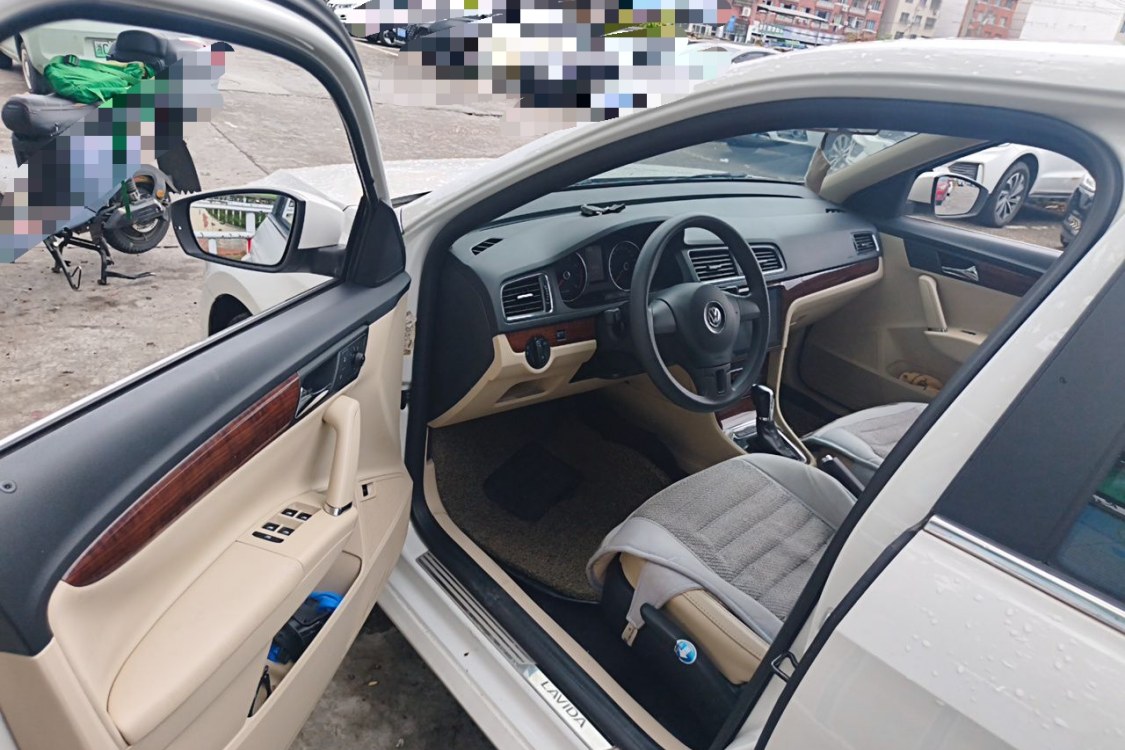
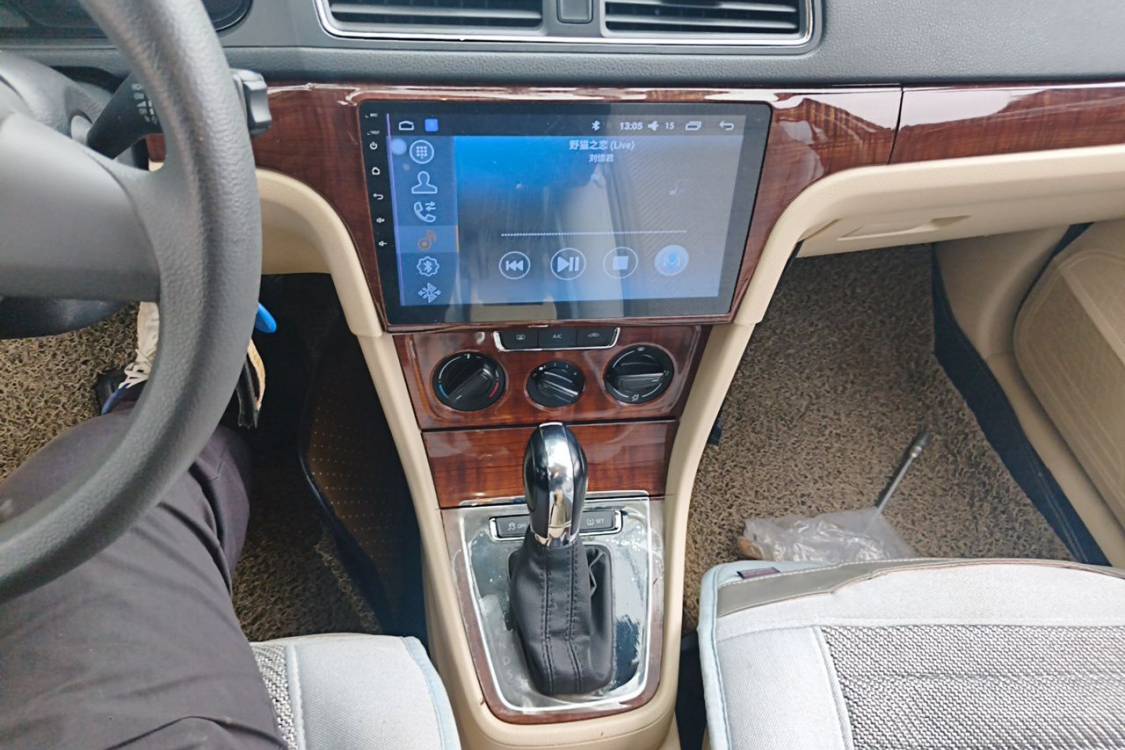
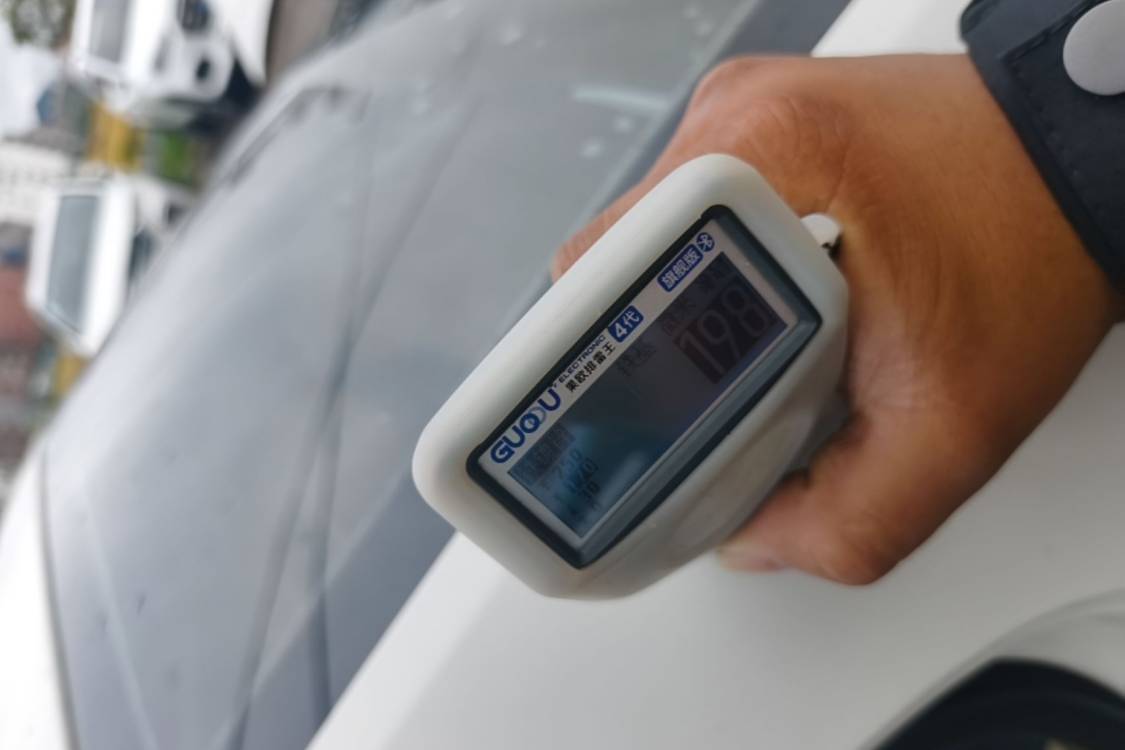
Accident inspection: main structure damaged, reinforcing parts damaged, panels damaged, hinges abnormal; engine bay: key mechanical components normal; exterior: 2 replacements, 6 sheet metal repairs, 2 paint jobs; interior: most features normal, airbag normal, seatbelt normal, dashboard normal, instrument readings normal, lighting system normal; start-up inspection: main components normal; onboard tools: none.

电话直连
可讲价
平台物流
可转售
车主降价
零过户
新检测标准升级>
非泡水

Document Information

Inspection Expiry Date2027/07
Warranty Expiry Date-
Insurance Expiry Date2027/07

Q&A

More

What should I do if something breaks on my used car shortly after it arrives from China?

Act fast and follow the paper trail you built before buying. First, document everything immediately: take photos and videos of the fault, note the date of arrival and the odometer reading. Most exporters offer a commercial warranty window (typically 15-30 days after arrival) for major components like the engine, transmission and high-voltage battery. Contact the exporter in writing with the evidence, referencing your contract's warranty clause. For minor issues, a common arrangement is that they air-freight the spare part to you or reimburse a capped repair amount at a local workshop. To protect yourself before purchase: get the warranty terms written into the sales contract, including response time, what is covered, and how parts compensation is calculated. Also ask which fast-wearing parts (brake pads, filters, wipers) they recommend buying together with the car, so you are not stuck waiting for a small part from overseas.


Will the manufacturer's smartphone app and connected services work in my country after I import a used Chinese EV?

This is one of the most common disappointments after importing a Chinese EV, so check before you buy. Many Chinese EVs rely on an embedded SIM that only works on Chinese carrier networks. Once the car leaves China, remote functions — battery status, pre-conditioning, charging control, and locating the car — may stop working entirely. Some brands let you transfer the account to a foreign phone number, but many require a Chinese ID or Chinese phone number for registration, which you cannot provide. What to do before purchase: ask the exporter to test the app functions live on video while the car is still in China, including remote air-conditioning and battery percentage reading. Ask the brand's official customer service (in writing) whether overseas account activation is supported for your specific model and year. Workarounds if the official app does not work: some functions may still operate locally through the car's own settings, such as scheduled charging from the dashboard. Third-party OBD dongles with companion apps can sometimes restore battery monitoring and pre-conditioning. The car itself drives fine without connected services, but if app functionality matters to you, treat it as a purchase criterion, not an afterthought.

How can I verify the odometer reading is genuine on a Chinese used car from abroad?

Odometer fraud exists everywhere, but cross-checking several data points makes it hard to fake: 1) Maintenance records: ask for service history with mileage entries. Gaps or resets are red flags. 2) Tire wear: a car showing 30,000 km should not have nearly bald tires. Compare tread depth against the claimed mileage. 3) Pedals, steering wheel, and seat bolsters: heavy wear on these with low odometer readings is a classic mismatch. 4) Diagnostic scan: request an OBD readout. Many control modules store mileage data internally — if the ECU shows 120,000 km while the dash shows 40,000, you have your answer. 5) Vehicle history report: in China, apps and platforms can pull insurance claim records and registration history, which often reveal the true mileage trail. Always request a live video showing the odometer with the engine running, and have the number written into your contract.