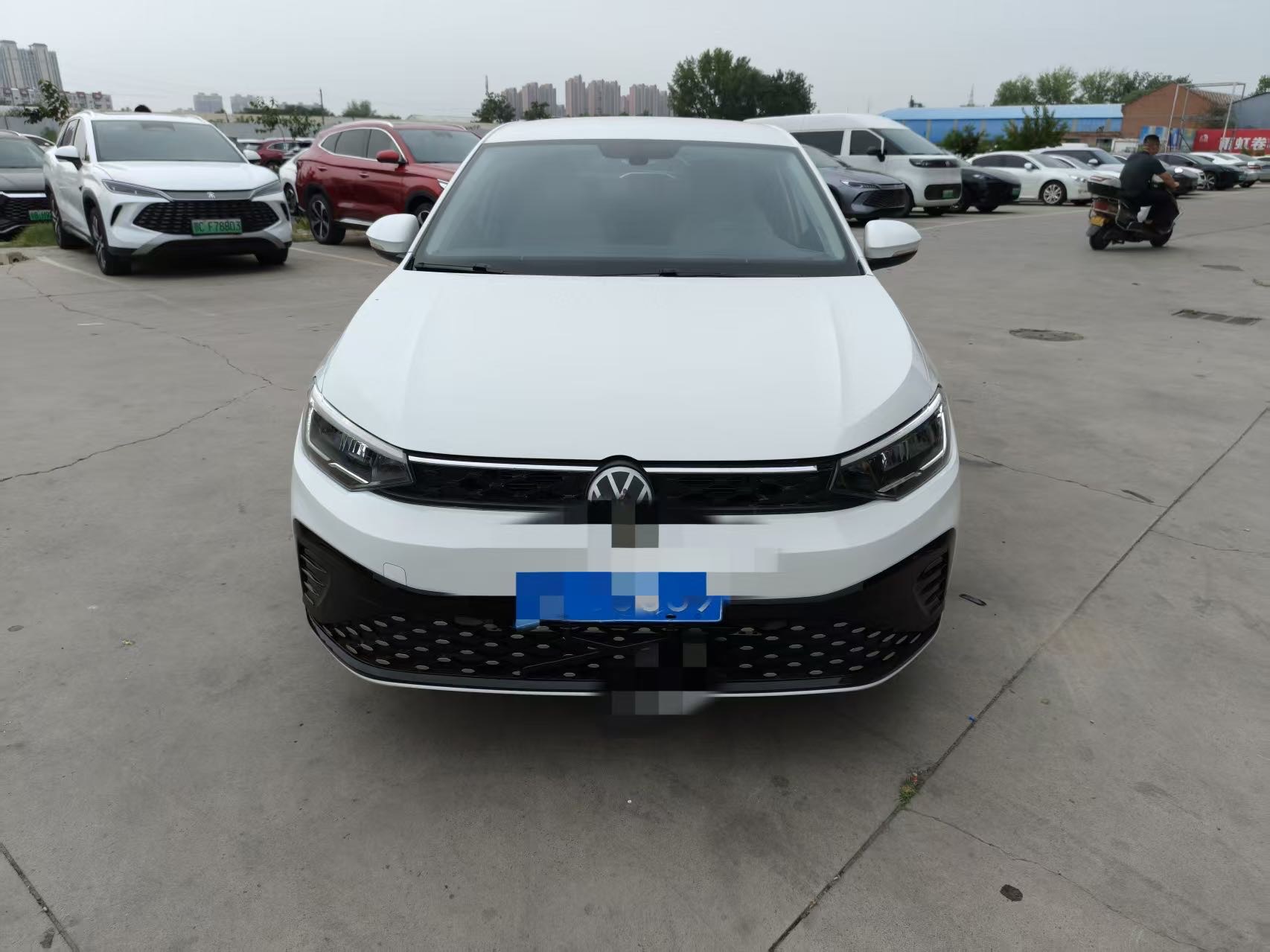


Basic Information

BrandVolkswagen
SeriesLavida
Year2015
First Registration2015/06
Mileage121,300km
Transfer Count-
FuelGasoline
TransmissionManual
Engine1.6L 110 L4
ColorBlack
Seats-

Condition Description

Body components (structural/reinforcing/panels) have accident-related damage; passive safety devices are defective; vehicle performance (including three-electric system) is degraded or remains performance-limited after repairs.

Accident inspection: main structure damaged, reinforcing parts damaged, panels damaged, hinges abnormal. Engine bay: engine cylinder head gasket oil leak. Exterior: 2 replaced parts, 4 sheet metal repairs, 1 repaint. Interior: configuration abnormal, airbag normal, seatbelt normal, dashboard normal, instrument check normal, lighting system normal. Start-up check: main components normal. Onboard tools: none.

电话直连
可讲价
平台物流
可转售
14个工作日内过户
零过户
新检测标准升级>
非泡水

Document Information

Inspection Expiry Date2027/06
Warranty Expiry Date-
Insurance Expiry Date2026/10

Q&A

More

Why is there a time difference between the production date on the vehicle nameplate and the first registration date on the registration certificate?

The nameplate date is the absolute time when the vehicle leaves the factory; the registration date is when the vehicle is registered with the traffic management department after sale. The difference represents the time the vehicle spent in the dealer's warehouse or logistics. If the time difference exceeds 6-8 months, the vehicle is considered a "stock vehicle," and we pay special attention to the natural aging of its rubber components.


If there is a conflict between the historical report from Dr. Cha or Dongche Di and the backend data from the 4S store, which one do you rely on?

Always rely on the original factory network data from the 4S store. Third-party platforms may have delays or errors when capturing data (such as incorrect VIN entry). In case of a conflict, we rely on physical verification of the actual vehicle to resolve the data discrepancies.

How do you detect carbon buildup and wear inside the engine using technology without deep disassembly?

We use two steps: 1. Insert a medical-grade endoscope through the spark plug hole to visually inspect cylinder wall scratches and carbon buildup on the piston top; 2. Extract an engine oil sample to check for large metal debris or emulsification (caused by coolant leakage).