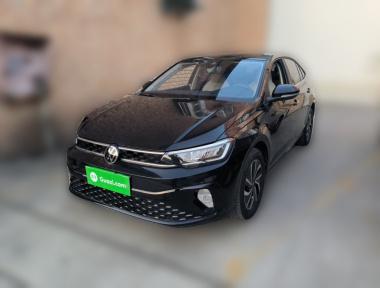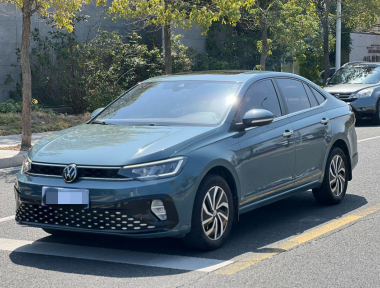
Basic Information

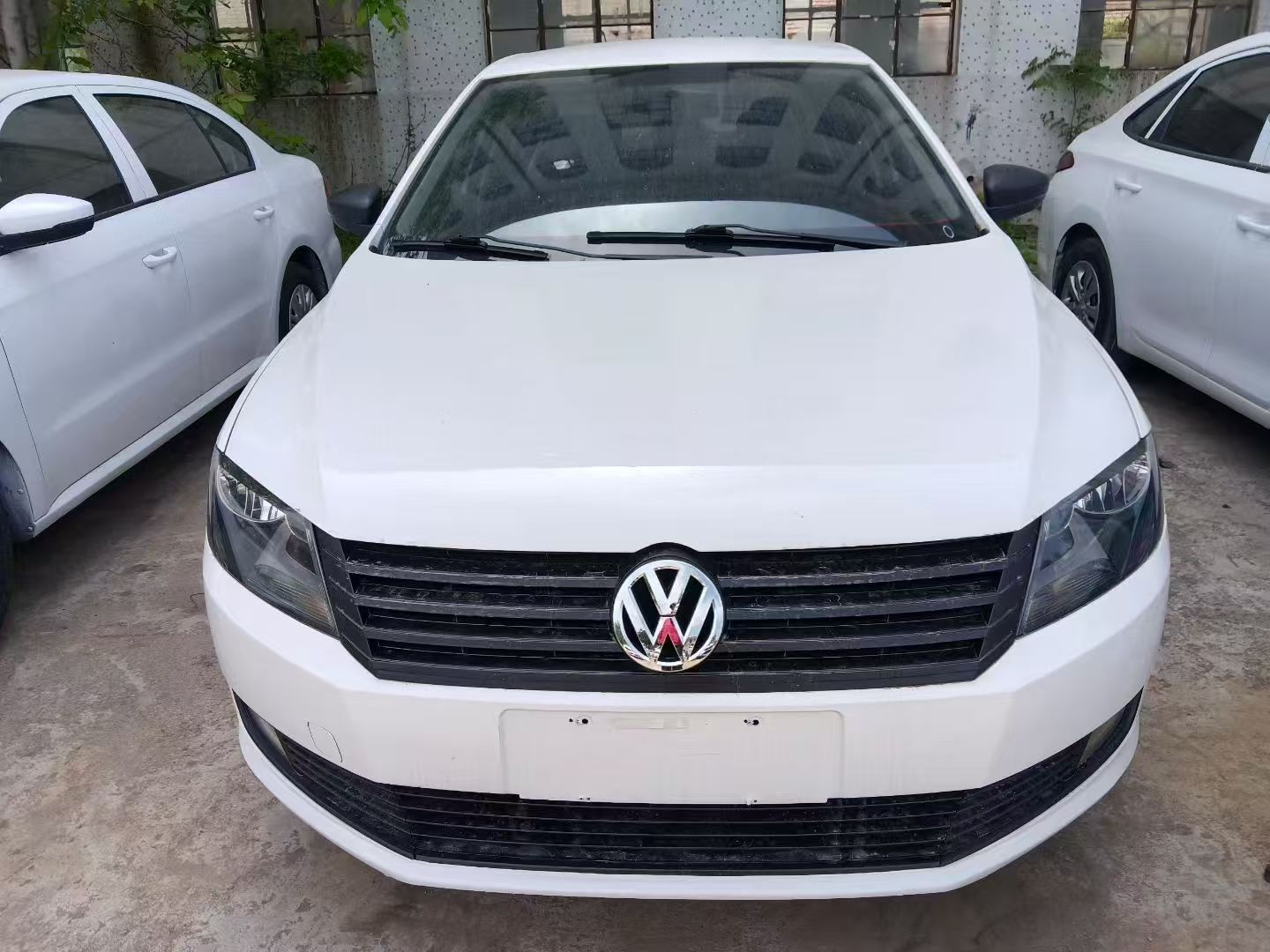
BrandVolkswagen
SeriesLavida
Year2015
First Registration2015/11
Mileage85,100km
Transfer Count-
FuelGasoline
TransmissionManumatic
Engine1.6L 110 L4
ColorWhite
Seats-

Condition Description

Body components (structural/reinforcing/panels) have accident-related damage; passive safety devices are defective; vehicle performance (including three-electric system) is degraded or remains performance-limited after repair.

Accident inspection: main structure damaged, reinforcing parts damaged, panels damaged, hinges normal; engine bay: key mechanical components normal; exterior: 5 sheet metal repairs, 1 repaint; interior: configuration abnormal, airbag normal, seatbelt normal, dashboard normal, instrument check normal, lighting system normal; start-up check: main components normal; tool kit: absent.

电话直连
可讲价
平台物流
可转售
零过户
新检测标准升级>
非泡水

Document Information

Inspection Expiry Date2026/11
Warranty Expiry Date-
Insurance Expiry Date2026/10

Q&A

More

If the remittance info for the international wire transfer has the wrong contract number, will it cause delays in currency exchange and shipping?

It will cause serious obstacles. China's foreign exchange controls are extremely strict. If the remittance note and the remitter do not match our declared contract, the bank will reject the transaction (Pending). We will need to spend several days submitting additional explanations to the foreign exchange authority, which will inevitably delay the shipping schedule.
Are there specific photos or reports from the lift perspective regarding the concealed parts of the chassis (such as the suspension system and shock absorber leaks)?

Definitely. Lifting the chassis is a mandatory part of our standards. The report will specifically show whether there are oil stains on the front and rear shock absorber cylinders, if the rubber boots of the lower control arm ball joints are torn, and if the steering tie rods are loose or deformed.

Is China's "National VI B" emission standard equivalent to Europe's Euro VI standard?

From a technical perspective, China's "National VI B (China VI-b)" is one of the strictest emission standards globally, with limits on carbon monoxide, nitrogen oxides, and particulate matter that are even stricter than some of Europe's Euro VI standards. However, the two are not legally recognized by each other, depending on your country's import regulations.