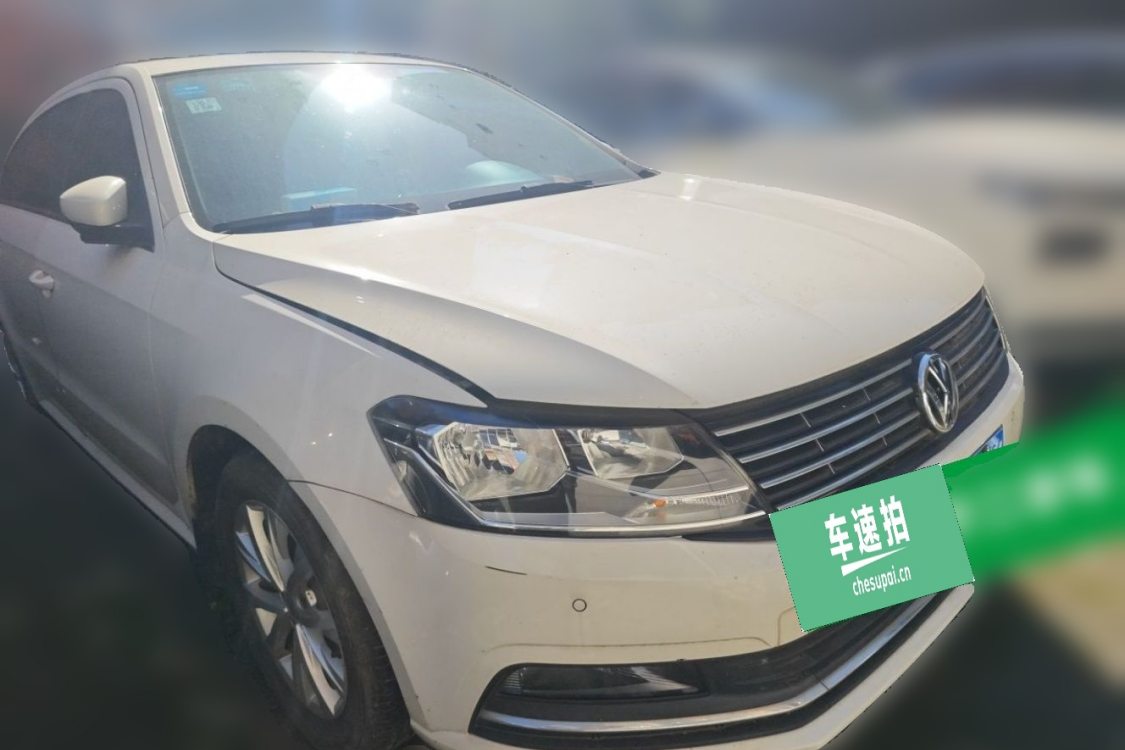
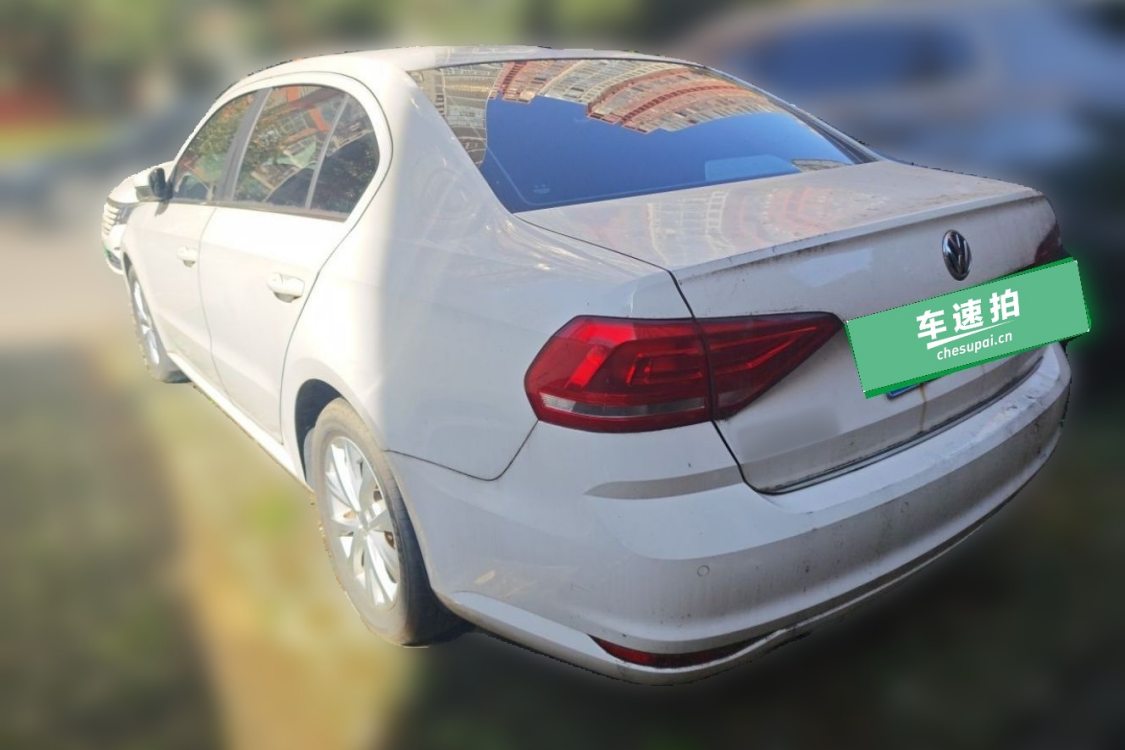
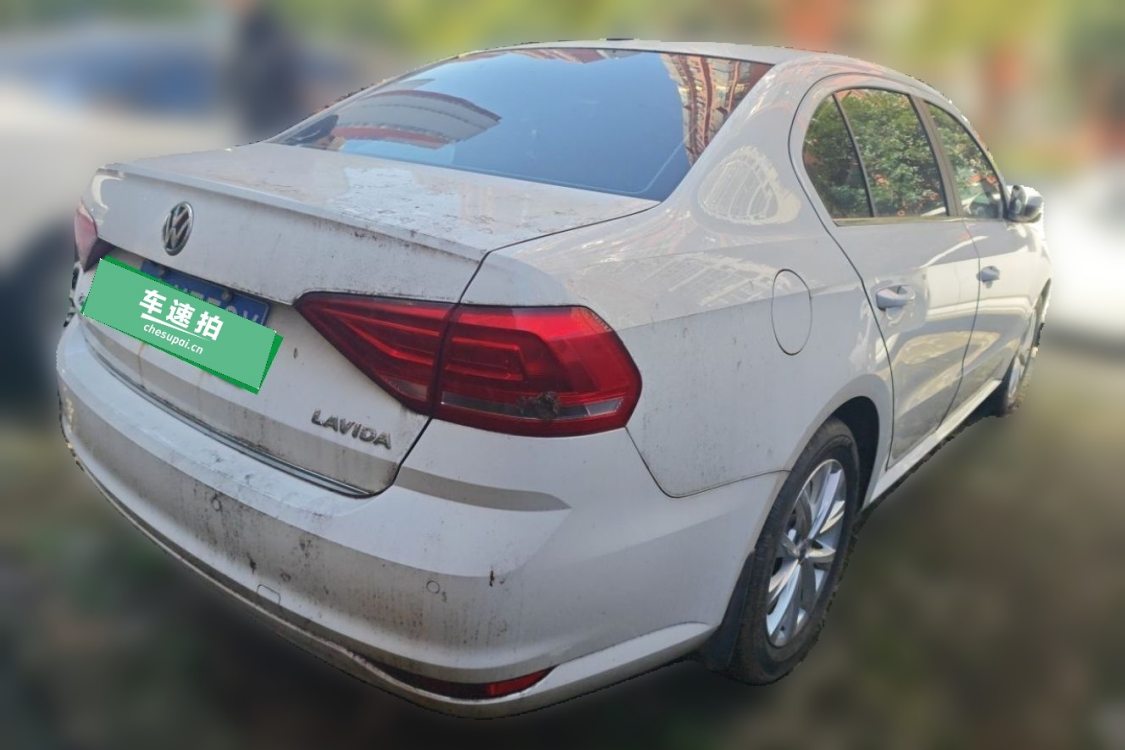
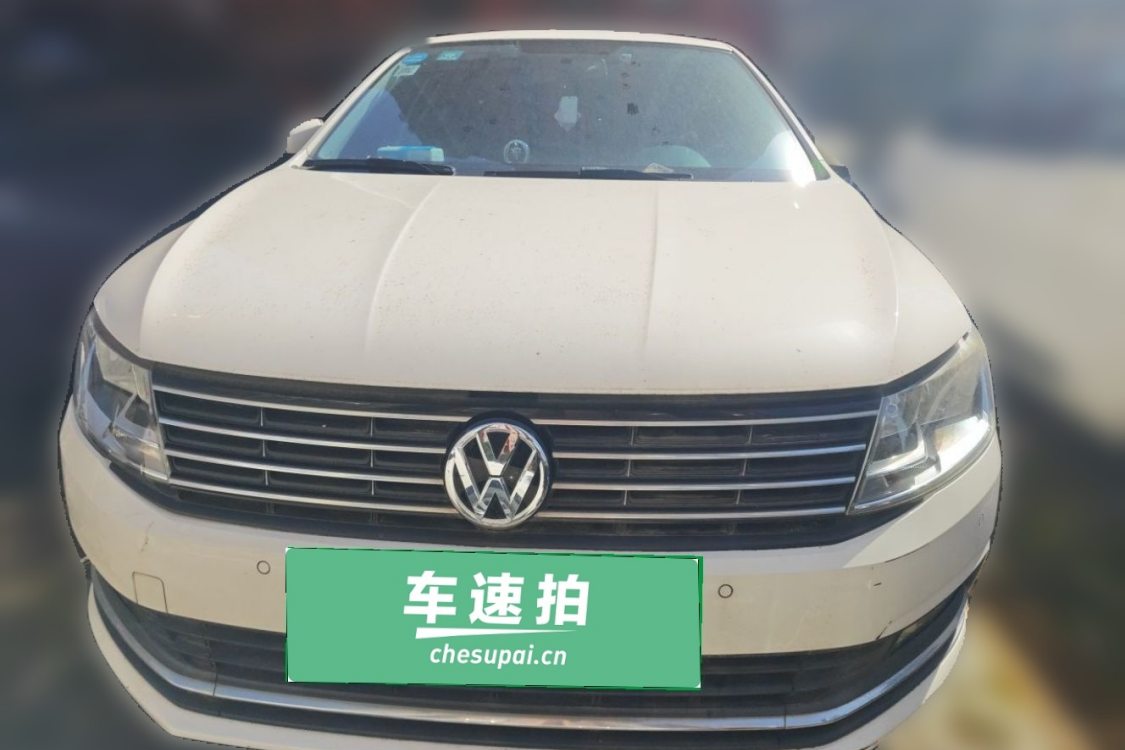



Basic Information

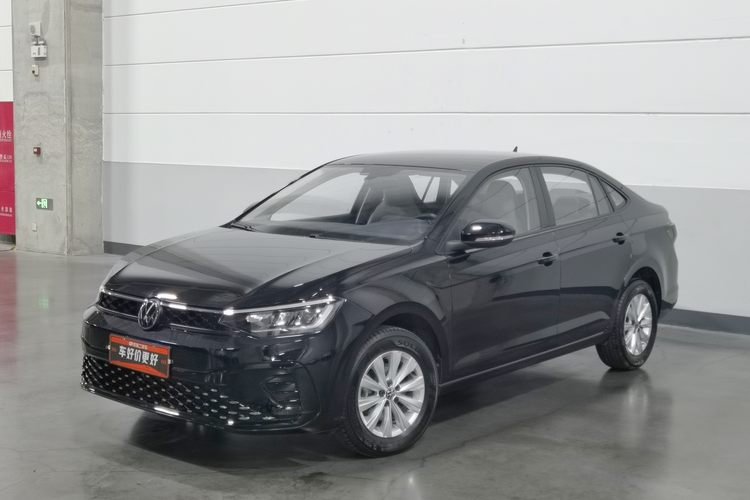
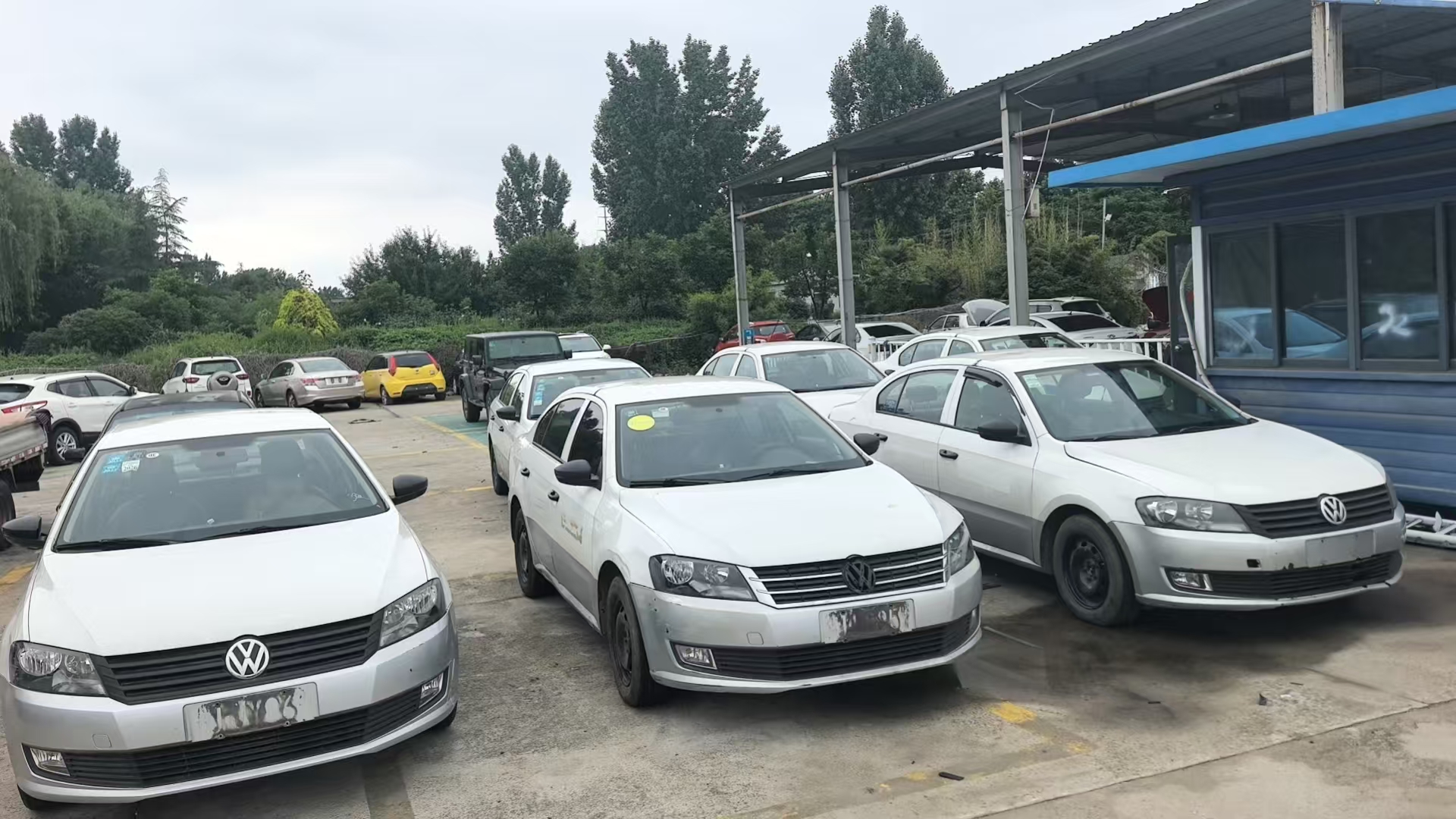
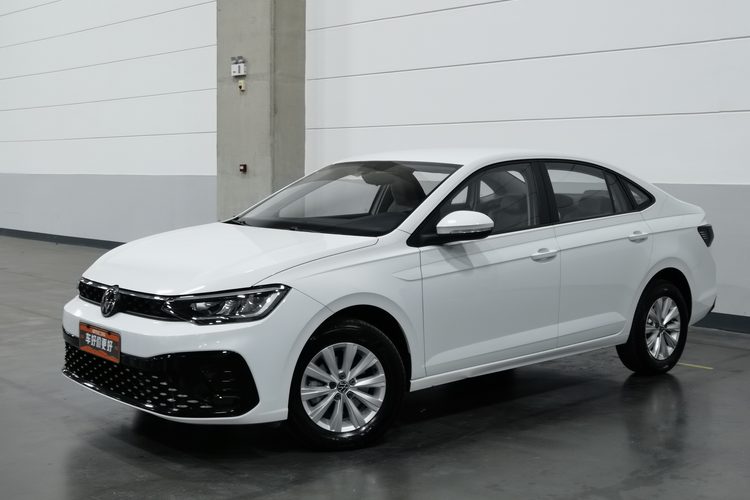
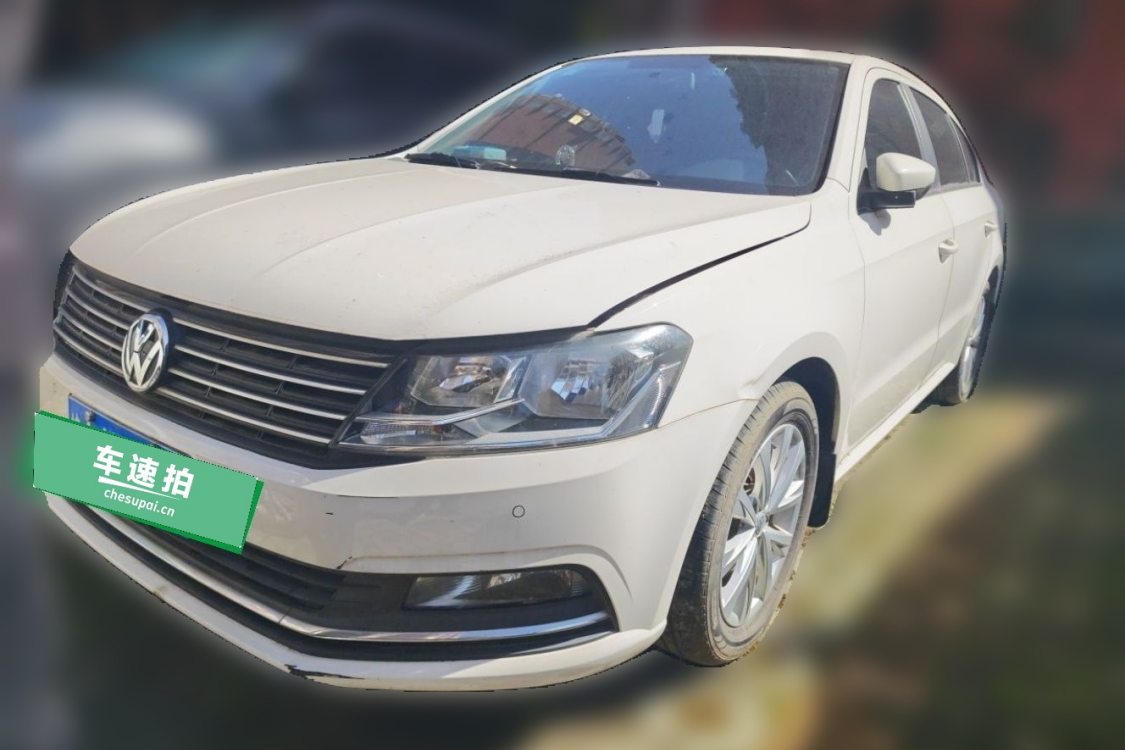
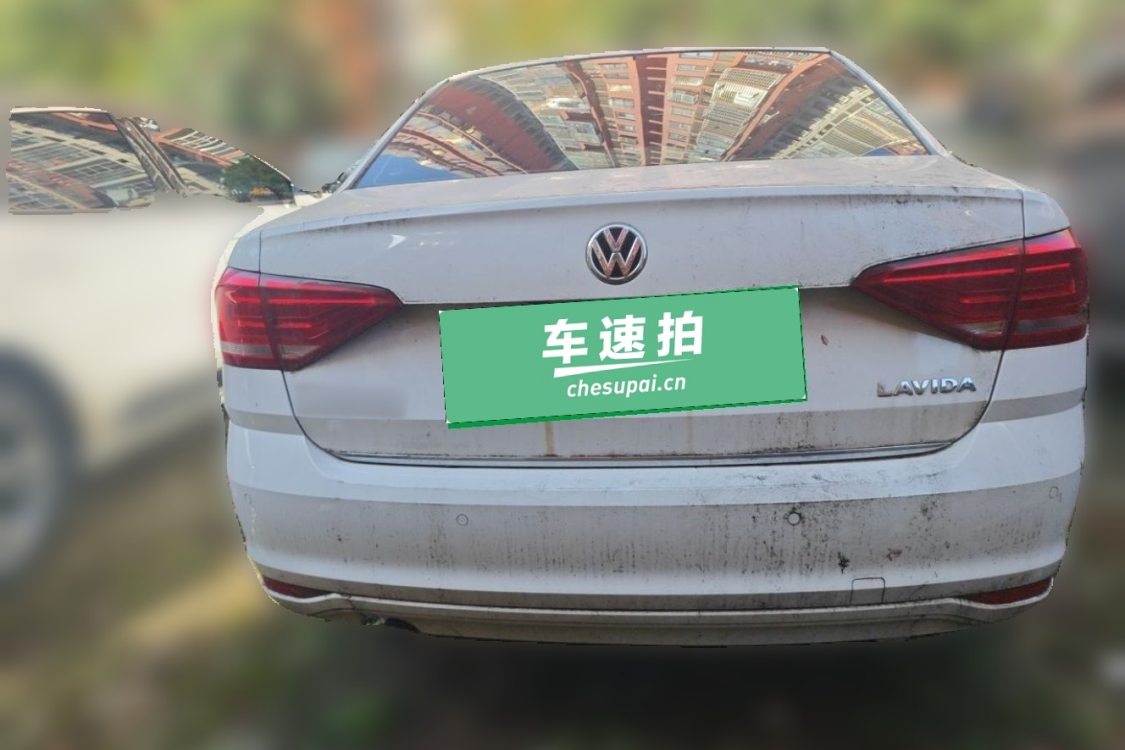
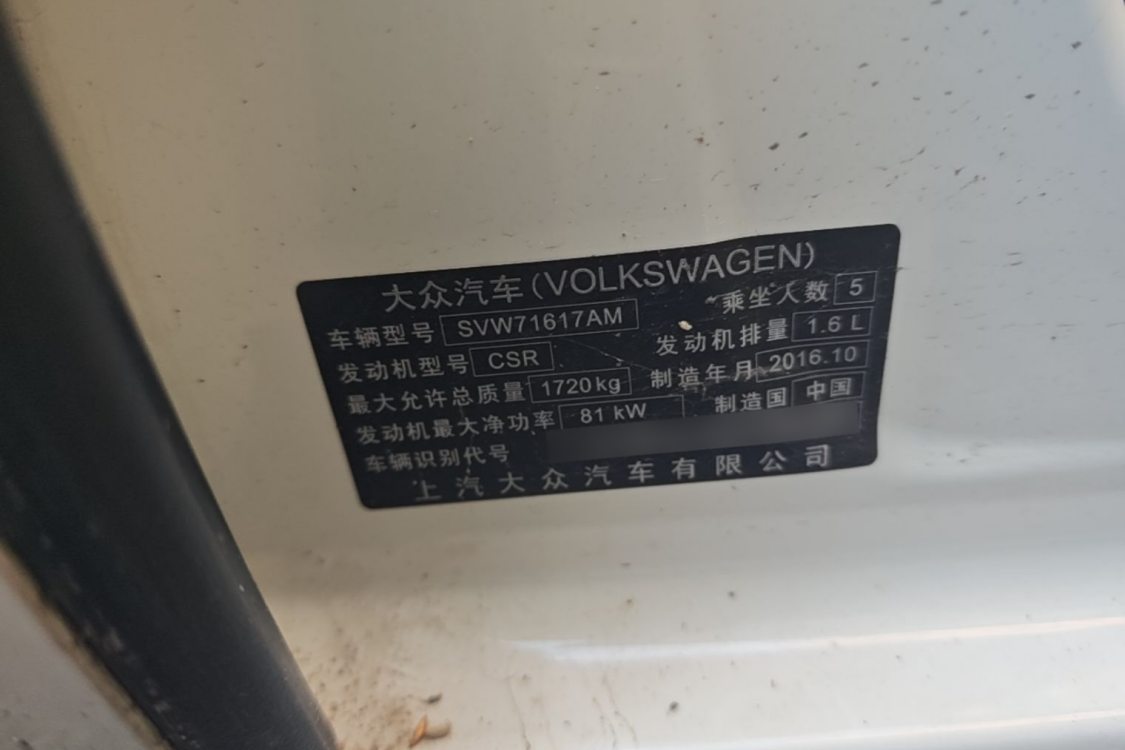
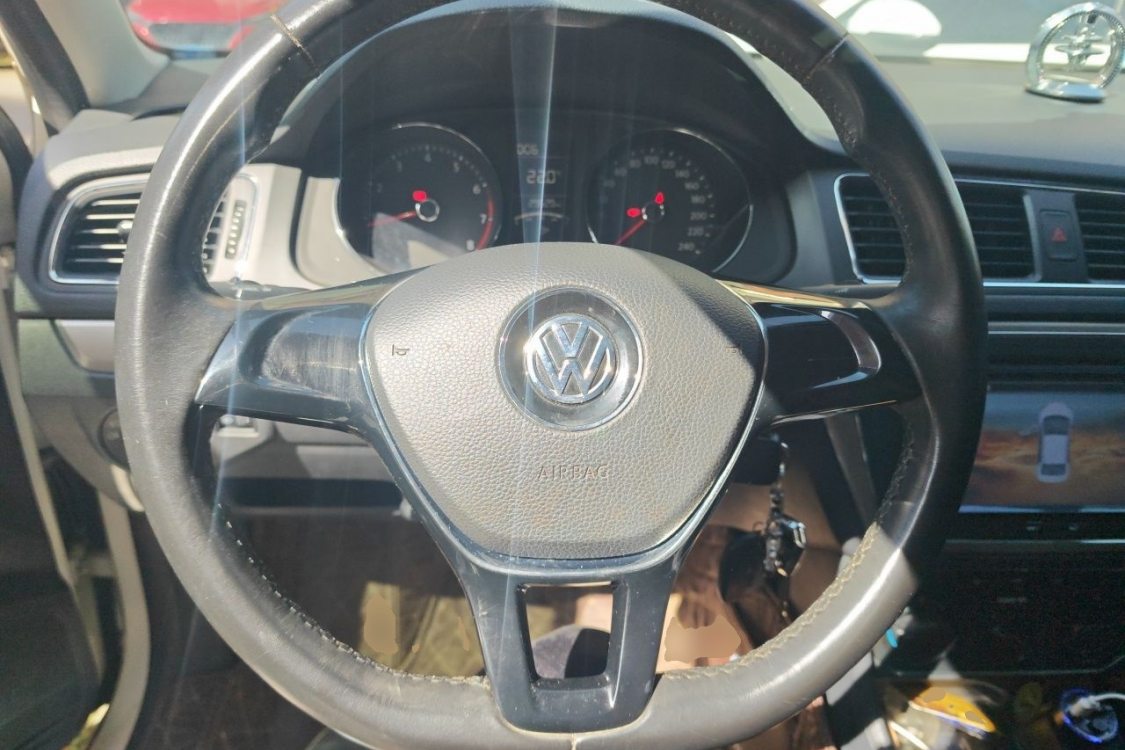
BrandVolkswagen
SeriesLavida
Year2016
First Registration2016/12
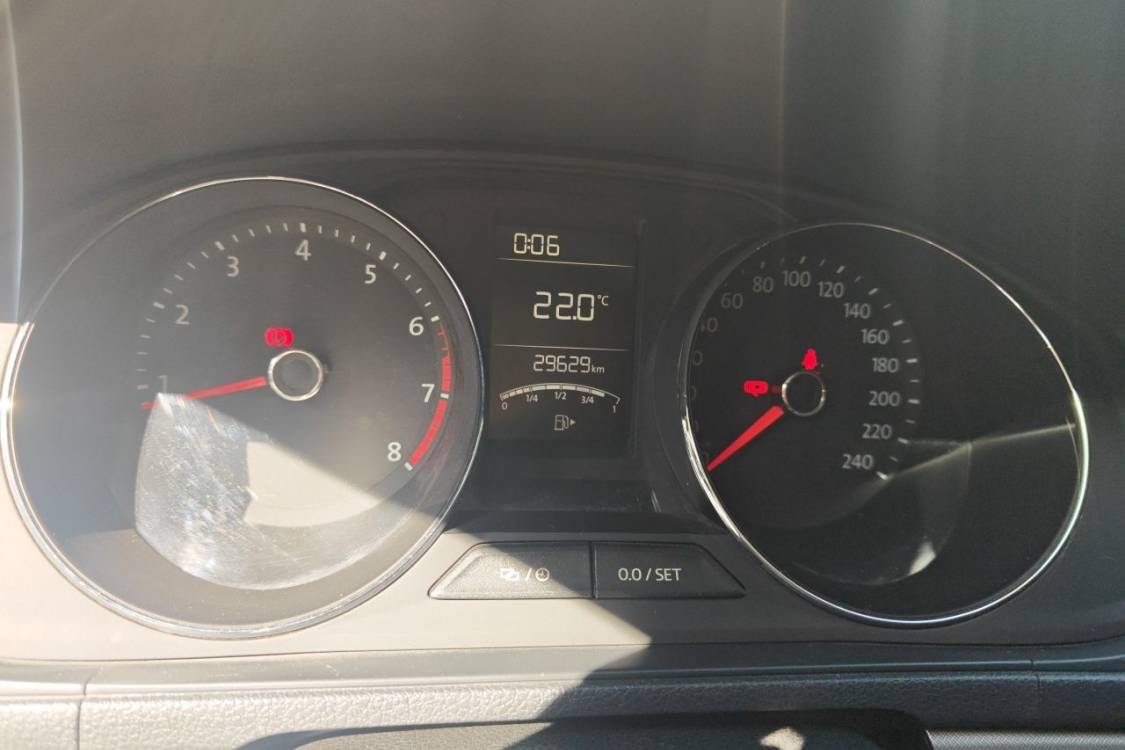
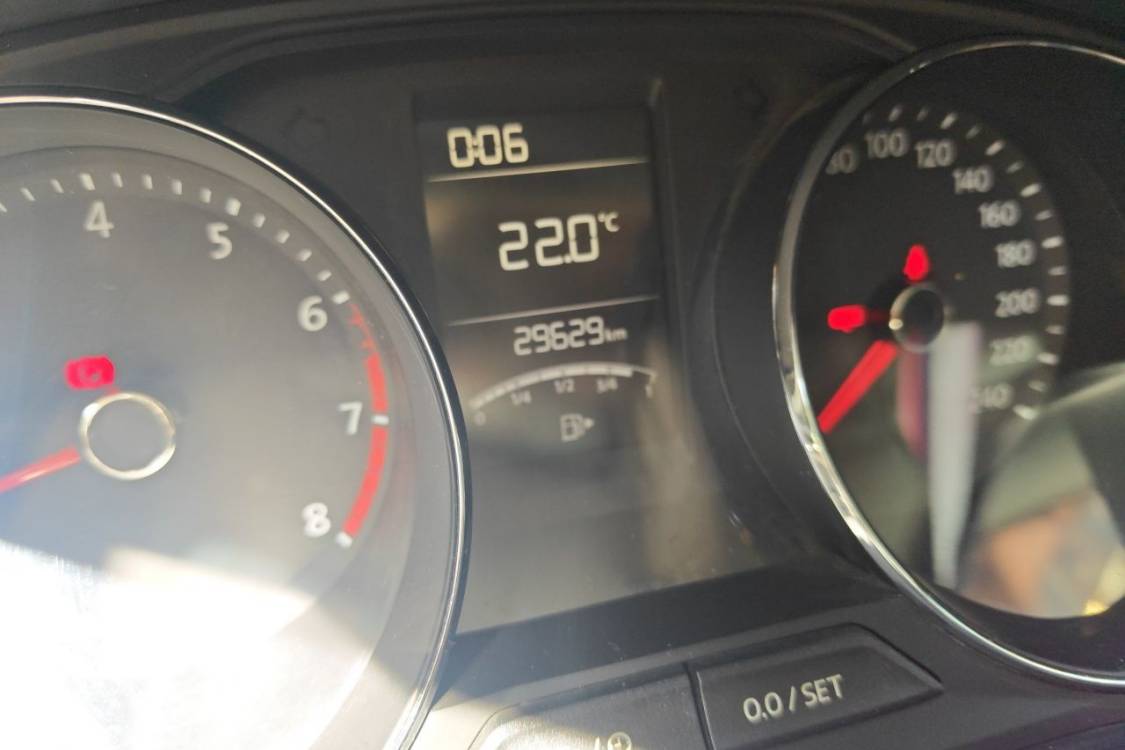
Mileage29,600km
Transfer Count-
FuelGasoline
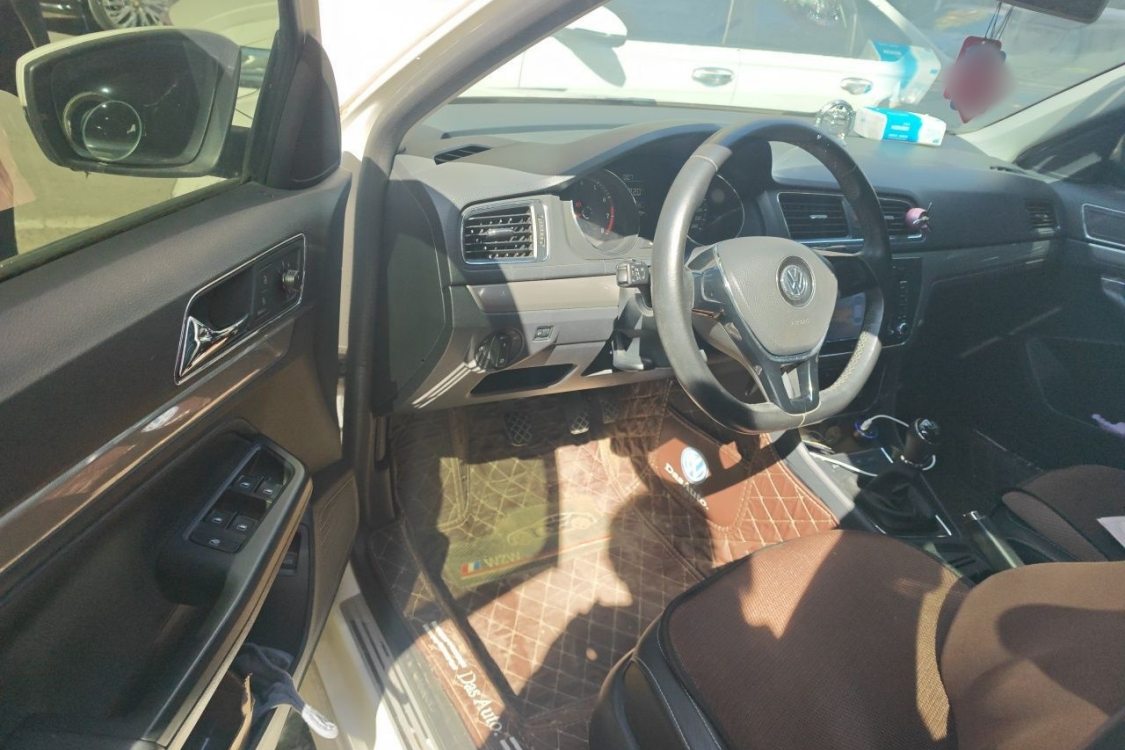
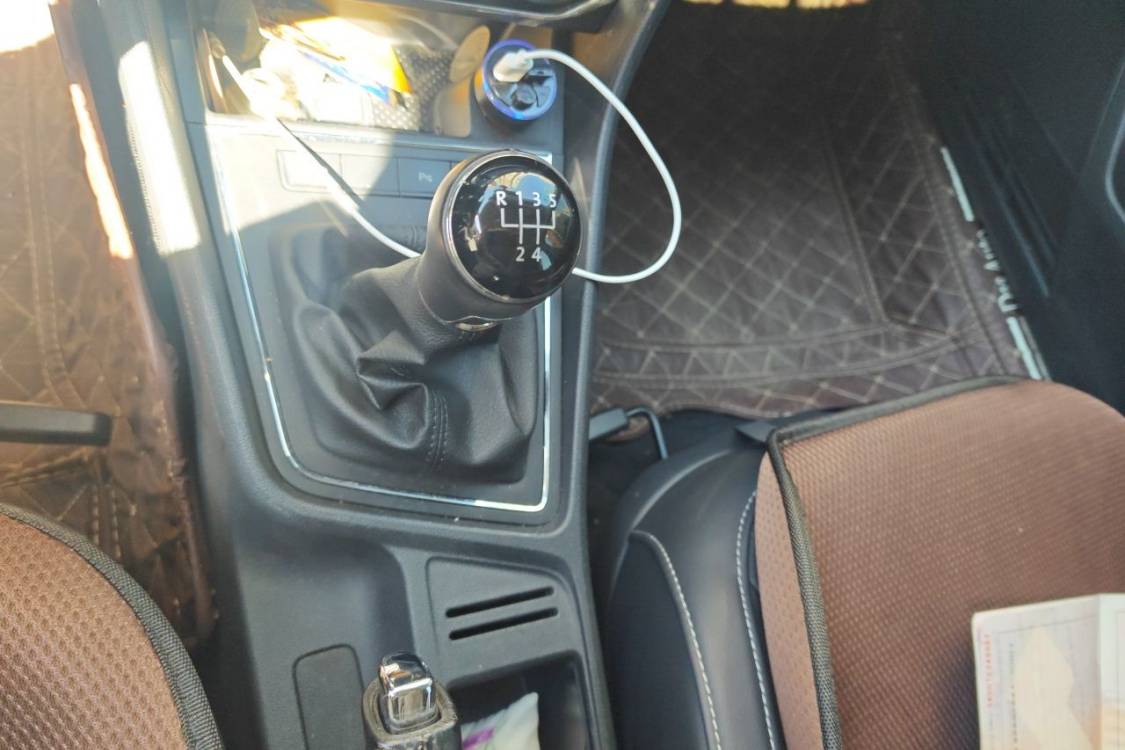
TransmissionManual
Engine1.6L 110 L4
ColorWhite
Seats-

Condition Description

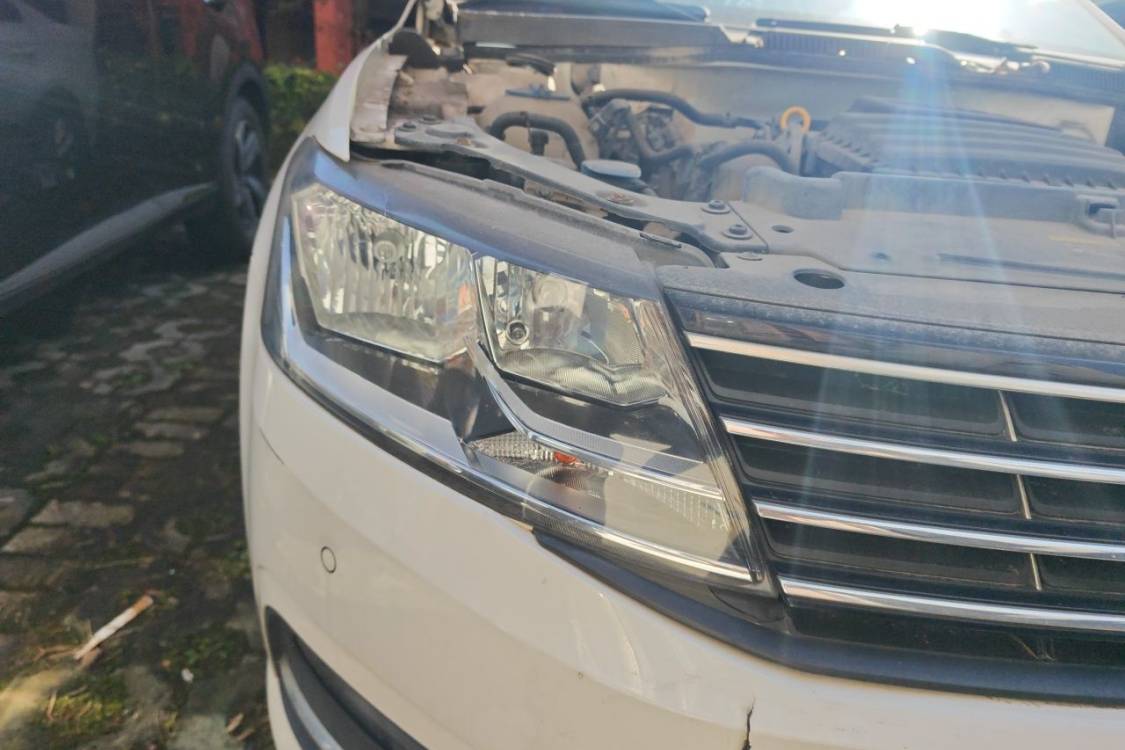
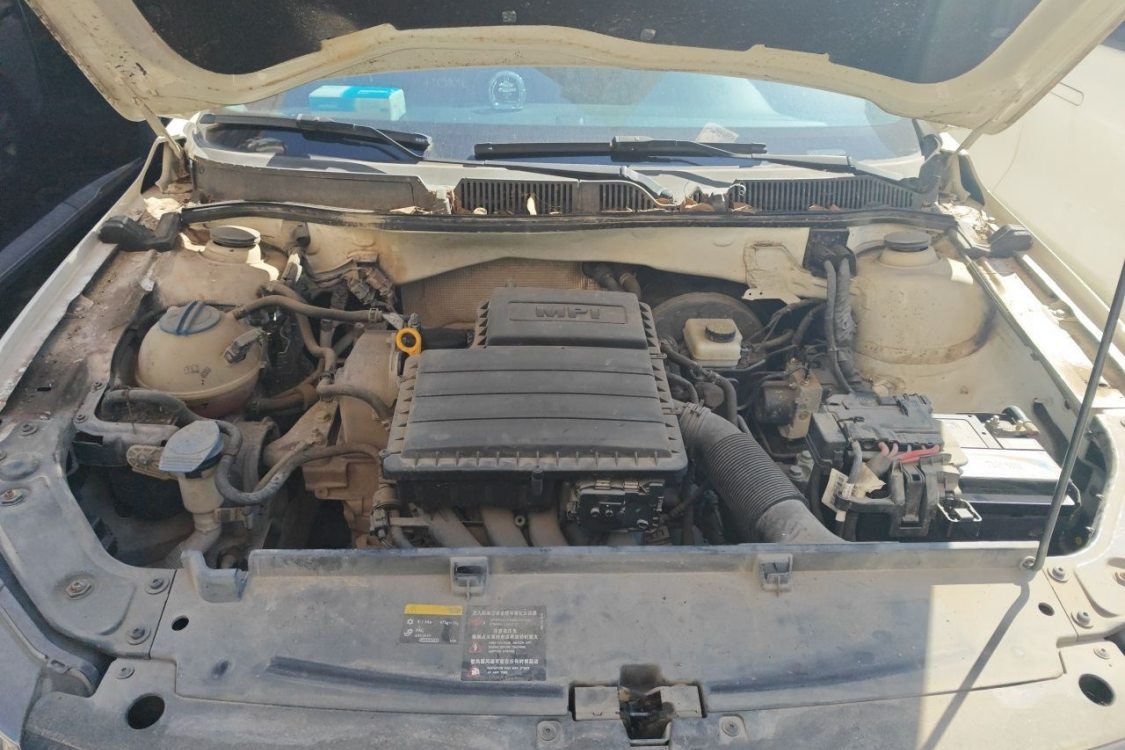
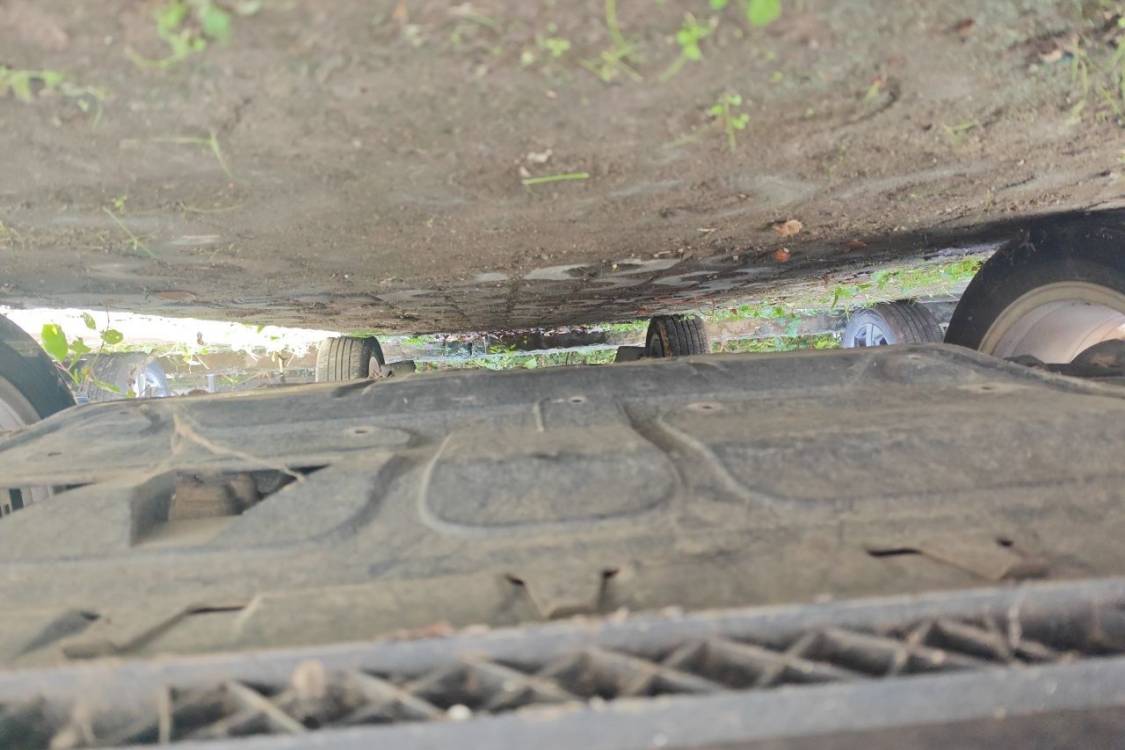
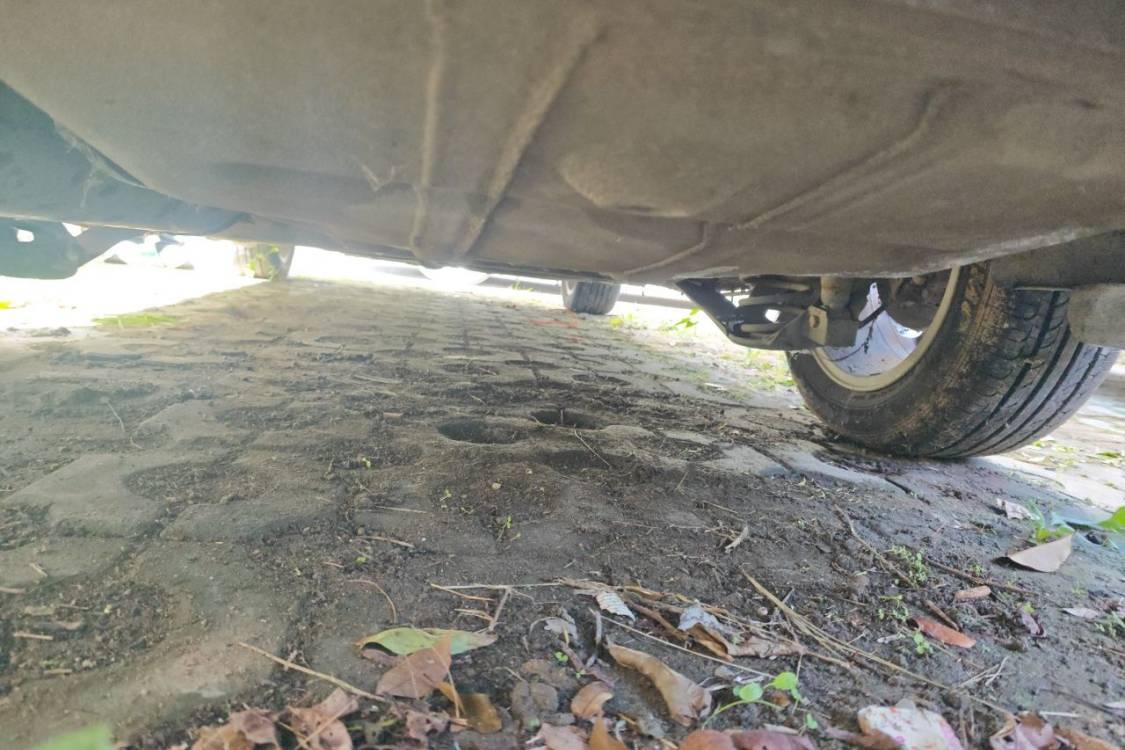
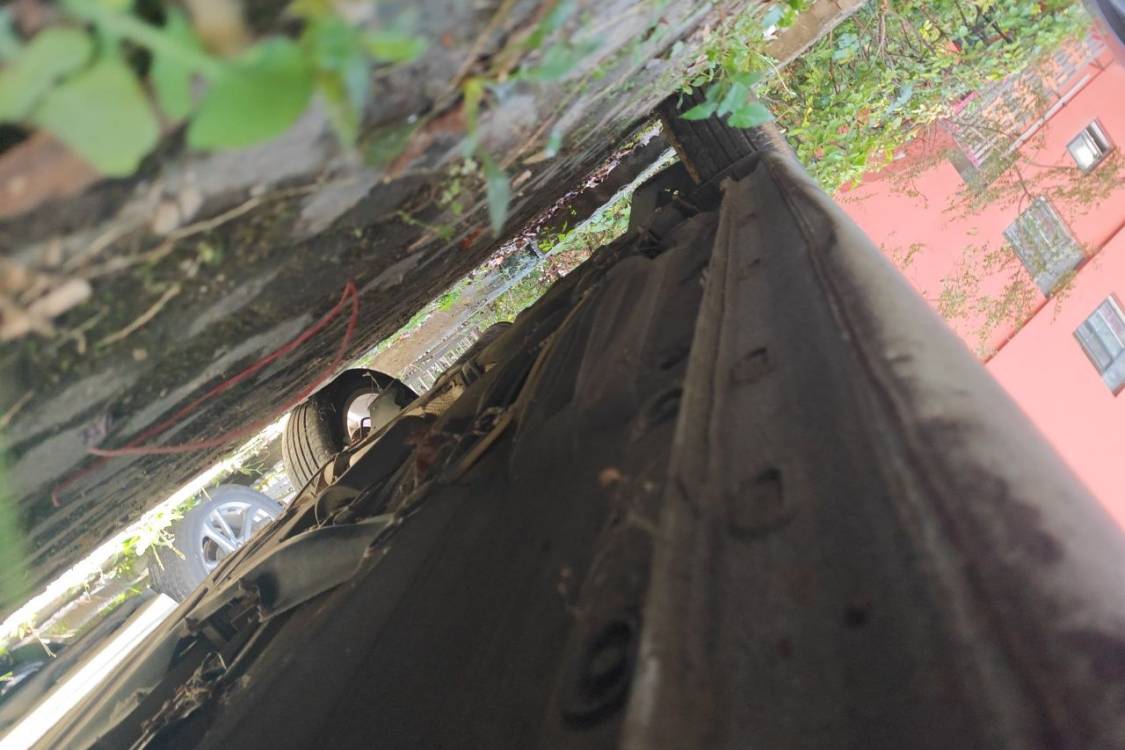
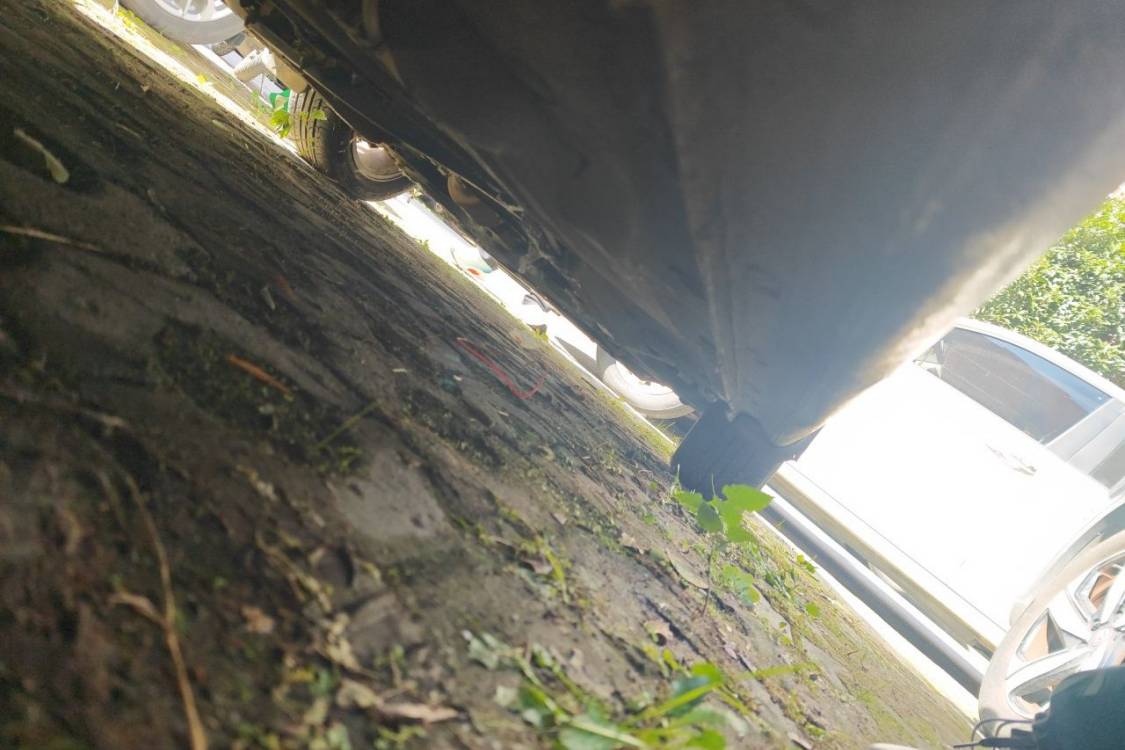
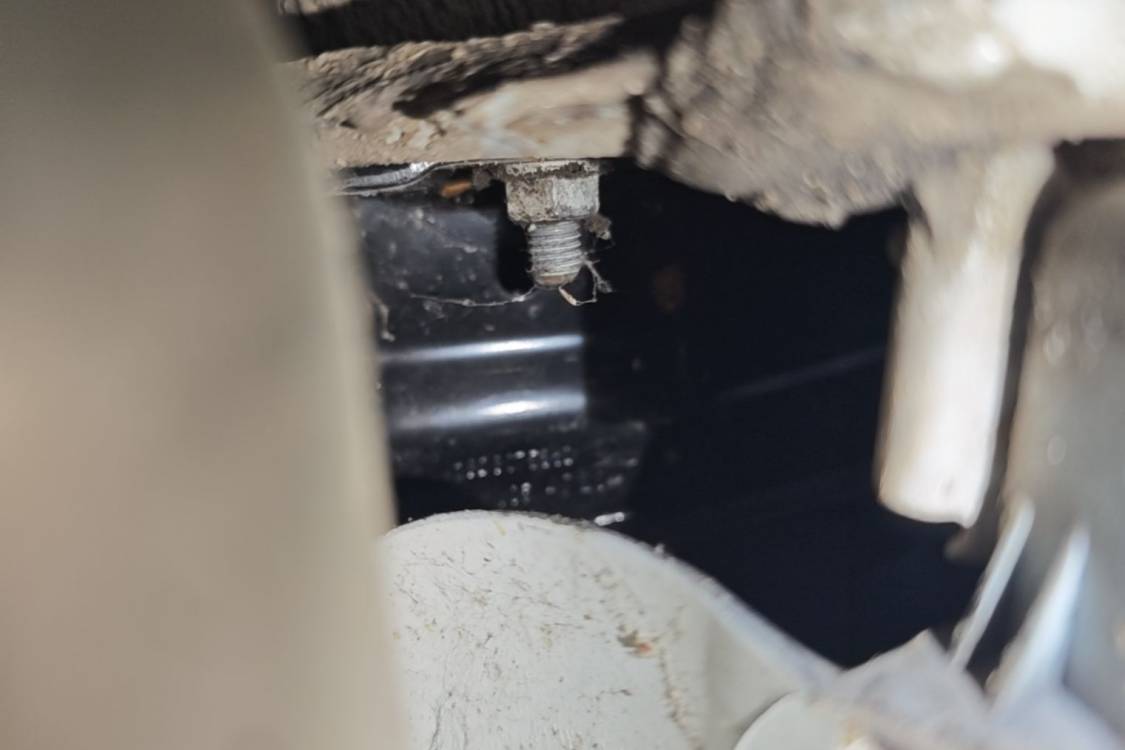
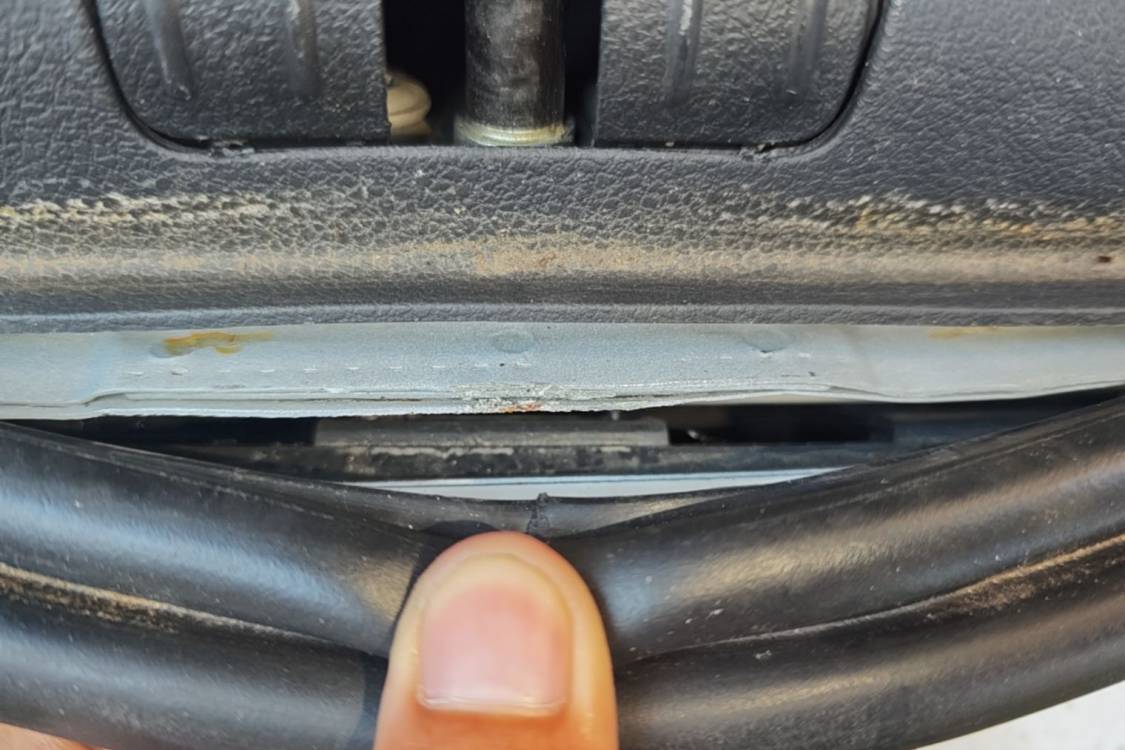
Body components (structural/reinforcing/panels) have accident-type damage; passive safety devices are defective; vehicle performance (including three-electric system) has degraded or remains performance-limited after repairs.

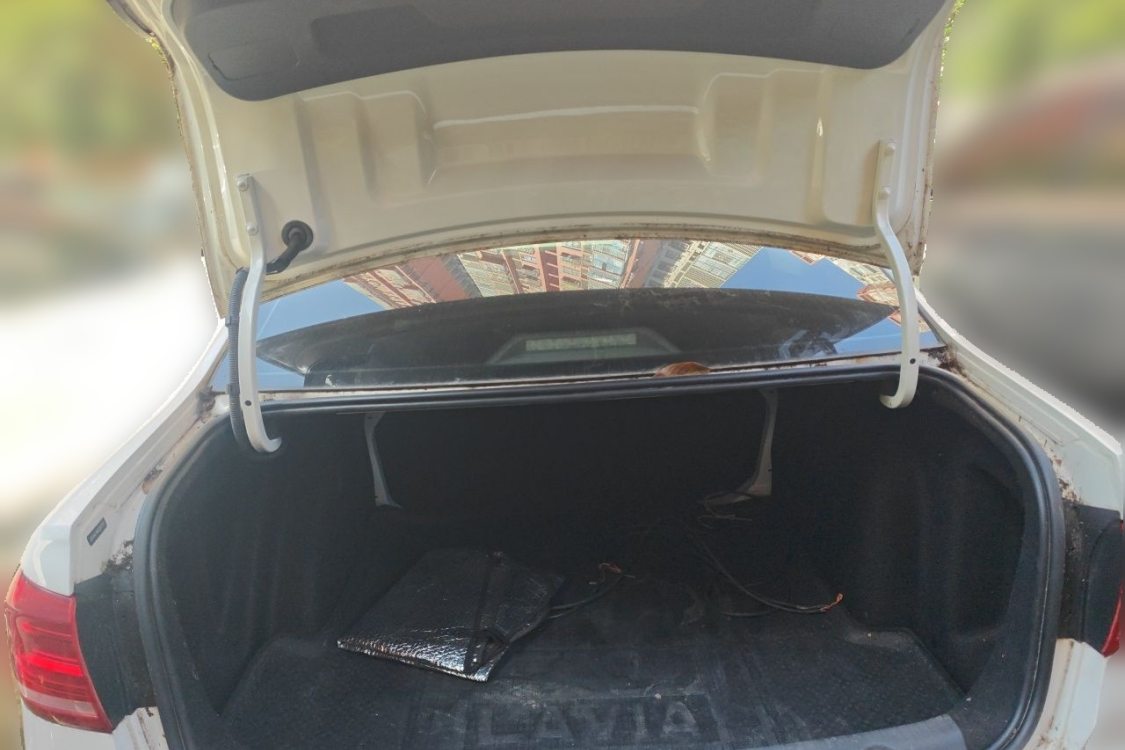
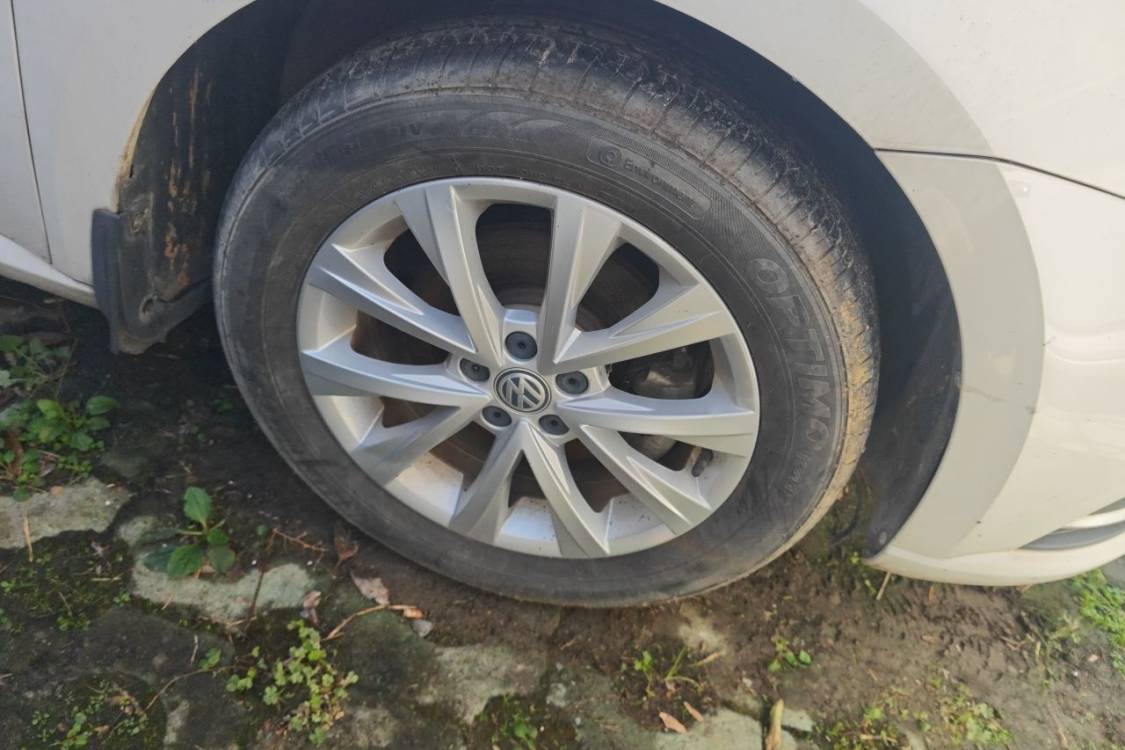
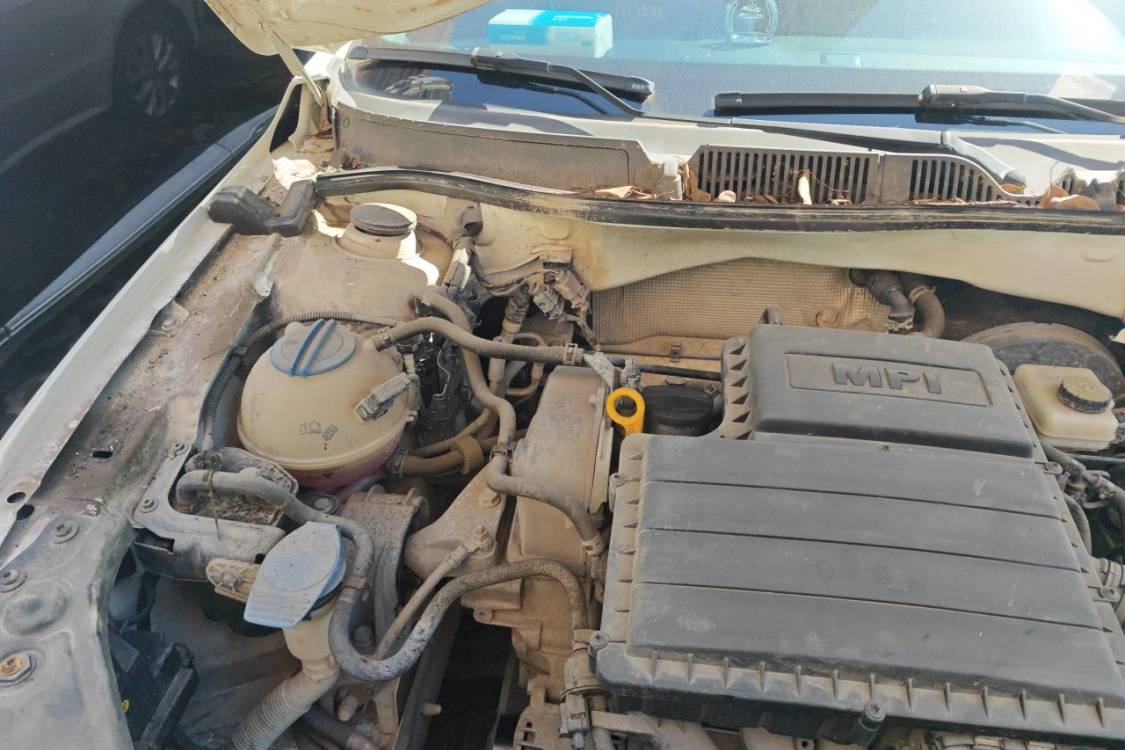
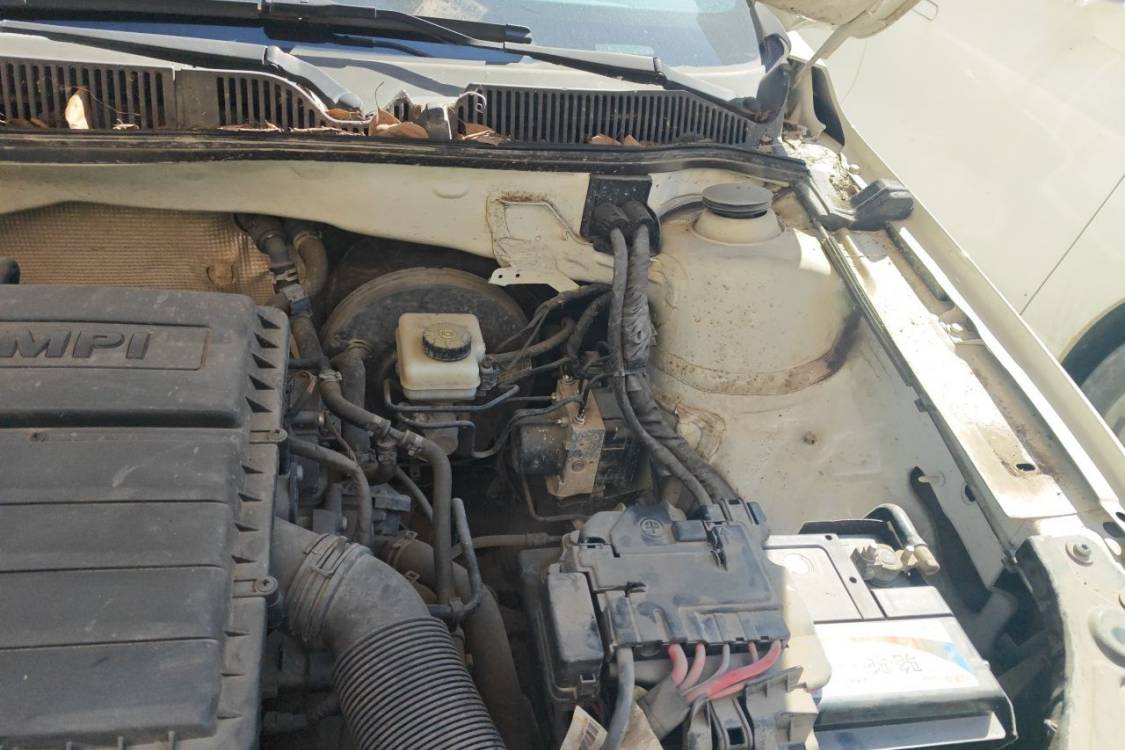
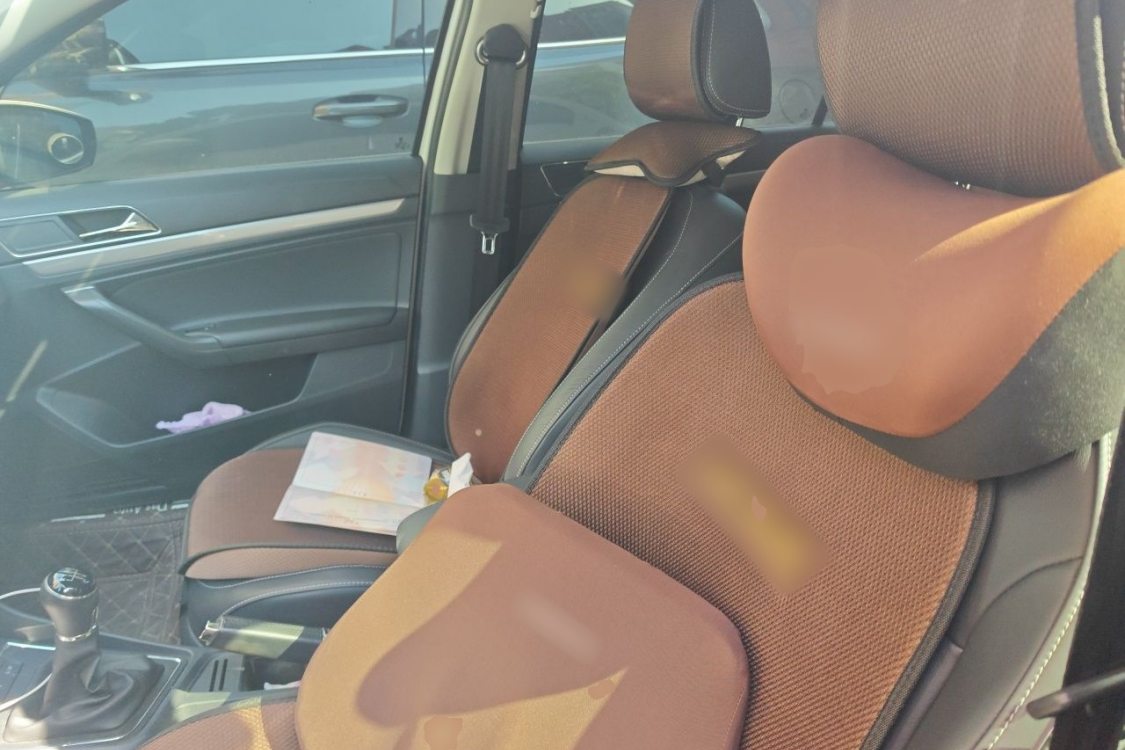
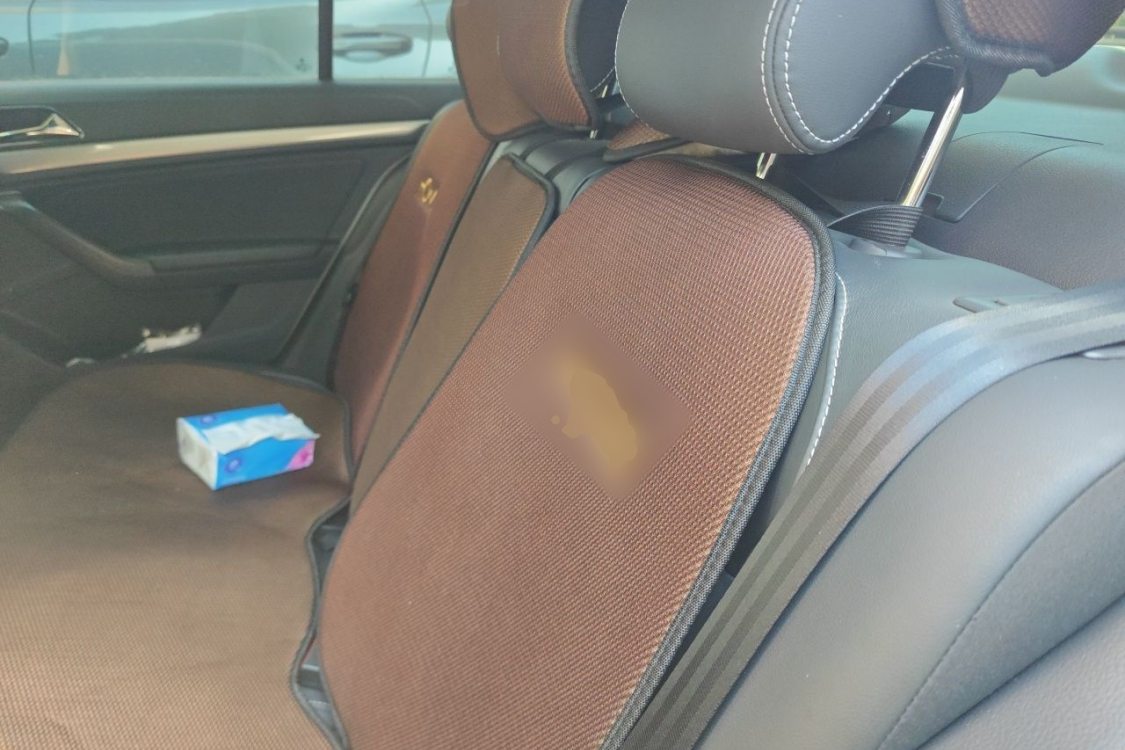
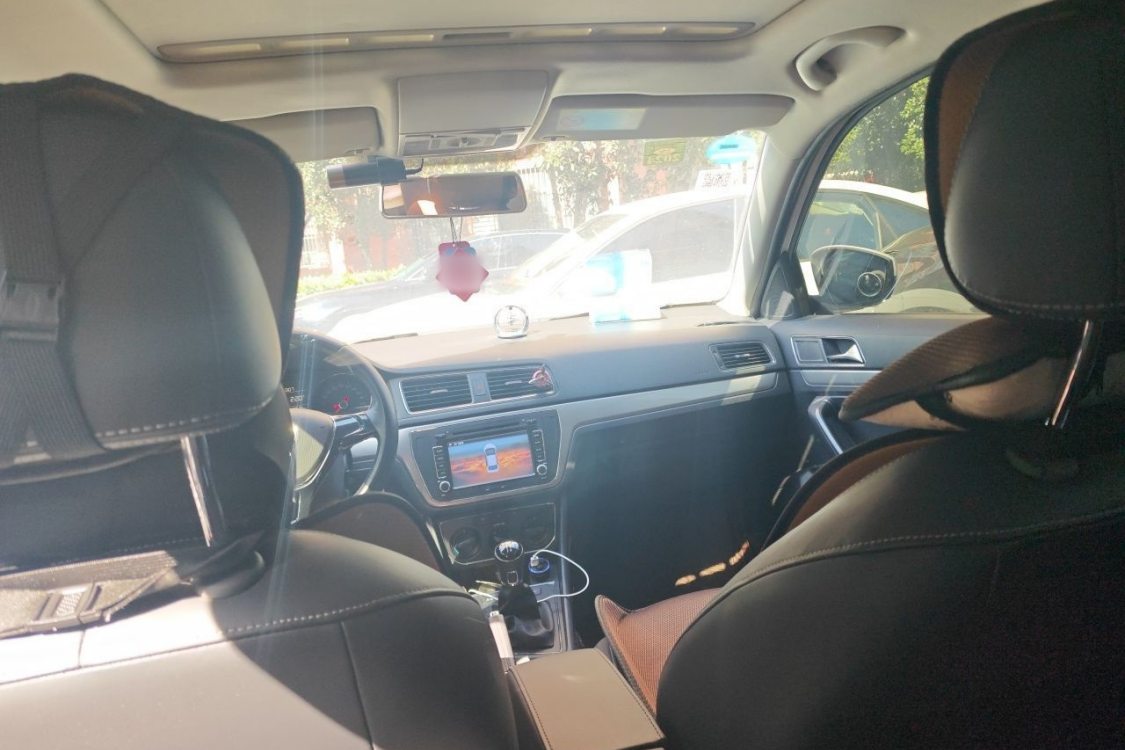
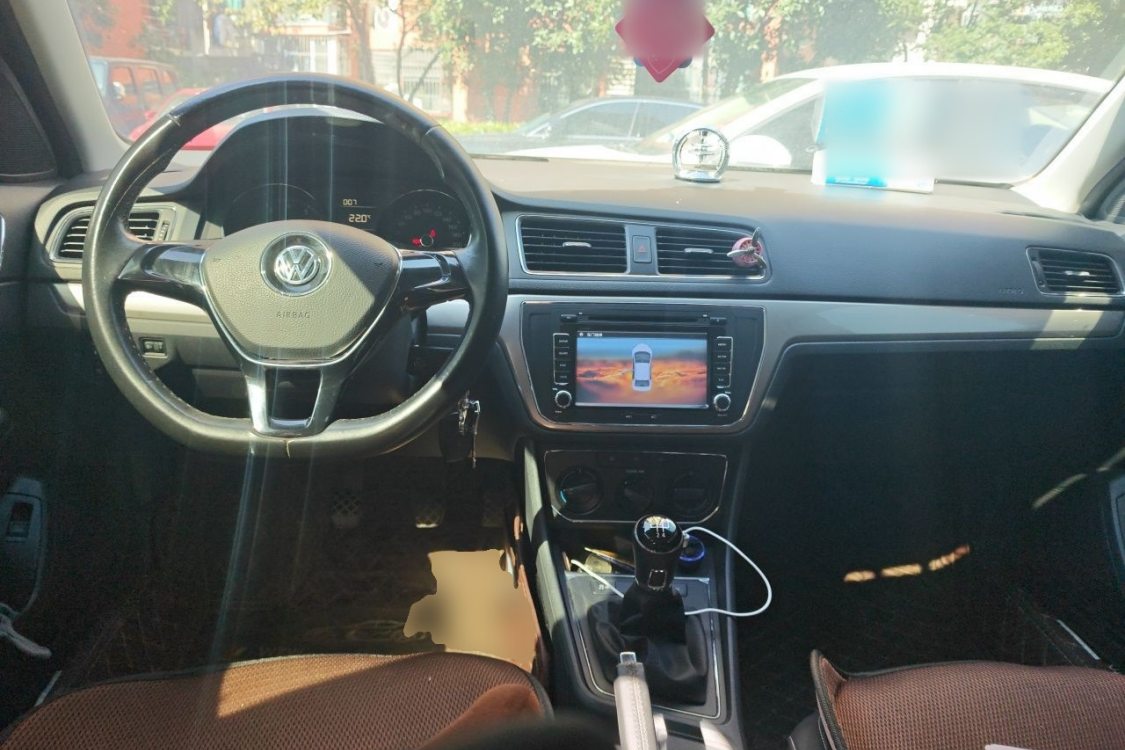
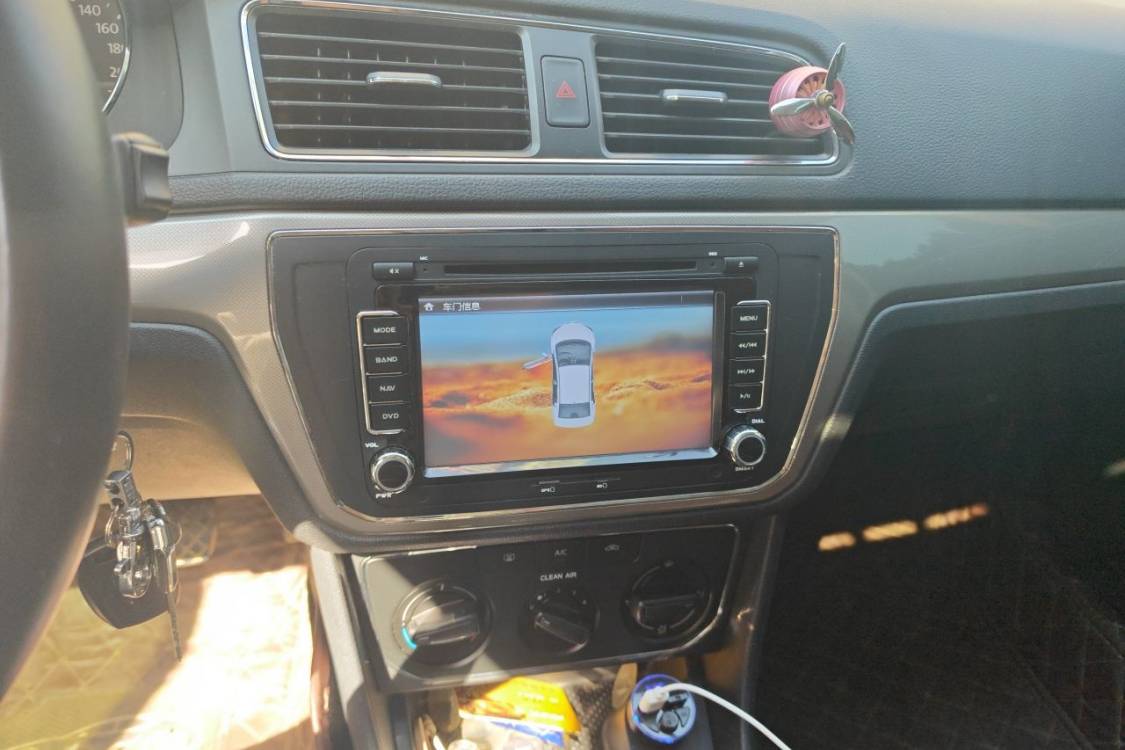
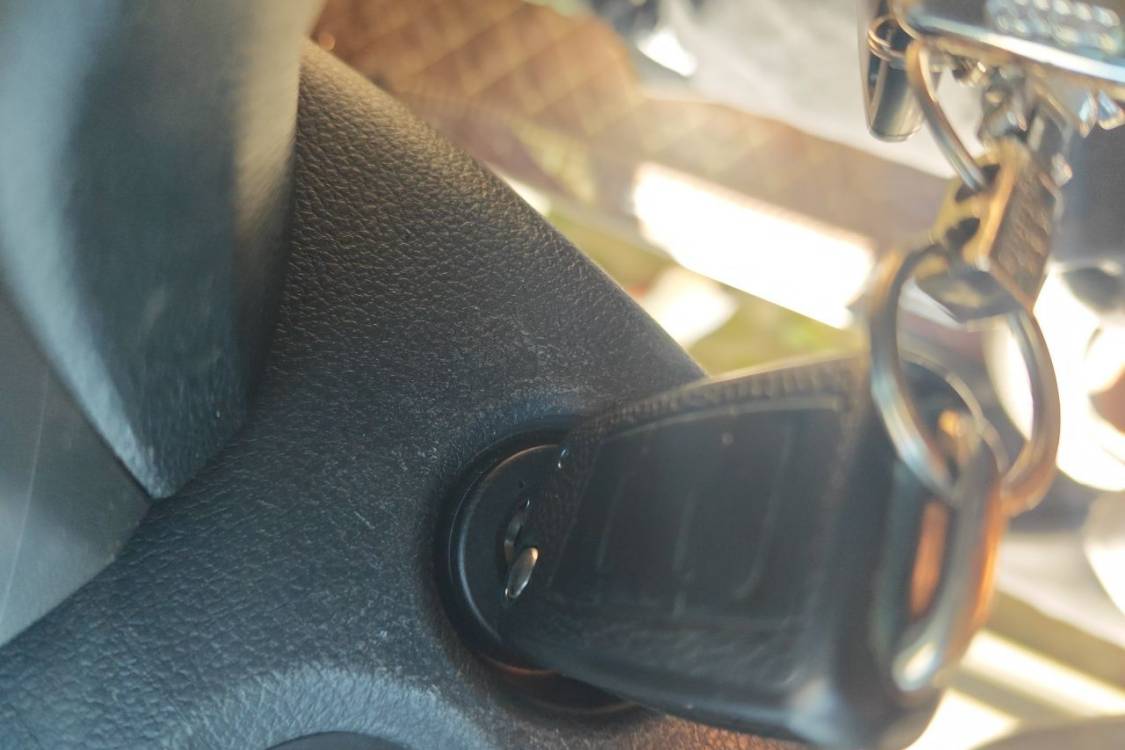
Accident inspection: main structure undamaged, reinforcing parts damaged, panels undamaged, hinges abnormal; engine bay: key mechanical components normal; exterior: 1 replacement, 3 panel-beat repairs, 2 paint jobs; interior: most features normal, airbag normal, seatbelt normal, dashboard normal, instrument check normal, lighting system normal; start-up check: main components normal; on-board tools: none.

电话直连
可讲价
平台物流
可转售
车主降价
零过户
新检测标准升级>
非泡水

Document Information

Inspection Expiry Date2026/12
Warranty Expiry Date-
Insurance Expiry Date2026/12

Q&A

More

What situations are usually included in "minor cosmetic wear" as stated on the details page?

It usually refers to very small stone chips on the hood from high-speed driving, nail scratches on the inside of door handles, slight curb scratches on the edges of wheels, and minor wear on interior plastic parts. These do not affect the vehicle's functionality or corrosion resistance.


How do I verify that a Chinese used car exporter is a legitimate registered company and not a middleman or scammer?

Start with the business license: every legitimate Chinese company has a Unified Social Credit Code. Ask for a copy and verify it on the National Enterprise Credit Information system or via your freight forwarder. Check that the business scope includes 'used car export'—this requires specific qualifications. Next, look for proof of substance: a real office or yard (verify via live video call, not pre-recorded), staff answering on Chinese business platforms like WeChat with consistent branding, and a corporate bank account in the company's name—never pay a personal account. Cross-check trade history: ask for recent shipping documents (blurred bills of lading with customer info hidden), references from buyers in your region, and whether they hold export licenses issued by Chinese commerce authorities. Red flags: prices far below market, pressure to pay quickly, refusal of video calls, or bank accounts in third countries 'for convenience'. Take your time—real exporters pass these checks easily.

How is payment typically structured when buying a used car from a Chinese exporter, and how do I stay safe?

A typical payment structure looks like this: 1. Deposit: 10-30% after you confirm the car and price, often to reserve the vehicle and start the inspection. 2. Balance: paid after you approve the inspection report, but before or at shipment. A common safeguard is paying against a copy of the bill of lading, with telex release of the original B/L after funds arrive. 3. Never send 100% upfront to a new supplier. Use traceable methods (T/T bank transfer to a corporate account matching the company name, or escrow for first orders) and keep every agreement in writing. 4. Timeline: quote within days, inspection 3-7 days, booking and loading 1-2 weeks, ocean transit 3-6 weeks, customs clearance 3-10 days. Red flags: personal bank accounts, pressure to skip inspection, prices far below market.