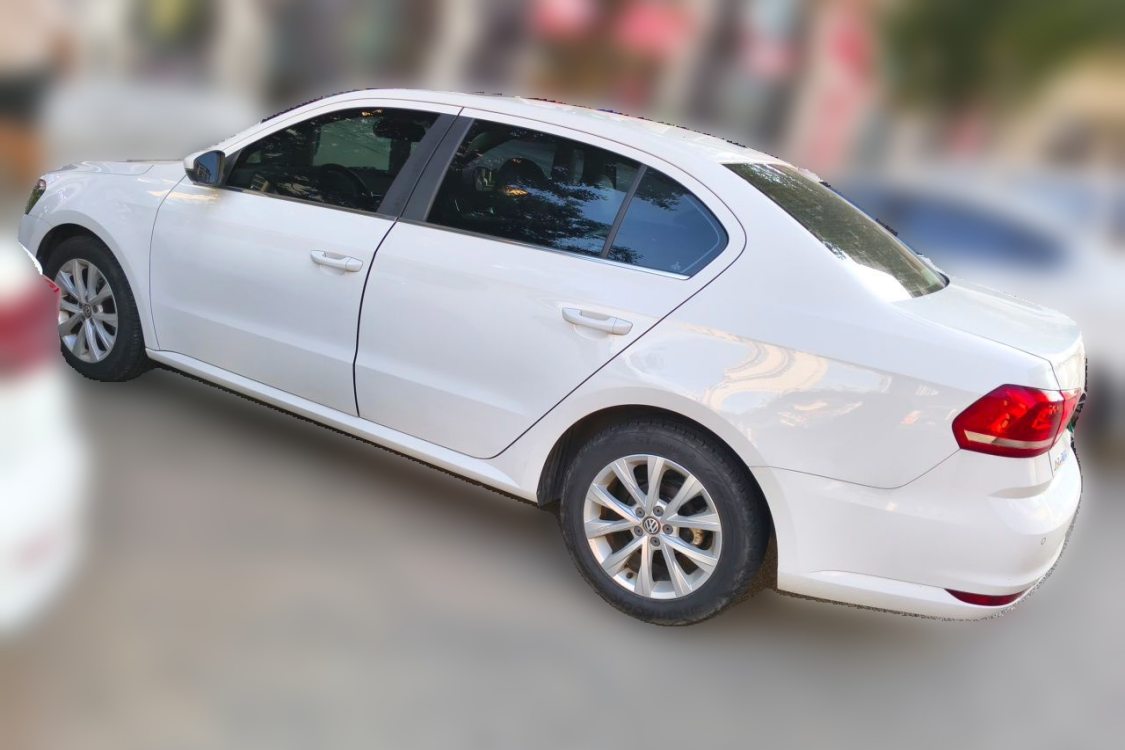
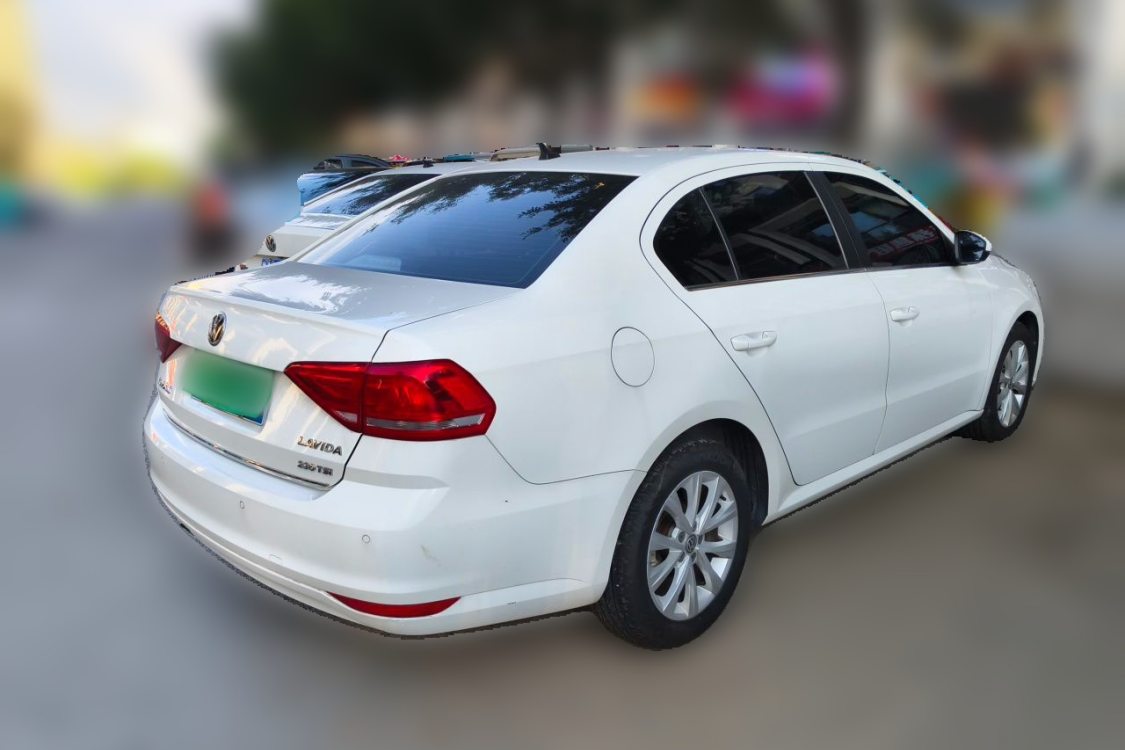
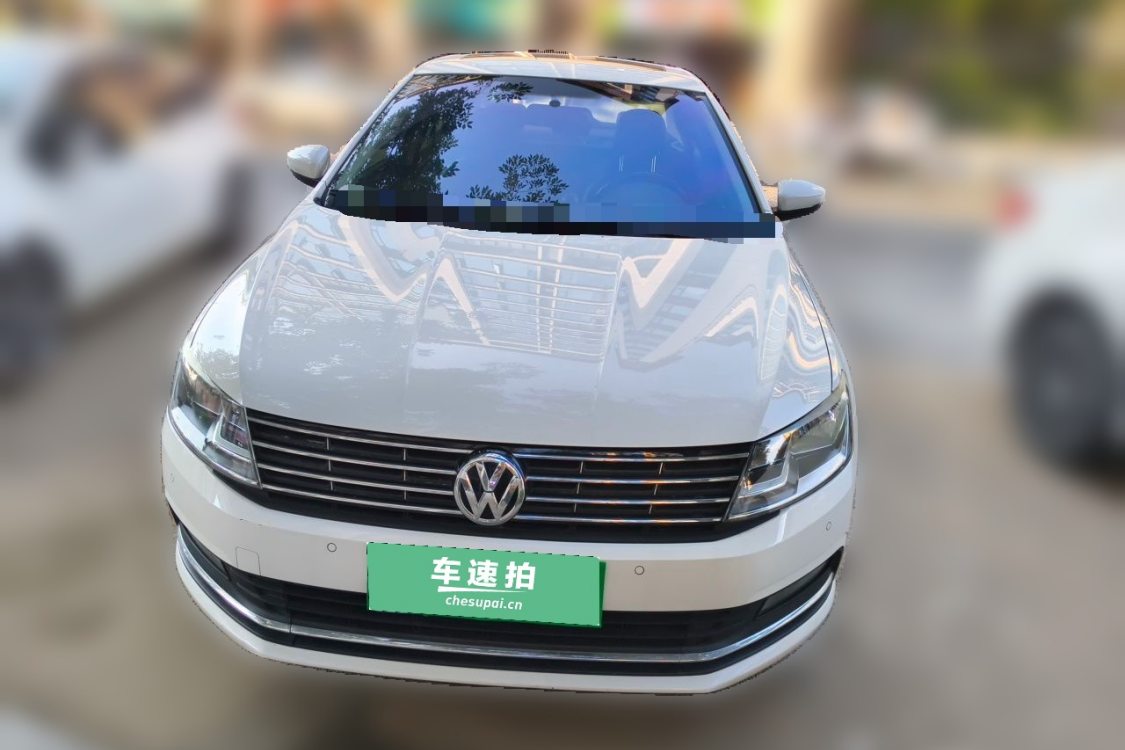
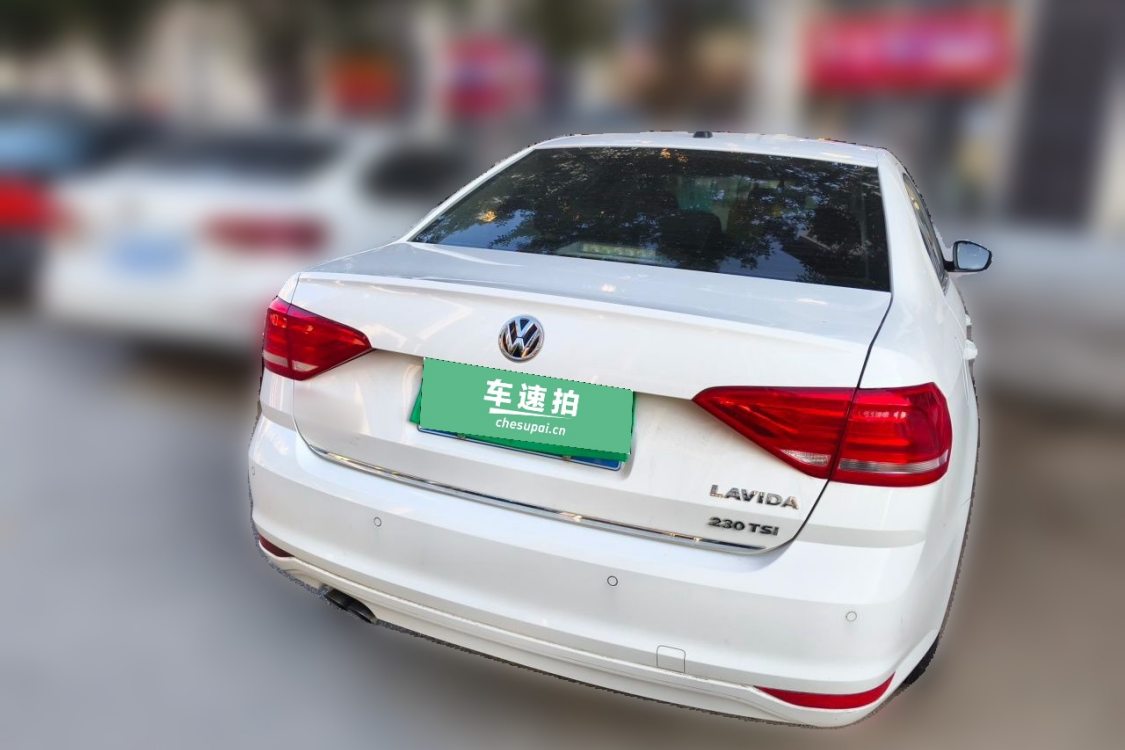
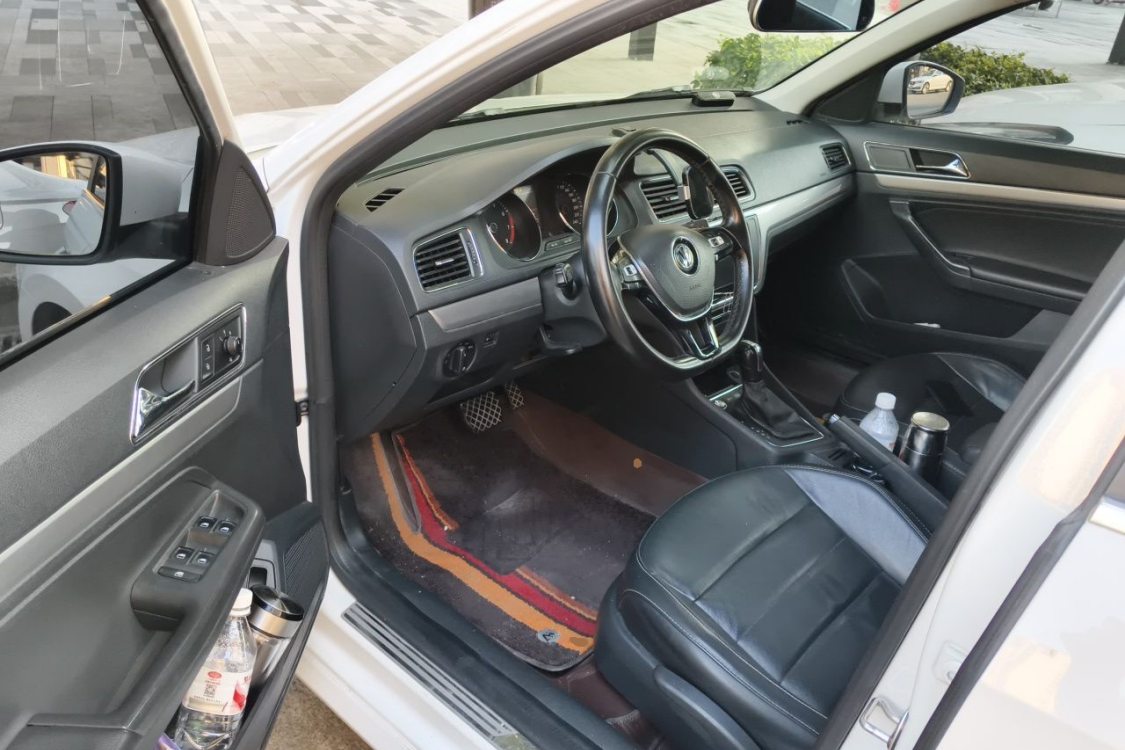
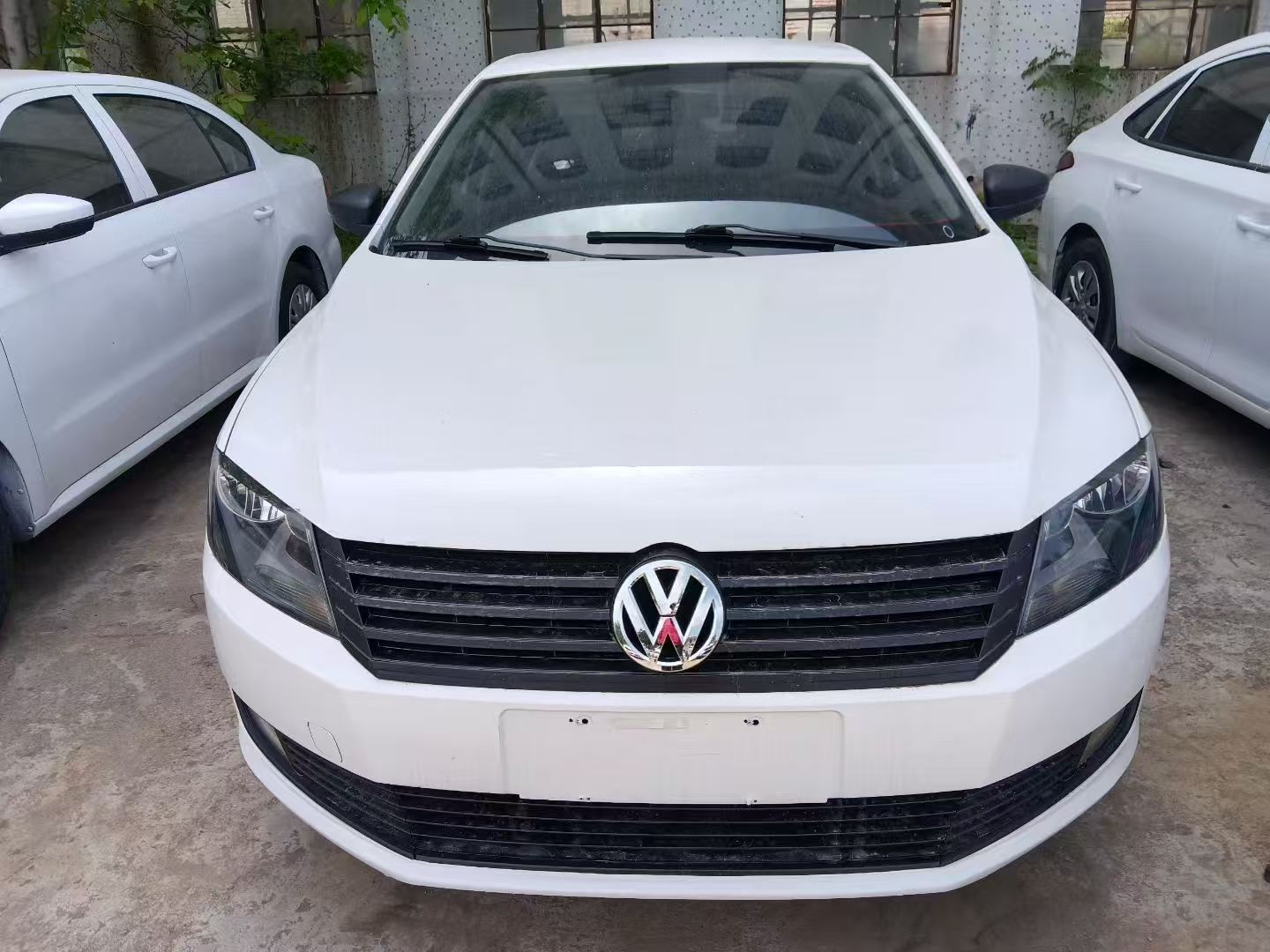
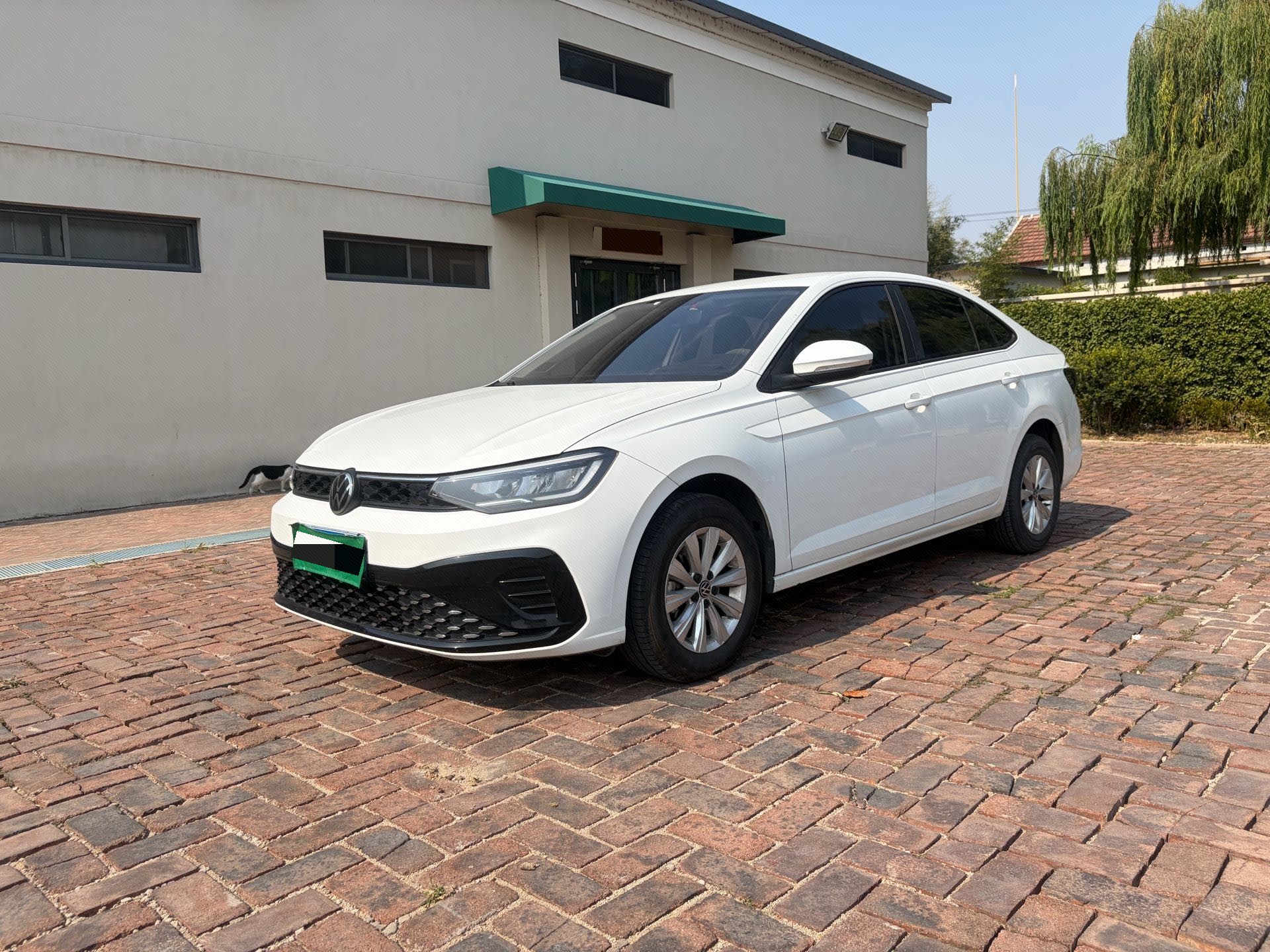
Basic Information

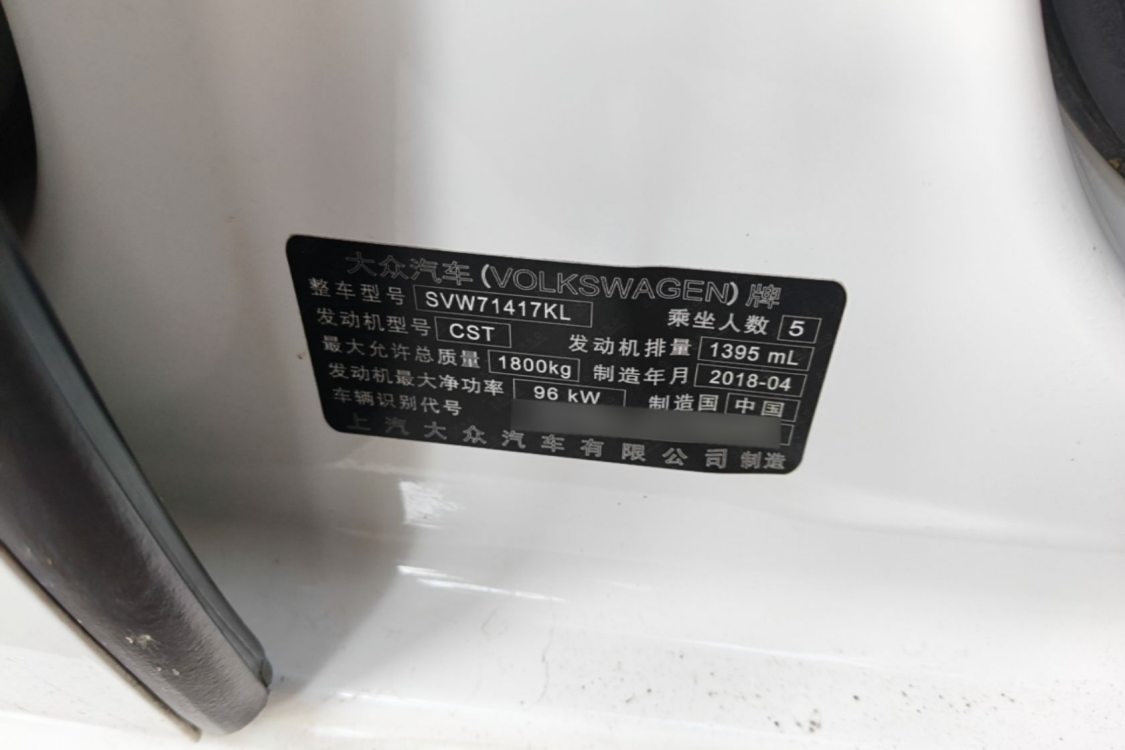
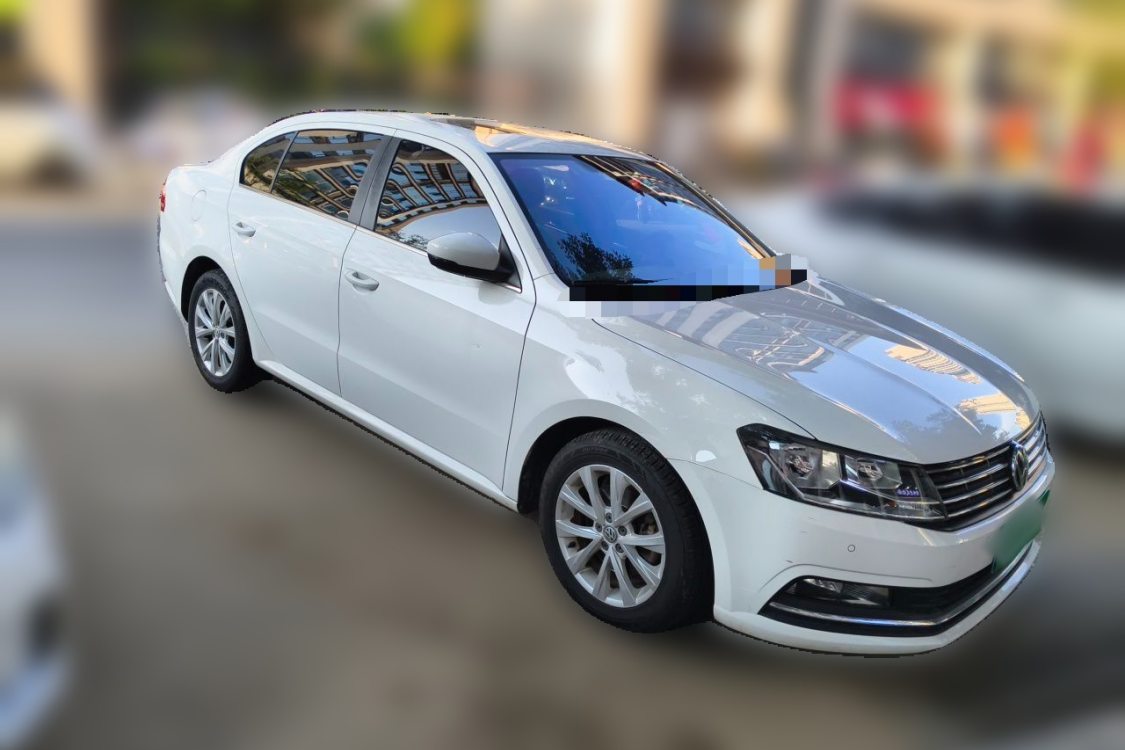
BrandVolkswagen
SeriesLavida
Year2018
First Registration2018/05
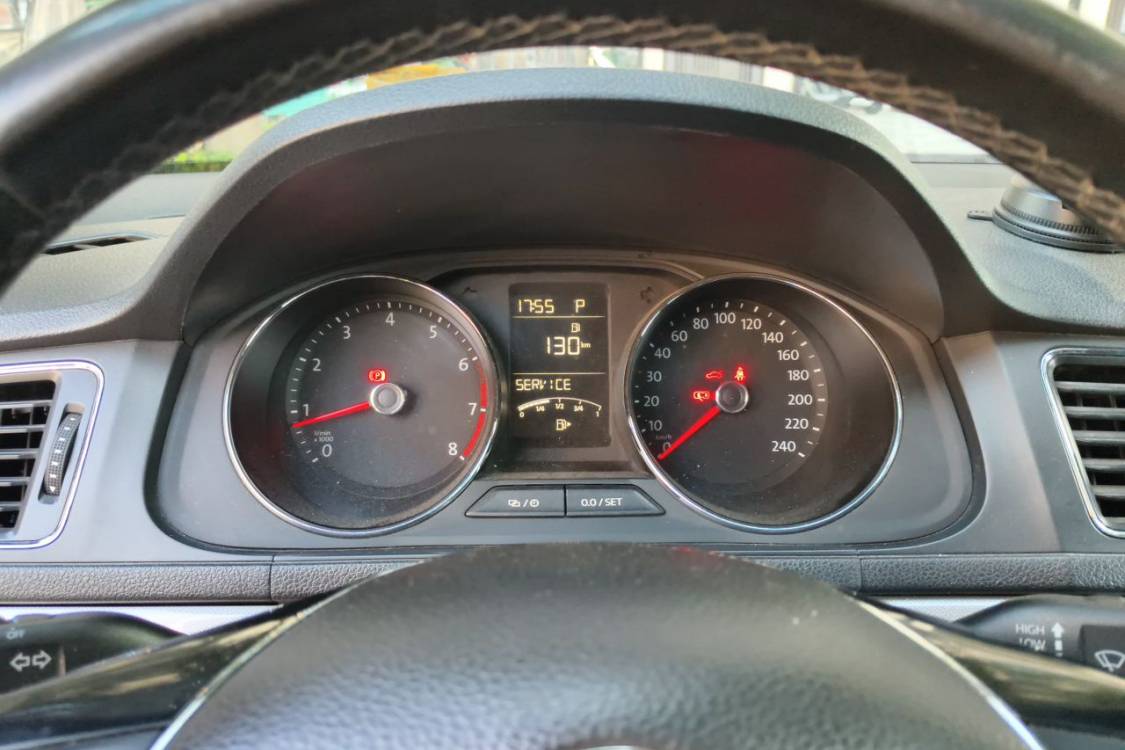
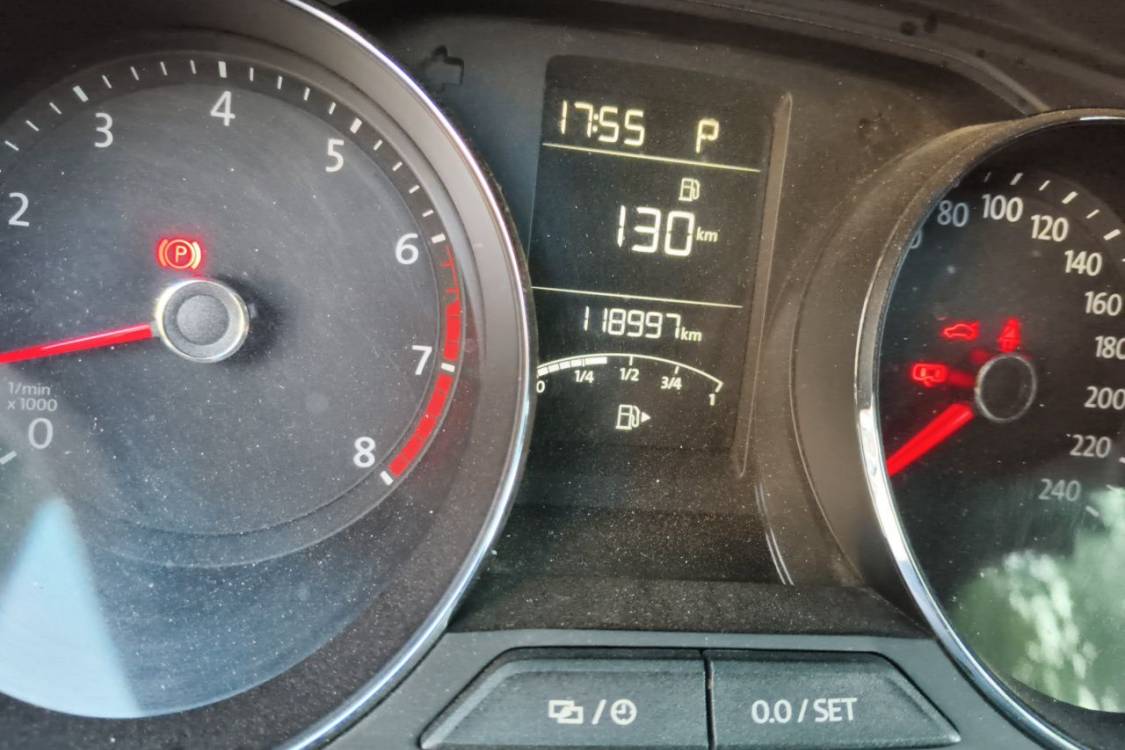
Mileage119,000km
Transfer Count-
FuelGasoline
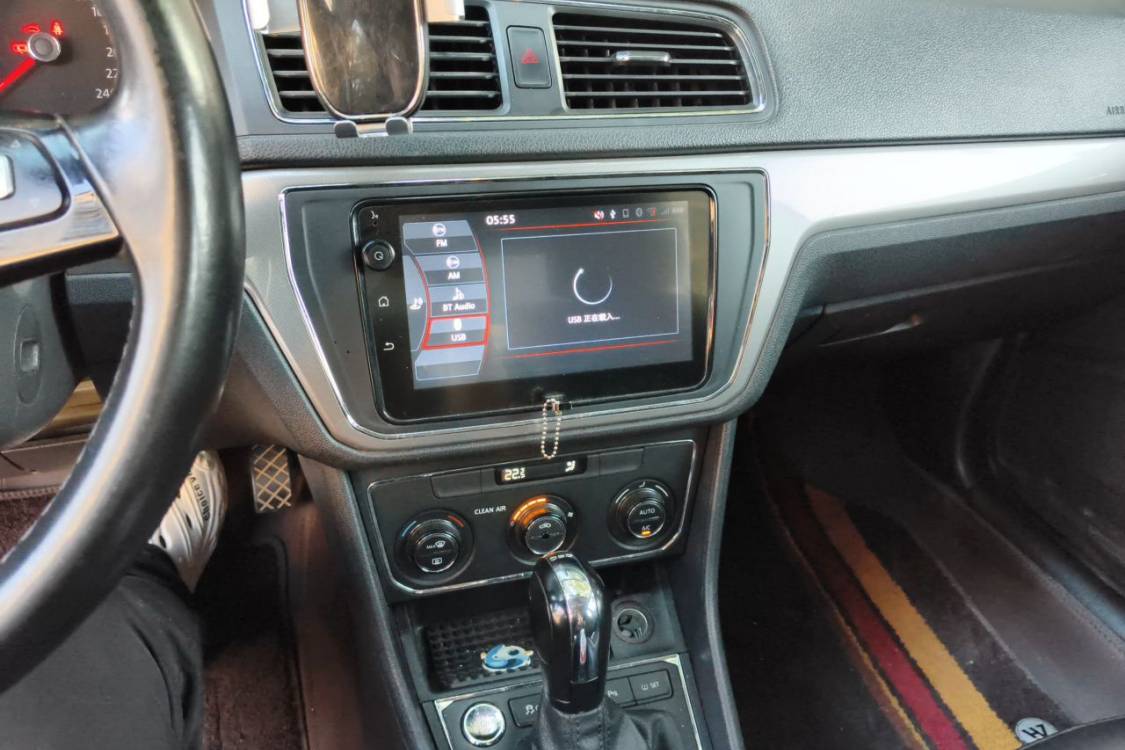
TransmissionDCT
Engine1.4T 131 L4
ColorWhite
Seats-

Condition Description

Vehicle has major accident/fire/flood damage or major defects in power battery components (structural/reinforcing/panel parts), repaired or unrepaired, still affecting body structural strength or safe use, with hidden fault risks.

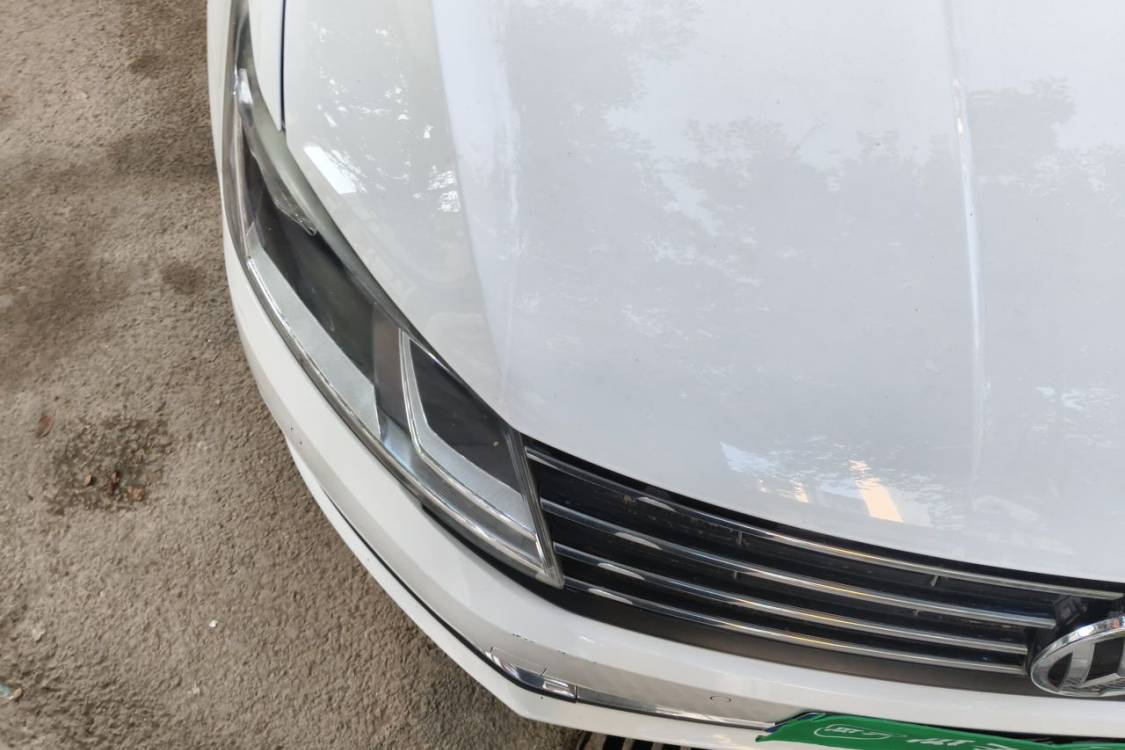
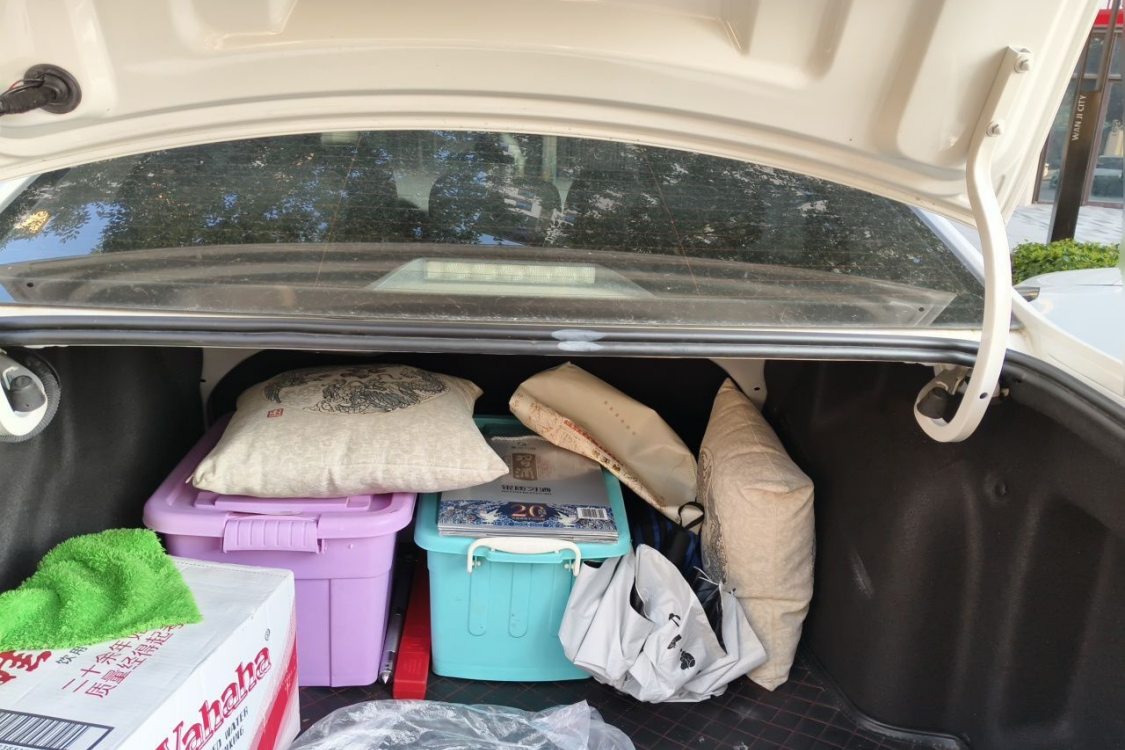
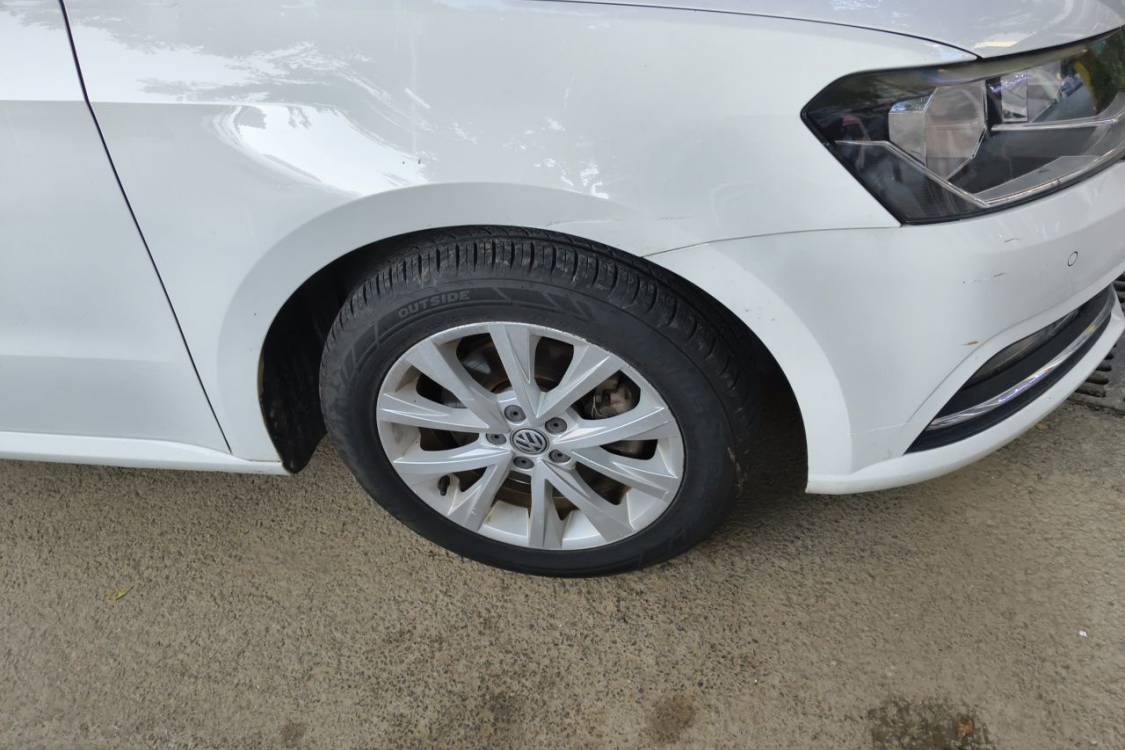
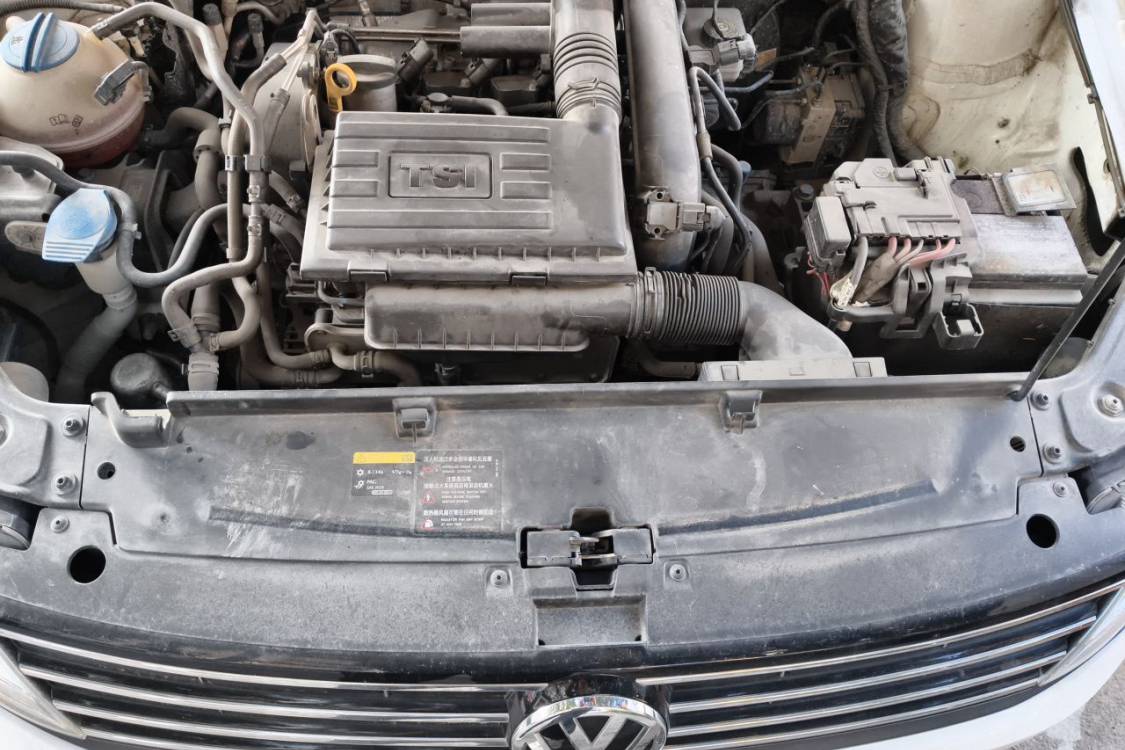
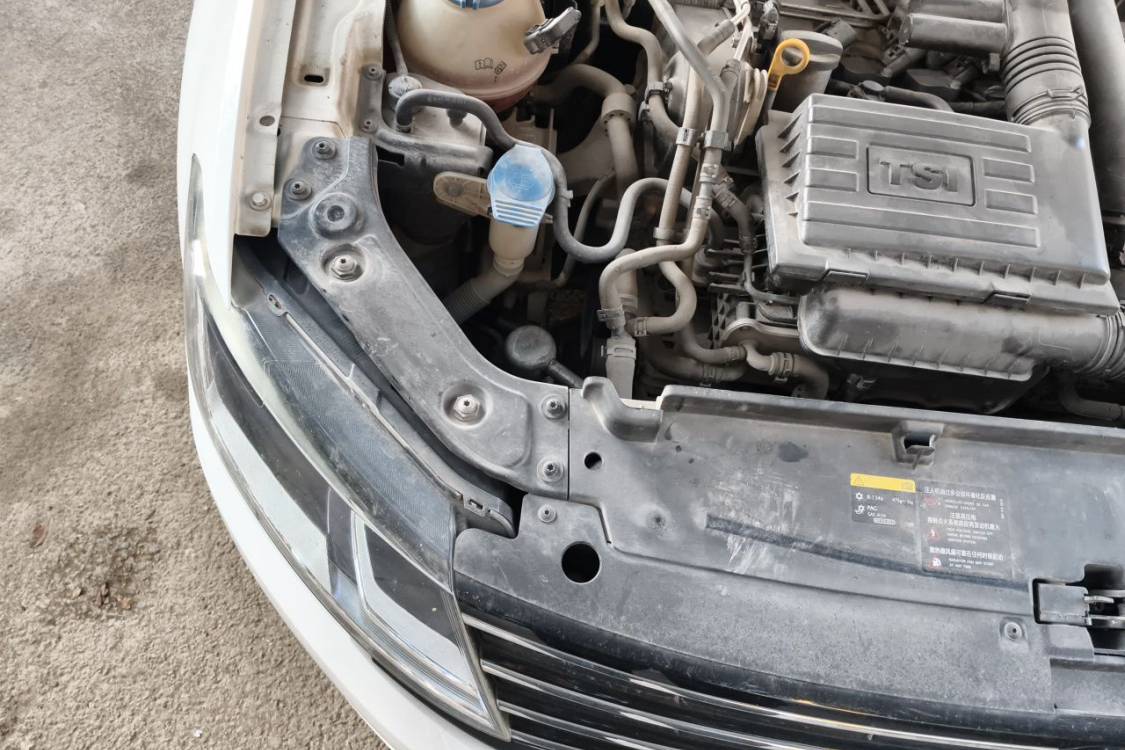
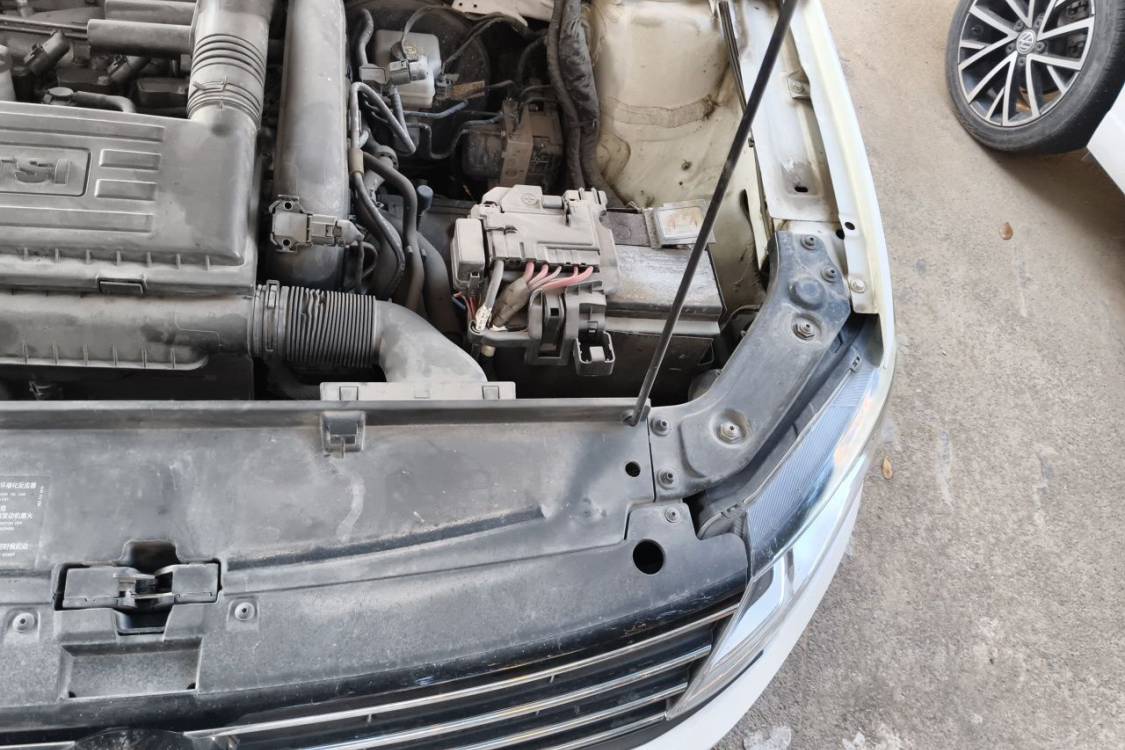
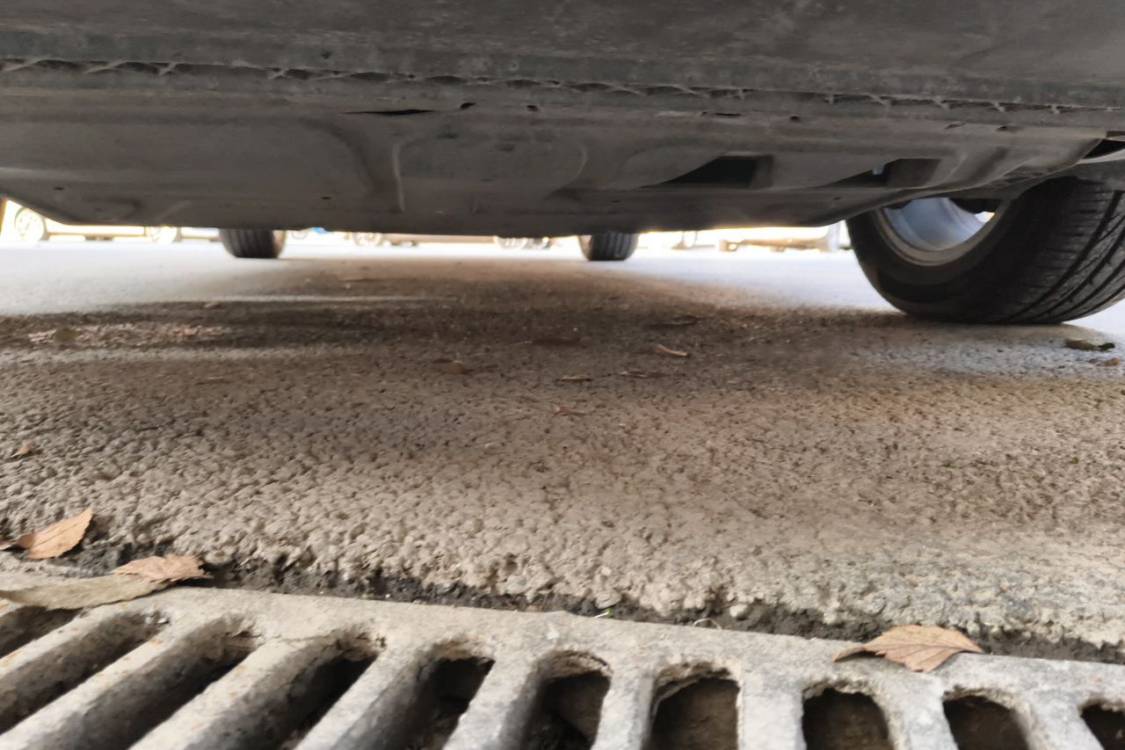
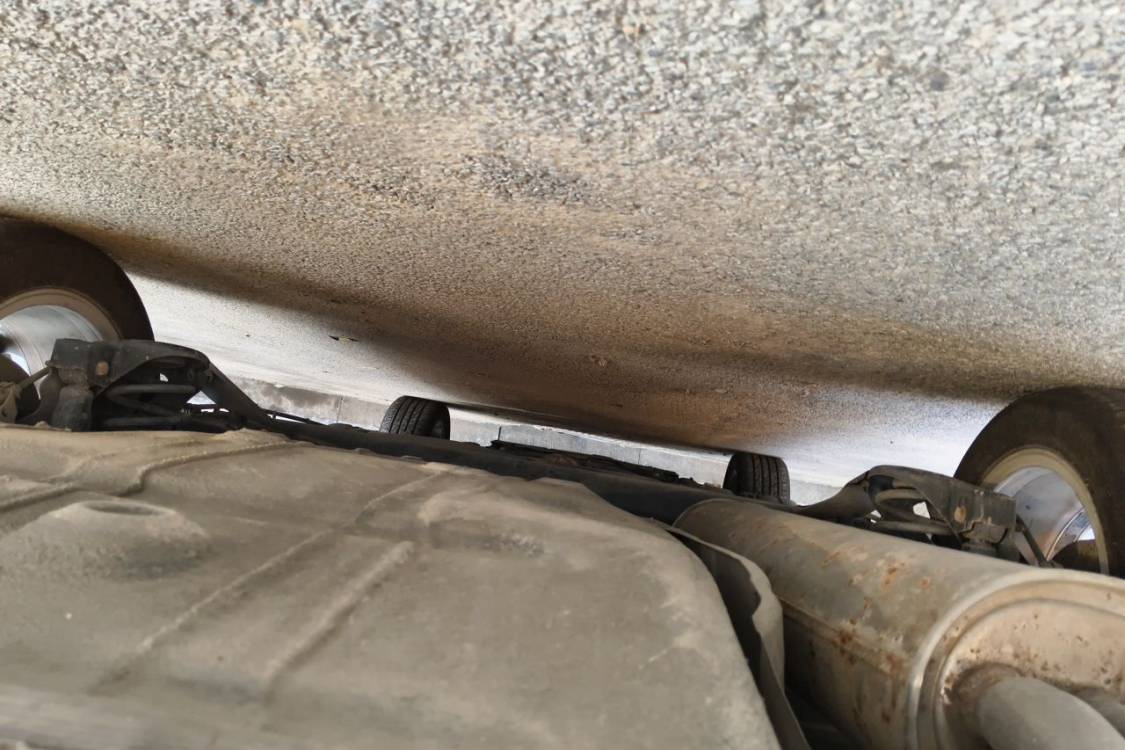
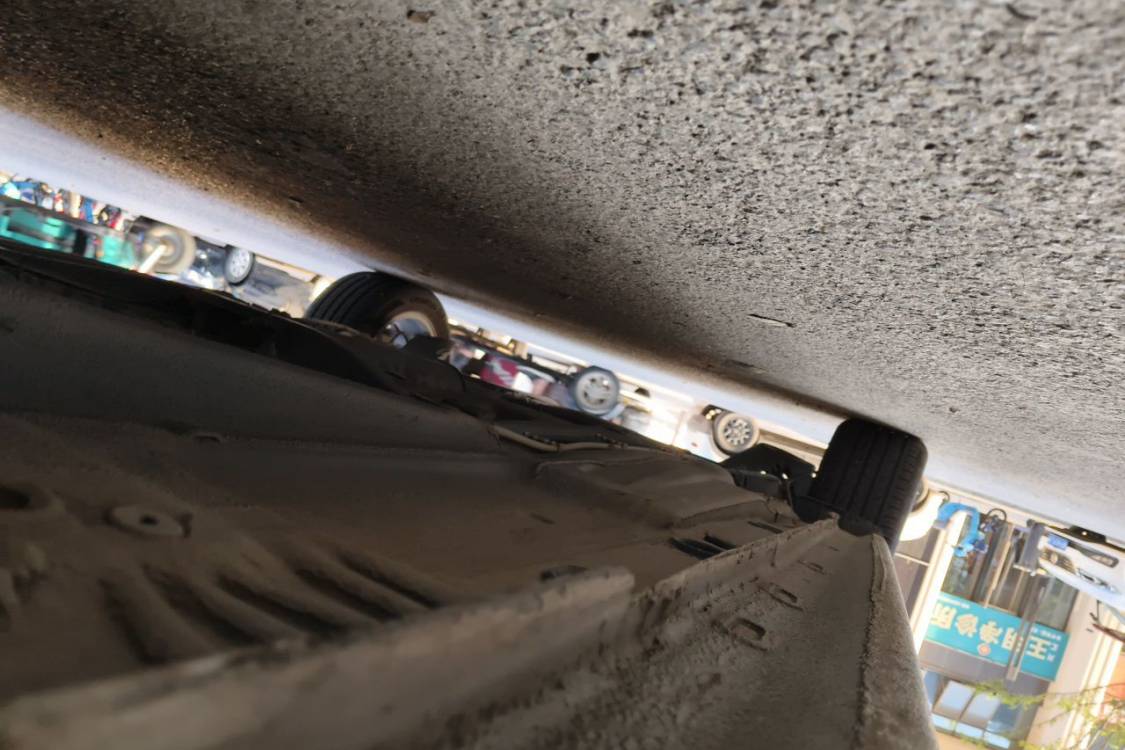
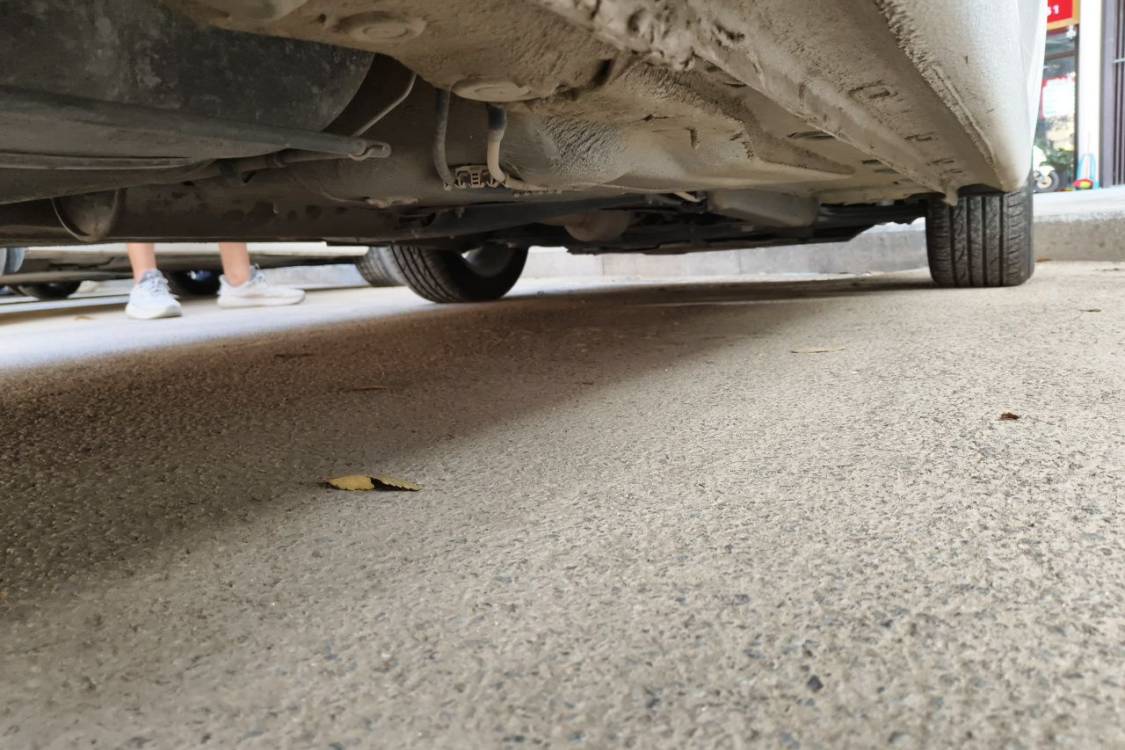
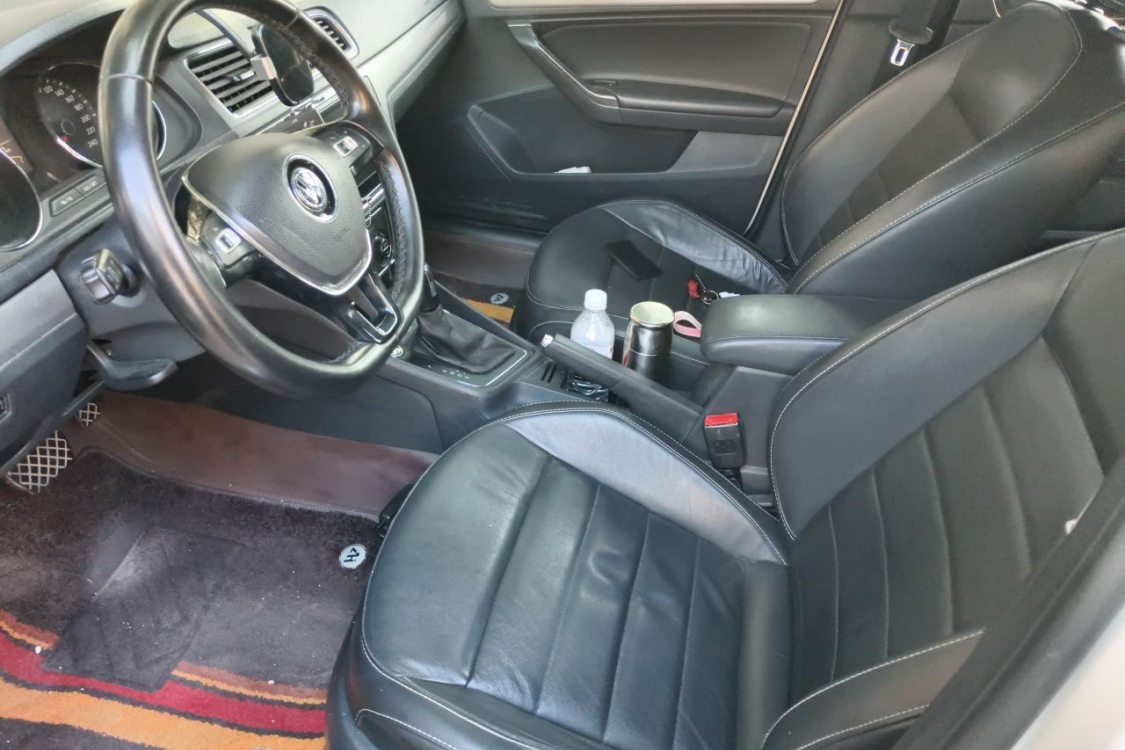
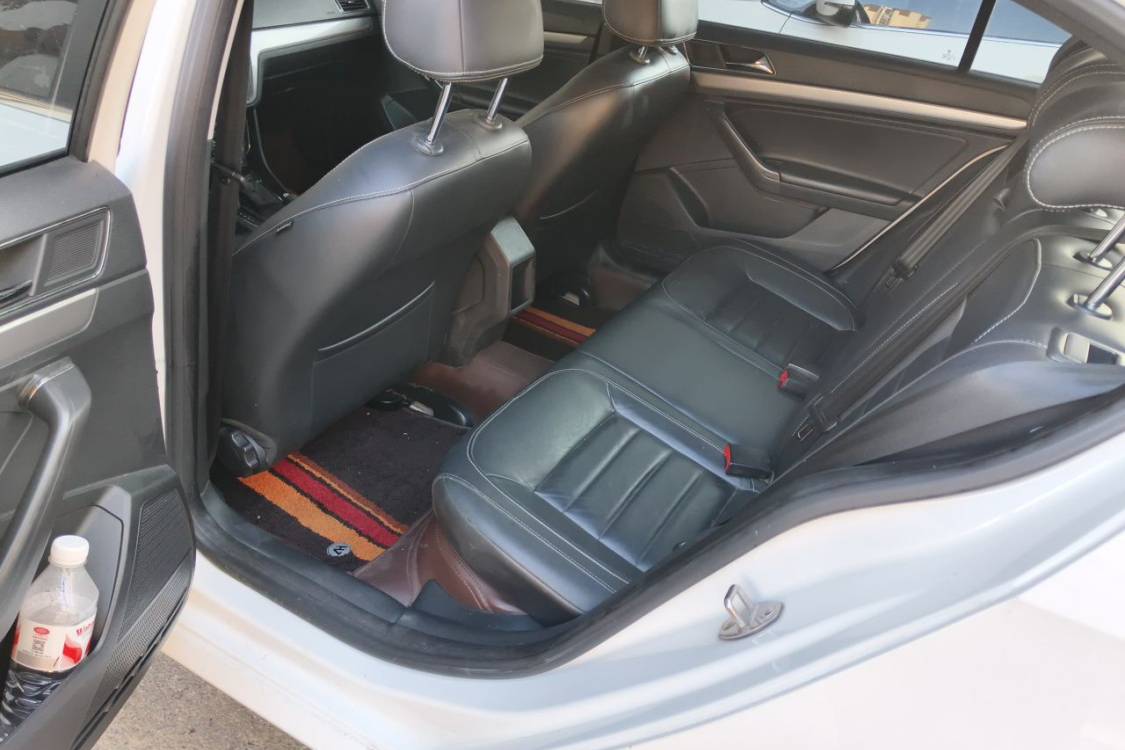
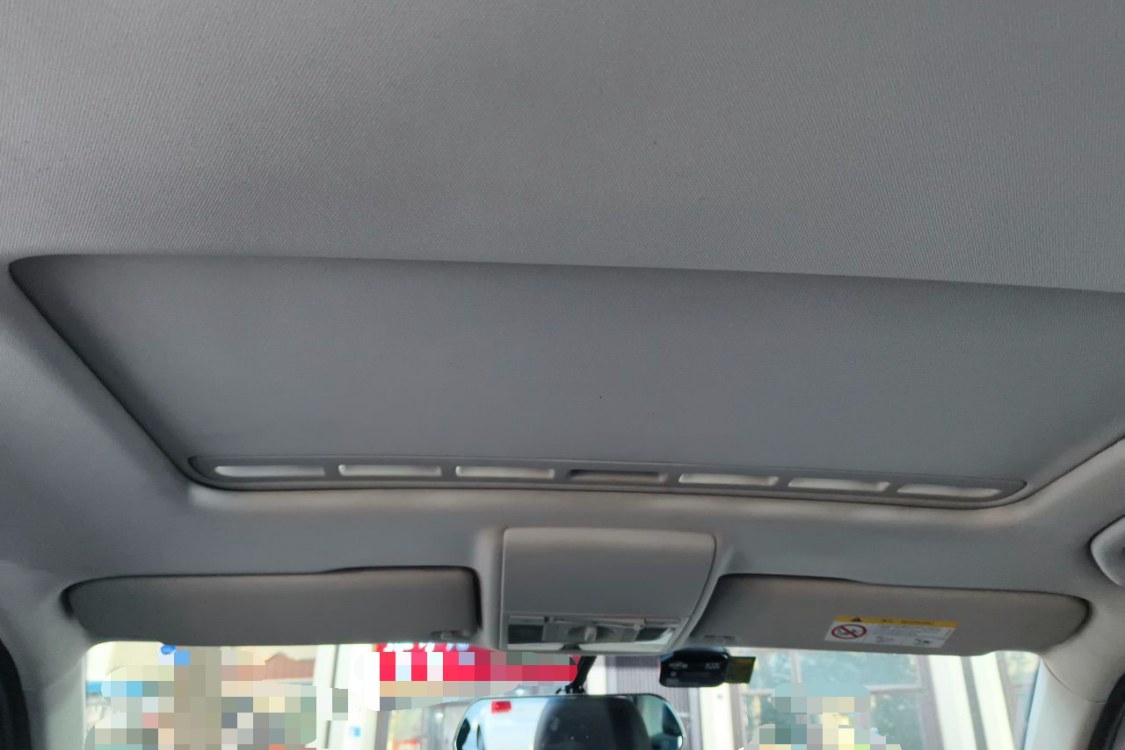
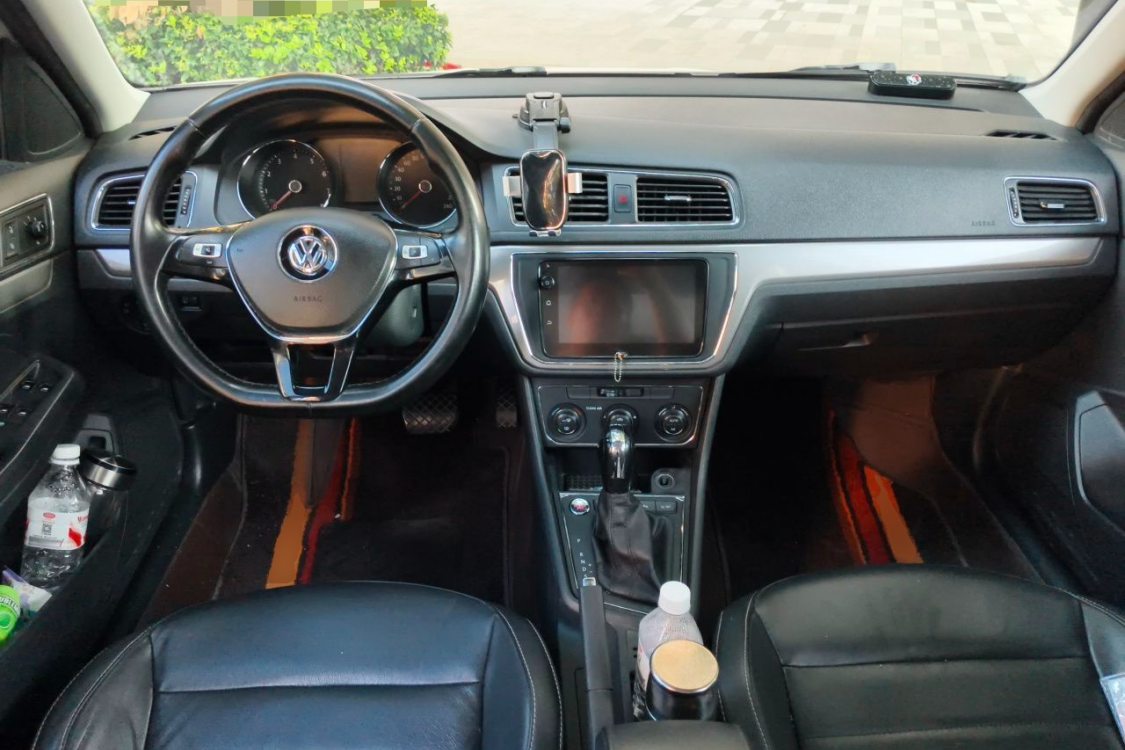
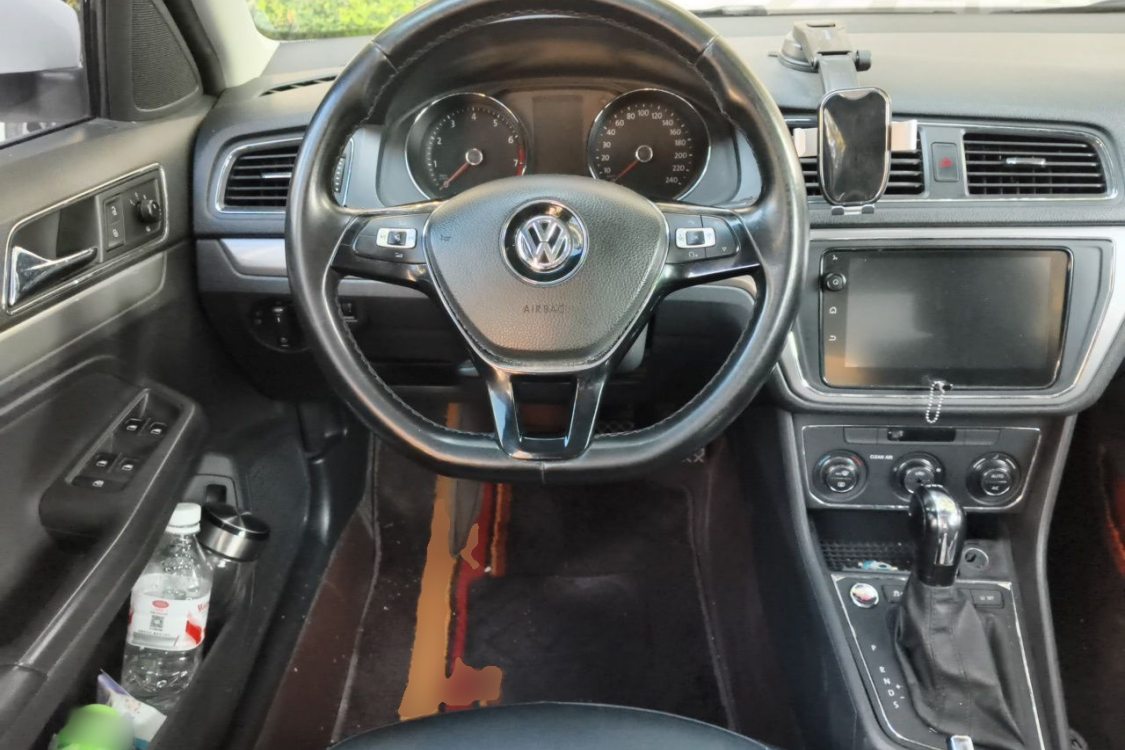
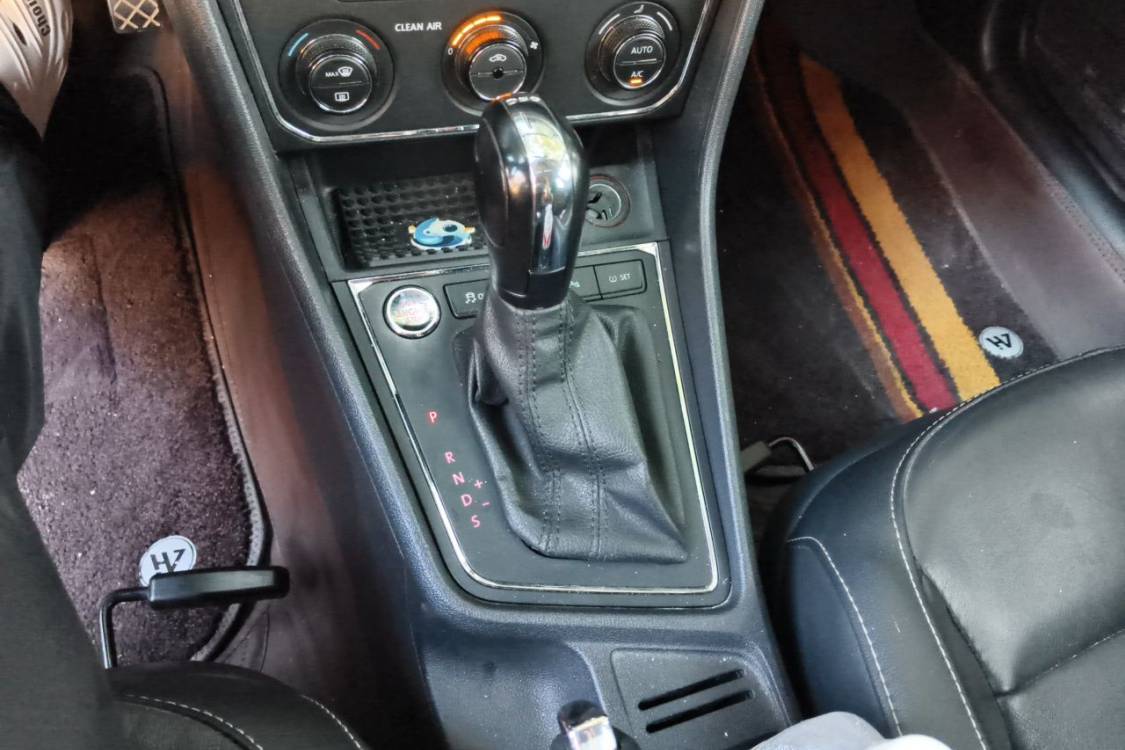
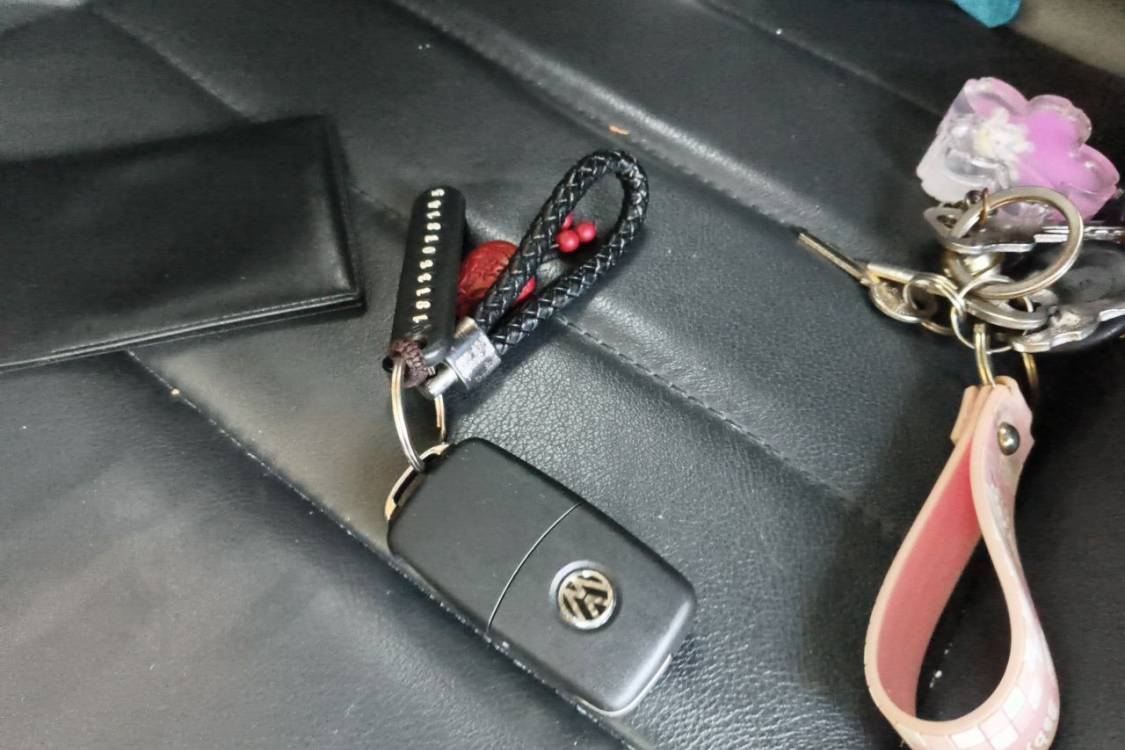
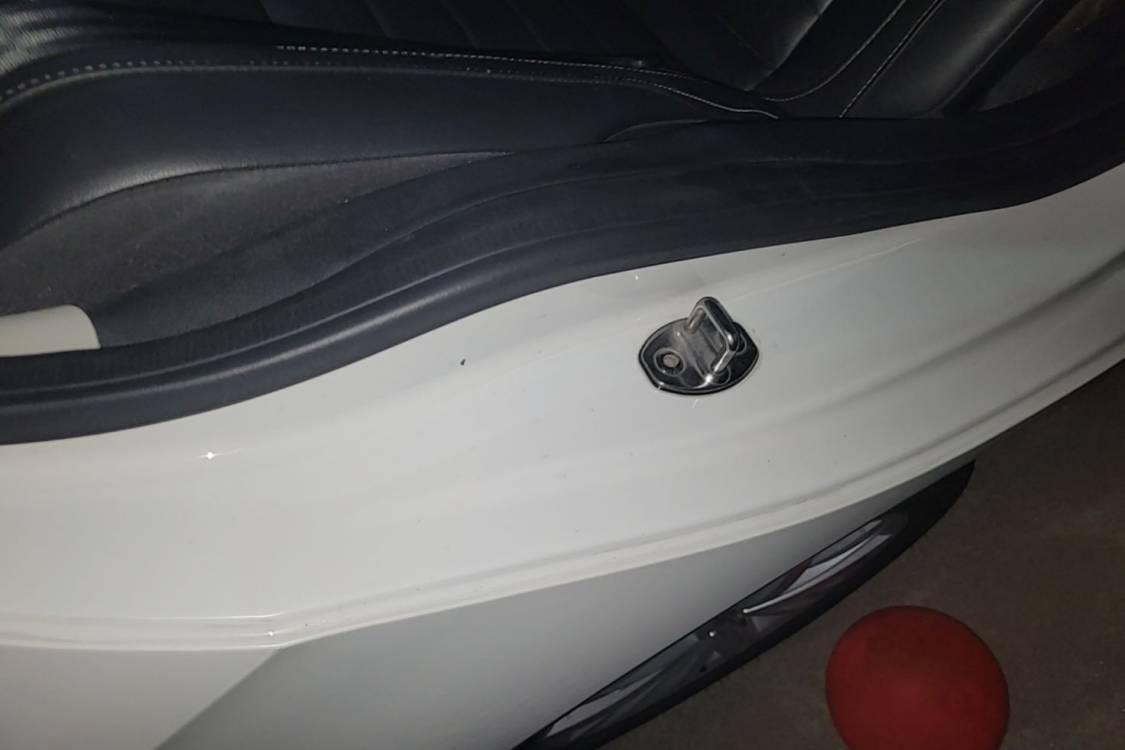
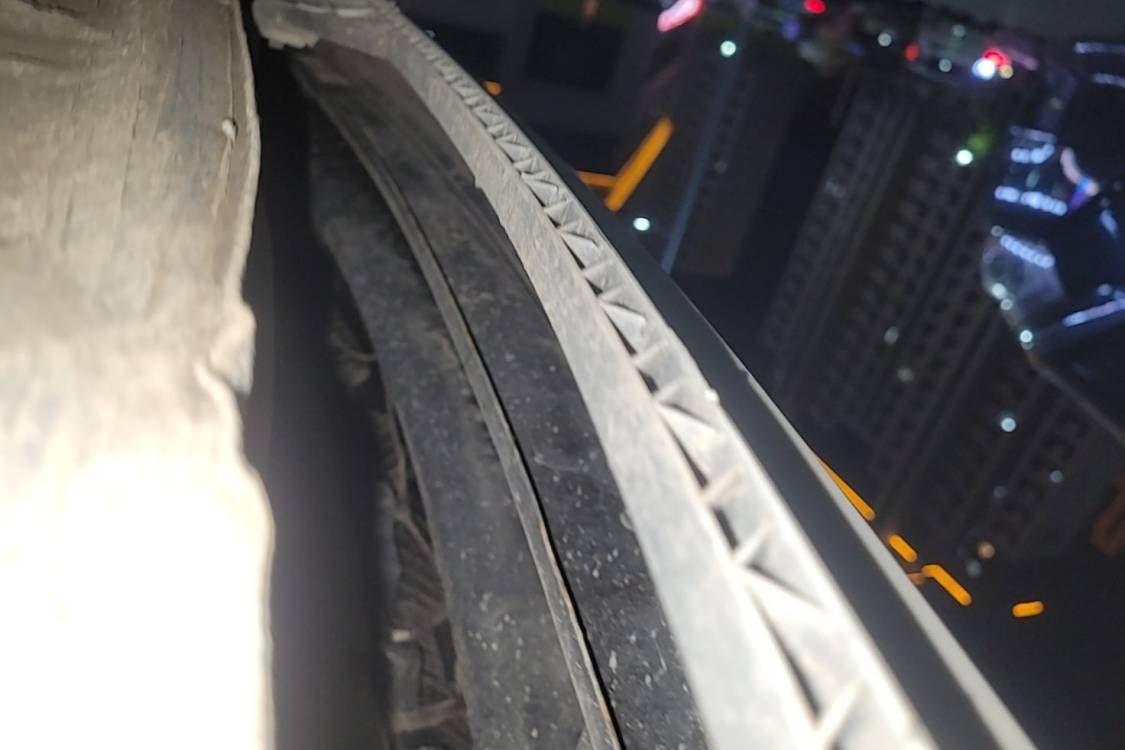
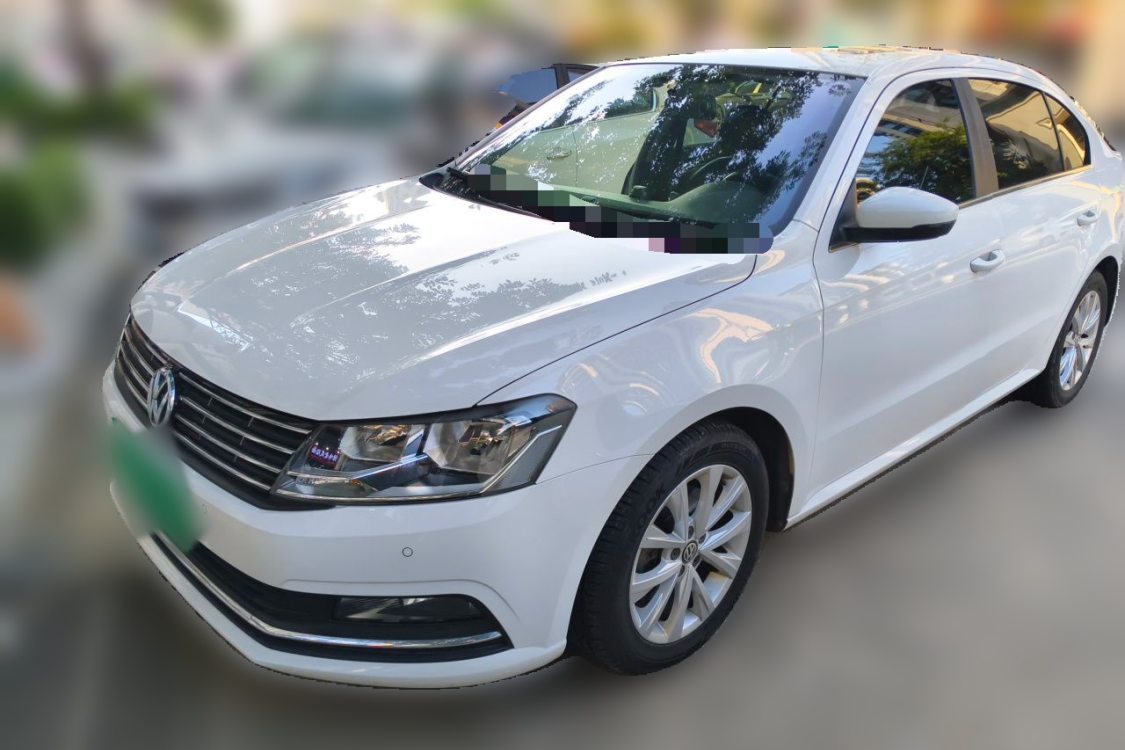
Accident inspection: main structure damaged, reinforcing parts damaged, panels damaged, hinges abnormal. Engine bay: key mechanical components normal. Exterior: 1 replaced part, 2 panel repairs, 1 repaint. Interior: configuration abnormal, airbags normal, seatbelts normal, dashboard normal, instrument readings normal, lighting system normal. Startup check: main components normal. Onboard tools: none.
电话直连
可讲价
平台物流
可转售
车主降价
零过户
新检测标准升级>

Document Information

Inspection Expiry Date2028/05
Warranty Expiry Date-
Insurance Expiry Date2027/05

Q&A

More

What should I do if the consignee information on the Bill of Lading is incorrect?

Be sure to verify the draft Bill of Lading as soon as possible after the ship departs. Once the original is issued, changes will incur high amendment fees and may prevent the customer from picking up the goods.

Will there be a thorough inspection of the aging and damaged wiring harness of older vehicles to prevent spontaneous combustion?

For older vehicles or those used in high temperature and humidity areas, we will focus on opening the hood to check if the insulation of the wiring harness in the high-temperature area of the engine compartment is cracked or brittle, to identify potential short circuit risks that could lead to spontaneous combustion.

What is the latest time to request changes to the consignee and notify party on the bill of lading?

Changes must be requested before the shipping cut-off date (SI Cut-off Date) prior to the vessel's departure. Once the vessel has sailed, the shipping company will charge a high amendment fee, which may also cause delays in customs clearance at the destination port, with costs borne by the buyer.