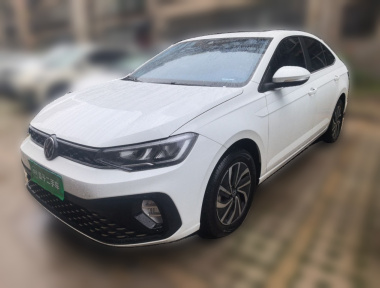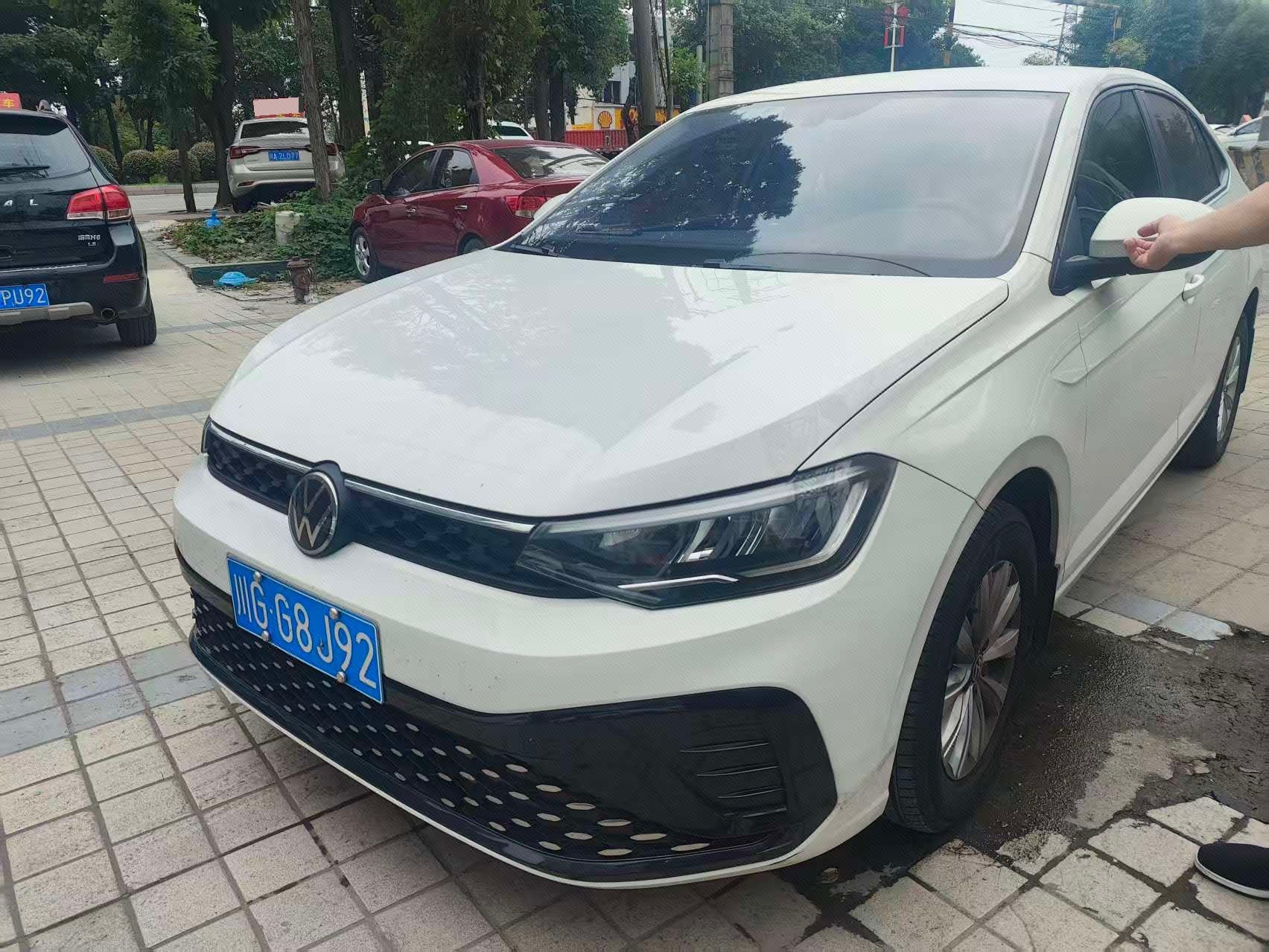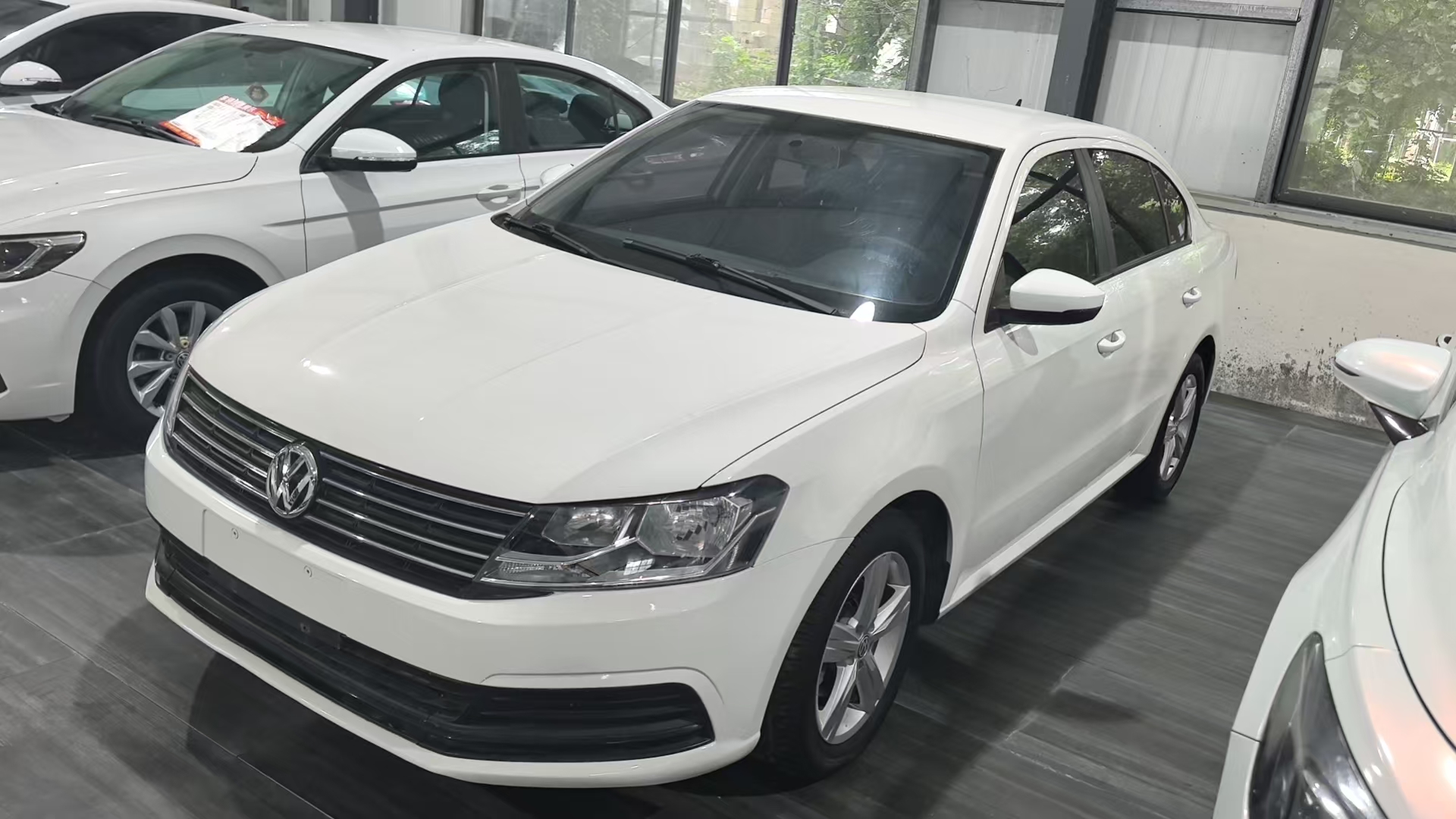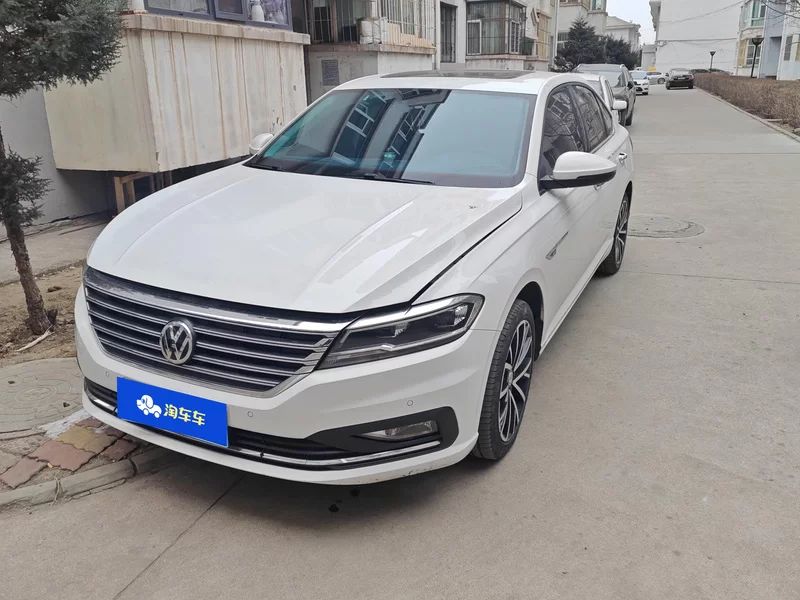
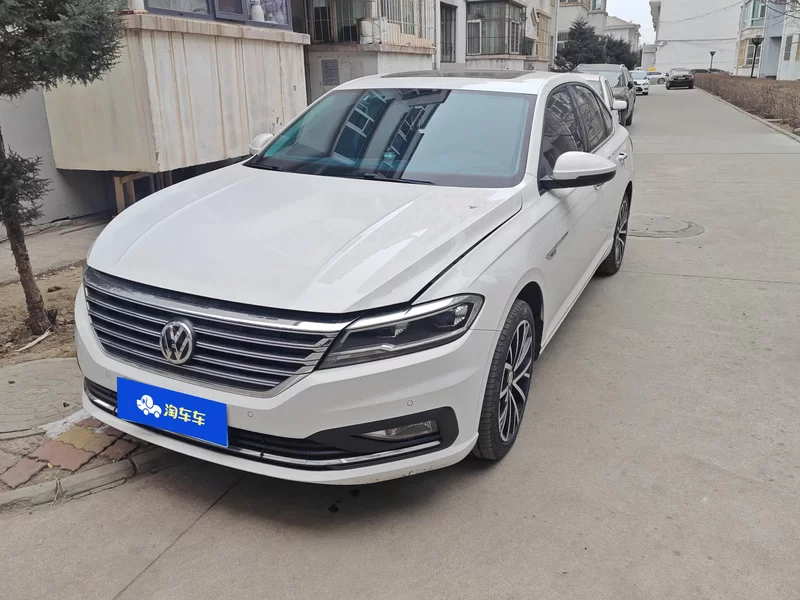
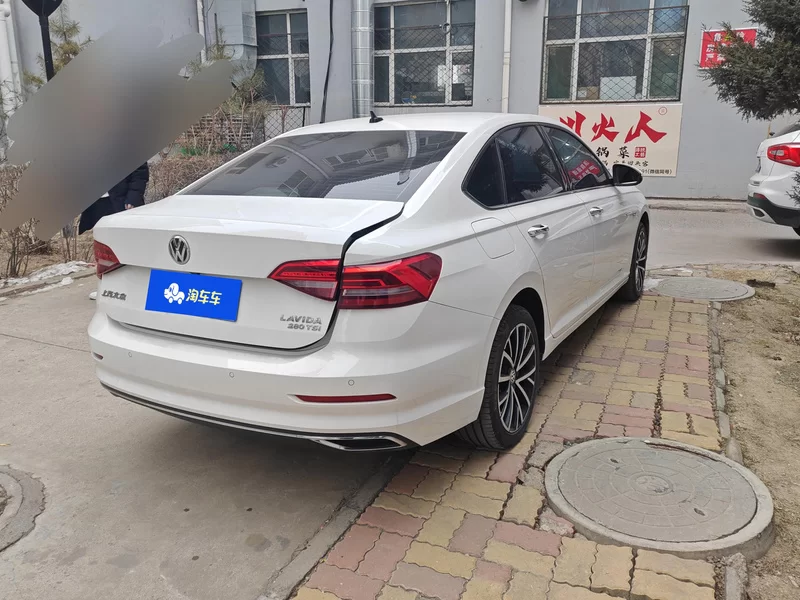
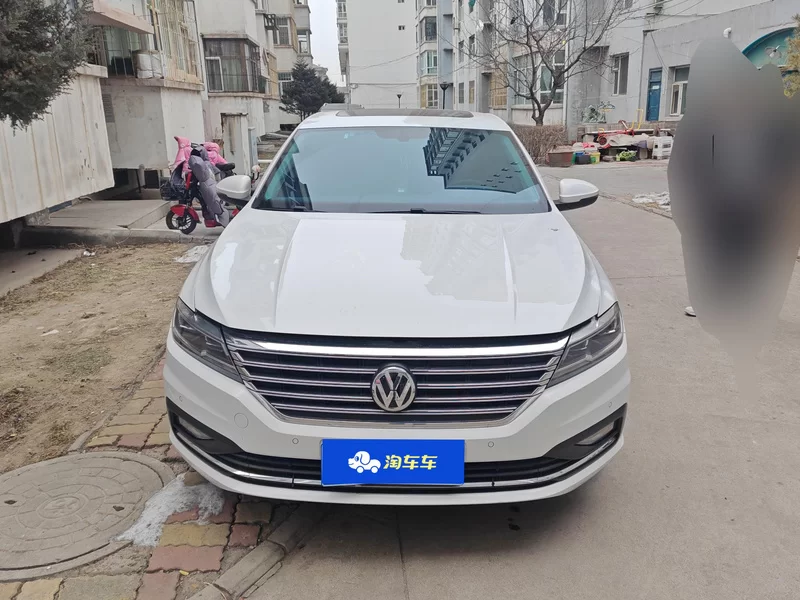



Basic Information

BrandVolkswagen
SeriesLavida
Year2019
First Registration2019/03
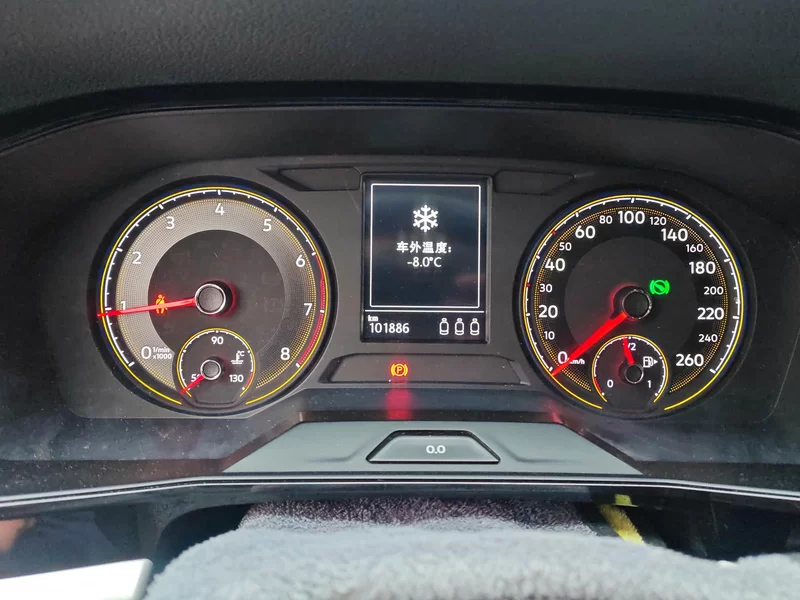
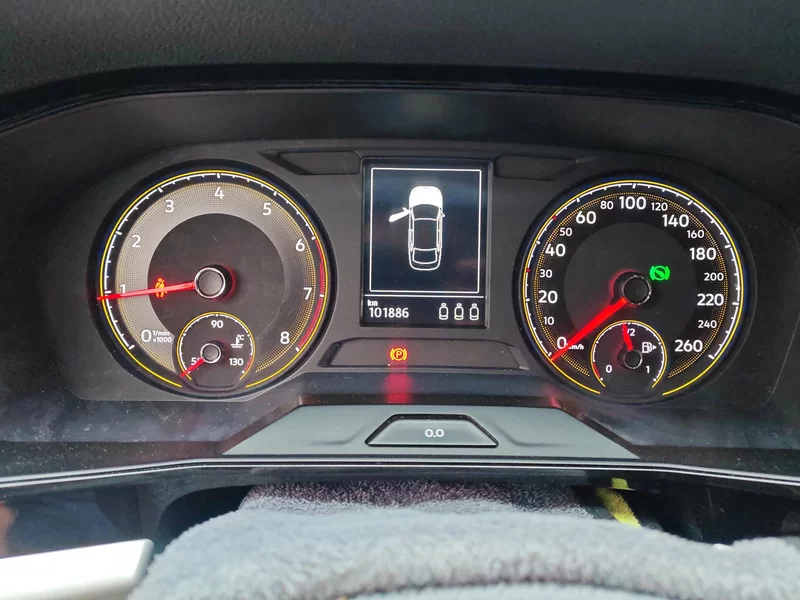
Mileage101,900km
Transfer Count1times
FuelGasoline
TransmissionDCT
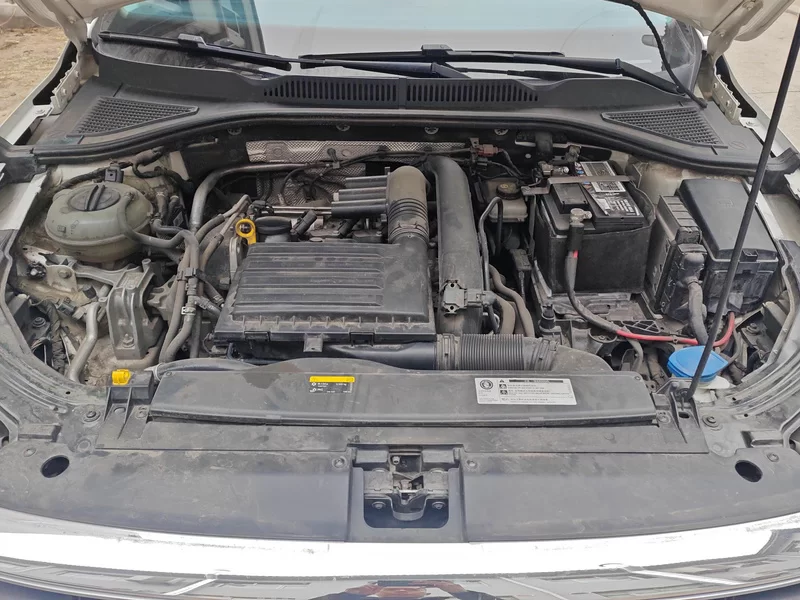
Engine1.4T 150 L4
Color
Seats-

Condition Description

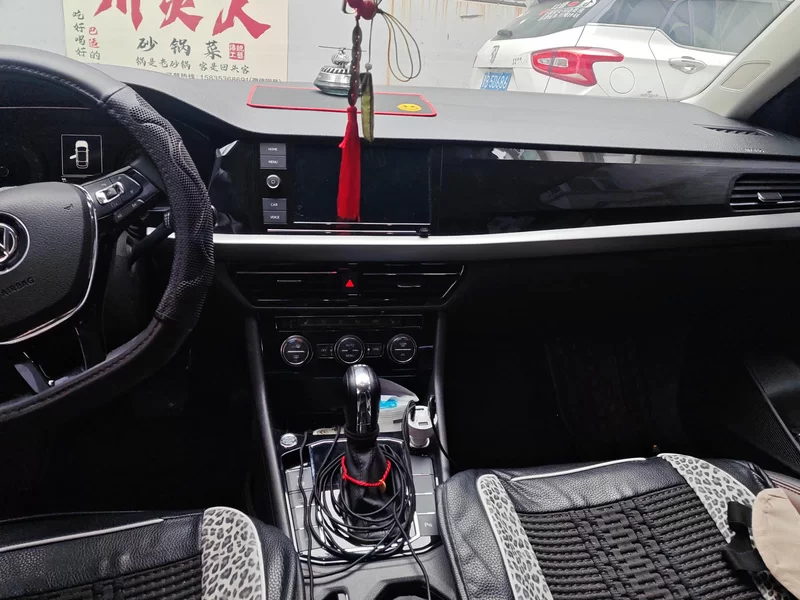
80% new

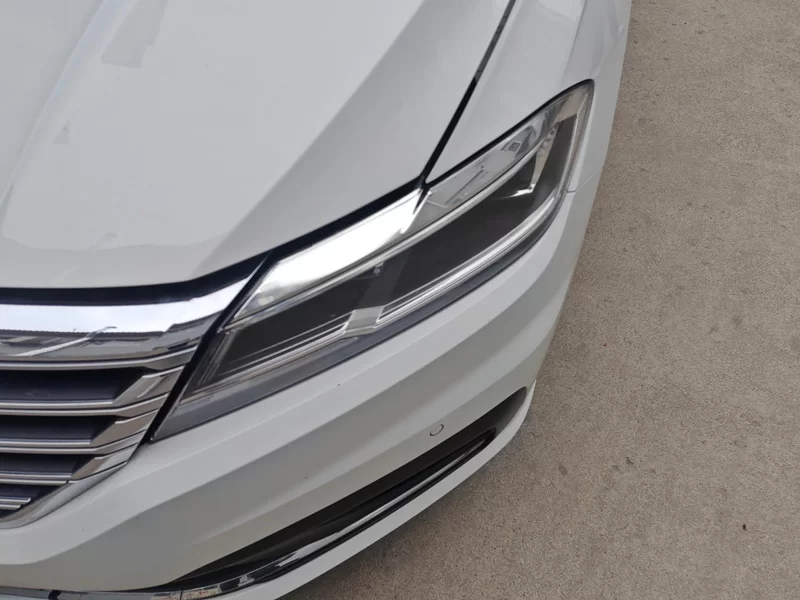
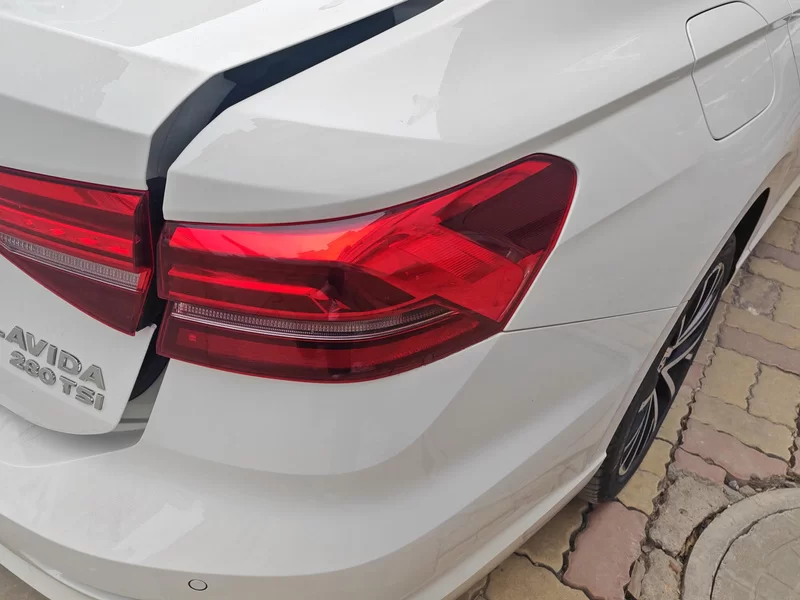
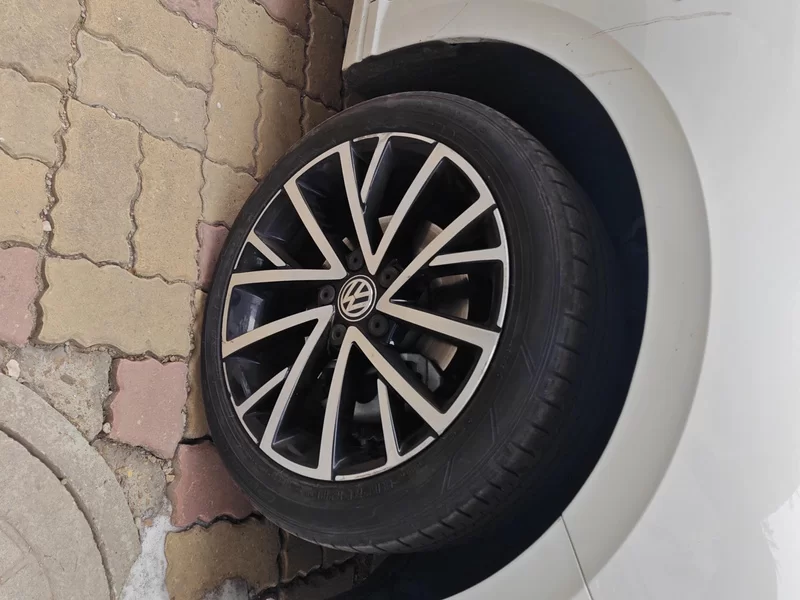
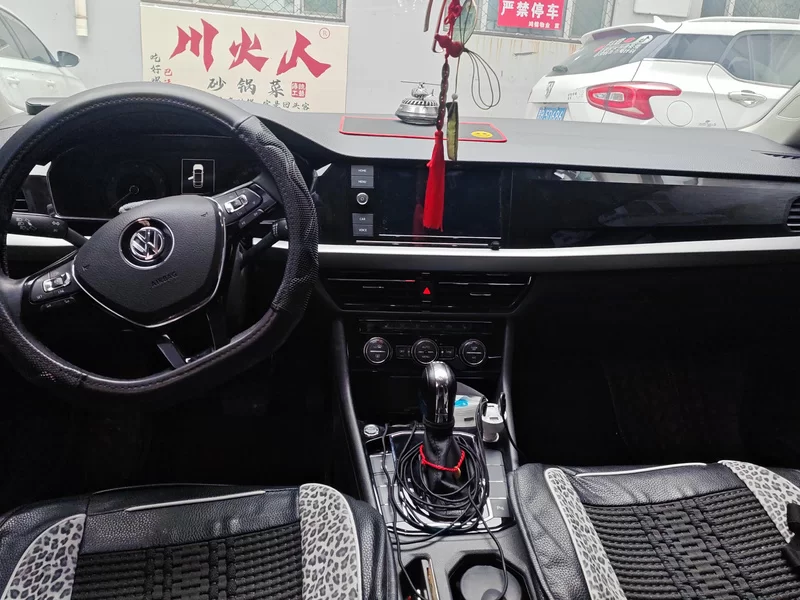
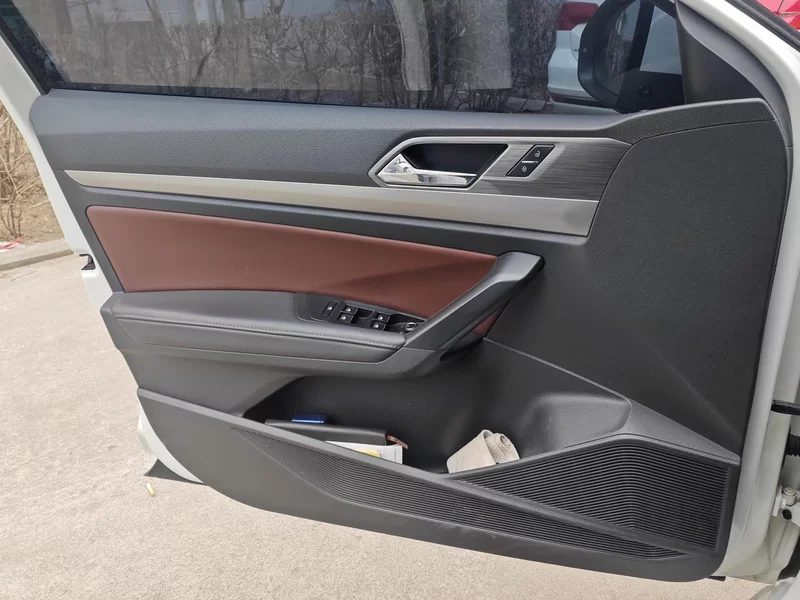
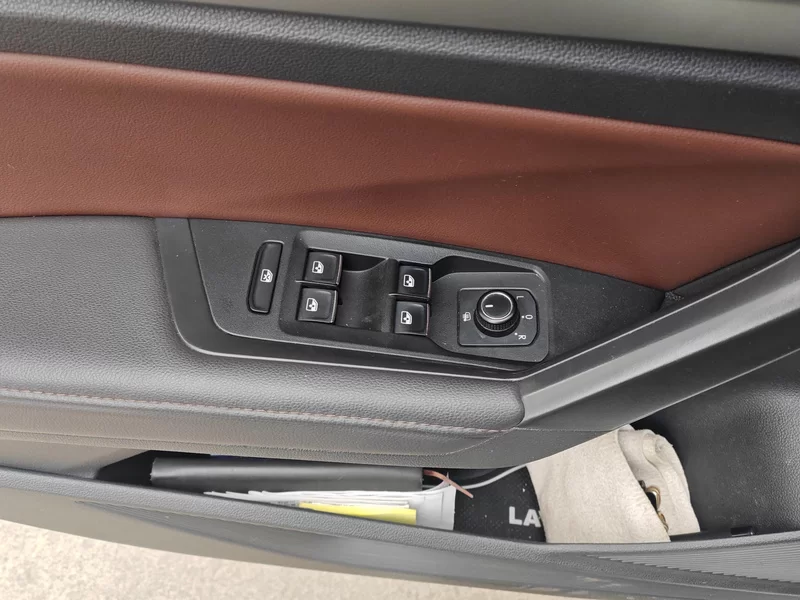
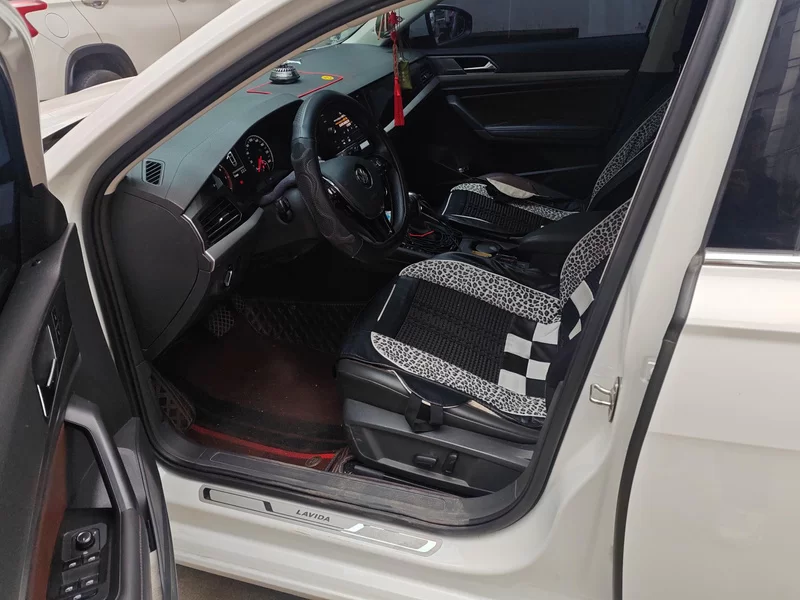
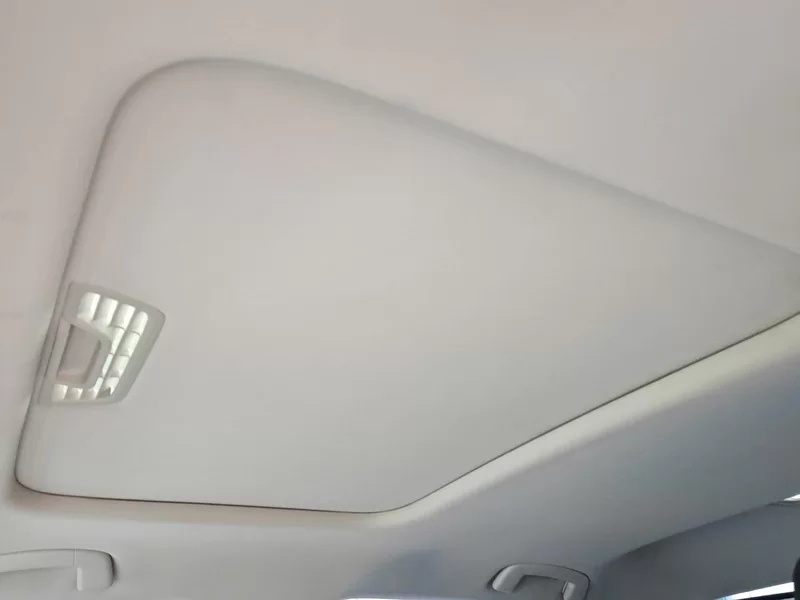
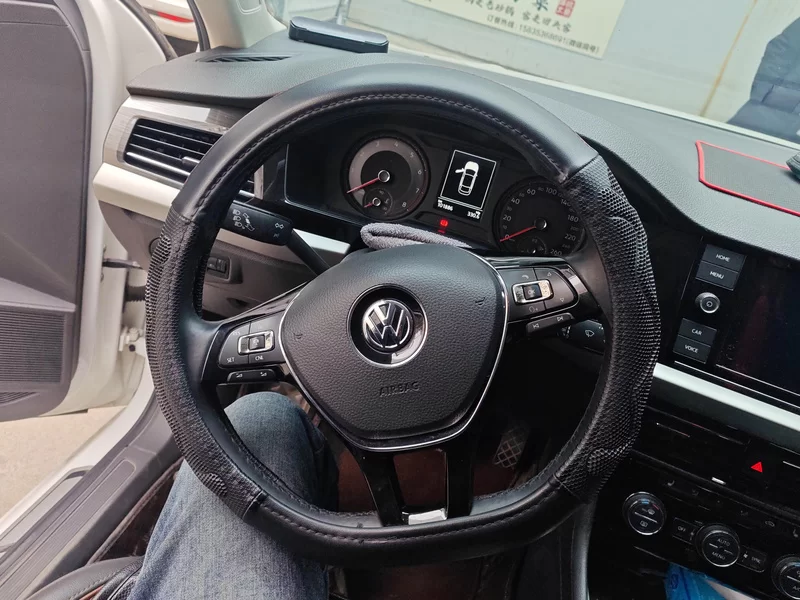
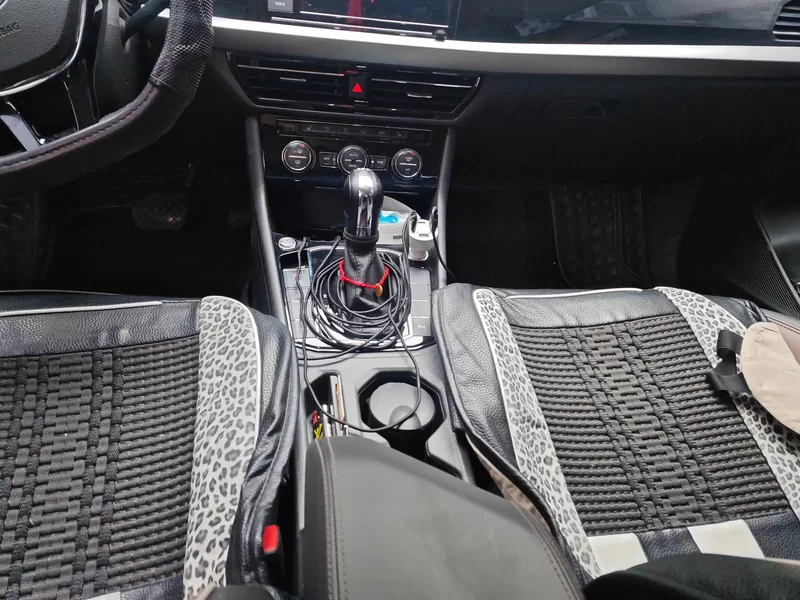
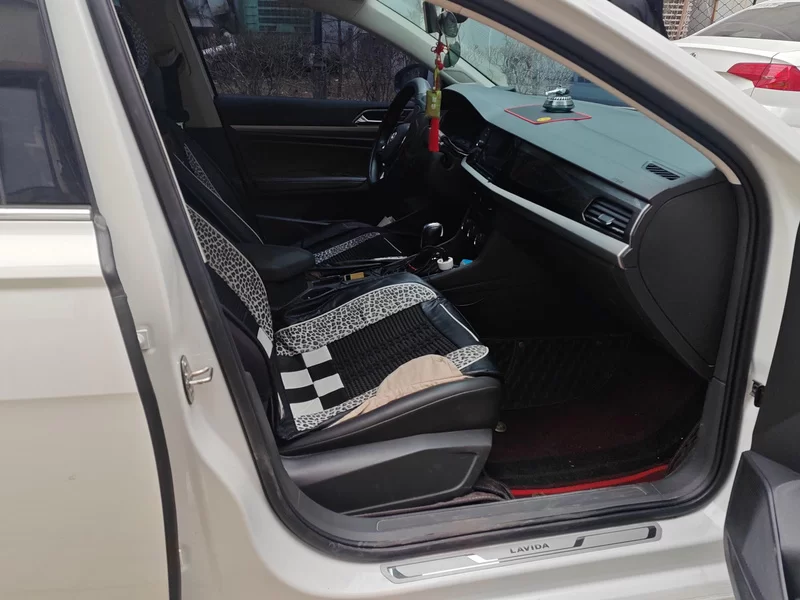
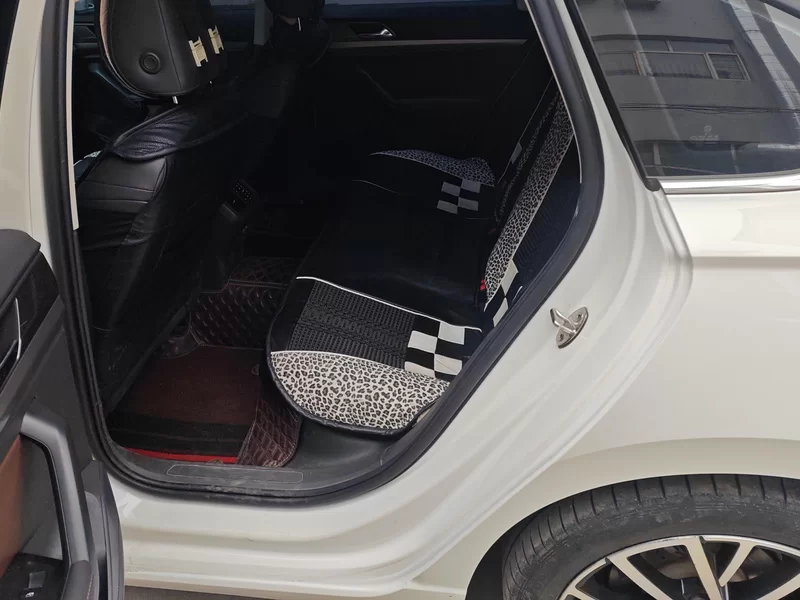
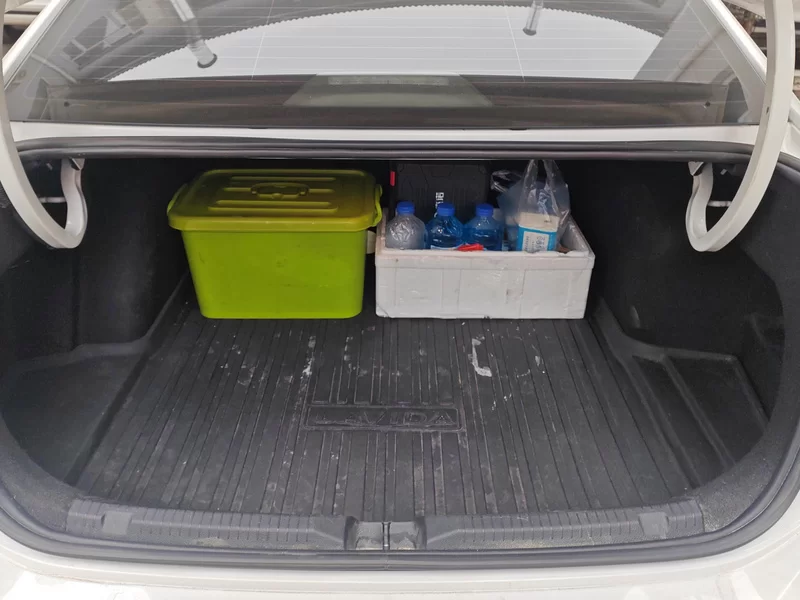
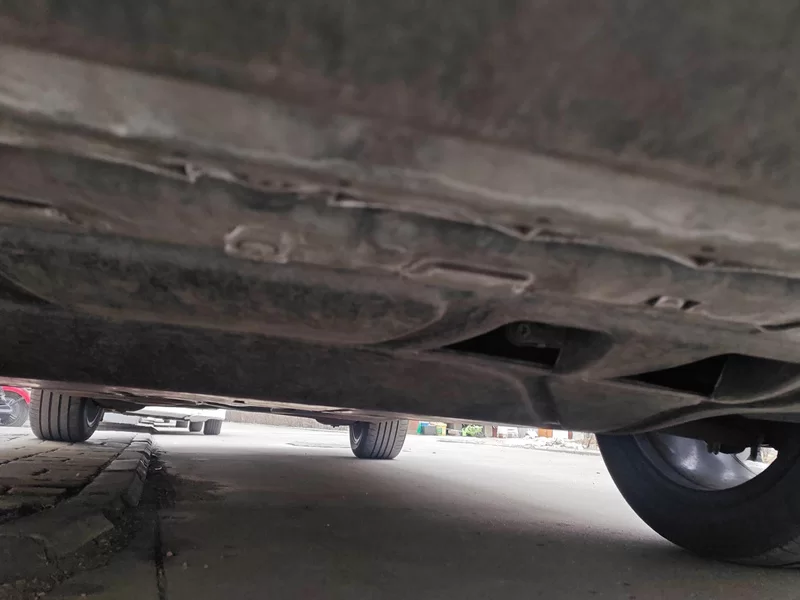
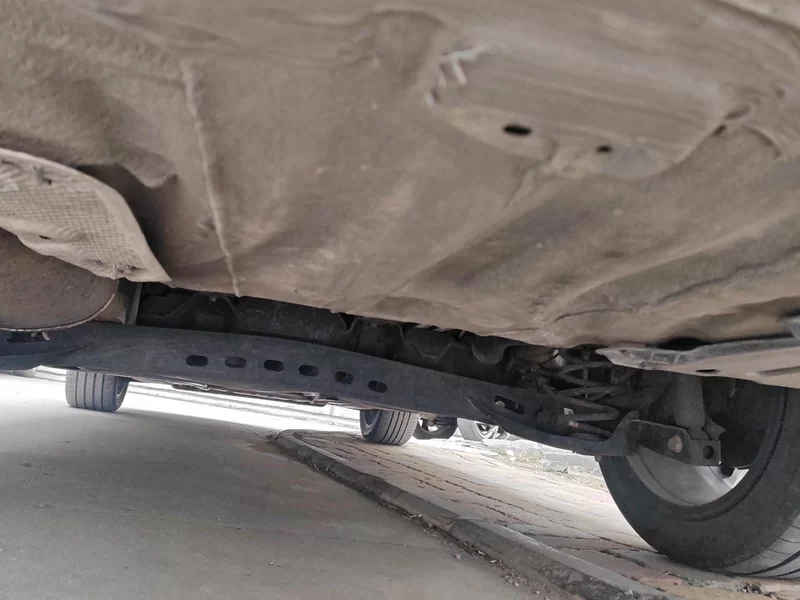
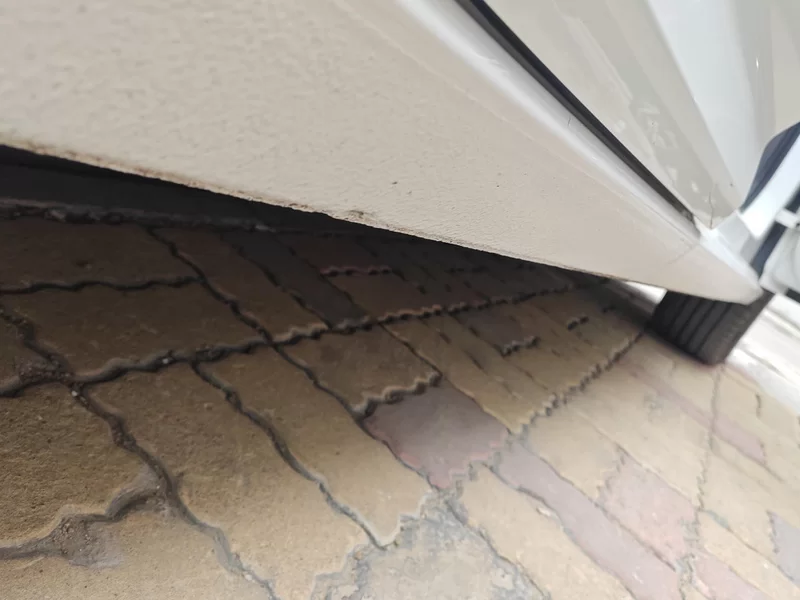
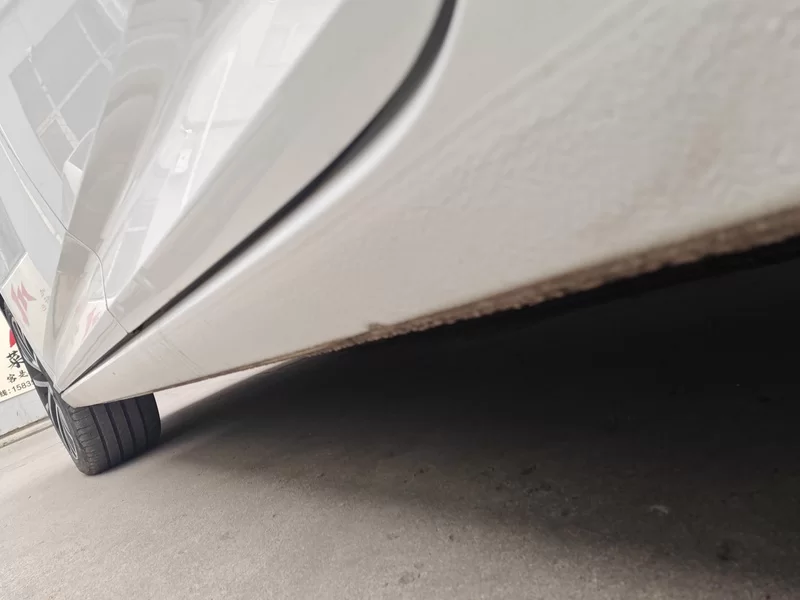
Inspection revealed that the vehicle has been ruled out as a major accident vehicle, a flood-damaged vehicle, or a fire-damaged vehicle. The exterior has minor scratches and damage, the interior is clean with normal wear, the frame is undamaged, the engine shows normal wear, the transmission shifts smoothly, and all electrical fluid levels are normal.

Taoche Direct Sales

Configuration Highlights

✓Power Seats
✓Heated Seats
✓Keyless Start
✓Engine Start-Stop
✓Auto Hold
✓Backup Camera
✓Front Radar
✓Rear Parking Sensors
✓Heated Mirrors
✓Rear Air Conditioning

Q&A

More

How often do you calibrate the instruments used to detect vehicles (such as paint thickness gauges and OBD diagnostic tools) for accuracy?

All our measuring instruments (especially calipers, paint thickness gauges, and refrigerant pressure gauges) are calibrated quarterly according to ISO quality management system requirements to ensure the data we provide you is objective, accurate, and reliable.


Why is there a time difference between the production date on the vehicle nameplate and the first registration date on the registration certificate?

The nameplate date is the absolute time when the vehicle leaves the factory; the registration date is when the vehicle is registered with the traffic management department after sale. The difference represents the time the vehicle spent in the dealer's warehouse or logistics. If the time difference exceeds 6-8 months, the vehicle is considered a "stock vehicle," and we pay special attention to the natural aging of its rubber components.

After the vehicle arrived at the port, it was found that the rubber parts of the chassis (such as dust covers and engine mounts) had extensive cracking. Does this fall under the compensation for "certain repair parts compensation"?

Absolutely not. The aging and cracking of rubber parts are inevitable over time and are a normal manifestation of vehicle depreciation. Our compensation only covers sudden and catastrophic mechanical failures, such as engine cylinder scoring or transmission gear breakage.