


48H

Basic Information

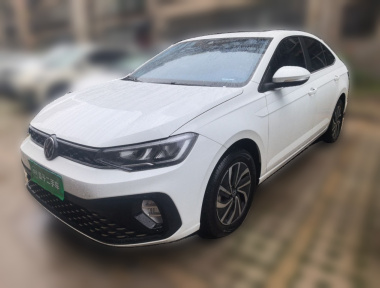
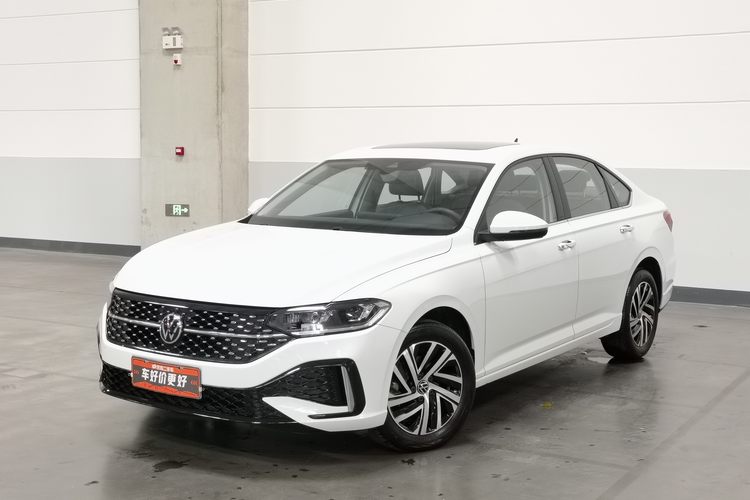
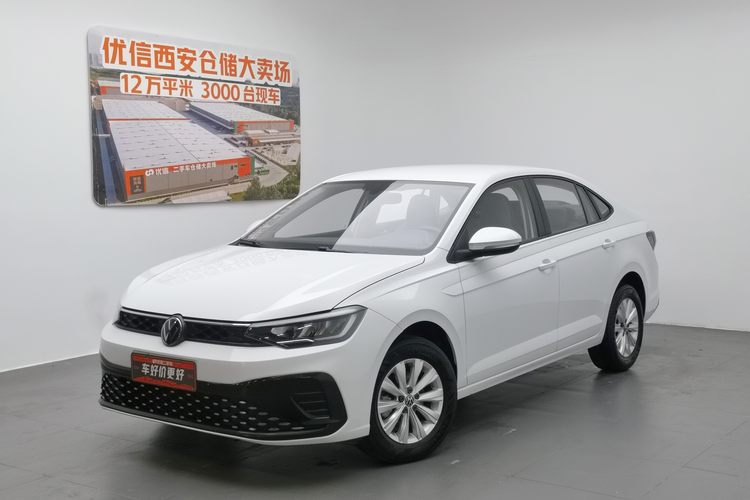
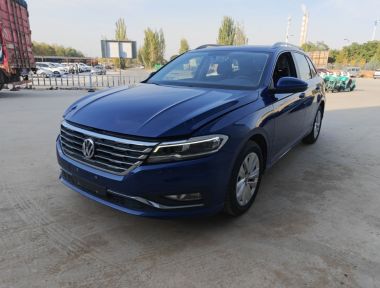
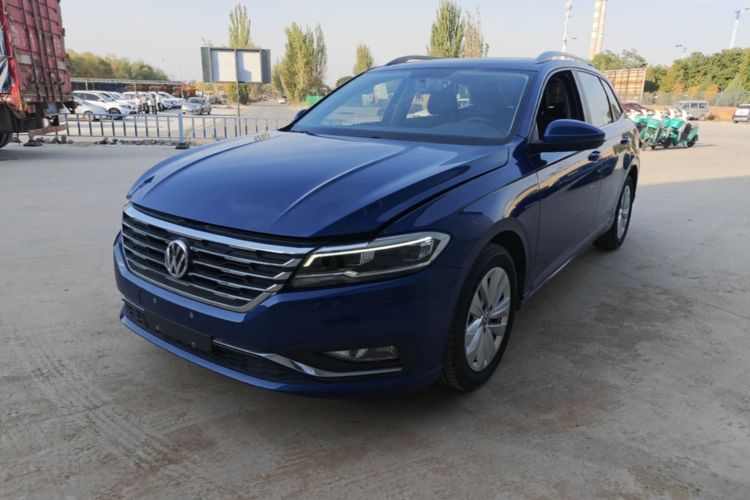
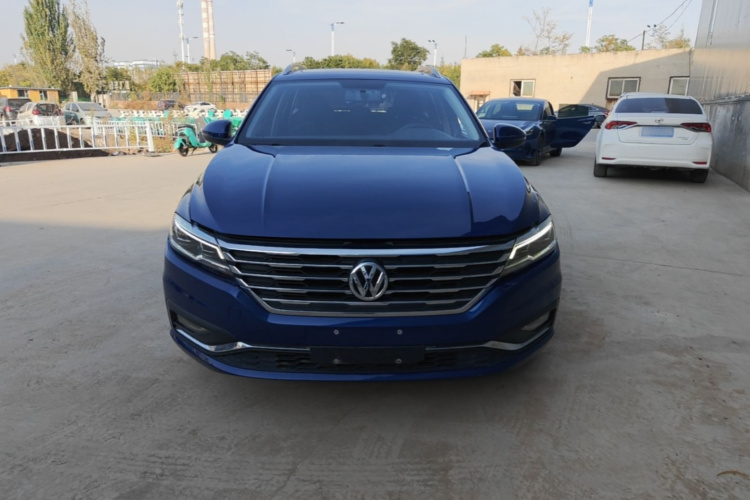
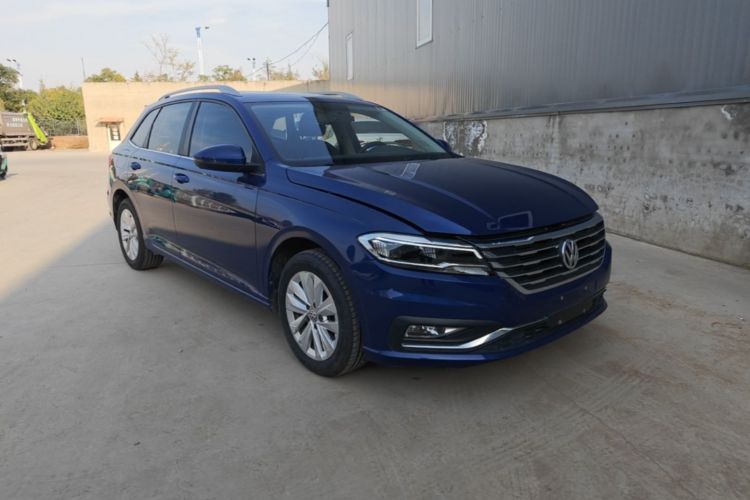
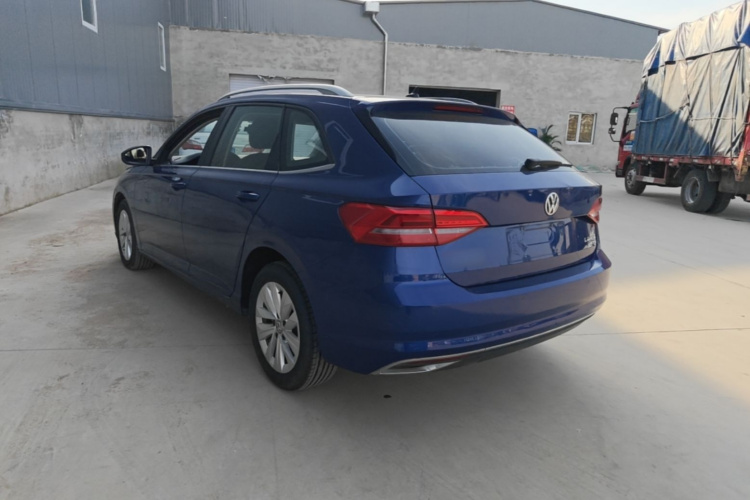
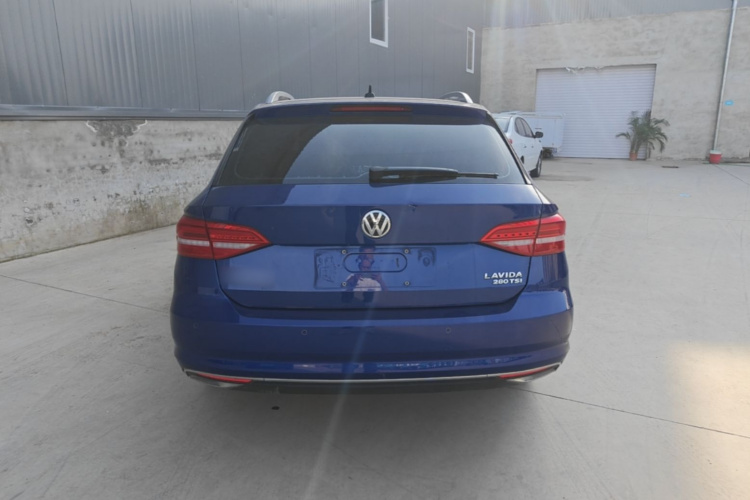
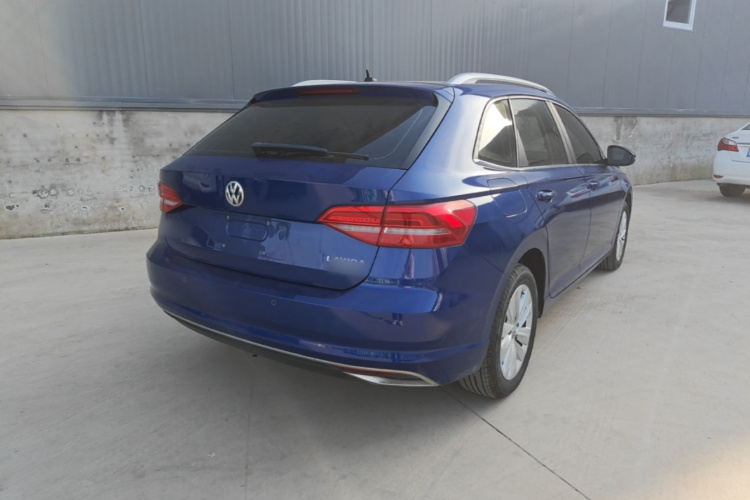
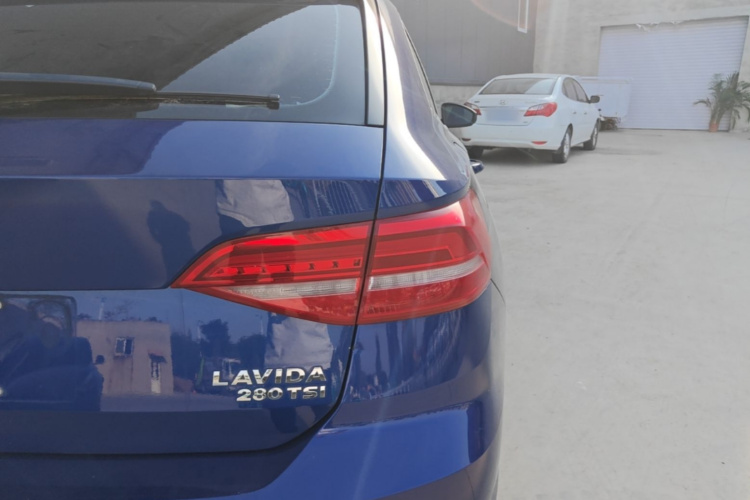
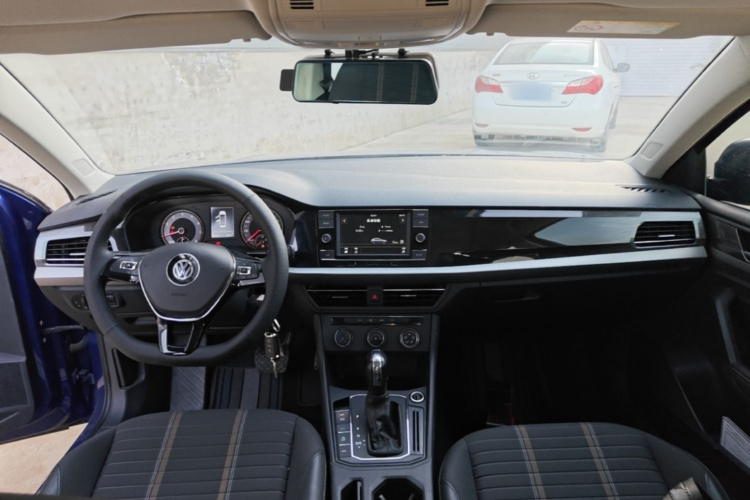
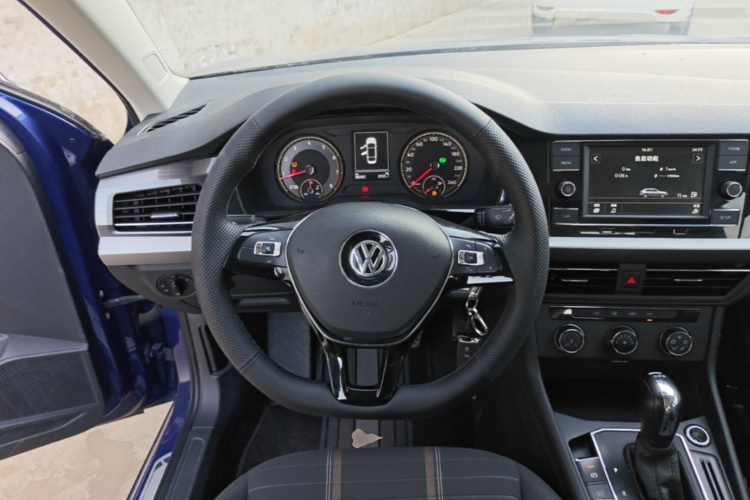
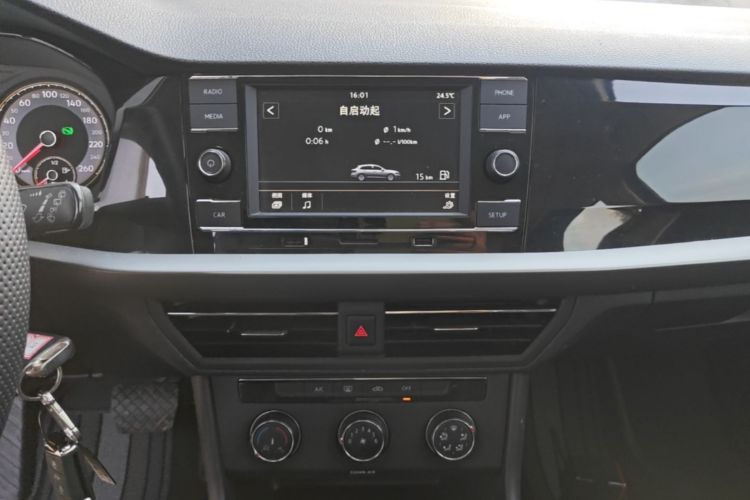
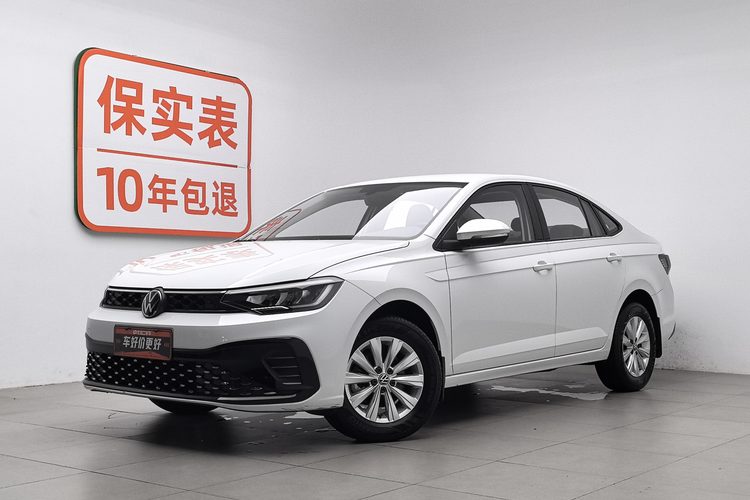
BrandVolkswagen
SeriesLavida
Year2019
First Registration2019/06
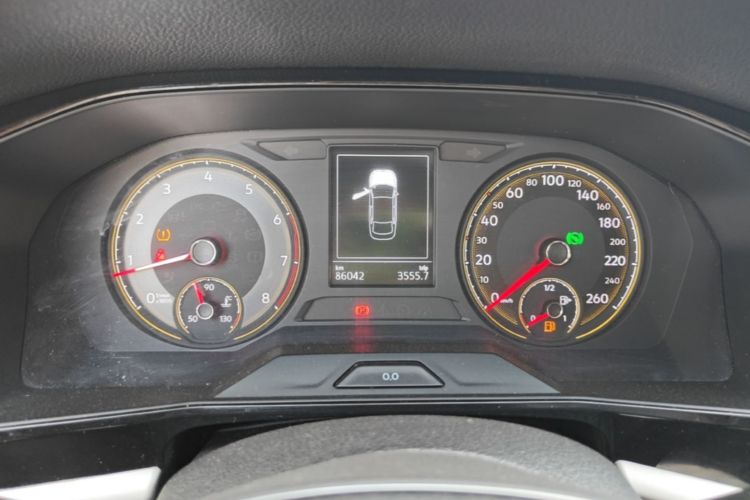
Mileage86,000km
Transfer Count1times
FuelGasoline
TransmissionDCT
Engine1.4T 150 L4
Color
Seats-

Condition Description

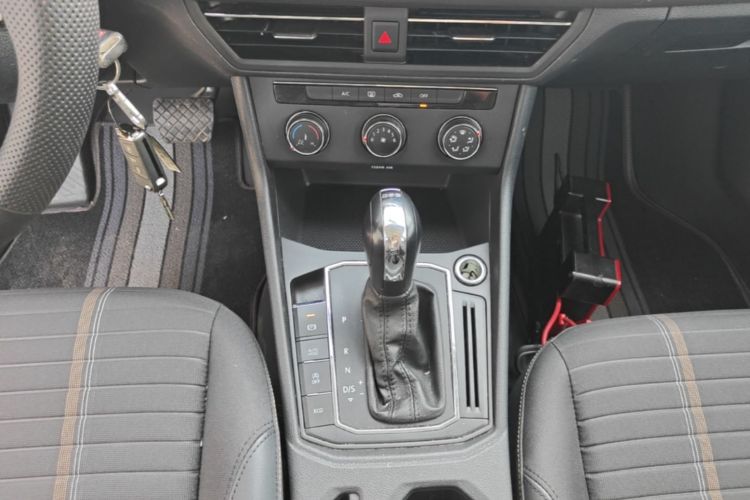
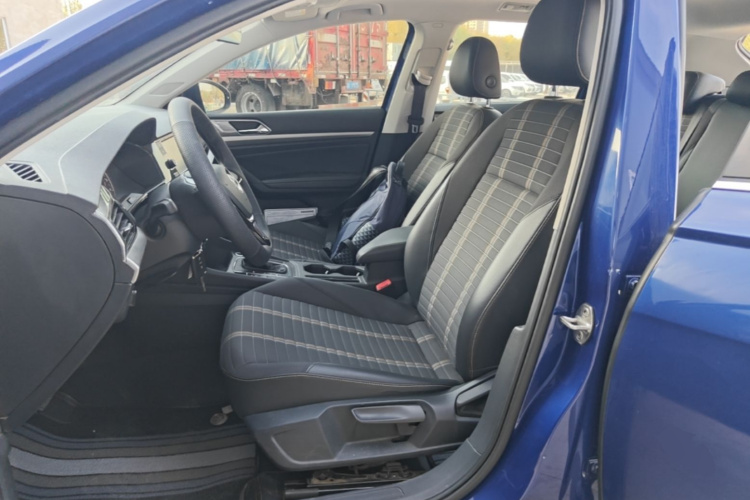
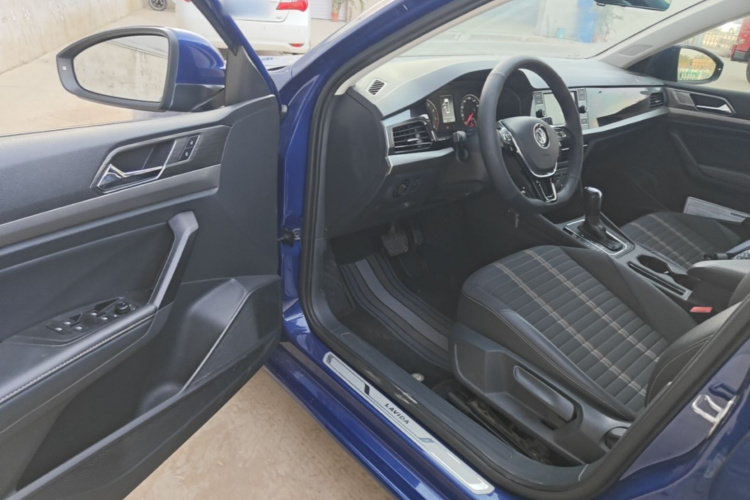
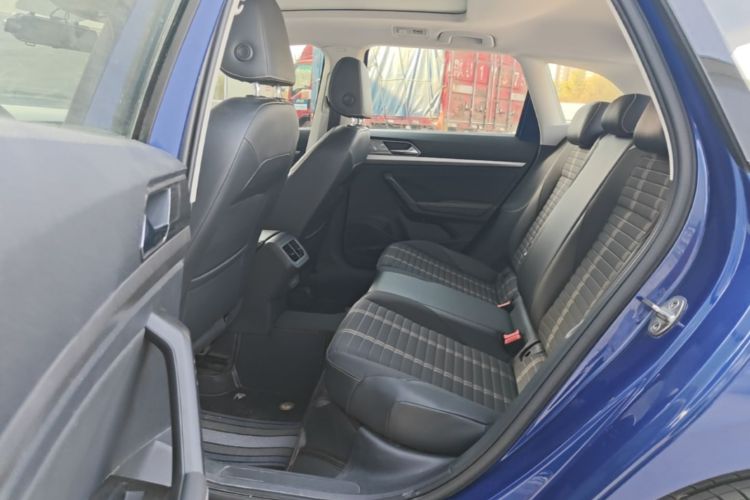
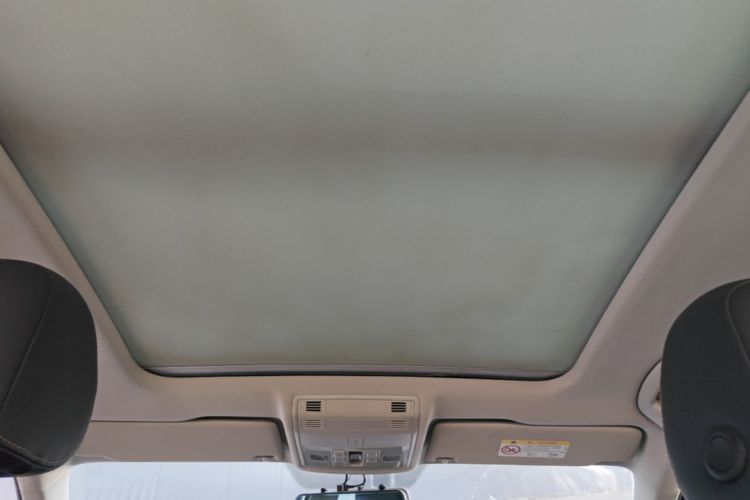
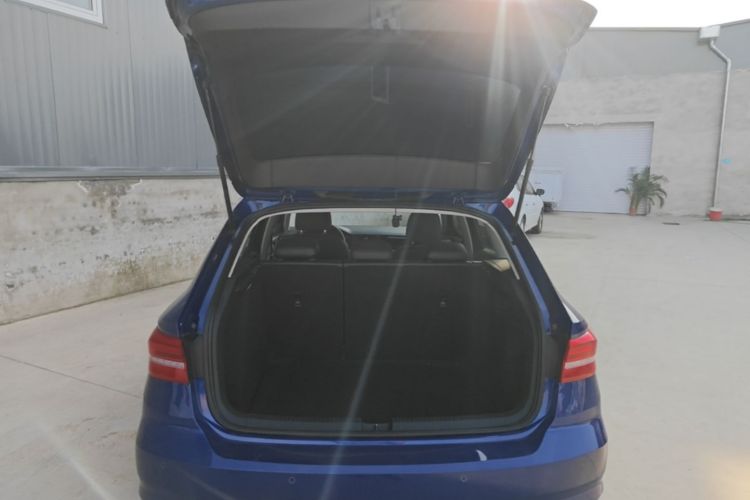
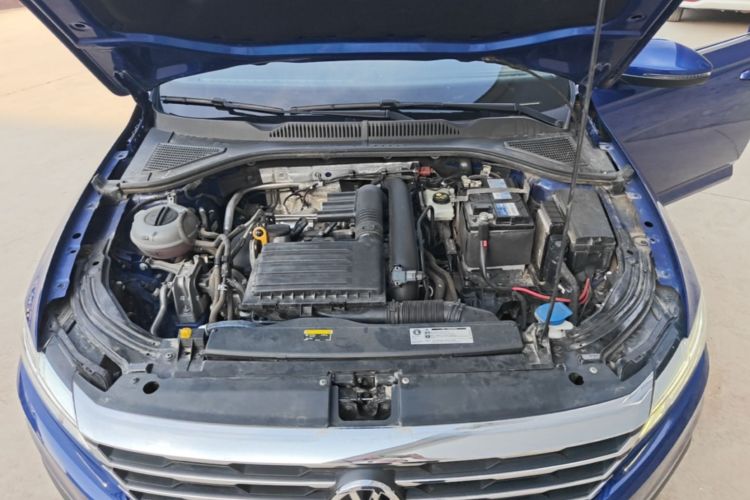
Basic condition meets standard | 4 insurance claims | 1 transfer

Q&A

More

If the previous owner modified the vehicle (like wheels or exhaust), will you keep it or restore it?

Unless the previous owner retained the original parts and provided them to us, we usually keep the existing modifications and clearly state in the report "includes non-original modifications." Since the standards for illegal modifications vary by country, buyers should assess whether these modifications can legally pass inspection in their destination country.

What is a battery SOH certificate and why does it matter when buying a used EV from China?

SOH (State of Health) measures the battery's remaining capacity as a percentage of its original capacity. Two EVs with the same mileage can have very different SOH depending on charging habits and climate exposure, and since the battery represents 30-50% of a used EV's value, the SOH number is effectively the real price tag. A proper certificate includes current SOH percentage, cell voltage balance, charge cycle counts, battery management system fault codes, and often a projected range estimate. In hot-climate markets like the Gulf, a degraded battery degrades even faster, so a documented SOH above 85-90% is strongly recommended. Exporters who provide verified SOH certificates close deals faster and command better prices, so treat the certificate as a core purchase document, not an extra.

If a car frequently transfers between extremely cold areas (like Northeast China) and extremely hot areas (like Hainan), would you provide special risk warnings?

Absolutely. The extreme temperature fluctuations will significantly accelerate the aging of chassis rubber parts, oil seals, and interior plastics. For vehicles frequently dispatched across such latitudes, we will conduct fatigue resistance checks on chassis rubber parts that are twice as stringent as those for vehicles in temperate regions.