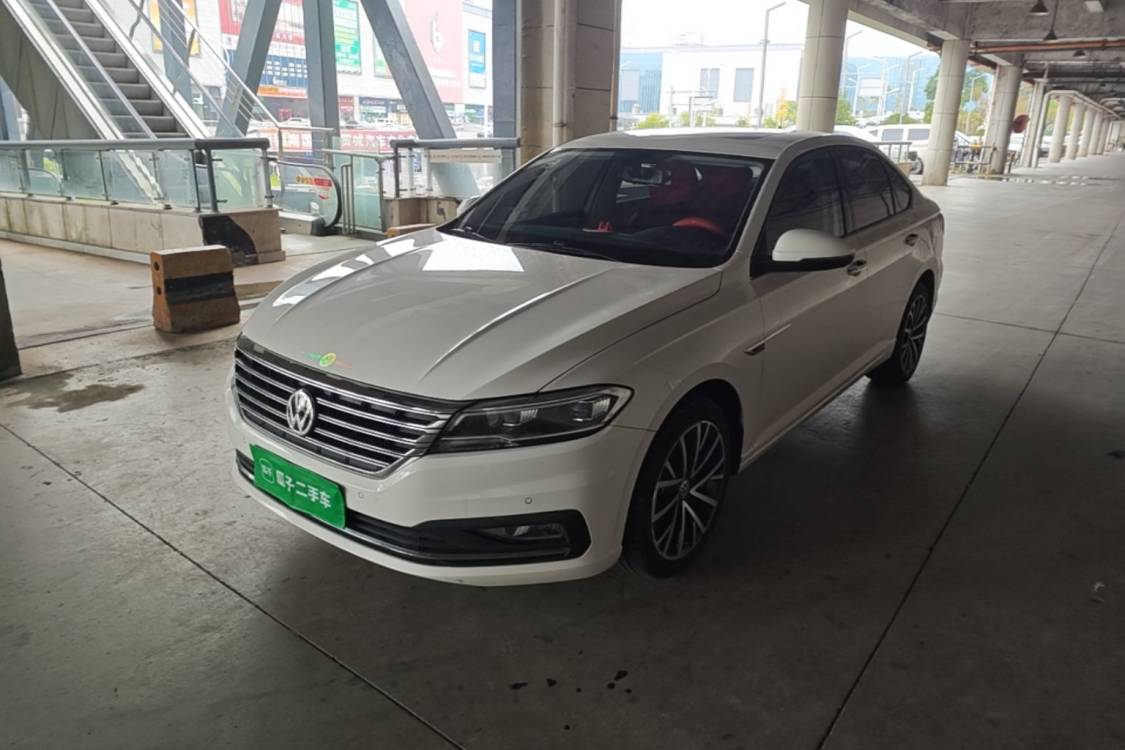
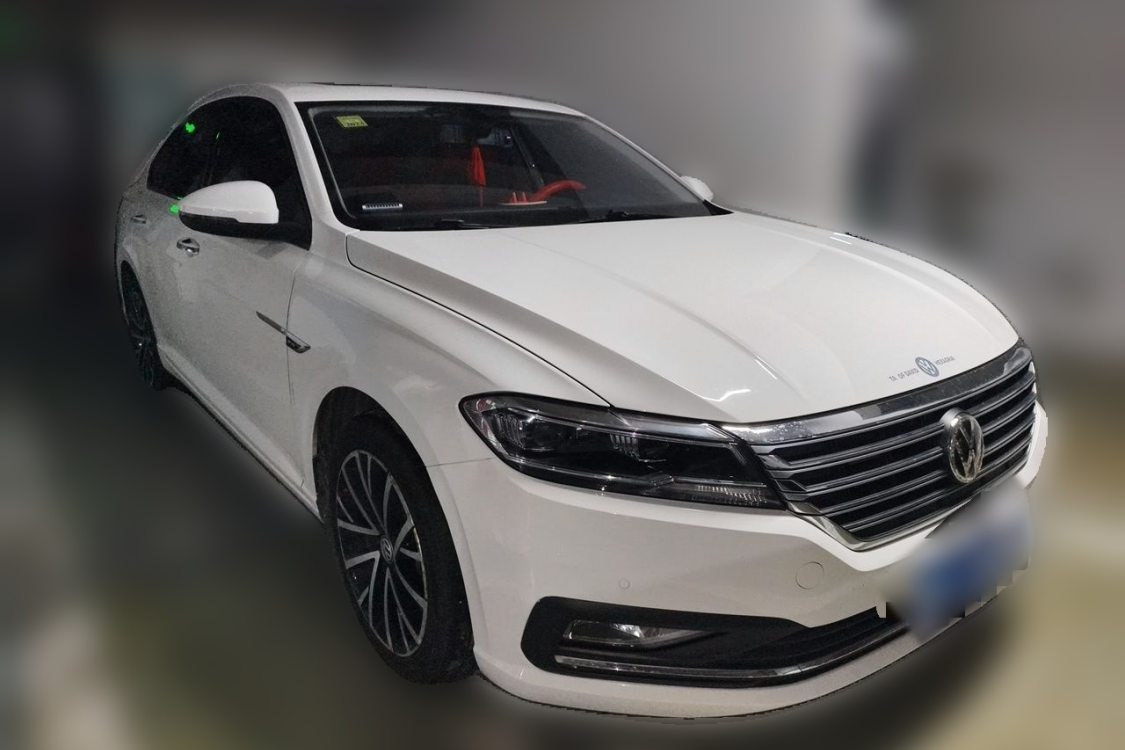
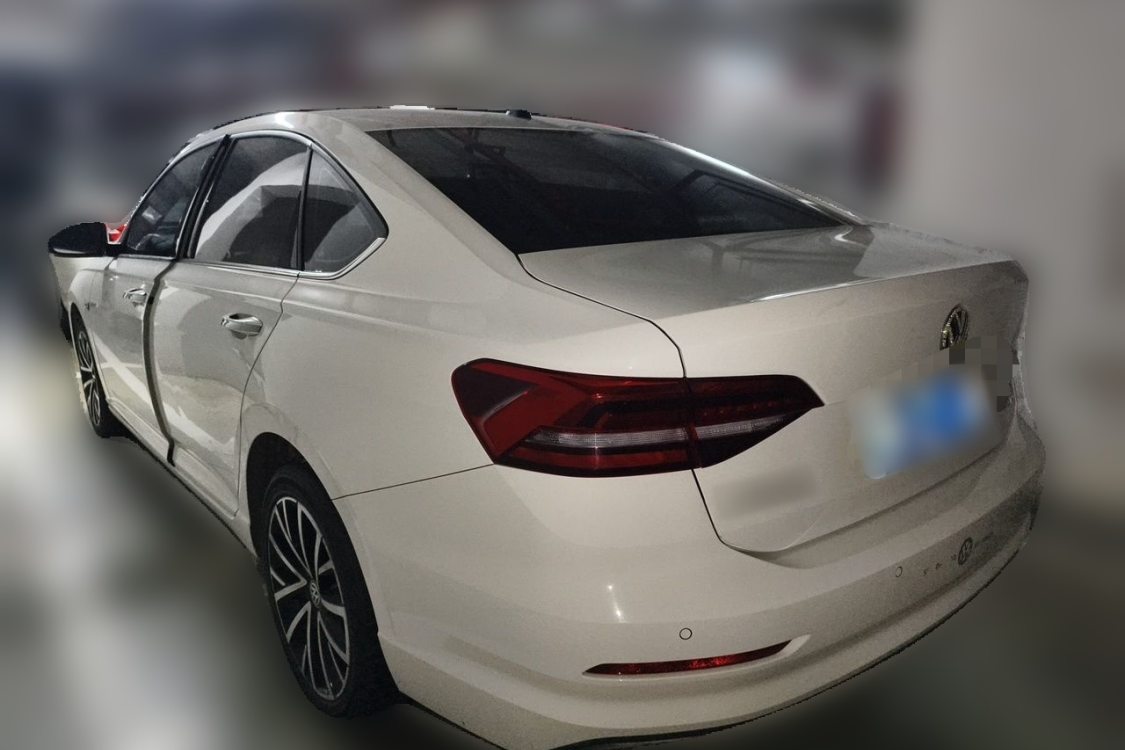
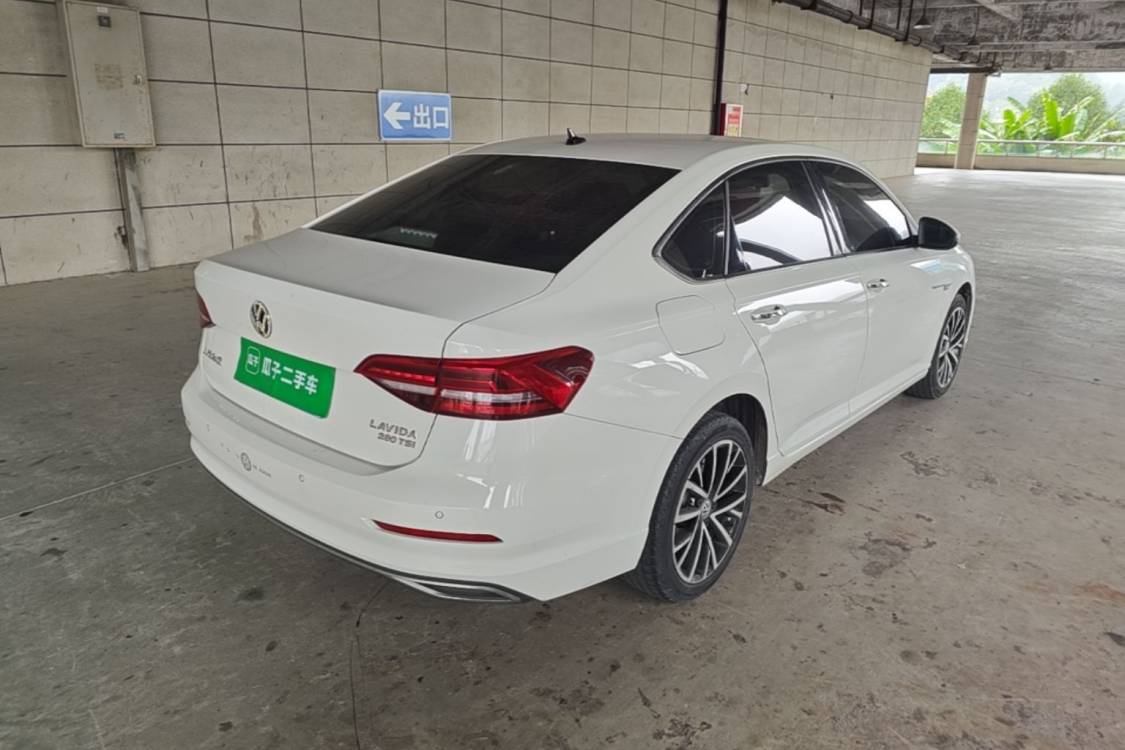
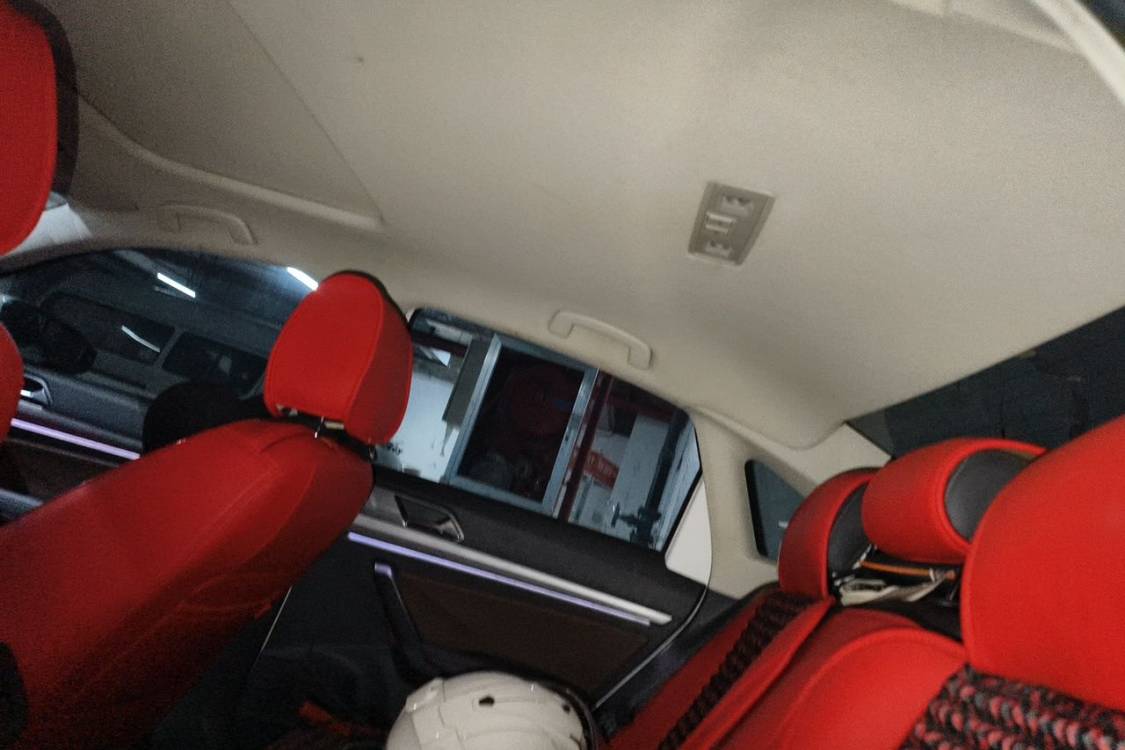
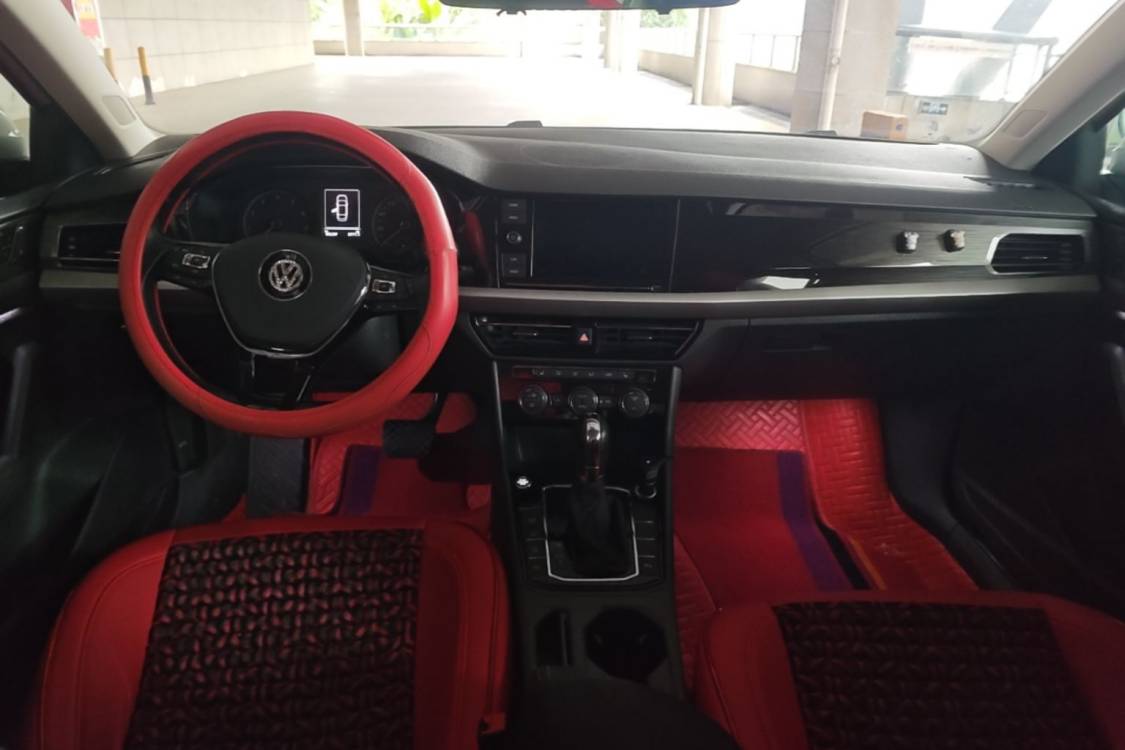
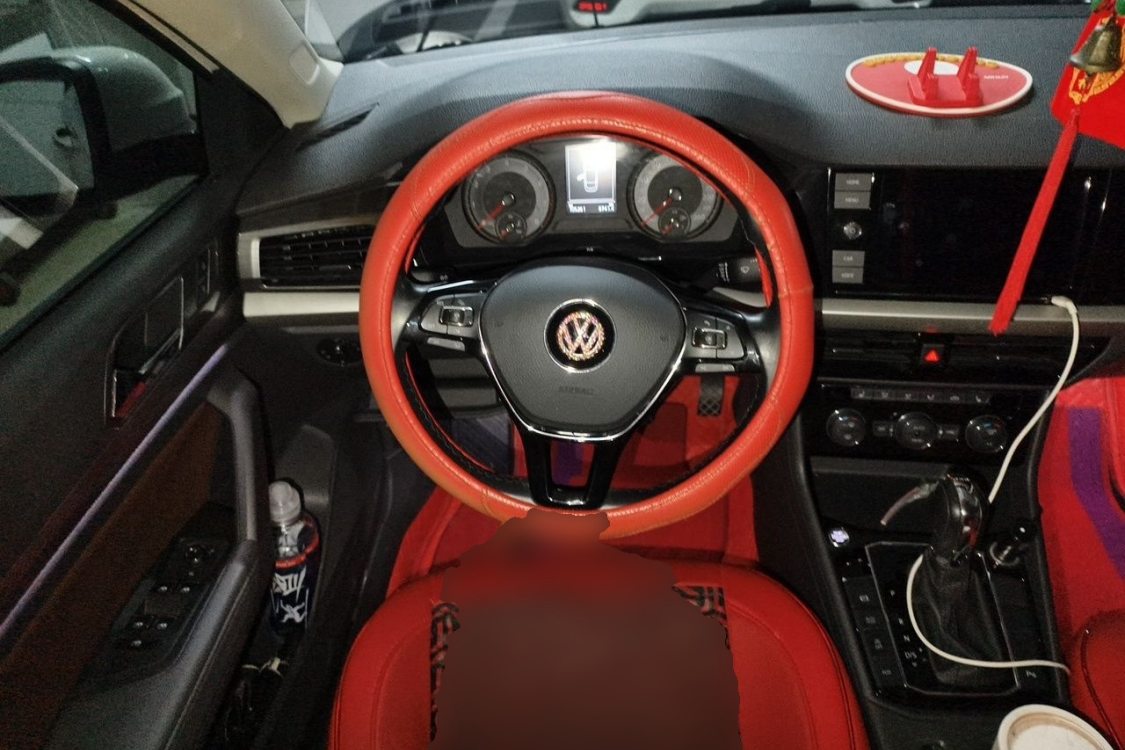
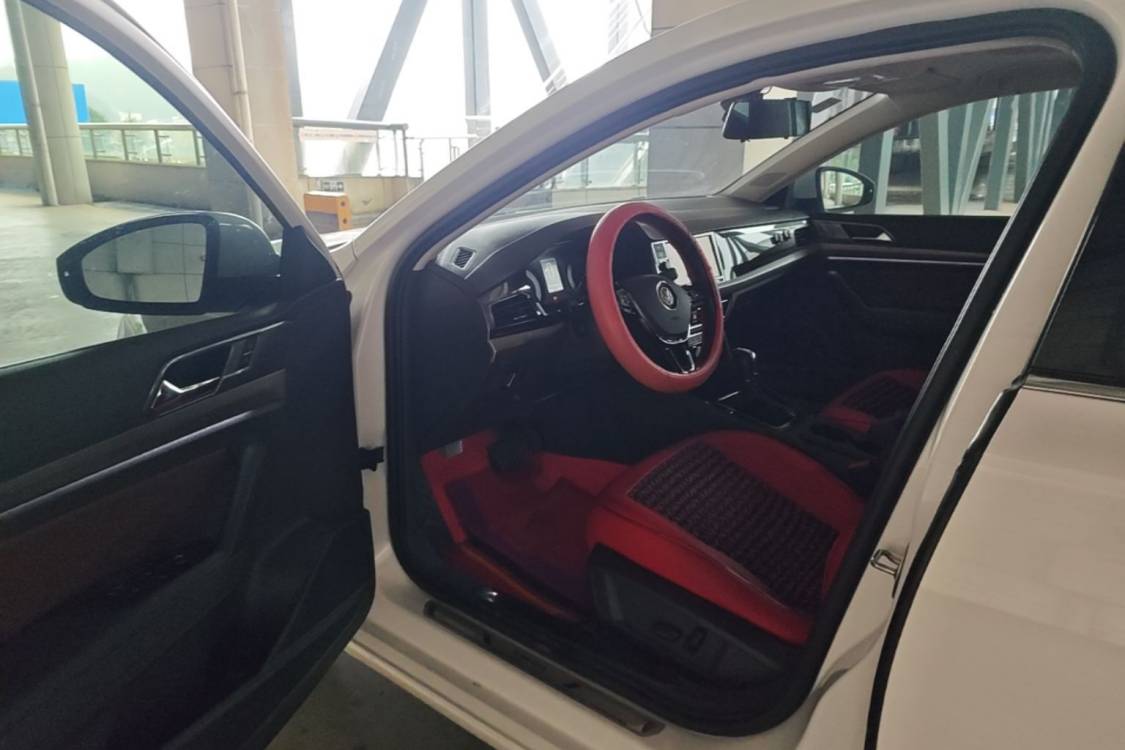



Basic Information

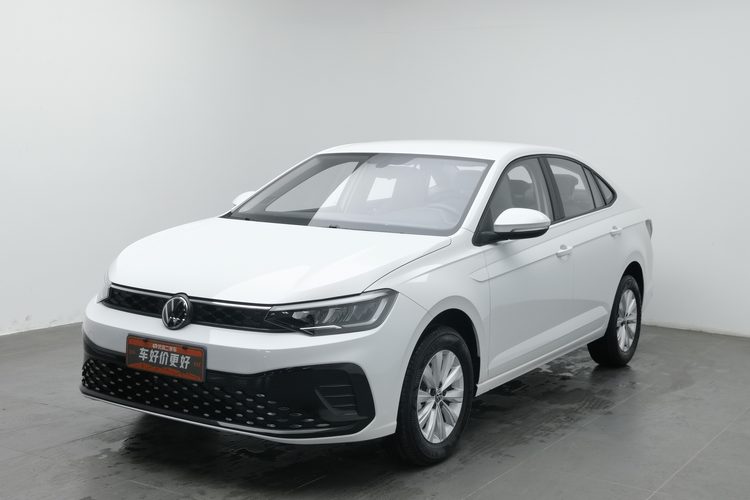
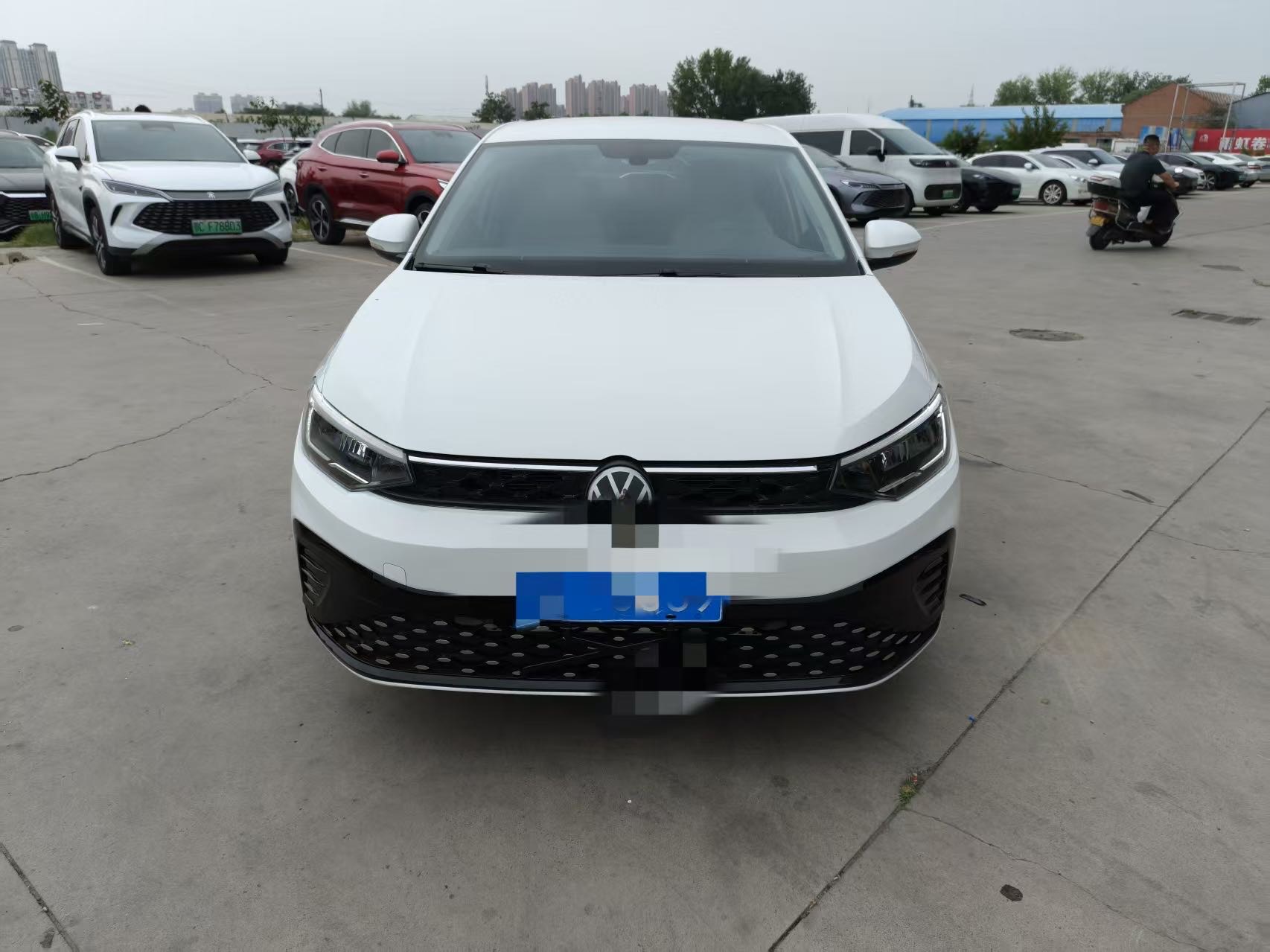
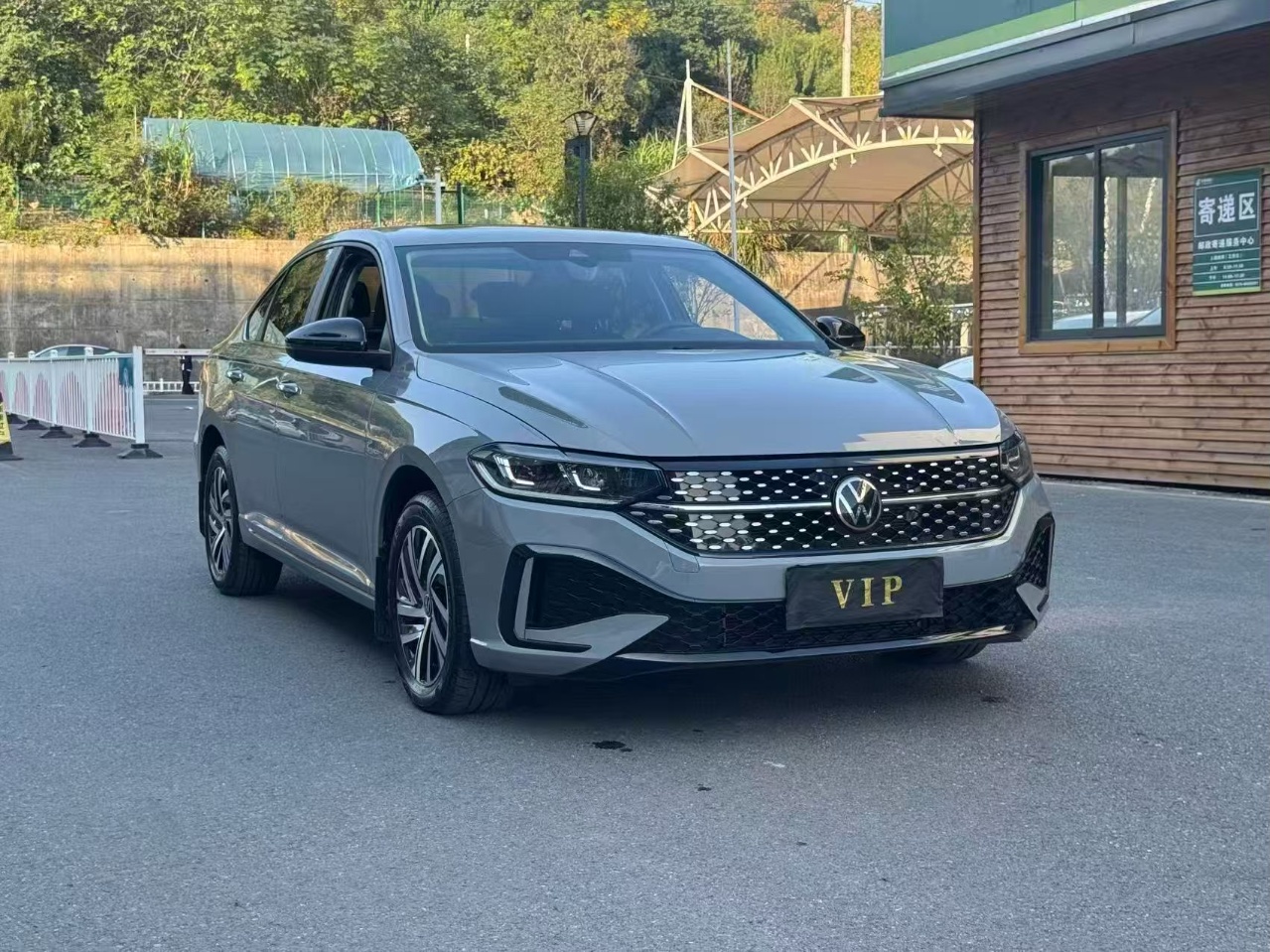
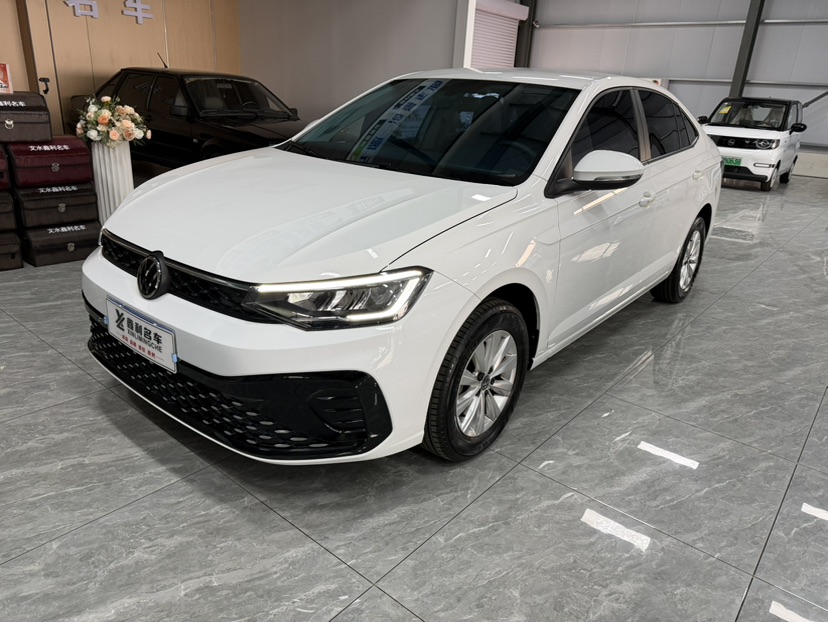
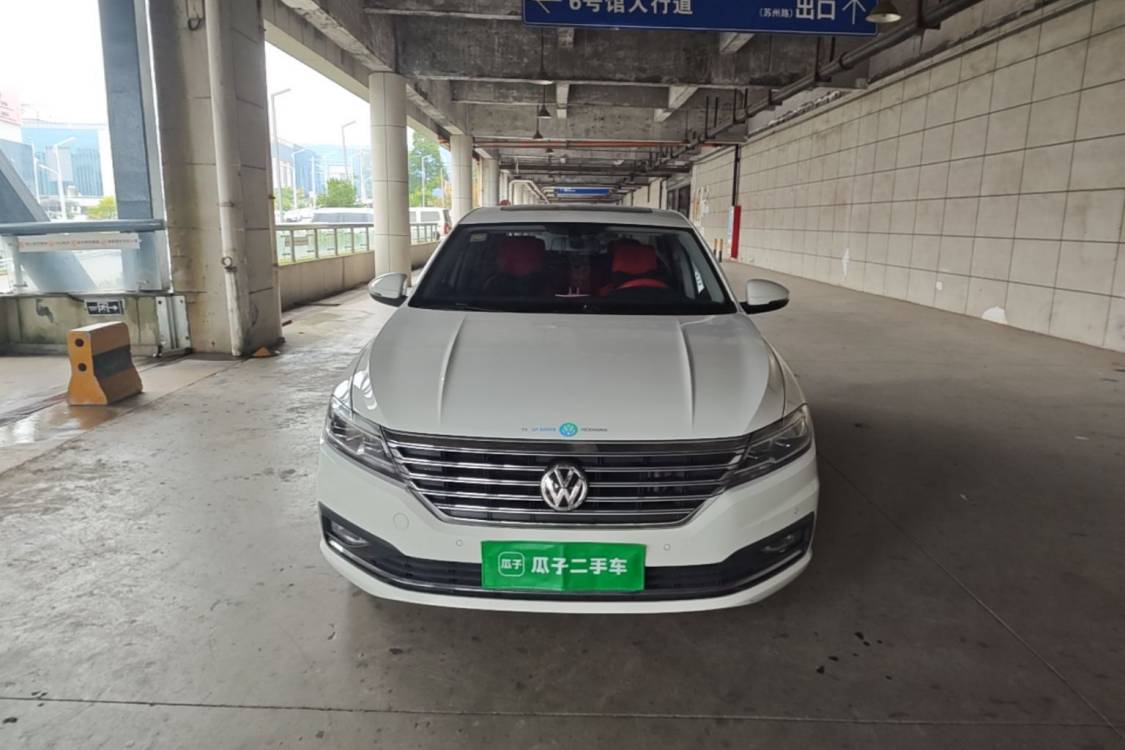
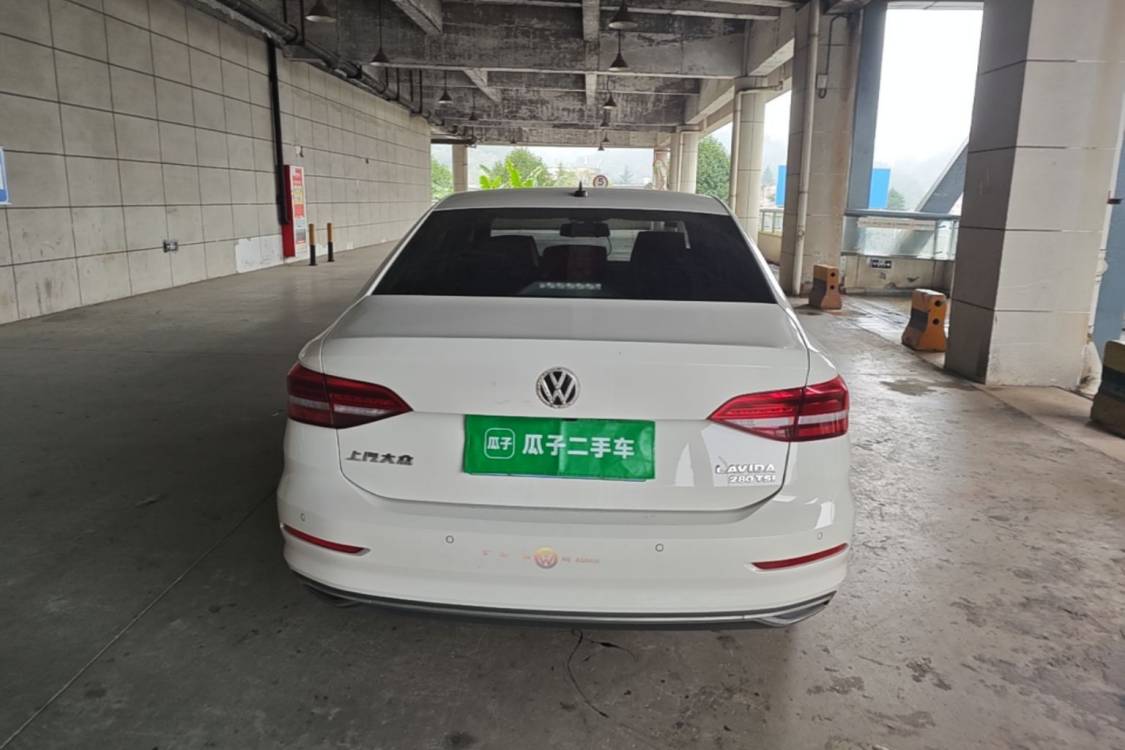
BrandVolkswagen
SeriesLavida
Year2019
First Registration2019/08
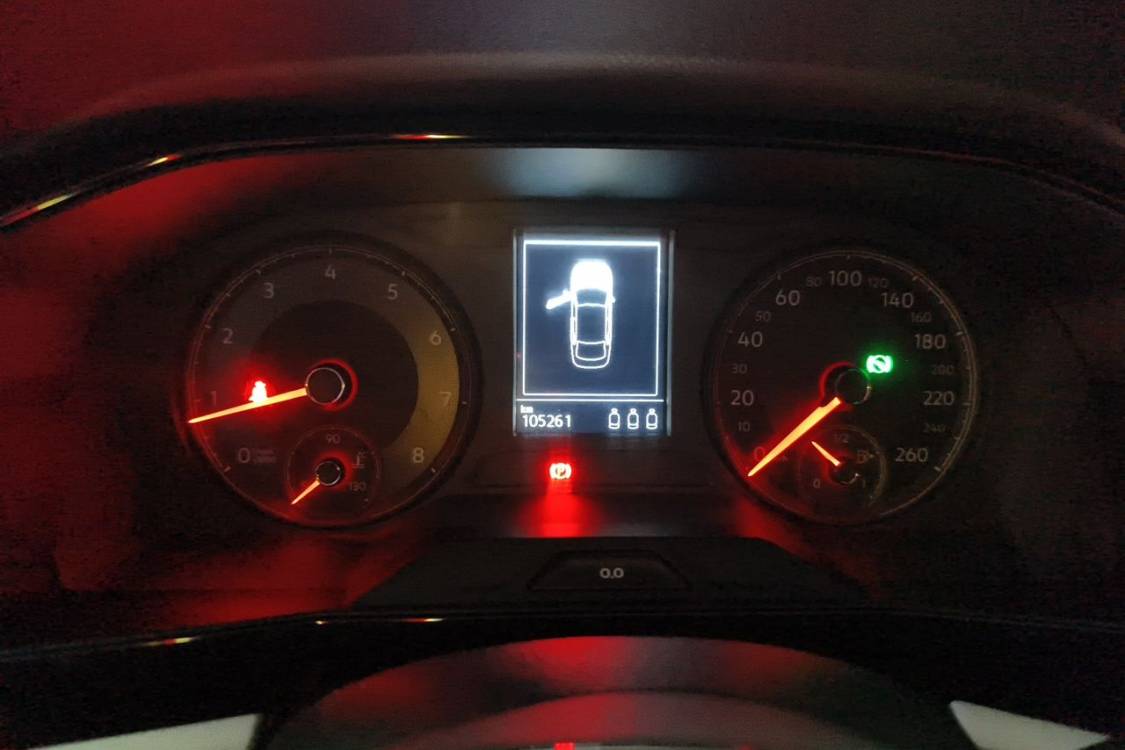
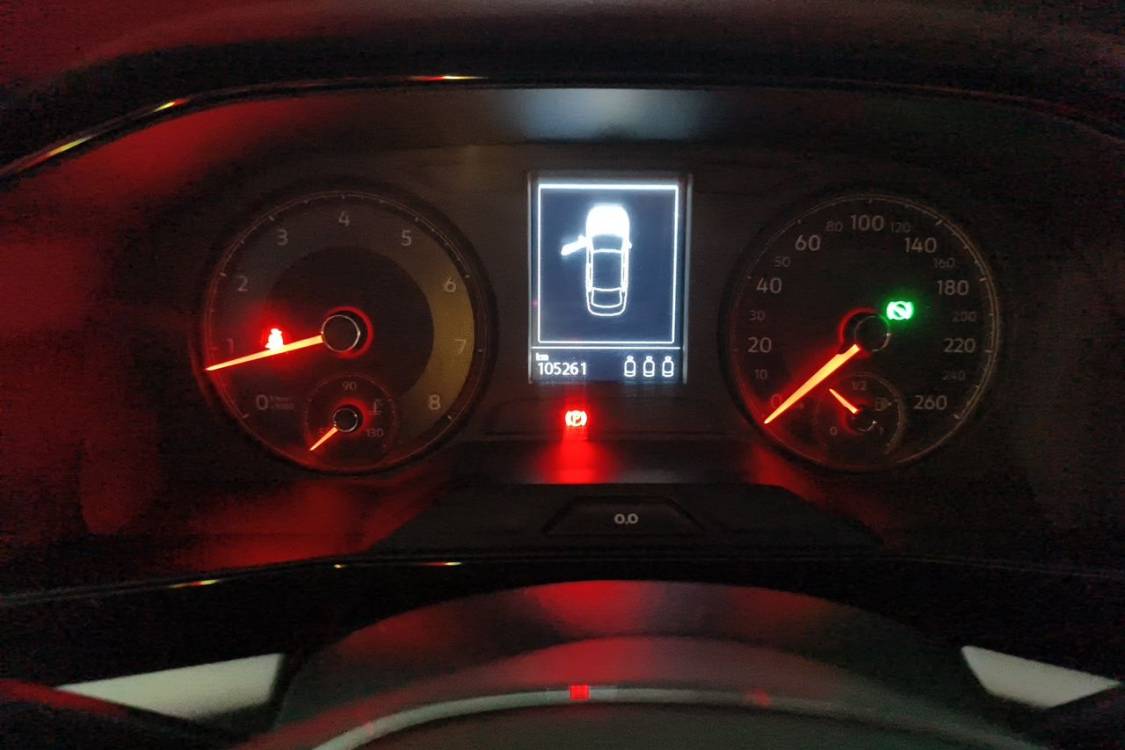
Mileage105,300km
Transfer Count-
FuelGasoline
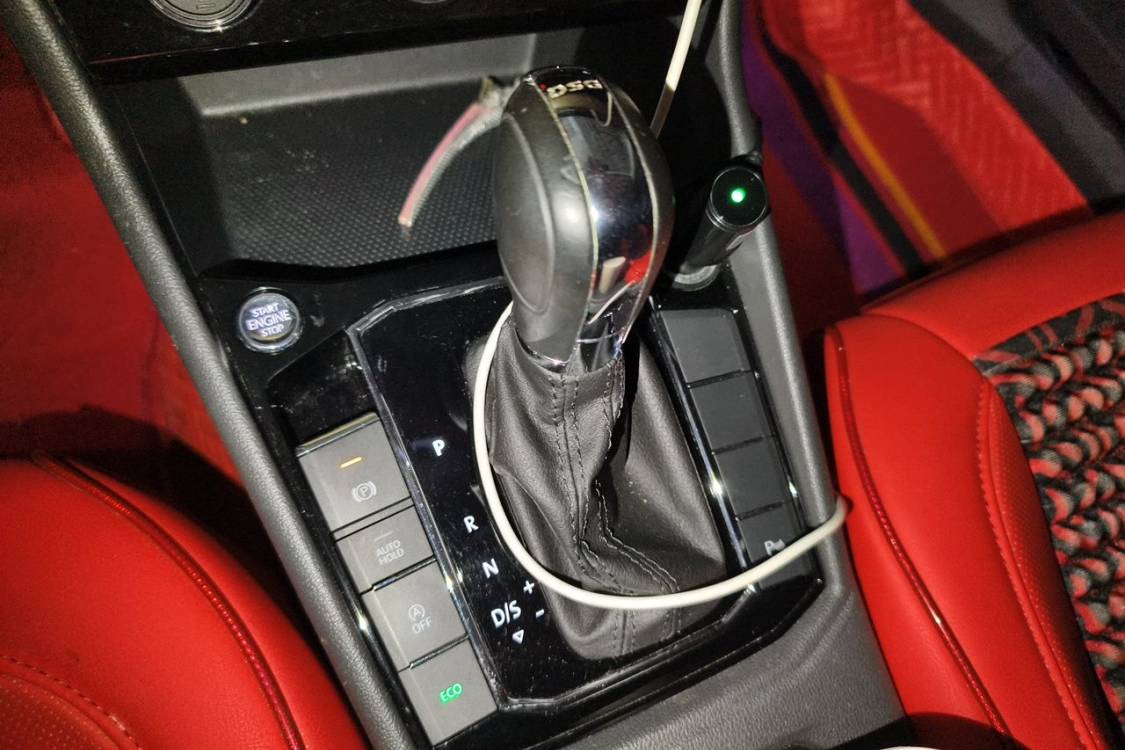
TransmissionDCT
Engine1.4T 150 L4
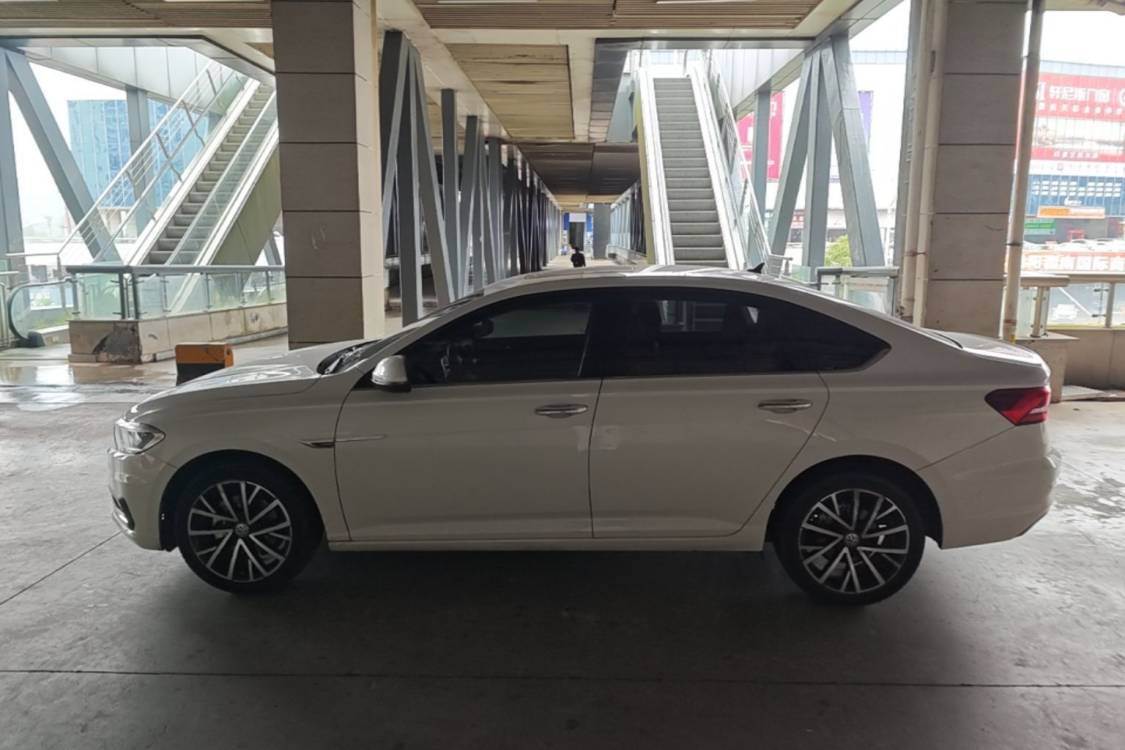
ColorWhite
Seats-

Condition Description

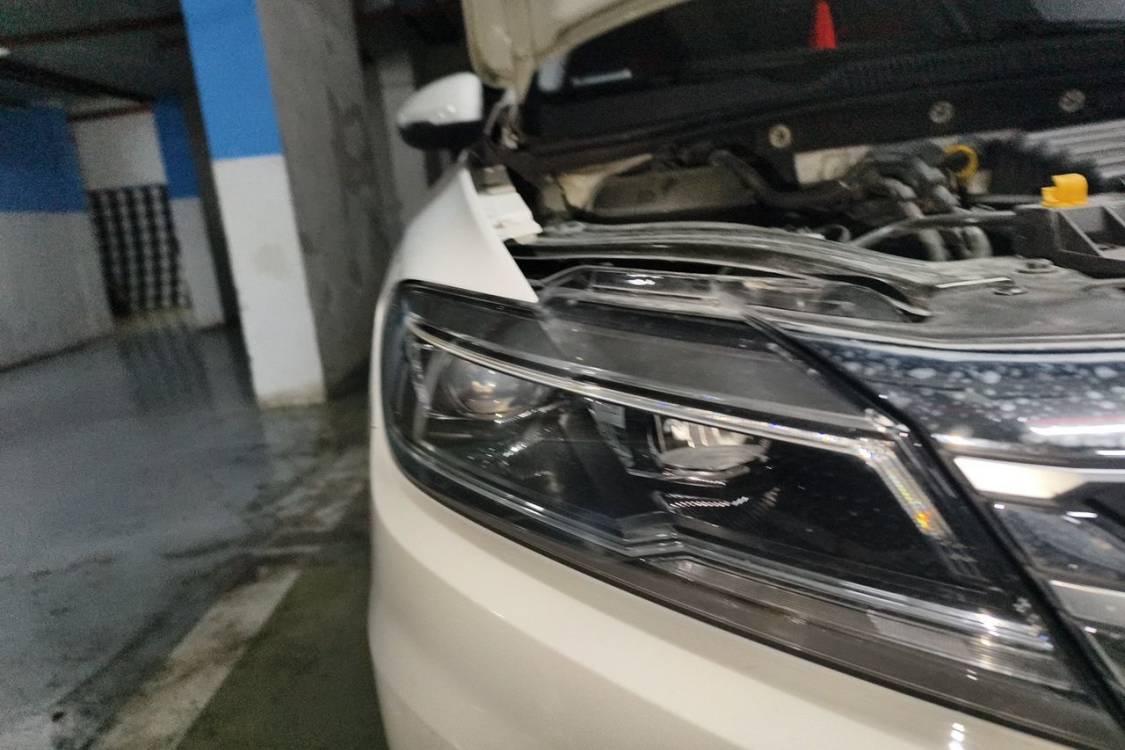
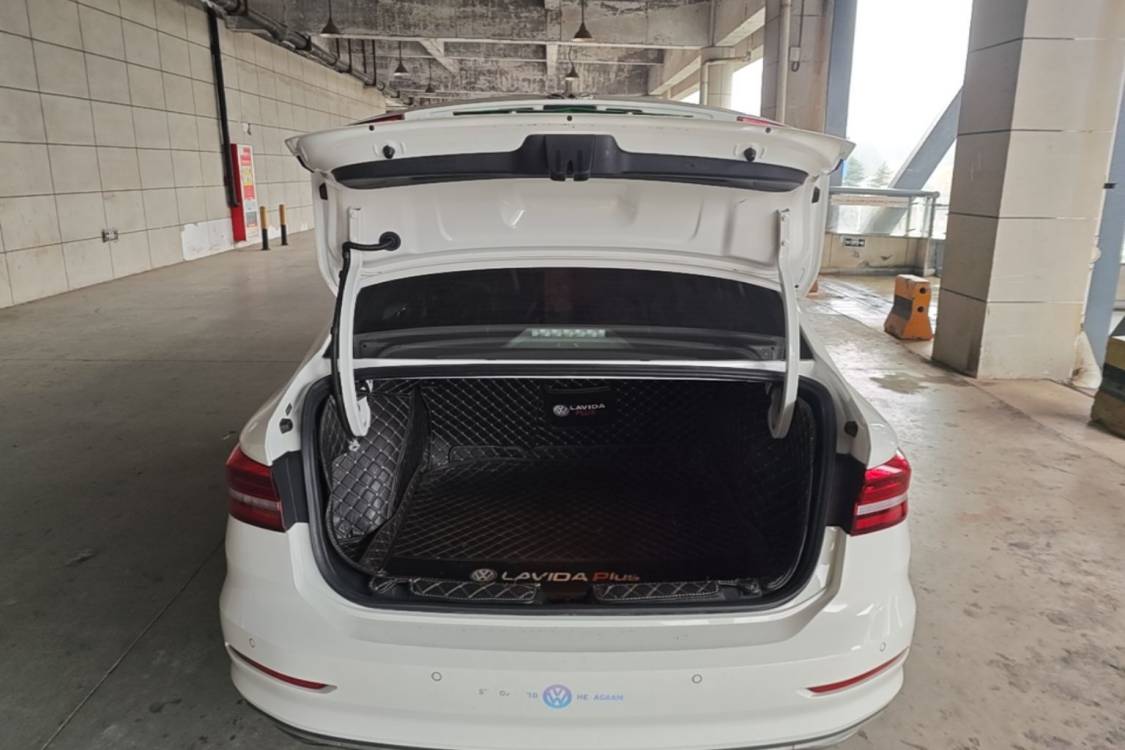
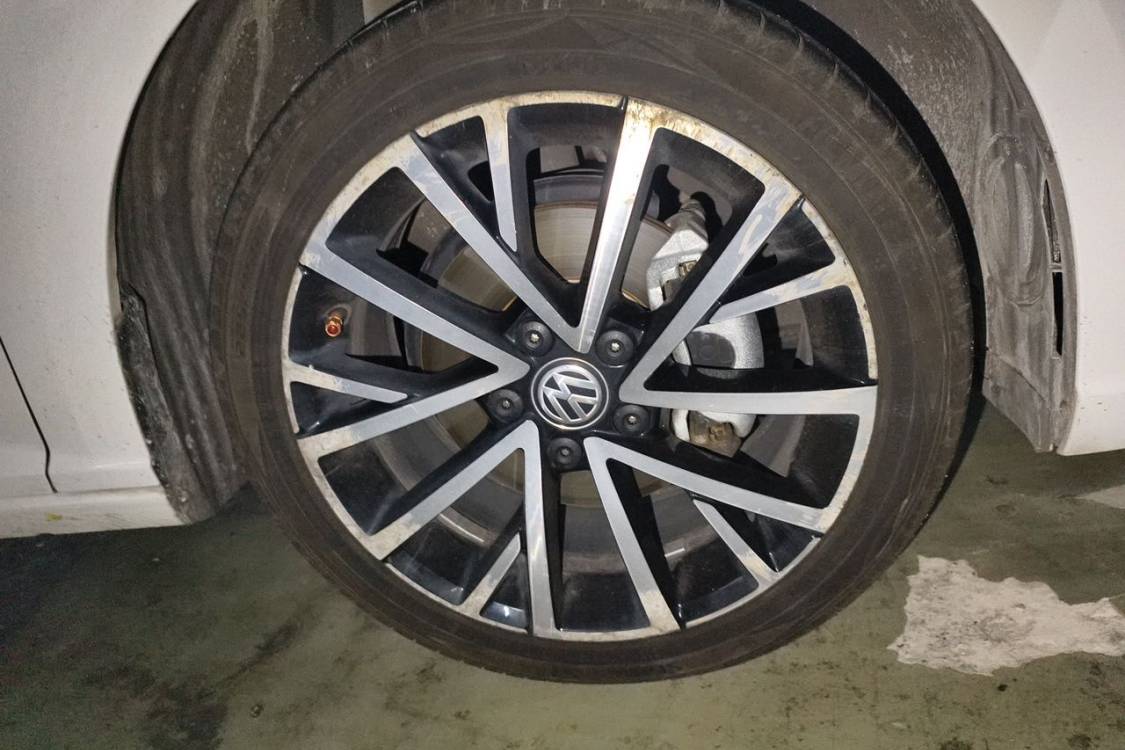
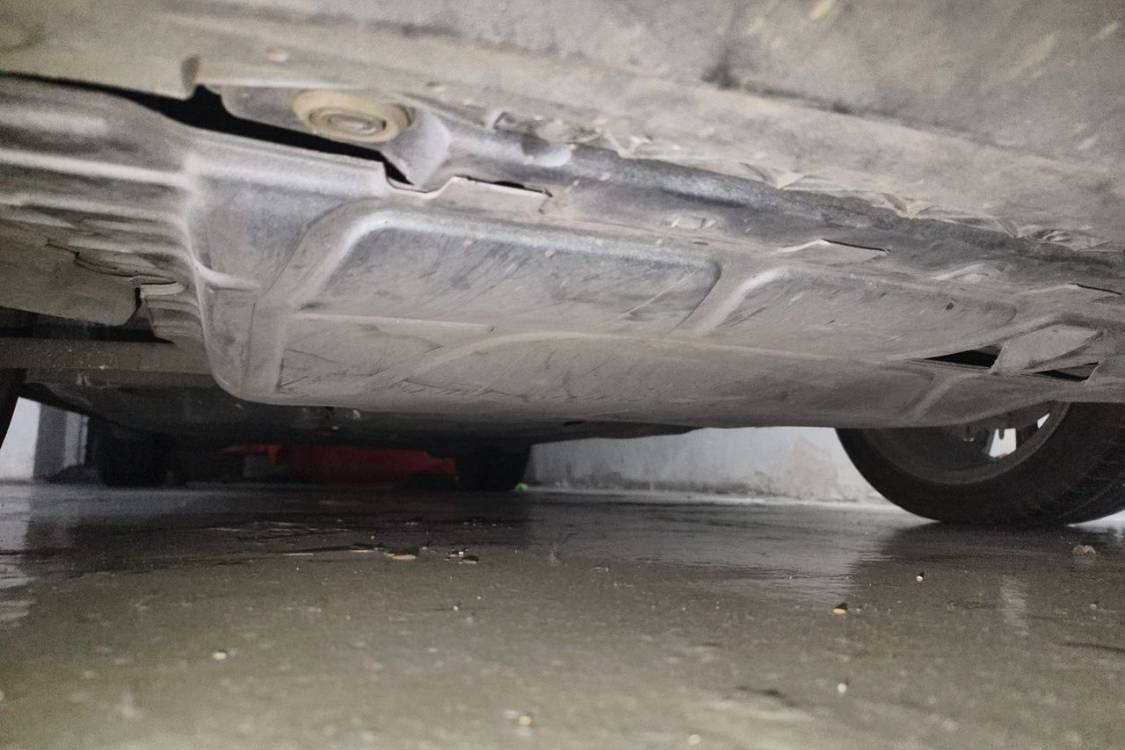
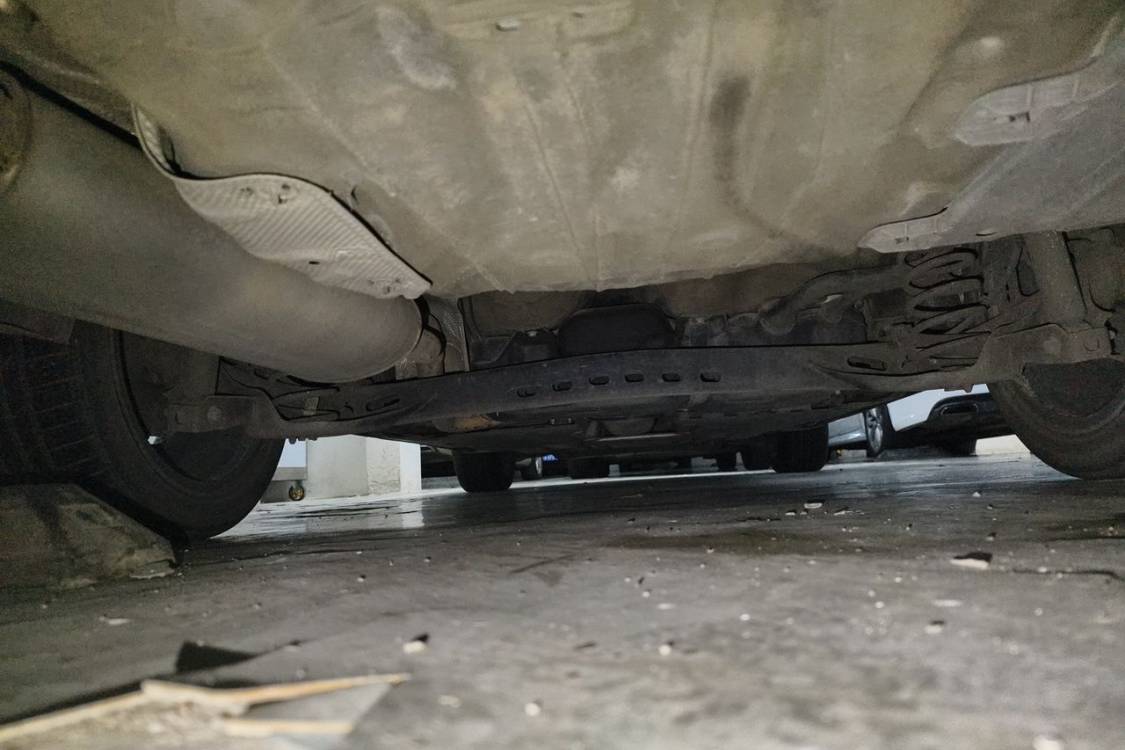
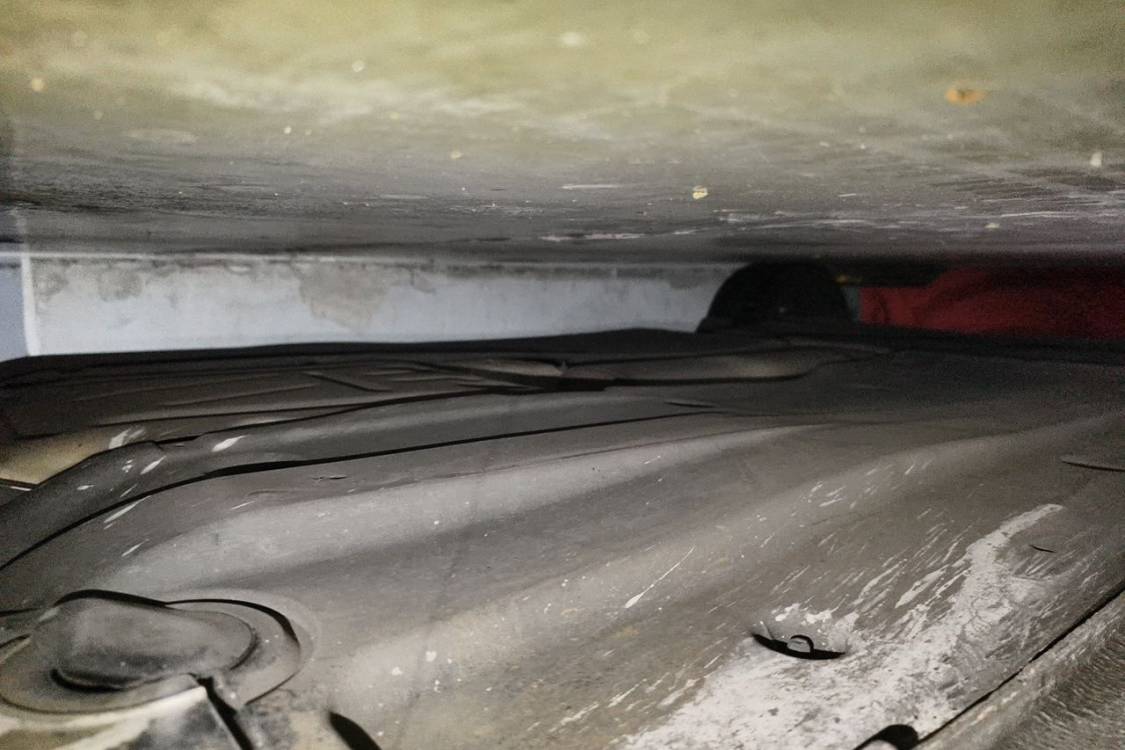
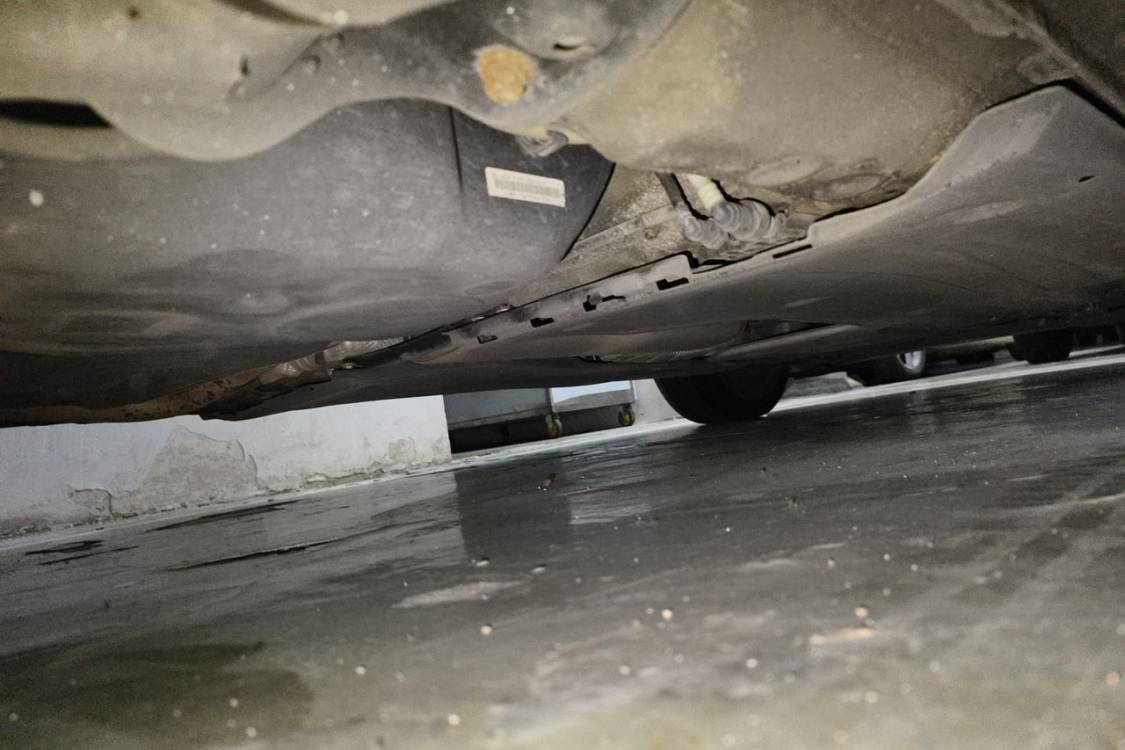
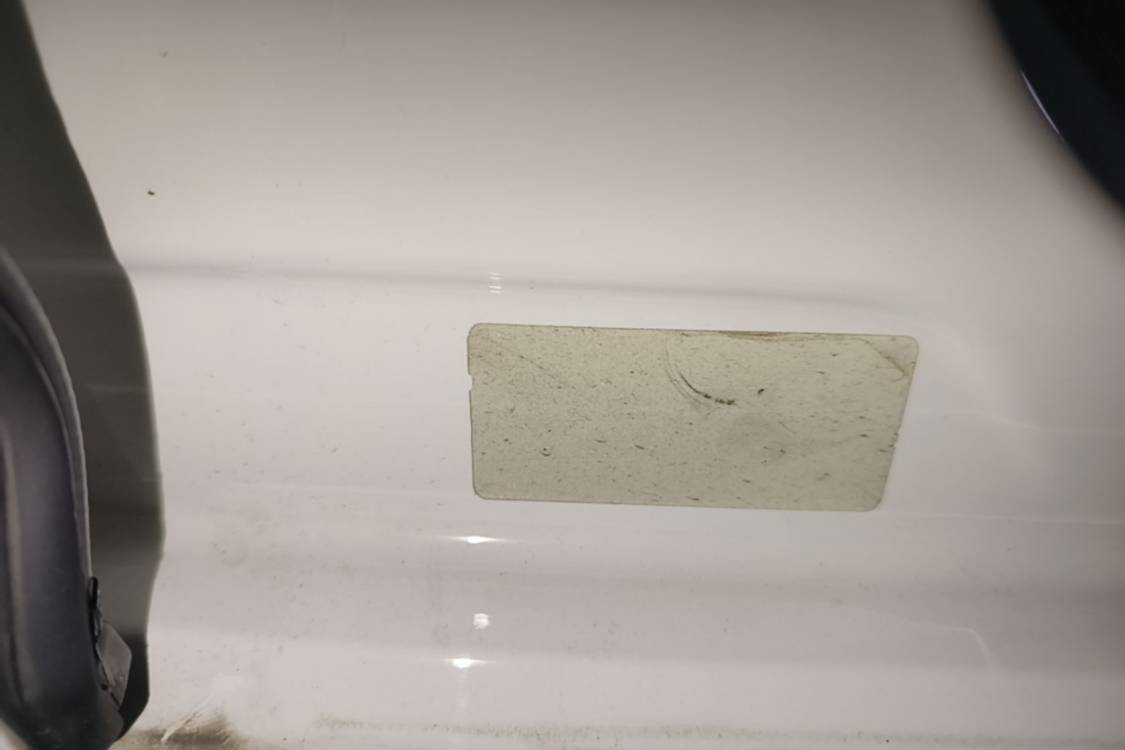
Localized body damage or repair marks present. No accident damage or repairs to structural or reinforcement components. Vehicle performance (including three-electric system) has degradation or performance limitations.

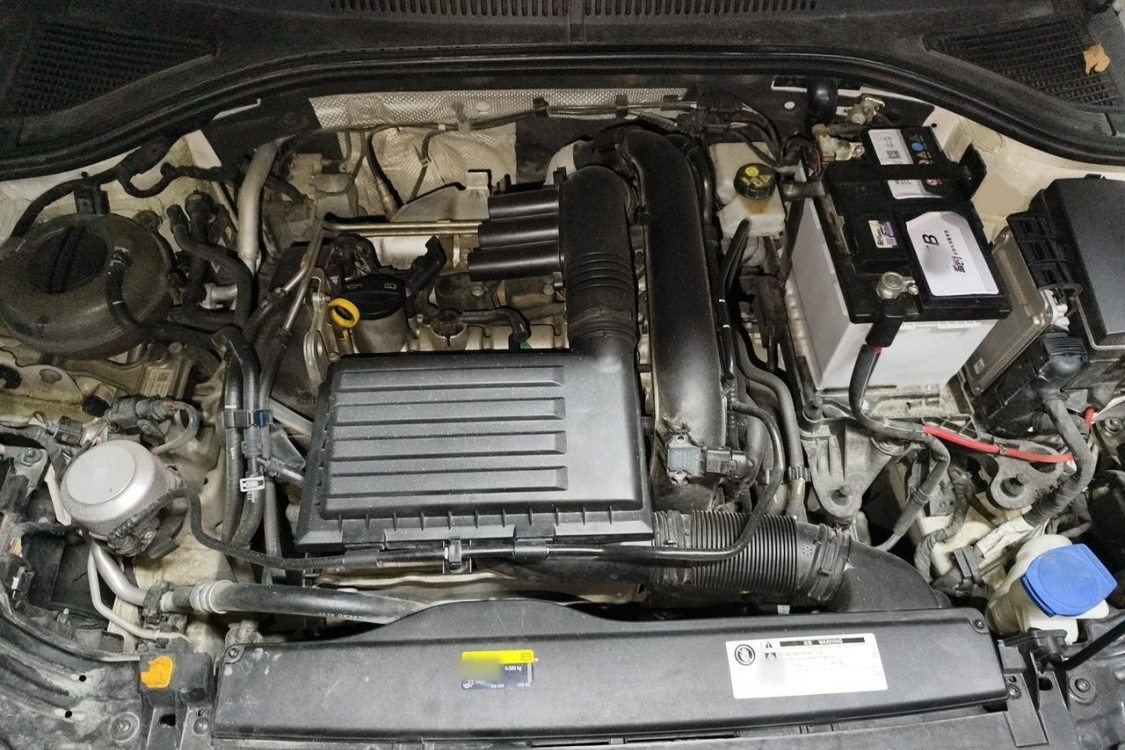
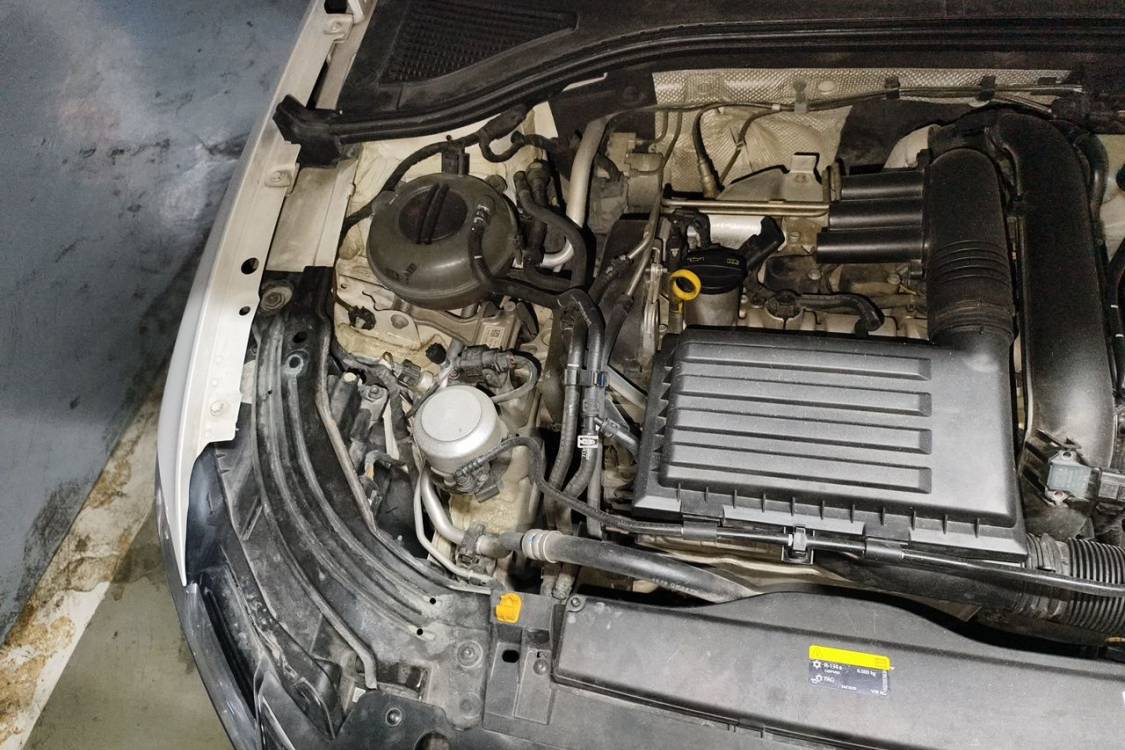
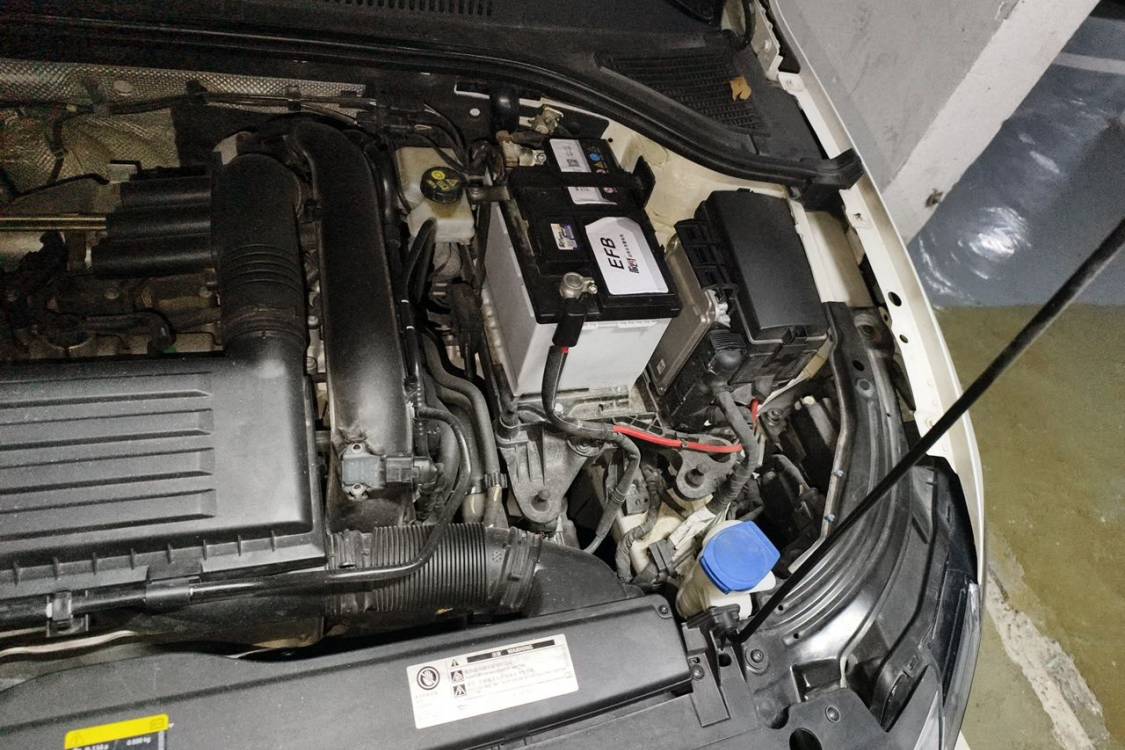
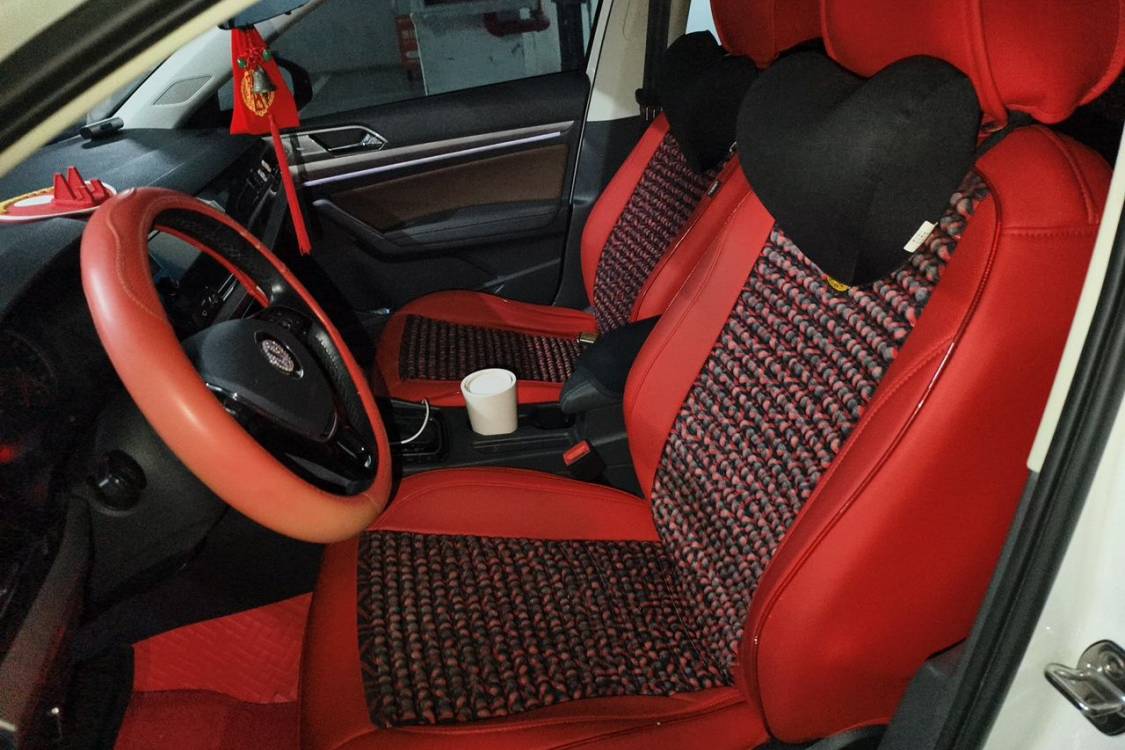
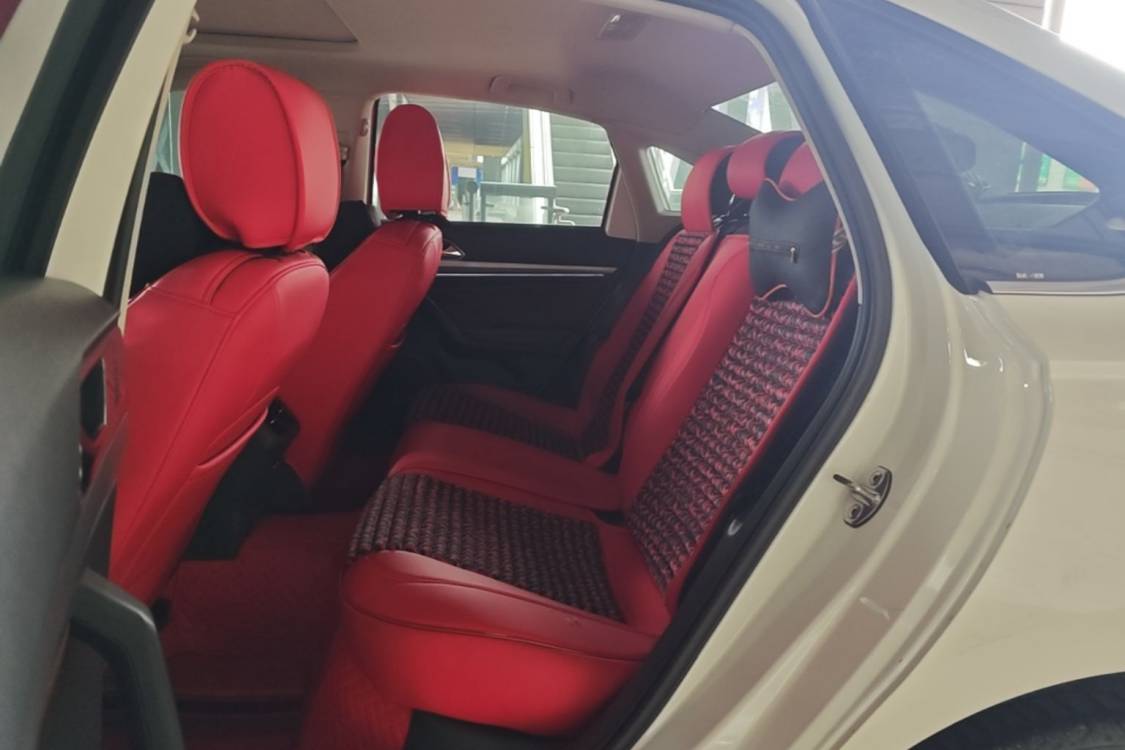
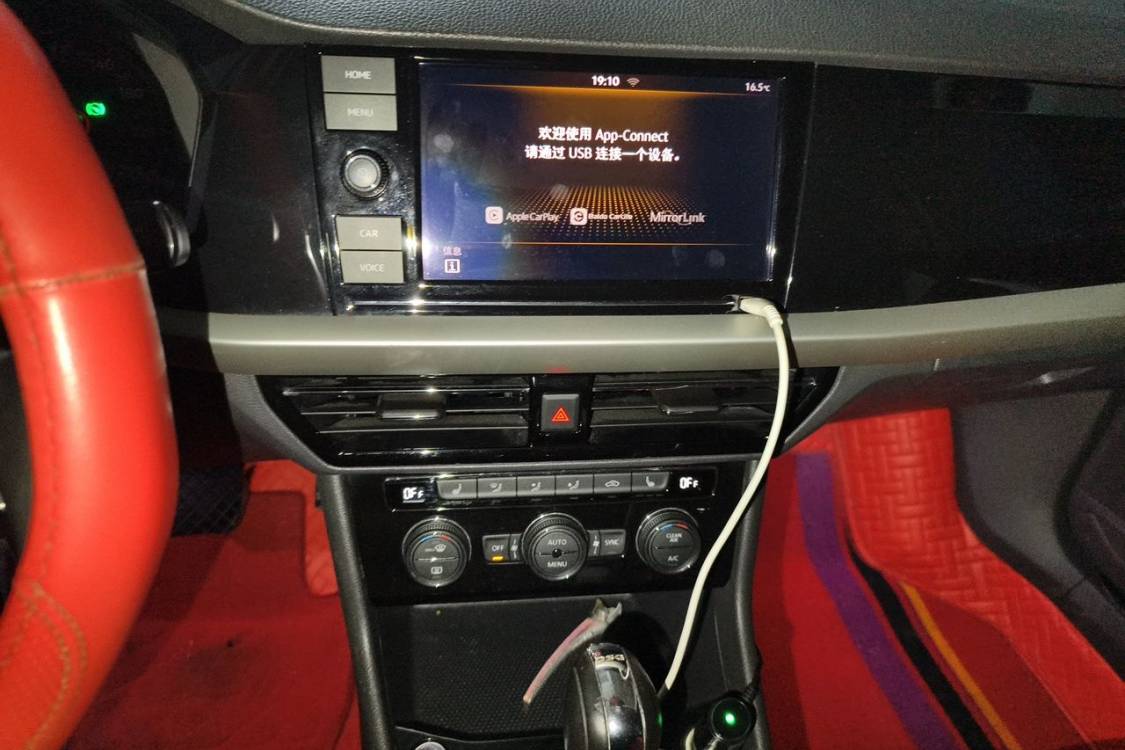
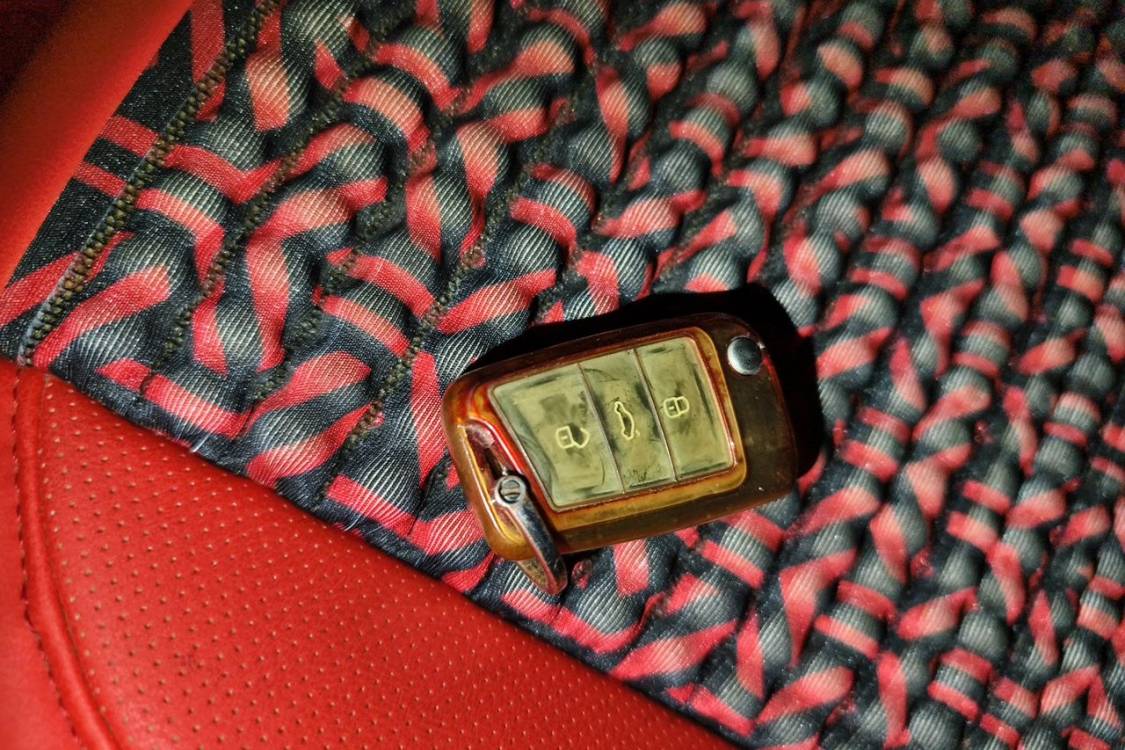
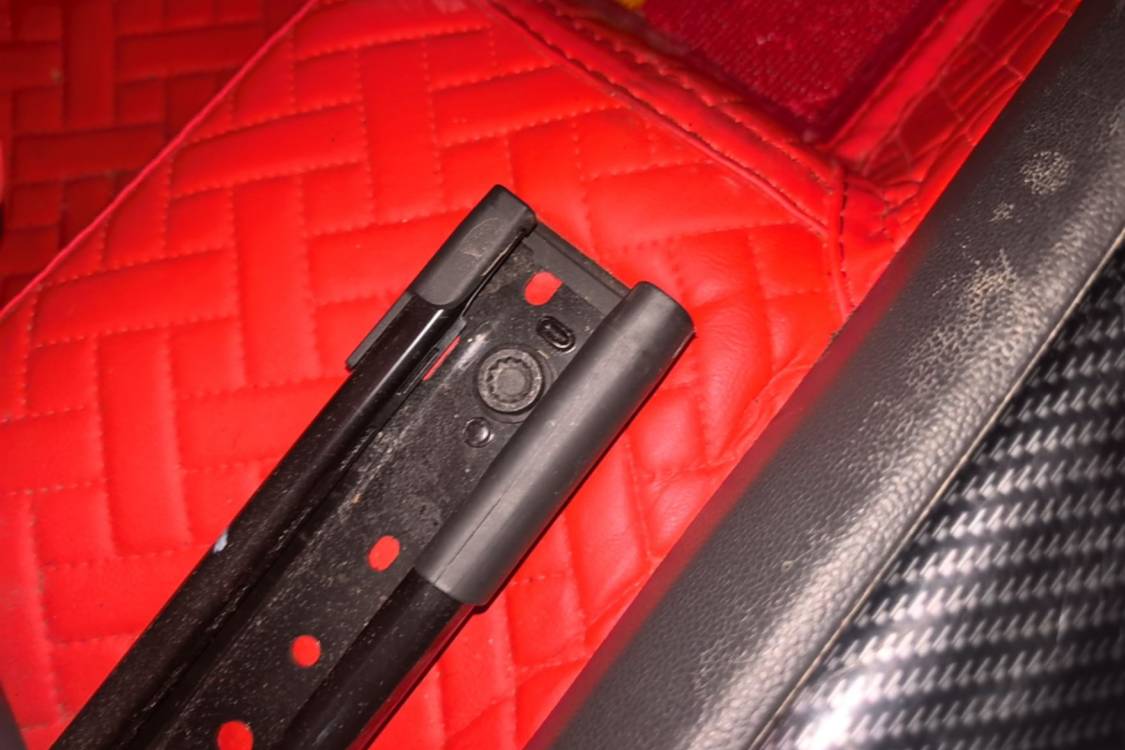
Accident inspection: main structure undamaged, reinforcement parts undamaged, cover panels undamaged, hinges normal. Engine bay inspection: key mechanical components in engine compartment normal. Exterior: 2 areas of sheet metal repair, 1 area of repaint. Interior: most features normal, airbag inspection normal, seatbelts normal, dashboard normal, instrument inspection normal, lighting system normal. Startup inspection: main components normal. Onboard tools: none.

可讲价
平台物流
可转售
VIP车源
零过户
新检测标准升级>
必卖车源
非泡水

Document Information

Inspection Expiry Date2027/08
Warranty Expiry Date-
Insurance Expiry Date2027/08

Q&A

More

What is the compensation mechanism if the seller (sellwellauto) unilaterally defaults and fails to deliver the vehicle during the contract execution period?

It rarely happens, but there is a clear mechanism. If the transaction is canceled due to our reasons (such as the vehicle being suddenly seized by judicial authorities during the transfer), we will refund the full deposit you have paid and provide additional compensation according to the penalty clauses in the contract.


How often do you calibrate the instruments used to detect vehicles (such as paint thickness gauges and OBD diagnostic tools) for accuracy?

All our measuring instruments (especially calipers, paint thickness gauges, and refrigerant pressure gauges) are calibrated quarterly according to ISO quality management system requirements to ensure the data we provide you is objective, accurate, and reliable.

What should I check about the 12V auxiliary battery in a used Chinese EV before shipping?

The 12V battery is small but critical: when it dies, the car cannot start, unlock, or charge. Used EVs often have weak 12V batteries because they sit on lots for months. Before shipping, ask the exporter to: 1. Measure the battery voltage after the car has rested overnight. It should read around 12.4-12.8V; anything under 12.2V means the battery is degraded. 2. Start the car and check that the charging system holds 13.8-14.4V, confirming the DC-DC converter works. 3. Scan for stored fault codes related to low voltage, which indicate the battery has been deeply discharged repeatedly. During ocean freight, the battery slowly self-discharges. Ask that it be disconnected or kept on a maintainer before loading, and budget for a replacement after arrival if the battery is over 3 years old. A new 12V battery costs little compared to being stranded at the port.