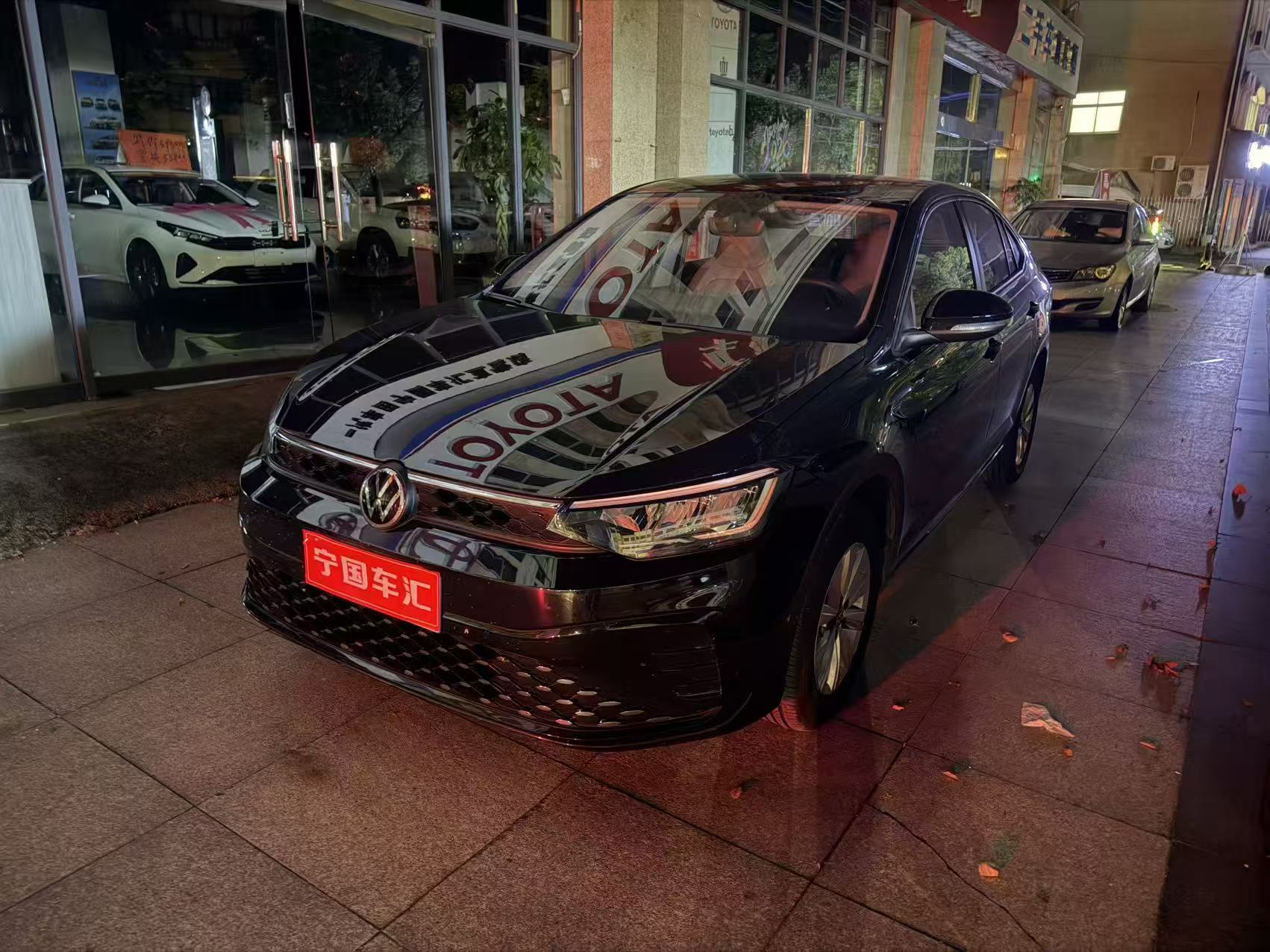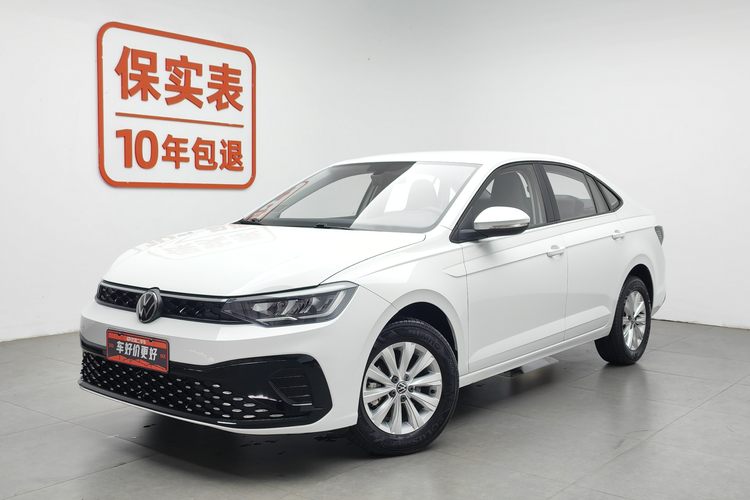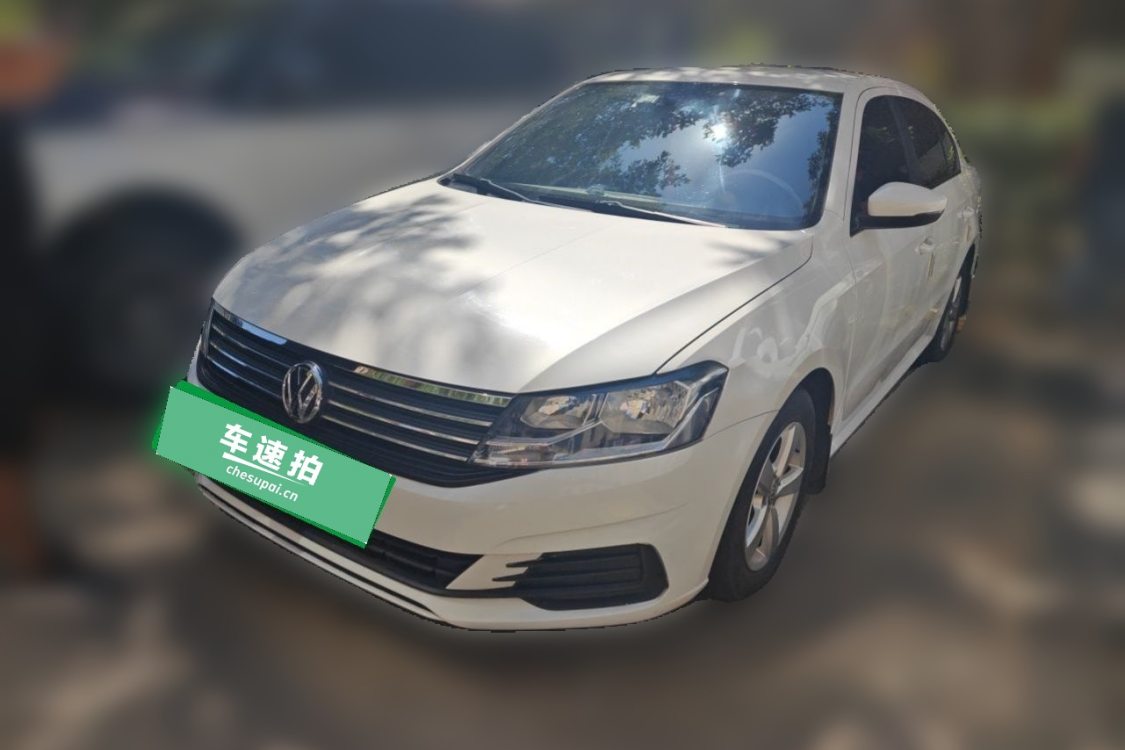
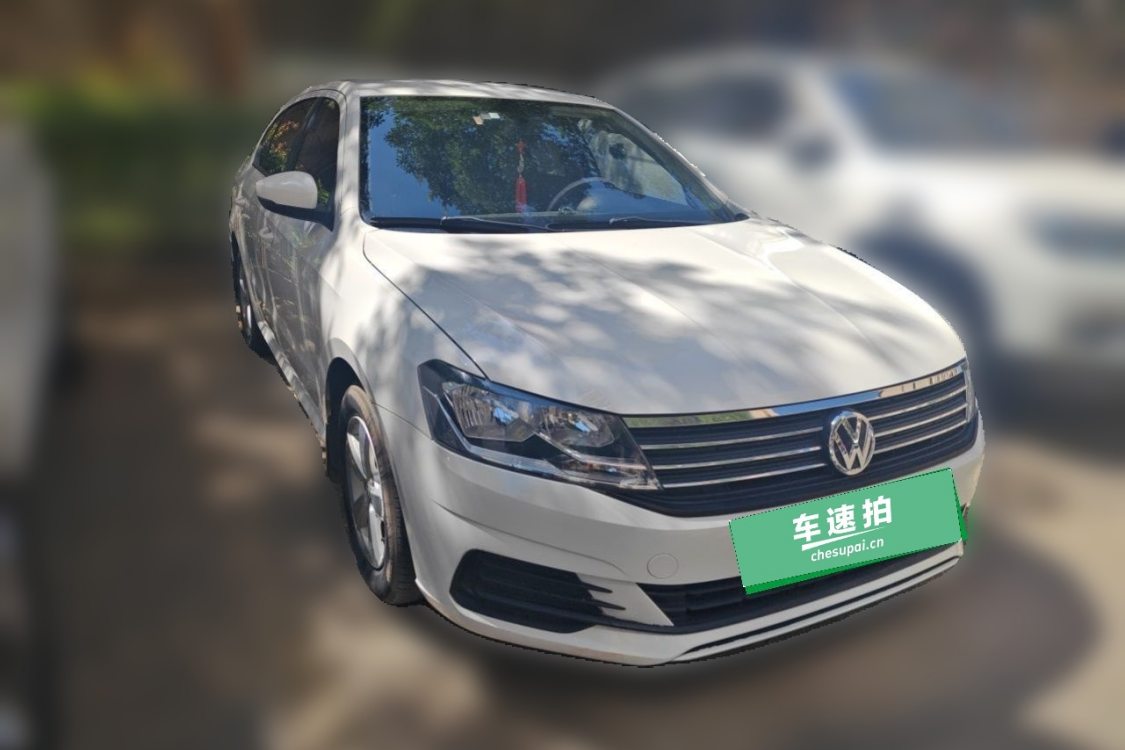
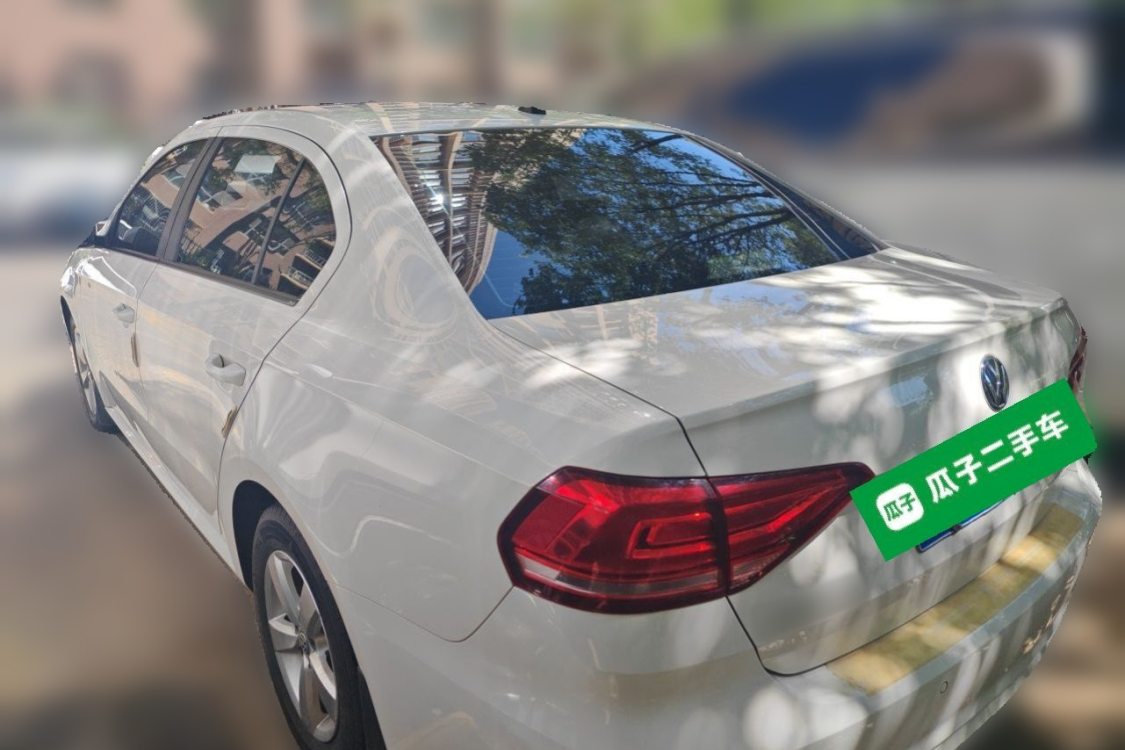
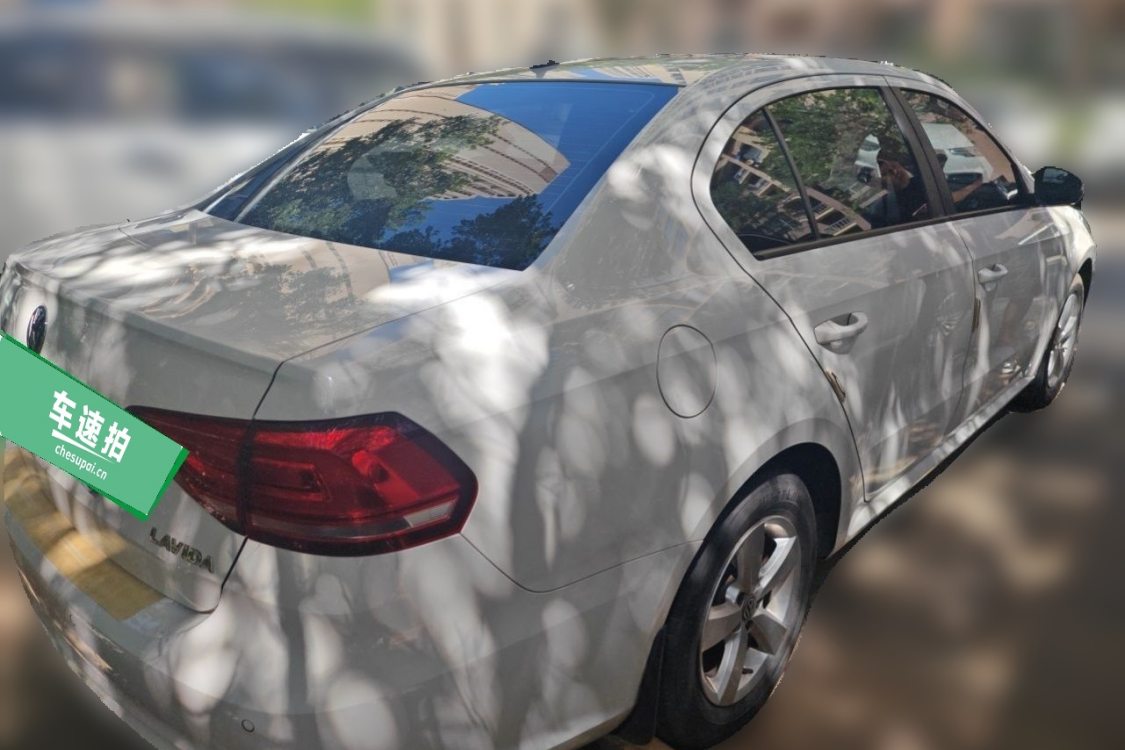
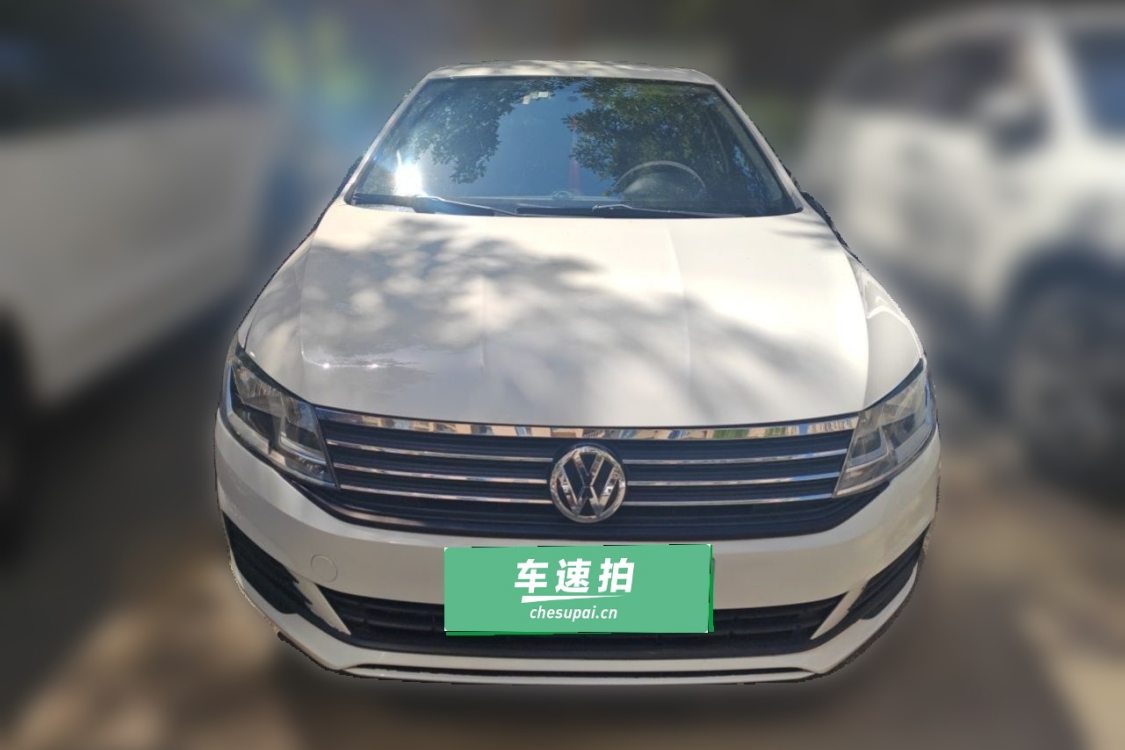
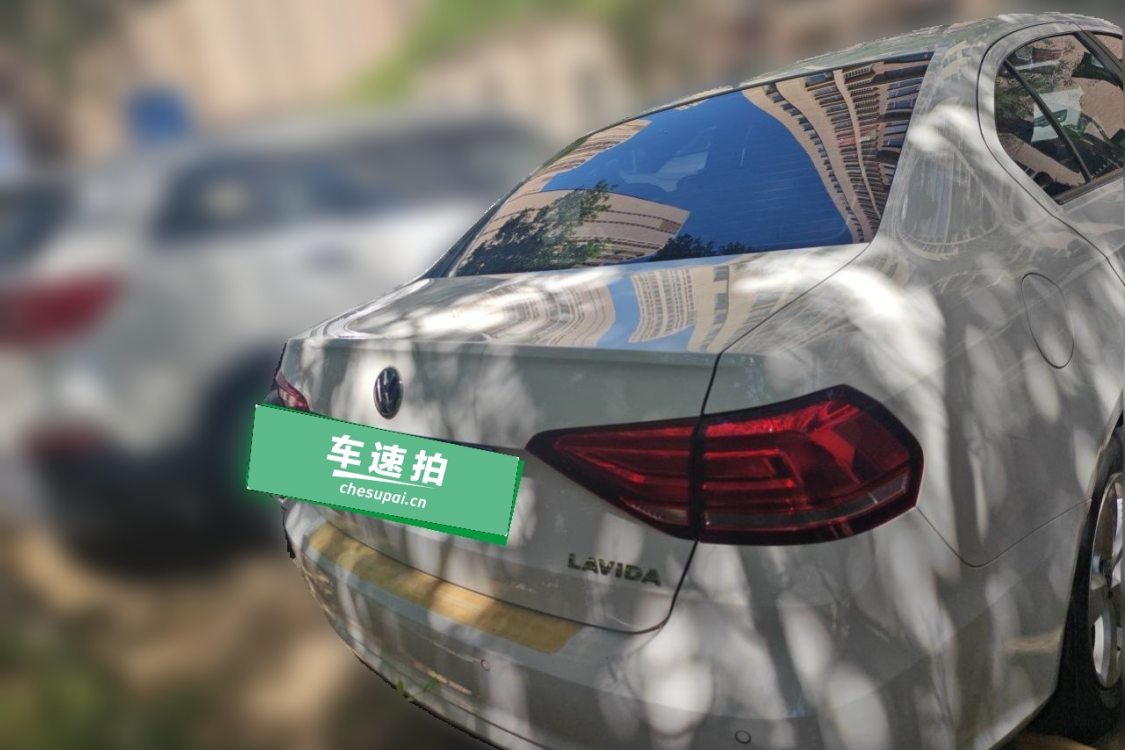
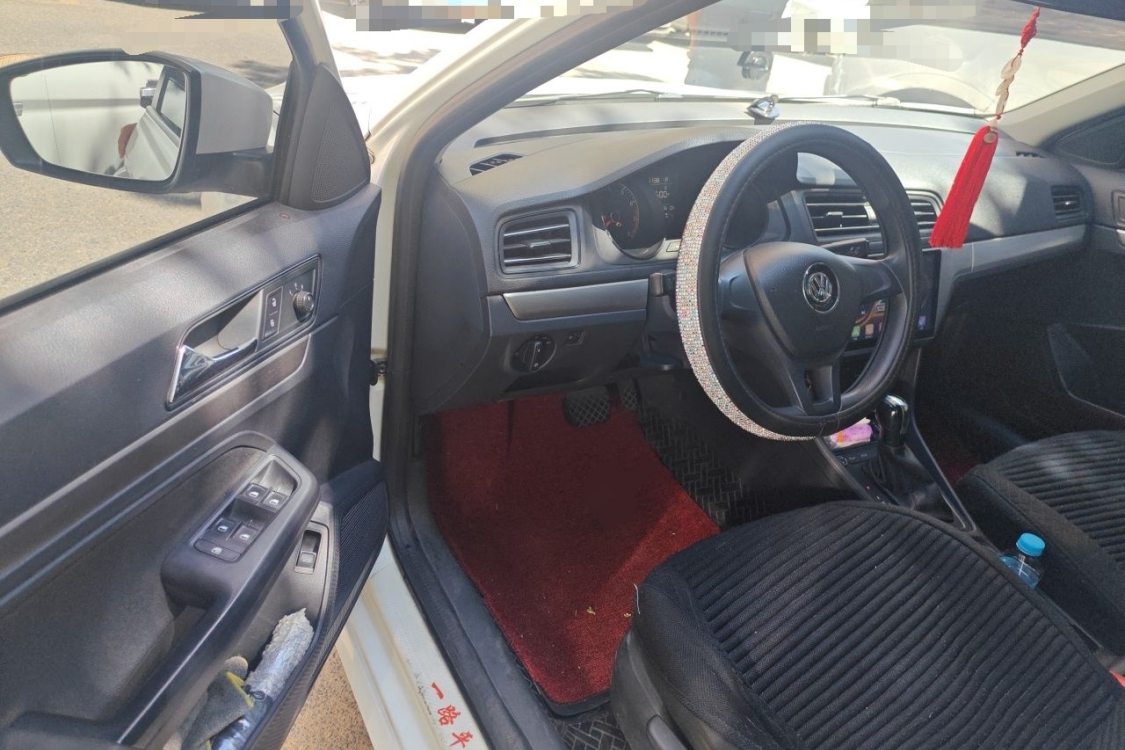
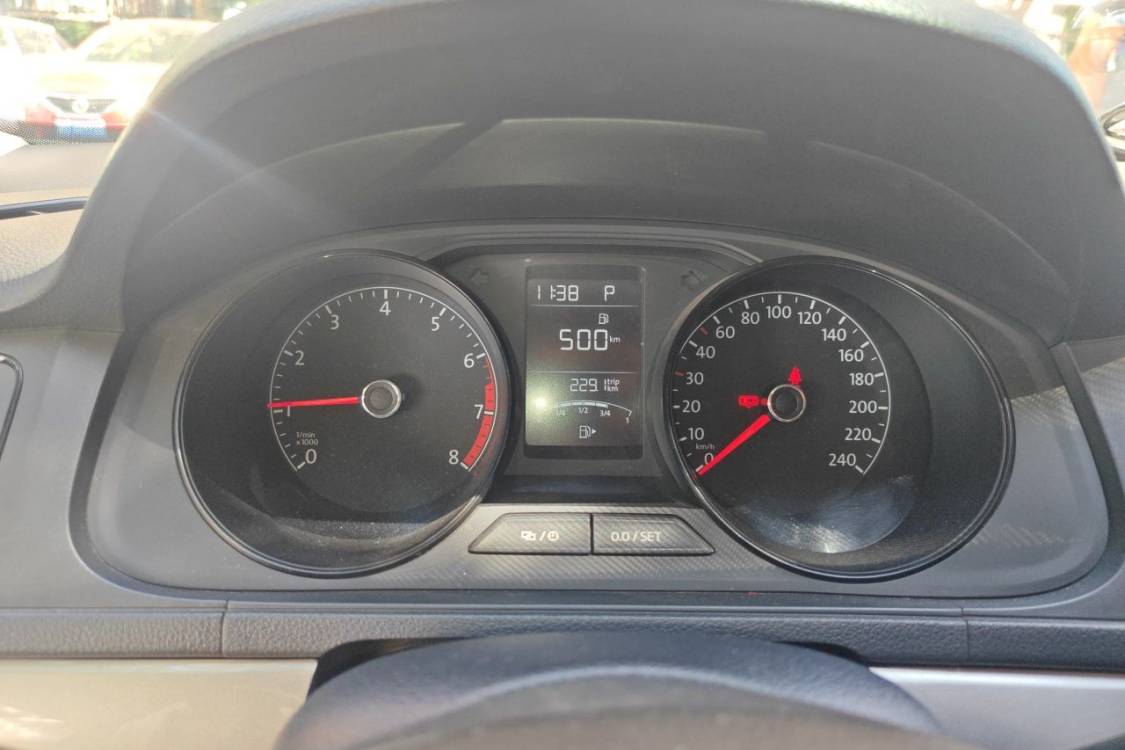
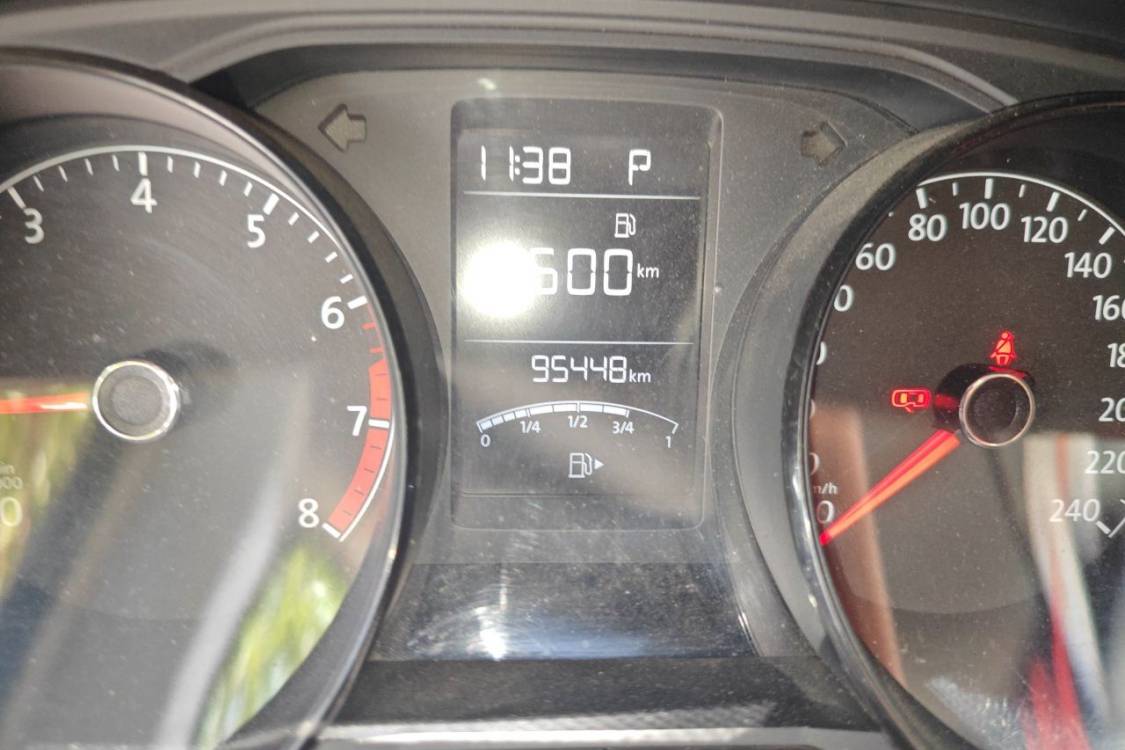
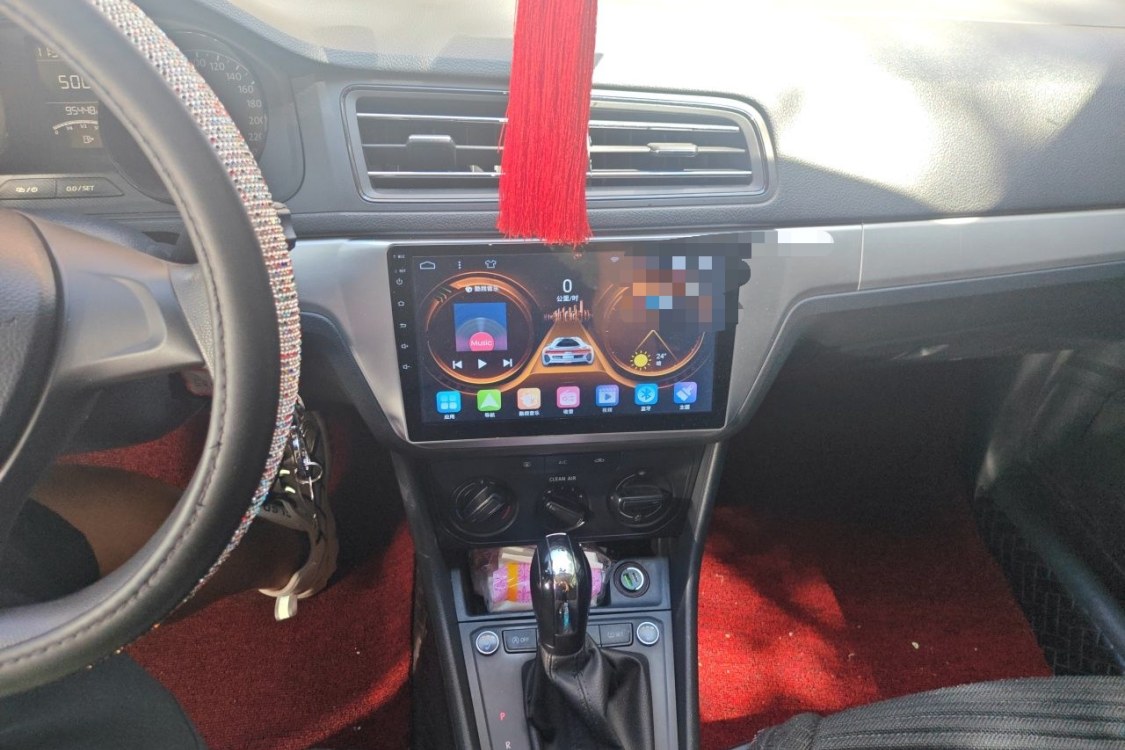



Basic Information

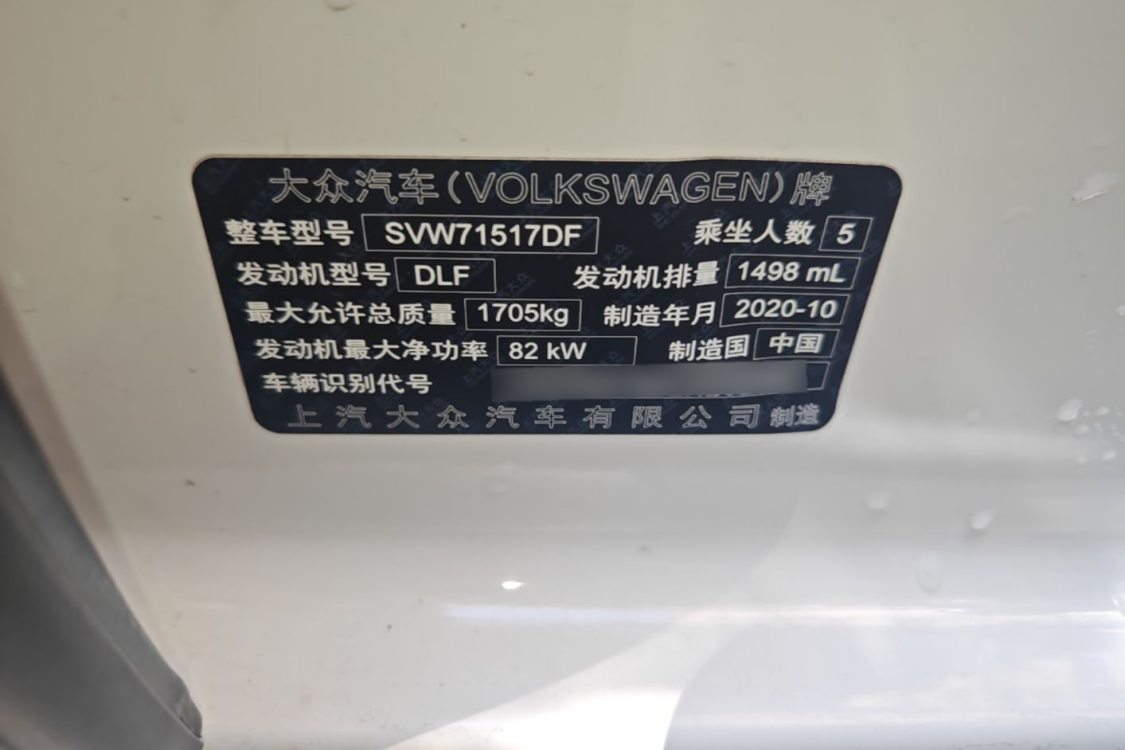
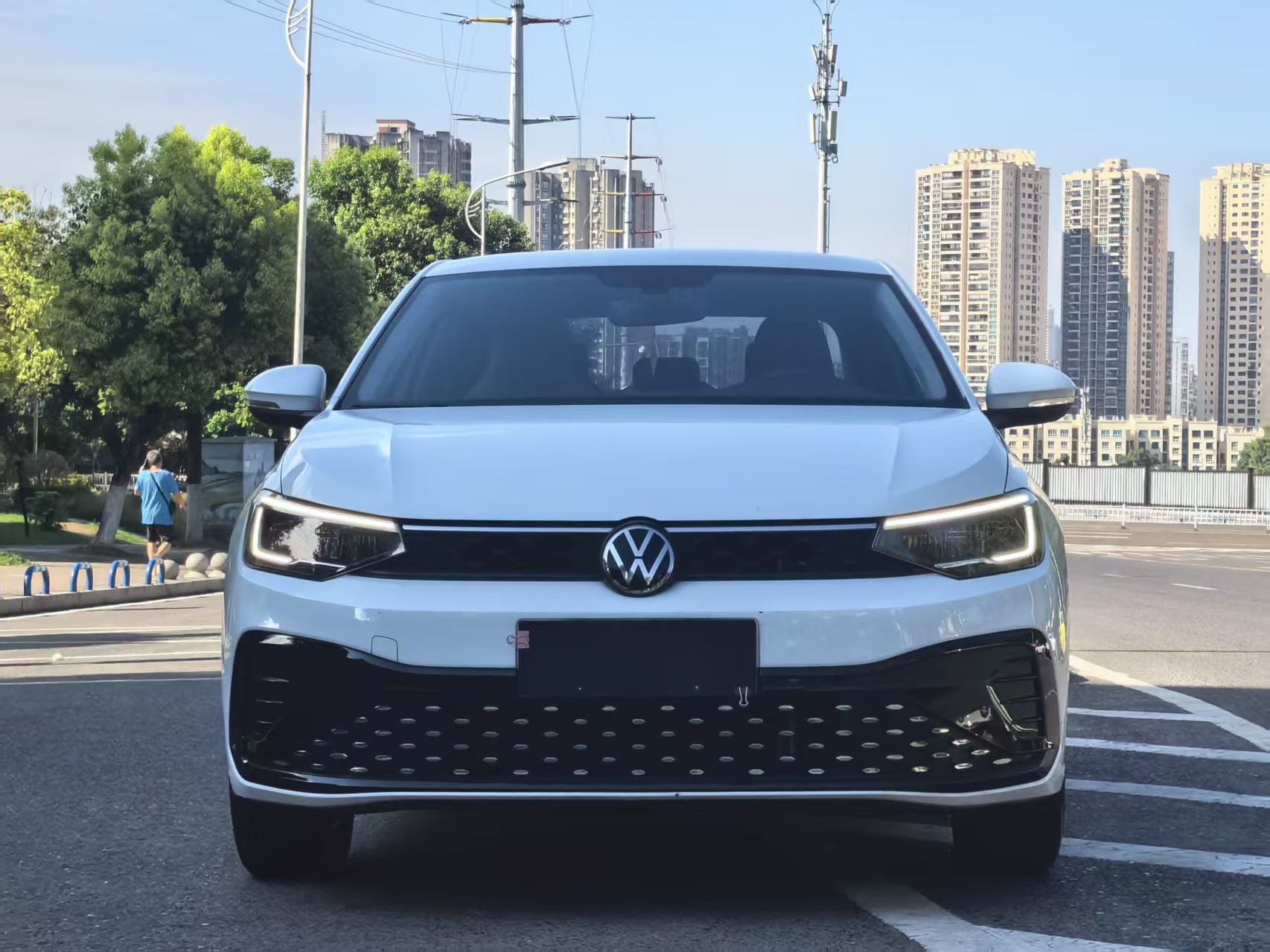
BrandVolkswagen
SeriesLavida
Year2020
First Registration2020/10
Mileage95,400km
Transfer Count-
FuelGasoline
TransmissionManumatic
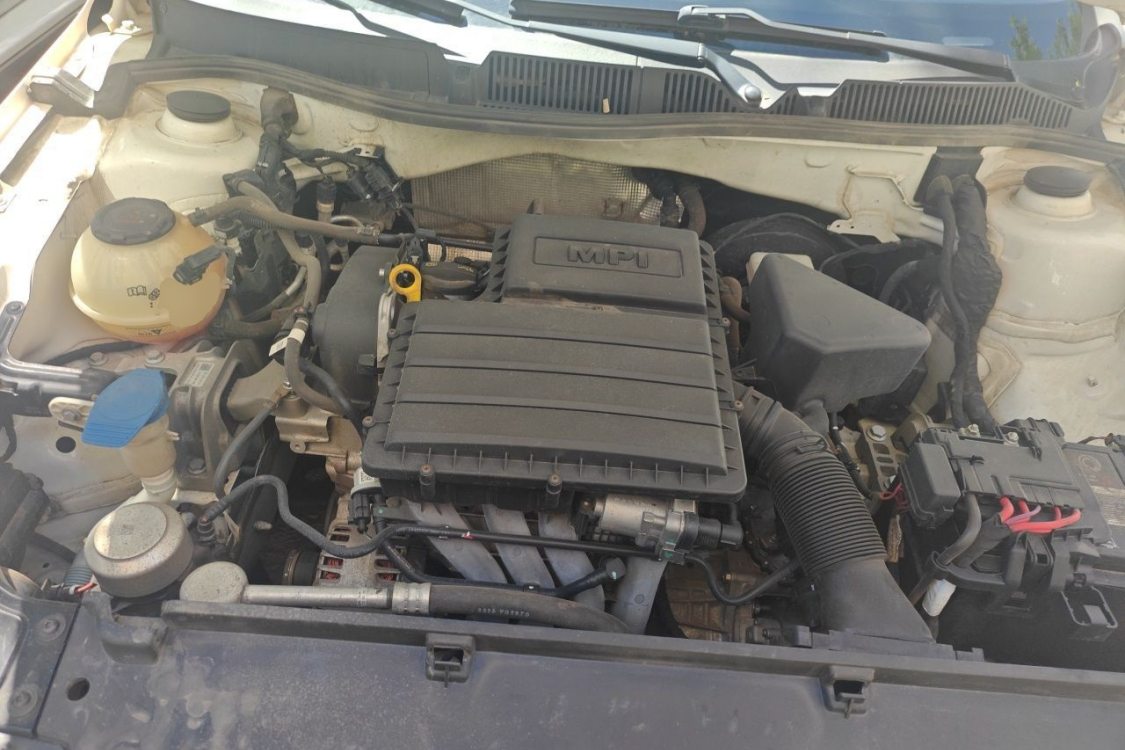
Engine1.5L 112 L4
ColorWhite
Seats-

Condition Description

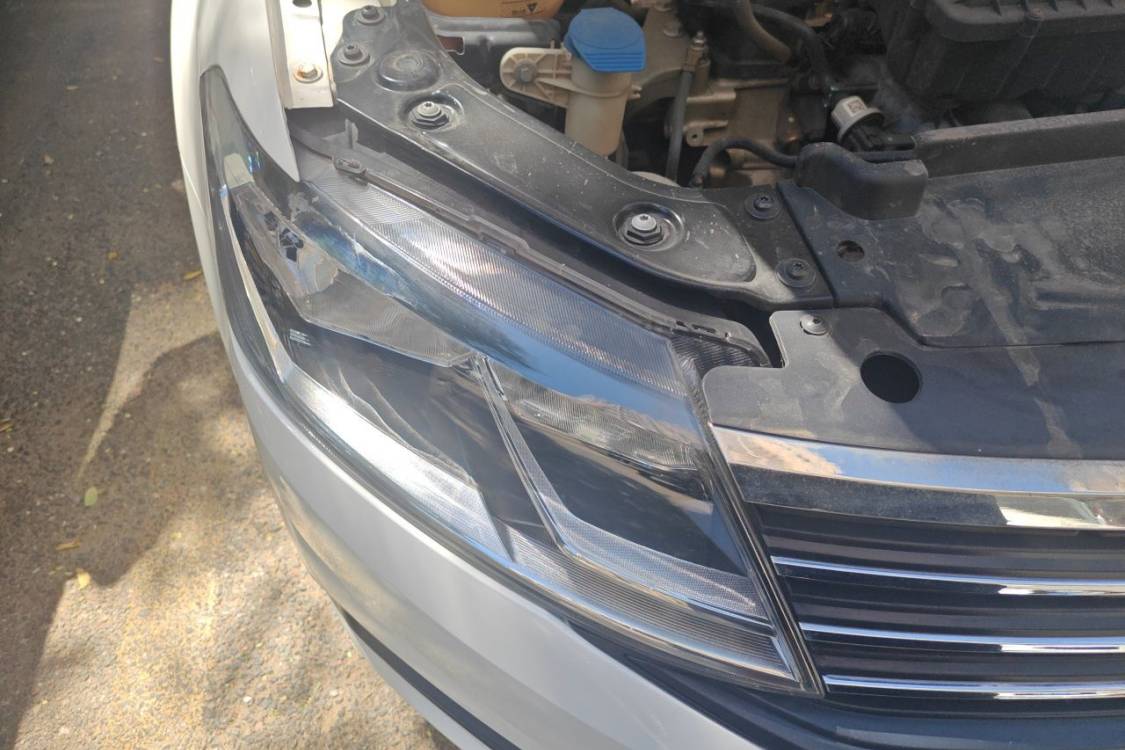
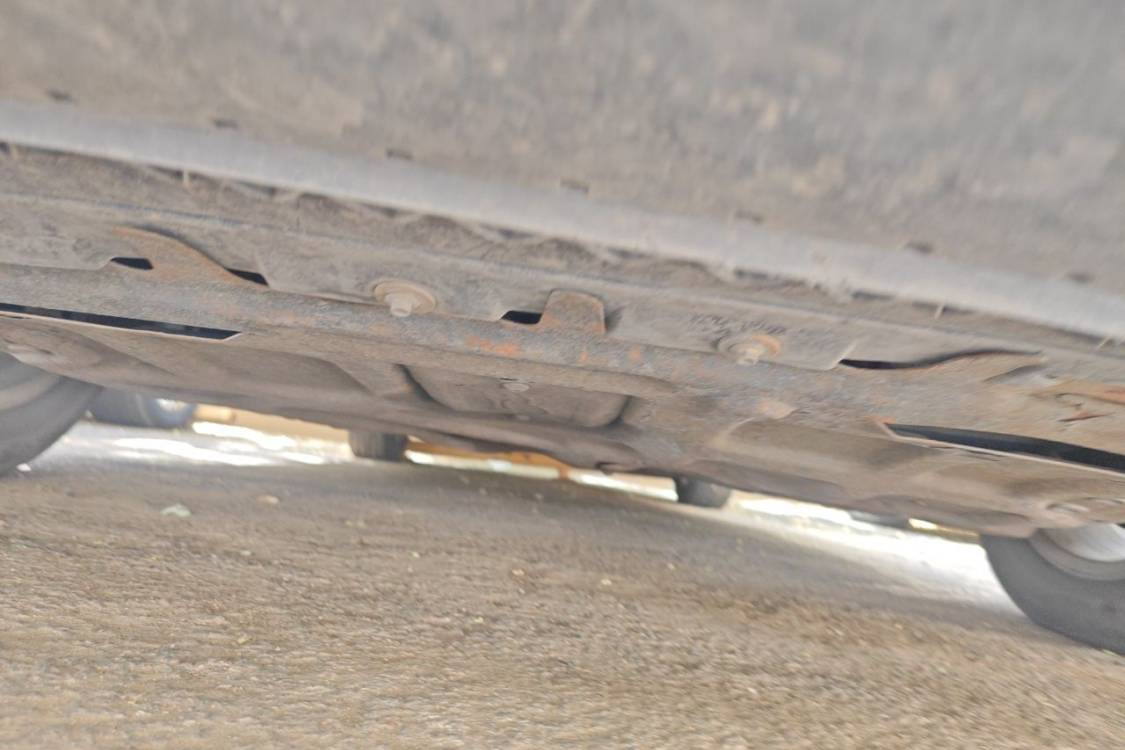
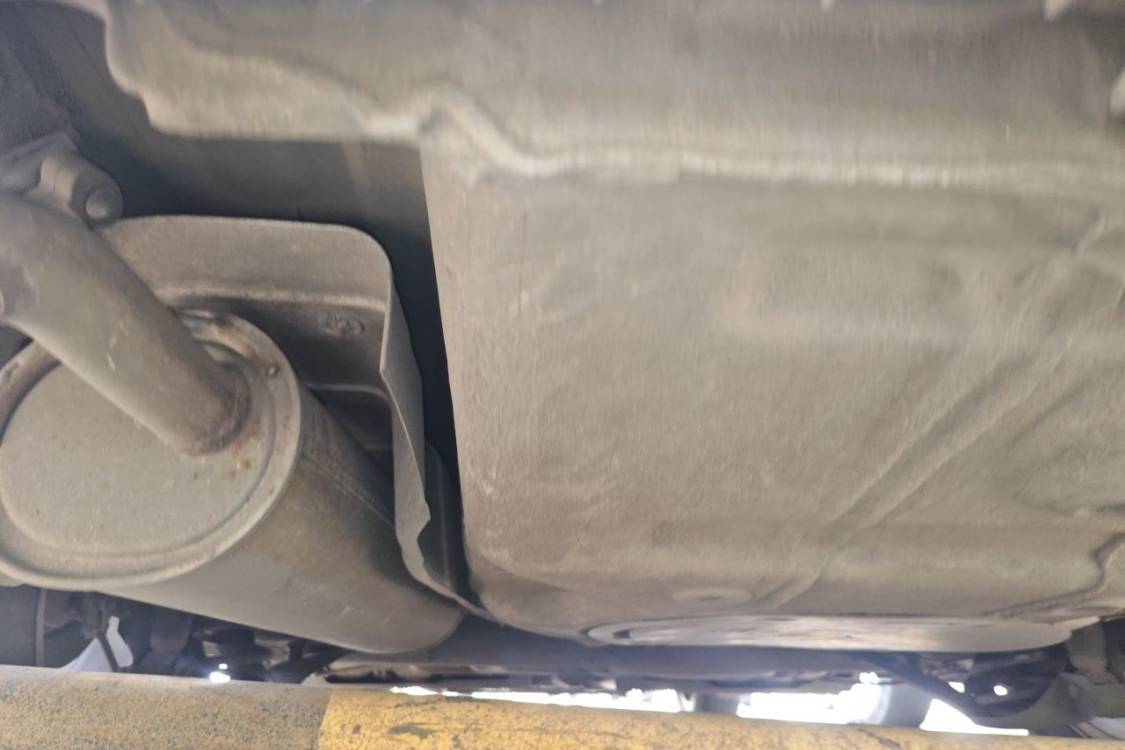
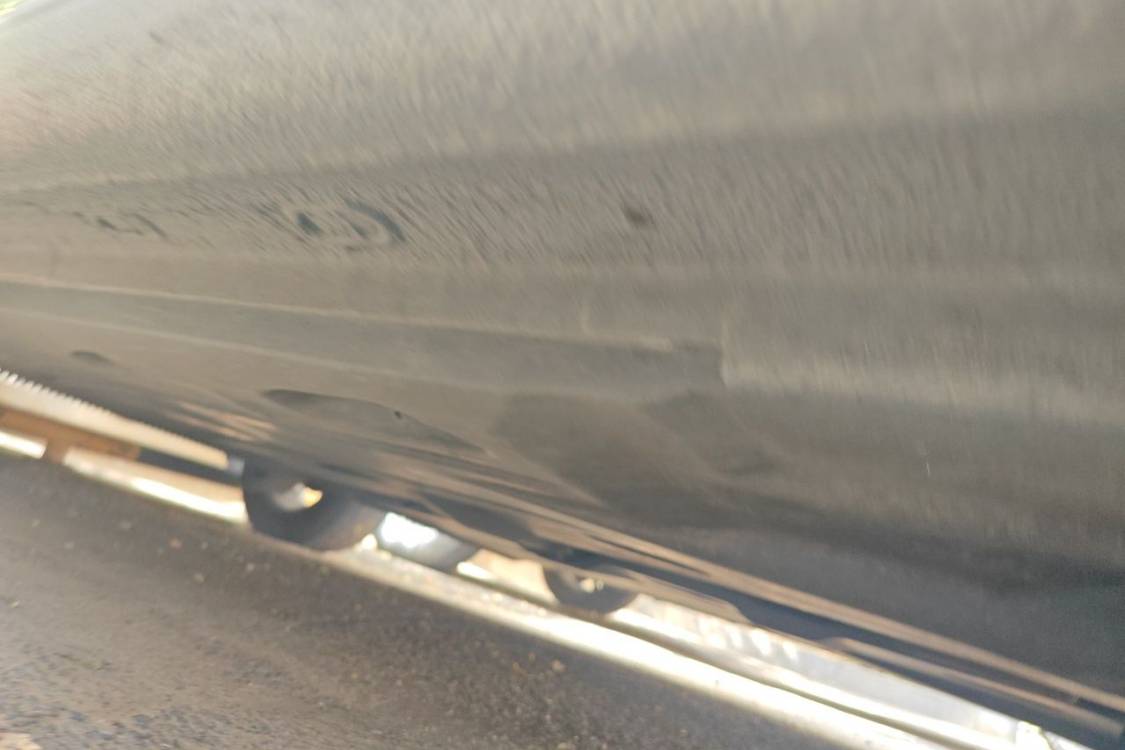
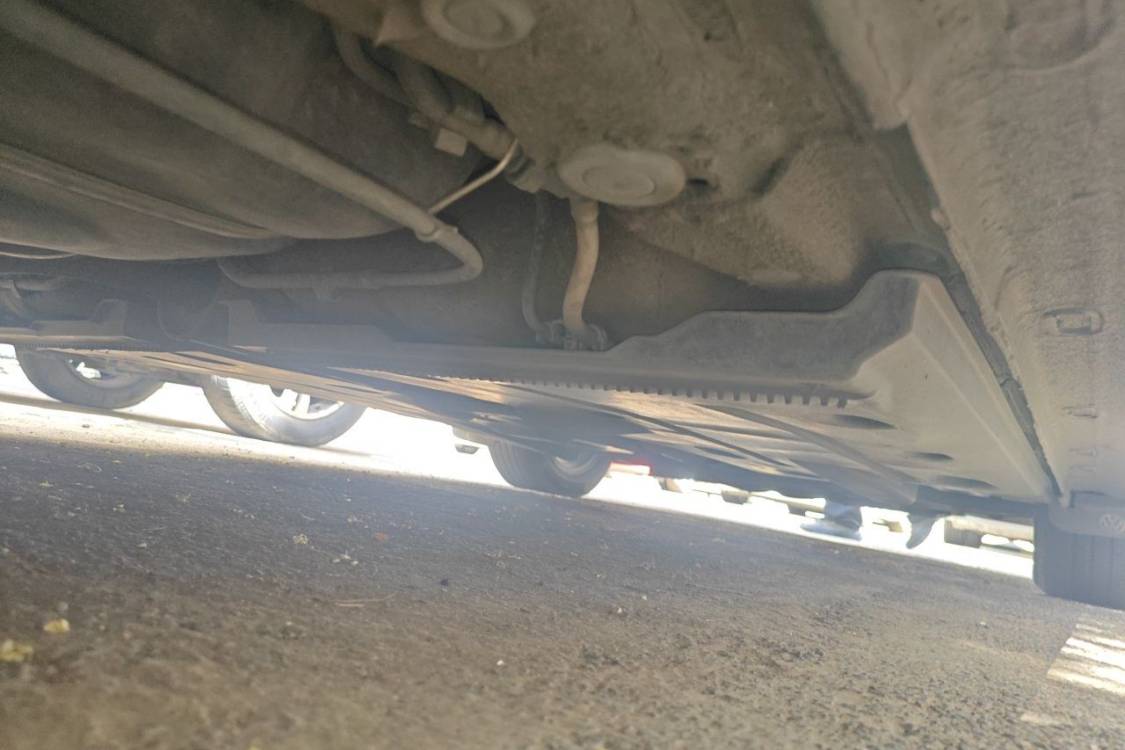
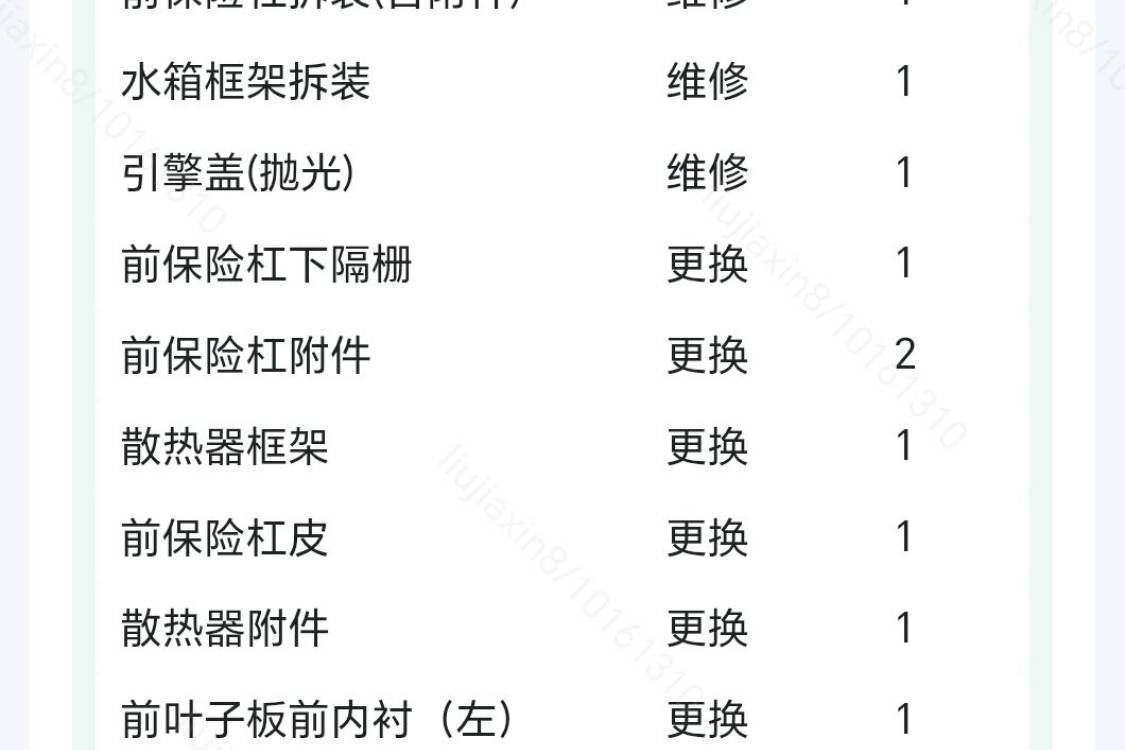
Body components (structural/reinforcing/panels) have accident-related damage; passive safety devices are defective; vehicle performance (including three-electric system) is degraded or remains performance-limited after repairs.

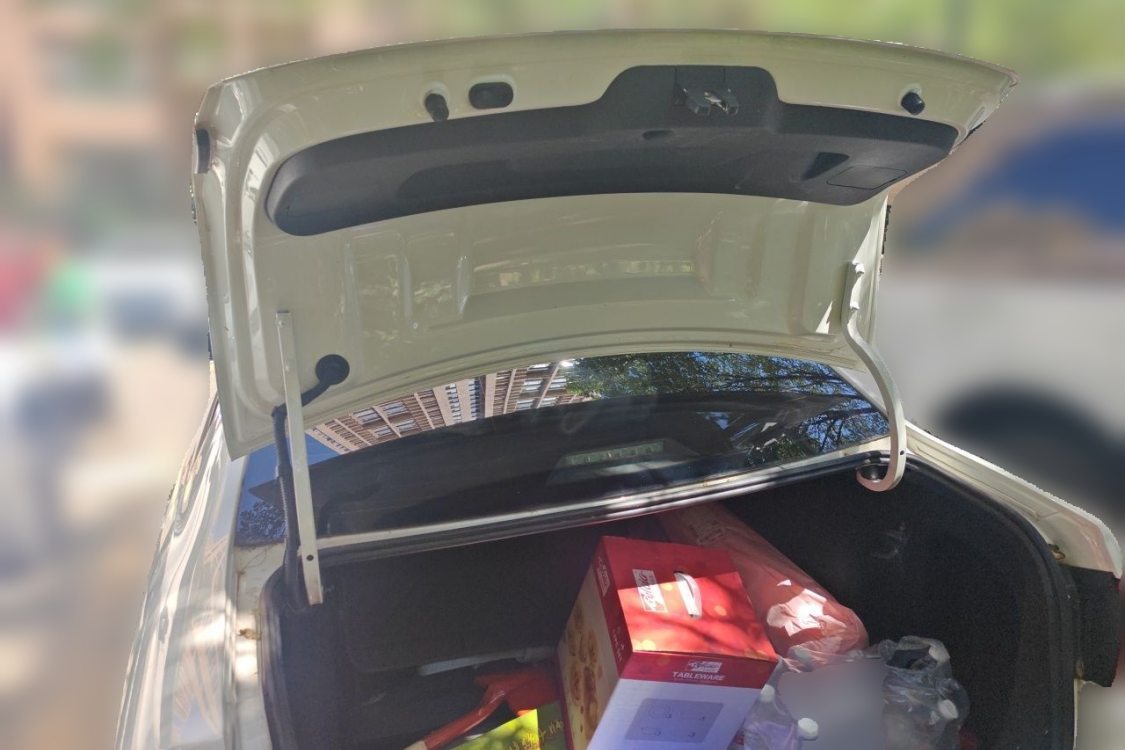
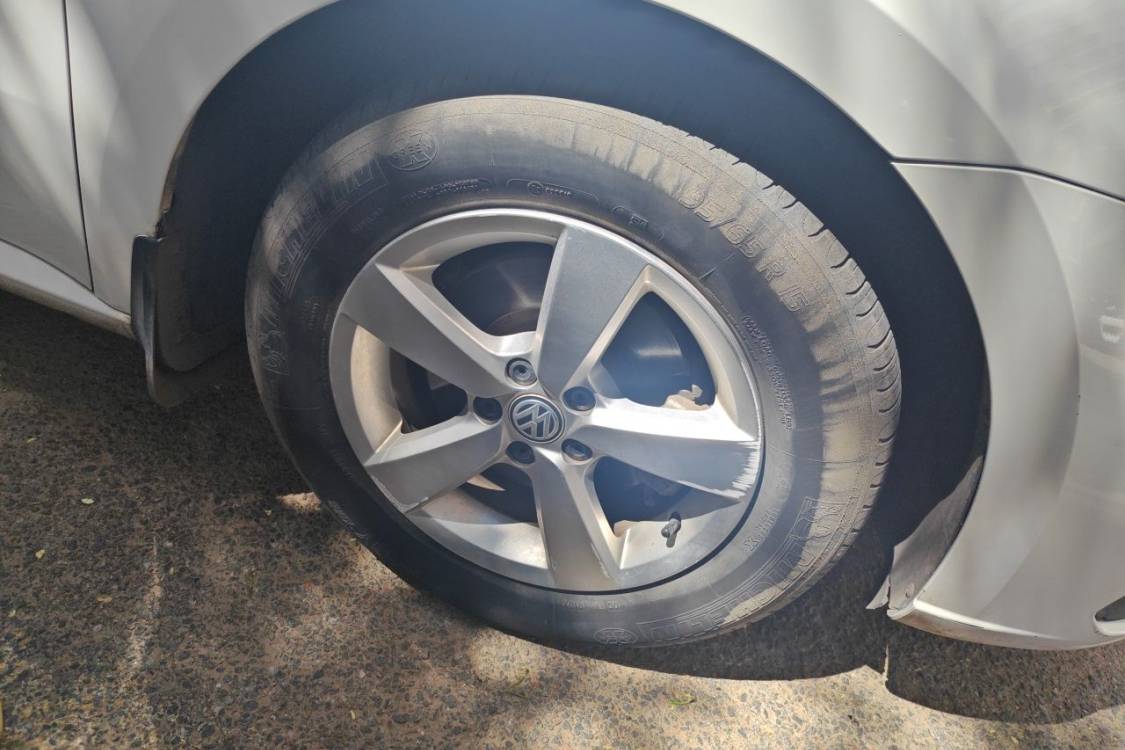
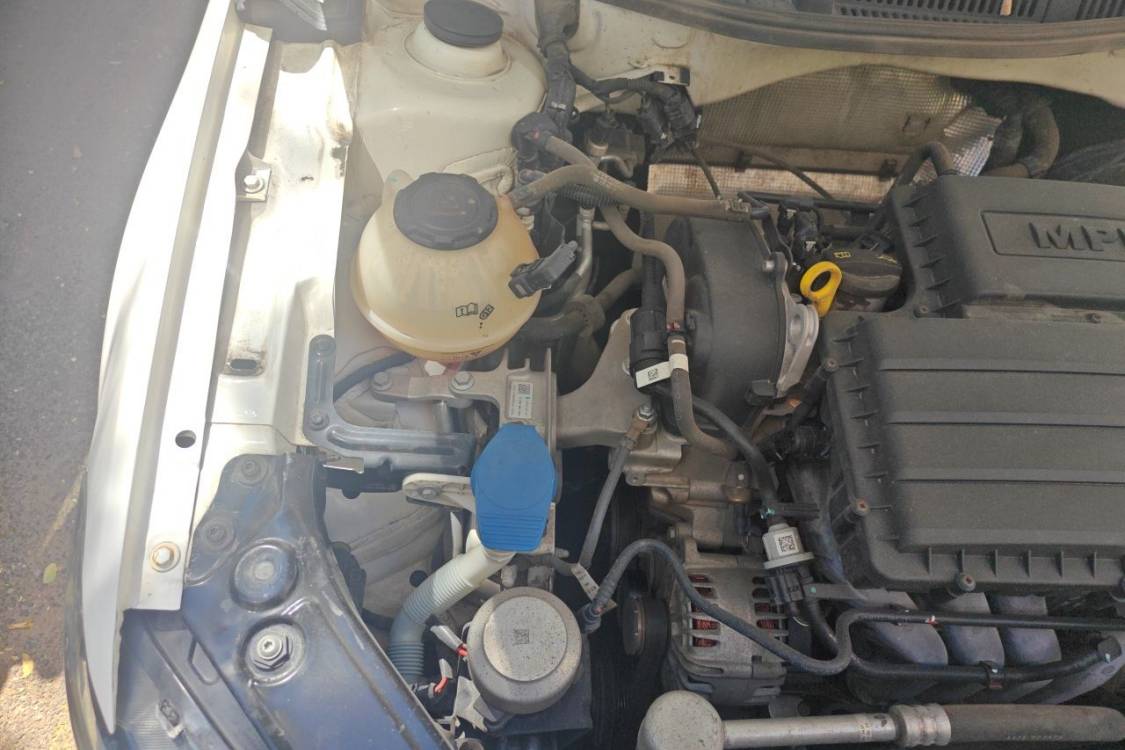
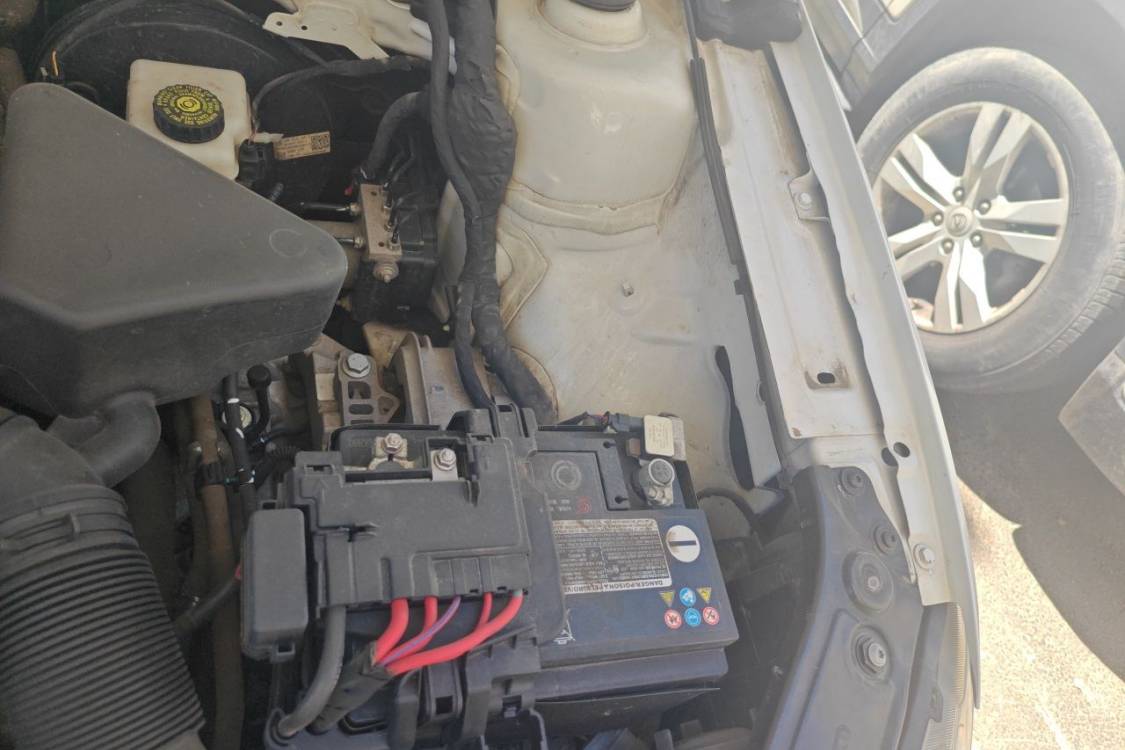
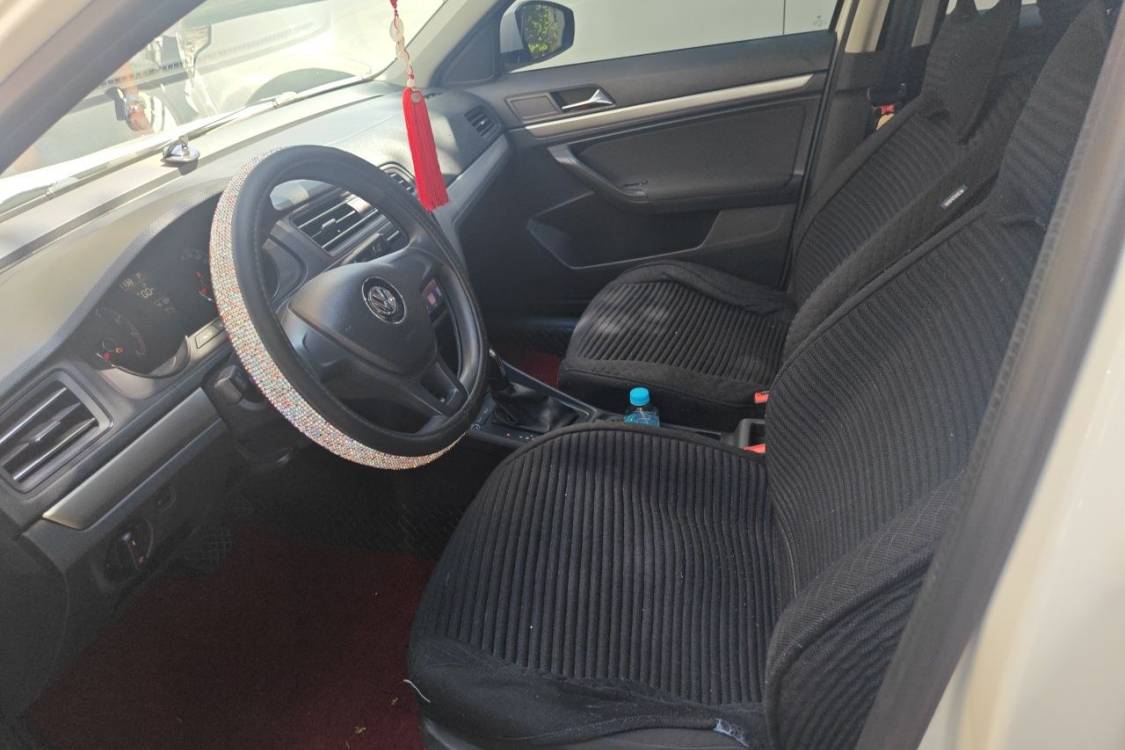
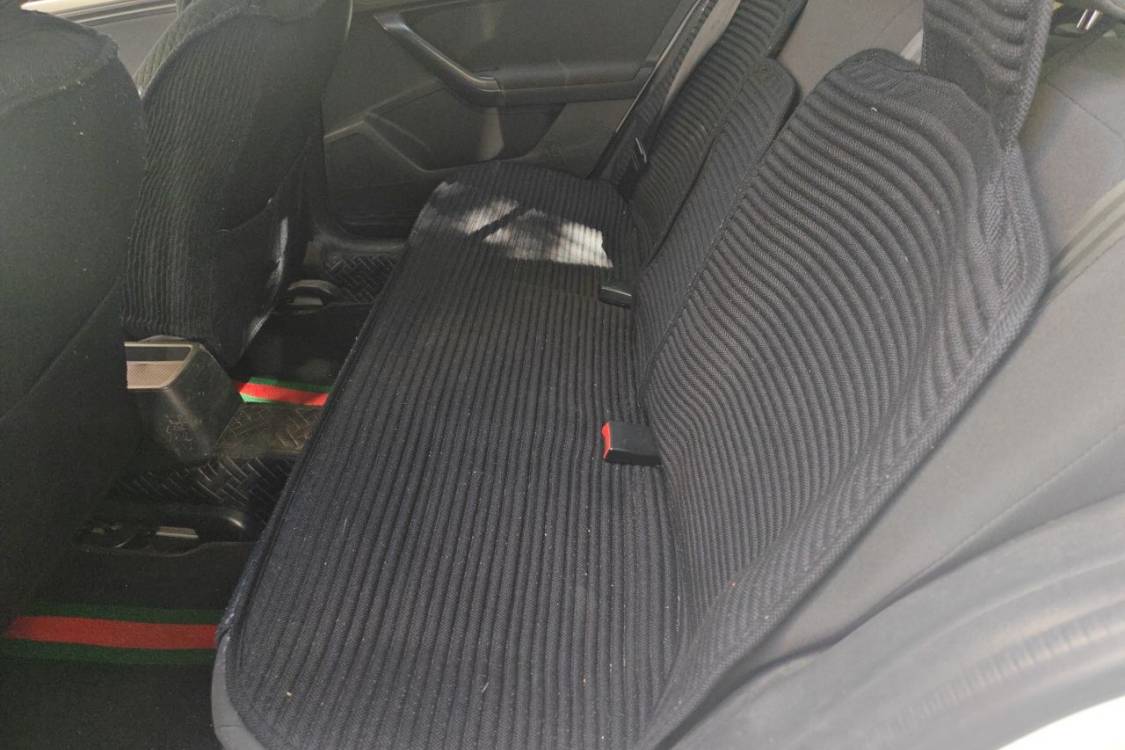
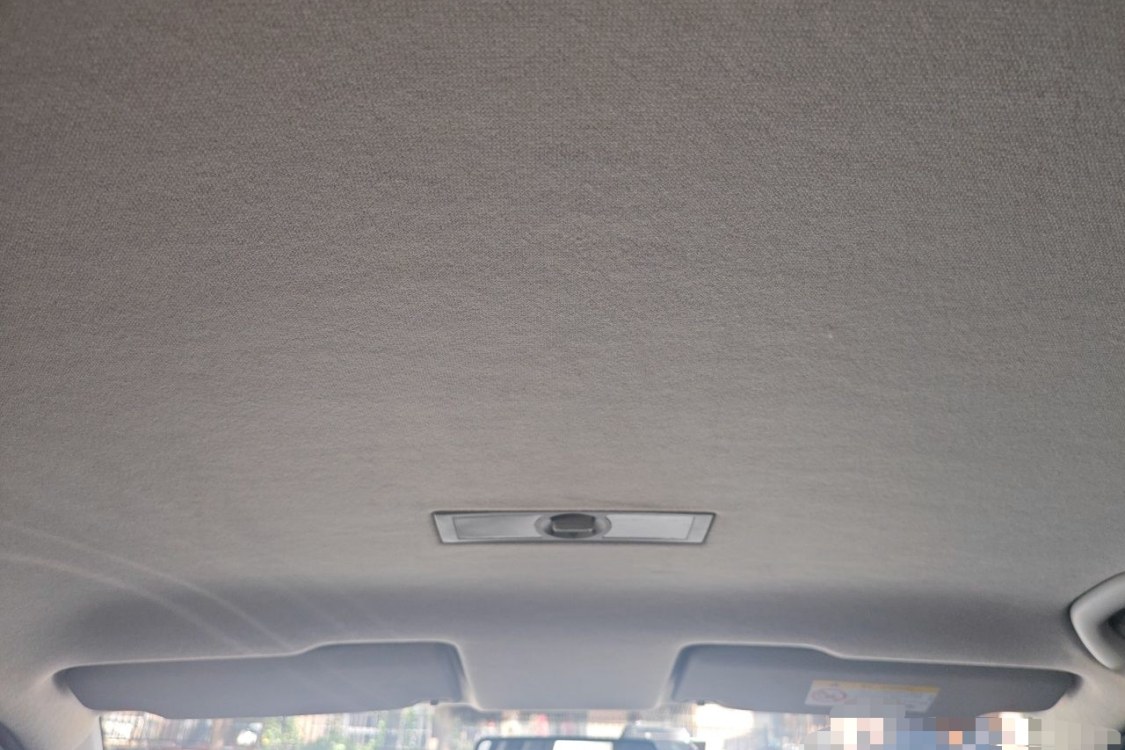
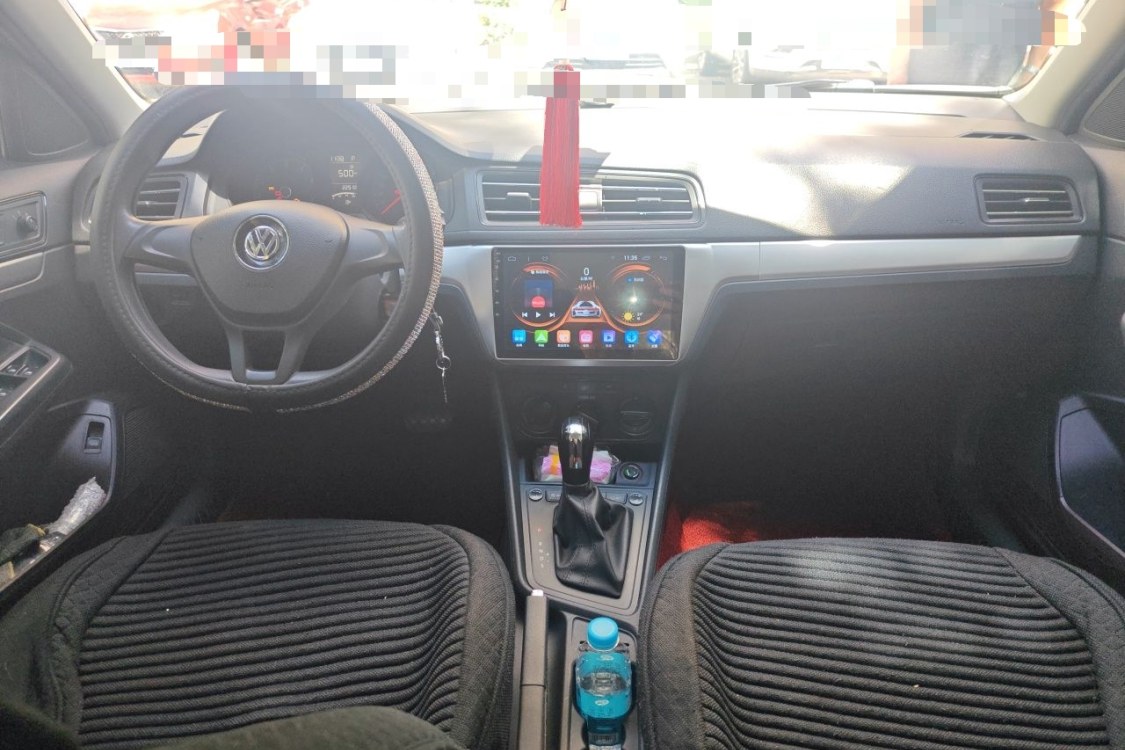
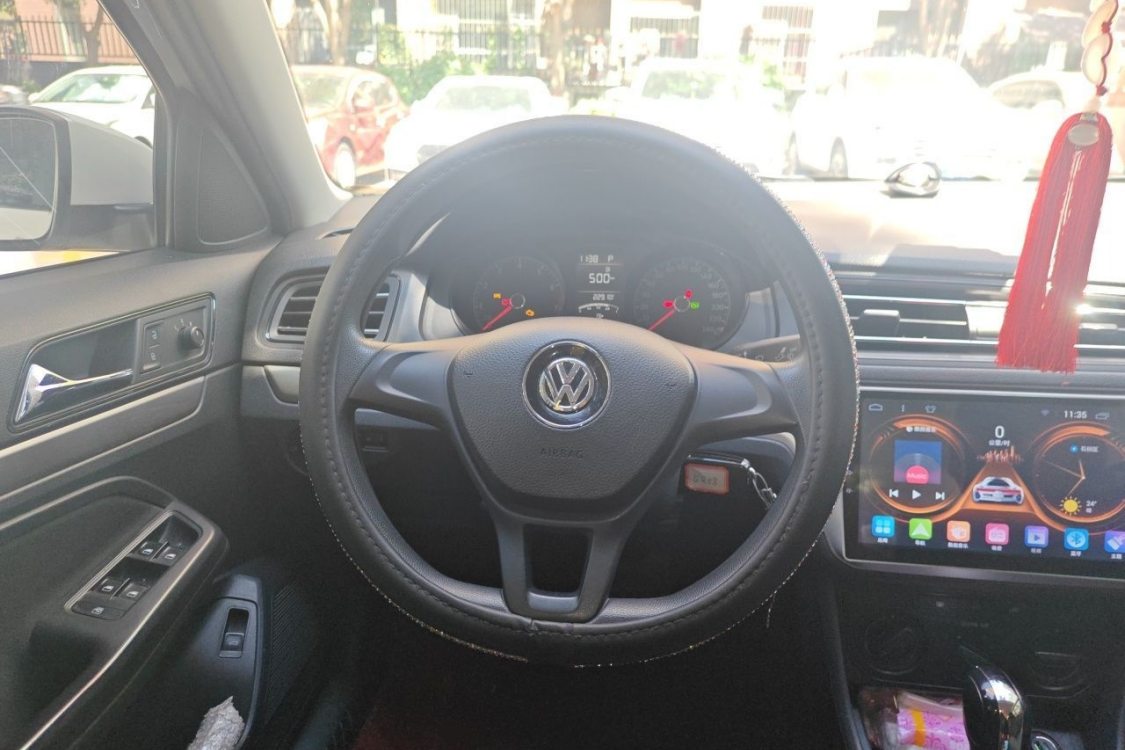
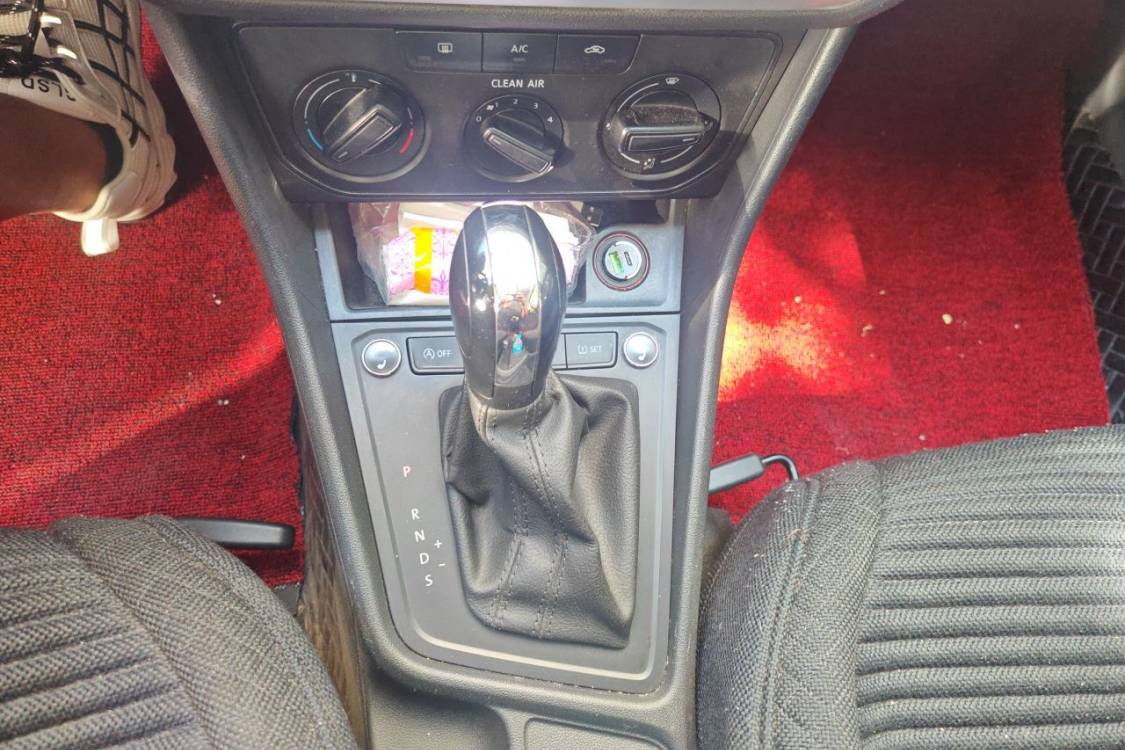
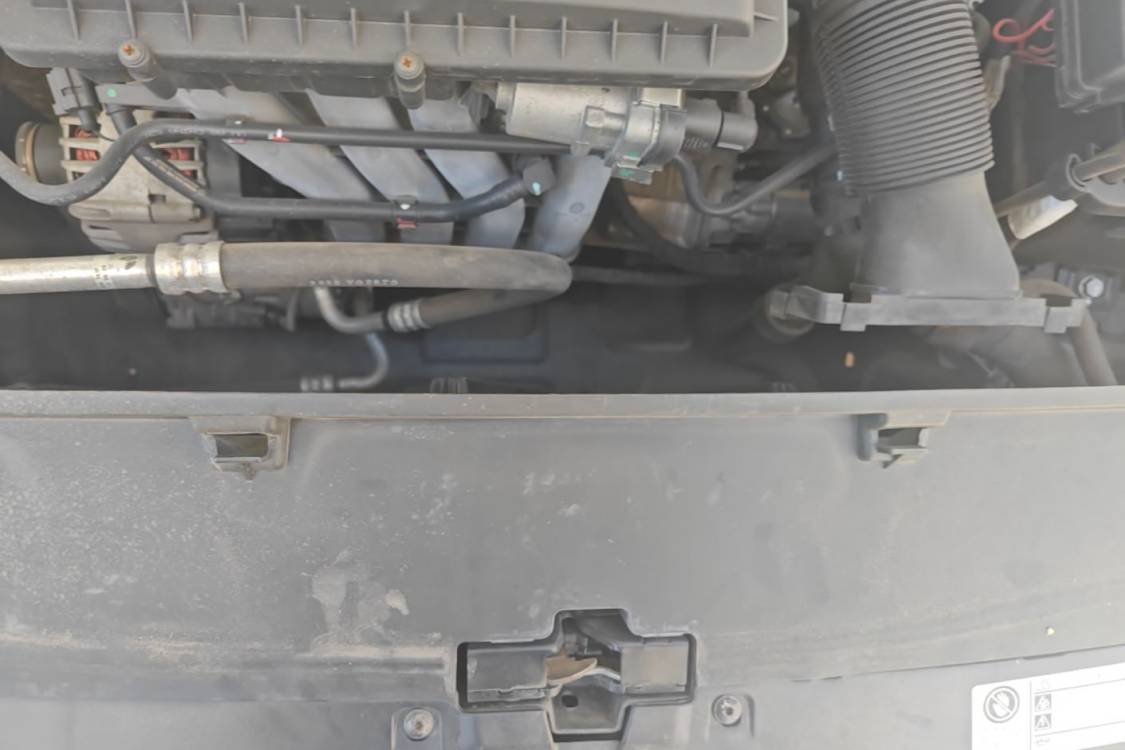
Accident inspection: main structure damaged, reinforcing parts damaged, panels not damaged, hinges abnormal; engine bay inspection: key mechanical components in engine bay normal; exterior: 1 replacement, 1 panel repair, 1 repaint; interior: most functions normal, airbag inspection normal, seatbelt normal, dashboard normal, instrument inspection normal, lighting system normal; start-up inspection: main components normal; on-board tools: none.

电话直连
可讲价
平台物流
可转售
车主降价
零过户
新检测标准升级>
非泡水

Document Information

Inspection Expiry Date2028/10
Warranty Expiry Date-
Insurance Expiry Date2026/10

Q&A

More

How to confirm that the bank mortgage status of a vehicle in China has been completely lifted and the ownership is clear?

The vehicle's "Motor Vehicle Registration Certificate" will clearly print the records of the mortgage and its release. Our legal and documentation team will strictly review during the vehicle collection process to ensure that the ownership is completely free and clear, preventing any future ownership disputes.
The bank returned my car payment due to compliance issues. Who bears the exchange rate loss and fees?

If the buyer's country is under international sanctions, or if the buyer fails to provide a legitimate source of funds leading to the bank returning the payment, all transfer fees and exchange rate losses incurred during this period are to be borne entirely by the buyer.

How to check the condition of the turbocharger (oil leaks, unusual noises, insufficient pressure) for turbocharged vehicles?

Experience turbo lag and power surge during road tests; check for significant oil accumulation at the turbo intake and intercooler connections (slight oil vapor is normal); and use OBD to read the real-time boost pressure peak to see if it meets factory settings.