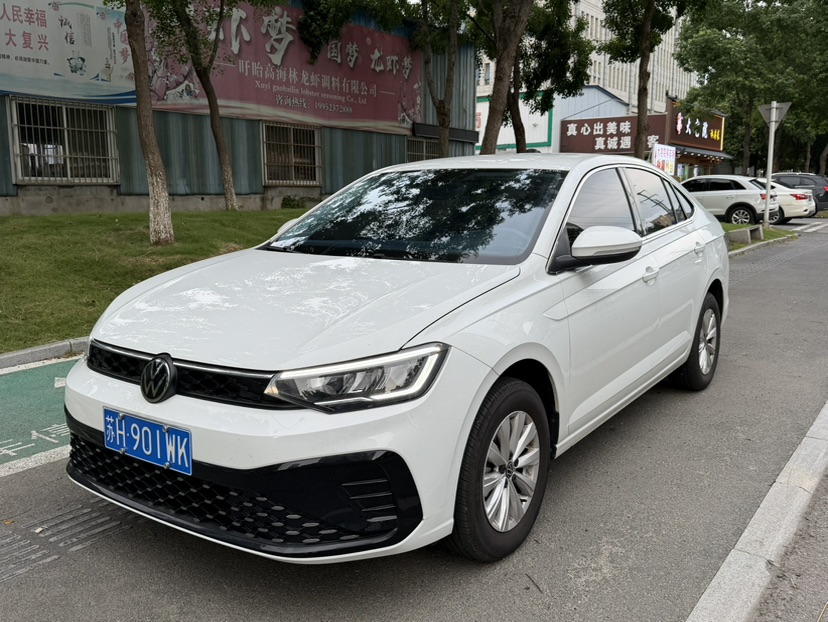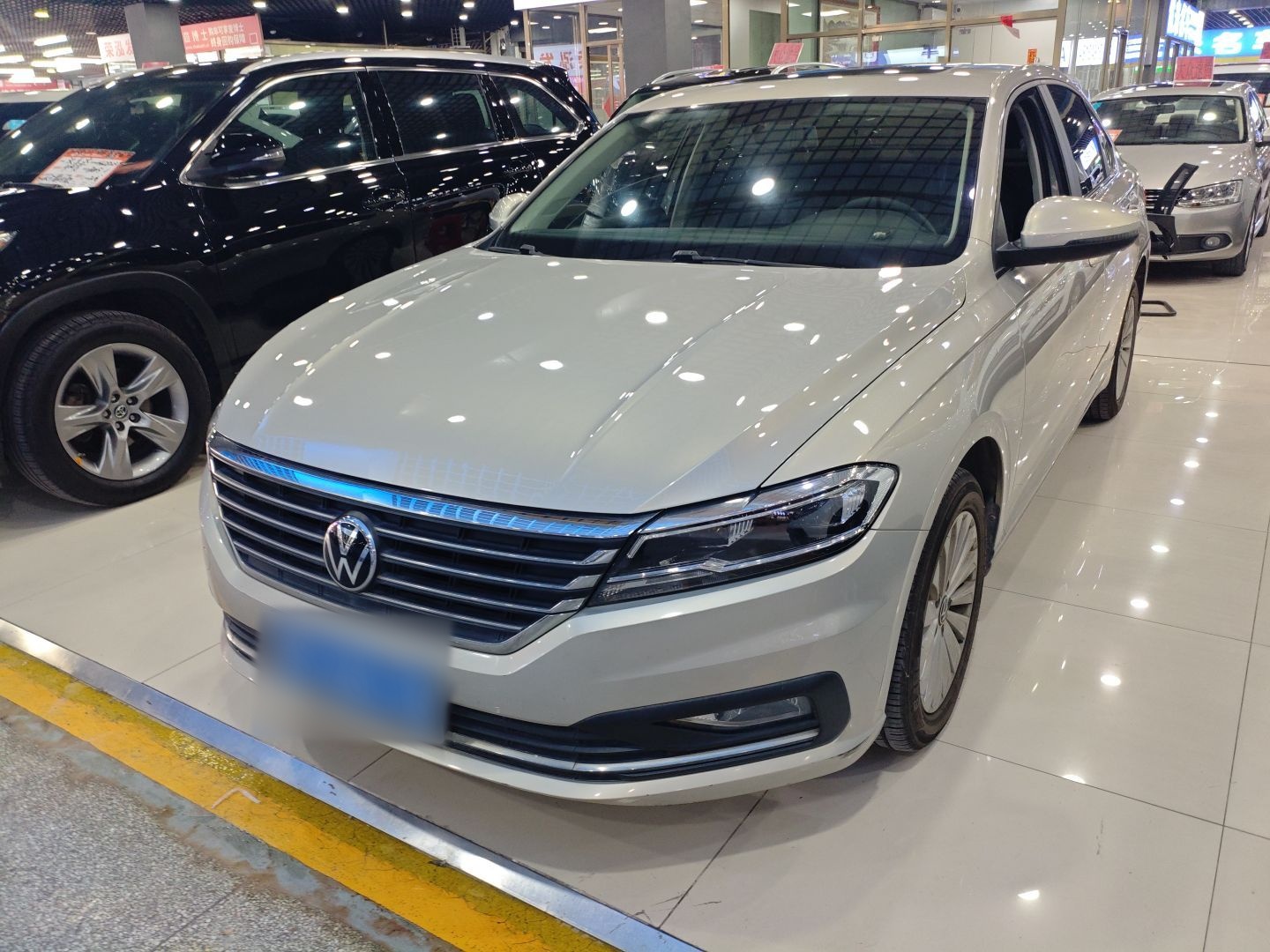
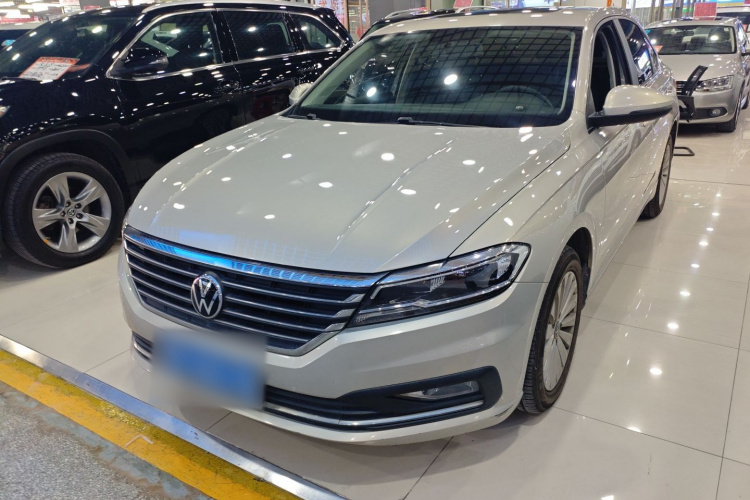
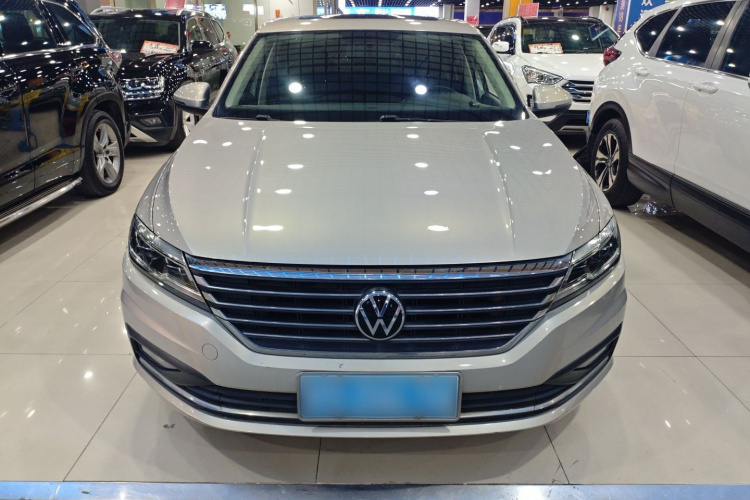
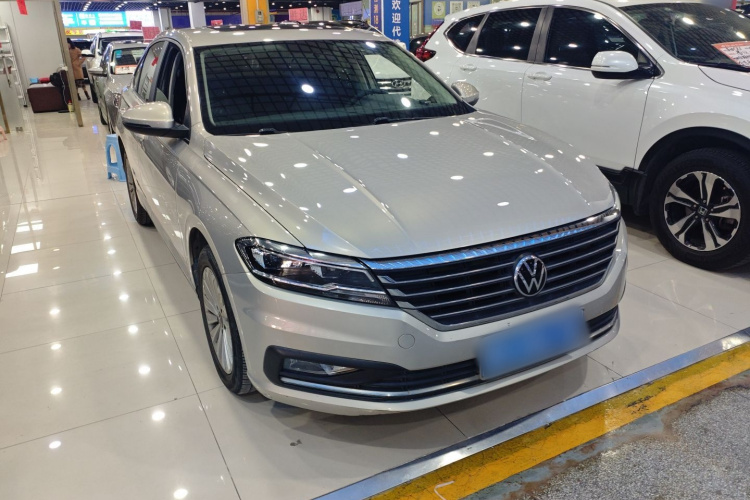
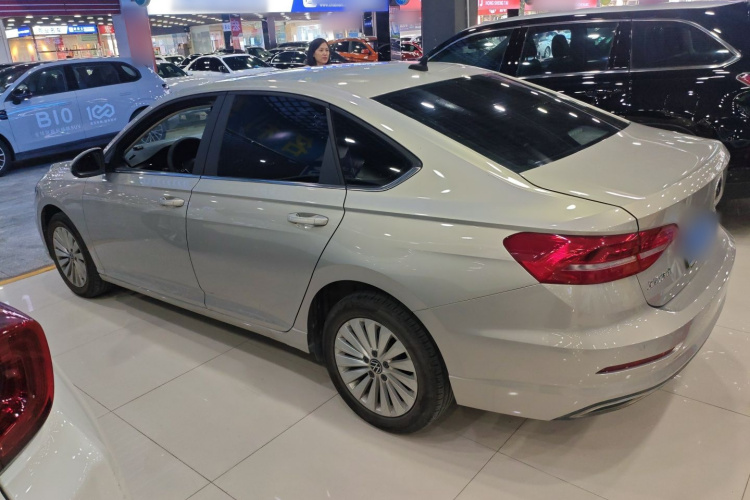
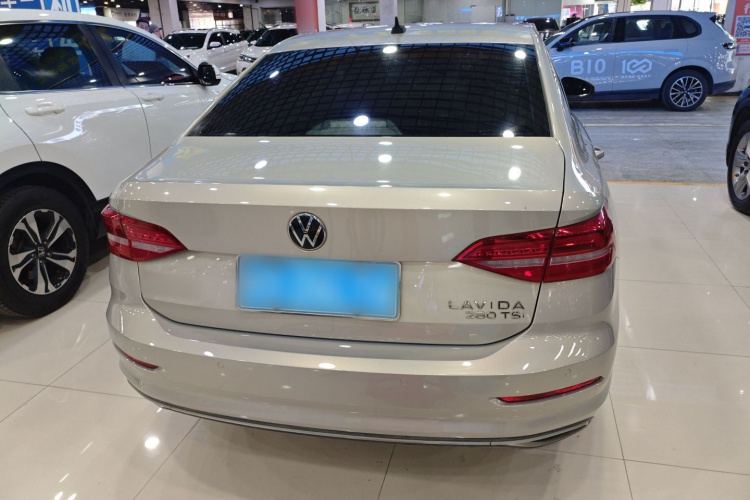
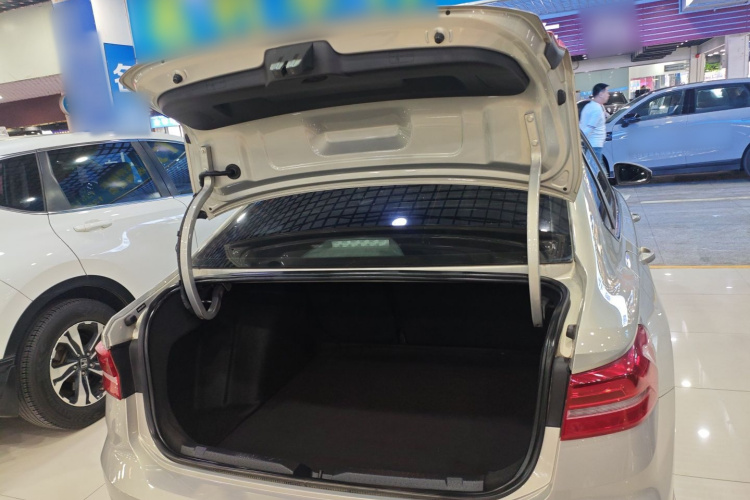
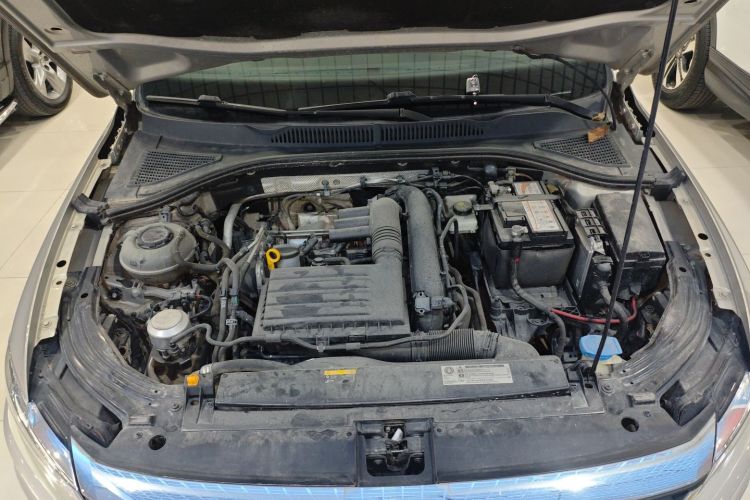



Basic Information

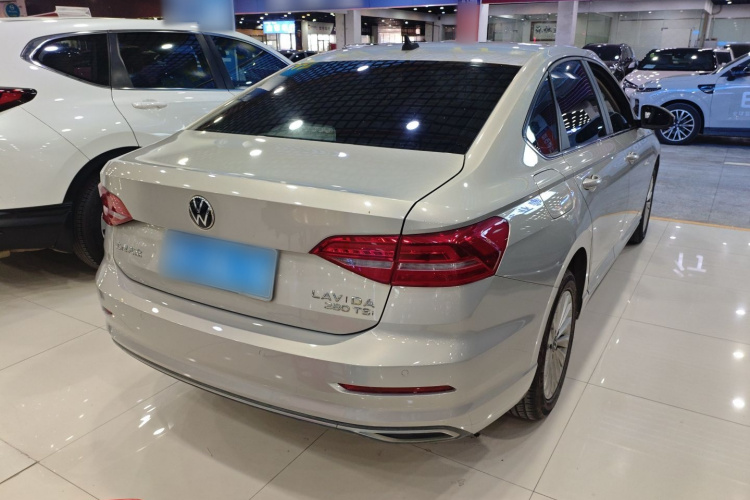
BrandVolkswagen
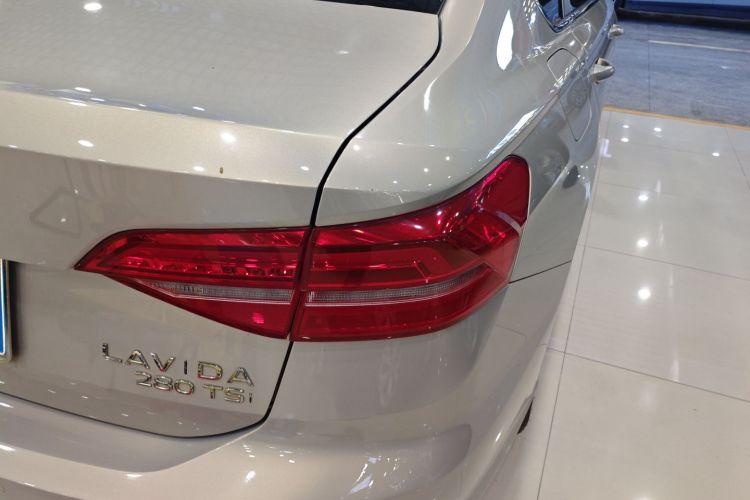
SeriesLavida
Year2020
First Registration2020/12
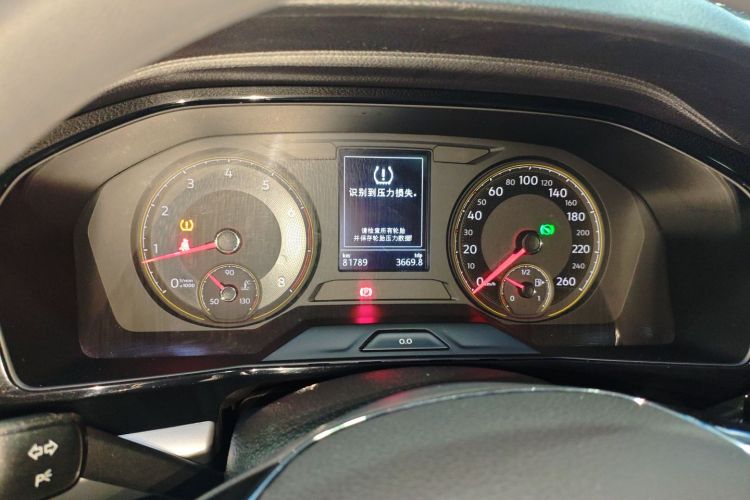
Mileage81,800km
Transfer Count-
FuelGasoline
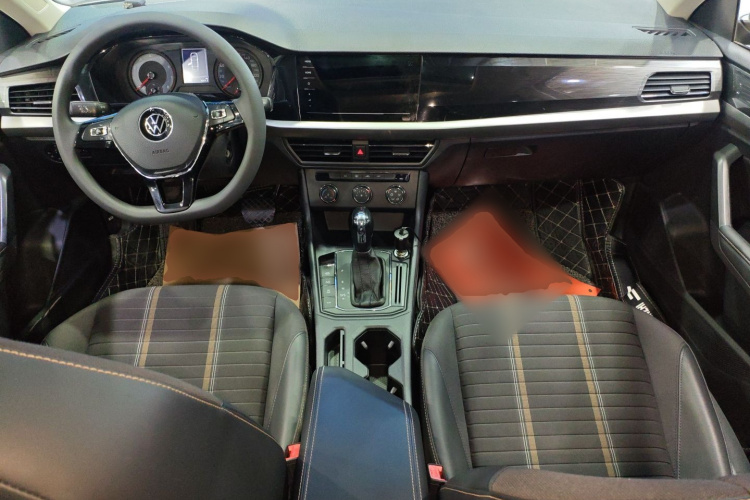
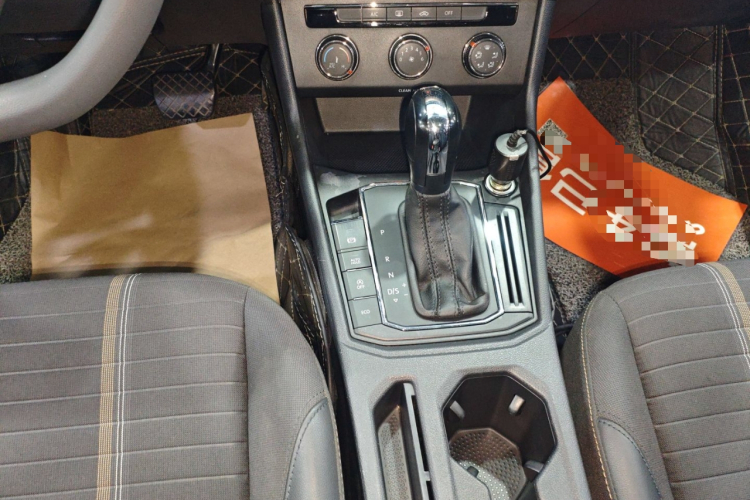
TransmissionDCT
Engine1.4T 150 L4
ColorYellow
Seats-

Condition Description

Vehicle condition meets standards, passed inspection, good condition, 0 claims, 0 ownership transfers.

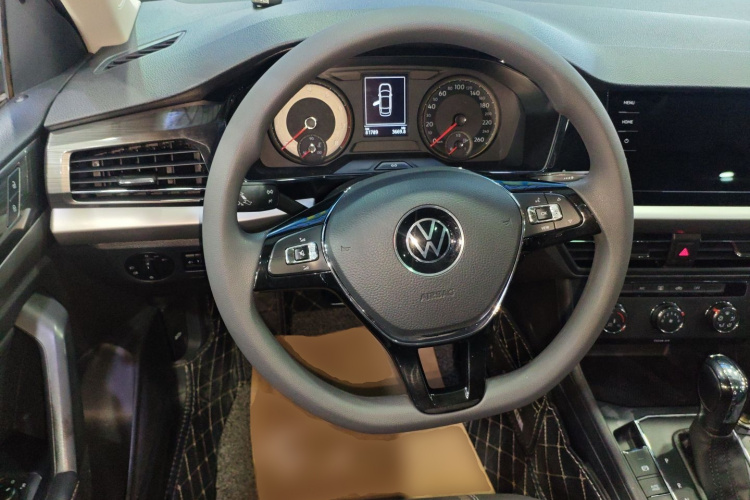
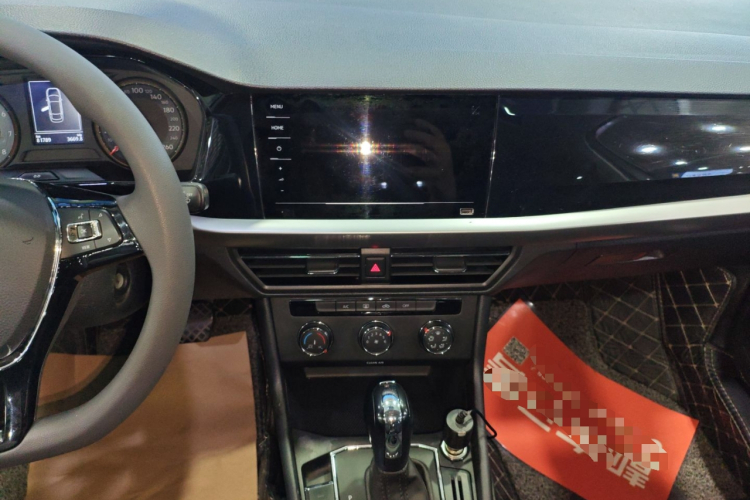
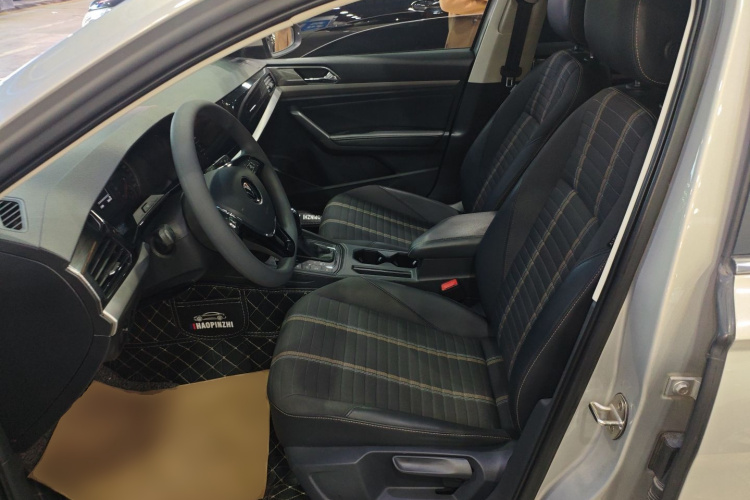
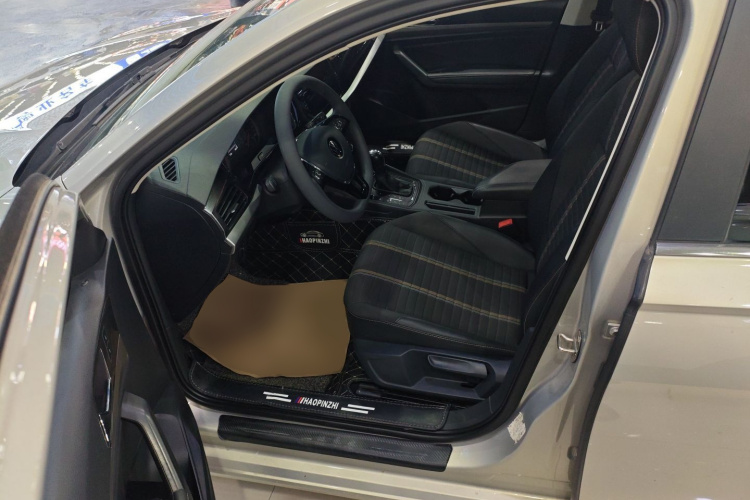
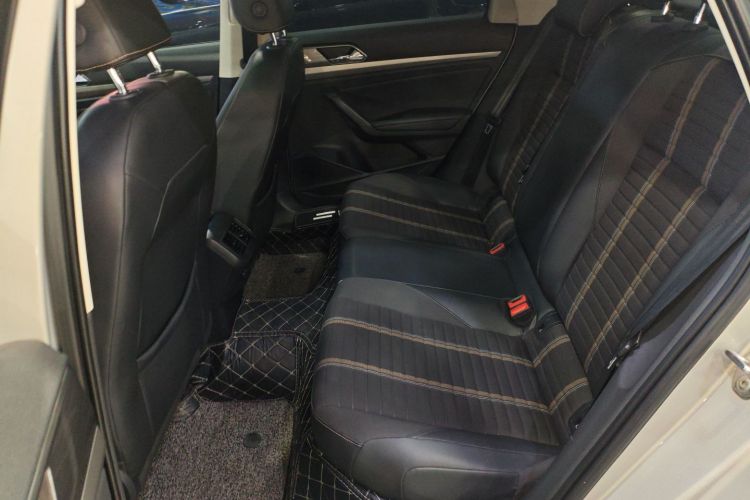
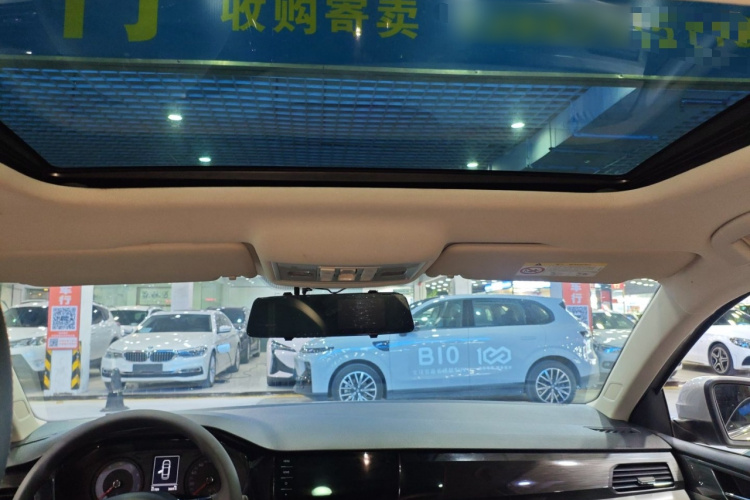
This car is 5 years old, with an average annual mileage of 16,400 kilometers, typical of normal family daily use. It has never been transferred to another owner, making it a good first-hand car. There may be some obvious signs of wear and tear on the exterior. The interior shows obvious signs of use or dirt. The overall body frame is intact, but there are a few abnormal issues. The fluids are normal, and the power system is functioning well.

Configuration Highlights

✓Cornering Lights
✓Smartphone Connectivity
✓High Beam Assist
✓Auto Hold
✓High-definition Low Beam
✓Engine Start-Stop
✓Rear Air Vents
✓Tire Pressure Monitoring
✓Heated Mirrors
✓Hill Start Assist
✓Rear Parking Sensors
✓Anti-pinch Windows

Q&A

More

After receiving the car, I found that the 12V battery was dead and couldn't start, or the wiper rubber was aging. Does this count as a quality breach on your part?

No, it does not. International shipping (especially RoRo) usually takes 30 to 60 days, during which the vehicle is stationary. A dead 12V battery, natural tire pressure loss, and even wiper aging due to temperature differences are all reasonable physical wear during long-distance transport. We strongly recommend that overseas buyers bring a portable jump starter and an air pump when picking up their vehicles at the port.
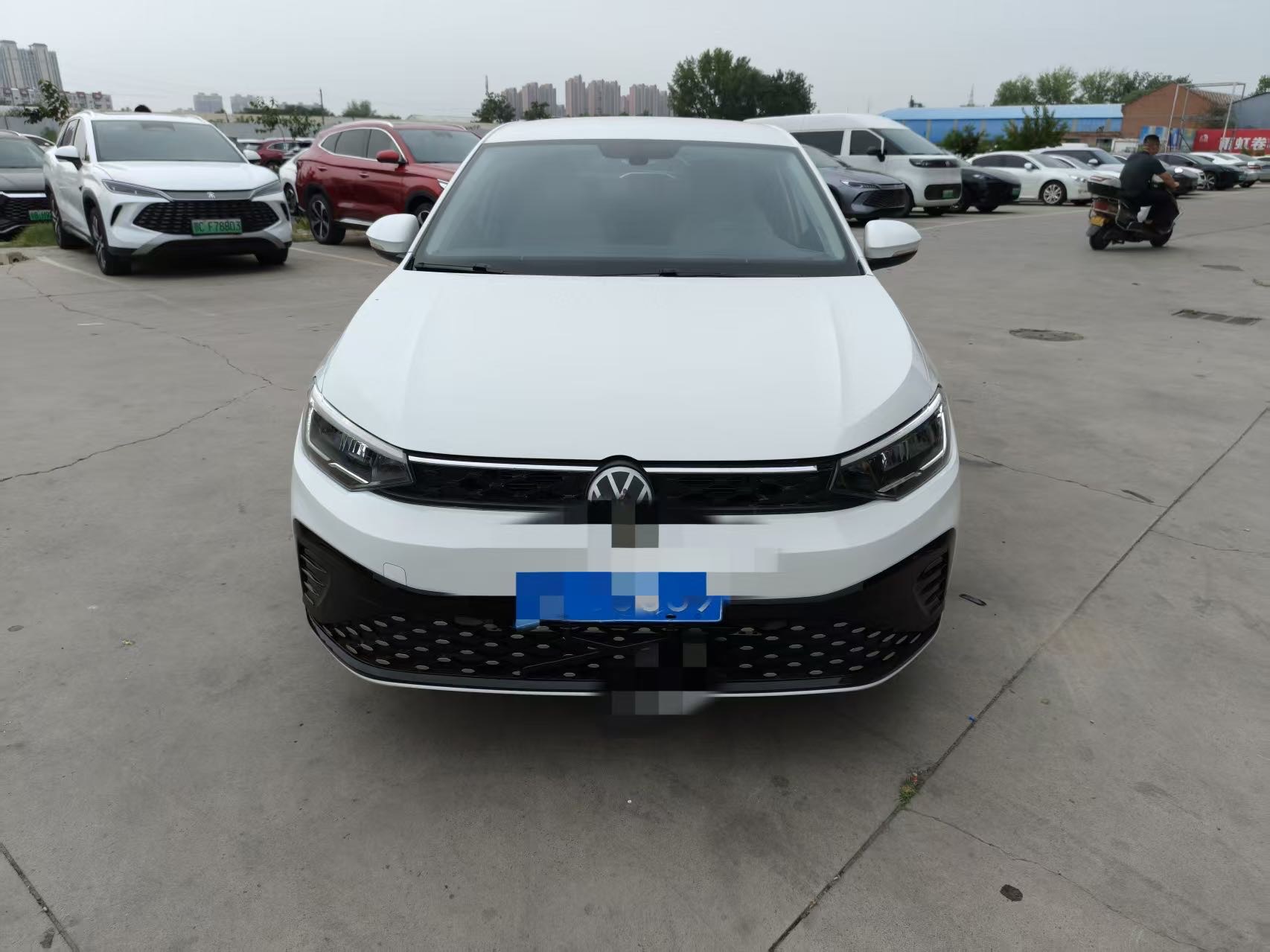
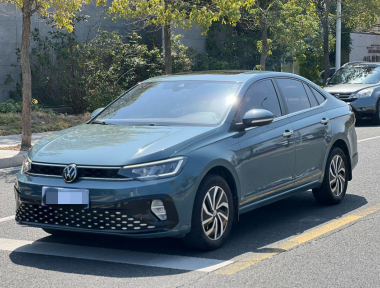
When B2B buyers make bulk purchases, can they request to combine the accessory costs and vehicle price on the same commercial invoice to reduce overall tariffs?

No, this is a serious customs violation. Complete vehicles (HS Code 8703) and auto parts (HS Code 8708, etc.) are subject to completely different import tax rates. Combining them on one invoice could lead to the invoice being returned by customs and may expose you to tax fraud accusations at the destination port.

How to confirm that the car windows are all original factory parts and not replaced due to an accident?

The technician will check the production date codes and brand logos in the lower left corner of all the car's glass (including the windshield, four doors, and rear window) to see if they match the vehicle's factory date on the nameplate. If any glass is found to have a date later than the vehicle's production date, it will be recorded as evidence of a "previous damage replacement."