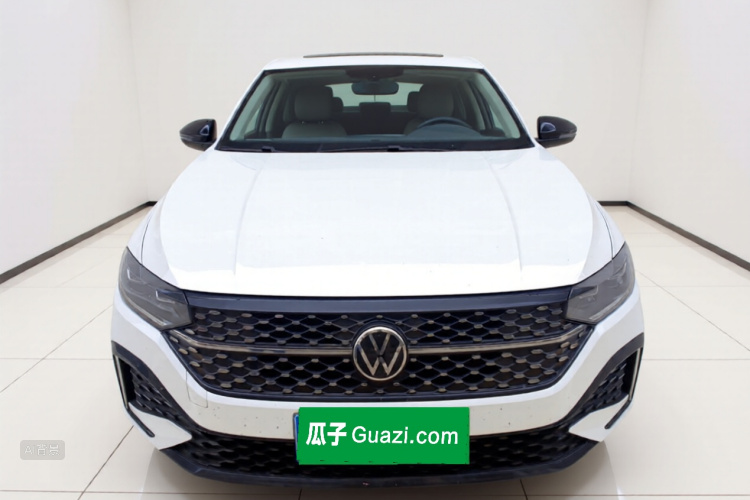
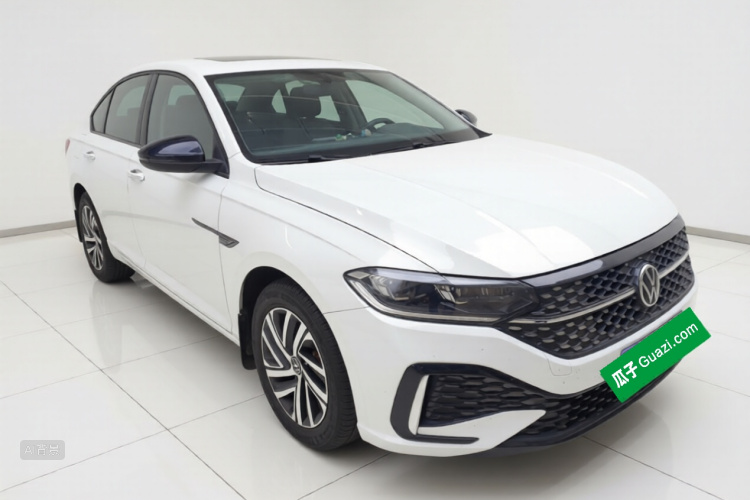
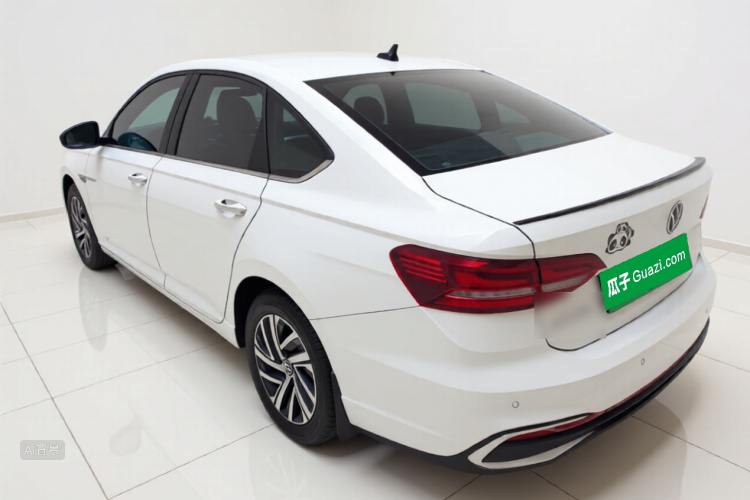
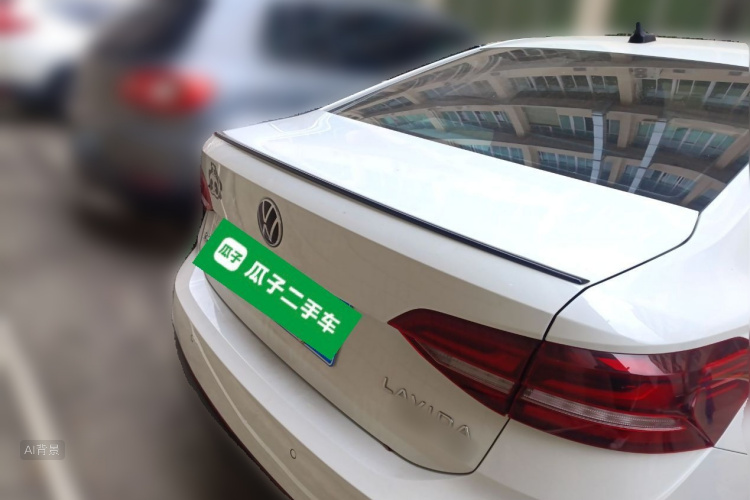
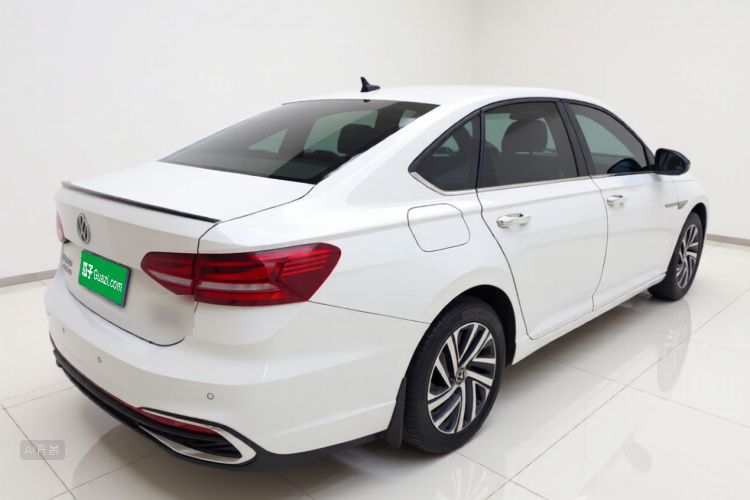



Basic Information

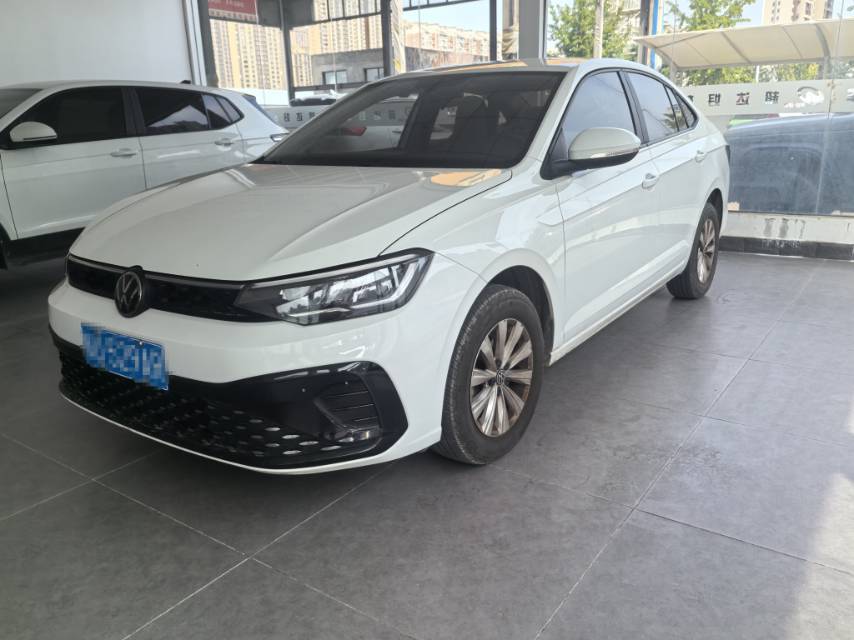
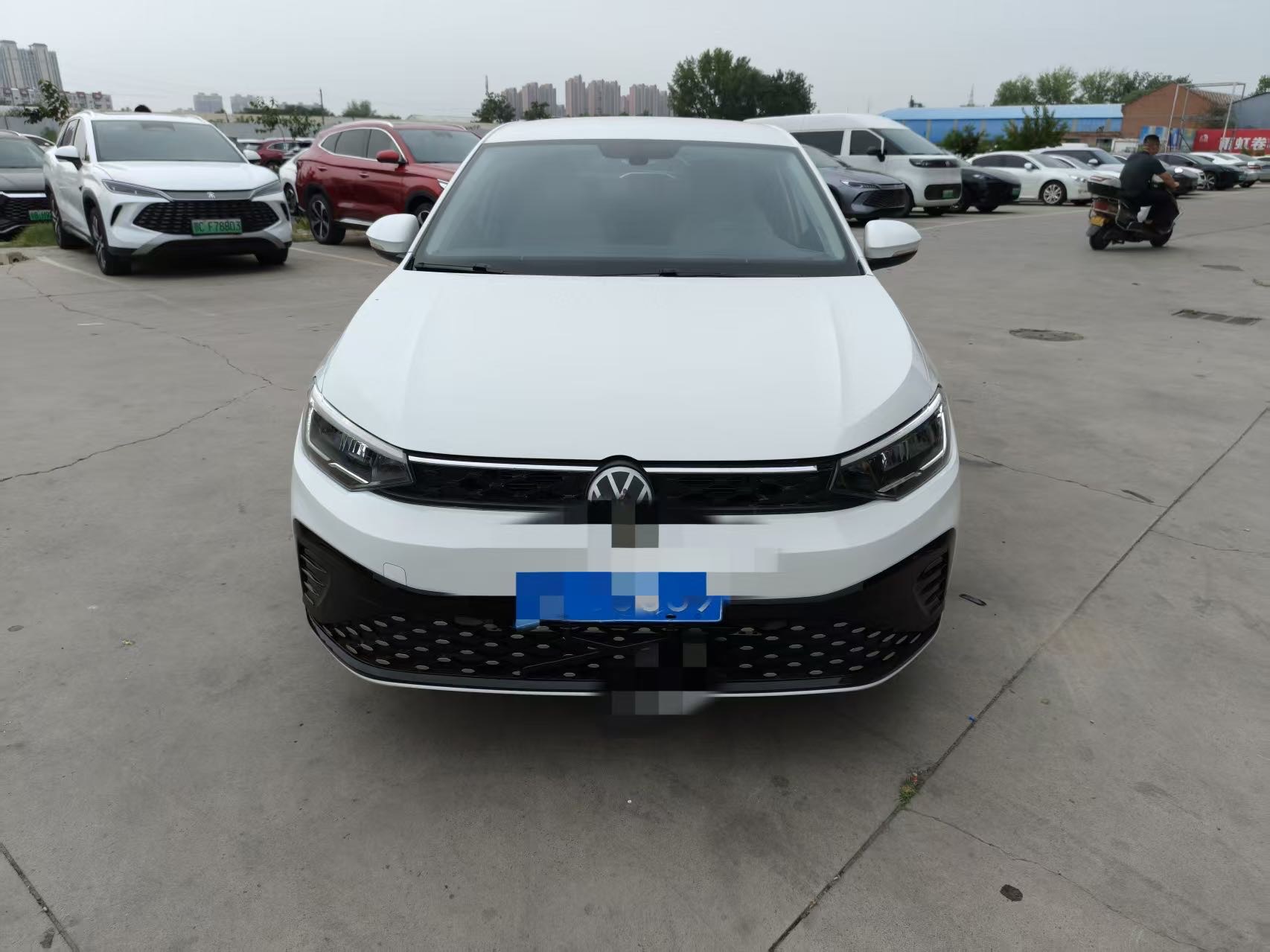
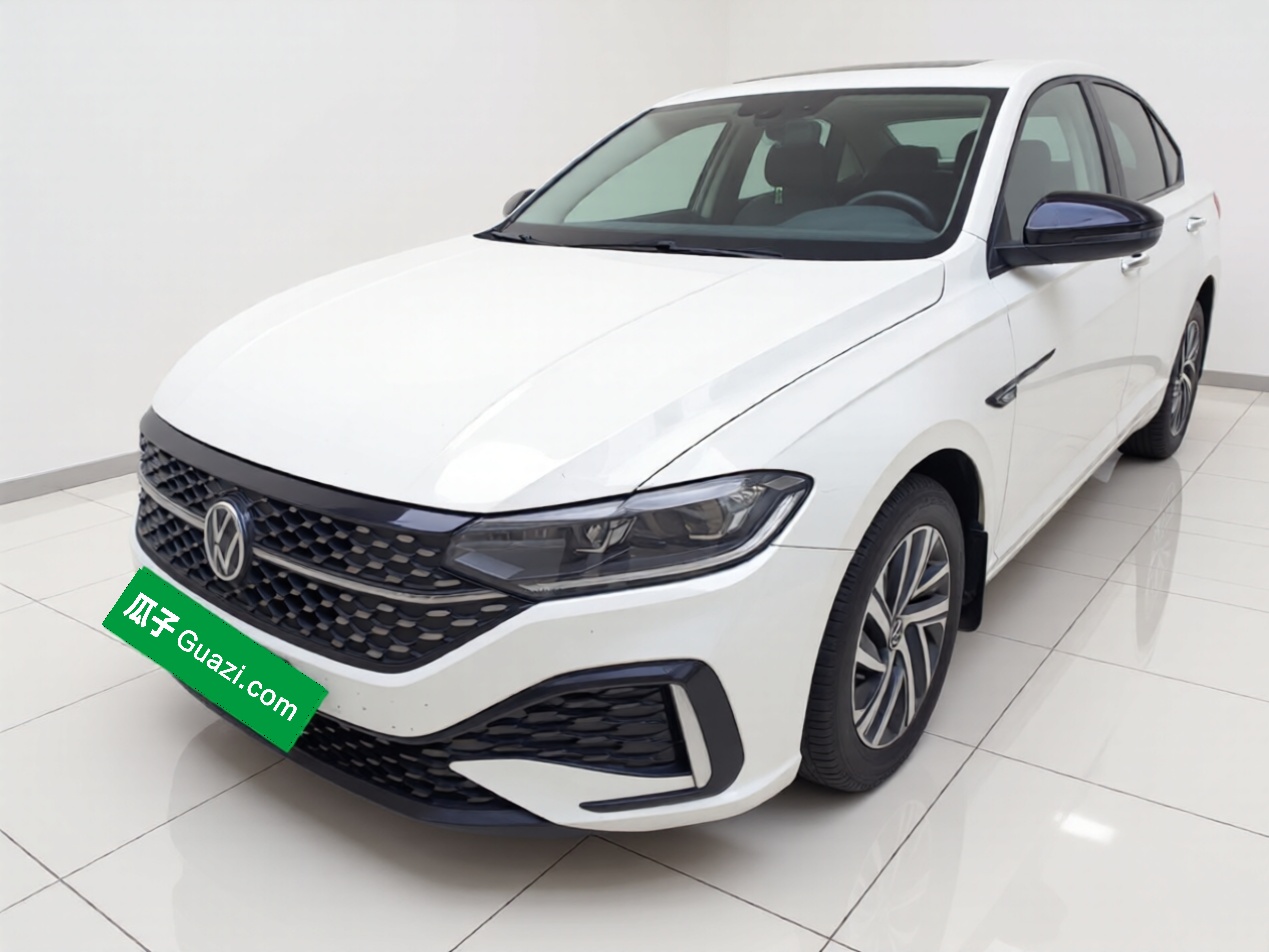
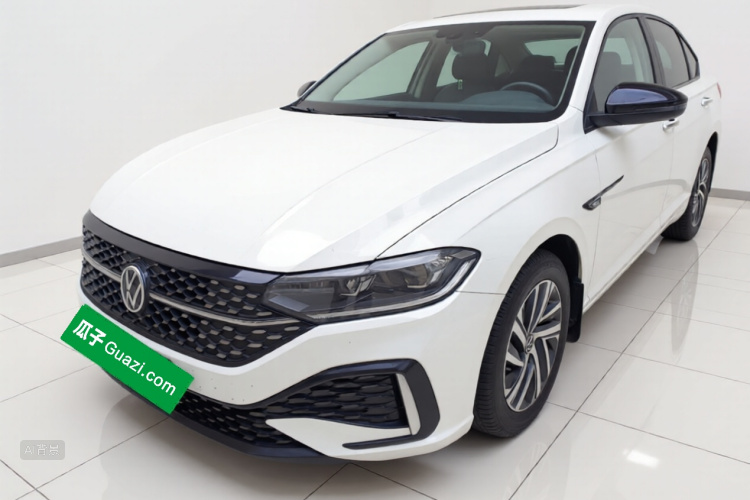
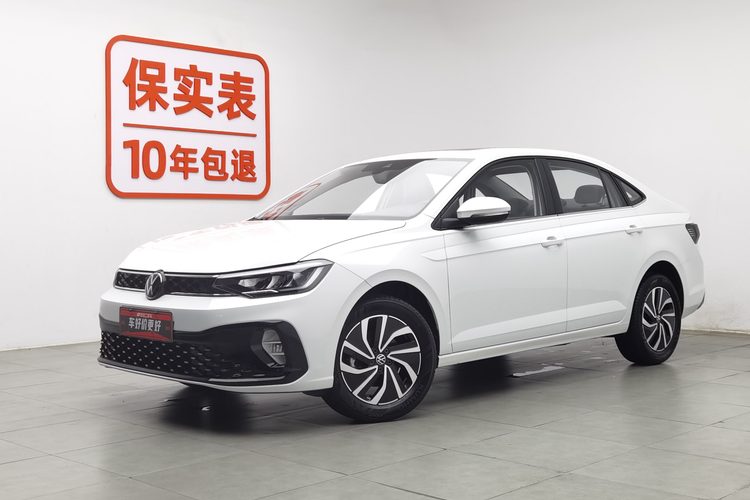
BrandVolkswagen
SeriesLavida
Year2022
First Registration2022/08
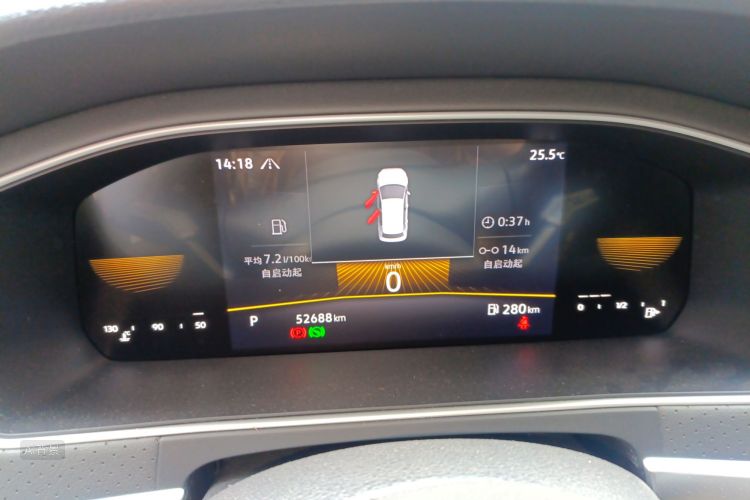
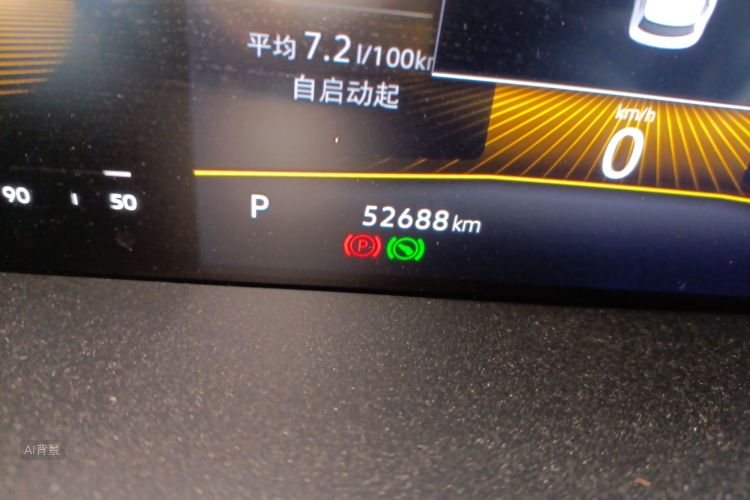
Mileage52,600km
Transfer Count-
FuelGasoline
TransmissionDCT
Engine1.4T 150 L4
ColorWhite
Seats-

Condition Description

Vehicle in good condition, passed inspection, vehicle in good condition, 3 claims filed, 0 ownership transfers.

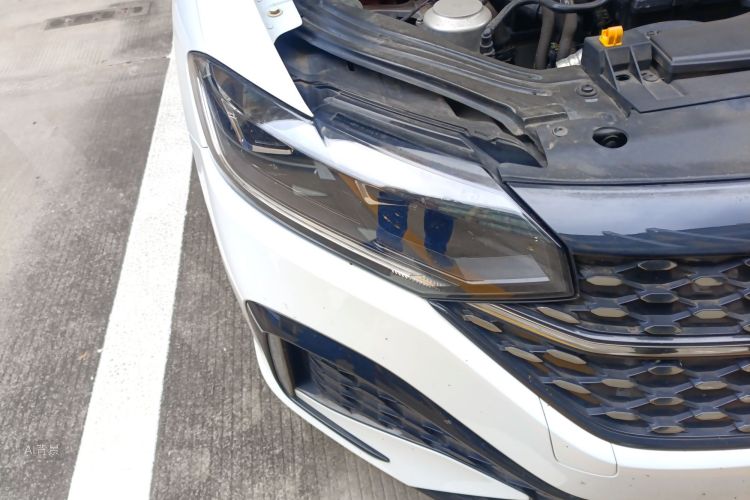
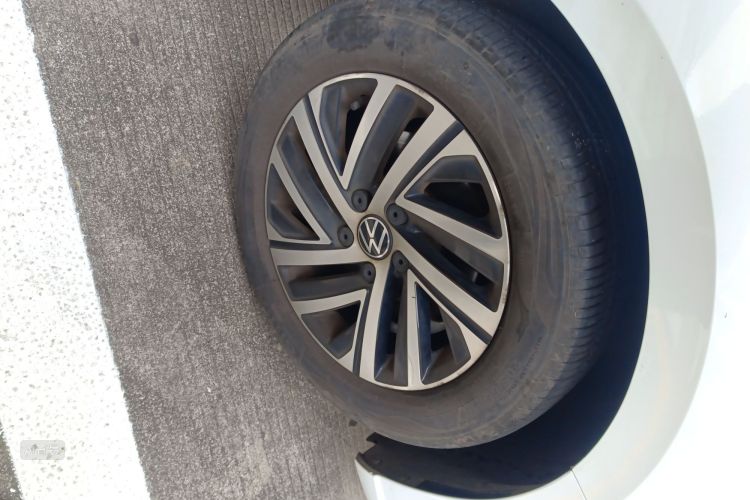
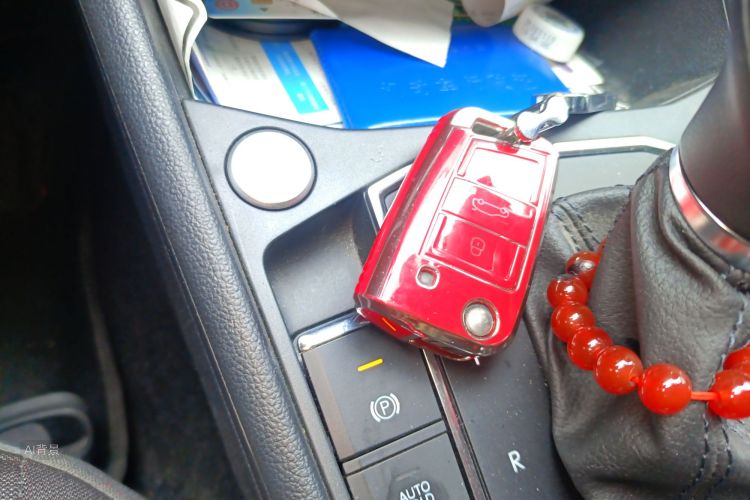
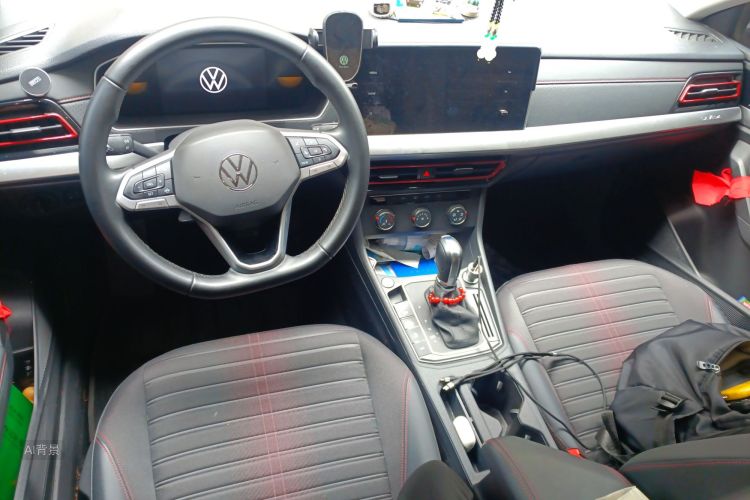
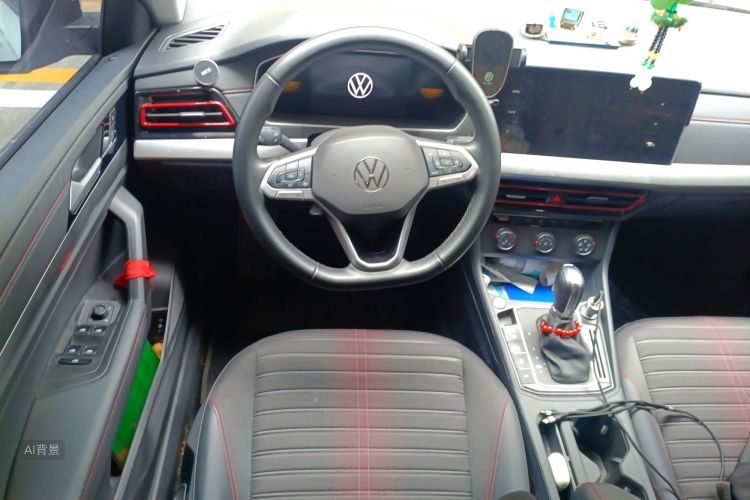
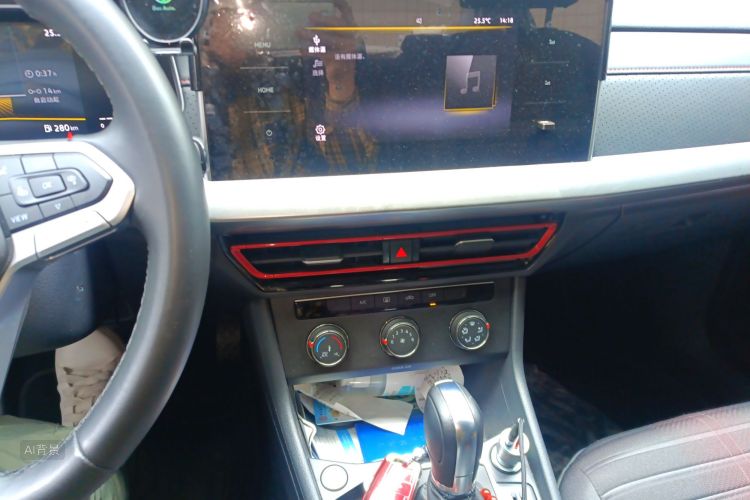
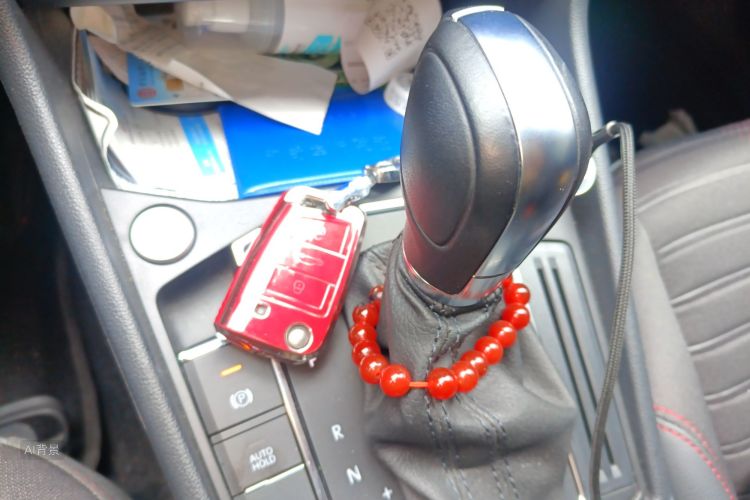
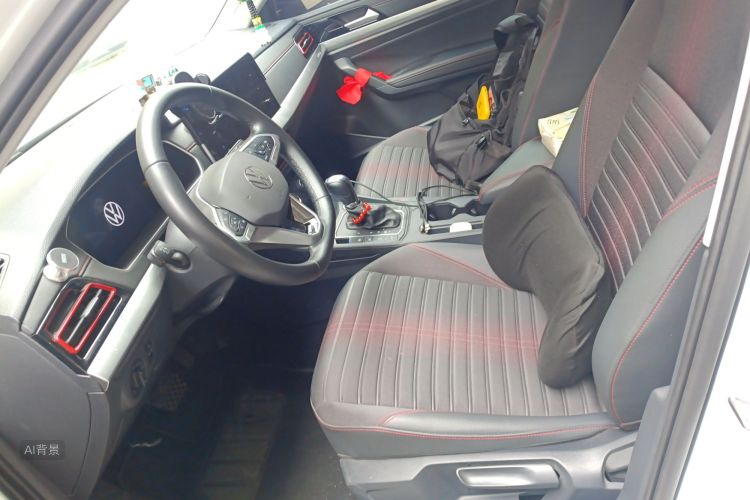
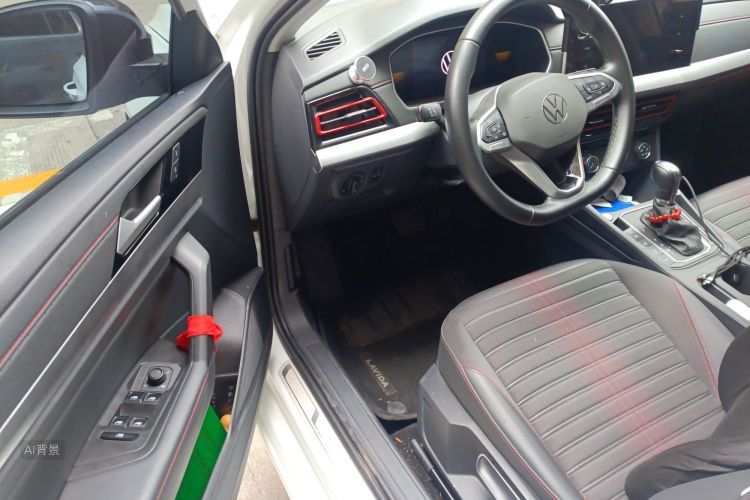
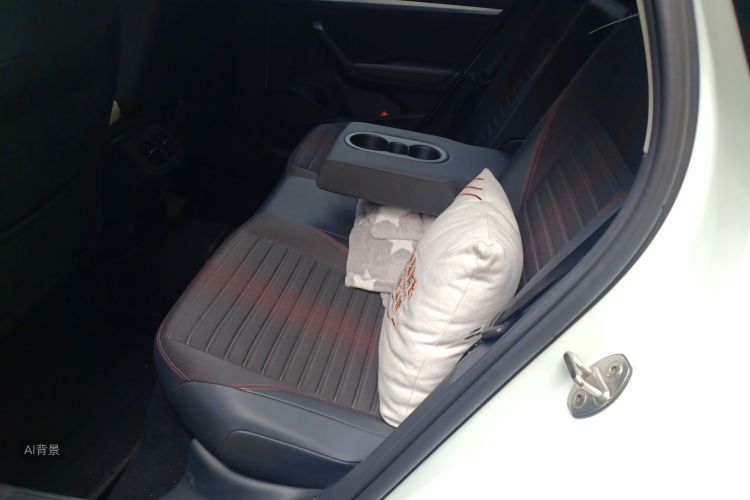
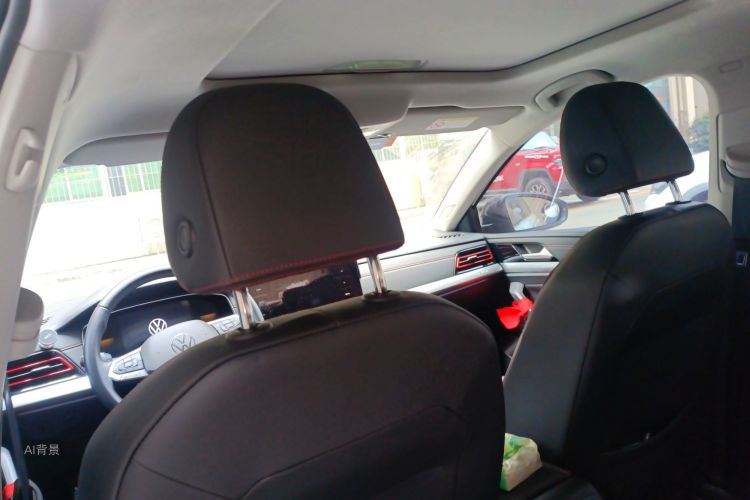
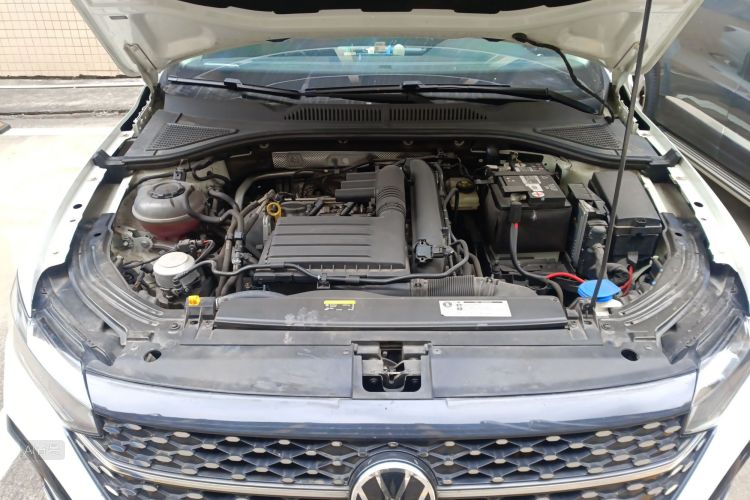
This car is 4 years old, with an average annual mileage of 13,200 kilometers, typical of normal family daily use. It has never been transferred to another owner, making it a good one-owner car. The exterior paint is in good condition, although there may be a few minor marks. The interior is in good condition, with normal signs of use. The overall body frame is intact, but there are a few abnormal issues. Fluids are normal, and the powertrain is functioning well.

Configuration Highlights

✓Cornering Lights
✓Ambient Lighting
✓Smartphone Connectivity
✓High Beam Assist
✓Auto Hold
✓Keyless Entry
✓Rain-sensing Wipers
✓Backup Camera
✓High-definition Low Beam
✓Power Folding Mirrors
✓Engine Start-Stop
✓Auto Headlights
✓Cruise Control
✓Keyless Start
✓Rear Air Vents
✓Tire Pressure Monitoring
✓Heated Mirrors
✓Hill Start Assist
✓Rear Parking Sensors
✓Anti-pinch Windows

Q&A

More

How is the degree of wear on the interior defined? (e.g., steering wheel, seat patina or cracking)

Interior assessment is divided into three core areas: the driver's high-frequency contact area (steering wheel, gear shift, edge of the driver's seat), central control button area, and rear seats and ceiling. The natural sheen of leather surfaces (patina) is normal; however, any physical damage (such as leather tearing, fabric burn holes, or plastic breakage) will be classified as "structural interior damage" and clearly marked.
What are the common issues with this car? Has this car resolved them?

We will honestly inform you of the common issues with this model (such as the water pump failure in certain German cars) and show that this car has had the improved parts replaced.

Why are the shipping costs for used electric vehicles (EVs) usually higher than for internal combustion engine vehicles (ICEs)?

Pure electric vehicles are classified as Class 9 Dangerous Goods due to their large lithium batteries, leading to strict shipping regulations. Shipping companies have high requirements for the loading position and fire isolation measures for dangerous goods, and some roll-on/roll-off ships refuse to accept used EVs. As a result, EVs often require more expensive special container shipping and incur additional handling fees for hazardous materials.