


24H

Basic Information

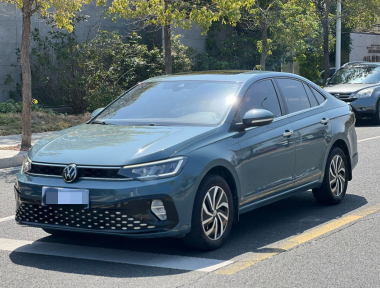
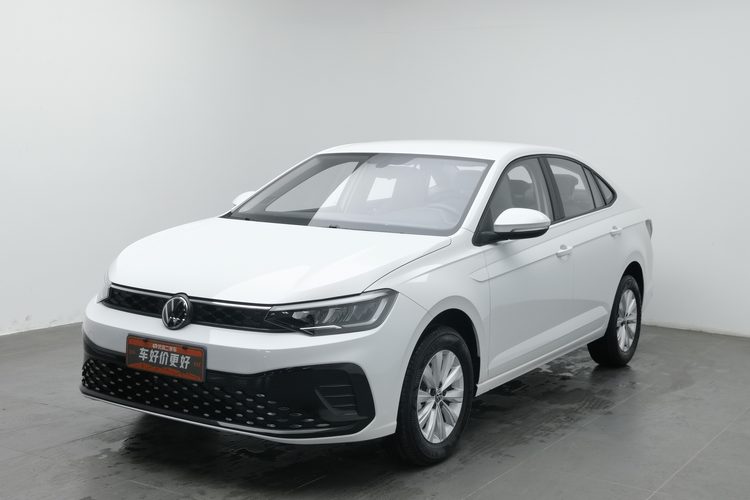
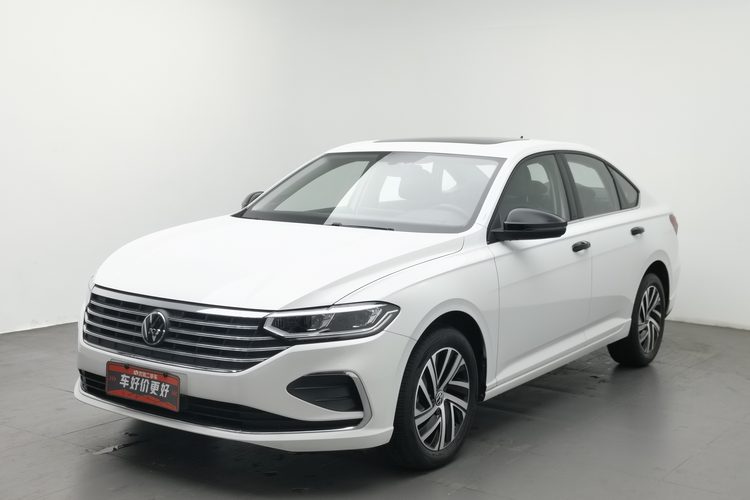
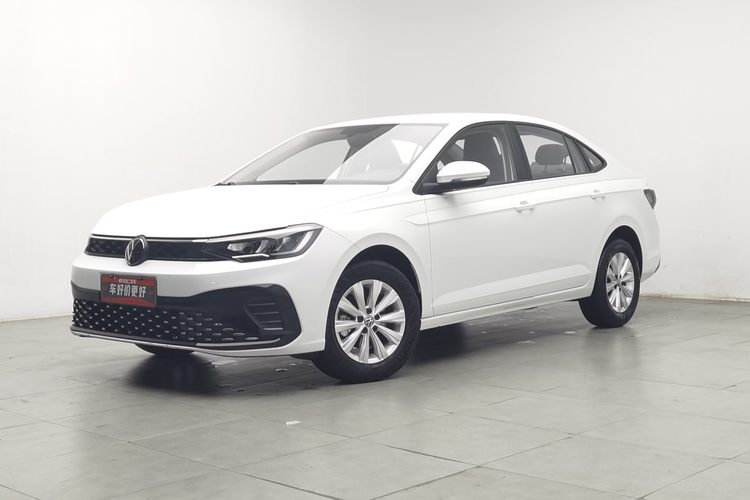
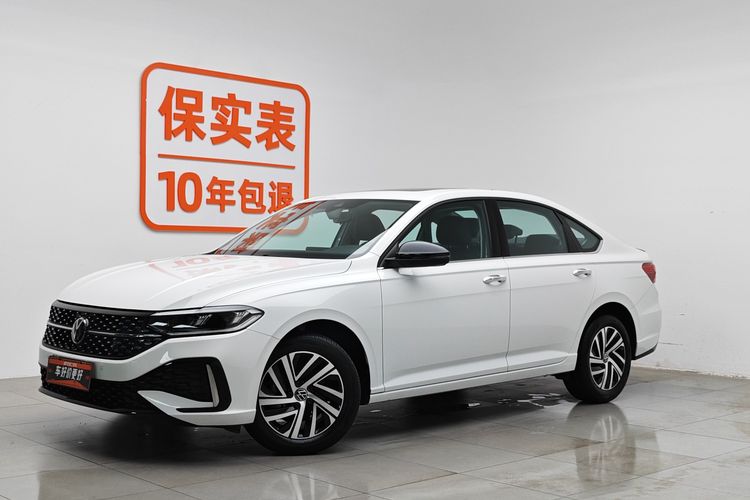
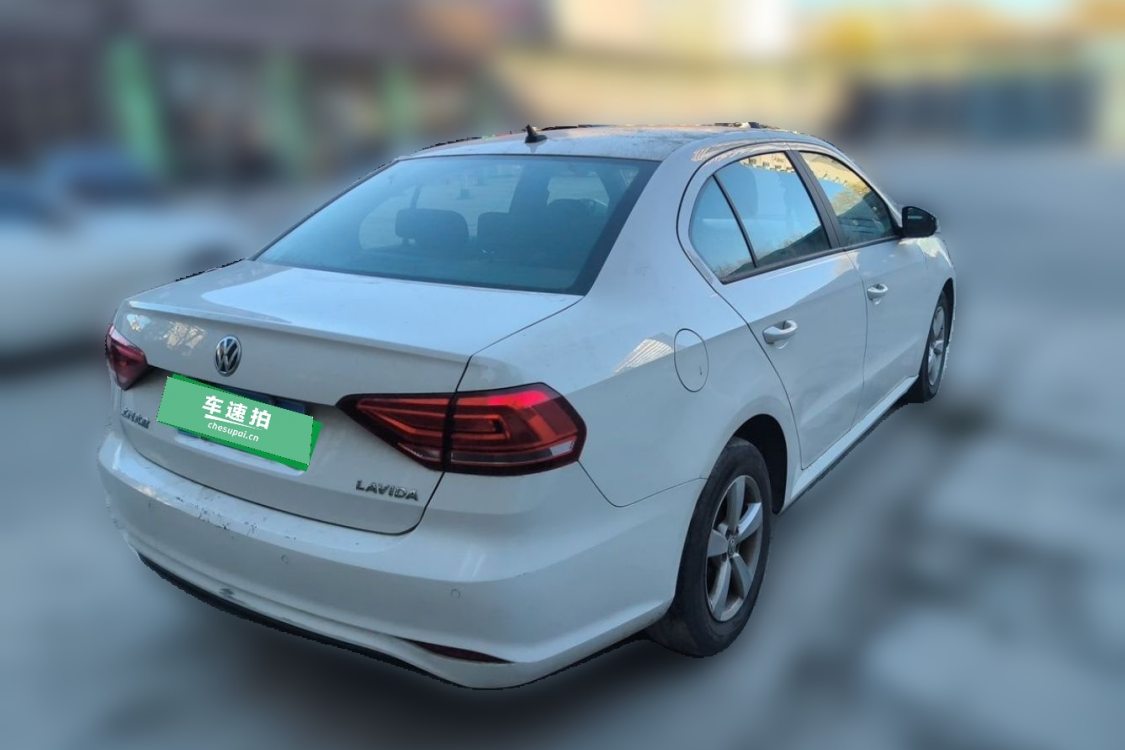
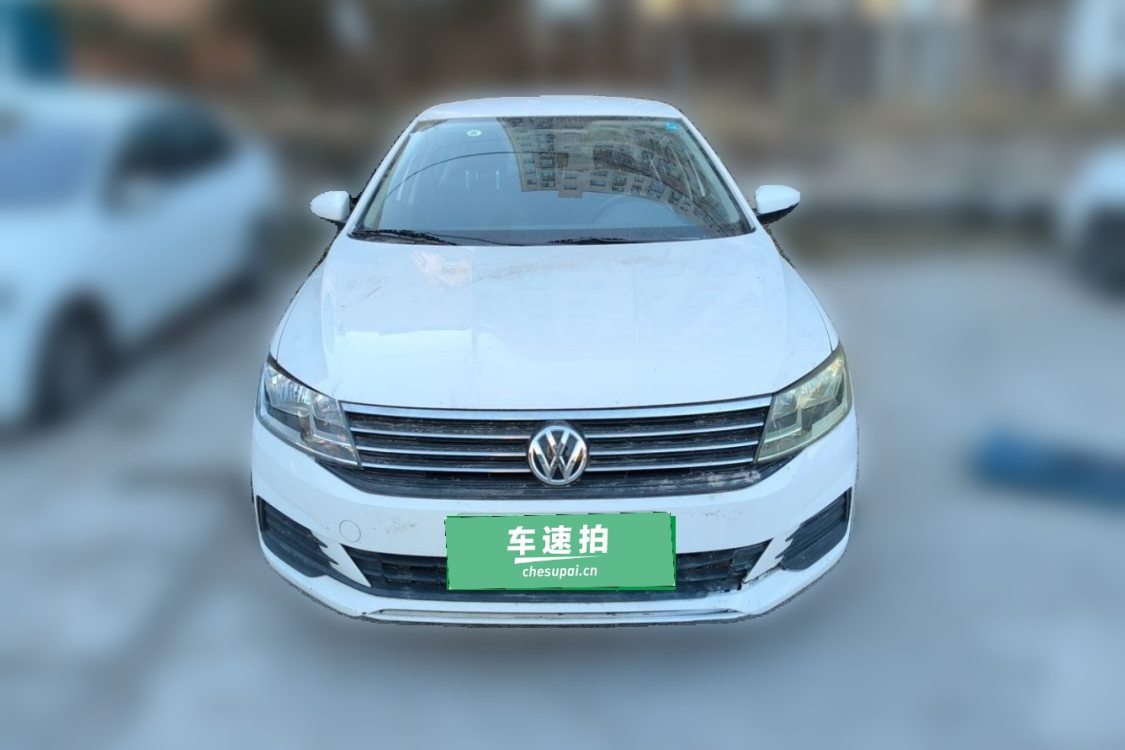
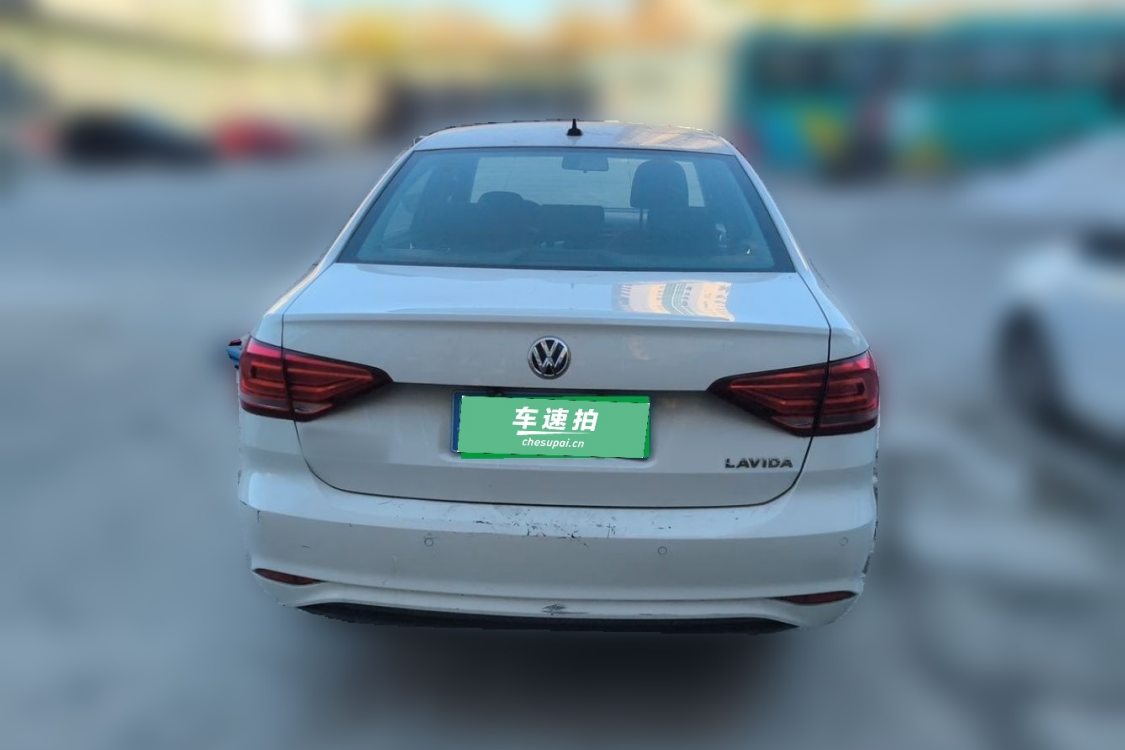
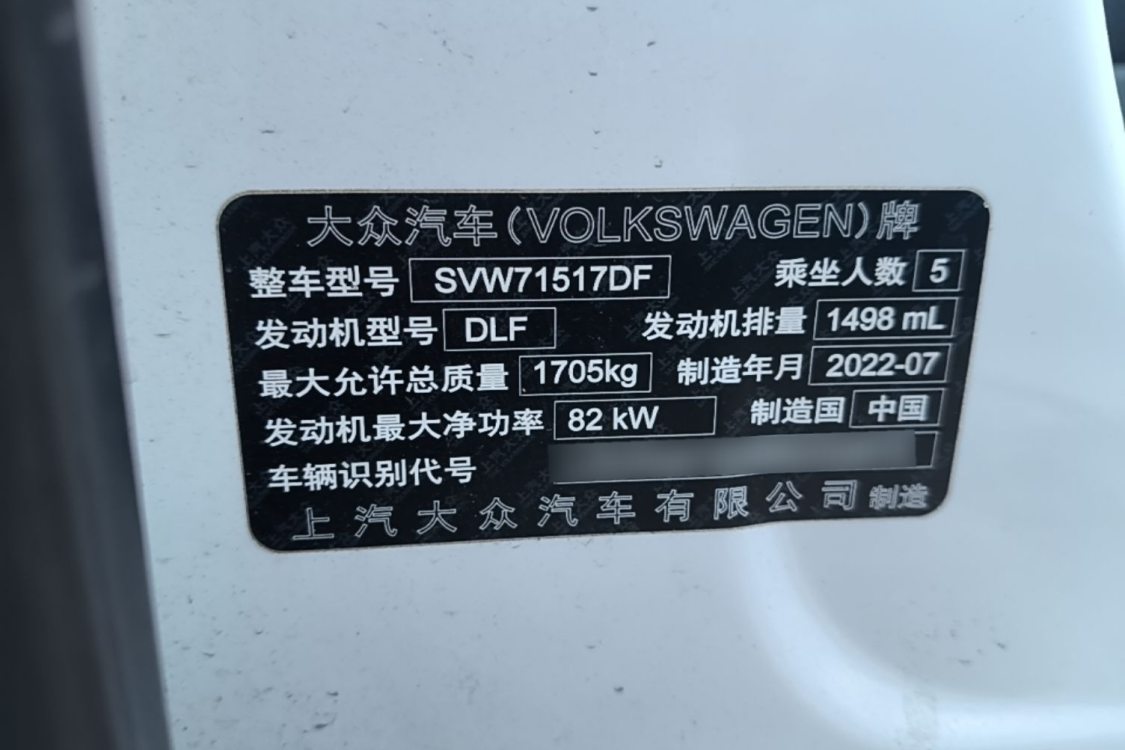
BrandVolkswagen
SeriesLavida
Year2022
First Registration2022/08
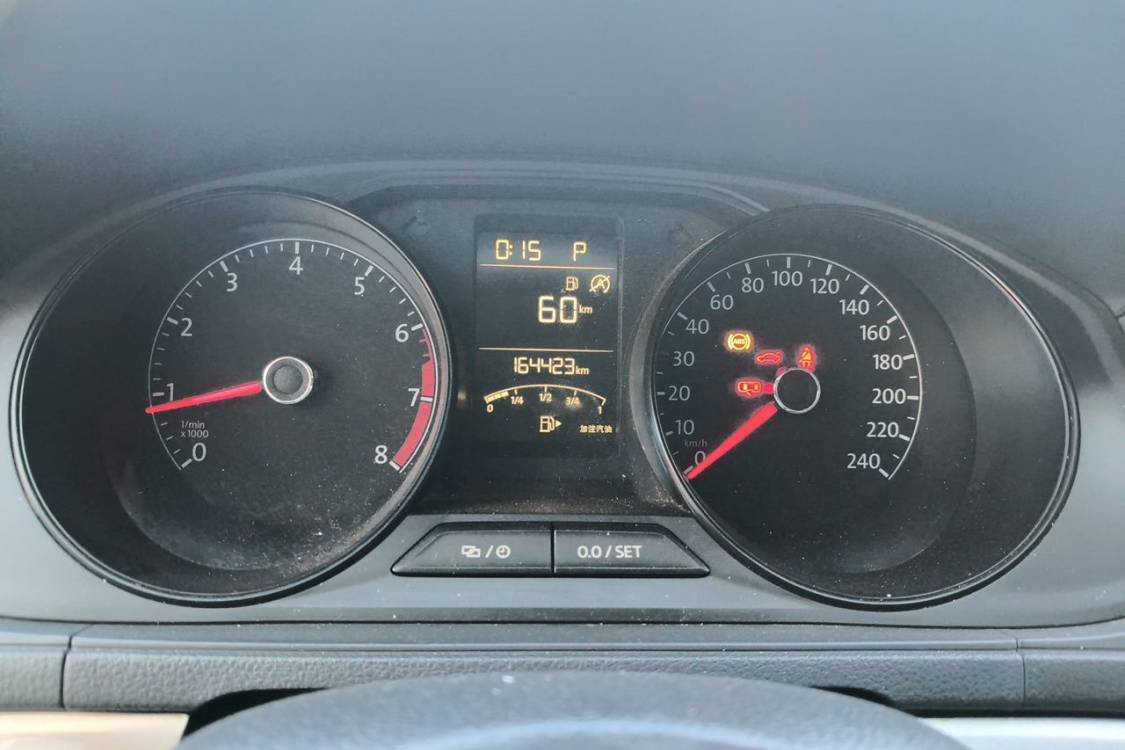
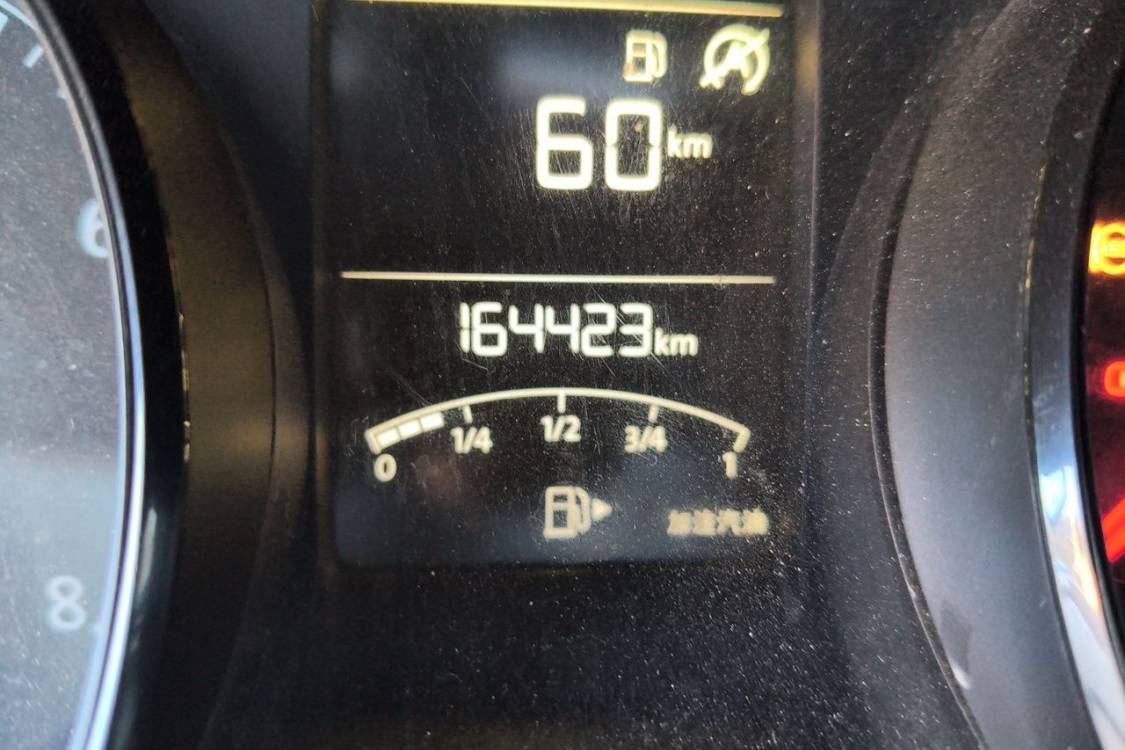
Mileage164,400km
Transfer Count-
FuelGasoline
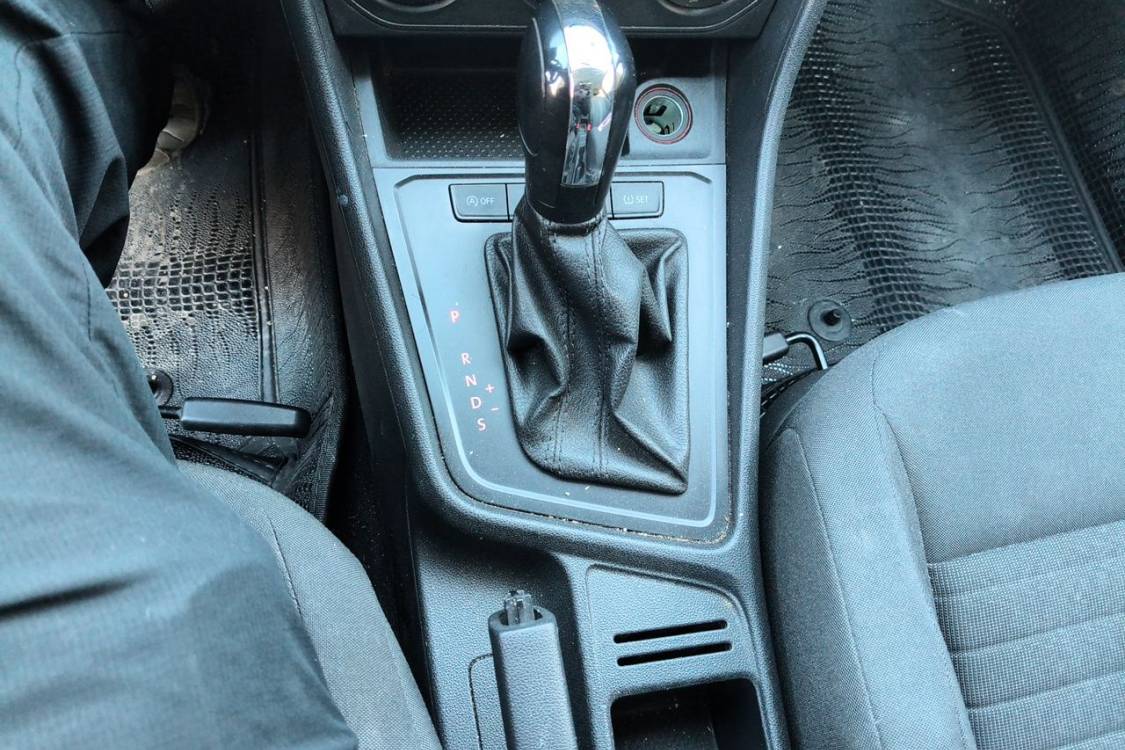
TransmissionManumatic
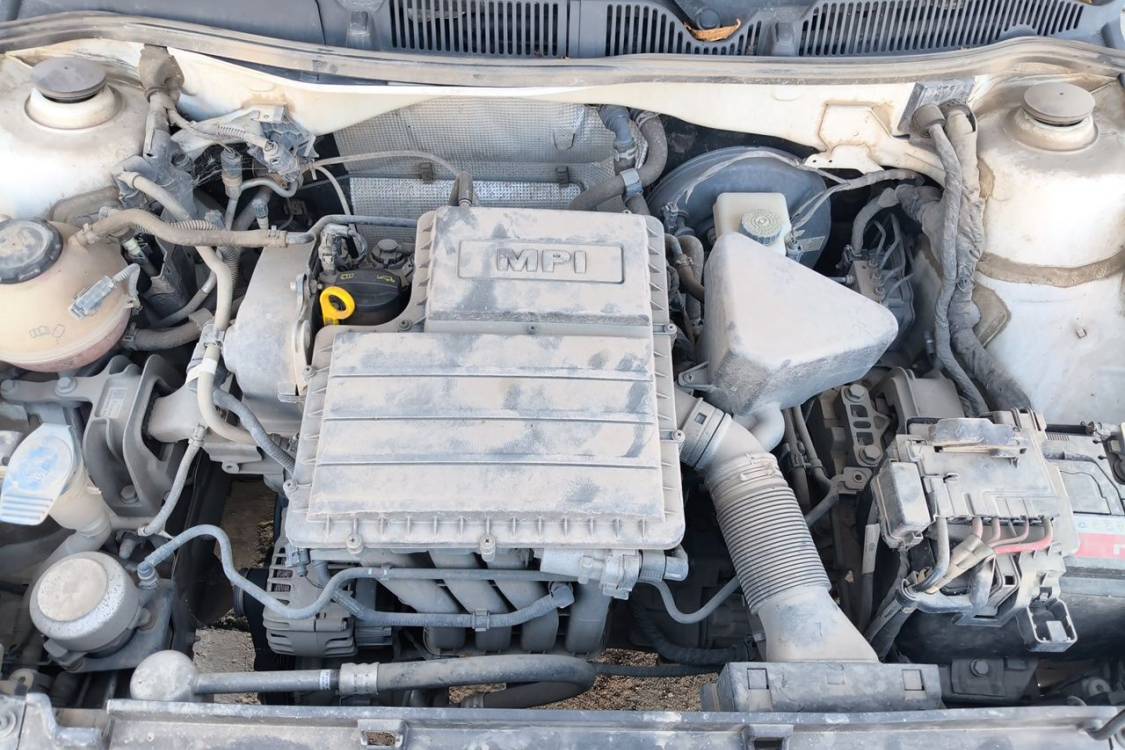
Engine1.5L 112 L4
ColorWhite
Seats-

Condition Description

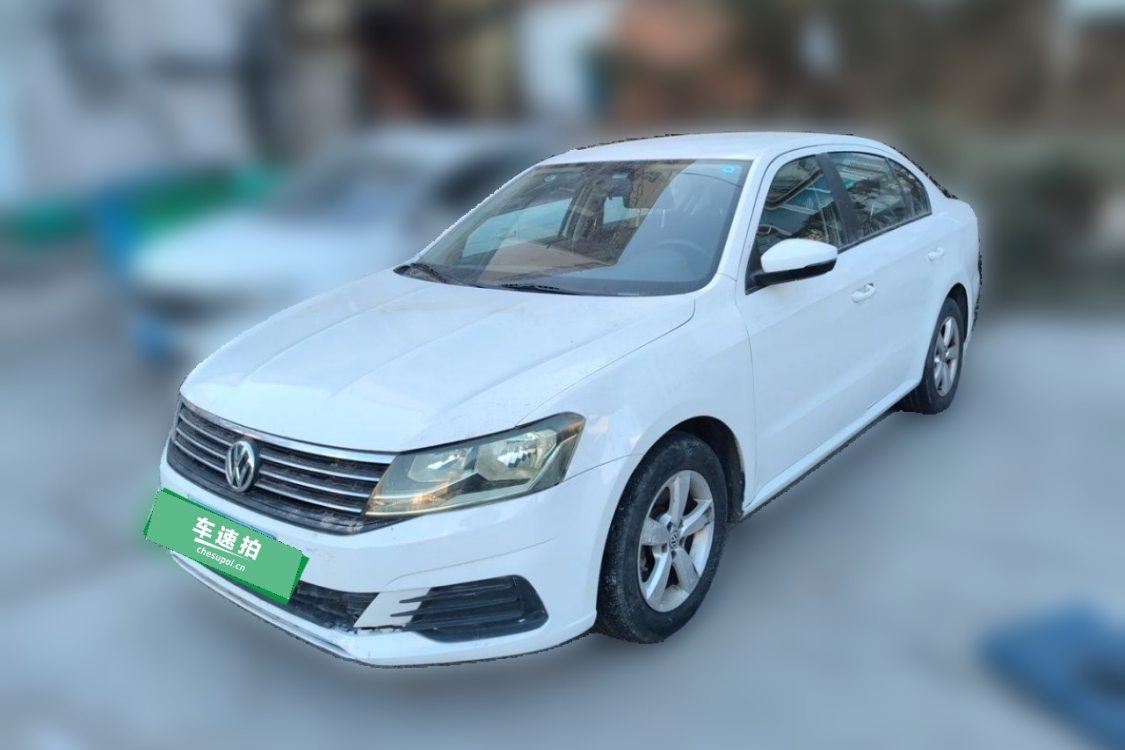
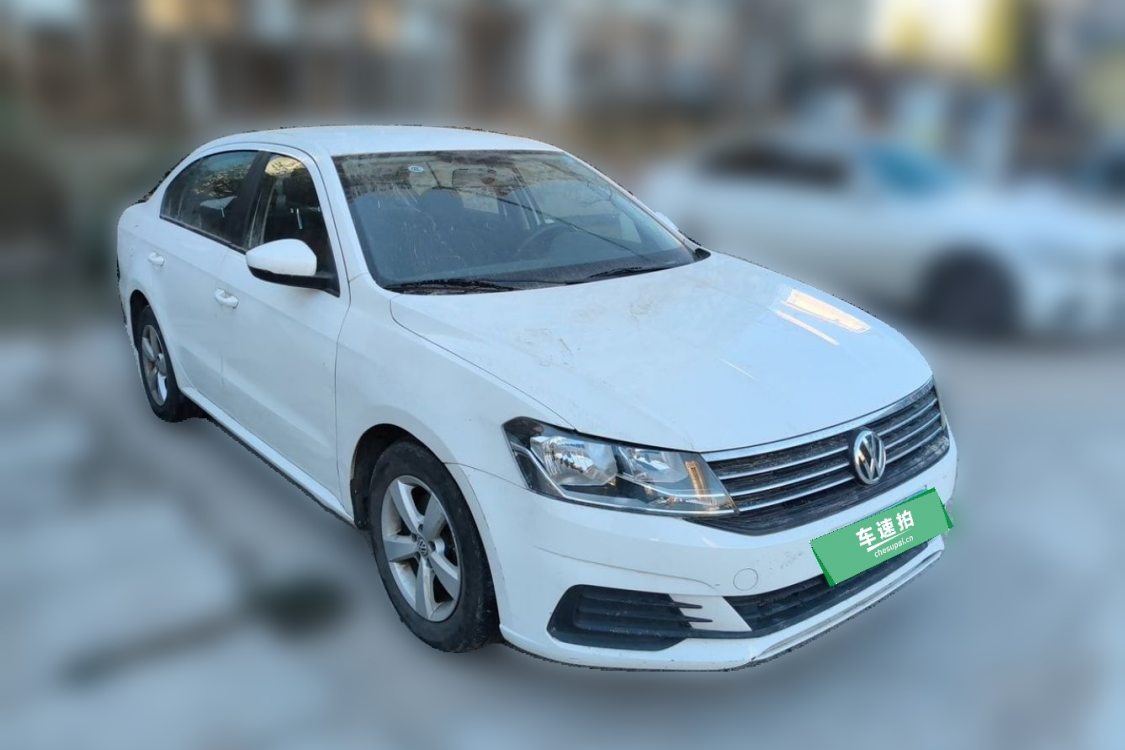
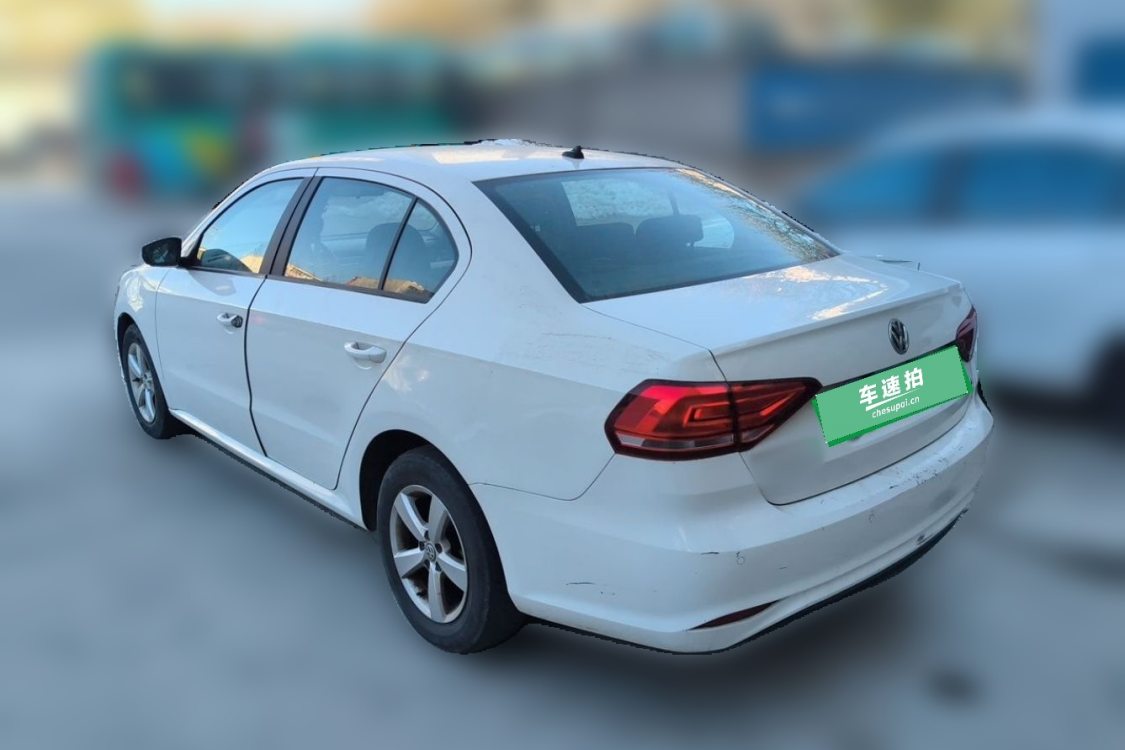
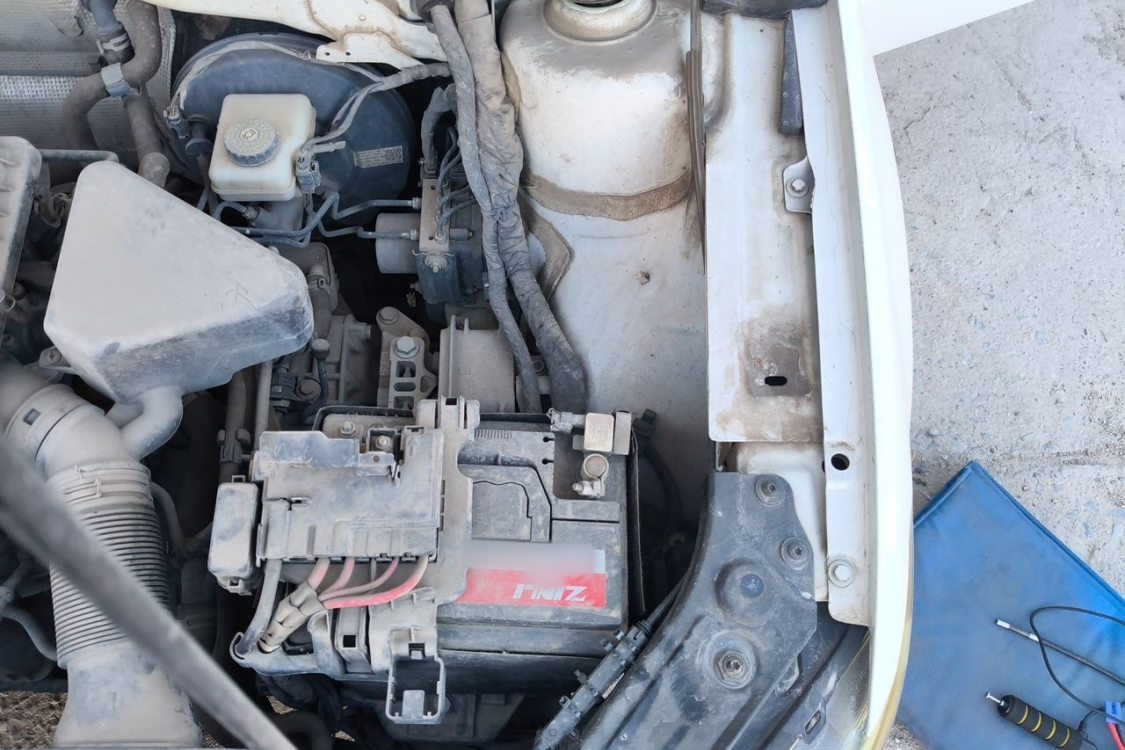
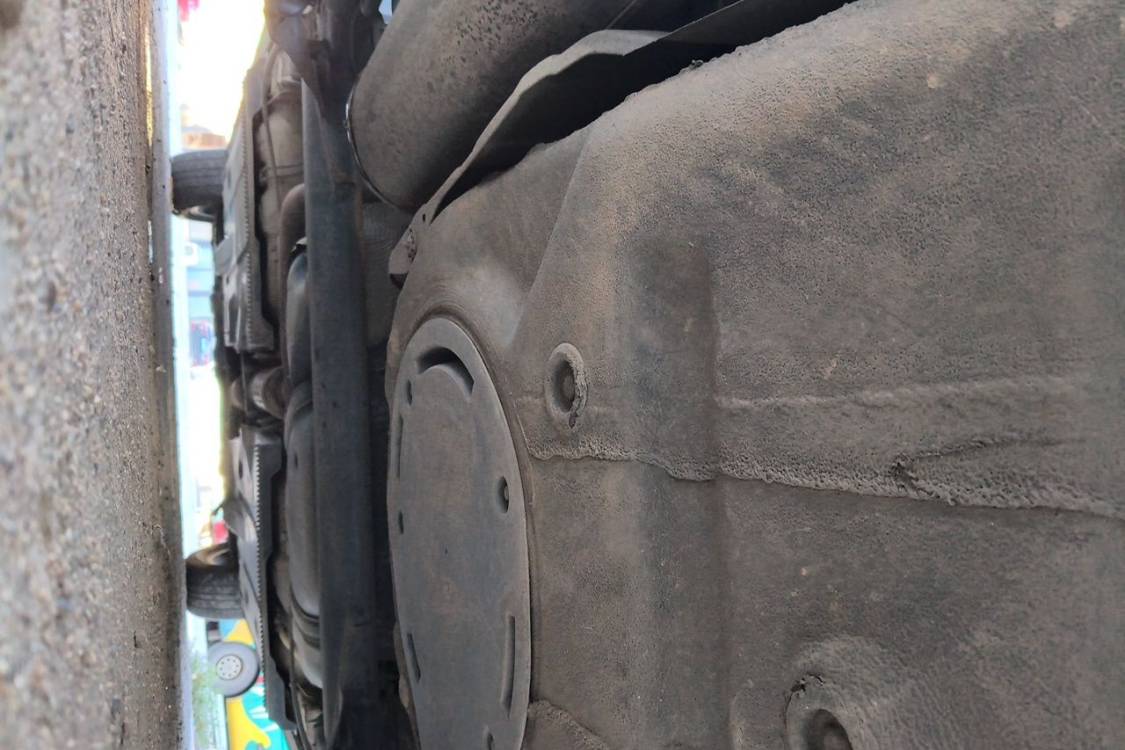
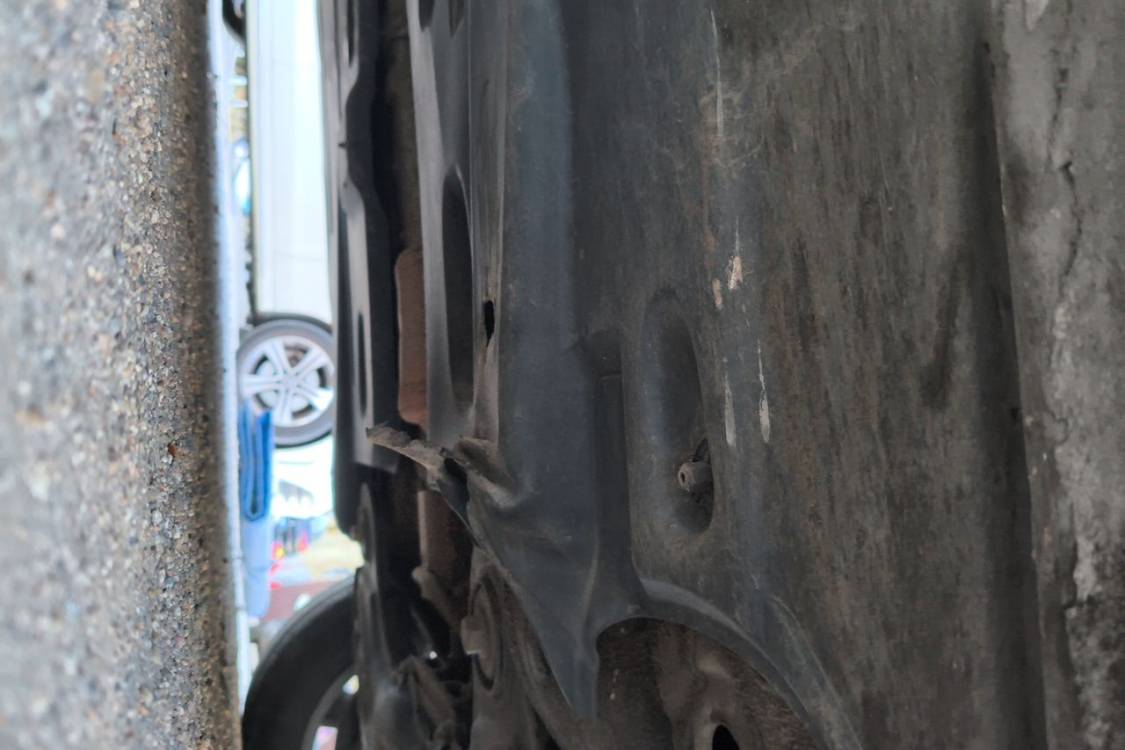
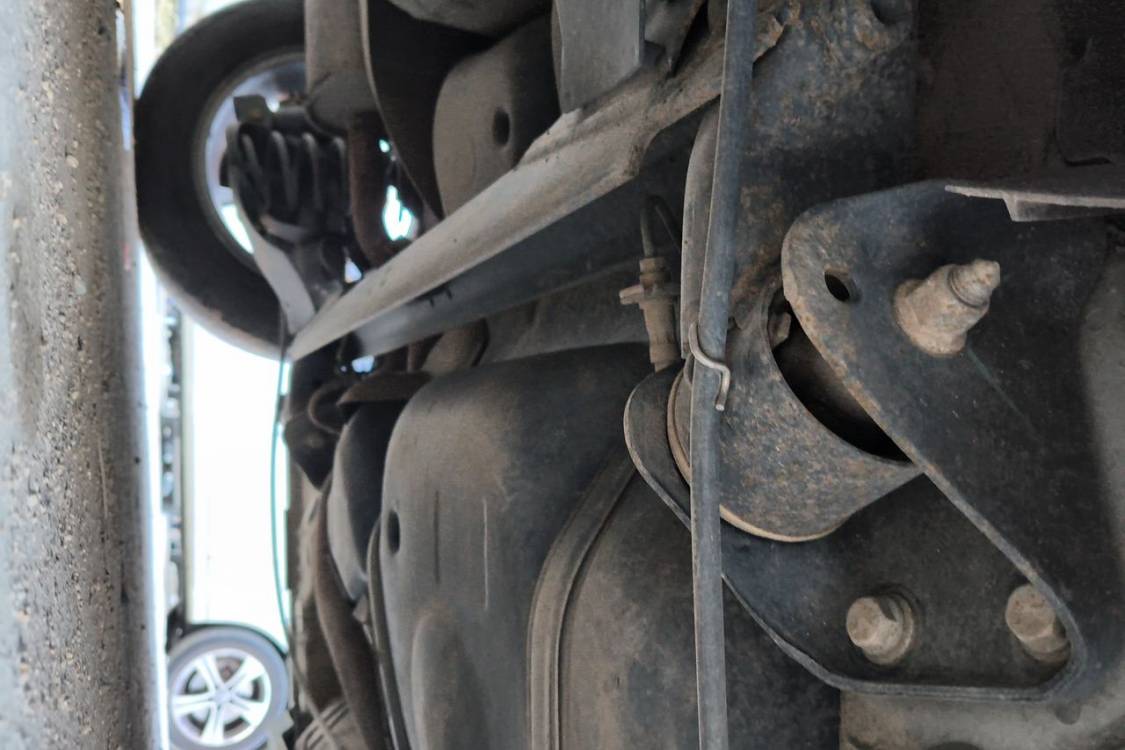
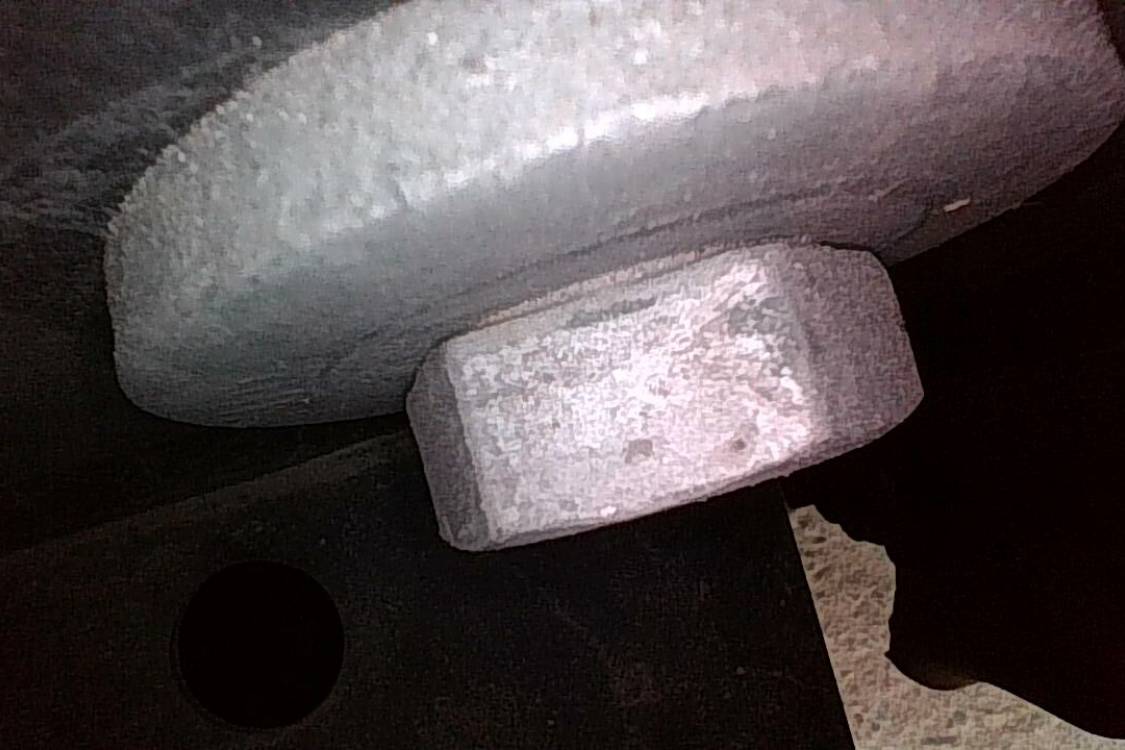
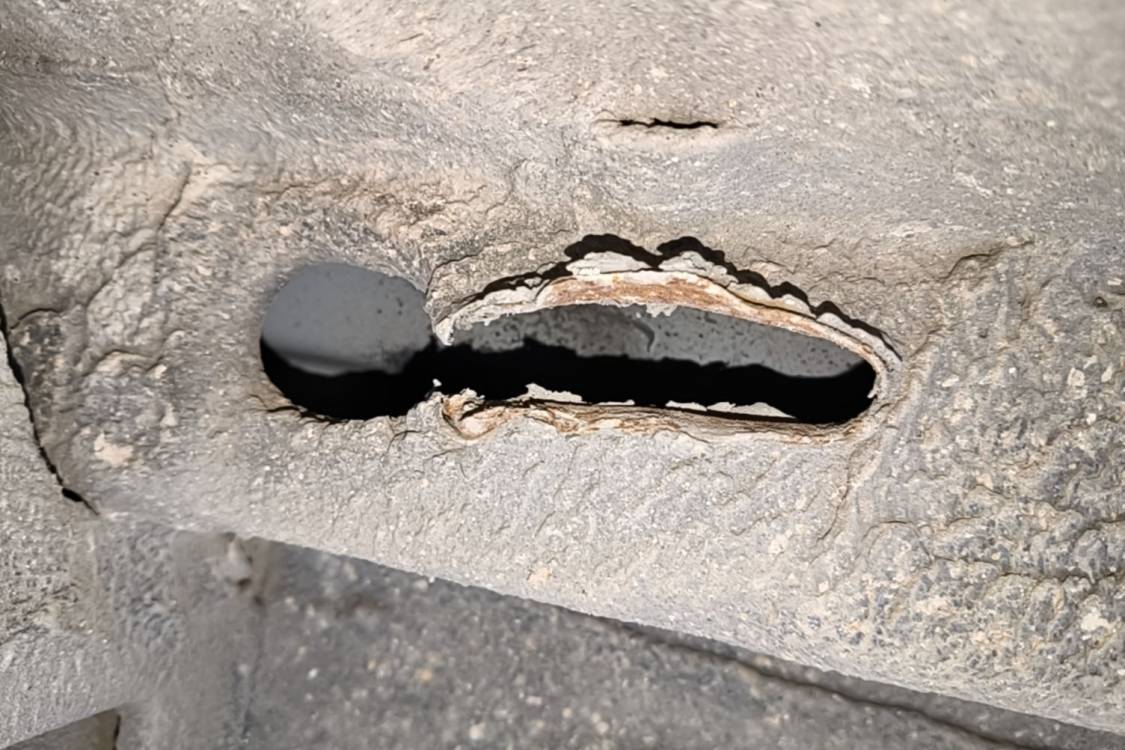
Vehicle has major defects related to structural/reinforcing/covering components due to major accident, fire, flood, or power battery components, repaired or unrepaired, still affecting body structural strength or safe use, with hidden fault risks.

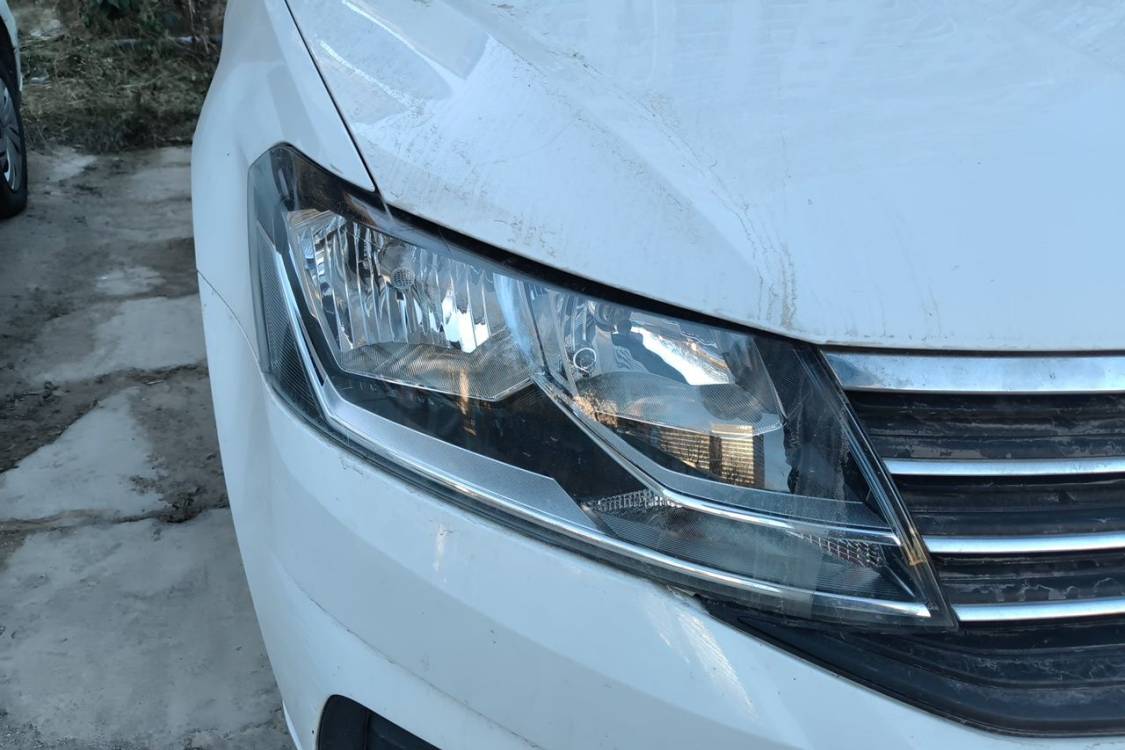
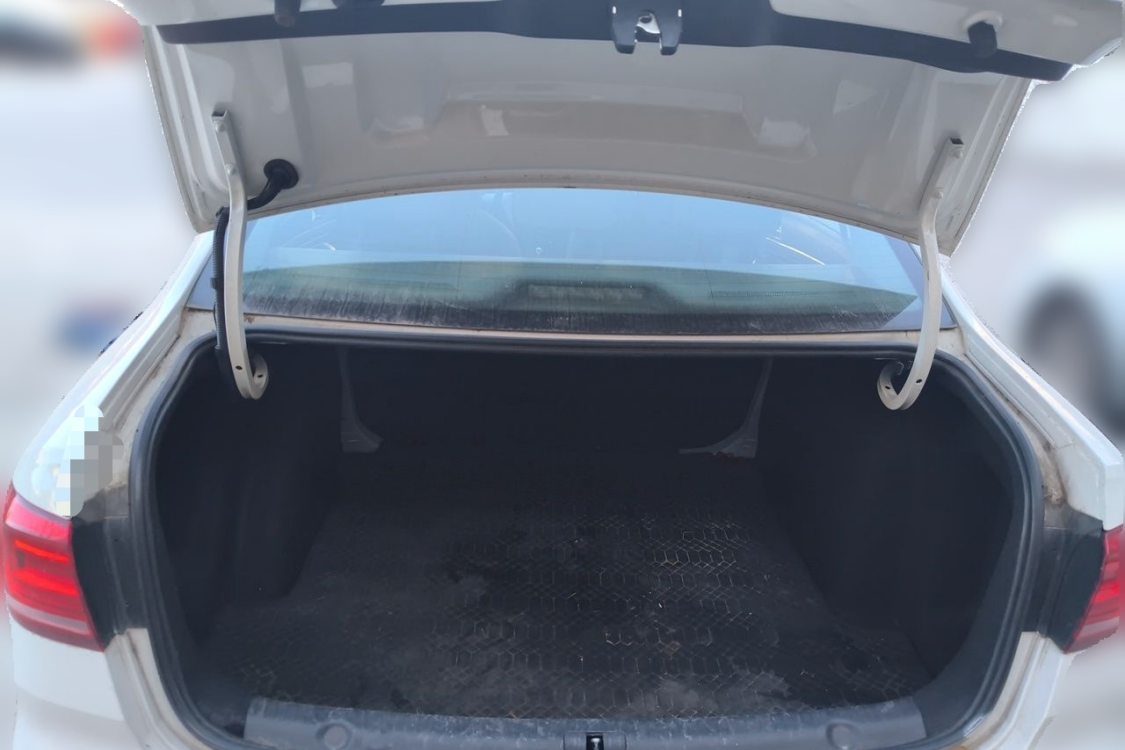
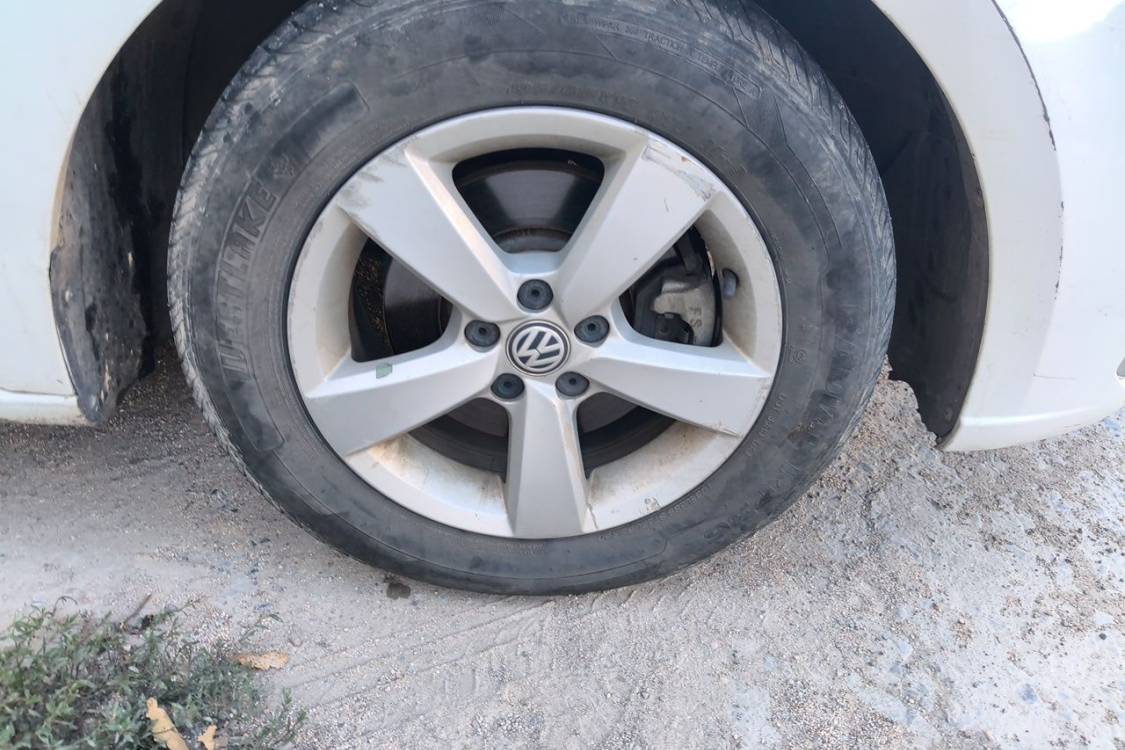
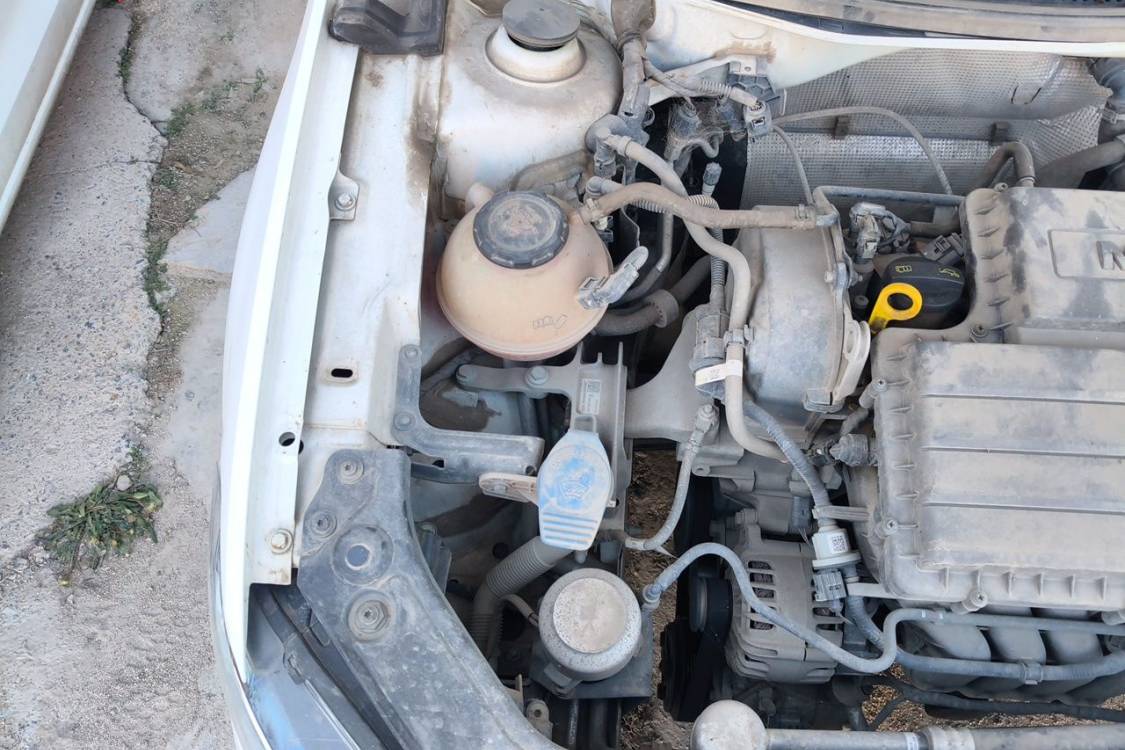
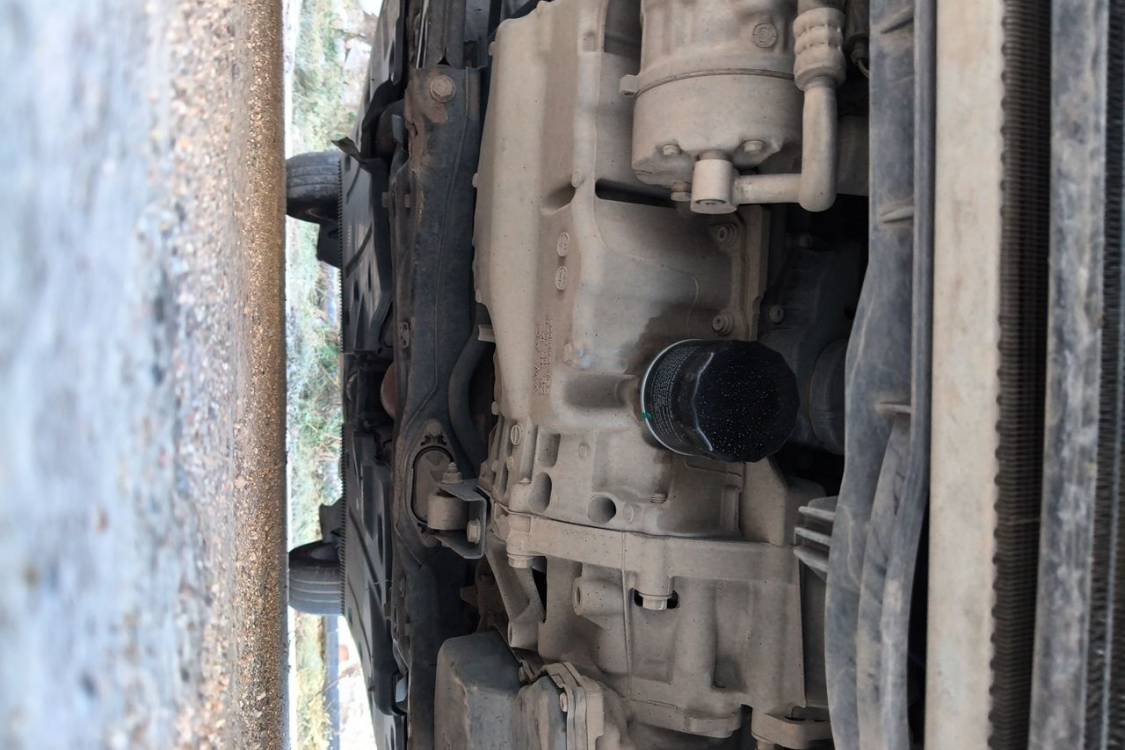
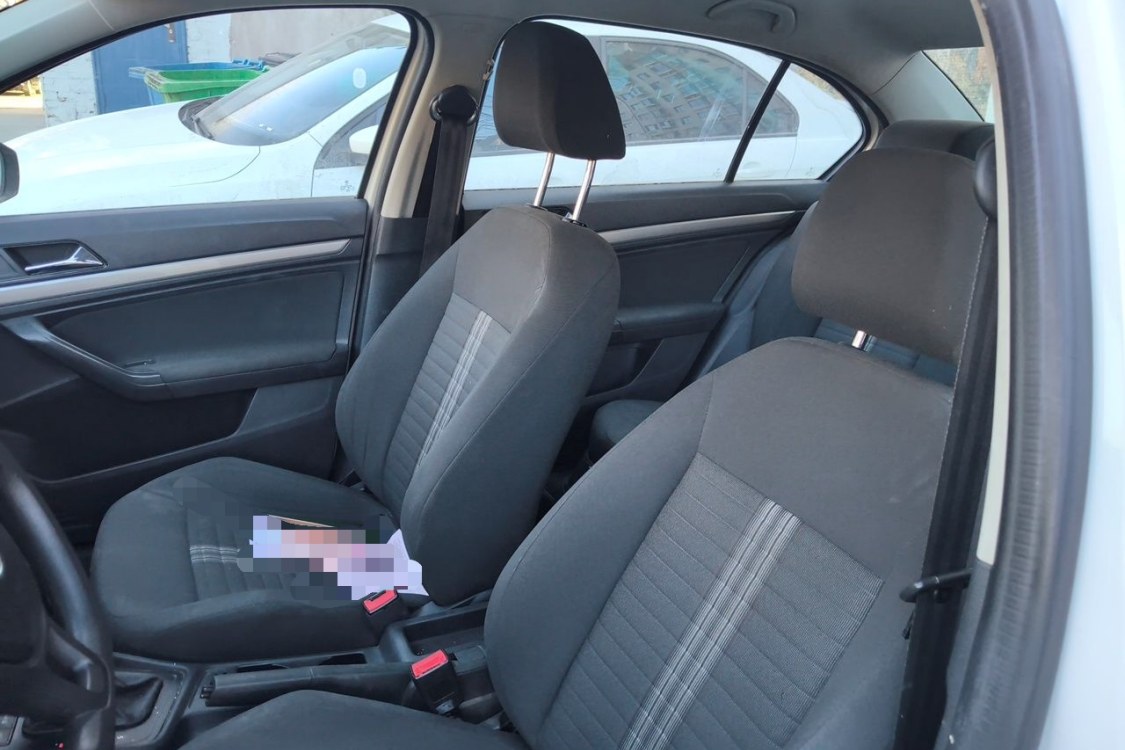
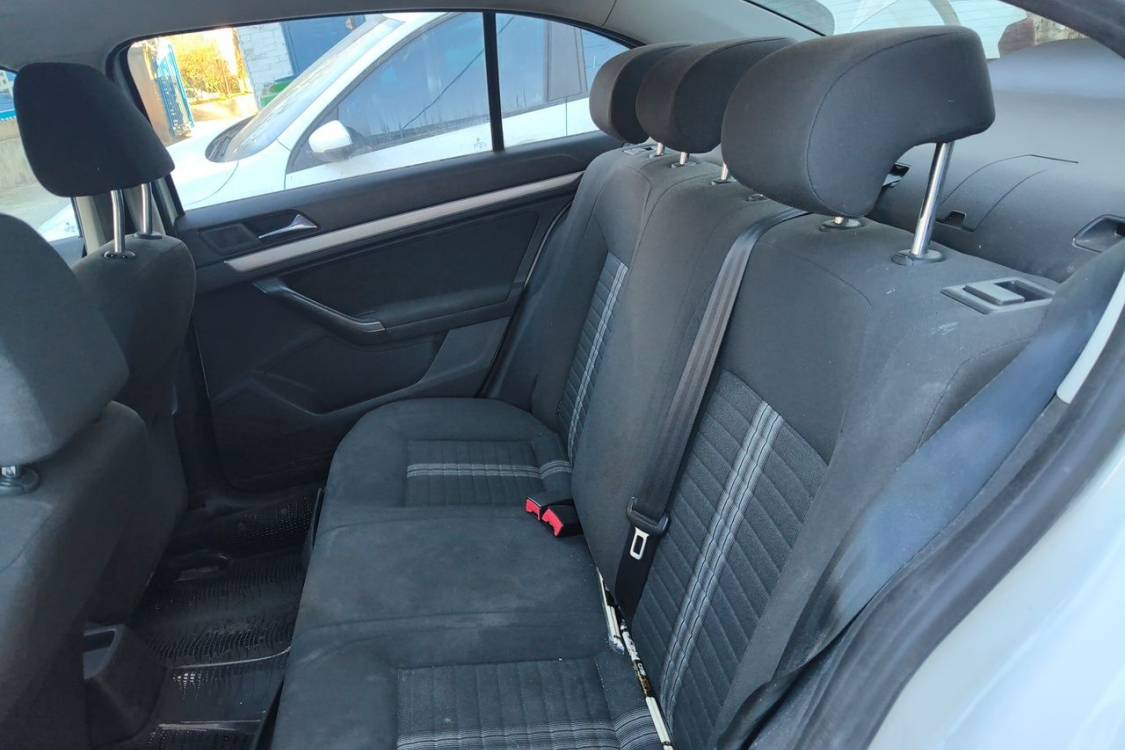
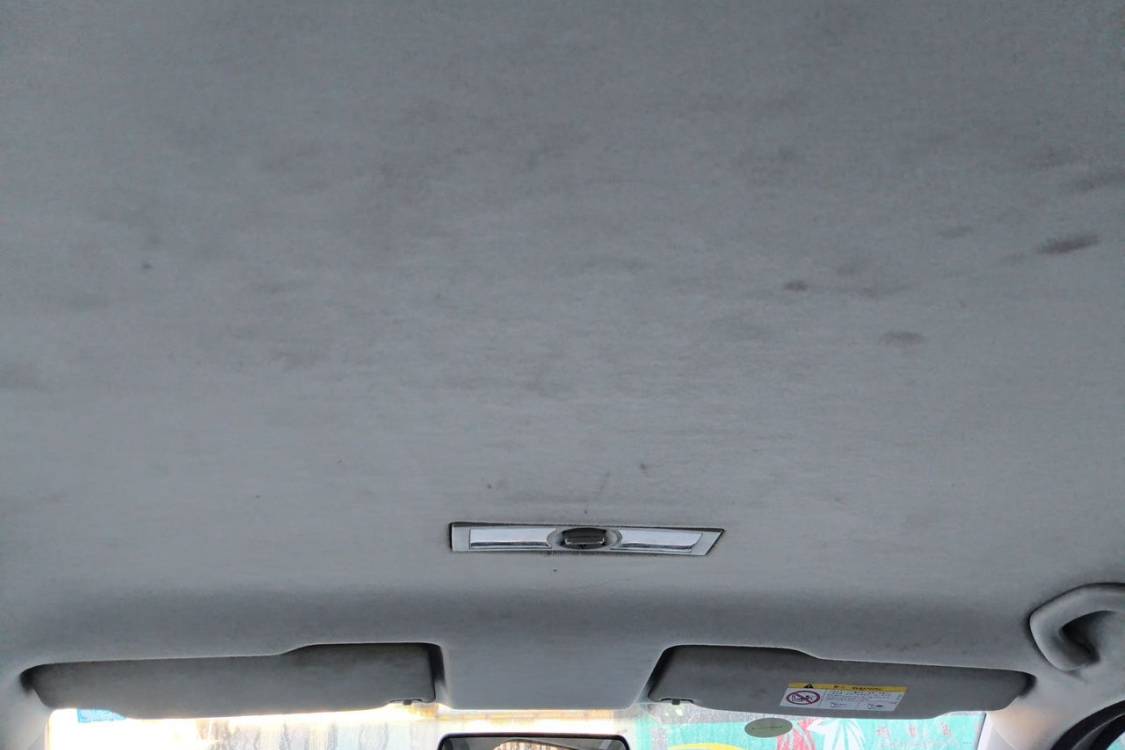
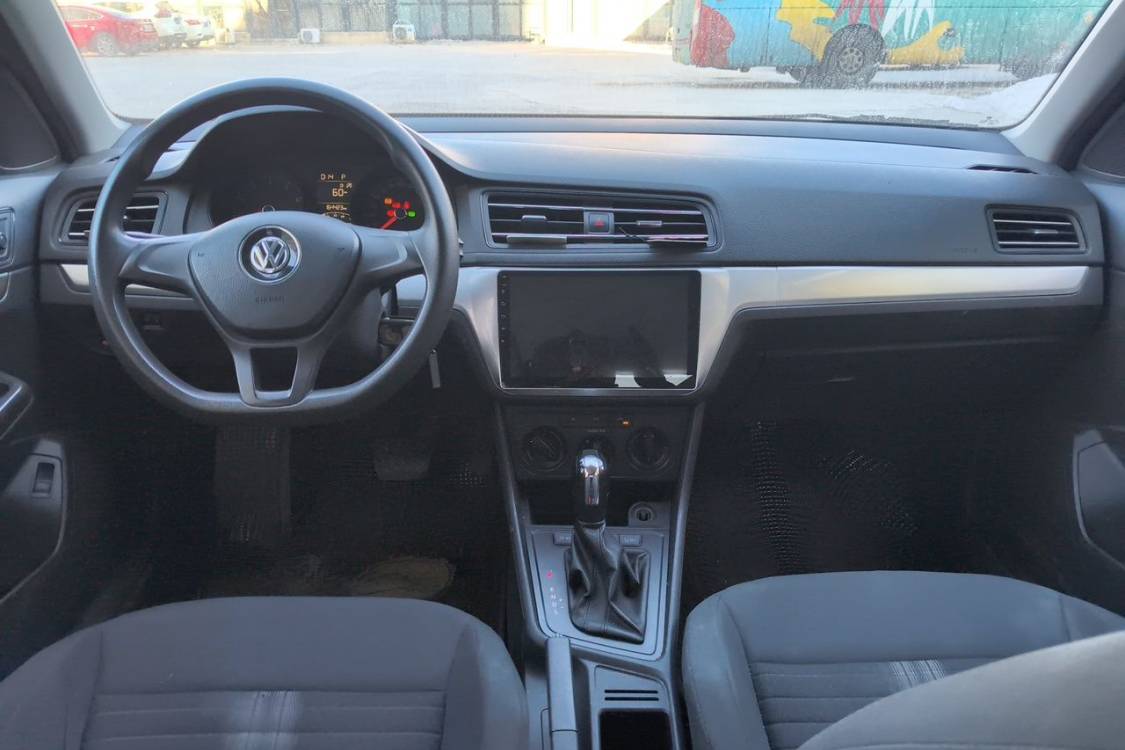
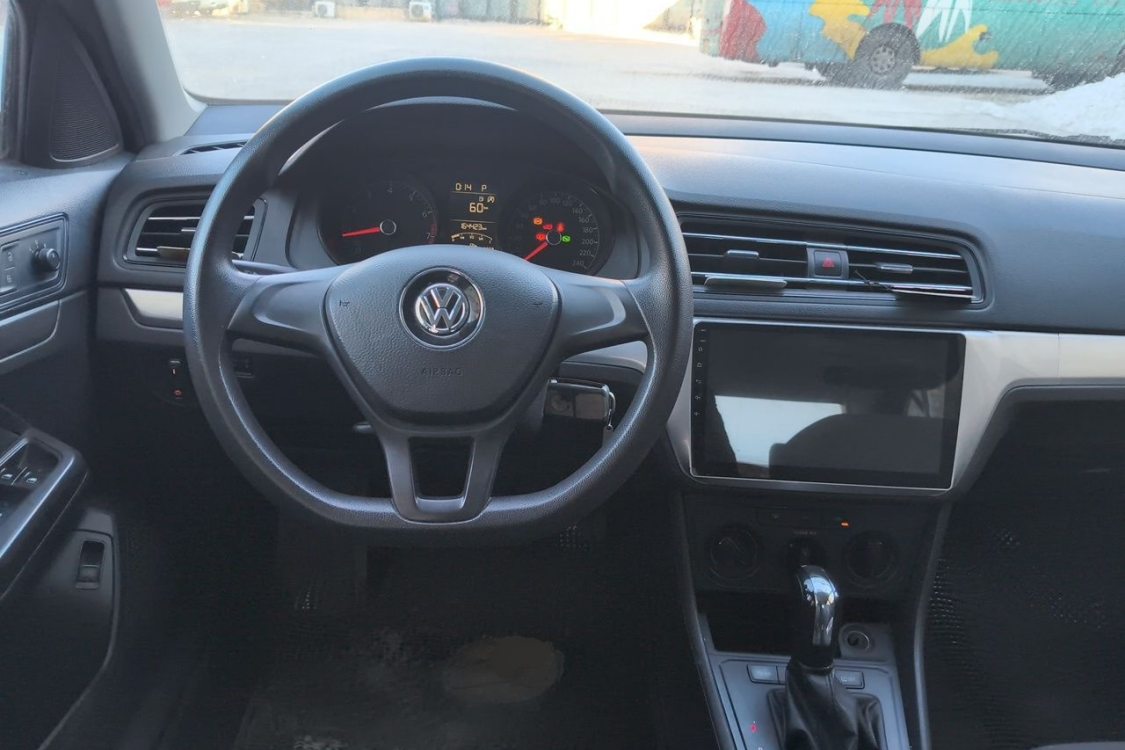
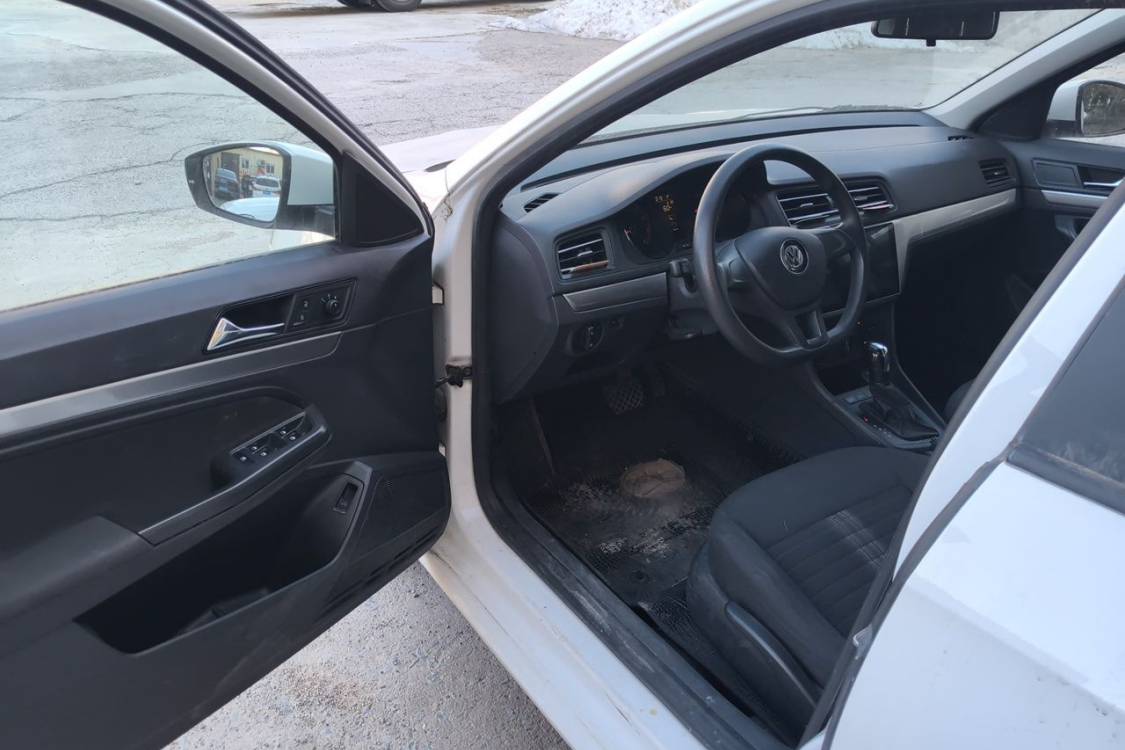
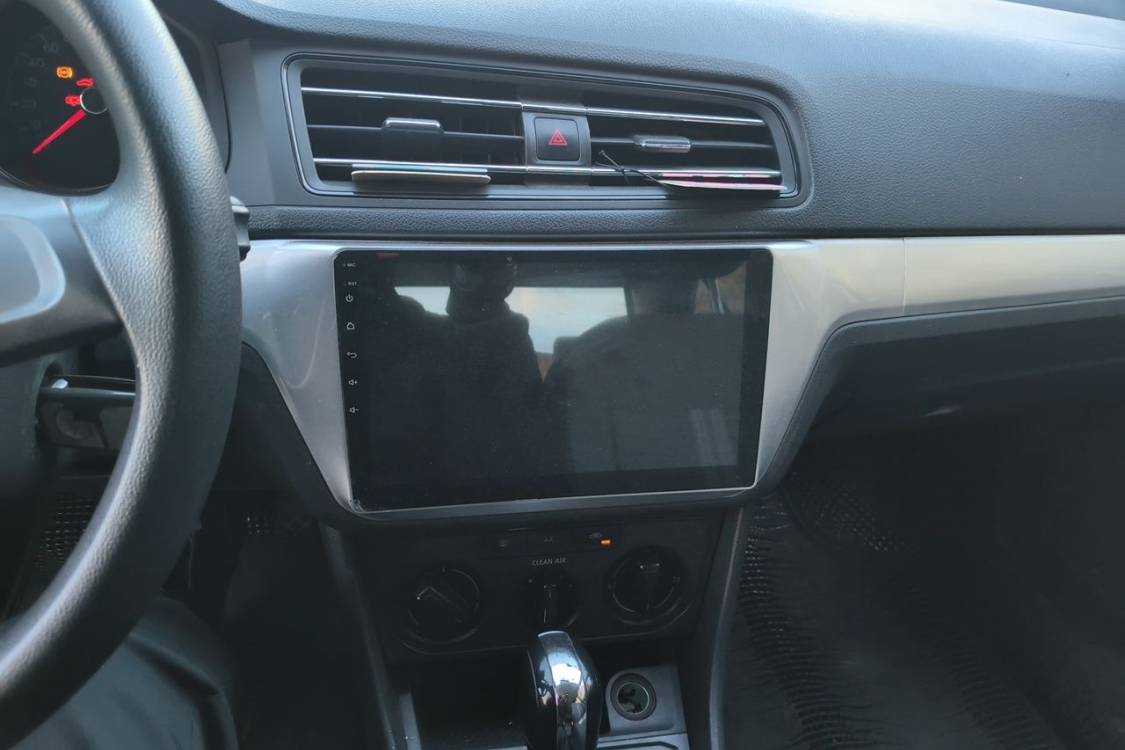
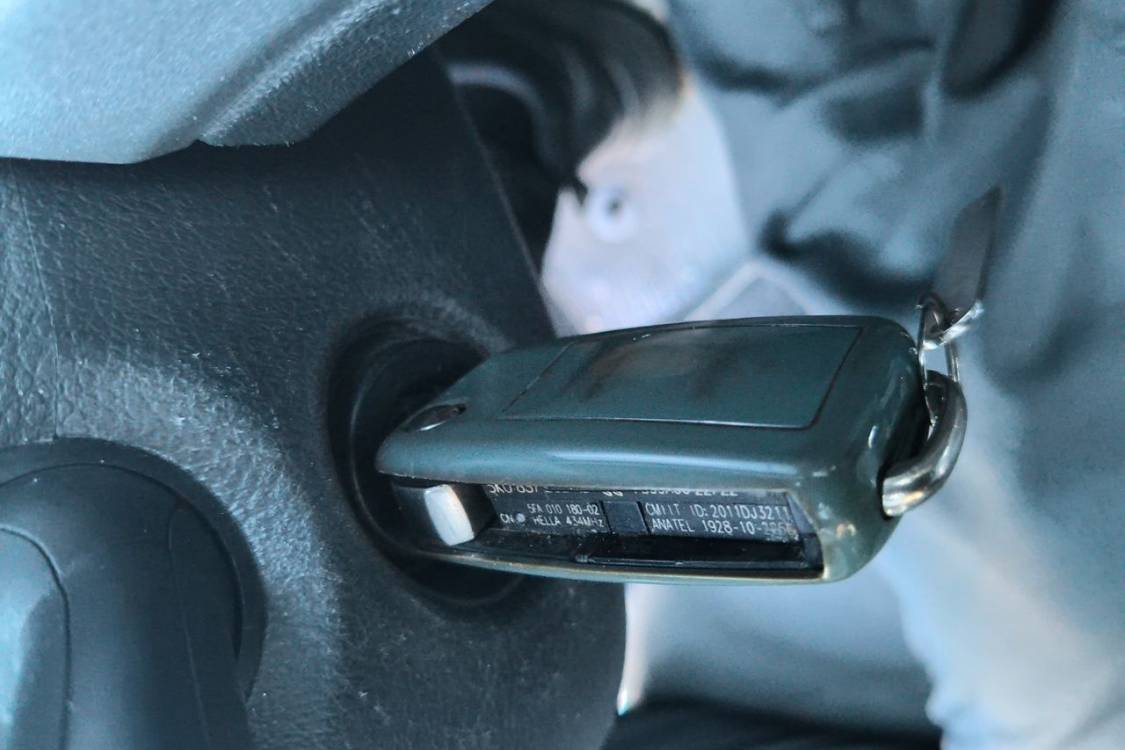
Accident inspection: main structure damaged, reinforcing parts damaged, covering parts damaged, hinges normal. Engine bay: key mechanical components normal. Exterior: 4 parts replaced, 7 parts repaired with sheet metal, 1 part repainted. Interior: configuration abnormal, right second-row seat dirty, airbag system normal, lighting system normal. Start-up inspection: main components normal. Onboard tools: none.

独家上新
电话直连
可讲价
平台物流
可转售
3个工作日内过户
公户车
零过户
新检测标准升级>
非泡水

Document Information

Inspection Expiry Date2028/08
Warranty Expiry Date-
Insurance Expiry Date2027/07

Q&A

More

What's the difference between RoRo and container shipping when importing a used car from China?

RoRo (roll-on/roll-off) means your car is driven onto the vessel and secured on an open deck. It's usually the cheapest option and has frequent sailings from Chinese ports like Shanghai and Guangzhou. The downside: the car is exposed to sea air and handling, and you typically can't load spare parts inside the car. Container shipping puts the car in a 20ft or 40ft container. It costs more per car (a 40ft can fit 2-4 cars if you share with other buyers), but the car is sealed and protected, and you can pack spare parts, tools, or personal items inside. Container is the better choice for high-value cars, EVs with sensitive electronics, or harsh-route destinations. Practical tips: RoRo requires the car to be drivable and the battery disconnected per shipping rules; EVs often must ship at low state of charge. Either way, photograph the car at the port of loading and buy marine insurance. Transit time difference between the two modes is usually small - port congestion matters more than the mode itself.


Will the type of refrigerant in the vehicle (such as R134a or R1234yf) be indicated on the export documents for environmental customs clearance?

Europe and some developed countries have very strict regulations on greenhouse gases. If required by customs, we will specify the exact refrigerant type and charge amount according to the vehicle's air conditioning compressor nameplate in the remarks section of the packing list and commercial invoice.

What is a safe payment structure for buying a used car from China remotely—how much deposit, when is the balance paid, and should I use escrow?

The industry-standard structure protects both sides. Pay 20-30% deposit after signing the contract and verifying the exporter's license—never more. The balance is paid only after your independent inspection report confirms the car matches the contract, ideally against a copy of the bill of lading so the exporter can't ship a different vehicle. For extra protection, tie payments to milestones: deposit on contract, second tranche after inspection passes, final payment when shipping documents are released. Some buyers use escrow services or trade assurance platforms for the first transaction with a new supplier; fees run 1-3% but are worth it for large amounts. Always pay to a corporate bank account matching the exporter's registered name. Keep every agreement in the written contract—verbal promises like 'we'll fix that before shipping' are unenforceable. If an exporter demands 50%+ upfront or full payment before inspection, walk away; that structure leaves you with no leverage.