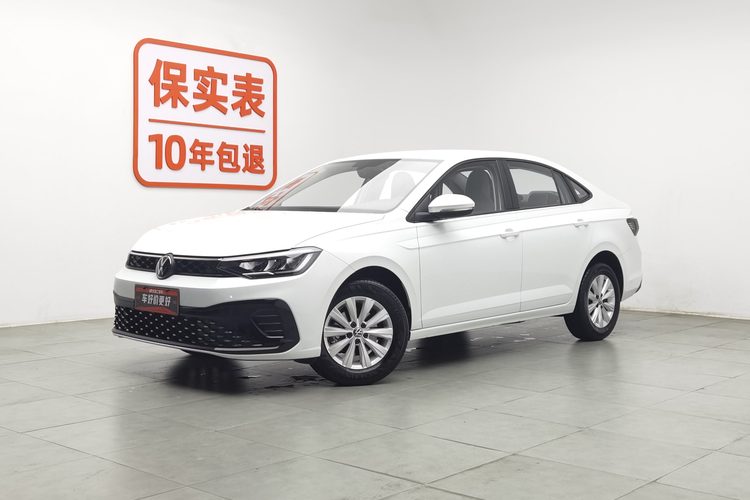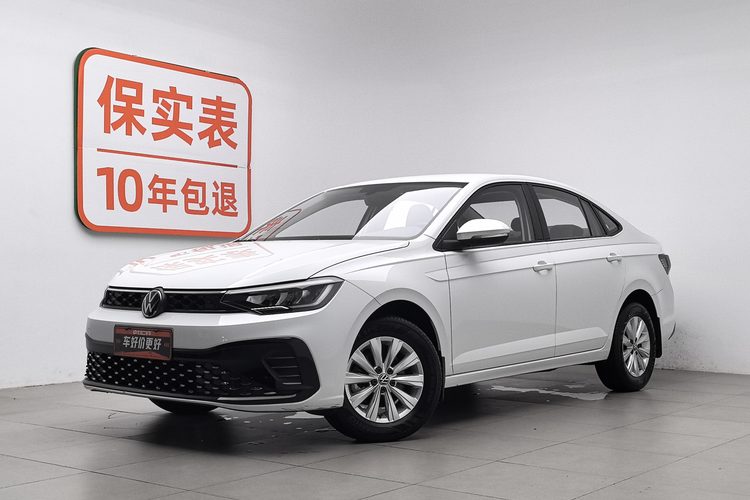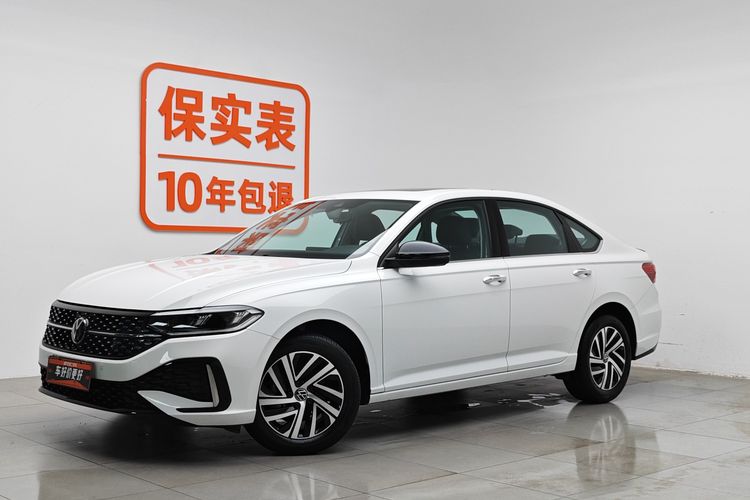



Basic Information

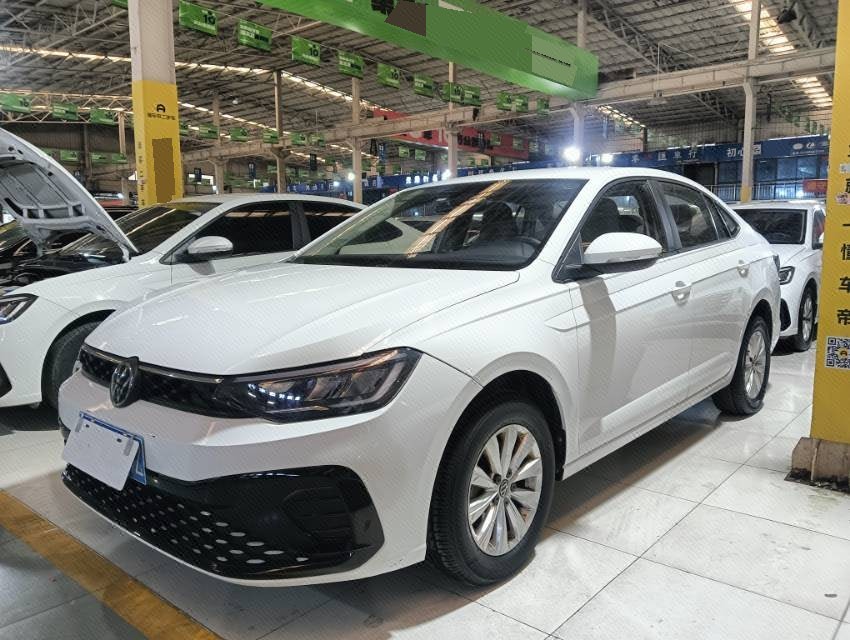
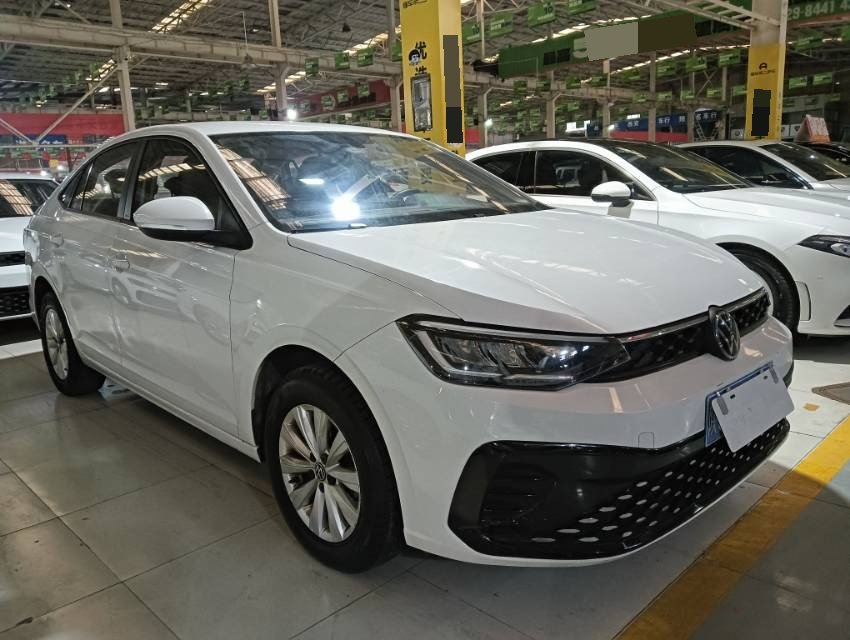
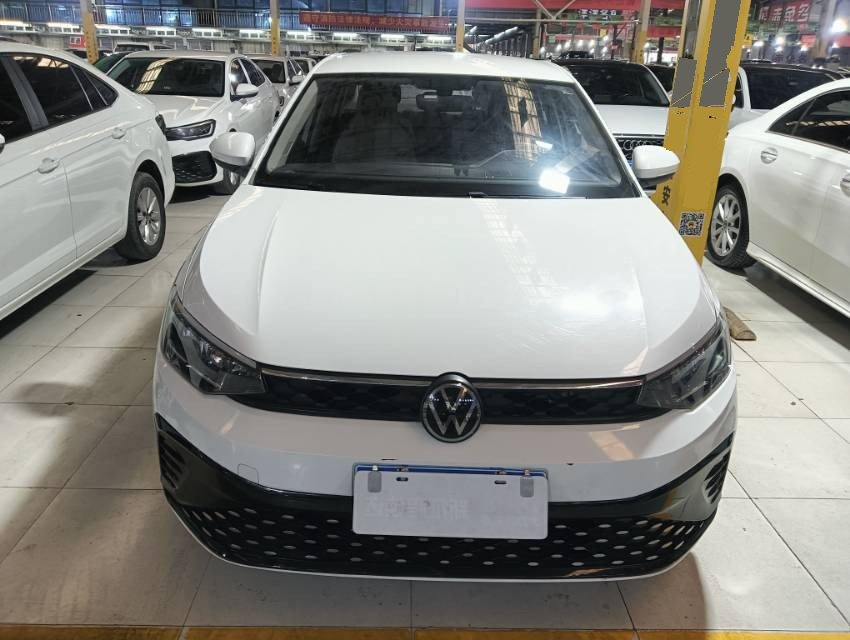
BrandVolkswagen
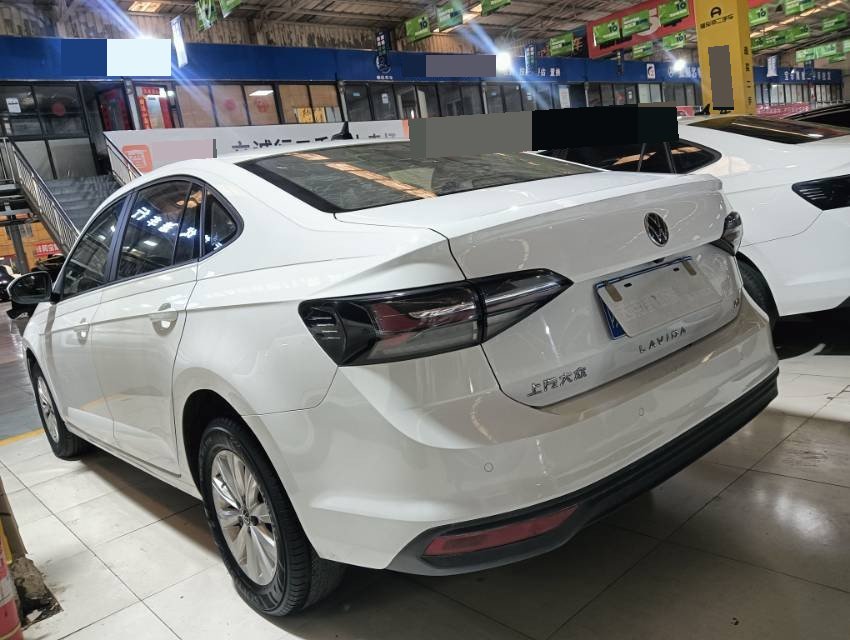
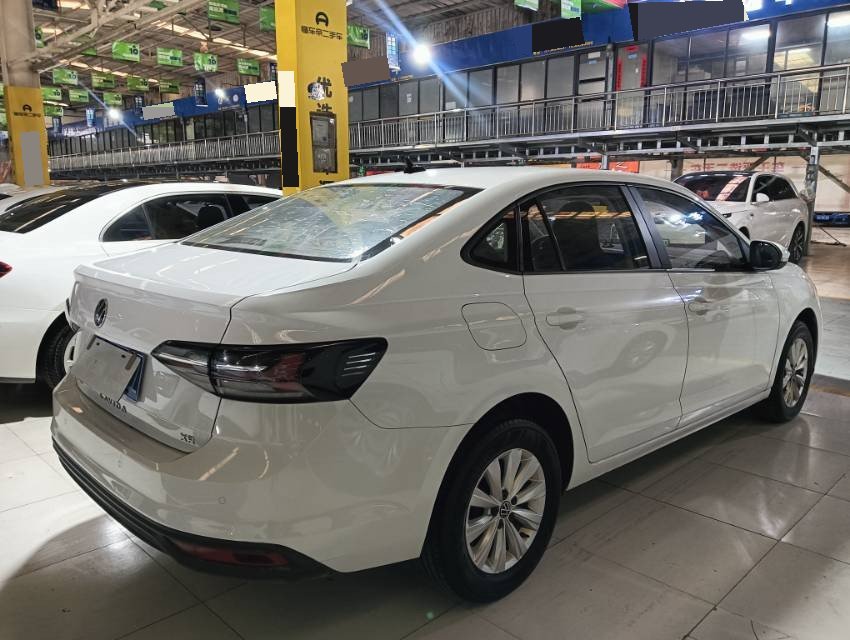
SeriesLavida
Year2023
First Registration2023/06
Mileage131,000km
Transfer Count0times
FuelGasoline
TransmissionManumatic
Engine1.5L 110 L4
ColorWhite
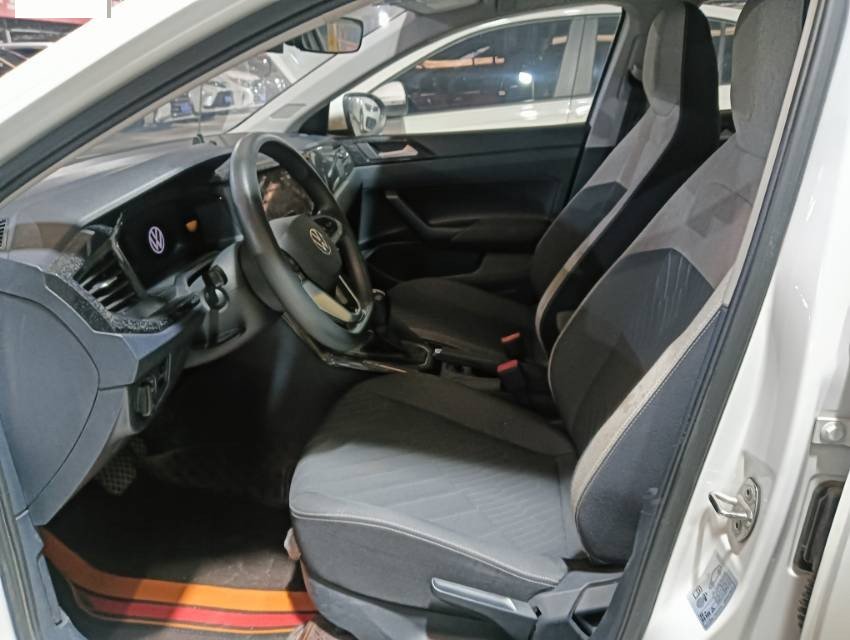
Seats5seats

Condition Description

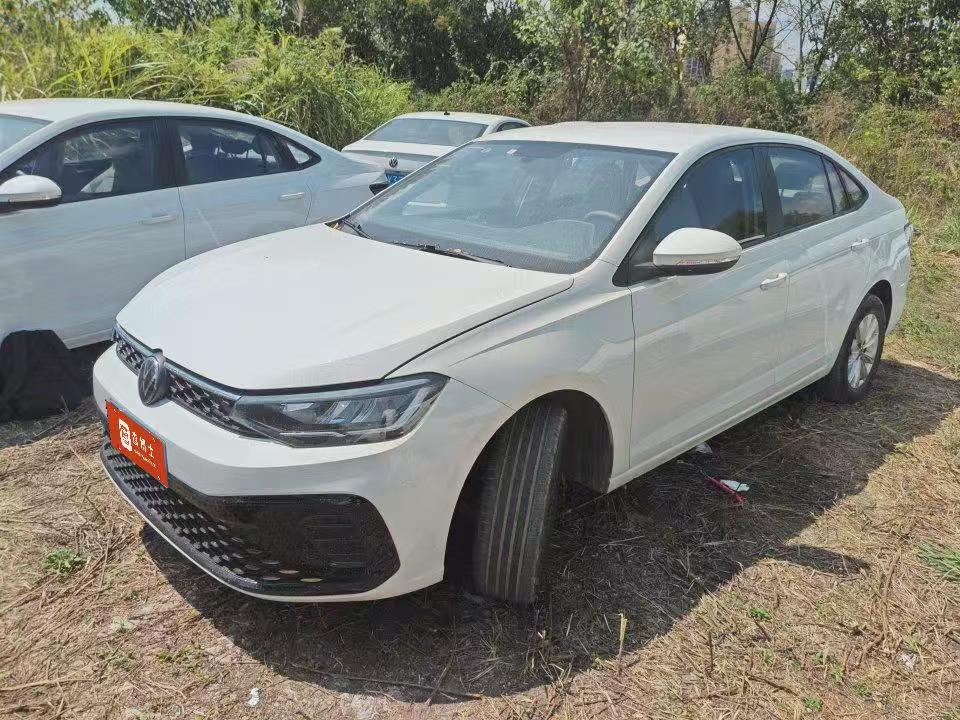
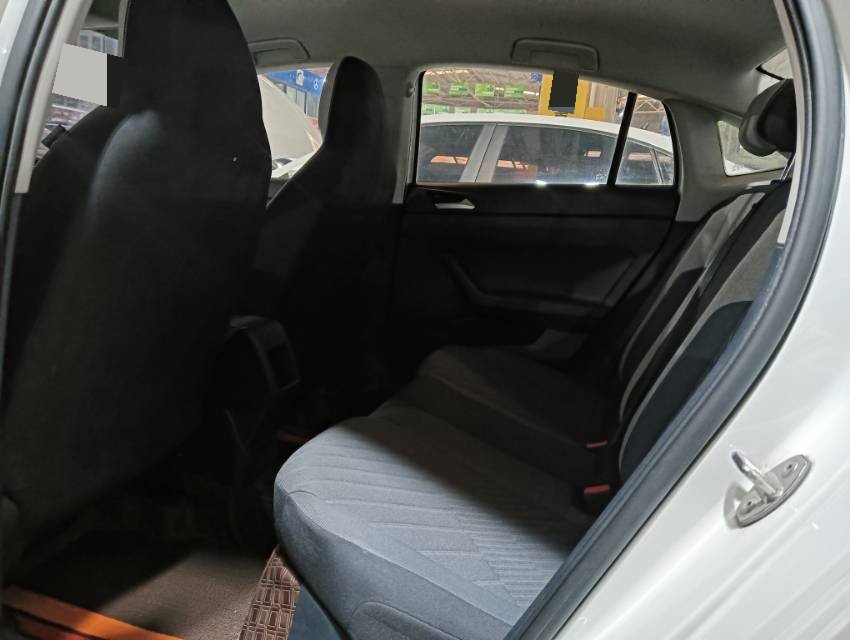
Original body panels throughout with no replaced parts. Three panels repainted: left front fender, right rear door, and right front door. Clean maintenance records with zero insurance claims. Single-owner vehicle.

Document Information

Inspection Expiry Date-
Warranty Expiry Date-
Insurance Expiry Date2027/06

Q&A

More

How can I confirm the real mileage of a used Chinese car when I'm buying from overseas?

Odometer rollback happens everywhere, so never trust the dashboard number alone. Cross-check at least three sources: 1. Maintenance records: Chinese 4S dealerships keep service logs tied to the VIN. Ask the exporter for screenshots showing recorded mileage at each visit — the numbers should rise consistently. 2. Inspection reports: China requires periodic emissions/safety inspections, and the mileage is logged at each one. The exporter can pull the car's inspection history. 3. Tire and wear clues: Compare the claimed mileage with brake pedal rubber, steering wheel shine, seat bolster wear, and the tire production dates. A car showing 30,000 km with a polished steering wheel and second set of tires is suspicious. Also check the dashboard for uneven digits or scratches around the odometer area in photos. If maintenance and inspection records roughly agree, the reading is usually trustworthy; if the seller refuses to share records, treat the mileage as unknown and negotiate accordingly.


What should I do if a hardware recall for my vehicle model is announced in China while it is being used overseas?

Unfortunately, cross-border used cars are not covered by the manufacturer's free recall. If a physical recall occurs involving safety issues (like brake pump defects), we will notify you and offer improved new batch parts at cost price, but you will need to cover the labor costs for the replacement.

How does customs clearance work at destination when importing a used car from China, and who handles it?

Customs clearance at destination is usually handled by a licensed customs broker, not the exporter. You can hire one yourself or use a broker recommended by your shipping agent. The typical flow: your broker files the import declaration using the documents the exporter must provide — the commercial invoice, packing list, bill of lading, and the certificate of origin. Depending on your country's rules, you will also need to pay import duty, VAT or sales tax, and any excise or environmental levies before the car is released. Things that commonly delay clearance: mismatched VIN numbers between documents, missing pre-shipment inspection certificates (required in some African and Middle Eastern countries), or non-compliance with your country's used-car import age limits. Budget 3–10 working days for clearance after the vessel arrives, plus storage fees if documents are incomplete. Tip: send all documents to your broker for review before the ship departs China — fixing errors at origin is much cheaper than demurrage at destination.