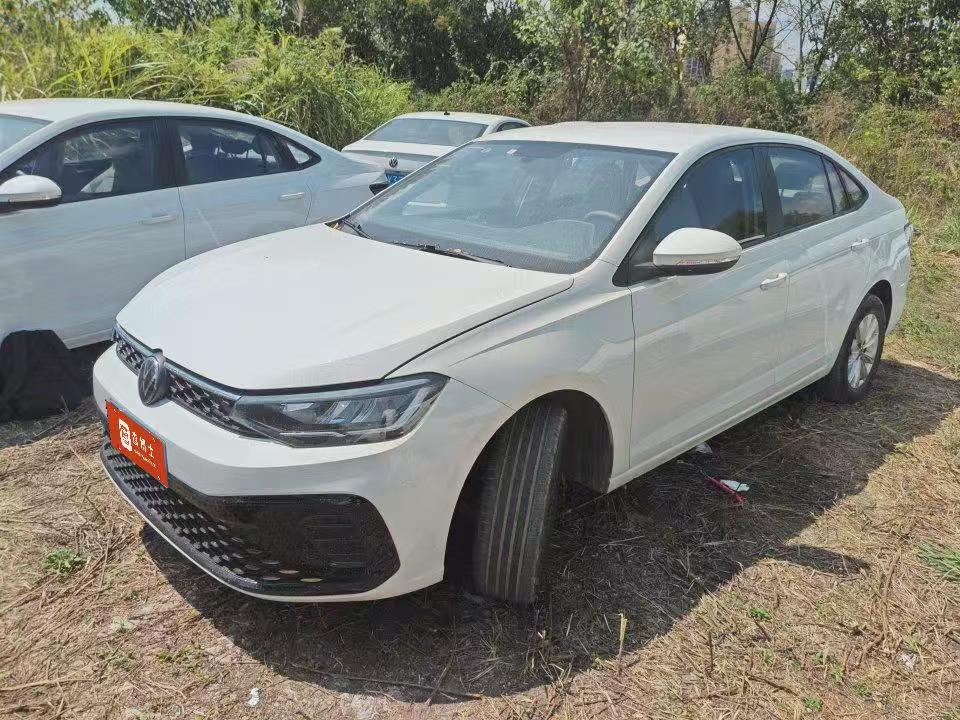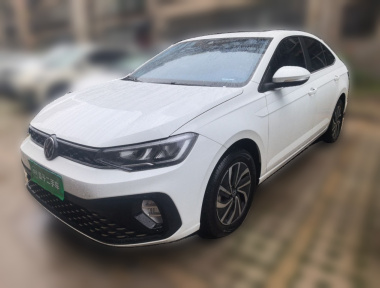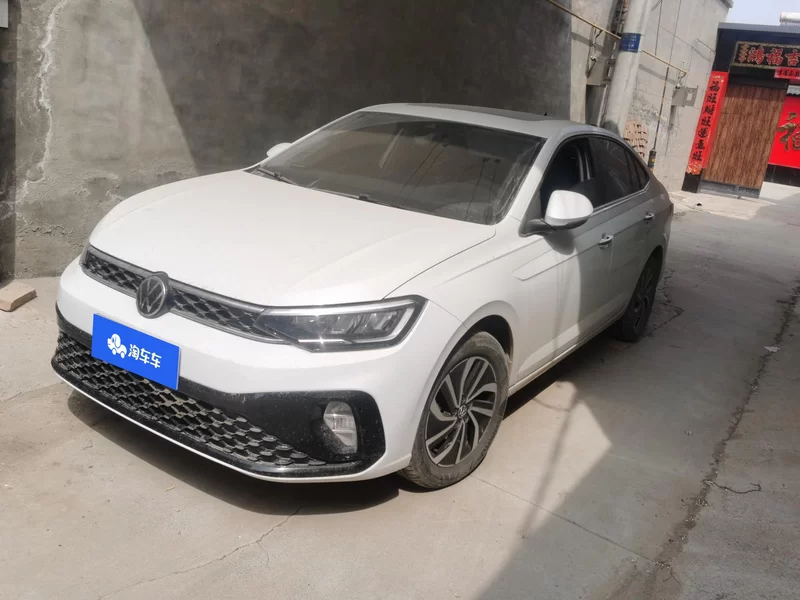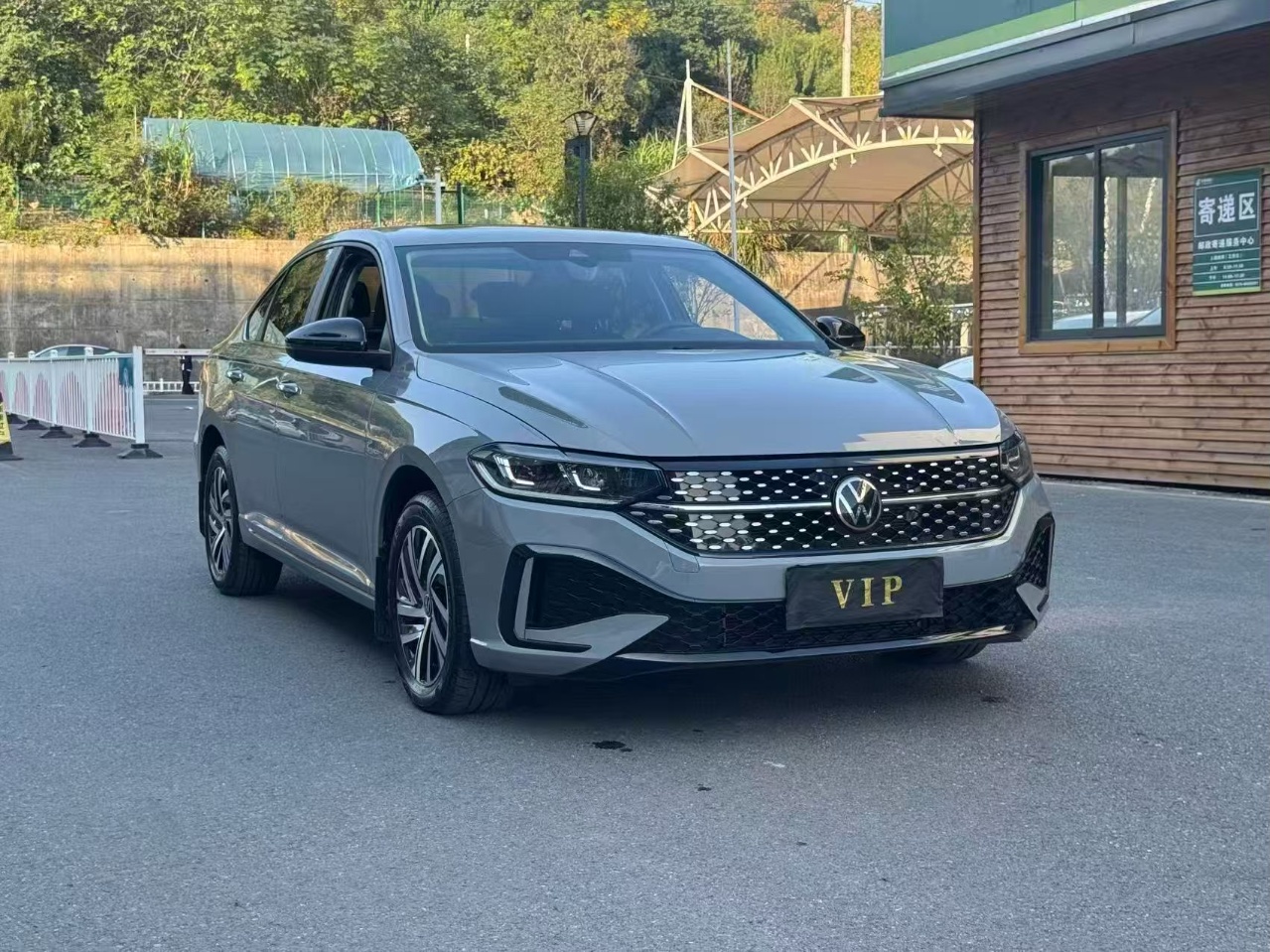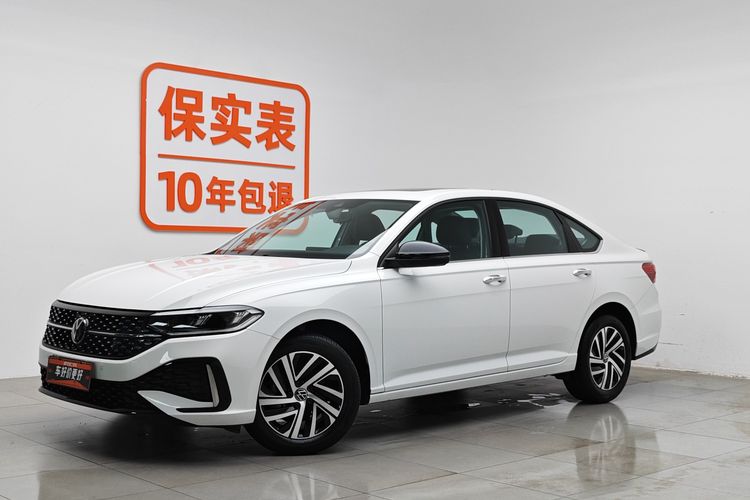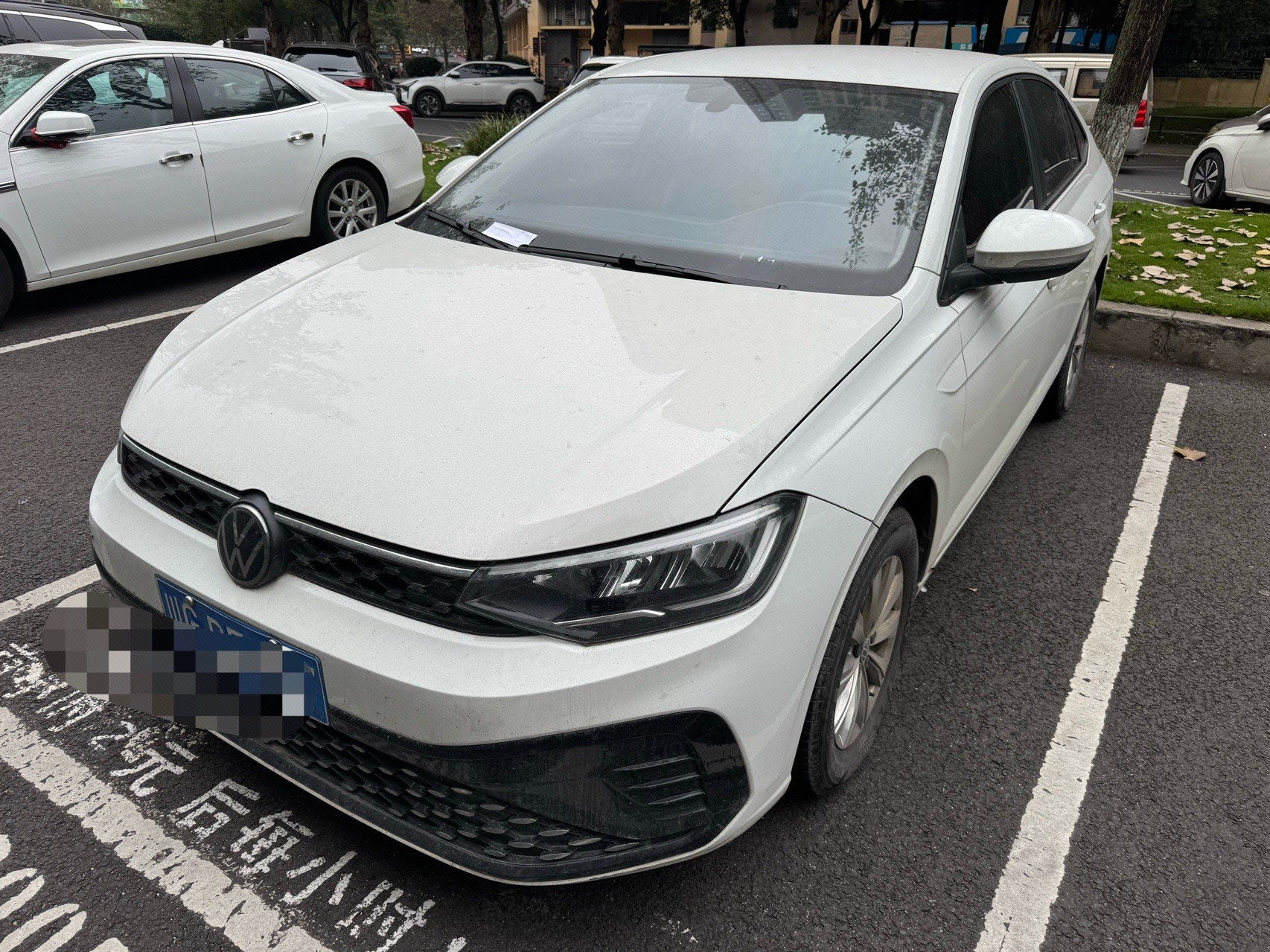
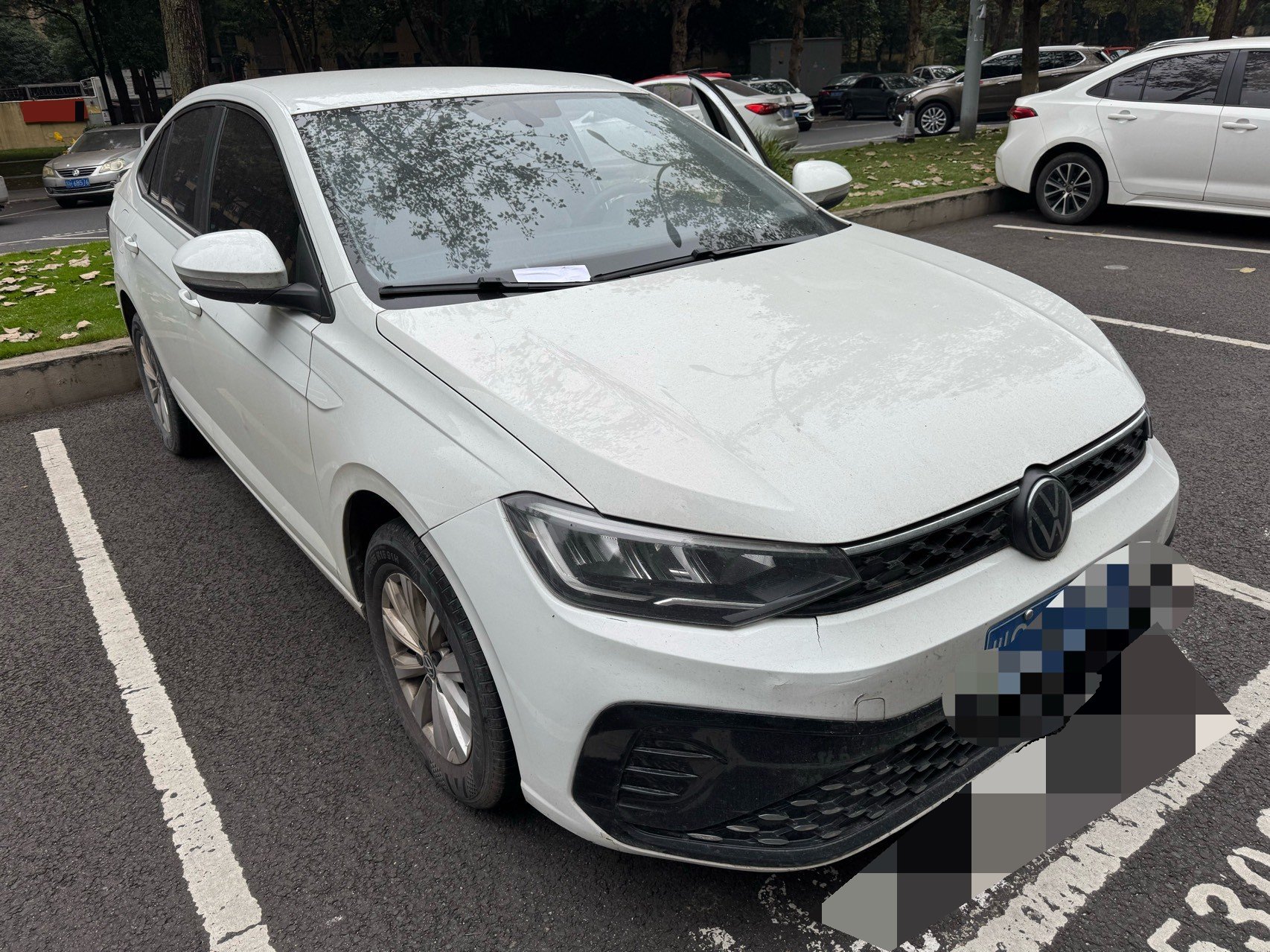
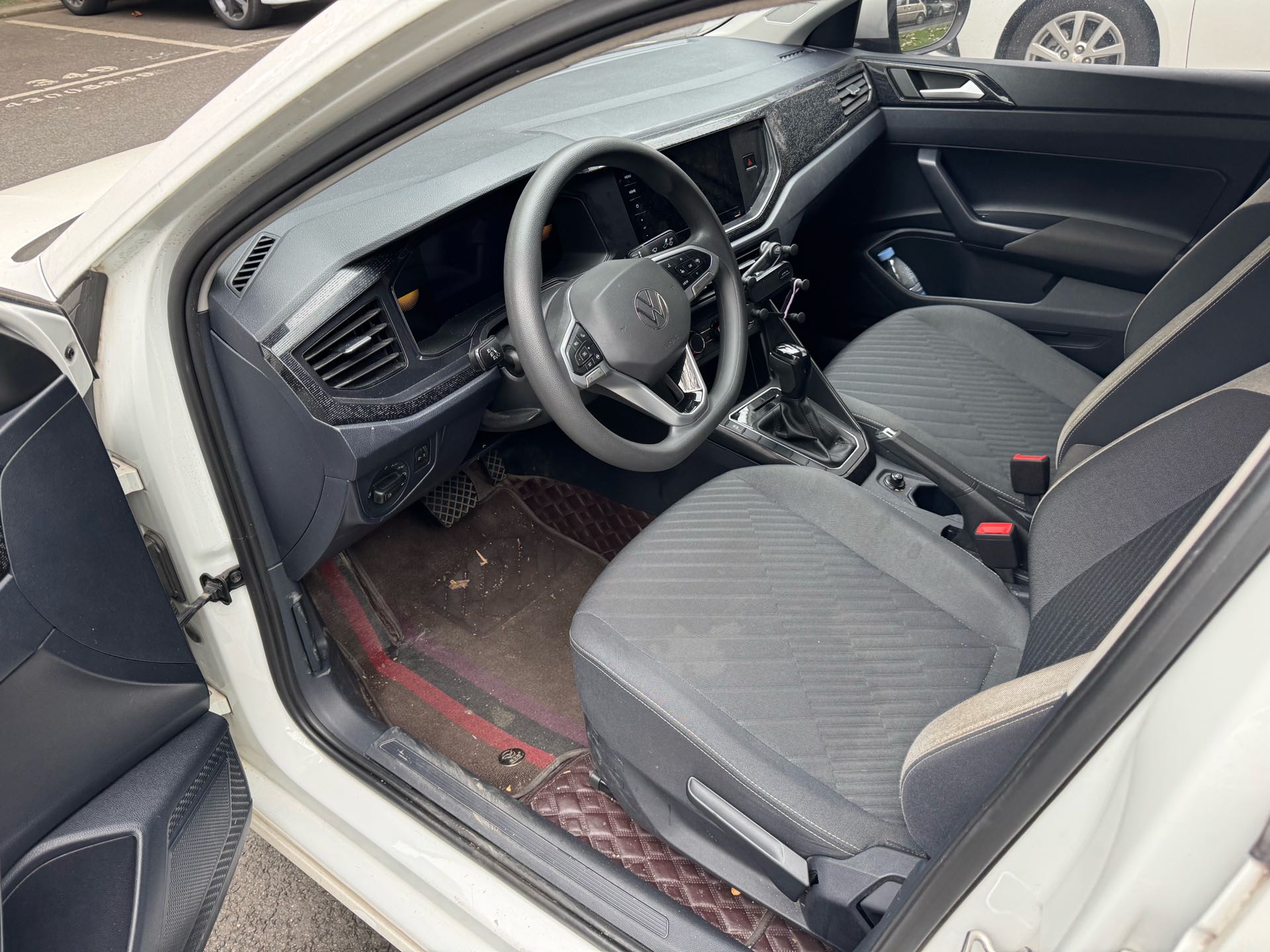
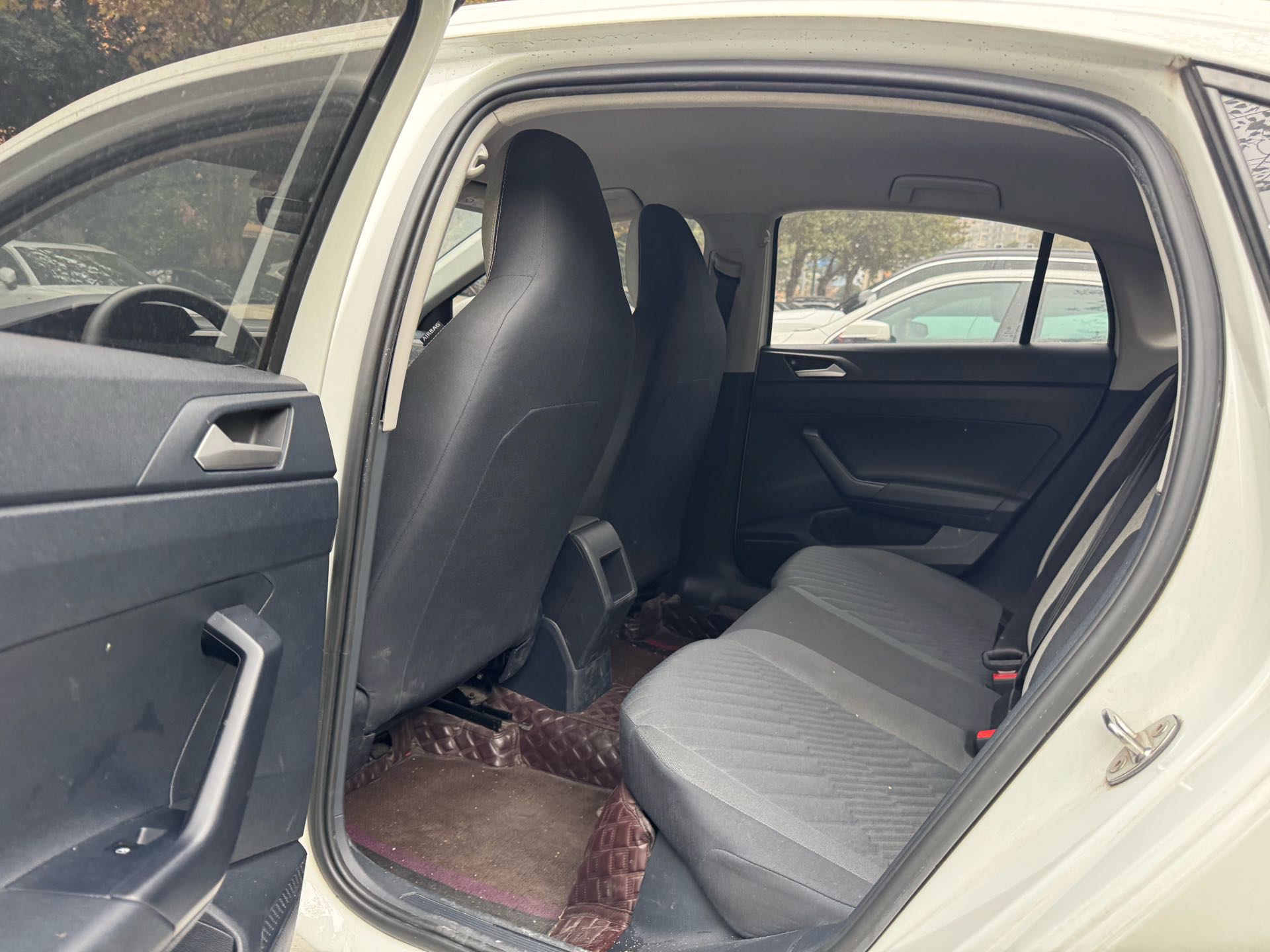
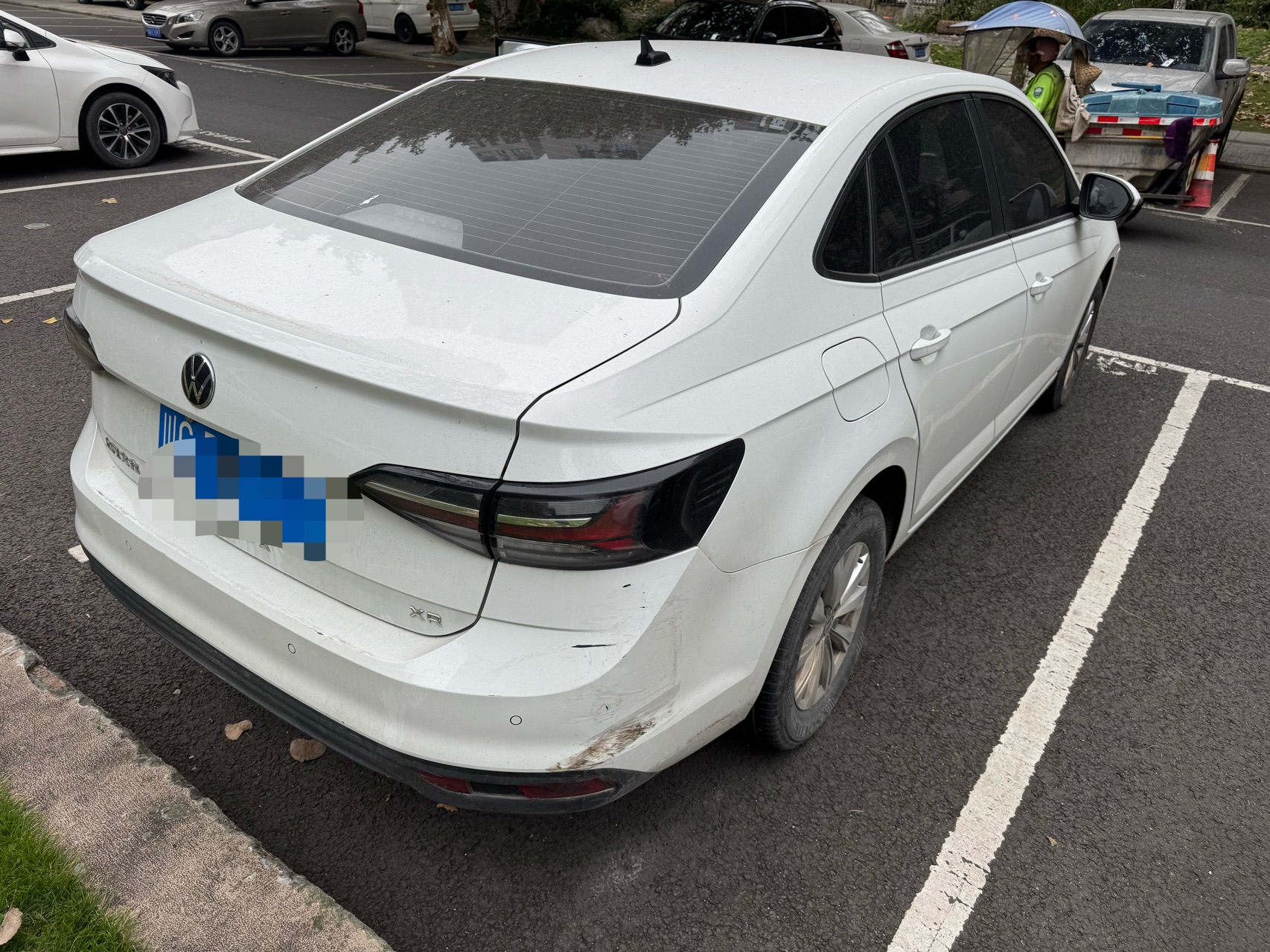



Basic Information

BrandVolkswagen
SeriesLavida
Year2023
First Registration2023/11
Mileage108,000km
Transfer Count0times
FuelGasoline
TransmissionManumatic
Engine1.5L 110 L4
ColorWhite
Seats5seats

Condition Description

Original condition, passed third-party inspection, first owner.

Document Information

Inspection Expiry Date-
Warranty Expiry Date-
Insurance Expiry Date2026/11

Q&A

More

If I want to upgrade the factory halogen headlights to LED headlights and it causes the vehicle's BCM (Body Control Module) to lock, can you assist in unlocking it?

It's extremely difficult. Unauthorized modifications can lead to module current overload protection, resulting in a lock. In China, you need to use the factory online engineer account to reprogram it. It's basically impossible to perform online decoding overseas. We strongly warn against blindly modifying the electrical systems of modern integrated circuit vehicles.


How do I make sure the VIN on my used car from China matches all the export paperwork?

VIN consistency is checked at customs in both China and your country, and a mismatch can block clearance. Do the following: 1. Verify early: before payment, ask for clear photos of the VIN plate (dashboard, door frame, engine bay on some models) and compare them with the VIN on the purchase contract, inspection report and any registration documents. 2. Check the characters: VINs never contain the letters I, O or Q. If you see them, the document is either fake or mistyped. 3. Decode it: the first 3 characters are the world manufacturer code, characters 4-8 describe the model and configuration. Decode it online to confirm the documents match the actual trim level you are buying. 4. At destination: when the car arrives, re-check the VIN against the bill of lading and your import declaration before accepting delivery. Any discrepancy found before shipping can be corrected cheaply; after arrival it becomes a legal problem. Make VIN verification part of your pre-shipment inspection checklist.

What is a Chinese vehicle registration certificate and how do I verify the seller actually owns the car?

The key document is the 机动车登记证书 (Vehicle Registration Certificate), the green booklet proving ownership. Along with it, the seller should provide the 行驶证 (driving license for the vehicle) and their ID. Verification steps: 1. Check that the VIN/chassis number on the certificate matches the car exactly, stamped on the dashboard and door frame 2. The certificate's 所有人 (owner) field must match the seller's company name or the export agent they claim to work with 3. Look at the registration history pages—frequent transfers in a short period can indicate problem cars being flipped 4. Confirm the car is not marked 抵押 (mortgaged/pledged to a bank) Be cautious if the seller only shows photos of these documents and refuses a live video panning across the original booklet with the day's newspaper. Also verify the export company has 二手车出口资质 (used-car export qualification)—a legitimate exporter will share their license number, which you can cross-check on Chinese commerce bureau websites.