Basic Information

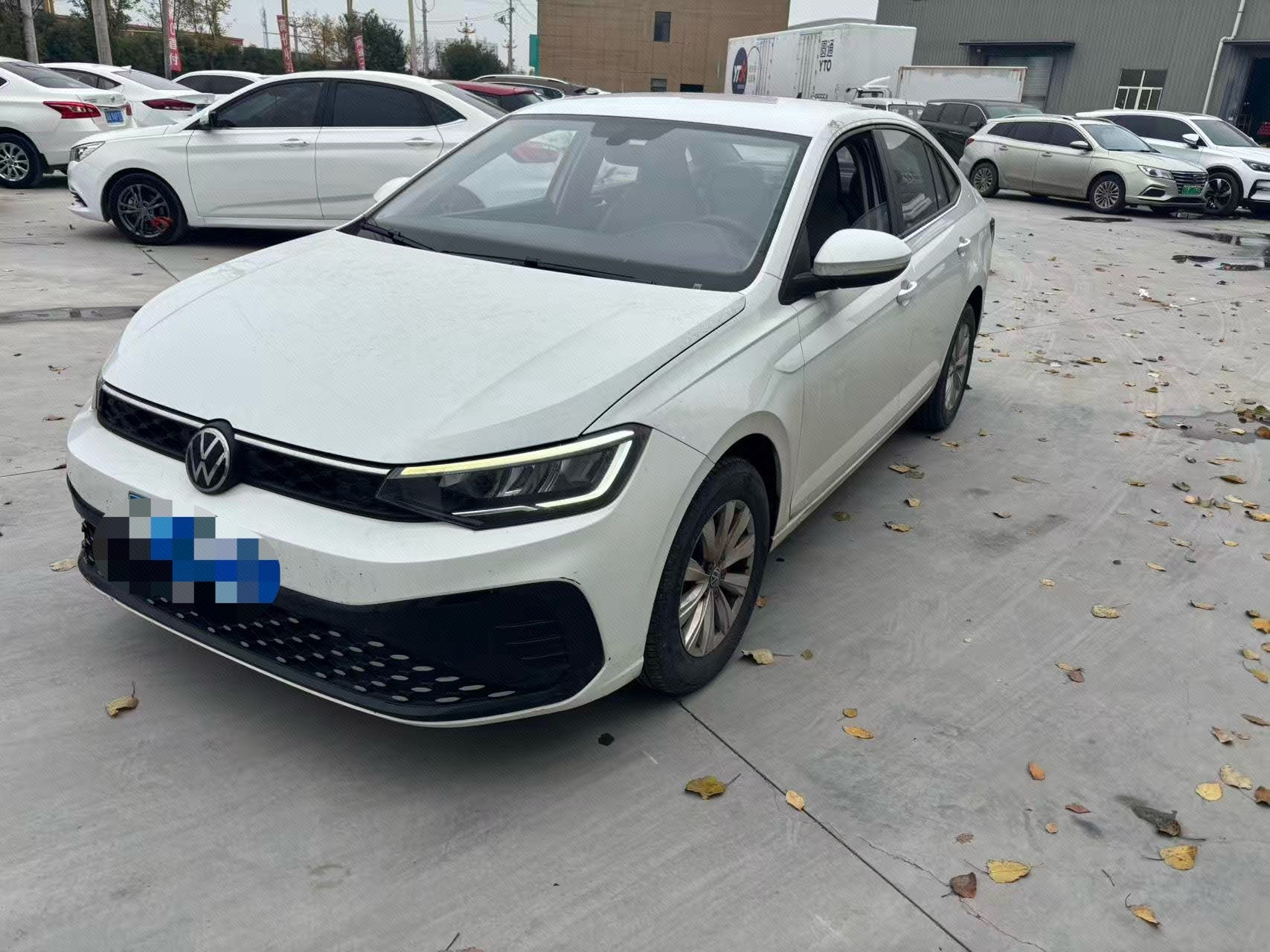
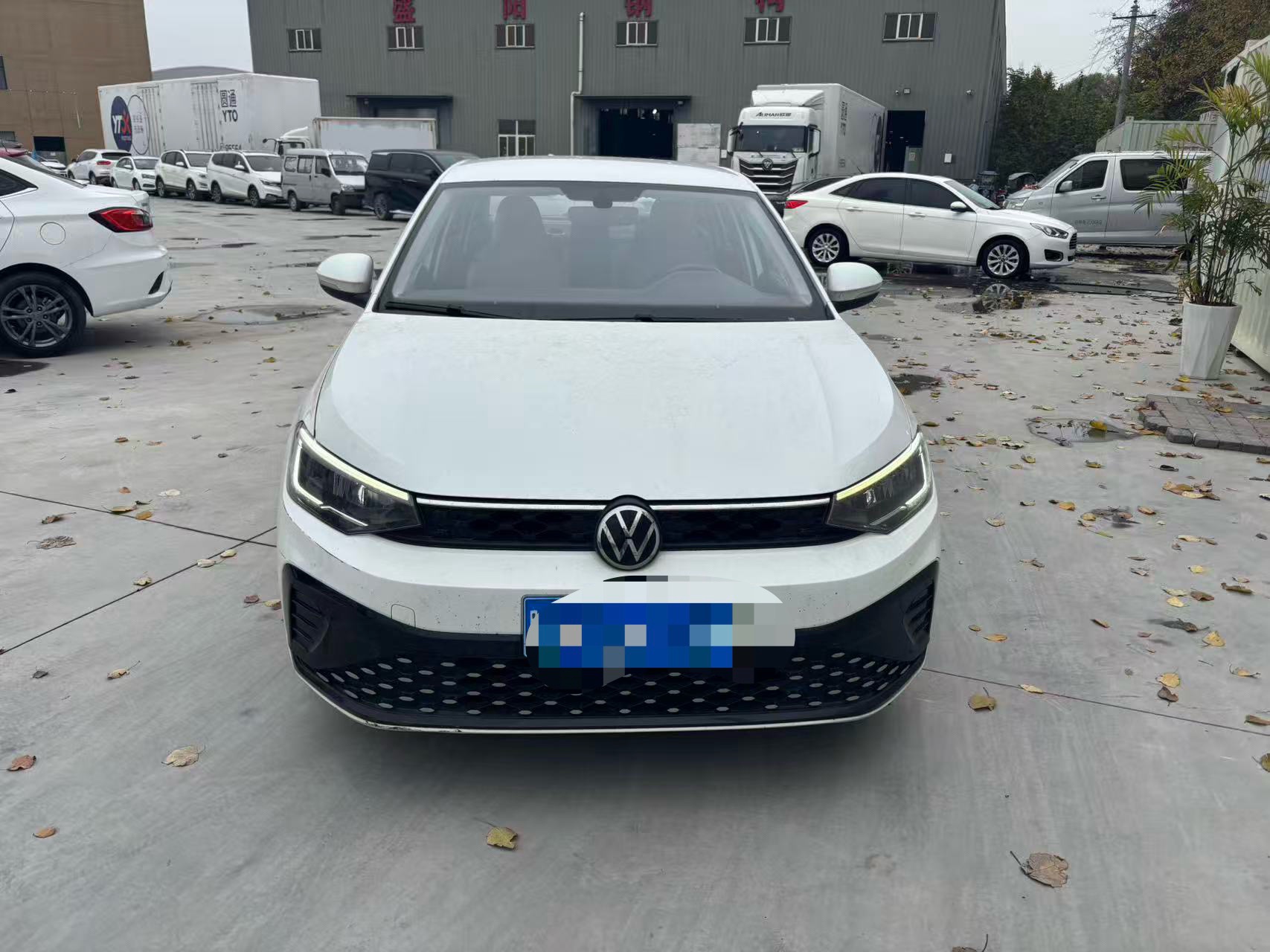
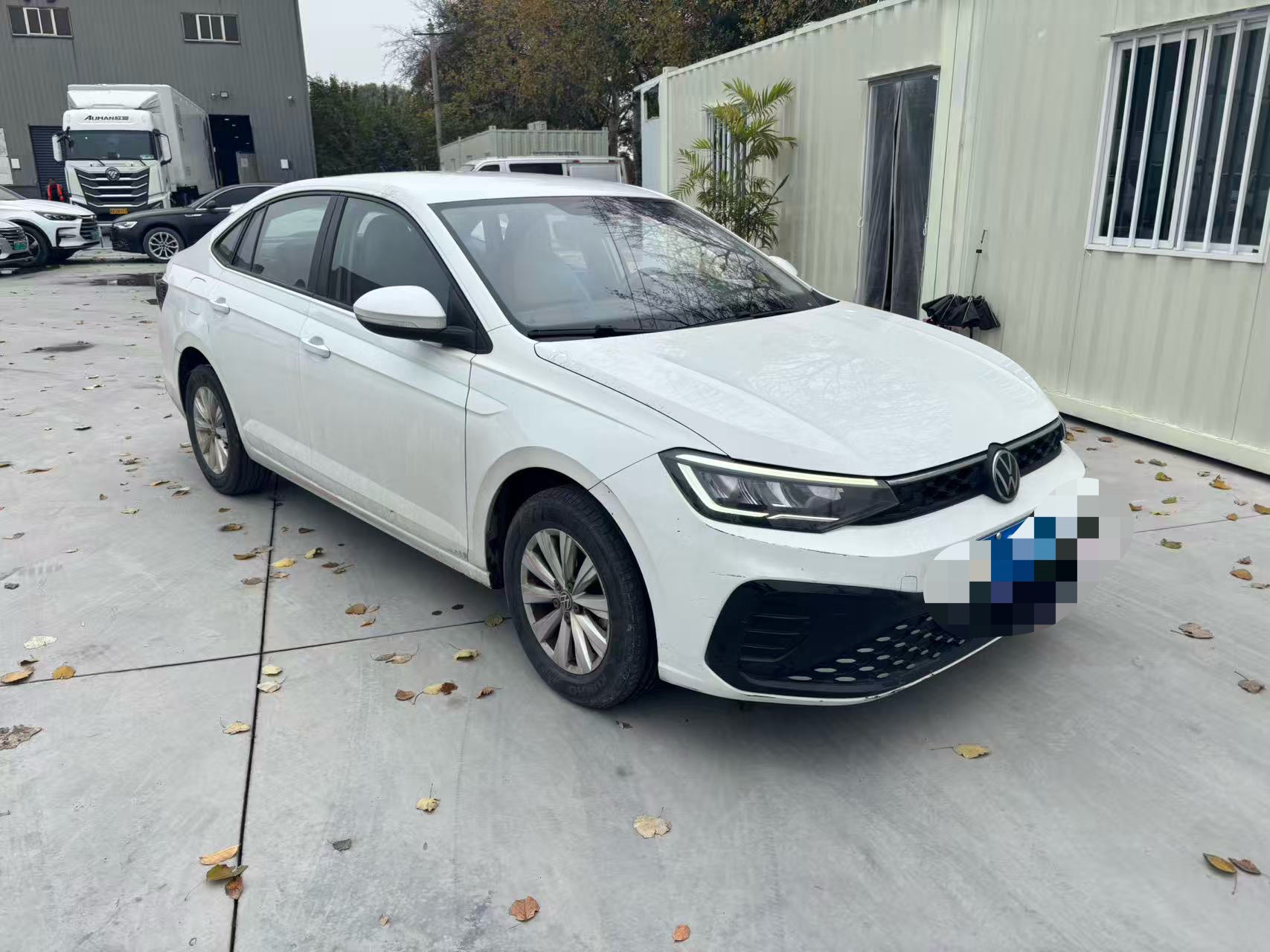
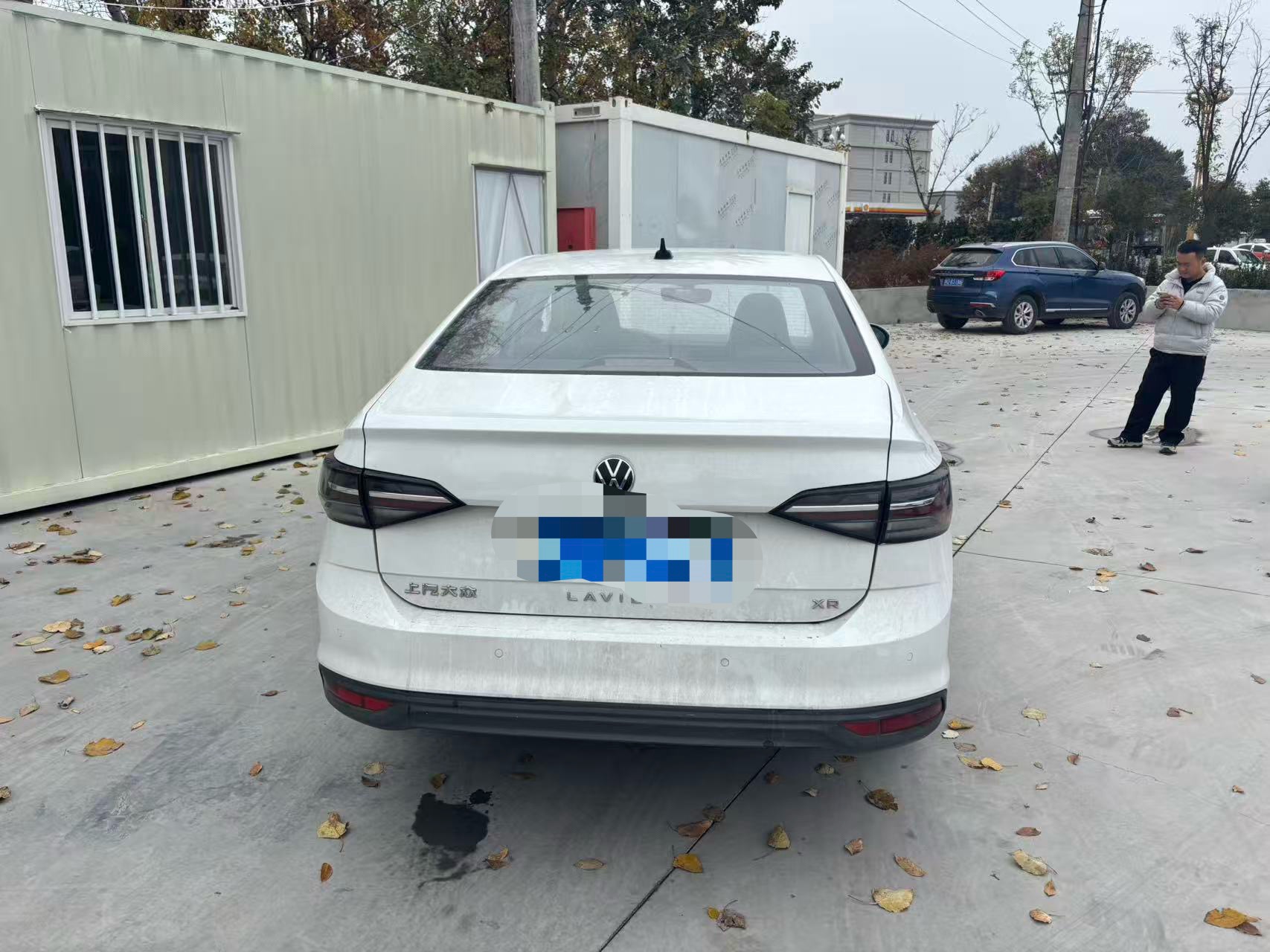
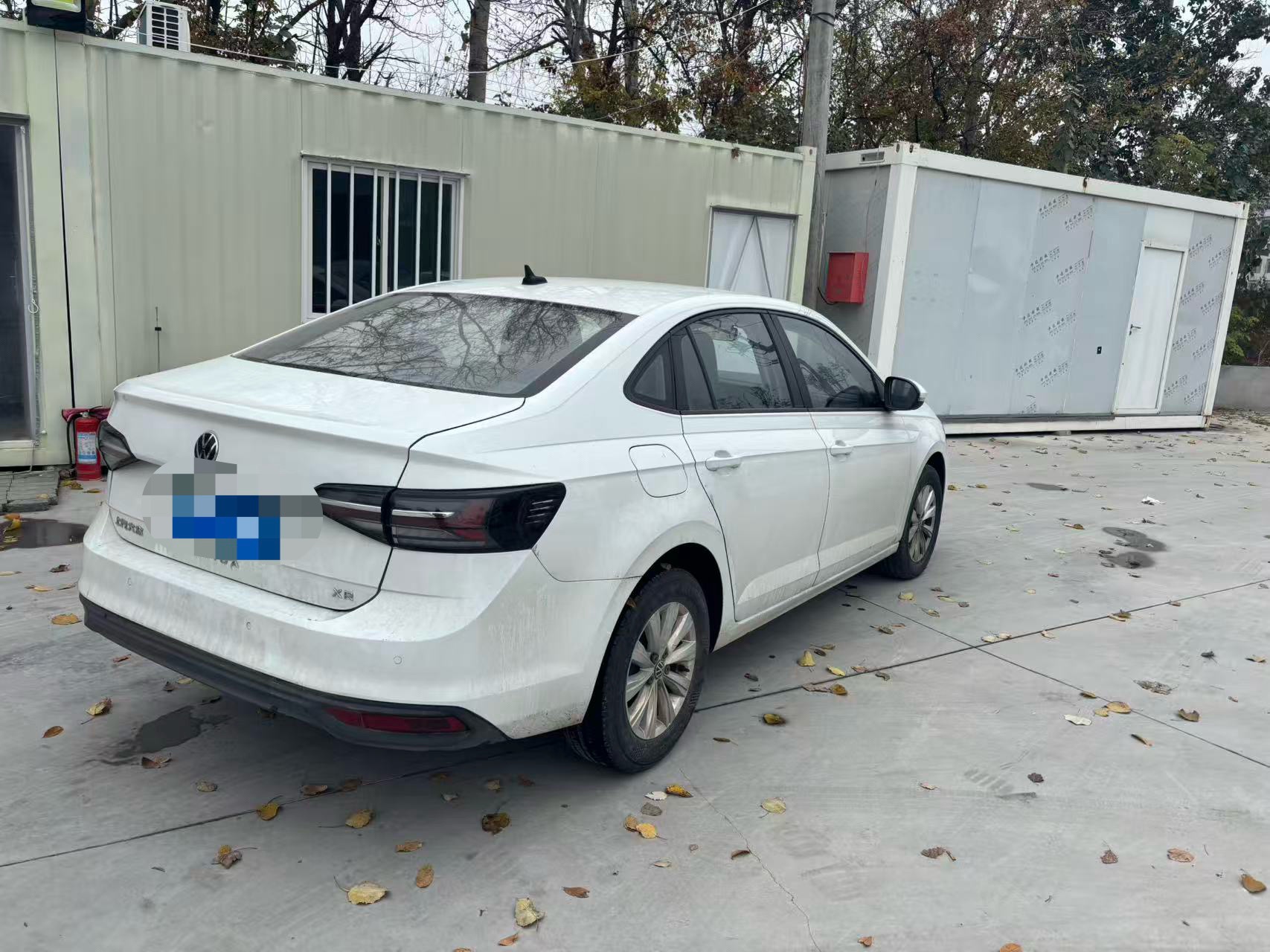
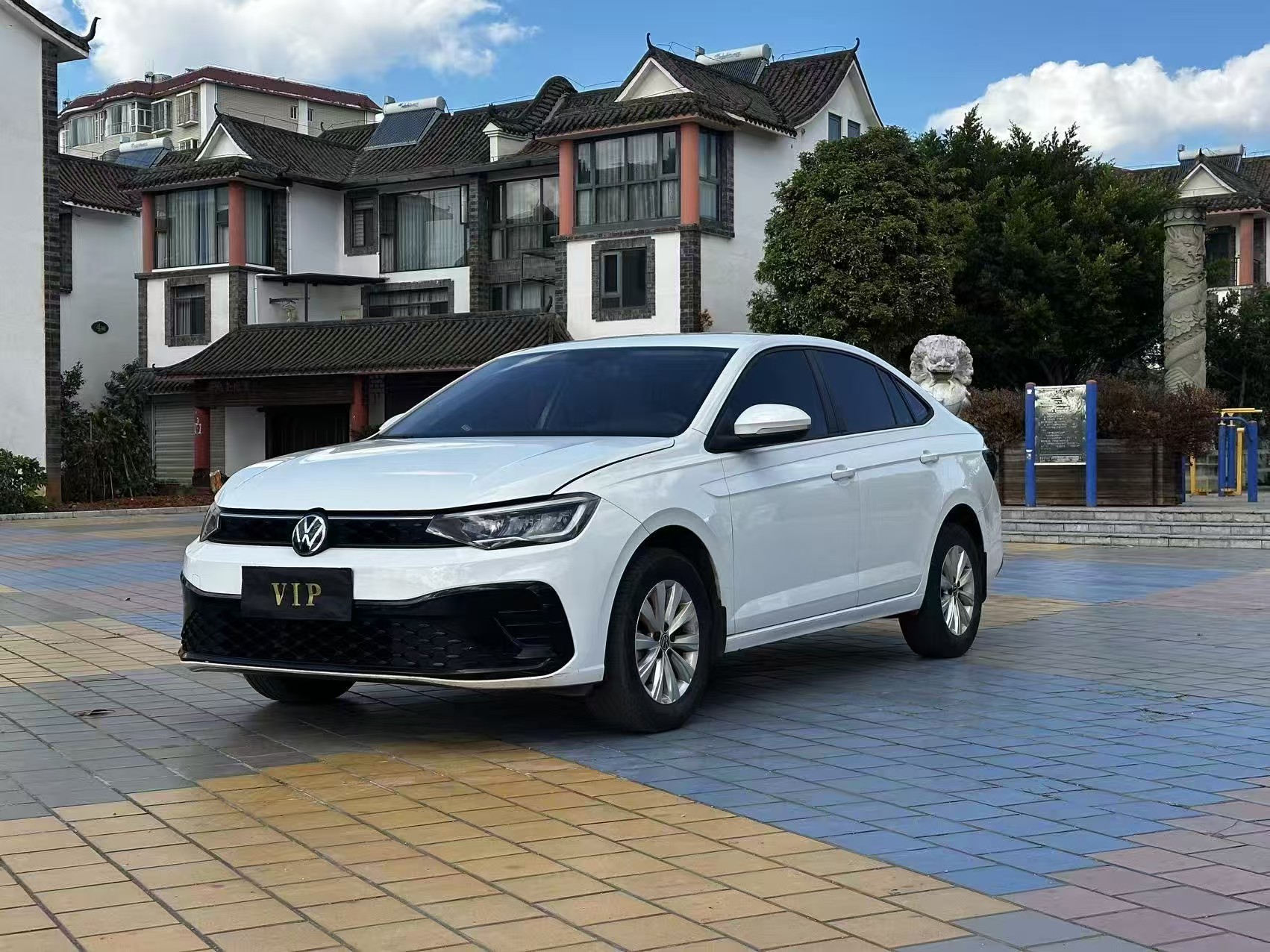
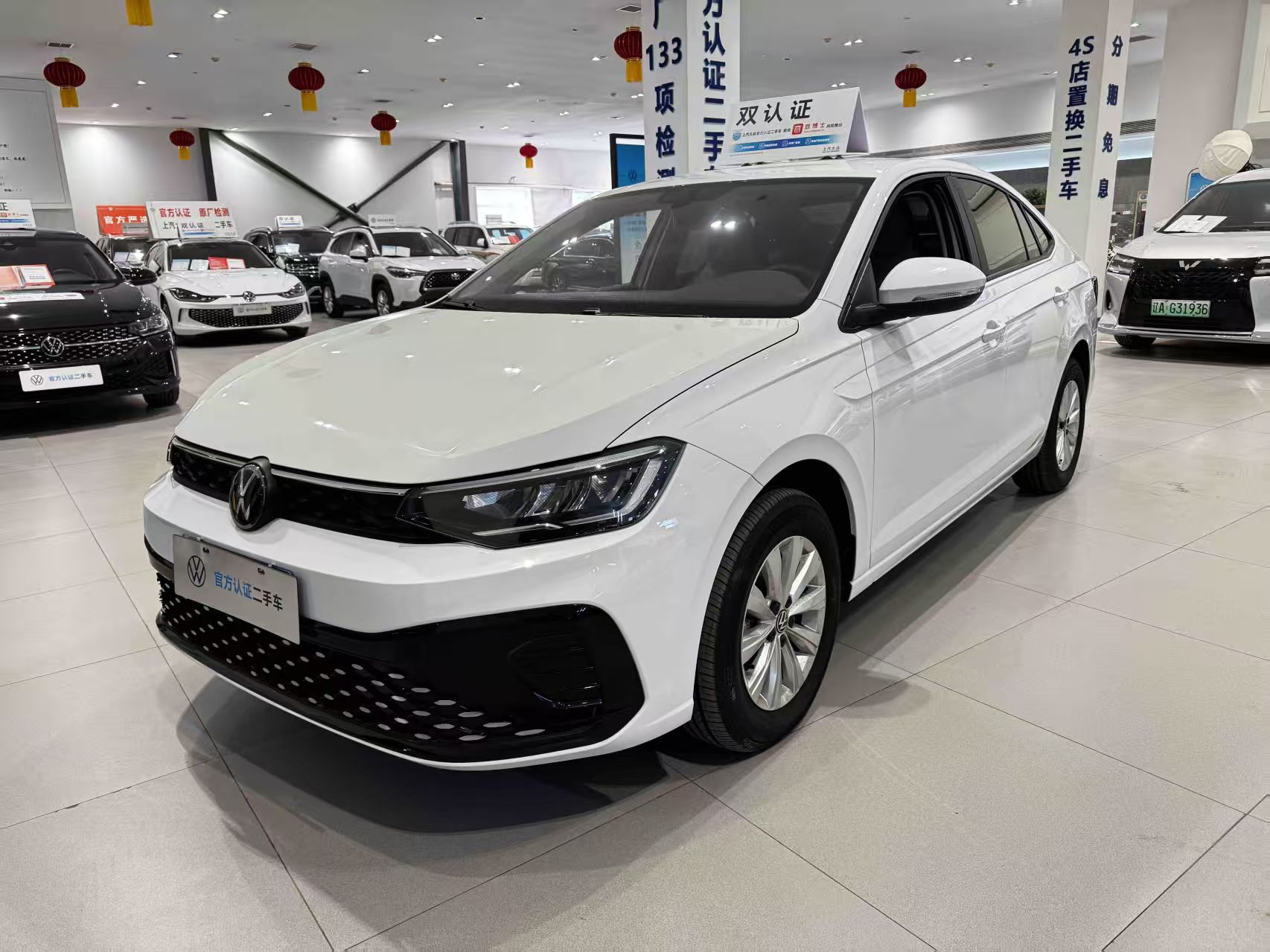
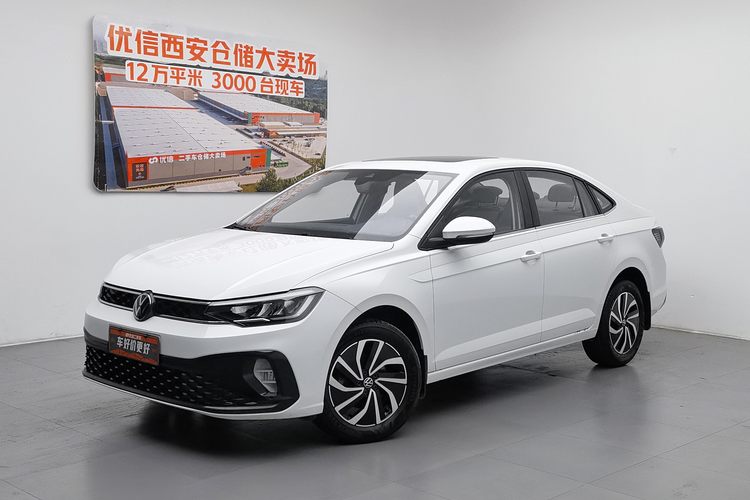
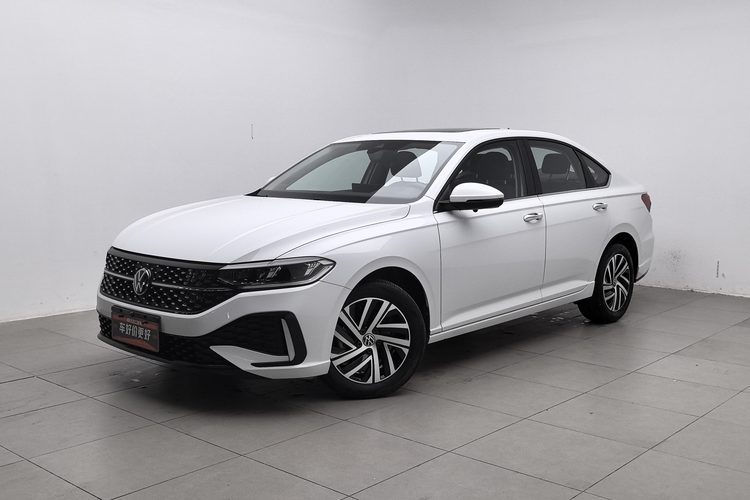
BrandVolkswagen
SeriesLavida
Year2023
First Registration2023/07
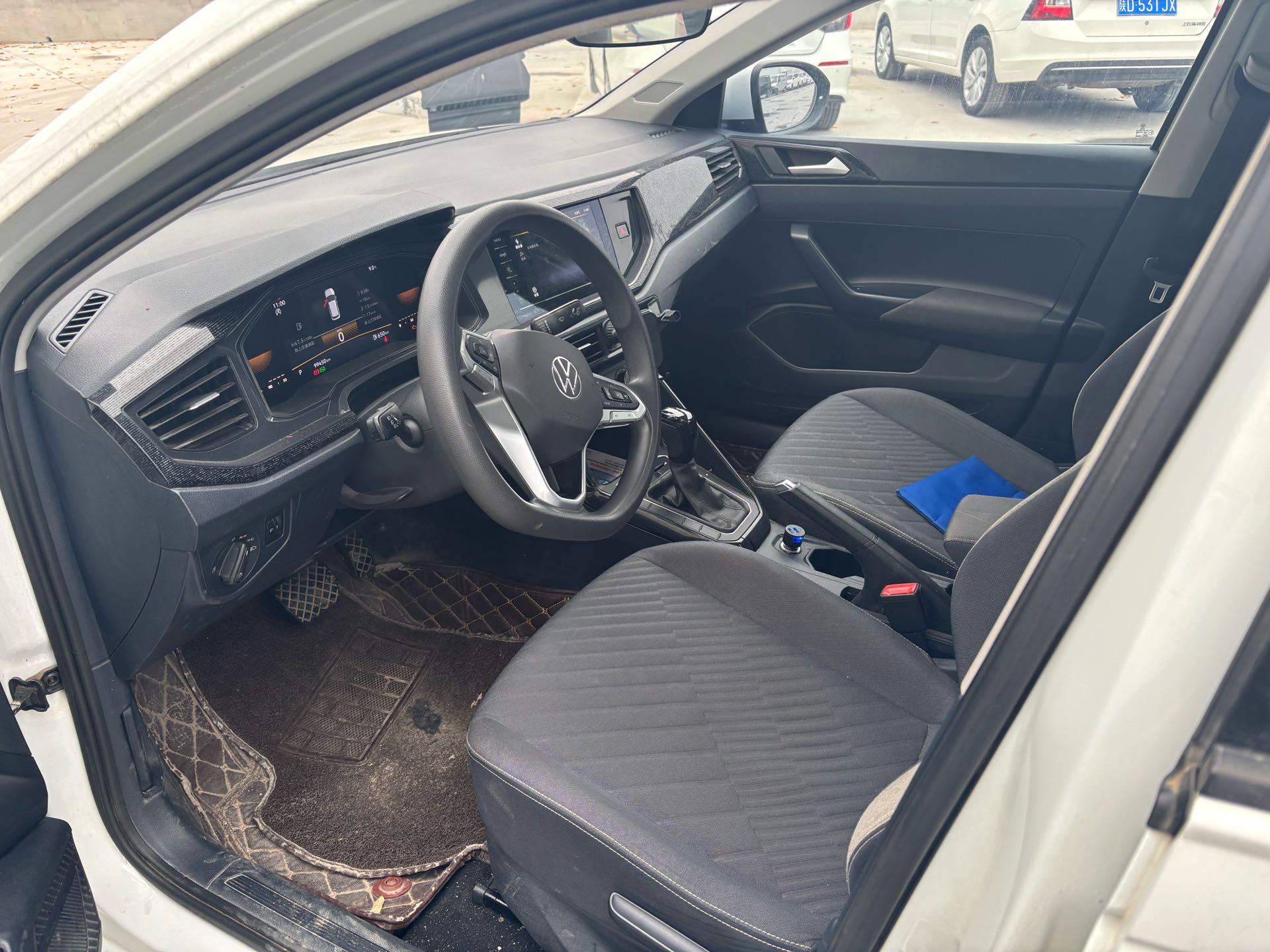
Mileage95,000km
Transfer Count0times
FuelGasoline
TransmissionManumatic
Engine1.5L 110 L4
ColorWhite
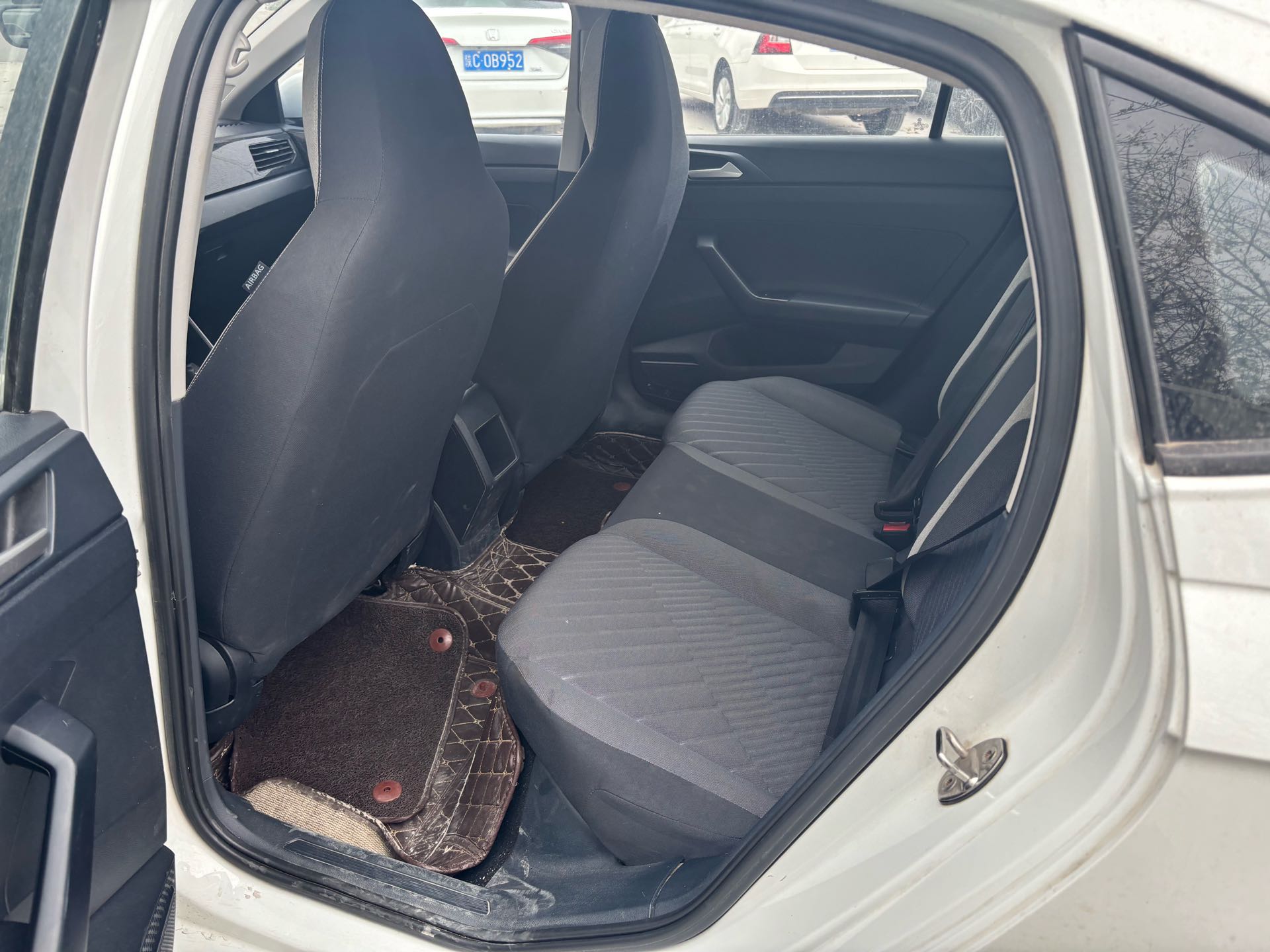
Seats5seats

Condition Description

Original condition, one panel repainted, first owner, can pass third-party inspection.

Document Information

Inspection Expiry Date-
Warranty Expiry Date-
Insurance Expiry Date2027/07

Q&A

More

How to check the condition of the turbocharger (oil leaks, unusual noises, insufficient pressure) for turbocharged vehicles?

Experience turbo lag and power surge during road tests; check for significant oil accumulation at the turbo intake and intercooler connections (slight oil vapor is normal); and use OBD to read the real-time boost pressure peak to see if it meets factory settings.

Where can I find spare parts for my imported used Chinese car, and which parts should I stock in advance?

Start with three sources: 1) The exporter you bought from — most can ship parts with new orders; 2) Cross-border platforms like Alibaba for OEM and aftermarket parts; 3) Local specialists — many Chinese brands share parts across models, so a mechanic experienced with any Chinese brand can usually help. Before importing, stock the wear items that are slow to arrive: air filters, oil filters, brake pads, wiper blades, the correct 12V battery, and for EVs, cabin filters and tire repair kits. Keep the VIN handy — parts catalogs are VIN-based, and giving suppliers the VIN avoids wrong orders. For body panels and lights, order them together with the car or as soon as damage occurs, since lead times of 4-8 weeks are common.

What maintenance schedule should I follow for a used Chinese car during its first year after import?

Treat the first year as a baseline period. Do a full fluid service immediately after registration: engine oil and filter, coolant, brake fluid, and transmission fluid, since you don't know when they were last changed in China. First 1,000 km: check for loose trim, retorque wheel nuts, and listen for new noises as the car adapts to local fuel and roads. At 5,000-10,000 km: inspect brake pads and rotors, rotate tires, and scan the ECU for stored fault codes even if no warning light shows. Annually or every 15,000 km: replace the cabin and engine air filters, check the battery health (especially for hybrids and EVs), and verify that software updates from the Chinese brand's international channel apply to your car. Keep a simple log with dates and receipts. It protects any warranty claim and makes the car far easier to sell later.