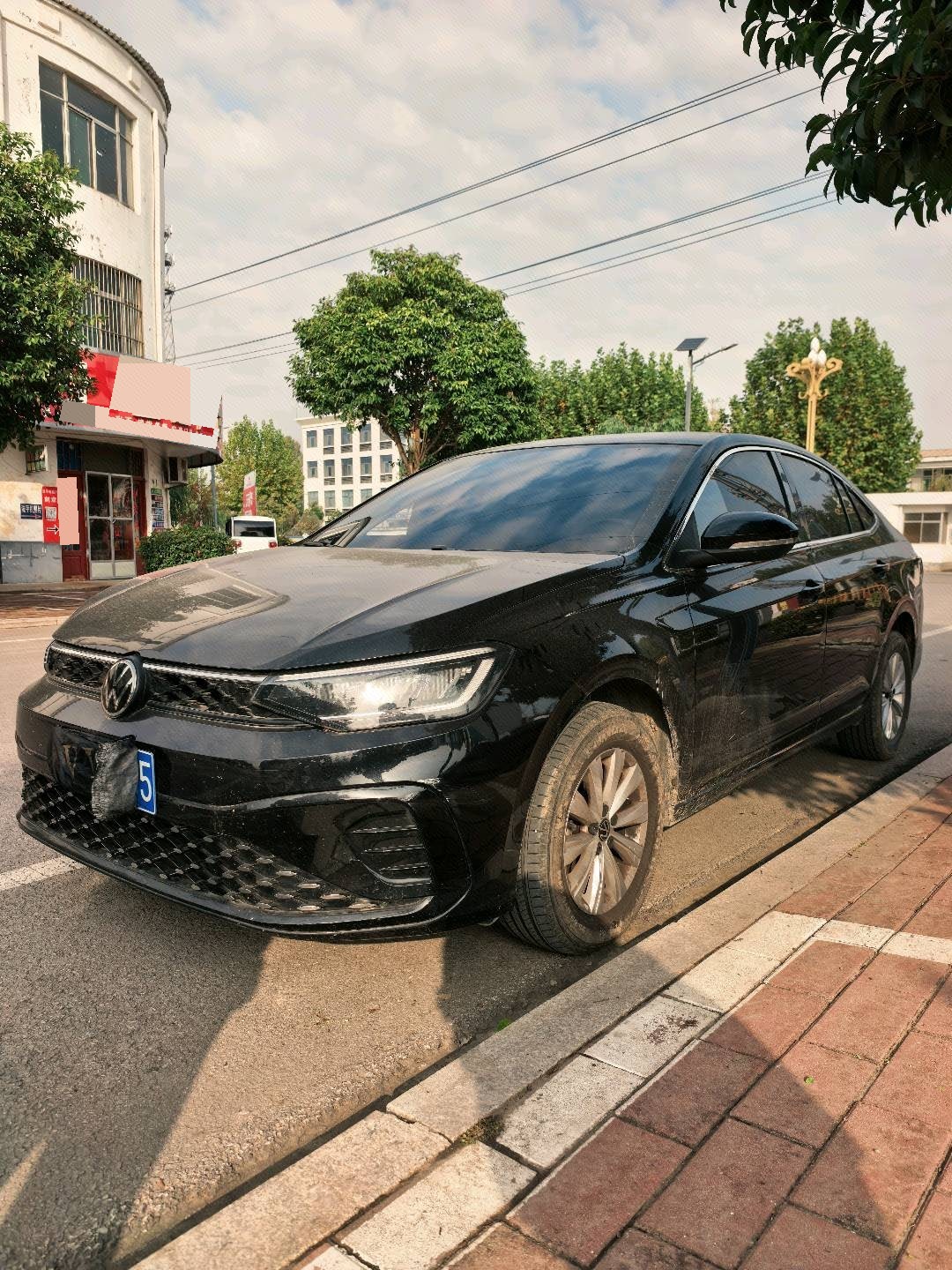



Sold

Basic Information

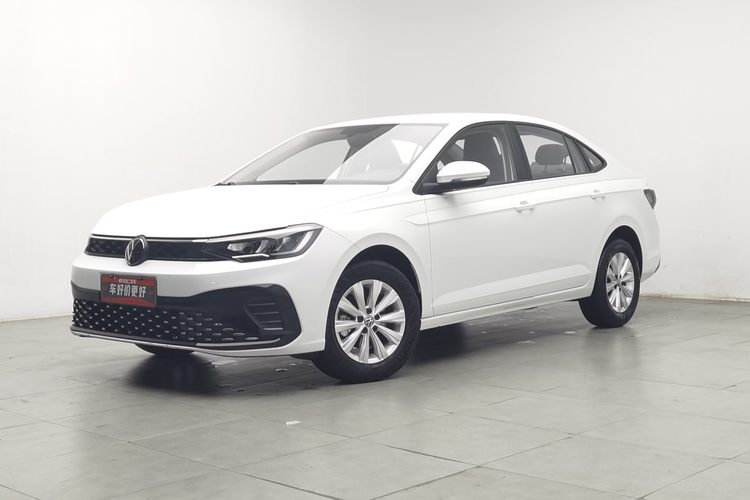
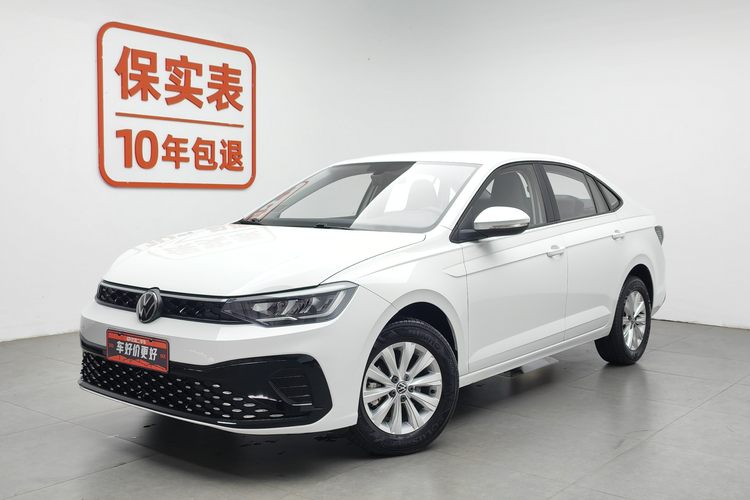
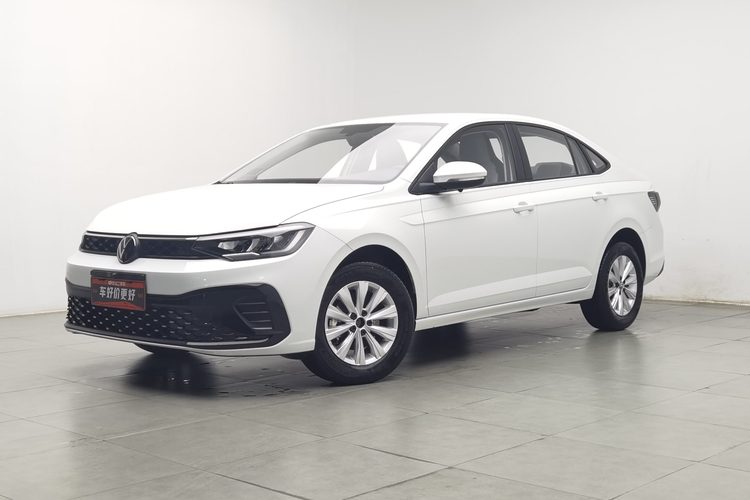
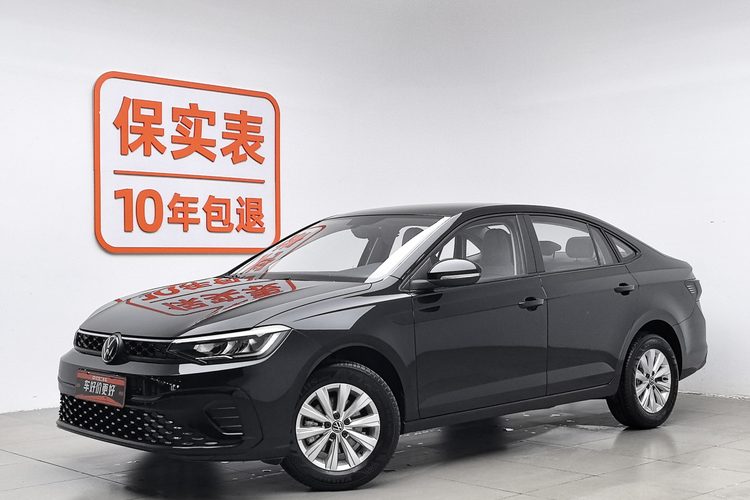
BrandVolkswagen
SeriesLavida
Year2024
First Registration2024/06
Mileage18,000km
Transfer Count0times
FuelGasoline
TransmissionManual
Engine1.5L 110 L4
ColorBlack
Seats-

Condition Description

Hood replaced; right front fender repainted.

Document Information

Inspection Expiry Date-
Warranty Expiry Date-
Insurance Expiry Date2027/06

Q&A

More

How can I verify a used car's accident and repair history in China from overseas?

China has centralized vehicle records you can check remotely before paying anything. Ask the exporter for the 17-digit VIN, then request two reports. First, the maintenance history: third-party platforms pull 4S dealership records showing service dates, mileage and repair items. A mileage line that goes down over time is a red flag for odometer tampering. Second, the insurance claim history: it lists accident dates, claim amounts and repaired parts. Heavy claims involving frame rails or airbags should end the deal. Practical tips: run the reports yourself instead of accepting screenshots from the seller, make sure the report date is close to the delivery date, and cross-check with physical wear such as the steering wheel, pedals and seat bolsters, which cannot lie about high mileage. Keep in mind that small private repairs never enter these databases, so combine history checks with a physical inspection before shipping.


Which electrical features should I test remotely before buying a used Chinese car—windows, sunroof, infotainment, sensors?

Electrical faults are among the most annoying problems to discover after import, because they rarely stop the car from running. Ask the seller for a live video walkthrough testing each item: all four windows up and down, sunroof open/close, central locking (including with the key and remote), infotainment touchscreen, Bluetooth pairing, all cameras (reversing and 360-degree if fitted), parking sensors, interior and exterior lights, and the horn. Also watch the dashboard during startup: every warning light should illuminate briefly and then go out. A light that never appears, or stays on, tells you something needs attention. Pair this with an OBD scan to catch stored fault codes the seller might not mention. If a feature "only works sometimes," assume it is broken and price the repair into your offer.

How do I decode a Chinese VIN and what can it tell me about a used car before I buy?

A Chinese VIN is 17 characters, and decoding it takes minutes but reveals a lot. Positions 1-3 are the World Manufacturer Identifier. Cars sold domestically in China usually start with L (for example LFV for FAW-VW, LGB for Dongfeng Nissan), which tells you it was built in China rather than imported. Position 10 is the model year letter or number. Positions 4-8 describe the model, body type, and drivetrain, so you can verify the seller's description matches the actual car. Cross-check the VIN in three places: the plate at the base of the windshield, the sticker on the door jamb or B-pillar, and the registration certificate. Mismatched VINs or signs the plates were re-riveted are a serious red flag for a cloned or rebuilt vehicle. Use the VIN to pull a history report from a Chinese data provider and to verify recall status with the manufacturer. Any seller who hesitates to share the full VIN is telling you something important.