

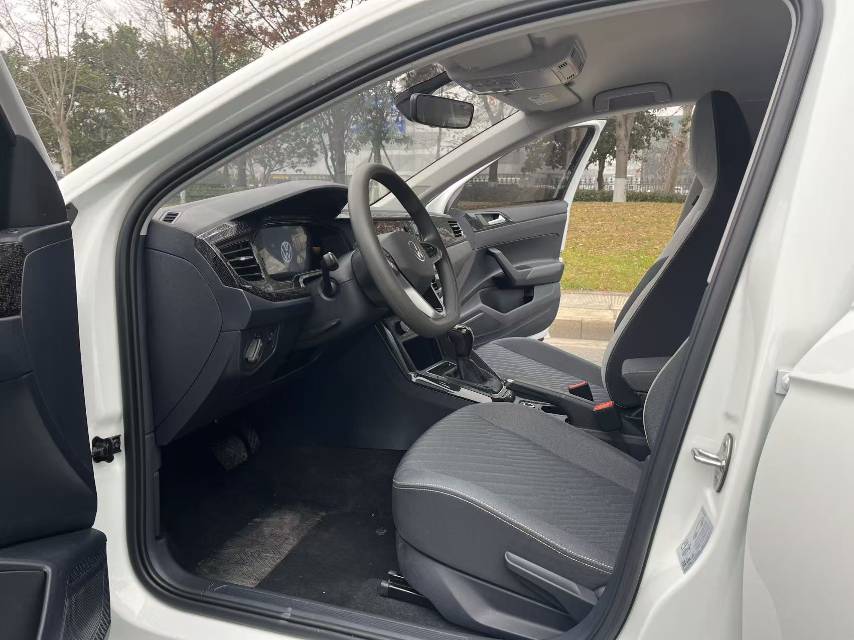
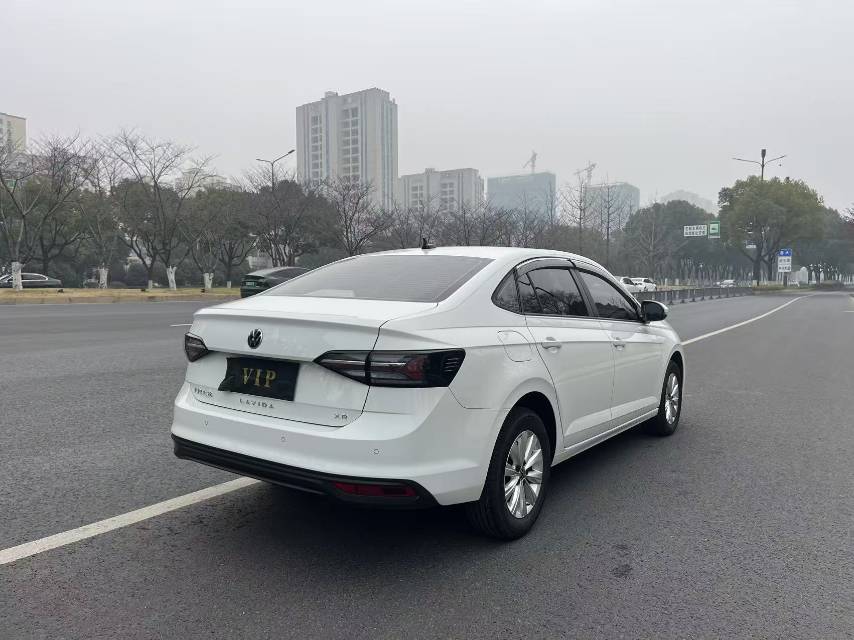





Basic Information

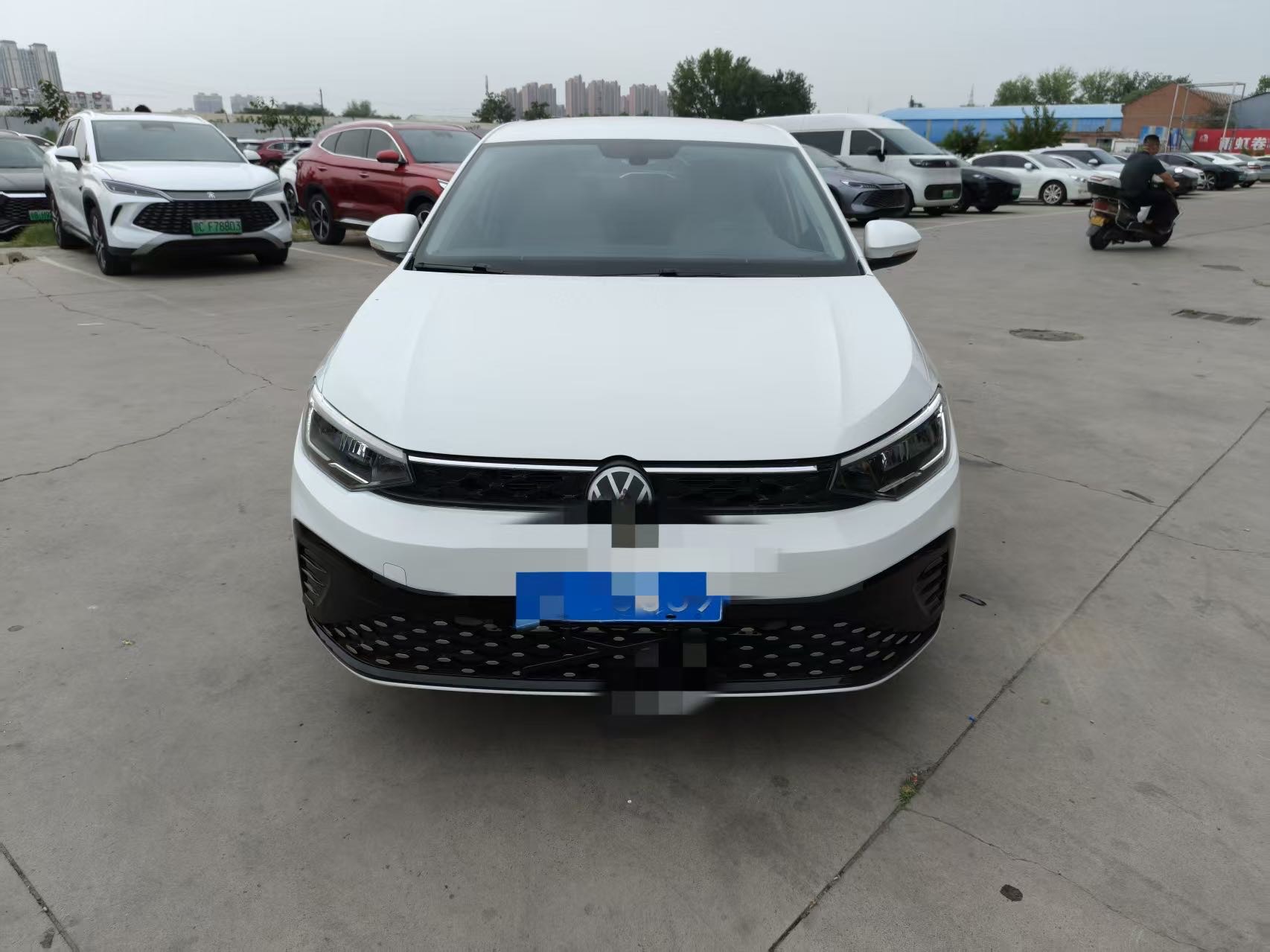
BrandVolkswagen
SeriesLavida
Year2024
First Registration2024/08
Mileage10,000km
Transfer Count0times
FuelGasoline
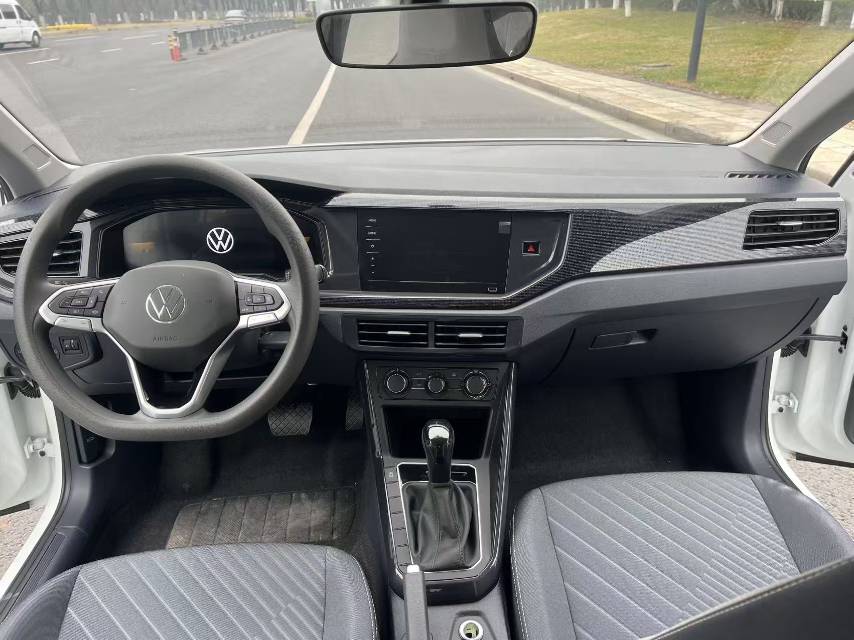
TransmissionManumatic
Engine1.5L 110 L4
ColorWhite
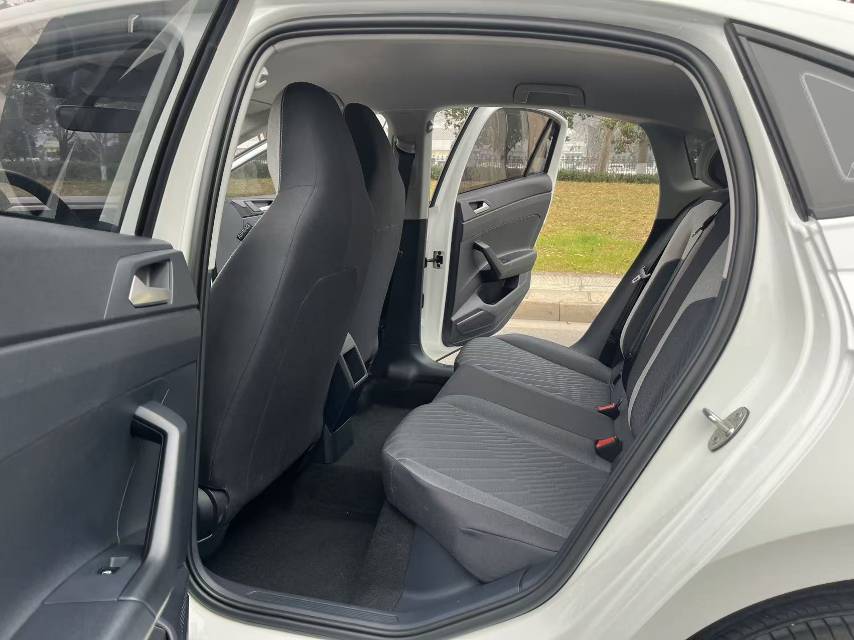
Seats5seats

Condition Description

General vehicle condition.

2024 model registered in August, one owner, actual mileage 10,000 km, original paint, no accidents, no need for investment in interior or exterior condition.

可议价
已上架

Configuration Highlights

✓品牌: 大众
✓车系: 朗逸
✓车型: 朗逸 2023款 新锐 1.5L 自动出众新逸版
✓能源类型: 燃油车
✓发动机: 1.5L
✓变速箱: 6挡手自一体
✓驱动方式: 前置前驱
✓排放标准: 国VI
✓指导价: 8万
✓车源编号: 12632441
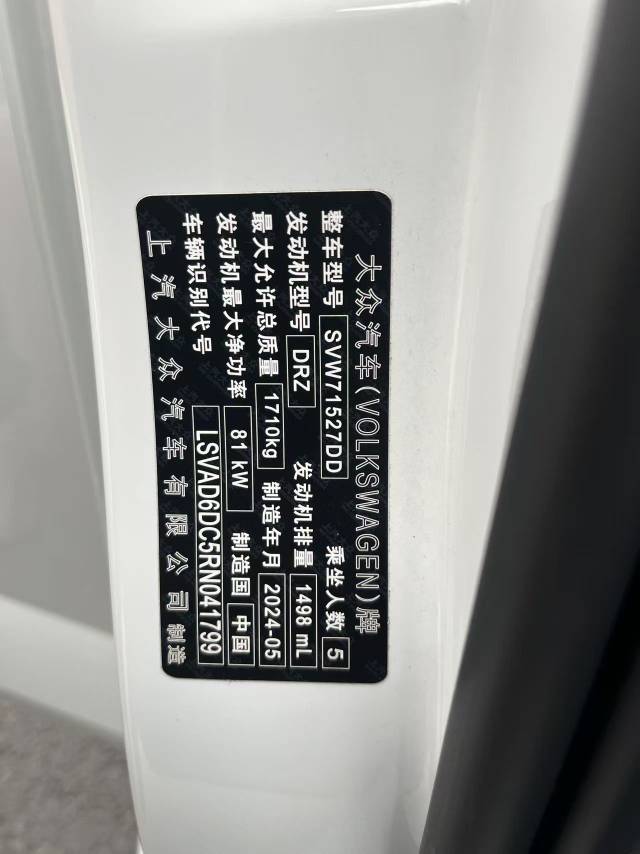
✓VIN: LSVA*******041799

Document Information

Inspection Expiry Date2026/08
Warranty Expiry Date-
Insurance Expiry Date2026/08

Q&A

More

Is there a mileage adjustment phenomenon in the Chinese used car market? How do you ensure the absolute authenticity of the odometer?

Odometer tampering is a common risk in the global used car industry. We verify the data by extracting transmission mileage from the OBD computer, checking the most recent maintenance record's mileage, and consulting the national traffic management app for annual inspection records. If there are irreconcilable discrepancies or conflicts in the data, we classify it as a tampered vehicle and refuse to export it.

If there is a conflict between the historical report from Dr. Cha or Dongche Di and the backend data from the 4S store, which one do you rely on?

Always rely on the original factory network data from the 4S store. Third-party platforms may have delays or errors when capturing data (such as incorrect VIN entry). In case of a conflict, we rely on physical verification of the actual vehicle to resolve the data discrepancies.

Why is there a time difference between the production date on the vehicle nameplate and the first registration date on the registration certificate?

The nameplate date is the absolute time when the vehicle leaves the factory; the registration date is when the vehicle is registered with the traffic management department after sale. The difference represents the time the vehicle spent in the dealer's warehouse or logistics. If the time difference exceeds 6-8 months, the vehicle is considered a "stock vehicle," and we pay special attention to the natural aging of its rubber components.