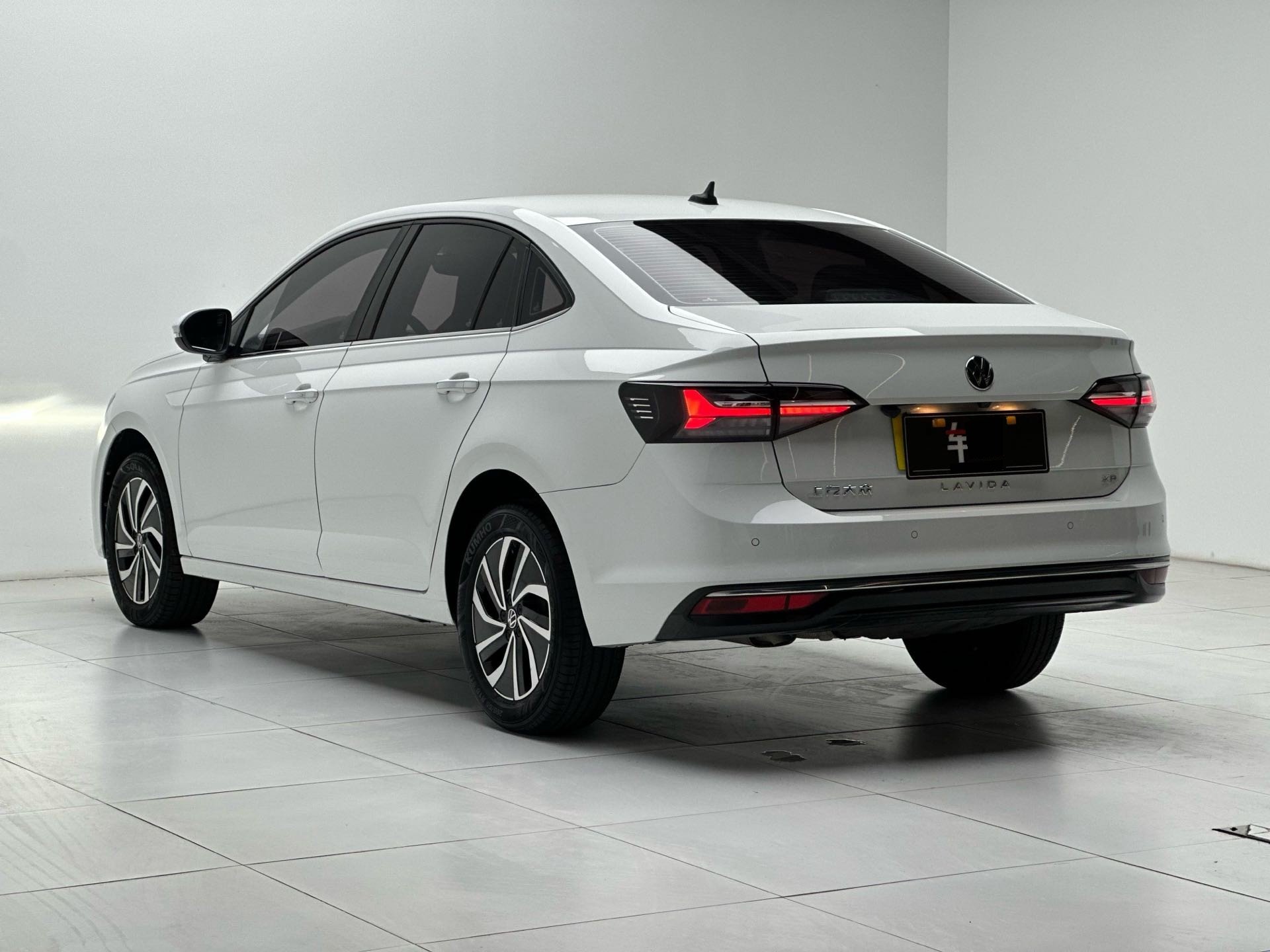
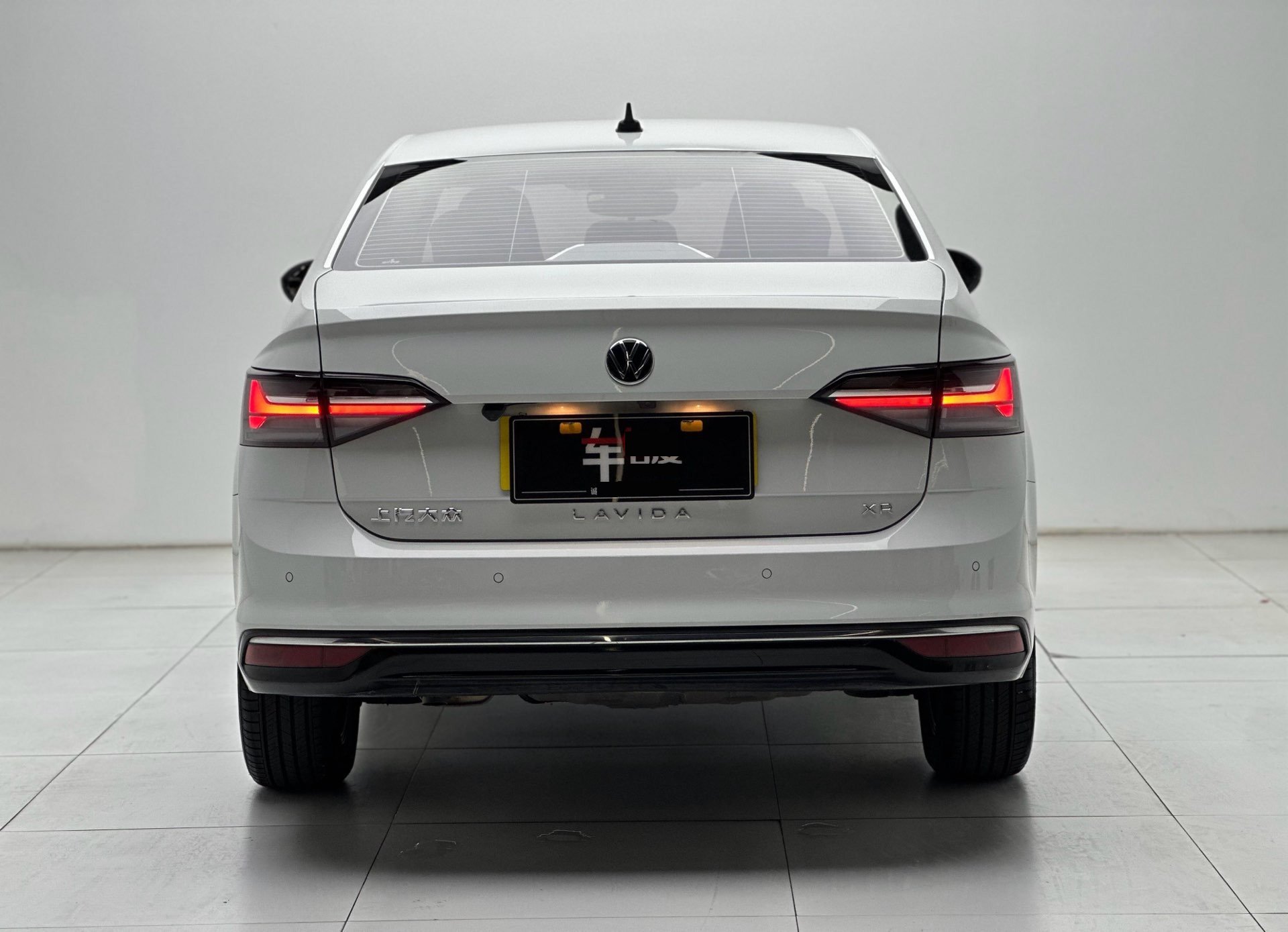
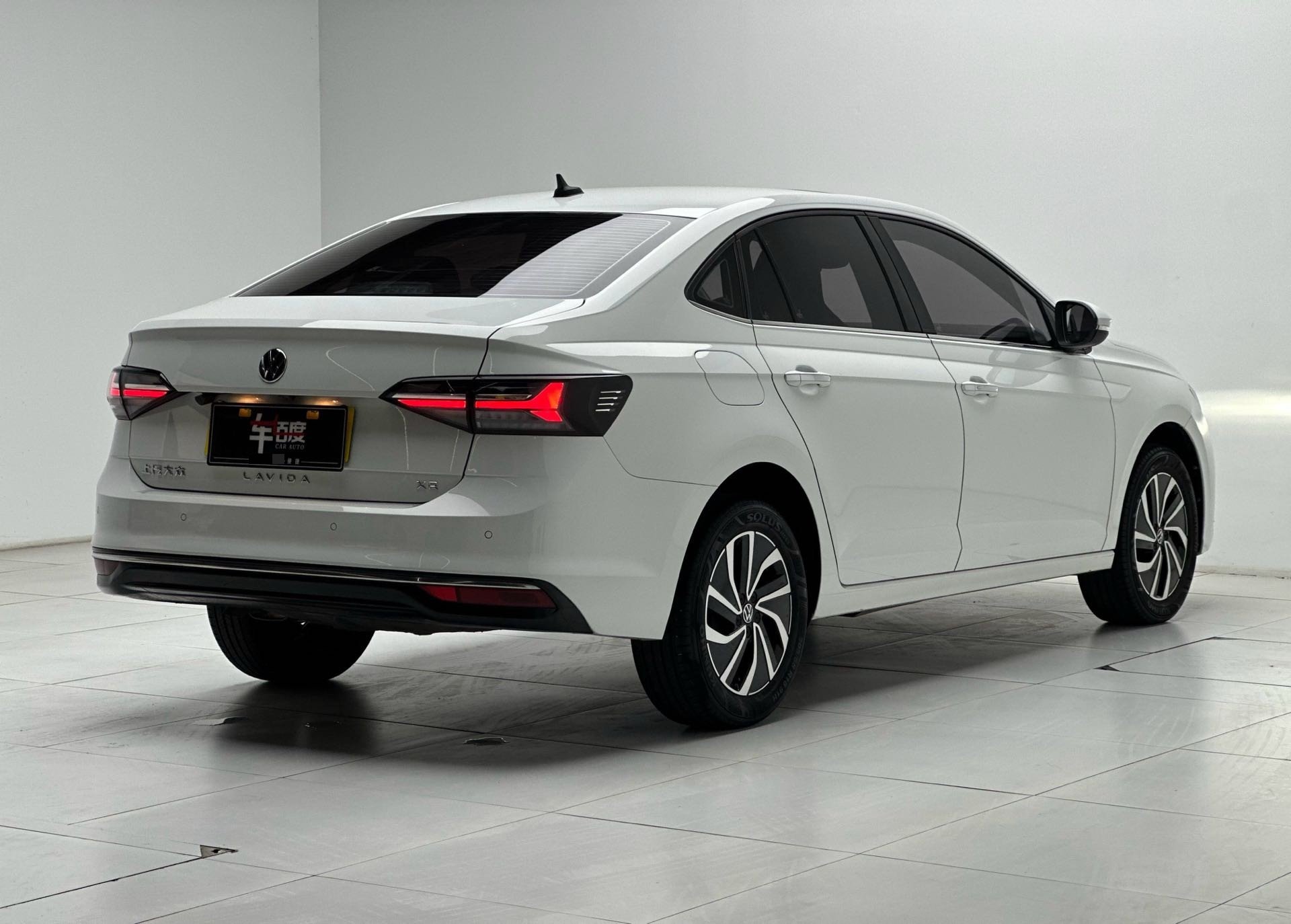
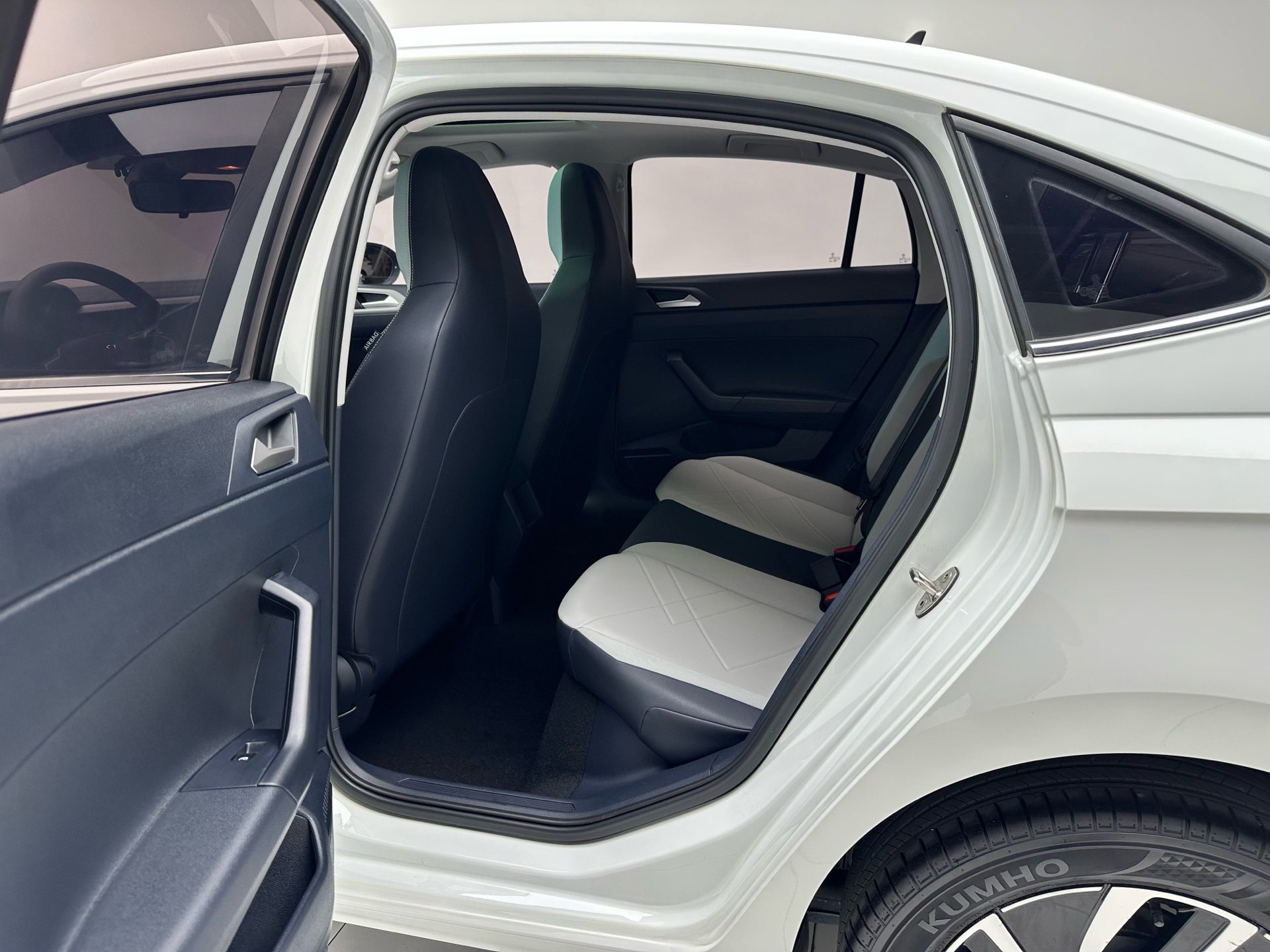



48H

Basic Information

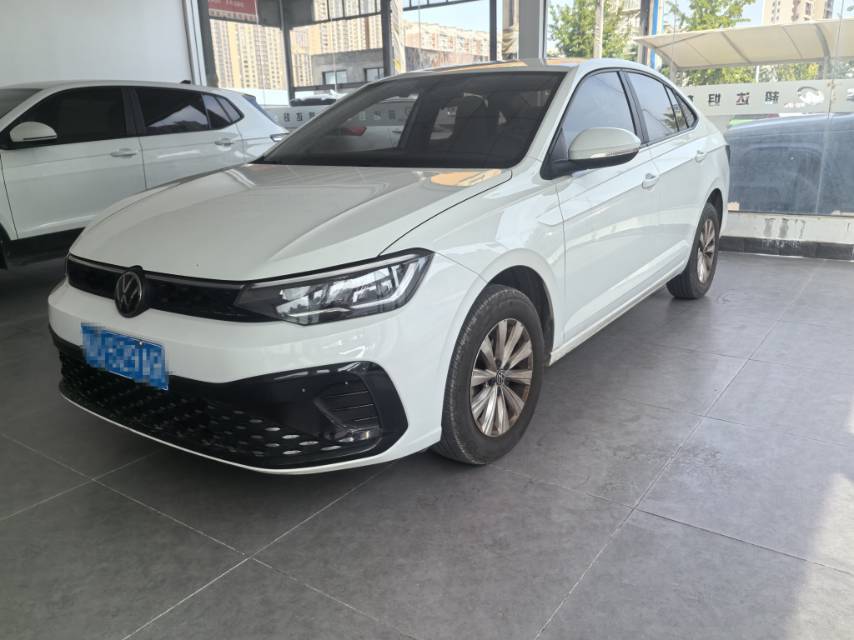
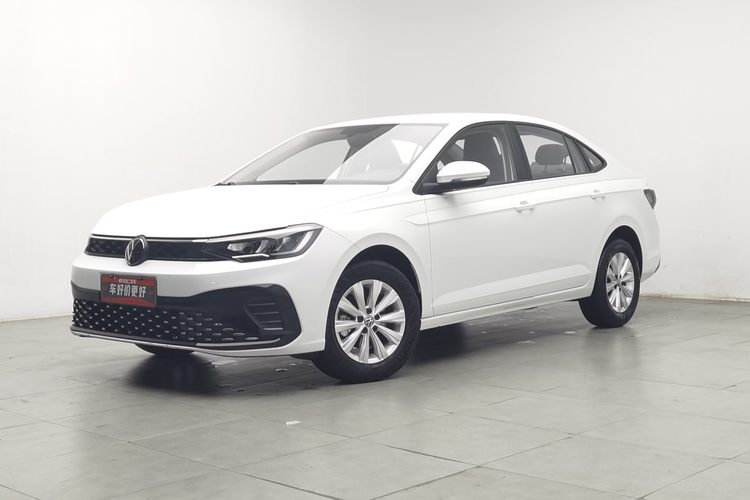
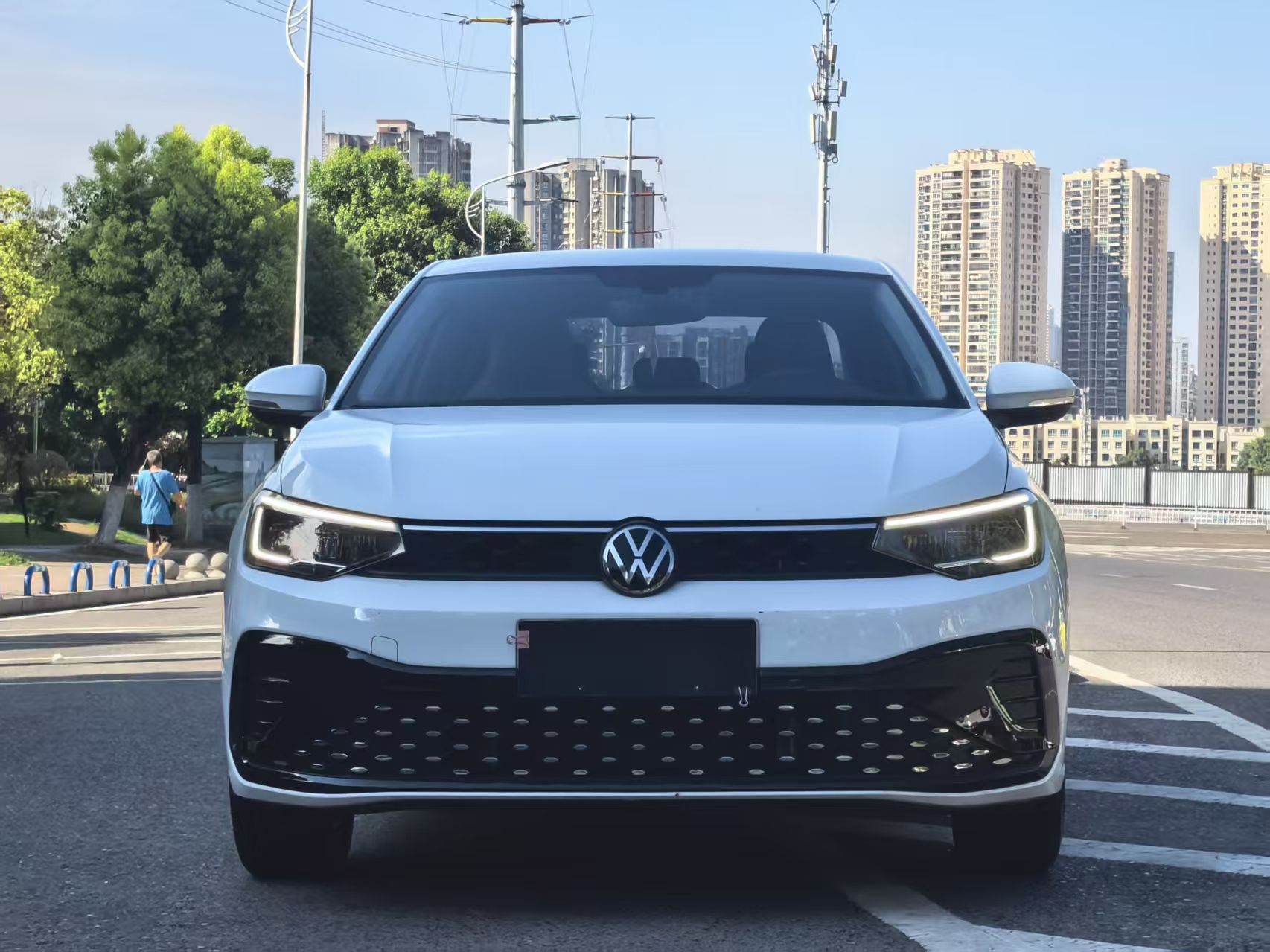
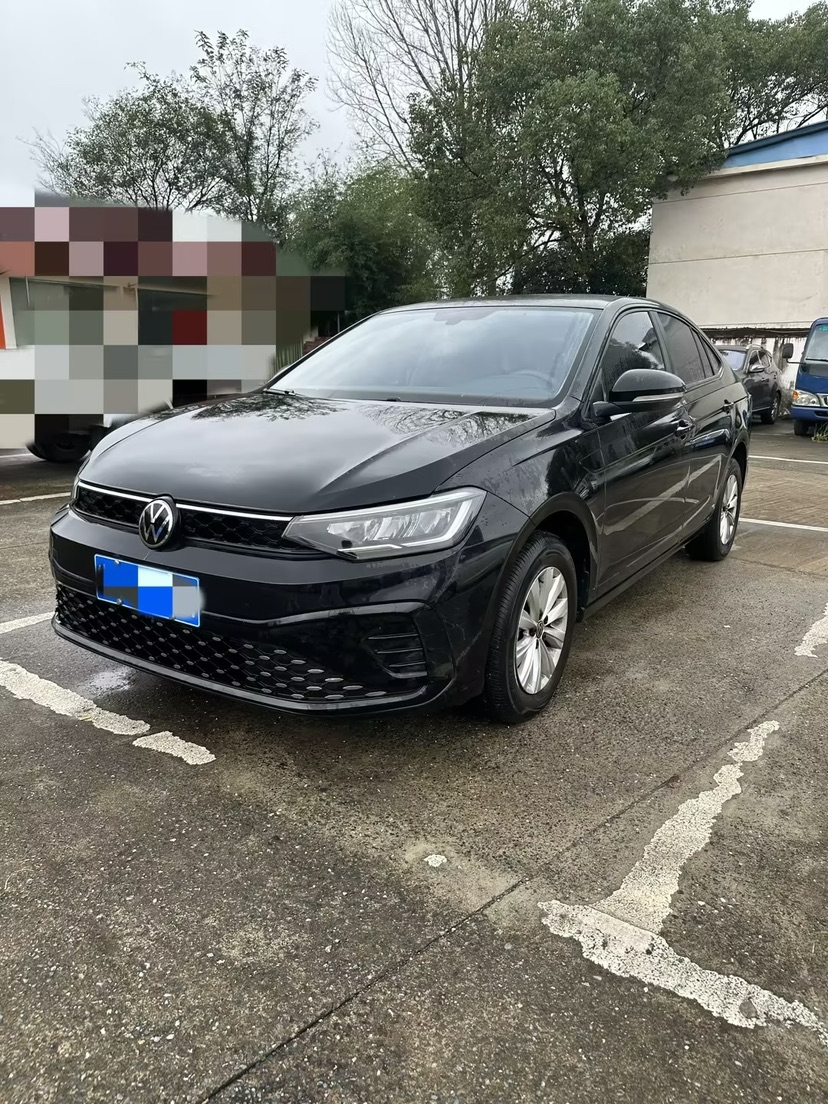
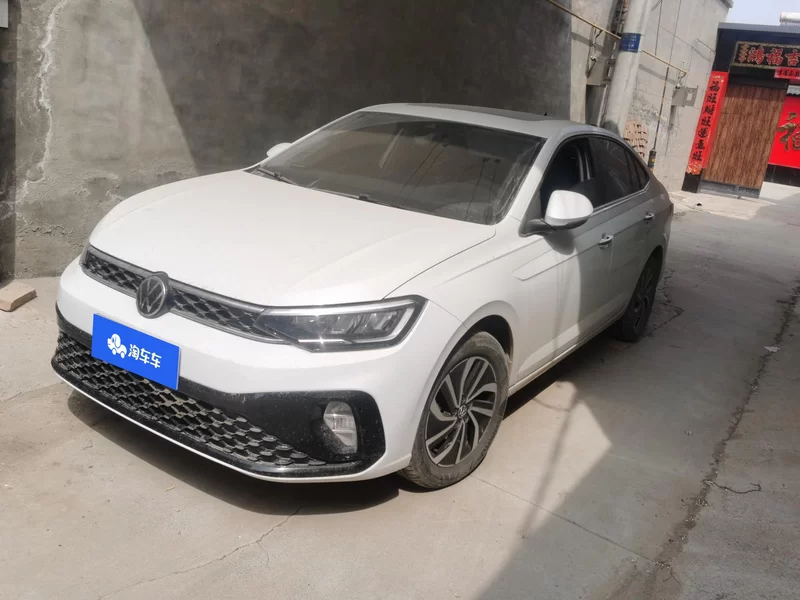
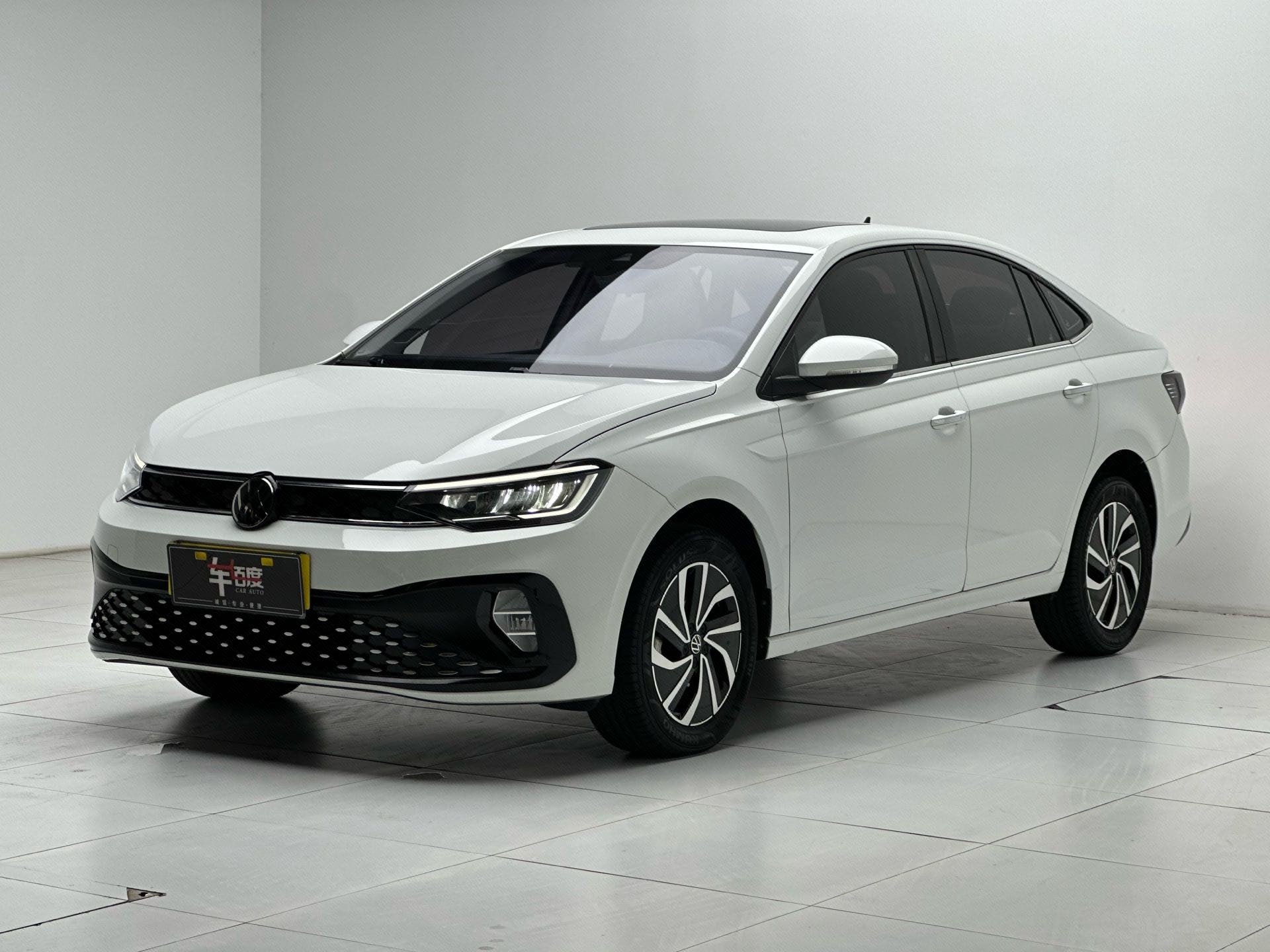
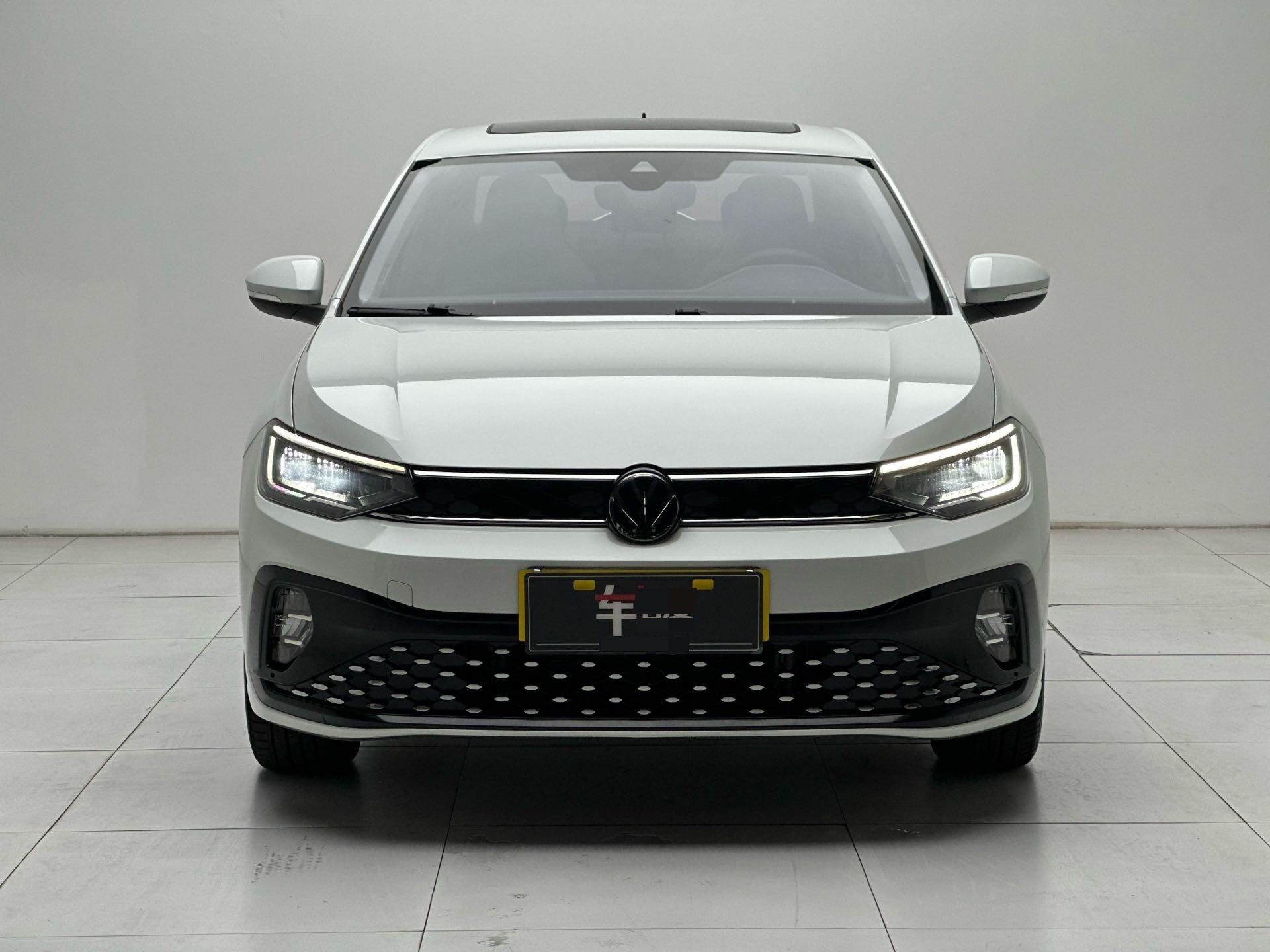
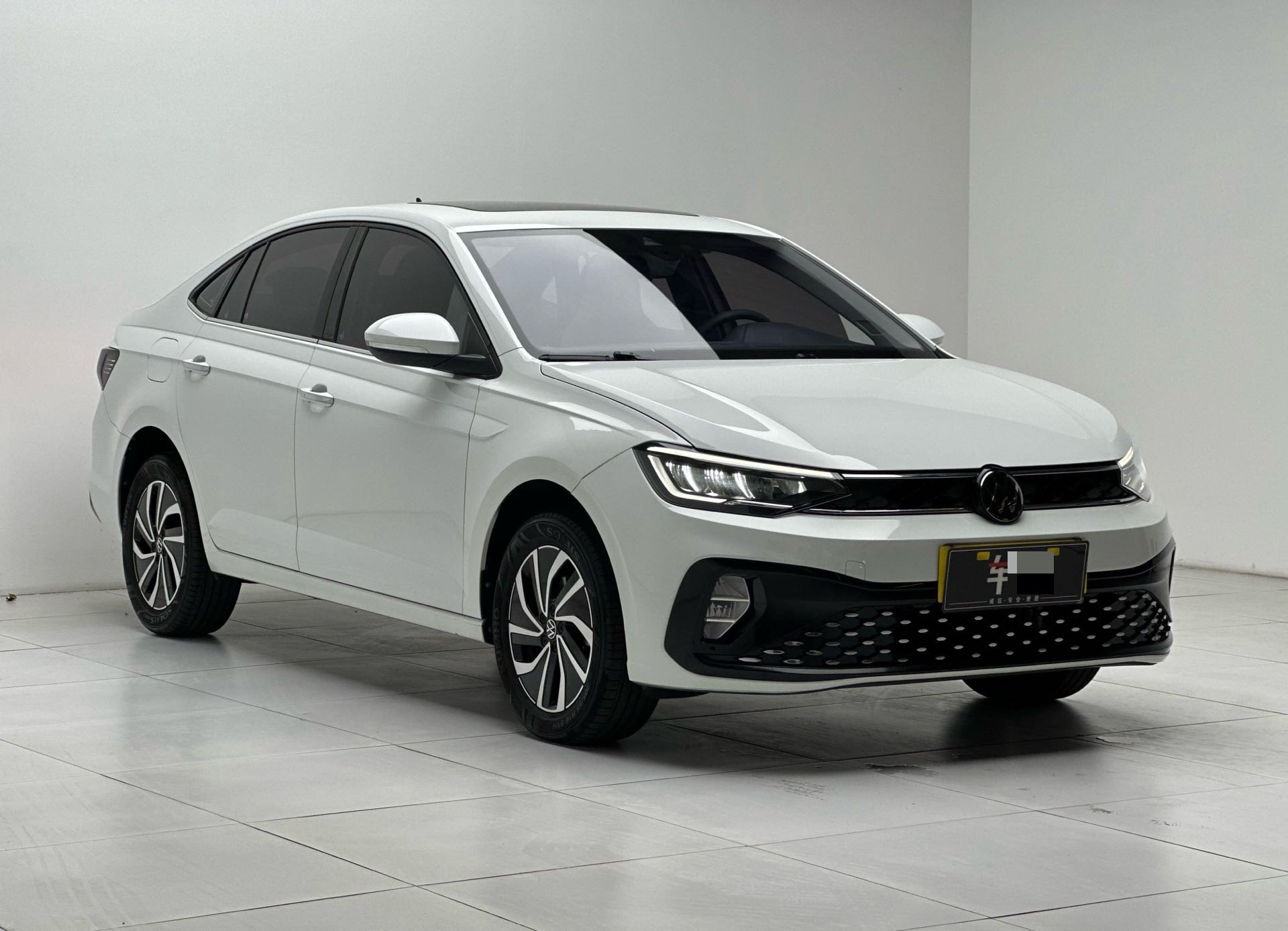
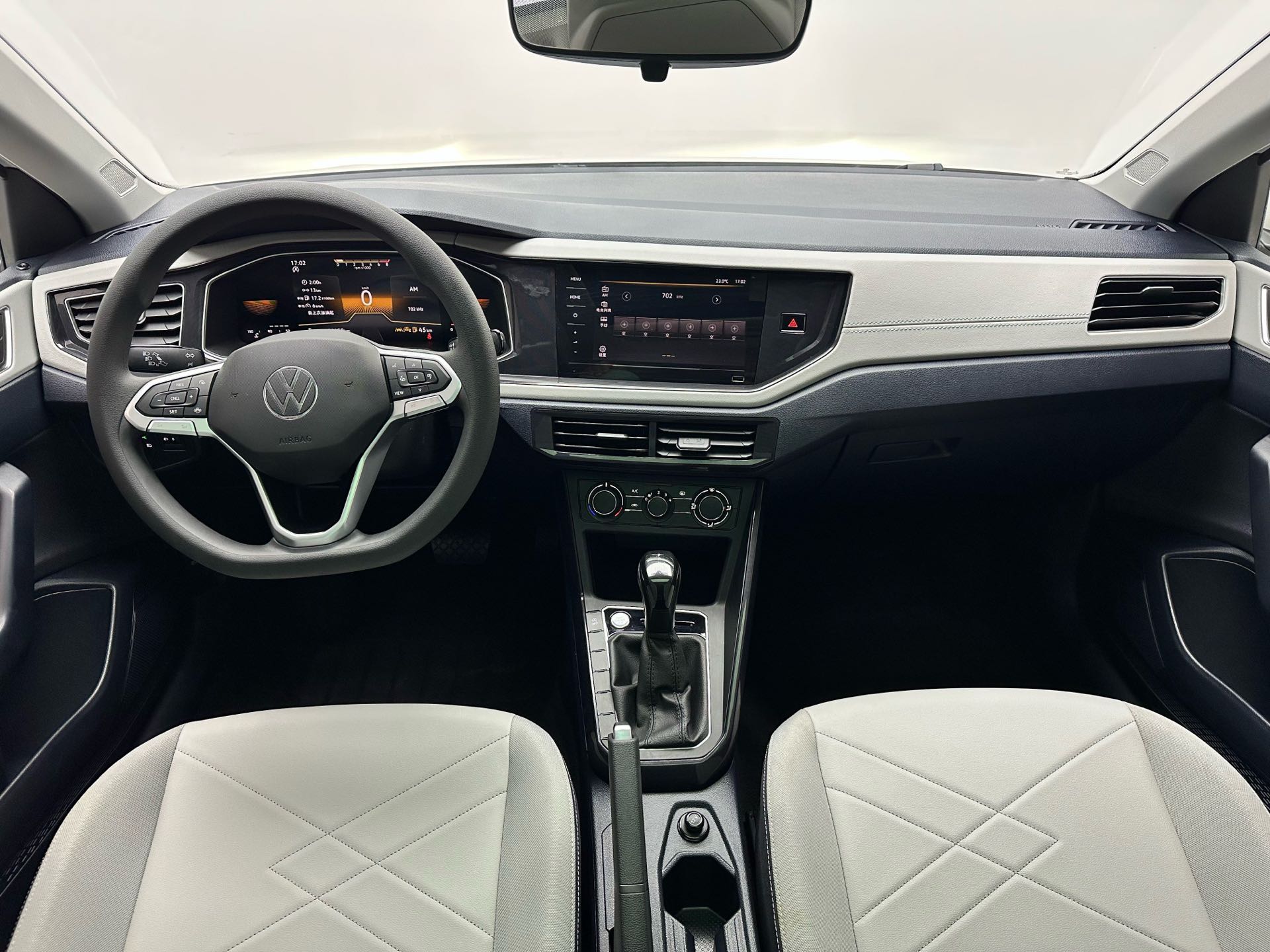
BrandVolkswagen
SeriesLavida
Year2024
First Registration2024/07
Mileage16,500km
Transfer Count0times
FuelGasoline
TransmissionManumatic
Engine1.5L 110 L4
ColorWhite
Seats5seats

Condition Description

2024 registered, one-owner, 16,000 km. Excellent condition.

Document Information

Inspection Expiry Date-
Warranty Expiry Date-
Insurance Expiry Date2027/07

Q&A

More

How can I detect signs that a used Chinese car was used for heavy towing, ride-hailing, or overloaded work when buying remotely?

Heavy-use vehicles often look clean in photos but show specific wear patterns. Here's what to check: 1. Rear sag and suspension: ask for a side-profile photo of the car on level ground. If the rear sits noticeably lower than the front, the rear springs or shocks may be worn from constant heavy loads. Compare with factory ride height specs. 2. Pedal and seat wear: accelerator and brake pedals with polished metal patches, and a driver's seat bolster that is flattened or cracked, indicate high mileage or intensive commercial use — even if the odometer says otherwise. 3. Hitch and tow bar marks: check the rear bumper area in close-up photos for scratches, bolt holes, or a removed tow bar mount. Ask the seller directly whether the car ever towed. 4. Underbody and frame: request underbody photos. Look for bent or scraped crossmembers, fresh undercoating hiding damage, or uneven tire wear across the rear axle. 5. Data check: many ride-hailing cars in China have records in maintenance databases — a professional inspection agency can flag cars with commercial fleet history. If the seller refuses underbody or close-up photos, treat it as a warning sign and consider another vehicle.


How do I check the battery health (SOH) of a used Chinese EV before buying?

Battery condition is the single biggest value factor in a used EV, and it can be measured — do not accept a verbal "battery is fine" without data. First, ask for a battery health certificate: brands like BYD, NIO, XPeng and Li Auto can generate an official state-of-health report from the VIN, usually within minutes at a dealer or via the brand's app. Look for SOH above 85% for a car under five years old. Second, request a charge-and-discharge test during inspection: the displayed range at 100% charge compared with the original rated range gives a practical health estimate. Third, check battery warranty status. Most Chinese brands offer 8 years or 150,000–200,000 km on the battery pack, and the remaining warranty usually transfers with the car — get this in writing. Fourth, for cars heading to hot climates, confirm the battery cooling system works; overheating is a common killer of battery life. Add a minimum SOH guarantee to your purchase contract so you have recourse if the battery underperforms.

What hidden costs should I budget for when importing a used car from China beyond the FOB price?

Beyond the FOB price, expect: ocean freight (typically $800–2,500 depending on destination), marine insurance (about 0.3–0.5% of the car's value), port handling charges at both ends, customs duty and import tax/VAT in your country, compliance or homologation certification, and inland delivery to your city. Add currency transfer fees and the inspection fee if you hire a third party. Ask the exporter for a landed-cost breakdown and confirm exactly what the quote includes. A cheap FOB price with everything else shifted to you can add 30–50% to the real total. Budget a 15% buffer on top of the estimate, and get fixed quotes for freight and insurance in writing before paying the balance.