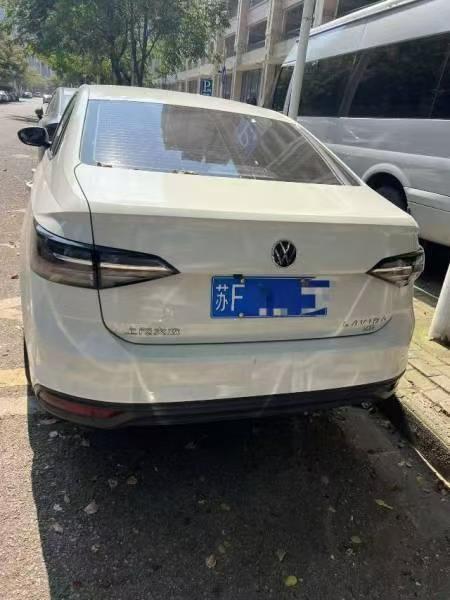
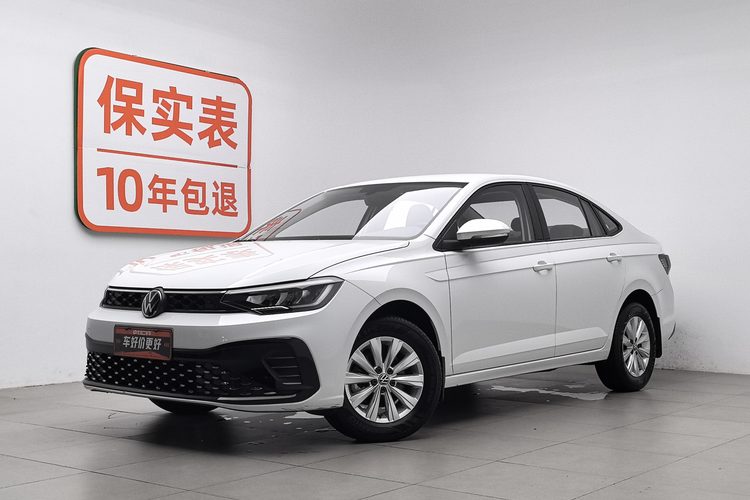
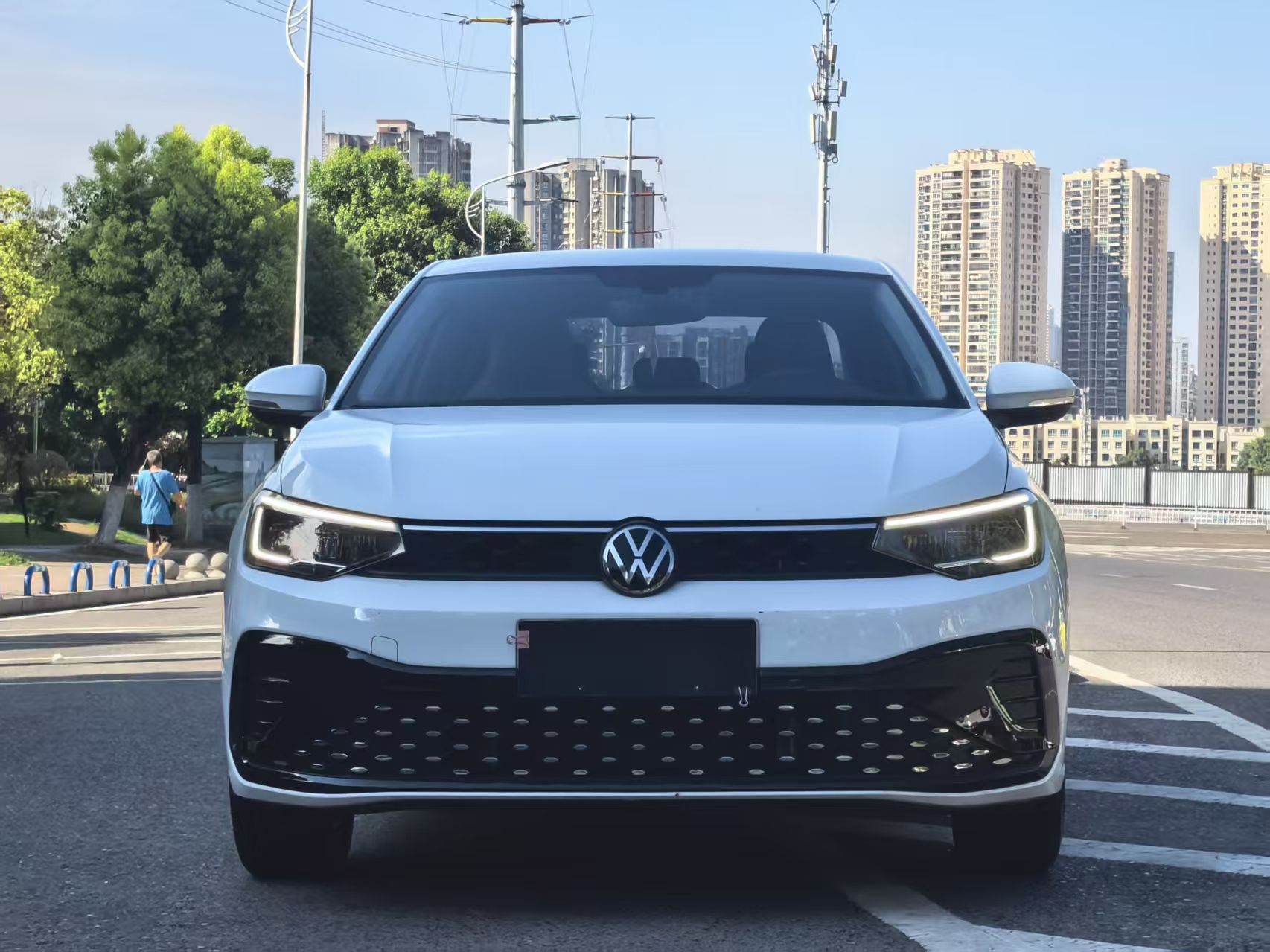
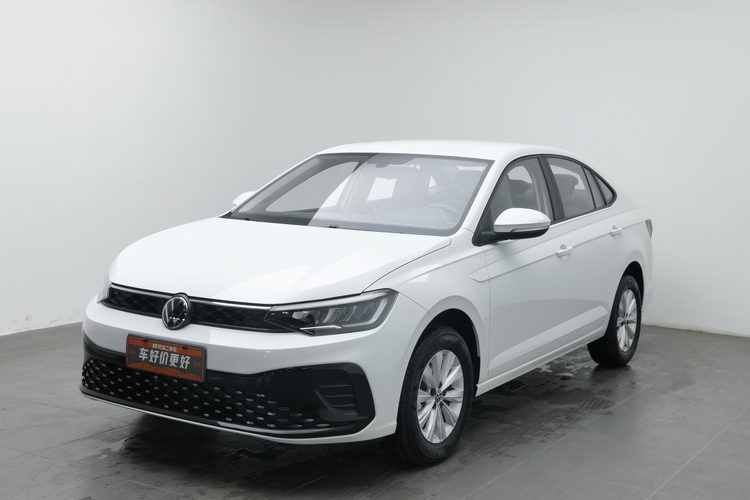
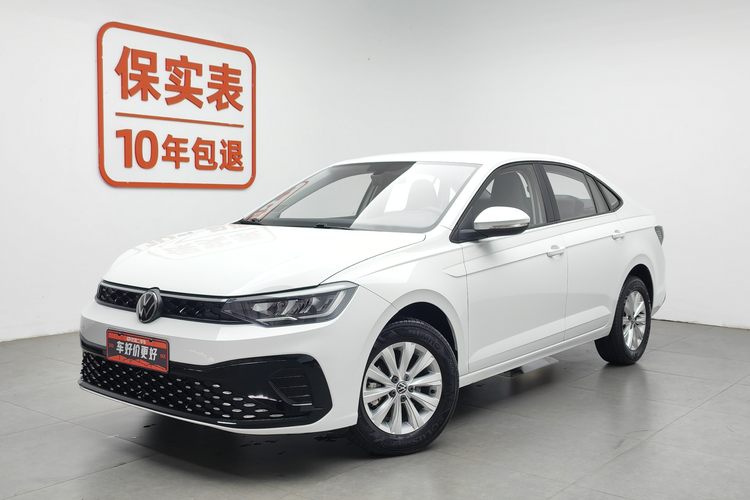
Stock

Basic Information

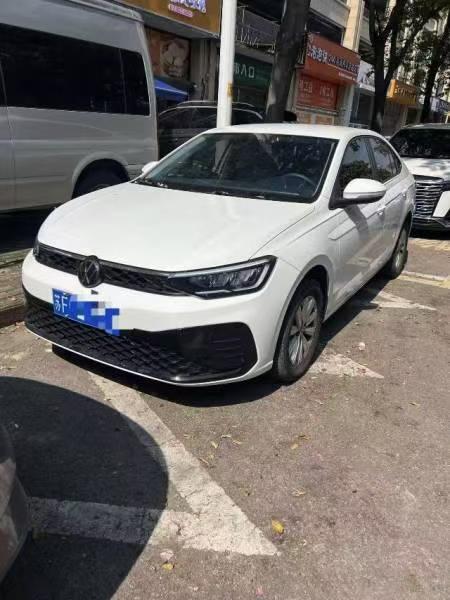
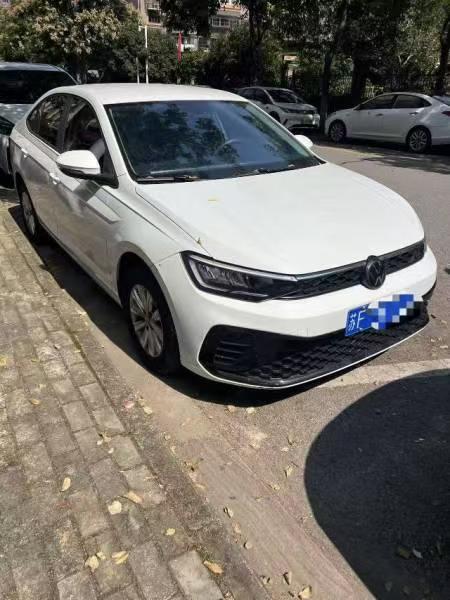
BrandVolkswagen
SeriesLavida
Year2025
First Registration2025/07
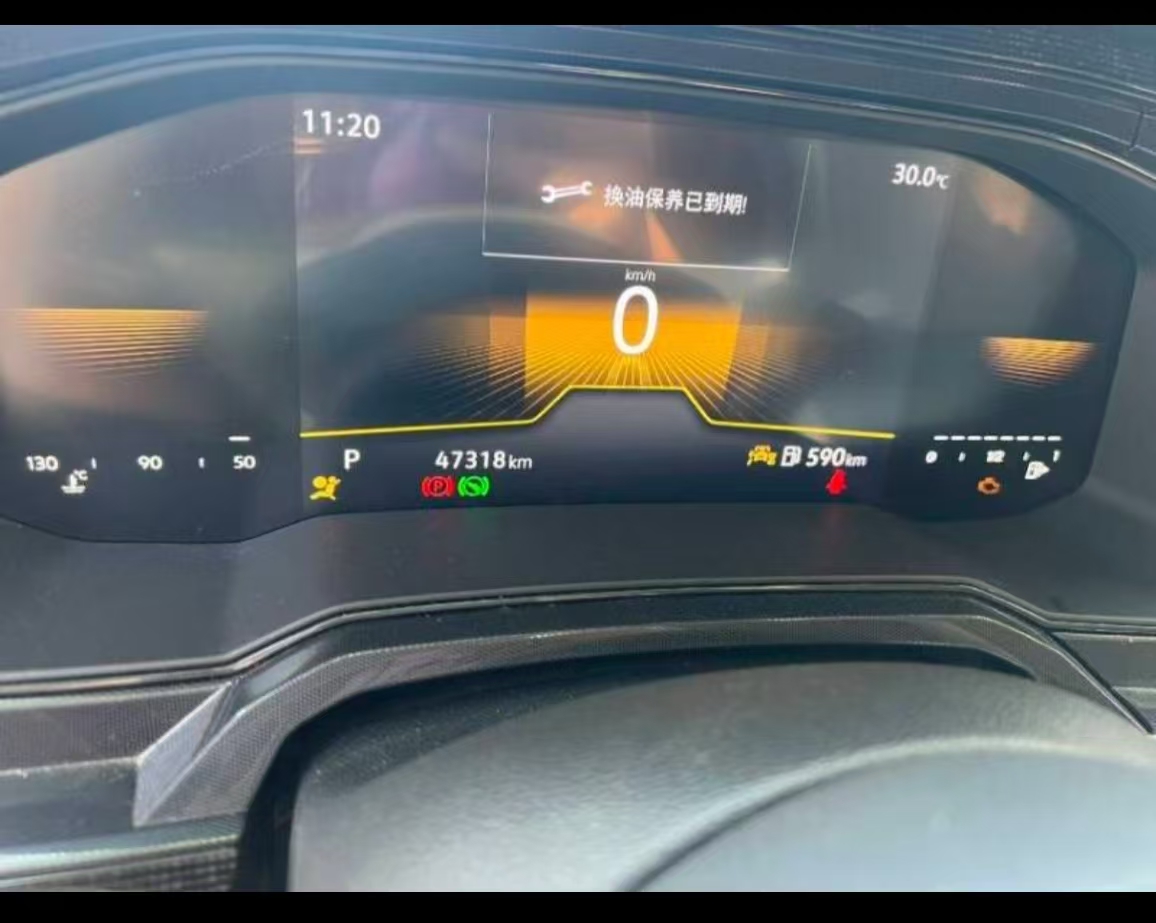
Mileage47,500km
Transfer Count0times
Fuel-
Transmission-
Engine-
ColorWhite
Seats-

Condition Description

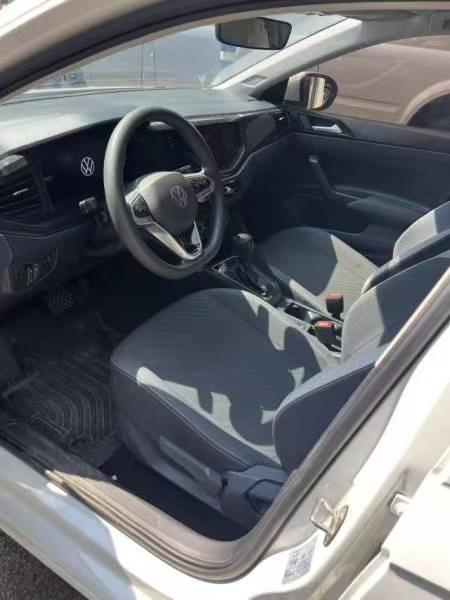
Original version with bodywork and paint.

Q&A

More

Can I hire an inspector I trust in China to recheck at your warehouse at my own expense?

You are very welcome. We adhere to the principle of open and honest transactions. Just make an appointment in advance, and your agent or hired inspector in China can bring equipment into our facility to conduct unrestricted cross-inspections on the vehicles you have booked.

How can I decode a Chinese VIN, and what does it tell me about a used car's origin and specs?

A Chinese-market VIN has 17 characters, and several positions are genuinely useful. Characters 1-3 are the WMI: the first character L confirms the car was built in China, and the next two identify the manufacturer (for example LFV for FAW-VW, LSV for SAIC-VW, LGX for BYD). Character 10 is the model year code, and character 11 usually identifies the assembly plant. Cross-check the decoded data against the vehicle nameplate on the B-pillar and the Chinese registration certificate. If the decoded plant or year contradicts the paperwork, walk away — relabeled VIN plates are a classic sign of a rebuilt or cloned vehicle. Generic online decoders cover Chinese domestic models poorly. In practice, ask your exporter or inspection agent to pull the manufacturer's build sheet using the VIN: it lists factory options, battery supplier and production date, which is far more reliable than any free decoder.

What should a purchase contract with a Chinese used-car exporter include to protect me?

A solid contract is your main protection in a cross-border deal. It should specify: 1. Vehicle identification: VIN, year, mileage, trim level, and photos of the actual car appended as an annex — not just「a 2021 Toyota」. 2. Condition guarantees: no accident, no flood or fire damage, no structural repairs, supported by a third-party inspection report referenced in the contract. 3. Price and Incoterm: total amount, currency, the named port, and whether freight and insurance are included. 4. Payment schedule: e.g., 20–30% deposit after contract signing, balance against copy of the Bill of Lading. Avoid 100% upfront. Use T/T to the company's corporate bank account only — never a personal account. 5. Timeline: inspection date, estimated loading date, and latest shipment date, with remedies if delayed. 6. Dispute clause: governing law and arbitration (CIETAC or your local chamber) rather than foreign court litigation. Ask for the contract in English (or bilingual) with the supplier's company chop. A company that refuses a written contract or pushes for full prepayment is a red flag.