48H

Basic Information

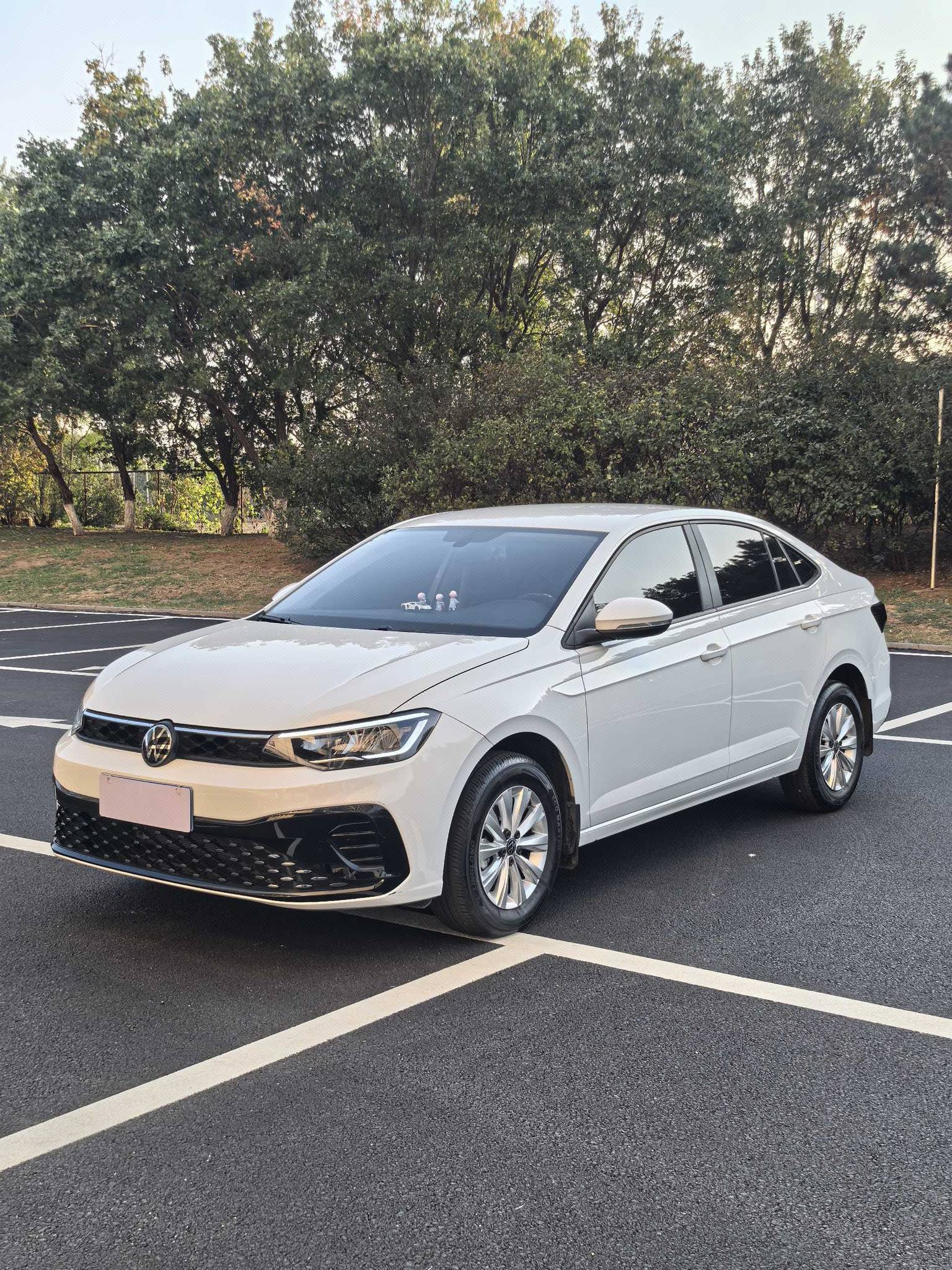
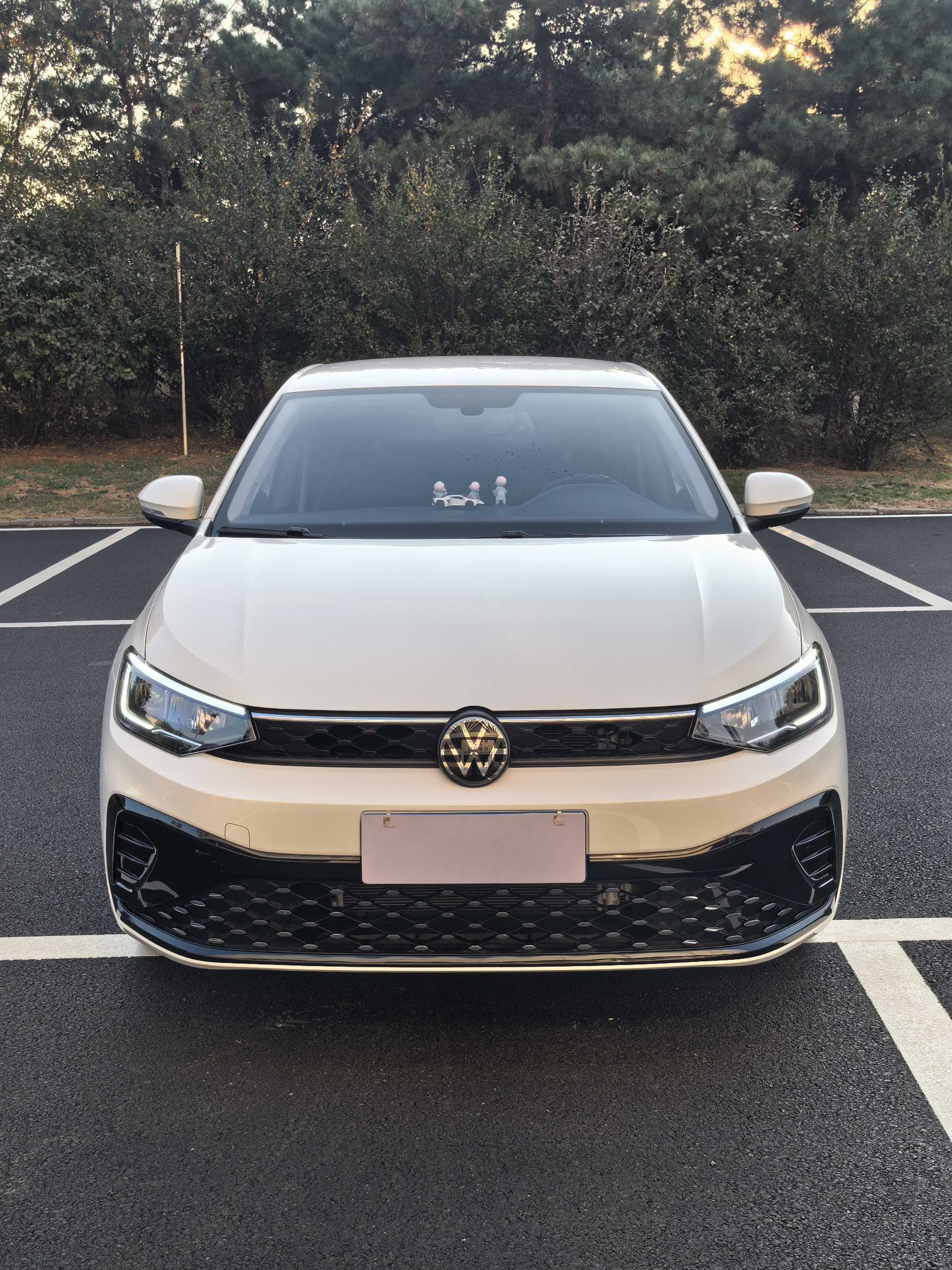
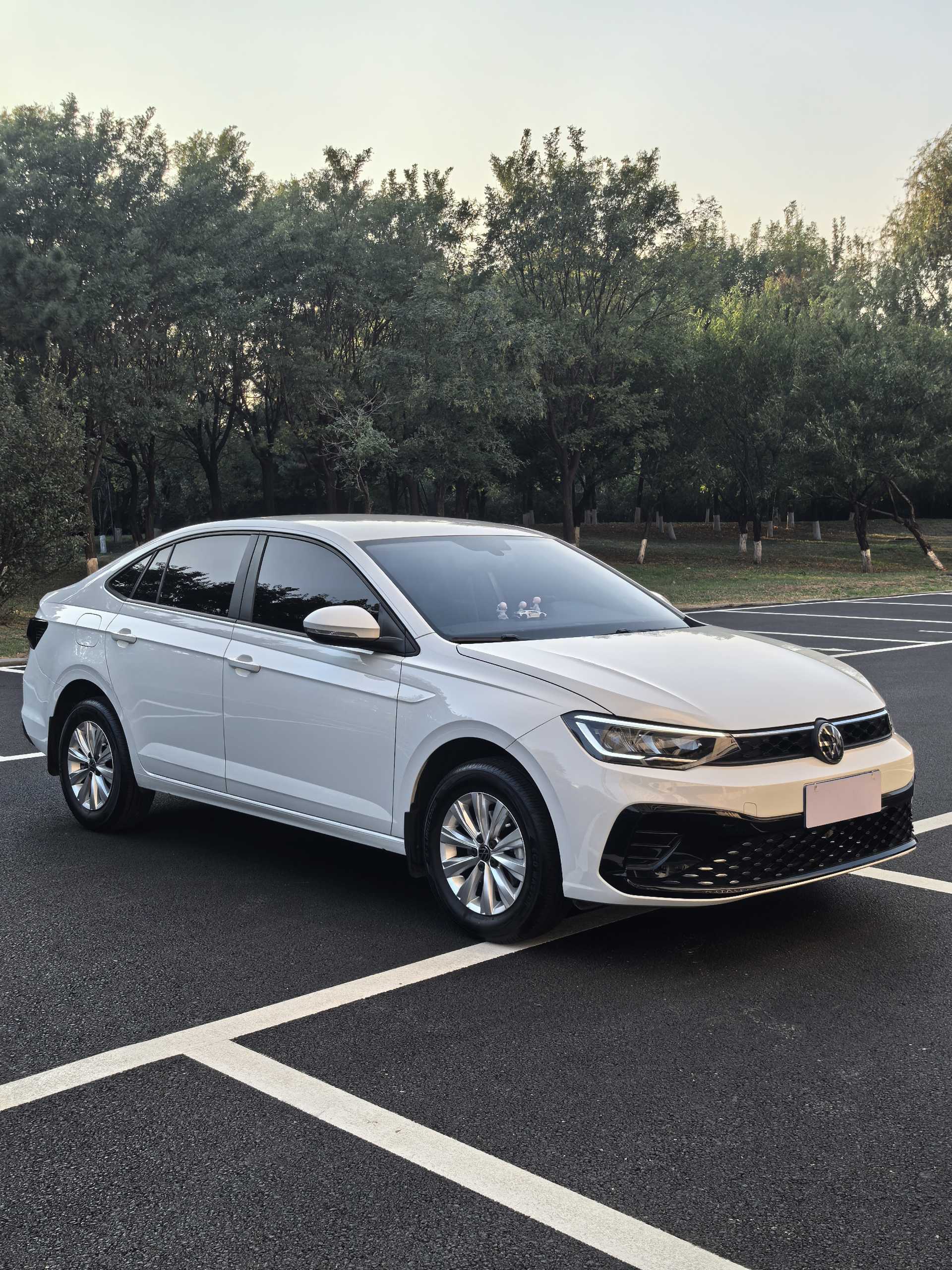
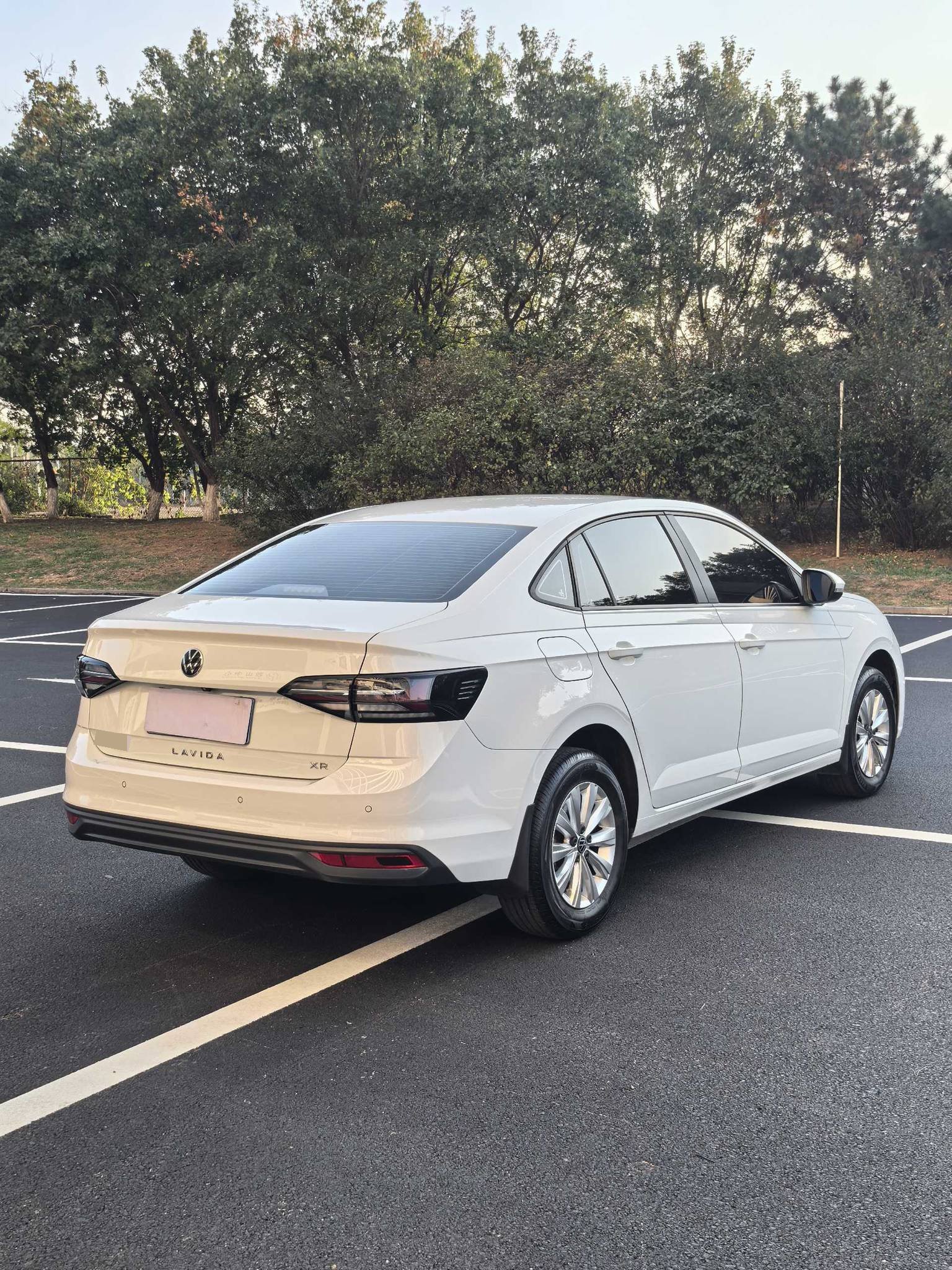
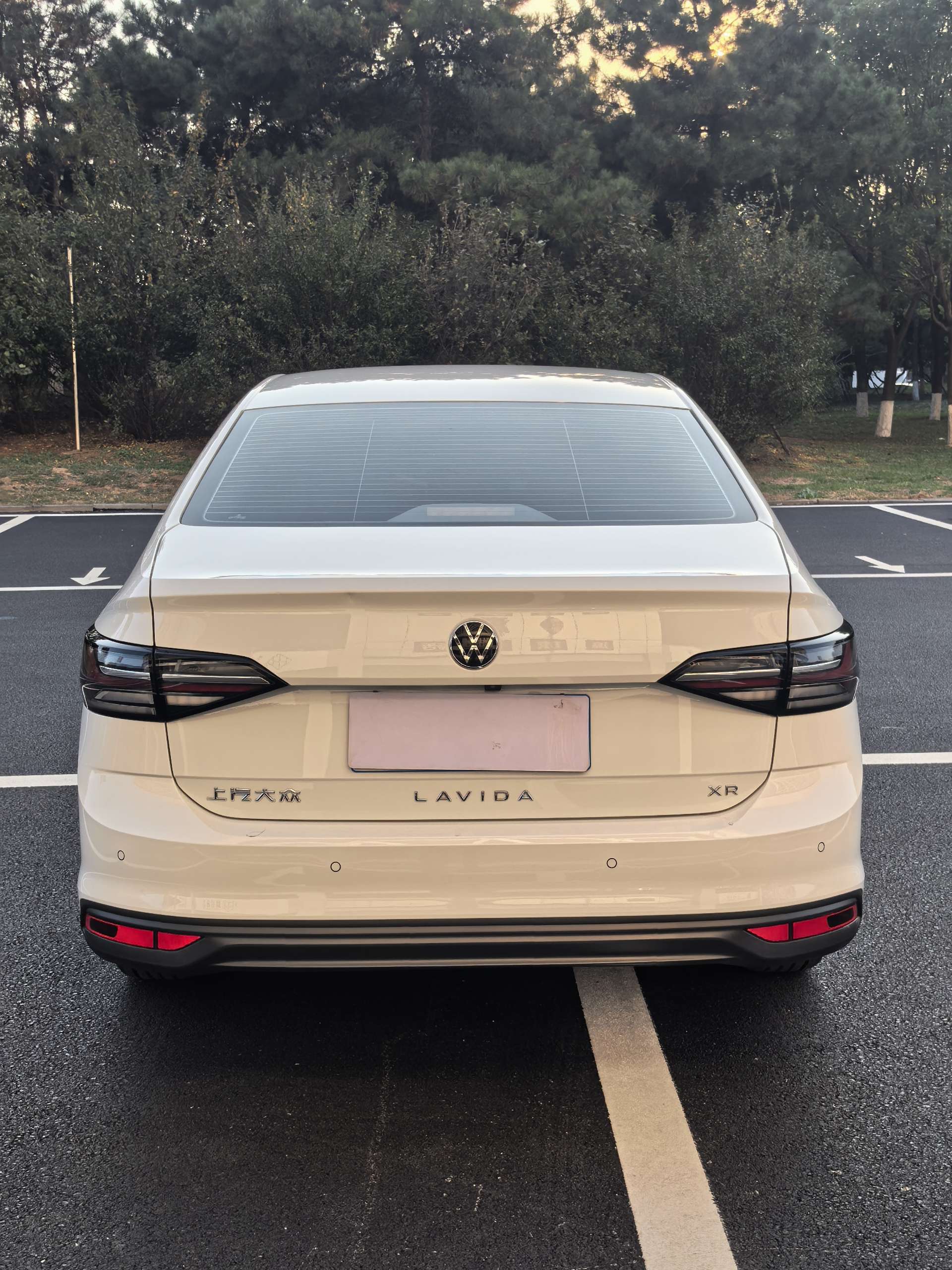
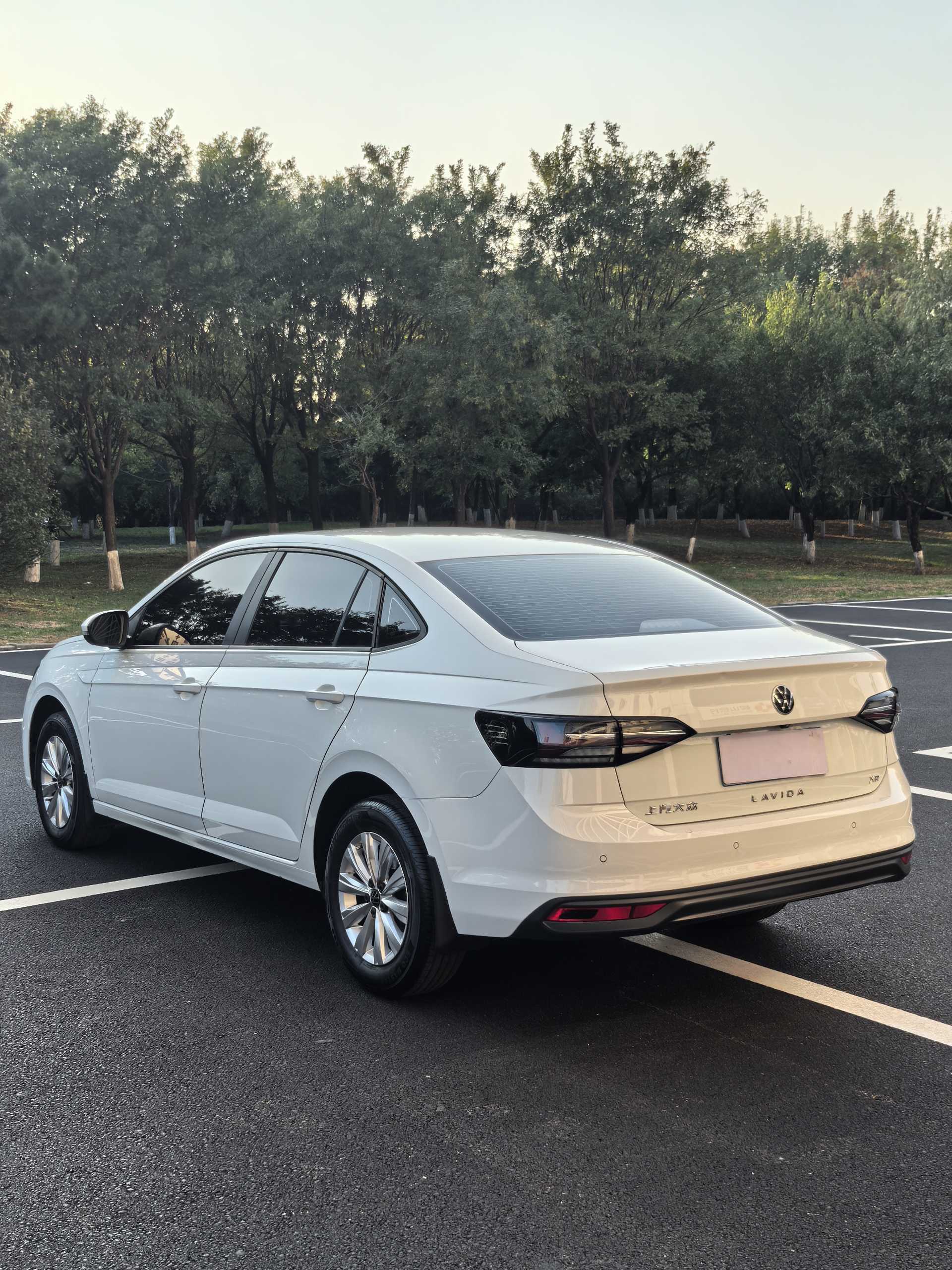
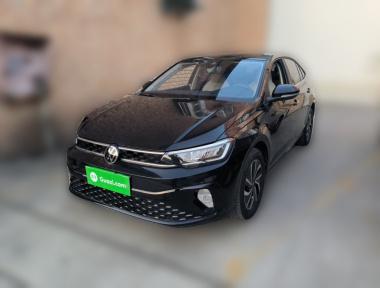
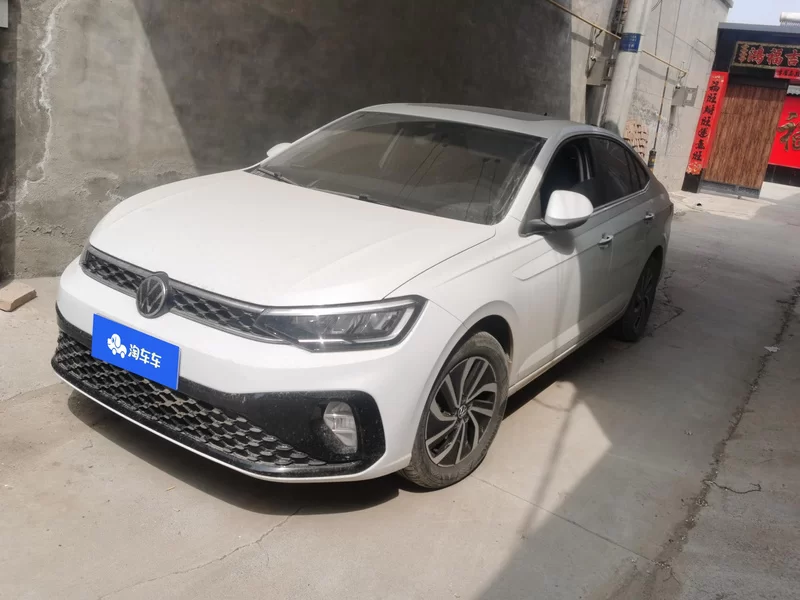
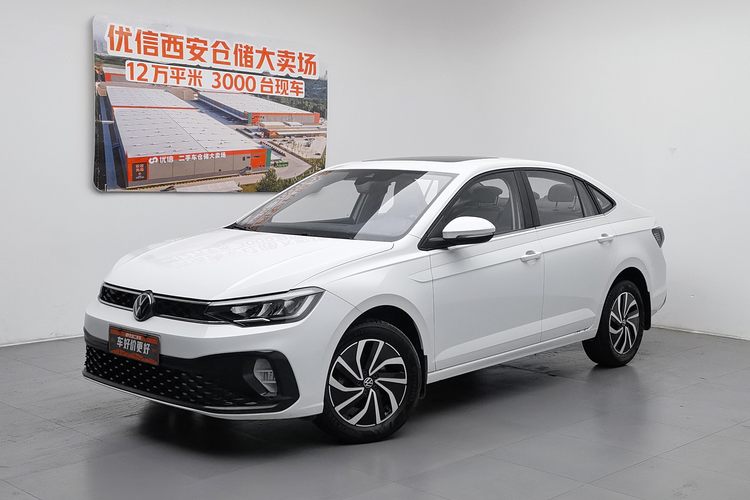
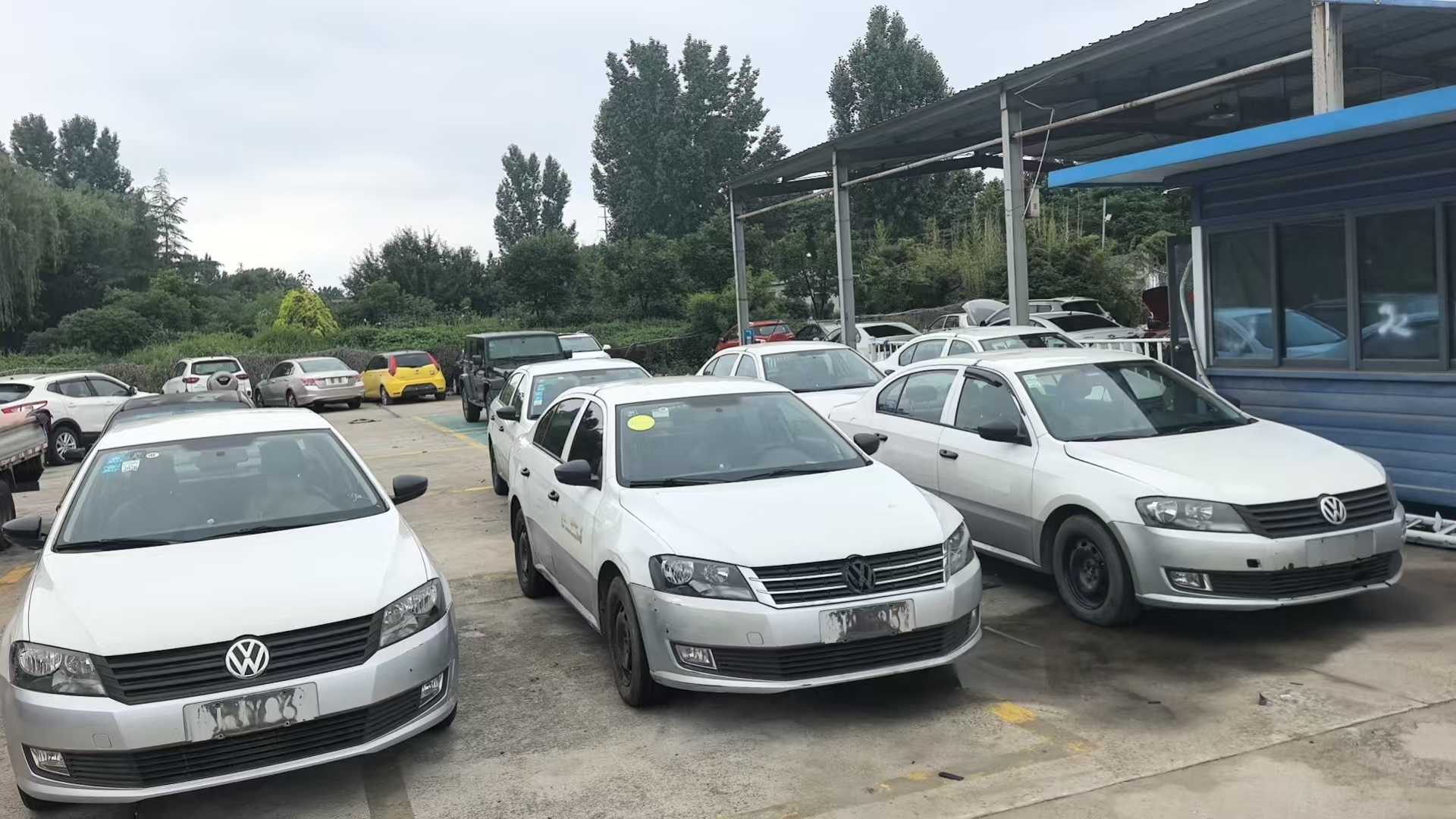
BrandVolkswagen
SeriesLavida
Year2025
First Registration2025/03
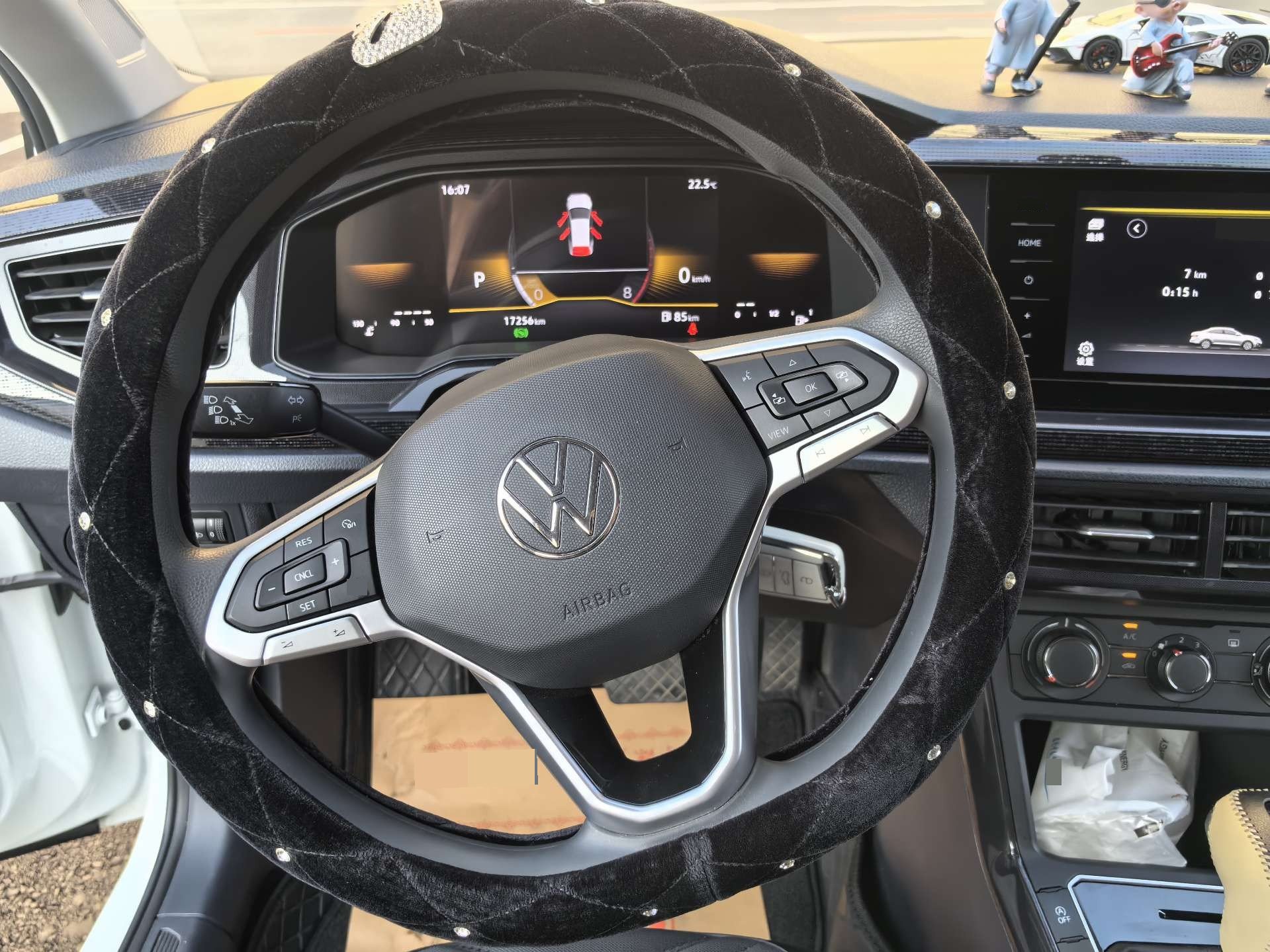
Mileage17,000km
Transfer Count0times
FuelGasoline
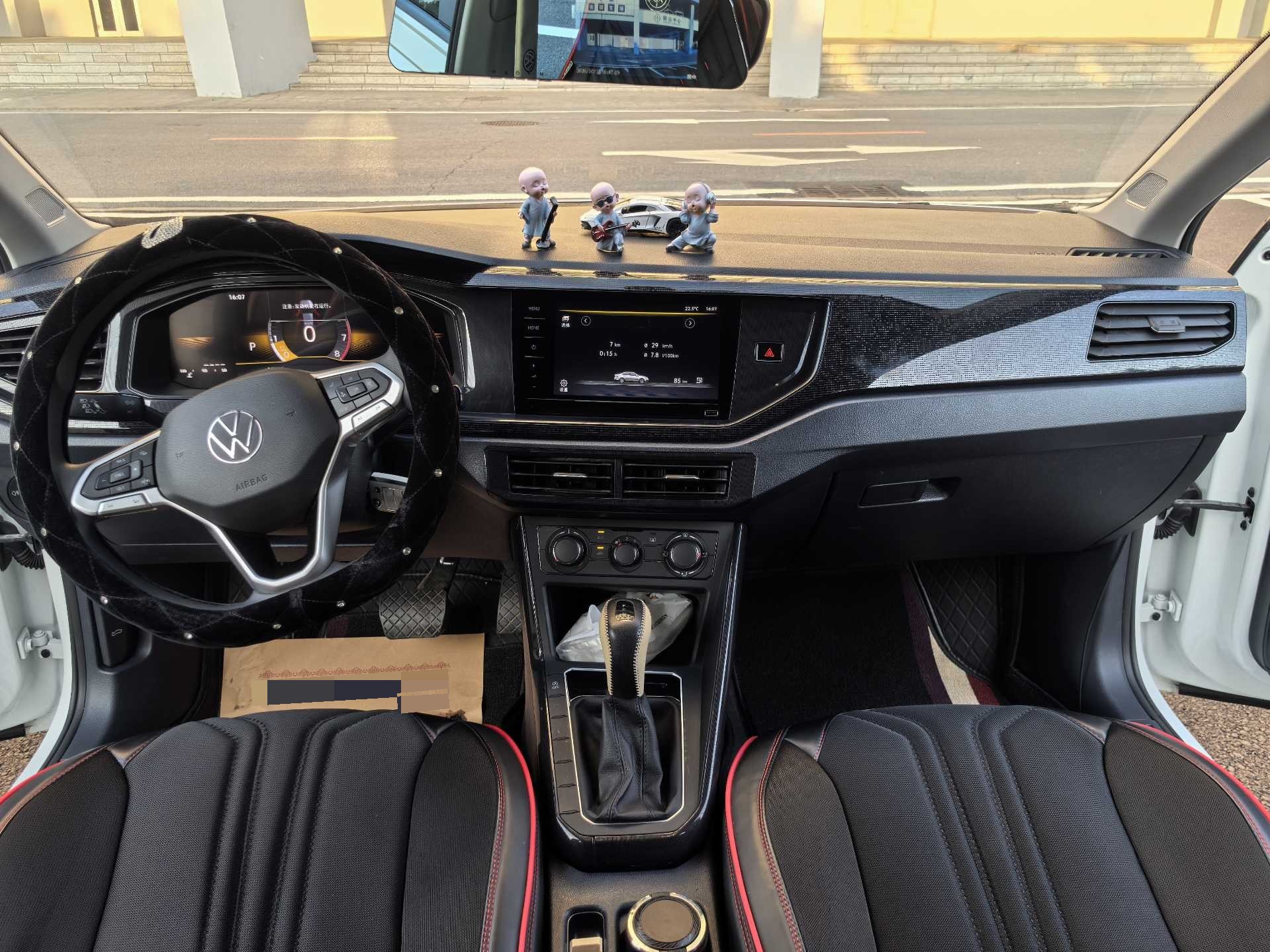
TransmissionManumatic
Engine1.5L 110 L4
ColorWhite
Seats5seats

Condition Description

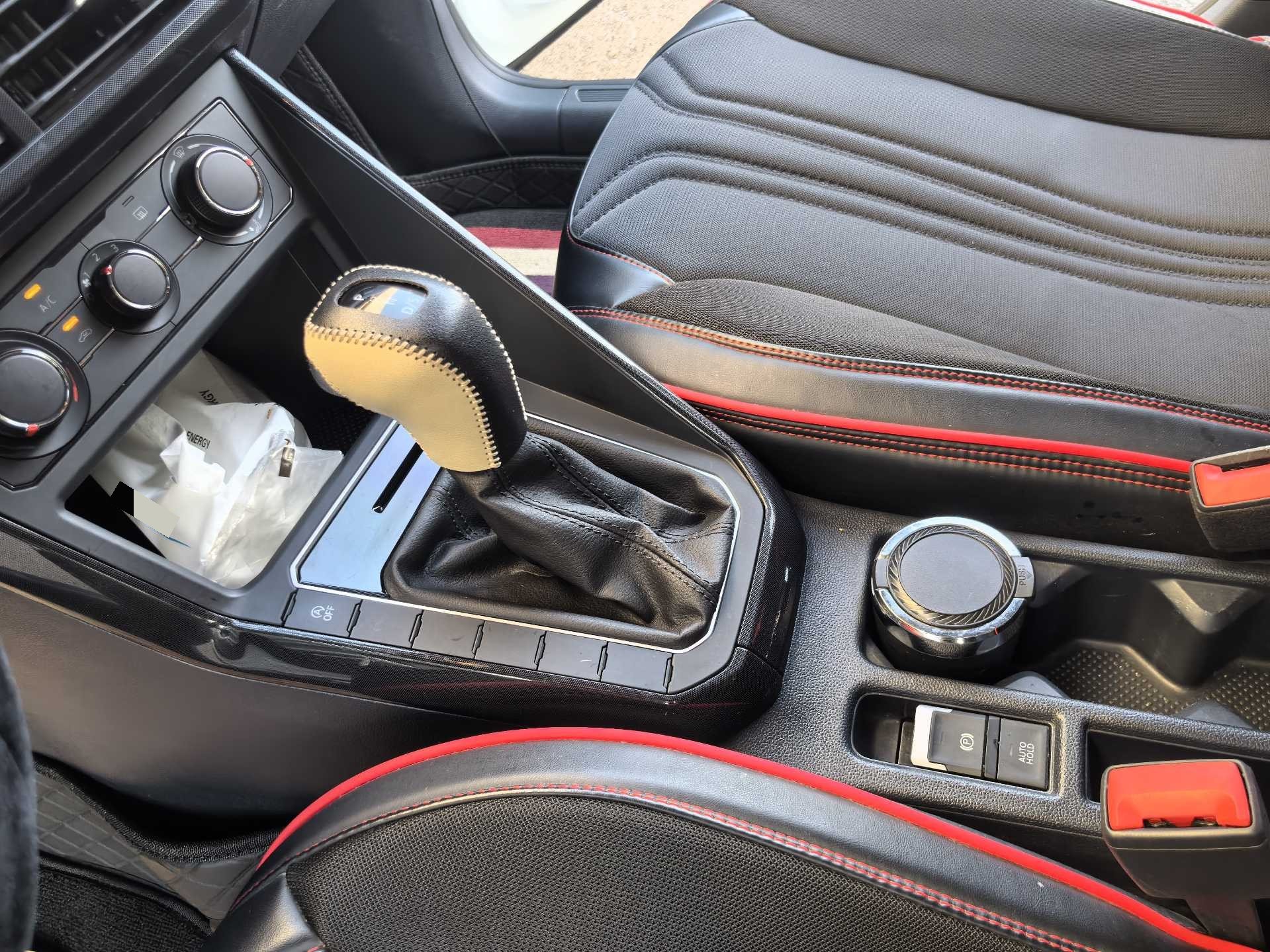
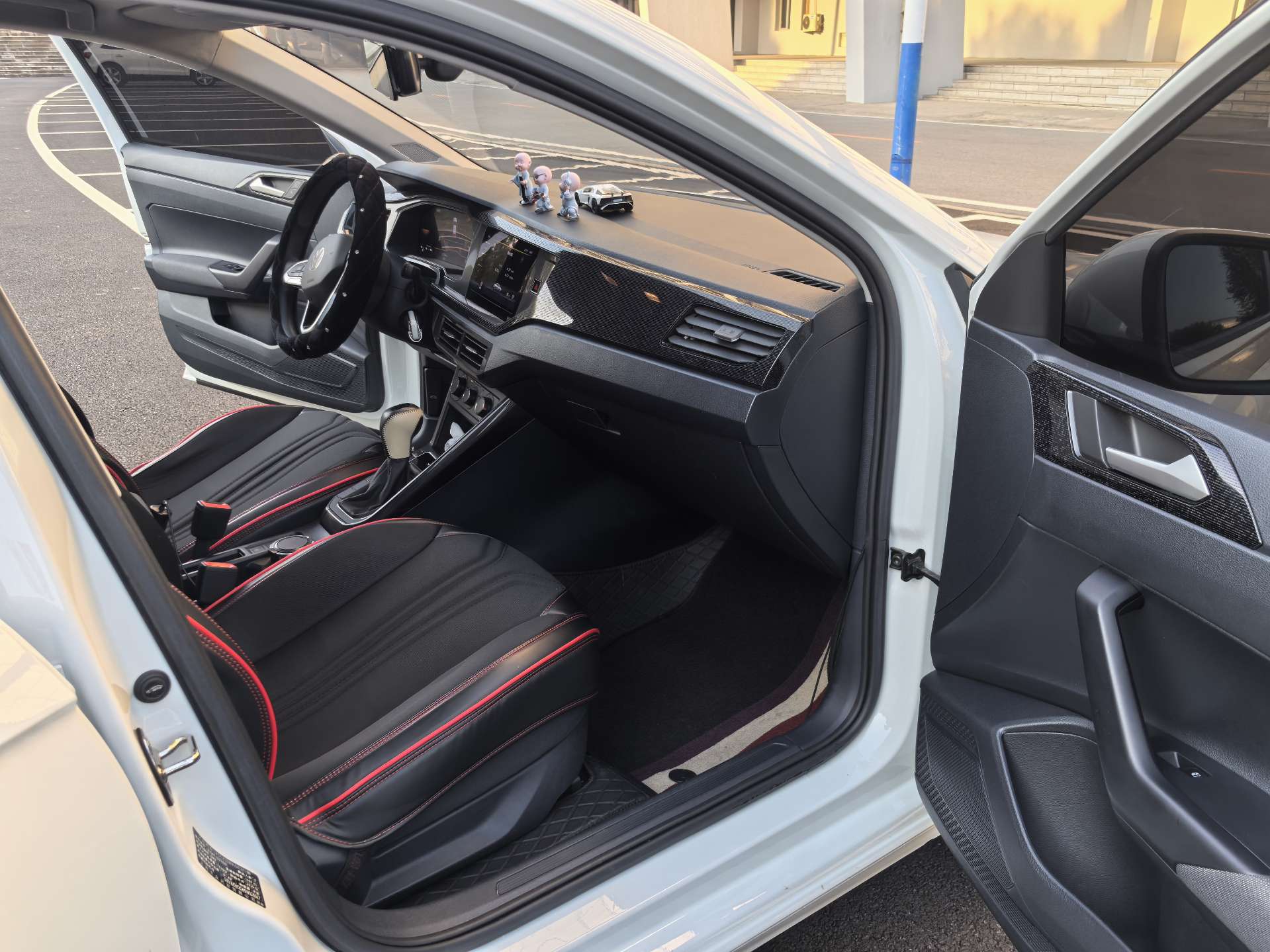
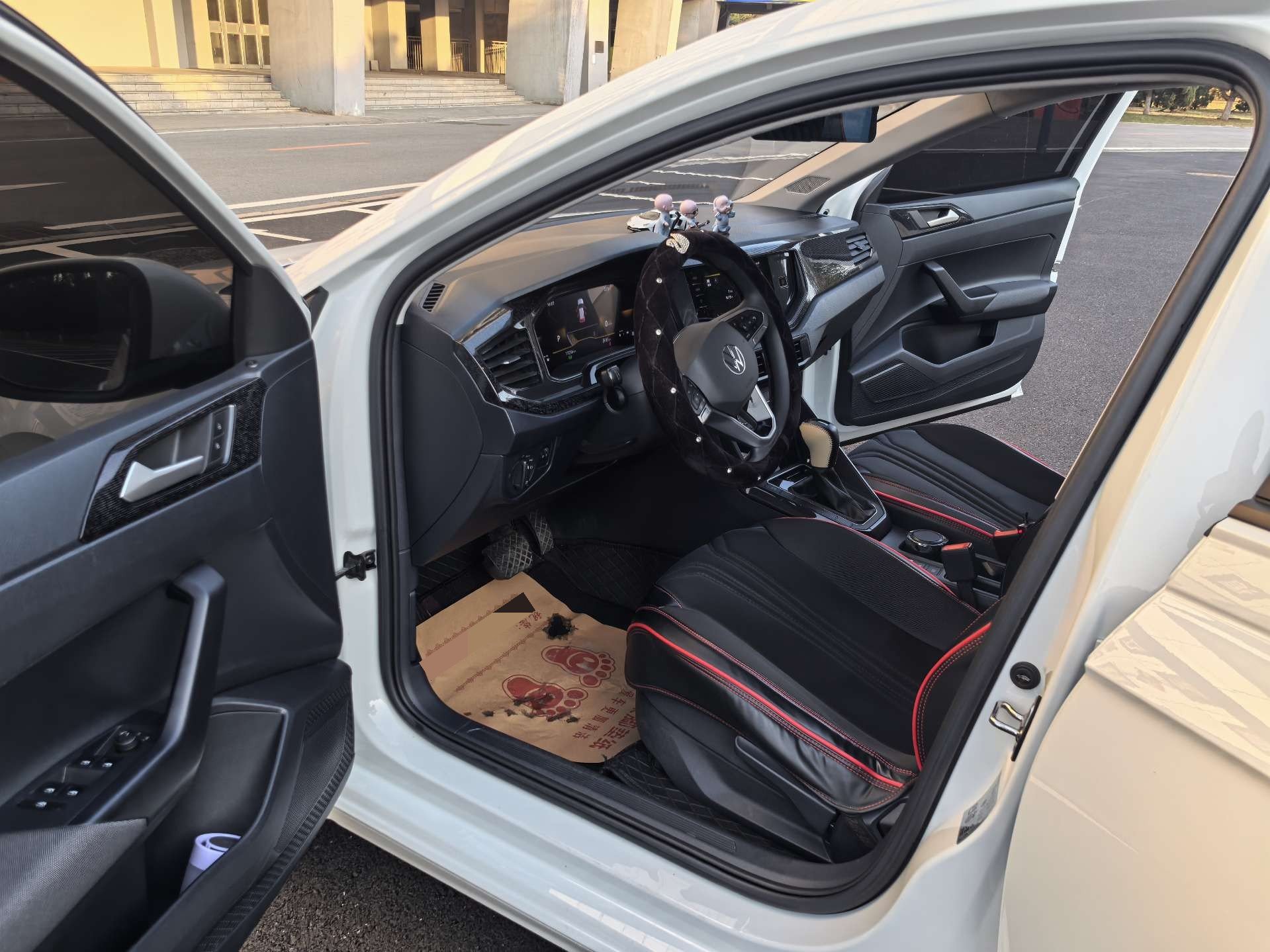
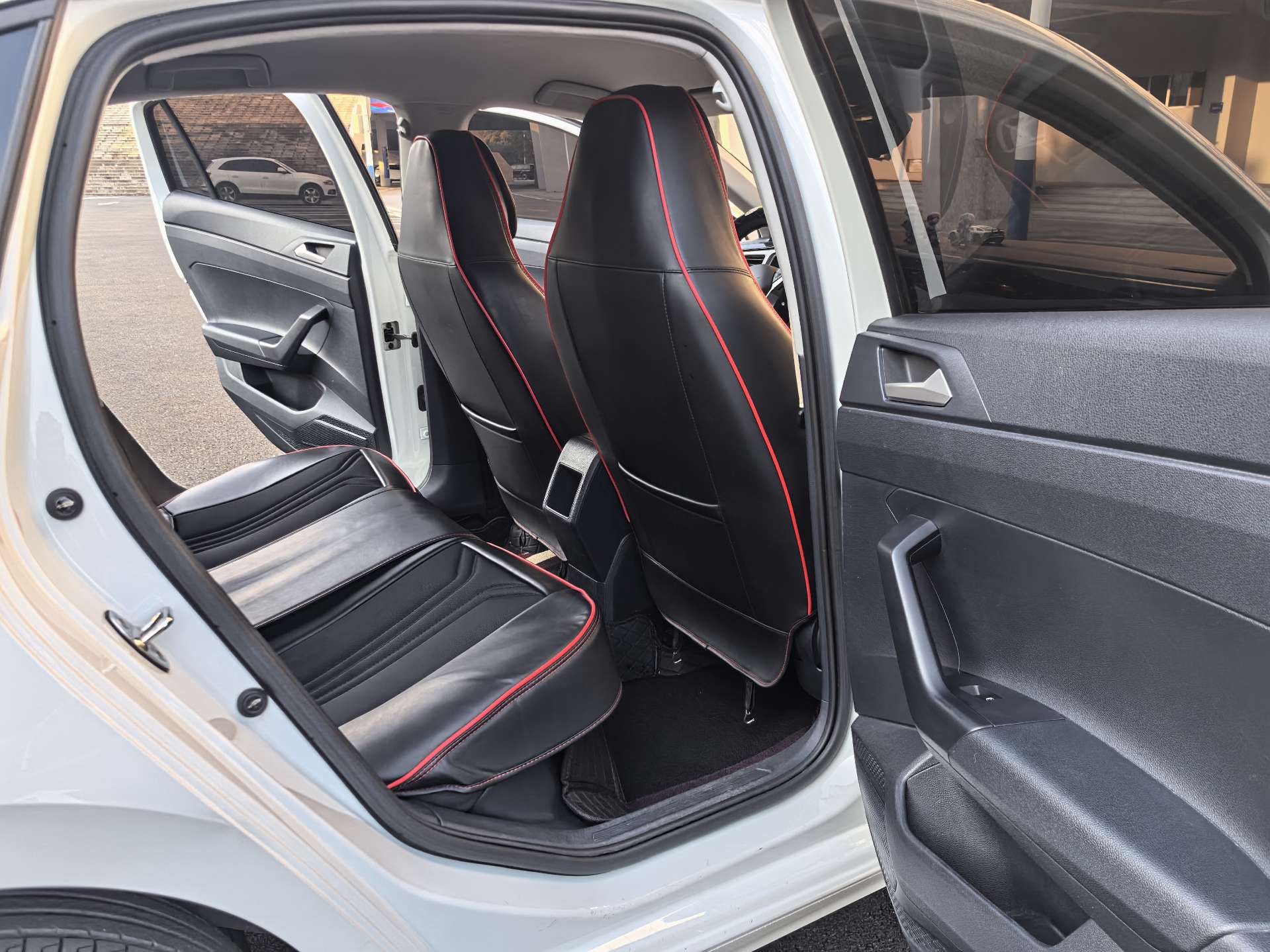
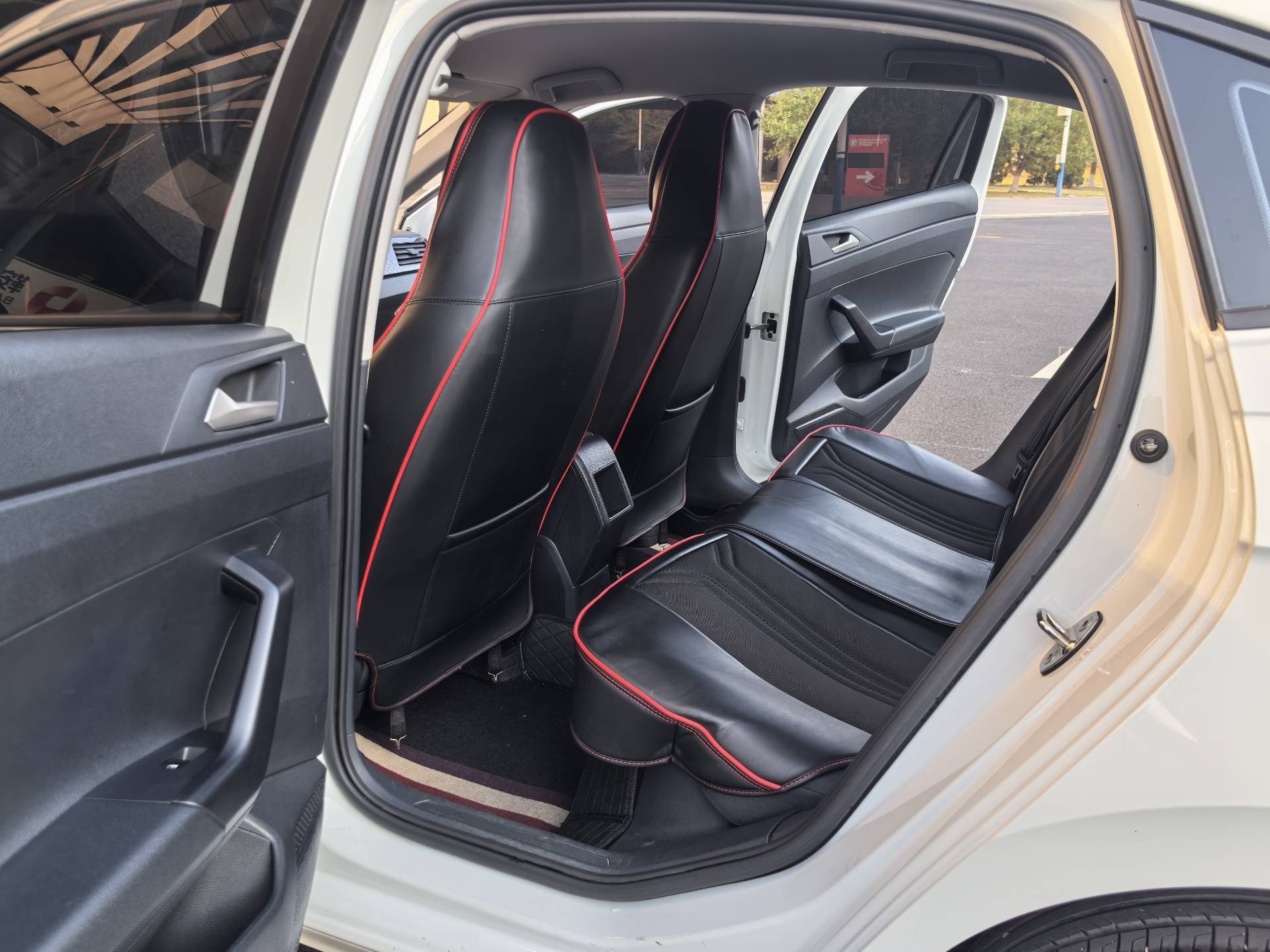
First owner, all original paint, no insurance claims, inspection grade S.

Document Information

Inspection Expiry Date-
Warranty Expiry Date-
Insurance Expiry Date2027/03

Q&A

More

Is the freight from port to port calculated per vehicle or by volume (CBM)?

RoRo ships usually charge based on the vehicle's volume (length x width x height, calculated in CBM) in tiers; container shipping has a fixed compartment price. We will calculate which method is the most economical for the current sailing.

After receiving the car, I found that the 12V battery was dead and couldn't start, or the wiper rubber was aging. Does this count as a quality breach on your part?

No, it does not. International shipping (especially RoRo) usually takes 30 to 60 days, during which the vehicle is stationary. A dead 12V battery, natural tire pressure loss, and even wiper aging due to temperature differences are all reasonable physical wear during long-distance transport. We strongly recommend that overseas buyers bring a portable jump starter and an air pump when picking up their vehicles at the port.

Beyond the car price, what costs should I budget when importing a used car from China?

A realistic budget has several layers beyond the vehicle price. First, inland logistics in China: moving the car to the export port typically costs $300-$800. Second, export handling: inspection, customs declaration and paperwork usually add $500-$1,000. Third, ocean freight. A 20ft container to most destinations runs $1,200-$3,000 depending on route; RoRo shipping can be cheaper for driveable cars. Add marine insurance, usually 0.3%-0.5% of the car value. Fourth, destination charges: port handling, customs duties, VAT/GST and local registration fees. These vary widely; some countries charge duties of 20%-80% of the vehicle value plus an excise based on engine capacity. Finally, any compliance work: inspection certificates, modifications to meet local standards, or homologation. Ask your exporter for a full CIF quote and have a local customs broker confirm destination taxes before you commit.