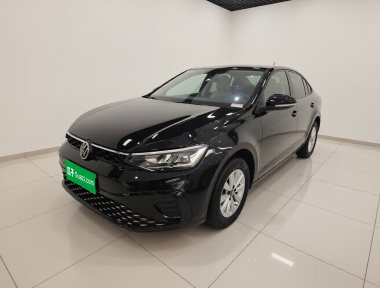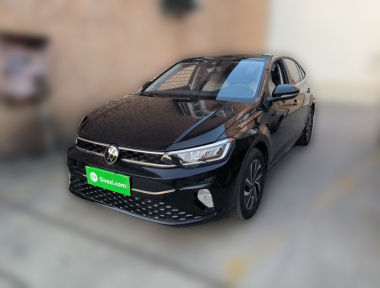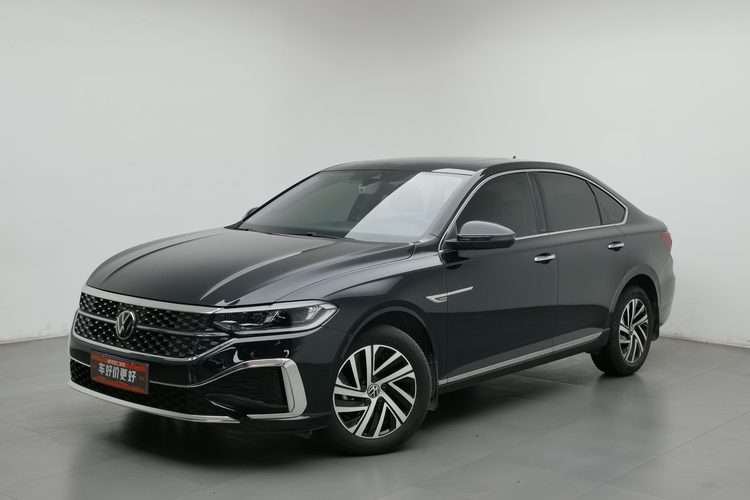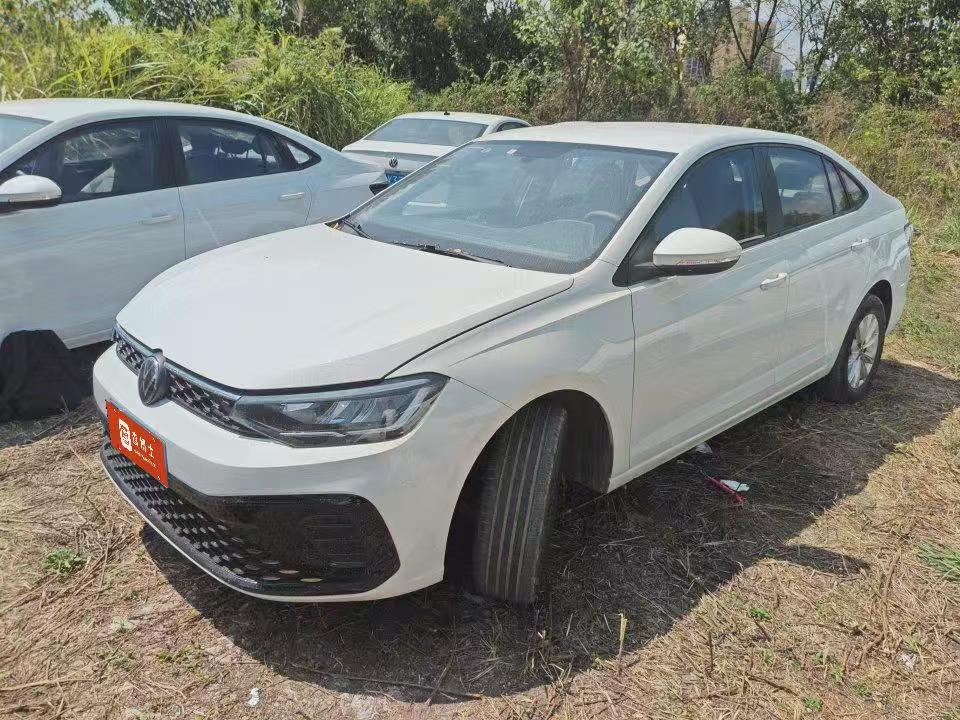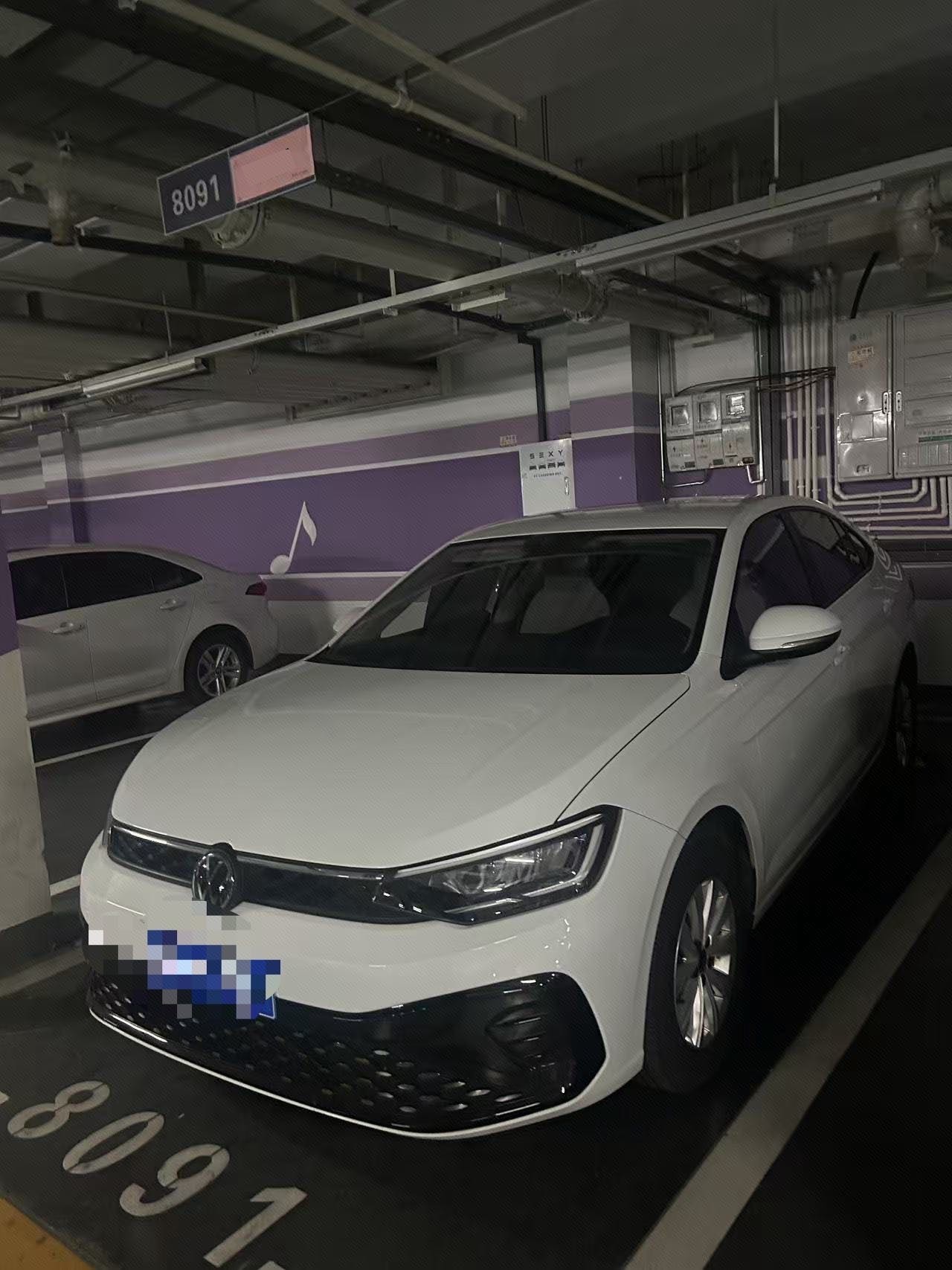
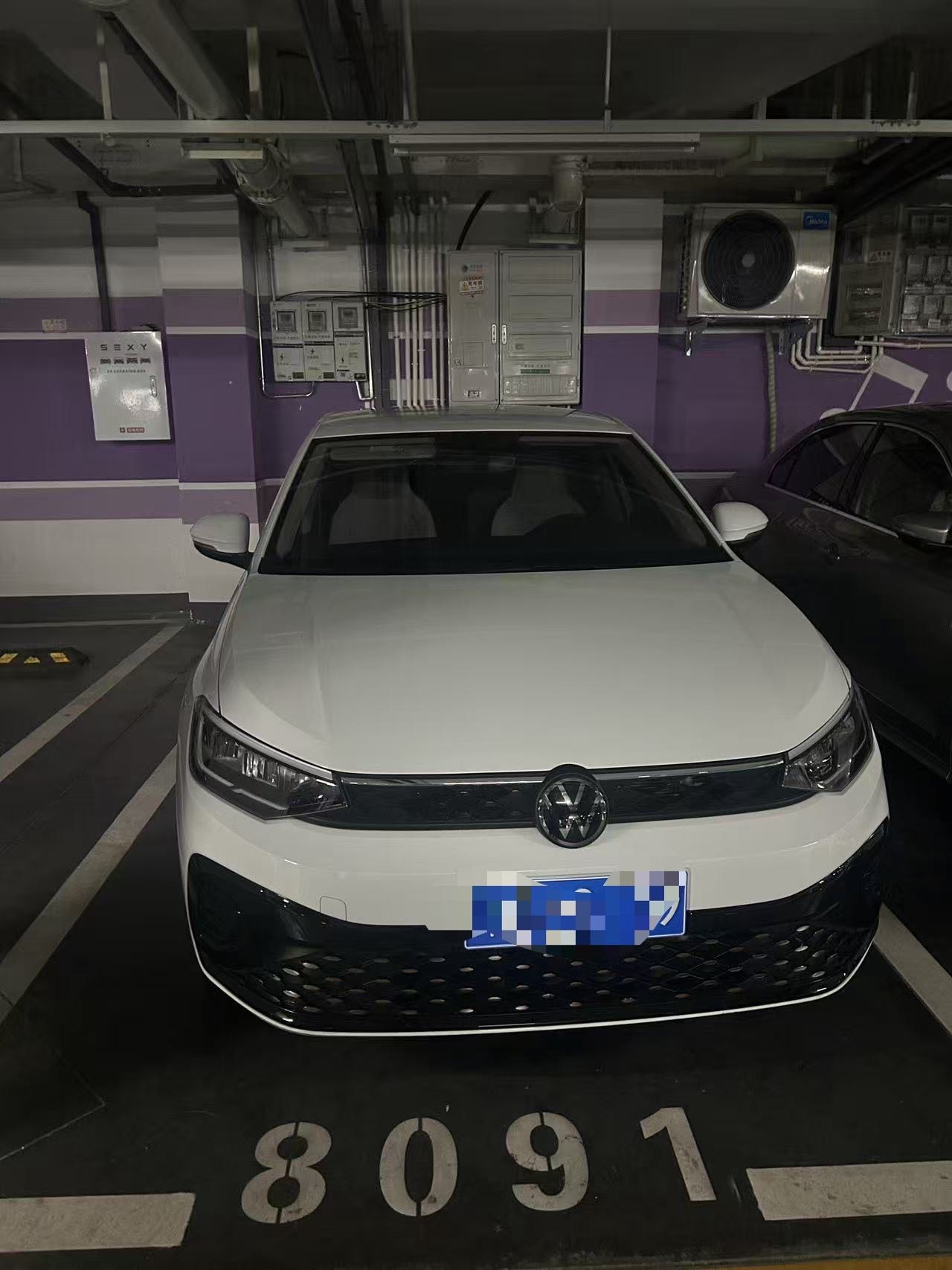
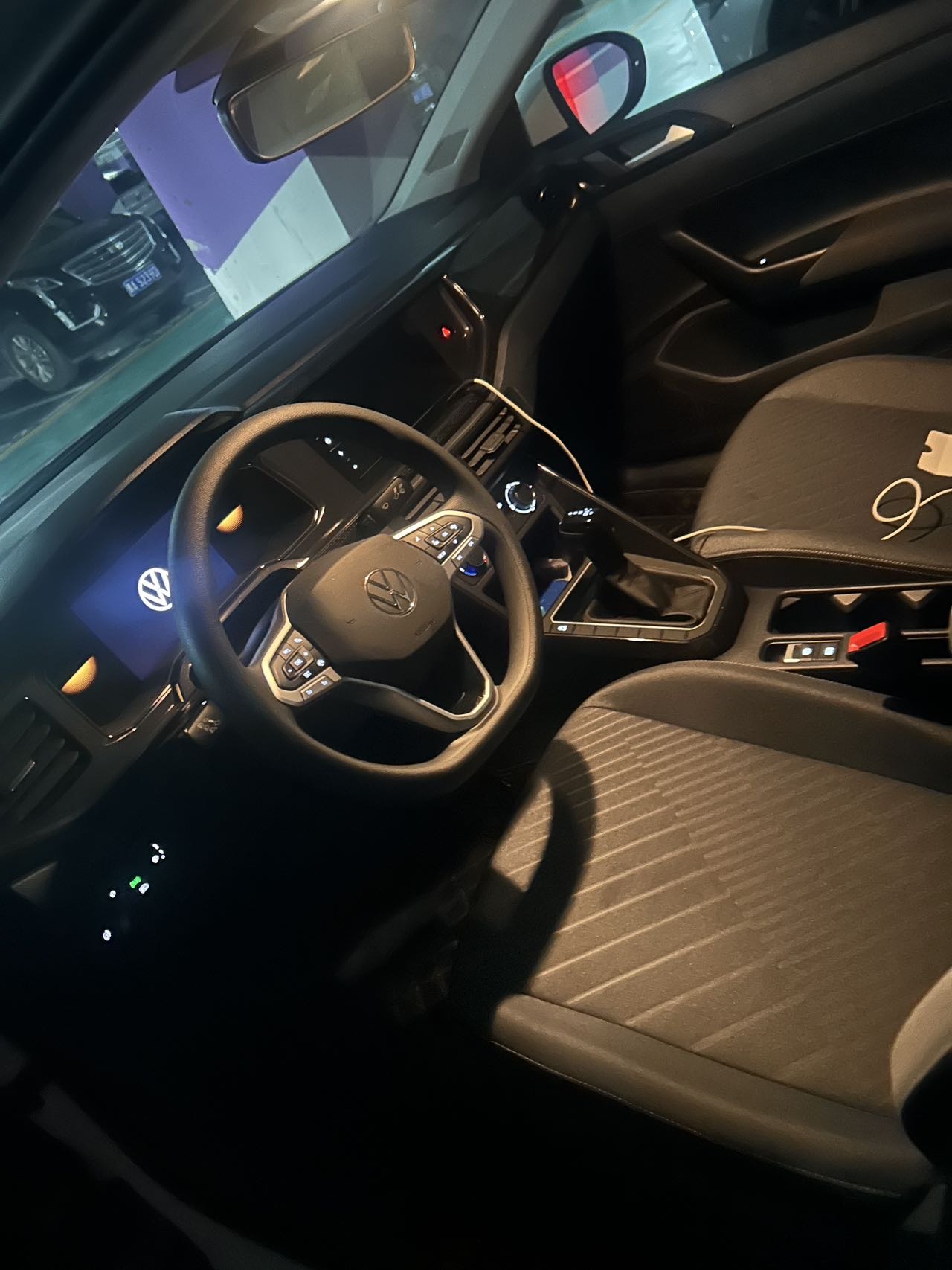
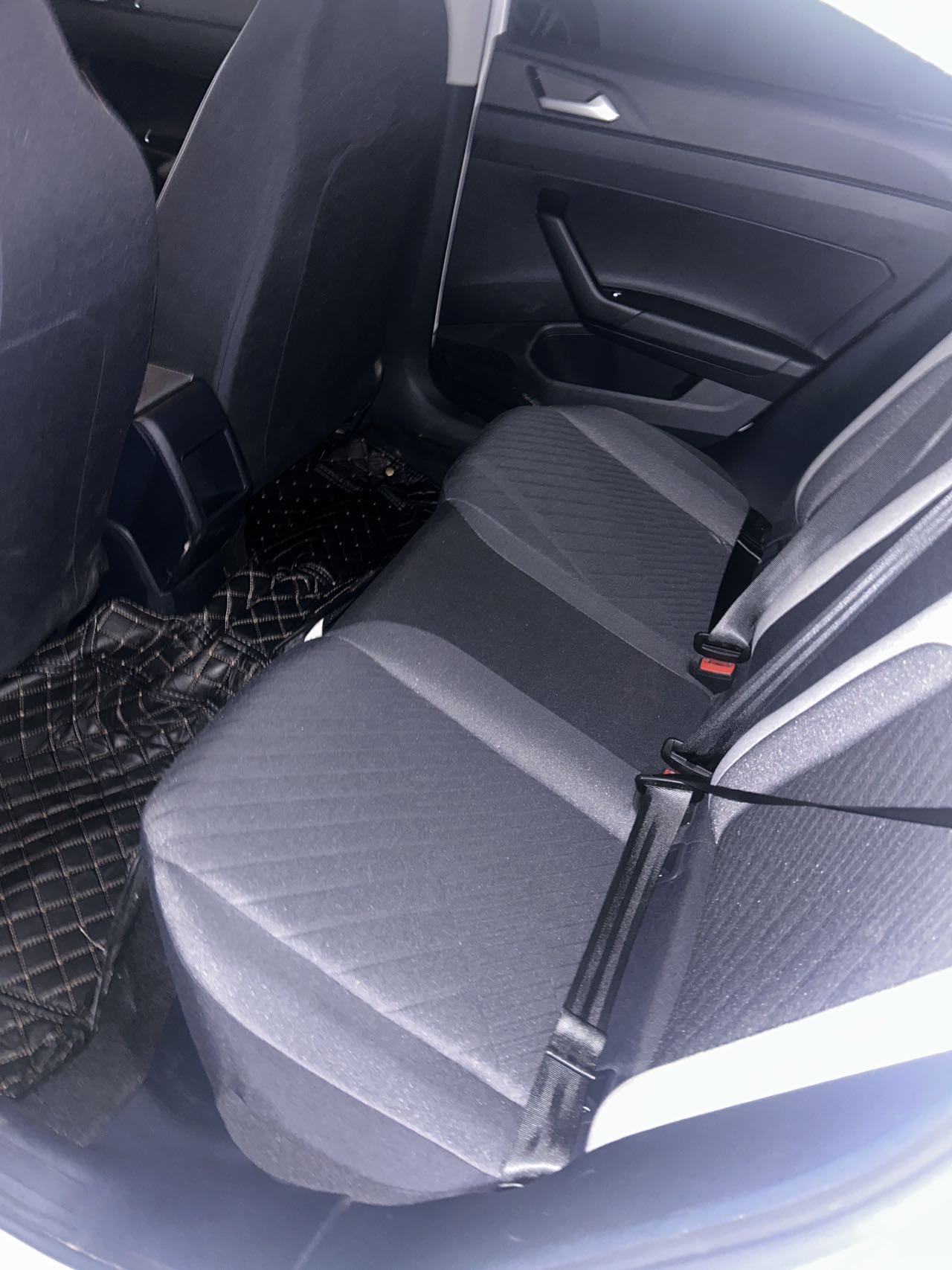



Basic Information

BrandVolkswagen
SeriesLavida
Year2025
First Registration2025/07
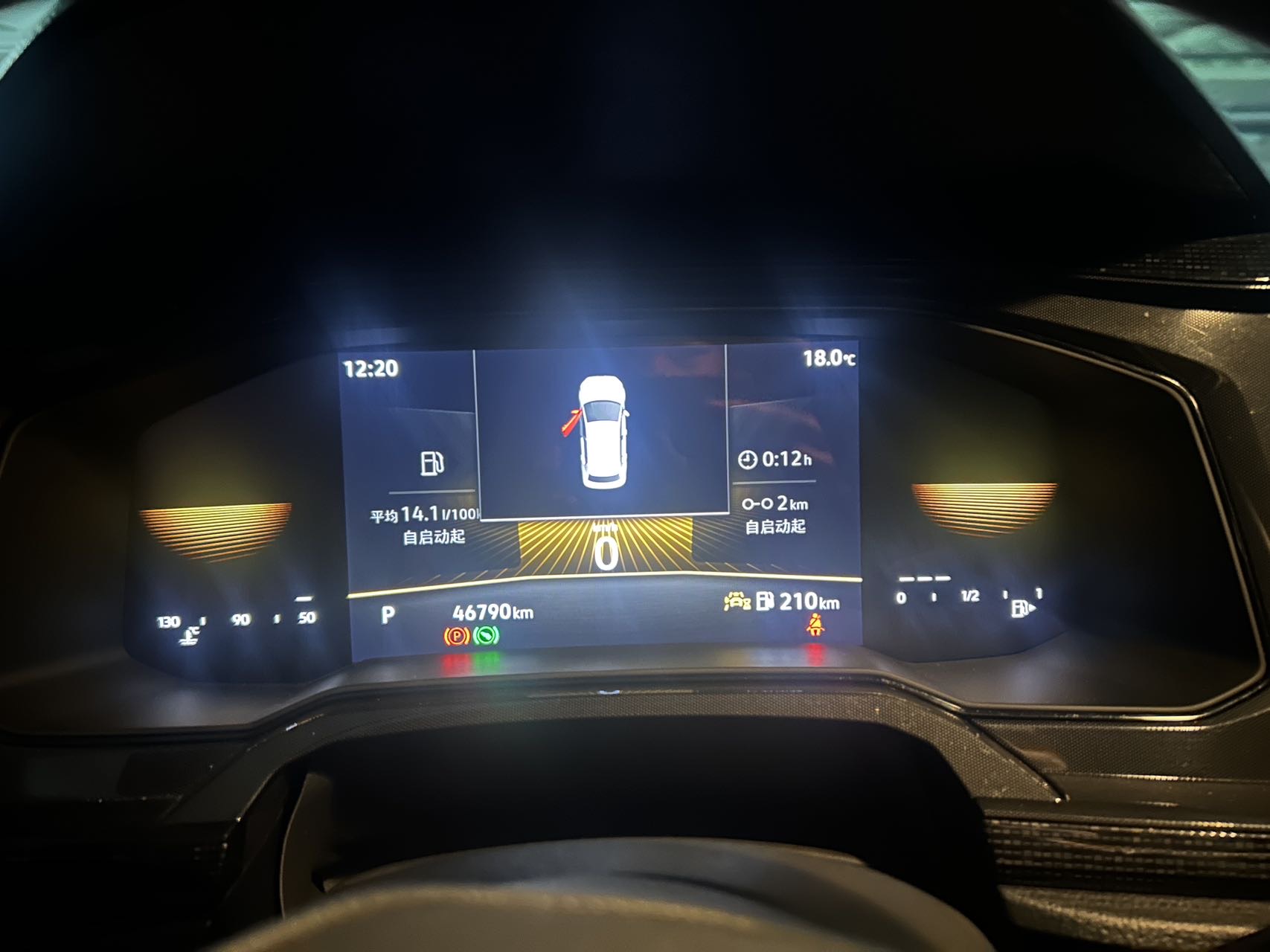
Mileage40,000km
Transfer Count0times
FuelGasoline
TransmissionManumatic
Engine1.5L 110 L4
ColorWhite
Seats5seats

Condition Description

Full original paint, one owner, odometer reading inaccurate.

Document Information

Inspection Expiry Date-
Warranty Expiry Date-
Insurance Expiry Date2027/07

Q&A

More

How can I check a used car's history in China before buying—accident records, mileage, and ownership?

China's vehicle data is less centralized than in the US or Europe, but you can still verify a lot: 1. Ask the exporter for the VIN and order a third-party history report from Chinese services; they aggregate insurance claims and repair records. 2. Cross-check the registration date on the title with the odometer—a 3-year-old car showing 30,000 km but registered as a ride-hailing vehicle is a red flag. 3. Request maintenance records from the brand's dealer network; digital records are increasingly common. 4. Verify the seller legally owns the car: the registration certificate name should match the exporter's business license. Gaps are common, so treat the history report as one input, not proof. Combine it with an independent pre-purchase inspection, and hold back part of the payment until the inspection passes.


How do I read and interpret a Chinese vehicle history report—what do the records and codes mean, and which findings should stop the deal?

A Chinese history report (查博士, 精真估, or 4S-shop records) usually contains several sections. Here's how to read them. Accident records: entries tagged 重大事故 (major accident) or listings at an insurance payout above 30% of the car's value are serious red flags. Airbag deployment is a deal-breaker for most buyers. Mileage timeline: check that mileage increases logically between service visits. A sudden drop between two dates means odometer tampering—walk away. Ownership count: more than 3 owners in 5 years suggests a problem car. Also check the 使用性质 field: a car registered as 营运 (commercial/taxi use) has a much shorter legal lifespan. Maintenance entries: consistent 4S dealership records are a good sign; long gaps aren't necessarily fatal if the owner used independent shops, but ask for receipts. Cross-check the report against the VIN plate, registration certificate, and physical inspection. If the report shows no accidents but paint thickness readings say otherwise, trust the metal, not the paper.

How do I verify that a Chinese used car exporter is a legitimate registered company and not a middleman or scammer?

Start with the business license: every legitimate Chinese company has a Unified Social Credit Code. Ask for a copy and verify it on the National Enterprise Credit Information system or via your freight forwarder. Check that the business scope includes 'used car export'—this requires specific qualifications. Next, look for proof of substance: a real office or yard (verify via live video call, not pre-recorded), staff answering on Chinese business platforms like WeChat with consistent branding, and a corporate bank account in the company's name—never pay a personal account. Cross-check trade history: ask for recent shipping documents (blurred bills of lading with customer info hidden), references from buyers in your region, and whether they hold export licenses issued by Chinese commerce authorities. Red flags: prices far below market, pressure to pay quickly, refusal of video calls, or bank accounts in third countries 'for convenience'. Take your time—real exporters pass these checks easily.