


48H

Basic Information

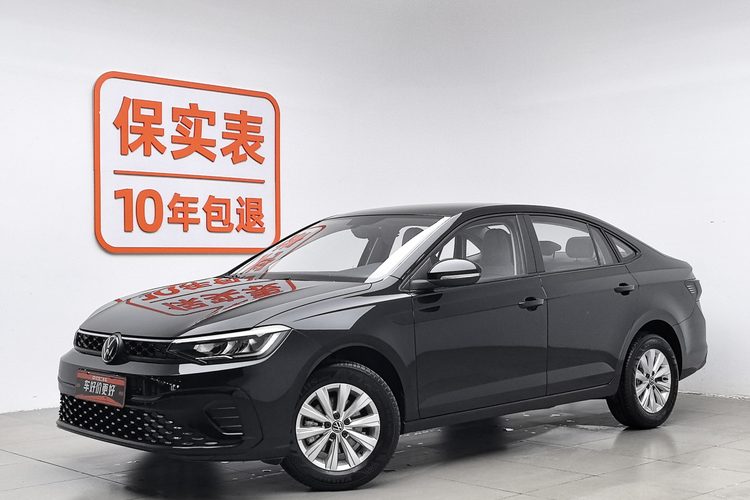
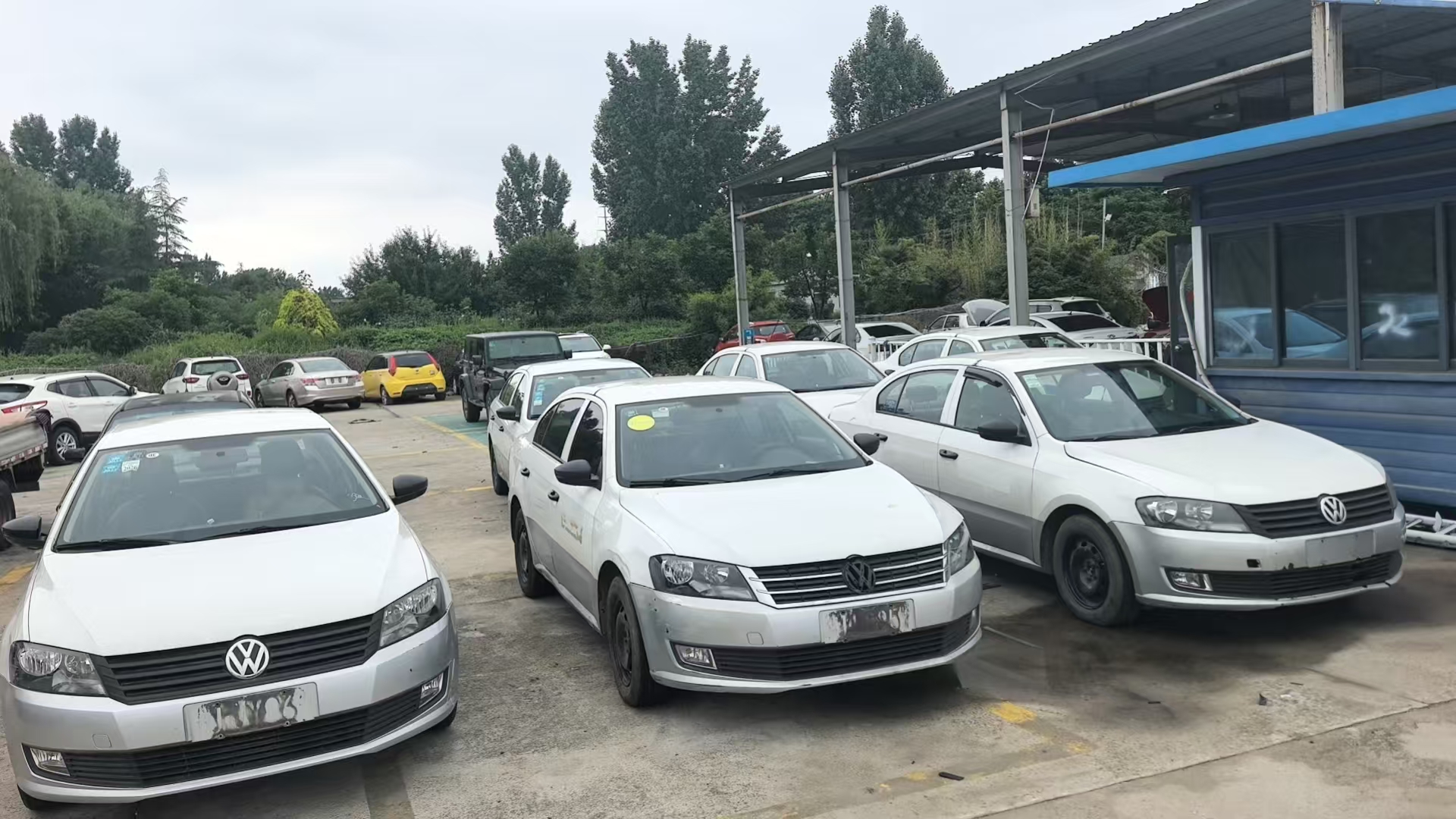
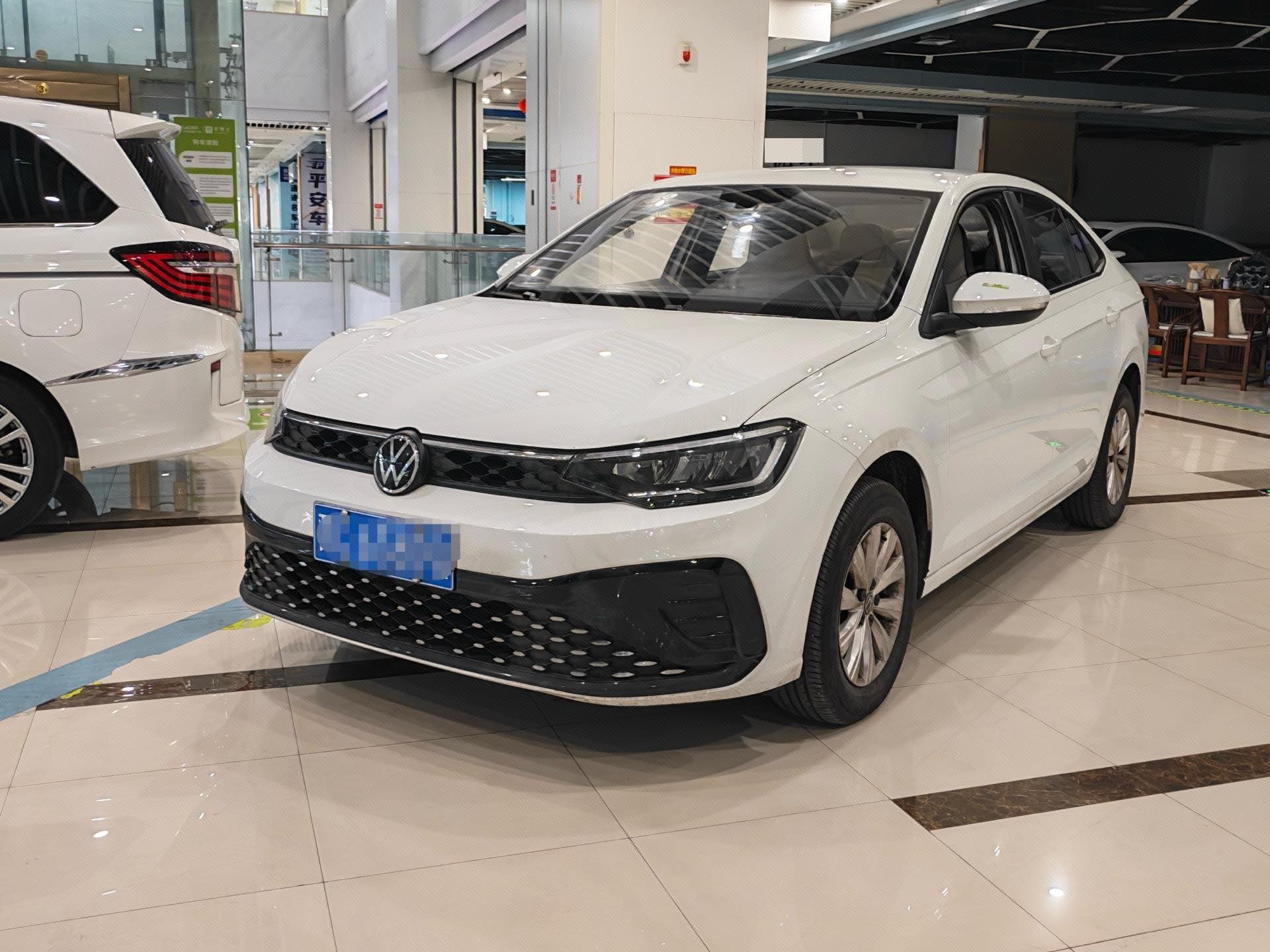
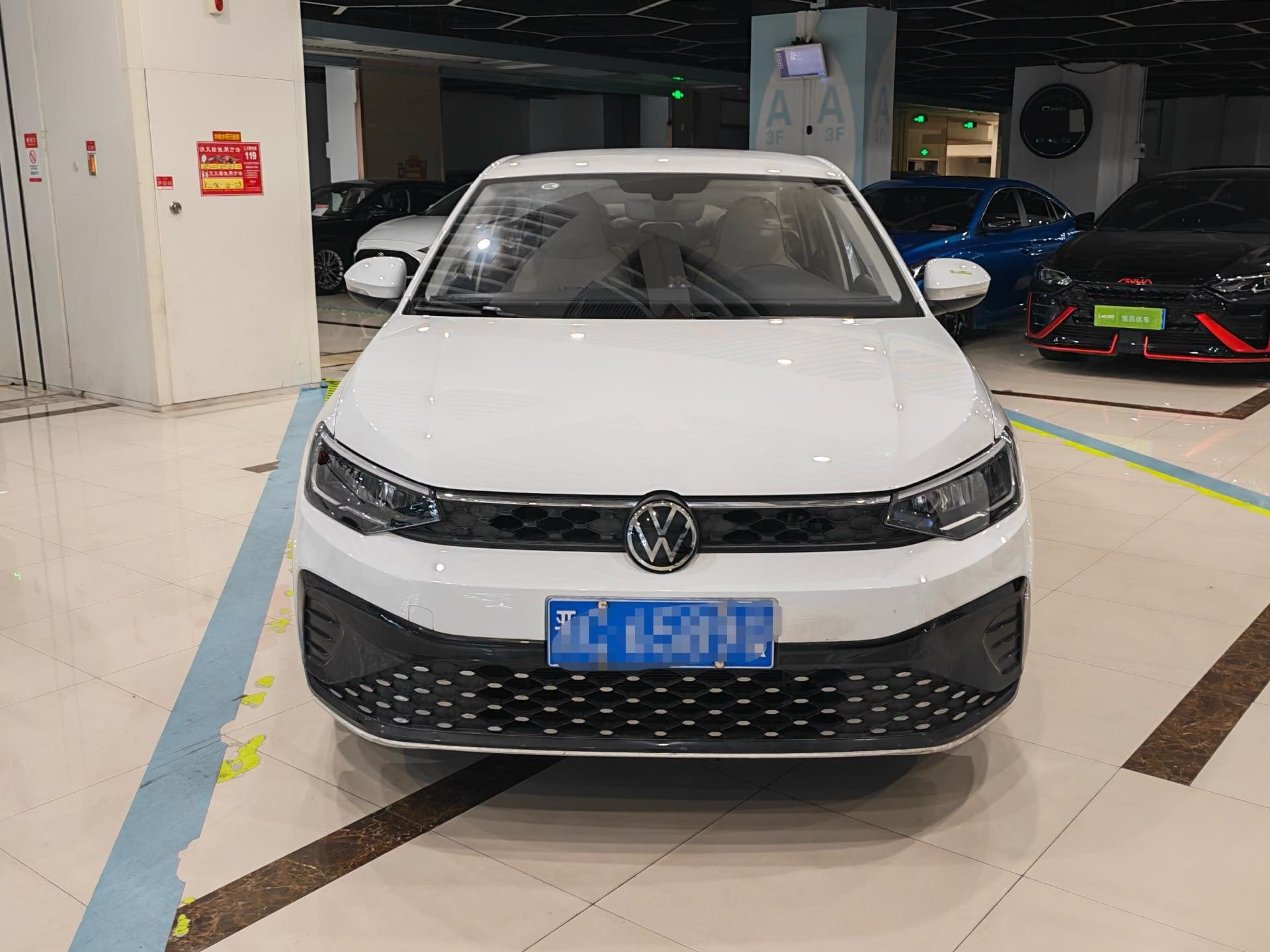
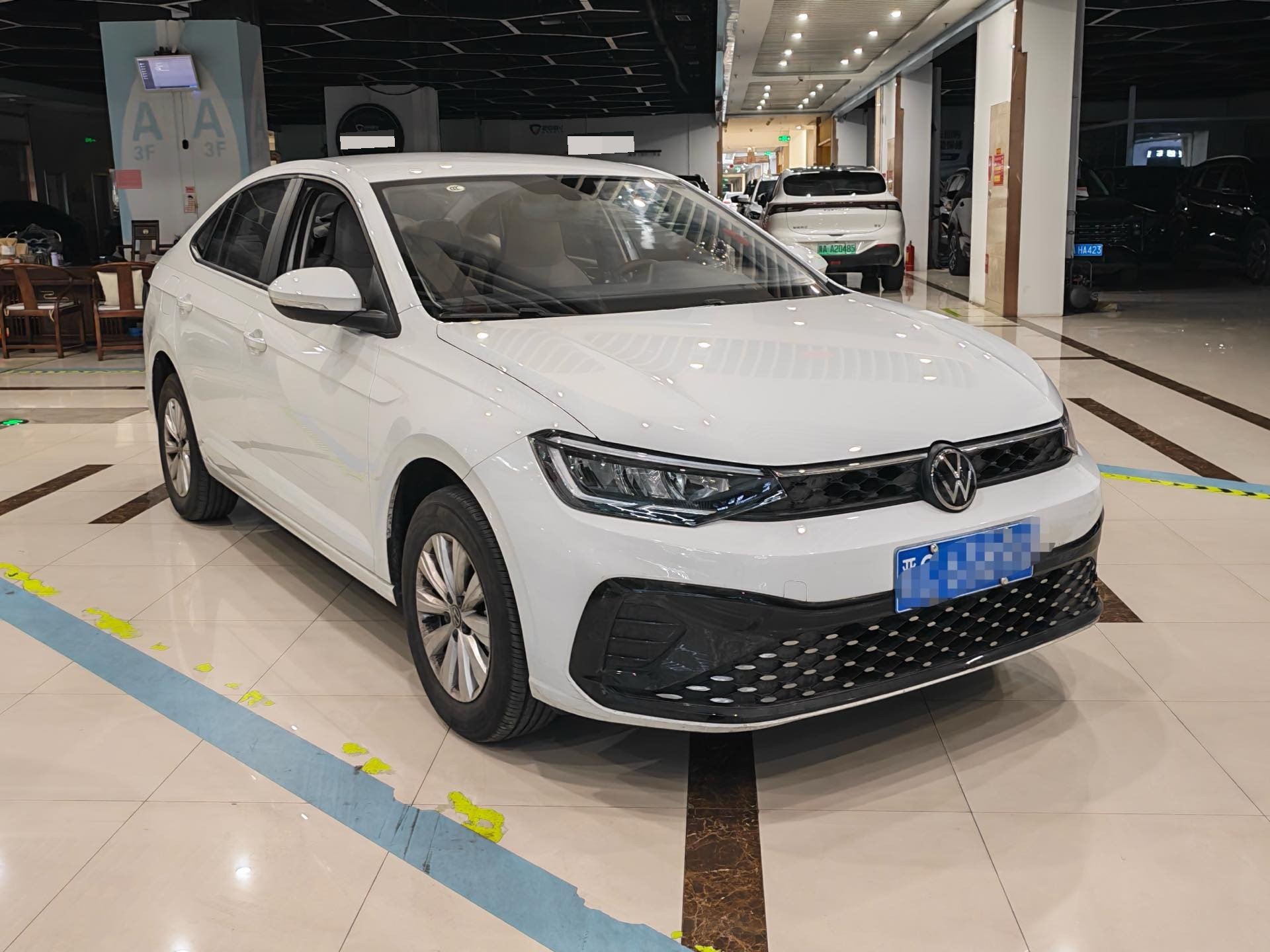
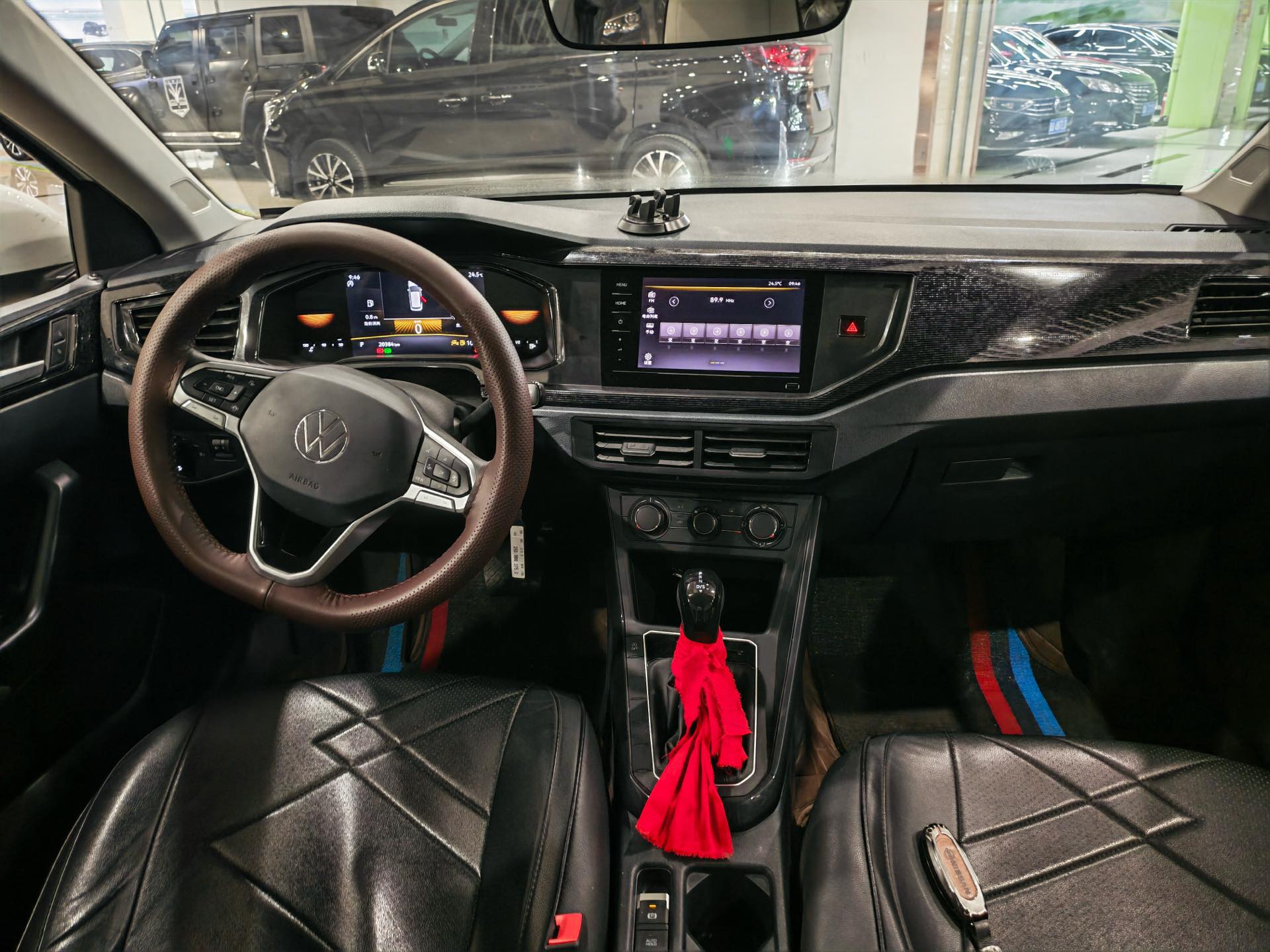
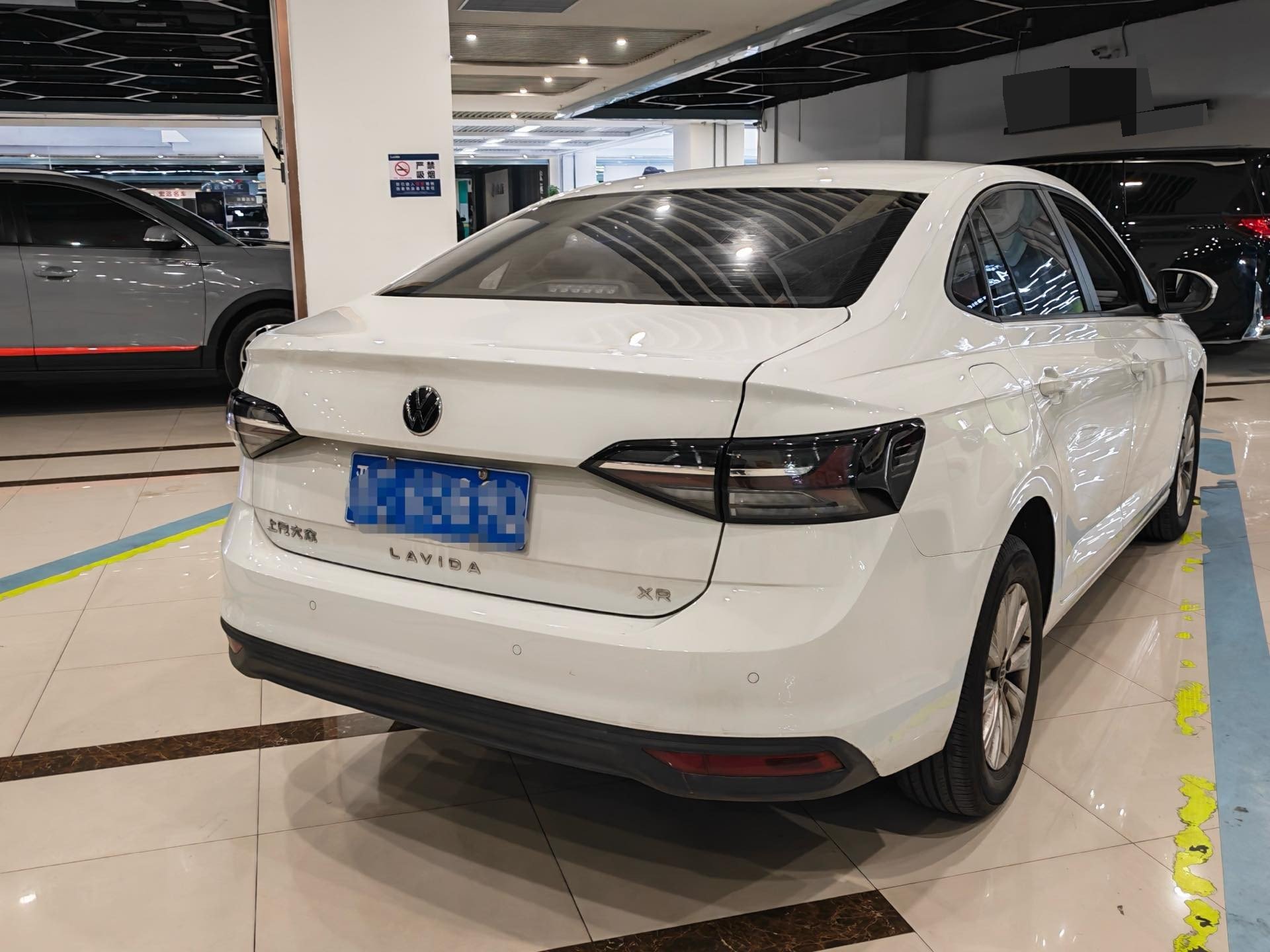
BrandVolkswagen
SeriesLavida
Year2025
First Registration2025/04
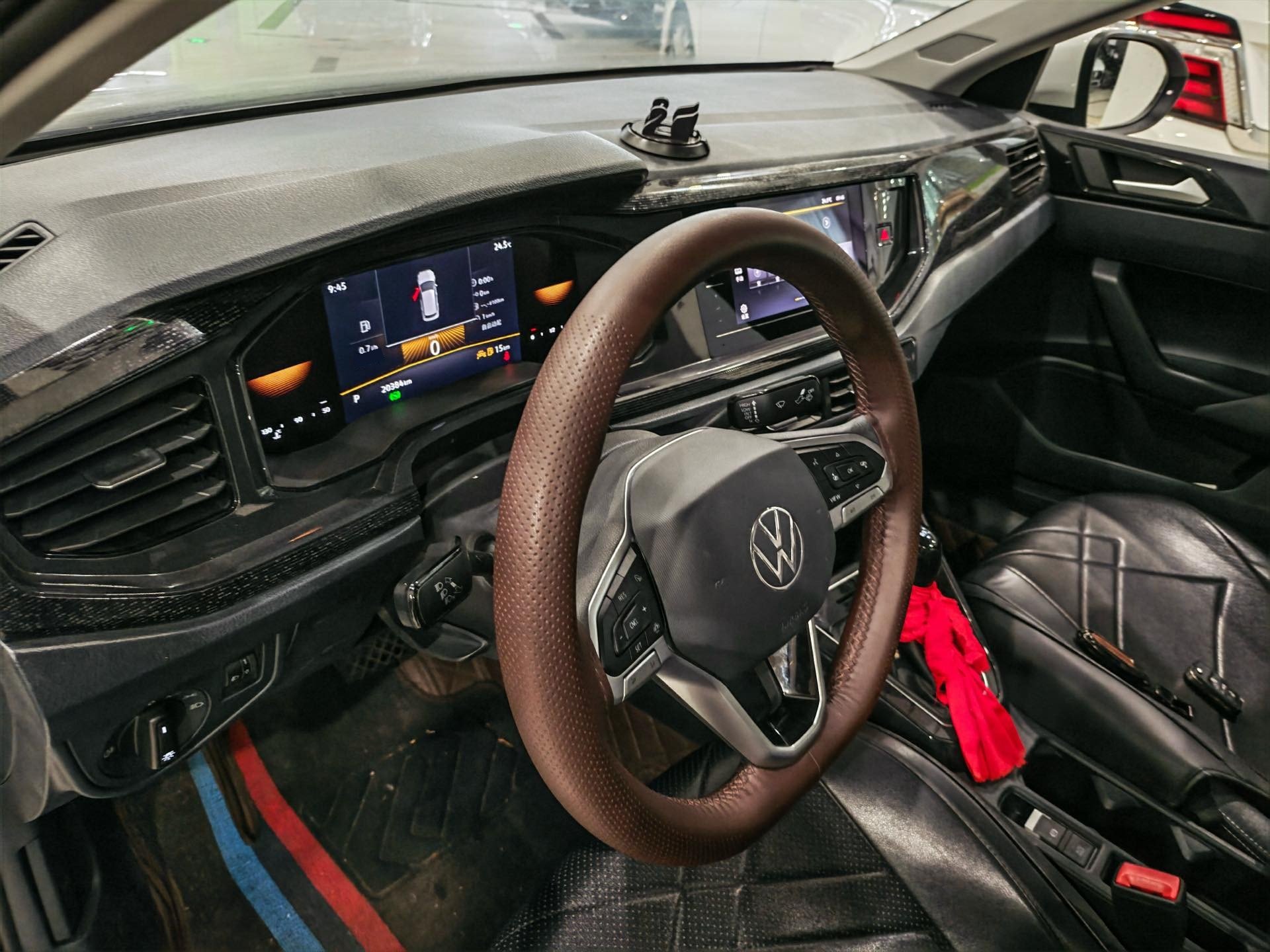
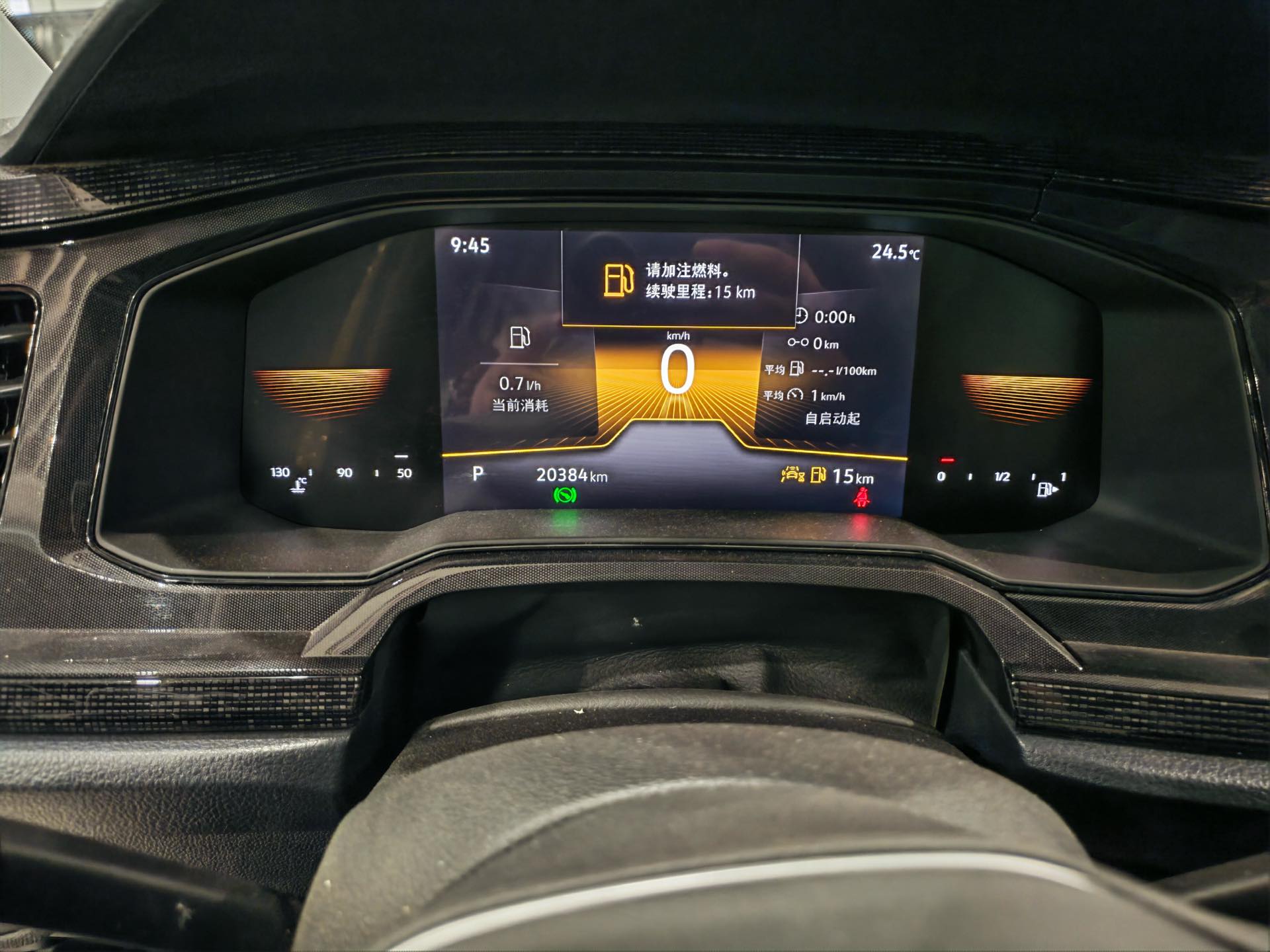
Mileage20,000km
Transfer Count0times
FuelGasoline
TransmissionManumatic
Engine1.5L 110 L4
ColorWhite
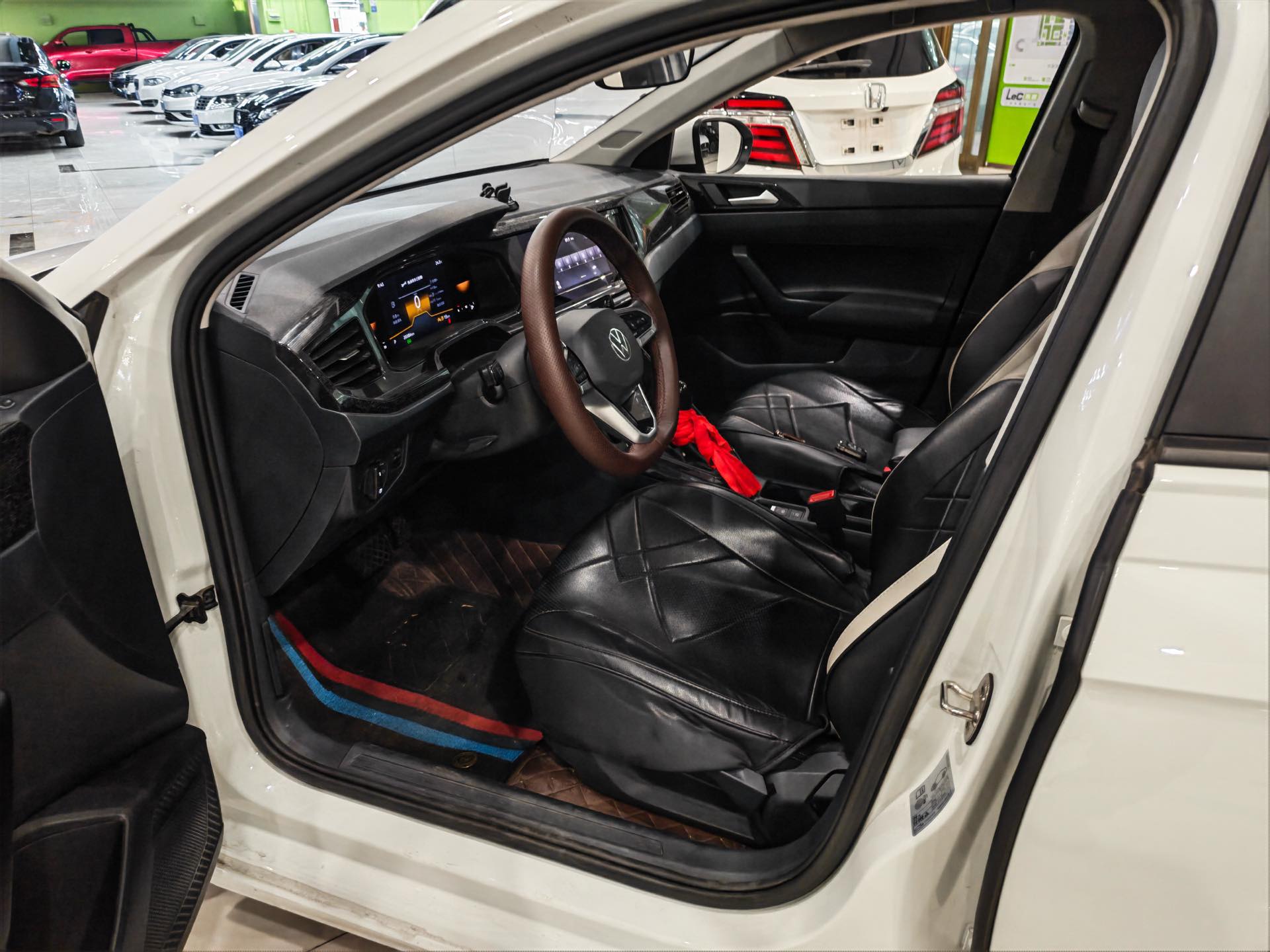
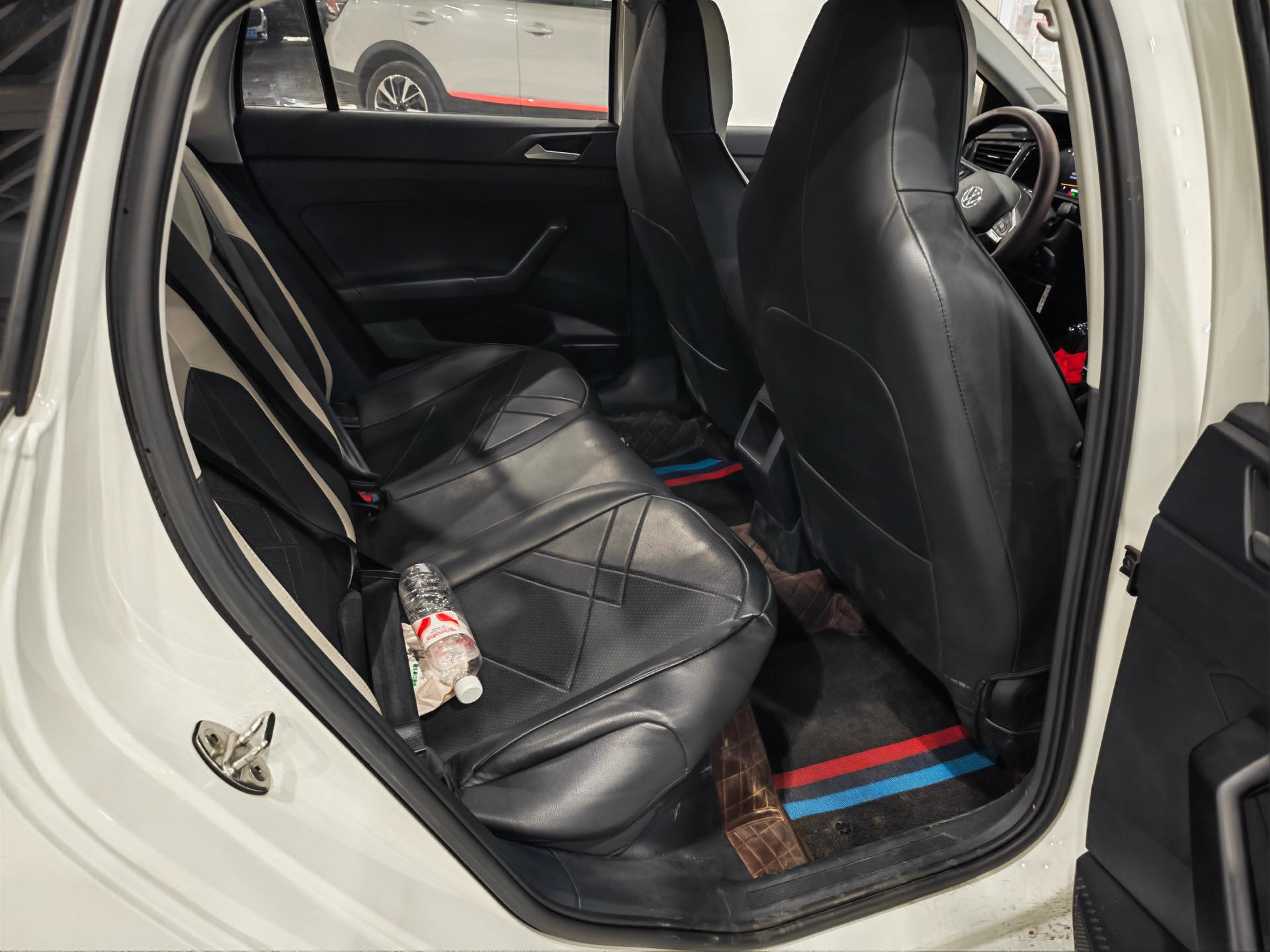
Seats5seats

Condition Description

Original paint

Document Information

Inspection Expiry Date-
Warranty Expiry Date-
Insurance Expiry Date2027/04

Q&A

More

What should I check during a live video test drive of a used car in China, and which sounds or behaviors are red flags?

Request a live video call during the test drive rather than a pre-recorded one. Cold start first: listen for rattling or metal scraping in the first seconds — possible timing chain or hydraulic lifter issues. During acceleration, a whining from the gearbox area can mean bearing wear; hesitation or jerking in an automatic suggests transmission problems. Braking: the pedal should feel firm, not spongy, and the car must not pull to one side. Turn the wheel fully in both directions and listen for clicking — a classic CV joint fault. Insist on a highway segment too: vibrations above 100 km/h often point to unbalanced wheels or bent rims. Ask the driver to film the dashboard throughout — warning lights that flicker on briefly are still faults that OBD will record.


When buying a used Chinese EV, how do I read the battery health (SOH) report, and what percentage is still acceptable for import?

State of Health (SOH) tells you how much of the original battery capacity remains. Here's how to use it. Reading the report: SOH is usually shown as a percentage of original capacity. A car at 90% SOH retains roughly 90% of its original range. Also check for cell imbalance (voltage spread between modules)—a low SOH with balanced cells is often fine, but high imbalance causes sudden range drops and charging problems. Acceptable thresholds: for a car under 3 years old, expect 90%+ SOH. For 3-5 years, 85-90% is normal. Below 80% SOH, the battery may soon need replacement—replacement costs can exceed the car's value, so negotiate hard or walk away. How to verify: don't trust a screenshot. Ask for a live screen recording of the diagnostic app (like the brand's official tool) starting from the car's VIN page. Cross-check the fast-charging curve: a healthy battery charges at near-peak rate up to 60-70%; a degraded one tapers early. Finally, remember that hot climates degrade batteries faster—if the car spent its life in southern China, scrutinize SOH more carefully.

How do I vet a Chinese used-car exporter before sending any money?

Vetting takes a day and can save you thousands. Work through this checklist. Verify the business: ask for the company registration number and check it on China's National Enterprise Credit Information system or a commercial registry tool. Confirm the registered address matches where they claim to operate, and that their business scope includes vehicle export. Check export credentials: they must hold a used-vehicle export license issued by Chinese commerce authorities. Ask for the license and a recent export declaration showing they actually ship cars. Test their knowledge: a real exporter answers detailed questions about your destination country's import rules (age limits, left/right-hand drive, emission standards) without hesitation. Vague answers about your own country's requirements are a red flag. Structure payments safely: small deposit (10-20%), balance only against inspection reports and shipping documents, ideally through a payment method with recourse. Refuse full prepayment by irreversible transfer—no legitimate exporter requires it.