


Basic Information

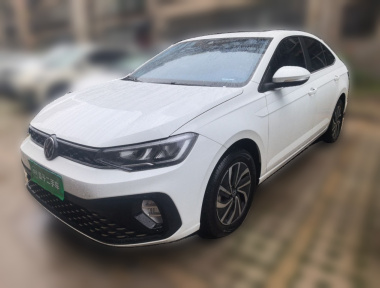
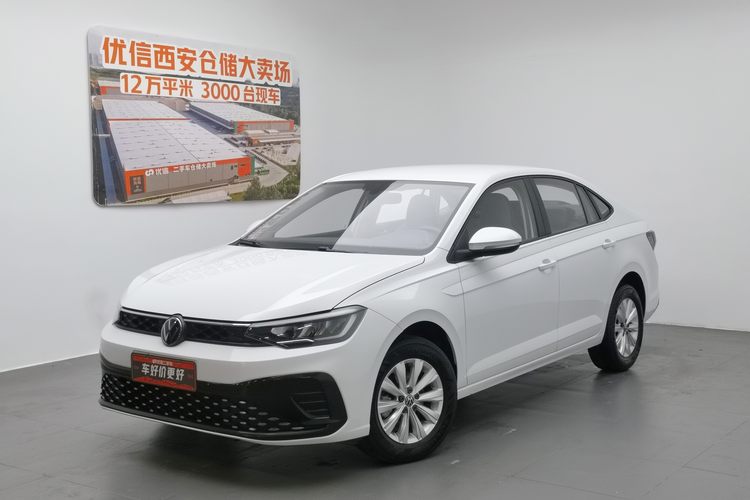
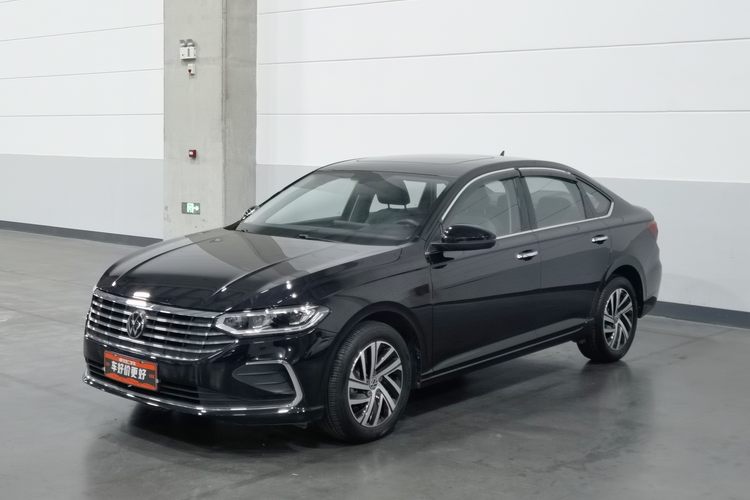
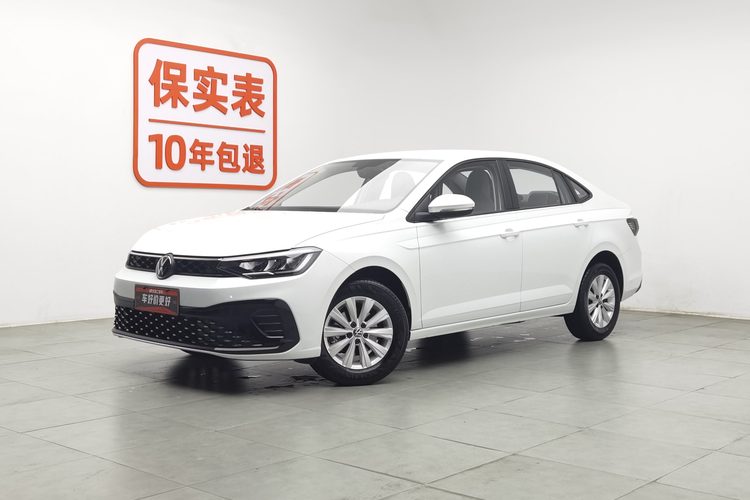
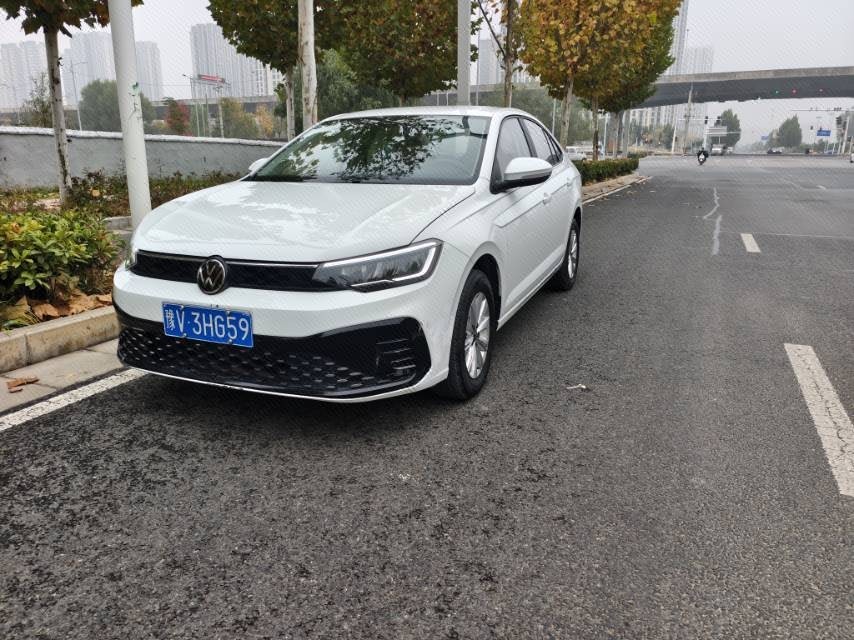
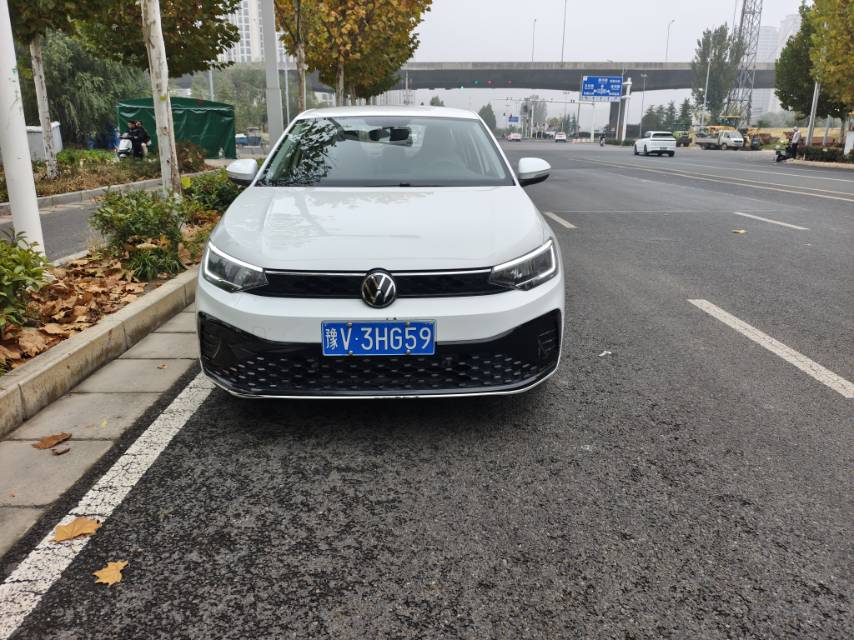
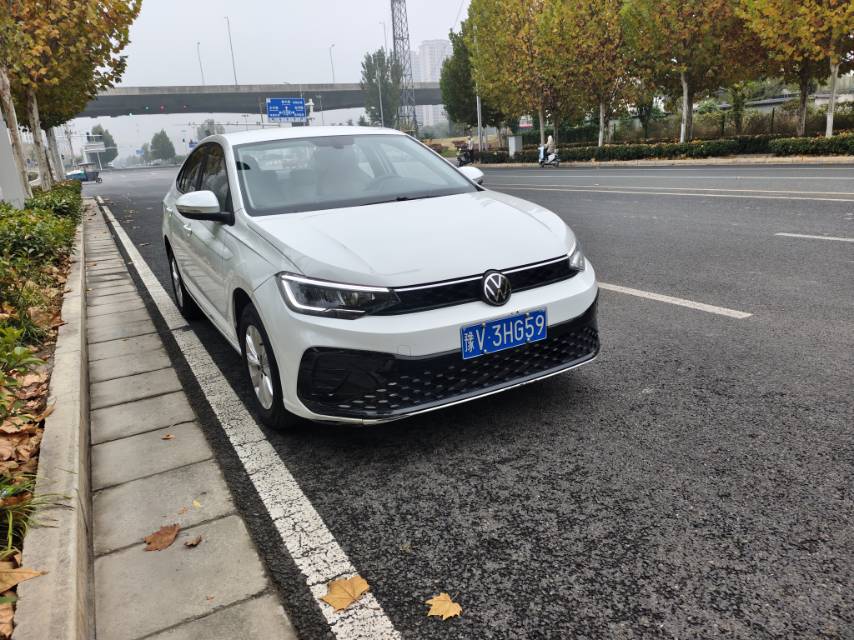
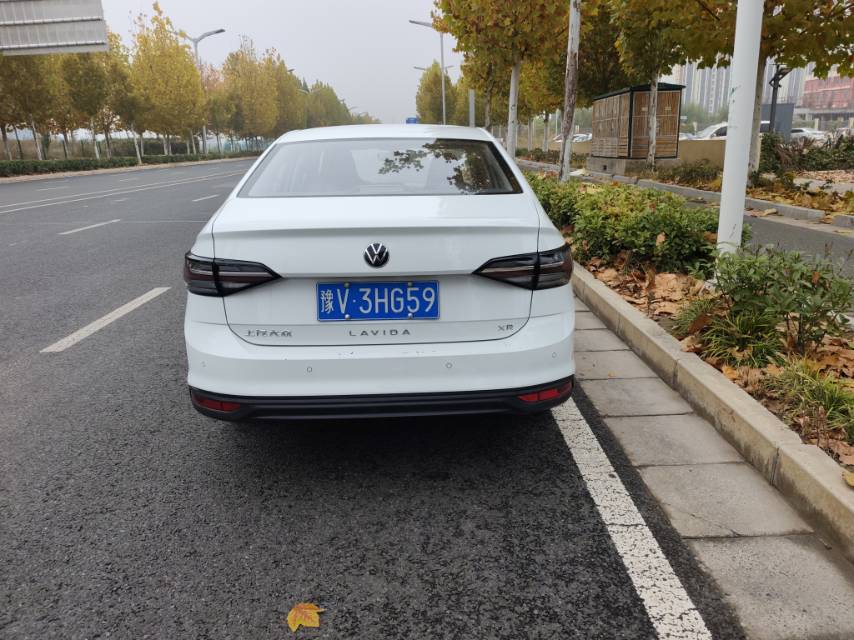
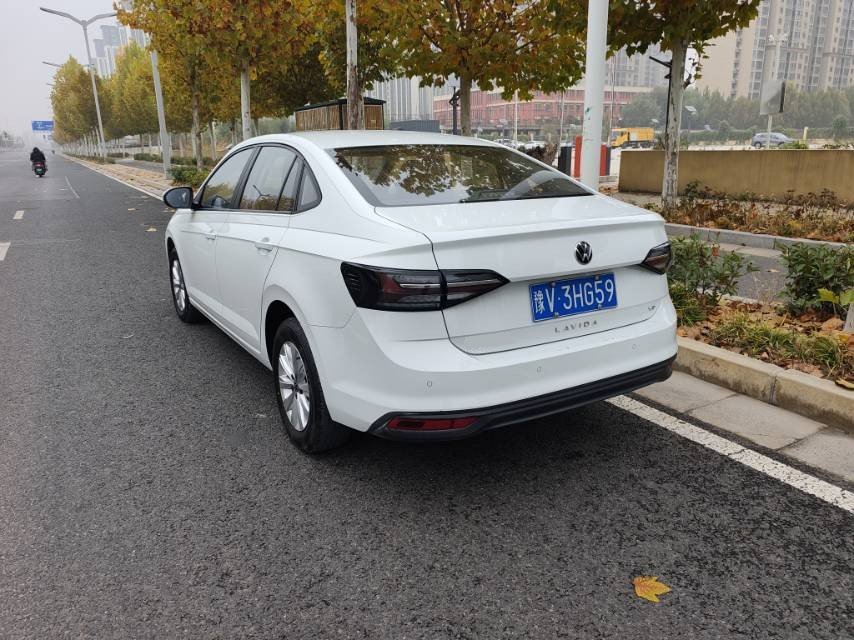
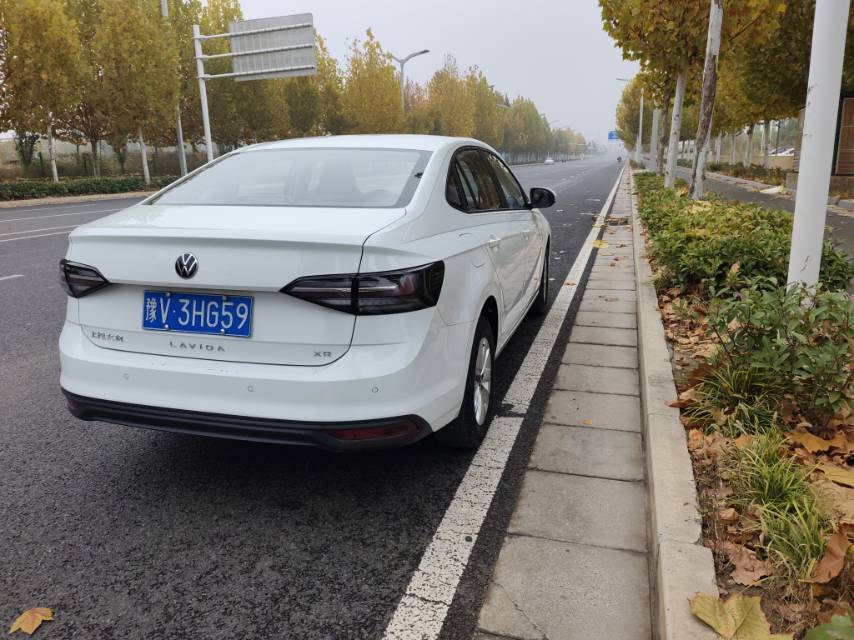
BrandVolkswagen
SeriesLavida
Year2025
First Registration2025/05
Mileage25,000km
Transfer Count0times
FuelGasoline
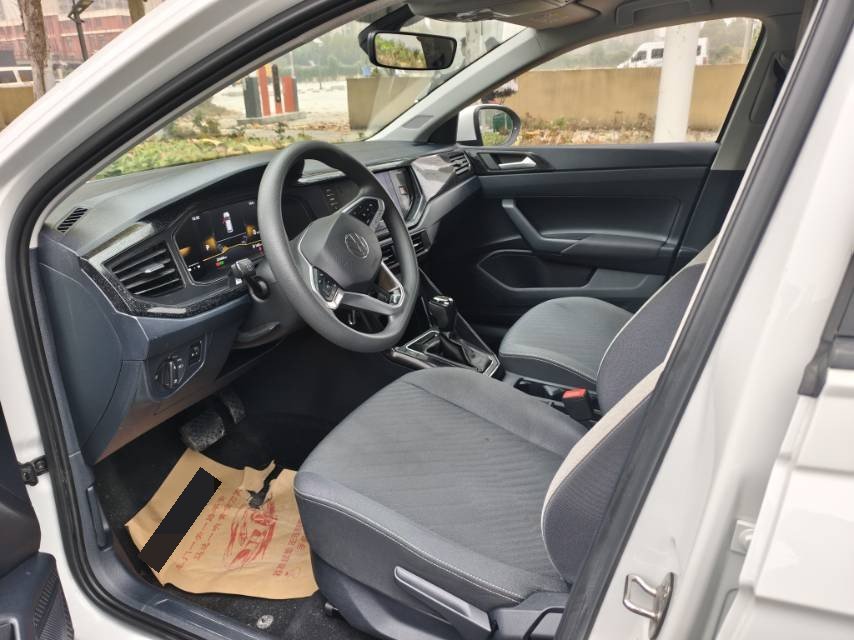
TransmissionManumatic
Engine1.5L 110 L4
ColorWhite
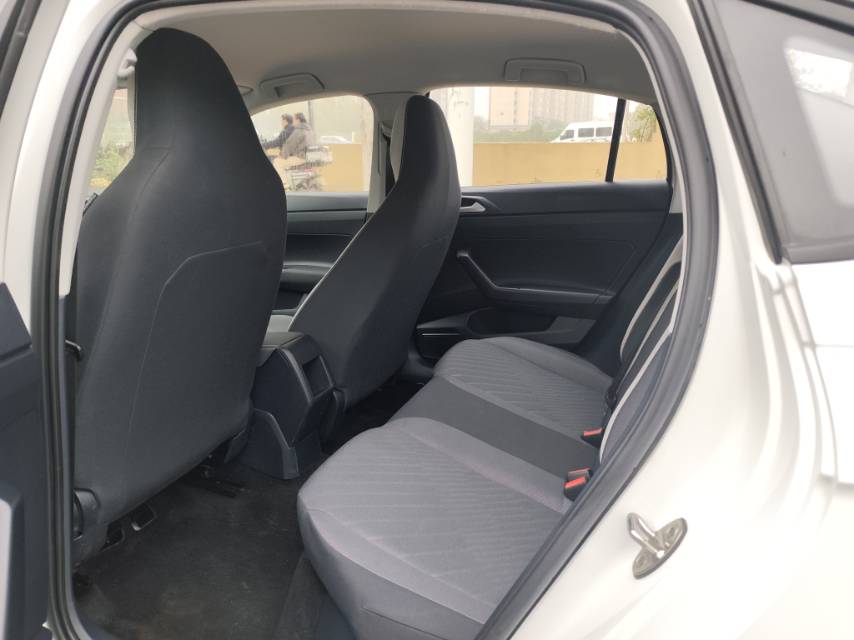
Seats5seats

Condition Description

Full body original paint; record shows total loss and shell replacement.

Document Information

Inspection Expiry Date-
Warranty Expiry Date-
Insurance Expiry Date2026/05

Q&A

More

How can I judge the interior condition of a used Chinese car remotely to estimate real usage?

Ask the seller for detailed close-up video, not photos — video is harder to edit. Check: 1) Driver's seat bolster and steering wheel leather for wear matching the claimed mileage — a shiny, polished wheel at 30,000 km is a red flag; 2) Pedal rubbers — worn-through pedals contradict low mileage; 3) Buttons and knobs — faded or shiny climate and window controls suggest heavy use; 4) Seat rails and tracks — rust or heavy dirt means possible water exposure; 5) Headliner and seat backs — stains or sagging. Compare logically: wear should be consistent across the cabin. A car showing 50,000 km should have light wear everywhere, not a destroyed driver's seat with a pristine passenger side. Also ask for the odometer photo with the ignition on, plus the car's system info screen, which often logs total mileage independently.


Is there specific data on paint thickness? How can we determine if it's the original factory paint?

We use a calibrated high-precision paint thickness gauge to take multiple measurements on at least 13 metal surfaces of the entire vehicle. The original paint thickness of mainstream Chinese models typically ranges from 90μm to 150μm. If any area exceeds 200μm or even reaches over 500μm, we will directly conclude that the area has undergone bodywork and filler repair.

How can I judge the real mechanical condition of a used car from China without seeing it in person?

Remote mechanical assessment relies on documented evidence: 1. Cold-start video: Ask for a video of the engine starting from cold — listen for rattles, watch for smoke (blue = oil burning, white = possible head gasket issue). 2. OBD scan: A full diagnostic scan reveals fault codes in the engine, gearbox, and electronics. Request the raw scan report, not a screenshot summary. 3. Service records: Cross-check mileage against maintenance records and inspection stickers; consistent records indicate a cared-for car. 4. Fluid check: Photos of the oil dipstick and coolant color tell a lot — milky oil or rusty coolant are red flags. 5. Test drive video: A short drive video shows gear shifts, braking, and steering behavior. Combine these with the pre-shipment inspection report. A seller who refuses to provide cold-start video or OBD data is a warning sign.