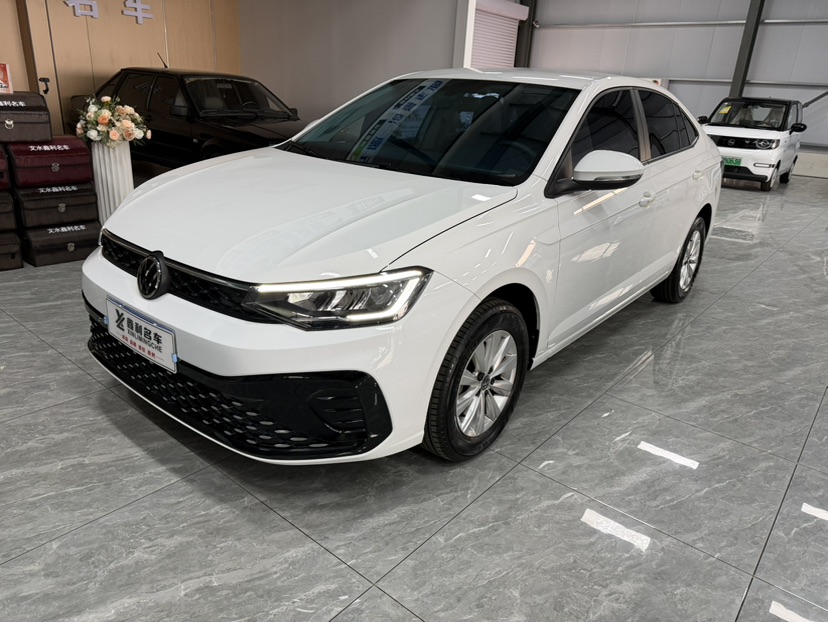
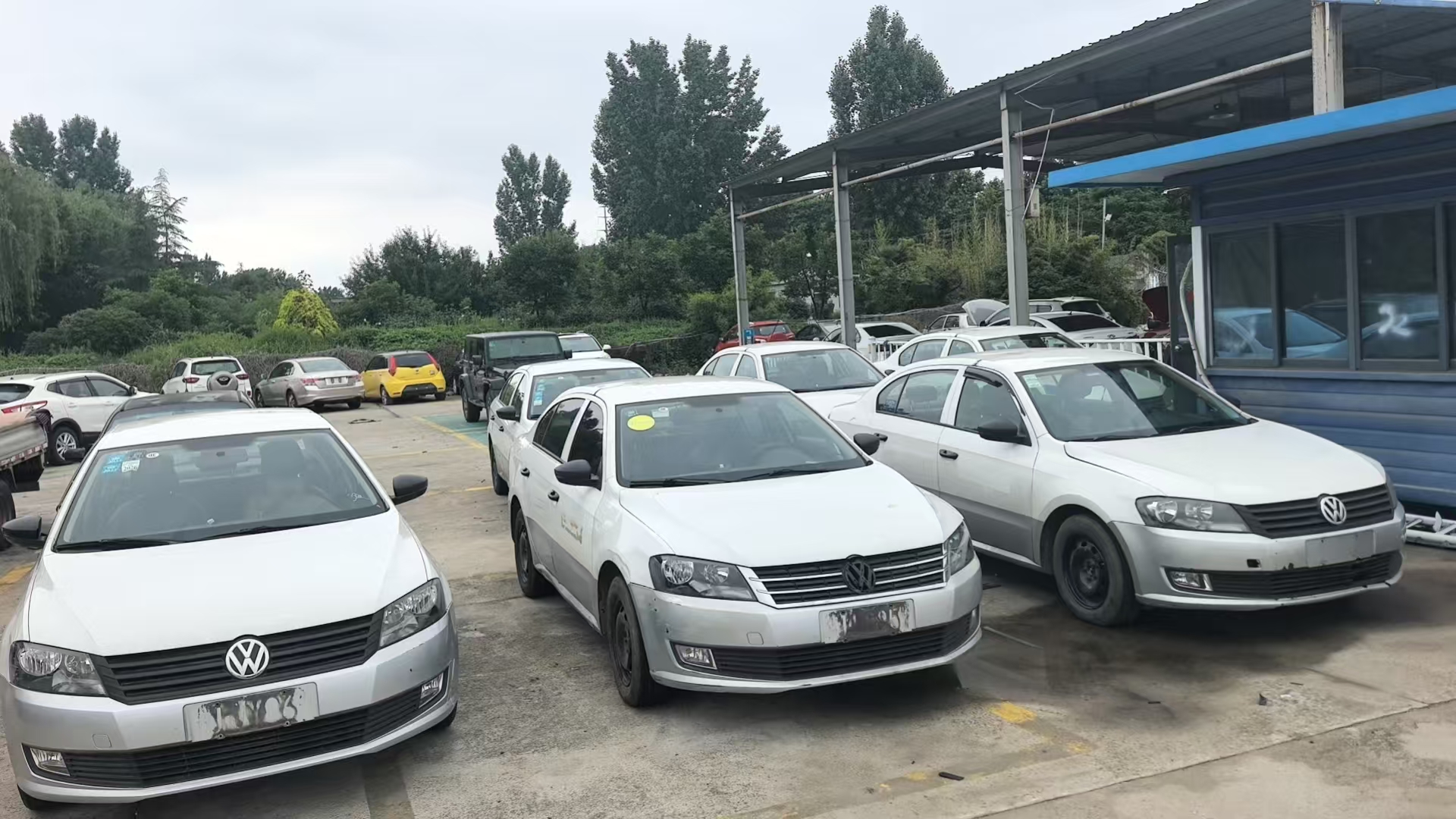
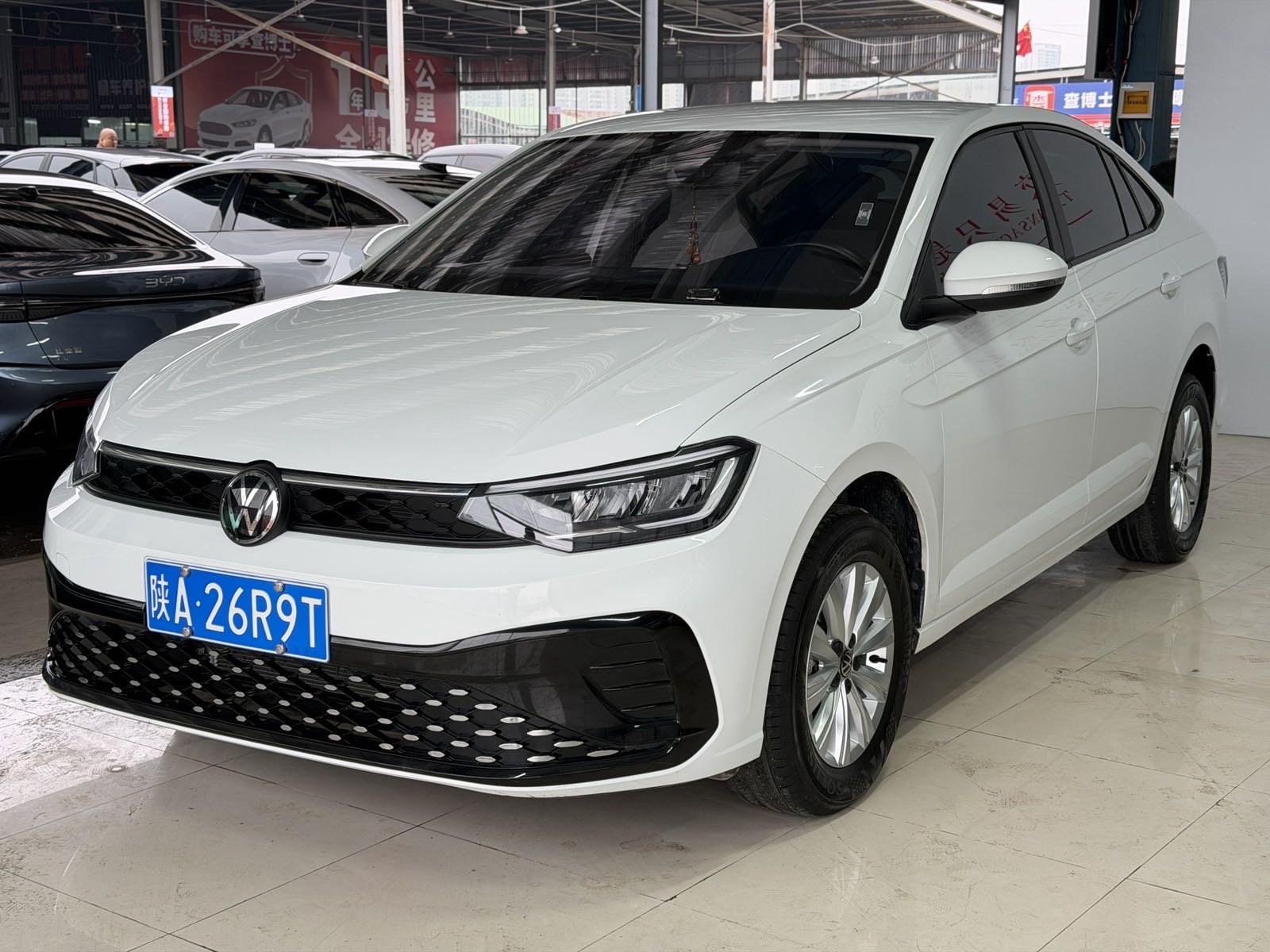
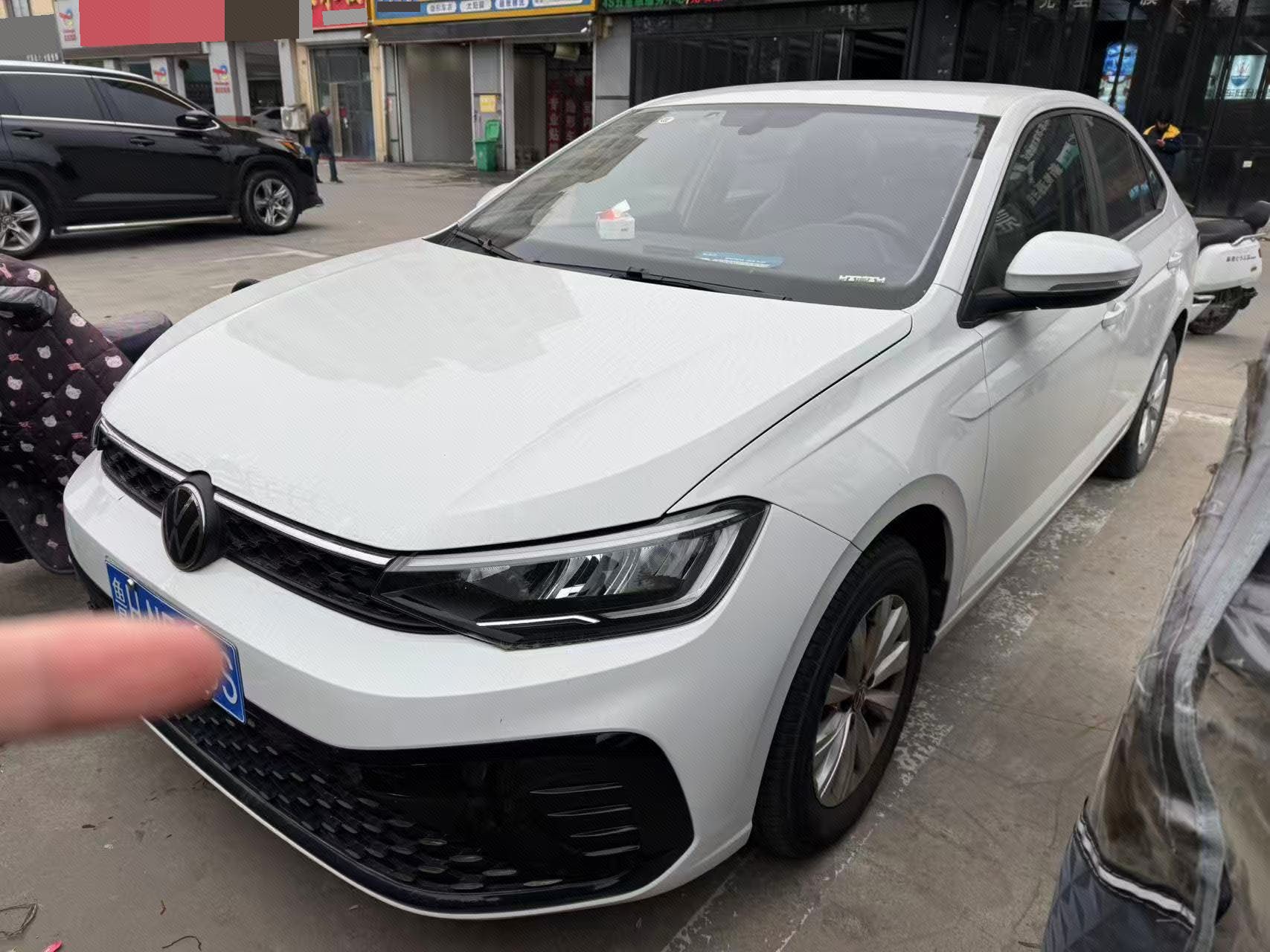
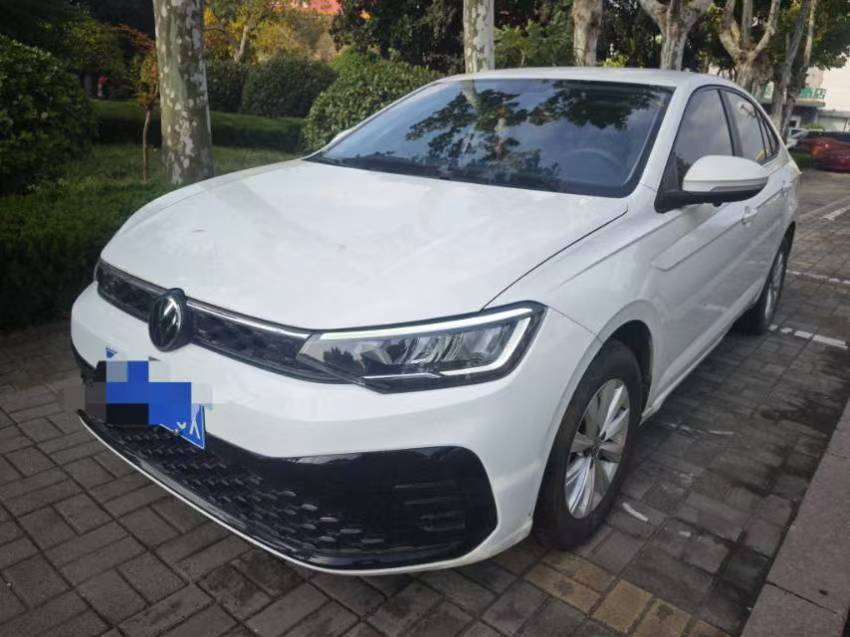
Basic Information

BrandVolkswagen
SeriesLavida
Year2026
First Registration2026/03
Mileage12,000km
Transfer Count0times
FuelGasoline
TransmissionAutomatic
Engine1.5L 110 L4
Color
Seats-

Condition Description

官方质检 · 60天全车质保· 7天无理由有偿退车

Configuration Highlights

✓上牌时间: 2026-03
✓表显里程: 1.2万公里
✓车源地: 威海
✓排放标准: 国六
✓发动机: 1.5L
✓轴距: 2651mm
✓变速箱: 自动
✓最大功率: 81kW
✓功能配置: 5项
✓安全配置: 4项
✓动力类型: 前驱
✓空间舒适性: 一般

Q&A

More

Do the exported new energy vehicle battery packs have the required UN38.3 test report and MSDS certificate for maritime transport?

Our documentation department has the latest versions of UN38.3 (United Nations Transport of Dangerous Goods Test and Standards) and MSDS reports authorized or filed by major Chinese new energy brands (such as BYD, Geely, GAC), which are essential customs documents for declaring dangerous goods to the maritime authority.


Is there a best time of year to buy a used car from China, and how do seasonal factors affect pricing?

Yes, timing can move prices by 5-15 percent. Key seasonal factors: Chinese New Year (late January-February): dealers and export yards wind down 2-3 weeks early, so supply tightens and prices firm up. Avoid ordering in this window. March-May: supply rebounds and competition among exporters is highest—often the best prices of the year. New model launches: when a new generation appears (usually April and September auto show season), outgoing versions drop noticeably in the used market—good for buyers who don't need the latest model. Freight seasonality matters too: rates spike before Golden Week (October) and before Christmas as container capacity tightens. A cheap car booked into an expensive shipping window can cost more overall. Strategy: target March-May for purchase, book shipping in off-peak months, and lock quotes in writing for 15-30 days so freight surges don't erode your deal.

What brake system checks should a pre-shipment inspection of a used car from China include?

Brakes are safety-critical, yet many basic inspections only glance at pad thickness. A proper inspection should cover: 1. Pad and disc measurement: front pads below 3 mm or discs below the minimum thickness stamped on the disc hat mean replacement before shipping. 2. Brake fluid: test moisture content with a strip or meter. Over 3 percent water content means a full fluid flush, especially important for sea freight in humid containers. 3. Hydraulic check: the inspector presses the pedal firmly for 30 seconds; a sinking pedal indicates a master cylinder or hose leak. 4. ABS and stability systems: a diagnostic scan should show no fault codes, and on a short test drive the ABS self-test should complete normally. 5. Parking brake: hold the car on a slope in both directions, particularly important for automatics shipped on RoRo ramps. Ask for photos of each measurement with the tool visible, not just a brakes-OK summary.