


24H

Basic Information

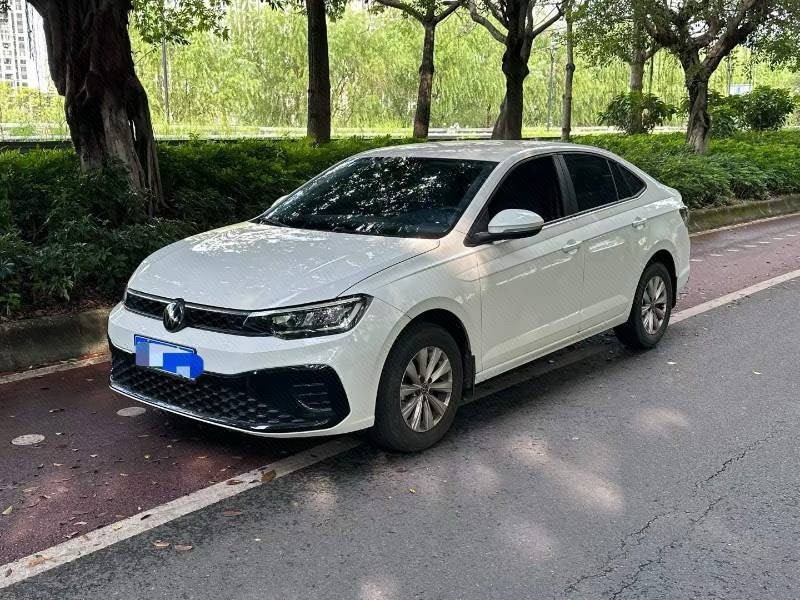
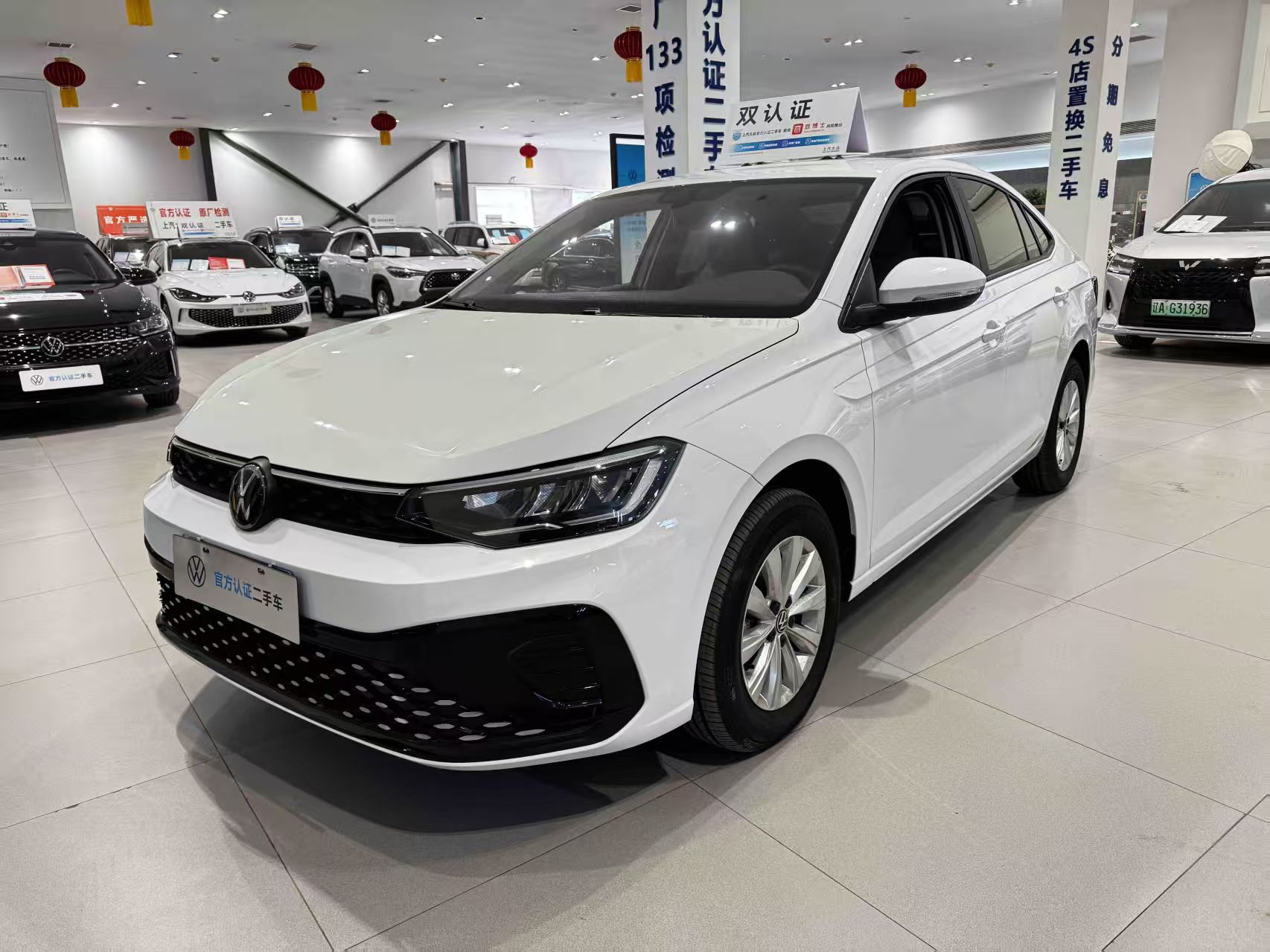
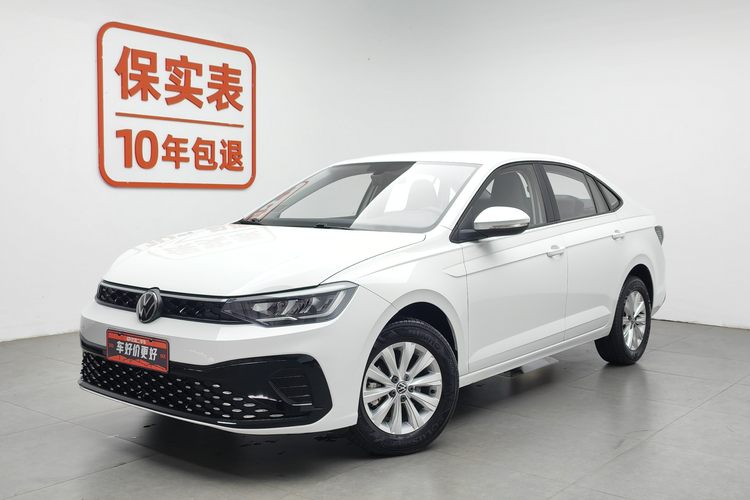
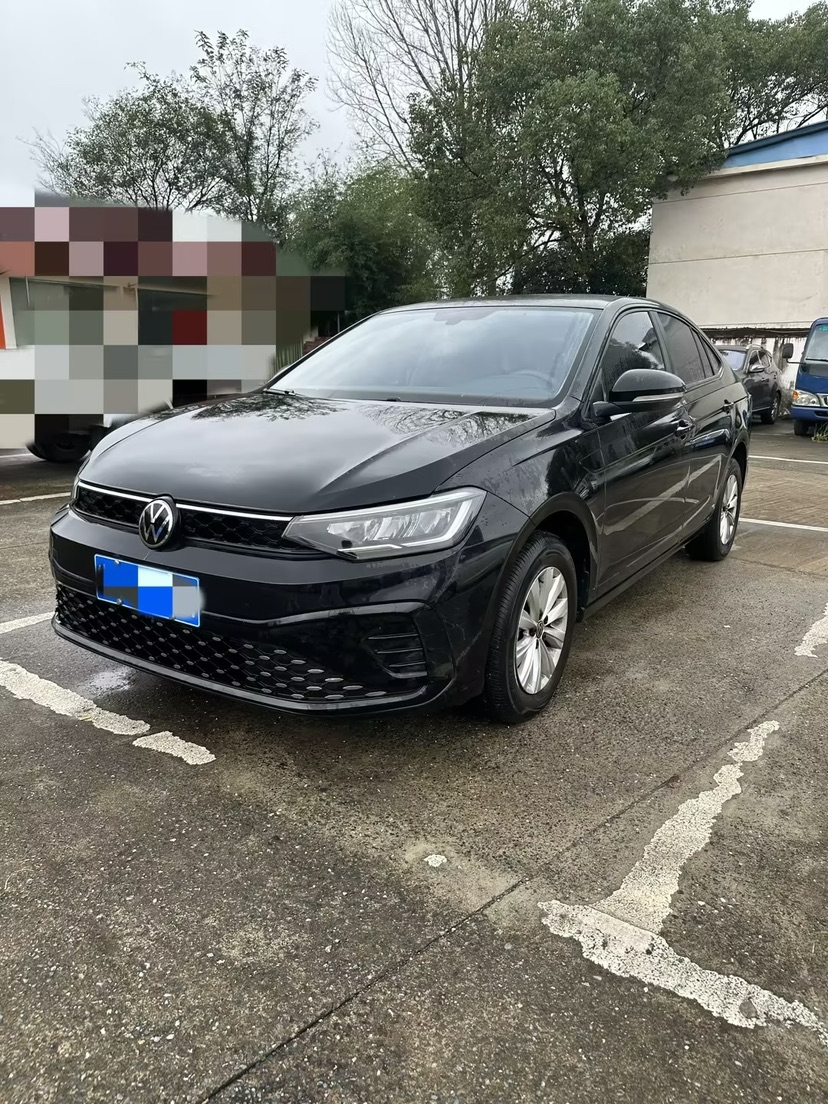
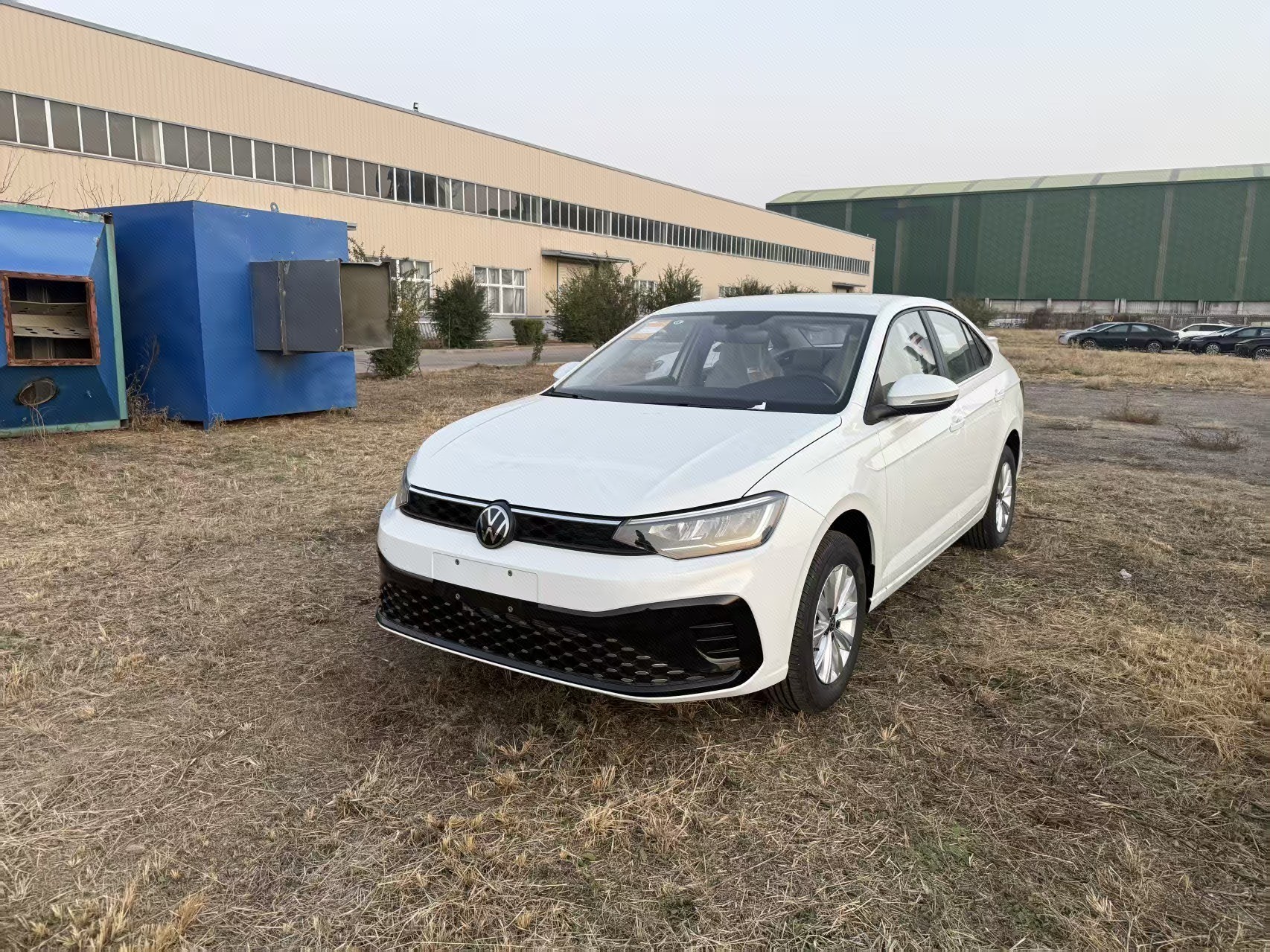
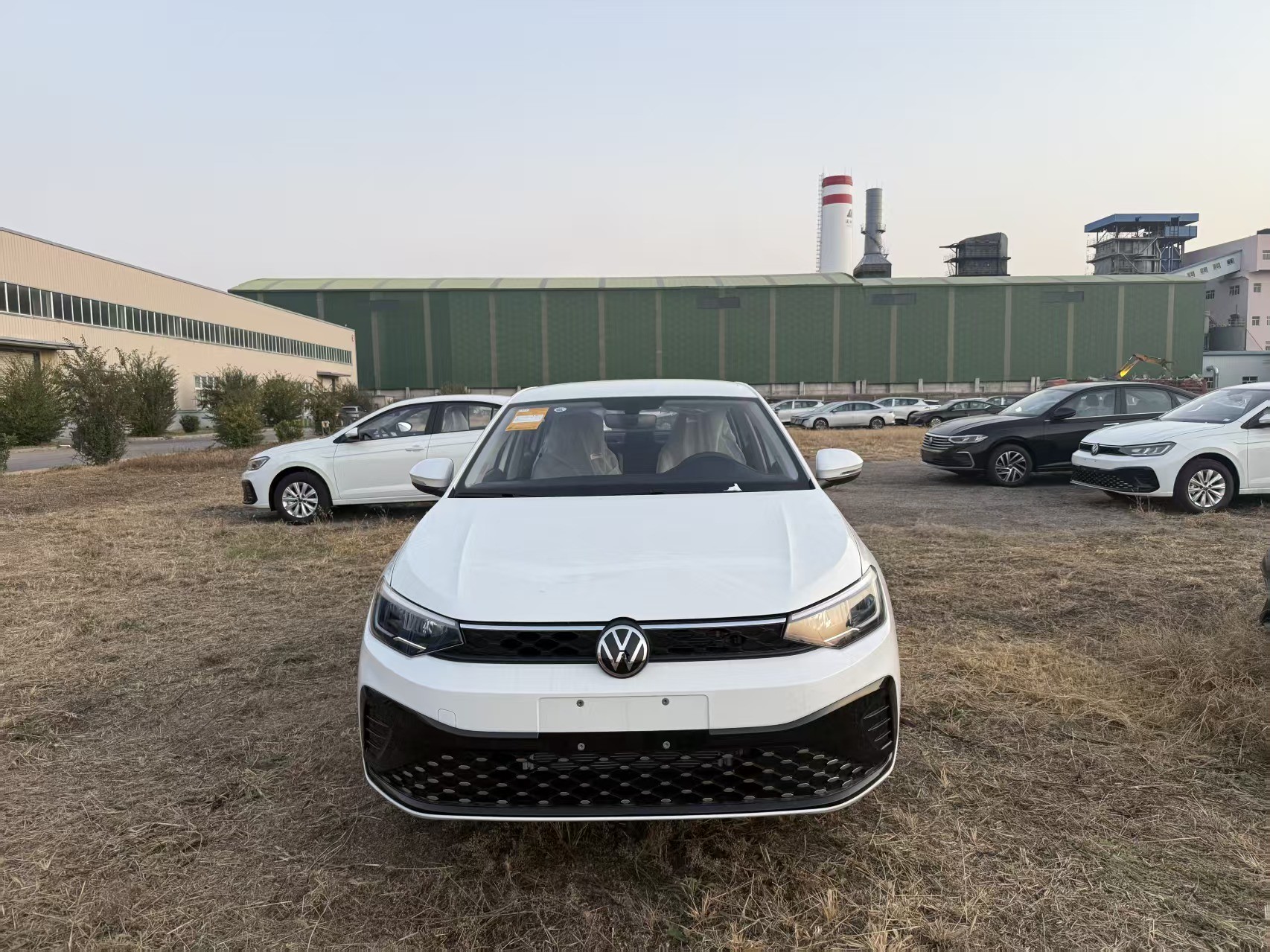
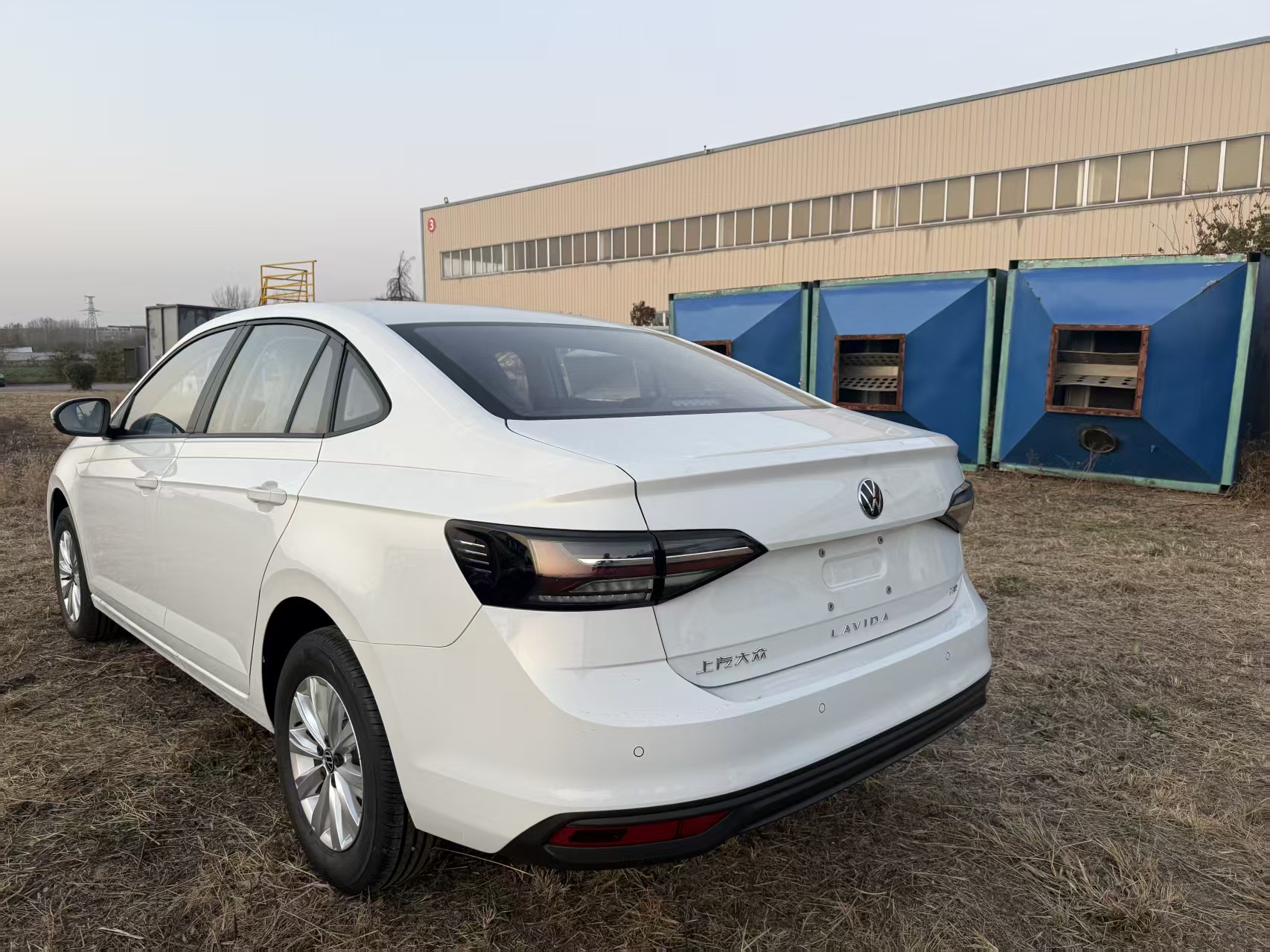
BrandVolkswagen
SeriesLavida
Year2026
First Registration2026/10
Mileage-
Transfer Count0times
FuelGasoline
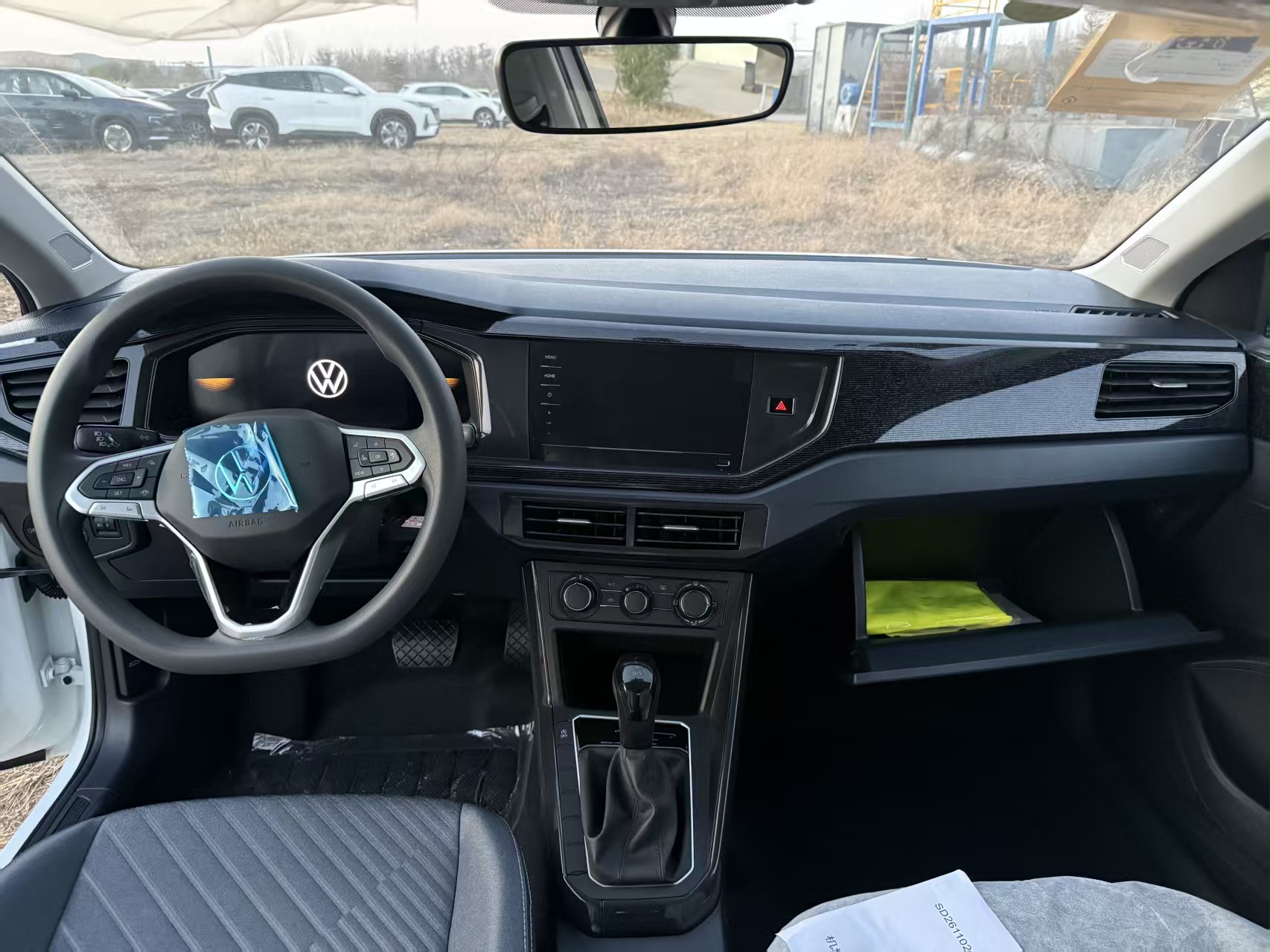
TransmissionManumatic
Engine1.5L 110 L4
ColorWhite
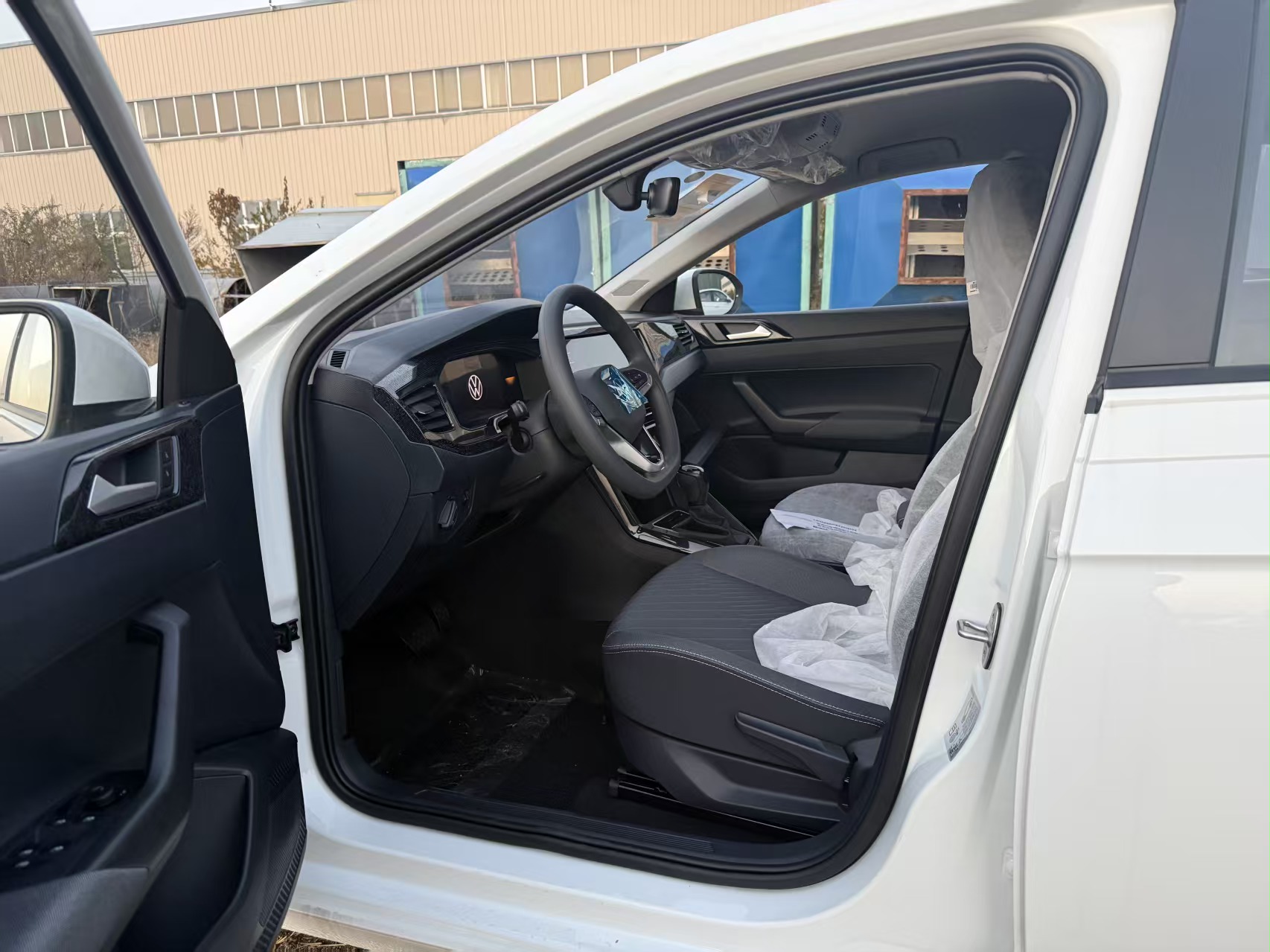
Seats5seats

Condition Description

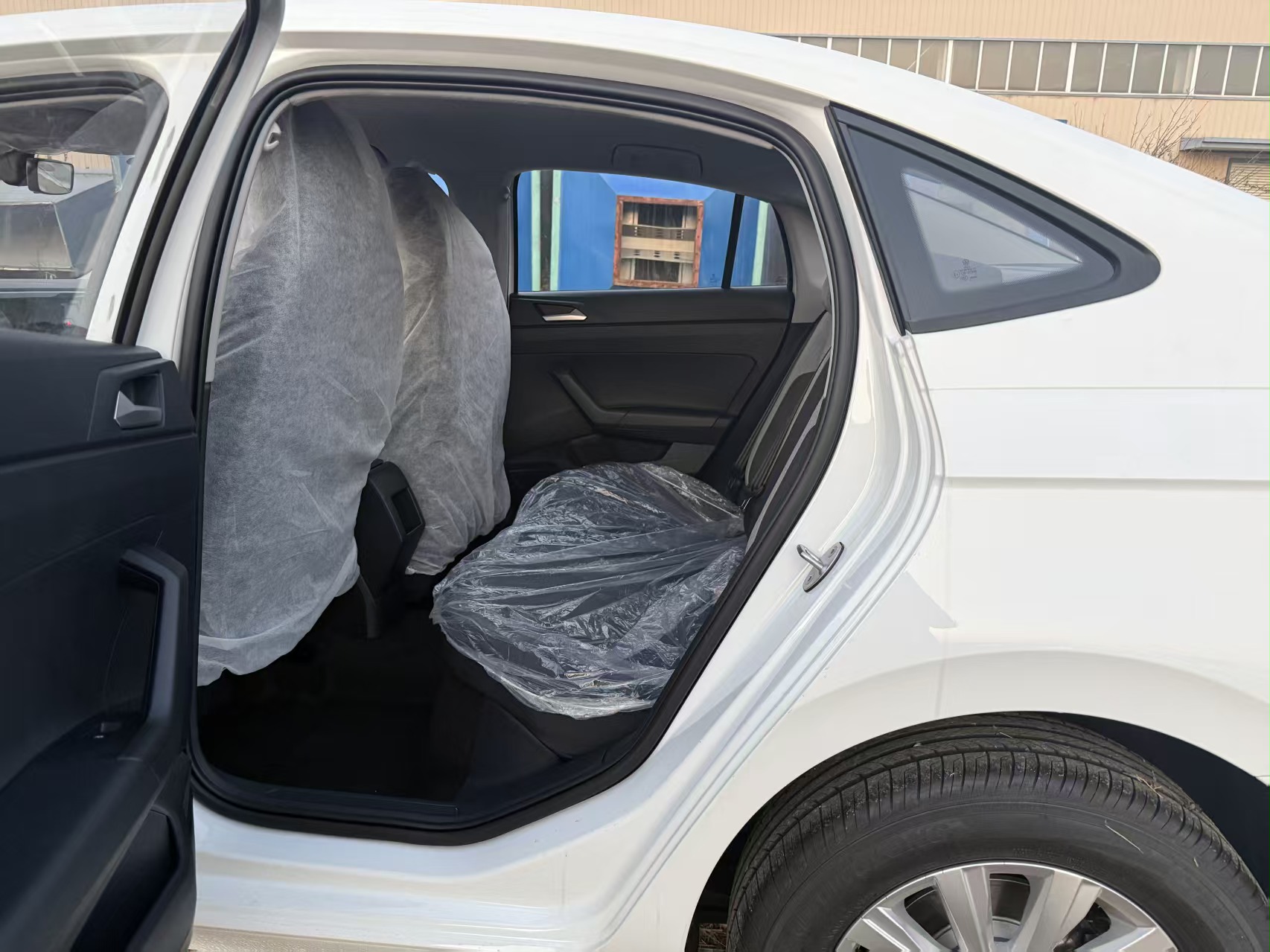
Original condition, all original paint.

Document Information

Inspection Expiry Date-
Warranty Expiry Date-
Insurance Expiry Date2027/10

Q&A

More

Can you check the previous history of the vehicle's use (whether it was for personal transport or company use)?

The registration certificate will show whether the previous owner was an individual (registered with ID) or a company (registered with a business license). Vehicles under a company may be driven by multiple people, so we will focus on checking the uniformity of interior wear and the condition of the chassis.


What maintenance schedule should I follow for a used Chinese car during its first year after import?

Treat the first year as a baseline period. Do a full fluid service immediately after registration: engine oil and filter, coolant, brake fluid, and transmission fluid, since you don't know when they were last changed in China. First 1,000 km: check for loose trim, retorque wheel nuts, and listen for new noises as the car adapts to local fuel and roads. At 5,000-10,000 km: inspect brake pads and rotors, rotate tires, and scan the ECU for stored fault codes even if no warning light shows. Annually or every 15,000 km: replace the cabin and engine air filters, check the battery health (especially for hybrids and EVs), and verify that software updates from the Chinese brand's international channel apply to your car. Keep a simple log with dates and receipts. It protects any warranty claim and makes the car far easier to sell later.

What if the used car I imported from China turns out to be a bad deal—can I return it or get a refund?

In practice, returning an imported car is extremely difficult, so your protection must be built in before payment, not after. Once a used car has been exported, reversing the transaction involves re-export paperwork, duties, and freight costs that typically exceed any refund you'd recover. Most exporters' contracts treat the sale as final once the bill of lading is issued. What you can realistically do: 1. If the car differs materially from the contract (wrong VIN, undisclosed accident, tampered odometer), you have grounds for a claim. Document everything and negotiate a partial refund or repair credit—full refunds are rare. 2. If the seller committed outright fraud, you can pursue legal action in China or report to the platform, but cross-border enforcement is slow and costly. 3. Some exporters offer a short arrival warranty (usually 30-90 days) covering major mechanical failures. Claims require immediate notification, third-party inspection reports, and proof the damage existed at shipment. The practical takeaway: never rely on the possibility of a return. Spend the money on a thorough pre-shipment inspection and clear contract terms instead—it's far cheaper than a dispute.