



Basic Information

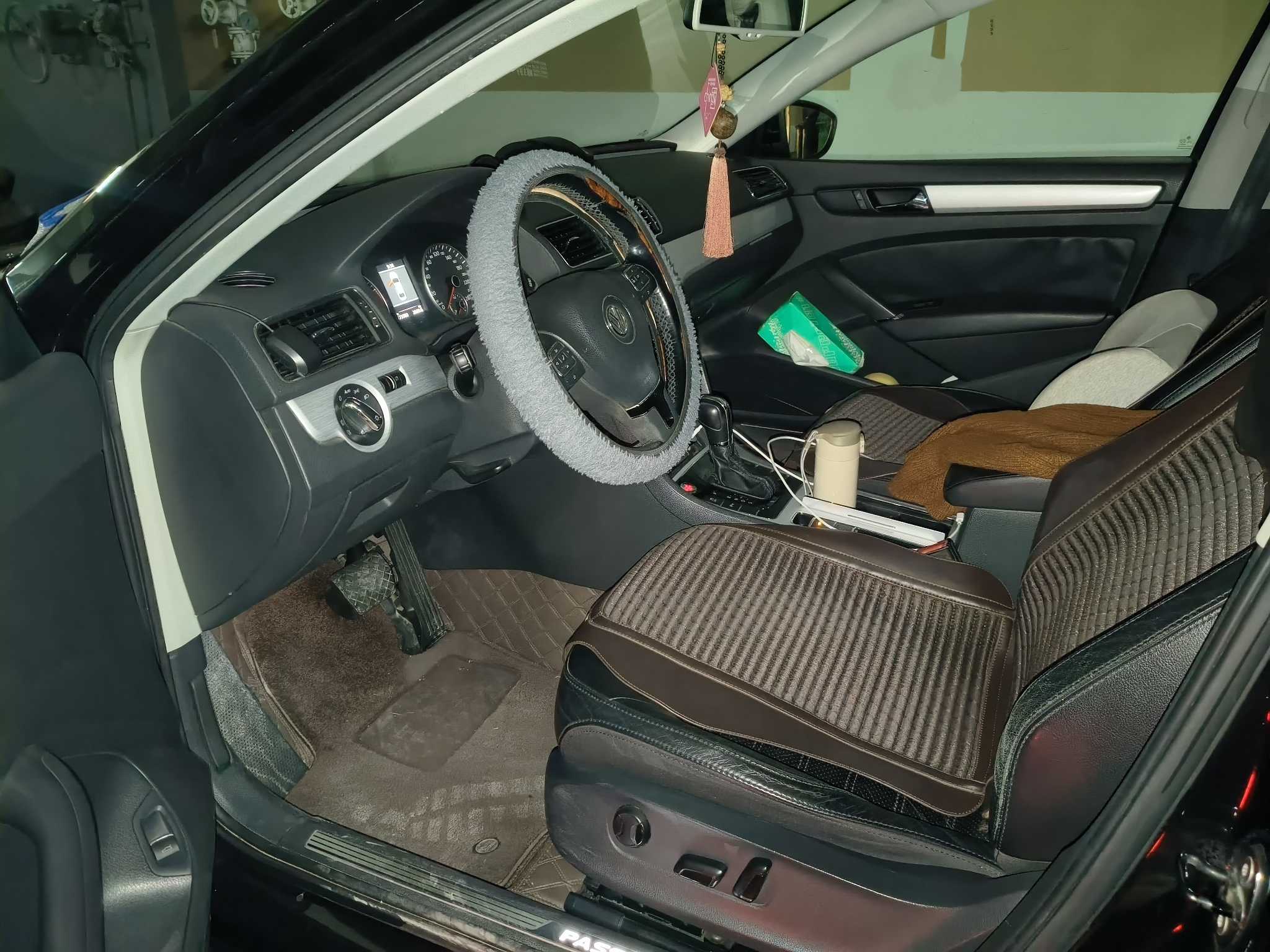
BrandVolkswagen
SeriesPassat
Year2014
First Registration2014/04
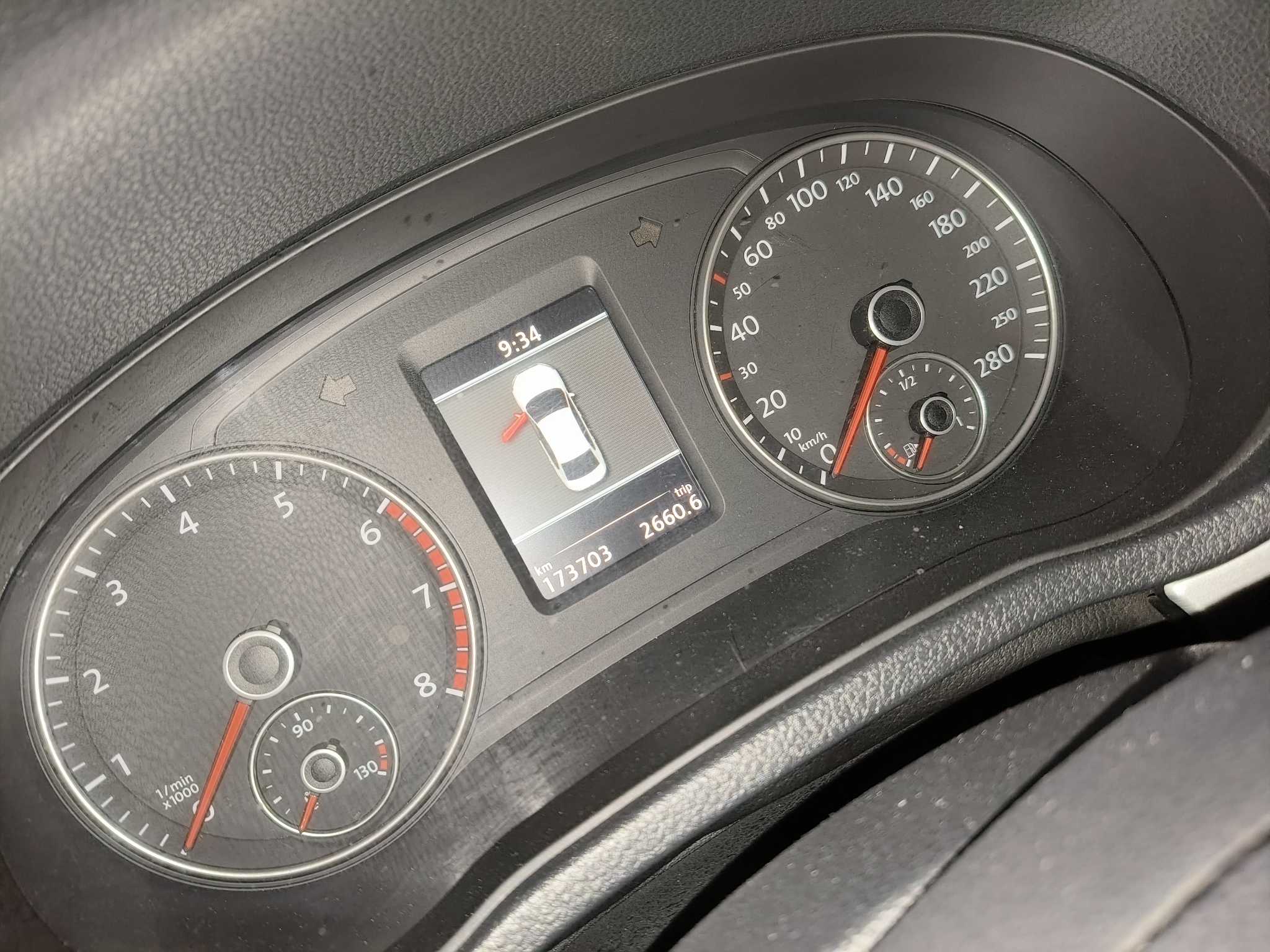
Mileage17.5km
Transfer Count1times
FuelGasoline
TransmissionDCT
Engine1.8T 160 L4
ColorBlack
Seats-

Condition Description

Left front door paint touch-up Left rear door paint touch-up Left rear leaf bodywork Left lower side beam bodywork Rear hood paint touch-up Right rear leaf bodywork Right rear door bodywork Right front door paint touch-up Right front leaf paint touch-up

Configuration Highlights

✓Driver/Passenger Airbags
✓Front/Rear Side Airbags
✓Front/Rear Curtain Airbags
✓Tire Pressure Monitoring
✓ISOFIX Child Seat Anchors
✓Keyless Start System
✓Keyless Entry System
✓ABS Anti-lock Braking
✓Electronic Brake Distribution
✓Electronic Stability Control
✓Hill Start Assist
✓Auto Hold
✓Multifunction Steering Wheel
✓Front Parking Sensors
✓Seat Material
✓Driver/Passenger Power Seats
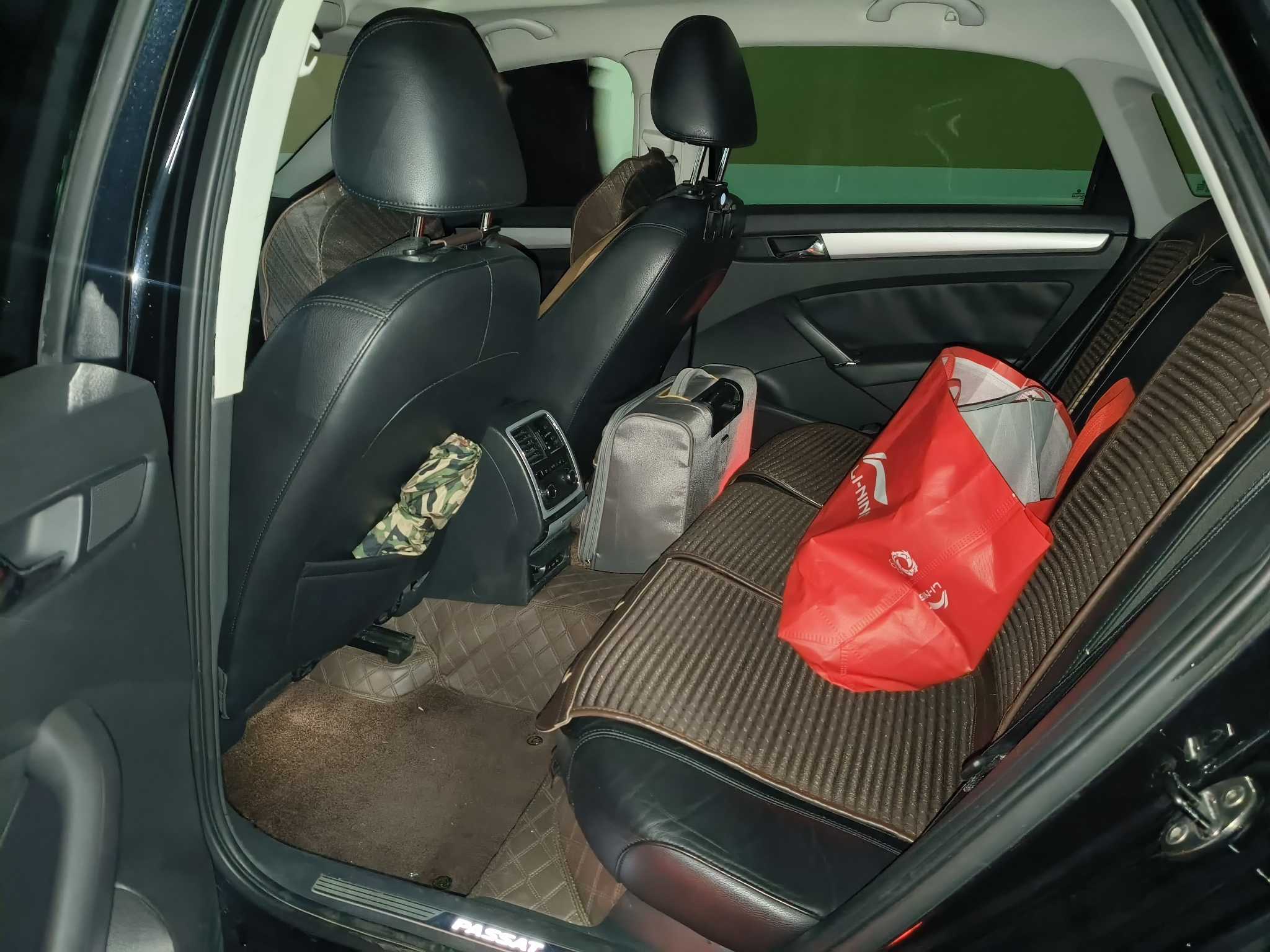
✓Rear Cupholders
✓Low Beam Headlights
✓Daytime Running Lights
✓Auto Headlights
✓Adjustable Headlight Height
✓Headlight Washer
✓Power Windows
✓Anti-pinch Windows
✓UV/Heat Insulating Glass
✓Climate Control Type
✓Rear Independent Climate Control
✓Rear Air Vents

Q&A

More

If the technical report contains highly specialized automotive mechanical terms, are there easy-to-understand English explanations?

Our foreign versions of the report standardize terminology and include illustrations. For example, instead of just writing "control arm failure," we specify "Lower Control Arm Bushing Torn" to help your local technicians identify the issue directly.

When B2B buyers make bulk purchases, can they request to combine the accessory costs and vehicle price on the same commercial invoice to reduce overall tariffs?

No, this is a serious customs violation. Complete vehicles (HS Code 8703) and auto parts (HS Code 8708, etc.) are subject to completely different import tax rates. Combining them on one invoice could lead to the invoice being returned by customs and may expose you to tax fraud accusations at the destination port.

Why is there a time difference between the production date on the vehicle nameplate and the first registration date on the registration certificate?

The nameplate date is the absolute time when the vehicle leaves the factory; the registration date is when the vehicle is registered with the traffic management department after sale. The difference represents the time the vehicle spent in the dealer's warehouse or logistics. If the time difference exceeds 6-8 months, the vehicle is considered a "stock vehicle," and we pay special attention to the natural aging of its rubber components.