


Basic Information

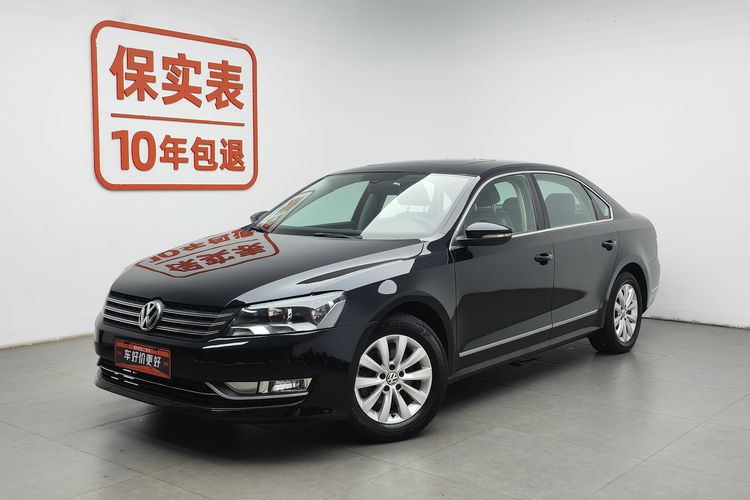
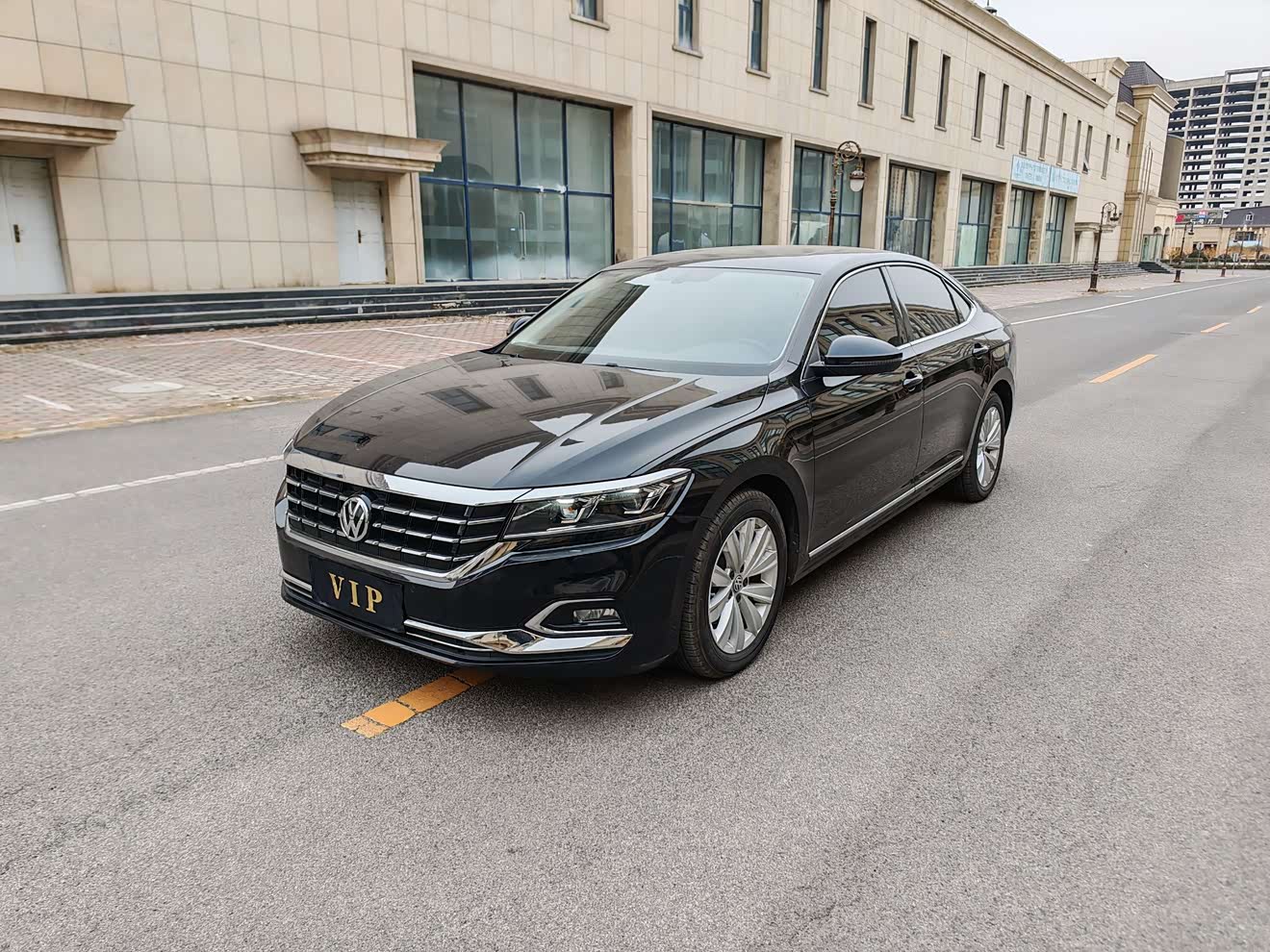
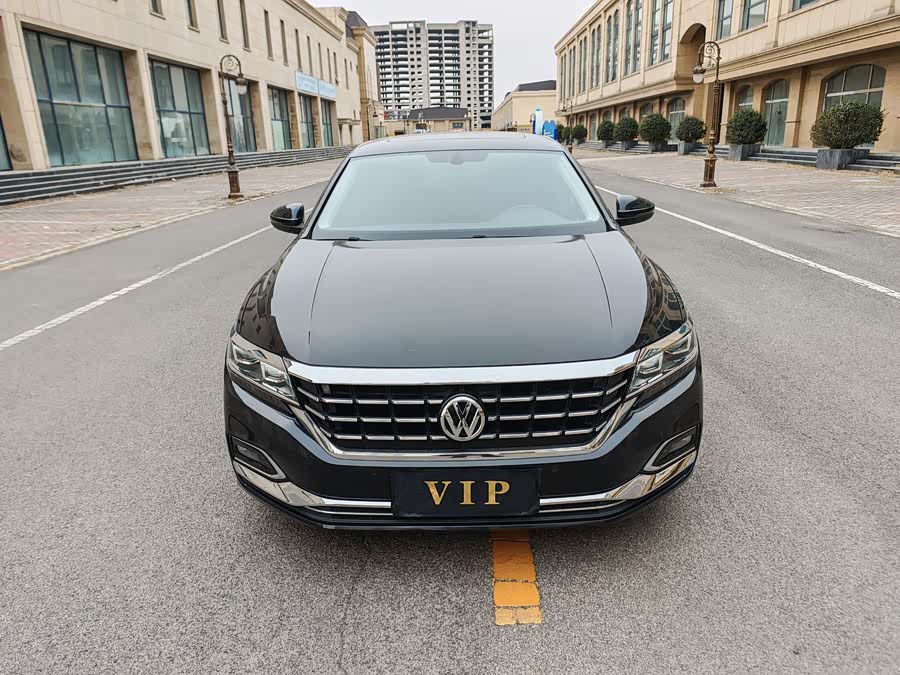
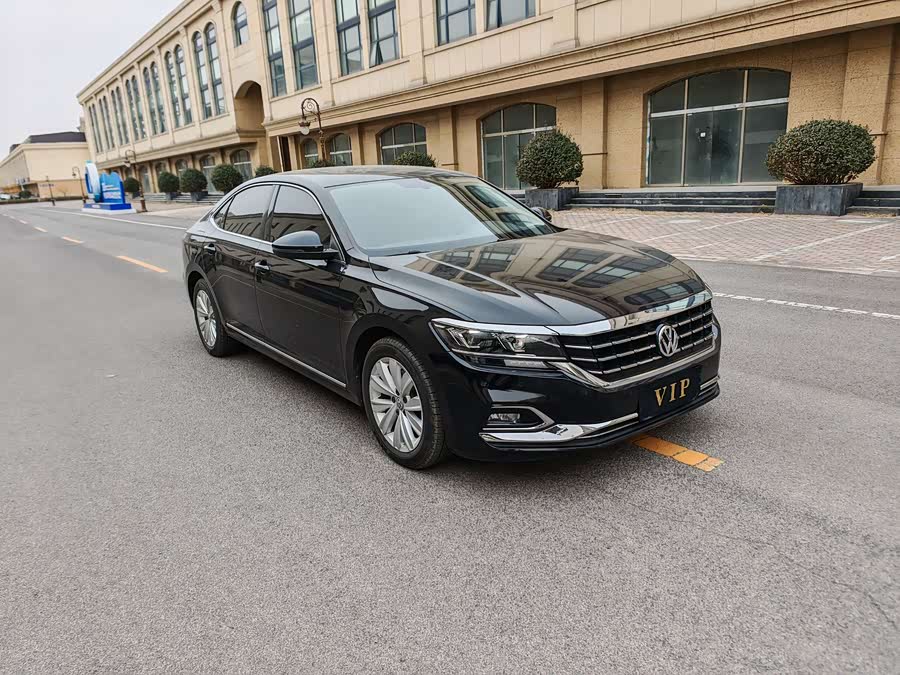
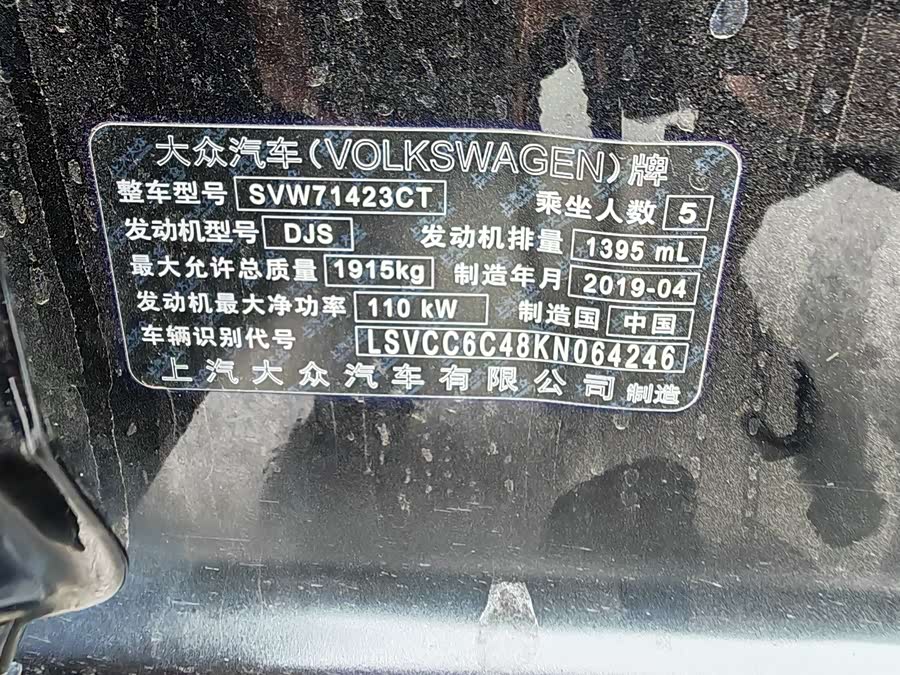
BrandVolkswagen
SeriesPassat
Year2020
First Registration2020/01
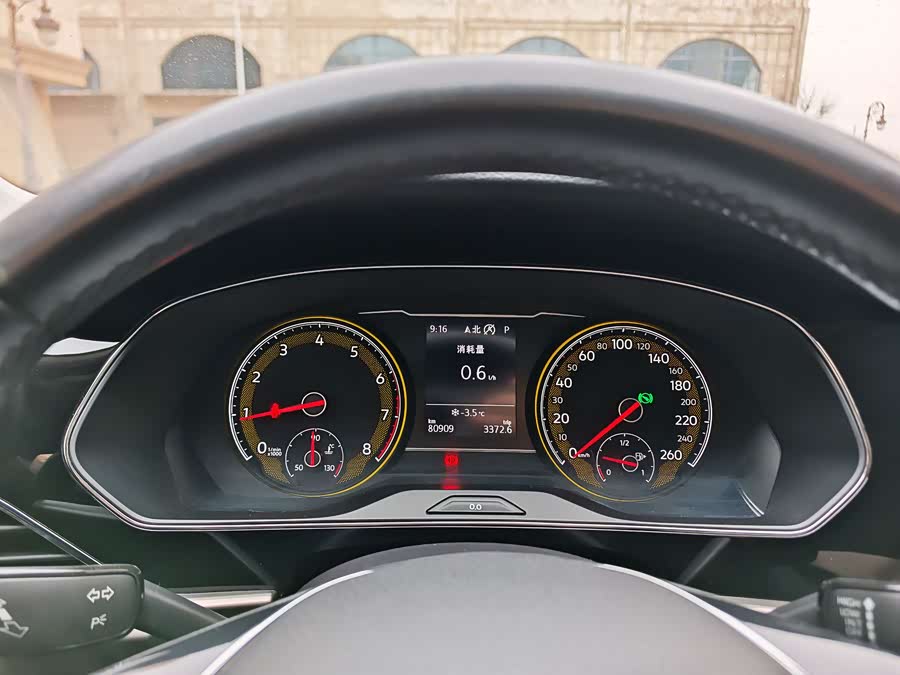
Mileage80,900km
Transfer Count3times
FuelGasoline
TransmissionDCT
Engine1.4T 150 L4
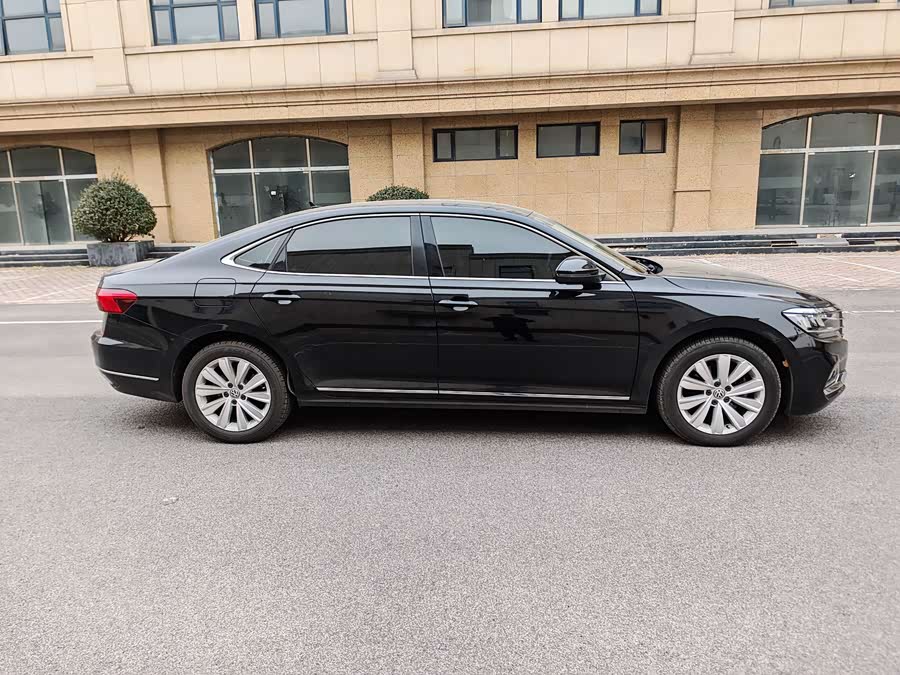
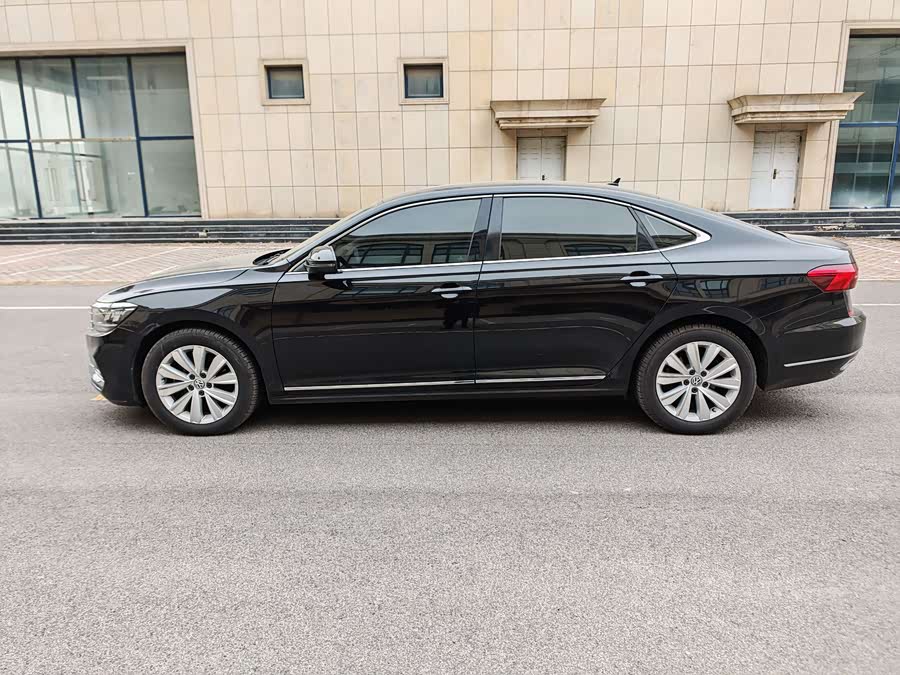
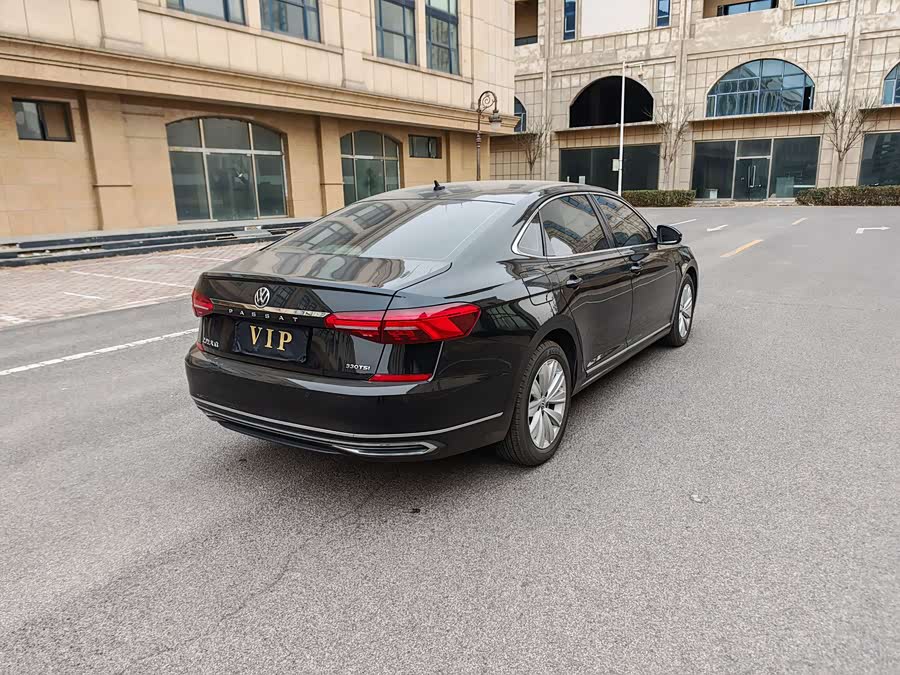
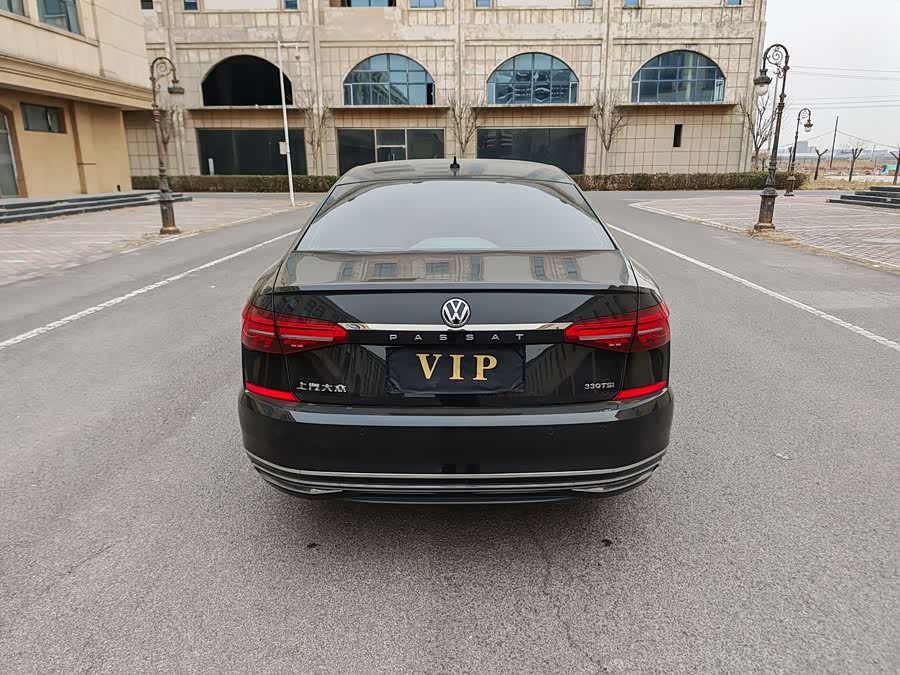
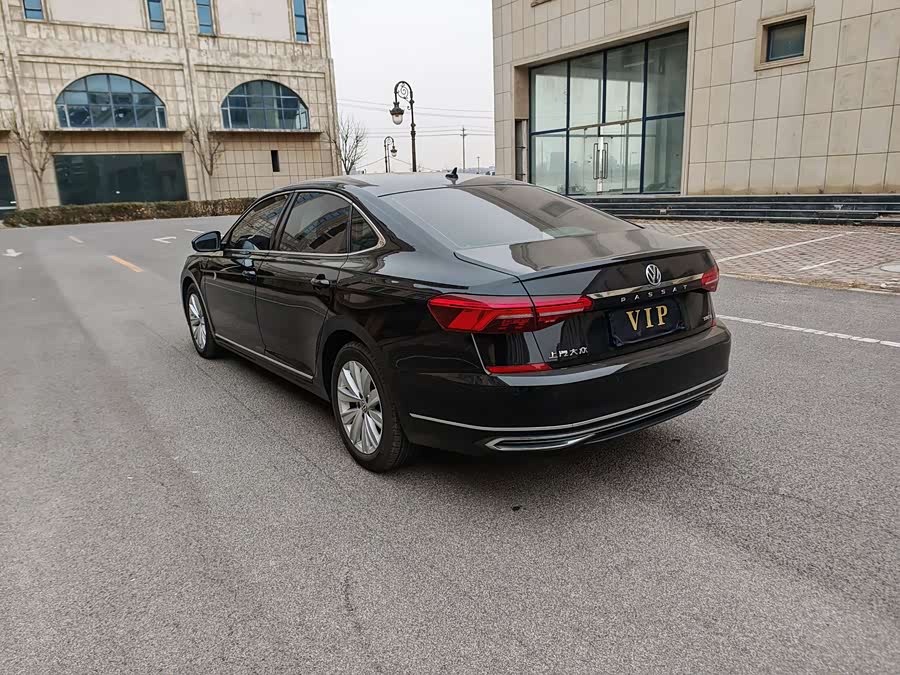
ColorBlack
Seats-

Condition Description

very good

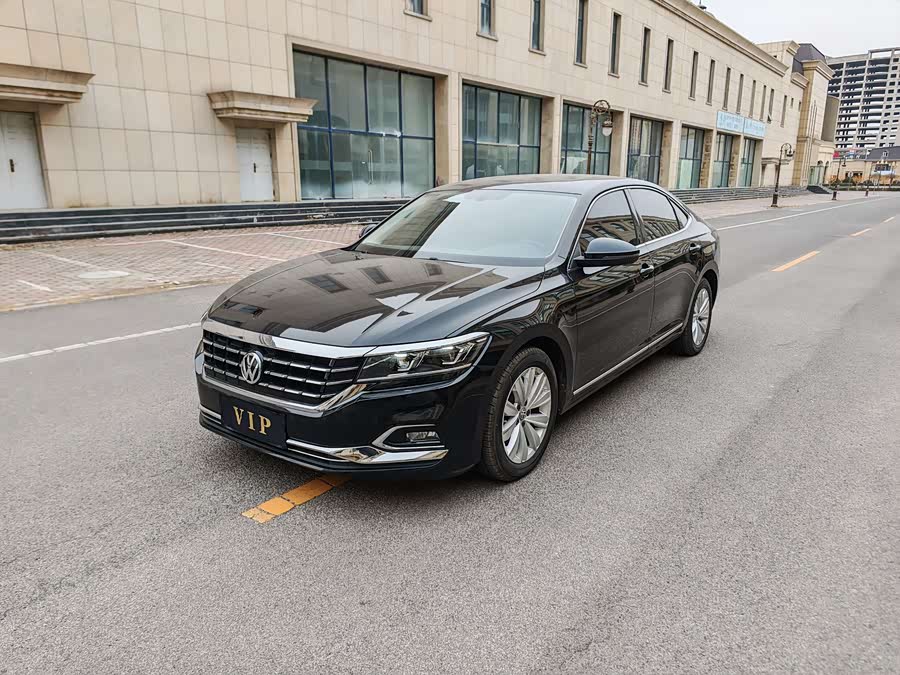
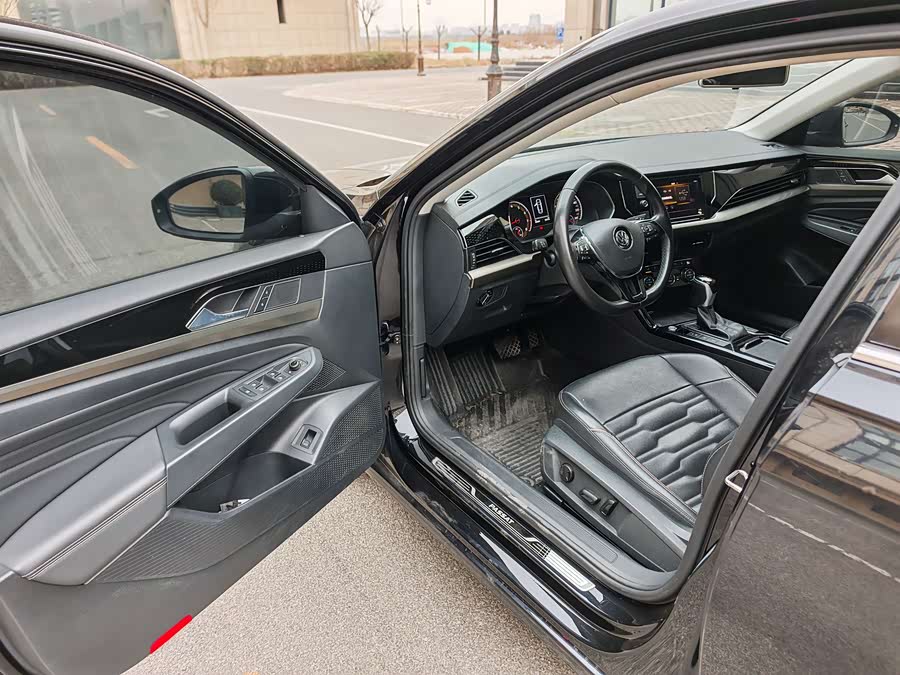
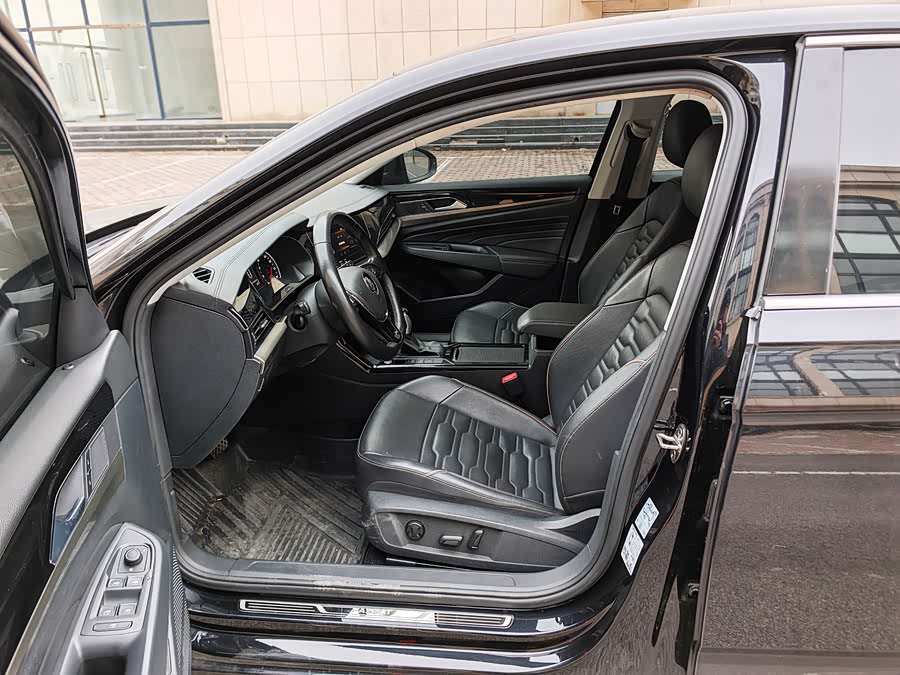
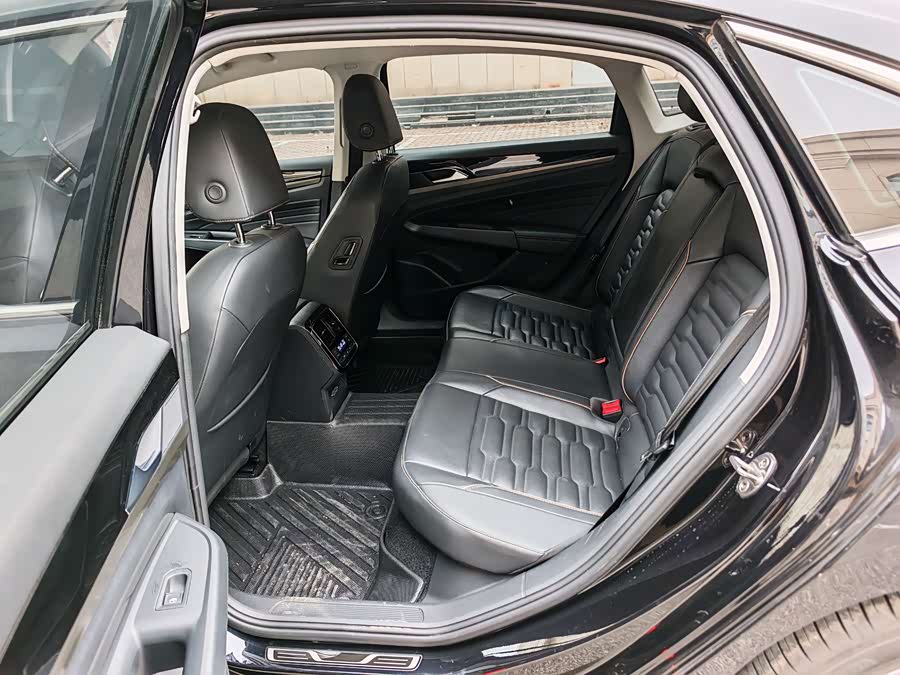
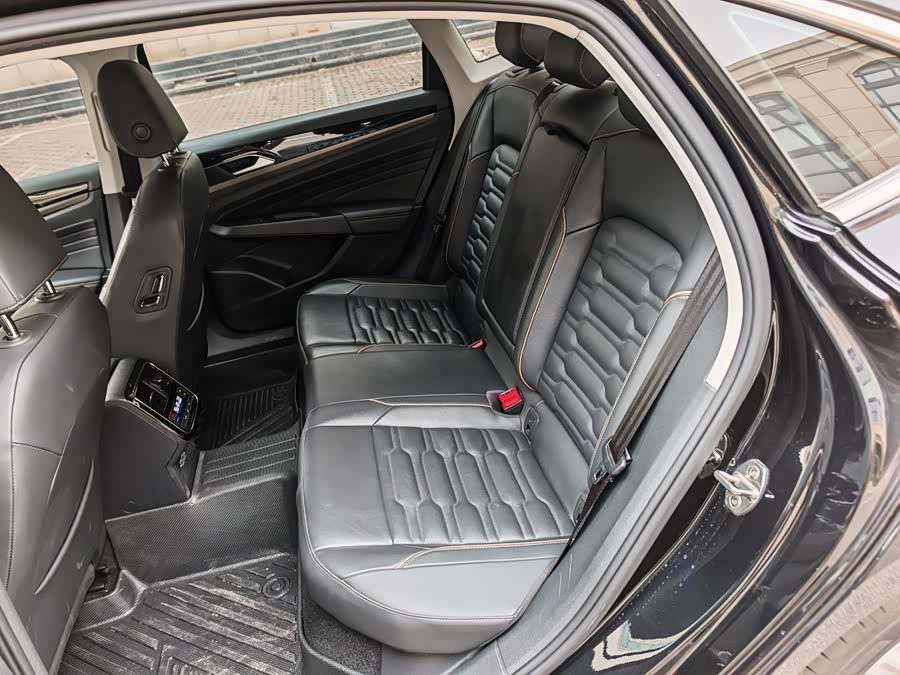
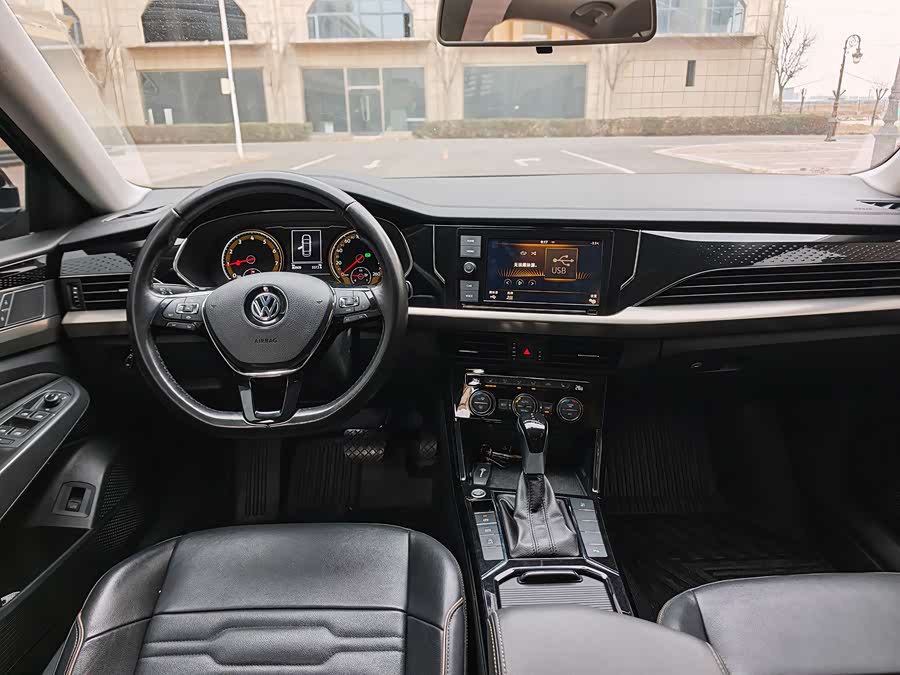
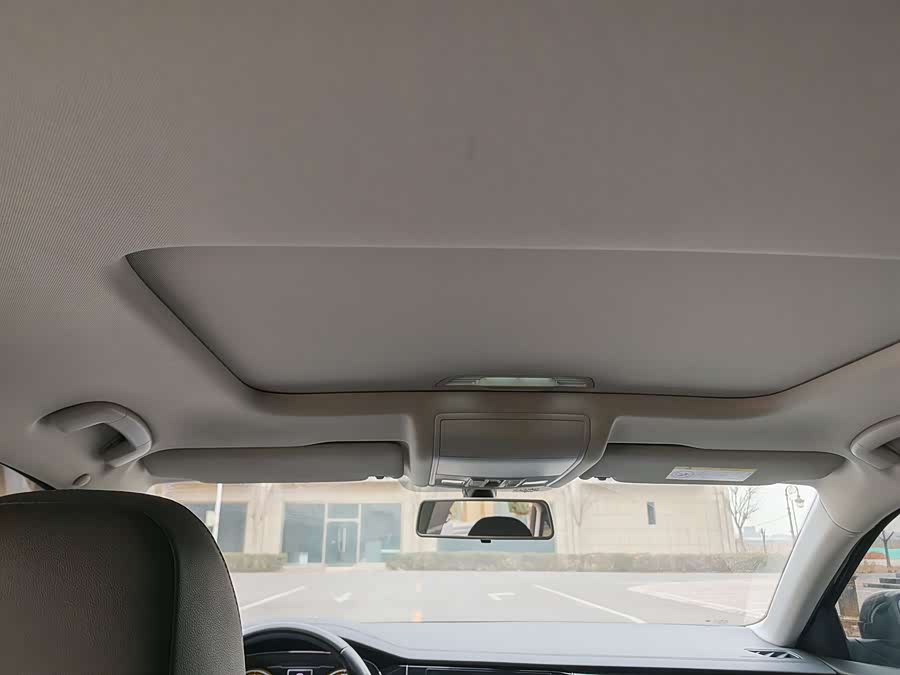
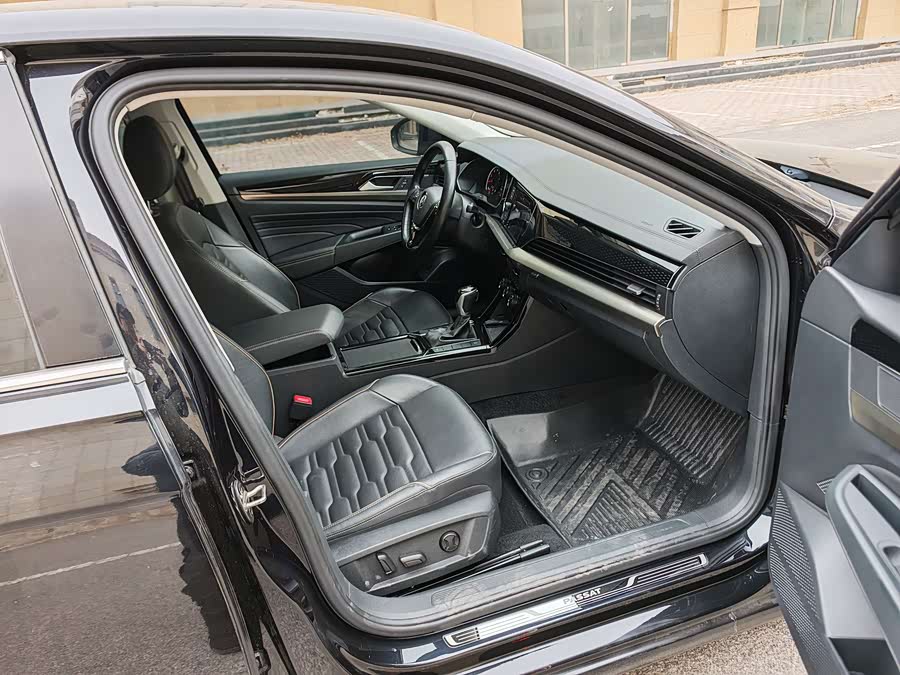
Exterior: Paintwork is well-maintained; body structure shows no signs of repair; no major accidents. Interior: Clean and tidy. Safety indicator lights are normal; airbags and other passive safety features are functioning correctly; vehicle electronics are in good working order; static and dynamic equipment is complete. Driving: Ignition, starting, acceleration, cornering, deceleration, and braking are all smooth; acceleration is rapid, power output is smooth and comfortable, and there is no idling vibration. Overall: Overall vehicle condition is average. The body frame structure shows no deformation or twisting, and there are no signs of fire or water damage. There are signs of repainting, but the overall paintwork is good, ruling out major accidents. Wide field of vision, suitable for beginners; spacious, bright, and well-ventilated interior, suitable for family commuting.

Configuration Highlights

✓ISOFIX Child Seat Anchors
✓Backup Camera
✓Auto Hold
✓Cruise Control
✓Keyless Start System
✓Keyless Entry System
✓Bluetooth/Hands-free
✓Smartphone Integration
✓Cornering Lights
✓Ambient Lighting
✓UV Protection Glass
✓PM2.5 Air Filter
✓Air Purifier
✓Rear Independent Climate Control
✓Rear Air Vents

Accident & Maintenance Records

Accident Record

🔗 Open Link

Maintenance Record

🔗 Open Link

Document Information

Inspection Expiry Date2026/01
Warranty Expiry Date-
Insurance Expiry Date2026/01

Q&A

More

What insurance should I arrange when shipping a used car from China, and what do Incoterms like FOB and CIF mean for me?

Two separate protections matter: cargo insurance and contractual risk transfer. Cargo insurance: for container or RoRo shipments, buy marine cargo insurance covering total loss and damage, typically 110% of the CIF value (average cost 0.3%–0.8%). Check exclusions — many policies exclude pre-existing damage, so a pre-shipment inspection report is essential to prove the car's condition at loading. Incoterms define who bears risk and cost at each stage: 1. FOB (Free On Board): exporter pays until the car is loaded on the vessel; risk passes to you at that point. You pay ocean freight and insurance. Common and usually cheapest if you have your own freight forwarder. 2. CIF (Cost, Insurance and Freight): exporter pays freight and minimum insurance to your port. Convenient but the insurance coverage is basic — consider topping it up. 3. EXW (Ex Works): you handle everything from the exporter's yard; only choose this if you have a trusted agent in China. Put the agreed Incoterm and port clearly in the contract, and never release final payment before the Bill of Lading is issued.


How can I verify the mileage and accident history of a used car from China?

Start with the paperwork: the vehicle registration certificate lists every ownership transfer, and the service book plus dealer maintenance records help confirm mileage. For digital verification, ask the seller for a live video walkaround plus a diagnostic scan report showing the ECU-recorded mileage, which is hard to manipulate. For EVs, request a battery state-of-health (SOH) report — it reveals real usage patterns far better than the odometer. Finally, a pre-shipment inspection by a third party should include structural checks (pillars, chassis rails) to rule out accident repairs. Build "no major accident, no flood or fire damage" into your purchase contract with a refund clause if the inspection contradicts it.

Do used cars exported from China come with English service manuals, and how do I source parts for repairs in my country?

Most Chinese brands provide owner manuals in Chinese only, but you can usually get an English version through three channels: ask the exporter (many keep PDF copies), download from the brand's overseas website, or use the car's built-in infotainment system which is often switchable to English. For parts, start with the VIN. Send it to the exporter and ask for the OEM part numbers you need — many parts are shared across models sold domestically and abroad. Common wear items (filters, brake pads, suspension components) are increasingly stocked by international parts platforms and can be shipped within days. For body panels and brand-specific electronics, ordering directly from China via the exporter is often the only option, so factor a 2–6 week wait into your planning. Practical tip: before buying, ask the exporter for a parts price list for the specific model. If they cannot supply one, that is a warning sign about after-sales support. Keep a small stock of common consumables in advance to avoid downtime.