




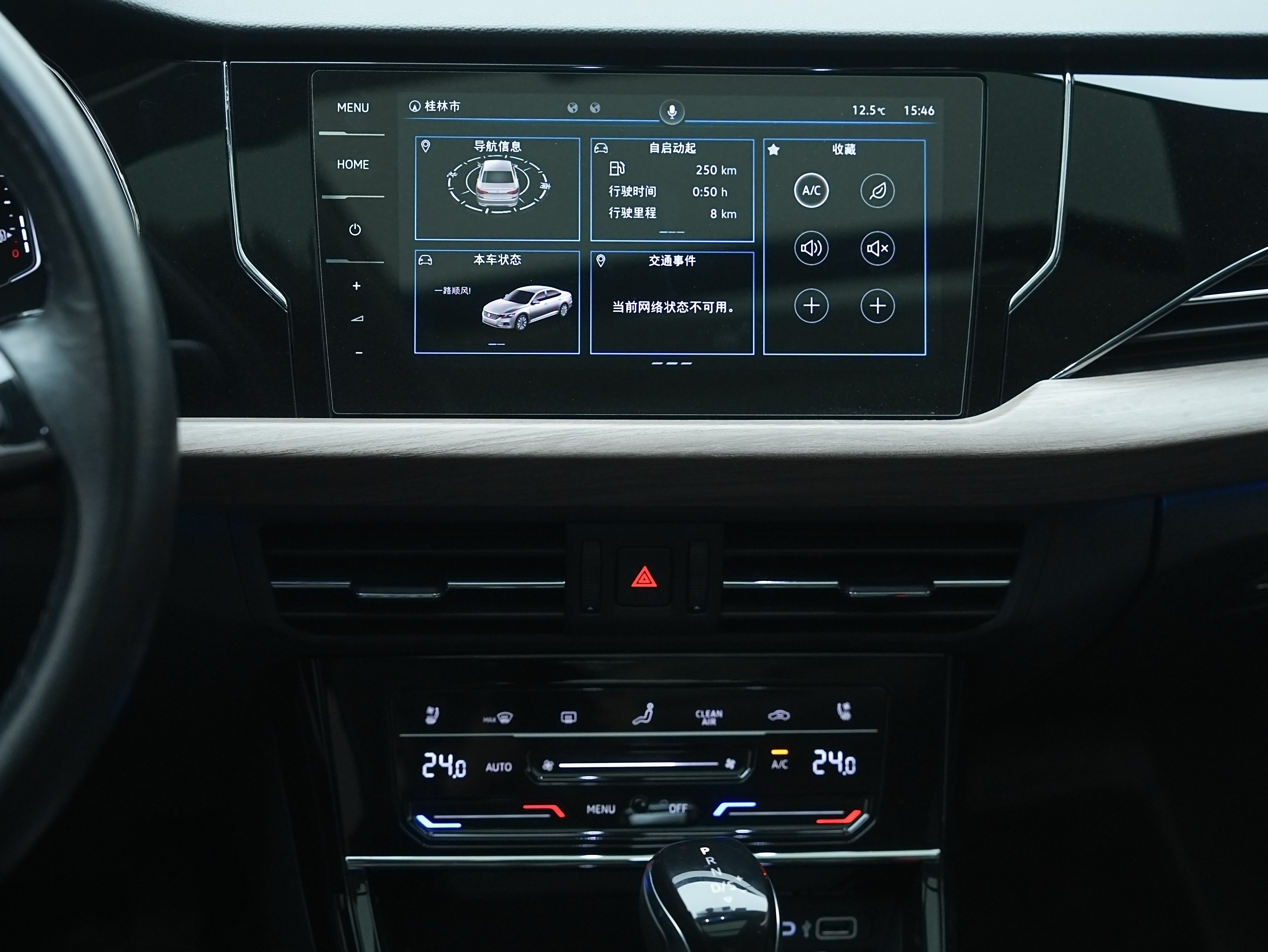
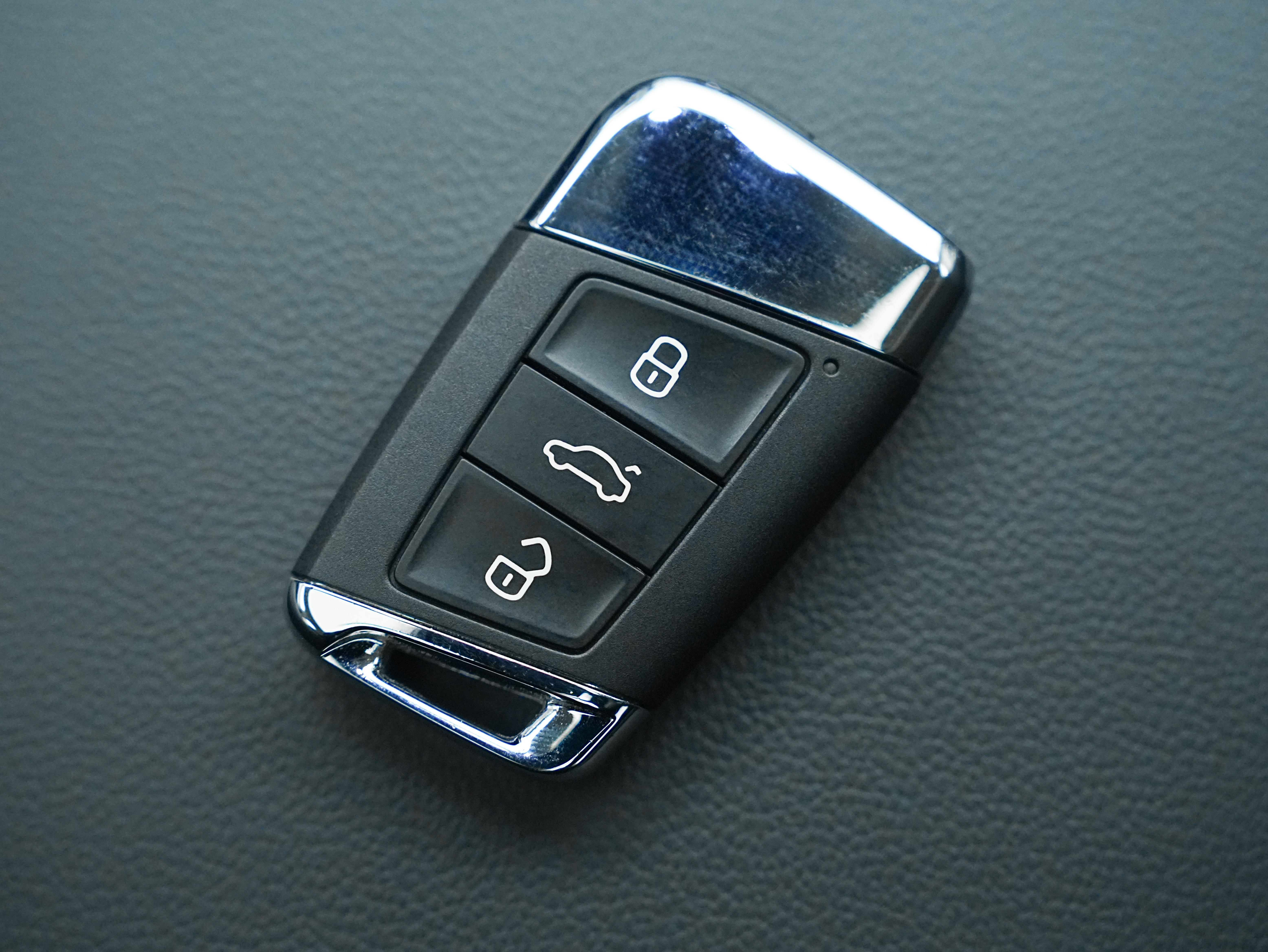
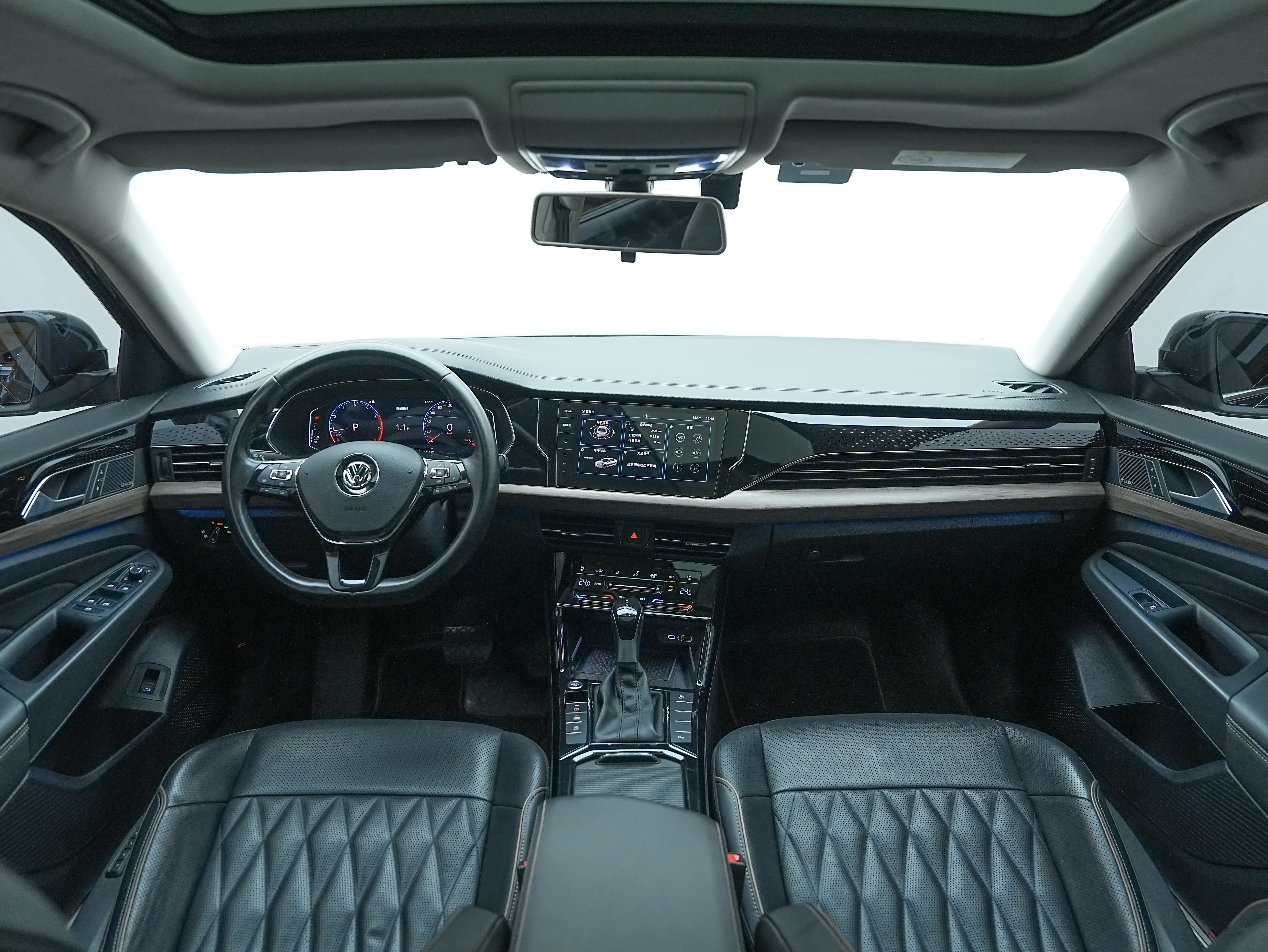
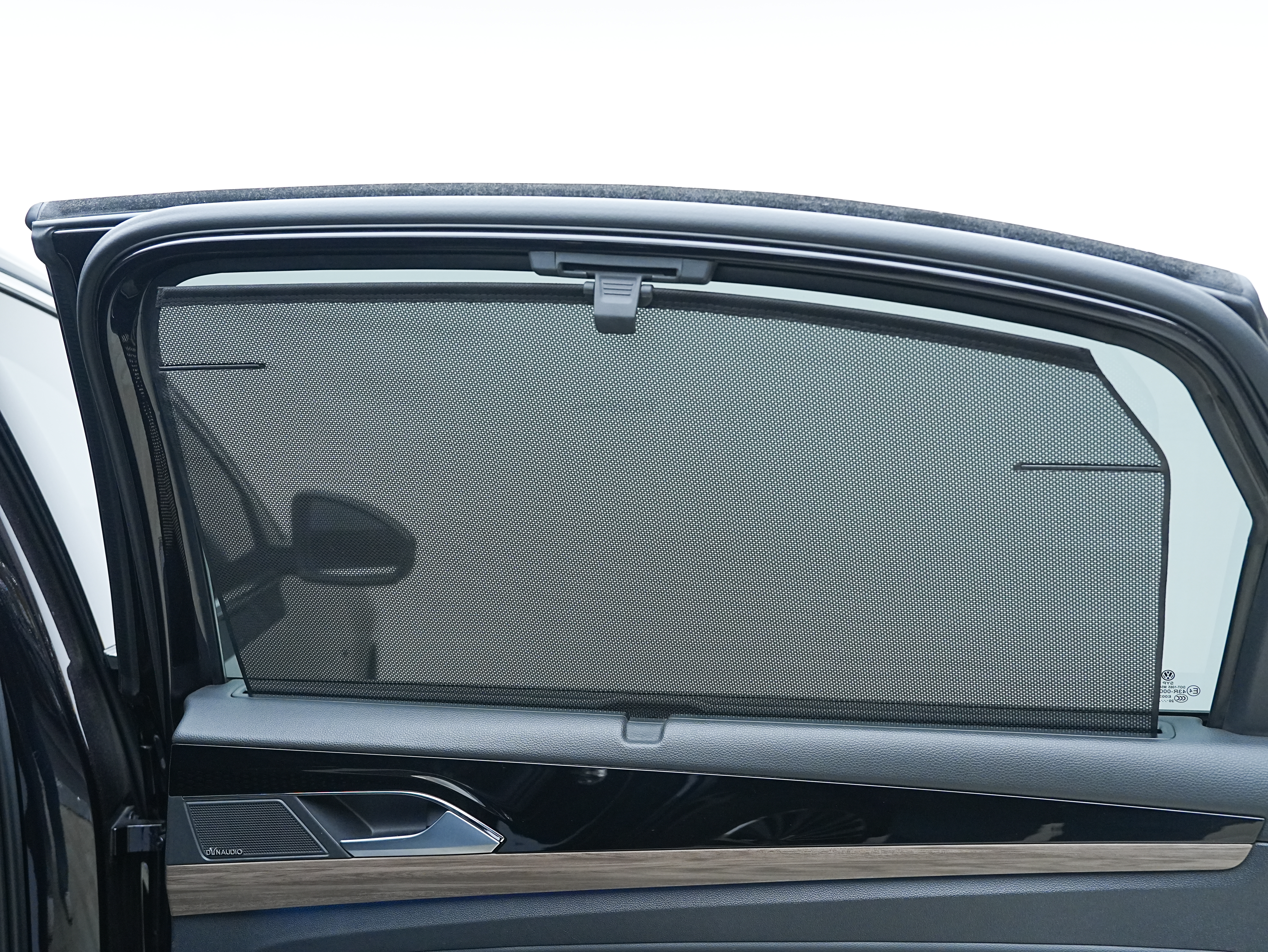
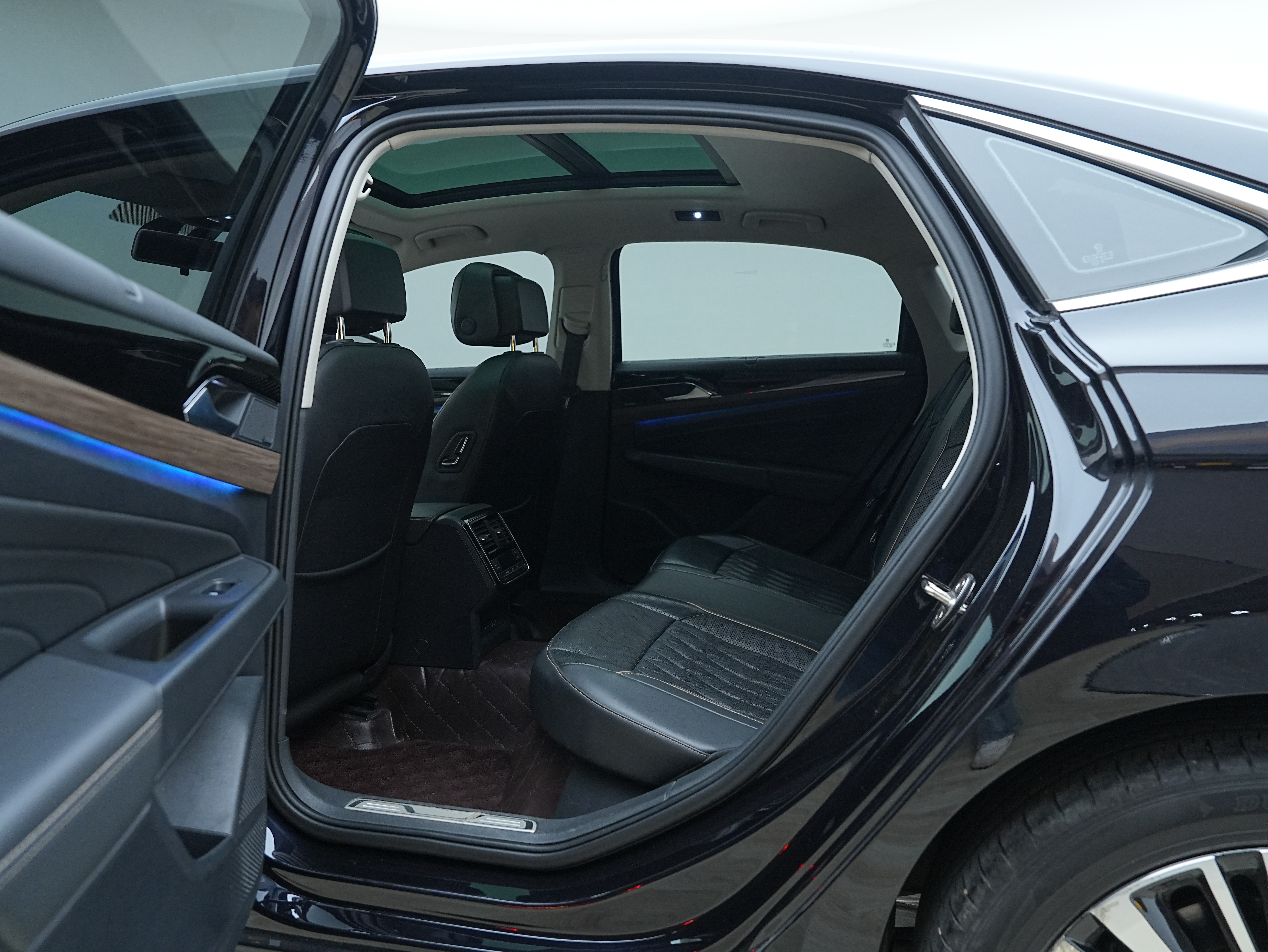
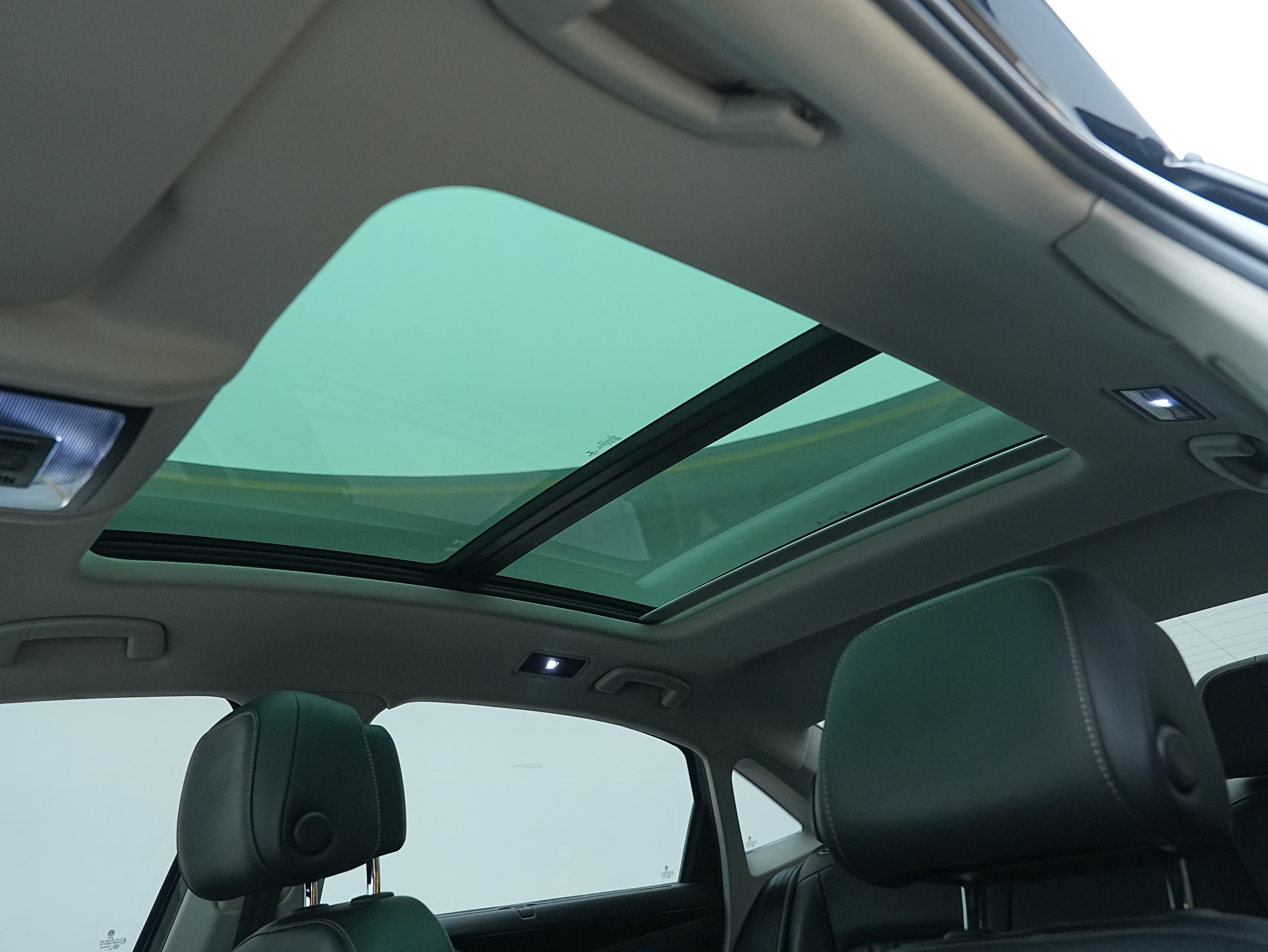
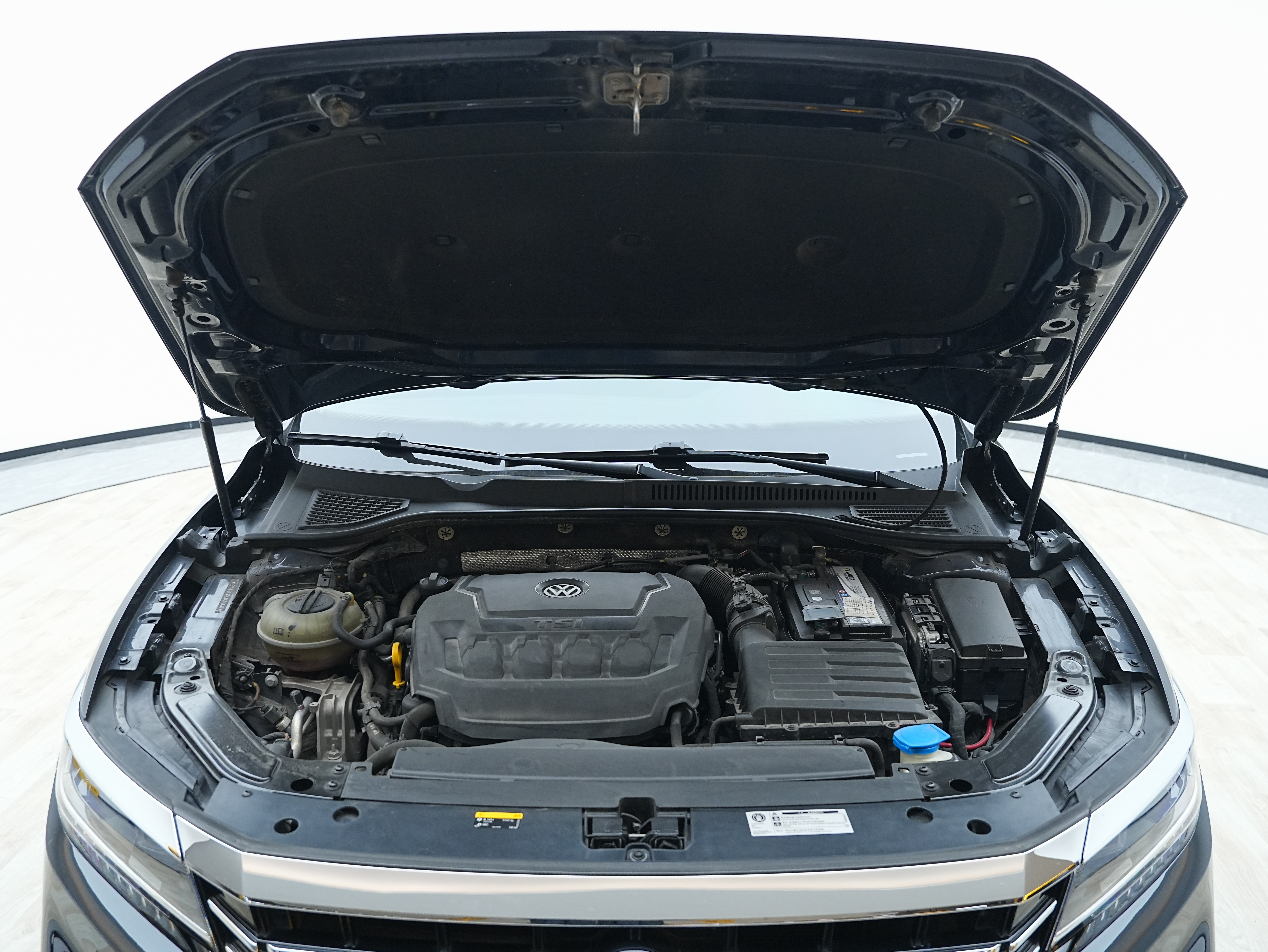



Basic Information

BrandVolkswagen
SeriesPassat
Year2020
First Registration2020/09
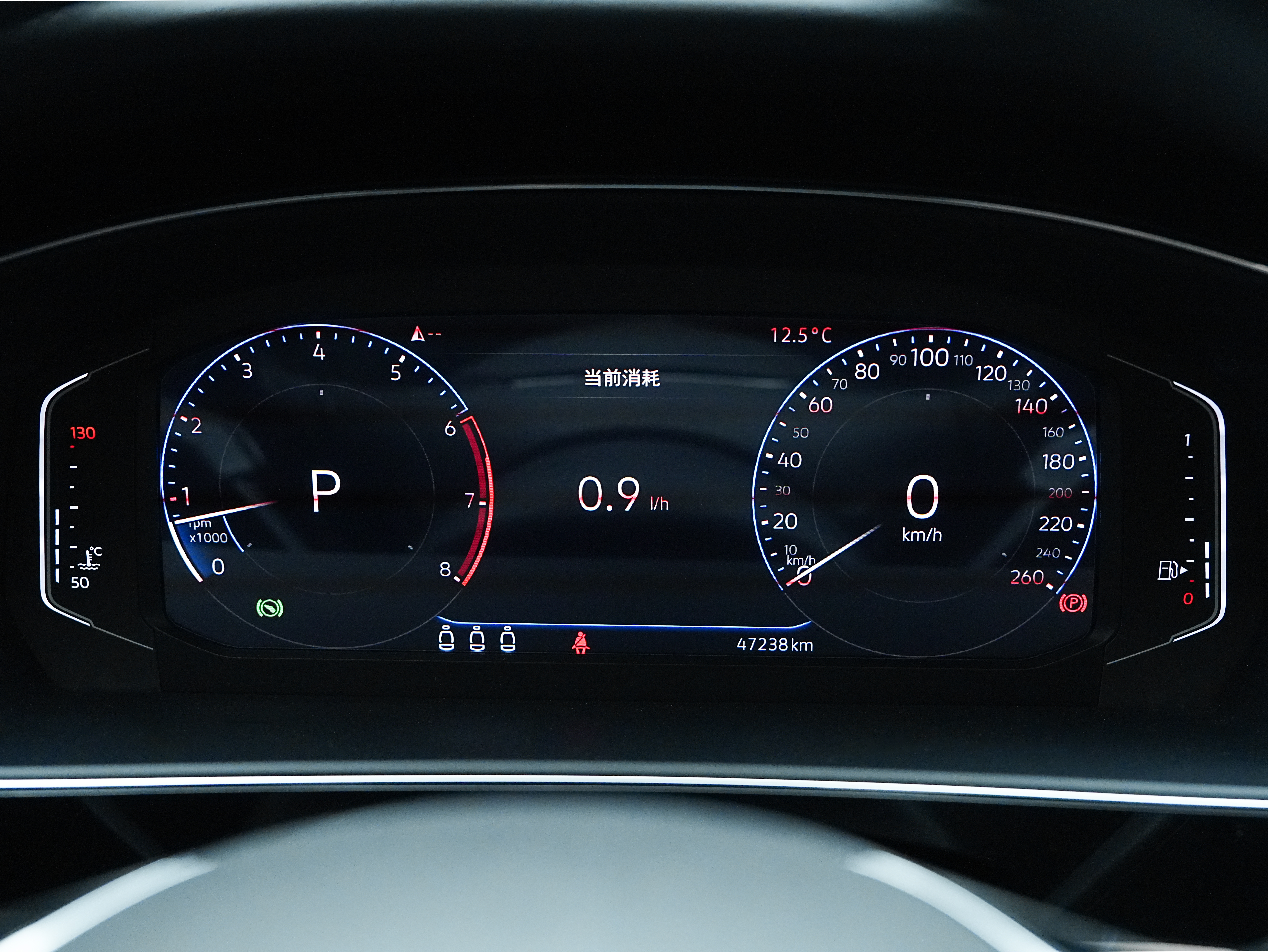
Mileage4.73km
Transfer Count-
FuelGasoline
TransmissionDCT
Engine2.0T 186 L4
ColorBlack
Seats-

Condition Description

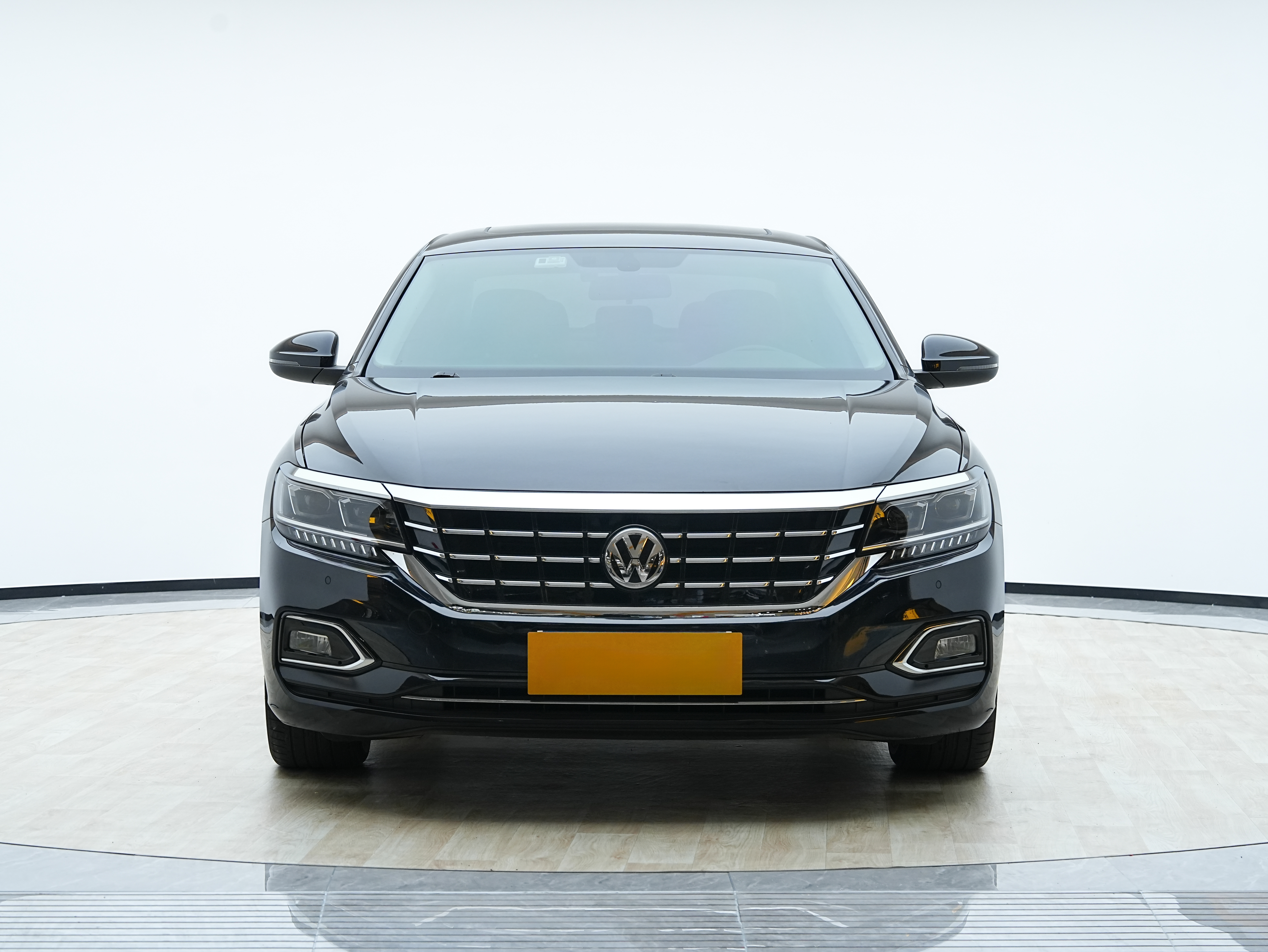
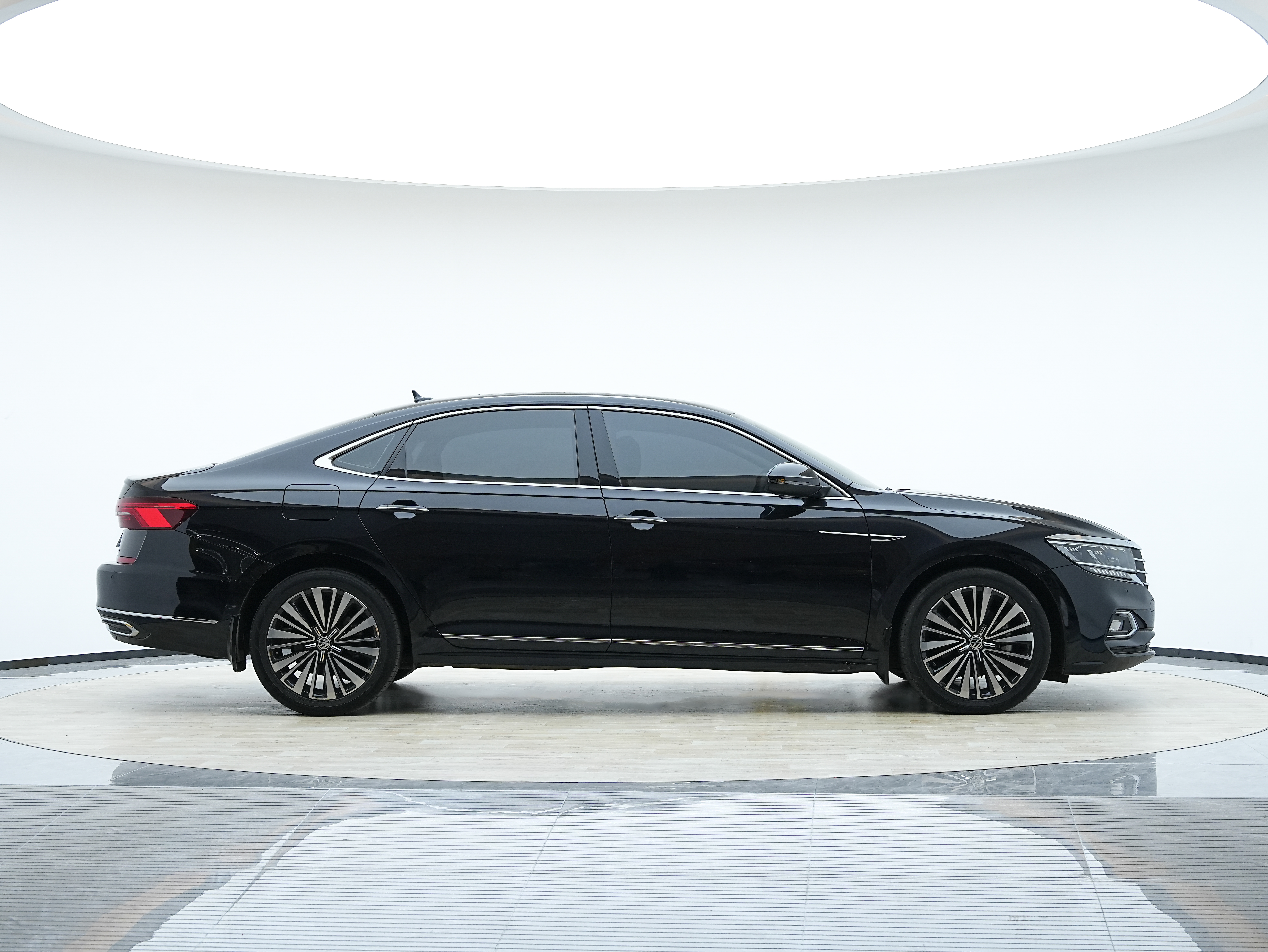
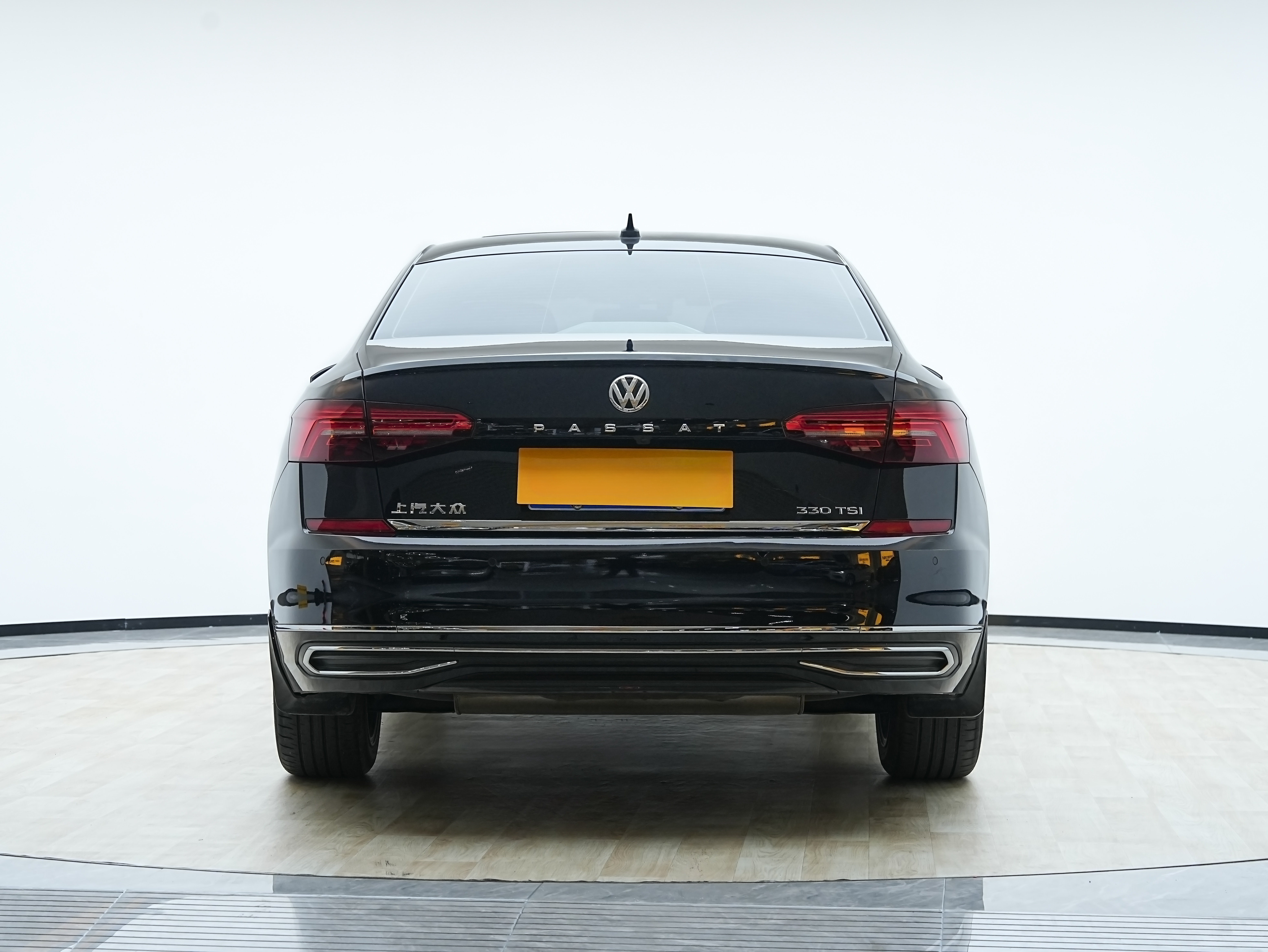
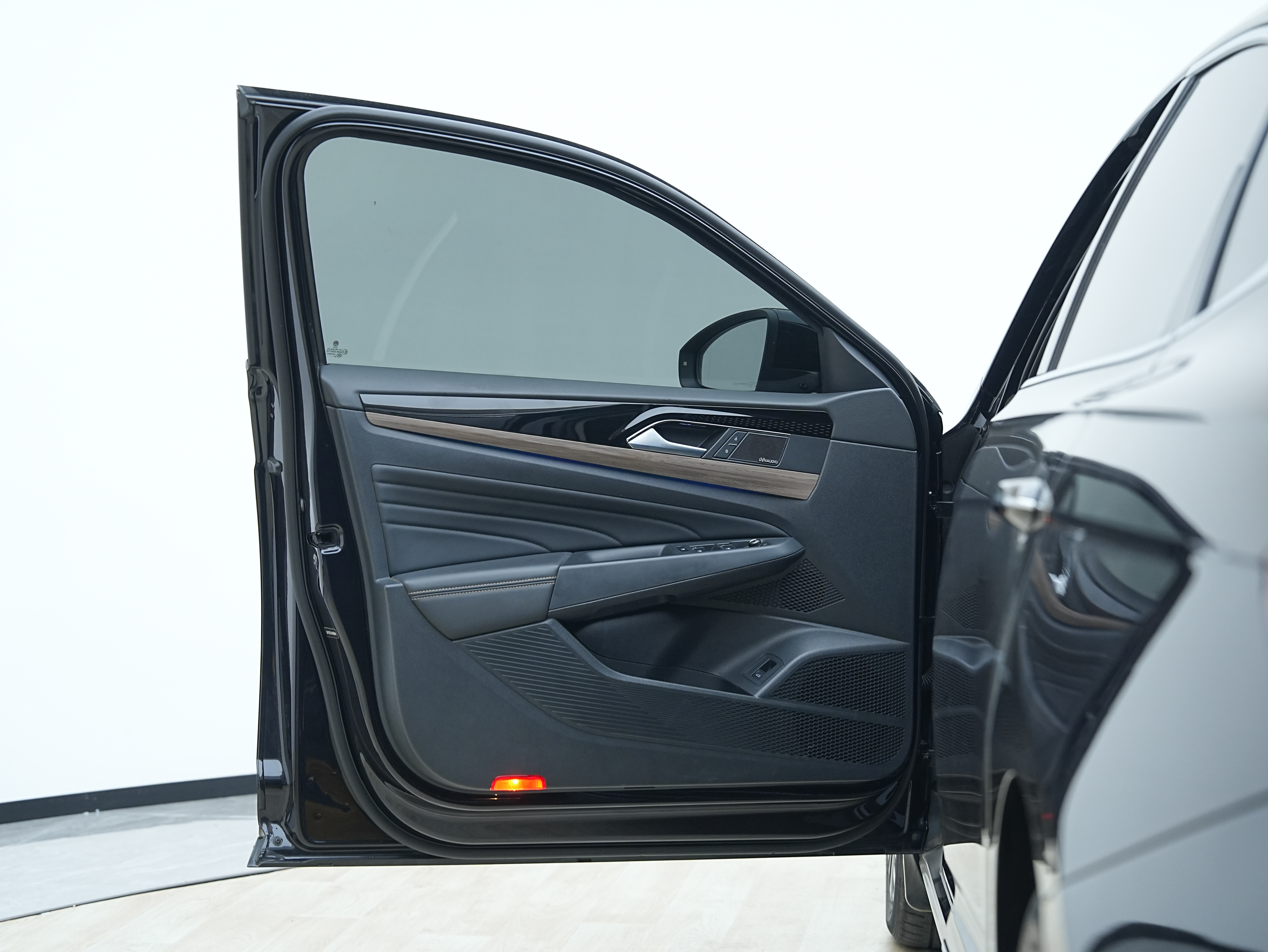
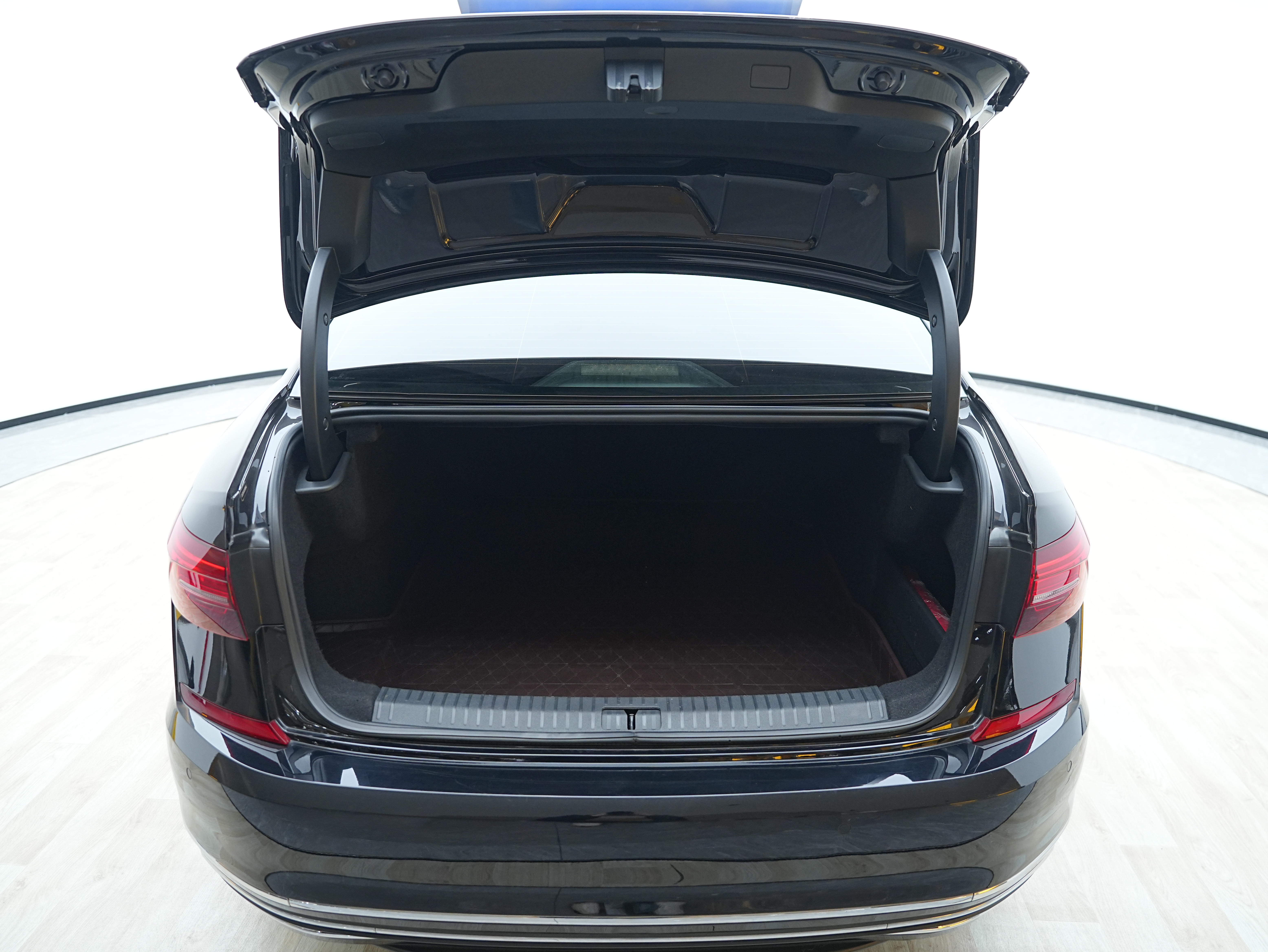
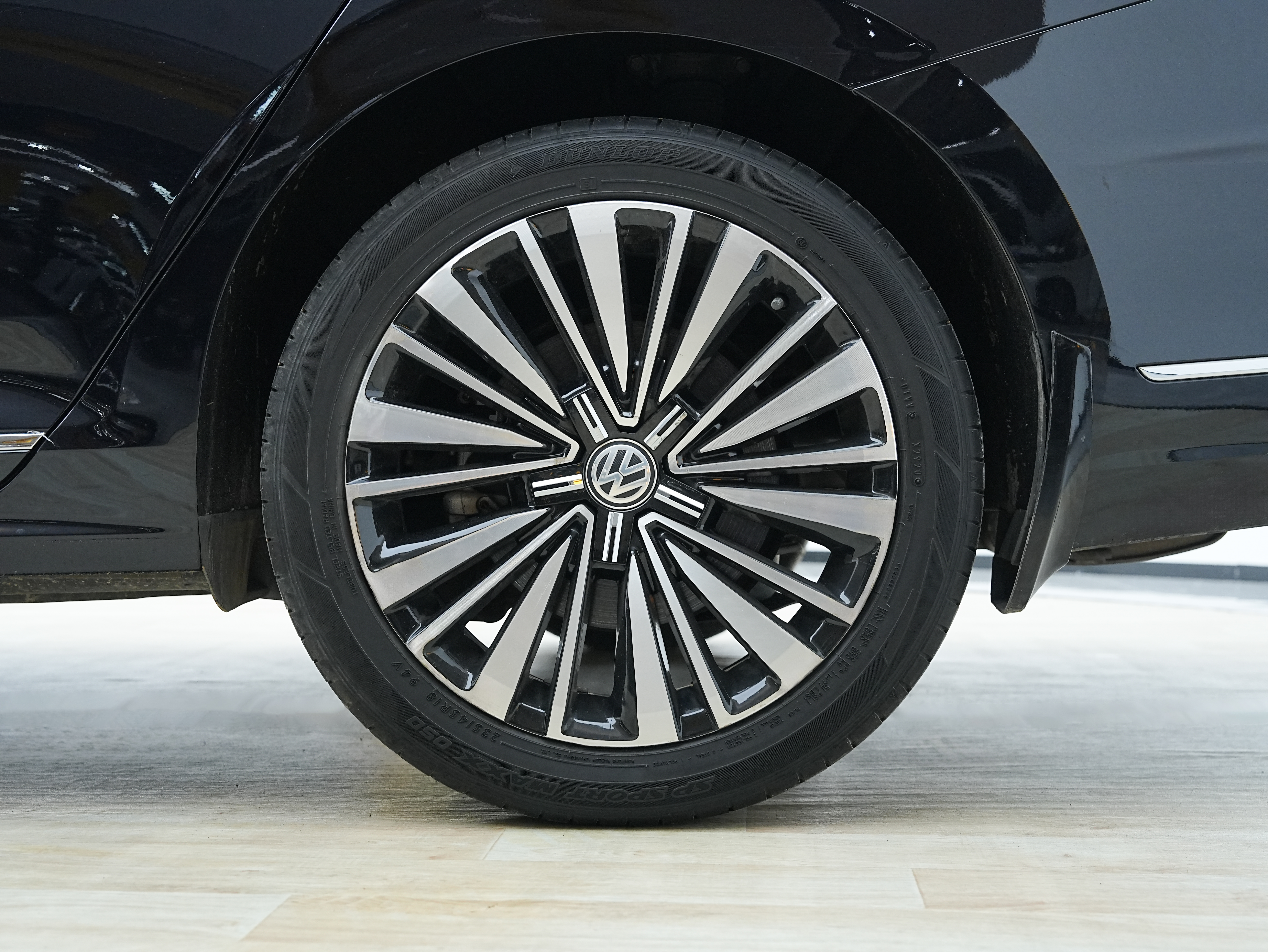
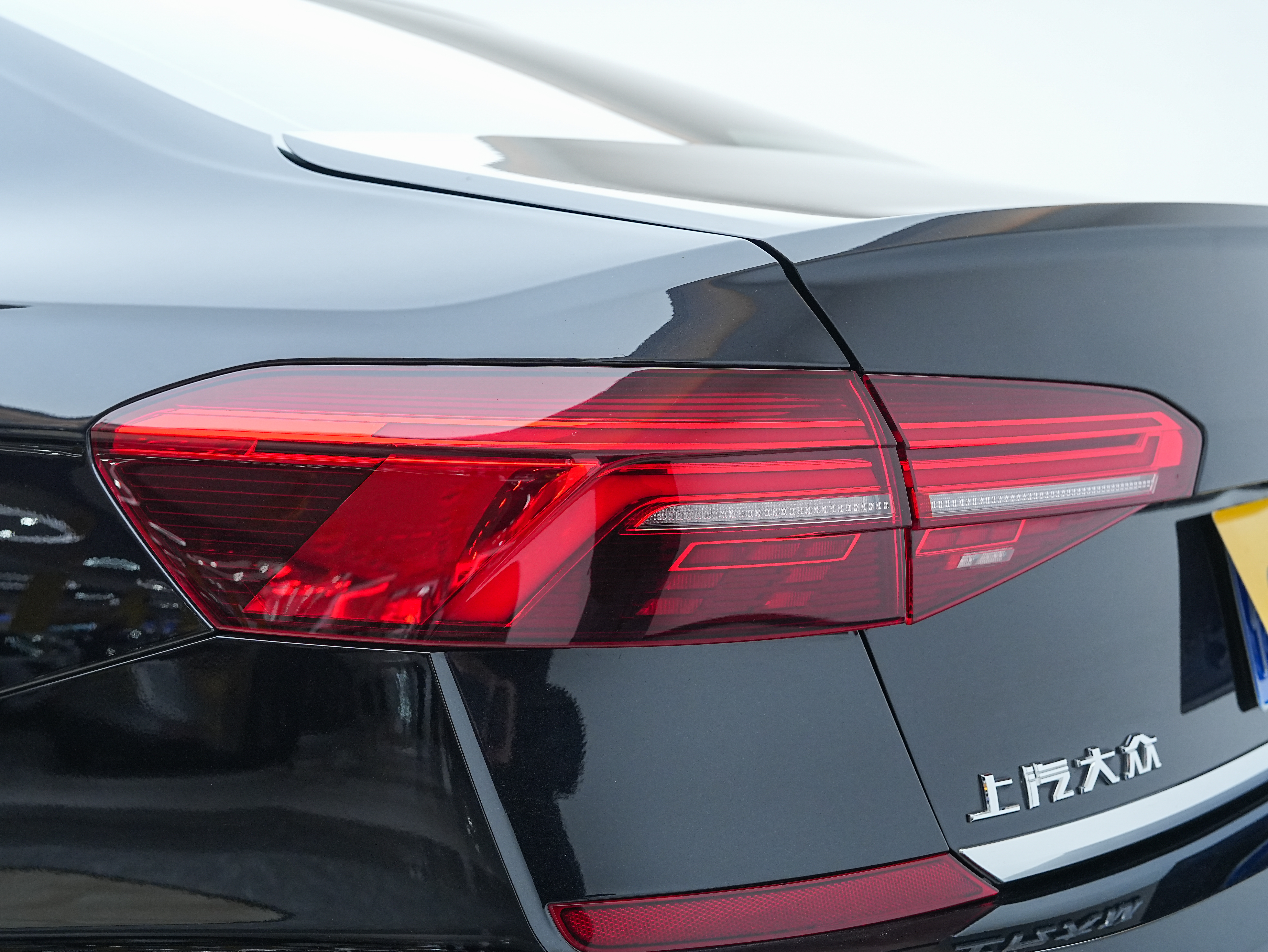
Original metal parts and paint, transferred ownership once, overall excellent condition, well-maintained. Rear bumper repainted after accident costing 1000 RMB. Compulsory traffic insurance, 26 years and 10 months remaining. Currently repaying loan and easing financial pressure.

Configuration Highlights

✓Driver/Passenger Airbags
✓Front/Rear Side Airbags
✓Front/Rear Curtain Airbags
✓Tire Pressure Monitoring
✓ISOFIX Child Seat Anchors
✓Keyless Start System
✓Keyless Entry System
✓ABS Anti-lock Braking
✓Electronic Brake Distribution
✓Electronic Stability Control
✓Hill Start Assist
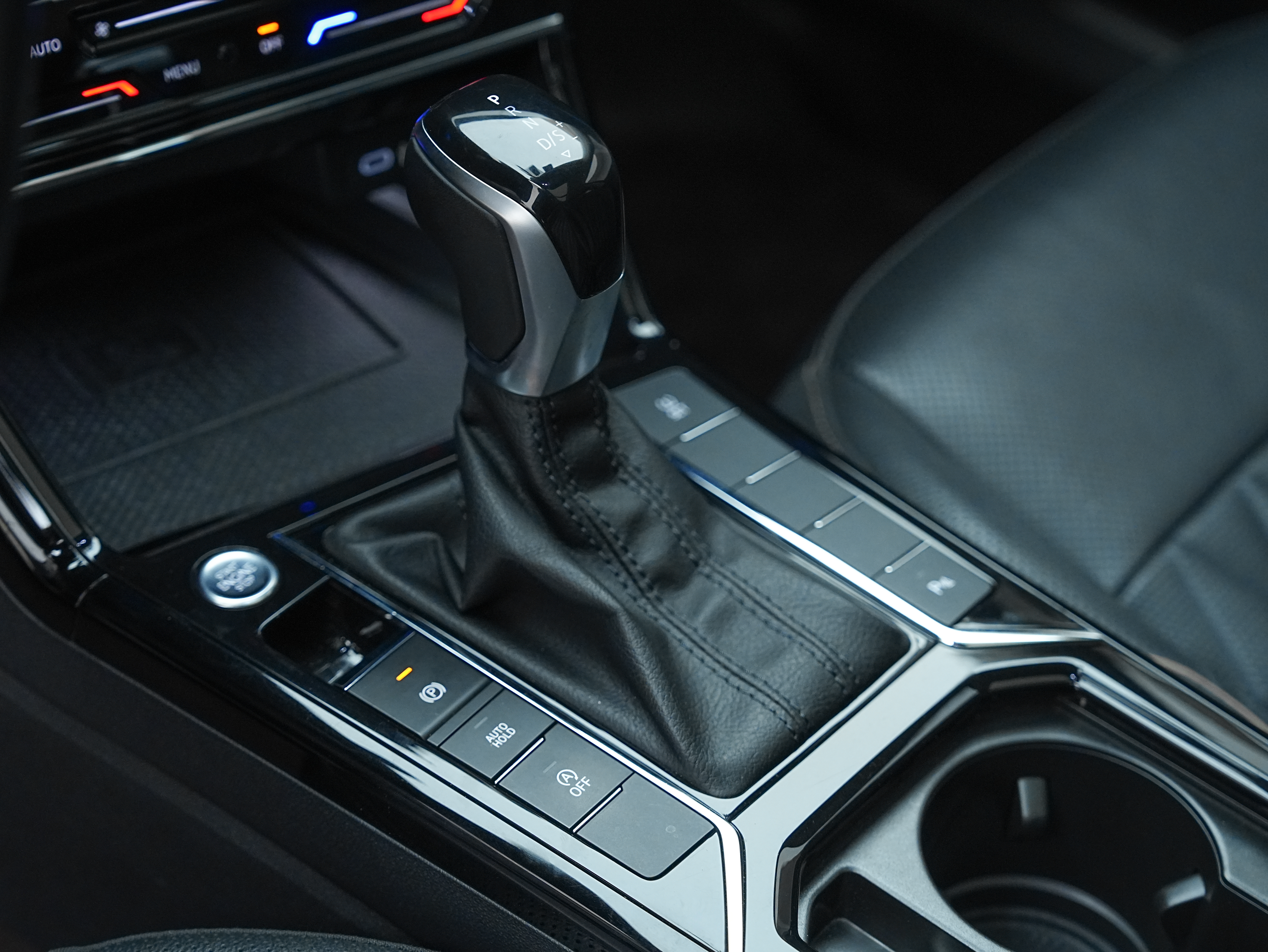
✓Auto Hold
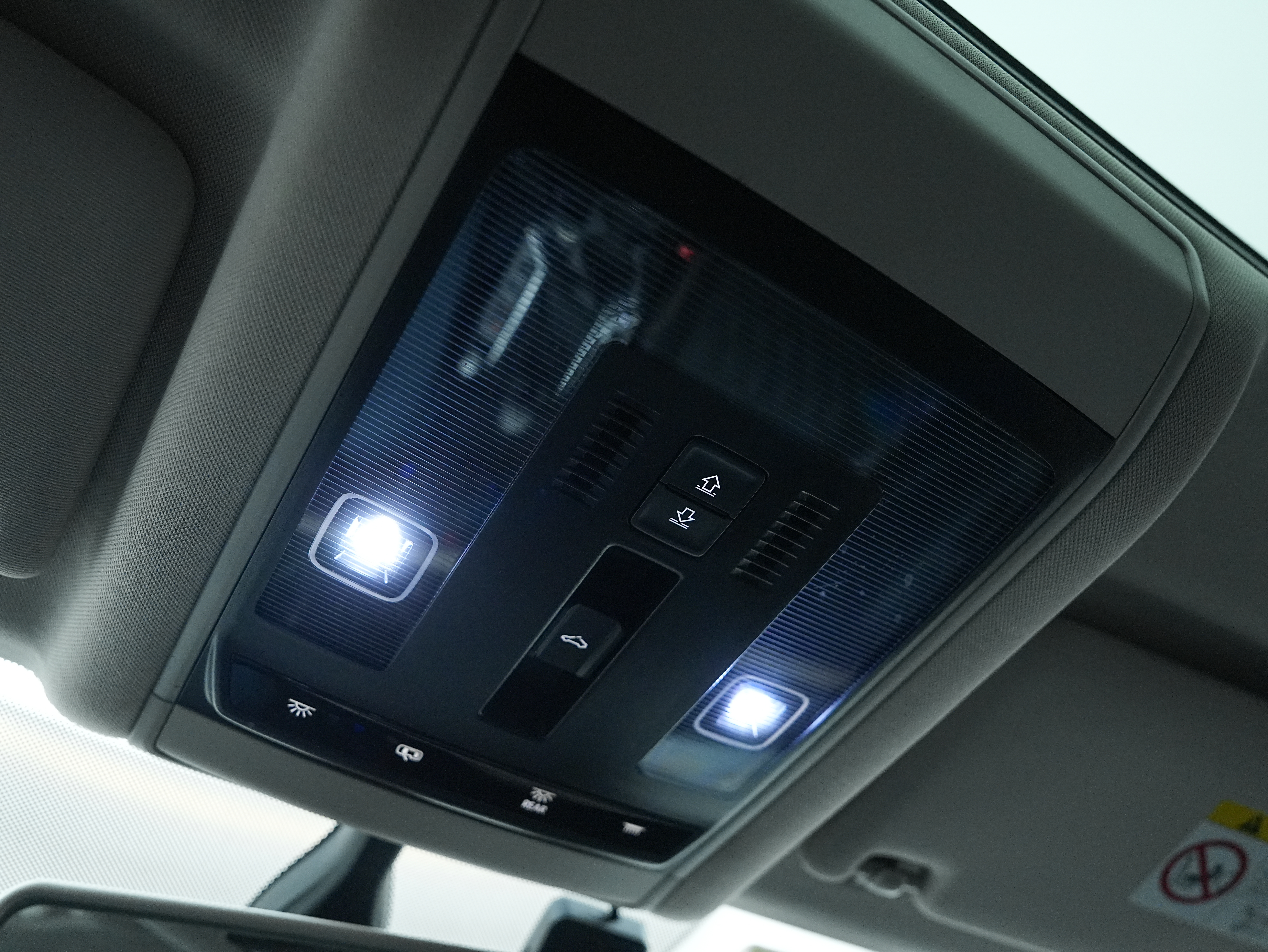
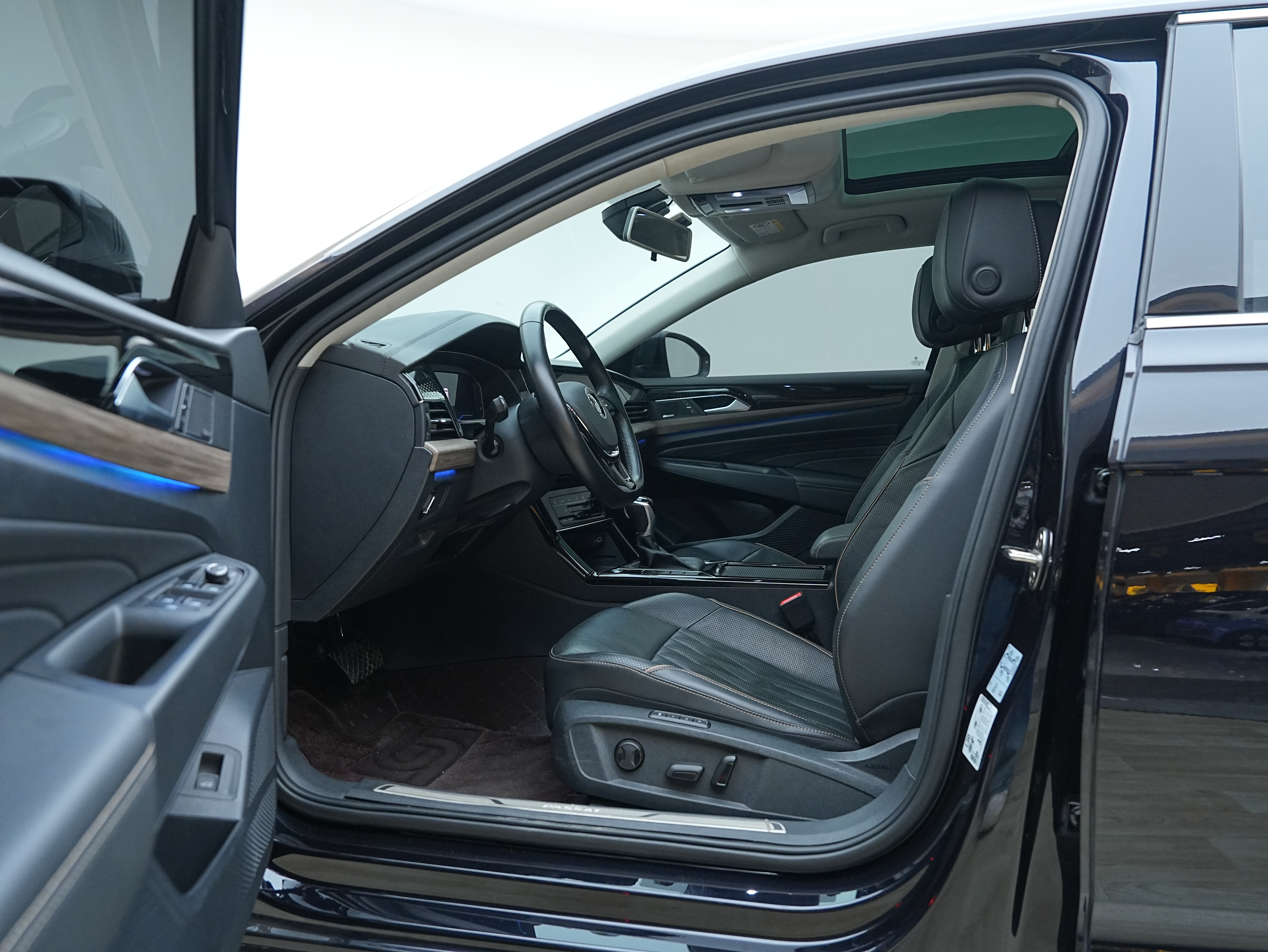
✓Panoramic Sunroof
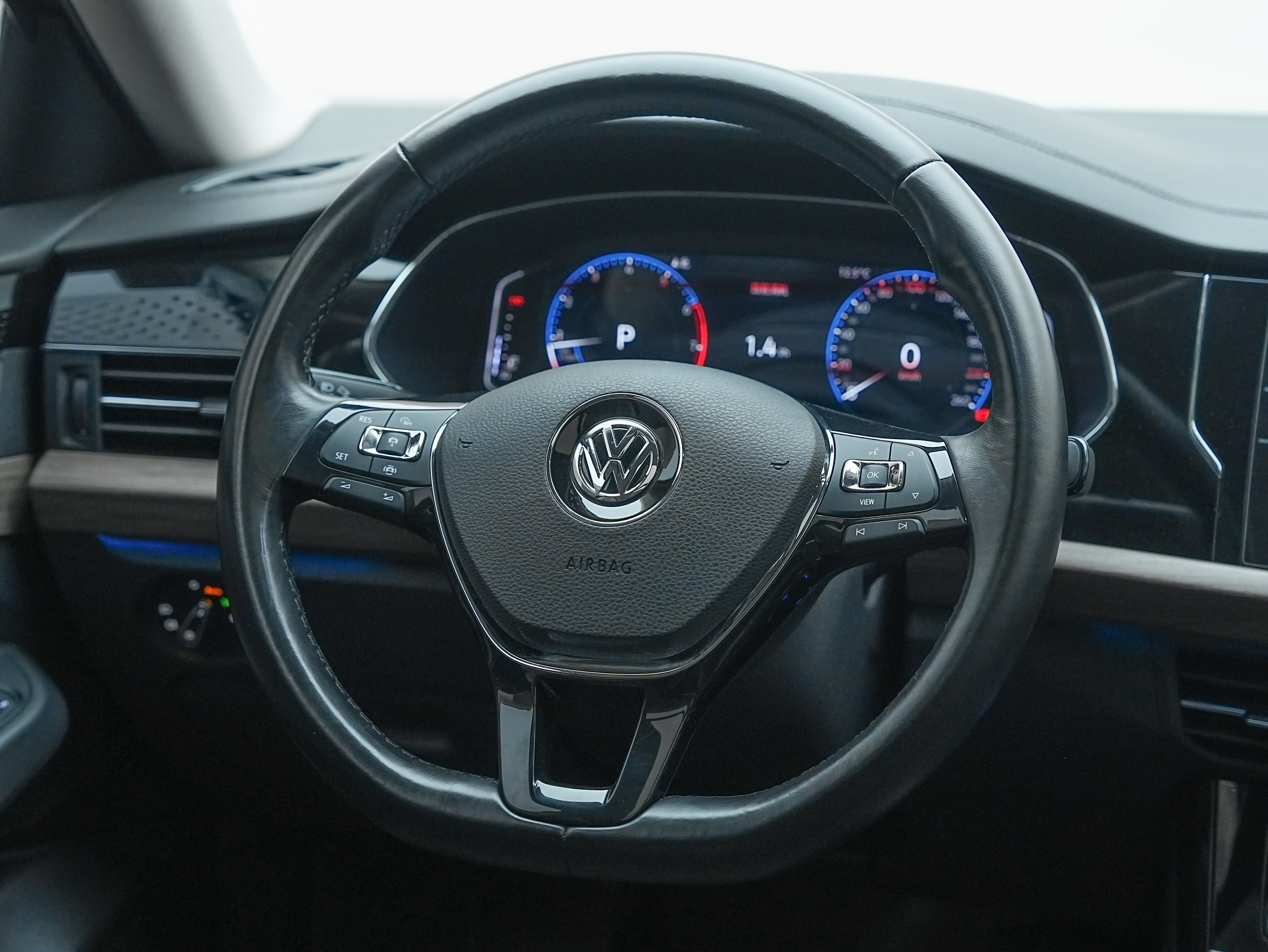
✓Multifunction Steering Wheel
✓Front Parking Sensors
✓Seat Material
✓Driver/Passenger Power Seats
✓Rear Cupholders
✓GPS Navigation
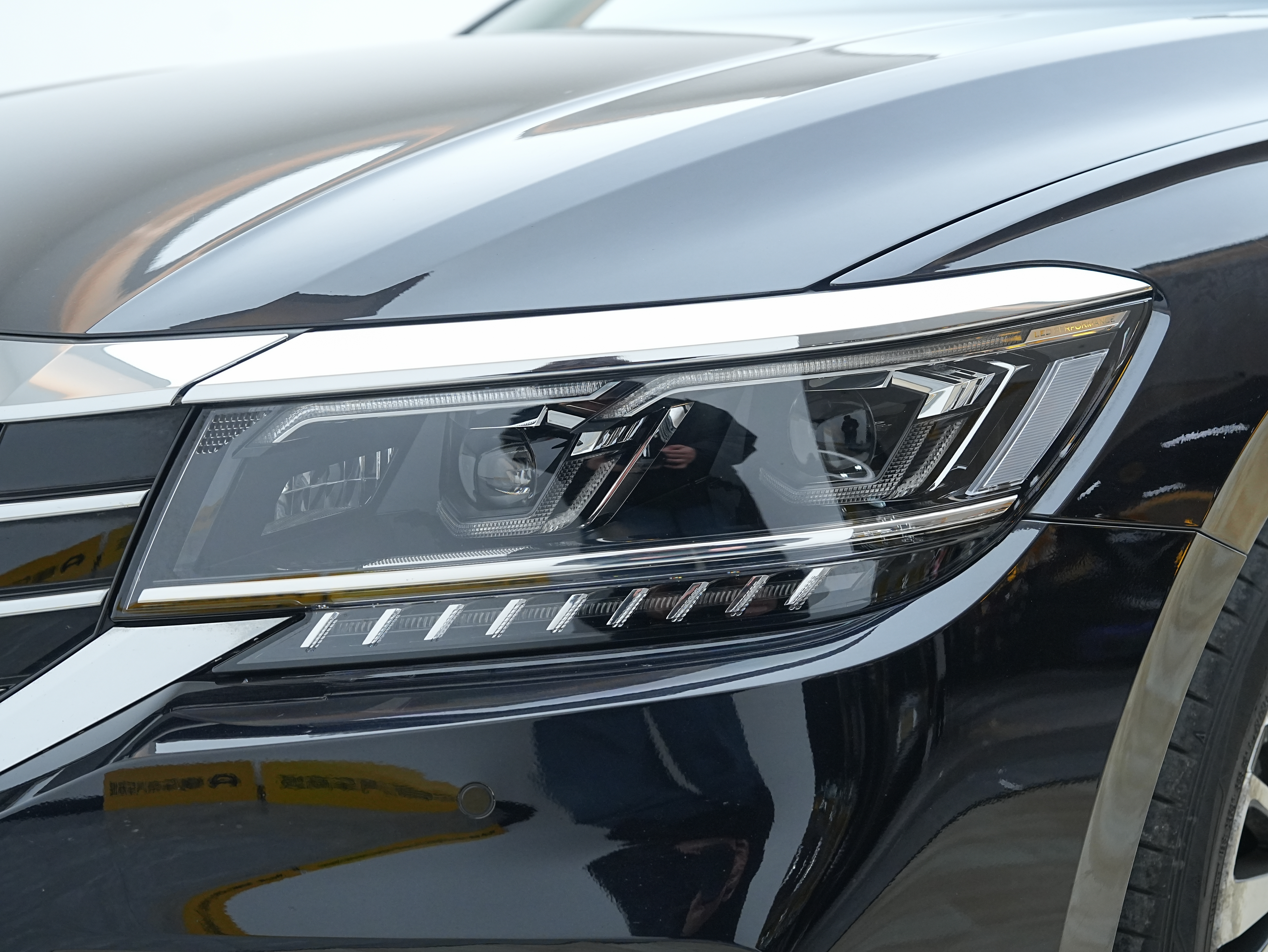
✓Low Beam Headlights
✓Daytime Running Lights
✓Auto Headlights
✓Adjustable Headlight Height
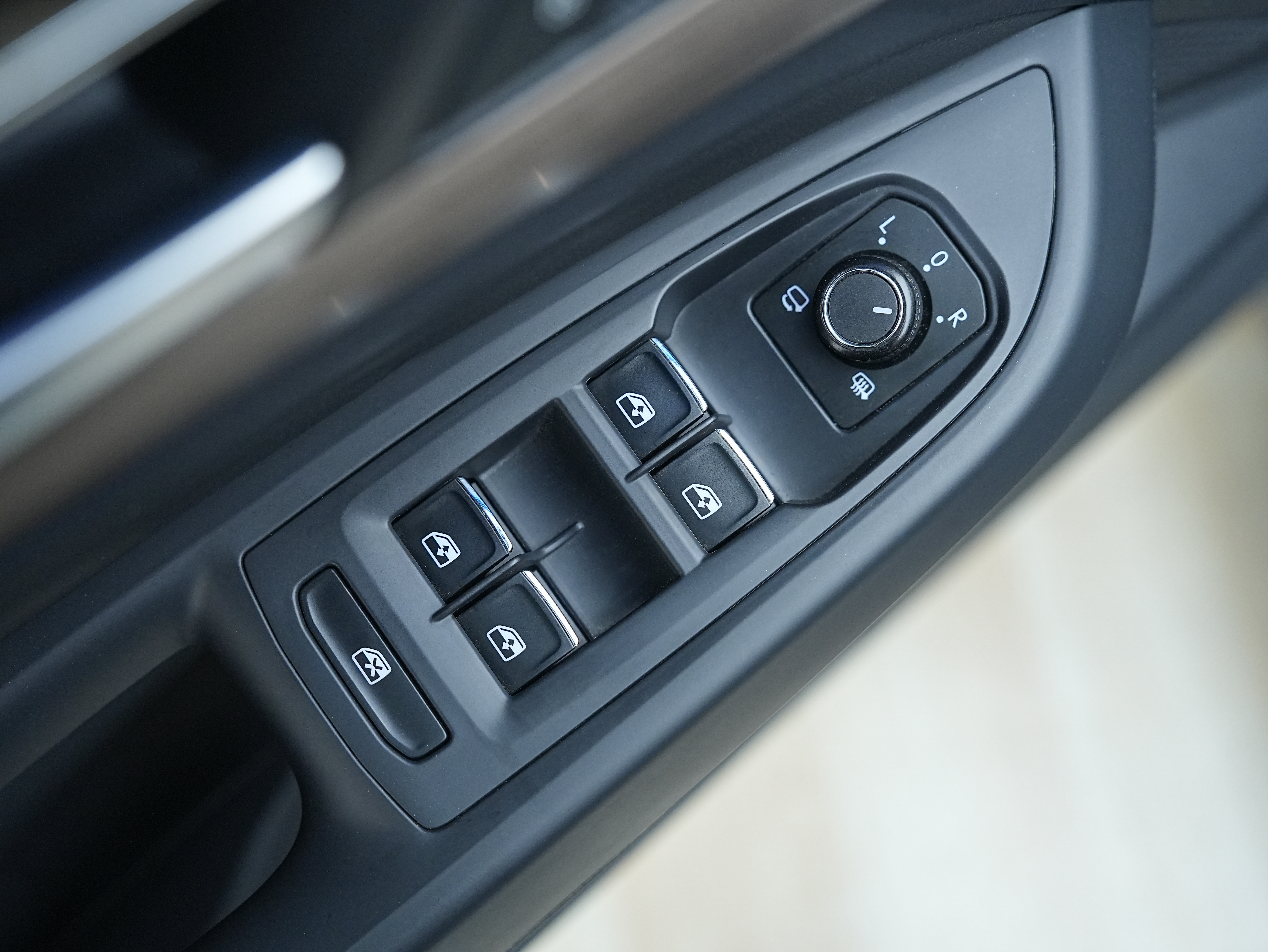
✓Power Windows
✓Anti-pinch Windows
✓Climate Control Type
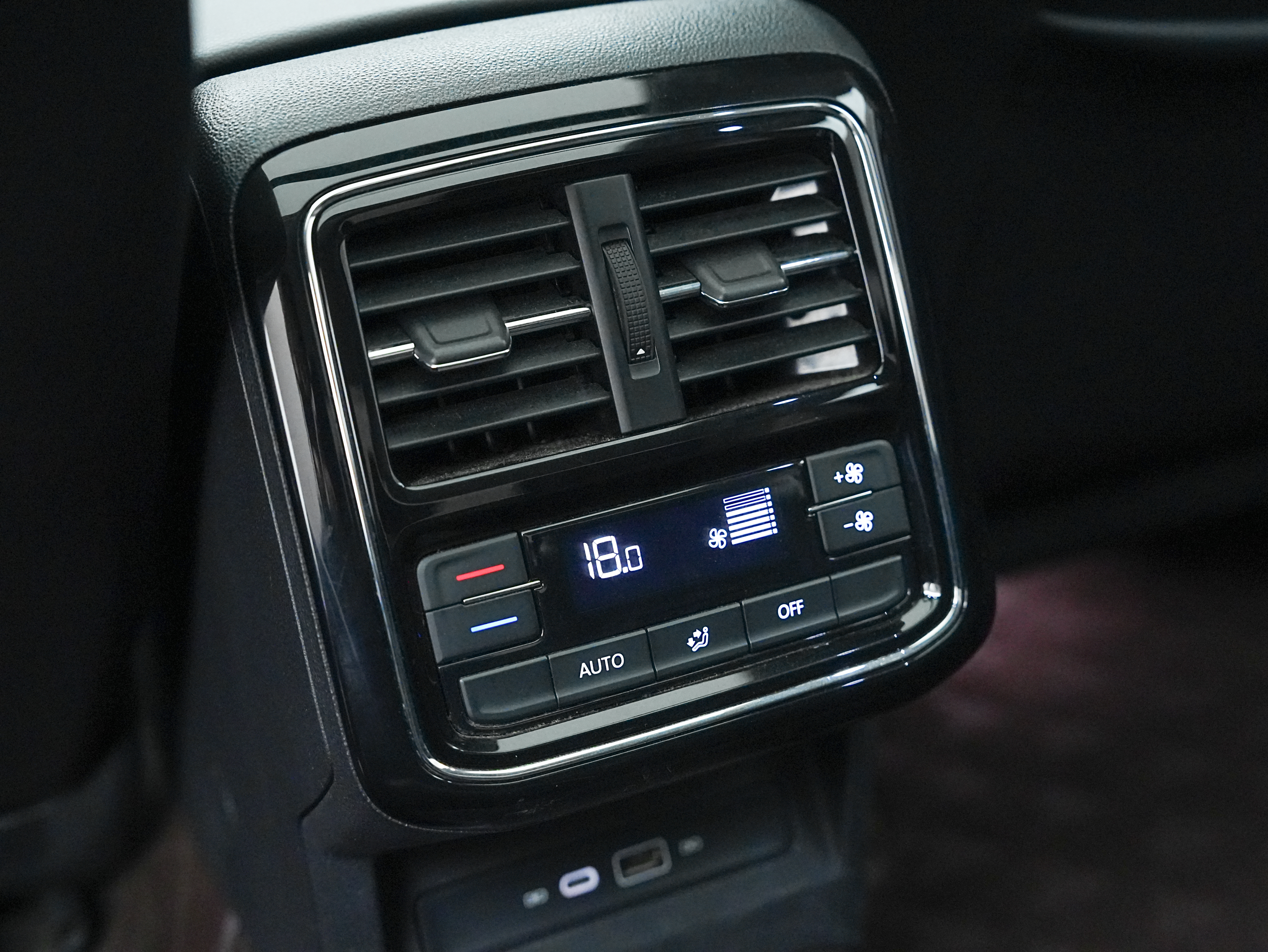
✓Rear Independent Climate Control
✓Rear Air Vents
✓Start-Stop System
✓Blind Spot Assist
✓Active Safety System

Q&A

More

How do you assess the appearance condition of a vehicle? What specific standards are there for scratches and dents?

We use quantitative standards. Minor scratches less than 3 cm that do not reach the base coat (which can be polished) are considered normal wear; scratches over 3 cm deep to the base coat or dents larger than 2 cm in diameter will be highlighted in the inspection report's "Appearance Defect Distribution Map" with close-up photos.


Does the steering system have any play, unusual noises, or signs of power steering pump leakage?

During the stationary steering test, the technician will check the smoothness of the steering wheel from full left to full right, looking for any unusual noises from the steering gear; they will also inspect the hydraulic power steering pump (if present) and the seals of the steering column for any hydraulic fluid leakage.

How do you detect carbon buildup and wear inside the engine using technology without deep disassembly?

We use two steps: 1. Insert a medical-grade endoscope through the spark plug hole to visually inspect cylinder wall scratches and carbon buildup on the piston top; 2. Extract an engine oil sample to check for large metal debris or emulsification (caused by coolant leakage).